Interview with Koide Hiroyuki of Setouchi Engineering, which operates Eido
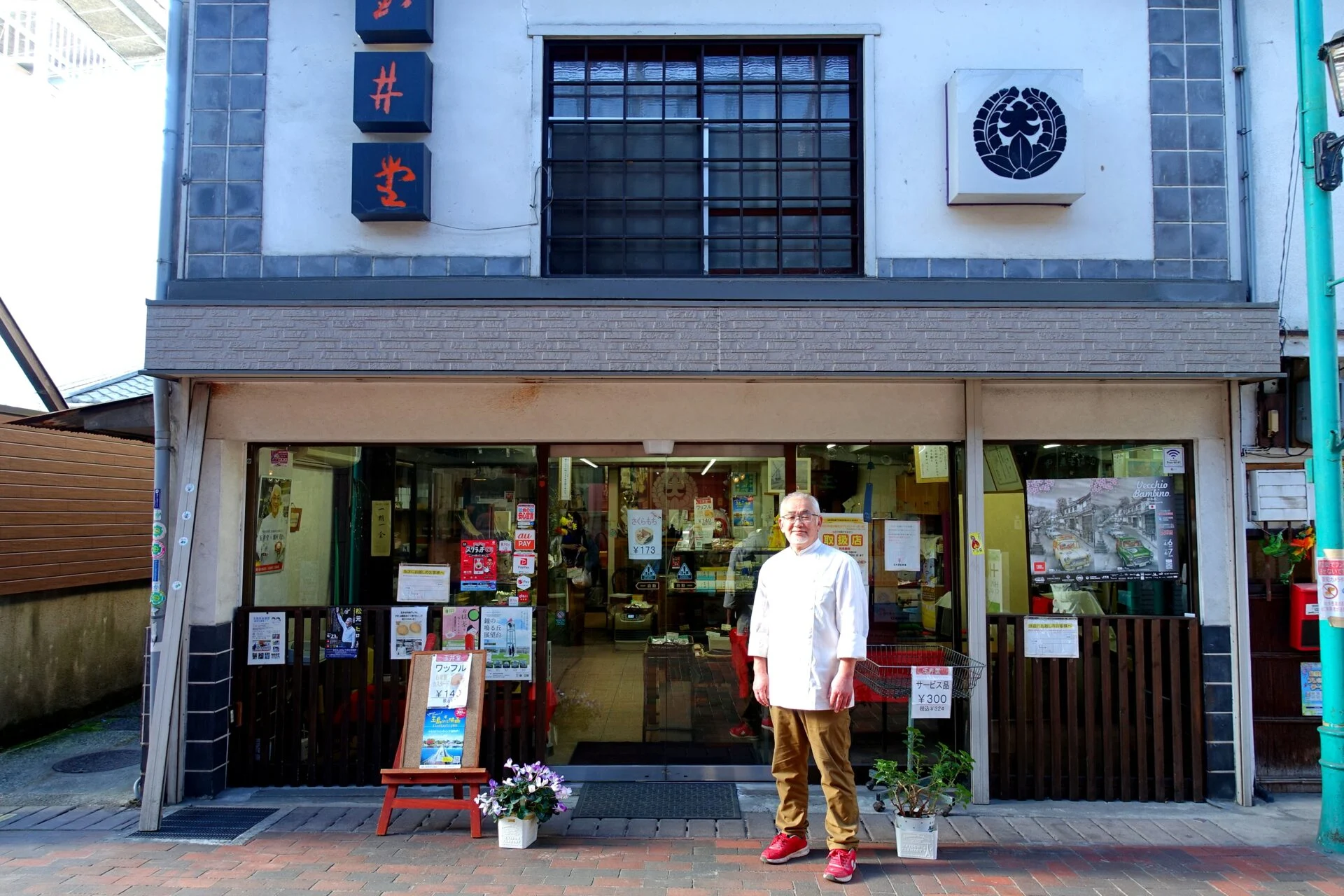
Shimaya Seika Eido, which continues the flavors of Japanese and Western sweets from the former long-established shop Yayoi-do.
We interviewed Koide Hiroyuki of Setouchi Engineering Co., Ltd., which operates Eido.
We heard about the background of the business and future prospects.
Decision to inherit the store to preserve the flavors rooted in Mizushima
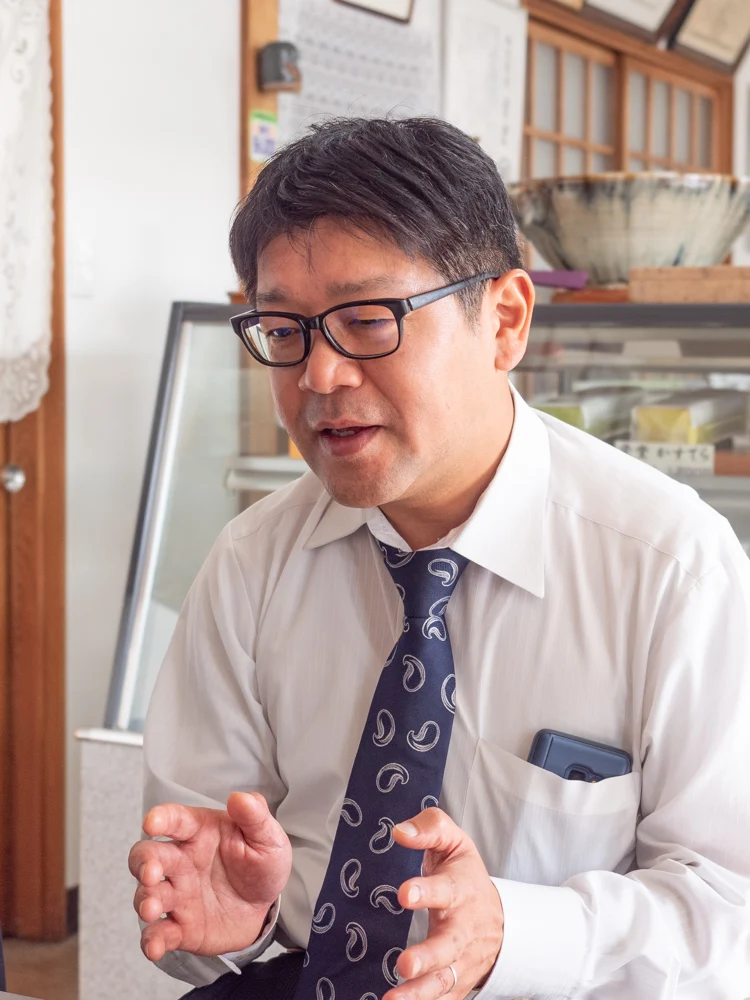
I heard that you opened Eido to inherit the products and flavors of the long-established Yayoi-do. What was the background of that decision?
Koide
Our company’s chairman, Kirino Hiroshi, was a long-time regular customer of Yayoi-do.
About two months before Yayoi-do closed, Kirino heard from the owner and craftsman, Morinaga Issei, that the shop would be closing.
Kirino thought that the sweets and their flavors rooted in Mizushima should not be lost, so he decided to inherit the store and approached Morinaga.
However, it seems that Morinaga had some hesitation for a while.
But in the end, Morinaga also agreed to "let's try a little harder."
In response, Kirino established a confectionery division within the company.
Then, our company opened "Eido," where Morinaga would work as a craftsman.
The new store was located next to our company headquarters, in a property that our company had previously acquired.
The store name was derived from the fact that the previous Yayoi-do was located in Yayoi-cho, so the new store was named Eido, as it is in Sakae-cho.
The "Shimada" in "Shimaya Seika" comes from the family name of Chairman Kirino.
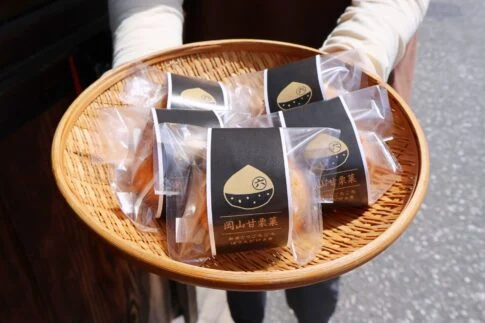
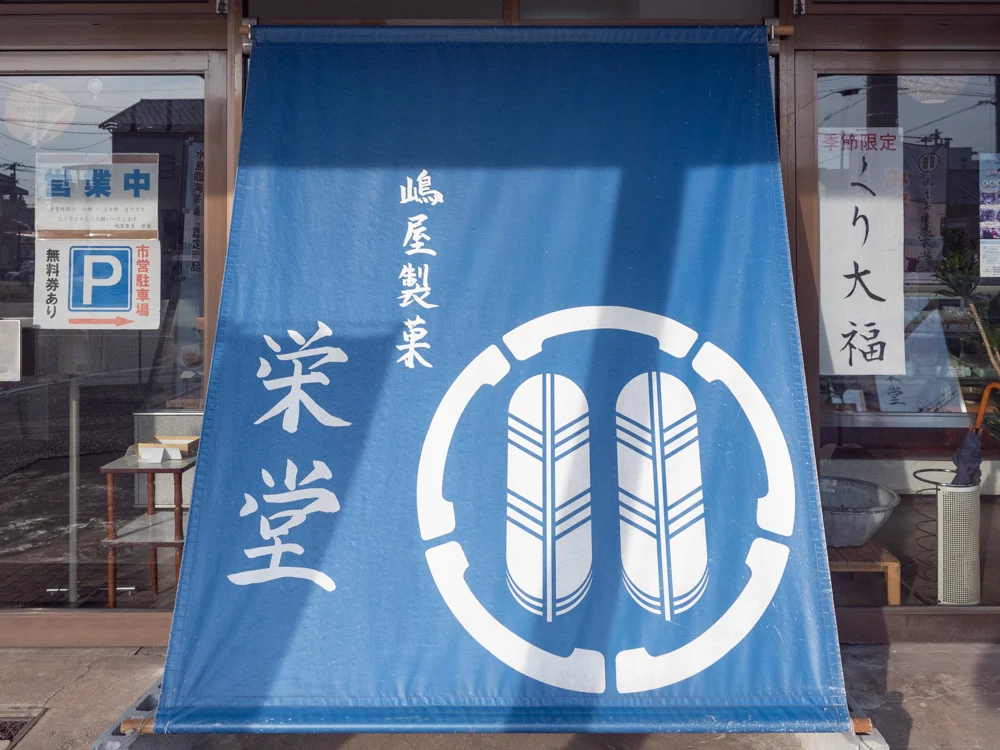
The store's emblem is also the Kirino family crest.
By the way, the characters of the store name were written by the chairman.
Thus, Yayoi-do closed in June 2017, and Eido opened on February 1, 2018.
Why did Yayoi-do close?
Koide
Due to a lack of successors.
Morinaga Issei was the third generation, but there were no successors.
Due to Morinaga's age and physical condition, it was judged that it would be difficult to continue the store.
Inheriting the flavors and techniques from the Yayoi-do era while applying unique techniques of Setouchi Engineering

What are Eido's commitments and points?
Koide
The most important thing is the flavor that has been inherited since the Yayoi-do era.
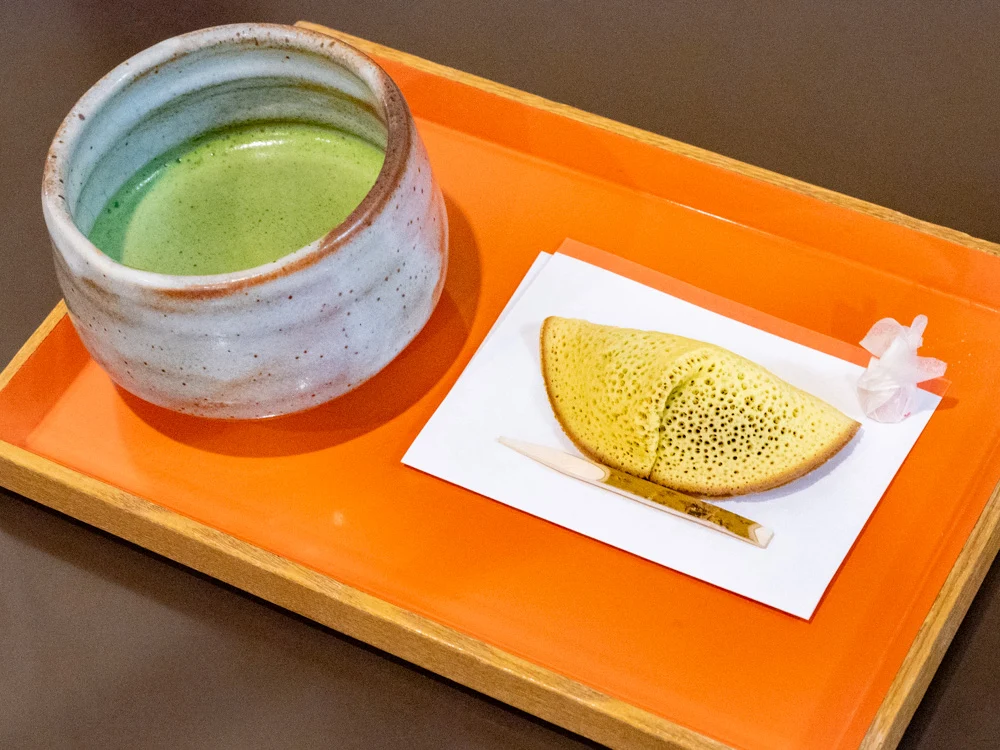
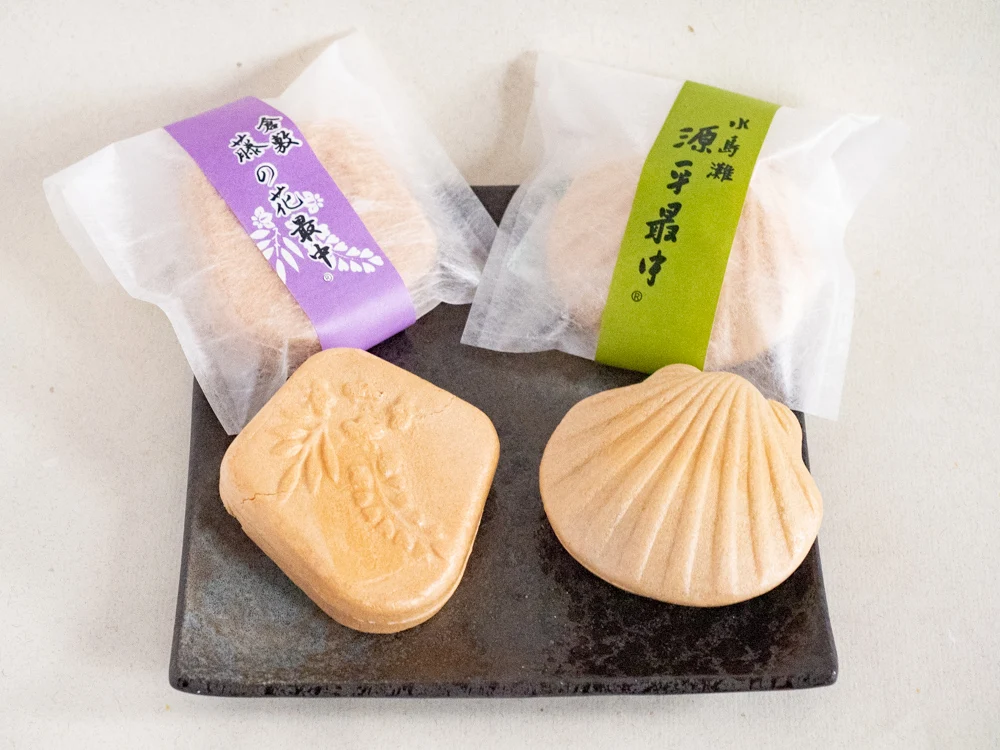
The Genpei monaka has been a popular product since the founding.
Castella and Italian rolls have also been popular since the Yayoi-do era.
The manufacturing method is almost the same as it was during the Yayoi-do period.
In particular, the black and white adzuki beans used in the monaka are our specialties.
We are particular about ingredients such as Hokkaido's Dainagon adzuki beans and rare white adzuki beans.
Additionally, since becoming Eido, we have been using Setouchi Engineering's 3D printer technology to create molds for monaka shells.
This has created a new strength unique to our company, inherited from Setouchi Engineering.
With this technology, we can create various types of monaka.
It would be interesting if collaborations with various companies increased
I would like to know about your future prospects and things you want to try.
Koide
One thing is to pass on the flavors and techniques inherited from Yayoi-do to future generations.
Another is to make use of the unique strength we have gained from using 3D printers to create monaka shells.
It would be interesting if products created in collaboration with various companies emerged!
Also, we have recently introduced a new steaming machine and improved our manufacturing facilities, and Eido's second factory has been established.
New products such as mochi and manju have also been added.
While preserving the history from the Yayoi-do era, we want to take on new challenges.
Eido, inheriting the flavors and history of a long-established shop
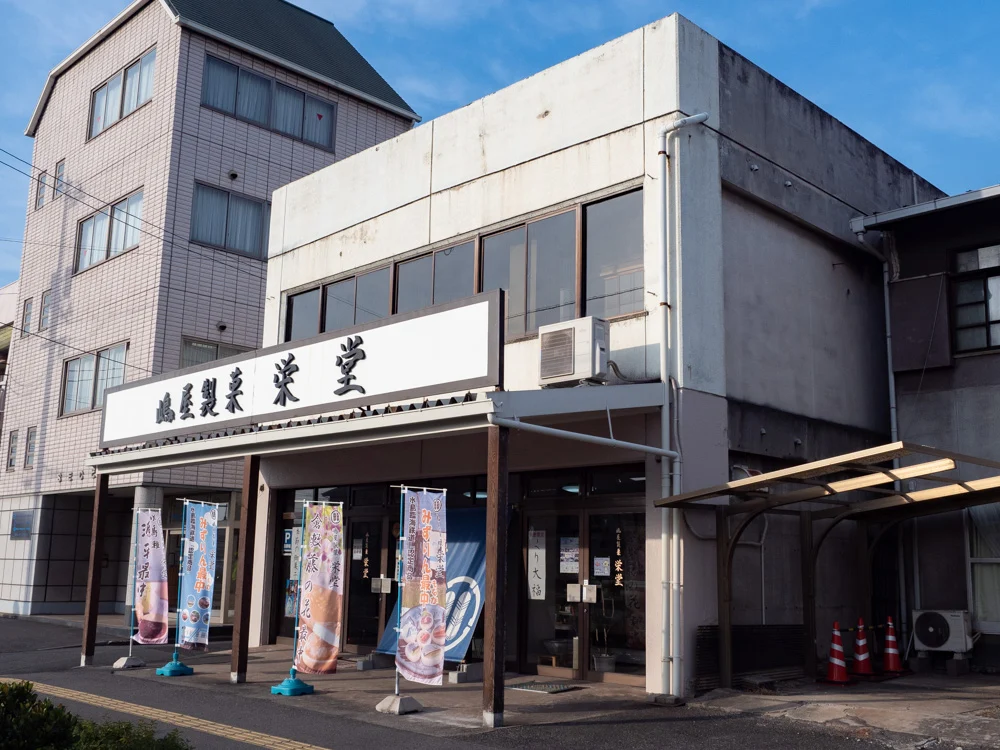
Yayoi-do has been loved in Mizushima since 1950.
At one point, its sweets, flavors, and techniques seemed to be on the verge of disappearing, but thanks to the passionate desire of Setouchi Engineering to "preserve the flavors rooted in the community and pass them on to future generations," it was revived.
Furthermore, actively developing new products and collaboration products using Setouchi Engineering's 3D printer technology is also one of Eido's attractions.
Please try the traditional flavors such as Genpei monaka and Eido castella, as well as unique products newly developed like wisteria flower monaka and collaboration monaka.
Data on Shimaya Seika Eido
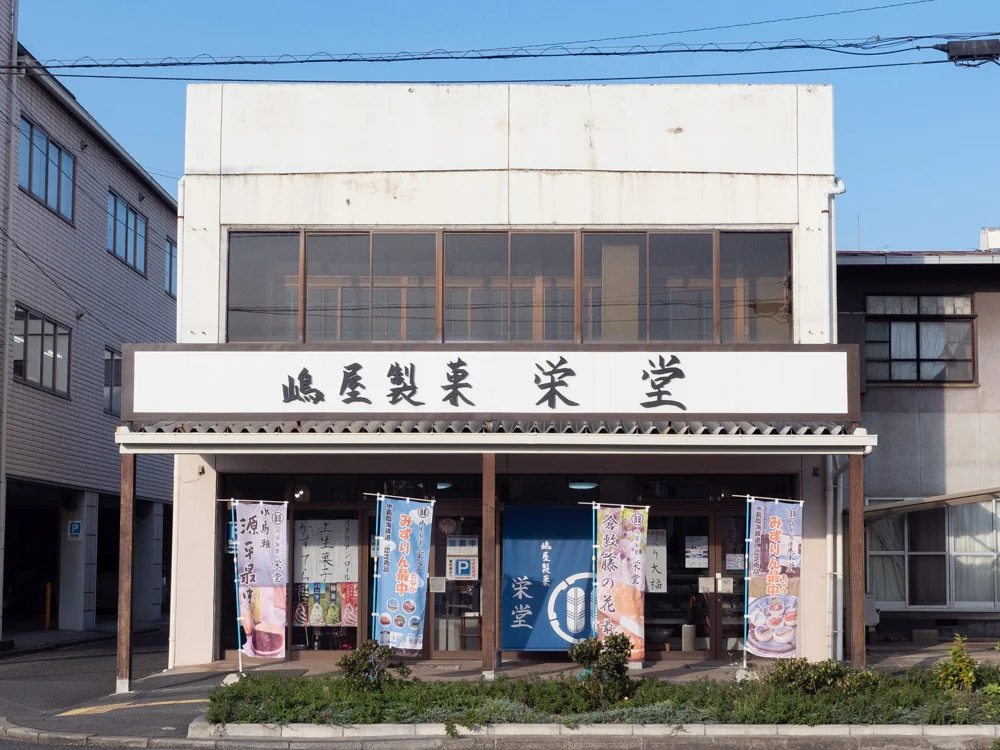
| Name | Shimaya Seika Eido |
|---|---|
| Address | 8-2 Nishi Sakae-cho, Mizushima, Kurashiki City, Okayama Prefecture |
| Contact | 086-448-0001 |
| Parking | Available ・2-3 cars can be parked in the parking lot of Setouchi Engineering next door ・If parked in Kurashiki City Mizushima Higashi Sakae-cho parking lot, a 1-hour free ticket is available |
| Business Hours | 9:00 AM - 6:00 PM |
| Regular Holiday | Sunday |
| Payment Methods |
|
| Website | Shimaya Seika Eido |