

Once the Kawazu cherry blossoms, which let us enjoy spring a little early, have finished blooming, the Somei Yoshino gradually begin to flower.
In spring 2020, Somei Yoshino in Mabi began blooming around March 22 and reached full bloom around April 5.
About a year and nine months after the torrential rains of July 2018, restoration work on the Oda River embankment was progressing, shops in Mabi had reopened, and the area was gradually regaining its vitality.
In spring 2020, I took a spring stroll through historic Mabi, listening to the Japanese bush warblers sing.
Would you like to take a look around Mabi in spring 2020, and see the peaceful charm of the area for yourself?
The information presented here was accurate when this article was published in April 2020. Please note that it may differ from current information.
Visit Makibi Sakura Park along the Ibara Line during cherry blossom season

Makibi Sakura Park, developed along the Oda River in Mabi's Kureshima district, opened in 2004.
This nature-rich park is planted with around 7,000 trees, including approximately 260 cherry trees of various varieties.

Bitchu-Kureshima Station is to the west, and you can watch trains on the Ibara Railway from the park.
There is a dedicated parking lot for Makibi Sakura Park near Bitchu-Kureshima Station, with space for about 18 cars.
Park your car and take a walk while admiring the rows of cherry trees.

As the sun climbed higher, the weather gradually grew warmer.
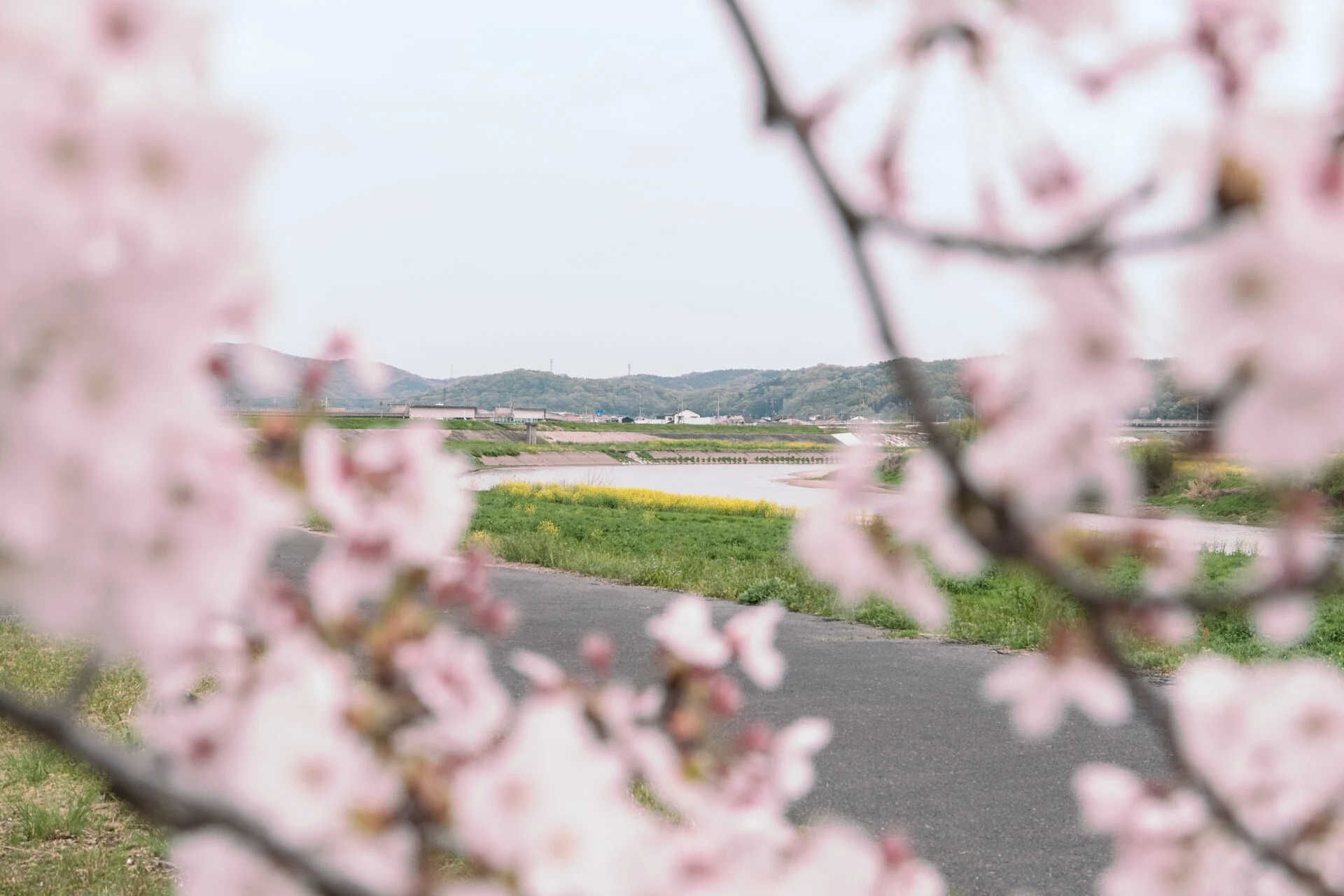
A scene of the Oda River colored yellow and green stretched out before us.
Cyclists and local residents out walking their dogs all seemed to be enjoying themselves.

Rapeseed flowers bloom along the Ibara Line of the Ibara Railway, while the Somei Yoshino are in full bloom—a magnificent sight!
Makibi Sakura Park offers many varieties of cherry trees, including Somei Yoshino and weeping cherry trees.

This photo was taken in front of a yaezakura (double-flowered cherry tree).
While ordinary cherry blossoms have five petals, yaezakura have many layers of petals and grow leaves on their branches at the same time as they flower. Their green and pink hues create a gentle atmosphere and make them especially lovely.

Walking while admiring the cherry blossoms made the roughly one-kilometer distance pass in no time. We enjoyed a leisurely moment.

Although Mabi is peaceful, restoration work following the torrential rains of July 2018 was still underway west of Bitchu-Kureshima Station in spring 2020.
When you visit Mabi, be sure to take a look at the restoration work.
The harmony of a Chinese-style garden and cherry blossoms is captivating: a spring visit to historic Makibi Park
Next, drive about five minutes east from Makibi Sakura Park to Makibi Park.

Under a cloudless sky, pale pink cherry blossoms add color to Makibi Park.

The cherry trees, pine trees, and Kibiji gate make for a picturesque scene.
In spring 2020, cherry blossom viewing parties were prohibited due to the COVID-19 pandemic, but several people were strolling through the park to enjoy the blossoms and take photos.

Visitors gazed at the cherry blossoms in amazement, saying, “I had no idea there was such a beautiful place.”

Now and then, a breeze blew, sending cherry blossom petals fluttering gently through the air.
The exotic Chinese-style garden and the sight of cherry blossom petals swirling in the wind are indescribably beautiful.

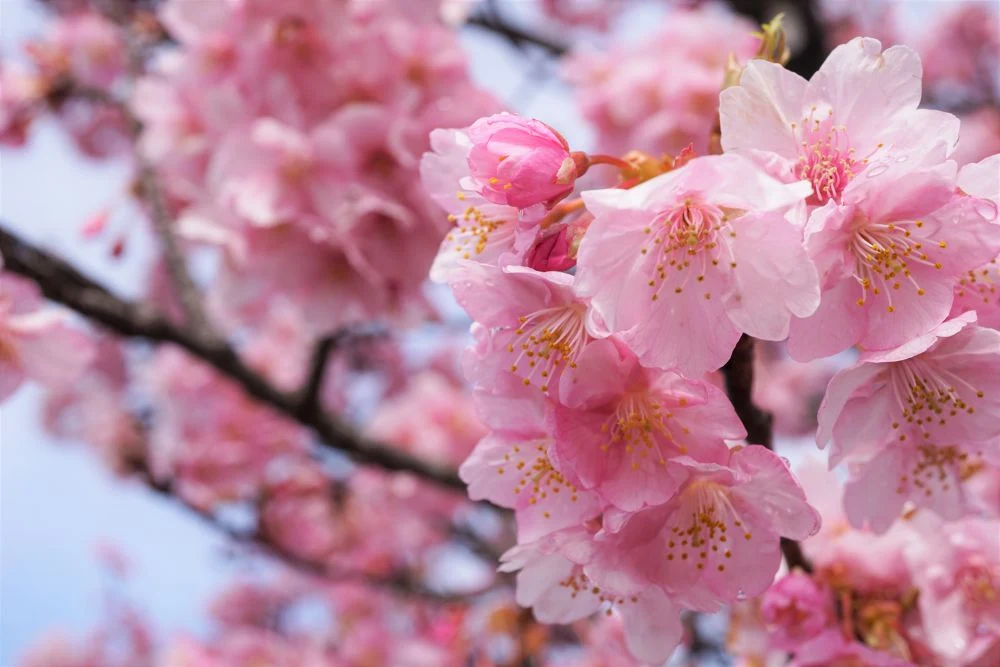
After blooming, the centers of Somei Yoshino flowers gradually change color.
When they first bloom, the centers are greenish; as the blossoms begin to fall, they turn red.
The cherry blossoms in this photo seem to have only just begun to bloom.
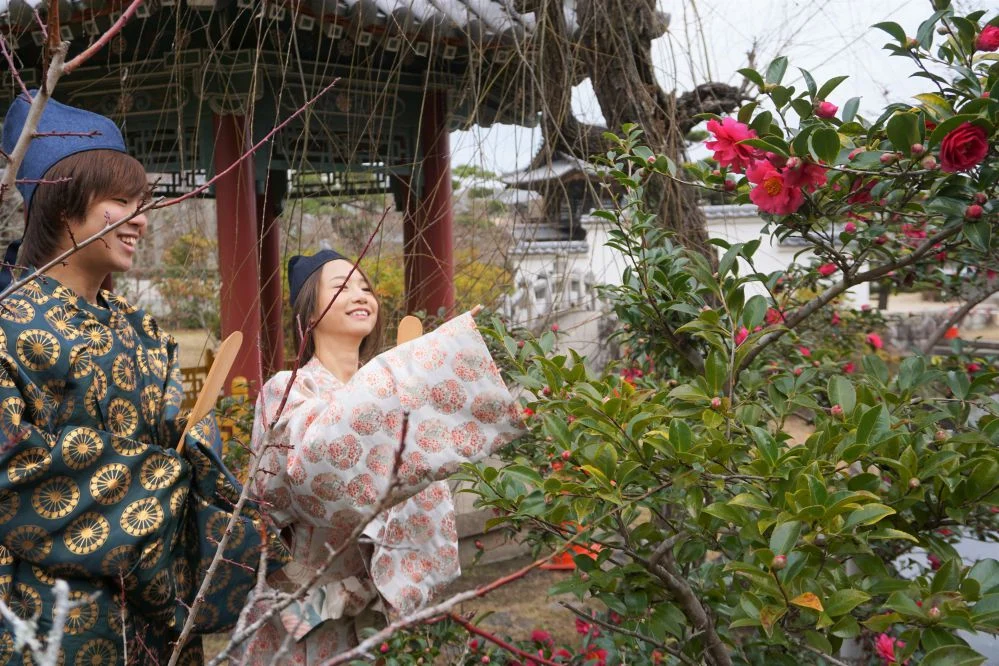
On April 5, 2020, the day of our visit, freshly harvested bamboo shoots were on sale at Takenoko Chaya.

Mabi bamboo shoots are low in bitterness and are known for their sweet aroma and tender texture.
The harvest season and quantity vary each year, but they are generally sold from early April to early May.
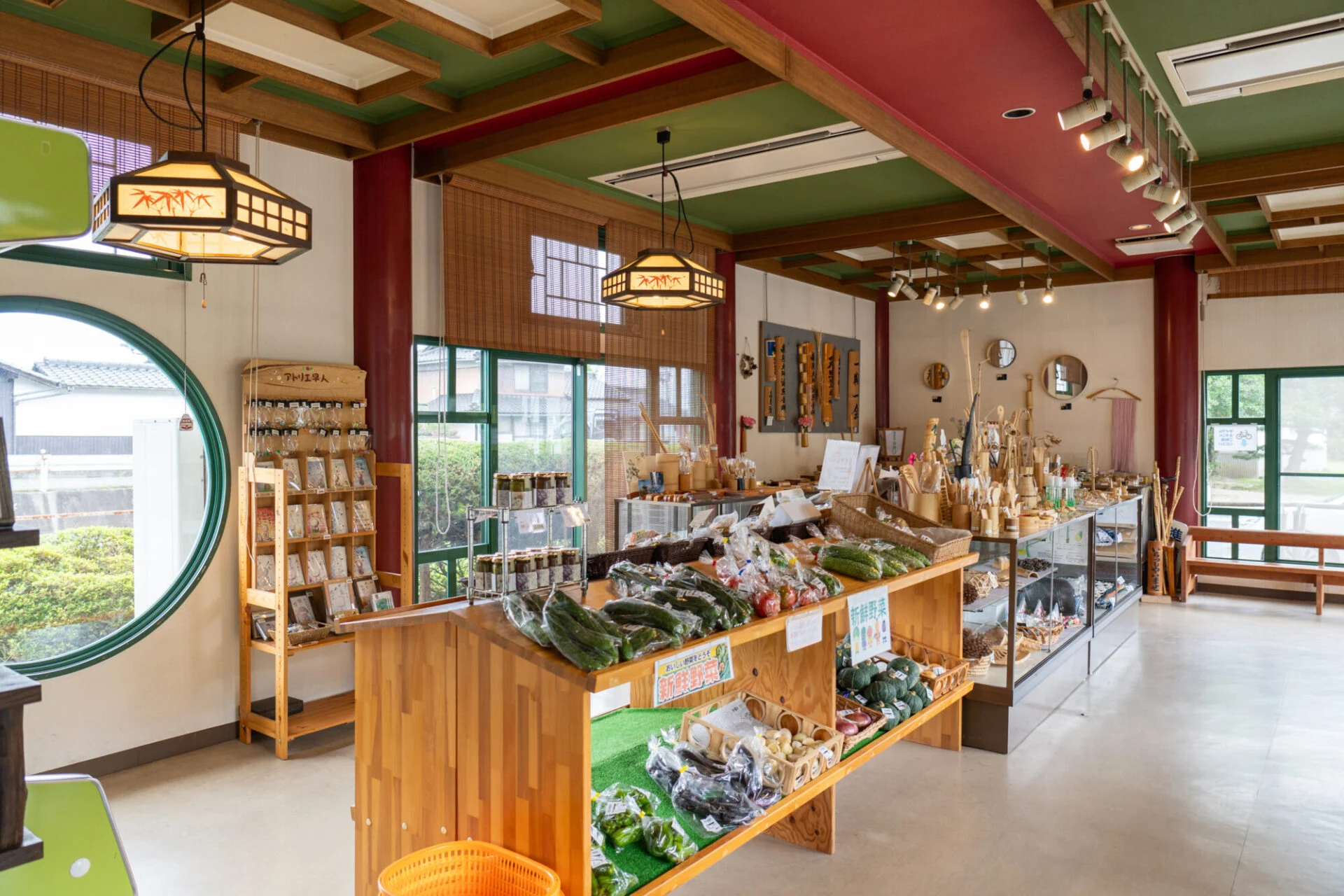

In addition to bamboo shoots, Takenoko Chaya sells fresh vegetables and sweets produced in Mabi.
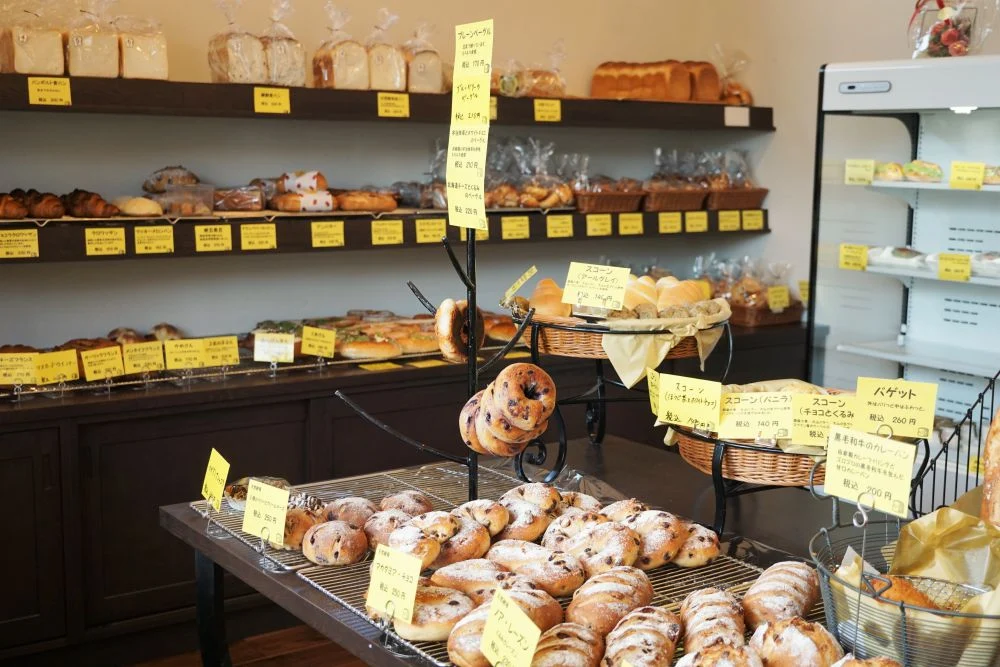
The Mabi Reine Set (6 pieces) from the Mabi Town bakery “Pain Porte” was on sale.
These cute, bamboo-shoot-shaped madeleines are made with bamboo shoots grown in Mabi Town.
Pain Porte is about a 10-minute walk from Makibi Park, so why not stop by on your way back to pick up some bread?
“Ohisama Hiroba,” a new community space in Mabi

Ohisama Hiroba is a space jointly run by five organizations, including local NPOs that have continued their support activities, with the aim of creating a hub where people of all ages—from parents and children to older adults—can gather and help one another.
It is located on the grounds west of Mabi Memorial Hospital, behind Sanuki Udon Kawahara.

In addition to a meeting hall with a kitchen, the site has a jungle gym, slide, and other play equipment, making it a new place for children to play.
Members of one of the operating organizations, “Disaster Support Group Gorilla (Gorilla),” and children from Mabi Town were running around the plaza full of energy.
The Arii area of Mabi is full of restaurants that have reopened

It was noon, and we were getting hungry, so we headed to a restaurant.
“Sanuki Udon Kawahara,” which was damaged in the July 2018 torrential rains and reopened in October that year, is a udon shop serving thick, chewy noodles that make for a hearty meal.
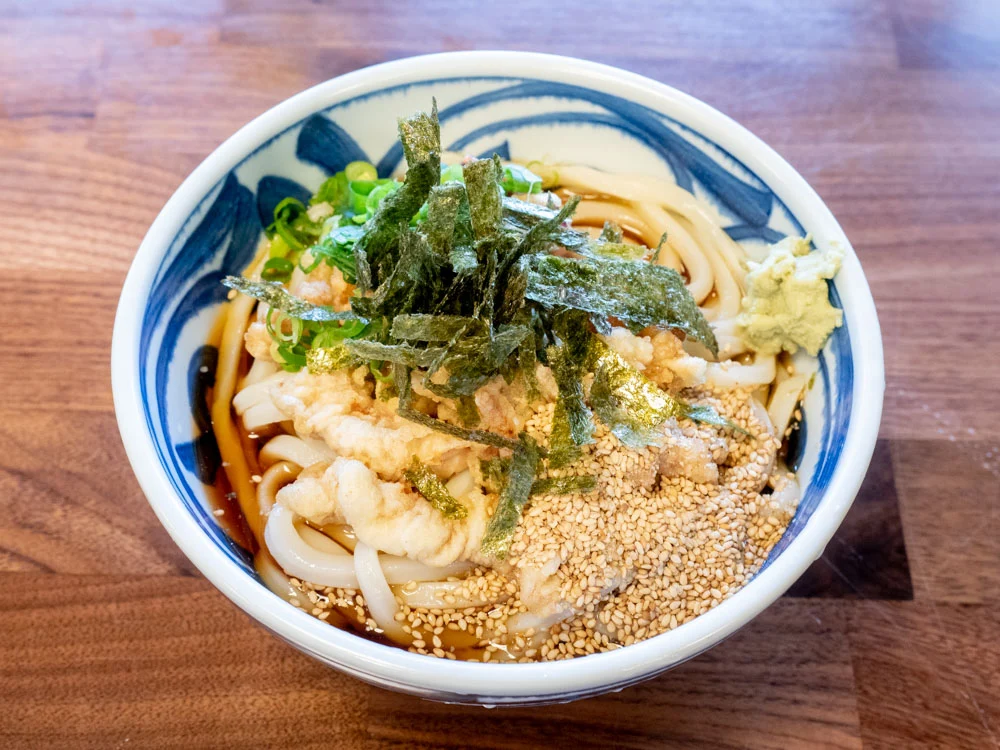

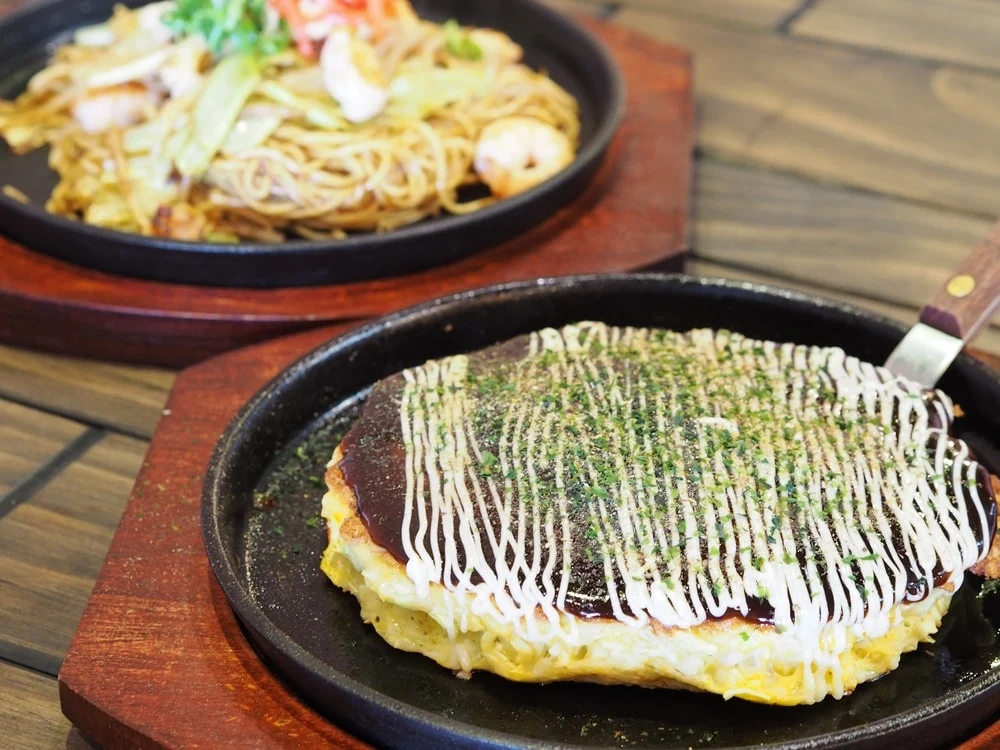
On the same grounds, there’s also the okonomiyaki restaurant “Nyuudougumo”!
The okonomiyaki, with a crispy outside, a fluffy inside, and the sweetness of Tate Sauce from Teshimaya in Tamashima, sounds delicious too.
Sizzling teppan Napolitan that whets the appetite at Cafe Felice

Across the road, diagonally opposite the grounds where Sanuki Udon Kawahara and the okonomiyaki restaurant Nyudogumo are located, there are more places to eat.
Both Izakaya Taro no Mise and Cafe Felice are restaurants that overcame the disaster and resumed operations.

Cafe Felice relocated and reopened in December 2018.
Its charming exterior, with a red door, catches the eye.

In front of Cafe Felice is a food replica of its signature teppan special spaghetti!
Model Aika Otake seems intrigued by the sample of the very long spaghetti noodles…
On the day of our visit, we took a lunch break at Cafe Felice.

Inside, steam rises from the hot food, and an appetizing aroma fills the air.
We ordered Cafe Felice’s signature teppan special spaghetti.

Onions and sausages are lightly browned on the hot plate, releasing a fragrant aroma along with the tomato ketchup, while a raw egg yolk melts over the top.
Mix it with a fork, and enjoy the sizzling sound of the noodles and ingredients cooking on the piping-hot plate as you eat.
The thick, chewy noodles have a great textural balance with the crispy, browned edges, and the generous portion is sure to satisfy even young people with hearty appetites.
Now that we’ve had our fill, let’s continue exploring!
Mabi’s Okada area, where mystery novelist Seishi Yokomizo evacuated during the war—the birthplace of the great detective Kosuke Kindaichi
A five-minute drive northeast from the Arii area, where we took our lunch break, brought us to the Kurashiki City Mabi Furusato History Museum.

The Kurashiki City Mabi Furusato History Museum displays historical documents from the Edo-period Mabi area and the era when it was ruled by the Okada Domain, as well as personal effects of mystery novelist Seishi Yokomizo, who had ties to Mabi Town.
You can see materials related to local history, including how villagers lived and developed industries during the Edo period, and their efforts to prevent disasters.

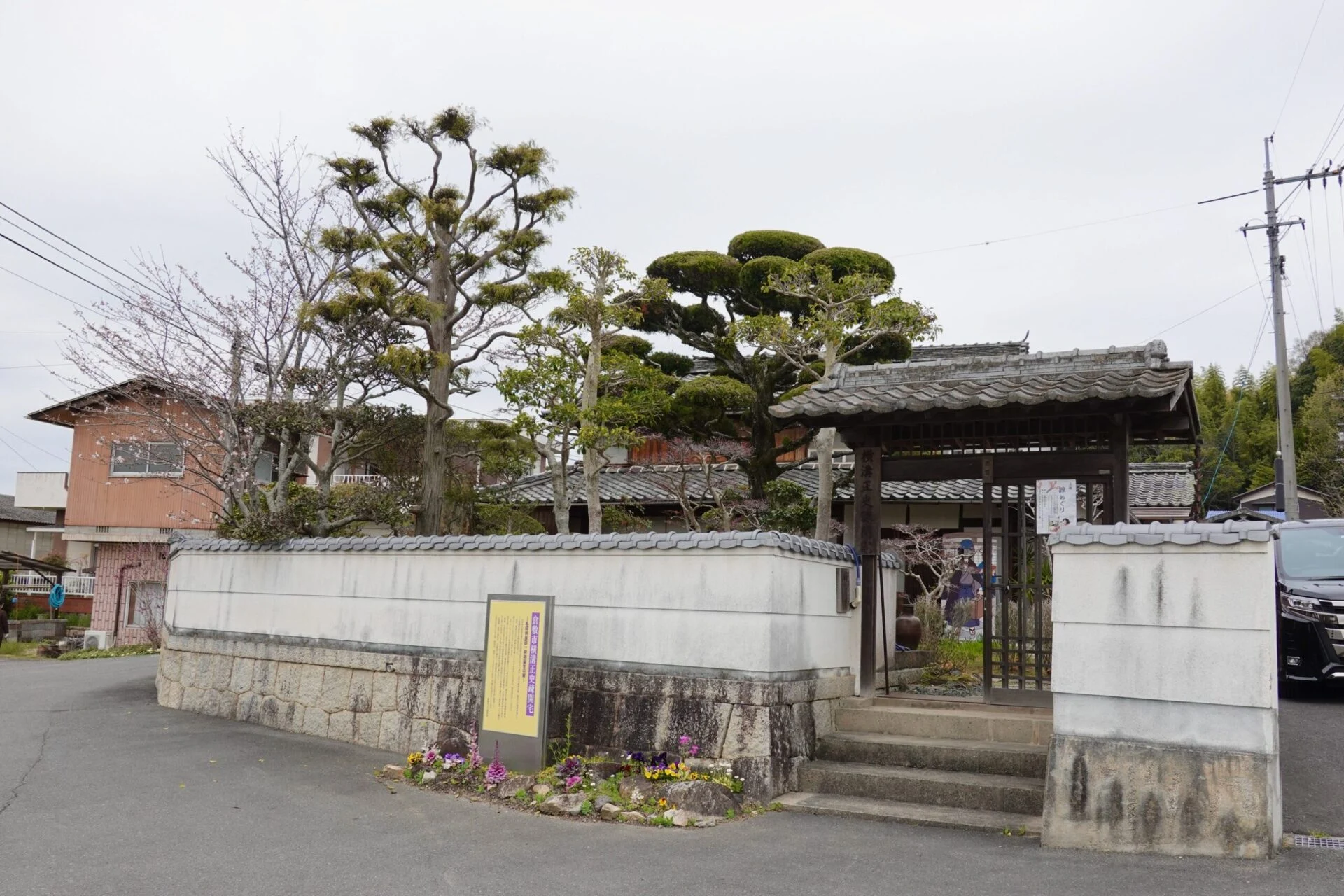
The area is part of a walking route called the Meguri: Kindaichi Kosuke Trail, where you can follow in the footsteps of Seishi Yokomizo.

Okada Oike Pond is behind the Kurashiki City Mabi Furusato History Museum.
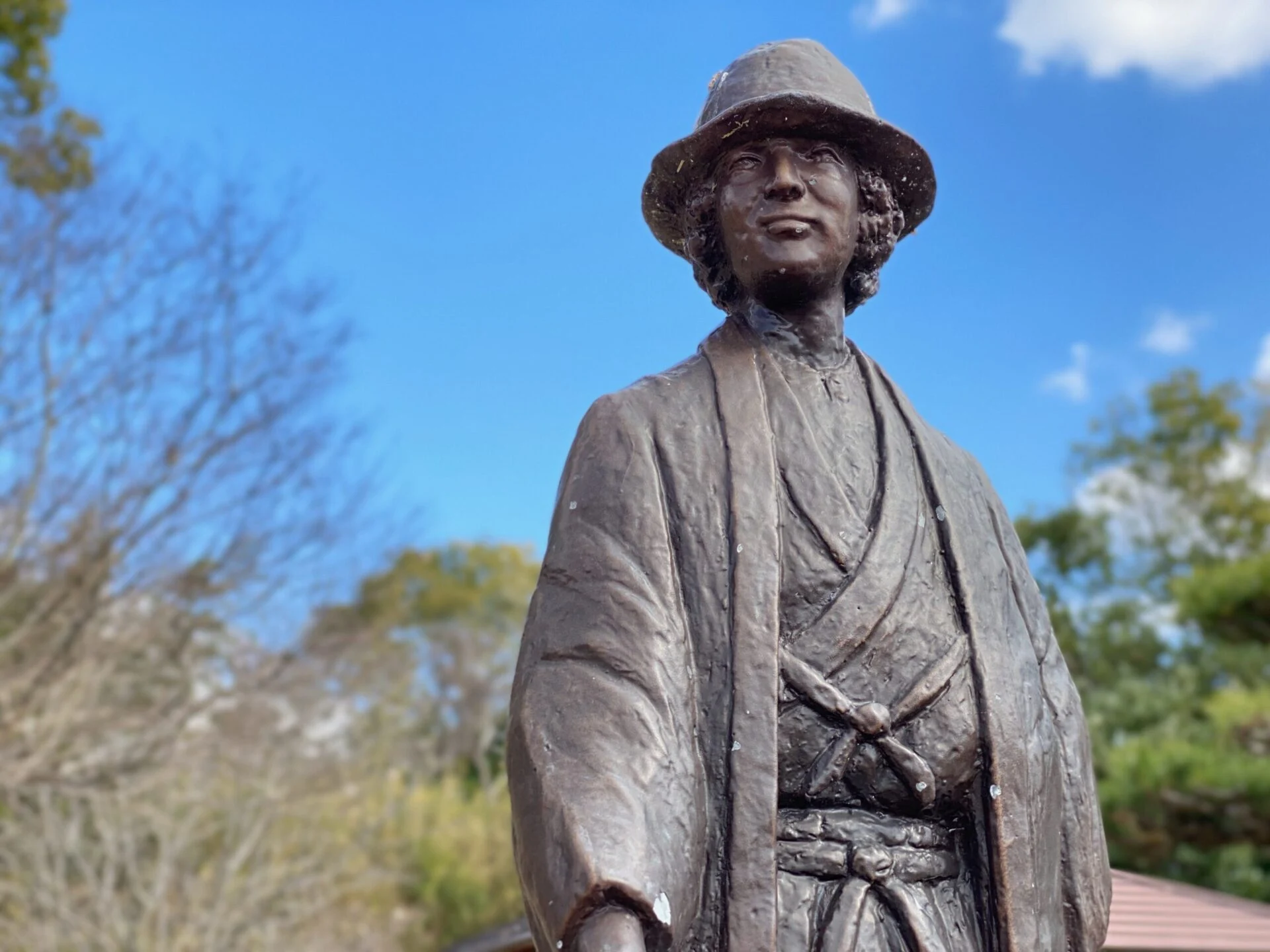
Seishi Yokomizo is said to have walked around this pond near Yokomizo Seishi's Wartime Residence, muttering to himself.

A Benzaiten deity is enshrined on the peninsula on the east side of Okada Oike Pond.
Okada Oike Pond has a mysterious atmosphere, with an air of mystique about it.
Perhaps Seishi Yokomizo thought up the tricks for his novels while walking around Okada Oike Pond.
Take a break at CAFE BRIDGE, a new bridge connecting people

We returned to the Arii area and headed to “CAFE BRIDGE,” next to Okonomiyaki Nyudogumo.
CAFE BRIDGE is a newly opened cafe in Mabi in November 2019.
The name reflects the owners’ wish to “be a bridge that brings people together over delicious food and coffee.”

The menu includes German pancakes called “Dutch babies” and photogenic soda-based soft drinks.
We recommend the carefully prepared hand-drip coffee, brewed to suit your taste.

Finally, we asked model Aika Otake and photographer Toshiyuki Sasaki how they felt after their spring stroll around Mabi.

Aika Otake (model)
There were so many historic buildings and delicious foods, and the scenery, streets, and every place we visited felt fresh and new!

Toshiyuki Sasaki (photographer)
The peaceful atmosphere made it feel like the place was loved by the locals, and it brought back a sense of nostalgia. I hope to come back next year for a walk with my camera, just for myself.
From the Writer

I imagine many people were unable to go out to see the cherry blossoms in spring 2020.
I wrote this hoping to bring them the peaceful spring scenery of Mabi and help them feel a little more at ease.
Did the photos of the warm spring sunshine and gentle cherry blossoms let you enjoy the stroll along with us?
I hope that in spring 2021, we can enjoy the cherry blossoms at our leisure, without worry.
I would also be happy if this article helps you learn about the current state of recovery in Mabi.

What would you like to know about Kurashiki?
Enter a search term to find articles on this site



































Photography: Toshiyuki Sasaki (Instagram)
Model: Aika Otake (Twitter)