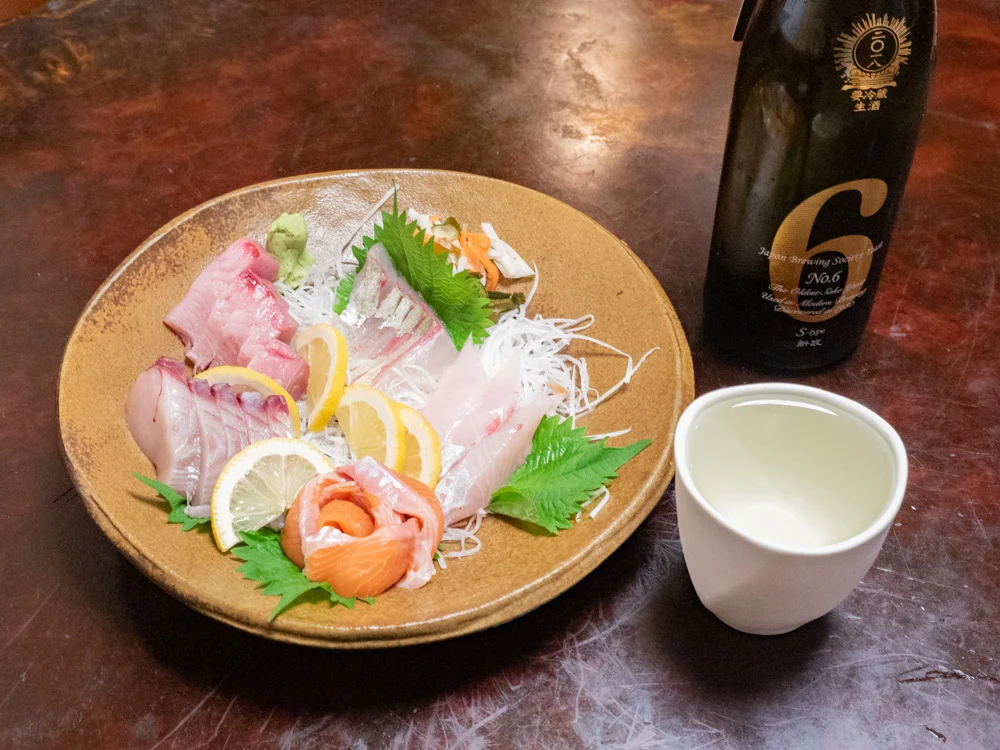
Interview with the head chef of Tagosaku, Chijiiwa Akira
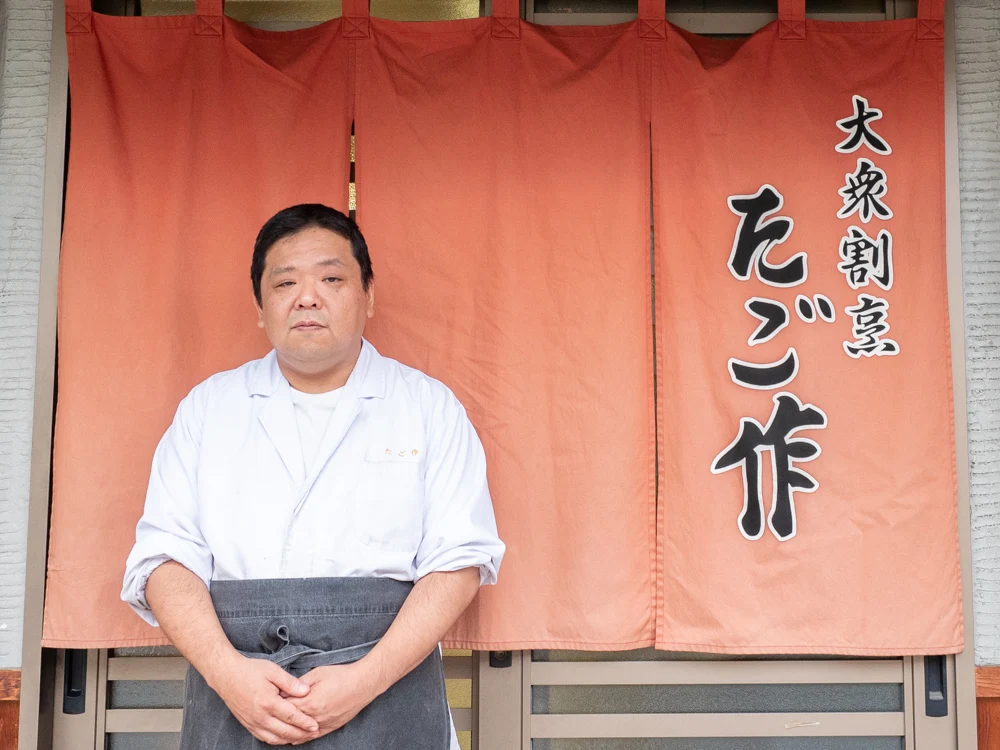
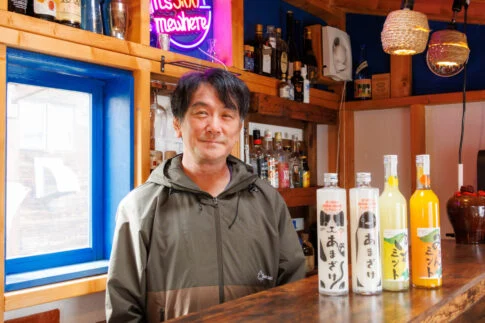
The head chef, Chijiiwa Akira, is impressive as he skillfully prepares dishes at the casual dining restaurant Tagosaku.
We spoke with Chijiiwa about the background of opening Tagosaku, its features, and his commitments.
This interview features content from the initial coverage conducted in October 2019.
Worked at Japanese restaurants in Shimonoseki and opened a business in his hometown, Kurashiki, at the age of 30
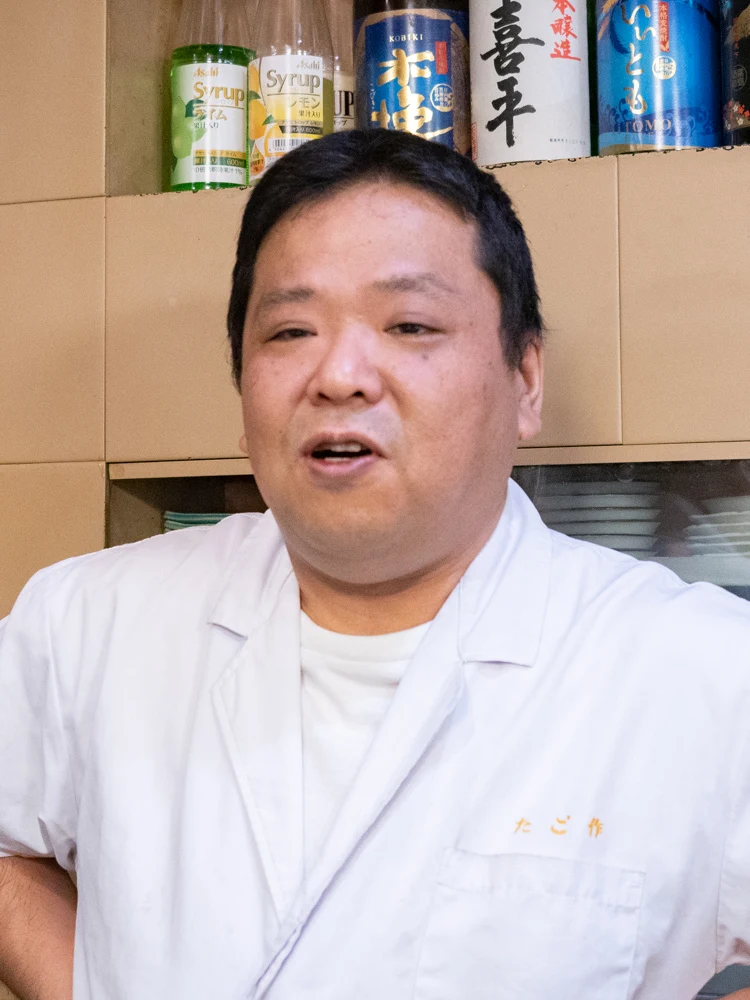
When did you become interested in the culinary world?
Chijiiwa
I’m not sure when (laughs).
My father worked as a chef, so I naturally became interested in the culinary world without realizing it.
So, I naturally entered the culinary world after entering society.
What led to the opening of "Tagosaku"?
Chijiiwa
I originally worked for many years at a Japanese restaurant in Shimonoseki.
After that, I worked as a Japanese chef at a restaurant in my hometown, Kurashiki, but that restaurant was going to close.
There was talk of me going to Tokyo after the closure, as there were restaurants nationwide.
However, due to my father's health issues and various personal matters...
That was right when I turned 30.
I had a desire to have my own restaurant in the future, so at the milestone age of 30, I decided to take the plunge and open my own place.
So, in 2005, I opened Tagosaku.
By the way, my father is now working with me at this restaurant.
Proud of fresh seafood from the Seto Inland Sea. Also famous for anglerfish hot pot and boar hot pot!
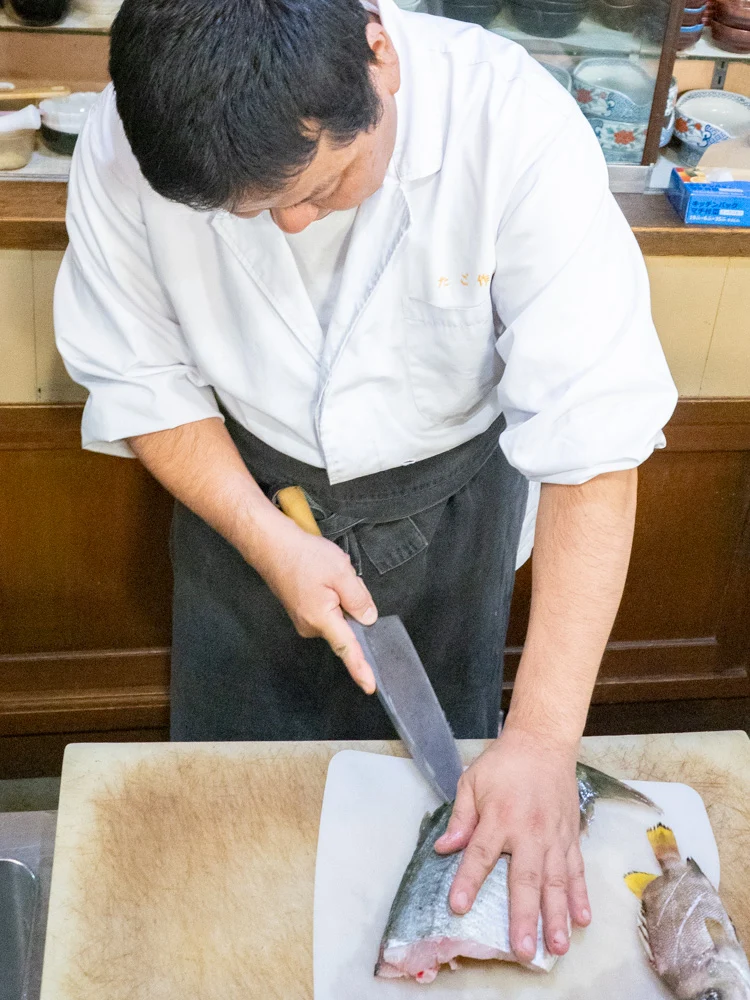
What do you recommend at Tagosaku?
Chijiiwa
Of course, the best is the dishes made with fresh seafood from the Seto Inland Sea centered around the local area.
This is something I definitely want you to try.
In particular, the assorted sashimi is popular.
The types of fish in the assortment change depending on the day's catch.
There is also a daily special menu, featuring seafood dishes that match the day's catch.
While they are standard, nimono (simmered fish) and yakizakana (grilled fish) are recommended dishes that everyone is familiar with.
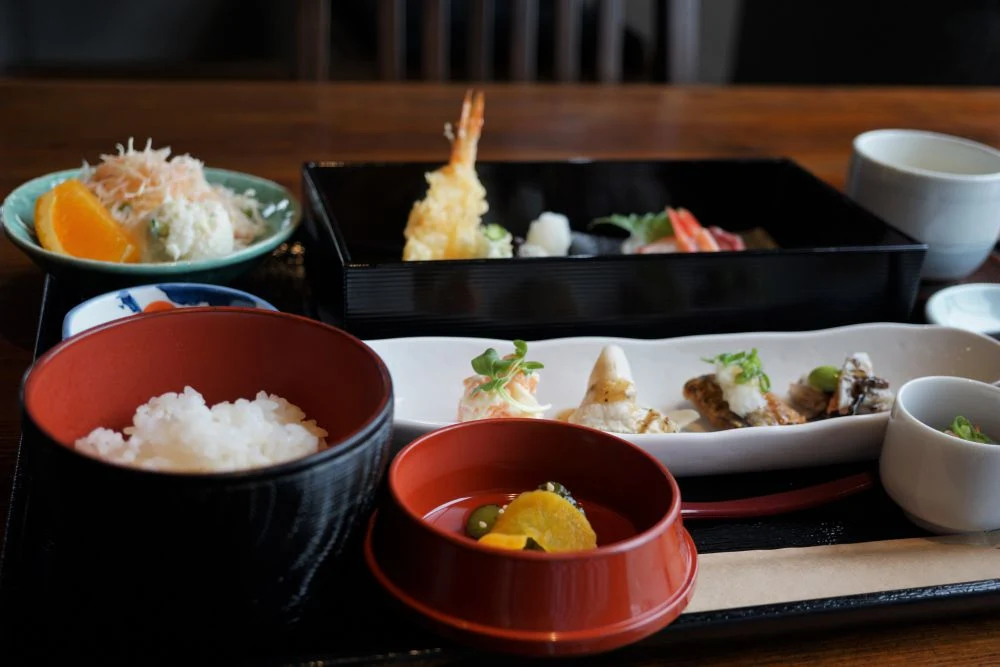
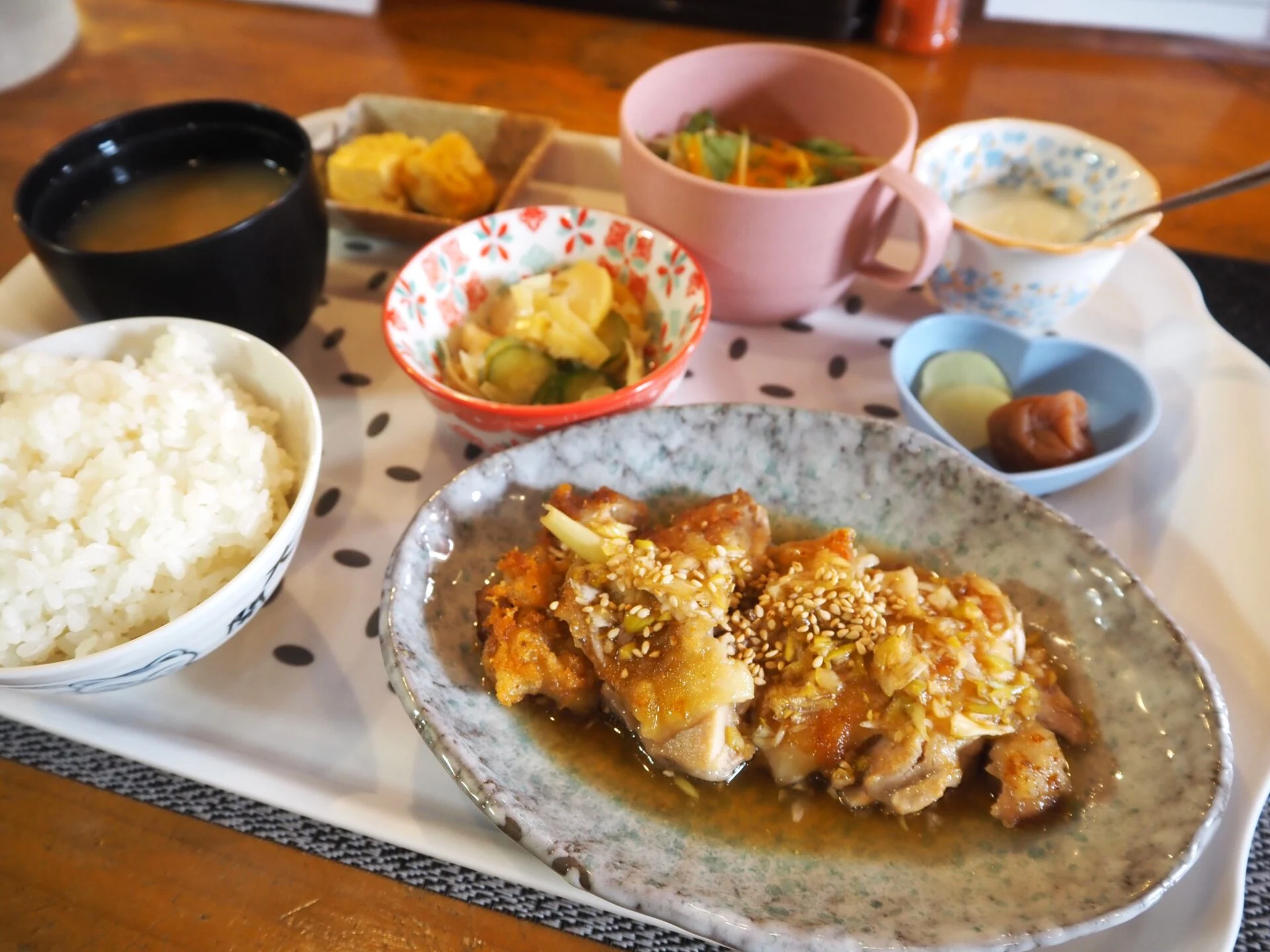
Lunch is also available, and we serve a daily changing fish dish for lunch.
That is popular too.
Additionally, we have seasonal specialties in winter, so you must try the anglerfish hot pot and boar hot pot!
When I worked at a Japanese restaurant in Shimonoseki, I also made anglerfish dishes.
Shimonoseki is the home of anglerfish cuisine.
It is rare to find authentic anglerfish hot pot from Shimonoseki in Kurashiki, so that is a selling point for Tagosaku!
By the way, the anglerfish is caught in Sakai Minato, Tottori Prefecture.
Also, the boar hot pot uses boar from Bizen City.
I buy it directly from a farmer I have a good relationship with.
Both the anglerfish hot pot and boar hot pot can be served as individual hot pots!
I hope you get to taste them.
The menu has expanded because he values customer feedback
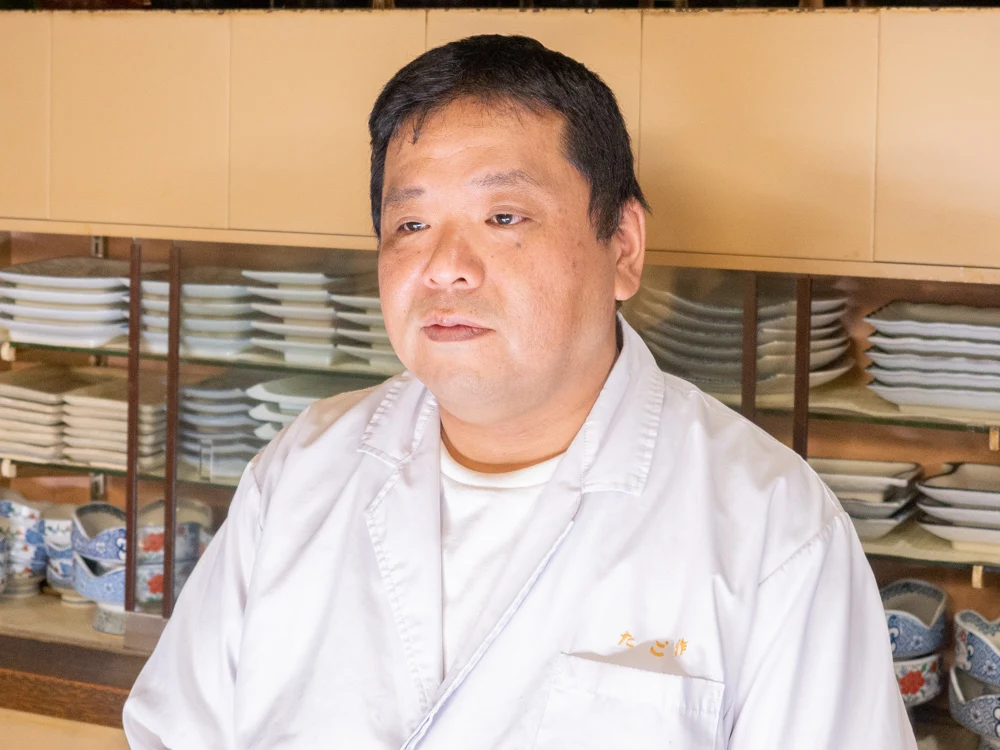
What are the other features of Tagosaku?
Chijiiwa
I enjoy communicating with customers, so I think the closeness between customers and the restaurant is a feature of Tagosaku.
There have been times when customers have made requests like, "Please cook the fish I caught" (laughs).
That might be proof that we are loved by our customers.
Also, there are times when customers order dishes that are not on the menu...
But I want to listen to their requests as much as I can within reason.
So, the menu has gradually expanded (laughs).
I believe that the most delicious food is what customers want to eat.
Now, even though we are a kaiseki restaurant, we have gyoza, fried rice, and even steak on the menu.
Moreover, the most popular dish is gyoza, and the second most popular is simmered beef tendon.
We also have tourists and business customers visiting.
They seem to like shops rooted in the community and intentionally seek us out.
Additionally, nearby hotels sometimes recommend us to their guests.
What is the age range of your customers?
Chijiiwa
We have customers from a wide range of generations.
Especially during lunch hours, there are many elderly customers.
There are not many places nearby where they can enjoy casual Japanese cuisine, so it is popular among the elderly.
Some customers come every day.
Also, there are many companies around the restaurant, so it is often used for lunch by office workers.
Wants to focus on handmade dishes
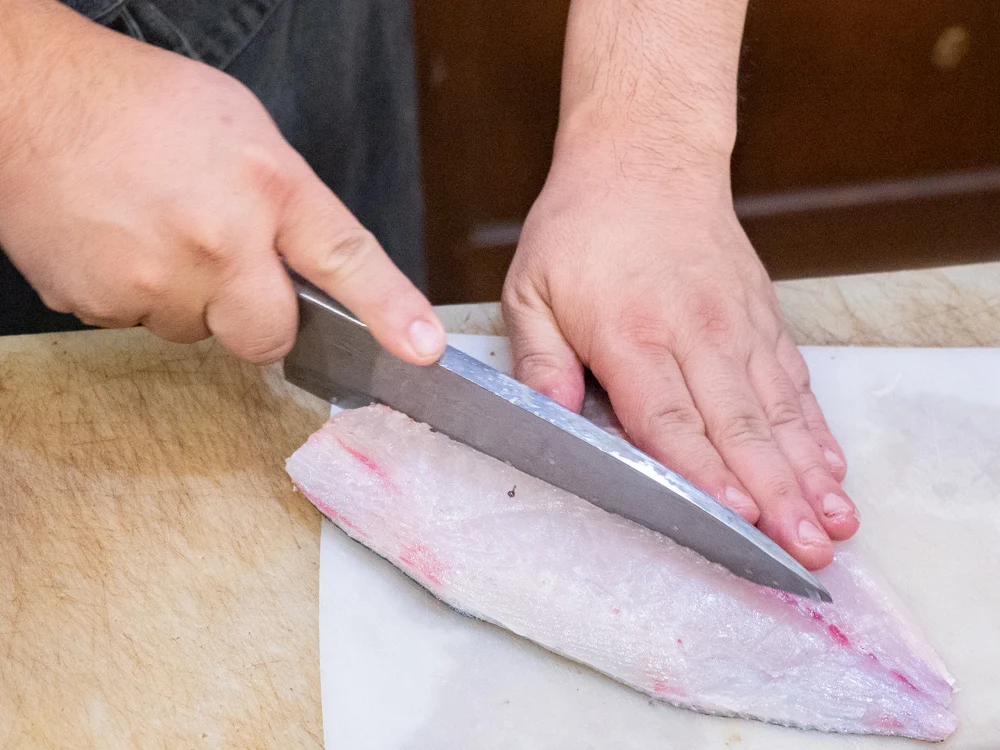
What are Tagosaku's commitments and future plans?
Chijiiwa
My commitment is to serve handmade dishes.
As much as possible, I try to serve everything from main dishes to side dishes as handmade.
We also make our pickles in-house.
As mentioned earlier, we are a restaurant loved by the community.
Elderly customers and office workers often come for lunch, enjoying our food multiple times.
Therefore, I strive to provide handmade, reliable dishes that customers will find delicious even if they come every day.
I intend to continue focusing on handmade dishes in the future.
Conclusion
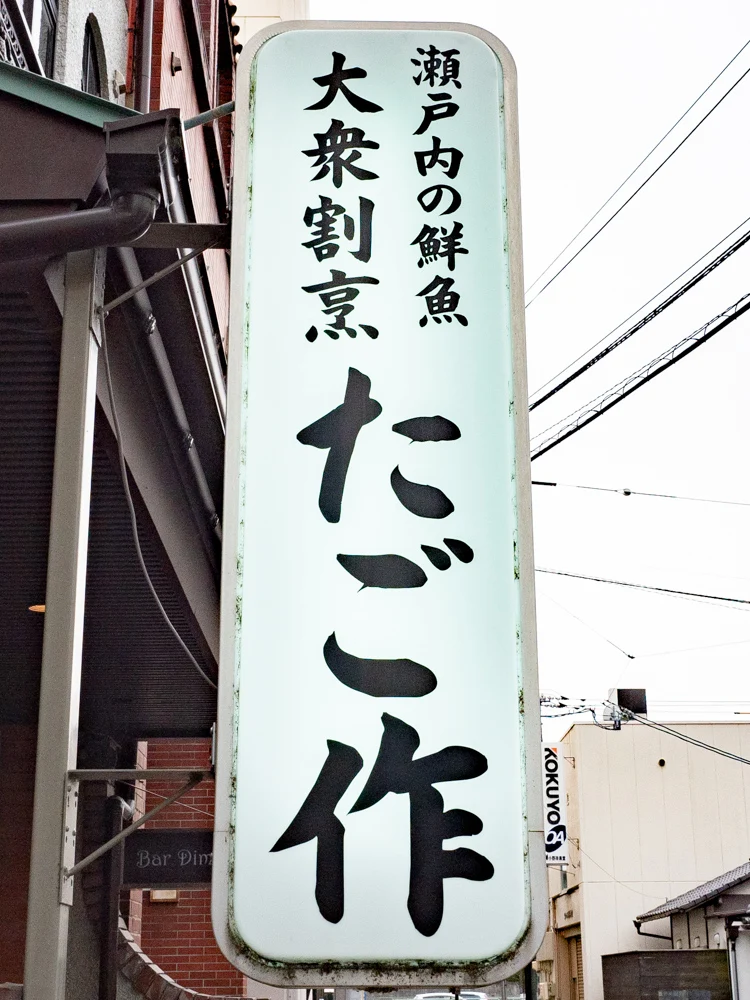
Tagosaku is the kind of restaurant you want to have near your workplace.
If you eat out for lunch every day, you can get tired of fancy food.
At Tagosaku, the lunch menu changes daily, offering home-style dishes that you can enjoy.
Moreover, they are made by a skilled chef, so they are very delicious and nutritionally balanced.
It is also nice that the ingredients are fresh seafood from the local Seto Inland Sea.
It’s a restaurant you would want to visit for lunch every day.
Additionally, the dinner menu features many seafood dishes from the Seto Inland Sea.
Surprisingly, even though it is a kaiseki restaurant, we offer Western and Chinese dishes as well.
And of course, the seasonal specialties of anglerfish hot pot and boar hot pot.
Especially the anglerfish hot pot is a menu item unique to the head chef who trained in the home of anglerfish cuisine, Shimonoseki.
Both the anglerfish hot pot and boar hot pot are rare to find around Kurashiki, making them quite appealing.
The dishes at Tagosaku all have a gentle, nostalgic flavor.
It seems as if the friendly personality of the head chef is reflected in the taste.
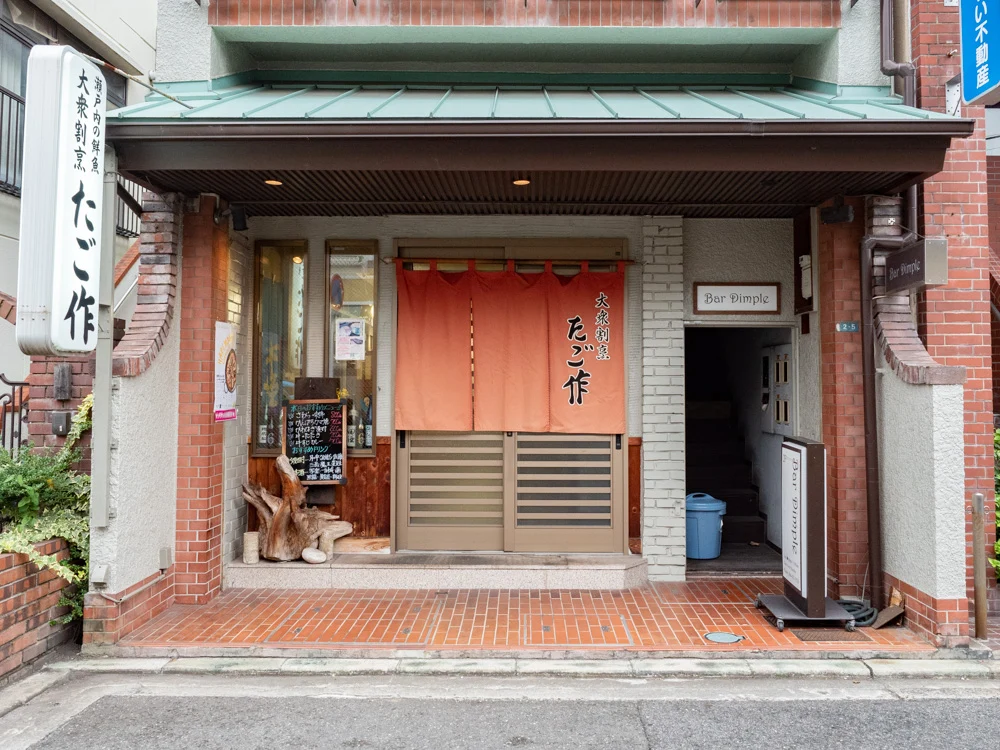
Data on Tagosaku
| Name | Tagosaku |
|---|---|
| Address | 1-2-5 Tsurugata, Kurashiki City, Okayama Prefecture, Sakamoto Building 1st Floor |
| Contact | 086-425-0182 |
| Parking | None |
| Business Hours | 11:30 AM - 2:00 PM (Last order at 1:30 PM) 5:00 PM - 11:00 PM (Last order at 10:30 PM) * Lunch service is only available Monday to Friday (excluding holidays) |
| Regular Holiday | Sunday |
| Payment Methods |
|
| Reservation | Available By phone |
| Seating | 25 seats total ・Counter: 7 seats ・2-person tatami room: 3 tables ・4-person tatami room: 3 tables |
| Smoking | Smoking allowed |
| Toilet | Japanese-style toilet |
| Childcare | ・Stroller access ・Children's utensils available |
| Barrier-free | Wheelchair accessible, but there is a step at the entrance. The toilet is not wheelchair accessible |