
What comes to mind when you think of a kappo restaurant?
“A slightly pricey Japanese restaurant”
“It seems intimidating”
That’s the kind of image it brings to mind, isn’t it?
Taishu Kappo Tagosaku, in Tsurugata near JR Kurashiki Station, is an easygoing place to drop into, just as the word “taishu” (popular) in its name suggests.
What’s more, Tagosaku’s head chef, Chijiwa, has spent many years working as a chef, specializing in Japanese cuisine.
At Tagosaku, you can enjoy home-style dishes made by this accomplished chef using appealing ingredients such as fresh local fish.
The menu also goes beyond kappo cuisine, offering a wide variety of dishes, including Chinese and Western food.
In winter, “monkfish hot pot” and “boar hot pot” are also popular specialties.
Here’s an introduction to Taishu Kappo Tagosaku.
The information presented was current when this article was published in March 2022. Please note that it may differ from current information.
Tagosaku is a popular, welcoming restaurant bustling with local customers and offering a variety of dishes

Tagosaku is a kappo restaurant.
Kappo restaurants can seem intimidating, but Tagosaku is a “taishu kappo” restaurant.
You can enjoy down-to-earth dishes here.
It also serves lunch on weekdays, with popular home-style, well-balanced meals.
In the evening, you can enjoy drinks alongside a variety of dishes, much like at an izakaya.

The interior has a relaxed atmosphere, and you can come in without feeling self-conscious.

There are seven counter seats.
The head chef prepares the food right in front of you.

There were three tatami rooms with seating for two.

There are also tatami rooms for four at the back.
There are three in total.
Choose from Japanese or Western-style lunches at Tagosaku!

Tagosaku is open for lunch on weekdays only.
The menu offers two types of lunch: Japanese and Western-style.
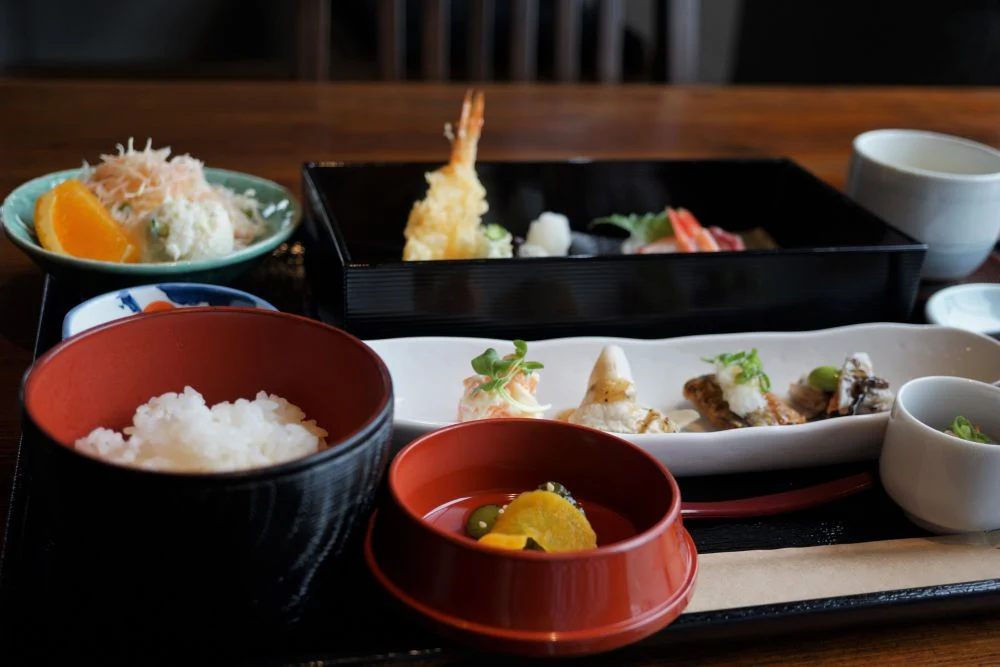
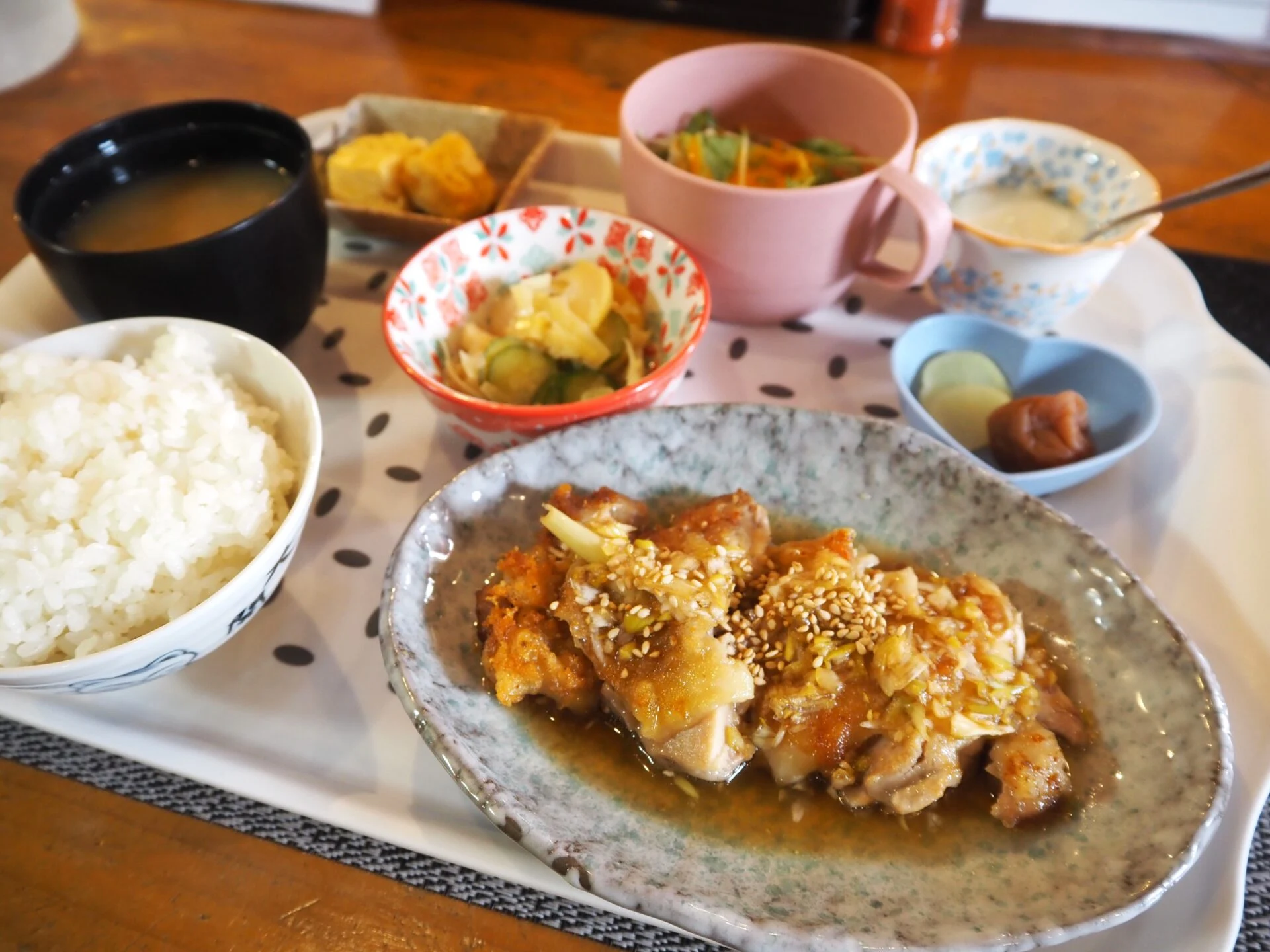
Choose a Japanese or Western-style main dish, served with two small side dishes, pickles, miso soup, and white rice. Coffee is also served after the meal.
With this generous portion and all these dishes, and everything handmade, just 800 yen including tax is a bargain!
The main dish, side dishes, and miso soup ingredients change daily.
Tagosaku’s menu prices exclude consumption tax, but the lunch menu prices include tax (as of February 2022).
▼Lunch during our visit (Japanese-style)


It was a well-balanced lunch with a gentle, very home-style flavor.
And the portions were generous, too.
▼Lunch eaten on a later visit (Western-style)


Tagosaku’s lunch is so good you’ll want to come every day.
The value for money is outstanding!
Tagosaku’s proud selection of fresh Setouchi seafood

Tagosaku’s greatest specialty is its dishes made with fresh Setouchi seafood!
In addition to the seafood dishes listed on the menu, there are also daily specials that change according to the ingredients purchased each day.
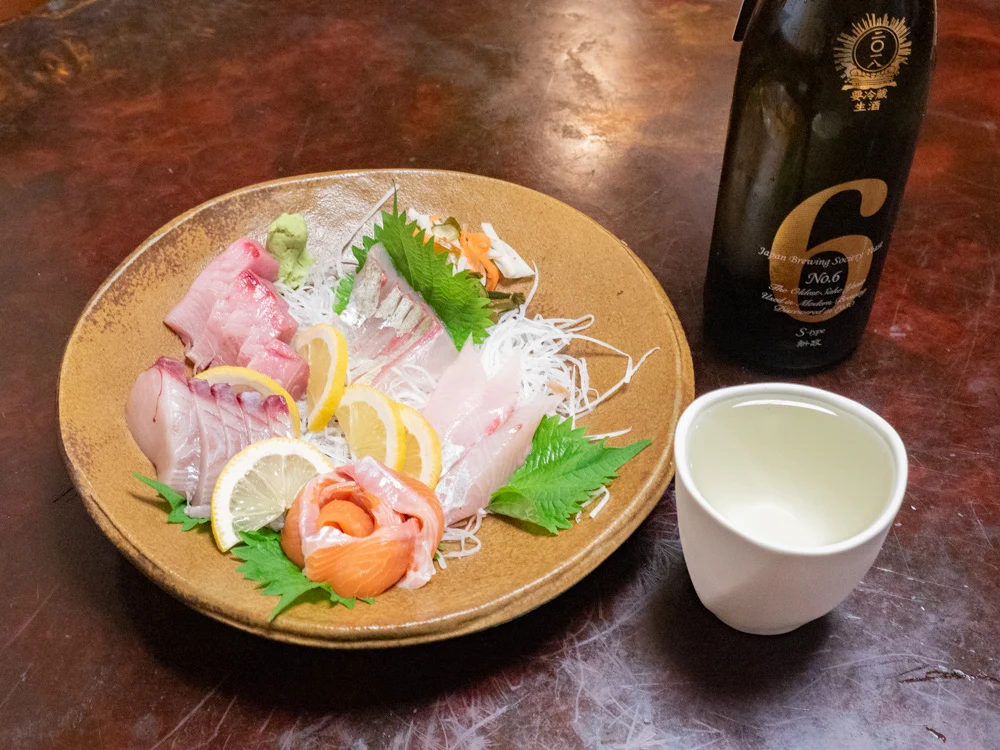
Assorted sashimi
Our top recommendation among the seafood dishes is the “assorted sashimi” (sashimi platter)!
An assorted sashimi platter costs 1,000 yen per person (excluding consumption tax).


The types of fish in the assortment vary not only by season but also depending on what arrives that day.


And this is the belly, considered the tastiest part of the fish.

The sashimi slices themselves, as well as their presentation, are beautiful and enhance the appeal of the dish.
Simmered Bingushi
There were also plenty of fresh-fish dishes among the daily specials.
▼Among them, the dish I tried during my visit was “simmered bingushi.”

Bingushi is also called “tamori” or “setodai,” and is commonly eaten around the Seto Inland Sea.


It had a comforting, home-style flavor that made me want more rice.
By the way, the bingushi was simmered with tofu and nagaimo.
The nagaimo was fluffy and delicious, without the usual nagaimo-like texture—in a good way.
Tagosaku’s Dinner Menu
All prices are before consumption tax.
▼The dinner menu. This is the regular menu.

▼The daily “Today’s Recommendations” are written on the blackboard inside the restaurant.

Details and prices are as of February 2022.
[Reservations Required] Tagosaku’s Winter-Only Specialties, “Monkfish Hot Pot” and “Botan Hot Pot,” Can Be Enjoyed Starting with One Person!
Tagosaku has specialty dishes that are available only in winter.
They are “monkfish hot pot” and “botan hot pot.”
Both monkfish hot pot and botan hot pot are available as individual hot pots!
Being able to enjoy hot pot even when dining alone is a welcome service.
▼Monkfish hot pot is a hot pot dish made with monkfish.

The head chef at Tagosaku trained at a Japanese restaurant in Shimonoseki.
Shimonoseki is famous for fugu cuisine, but monkfish is also a local specialty.
Remarkably, Shimonoseki has Japan’s largest catch of anglerfish.
At Tagosaku, you can enjoy the authentic flavors of a place renowned for its anglerfish dishes.
▼ Anglerfish is packed with collagen and has a springy texture, but it isn’t greasy.

▼ In addition to anglerfish hot pot, you can also enjoy other anglerfish dishes, such as “ankimo” (monkfish liver).

Tagosaku’s anglerfish hot pot comes with small side dishes, sashimi, grilled fish, and a serving of ankimo for each person.

The anglerfish used in Tagosaku’s hot pot is mainly caught and landed at Sakaiminato.
Anglerfish is available at Tagosaku from around early December to March.
Sometimes it is available to eat as early as late November.
Botan nabe is a hot pot dish made with wild boar meat.
The restaurant sources wild boar meat directly from Bizen City.
Botan nabe is available at Tagosaku from around late November until about April.
Be sure to try anglerfish hot pot with the authentic flavors of Shimonoseki, and botan nabe made with locally caught wild boar meat!
Both anglerfish hot pot and botan nabe cost 1,000 yen per person, or 3,000 yen or more for two or more people (excluding consumption tax).
Prices as of February 2022
Reservations are required for anglerfish hot pot and botan nabe.
A selection of sake and shochu from across Japan
▼ Tagosaku offers a wide selection of drinks, including alcoholic beverages and soft drinks.

Prices exclude consumption tax (as of February 2022)
They take particular care in selecting their sake.


The reason Tagosaku has few local sake brands is that it has responded to customers’ requests to try a variety of sake from different parts of Japan.
During our visit, we tried “No.6,” a popular brand from Aramasa Shuzo, a sake brewery in Akita Prefecture.


An easy-to-drink sake
Tagosaku has plenty to offer, including home-style Setouchi seafood dishes, anglerfish hot pot with the authentic flavors of Shimonoseki, and botan nabe made with locally caught wild boar meat.
We interviewed Tagosaku’s owner, Chijiwa Akira.
Taishu Kappo Tagosaku Information
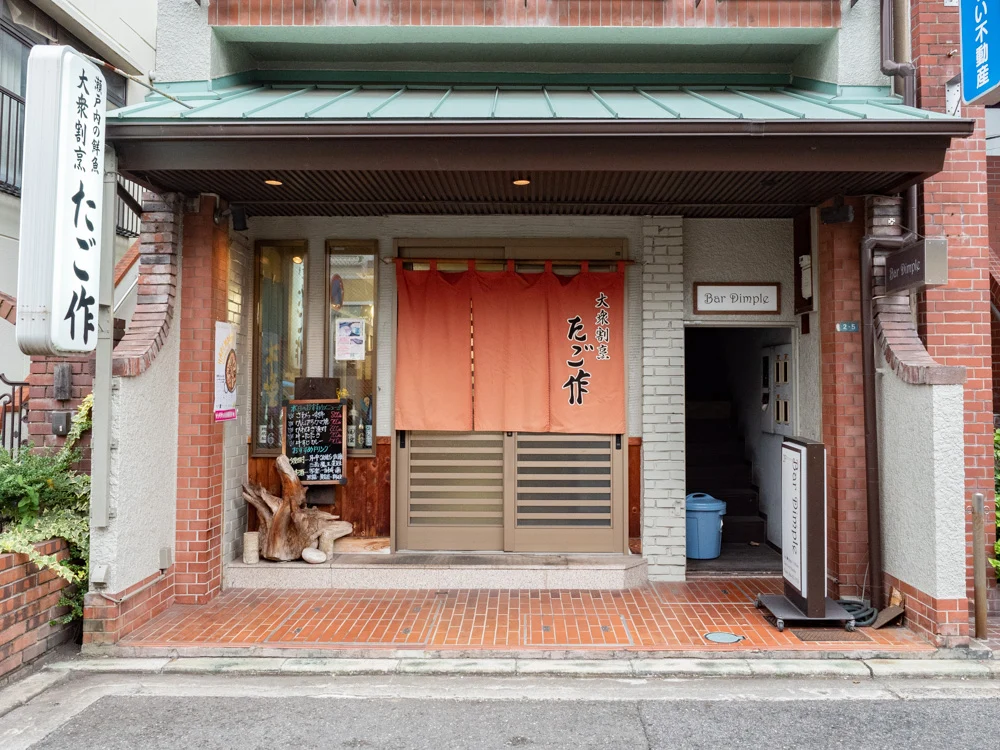
| Name | Taishu Kappo Tagosaku |
|---|---|
| Address | 1st Floor, Sakamoto Building, 1-2-5 Tsurugata, Kurashiki City, Okayama Prefecture |
| Contact | 086-425-0182 |
| Parking | None |
| Hours | 11:30 a.m.–2:00 p.m. (last order at 1:30 p.m.) 5:00 p.m.–11:00 p.m. (last order at 10:30 p.m.) ※ Lunch service is available Monday–Friday (excluding public holidays) only |
| Closed | Sunday |
| Payment methods |
|
| Reservations | Accepted By phone |
| Seating | 25 seats in total ・Counter: 7 seats ・Tatami seating for 2: 3 tables ・Tatami seating for 4: 3 tables |
| Smoking | Smoking permitted |
| Restroom | Japanese-style toilet |
| Families with children | ・Strollers permitted ・Children’s tableware available |
| Accessibility | Wheelchair access is possible, but there is a step at the entrance. The restroom is not wheelchair accessible. |

What would you like to know about Kurashiki?
Enter a search term to find articles on this site






































Of course, the main dish, small side dishes, soup, and pickles are all almost entirely handmade in-house.