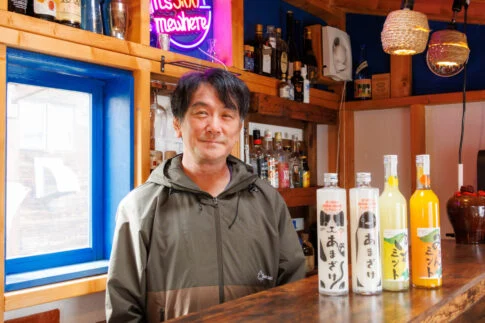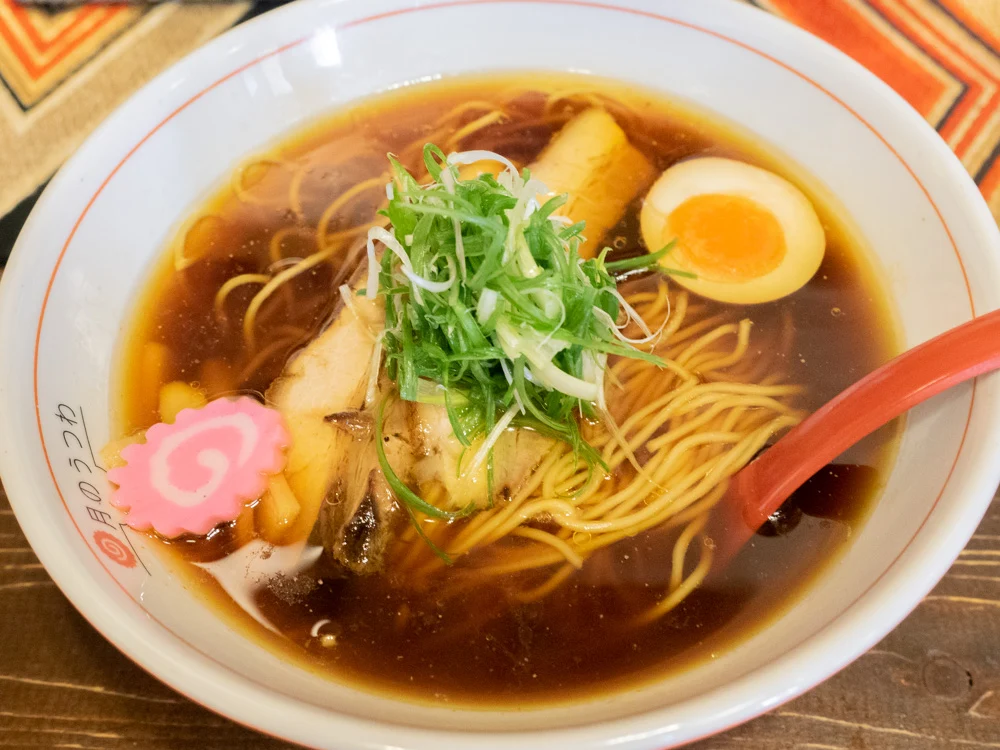
Interview with the owner of Tsuki no Utsuwa
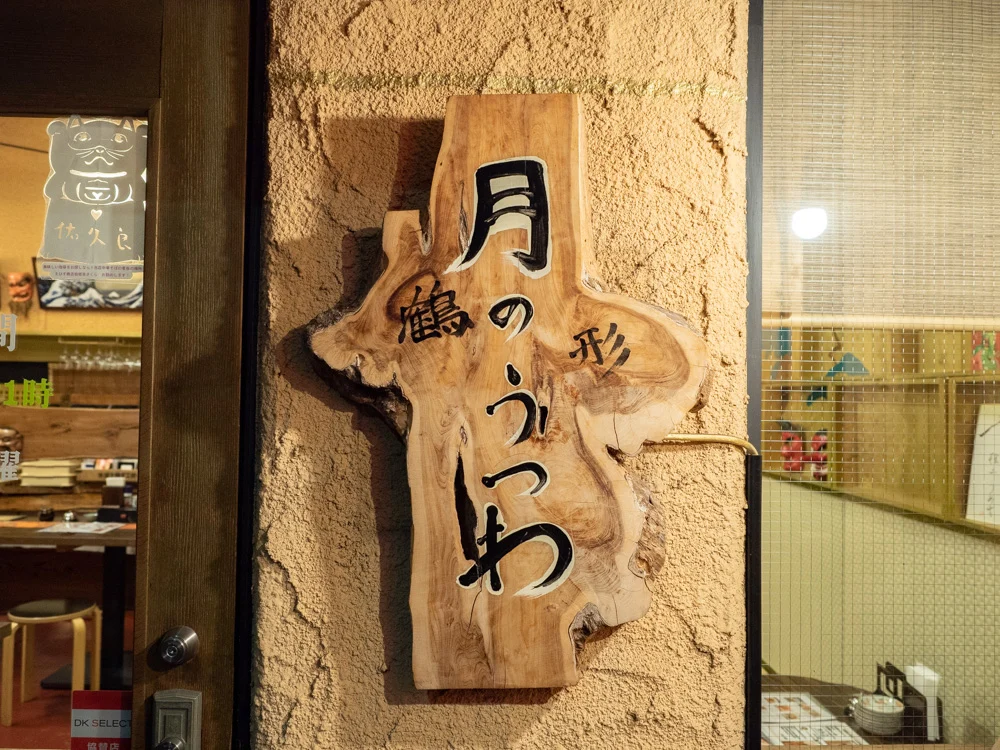
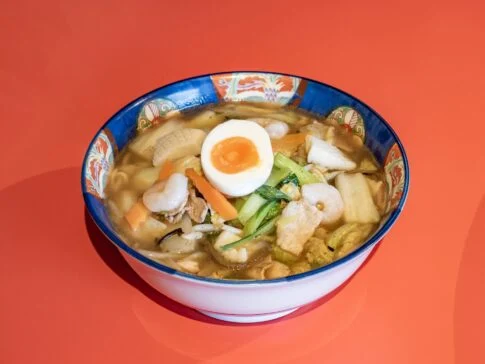
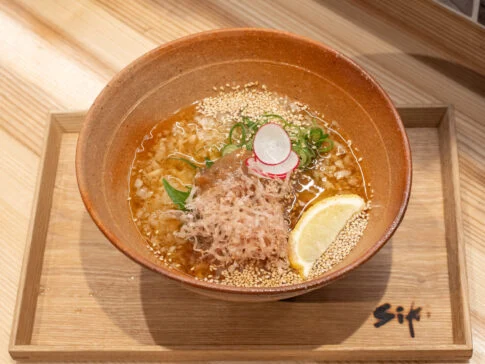
Tsuki no Utsuwa is full of charm with its carefully crafted chuka soba, delicious side dishes, and impressive interior.
We interviewed the owner of Tsuki no Utsuwa about the background of opening the shop, the origin of the shop name, their commitment to the shop and food, and future prospects.
The interview is based on the content from the initial interview conducted in February 2020.
The hobby of "making the ideal ramen" became popular, leading to the opening of the shop
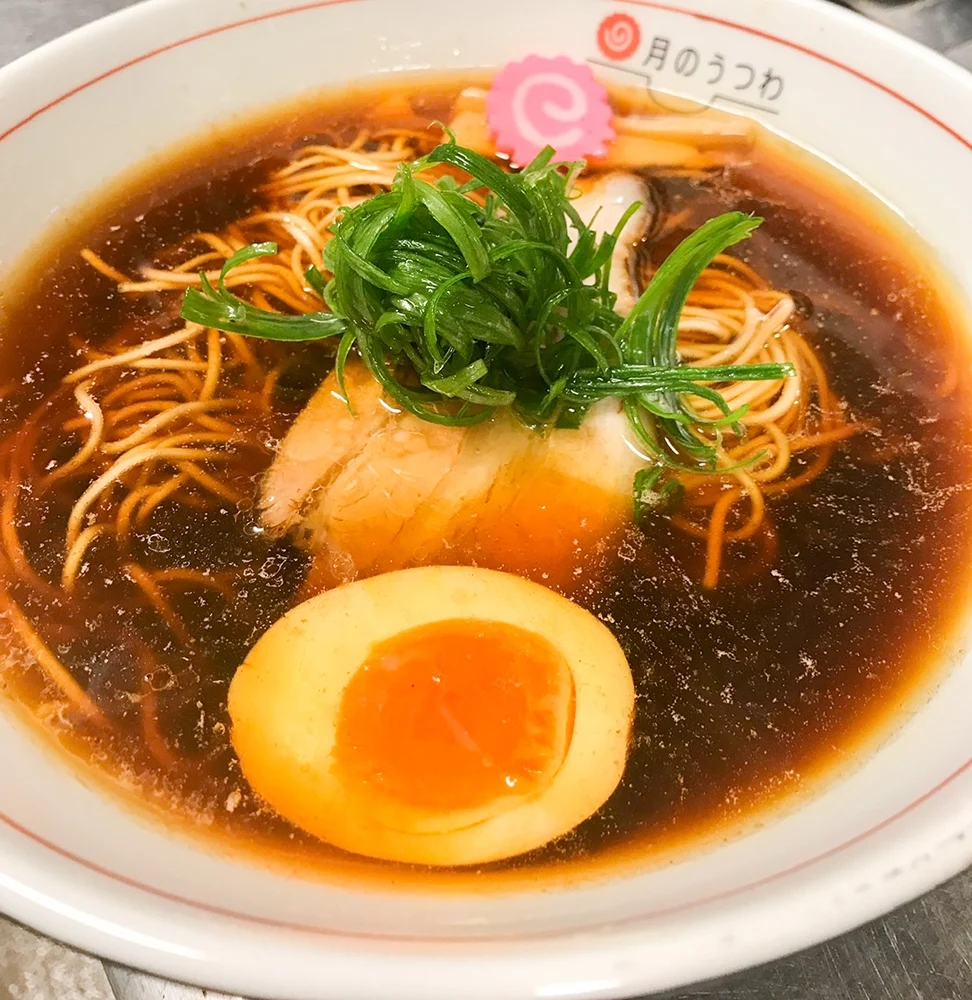
What led to the opening of the shop?
Owner
Actually, I have no experience working in a ramen shop or any restaurant at all.
I used to work in a completely different industry as a company employee.
I lived in Fukuoka City during my childhood.
When I ate ramen in Fukuoka, it was almost always tonkotsu ramen.
When I grew up, I came to Okayama Prefecture and was impressed by soy sauce soup ramen.
Before I knew it, I started to go around eating various soy sauce-flavored ramen and looking for my favorite ramen shops.
Gradually, I began to pursue the taste I idealized, and eventually, I started making ramen at home!
It was a study of ramen to recreate the taste I was seeking.
I invited friends over to taste the ramen I made.
It was well received, and everyone said it was delicious...
Before long, people started saying, "Why don't you open a ramen shop?"
I gradually became motivated, and before I knew it, I had quit my job and started a ramen shop (laughs).
The opening was in 2013.
At first, I was operating in a residential area north of JR Kurashiki Station, using a private house.
Later, I moved to the current Tsurugata location in 2018 through an introduction from an acquaintance.
I want to preserve the handmade feel of traditional "chuka soba"
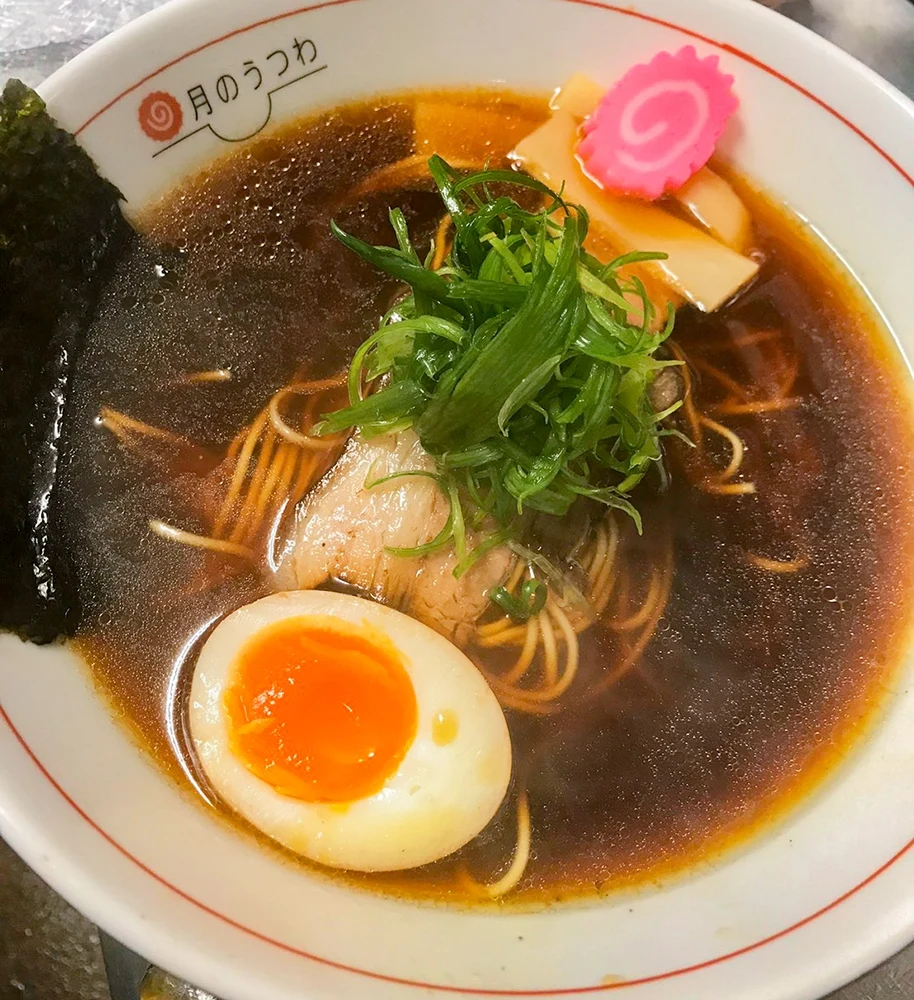
Why did you start researching your ideal ramen at home?
Owner
I became absorbed in making my ideal ramen because I felt that the goodness of traditional ramen shops was gradually disappearing.
After trying various ramen shops, I felt that traditional individual shops were decreasing and that ramen shops were becoming "corporatized."
The "handmade feel" of ramen was diminishing, and it felt like a sense of commercial products.
By the way, in my mind from my time in Fukuoka, ramen = tonkotsu flavor, so I think of soy sauce ramen as "chuka soba."
I started to think that I wanted to eat a handmade "chuka soba" that prioritizes taste without compromising on ingredients or preparation, and that led to the idea of making it myself.
I am particular about the ingredients
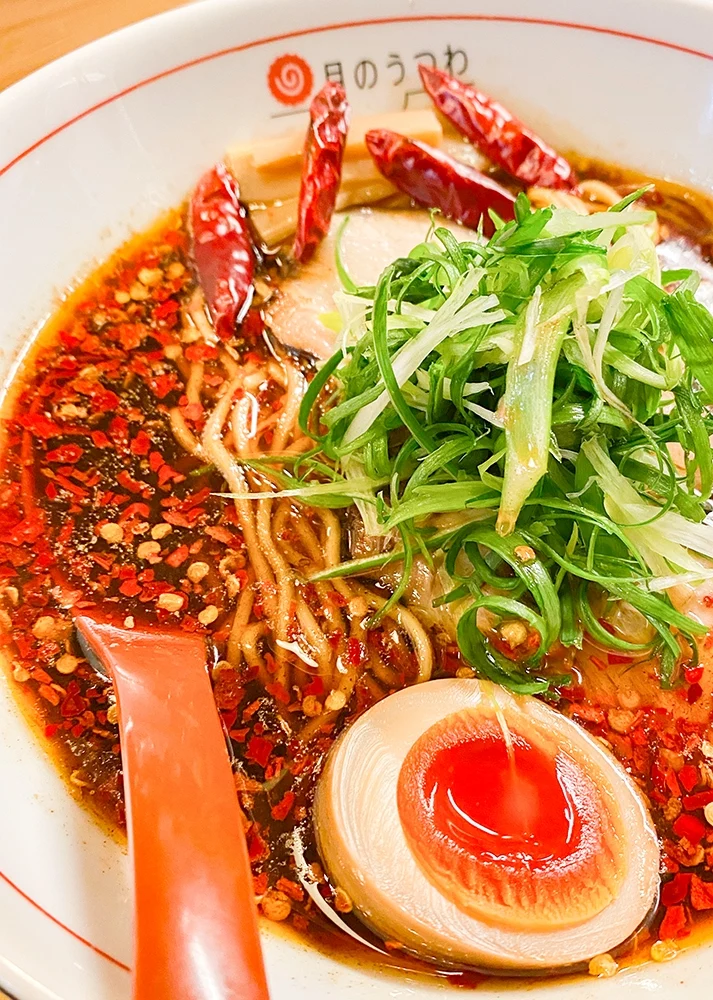
What are you particular about in your shop's "chuka soba"?
Owner
Since it is chuka soba that pursues my ideals, I do not want to compromise on the ingredients.
My concept is to make handmade chuka soba using natural ingredients.
I do not use commercial products!
For example, the chicken used for the broth is whole chicken from Okayama Prefecture's parent chicken (old chicken).
The green onions are Kujo green onions from Kyoto.
The chashu is homemade, using premium pork belly.
The eggs are "Momiji eggs" from Ume Farm in Okayama Prefecture (Kasaoka City).
They are highly regarded eggs laid by pure domestic chickens.
Also, there are grades for pork back fat, and I obtain the highest grade available.
And the soy sauce, which is important for soy sauce chuka soba, is a carefully crafted soy sauce made by Miya Soy Sauce in Chiba Prefecture.
However, it is challenging because the prices of ingredients can change due to various circumstances, and their availability can vary.
I felt the biggest difference between making chuka soba as a hobby and making it in the shop.
Gradually changing to deliver deliciousness to customers
Are there any other innovations or commitments?
Owner
I am conscious of "gradually changing."
I think it is not good to remain the same to deliver deliciousness to customers.
It is important to incorporate new things and experiment with various ideas.
Therefore, the menu is gradually changing.
In the past, we also served Japanese cuisine.
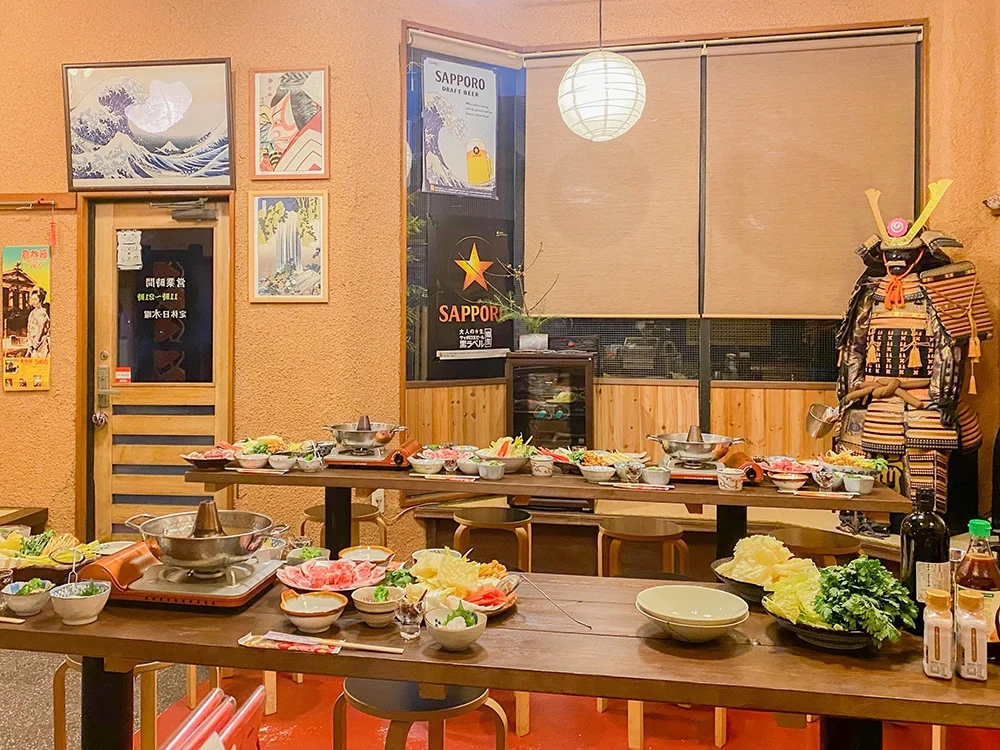
Also, the green onions served with our chuka soba have changed.
At the beginning of the opening, we used regular sliced green onions.
Now, the green onions served at Tsuki no Utsuwa are cut in a way inspired by Hiroshima-style tsukemen.
At one point, I became fond of spicy Hiroshima-style tsukemen and went around eating them.
During that time, I ate the green onions served with Hiroshima-style tsukemen and thought, "Let's try this at Tsuki no Utsuwa," and incorporated it.
By the way, the Hiroshima-style tsukemen on our summer secret menu is also because I love Hiroshima-style tsukemen (laughs).
Tsuki no Utsuwa is a ramen shop that women can easily visit alone
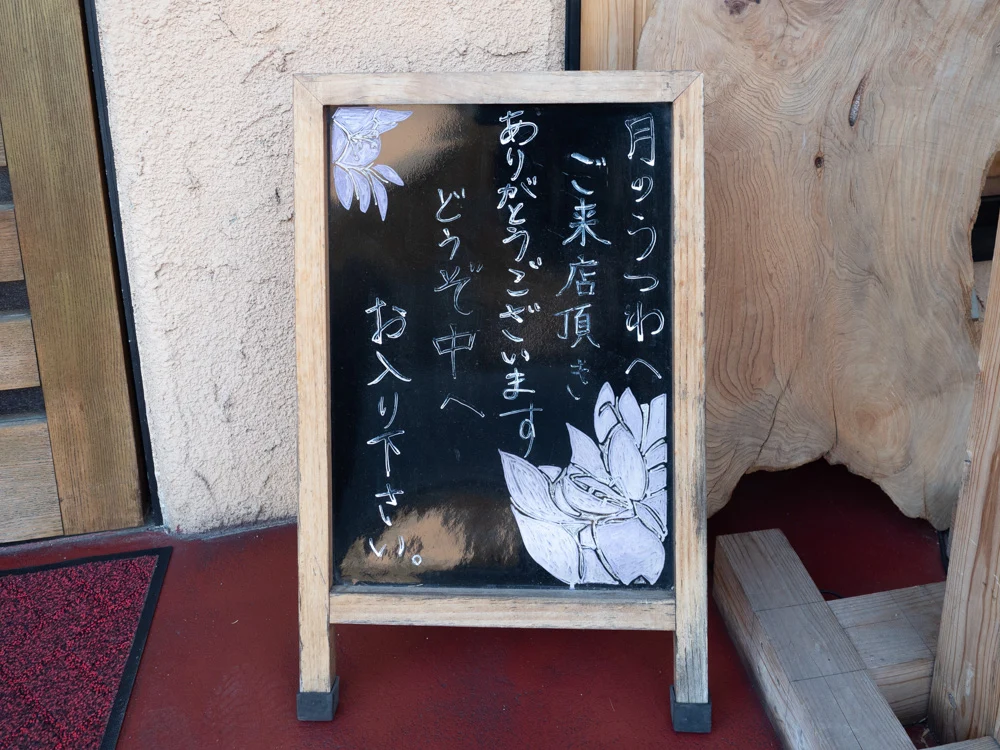
What are the strengths and features of Tsuki no Utsuwa?
Owner
I think our strength is that it is a place where women can easily visit.
Japanese people love ramen, right?
That goes for women as well.
However, I think there are few ramen shops where women can casually walk in alone and easily enjoy ramen.
We make ramen with care.
Therefore, I want as many people as possible, regardless of age or gender, to try it.
The atmosphere of our shop is also friendly to women, and the menu and presentation reflect that.
The flavors of ramen, including popular salt and spicy options for women, are also points to note.
I hope that women who love ramen will come and visit us at least once.
The shop name comes from a memorable coffee shop
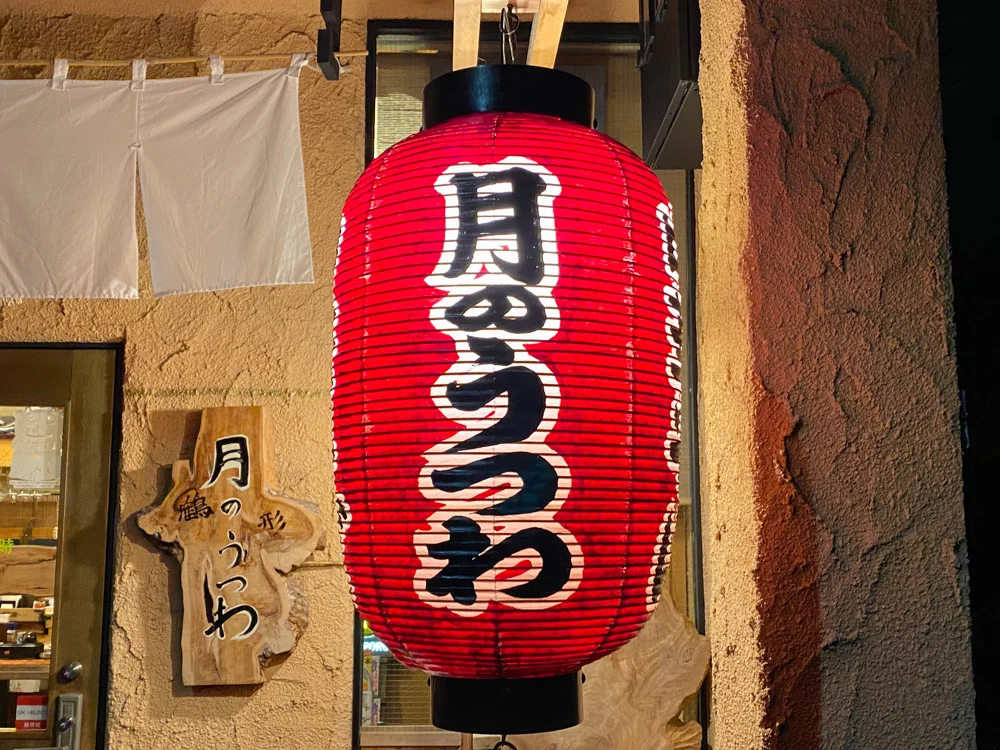
The shop name is unique; what is its origin?
Owner
The name "Tsuki no Utsuwa" is taken from the name of a coffee shop that used to be in Fukuoka.
As I mentioned, I lived in Fukuoka during my childhood, and it was a coffee shop near my house.
The master there was very unique and left a strong impression on me.
He had an impactful appearance and a funny character, like a Japanese Sammy Davis Jr. (an American singer) (laughs).
Despite that, the food he made was delicious.
The shop was stylish, with many jazz records lined up, and jazz music played continuously.
The coffee shop "Tsuki no Utsuwa" was the place that sparked my interest in food.
Therefore, when I started my shop, I took the name from that coffee shop.
Of course, I got the master's permission (laughs).
When I was little, I told the master that I wanted to run a restaurant in the future, and he said at that time, "You can use the name Tsuki no Utsuwa."
Unfortunately, the shop has since closed.
When I heard about the closure, I rushed to Fukuoka.
Then, I was given some of the jazz records.
Most of the jazz music played in my shop now comes from those records.
The atmosphere of the shop is themed "Japanese Modern"
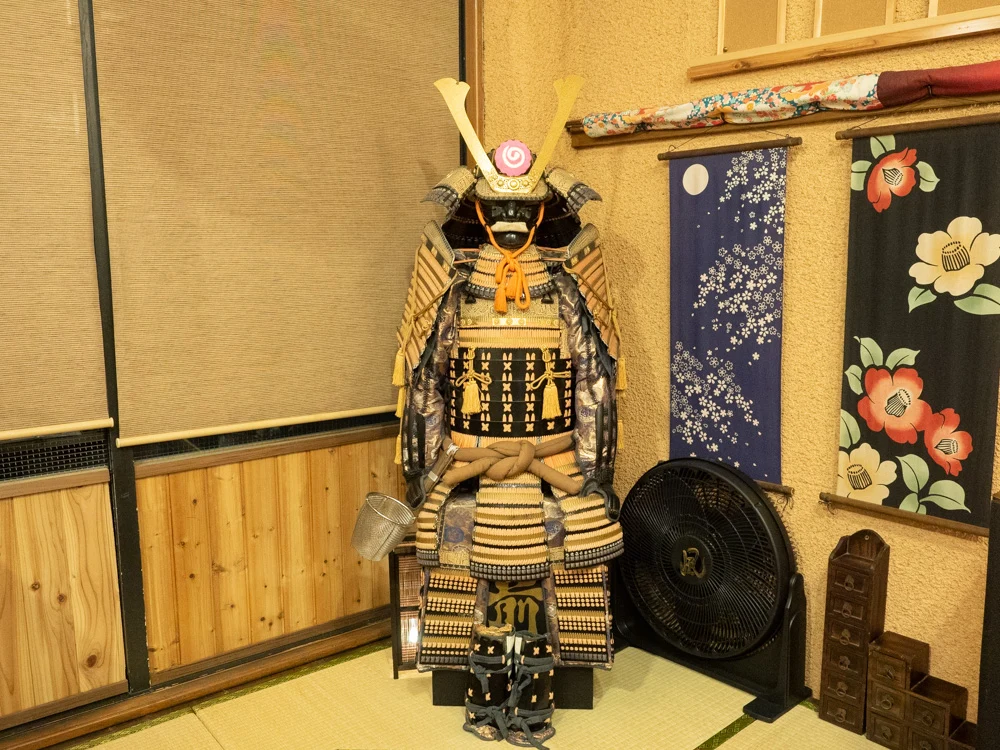
The atmosphere of the shop is unique; what was the inspiration?
Owner
Actually, at first, it was mostly things I had at home.
The shop in Hinode-cho was in a private house.
So, I thought about how to express some individuality.
I started decorating with various things that were lying around the house.
The result of keeping the things that received good reviews is the current interior.
People say the armor has an impact, but you might think, "You wouldn't normally put something like this in a restaurant," but I deliberately placed it to surprise.
The music played was the jazz from the aforementioned coffee shop.
As a result, I came up with the theme of "Japanese Modern" for the interior.
This has been carried on even after moving to Tsurugata.
Since there are many foreign tourists in the area, I think the Japanese Modern interior has been good for attracting interest from overseas visitors.
I want to help local ramen shops
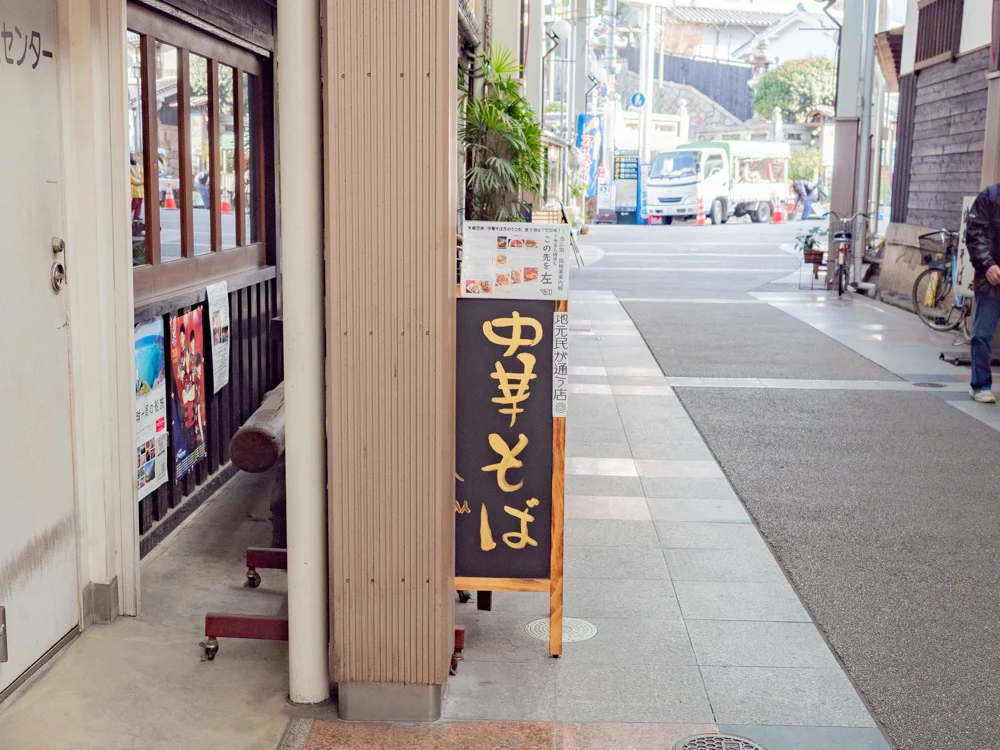
What are your future goals or things you want to try?
Owner
Since starting the shop, I have met many other ramen shop owners.
In that context, I receive various consultations and give advice, and conversely, I sometimes seek advice from others.
Running a shop as an individual comes with many challenges and difficulties.
At such times, I have come to think that it would be nice to have a connection where shops can help each other.
Originally, I wanted to preserve the goodness of individual shops, which was the motivation for starting Tsuki no Utsuwa.
Therefore, I hope that if there are any difficulties, we can cooperate with each other among shops.
Conclusion
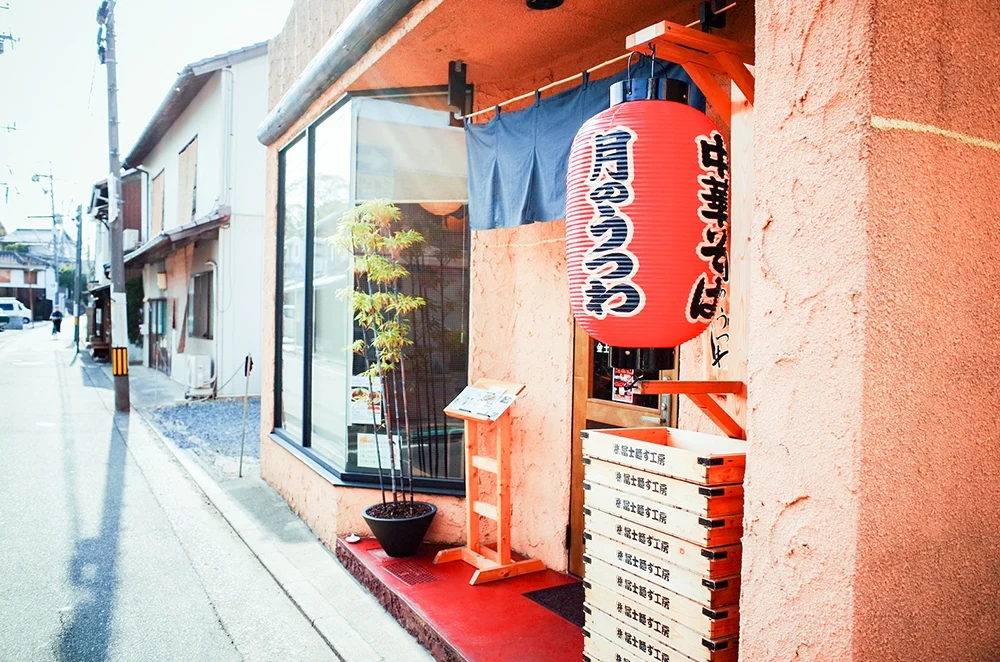
Tsuki no Utsuwa is impressive not only for its unique interior but also for its commitment and passion for chuka soba.
The owner's dedication to chuka soba is like that of a researcher.
And when I tasted the handmade chuka soba, I felt a nostalgic flavor.
I think the Chinese noodles at Tsuki no Utsuwa are the kind that you want to eat multiple times.
Please be sure to try the Chinese noodles at Tsuki no Utsuwa at least once.
Data for Tsuki no Utsuwa Tsurugata Branch
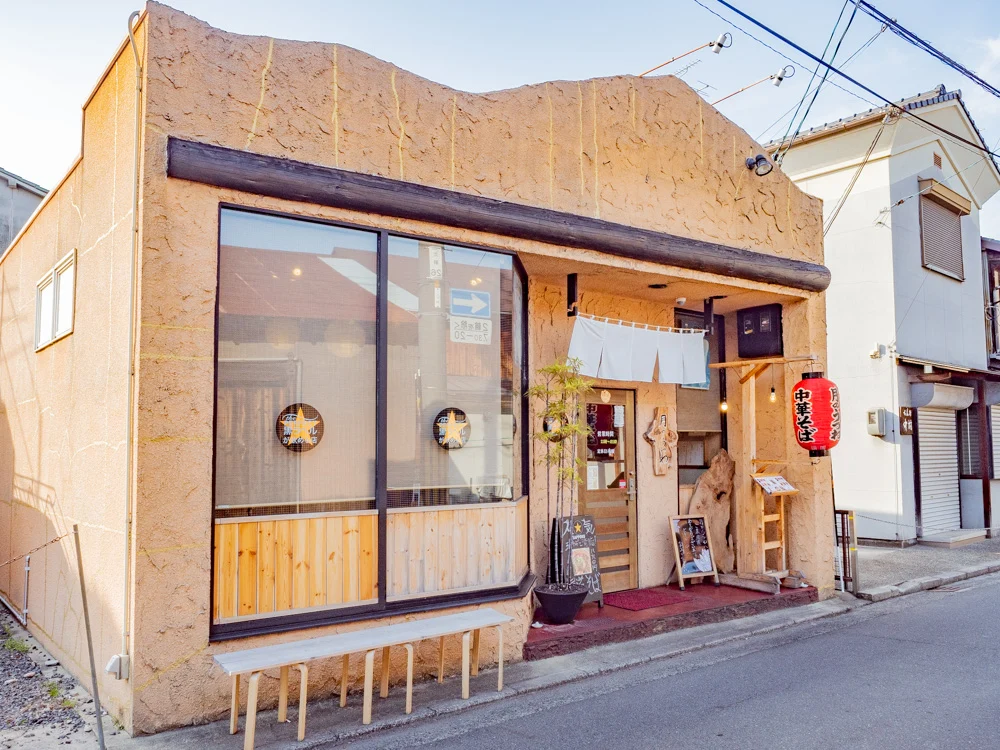
| Name | Tsuki no Utsuwa Tsurugata Branch |
|---|---|
| Address | 2-1-11 Tsurugata, Kurashiki City, Okayama Prefecture |
| Contact | 086-424-2135 |
| Parking | None |
| Business Hours | 10:30 AM - 3:00 PM 6:00 PM - 9:00 PM |
| Regular Holidays | Tuesday, Thursday |
| Payment Methods |
|
| Reservations | Not accepted |
| Seating | 10 seats ・Tables and tatami mats available ・Seating can be adjusted |
| Smoking | Completely non-smoking |
| Toilet | Western-style toilet |
| Childcare | Wheelchair accessible |
| Barrier-free | ・Children's utensils available ・Strollers not allowed |
| Website | Official Twitter of Tsuki no Utsuwa |