Interview with Natsumi Yamanaka, owner of Yamaimo
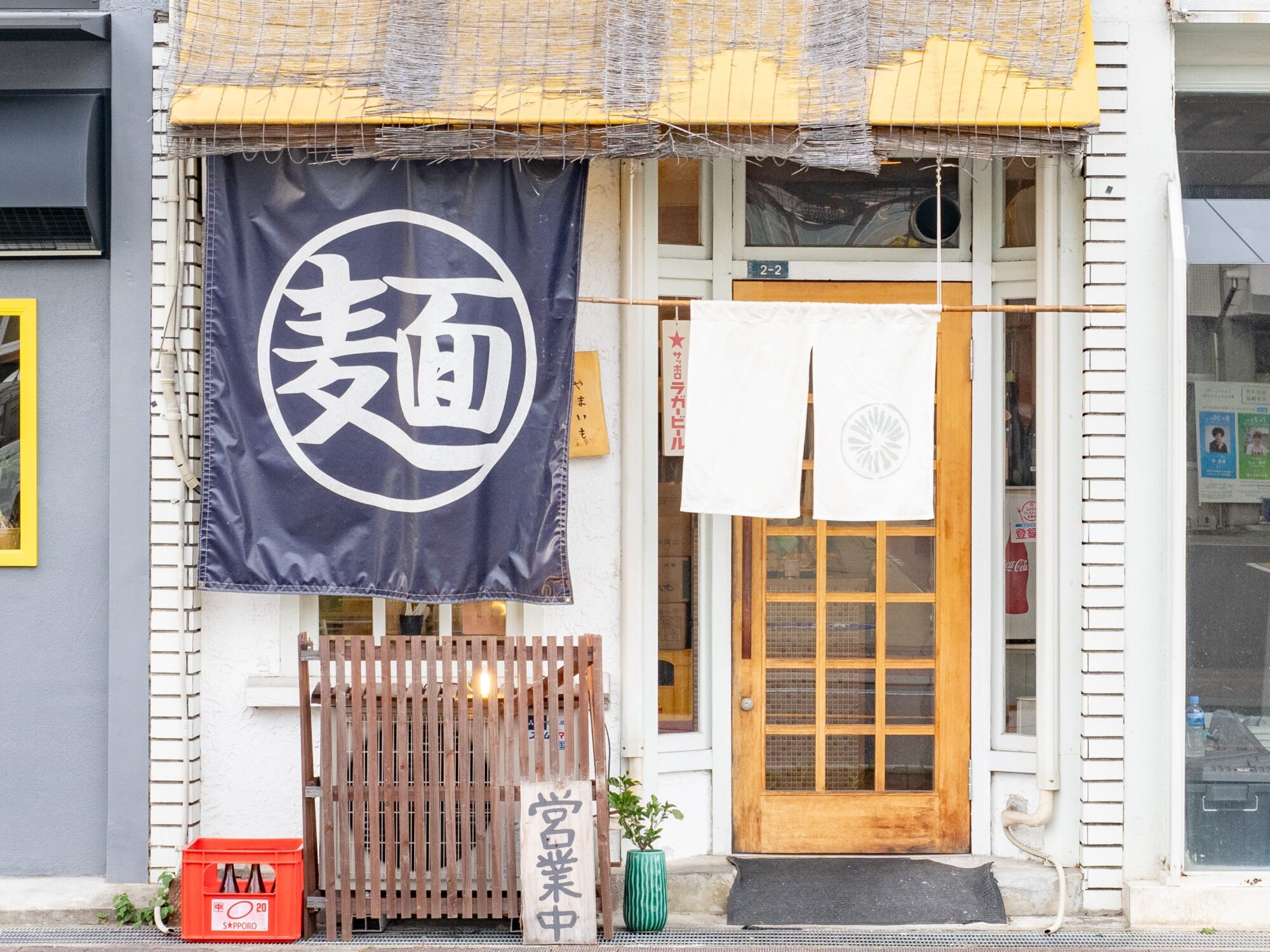
Yamaimo, a shop specializing in tsukesoba, is a style of restaurant that is rare in Soja.
We spoke with the owner, Natsumi Yamanaka, about the background of her opening the shop, her commitments, and her future prospects.
Inspired by a program about "housewife ramen shops," immersed in ramen research
Can you tell us about the background of your opening?
Yamanaka
The trigger for aiming to open a restaurant was when I was once moved by the taste and service at a certain restaurant in Fukuyama.
After that, I worked at various restaurants and companies related to food.
At one point, I saw a feature on a TV program about a housewife who opened a ramen shop.
Watching the program, I was inspired and thought, "That's cool!" and I wanted to make ramen.
Since then, making ramen at home became my hobby.
I researched online and went through trial and error.
I remember struggling to get the flavor right.
From hobby ramen research to business
What was the turning point for you to pursue ramen?
Yamanaka
The turning point was in January 2019.
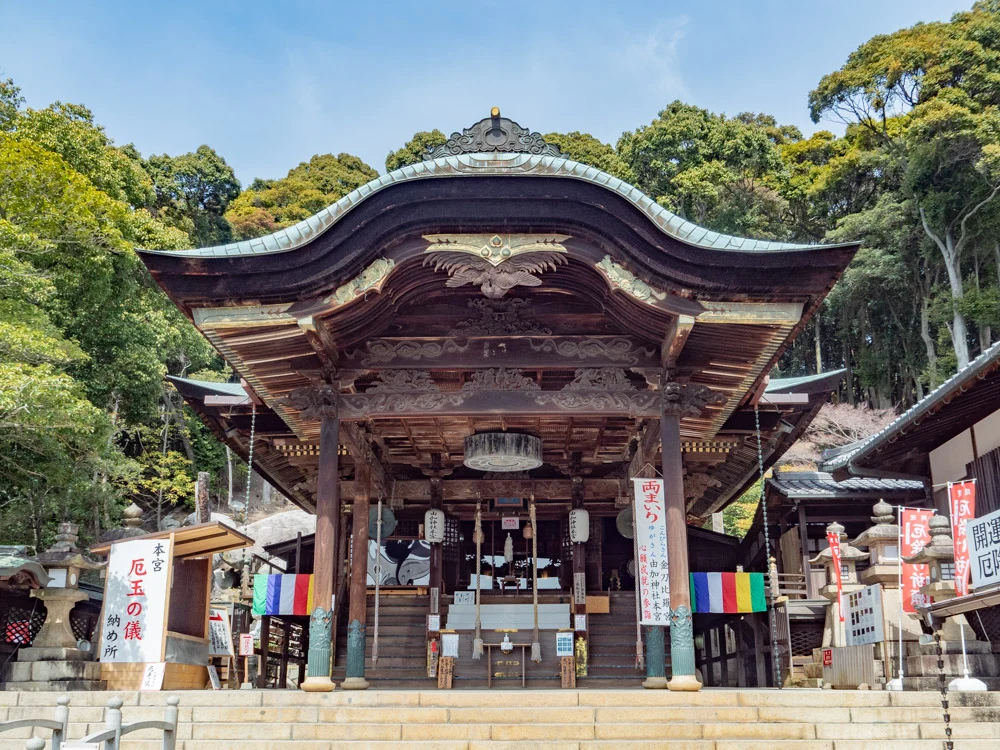
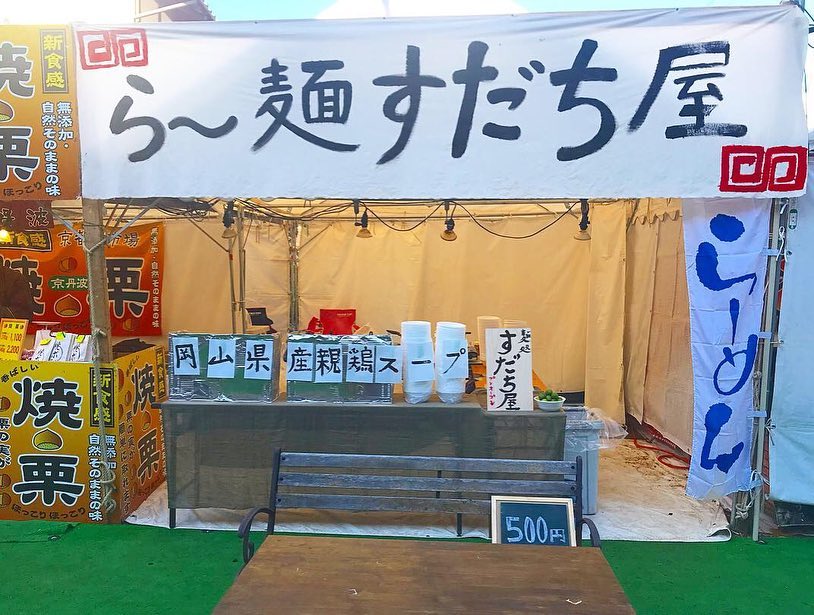
Through my father, I was able to set up a ramen stall on the approach to Mogo Inari during the New Year.
Since it was a rare opportunity, I opened under the name "Mendokoro Sudachiya".
It was only for three days, but I felt a sense of accomplishment.
Above all, I was happy to hear customers say "delicious" directly.
Later that same year, through a friend's introduction, I set up a ramen stall called "Mendokoro Sudachiya" at a morning market held at Soja Shrine.
It was very well received, and I was quite busy.
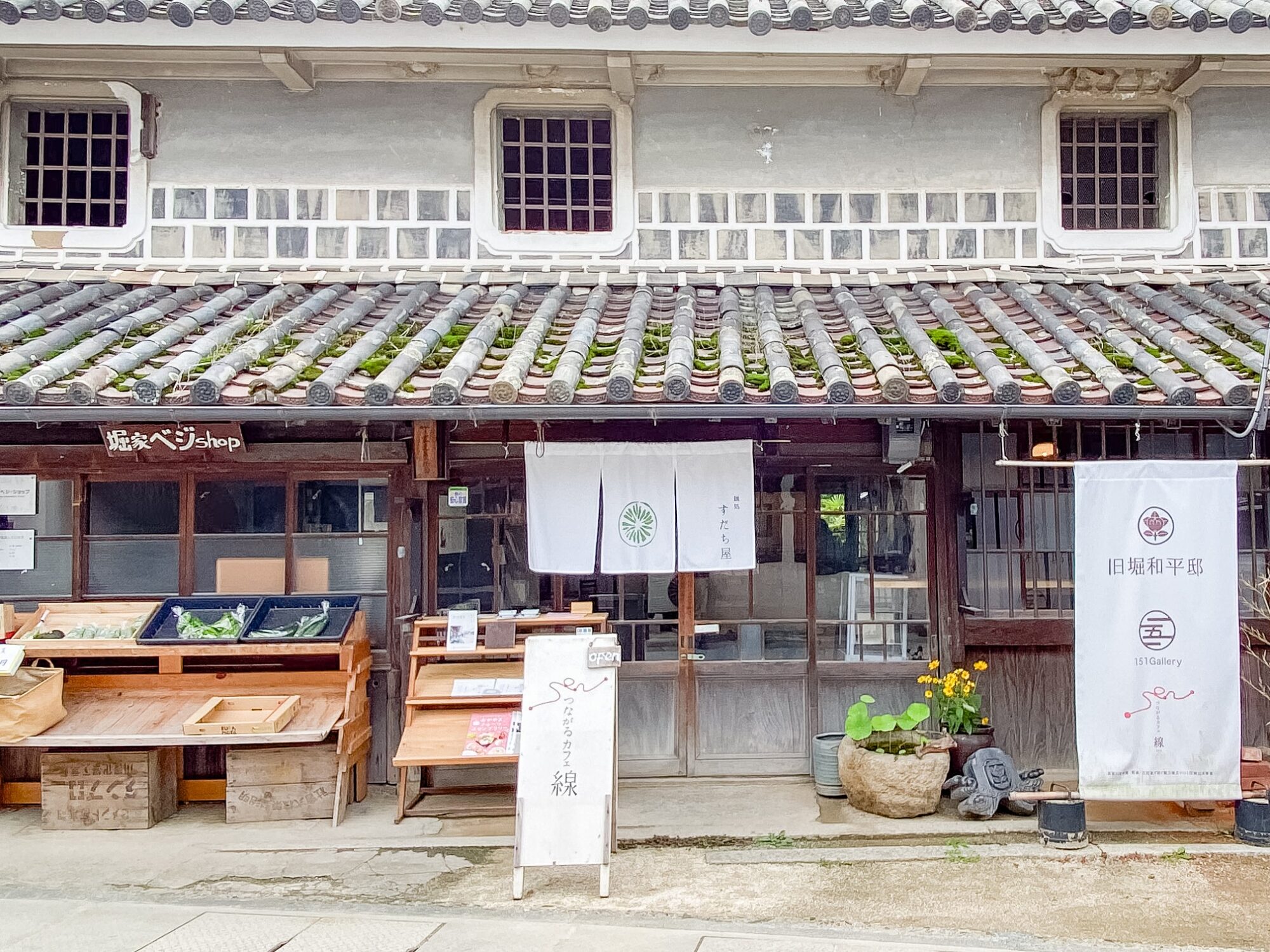
And thanks to the morning market, I was able to operate a ramen shop called "Mendokoro Sudachiya" once a week at the old house share kitchen "Sen" across from Soja Shrine.
This was on July 4, 2019.
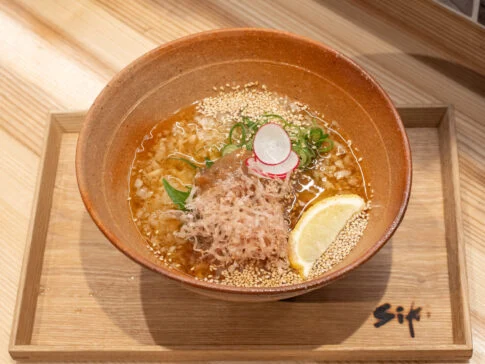
The shop name was derived from the fact that the signature menu at that time was "Sudachi Ramen" made with sudachi citrus.
From operating in a shared kitchen to an independent store
When did you transition from the shared kitchen to an independent store?
Yamanaka
The operations in the shared kitchen were very well received, and the number of customers increased through word of mouth.
About a year after starting operations, I received a sudden call from a friend who runs a restaurant.
He said a store would be available, and asked if I could operate there.
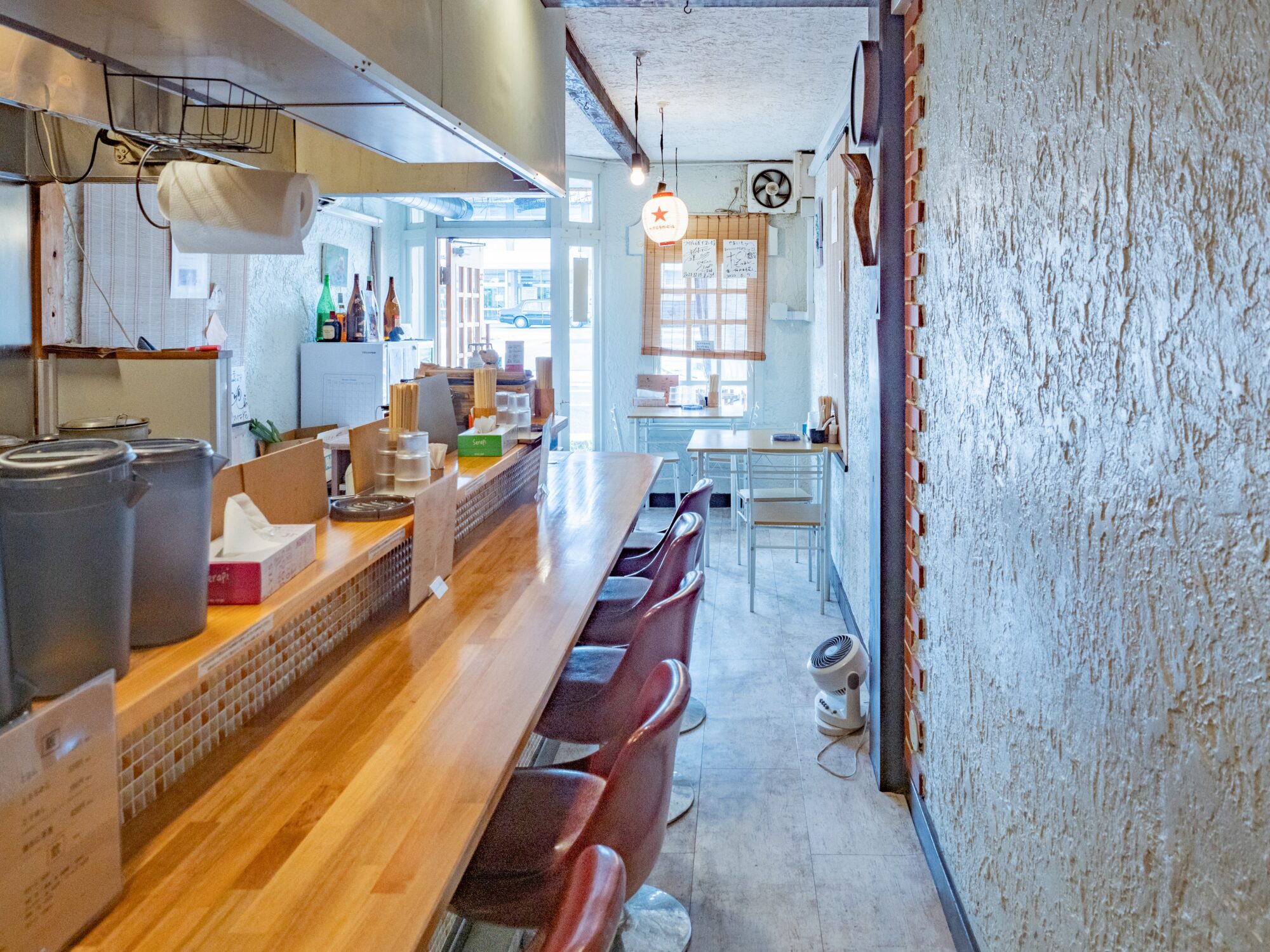
That store was the location where Yamaimo is currently situated.
I was unsure about what to do, but since it was a great opportunity, I decided to take the plunge and operate in an independent store.
So, I ended operations at "Sen" in May 2020 (Reiwa 2) and opened "Tsukesoba Shop Yamaimo" at the current location on September 4.
In fact, "Yamaimo" is not derived from the yam vegetable, but from my nickname.
I have an older sister, so I started being called "Yamanaka's younger sister" (laughs).
Making "tsukesoba" the main menu as a new appeal after independence
While "Sudachi Ramen" was the main dish at Sen, what led to "tsukesoba" becoming the main dish at Yamaimo?
Yamanaka
After much trial and error at home, I thought I had created a delicious ramen with "Sudachi Ramen."
During the stall period, Sudachi Ramen was the signature dish.
When I started operations at Sen, I thought about expanding the menu.
Since I was going to create a new menu, I thought, "Let's try something I haven't challenged yet."
That's when I came up with "tsukesoba" and "abura soba."
Just like with ramen, I completed them through self-study and trial and error.
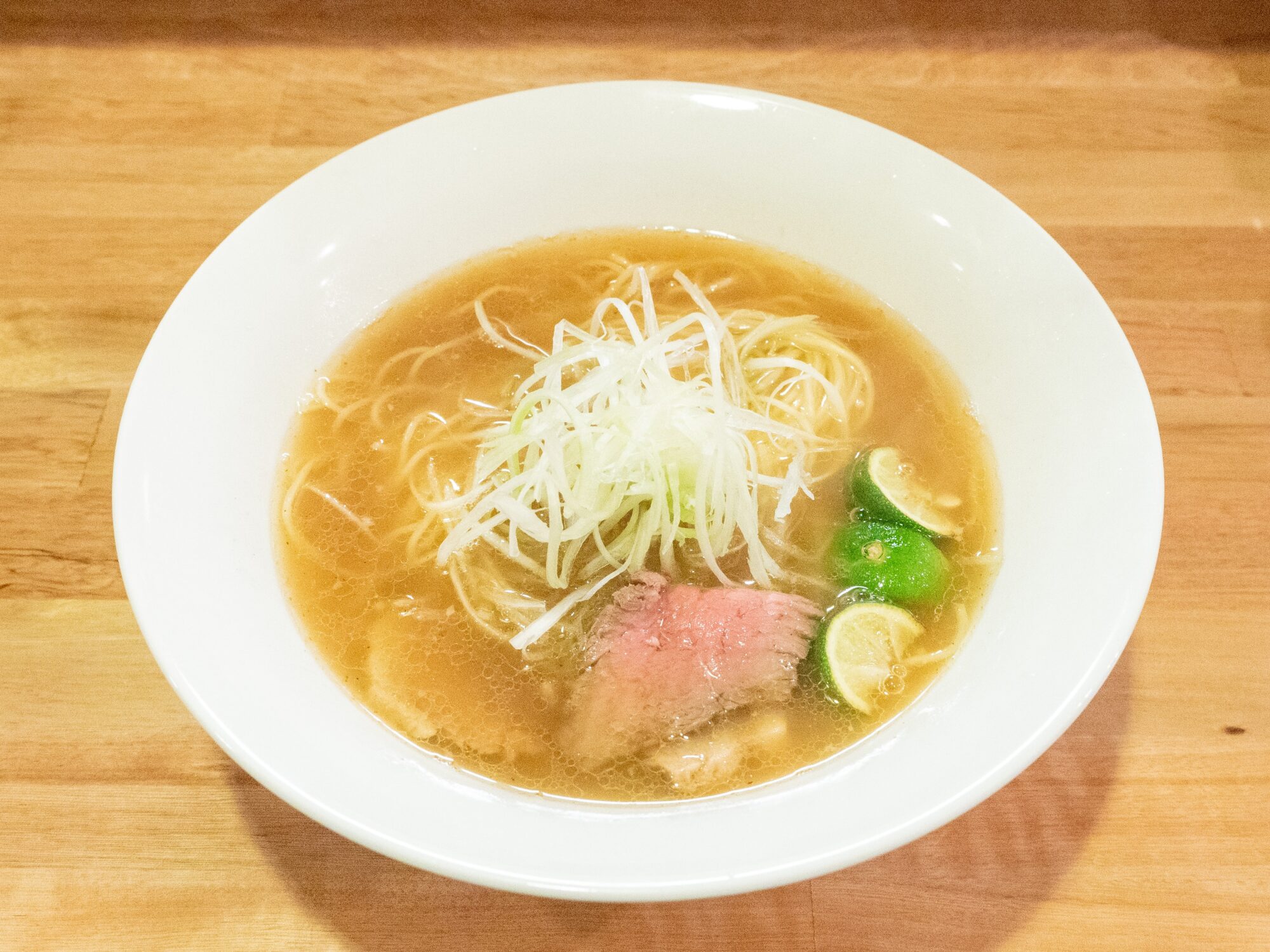
Gradually, tsukesoba and abura soba also became popular, becoming signature dishes alongside Sudachi Ramen.
So when I became an independent store, I wanted to promote something different from before and made tsukesoba the main dish.
For a while, I kept Sudachi Ramen on the menu, but now it has been removed.
Committed to handmade products
What are the features and commitments of your shop?
Yamanaka
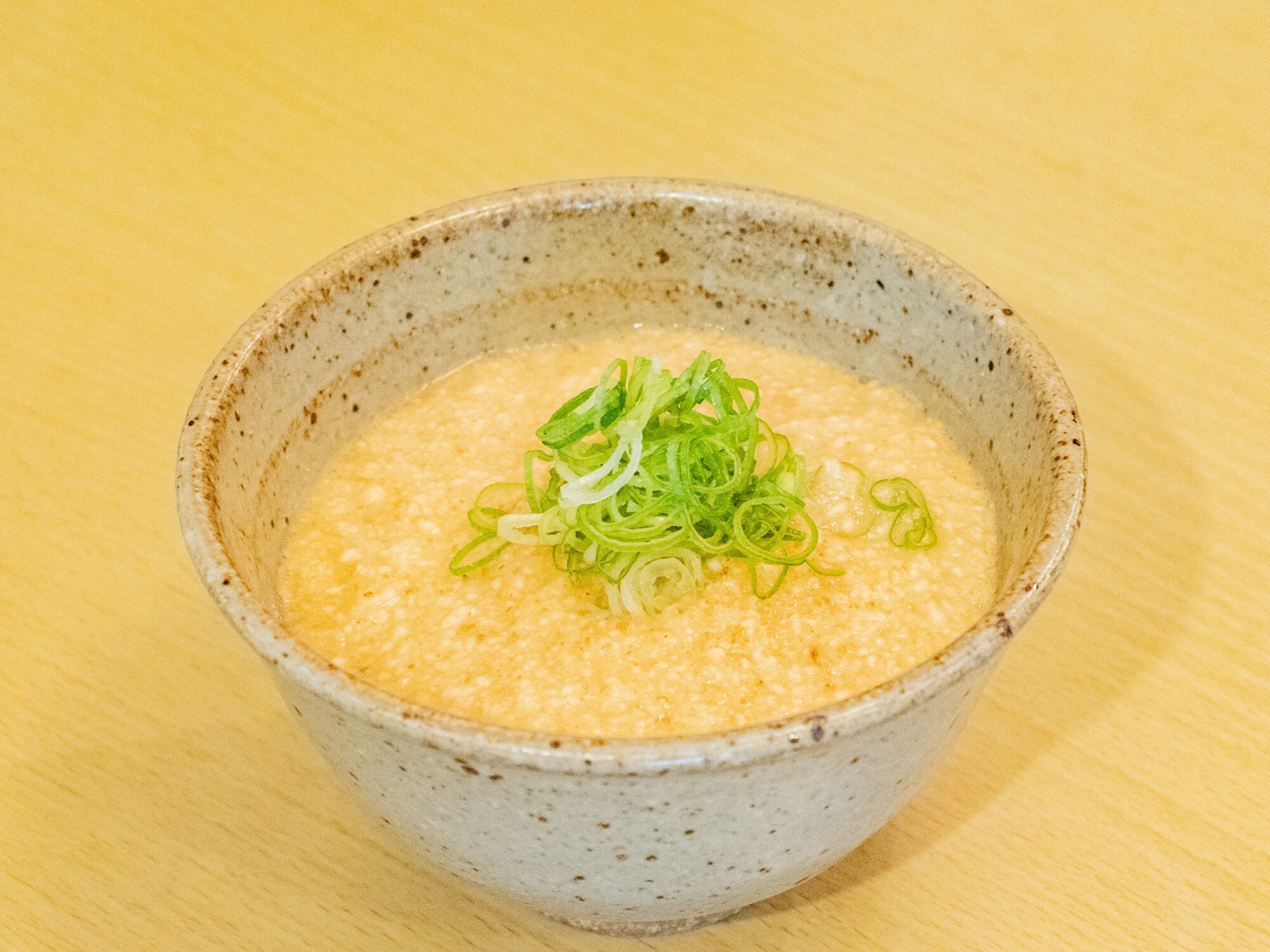
We do not use pre-made ingredients, and everything is handmade.
For example, for tororo, I procure fresh yam (nagaimo) and grate it myself every day.
The dashi is made using parent chickens from Okayama Prefecture, iriko from Setouchi, and flying fish from San'in.
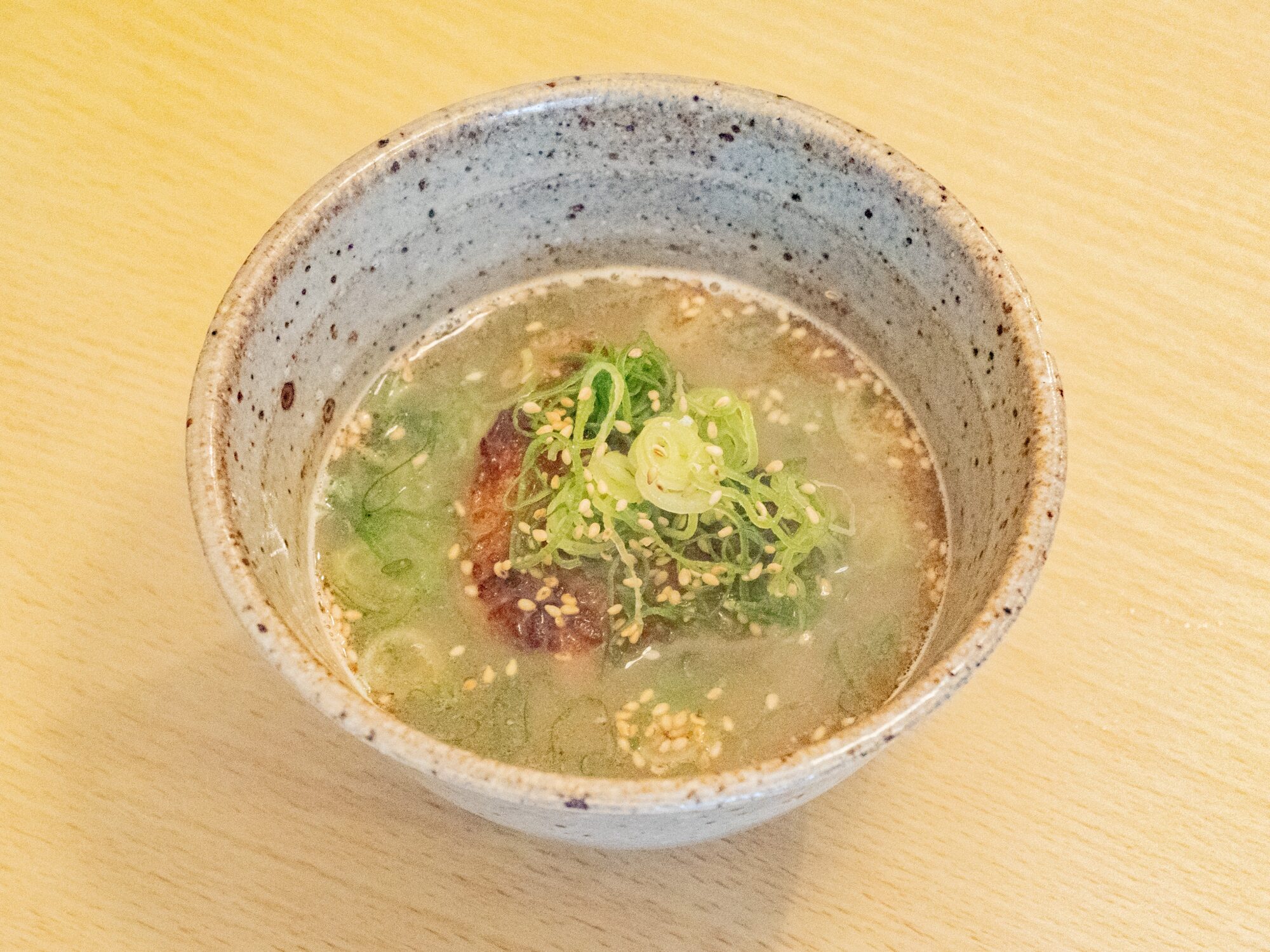
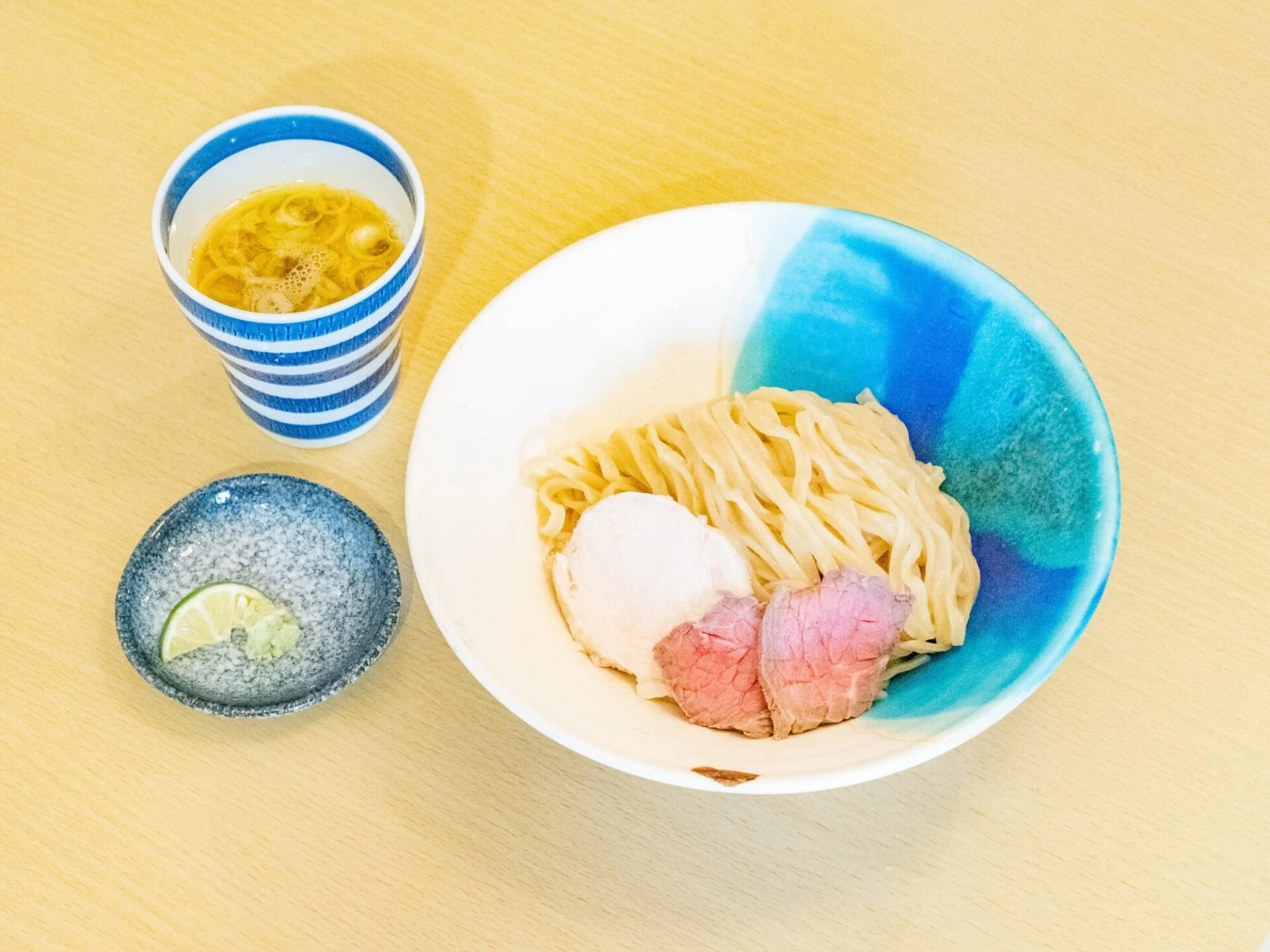
Additionally, for tsukemen, we have two types of noodles: medium-thick flat noodles and thin noodles with whole wheat.
The basic medium-thick flat noodles have a slightly higher water content, giving them a chewy texture and a smooth mouthfeel.
The medium-thick flat noodles are also used in abura soba.
The thin noodles have a slightly firmer bite.
Also, different noodles are used for the torodama.
These noodles are made from Hokkaido wheat, which has a strong wheat flavor.
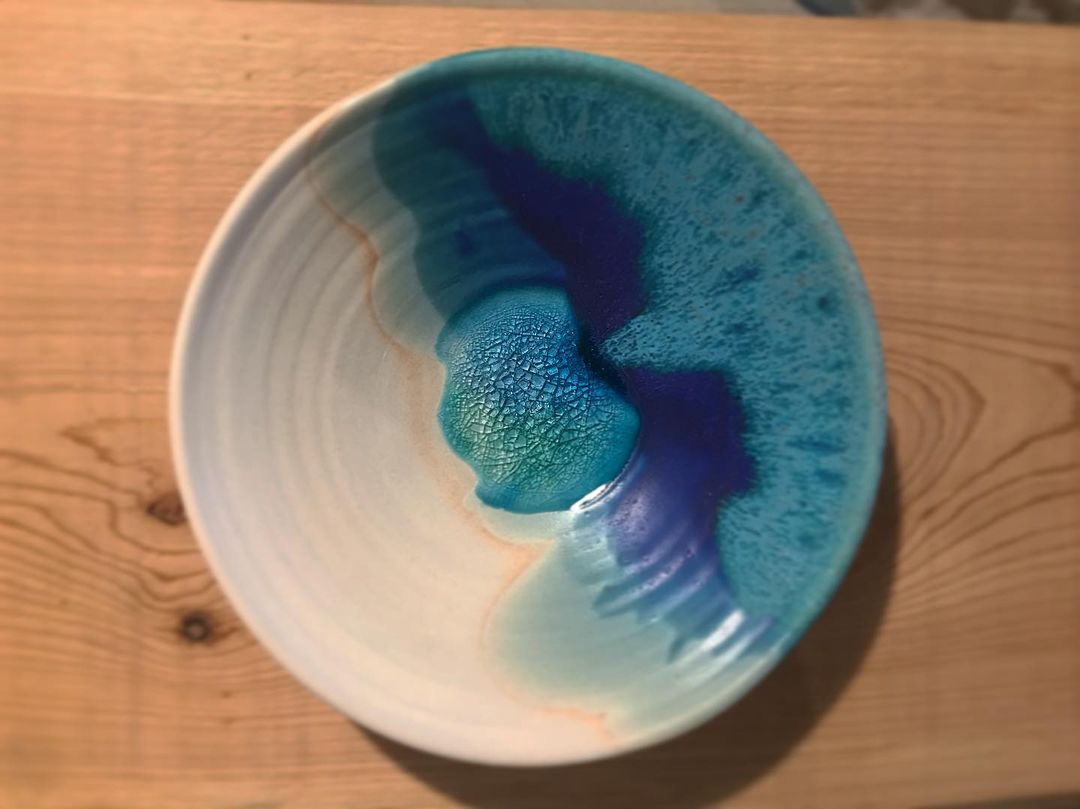
Furthermore, we have a commitment to the dishes used for tsukesoba.
They are made from "Uruma pottery" produced in Okinawa.
I was introduced to them by an acquaintance, and I fell in love with their beautiful appearance at first sight.
Aiming for a new stage with plans for relocation and renewal
What are your future prospects and things you want to try?
Yamanaka
I have stepped up from operating a stall to a shared kitchen and now to an independent store.
As the next step, I think it would be nice to operate in a slightly larger space in the suburbs.
Right now, I am in the city, but I would like to try running a restaurant in a place rich in nature.
In fact, I am planning a relocation and want to aim for a new stage.
At that time, I would like to consider challenges in new fields, not just focusing on tsukesoba and ramen.
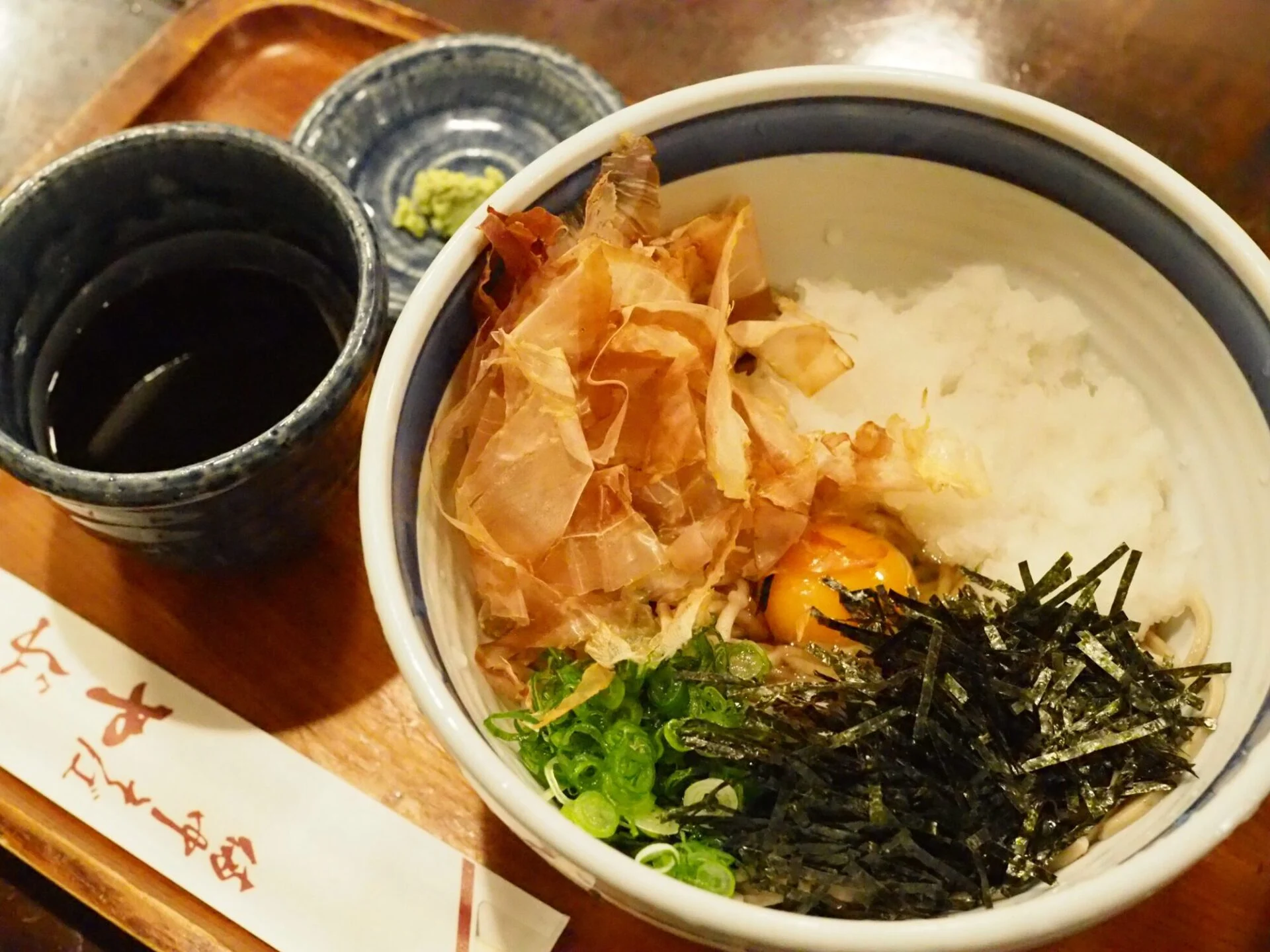
Yamaimo offers carefully crafted tsukesoba in front of Soja City Hall
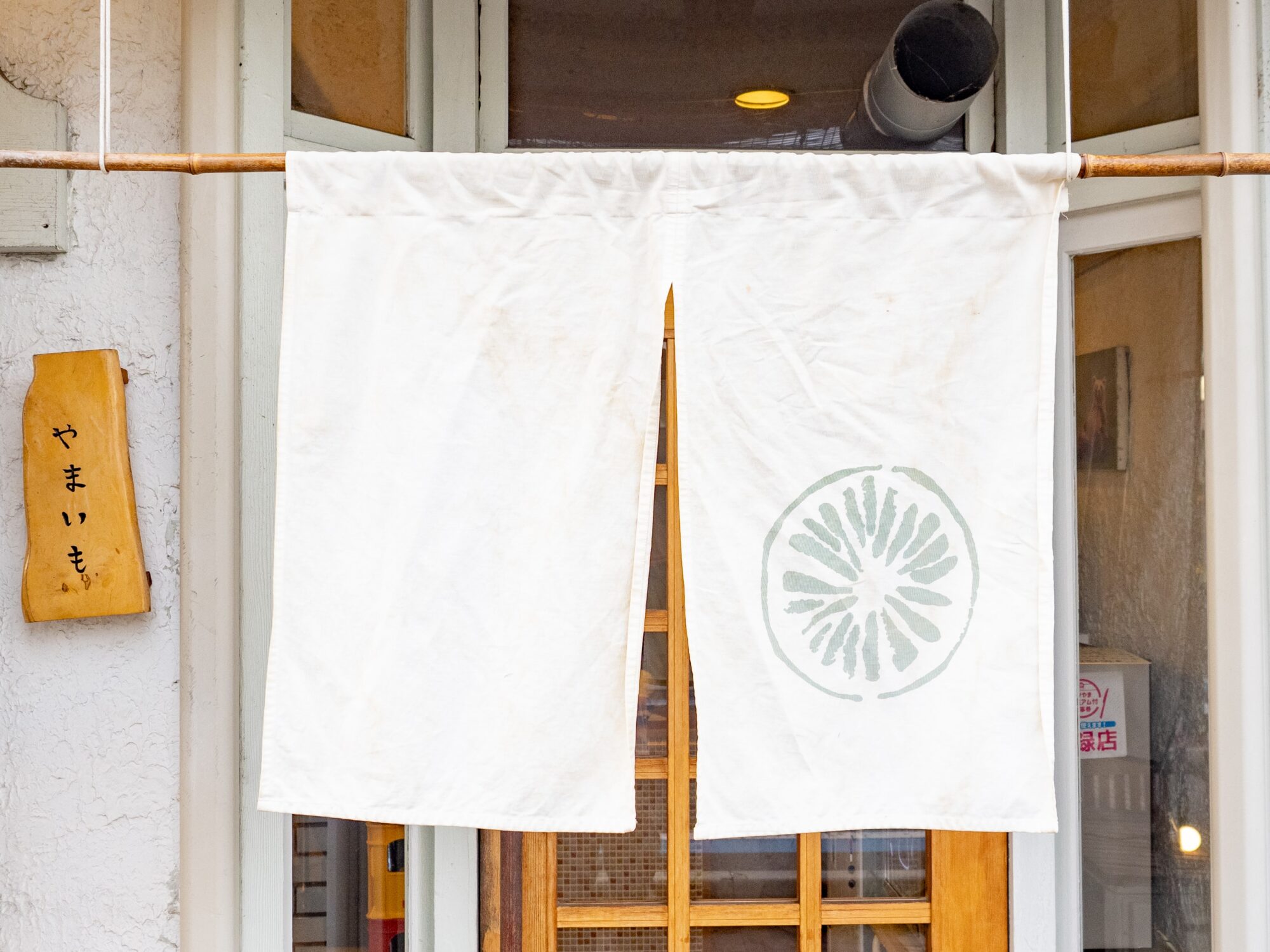
Yamaimo, one of the few tsukesoba specialty shops in Okayama Prefecture.
The smooth and chewy noodles and the carefully crafted dipping sauce create an exquisite harmony.
Moreover, since you can enjoy two types of noodles, be sure to try the extra noodles to experience the difference!
Don't miss the abura soba, yam-based yamakake tsukesoba, torodama, and tororo meshi as well.
Tsukesoba Shop Yamaimo closed in September 2024.
The information provided is from the time of operation.
Tsukesoba-ya Yamaimo Data
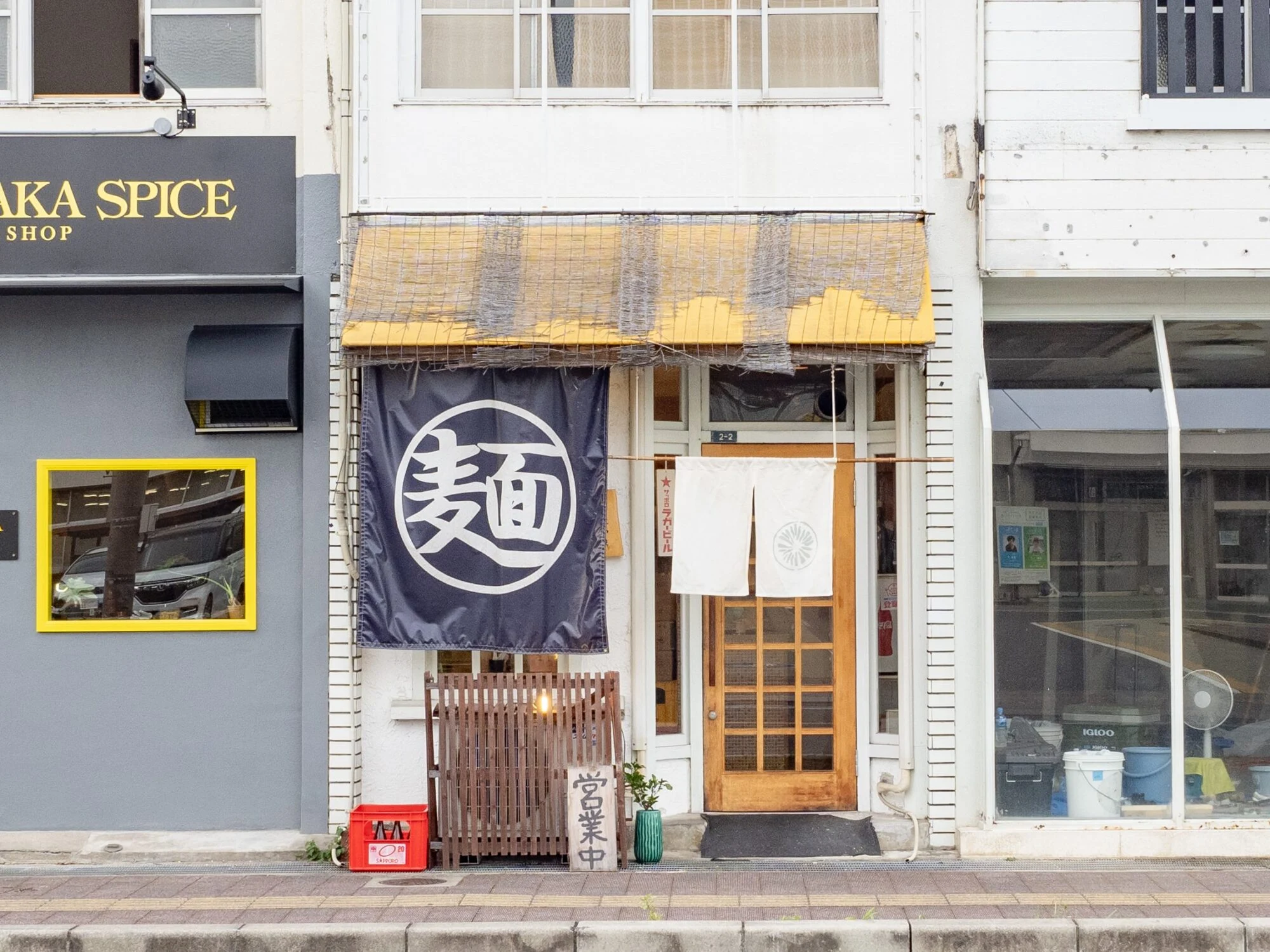
| Name | Tsukesoba-ya Yamaimo |
|---|---|
| Address | 2-2-1 Chuo, Soja City |
| Contact | 090-2861-0340 |
| Parking | None ※ During lunch hours, parking is available at Shunsai-bouya (about 300m from Shunsai-bouya) |
| Business Hours | 11:30 AM - 2:00 PM, 6:00 PM - 8:00 PM (Last order 7:30 PM) |
| Regular Holidays | Monday, Sunday |
| Payment Method |
|
| Reservation | No |
| Seats | 10 seats total ・Counter seats: 6 ・Tables for 2: 2 |
| Smoking | Completely non-smoking |
| Toilet | Western-style toilet |
| Childcare | ・Strollers allowed ・Child-friendly utensils available |
| Barrier-free | ・Wheelchair accessible (toilet is not wheelchair accessible) |
| Website | Official Instagram of Tsukesoba-ya Yamaimo |