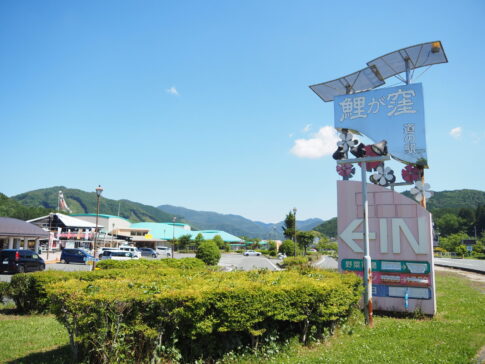
Departing from JR Soja Station
The procedures are complete, and it's finally time to depart!
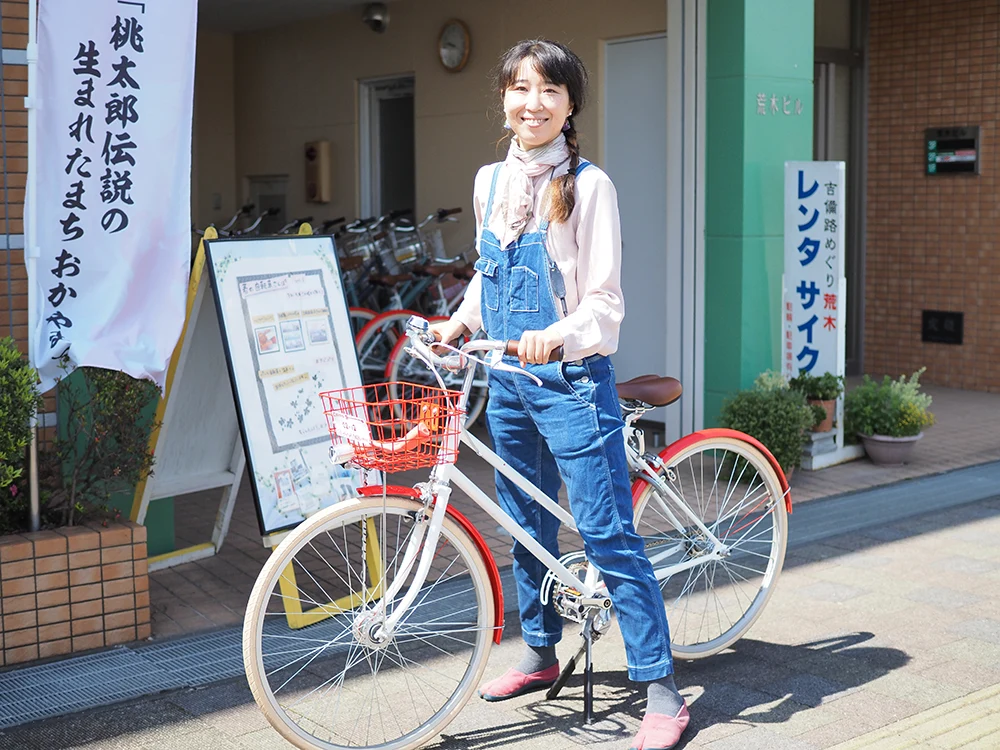
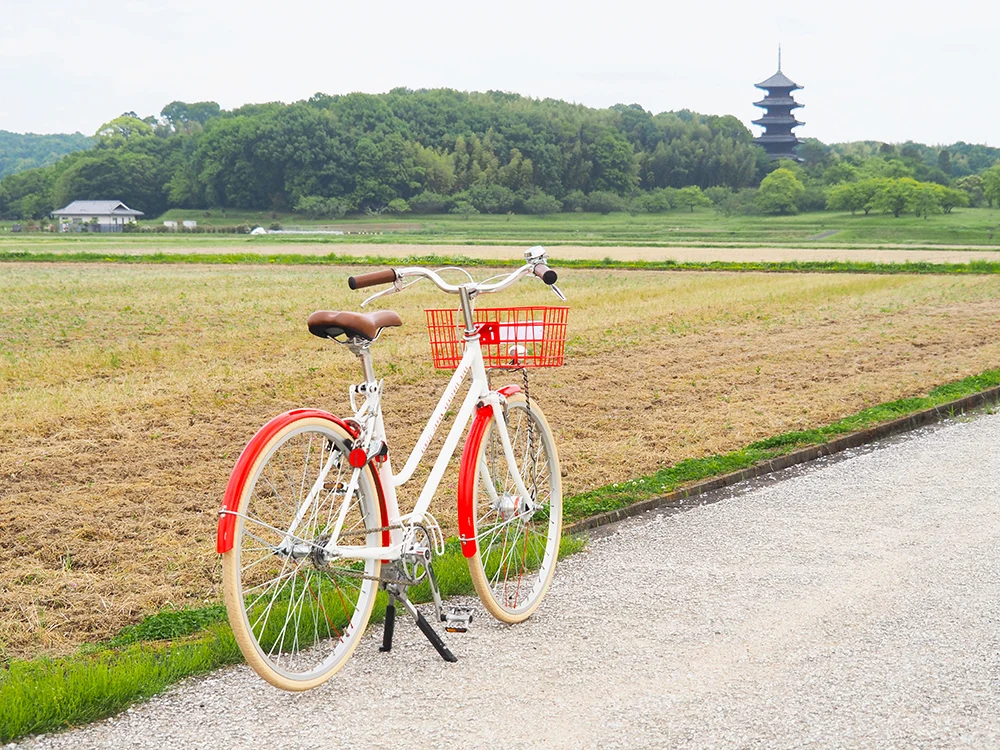
It had been a few years since I rode a bicycle, so I was a bit anxious, but the stylish design lifted my spirits.
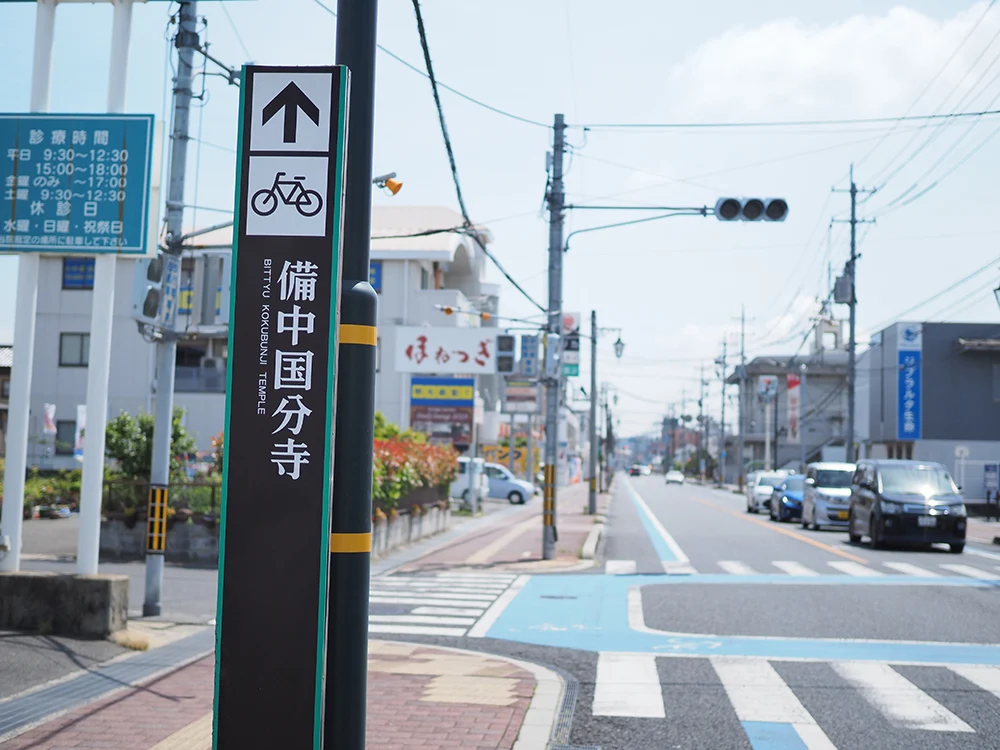
Around JR Soja Station, there are signs for bicycle paths next to the roadway, so let's follow those as we proceed.
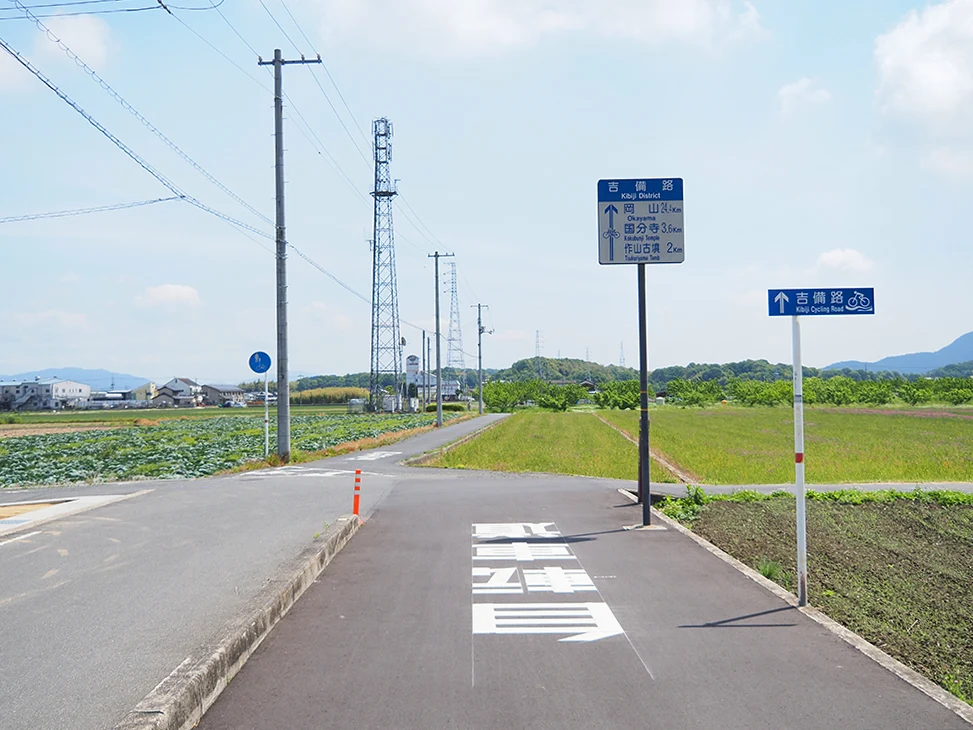
After riding a bit from the Soja City Sports Center, it becomes a bicycle path where regular cars cannot go.
I could hardly hear any car sounds; it was very quiet. I was healed by the idyllic rural scenery.
I came across "Yayoi Plaza" along the way. I was curious, so I stopped by. A raised-floor warehouse has been recreated.
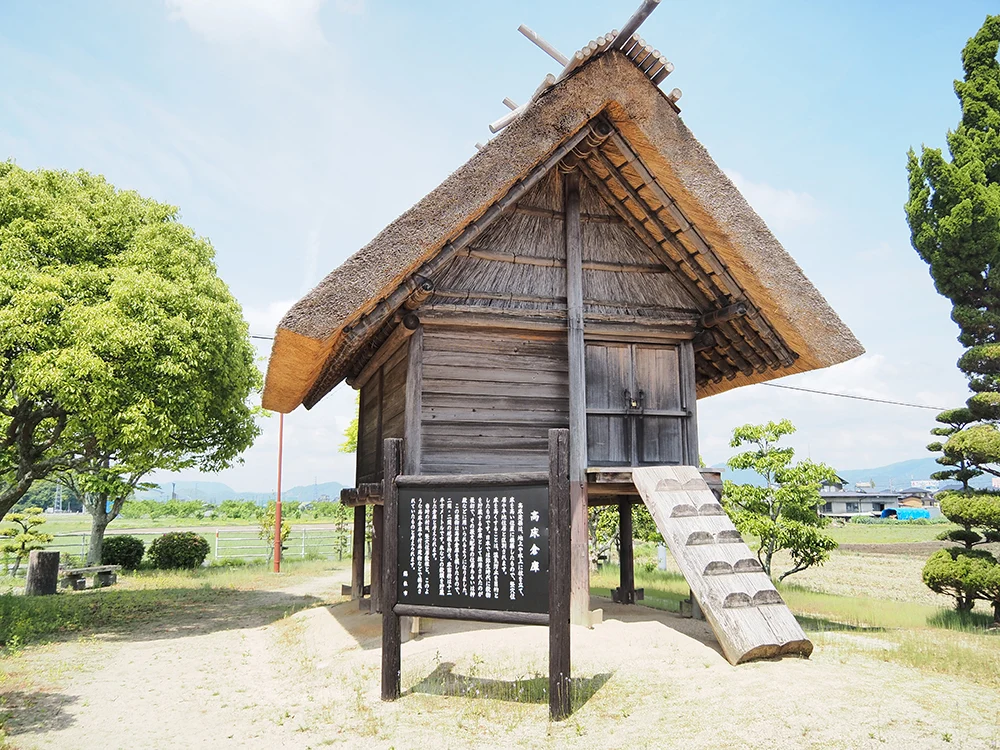
This is one of the great things about cycling: you can easily stop by places that catch your interest.
In the distance, I could see Kinojo Castle.
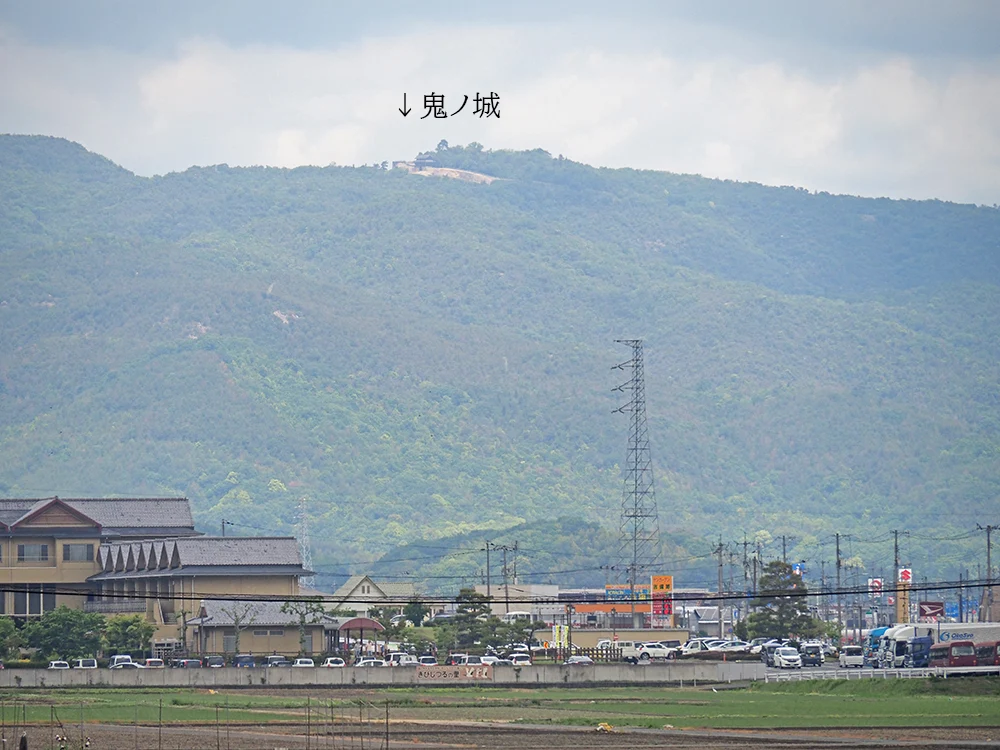
Sakuyama Kofun
I almost passed by, but checked the map and made a U-turn. I stopped by Sakuyama Kofun.
From a distance, it looks like an ordinary hill, but up close, there are a parking lot and restrooms.
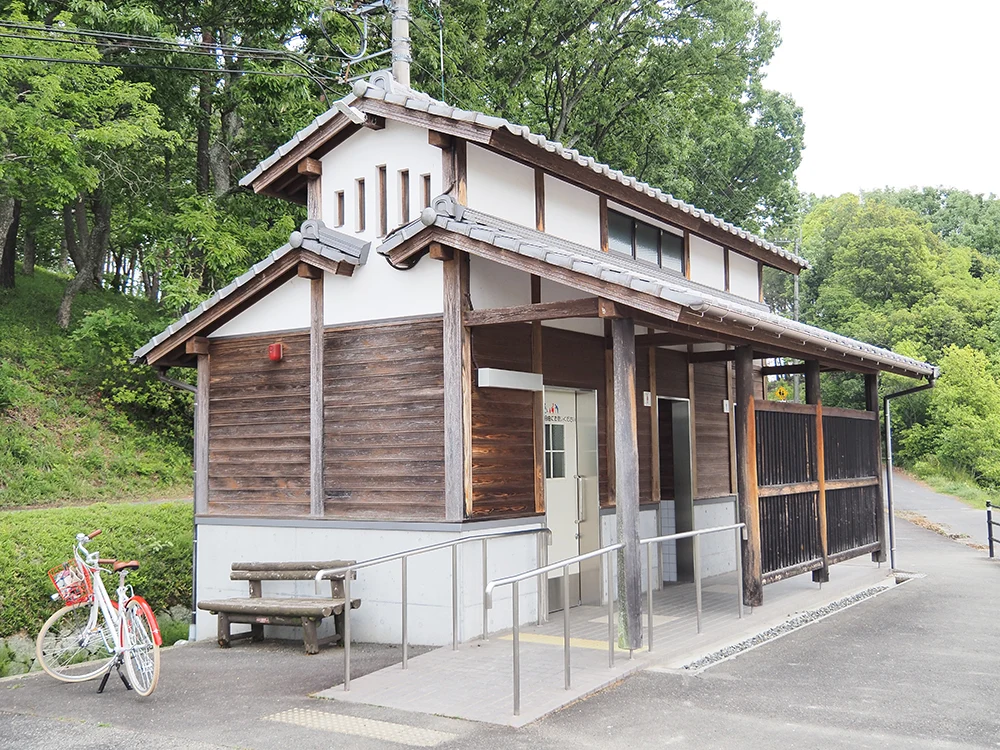
Sakuyama Kofun has not been excavated, so its details are unclear, but based on research into its structure, it is believed to have been built around the 5th century.
When it comes to keyhole-shaped mounds, they leave a strong impression when viewed from the air, but climbing up allows you to feel the kofun in three dimensions.
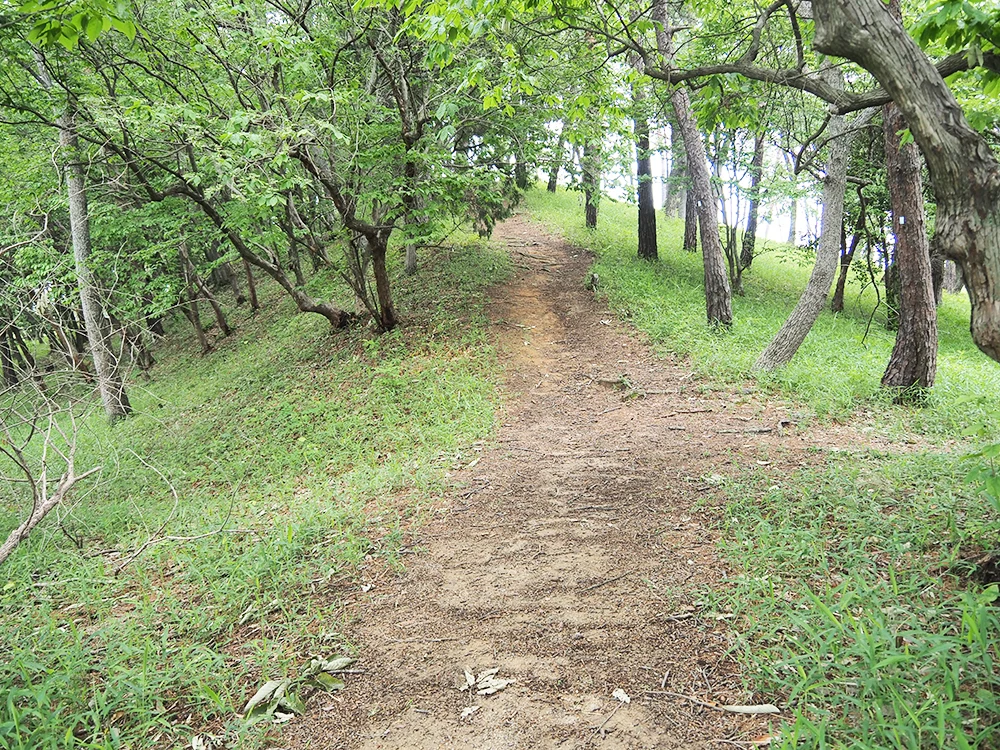
It is approximately 282 meters long, making it the 10th largest kofun in the country.
The size of the kofun is considered a symbol of the power of the local chieftains, and it is believed to have been built for the great chieftain who ruled over Kibiji.
There was also a round plaza that made me think, "Is this the round part of the keyhole-shaped mound?"
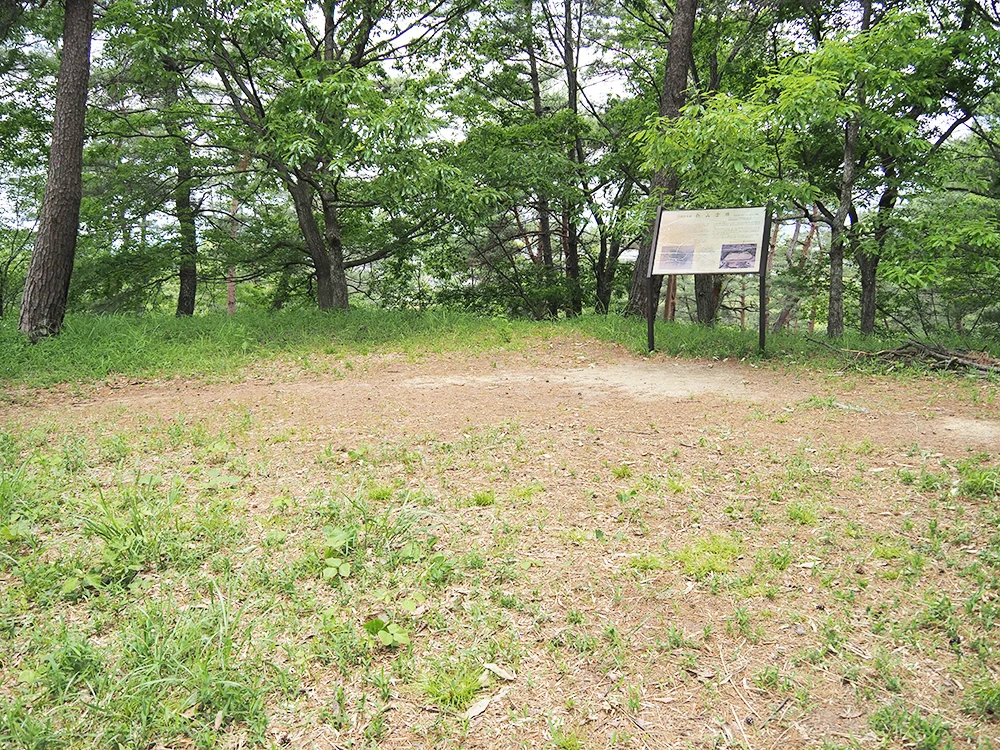
Bichu Kokubun-ji Temple
After passing Sakuyama Kofun, Bichu Kokubun-ji Temple comes into view.
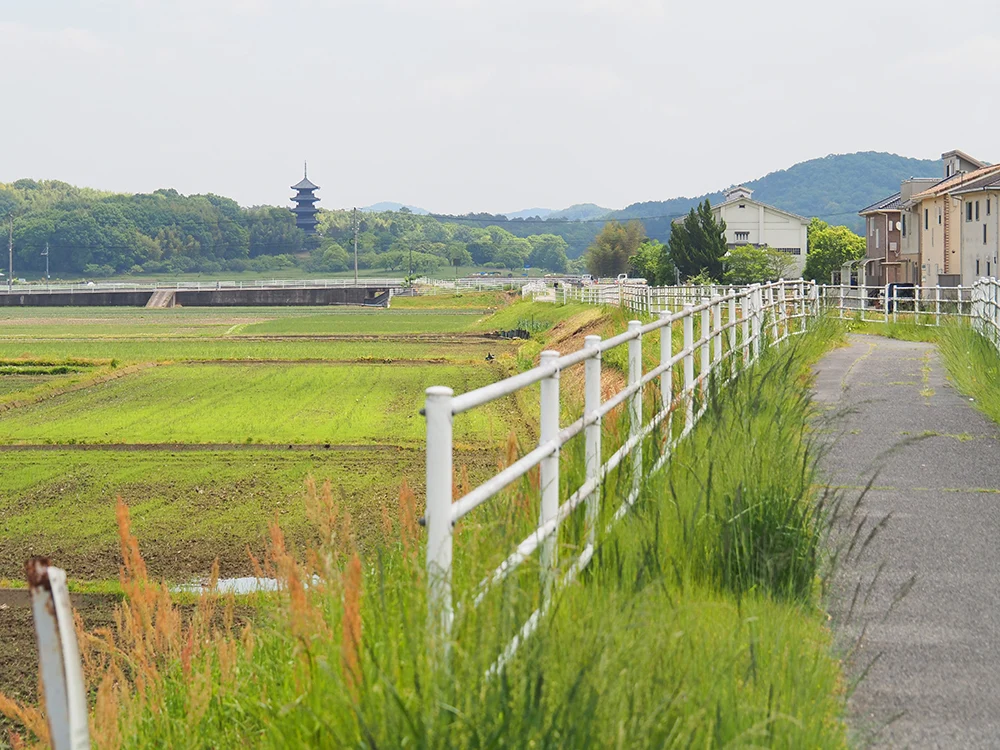
It is one of the Kokubun-ji temples established nationwide by Emperor Shomu during the Nara period. The current building was restored in the Edo period and is designated as an Important Cultural Property.
I enjoyed a smooth ride while gazing at the five-story pagoda, which is about 34 meters tall.
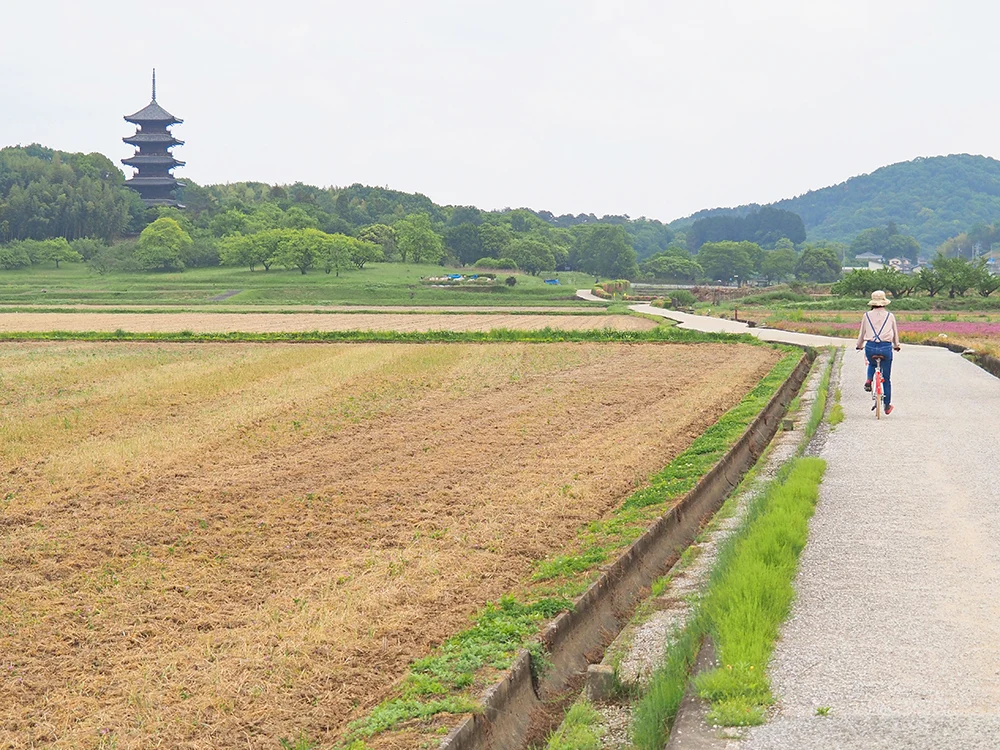
Since the bicycle path is free of cars, I was able to enjoy taking photos at my leisure.
In spring, you can enjoy seasonal flowers like rapeseed, plum, and lotus, and in summer, sunflowers. Some lotus flowers were blooming.
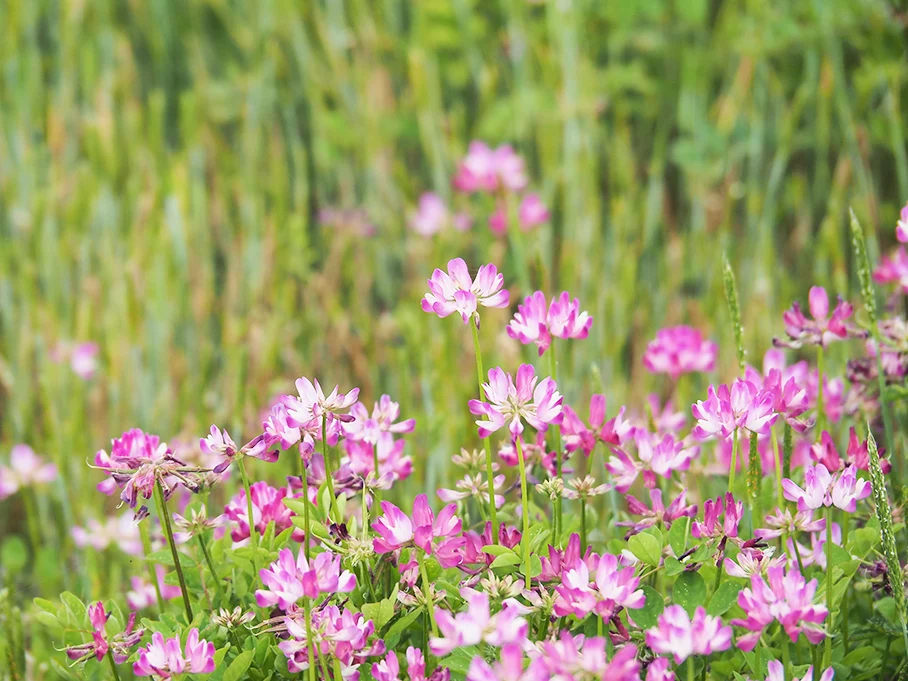
Komorizuka Kofun
I stopped by Komorizuka Kofun, located on the east side of Bichu Kokubun-ji Temple. It is a keyhole-shaped mound built during the late Kofun period (late 6th century).
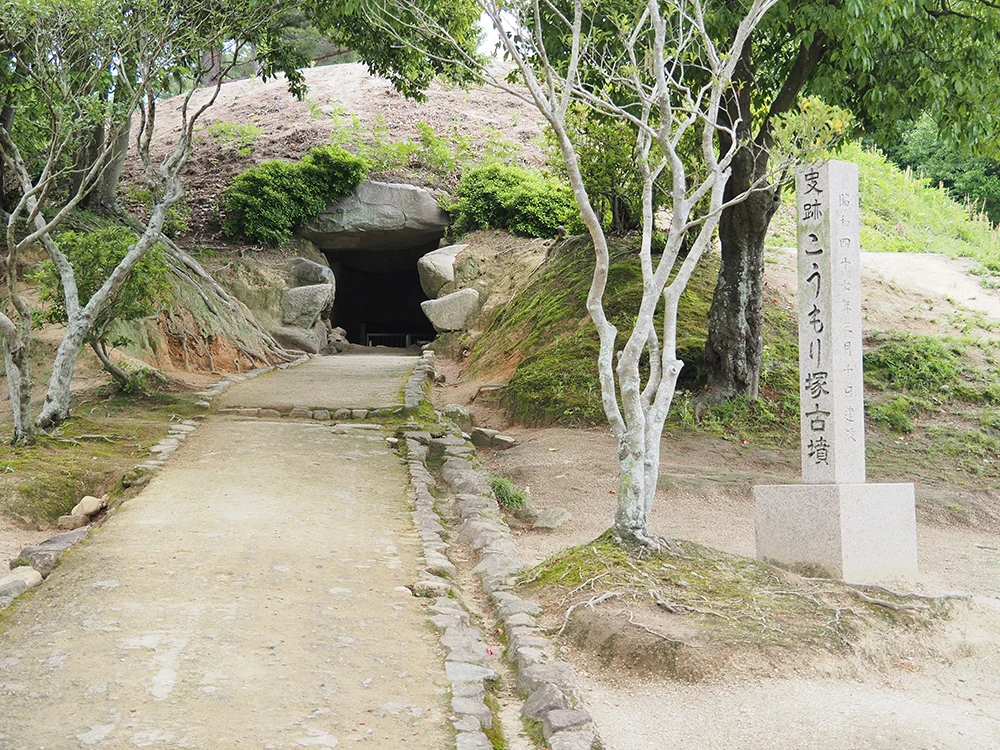
It is said to be named "Komorizuka Kofun" because bats have taken up residence there.
The horizontal stone chamber features large stones in the ceiling and walls, and you can actually enter partway into the stone chamber!
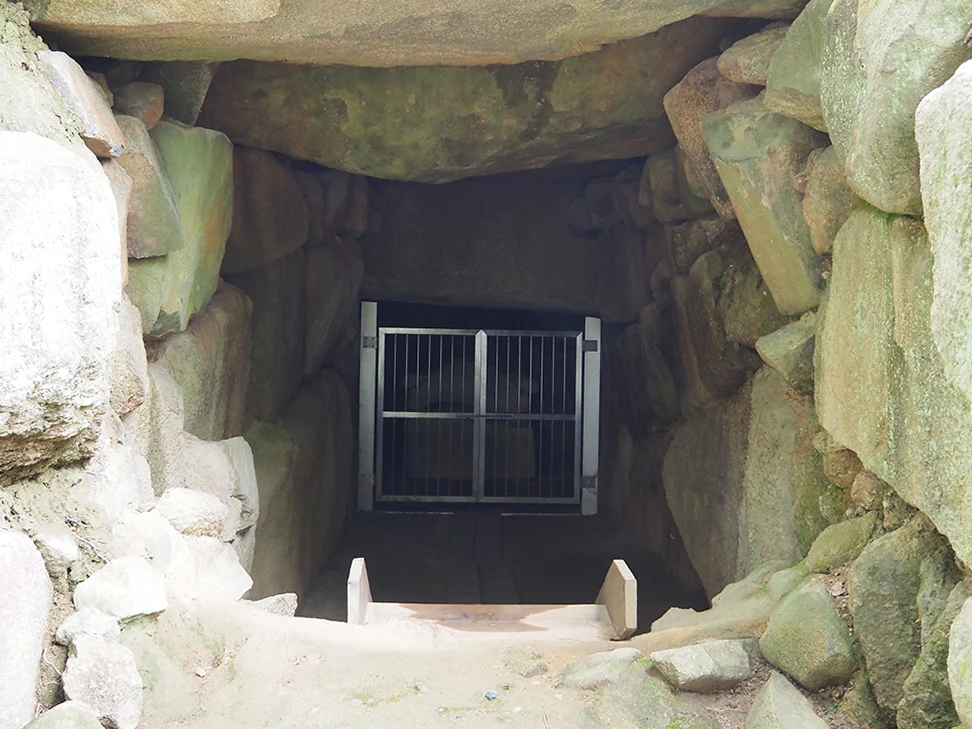
Inside, it was cool. Peering inside, I could see a stone coffin, which was thrilling.
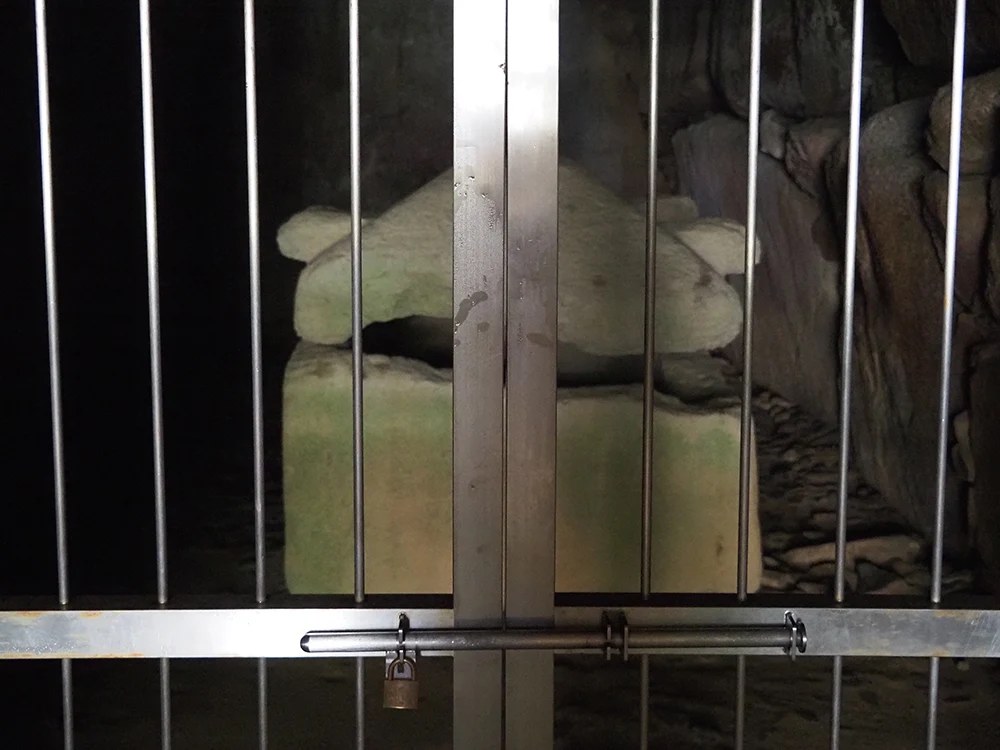
Thinking that this stone chamber has been here for over 1,000 years gave me a sense of historical romance.
At Araki Rental Bicycle, I was told, "The area around Matsui Pond to the north of Komorizuka Kofun is also recommended," so I decided to check it out.
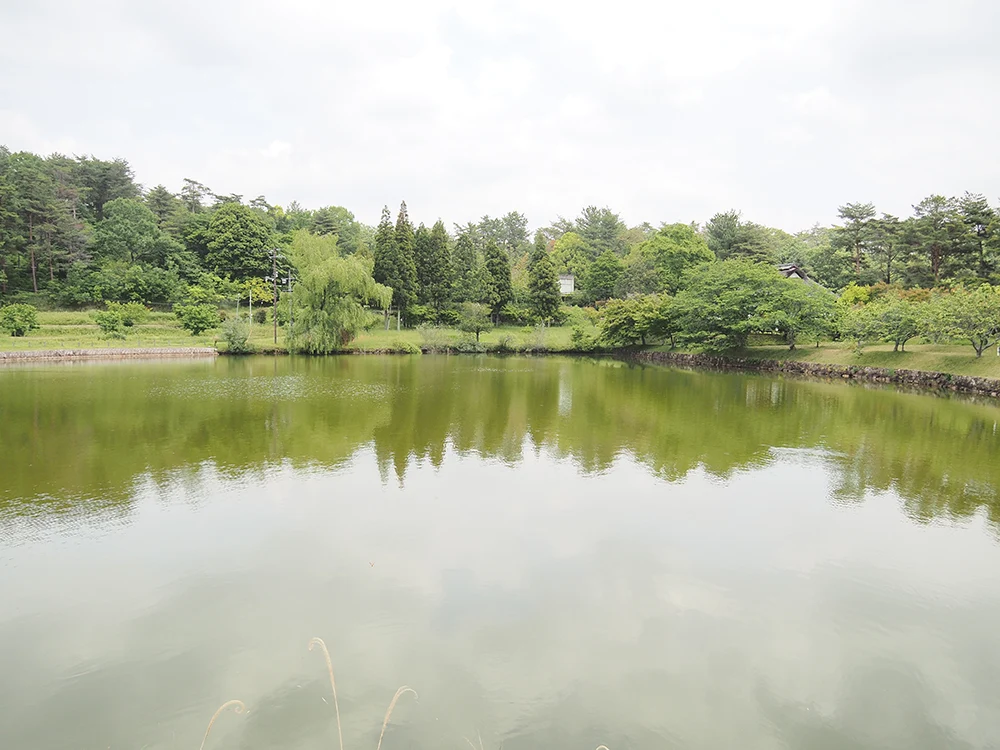
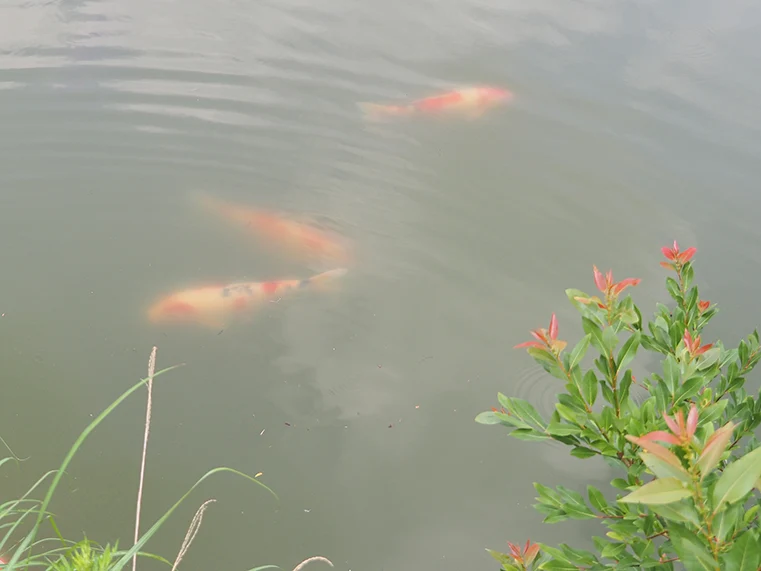
There were koi swimming in the pond.
On the east side of the pond, there are preserved buildings such as the former Yamate Village Office and the former Matsui Family Residence, which can be viewed from the outside.
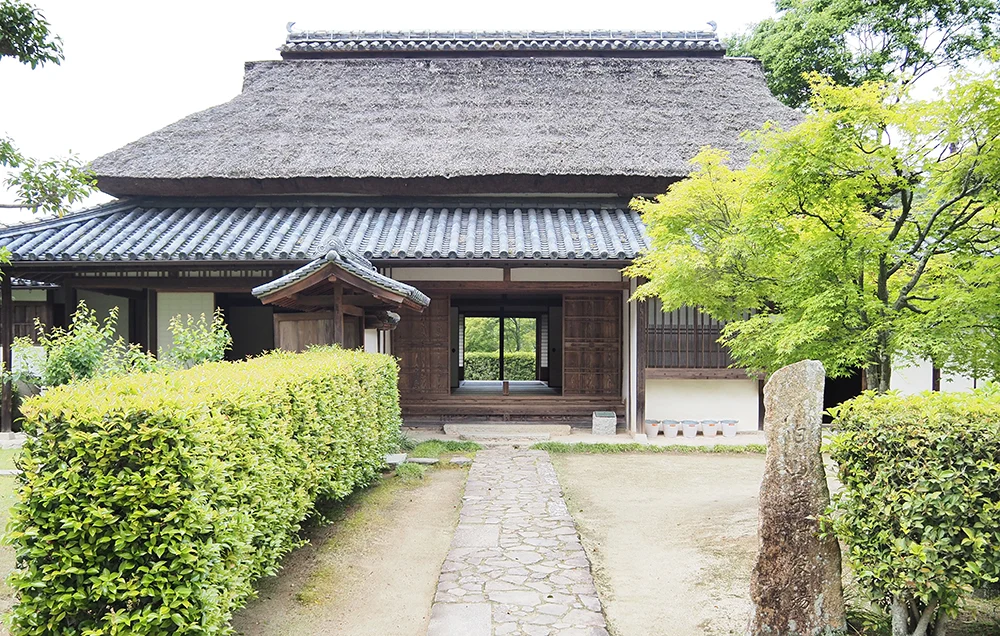
The Kibiji Cultural Center was also located here. It's perfect for a leisurely stroll during a cycling break.
Recharged, I continued riding further east. There are no shops around here, so make sure to finish your meals and shopping at convenience stores by this point.
Zoyama Kofun
As I rode through the rural landscape, I entered Okayama City from Soja City.
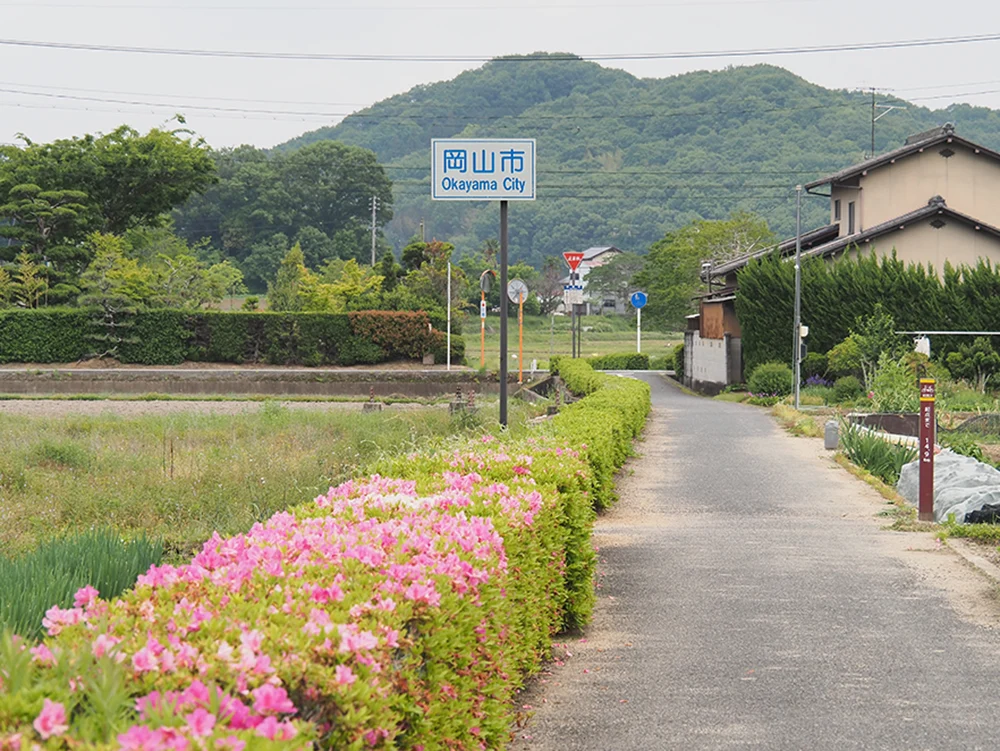
Ozuyama Kofun has been reached.
From a distance, it looks like an ordinary hill, so you might pass by it, but as seen on the map, the nearby ranch serves as a landmark with a horse illustration.
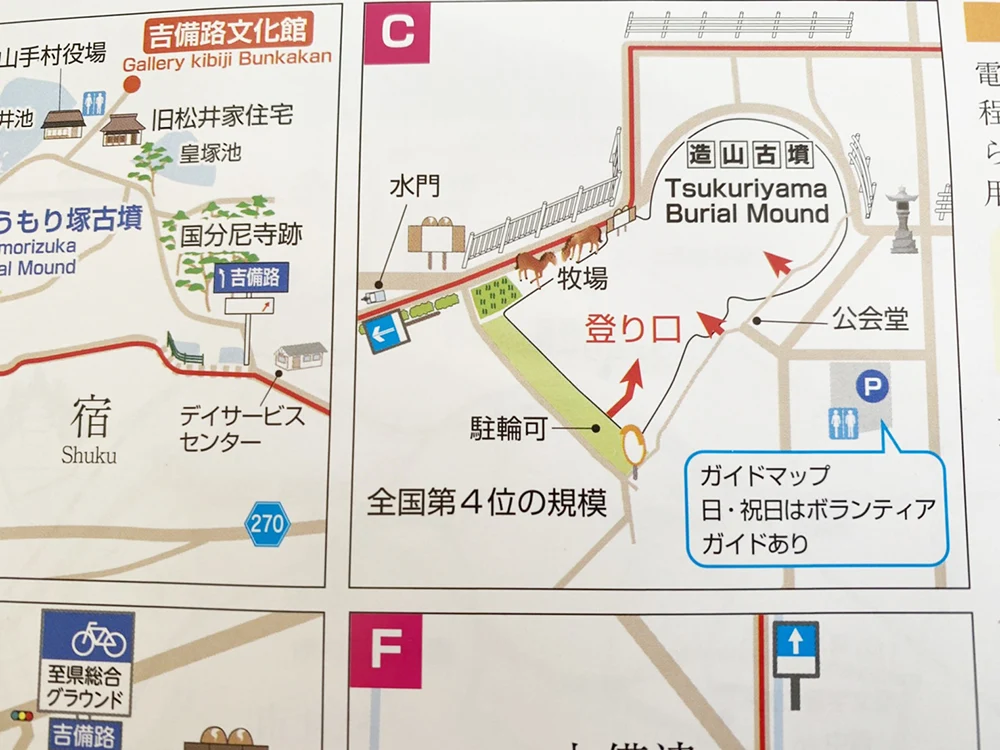
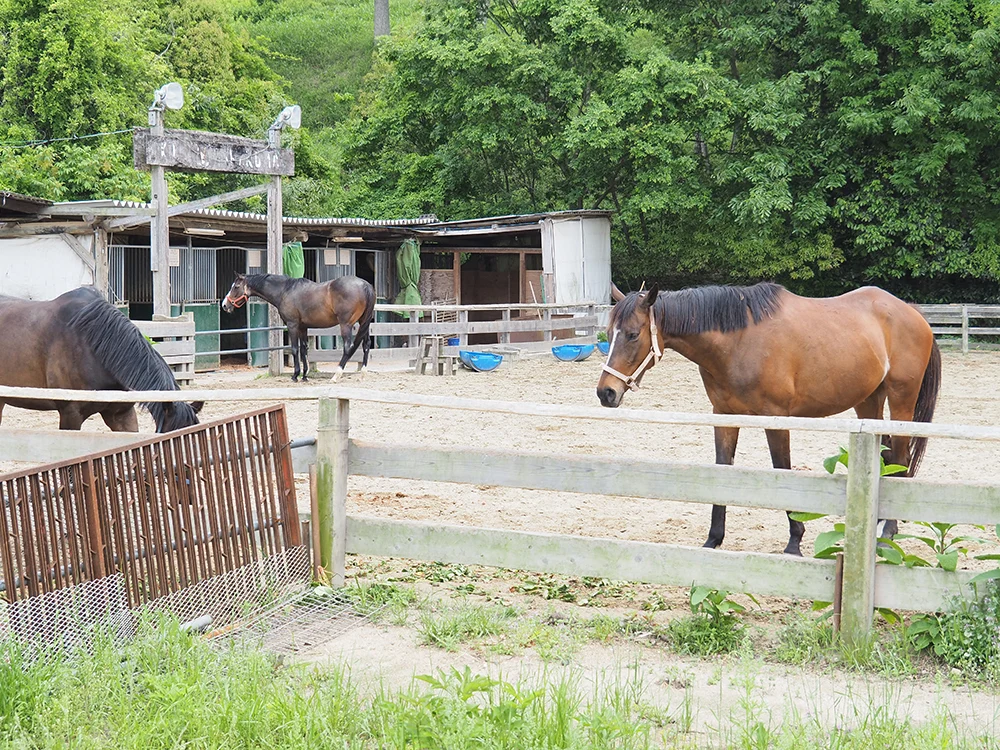
The construction of Ozuyama Kofun, estimated to be from the early 5th century, is about 350 meters long. It boasts the fourth largest scale in the country.
Moreover, it is said to be the largest kofun that can be freely accessed in Japan.
I was quite exhausted from pedaling a lot, but I decided to climb it since I was there.
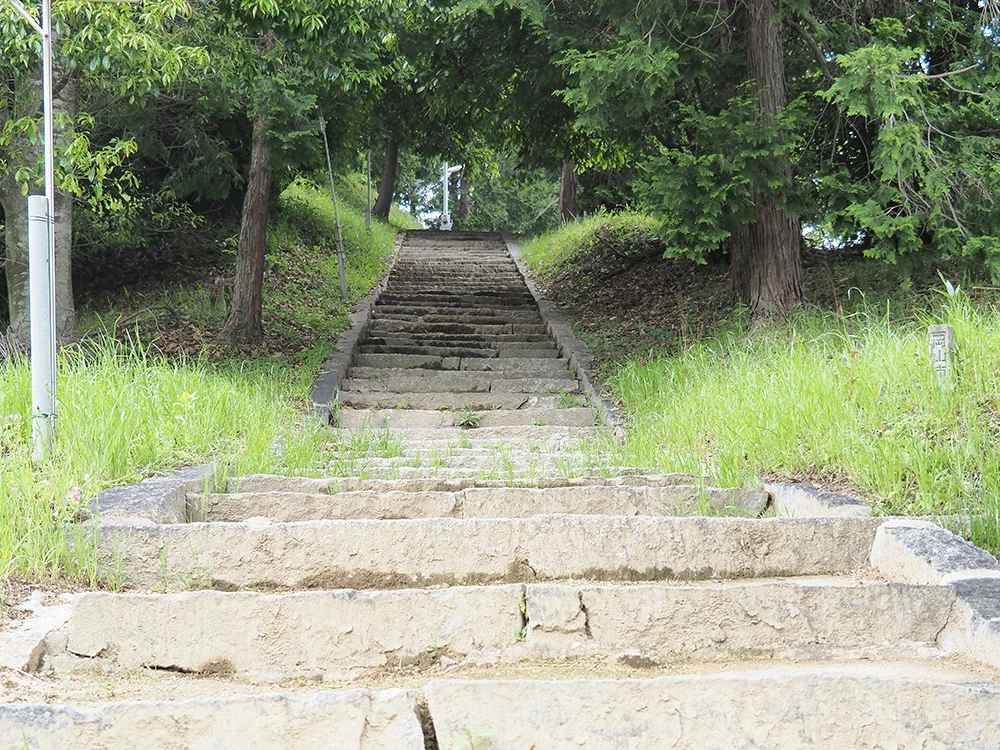
You can feel that it is higher and wider than Sakuyama Kofun. The sidewalks are well maintained, and the view is excellent.
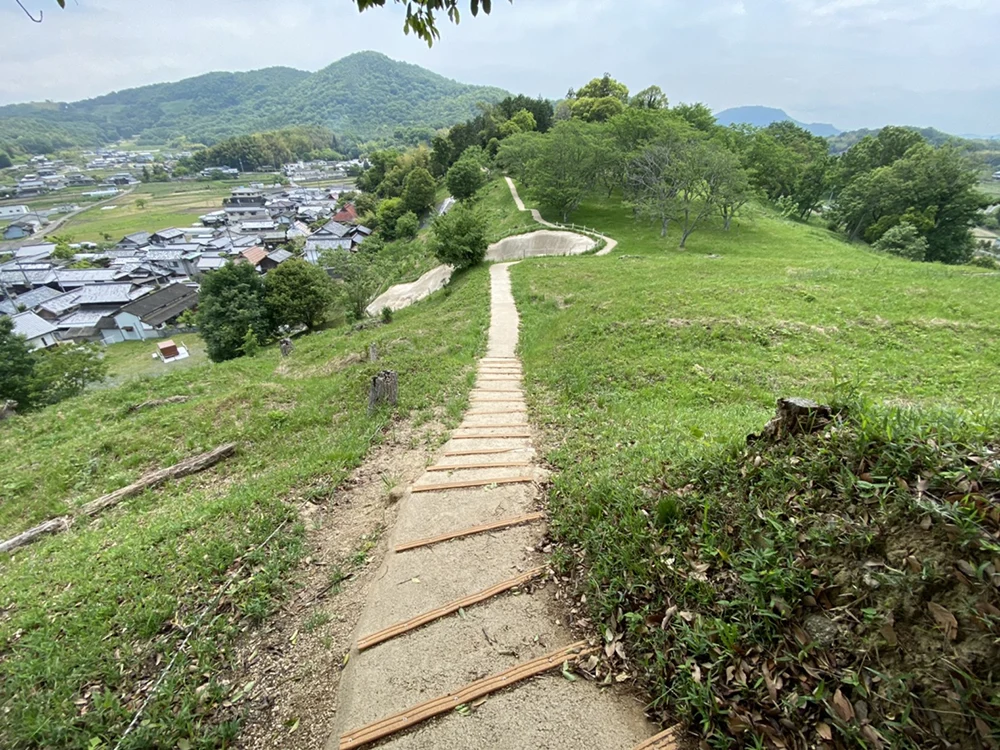
It feels like an observation deck, but in reality, it is on top of the kofun.

It felt strange to think that a great person from long ago was buried here.
Ozuyama Kofun is large, and walking around made me even more exhausted, but I ran east again, aiming for Bizen Ichinomiya Station!
As I continued to ride on the flat road, I entered Kurashiki City. There was a sign for Koi Kui Shrine.
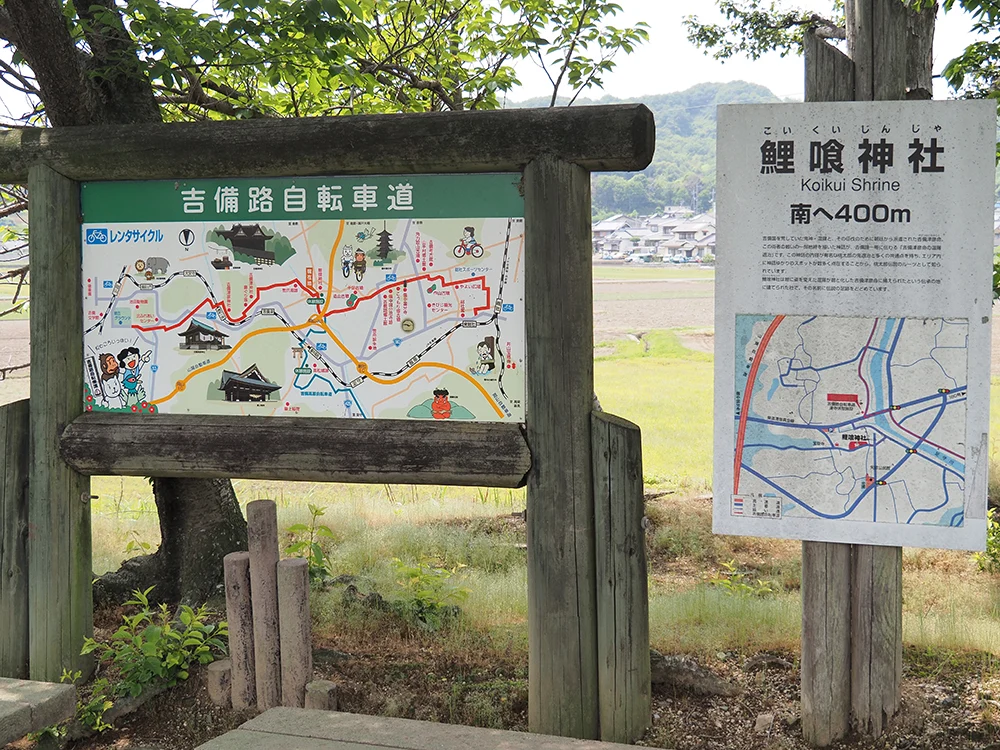
In the Momotaro legend, this shrine is built at the place where Onra (the demon) transformed into a carp and was chased by Momotaro, who became a heron and swallowed Onra (the carp).
I was too exhausted to stop by, but after a while, I also saw the shrine dedicated to the model of Momotaro, Kibitsuhiko-no-Mikoto, called Kibitsu Shrine.
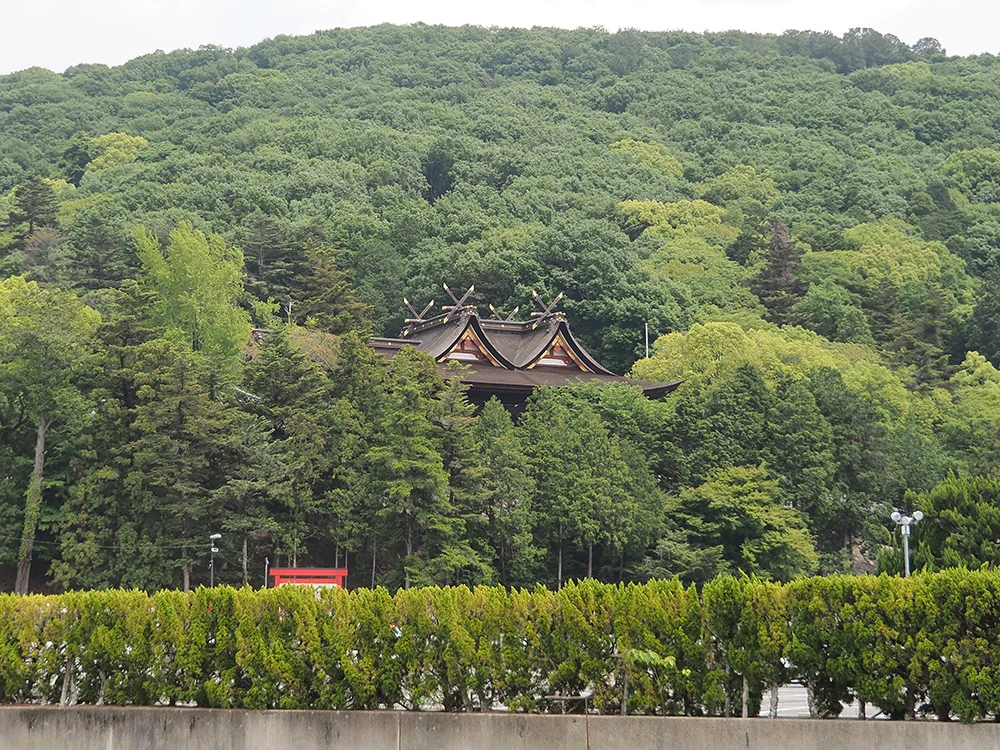
After riding for a while longer, I encountered Kibitsuhiko Shrine as well.
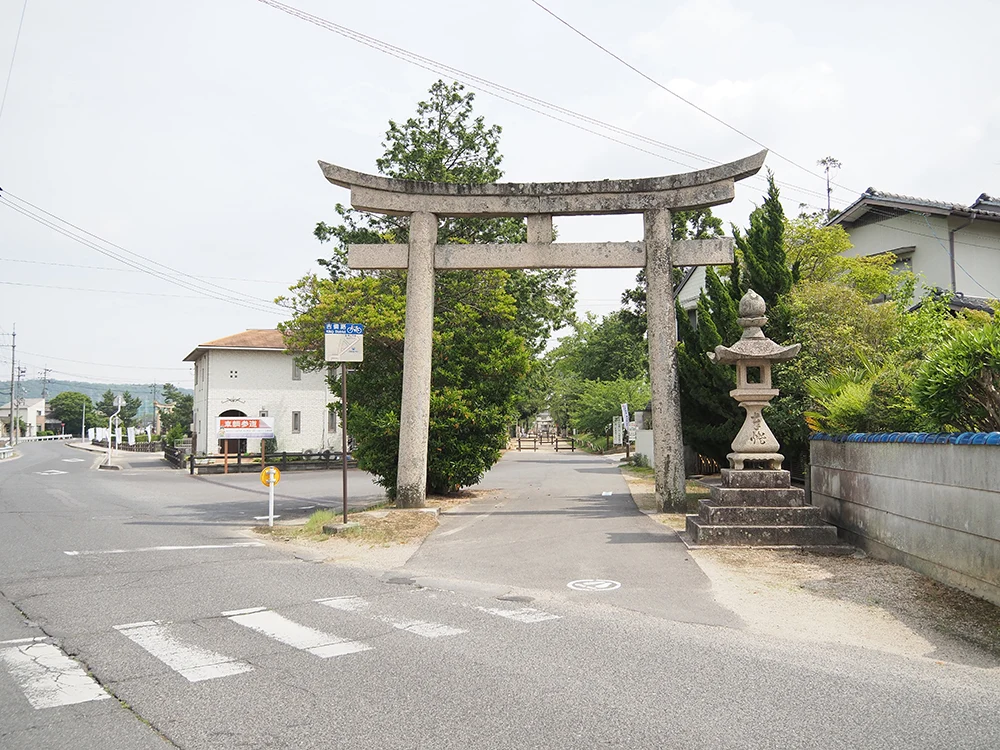
This is truly a route that circles the land of the Momotaro legend.
Drop-off at Bizen Ichinomiya Station Front Wed Rental Cycle
After 4 and a half hours of pedaling with many detours since the start.
I have arrived at Bizen Ichinomiya Station Front Wed Rental Cycle!
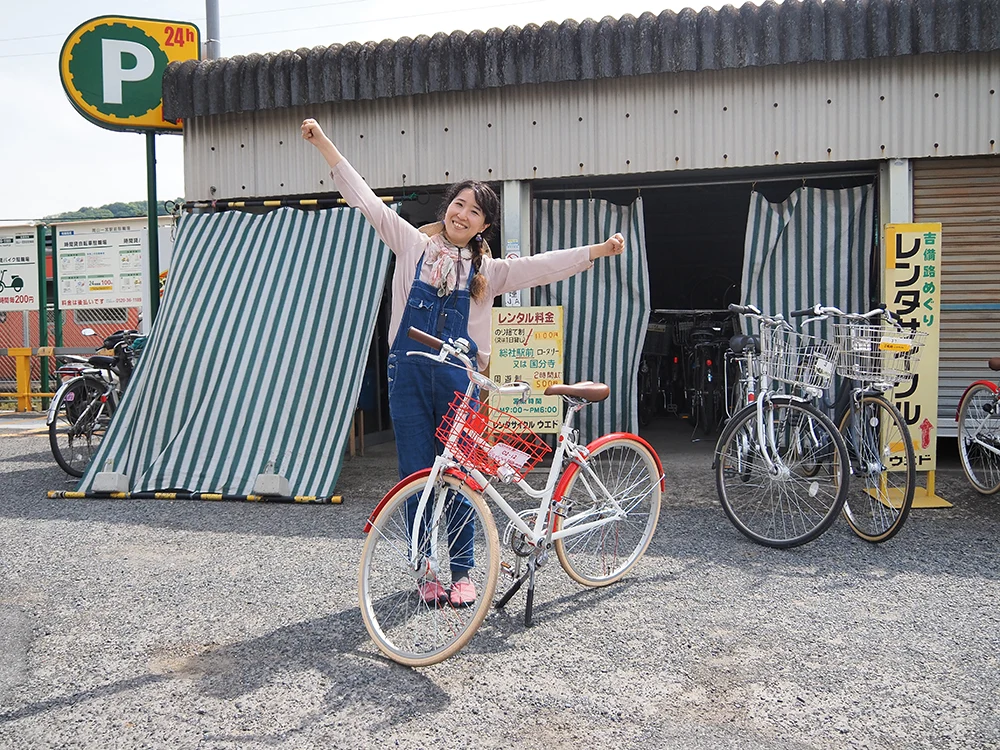
Even as a beginner cyclist, I thoroughly enjoyed cycling on the Kibiji Cycling Road (though I was exhausted).
Finally, I filled out a questionnaire with my impressions of using the Kibichari and returned the bicycle to finish.
Since I had parked my own bike at Araki Rental Cycle, I returned to JR Soja Station by JR Kibisen (Momotaro Line). It takes about 30 minutes to arrive.
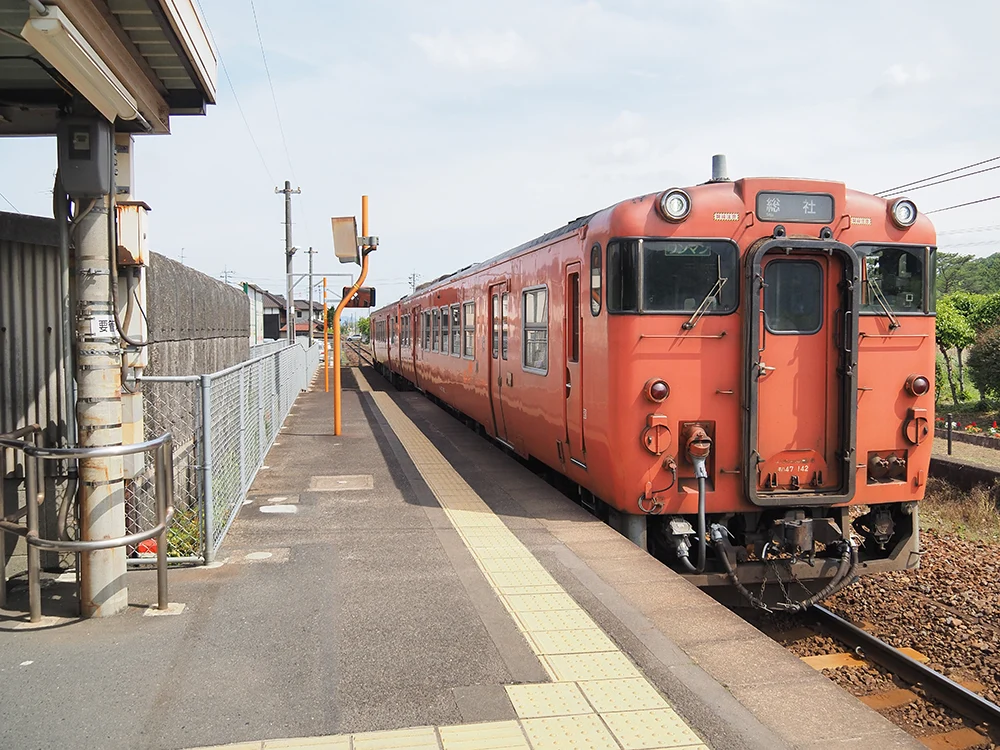
The Kibiji Cycling Road itself continues to Okayama Prefectural General Ground in Okayama City, so if you are confident in your stamina, give it a try.
In Conclusion
I usually move around by motorcycle, but cycling allowed me to enjoy the scenery more thoroughly.
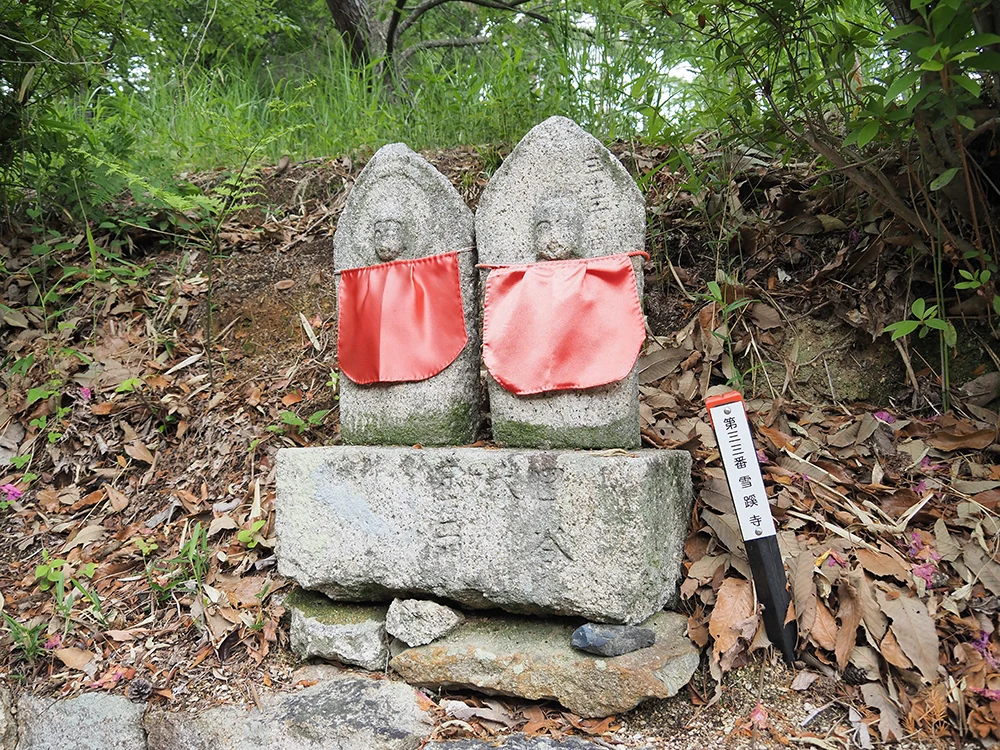
I think one of the great things about cycling is being able to stop by casually or take breaks when tired, enjoying at your own pace.
Also, the cycling path has very few cars, which was great for safety. I was healed by the tranquil and quiet roads.
And above all, I think I enjoyed cycling in a cheerful mood precisely because I was touring on the stylish Kibichari.
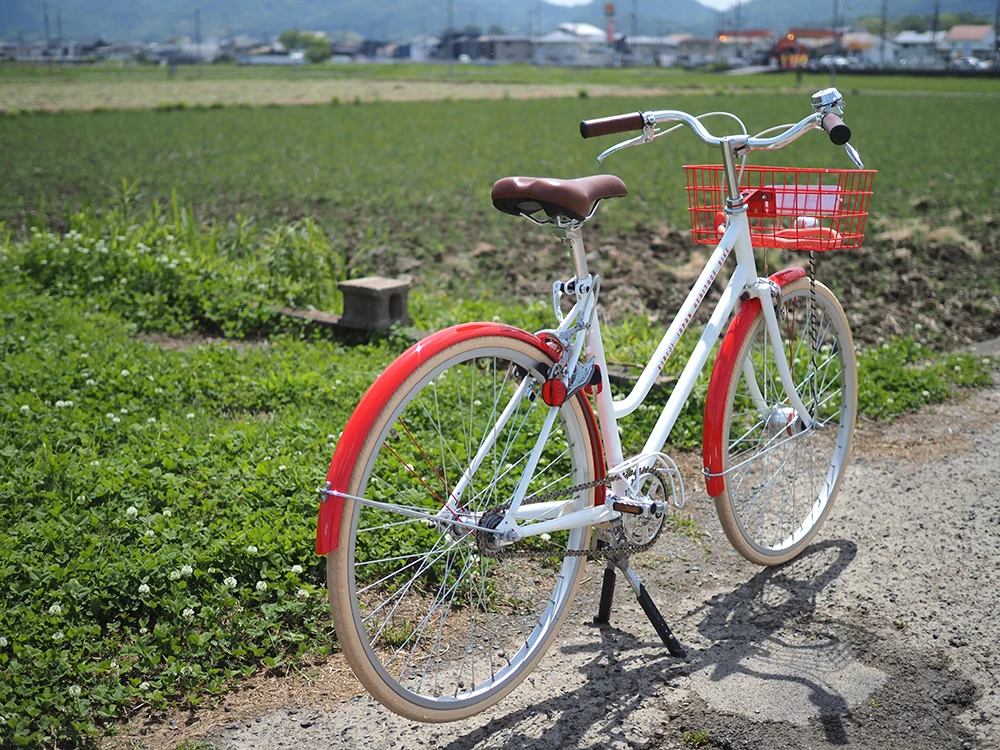
From Soja Station to around Bichu Kokubun-ji Temple, it seems like it would be enjoyable with plenty of stamina, so I would like to leisurely ride again in a different season.
Why not rent a Kibichari and enjoy cycling casually?