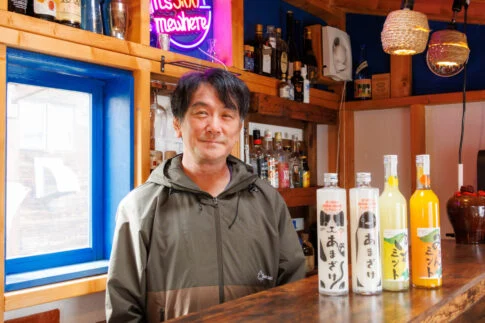
Interview with the representative of Kura, Nakagawa Keisuke

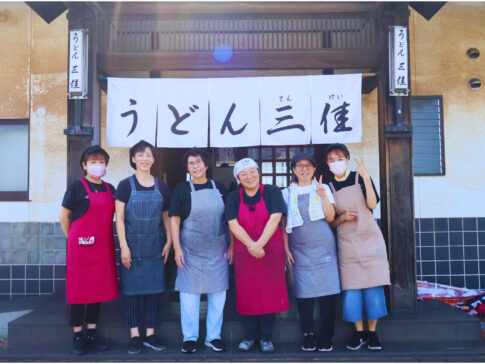
Kura is a udon shop that continues to make traditional "handmade" udon and flavorful broth.
An interview with the representative of the limited company Keishin, Nakagawa Keisuke.
We talked about the opening of the shop, the circumstances of taking over the shop, the shop's characteristics, and future prospects.
This interview is based on the content from the initial interview conducted in October 2020.
From a noodle factory to a handmade udon shop
First, please tell us about the circumstances of the opening.
Nakagawa
The founding year was 1974, which is exactly the year I was born.
At the time of founding, it was not a udon shop, but a noodle factory.
It mainly supplied to supermarkets.
The location was in the northern part of Tamashima.
My parents founded and operated it.
My father worked at the noodle factory in the morning and also worked as an employee at the udon shop during the day.
Later, considering changes in the industry and leveraging the fact that my father had experience working at an udon shop, we transitioned to a handmade udon shop.
The udon shop opened in 1987.
The location is in the current Otojima area of Tamashima, but it was a little further south than now.
It was a natural flow to take over the udon shop
What prompted you to take over the udon shop?
Nakagawa
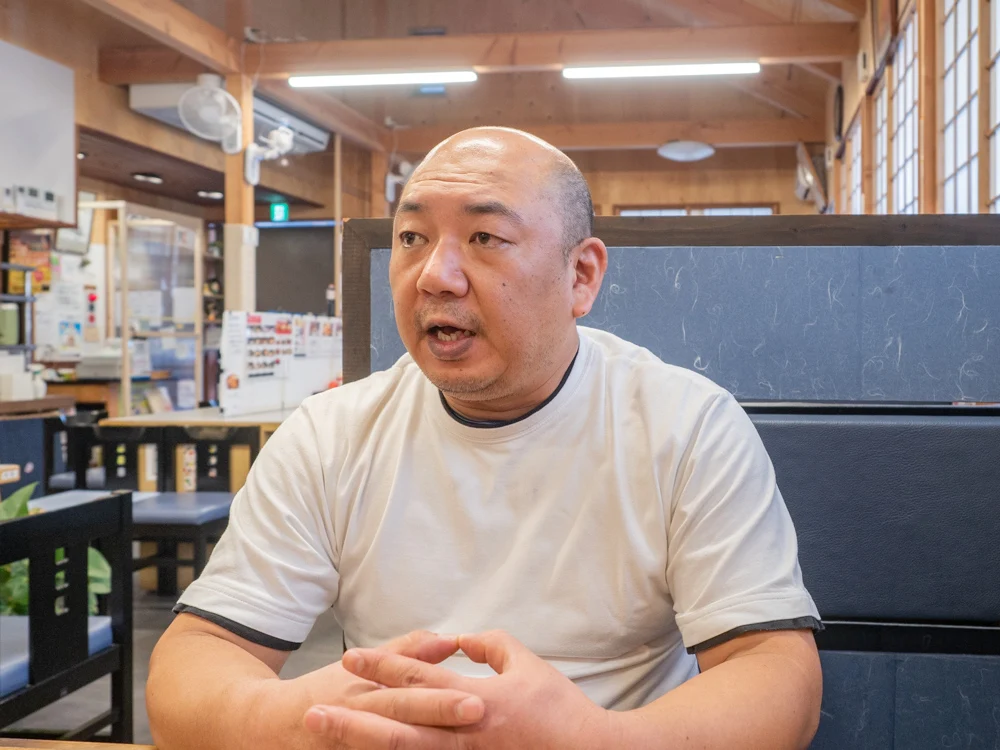
Honestly, I never thought about whether to take over or not.
I had been helping at the udon shop since I was little, so it was a natural flow to work at the udon shop following in my parents' footsteps (laughs).
After graduating from high school, I entered a culinary vocational school in Kagawa, but that was also with the premise of working at my parents' udon shop.
While I was in school, I also worked part-time at an udon shop in Kagawa to gain experience.
After that, I graduated from school and started working at Kura.
That was in 1995.
What is the origin of the shop's name?
Nakagawa
I don't really know since my parents decided it when I was little.
I guess it was because the general image of Kurashiki City is the Bikan Historical Area.
They probably named it after the kura (storehouse) in the Bikan Historical Area.
Continuing the traditional way of making udon
What are the characteristics of Kura?
Nakagawa
Our shop is characterized by having a very large number of regular customers.
It is generally said that the ideal ratio for a business is 20% regulars and 80% newcomers.
However, our shop is completely the opposite.
We have a very high number of regular customers.
I am very grateful that so many repeat customers have come to like our shop.
At one point, I tried various things, but it didn't go well.
As a result of trial and error, I returned to the basics, so to speak.
Then, our regular customers were very pleased.
So, I realized that it is important to continue the old ways.
Continuing the old ways is very difficult.
It takes time and effort, and it is not efficient.
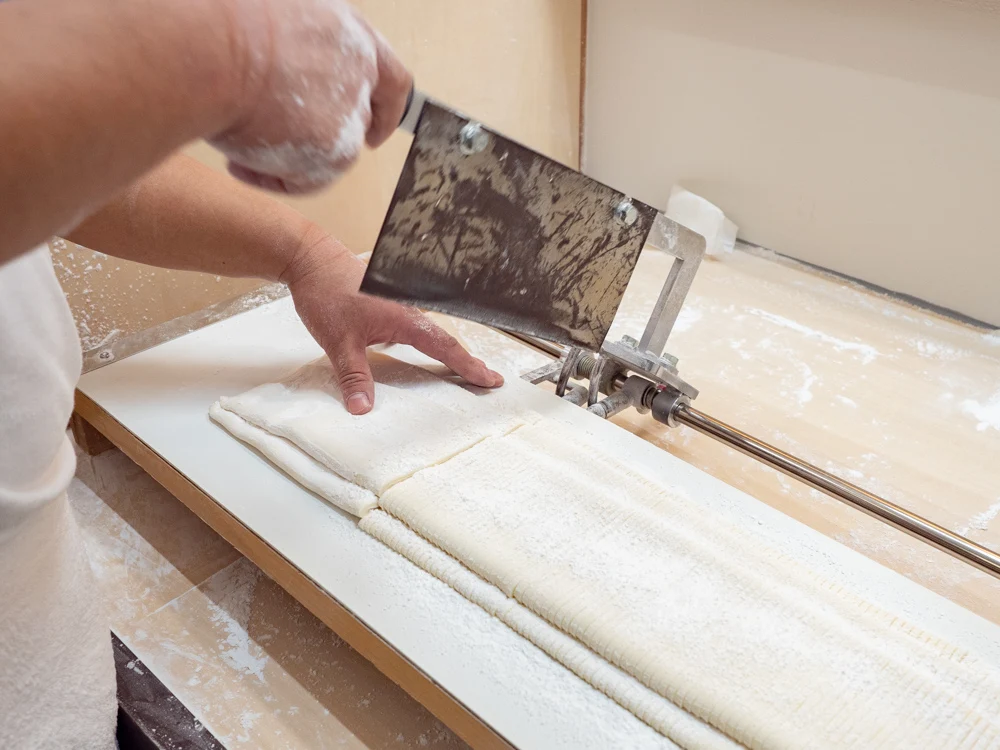
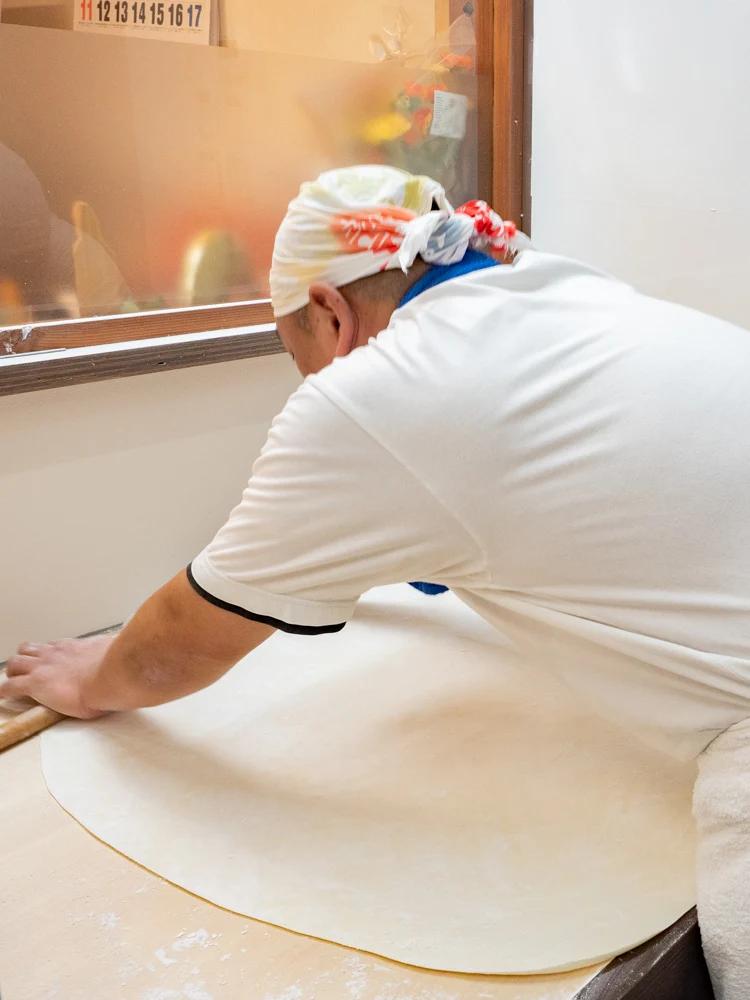
Therefore, our shop continues to make "true handmade udon" using traditional methods.
The broth is made over time from kombu, bonito, mackerel, and sardines.
Making both the noodles and the broth is hard work, but we continue to create udon that our customers enjoy and find delicious.
There are many types of udon, but what do you recommend?
Nakagawa
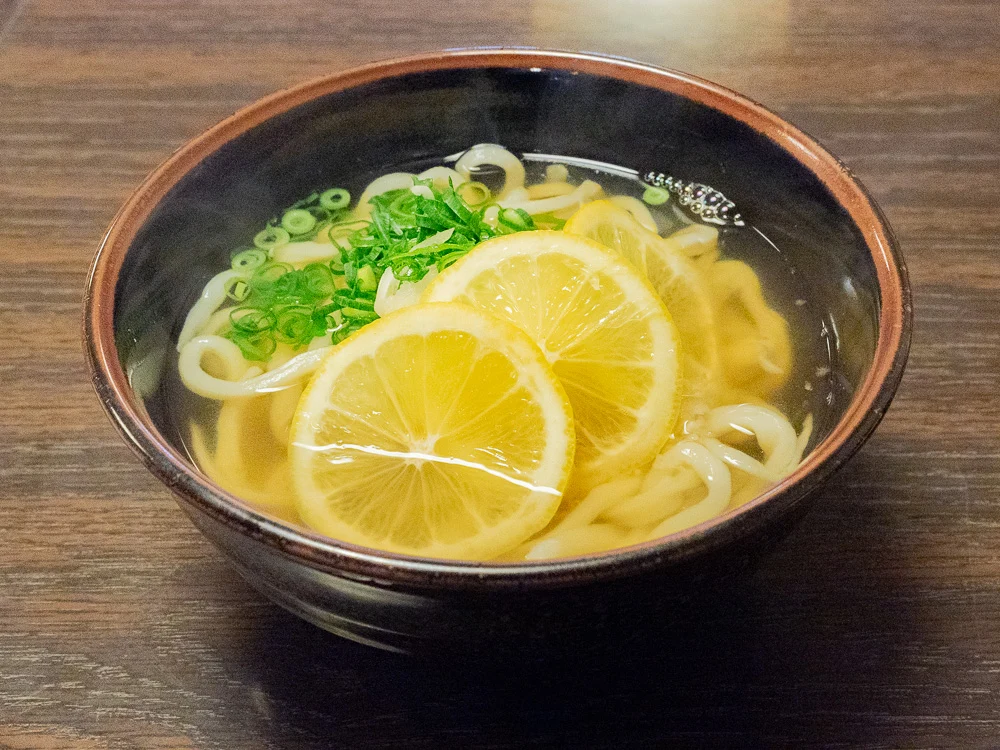
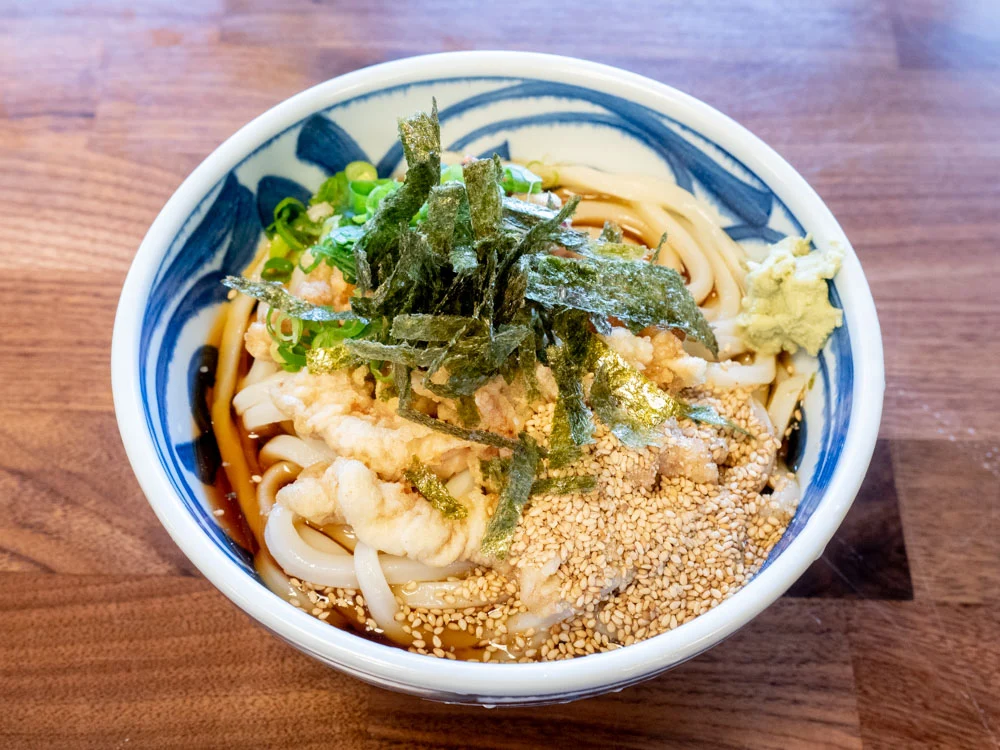
The first ones I want you to try are Zaru udon and Kake udon.
They are simple, so the quality of the noodles and the broth is conveyed directly.
I want you to taste our noodles and broth with these simple udon first.
Some udon enthusiasts even order both Zaru udon and Kake udon at the same time to enjoy both (laughs).
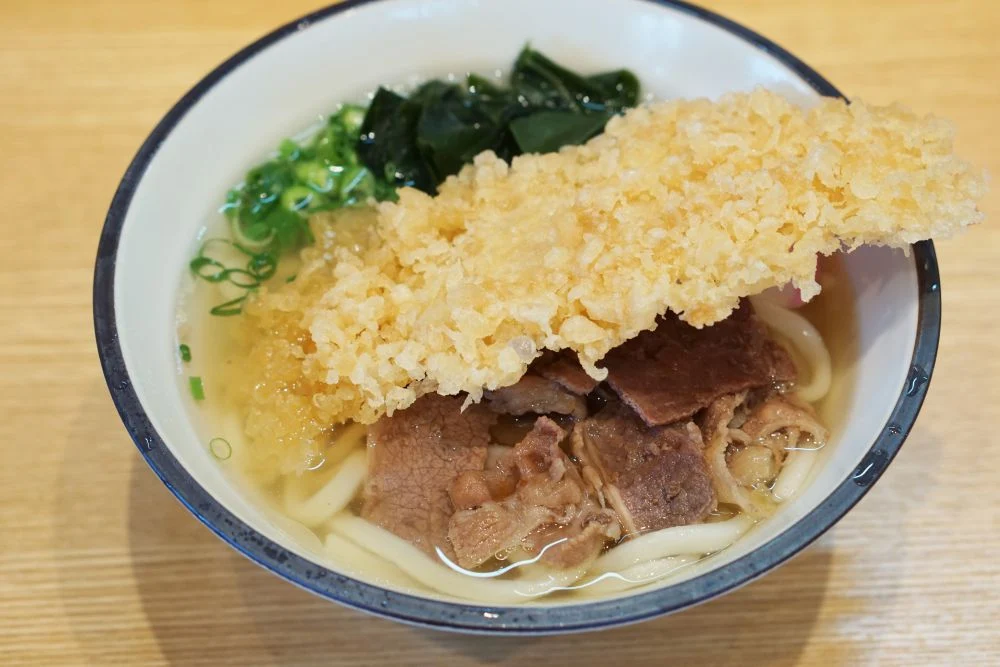
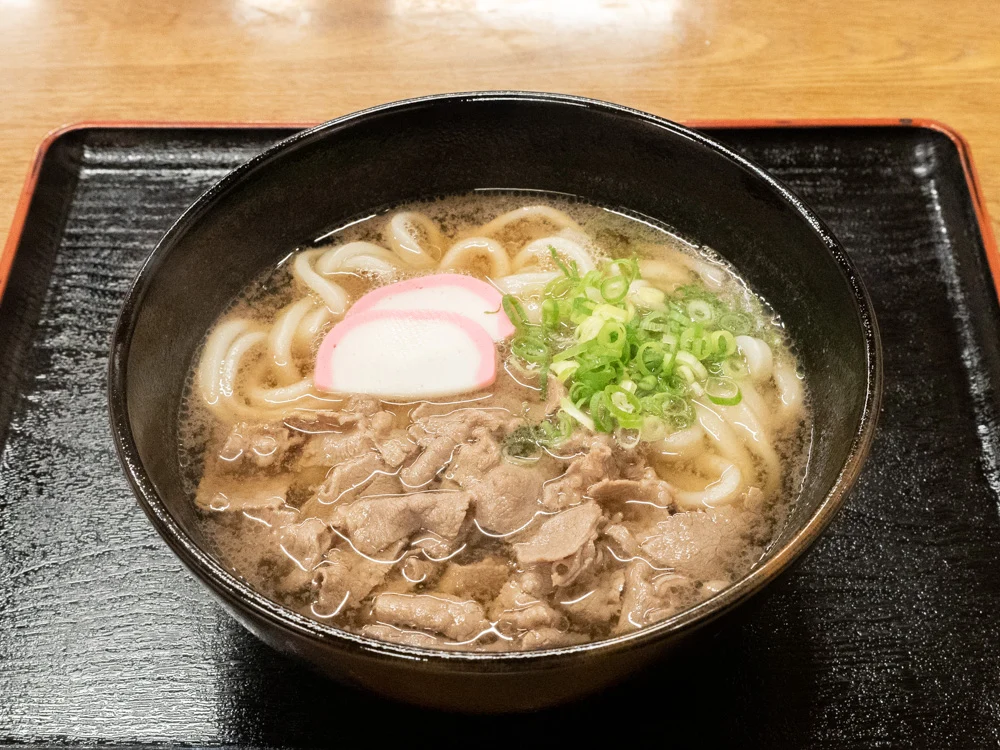
Another dish I want you to try is Niku udon.
In fact, the way the meat is prepared for Niku udon varies from shop to shop.
So, Niku udon shows the most individuality of the shop.
When I go to other udon shops, I also eat Zaru udon and Niku udon.
At our shop, we simmer the meat in udon broth.
What is common is to simmer the meat in a sweet and savory broth, but we do it differently.
Meat simmered in udon broth brings out the umami of the meat, allowing the flavor of the meat to be fully appreciated.
That’s why we receive many compliments saying our Niku udon is "delicious," and we have many repeat customers.
Additionally, I recommend our unique dishes like Torigaraku, Niku toji udon, and Gyumotsu nabe yaki udon.
Torigaraku is a udon with a rich flavor of chicken.
Niku toji udon was inspired by a customer's comment that "there is a dish called 'Tain udon' in Kansai."
Gyumotsu nabe yaki udon is a limited-time menu available from October to May of the following year.
The sweetness of the beef offal is delicious.
Conversely, what is popular among customers?
Nakagawa
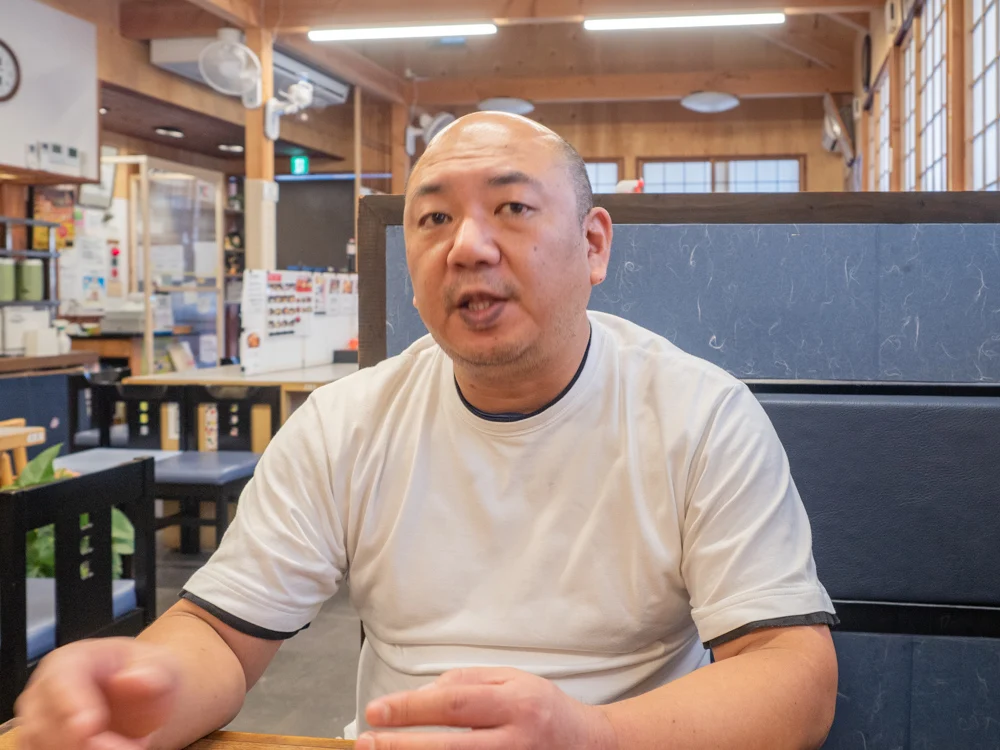
What is popular among customers are the tempura dishes Ten Zaru and Ten Kake.
The previously mentioned Niku udon is also popular.
The daily special is well-received for being filling and cost-effective.
Also, Yamakake udon is a unique menu item at our shop that has been popular since the time of the previous owner.
By the way, most of our menu items have been around since the time of the previous owner.
I feel there are many side menu items.
Nakagawa
That is related to our shop's location.
The Otojima area where our shop is located is just south of the Mizushima industrial area.
There are large companies' factories, and there used to be company housing for workers.
Therefore, many factory workers used to come to our shop.
Since the factories operated on a three-shift system, many customers would finish work during our business hours.
So, there used to be many customers who drank alcohol.
In response, we increased the side menu items as snacks.
Now, the number of customers who drink has decreased compared to before, but remnants of the past remain, such as the a la carte dishes.
I noticed that there are local flavors in the oden and rice dishes.
Nakagawa
Basically, I have items that I like (laughs).
I liked the chicken rice from a certain bento chain.
At one point, I learned that chicken rice was a bento limited to the Okayama area.
So, I thought I would try to include a local specialty that is one of my favorites in the menu.
Chicken rice is quite popular among customers as well.
I also love tamago kake gohan (rice with raw egg).
Since Misaki Town in the prefecture was promoting regional revitalization with tamago kake gohan, I thought I would add it to the menu.
The makanaimeshi (staff meal) is, as the name suggests, something we used to eat as staff meals at the shop.
It is simply rice topped with udon broth, but since we are particular about the broth, it is delicious even in its simplicity.
Since it would be a waste for only the staff to eat it, I added it to the menu.
The oden was something being promoted as a specialty of Tamashima by the Tamashima Chamber of Commerce, so I decided to include it in the menu.
The biggest feature is the "castella" that is included in the oden.
For us from Tamashima, castella is a common item, but I thought it would be interesting for customers from other regions.
So, I thought it would be interesting to add it to the menu.
Future prospects
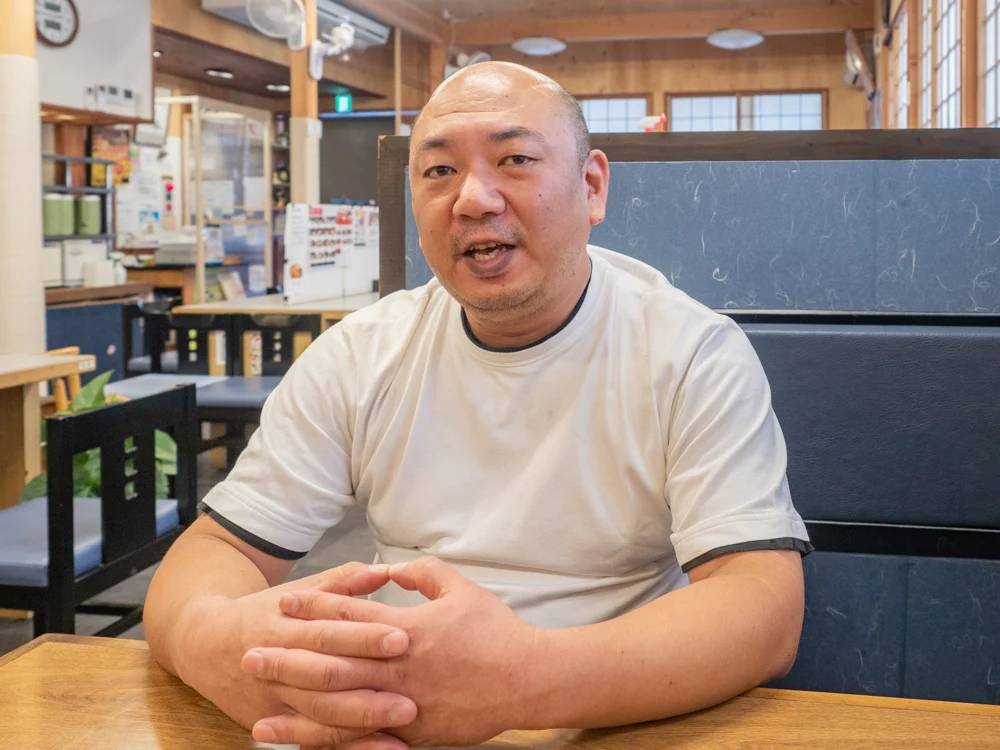
Finally, I would like to hear your aspirations and what you would like to do in the future.
Nakagawa
I want to continue "making things" in the future.
I have always liked making things, not just udon, but also plastic models and other small items.
At the udon shop, I am thinking of new menu items by combining various things.
Items like "Torigaraku" and "Niku toji udon" were added by me.
New menu items come out at a pace of about one every three years.
Some have become established, while others have not (laughs).
While inheriting the methods of making udon noodles and broth from the founding, I want to enjoy thinking about new menu creations.
The charm of Kura is the taste of traditional handmade udon
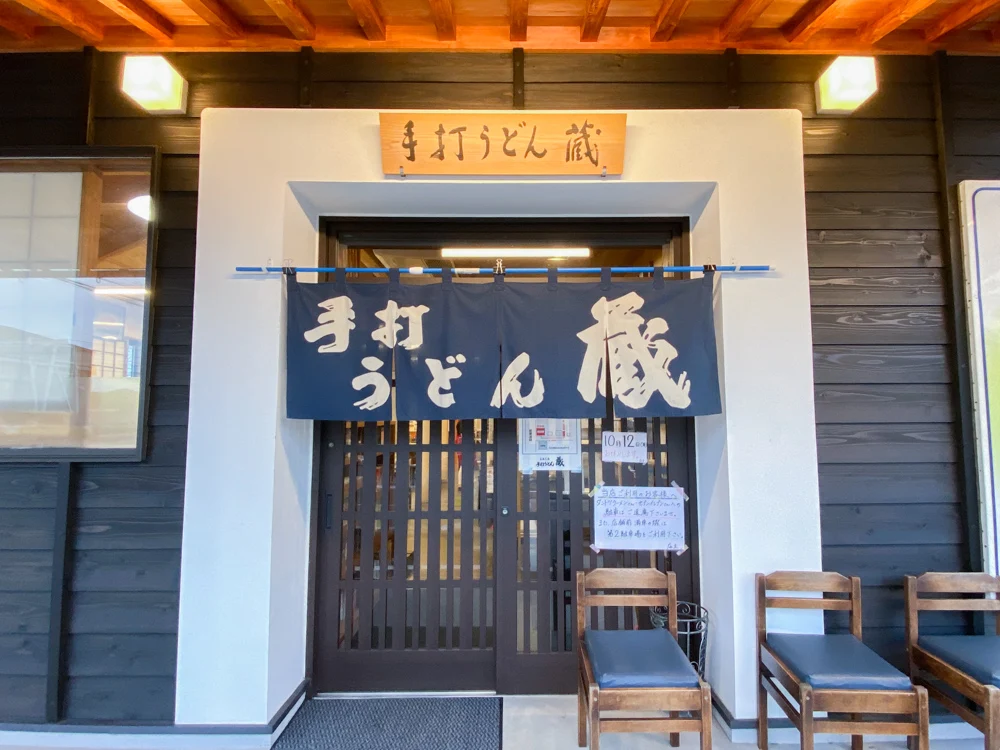
I had the image that "handmade udon" is what udon shops are all about.
But when I think about it, as Nakagawa mentioned in the interview, there are surprisingly few shops that use the pure "handmade" method that has been around for a long time.
After much trial and error, Kura continues to make "true handmade udon" that has been passed down since its founding.
Many customers visit the shop seeking Kura's handmade udon.
Please visit Kura and enjoy the taste of true handmade udon that has been around for a long time.
Data on Handmade Udon Kura
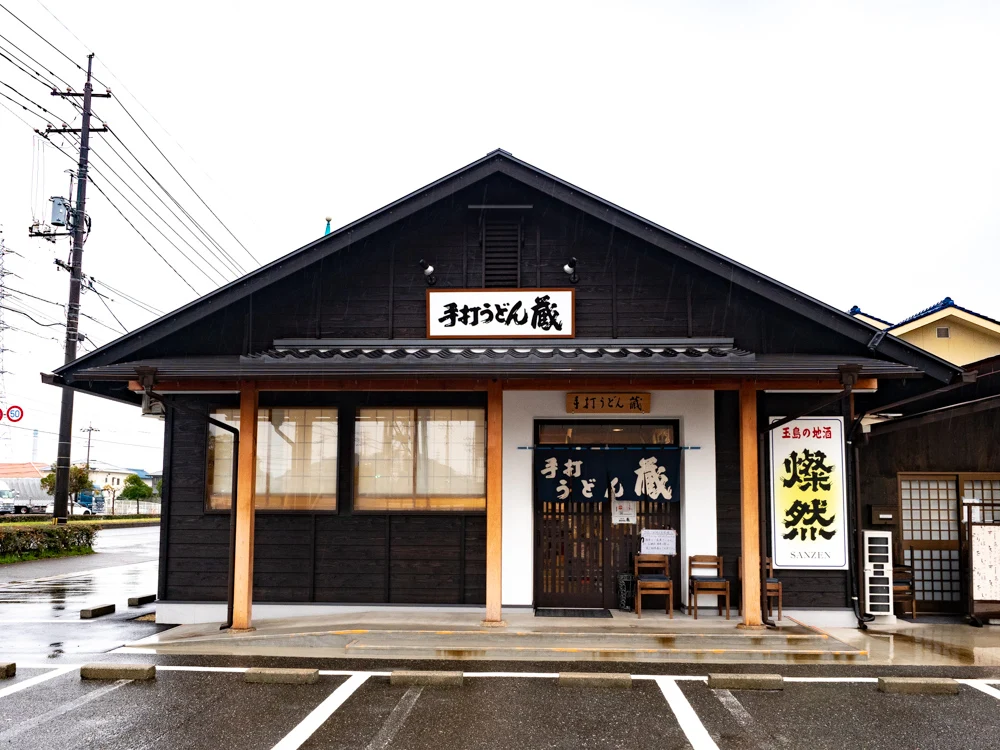
| Name | Handmade Udon Kura |
|---|---|
| Address | 7283-1 Otojima, Tamashima, Kurashiki City, Okayama Prefecture |
| Contact | 086-522-7178 |
| Parking | Available ・1st parking lot: 12 cars ・2nd parking lot: about 6 cars |
| Business Hours | 11:00 AM - 2:00 PM, 5:00 PM - 8:00 PM ※Ends when sold out |
| Regular Holiday | Tuesday |
| Payment Methods |
|
| Reservation Availability | Yes |
| Seating | 40 seats ・4-person tables for sharing: 2 tables ・4-person tables: 2 tables ・4-person box tables: 4 tables ・4-person tatami seating: 2 tables |
| Smoking | Non-smoking (smoking allowed only in designated areas) |
| Toilet | Western-style toilet |
| Childcare | ・Strollers allowed ・Children's chairs available ・Children's utensils available |
| Barrier-free | Ramp Accessible for wheelchairs |
| Website | Handmade Udon Kura |