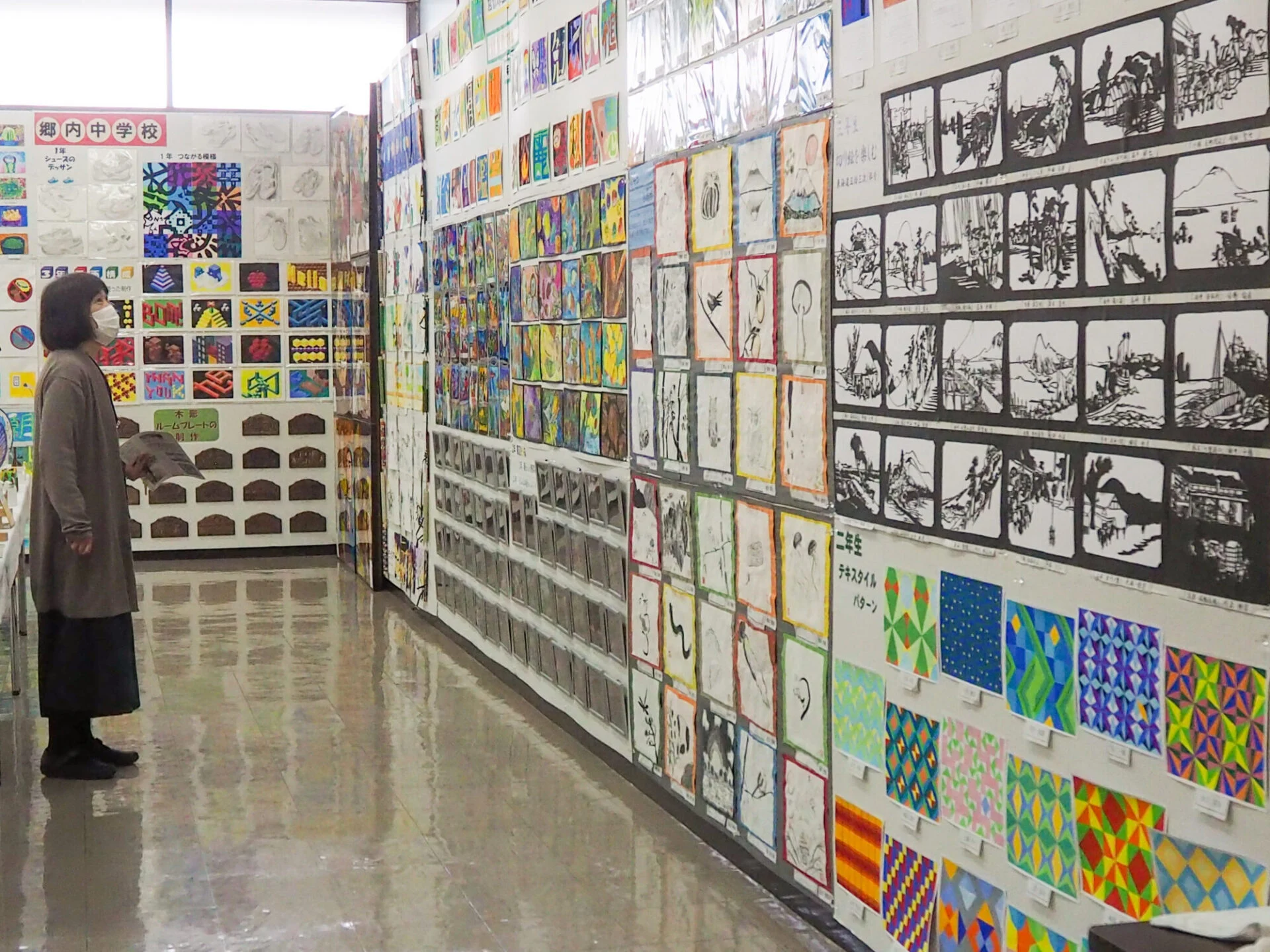
Interview with the Director and Curator of Kurashiki City Art Museum
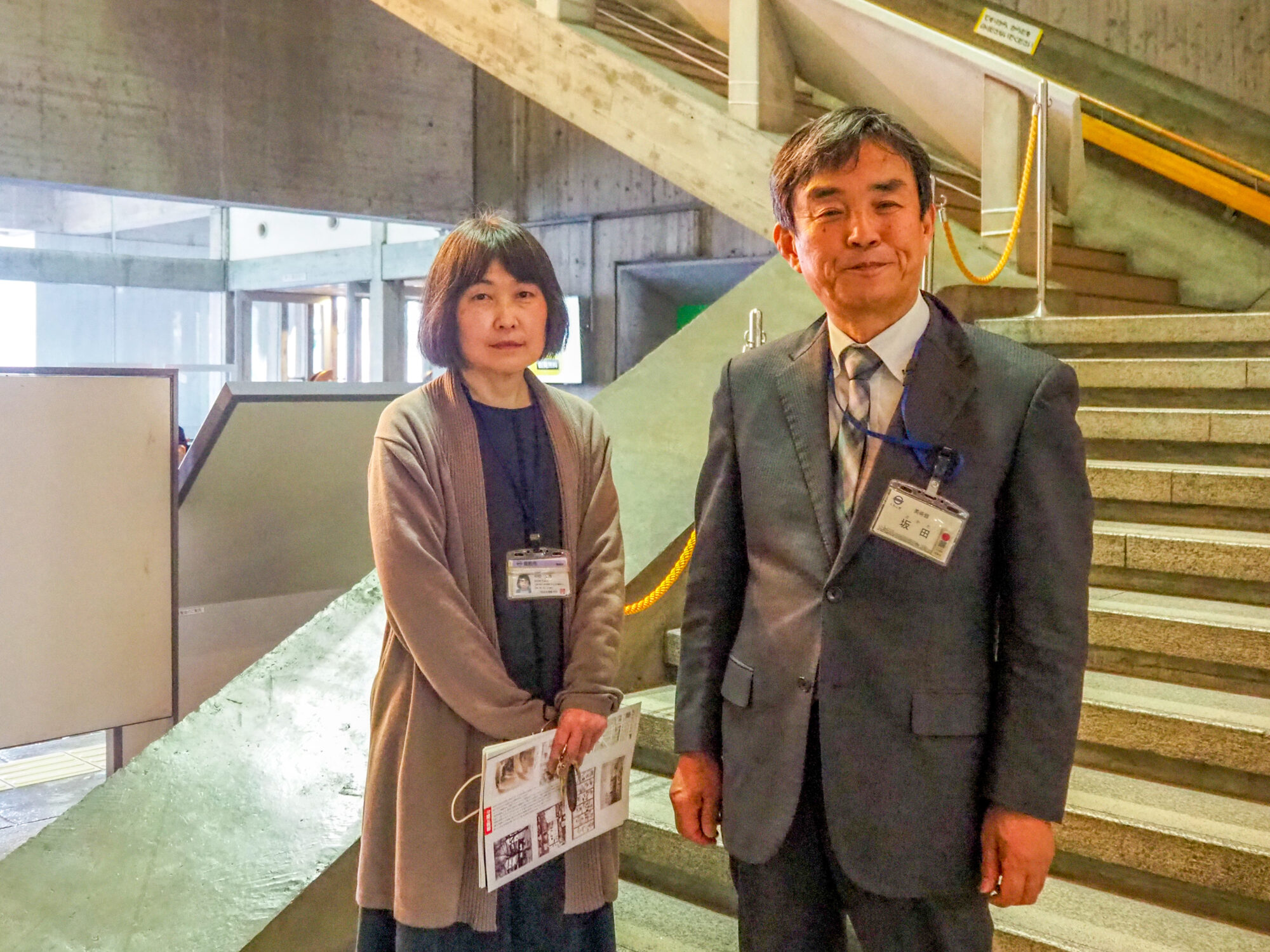
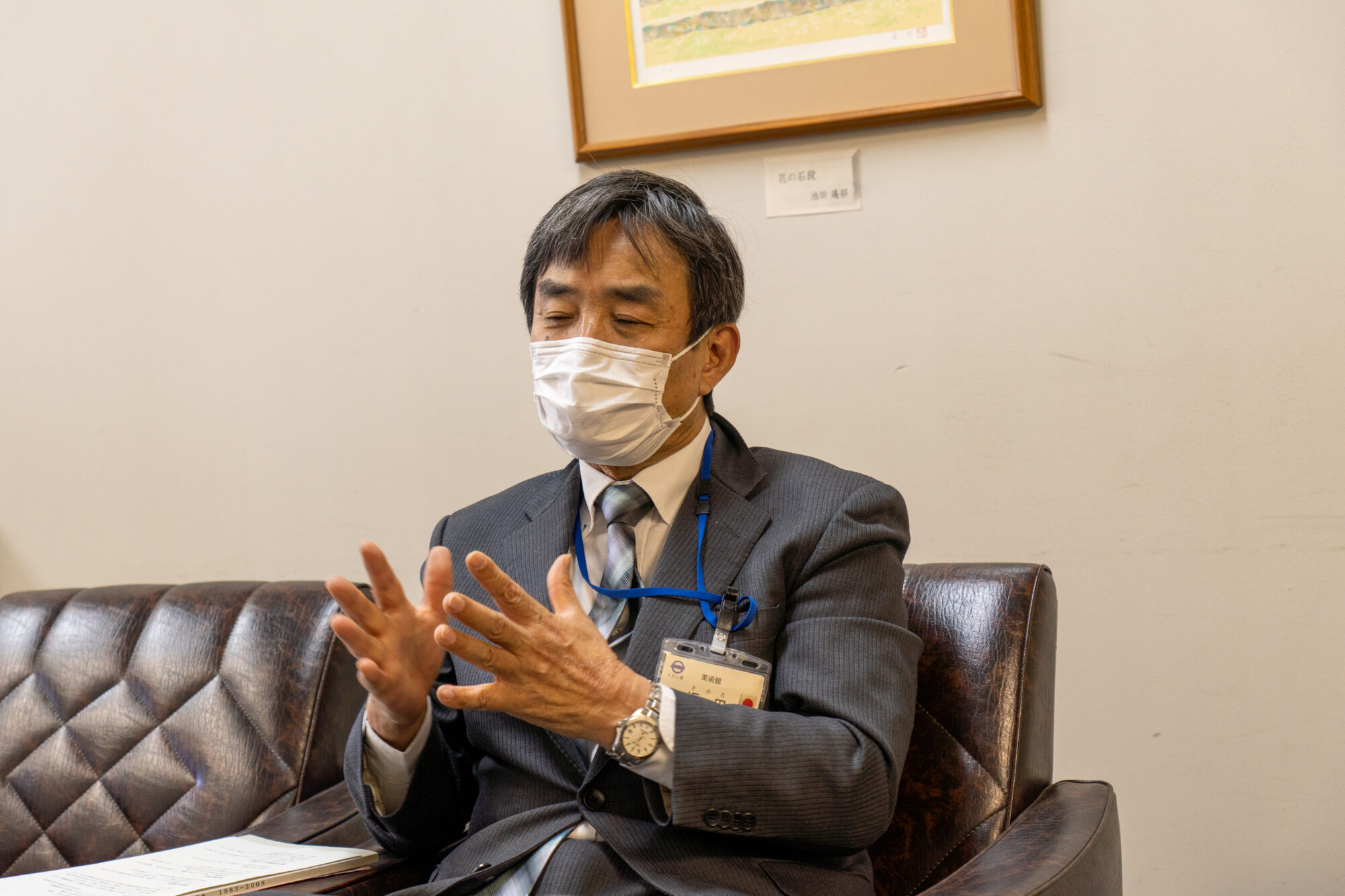
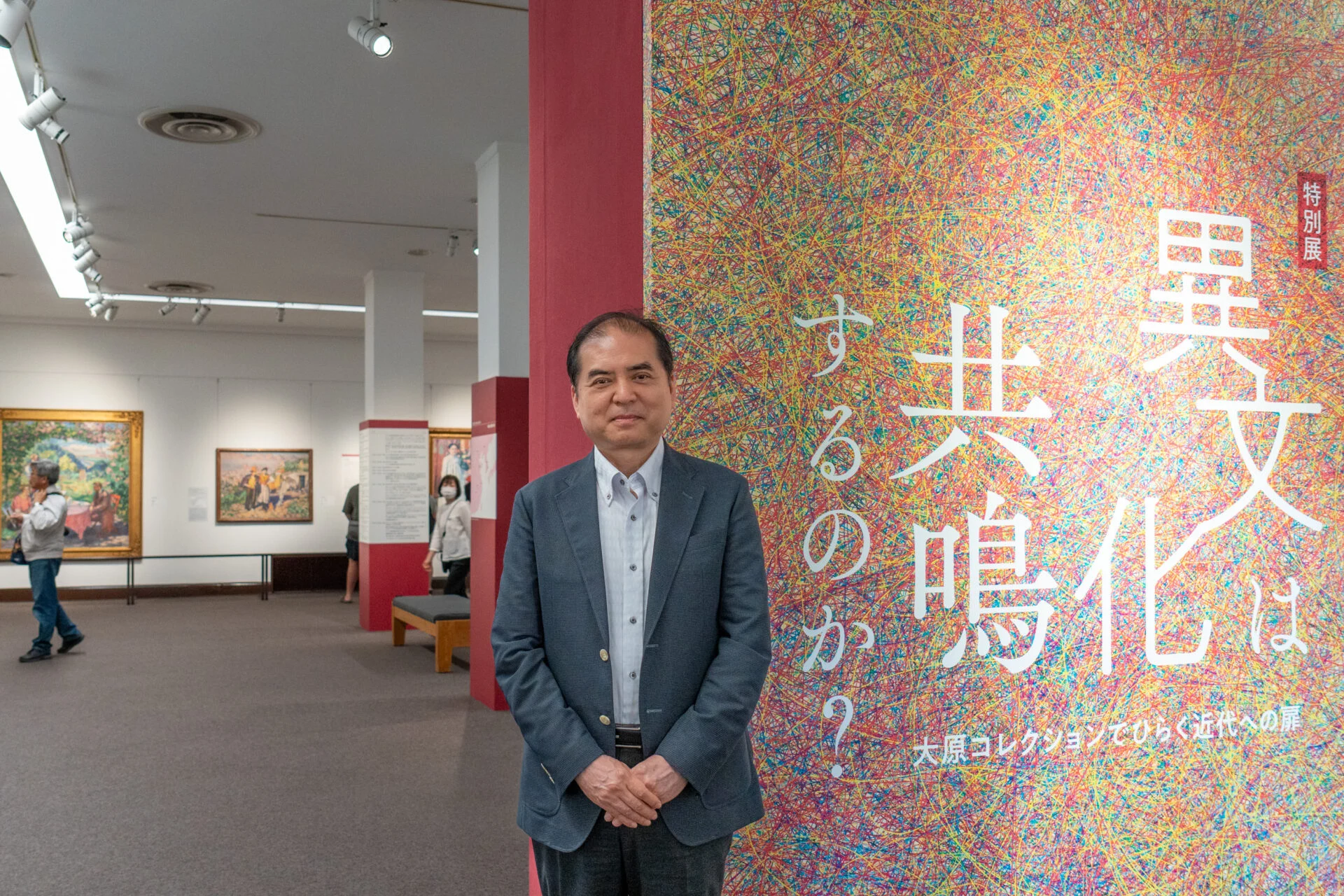
We spoke with Takushi Sakata, director of Kurashiki City Art Museum, and curator Fumika Sugino about their thoughts on running the museum.
Combining the roles of an art museum, a venue for exhibitions, and a place for education
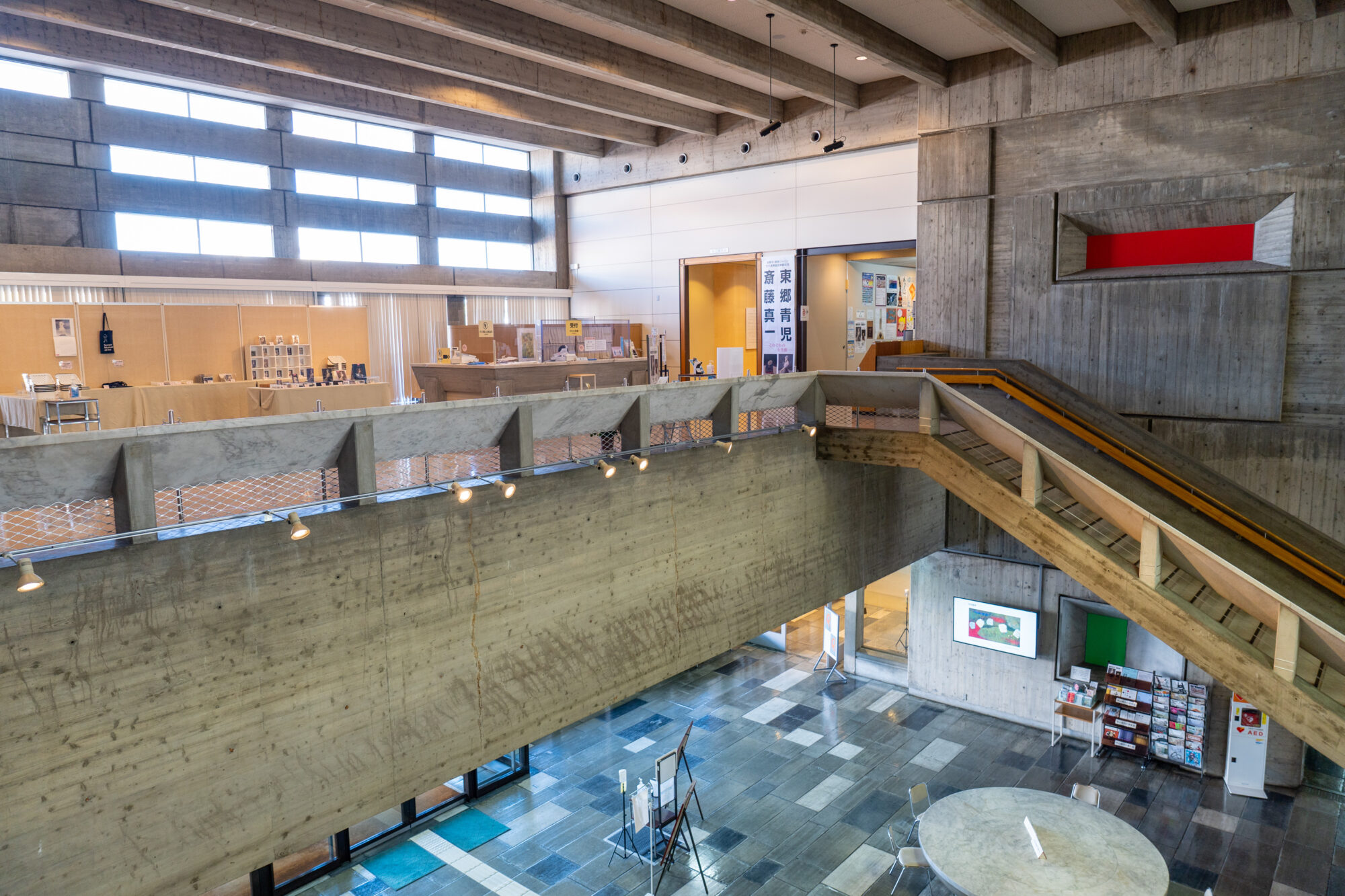
What is the concept behind Kurashiki City Art Museum?
Sakata (honorifics omitted)
In a word, it is “a comprehensive lifelong learning facility rooted in Kurashiki City.”
I think it has three specific aims.
The role of an art museum
Sakata
The first is its role as an art museum.
We research the achievements of artists with ties to the region and collect their works.
One of our distinctive features is that we collect a wide range of works, from early works through to those from the artists’ later years, as well as their representative works.
We also collect materials such as sketches and photography albums, working to provide a multifaceted view of the artists and their works.
The mission of Kurashiki City Art Museum is to preserve Kurashiki City’s culture and pass it on to the next generation.
A venue for citizens to exhibit their work
Sakata
The second is its role as a venue for citizens to exhibit their work.
Kurashiki City has many art appreciation groups, and many people want a place to exhibit their work.
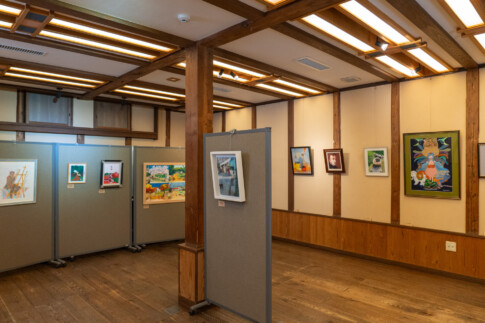
Kurashiki City Art Museum rents out its exhibition rooms by the week, providing a place for people to show their work.
Sugino (honorifics omitted)
Museums that rent out their exhibition rooms this frequently are probably rare.
It shows that many art enthusiasts are looking for a place to exhibit their work.
There is strong demand to use the exhibition rooms. Although reservations can be made month by month up to a year in advance, each booking is decided by lottery.
The rooms are basically never vacant.
A place for children's education
Sakata
The third role is as a place for children's education.
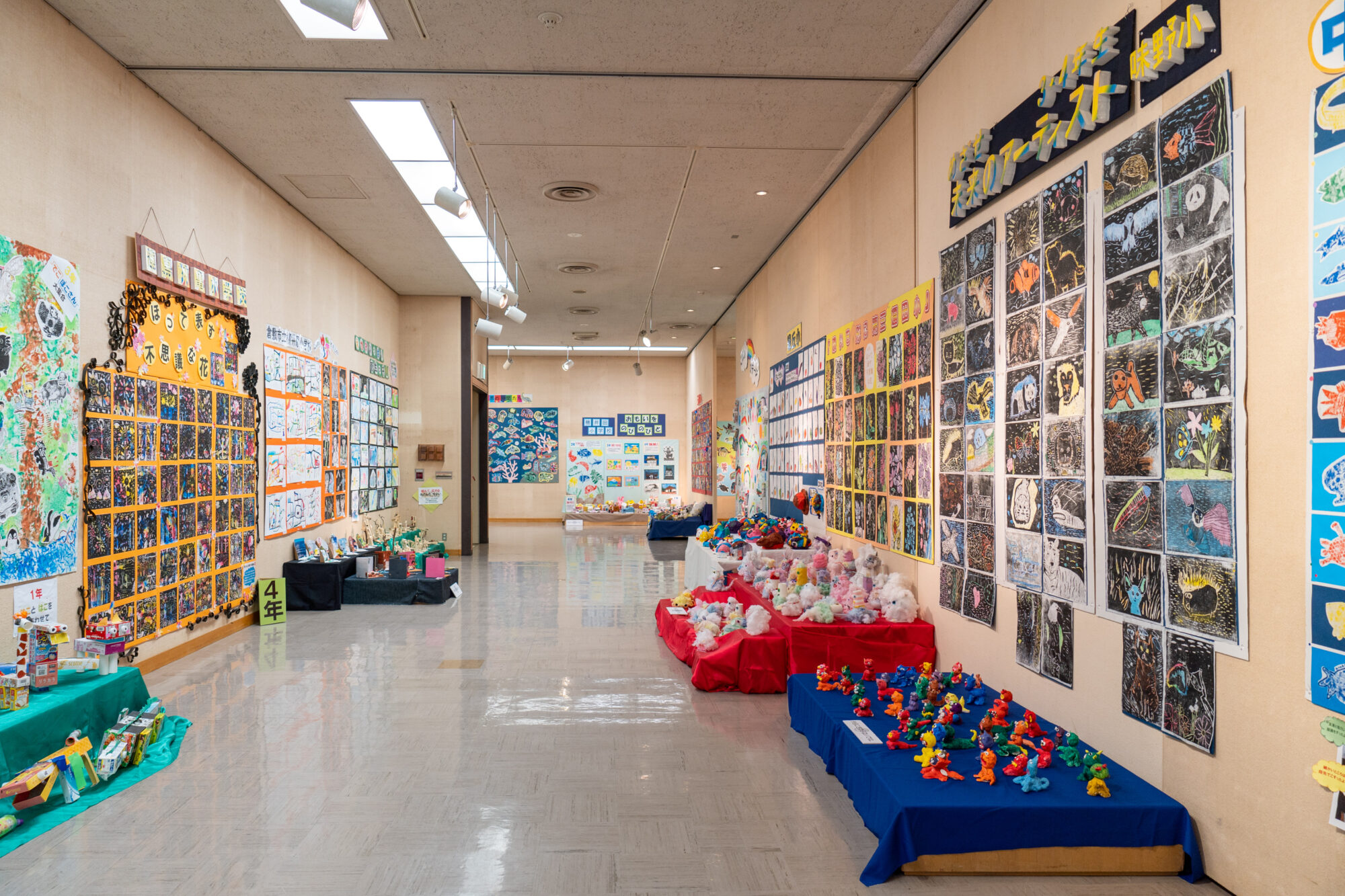
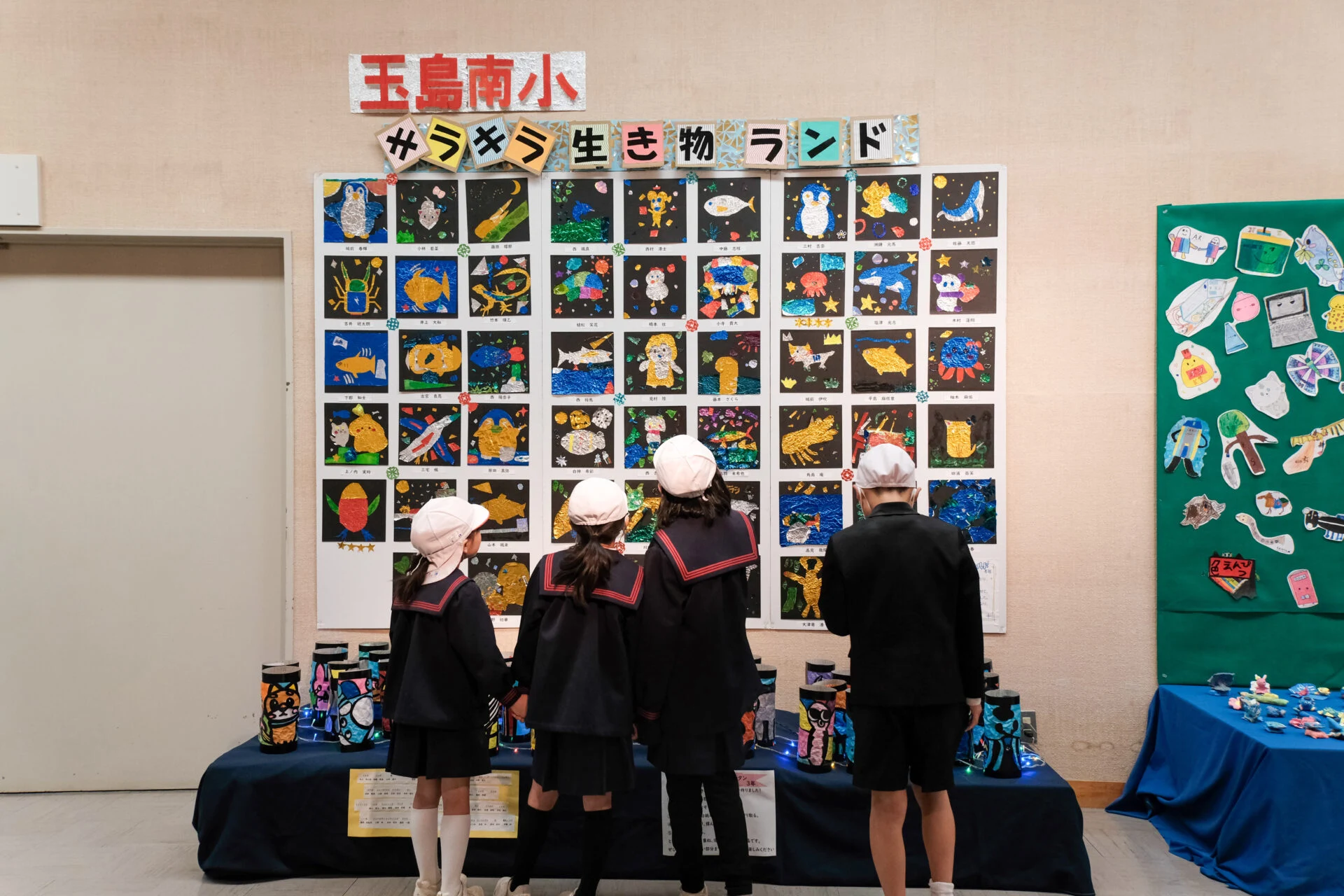
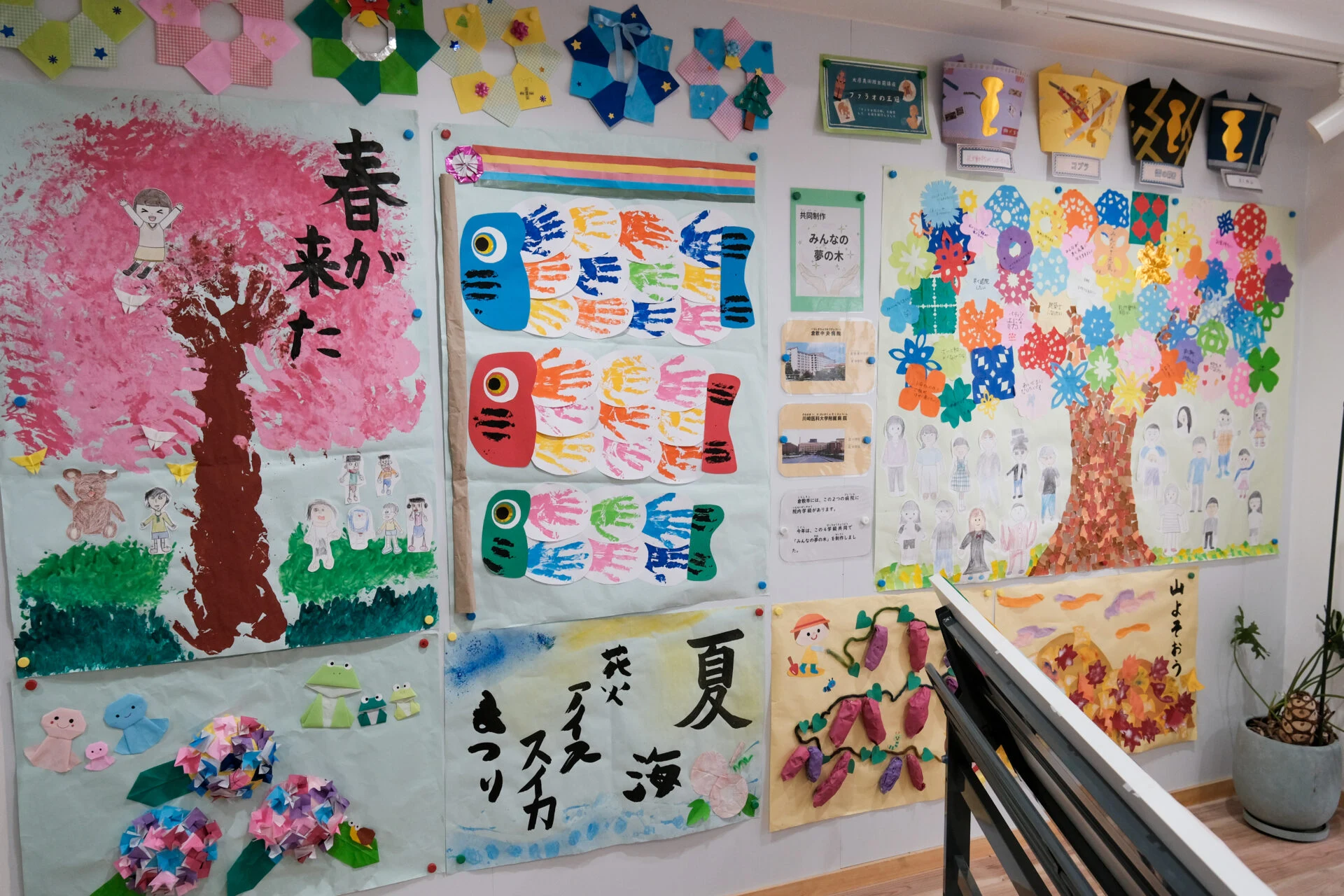
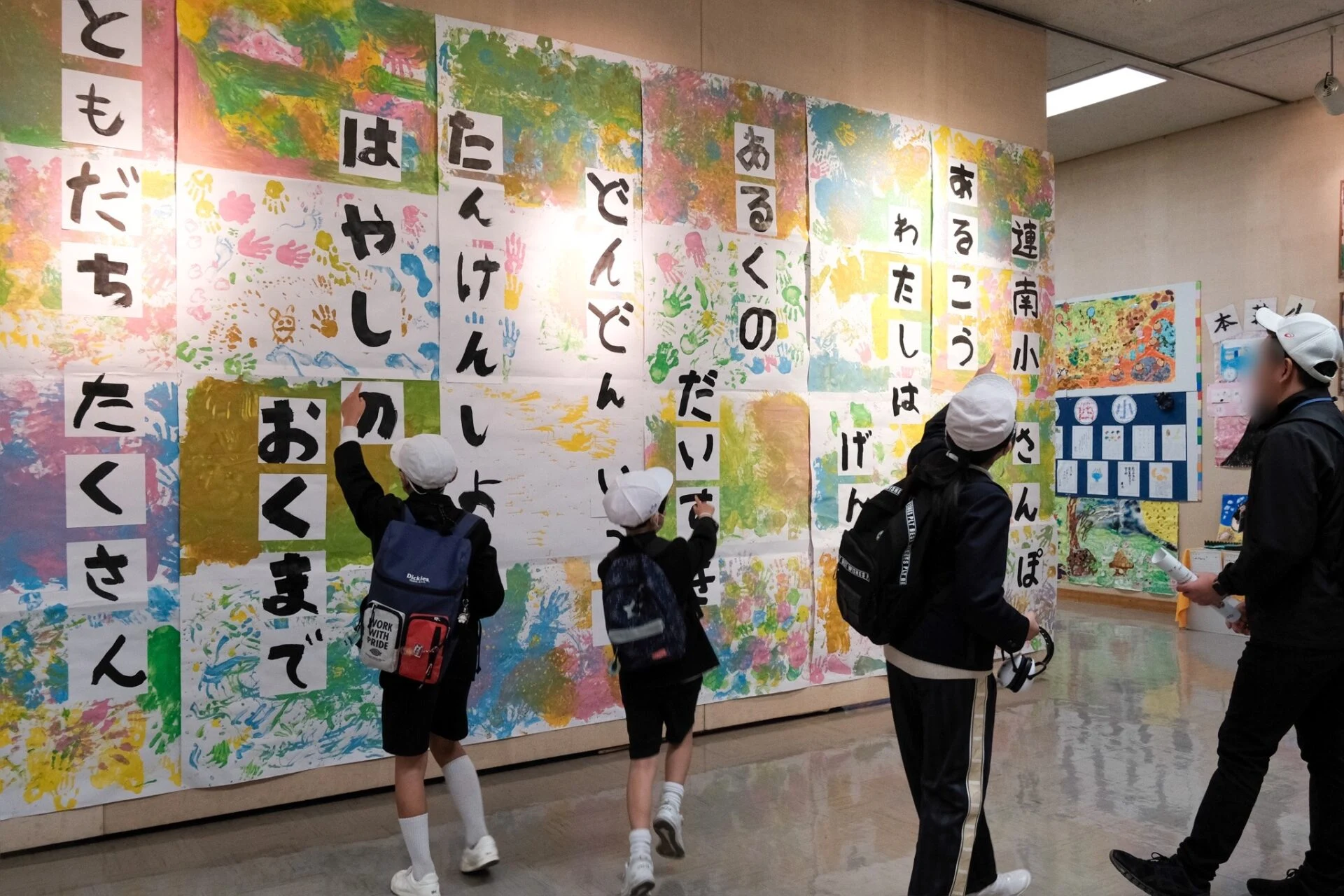
The Kurashiki Children's Art Exhibition is a prime example.
Kurashiki City Art Museum is overseen by the Kurashiki City Board of Education, so it is also expected to serve an educational role.
Every year, we also hold the “Kurashiki Children's Friendship Art Exhibition,” which is attended by children and students from special needs classes and special needs schools in the city.
Collaboration with universities
Sakata
We also collaborate with universities.
Our main partners are Kurashiki University of Science and the Arts and Kurashiki Sakuyo University.
Kurashiki University of Science and the Arts uses the museum not only to exhibit works by students studying art, but also as a venue for museum curator training.
It seems to provide students with practical learning opportunities, with our curators involved in their instruction.
Kurashiki Sakuyo University invites music students to exhibition opening ceremonies, where they give a welcome concert.
Apparently, although they can practice, they rarely have a place to perform.
We’ve heard them say, “We’re very grateful.”
An unusual art museum with many donations from citizens
Old works remain in old houses
Could you tell us about the criteria for collecting works?
Sakata
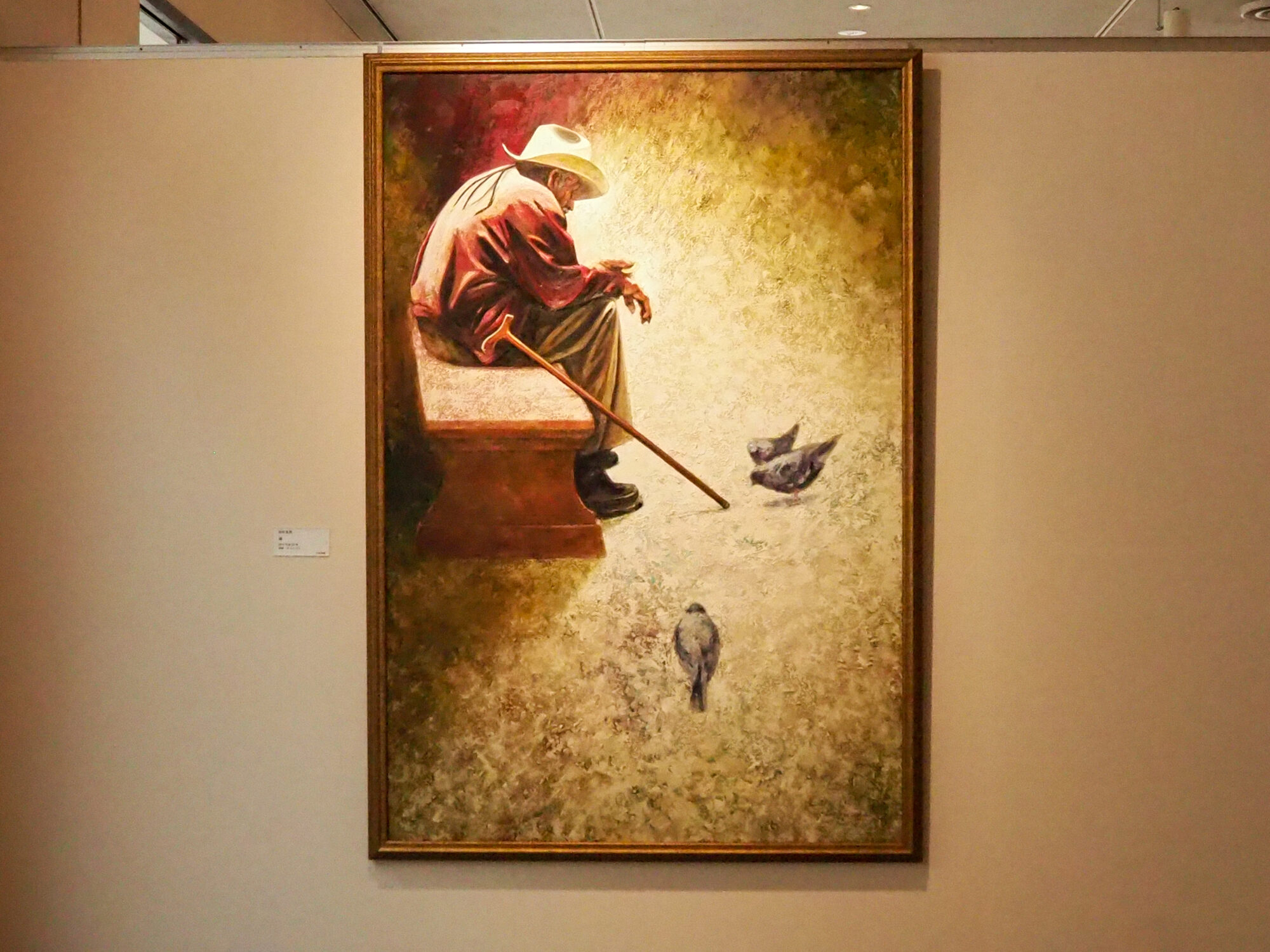
First, they must be works by artists with ties to the region.
I think this criterion was largely shaped by Mr. Ikeda (Ikeda Yoson) donating works before the museum opened.
He lived in Kyoto while working as a Japanese-style painter, but apparently his registered domicile was in Tamashima, Kurashiki City.
Even after leaving Kurashiki City, he seems to have felt a strong attachment to his hometown, and I understand that he donated his works.
The perspective of “how to preserve Mr. Ikeda’s works and share them with citizens” has shaped the way the museum is run today.
Sugino
Today, we receive many donations from citizens.
We often hear from people saying, “We have some old things—please come and take a look.”
When we actually go to see them, we’re often surprised and think, “I had no idea something like this had survived!”
Sakata
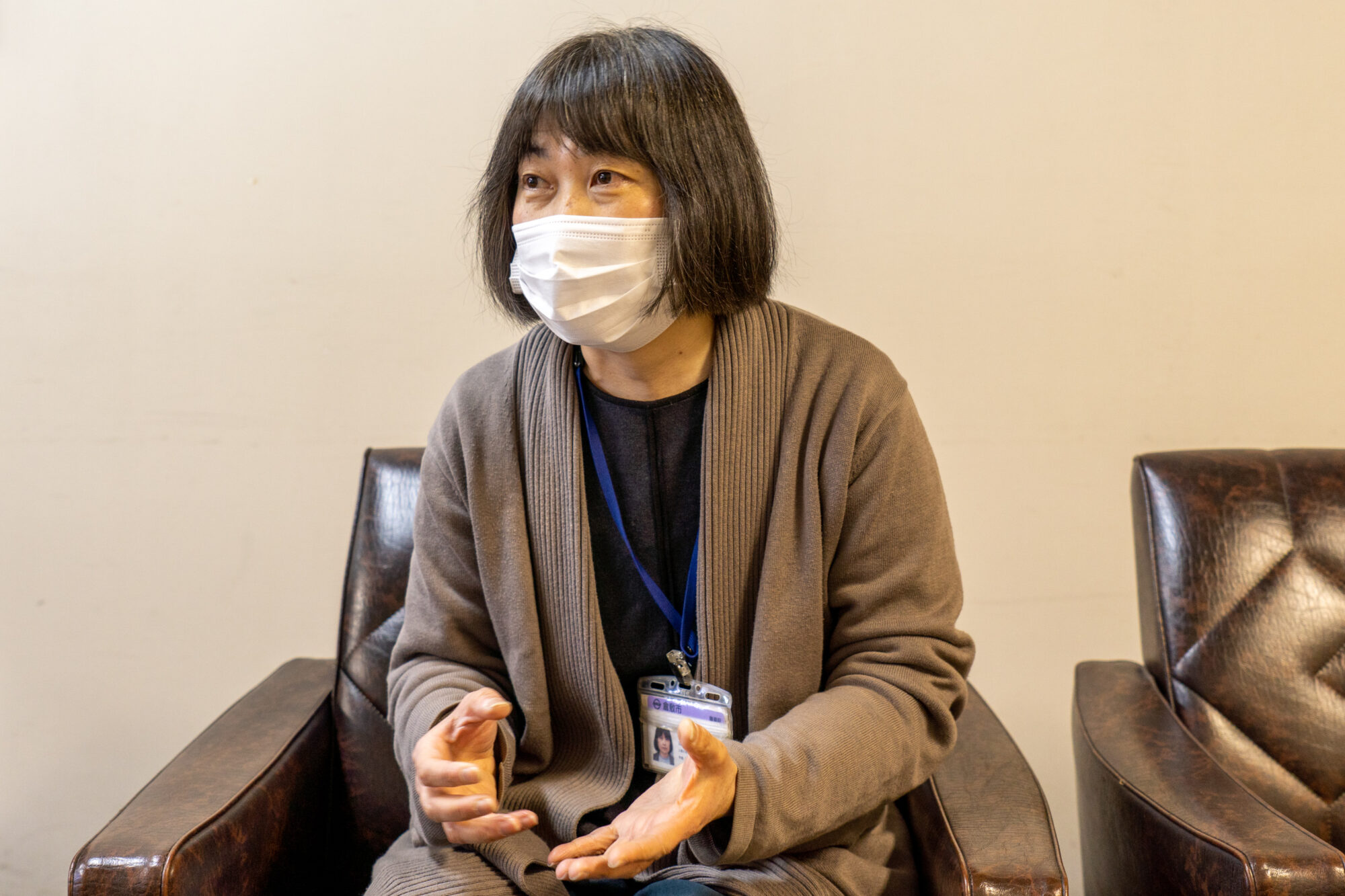
Kurashiki City was not bombed during the air raids, so there are many houses built decades or even centuries ago.
Old things remain in old houses.
People seem to think, “If we’re going to preserve these, perhaps Kurashiki City Art Museum would be a good place,” and we often receive inquiries.
This may be a way of collecting works unique to an art museum in Kurashiki City.
We’re very grateful when people offer us their works.
World-famous works and contemporary art
Sakata
We also sometimes collect world-famous works and contemporary art.
Our collection includes works by many artists, including Yayoi Kusama.
Among them, I find the contemporary sculptures by Tetsumi Kudo particularly interesting.
They have received very high acclaim overseas, and we have even lent them out several times.
Storage and restoration tailored to each work
I get the impression that you collect a truly wide range of works, both in number and type. I imagine that this breadth makes storing them difficult…
Sugino
Storing works is certainly difficult, but it’s also an area where curators’ expertise comes into play.
We thoroughly manage factors such as humidity according to the characteristics of each work.
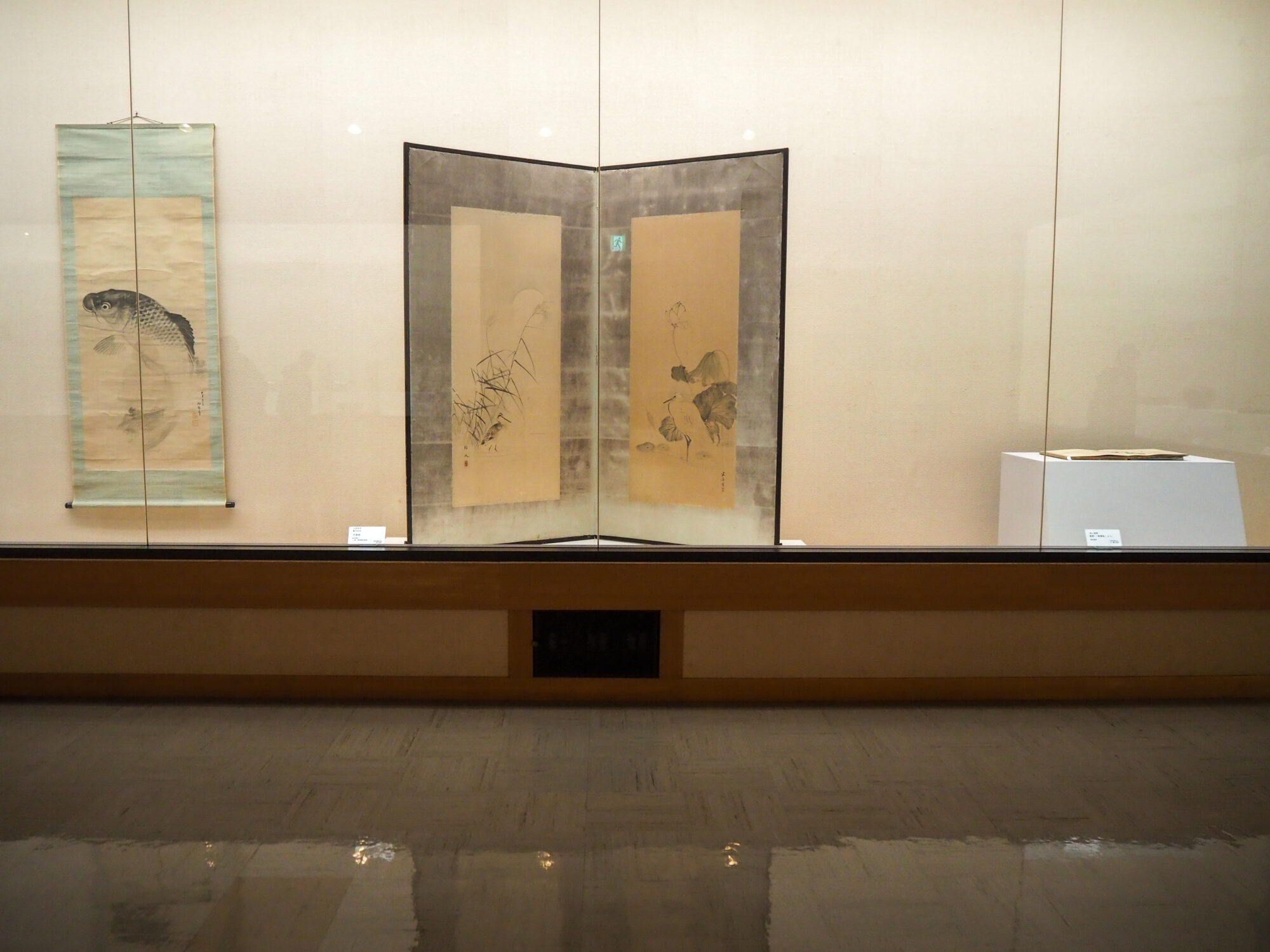
For example, Japanese-style paintings include both watercolors and oil paintings, and they use a variety of materials, such as paper and silk.
We also have works in woodcraft, ceramics, and lacquerware, so the museum’s collection is extremely diverse in its characteristics.
Some works in the collection need restoration as well as routine care.
Some hanging scrolls and folding screens have deteriorated, so we prioritize them as we work to restore and preserve them.
The Kurashiki Children's Art Exhibition continues thanks to teachers at each school
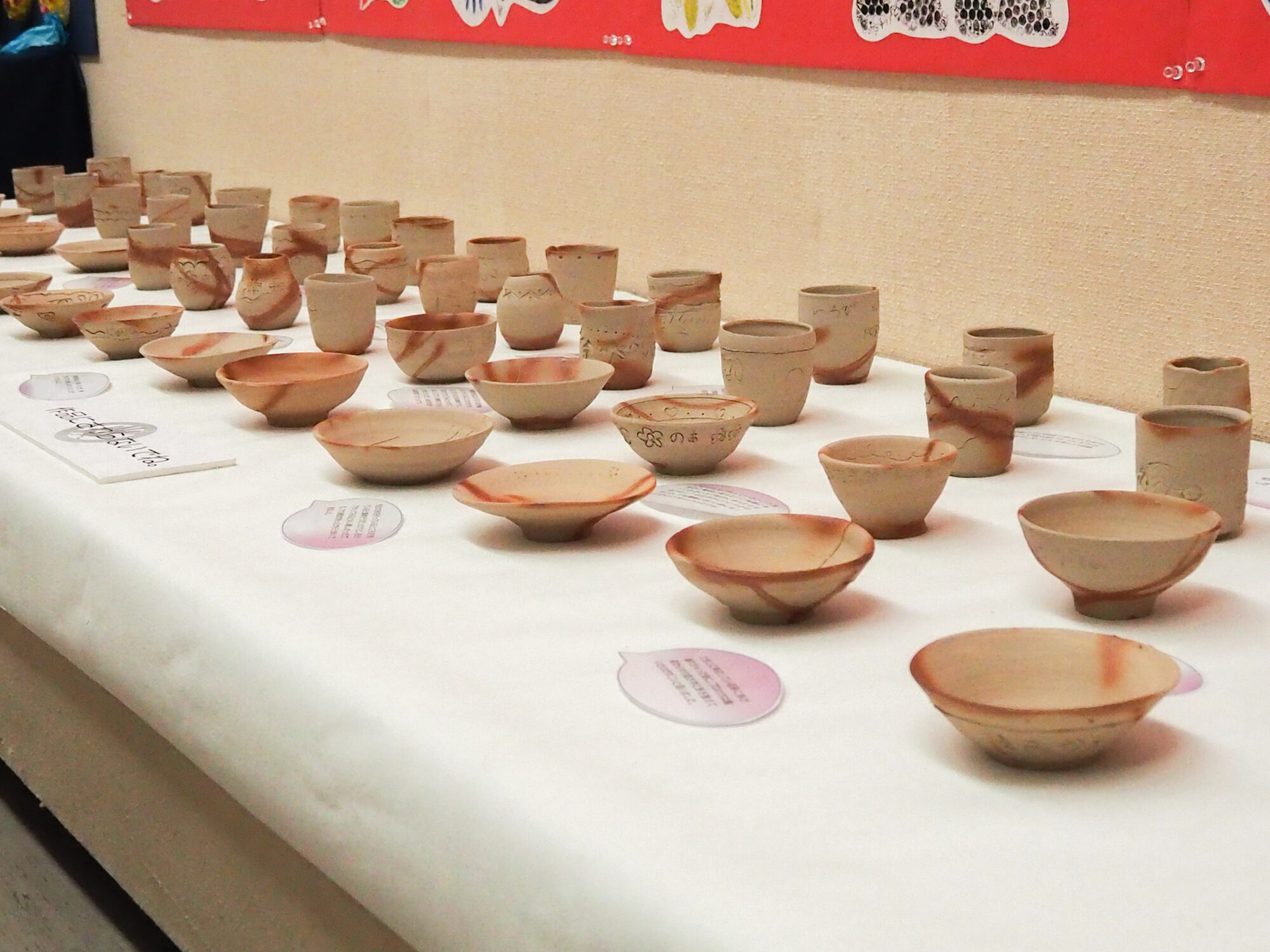
While you put a lot of effort into collecting and preserving works, the museum’s educational role for children is also important. The Kurashiki Children's Art Exhibition being held today seems like one example.
Sakata
It’s one of the programs I look forward to every year.
The 2022 edition of the Kurashiki Children's Art Exhibition is its 37th.
There was one year when it could not be held due to the COVID-19 pandemic, but it has taken place every year since fiscal 1986.
Sugino
It is a nationally unusual exhibition, with every elementary and junior high school in Kurashiki City taking part.
Since everyone can participate, we do not select “prize-winning works”; everyone’s work is exhibited on an equal basis.
We don’t impose any requirements on the schools, either.
The only thing we tell them is that it is not a competition.
As a result, each school’s individuality shines through, making it an enjoyable exhibition.
What do you think is the reason it has continued for 37 years?
Sugino
I think it’s all thanks to the teachers’ hard work, truly.
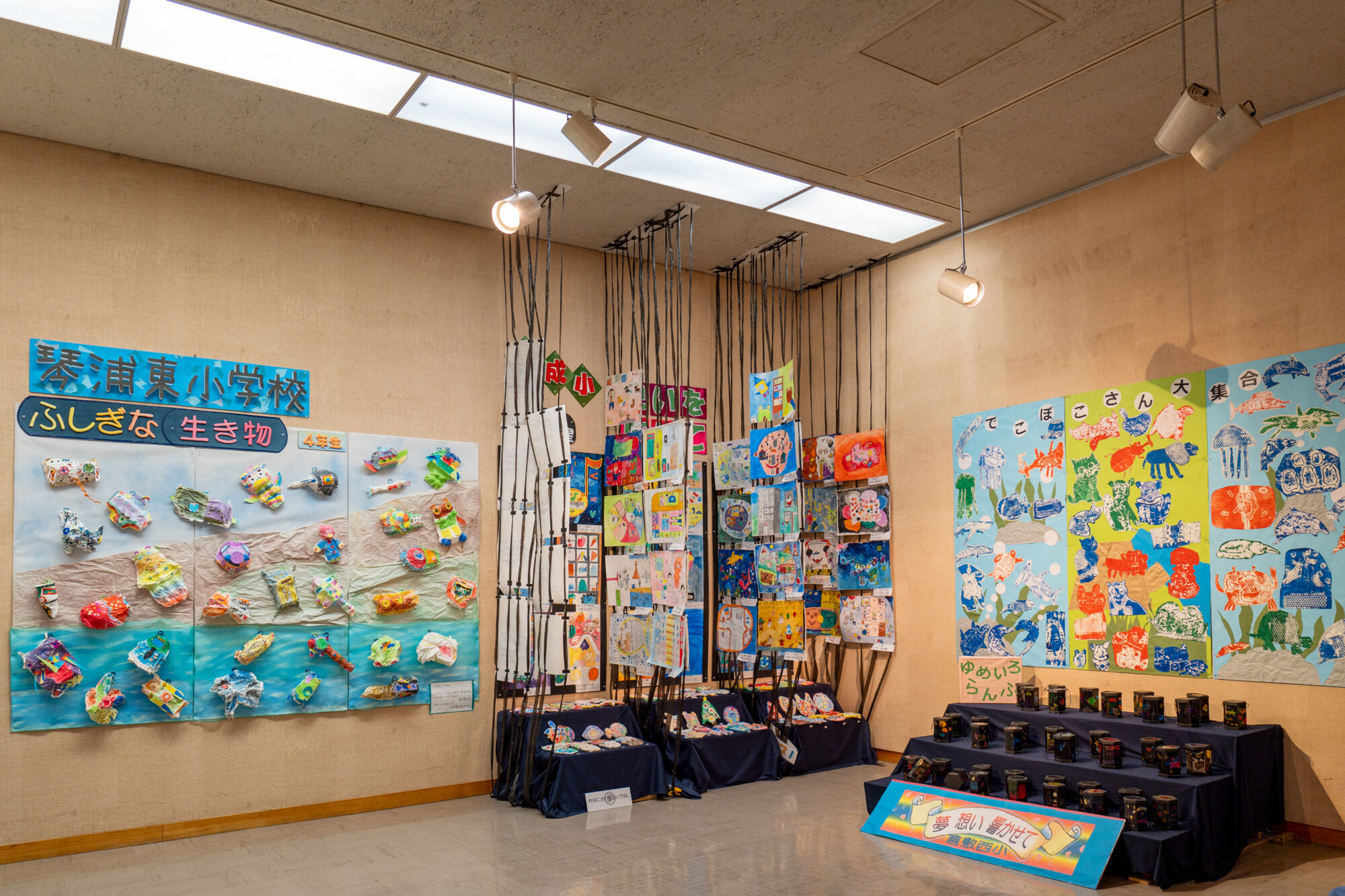
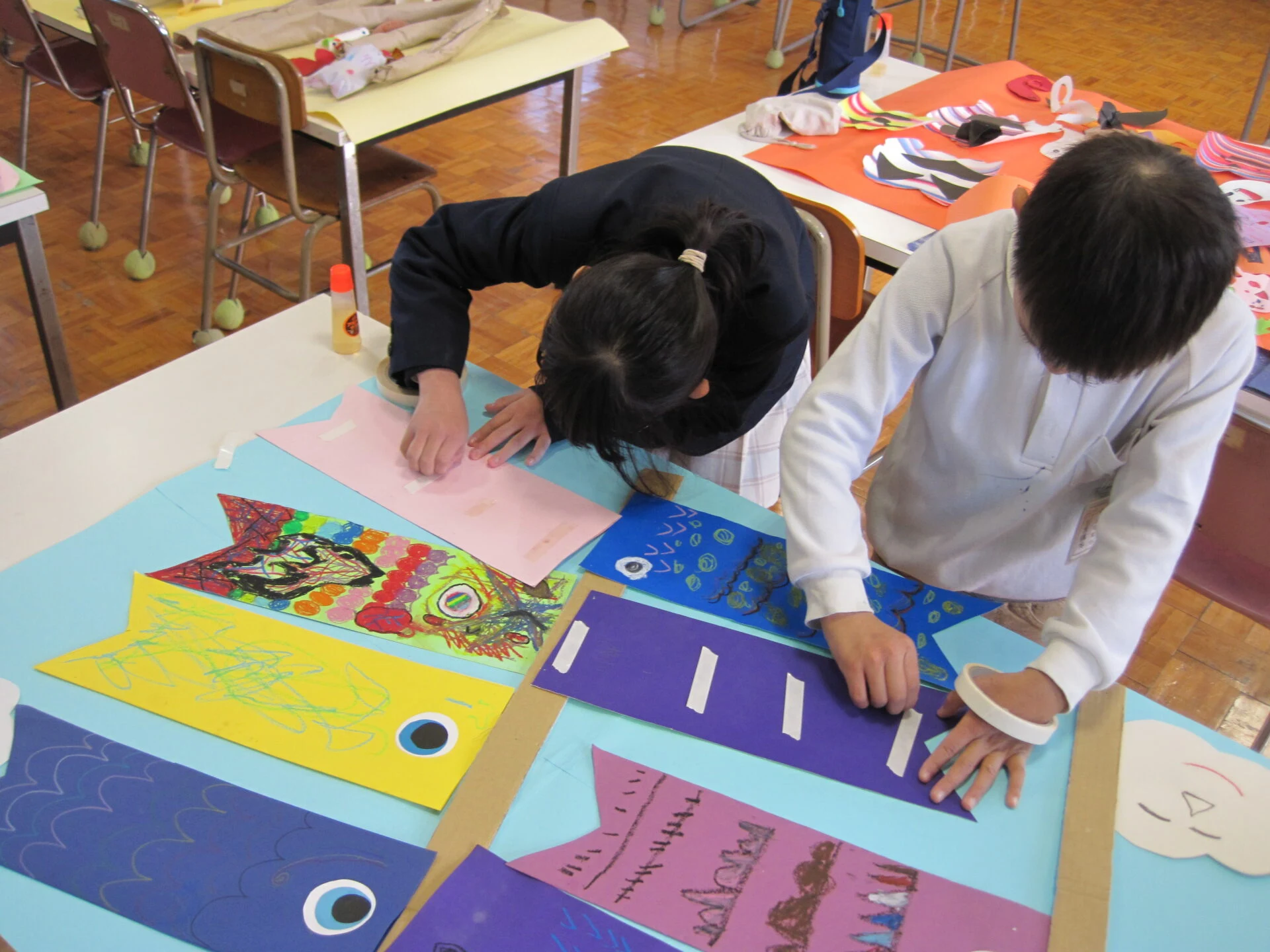
Every year, we also ask teachers from each school to help with the exhibition setup.
They bring in the works created at their schools and even take care of putting them on display.
They think about how to make the children's works stand out, creating school name signs and coming up with creative ways to display the works.
This art exhibition would not be possible without the schools' cooperation, and we are truly grateful to the teachers at each school.
Feel free to visit Kurashiki City Art Museum, where you can enjoy and use it in many different ways
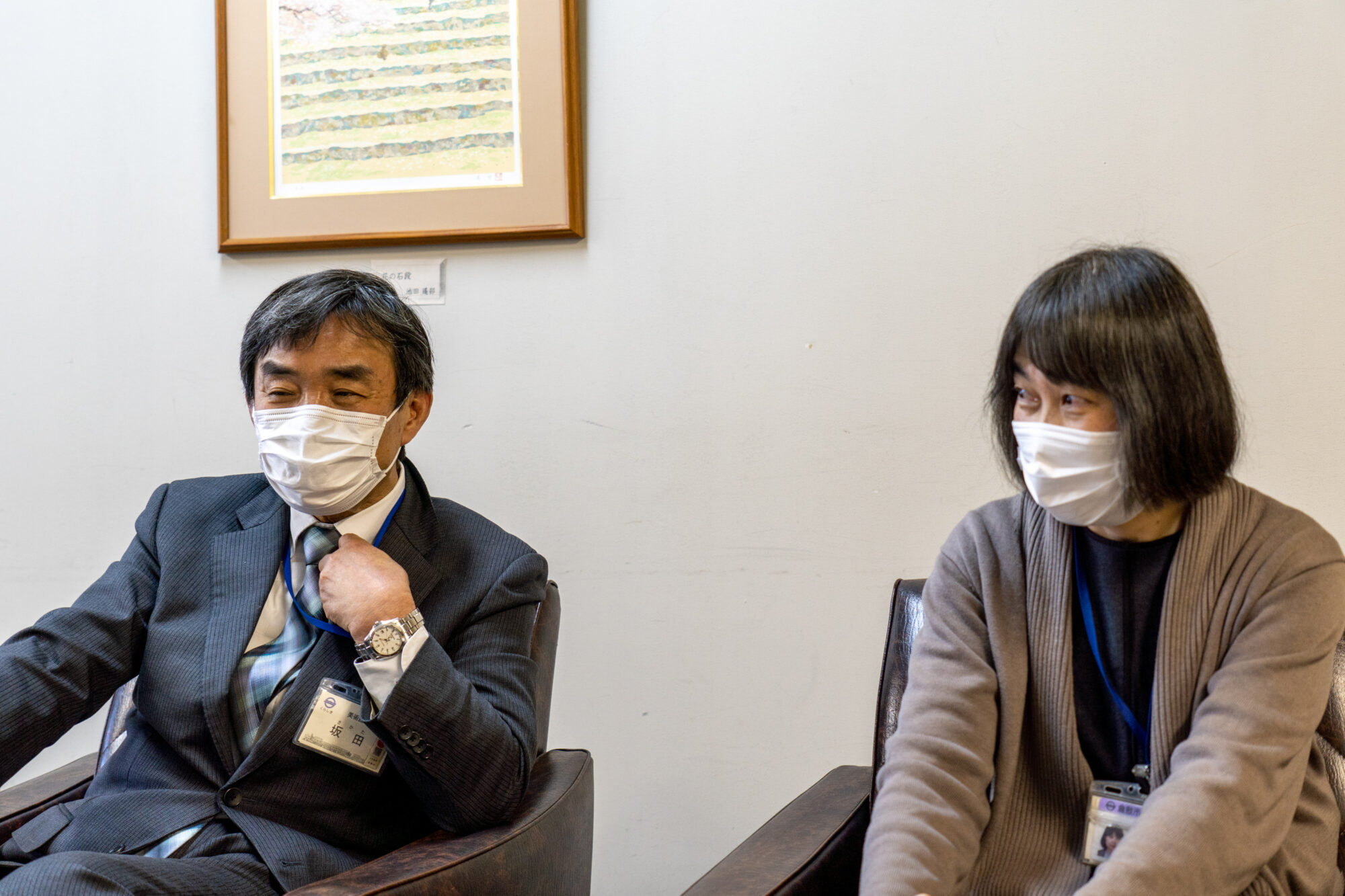
Do you have a message for our readers?
Sakata
Kurashiki City Art Museum is a lifelong learning facility.
The exhibitions held here are not difficult to understand, and the museum can be used not only to view art but also, at times, as a place to present your own work.
The sense of intimidation you might feel when you hear “art museum” is absent at Kurashiki City Art Museum.
Alongside the cultural value of the building and its artworks, the museum also has a cafe where you can casually enjoy a meal or tea.
It is a place where you can come without any formality, in your everyday clothes, and gather with friends or family to learn or have a meal.
I hope it will continue to be a place that many people feel comfortable visiting.
Sugino
At Kurashiki City Art Museum, you can take part in practical art classes or rent the auditorium to hold events such as piano recitals.
There are many ways to use the museum, so I would be happy if you felt free to visit.
And when you visit Kurashiki City Art Museum, I hope you will also enjoy the exhibitions.
When you view a wide range of works, I think some will catch your eye, so I hope you will see the works in person and take in all kinds of impressions.
From the Writer
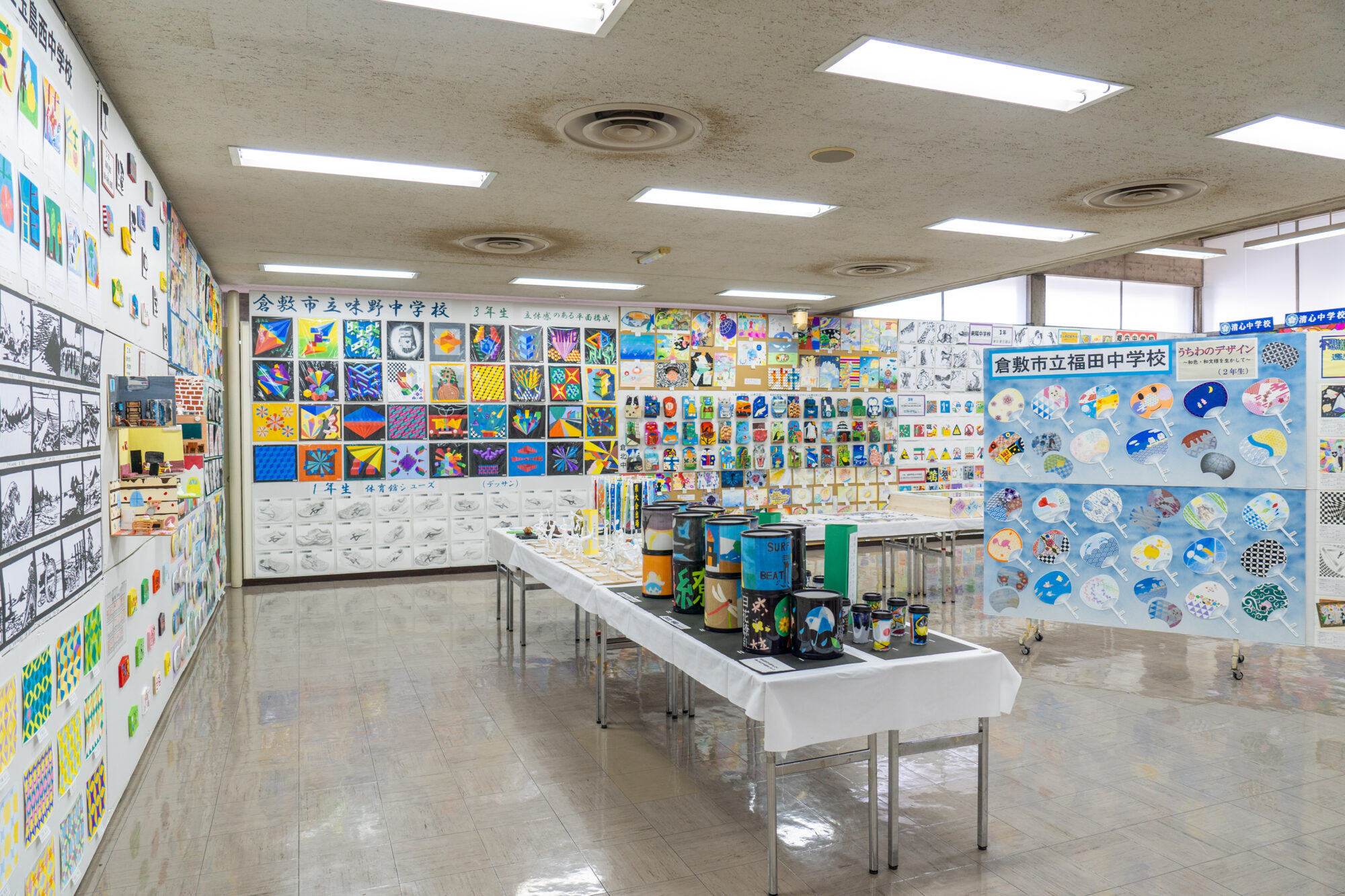
What left a strong impression on me during my reporting was the wide range of works in the Kurashiki City Art Museum’s collection and the many opportunities for local residents to exhibit their work.
The collection contains around 11,000 works—more than I had imagined.
Since the works all differ in their characteristics and the periods in which they were created, I think it is easy to find a favorite.
When you visit with family or friends, each person is sure to be drawn to different works.
I felt that the opportunity to enjoy those differences is something unique to the Kurashiki City Art Museum, with its wide-ranging collection.
I was also surprised that throughout the year, local residents have opportunities to exhibit their work.
The museum was originally named the Kurashiki City “Exhibition” Art Museum when it first opened, which also speaks to the high expectations of local residents.
Surely, exhibiting your own work at the Kurashiki City Art Museum feels special.
The Kurashiki City Art Museum offers many ways to enjoy it—as a place to view art, as a building, as a venue for exhibitions, as a place for children’s education, or as a cafe.
There is sure to be something that interests you.
Articles about Kurashiki City Art Museum

Kurashiki City Art Museum Information
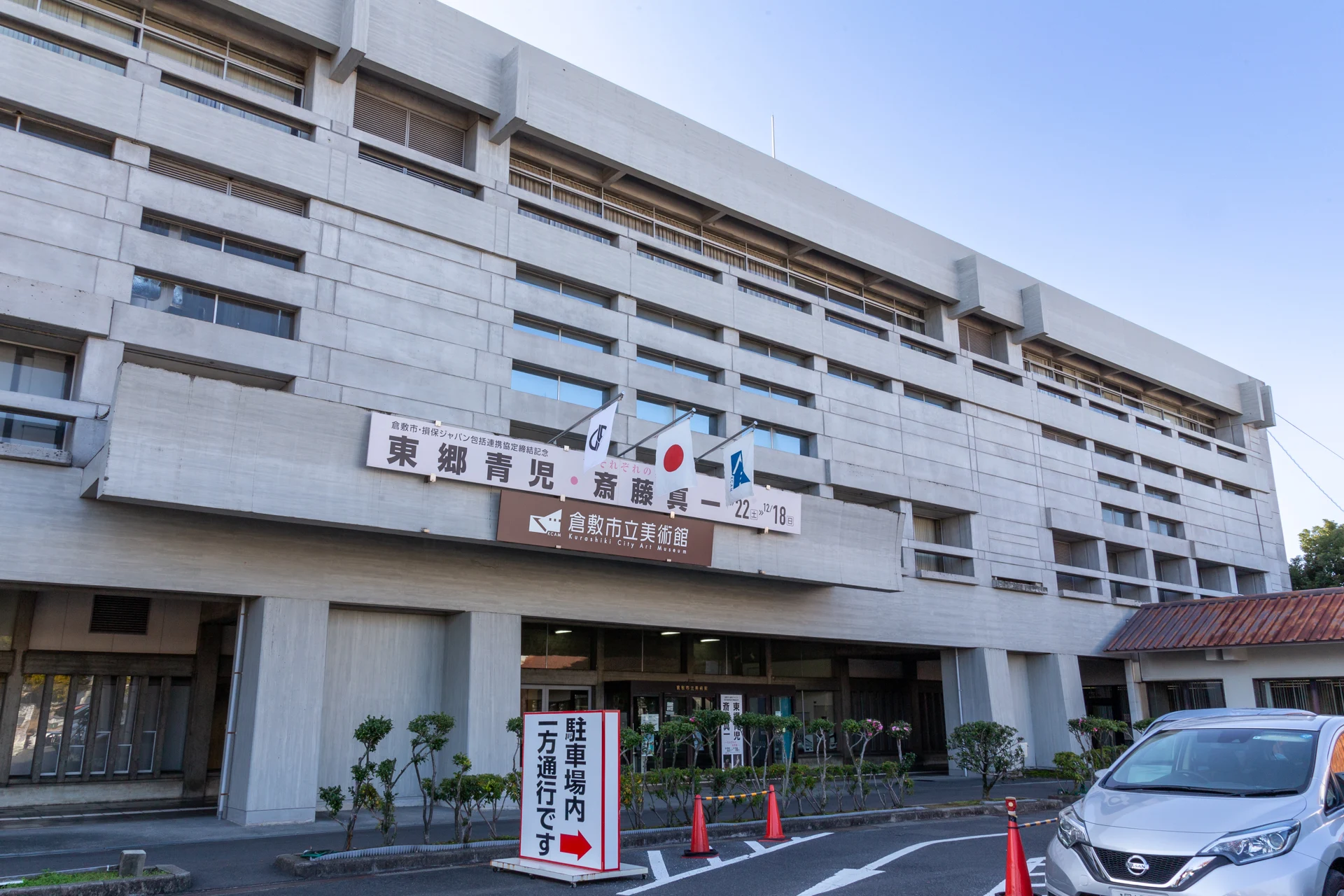
| Name | Kurashiki City Art Museum |
|---|---|
| Address | 2-6-1 Chuo, Kurashiki City |
| Contact | 086-425-6034 |
| Parking | None |
| Opening hours | 9:00 a.m.–5:15 p.m. (last admission: 4:45 p.m.) |
| Closed | Mondays ・If Monday is a public holiday, the museum is closed the following day ・Closed during the year-end and New Year holidays ・May also close temporarily on other occasions |
| Admission (tax included) | 【Individual】 Adults: ¥210 University and high school students: ¥100 Junior high and elementary school students: ¥50 【Groups】 Adults: ¥150 University and high school students: ¥70 Junior high and elementary school students: ¥30 The following visitors may view the collection exhibition free of charge: ・Elementary and junior high school students from Kurashiki City who present an Ikiiki Passport or student ID ・Elementary school students who present a Takahashi River Basin Passport (except on weekdays) ・Elementary and junior high school students from Kurashiki City schools visiting with a teacher (including accompanying teachers) ・People aged 65 and over ・People with disabilities and one accompanying person (upon presentation of a physical disability certificate, rehabilitation certificate, or mental disability health and welfare certificate) ※Admission to special exhibitions is charged separately |
| Payment methods |
|
| Smoking | Entirely non-smoking |
| Restrooms | Western-style toilets, accessible toilets |
| Accessibility | Accessible toilets, elevator |
| Website | Kurashiki City Art Museum |


What would you like to know about Kurashiki?
Enter a word to search articles on this site