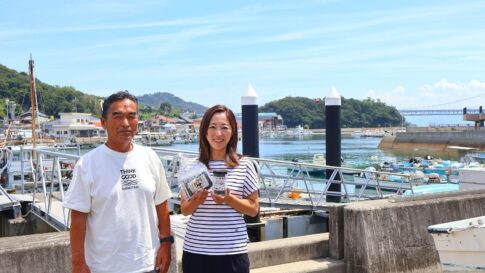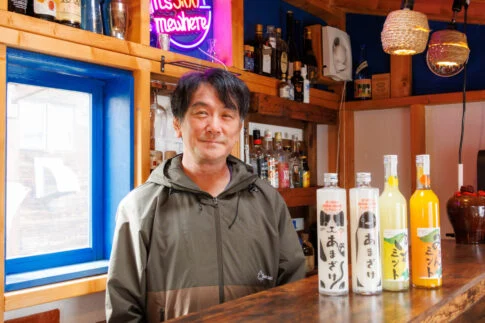
Interview with the owner, Oda Manami
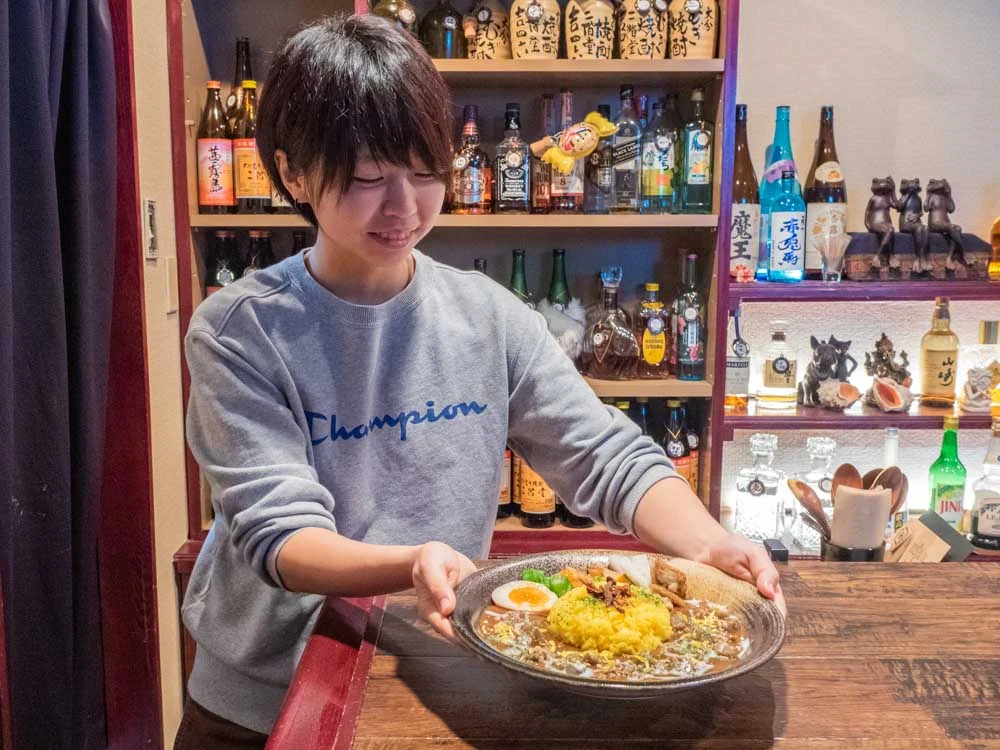
A unique operation in a shared shop format and a commitment to curry are impressive at Kurashiki Curry.
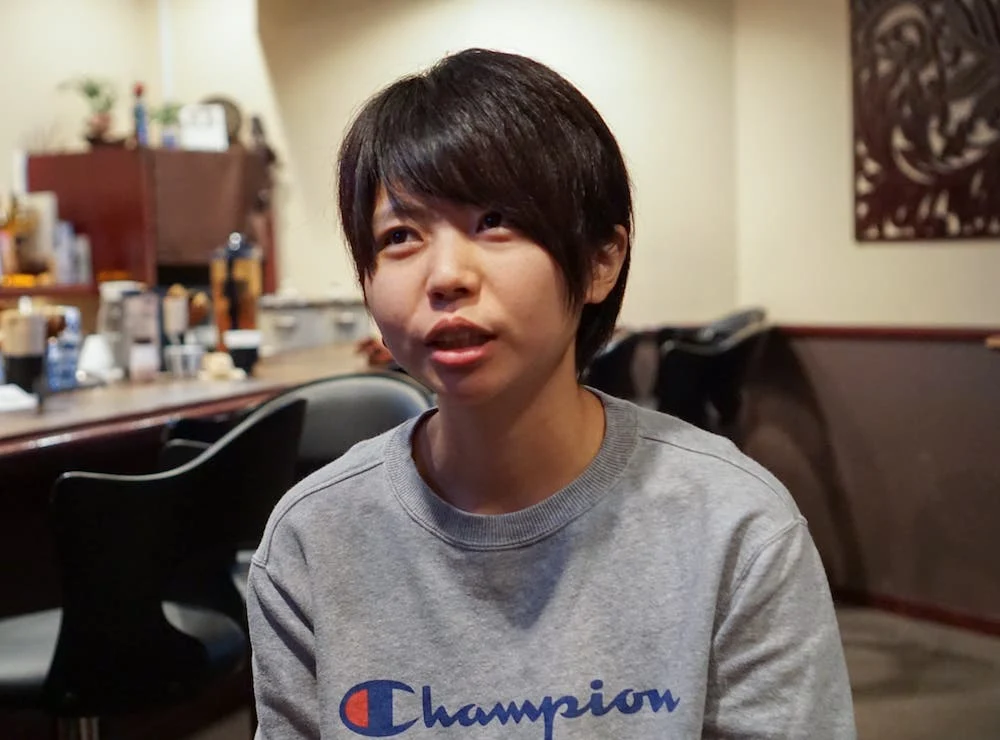
I spoke with the owner of Kurashiki Curry, Oda Manami.
"Kurashiki Curry" closed on April 26, 2026 (Sunday). After a preparation period, it is scheduled to relocate and renew.
This interview features content from the initial coverage conducted in November 2018.
The background of opening a curry shop in Kurashiki
Why did you open a curry shop in Kurashiki?
Oda
I am originally from Kurashiki City, and after graduating from high school, I studied French cuisine at a culinary vocational school.
After graduating from vocational school, I continued my training mainly in French cuisine in Osaka and other areas outside Okayama Prefecture and overseas.
Since then, I have always had the desire to open a shop in my hometown, Kurashiki City.
However, I wanted to open a shop locally, but I had no connections, making it difficult to start right away.
So, I decided to return home and work at a restaurant in Okayama Prefecture to improve my cooking skills while expanding my network.
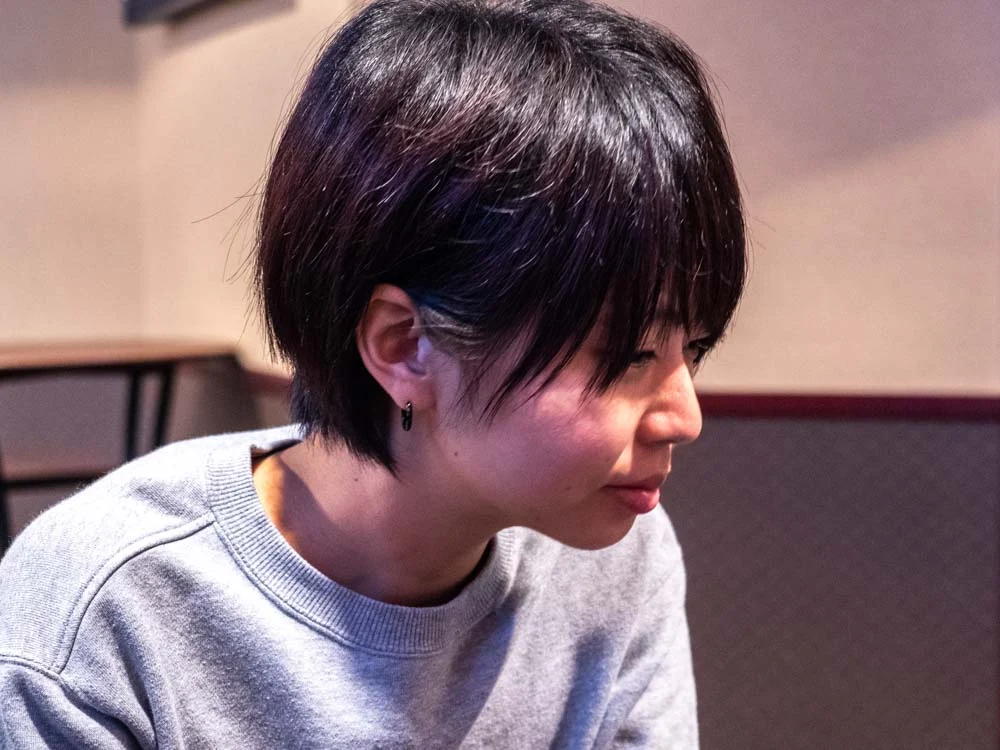
Why did you switch from specializing in French cuisine to curry?
Oda
I thought it would be difficult to open a shop specializing in French cuisine due to age and financial constraints.
At that time, I was working at a bar for training, and it was decided that a curry shop would be opened there.
Hearing that, I began to think that curry would be a good idea.
Originally, curry was one of my favorite dishes.
Additionally, I am a certified vegetable sommelier, and curry is a dish where I can utilize my knowledge as a vegetable sommelier.
Also, at that time, I learned about the shared shop format and became interested in it.
The compatibility of the shared shop format, which is easier to open, and curry was the biggest reason for opening a curry shop.
About the format of a shared shop
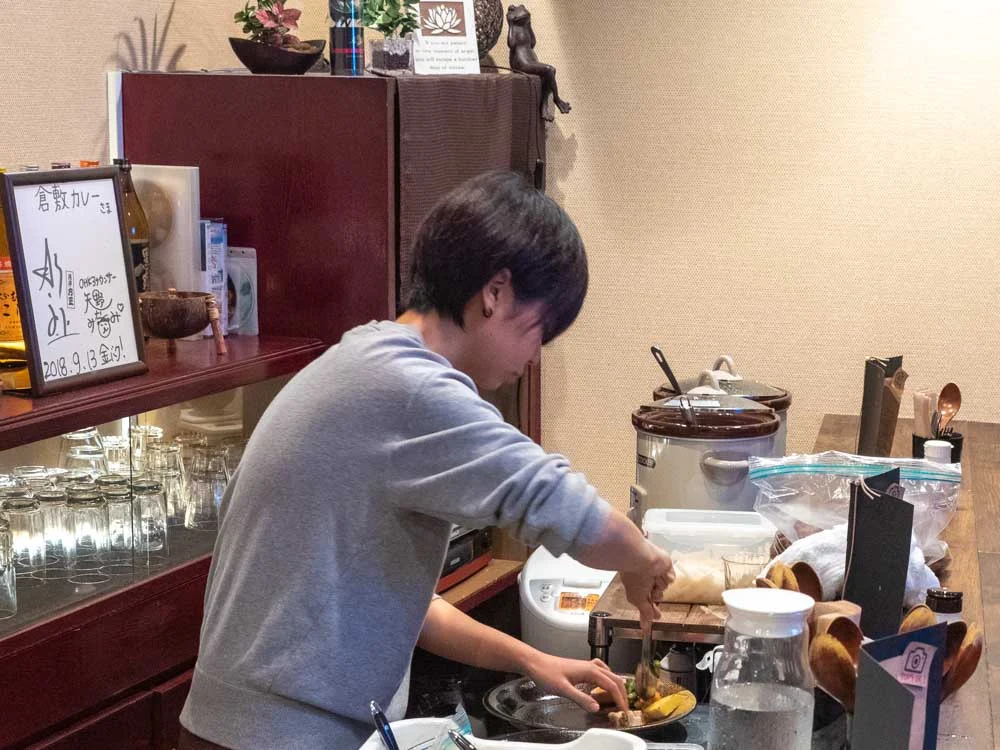
Why did you choose the rare management style of a shared shop in the Kurashiki area?
Oda
I learned that a curry shop operating in a shared shop called Yadokari Curry in Osaka was popular.
I decided to try visiting Yadokari Curry, and I thought the shared shop format was good.
I found it attractive that I could open with low capital.
The size of the kitchen is also compatible with curry.
The dishes that can be served using a bar's kitchen are limited.
After deciding to open a curry shop in a shared format, I continued to research by eating various curries.
At that time, through an introduction from the owner of my regular hair salon, I was able to rent the current bar, leading to the opening of Kurashiki Curry.
Now, the bar buys the curry roux, and there have been times when curry parties are held at the bar in the evening.
What are the challenges unique to a shared shop?
Oda
I can leave dishes and other items at the shop, but since I can only use the kitchen during the day, I have adopted a style where I prepare the curry at home and then transport it to the shop for final finishing and serving.
When transporting ingredients, the roux is liquid, so it is heavy, which is challenging.
In total, it weighs about 40 to 50 kilograms.
What is your daily workflow like?
Oda
Currently, after closing the shop in the afternoon, I return home in the evening and go to bed early.
I wake up in the middle of the night to shop at the market, prepare at home, and then transport it to the shop to open, which is my lifestyle.
The shop's and dishes' commitments
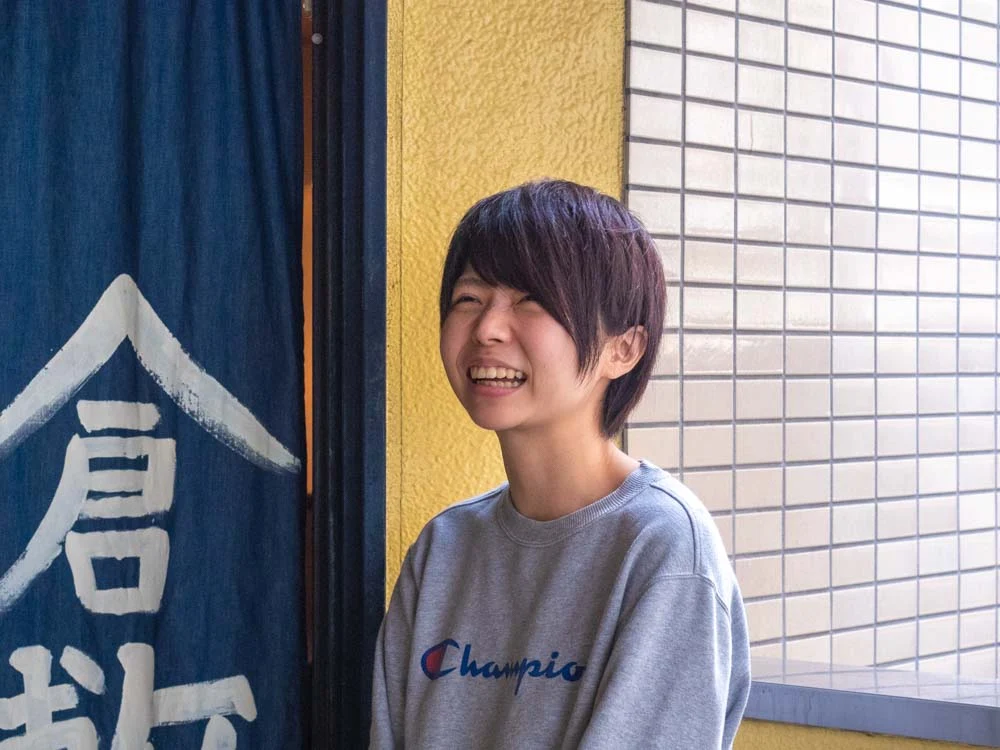
Please tell us what you are committed to in running the shop.
Oda
In Kurashiki, there are many shops that serve traditional Western-style curry.
Curry that uses a lot of spices is in the minority.
Therefore, I thought that if I serve curry that uses a lot of spices, I could differentiate myself from others.
However, I was concerned that for people in Kurashiki who are used to Western-style curry, it might not suit them if it is too spicy.
So, I aimed to create a shop that serves a curry that is intermediate between Western-style and spicy curry.
What are your commitments regarding the curry roux?
Oda
As for the roux, I slowly simmer it for a long time from the morning.
Also, the aroma of spices diminishes over time.
Therefore, I only use the roux on the same day.
Currently, I have two types of roux, plus one type for children, making a total of three types available.
With the current management style, the lineup of three types + one type is the easiest to provide.
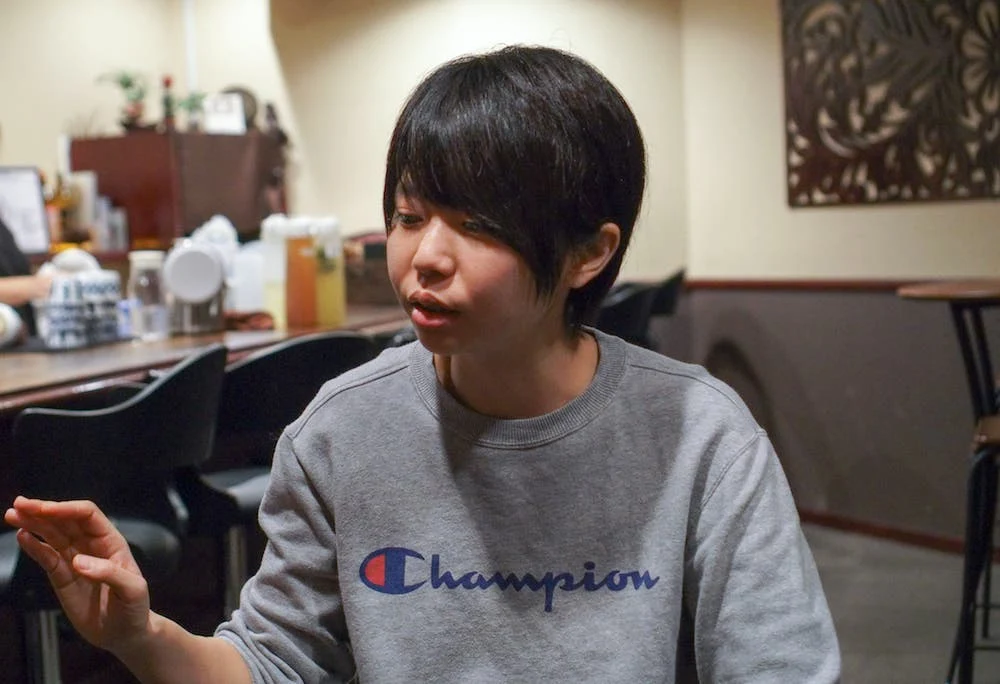
Why do you offer a children's curry despite having a small staff?
Oda
Initially, there was no children's curry.
However, after starting the shop, I found that surprisingly many customers came with children.
There were customers who came with strollers and those who came as a gathering of mom friends.
So, I thought I would create a children's curry.
The children's curry is made with a roux that is completely different from the other two types of roux.
No major allergens are used in the children's curry.
Many modern children have allergies, so I take that into consideration.
Also, it has no spiciness and is sweeter.
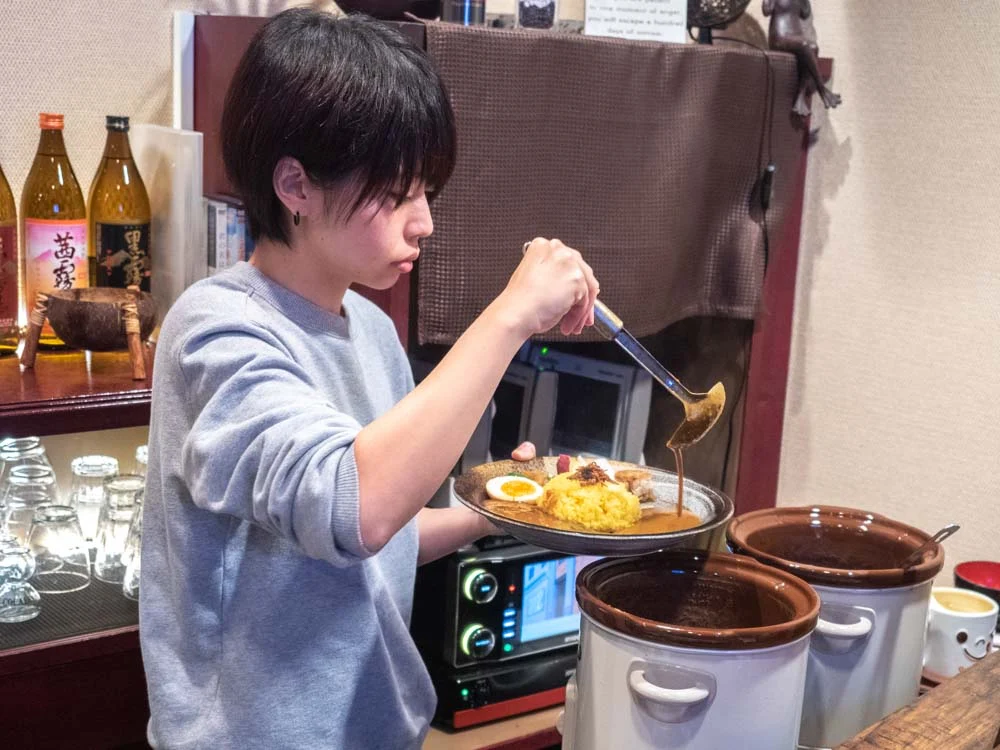
I would like to know about your commitment to the spices used in the roux.
Oda
Spices are good for health, so I consider the blend of spices with the concept of "spices that make you energetic."
Our shop also uses spices that are not typically used in regular curry shops.
Since I originally specialized in French cuisine, I also use spices that I learned during my time in French cuisine.
Additionally, we do not use chili-based spices.
The reason our curry is mild is because of that.
The slight spiciness comes from a spice called garam masala.
Instead of using chili-based spices, we have a style where customers can use the "spicy spice" on the table according to their preference.
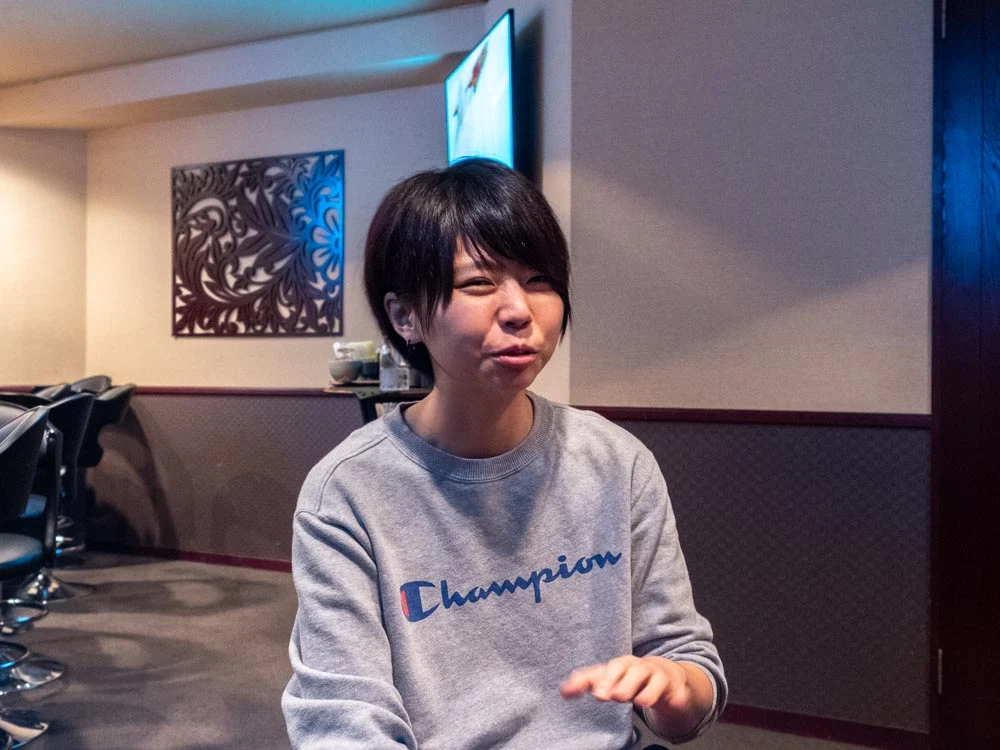
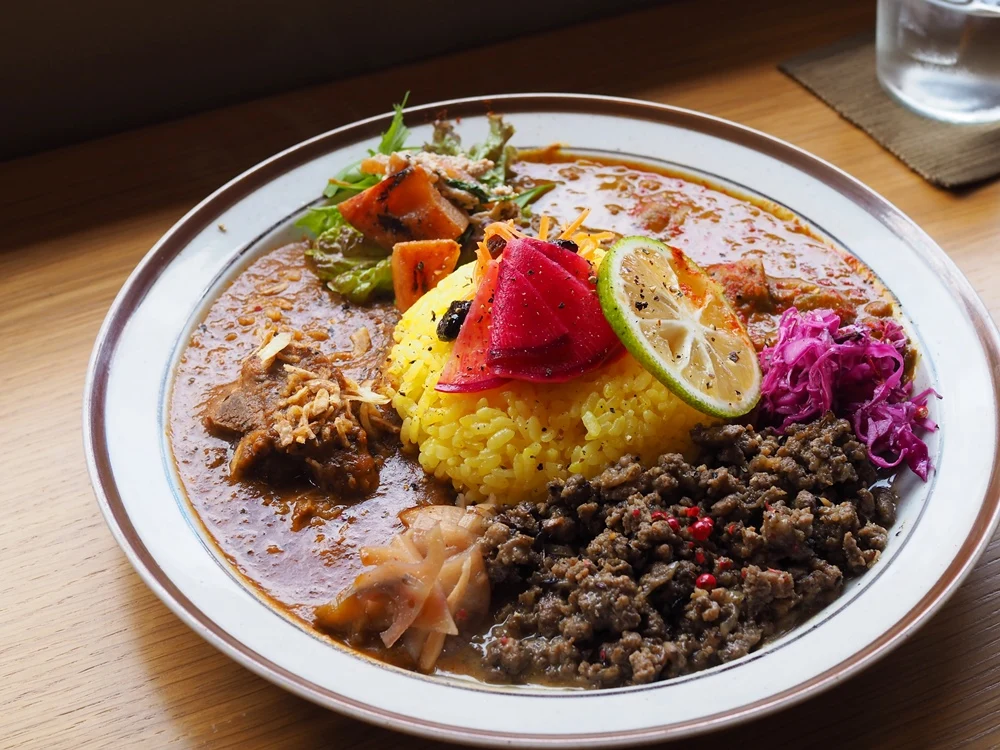
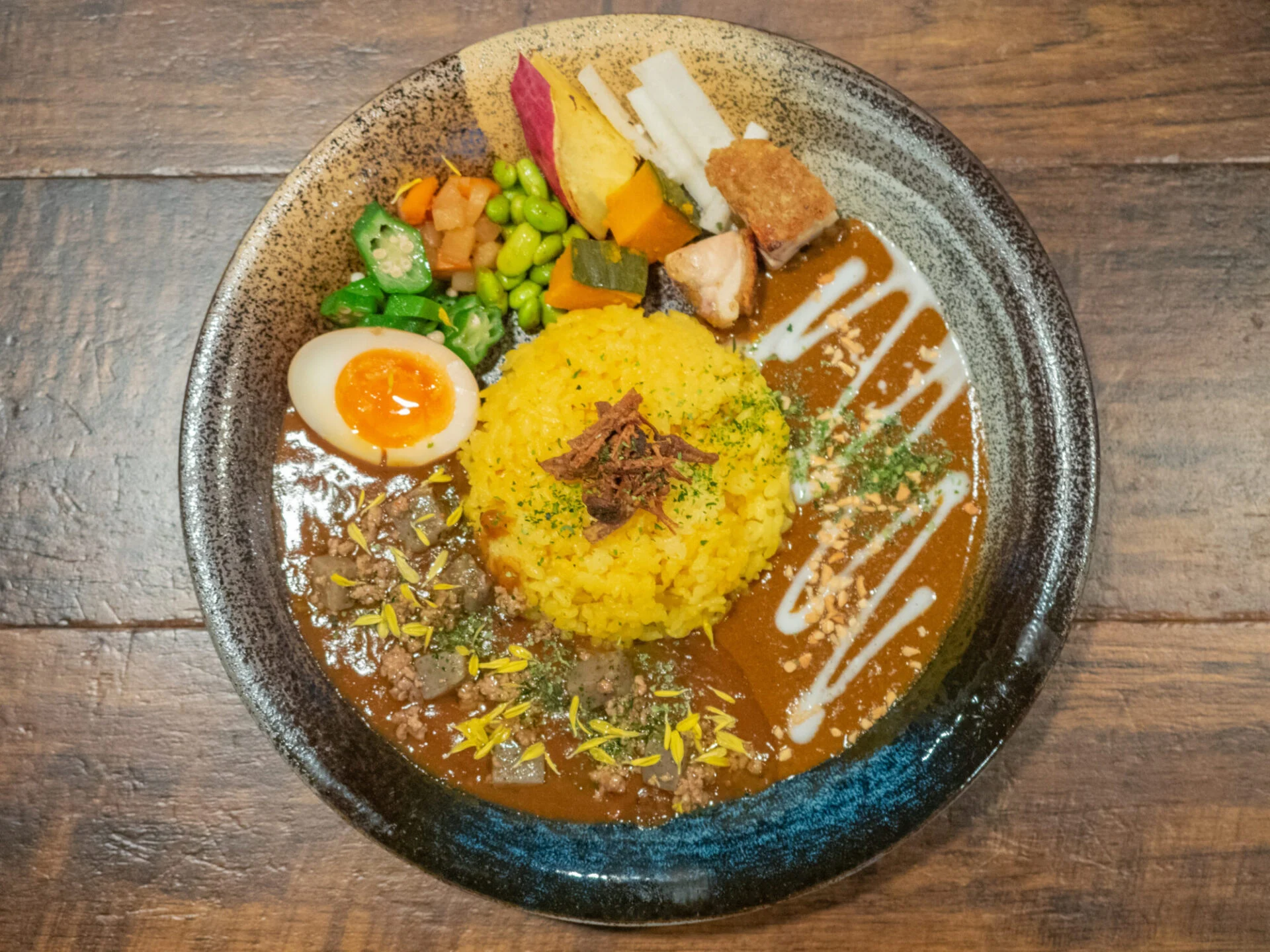
The presentation of the curry is very beautiful and impressive.
Oda
Yes, I pay attention to the appearance as well.
I focus on plating to make the eater think it looks delicious and to leave a lasting impression. I have also paid attention to the dishes.
I choose dishes that match well with the appearance of curry. After trying various options, I decided on Mino ware for the plates. Instead of silver spoons, I use wooden ones.
I understand you have a qualification as a vegetable sommelier. Do you have any commitments as a vegetable sommelier?
Oda
When using vegetables, I always consider their nutritional aspects.
Vegetables can sometimes interfere with each other's nutrients.
For example, cucumbers can destroy the vitamins of other vegetables. So, I carefully consider the compatibility and combinations of vegetables.
Additionally, I actively use seasonal ingredients. Seasonal ingredients are those that have grown in the best environment for vegetables, so they are in the best condition.
Moreover, I think customers will enjoy the seasonal feel if I serve seasonal ingredients.
By the way, I use vegetables produced in Kurashiki.
Actually, my grandmother is a farmer, and I sometimes receive vegetables harvested from her field.
The rice is also a Kurashiki variety called "Nikomaru."
Future prospects
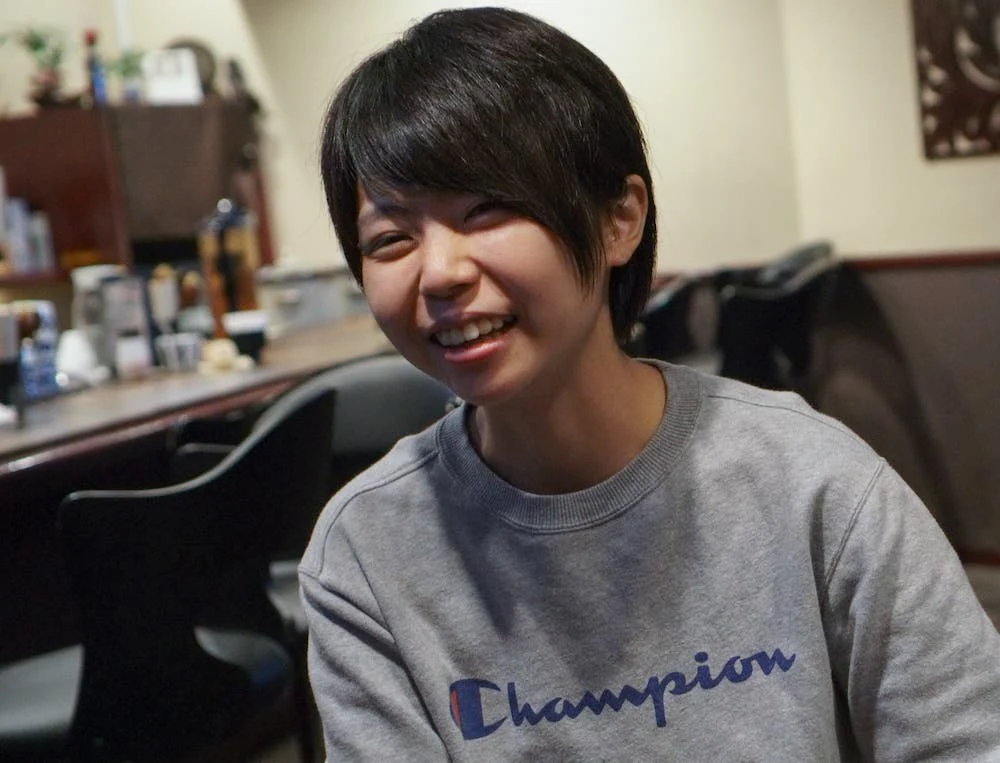
Finally, please tell us about the future of the shop.
Oda
In the future, I would like to open a store in the Bikan Historical Area instead of a shared shop.
I would also like to challenge opening in Okayama City.
Additionally, I have a desire to revitalize the community.
Compared to the area around the Bikan Historical Area, the area in front of JR Kurashiki Station feels a bit lonely. Therefore, I want to enhance the shop and contribute to the revitalization of the area in front of JR Kurashiki Station.
Also, I want to make curry a specialty of Kurashiki.
The strength of curry is that most people do not dislike it, making it ideal for a specialty dish.
I want to develop Kurashiki Curry as a specialty that visitors to Kurashiki can easily enjoy.
Enjoy unique curry that only a vegetable sommelier can offer at Kurashiki Curry
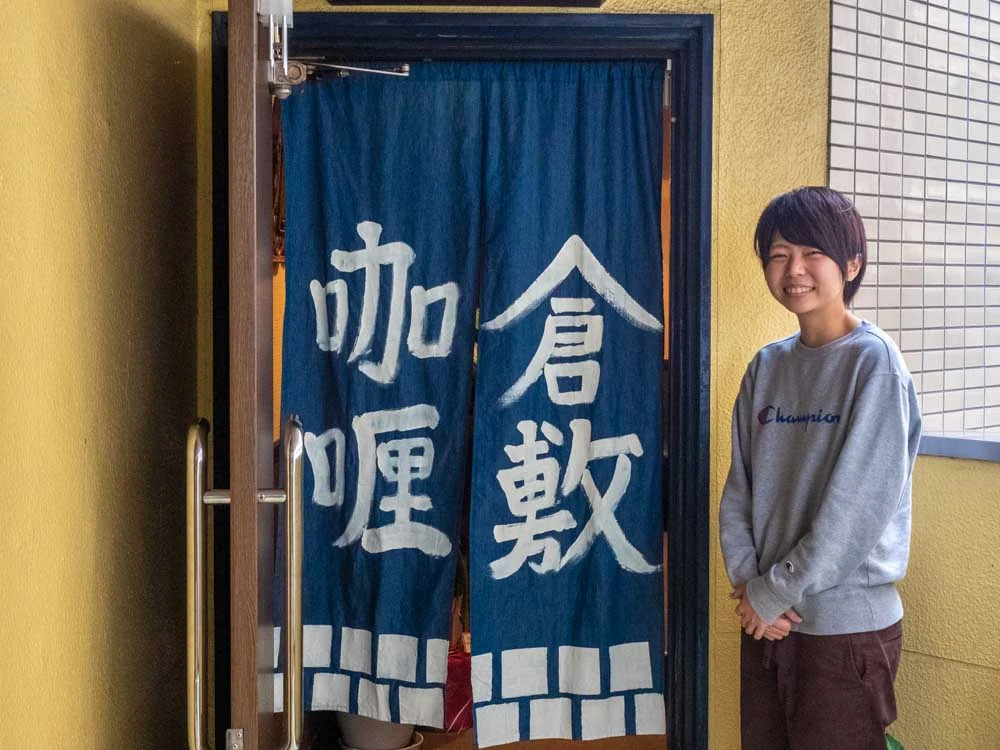
Kurashiki Curry, which operates in a shared bar format, is a rare form in Kurashiki and is attracting attention.
It is impressive that they create committed curry while utilizing the knowledge of a vegetable sommelier.
Additionally, the menu features thoughtful items like the children's curry, which reflects that knowledge.
Furthermore, the owner, Oda, originally specialized in French cuisine.
The knowledge and skills cultivated through French cuisine are applied to create a unique curry that cannot be found in other curry shops.
Kurashiki curry can be described as having the impression of "chicken curry for connoisseurs" and "daily curry for everyone."
I look forward to the future of Kurashiki curry with Mr. Oda, who has a strong desire to make curry a local specialty.
Data on Kurashiki Curry (KURASHIKI CURRY)
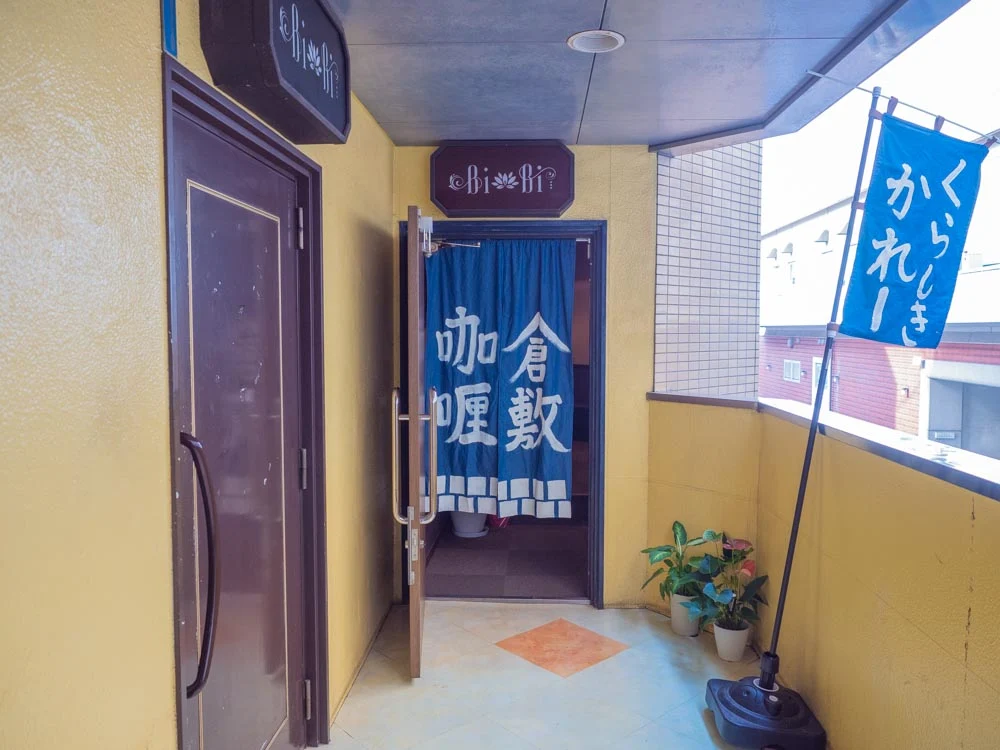
| Name | Kurashiki Curry (KURASHIKI CURRY) |
|---|---|
| Address | 1-14-5 Achi, Kurashiki City, Okayama Prefecture, 2nd Seed Building, inside BIBI |
| Contact | 086-427-1274 |
| Parking | None |
| Business Hours | 11:00 AM - 3:00 PM |
| Regular Holidays | Monday 1st Sunday |
| Payment Methods |
|
| Reservation | No |
| Seating | 11 seats (Counter: 7, 4-person table: 1) |
| Smoking | Completely non-smoking |
| Restroom | Western-style toilet |
| Barrier-Free | Elevator |
| Website | Official Instagram of Kurashiki Curry |