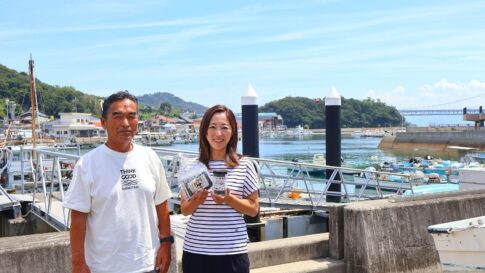
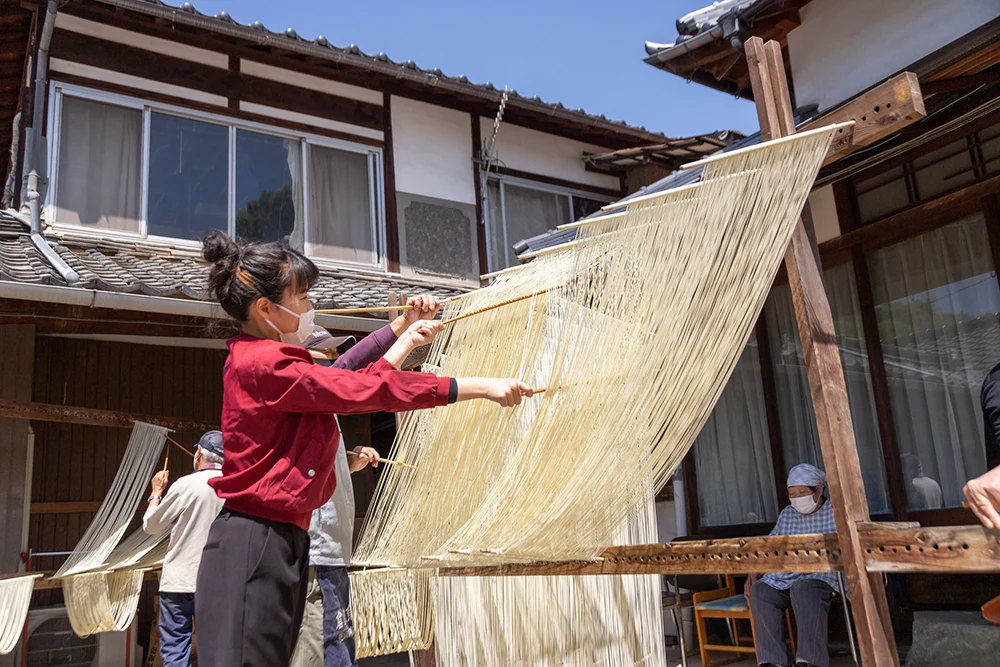
Kamogata, Asakuchi City has been one of Okayama Prefecture's leading "noodle-producing areas" since the Edo period, thriving as a production site for hand-stretched noodles. Various manufacturers producing hand-stretched noodles of different sizes are scattered throughout the city.
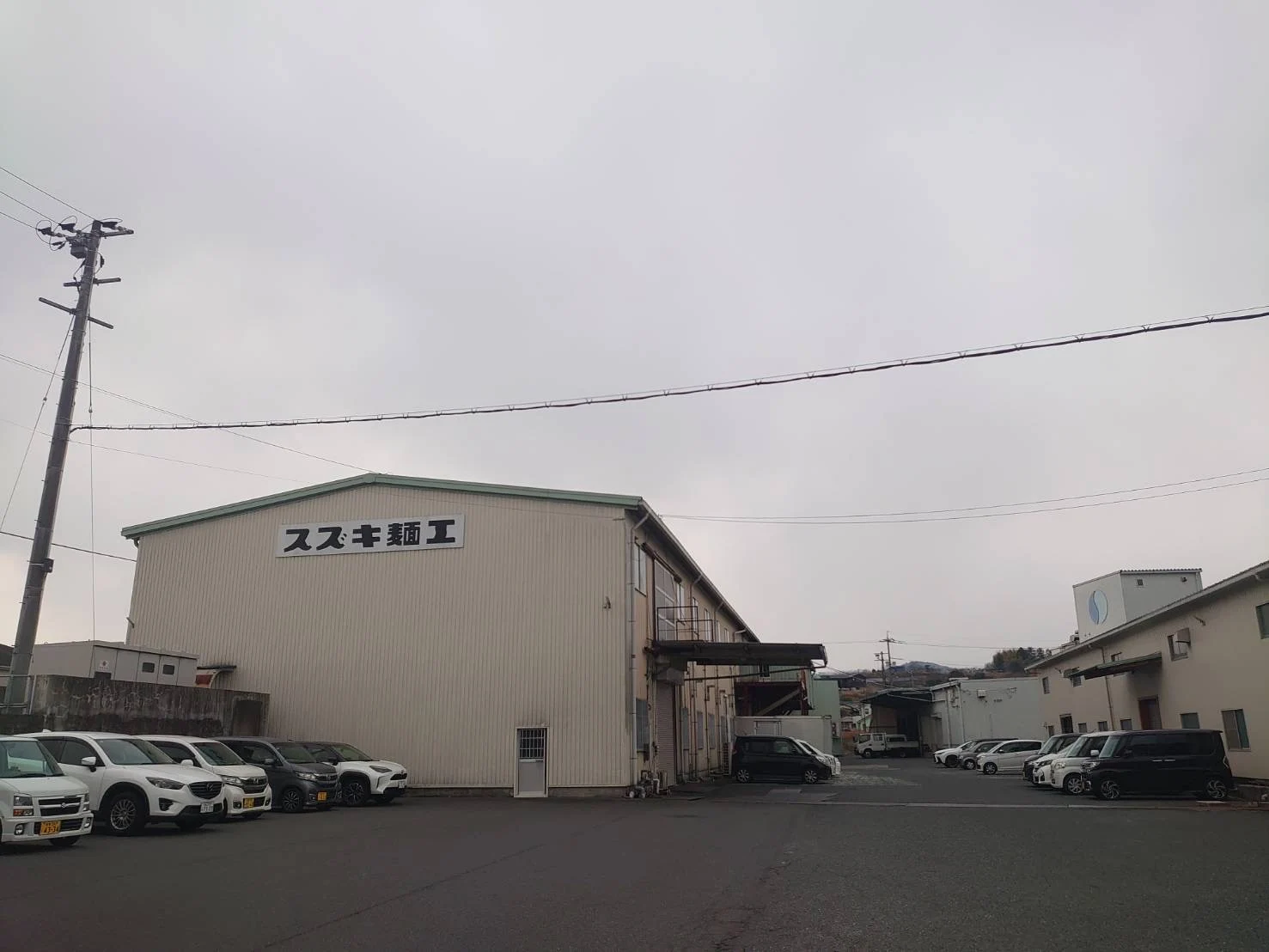
The company introduced in this article, Suzuki Noodle Manufacturing Co., Ltd. (hereinafter referred to as "Suzuki Noodle Manufacturing"), is a machinery manufacturer that produces essential machines for noodle making, including noodle-making machines.
Although it is rarely seen by the general consumer, we covered the world of noodle-making machines that support our food lives behind the scenes and the passion for manufacturing.
The Beginning with Waterwheels and Stone Mills
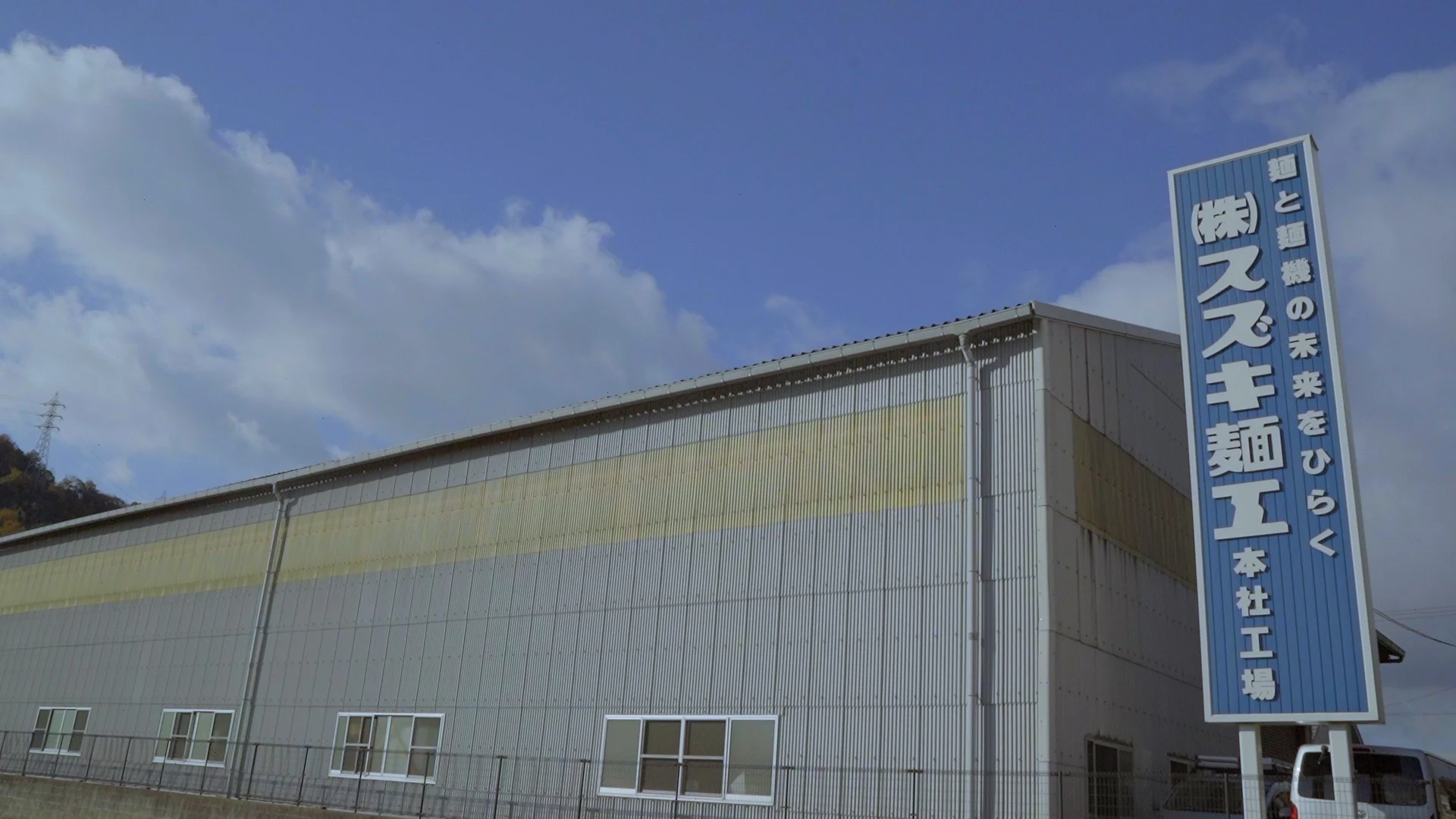
Suzuki Noodle Manufacturing was founded in 1922 and is celebrating its 104th anniversary this year (2026) as a company that started with flour milling using waterwheels.
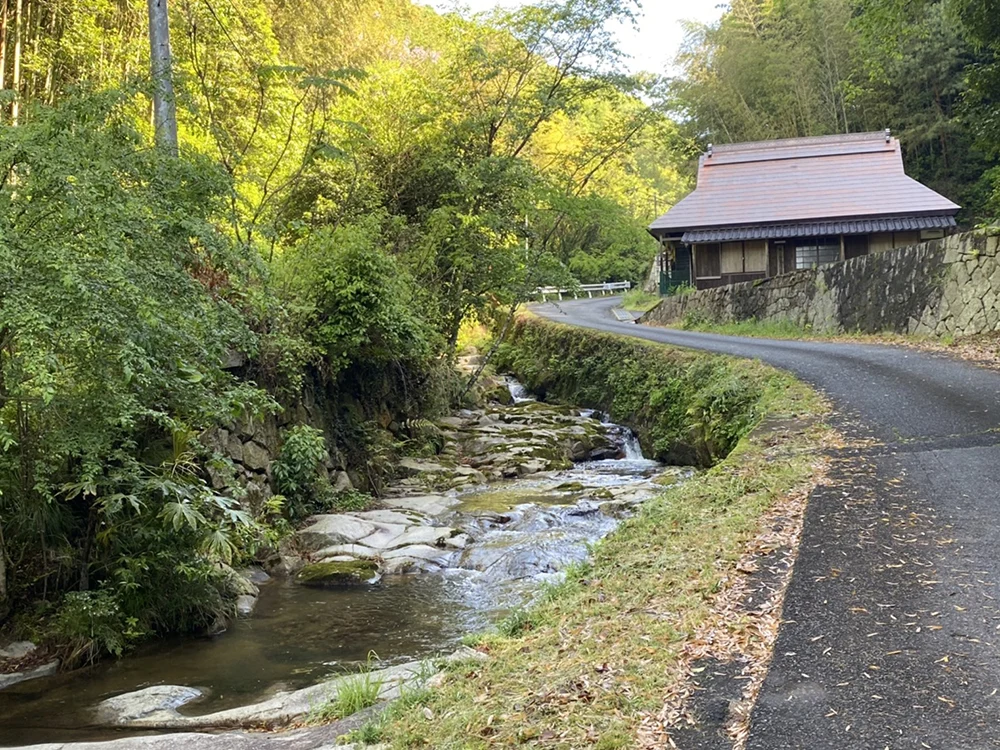
Kamogata, Asakuchi City has been an active region for wheat cultivation as a secondary crop behind rice paddies since the Edo period.
The harvested wheat was milled using waterwheels and stone mills along the Sugidani River (すぎたにがわ) in the town, and it is said that this marked the beginning of hand-stretched noodle making in the area, as it was made into preserved food using wheat flour.
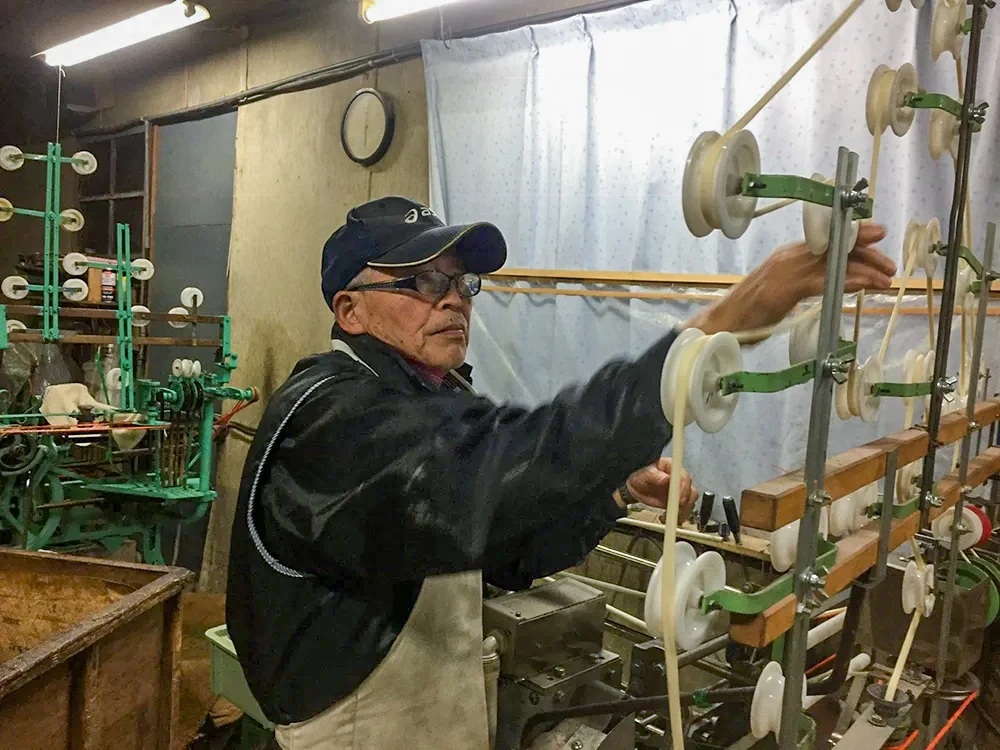
Hand-stretched noodle making, primarily done as a side job during the agricultural off-season (winter), involved many manual labor tasks and was quite labor-intensive.
In 1930, the founder, Suzuki Yaiichi, developed the "Nijikake Kakeba Machine," which realized labor-saving in the most labor-intensive process of hand-stretched noodle making, known as the "Kakeba" process.
Kakeba refers to the process of wrapping noodles, which have been reduced to a diameter of about 0.5 cm, in a figure-eight shape using a machine with two strands.
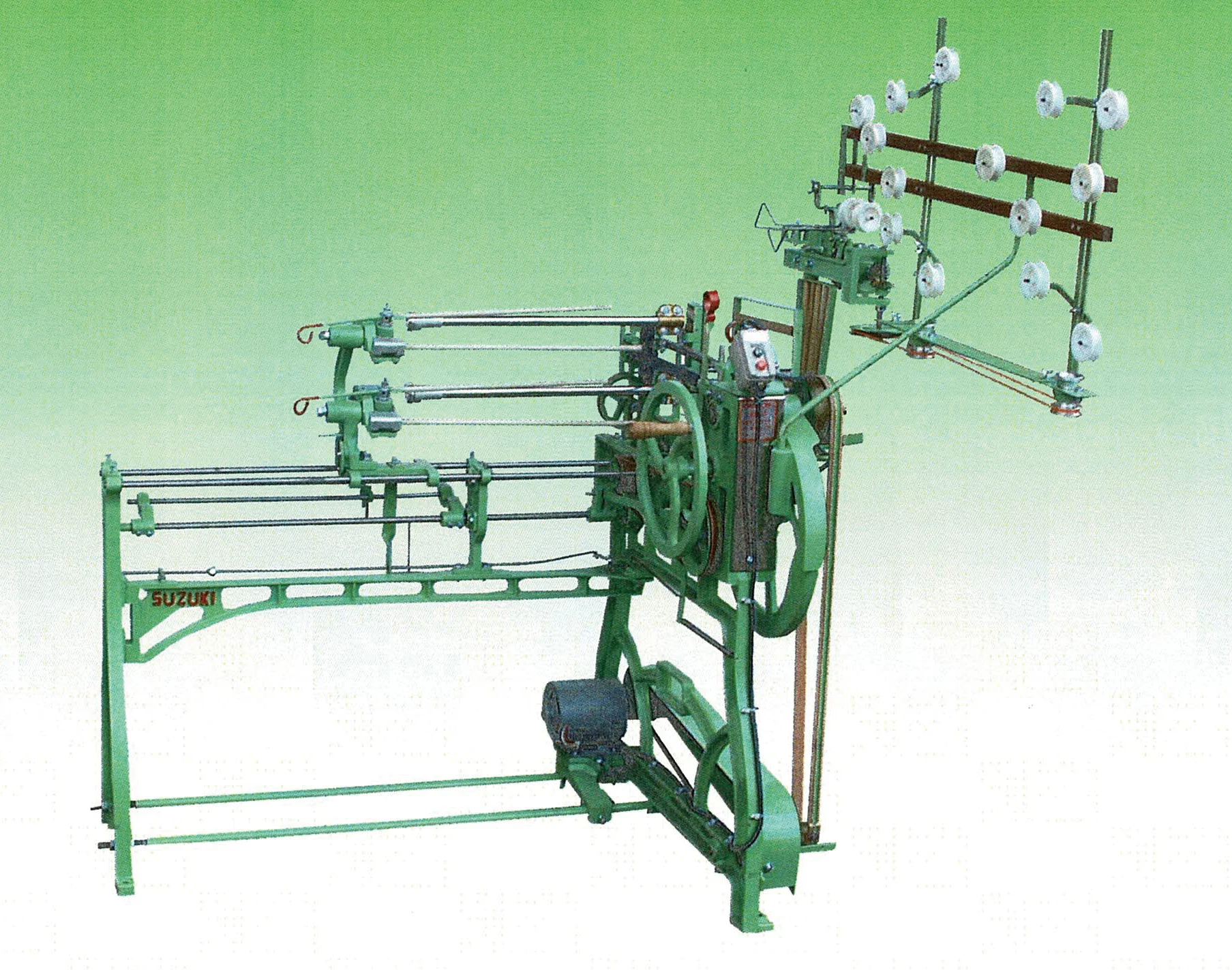
The Nijikake Kakeba Machine caught the attention of nearby competitors and quickly spread nationwide. Since then, the company has developed and sold various products as a noodle machine manufacturer, continuing to this day.
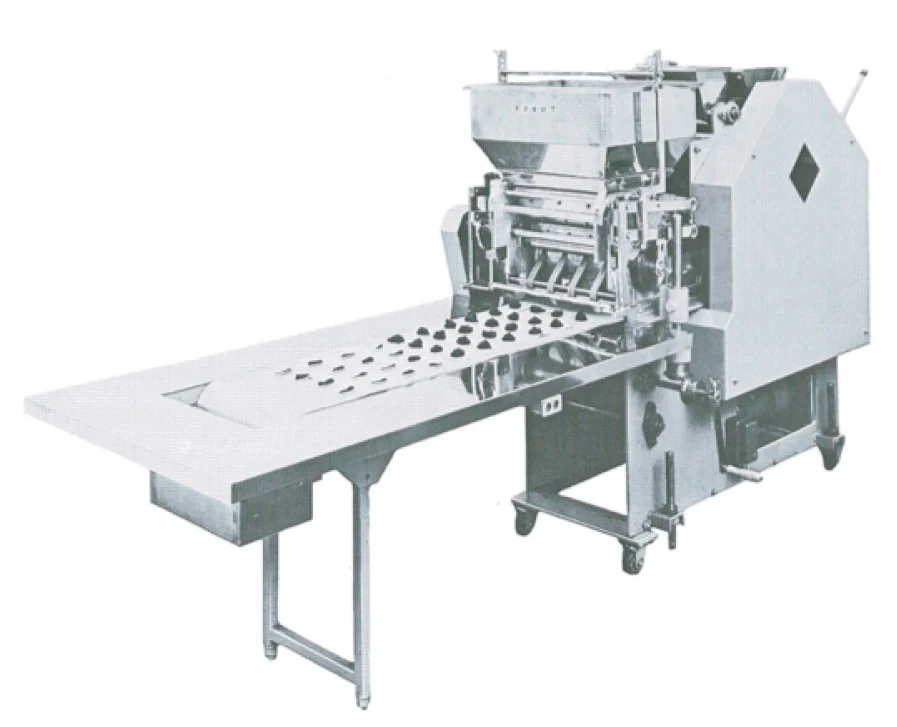
Additionally, they also develop and manufacture food machinery other than noodle machines, including the manufacturing machine for Nama Yatsuhashi, a popular souvenir from Kyoto.
Moreover, about 2 km south of the headquarters, there is their own food factory, where they manufacture various types of noodles using the technology cultivated over many years of noodle machine manufacturing.
The Inherited DNA of Manufacturing
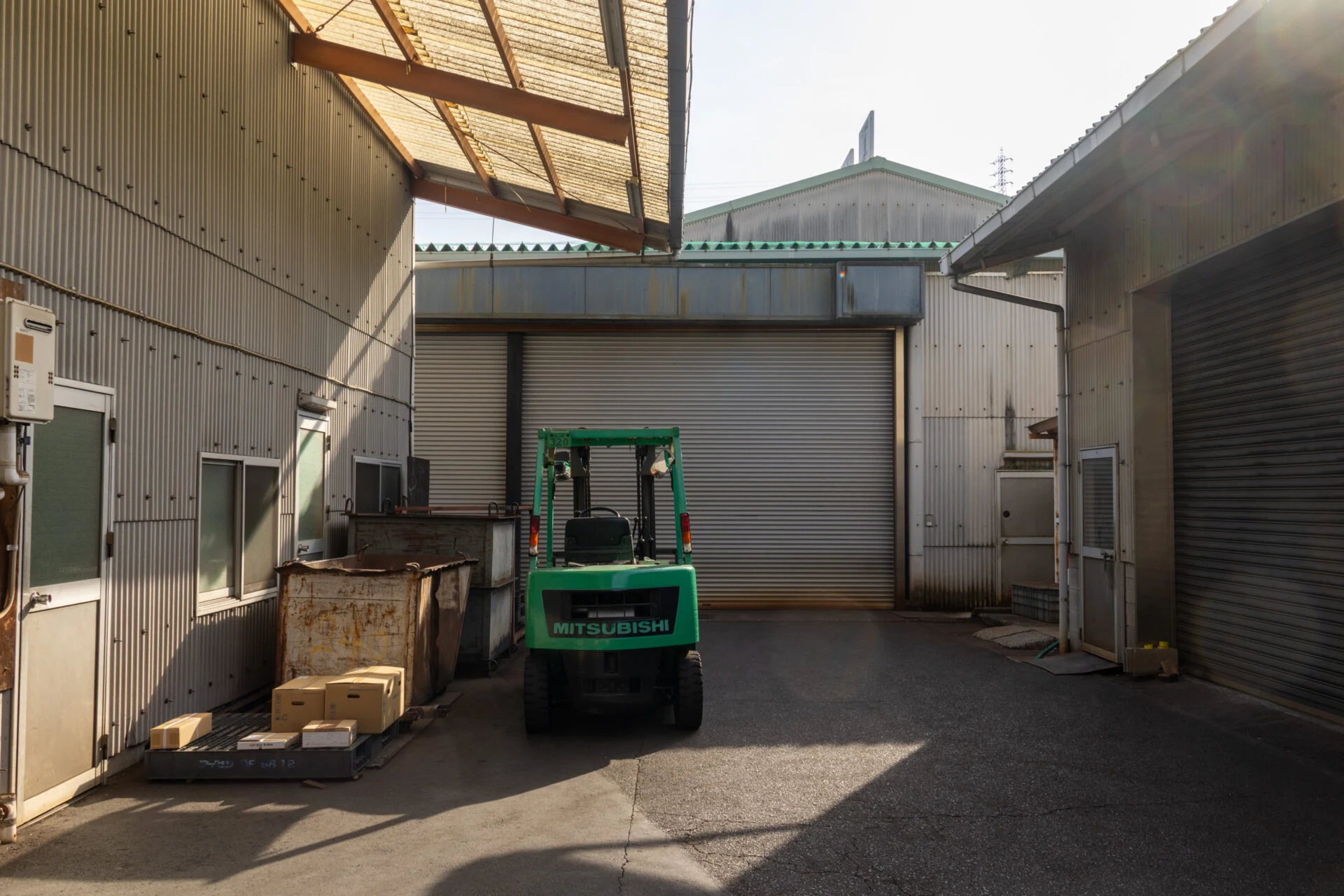
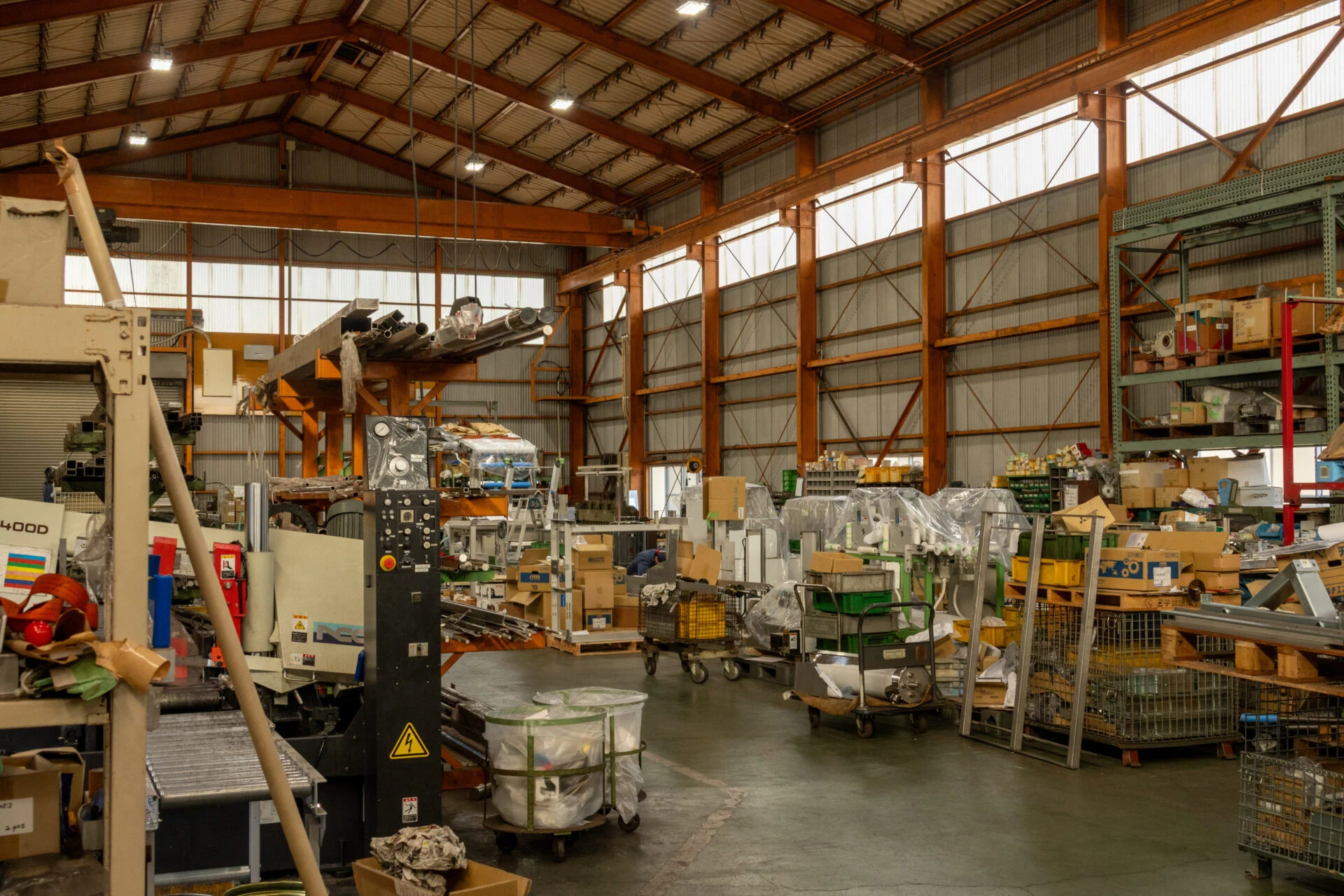
There are three main factories on the headquarters premises.
Assembly Factory
In the assembly factory, machines are assembled based on design drawings. Various noodle-making machines are shipped from this factory to users both domestically and internationally.
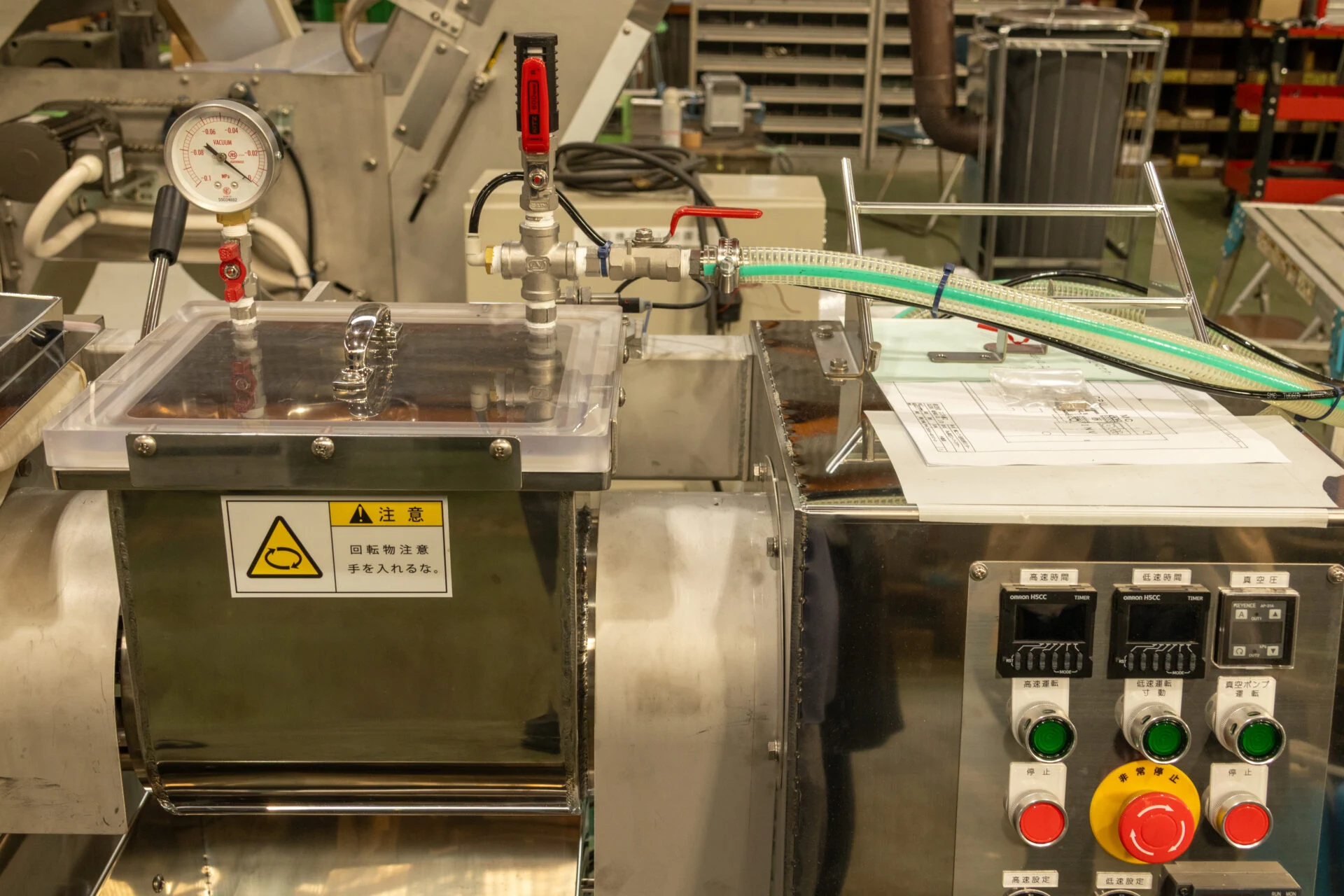
During the interview, preparations were underway for assembling a large noodle-making machine to be delivered to a customer.
This machine is a "mixer" used to knead the noodle dough.
They boast a lineup tailored to various needs, from small machines used in homemade noodles at ramen shops to large ones.
This machine, resembling a hair clipper, is used to trim the ends of dried noodles.
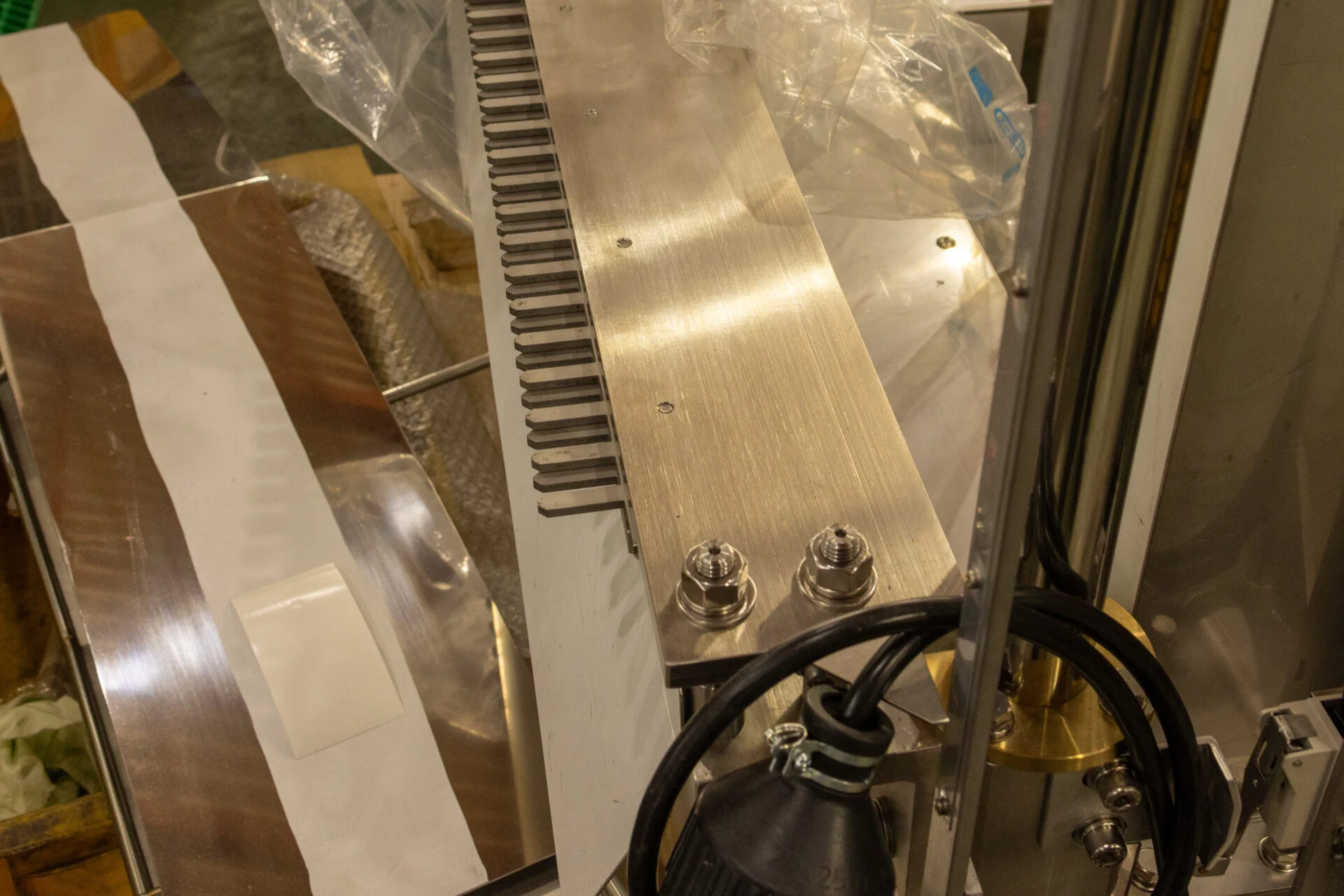
By trimming the ends, the amount of waste is reduced, contributing to the reduction of food loss.
Cutting Blade Factory
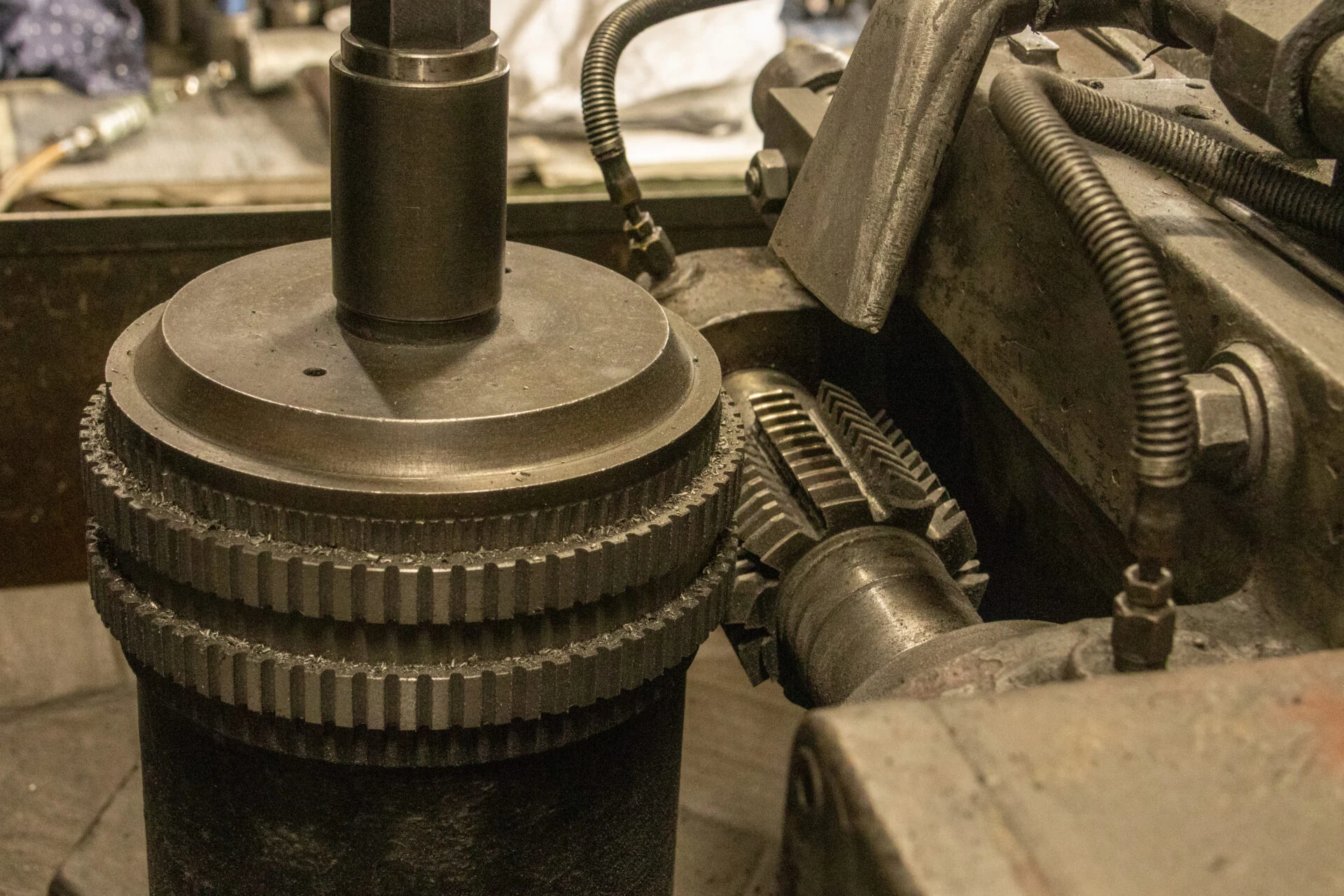
In the adjacent Cutting Blade Factory, they manufacture the "cutting blades," which are the heart of the noodle-making machines.
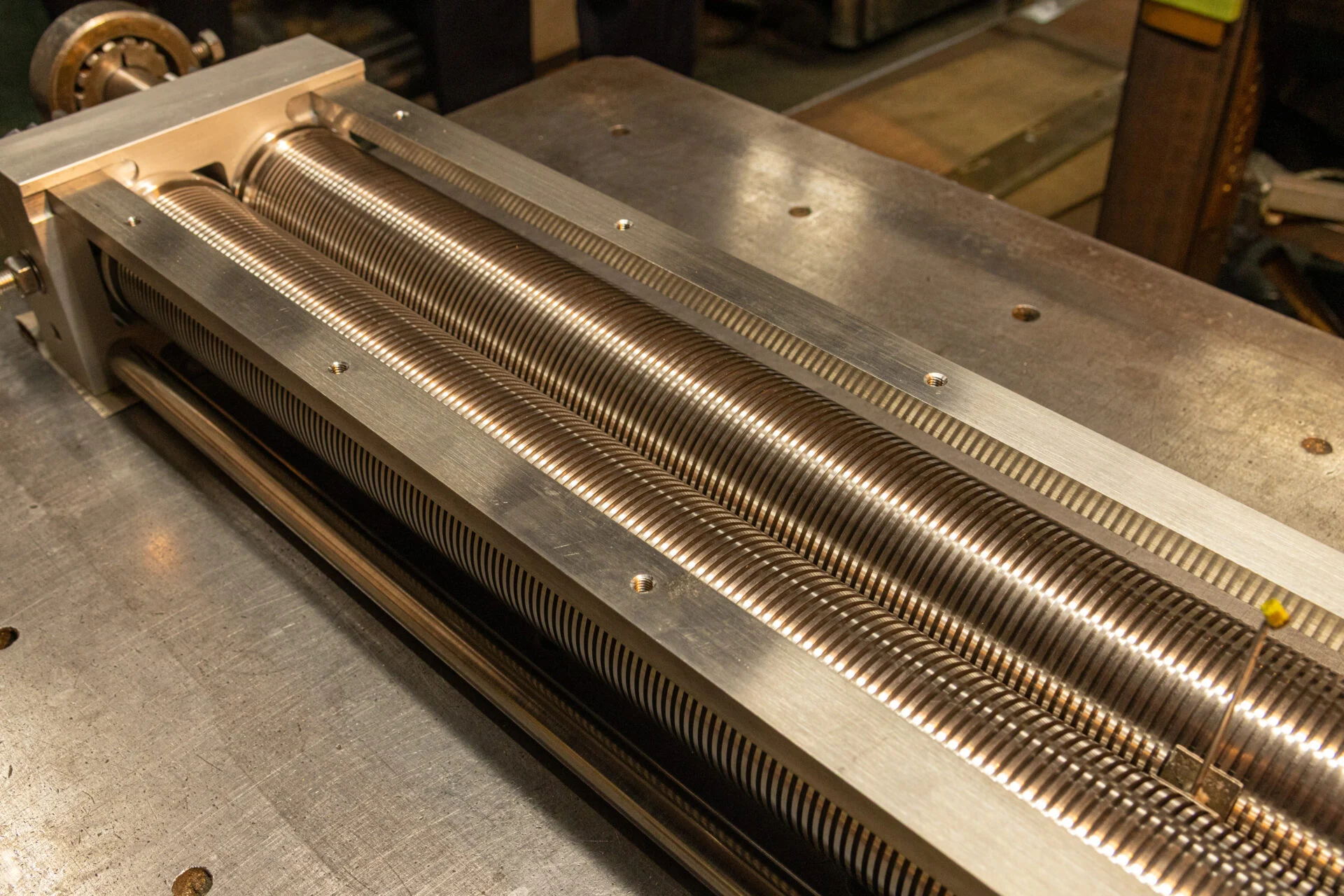
Previously, they relied on specialized subcontractors for manufacturing, but after the subcontractor went out of business, they relocated employees and equipment to the headquarters factory and established the "Cutting Blade Division" in 2003.
A factory where craftsmanship and the latest machine tools are fused.
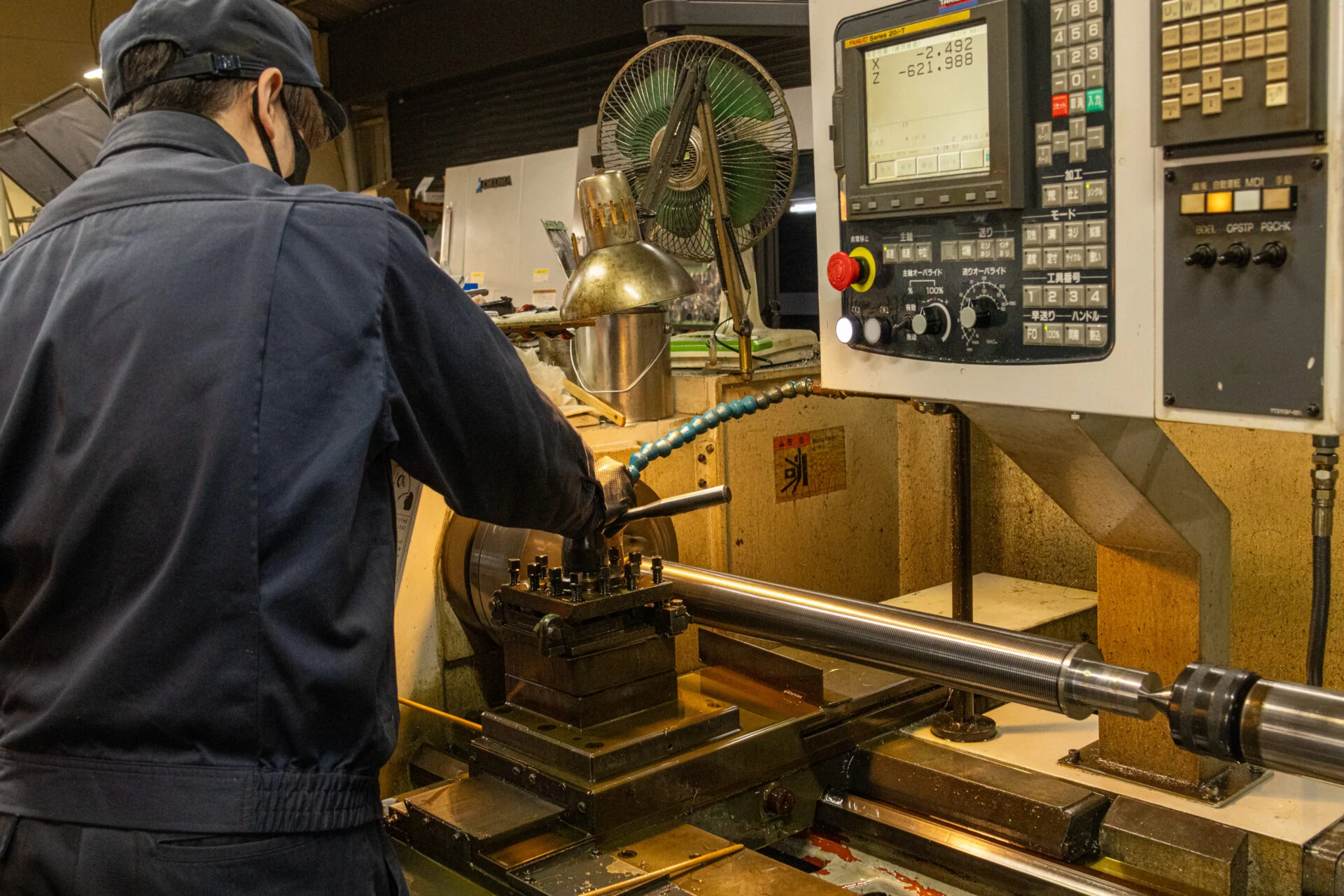
This is a CNC (Computer Numerical Control) lathe developed by a company in Okayama Prefecture, which processes countless blades on the outer circumference of a cylinder.
A CNC lathe is a machine that rotates the material to be processed and applies a cutting tool to carve it into a cylindrical shape.
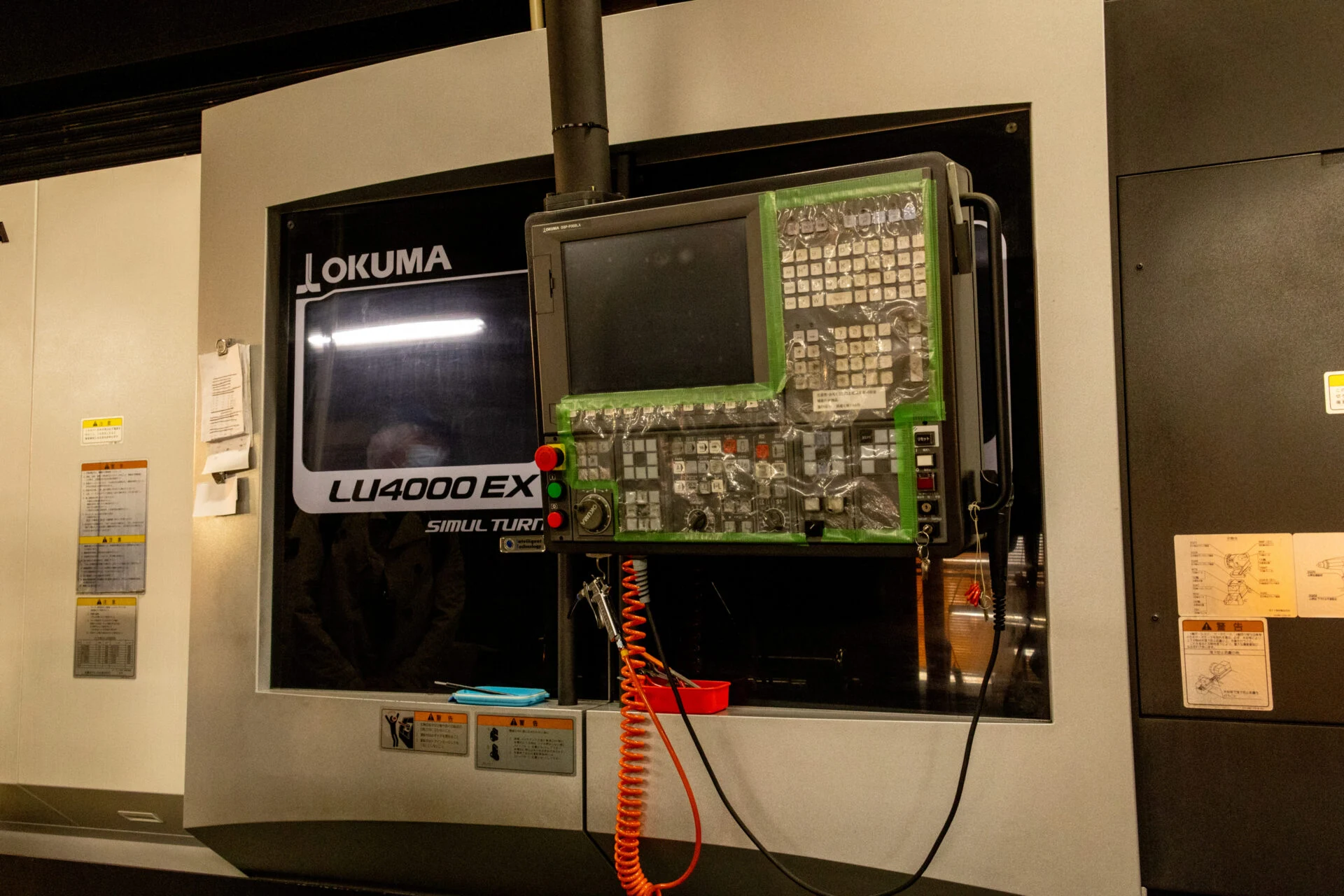
In addition, by introducing the latest advanced multi-processing machine capable of unmanned operation at night, we are also working on labor-saving in processing.
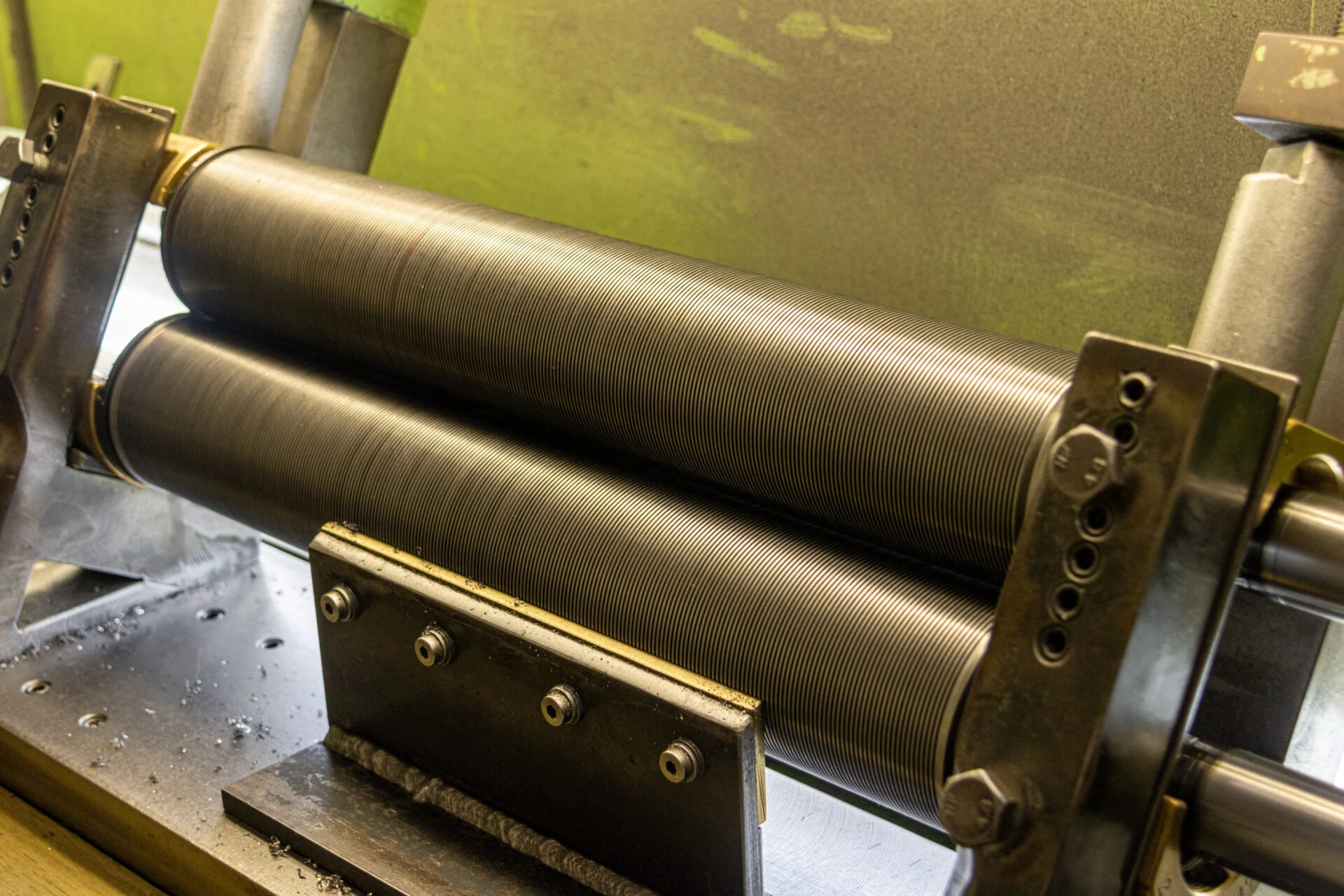
The final finishing of the cutting tools is done manually.
Machine Factory
In the machine factory where various machine tools are lined up, parts used for assembling machines are manufactured in-house.
This is a CNC lathe introduced in 2025.
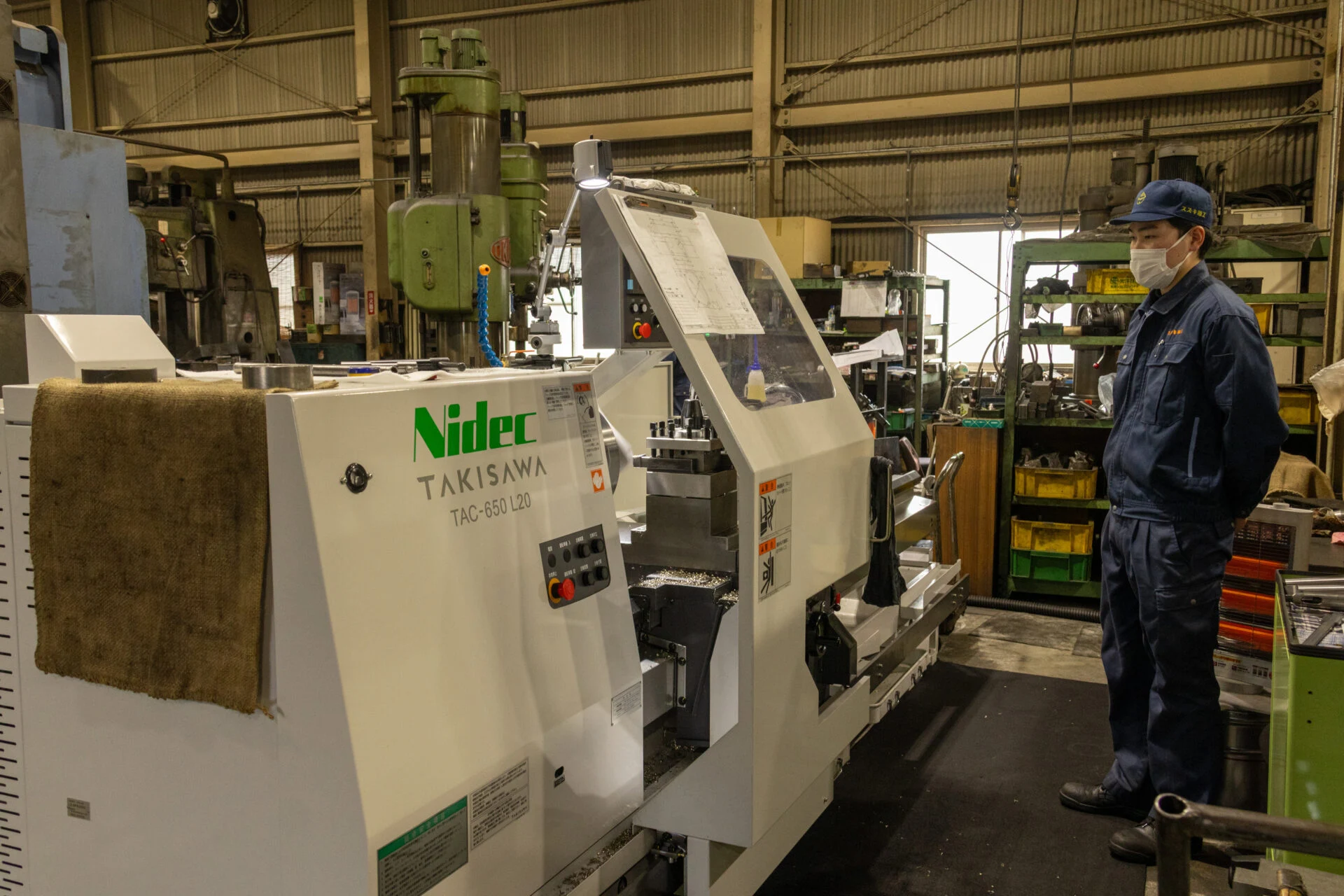
It is larger than those used in the cutting tool factory, and it is expected to automate the processing of items such as noodle machine rollers, which were traditionally done by hand by craftsmen.
This is the "Nicho-gake Kakeba machine," the origin of Suzuki Nenkou.
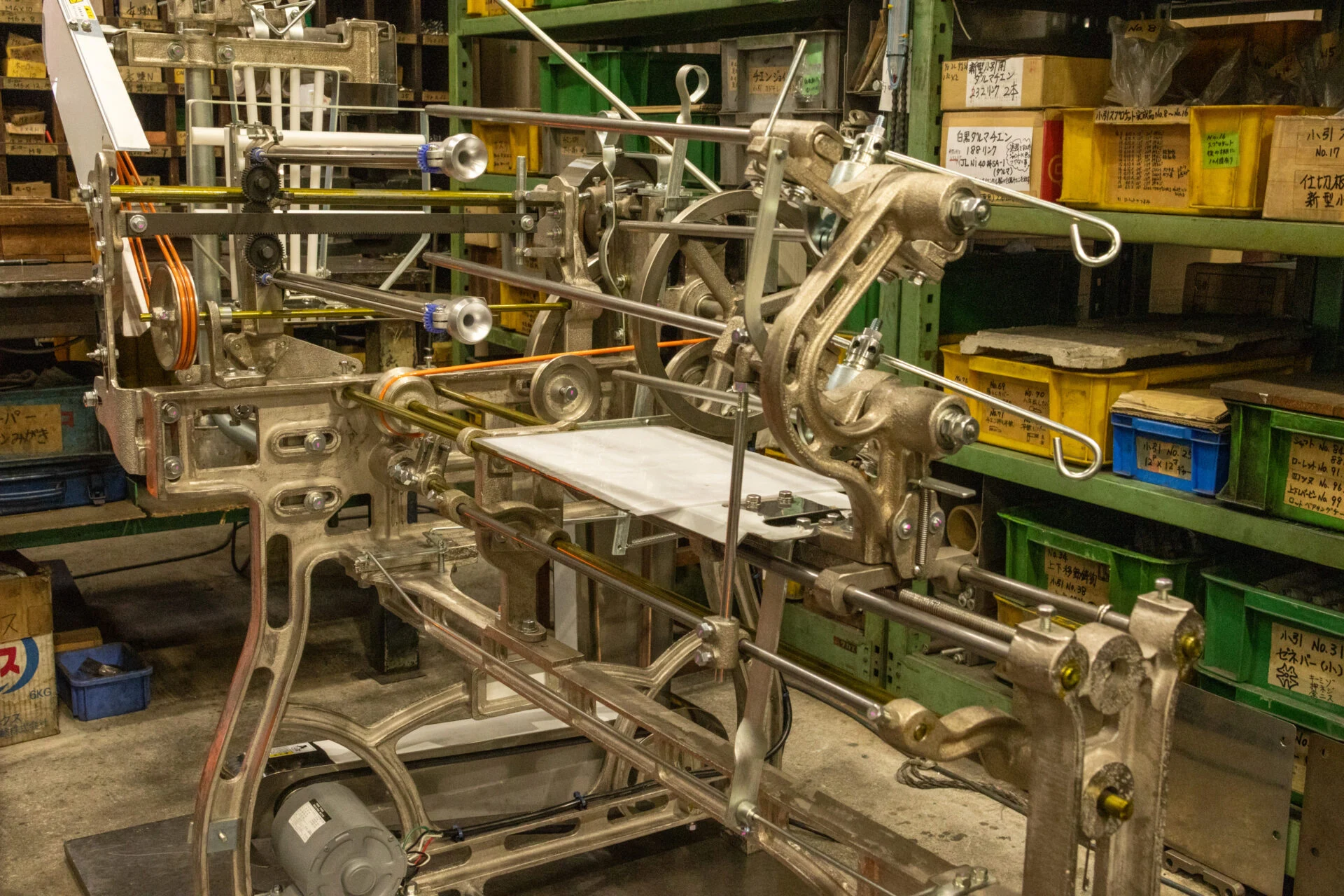
The improved new model features a plated exterior and uses many stainless steel and plastic parts, making it more hygienic.
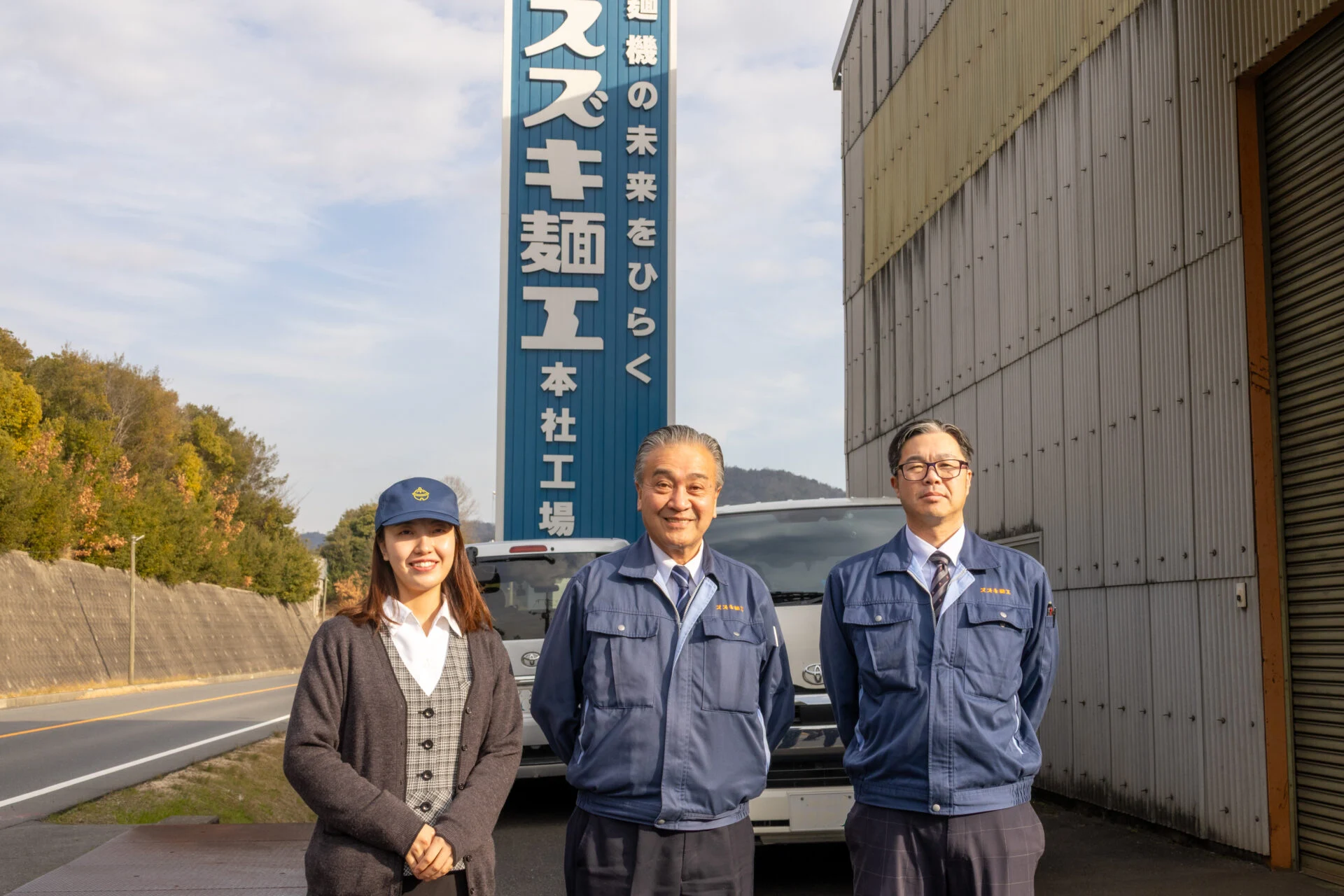
We spoke with Yasuo Suzuki, the president of Suzuki Nenkou, about the past and future of the company.
Data of Suzuki Nenkou Co., Ltd.
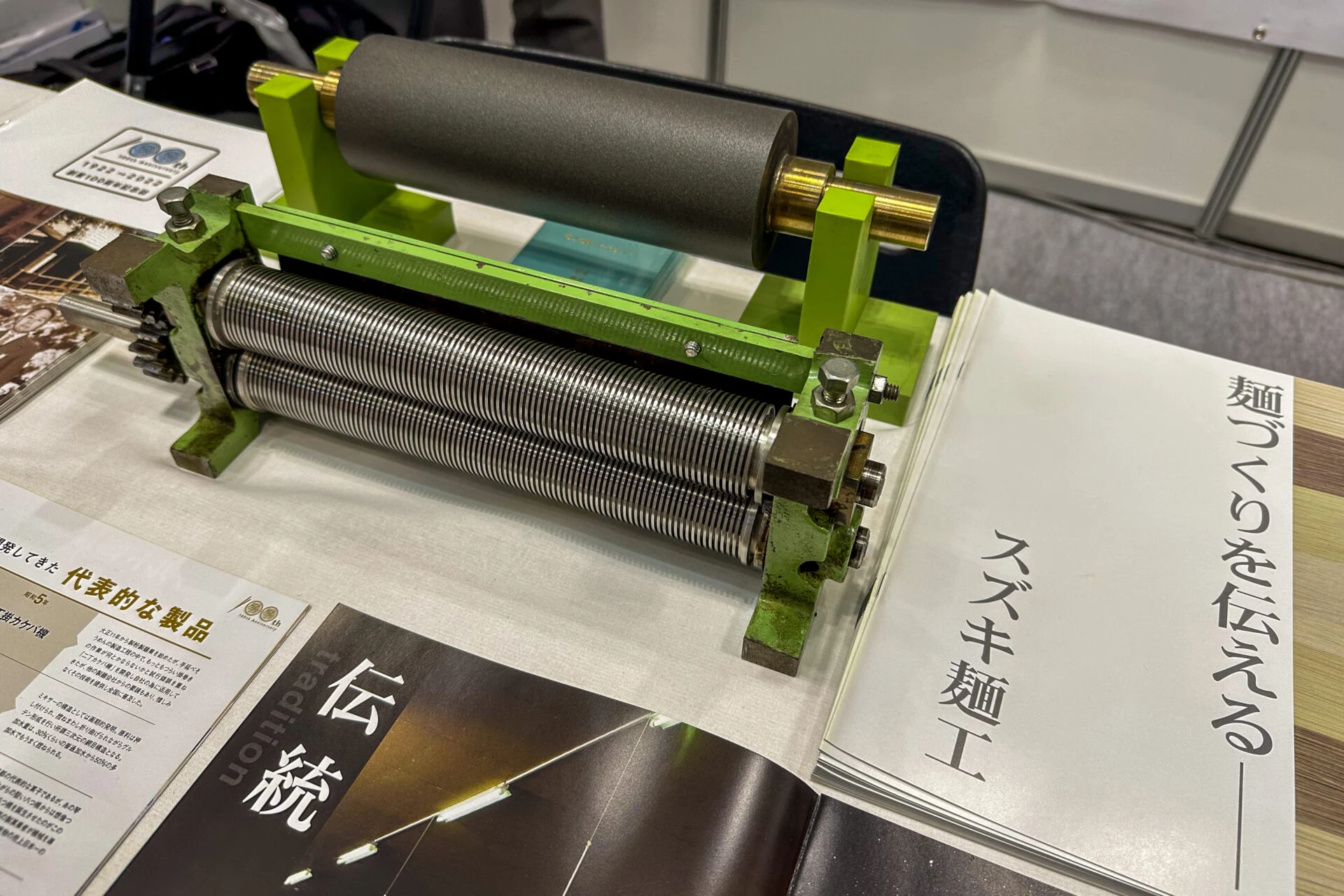
| Organization Name | Suzuki Nenkou Co., Ltd. |
|---|---|
| Industry | Noodle machine manufacturing, noodle production |
| Representative Name | Yasuo Suzuki |
| Year Established | 1922 |
| Address | 509-1 Honjo, Kamogata-cho, Asakuchi City, Okayama Prefecture |
| Contact | 0865-44-2125 |
| Website | Suzuki Nenkou Co., Ltd. |