
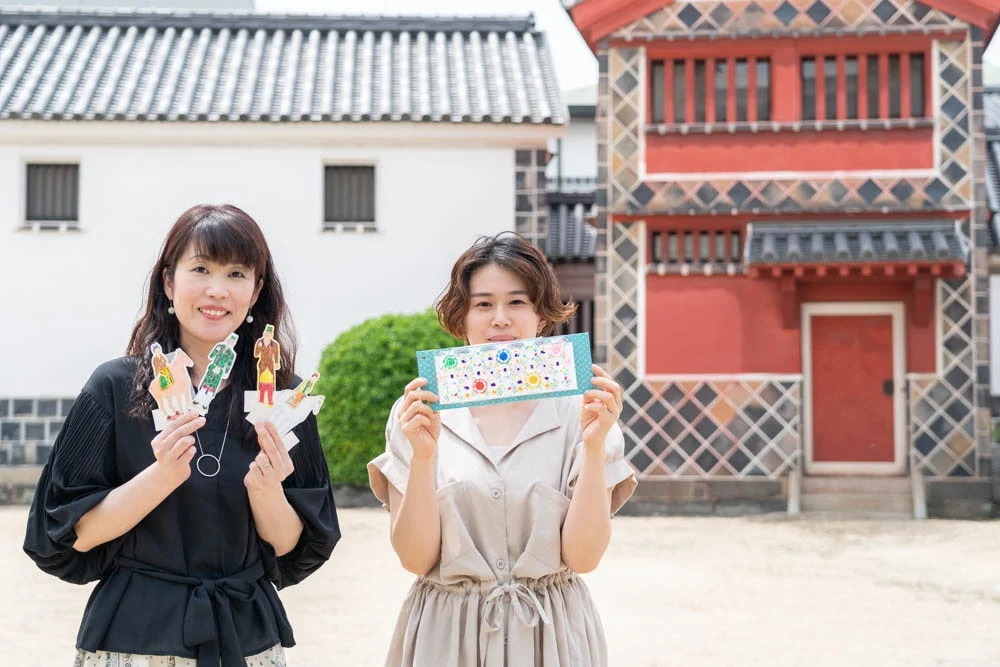
The Ohara Museum of Art is temporarily closed until mid-August 2020.
Although you cannot view the artworks in the museum, we are offering a program called "Uchi de no Art" that allows you to enjoy art and museums from home.
You can create colorful and sparkling mysterious patterns with an egg carton, or imagine ancient dogs while coloring a dog statue that was made about 1800 years ago.
Once you start moving your hands, you will become more and more absorbed!
Why not try your hand at art at home and bring your inspirations to life?
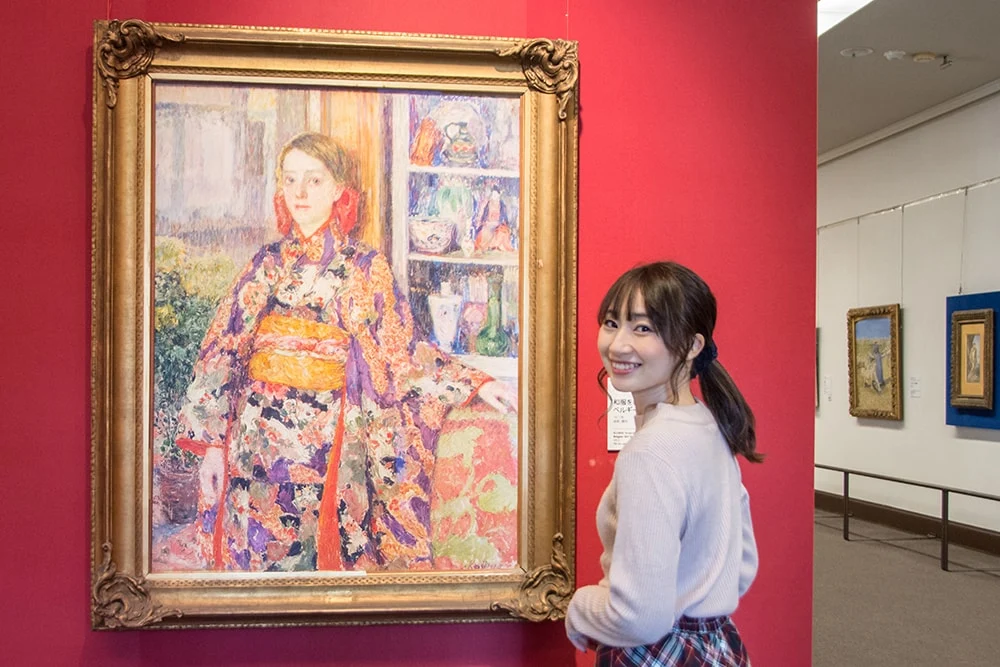
Photography is generally prohibited inside the Ohara Museum of Art. The photos in this article have been specially permitted for photography.
What is Uchi de no Art?
“Uchi de no Art” is a production experience-based appreciation support program provided by the Ohara Museum of Art.
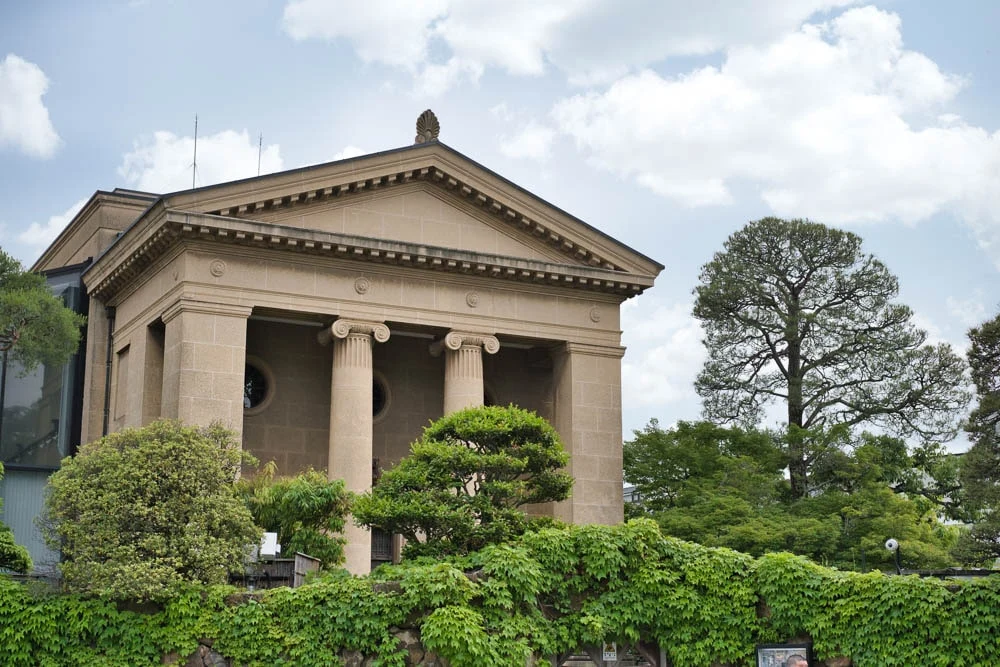
For many years, the Ohara Museum of Art has aimed to be a museum that everyone, from small children to adults, can enjoy.
As of June 2020, the museum has been temporarily closed since April 11, 2020 (Saturday) to prevent the spread of the novel coronavirus infection.
The “Children's Art Museum (commonly known as Chilmuu)”, which is held every August, has also been decided to be canceled in 2020.
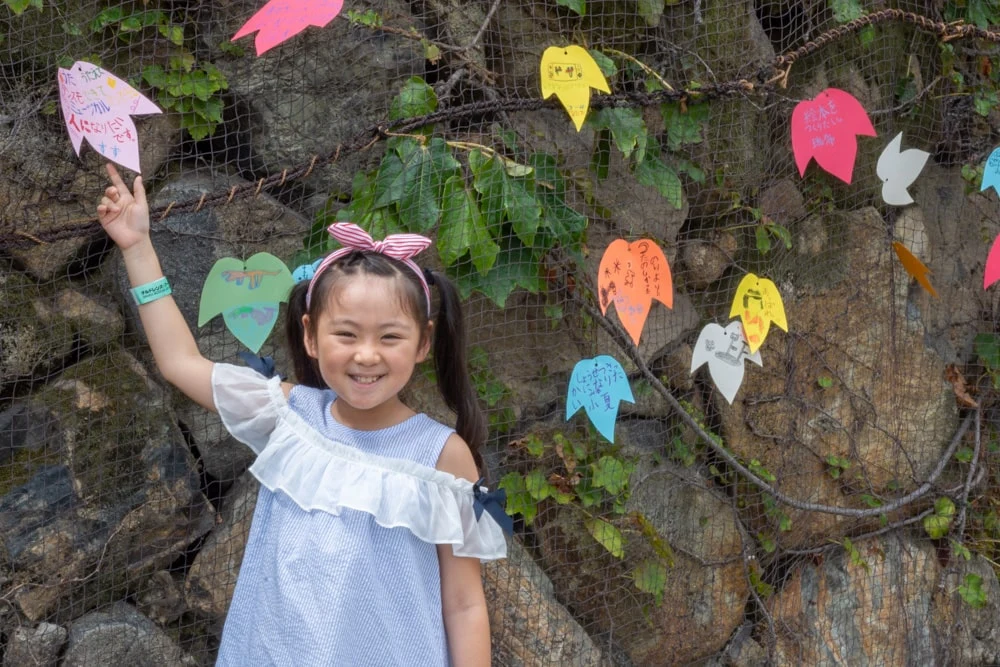
In the meantime, the Ohara Museum of Art is implementing the program "Uchi de no Art," which can be participated in from the website, allowing you to enjoyably cultivate thinking, imagination, and expression skills from home.
The content can be broadly divided into the following two categories.
- Videos for conducting popular past workshops at home, called "Uchi de no Production Assist Videos"
- Coloring pages based on collected works, called "Coloring Lab"
These contents can also be enjoyed from remote locations and hospital classrooms.
Participants are encouraged to post their created works on social media with the hashtag #Uchi de no Ohara Museum of Art.
What kind of things can be created specifically?
Let's introduce them along with the process of making.
Let's create artworks while watching the Uchi de no Production Assist Videos on YouTube
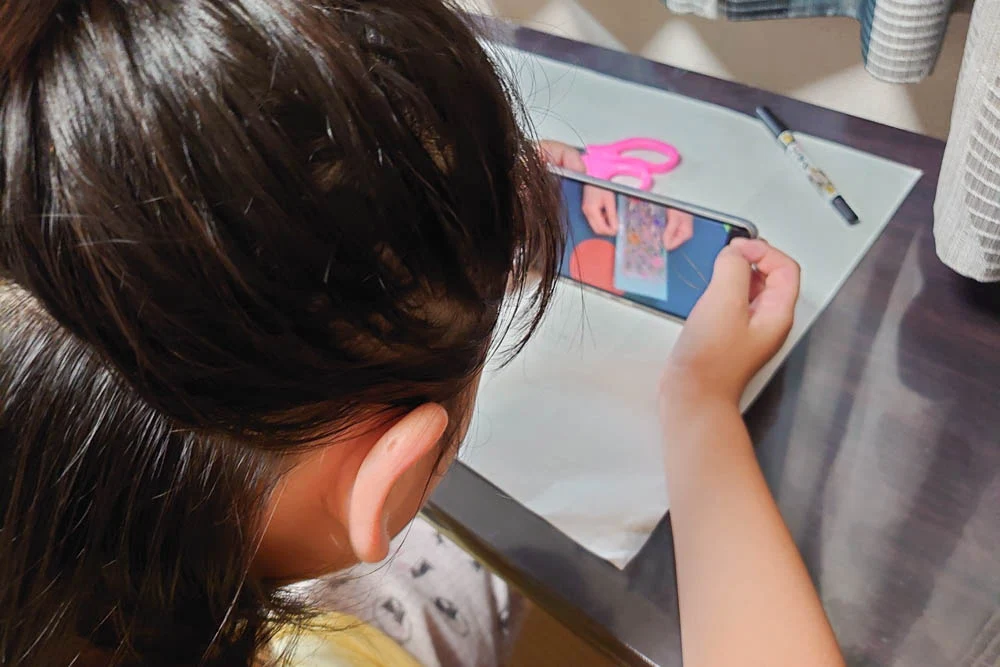
This is a project where popular workshops from Chilmuu can be done at home.
The production process is introduced in a video that can be viewed on YouTube.
Small children must create with a guardian.
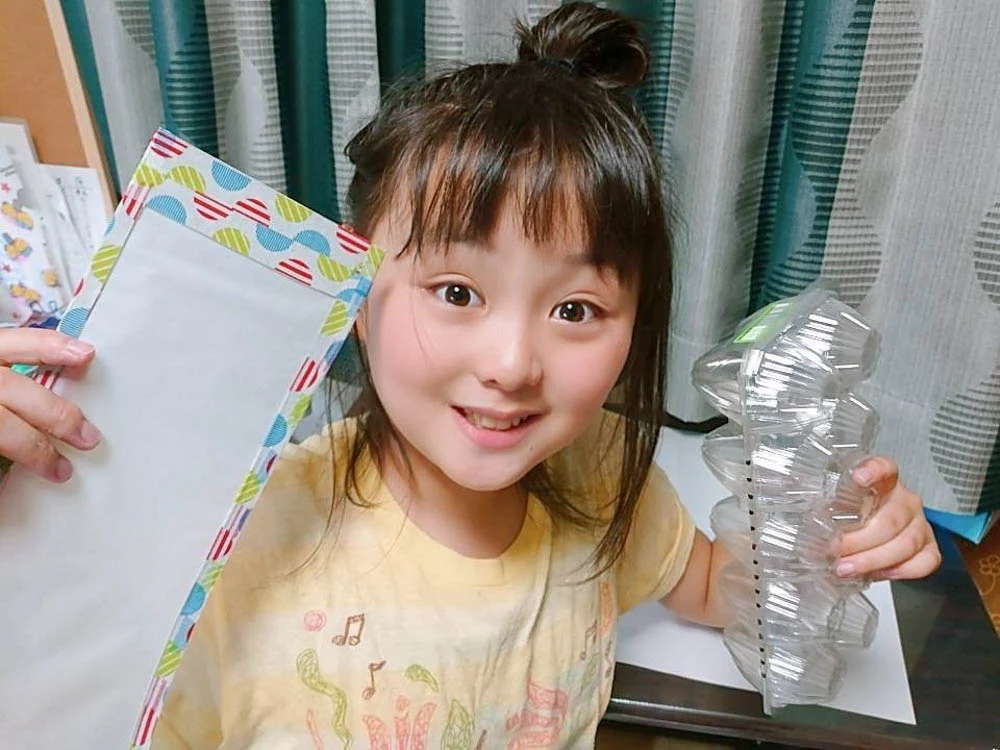
Suzuchan, a fourth grader who participated in Chilmuu in 2019, experienced it at home.
Let's make it with an egg carton!! Light Magic - Shining Egg (Lan)
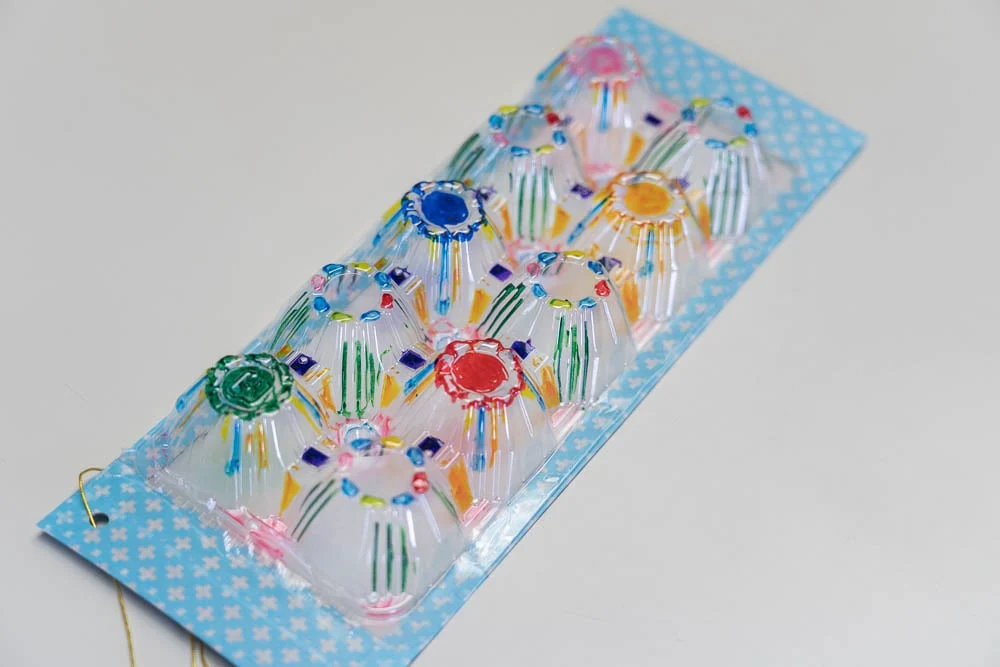
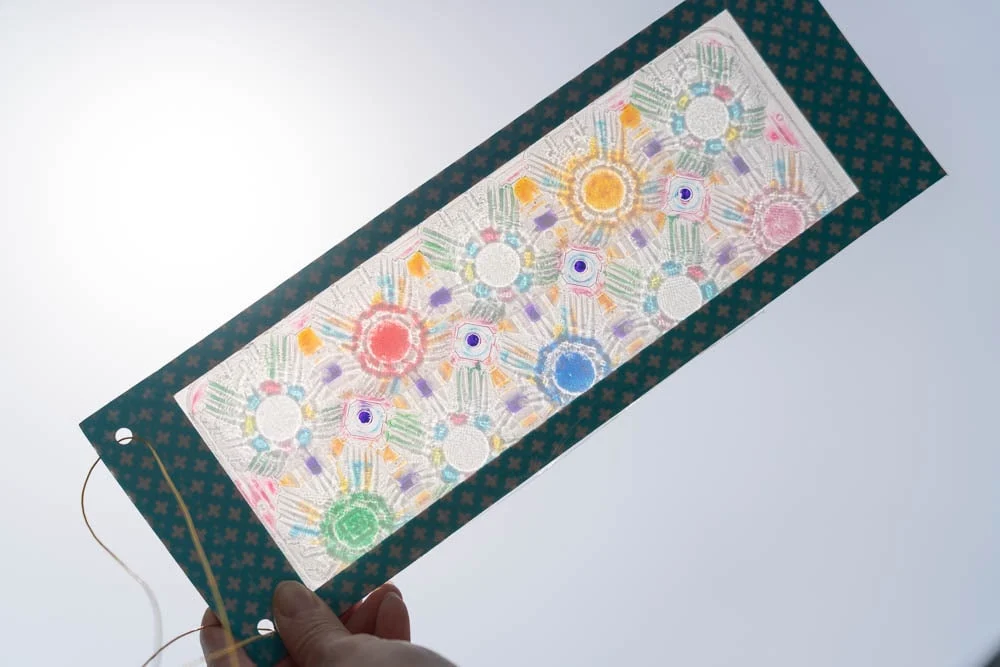
When held up to the light, a three-dimensional and mysterious pattern appears in "Let's make it with an egg carton!! Light Magic - Shining Egg (Lan)."
This workshop was so popular at Chilmuu that it had to be conducted by lottery.
When I first saw it, I thought, "It looks beautiful like a kaleidoscope."
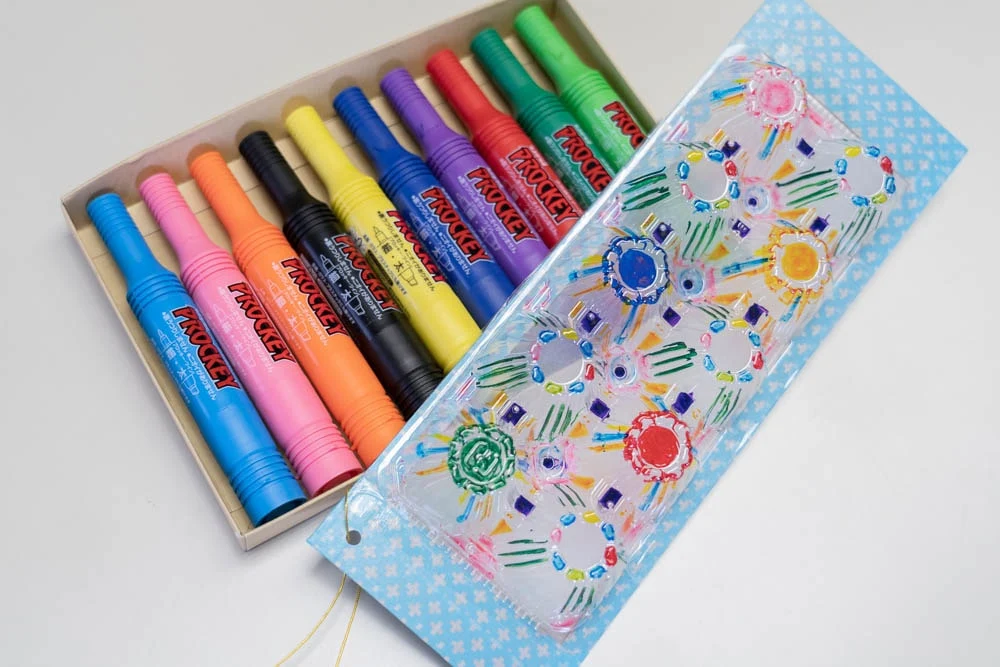
The materials needed are as follows.
- Thick paper
- Tracing paper
- Egg carton
- Cellophane tape
- Water-based markers
- Utility knife
- Glue
- Scissors
- Masking tape
Tracing paper can be obtained at a 100 yen shop.
You can also use oil-based markers, but they may make you feel sick due to the smell, so water-based markers are recommended.
Ideally, use pens that can write on plastic and have good color development.
Please watch this video for the instructions on how to make it.
Make sure to color with less white space for a cleaner finish.
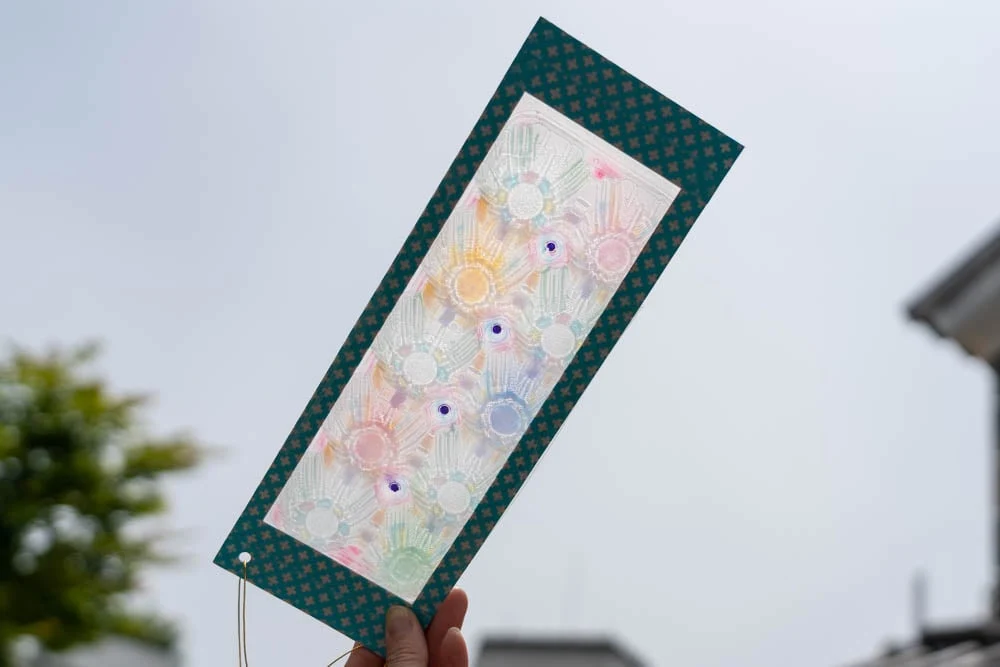
Try shining a smartphone light or desk lamp on it.
Be careful not to look directly at the sun when holding it up to sunlight.
The way it looks will change depending on the light source.
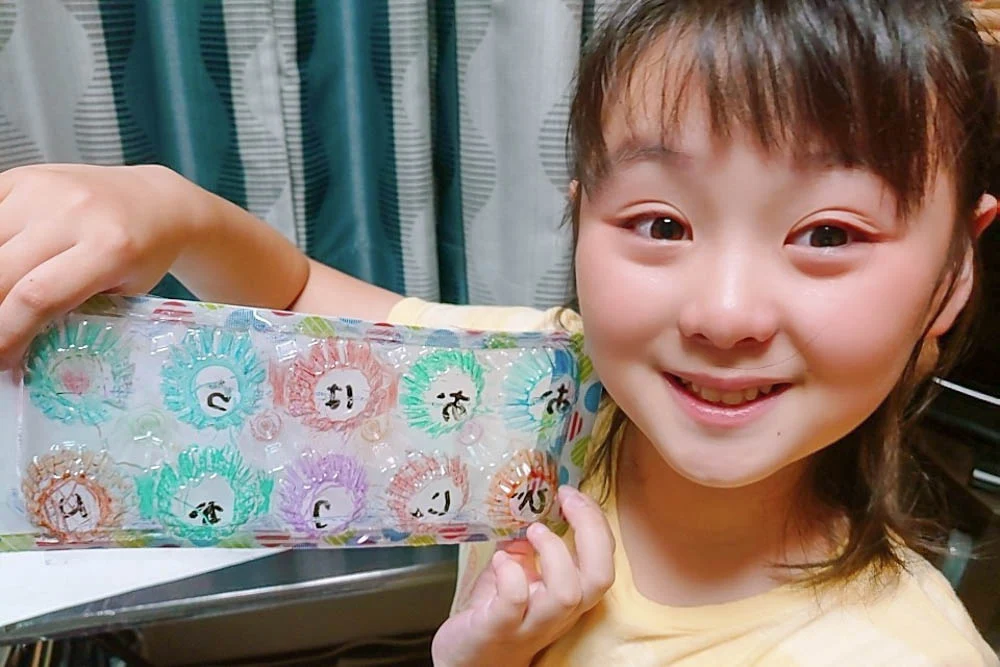
Suzuchan wrote "Ooharabijutsukan" and colored it in.
A gentle-colored Shining Egg was completed!
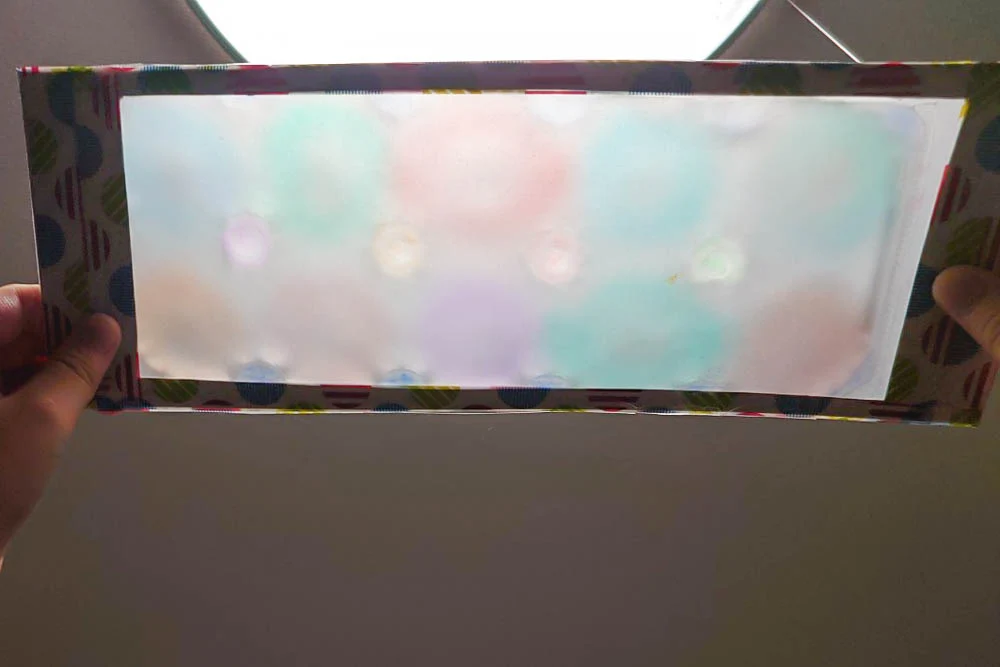
The "Shining Egg" is colored on the three-dimensional egg carton, and when held up to the light, it is projected onto the flat tracing paper.
Even though the pattern is projected on a flat surface, it looks three-dimensional, which is interesting!
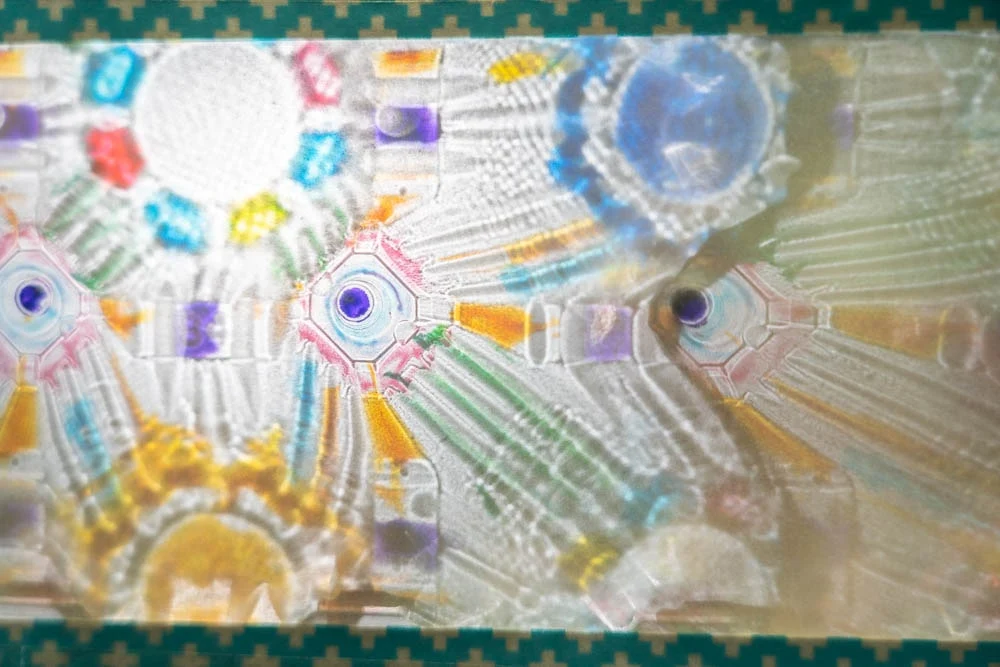
The Ohara Museum of Art has works that appear three-dimensional, such as Enrico Castellani's "Yellow Surface" and Vasarley's "Neptune II."
You may also feel that it resembles the stained glass by Shinzo Kodani found in the Craft and Oriental Hall.
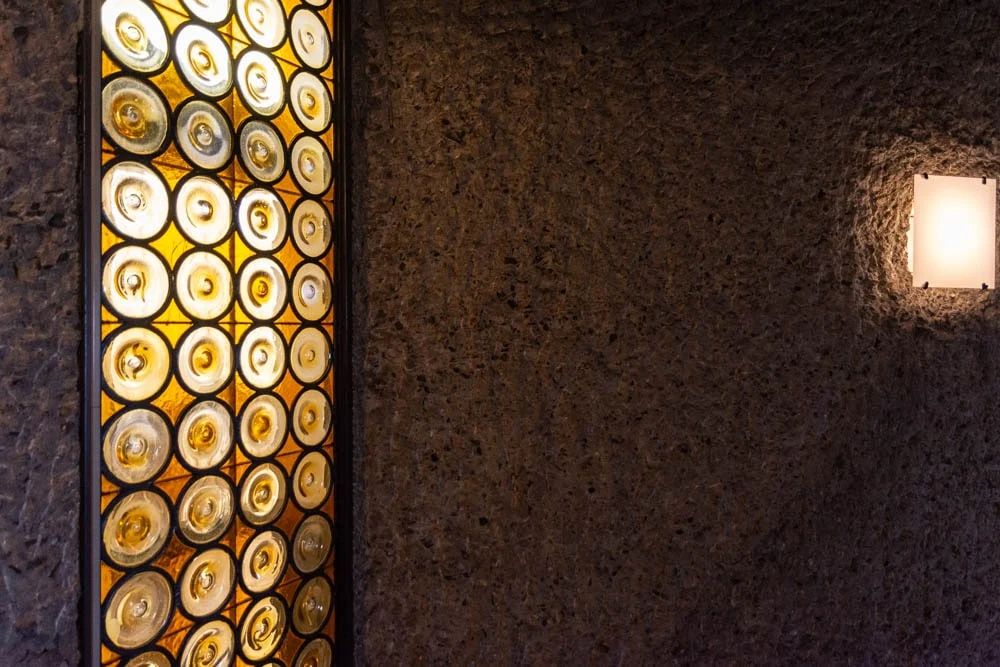
It might be fun to think about "What does it resemble?"
Let's make a Pharaoh's crown
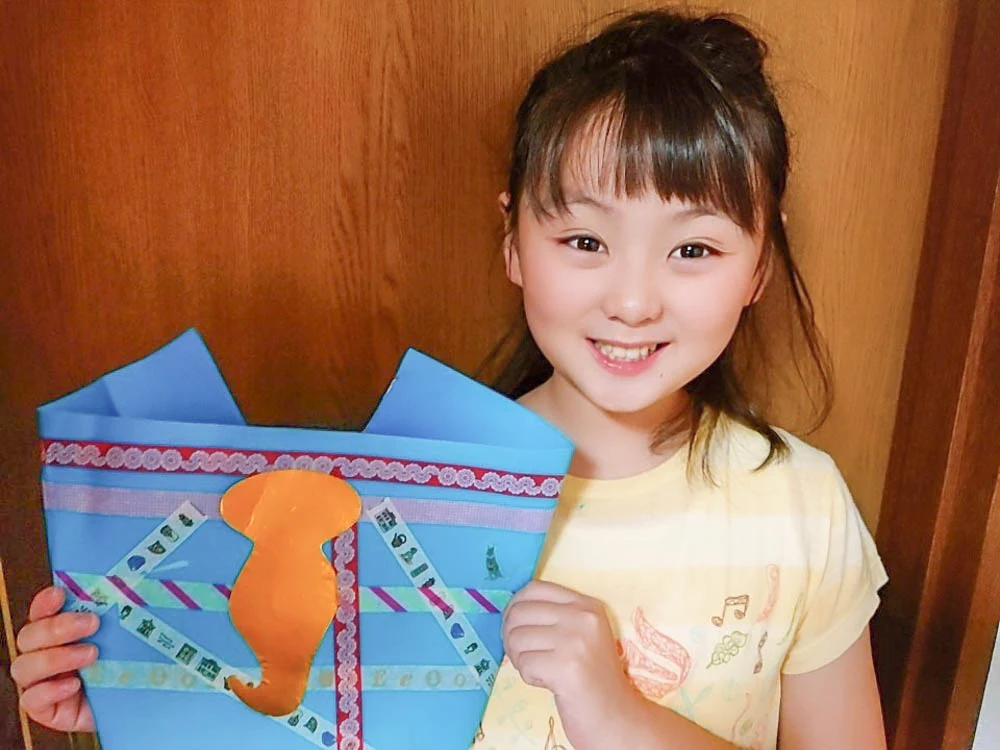
The Pharaoh, the king of ancient Egypt.
The Ohara Museum of Art has statues of Pharaohs wearing various shapes of crowns, including egg-shaped, cylindrical, and shoulder-high headdresses.
The crown of the pharaoh has many mysterious aspects, and although various crowns are depicted in paintings and statues, the actual crowns have not been discovered anywhere.
“If I were a pharaoh, what kind of crown would I want to wear?” Let’s create one while imagining the colors and shapes.
The materials you will need are as follows.
- Thick paper (postcard size)
- Origami (gold, silver, etc.)
- Four-cut drawing paper
- Double-sided tape
- Cellophane tape
- Masking tape
- Utility knife
- Glue
- Scissors
- Rubber bands
Masking tape is optional.
Please feel free to create patterns by painting your favorite colors or sticking on stickers and cut origami.
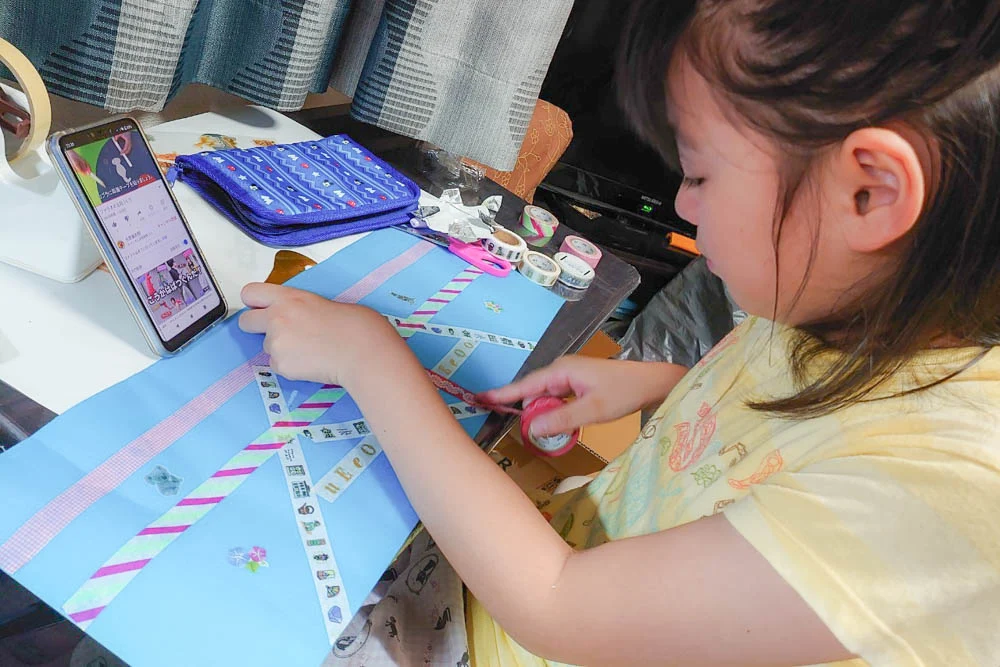
Suzu-chan created patterns using several types of masking tape.
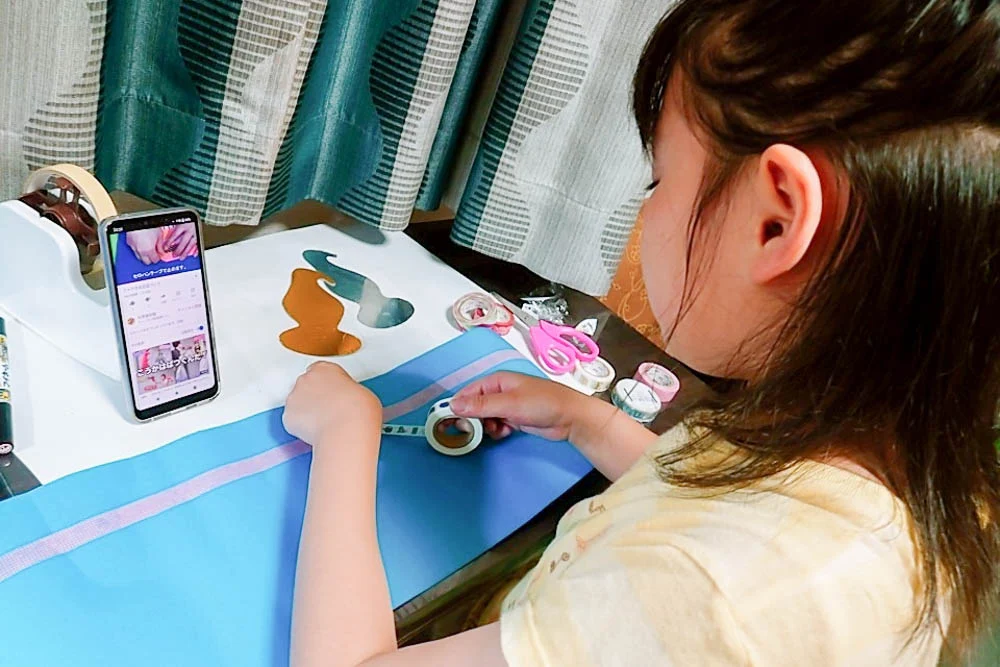
A cute crown with randomly angled tape as an accent has been completed.
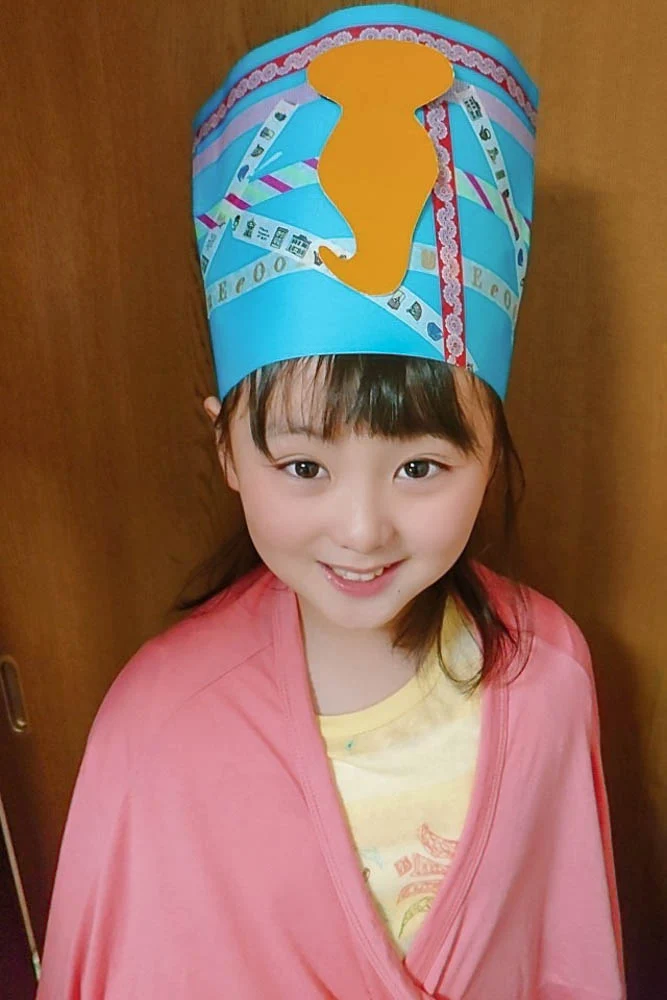
It looks great!
Create your original crown and take a photo feeling like a king.
I asked Suzu-chan for her impressions of "Art at Home."
Other Projects in Preparation
They are also preparing other production videos, such as "Art Climbing Dolls" that can be made with paper plates.
Please subscribe to the channel on YouTube and wait for updates.
Coloring Lab: Let’s Color Plates, Dogs, and People
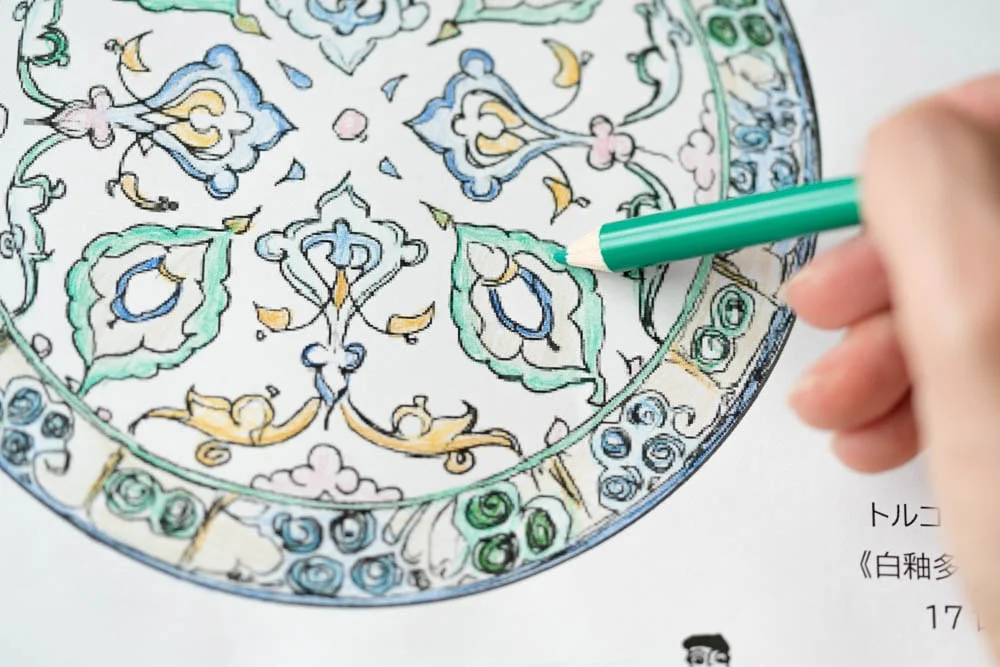
In the "Coloring Lab" project, you can download coloring PDF files of the collection works.
You don’t have to color within the lines.
For example, you can have birds flying in the sky or a rainbow, so let’s color with free ideas.
Recommended! Friends of the Oriental Gallery
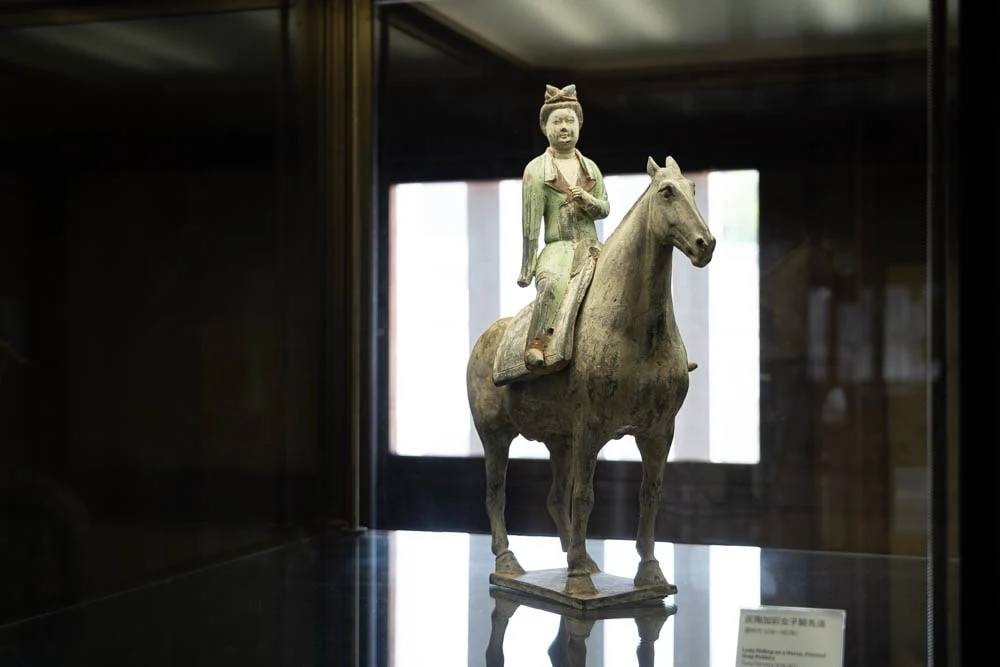
The staff of Ohara Museum of Art recommends the friends of the Oriental Gallery.
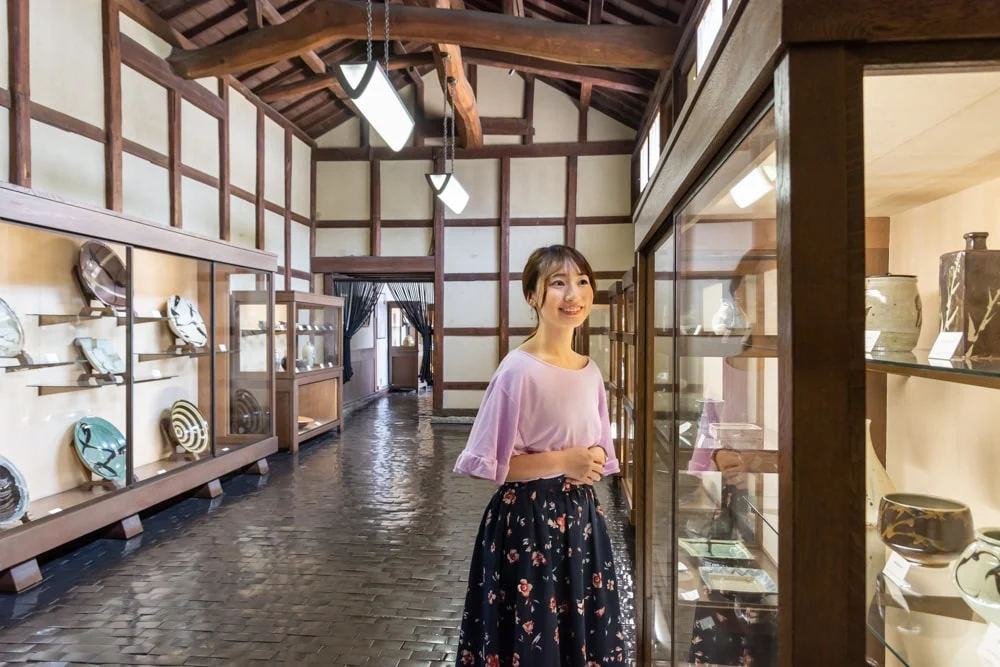
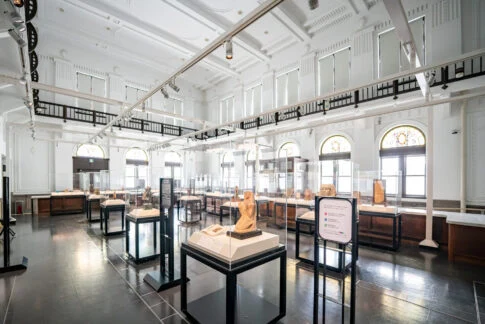
The "Crafts and Oriental Gallery" displays ancient Oriental art.
There are many valuable and interesting collection items.
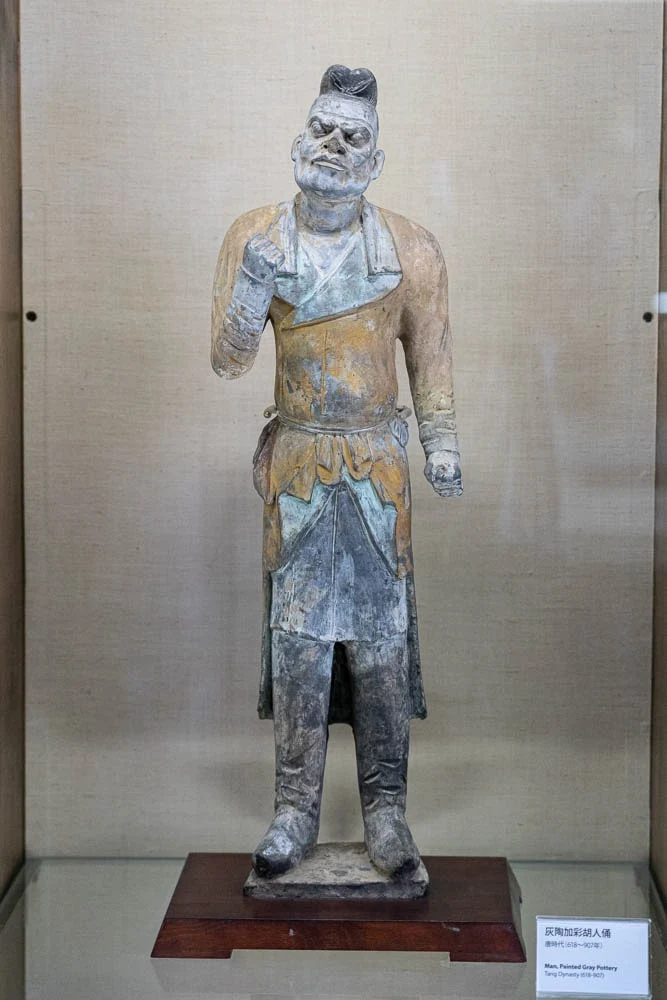
The "Gray Pottery Colored Barbarian Figurine" is characterized by its strong fist.
It is said that among the staff, it is nicknamed Guts-san.
The strong fist pose looks reliable!
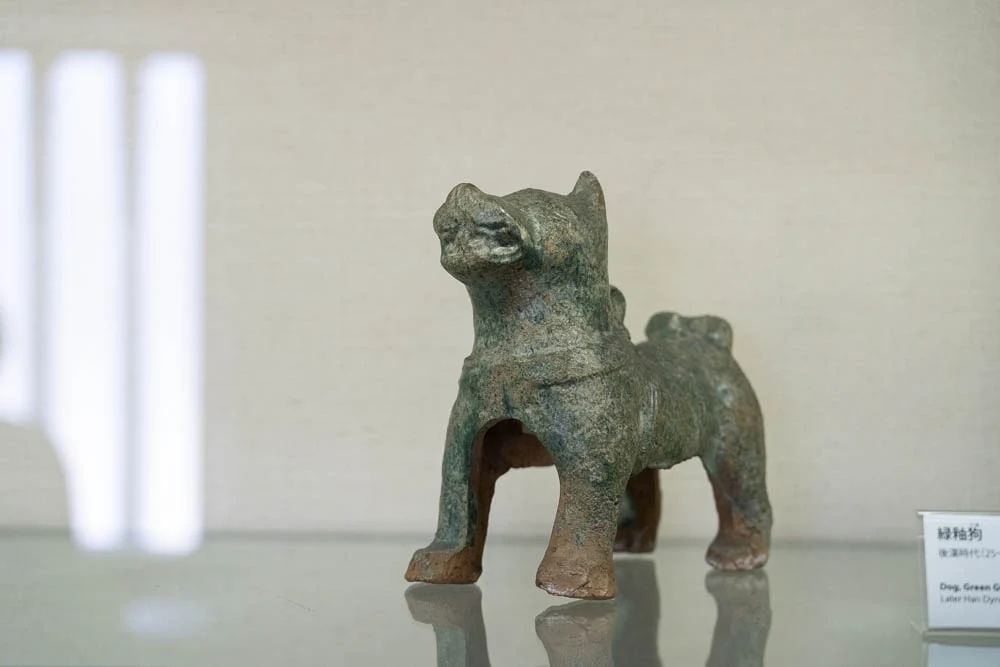
The "Green Glazed Dog" was made in China about 1800 years ago.
What kind of dog was it?
While imagining "What kind of dog would I like to have?" let’s draw a face or color it.
After coloring, you can also play with the figurines.
Oriental Plates
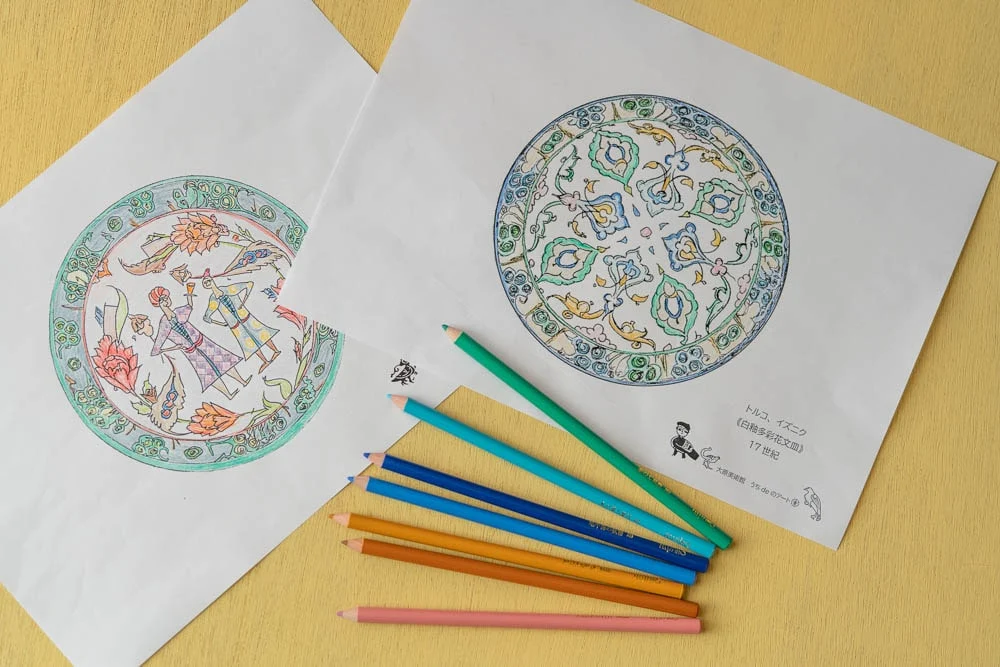
The main building displays Turkish painted plates from the 16th to 18th centuries.
What kind of food did people eat on these patterned plates back then?
The author colored with colored pencils.
It was also fun to think about "What color combinations would look beautiful?" and "What would I want to eat on this plate?"
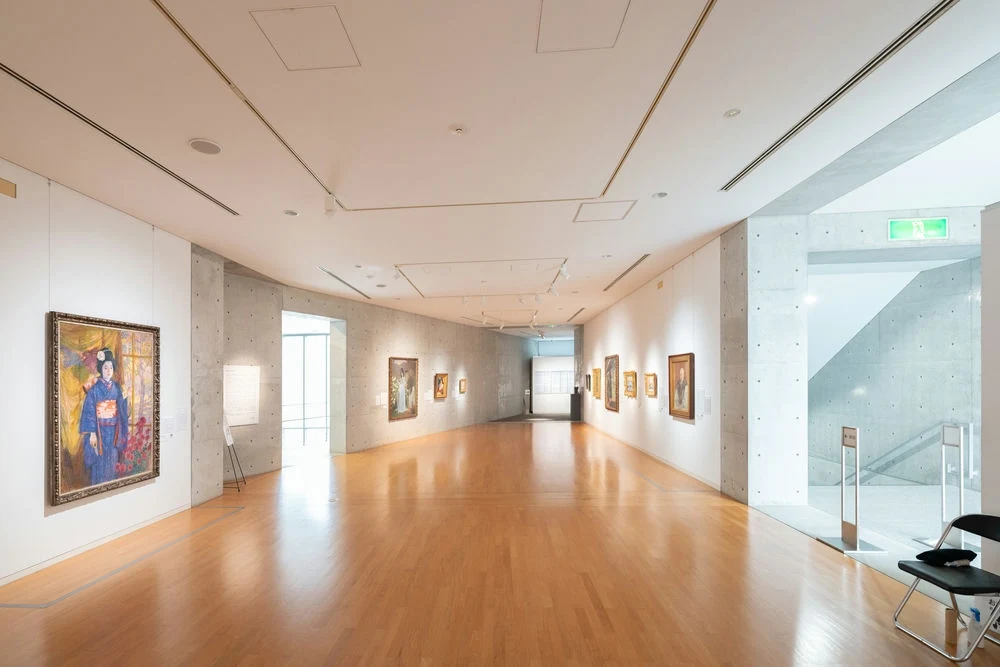
Western Paintings
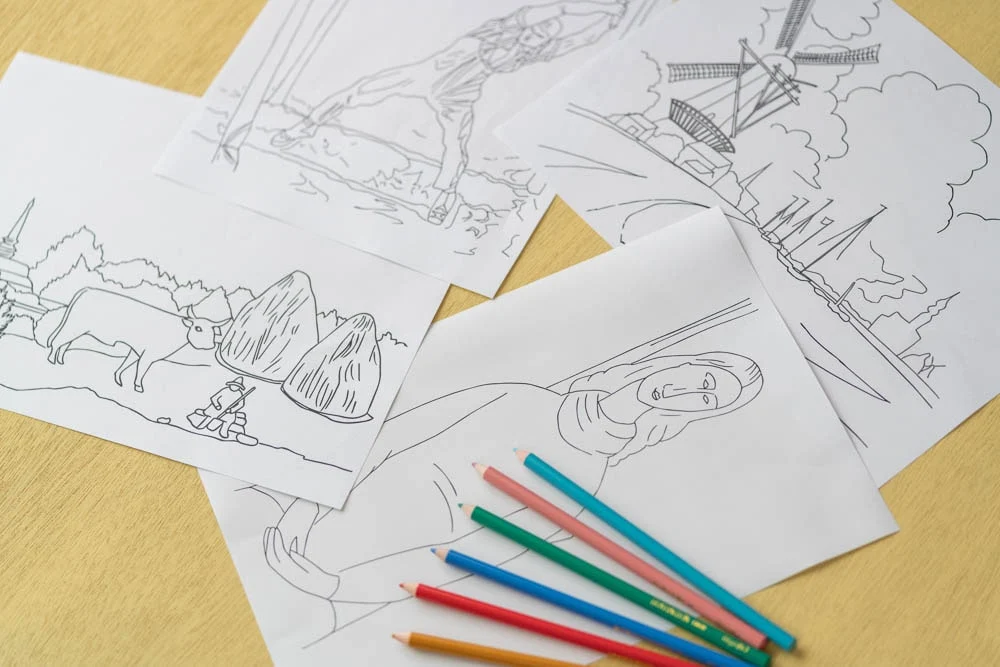
Famous Western paintings such as Amedeo Modigliani's "Portrait of Jeanne Hébuterne" and Henri Rousseau's "View of the Suburbs of Paris: Village of Vanves" also appear in coloring form!
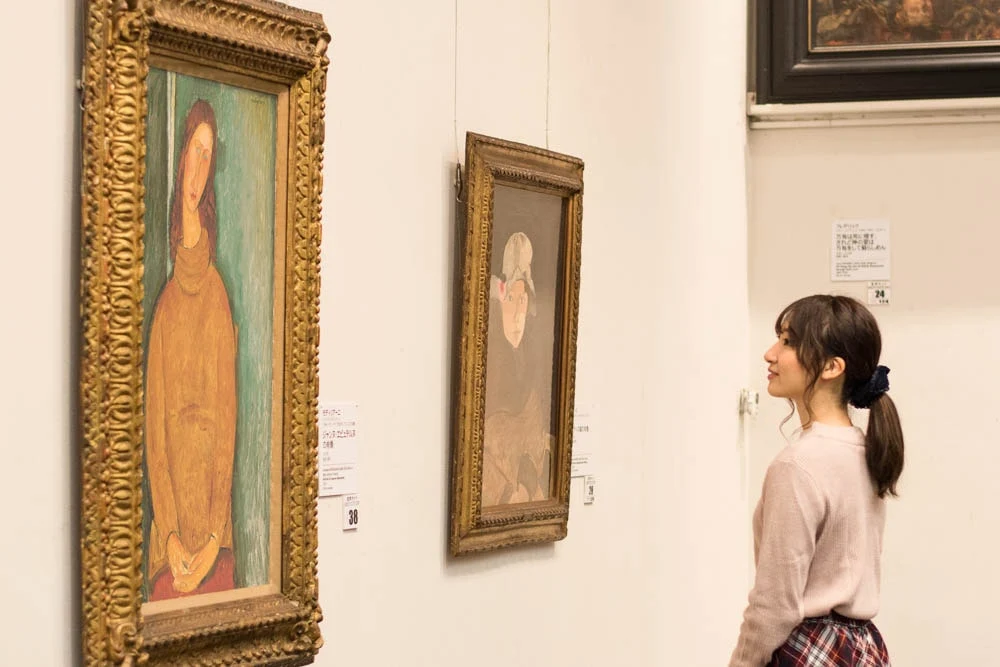
The author particularly loves Modigliani!
Jeanne Hébuterne was a painter and Modigliani's lover.
In Modigliani's painting, she wears simple clothes, but it might be interesting to try "How would the impression change if I wore such clothes?"
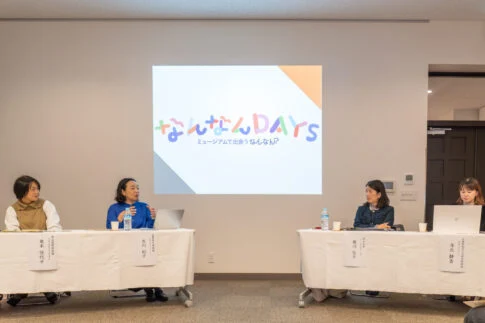
What kind of thoughts gave birth to the project "Art at Home," which allows you to enjoy art at home?
I spoke with Masako Takemoto and Shizuka Teramoto from the Social Collaboration Department of Ohara Museum of Art.
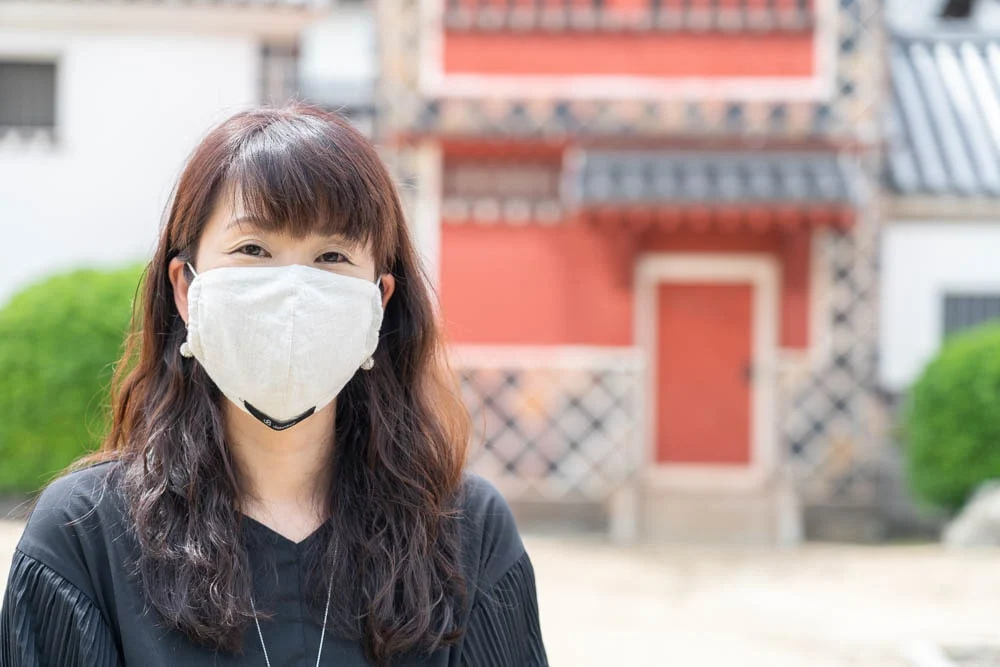
Could you tell us the reason for starting "Art at Home"?
Takemoto
I usually handle preschool children.
Many preschool children used to visit Ohara Museum of Art.
However, from March to April 2020, due to the impact of the COVID-19 pandemic, graduation trips and other events were canceled, and all the planned visits by small children and elementary school students could not happen.
We considered "What can we provide?" and thought of something that can be done at home even when there is no time to touch art or become familiar with the museum.
Other projects are also being considered by various people from different fields.
Teramoto
Schools are in a situation where they want "to have outreach lectures, but cannot gather everyone in the same venue as before."
At the request of schools, we are also producing lecture videos that can be used in classes and homerooms.
Even after the closure period ends, we plan to continue making them available.
Even if you cannot come to the museum, all the staff are thinking, "We will provide what we can without reservation."
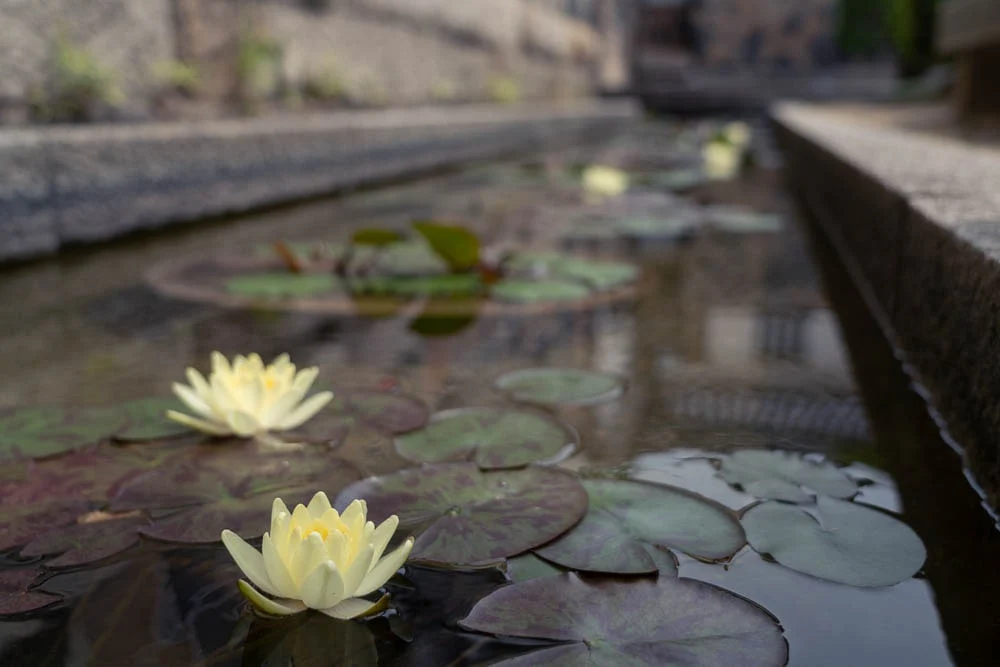
This program allows people who have had difficulty visiting Ohara Museum of Art due to distance to participate from all over Japan.
Teramoto
Yes, I would be happy if it could be an opportunity for people to think, "I want to visit Ohara Museum of Art in the future."
Is "Art at Home" a program for children?
Takemoto
The concept is "to be enjoyable for everyone from small children to adults."
If children are making it, I think it would be nice if parents could make it together, as it would increase family conversations.
In the Chilmew project until last year, it was not just children making things while parents only gave verbal advice; making things together led to lively conversations and new discoveries. That has been well received.
What was the reason for choosing these programs for video release?
Takemoto
From the Chilmew programs, we selected those that can be done at home with materials that can be gathered, even without the works of Ohara Museum of Art in front of you.
These are popular programs in children's clubs and hospital classrooms as well.
The "Shining Egg" is more of an experiment than just drawing.
You can easily make interesting things using familiar waste materials.
Teramoto
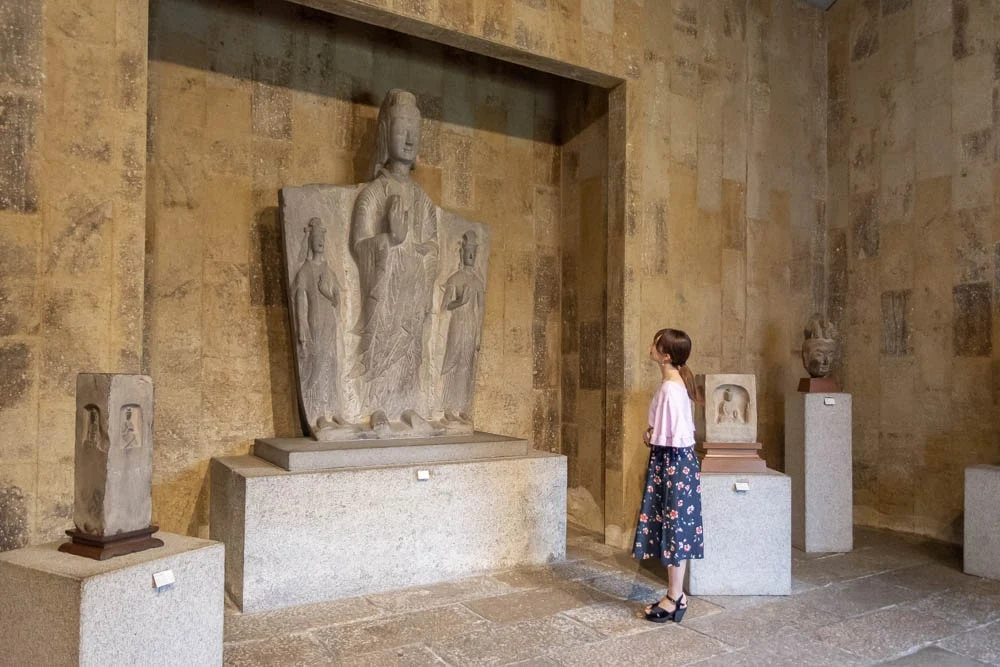
The plates from the "Coloring Lab" and the works in the Oriental Gallery are not very mainstream.
That's one of the reasons I chose them.
Ohara Museum of Art has a strong image of Western paintings, doesn't it?
But I want people to know that "there are also things like this."
The items in the Oriental Gallery are also very interesting and attractive.
Takemoto
Takemoto
If you look closely, they have really interesting expressions.
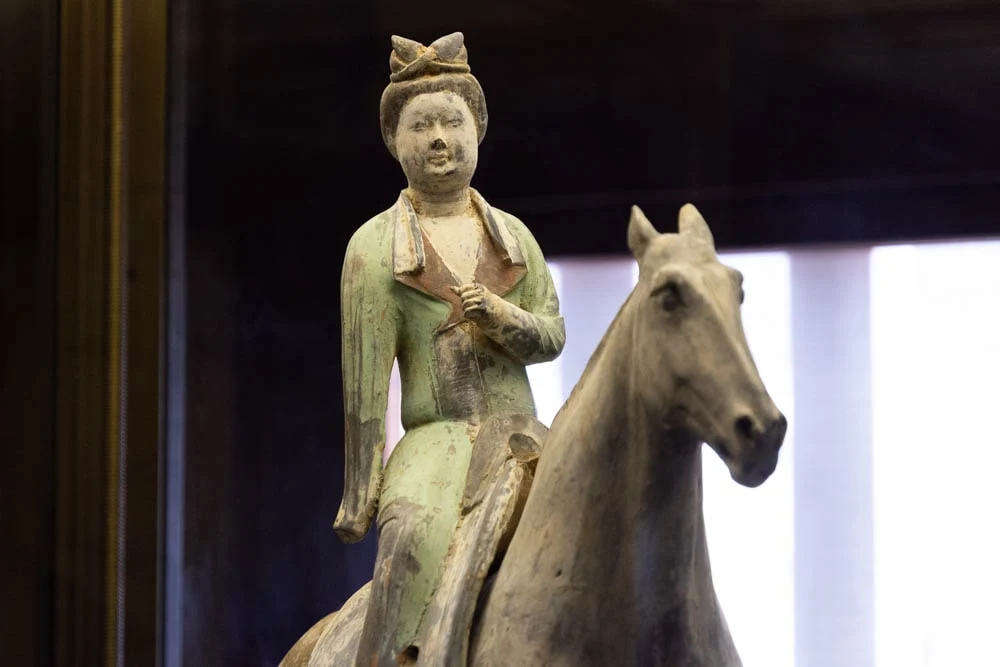
The Gray Pottery Colored Female Equestrian Figurine looks like it is singing with a microphone, according to some people.
It's fun to imagine "why is it in that pose?" and to dig deeper, think together, and have conversations about it.
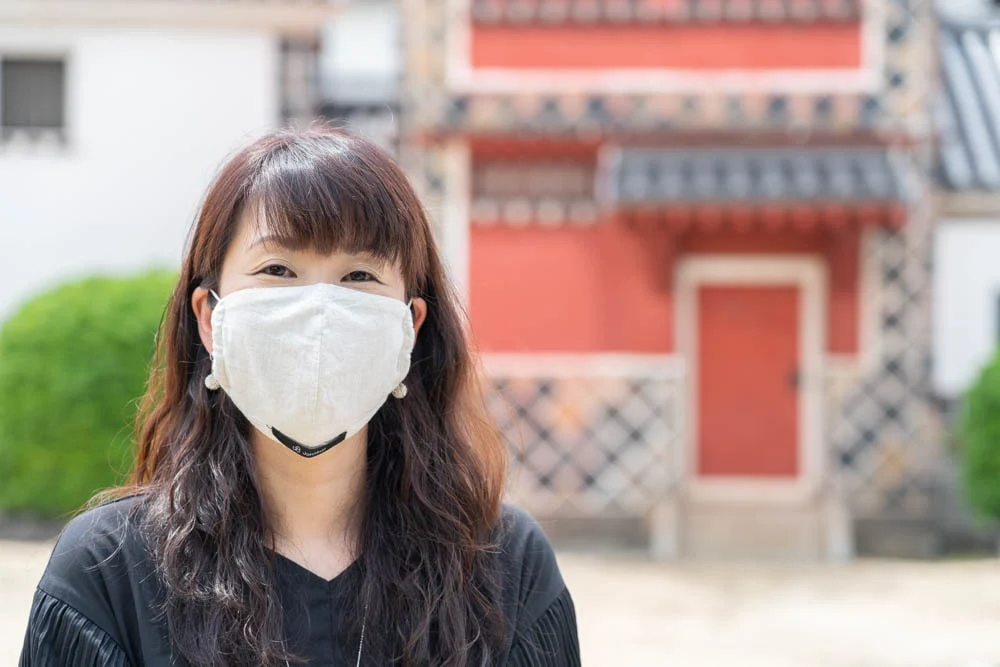
Children can enjoy "Art at Home" during the summer vacation as well.
Takemoto
In 2020, summer vacation is short, so I think parents may not have time to go out.
In classes, the time for making and thinking about things may also decrease.
"Art at Home" is a program that fosters imagination, creativity, and inspiration.
Although the Chill Museum has been canceled, I hope everyone can enjoy the shortened summer vacation.
Content of Ohara Museum of Art to Enjoy During Closure
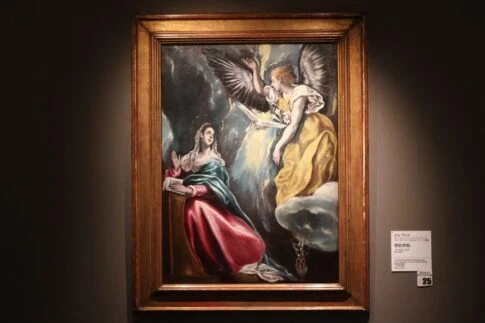
In addition to "Art at Home," Ohara Museum of Art is introducing content that allows you to learn about and enjoy the museum's collection even during its closure.
For example, on Google Arts & Culture, you can view high-resolution images of some works.
Additionally, data for works for Nintendo Switch "Animal Crossing: New Horizons" has also been released.
You can decorate your in-game room with paintings by Segantini and Gauguin.
There are also videos of lectures with Maha Harada, the author of the novel "The Canvas of Paradise," available on YouTube.
Show Your Art Skills at Home
"Art at Home" is something you can easily create at home.
It's a program that is friendly for children, and the time spent coloring can also refresh adults.
Please participate at home and post on social media with the hashtag "#OharaMuseumAtHome".
- Model: Suzuchan (Twitter)
Articles About Ohara Museum of Art
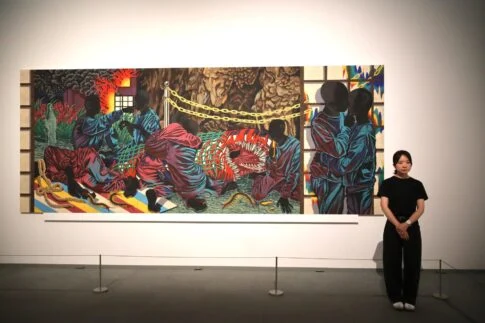
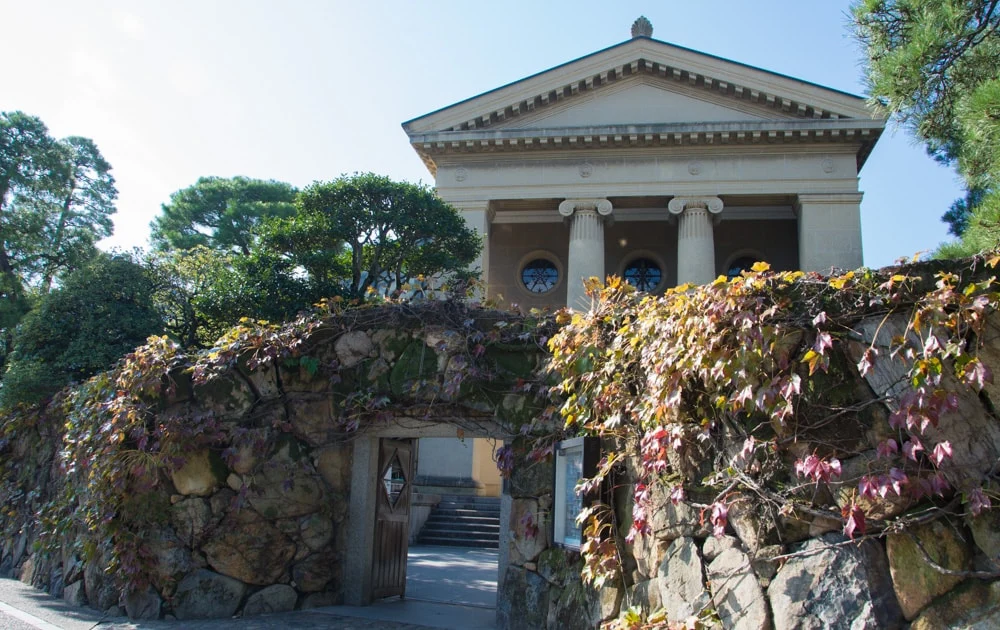
Data on Ohara Museum of Art
| Name | Ohara Museum of Art |
|---|---|
| Location | 1-1-15 Chuo, Kurashiki City, Okayama Prefecture |
| Contact | 086-422-0005 |
| Parking | None |
| Opening Hours | 【December to February】 9:00 AM - 3:00 PM (Last admission: 2:30 PM) 【March to November】 9:00 AM - 5:00 PM (Last admission: 4:30 PM) |
| Closed | Monday If it coincides with a public holiday or substitute holiday, it will be open Winter closure and temporary closures may occur |
| Admission Fee (including tax) | 【General】 Adults: 2,000 yen High school, middle school, and elementary school students (under 18): 500 yen |
| Payment Methods |
|
| Reservations | Available No reservation required for individuals |
| Smoking | Completely non-smoking |
| Restrooms | Western-style toilets, barrier-free toilets |
| Childcare | Nursing room, diaper changing station, stroller rental The nursing room is located in the Craft Gallery Diaper changing stations are available on the 2nd floor of the main building and in the Craft Gallery |
| Barrier-Free | Wheelchair rental, ramps, barrier-free toilets, elevators |
| Website | Official Website of Ohara Museum of Art |








It was difficult to draw the patterns I imagined on the Shining Egg. It looks mysterious when exposed to light, and the patterns appear differently depending on the angle, which is interesting!
Making the pharaoh's crown with lots of masking tape was fun. I could make it with things I have at home, and it was easy and enjoyable. I want to make a different version too!