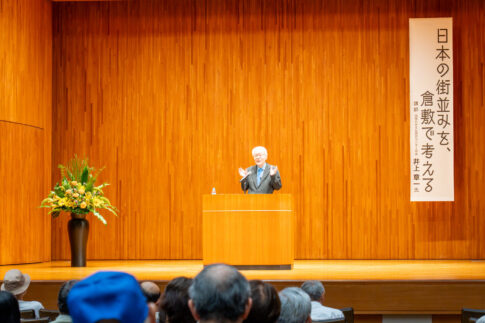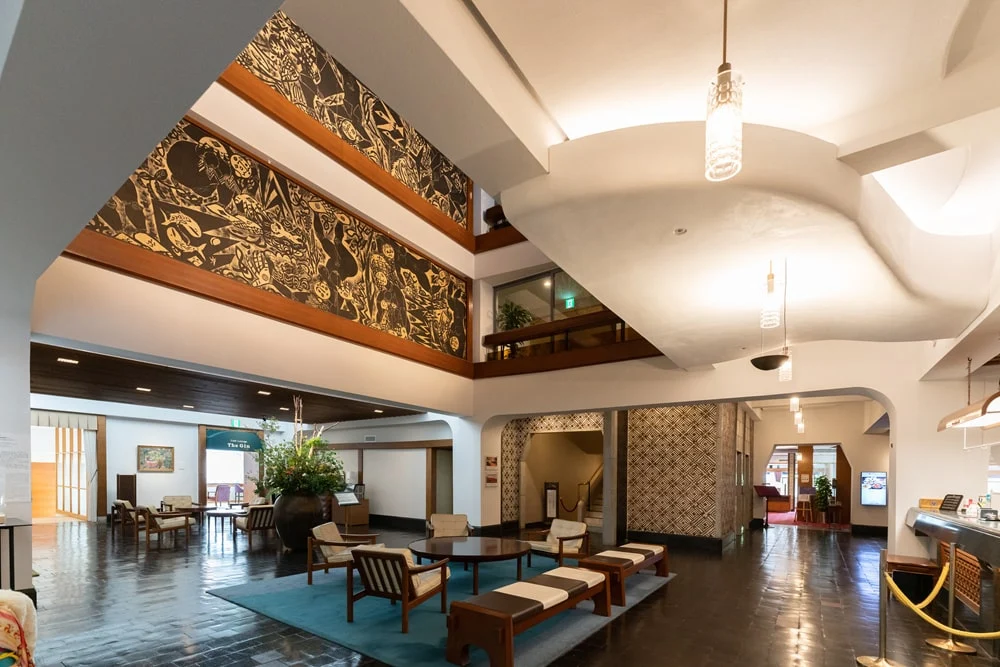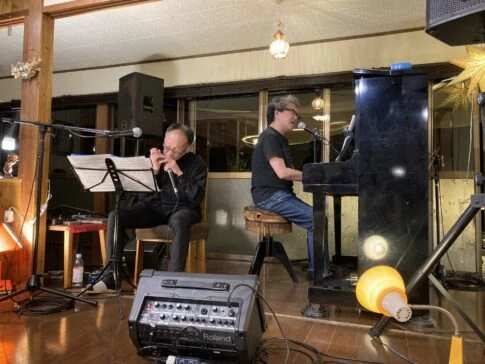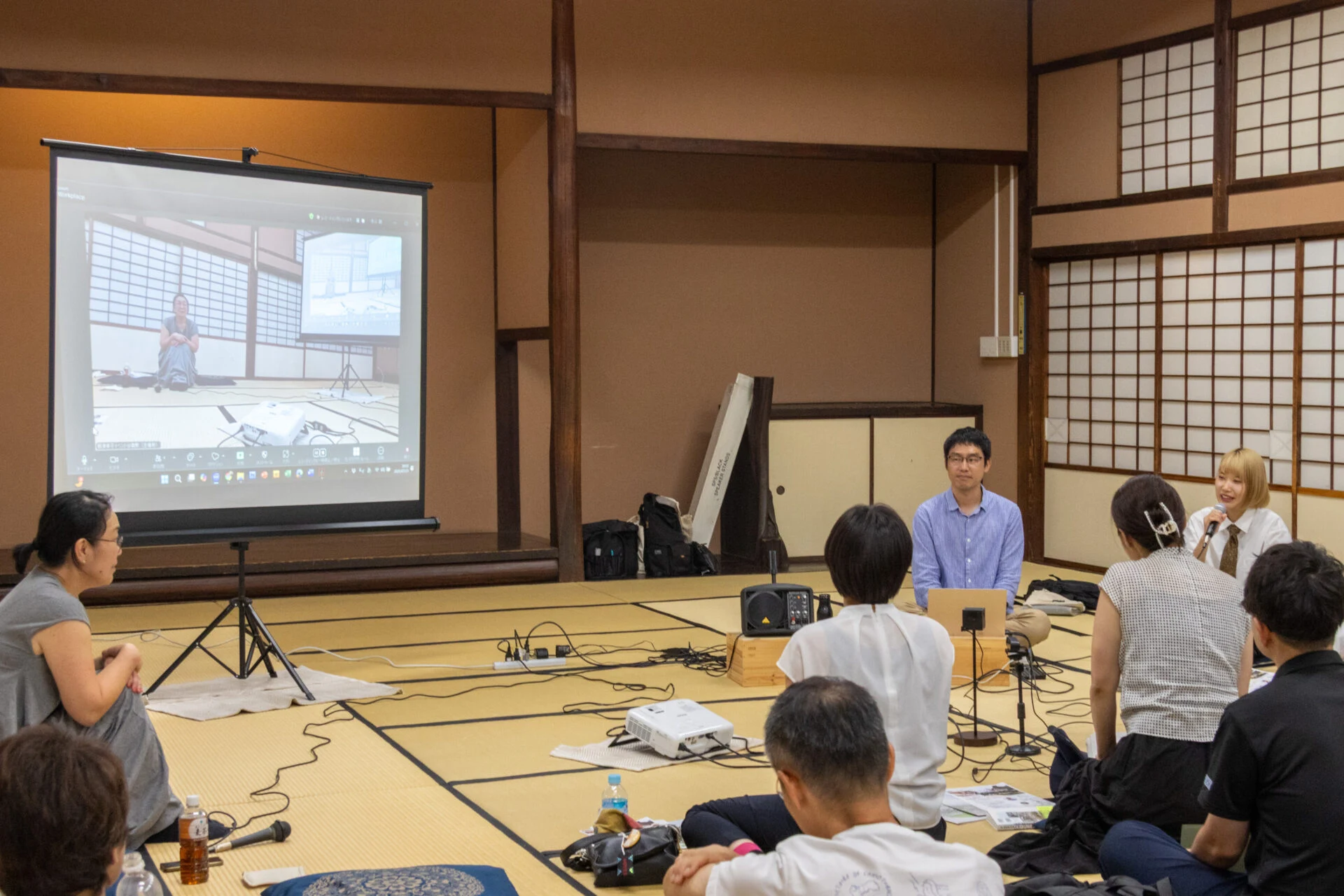
On July 23, 2025, a lecture titled "How to Make the Shopping District Interesting by Utilizing Vacant Houses? | Commemorating the Publication of 'Amsterdam: A Bottom-Up Experimental City'" was held at Shinkei-en Garden in the Bikan Historical Area of Kurashiki.
The lecture reported on various initiatives related to urban development in Amsterdam, Netherlands, and how they might provide hints for revitalizing the central urban area of Kurashiki City.
Introduction of the Speaker - Architect Sachiko Nezu Living in the Netherlands
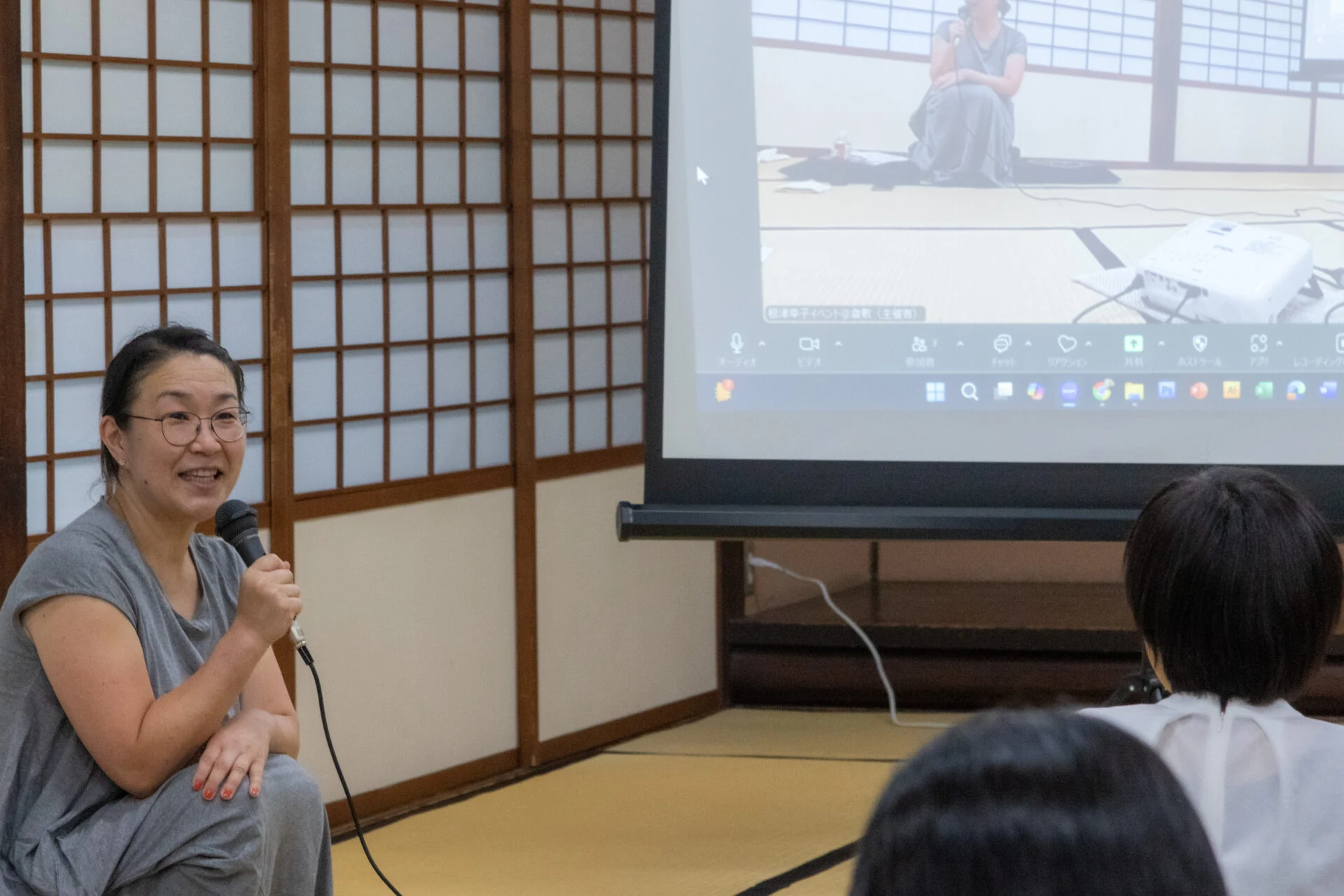
The speaker this time was architect Sachiko Nezu, who lives in Amsterdam, Netherlands.
After graduating from university, Nezu moved to the Netherlands, studied architecture at the Berlage Institute, and established her own architectural firm, Urbanberry Design, in 2008. Since then, she has been involved in various architectural projects.
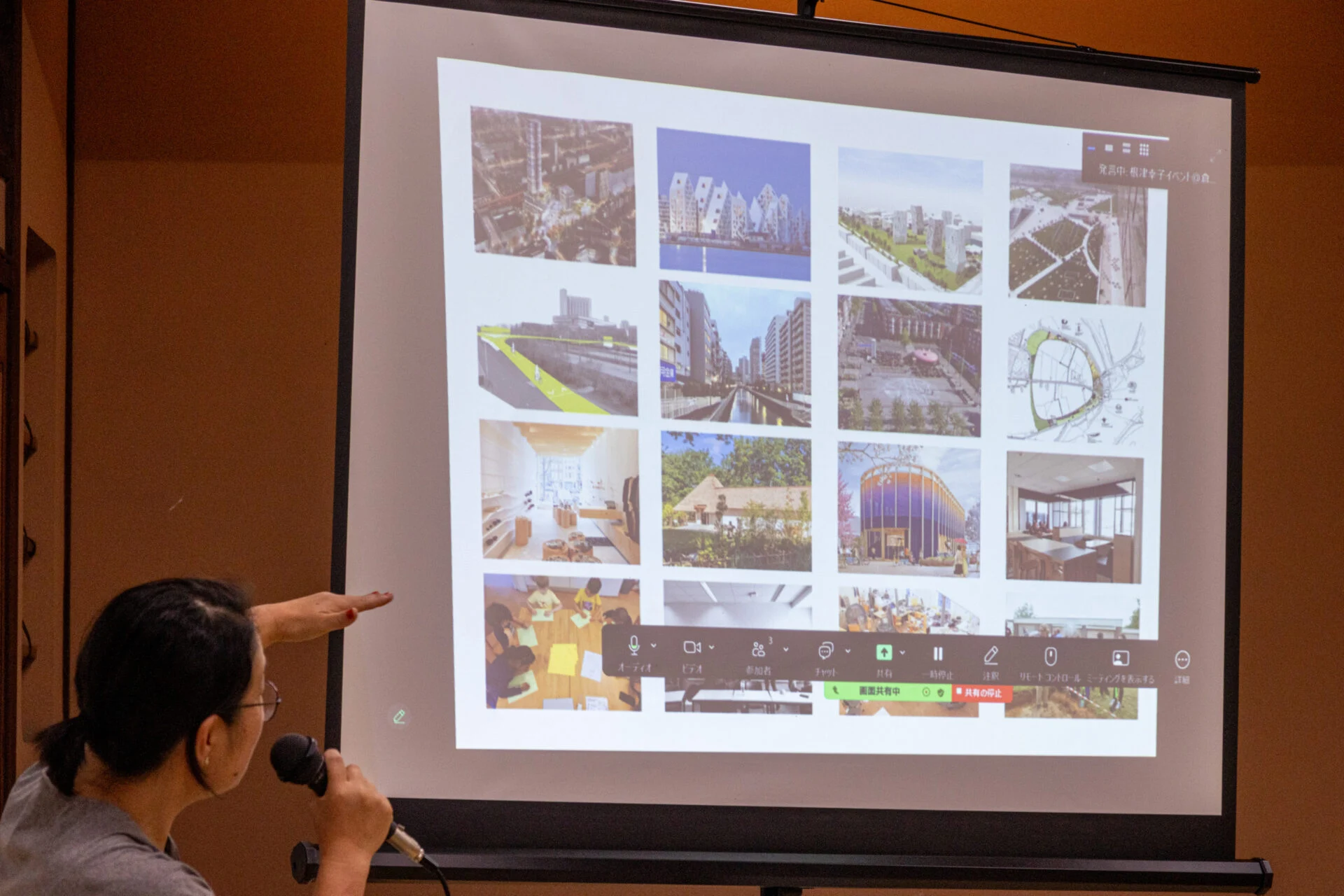
Recently, she participated in the bidding for the Netherlands Pavilion at EXPO 2025 Osaka-Kansai, and although she unfortunately placed second and was not selected, her unique concept connecting Japan and the Netherlands received much attention.
Additionally, she served as a speaker at the workshop and symposium titled "Reuse, Redevelop and Design: Considering the Future of the Bikan Historical Area and Surrounding Areas" held in Kurashiki in November 2024.
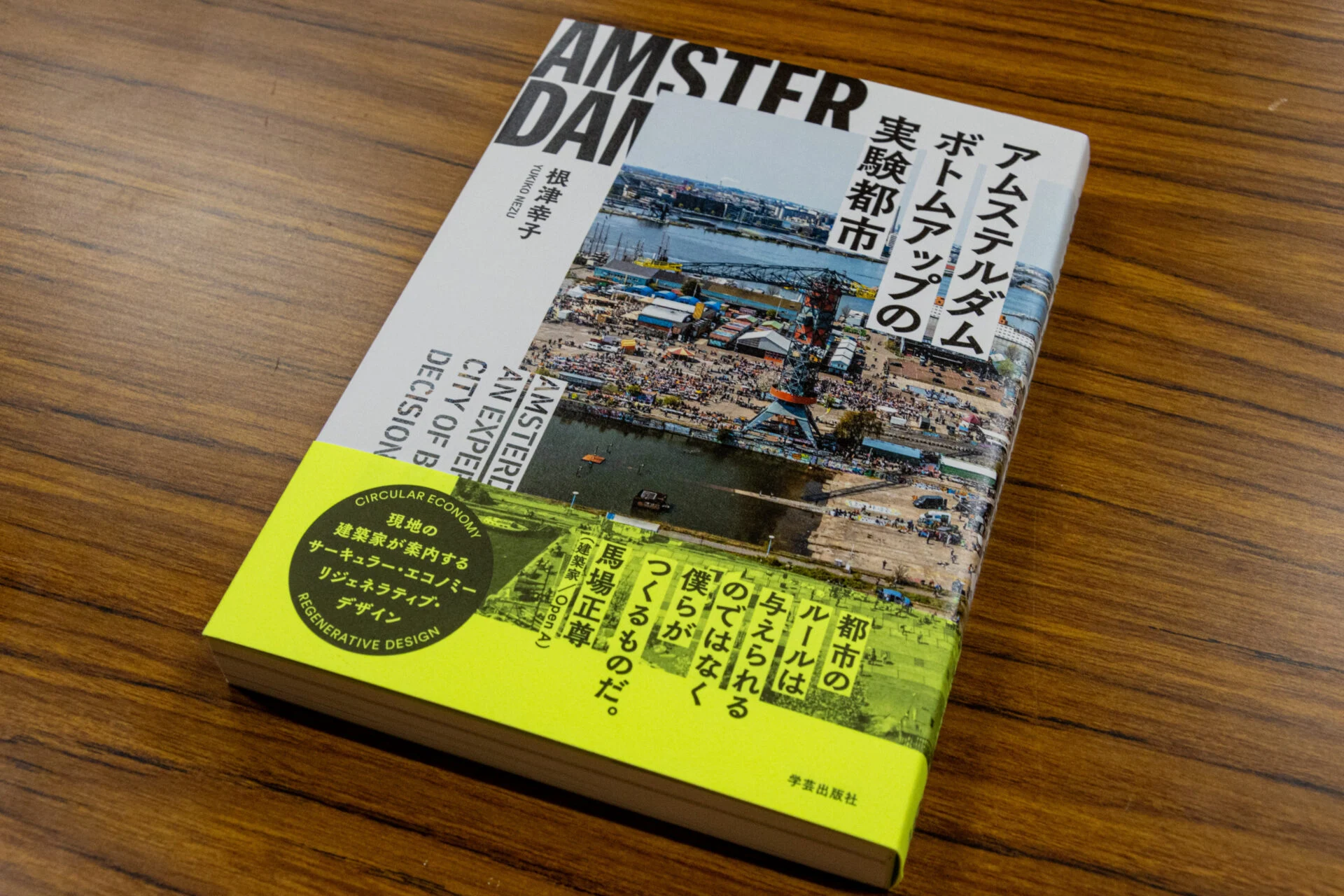
The connection from that time and the publication of her book "Amsterdam: A Bottom-Up Experimental City" led to the organization of this event.
Overview of the Lecture
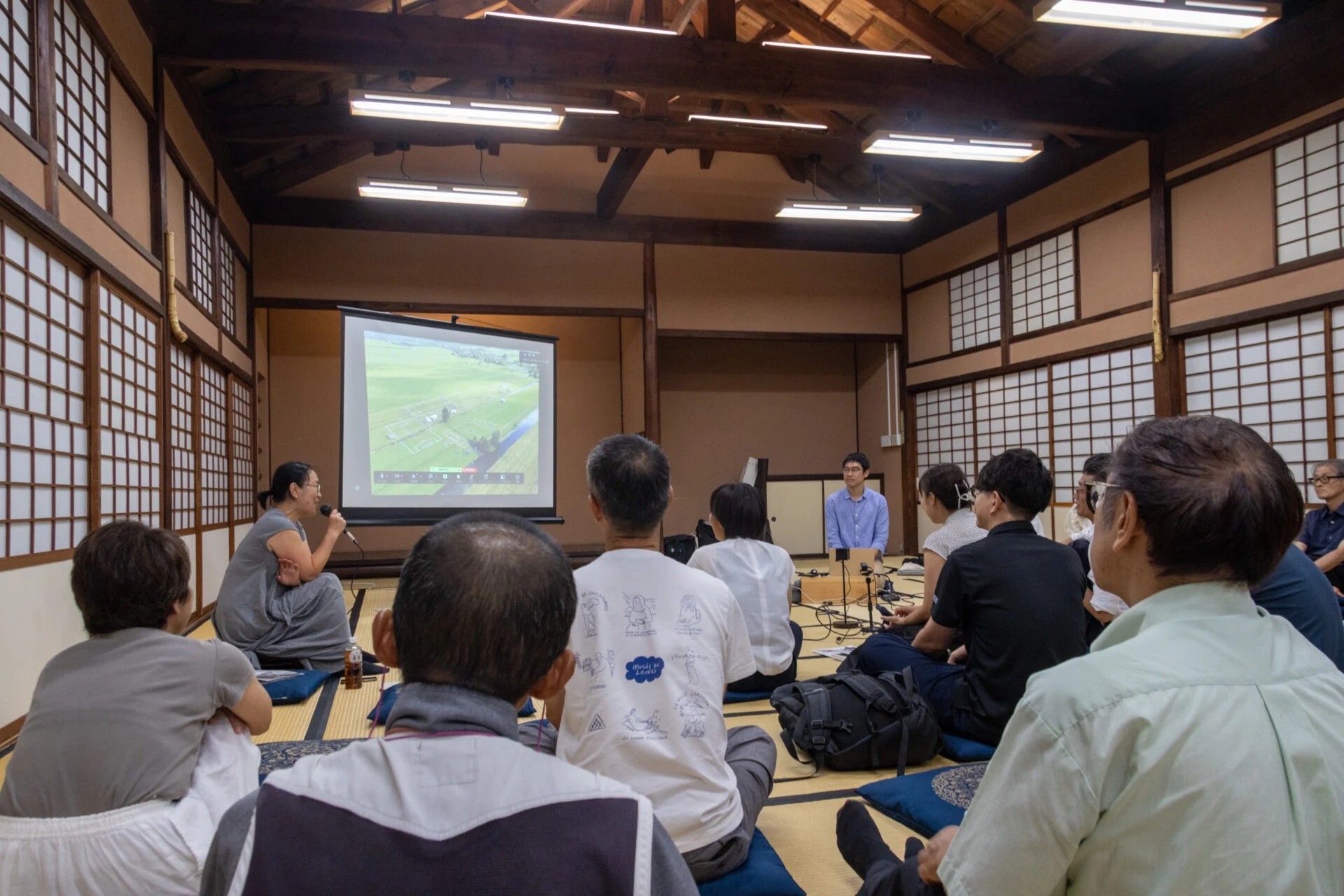
Based on the content of her book, Nezu shared various stories not only about architecture but also about what "bottom-up" means, incorporating local examples.
From the 1 hour and 30-minute lecture, I will pick up and introduce some topics of interest.
What Kind of Country is the Netherlands?
Many people probably know the name of the country, the Netherlands. However, few may clearly know where it is located in Europe.
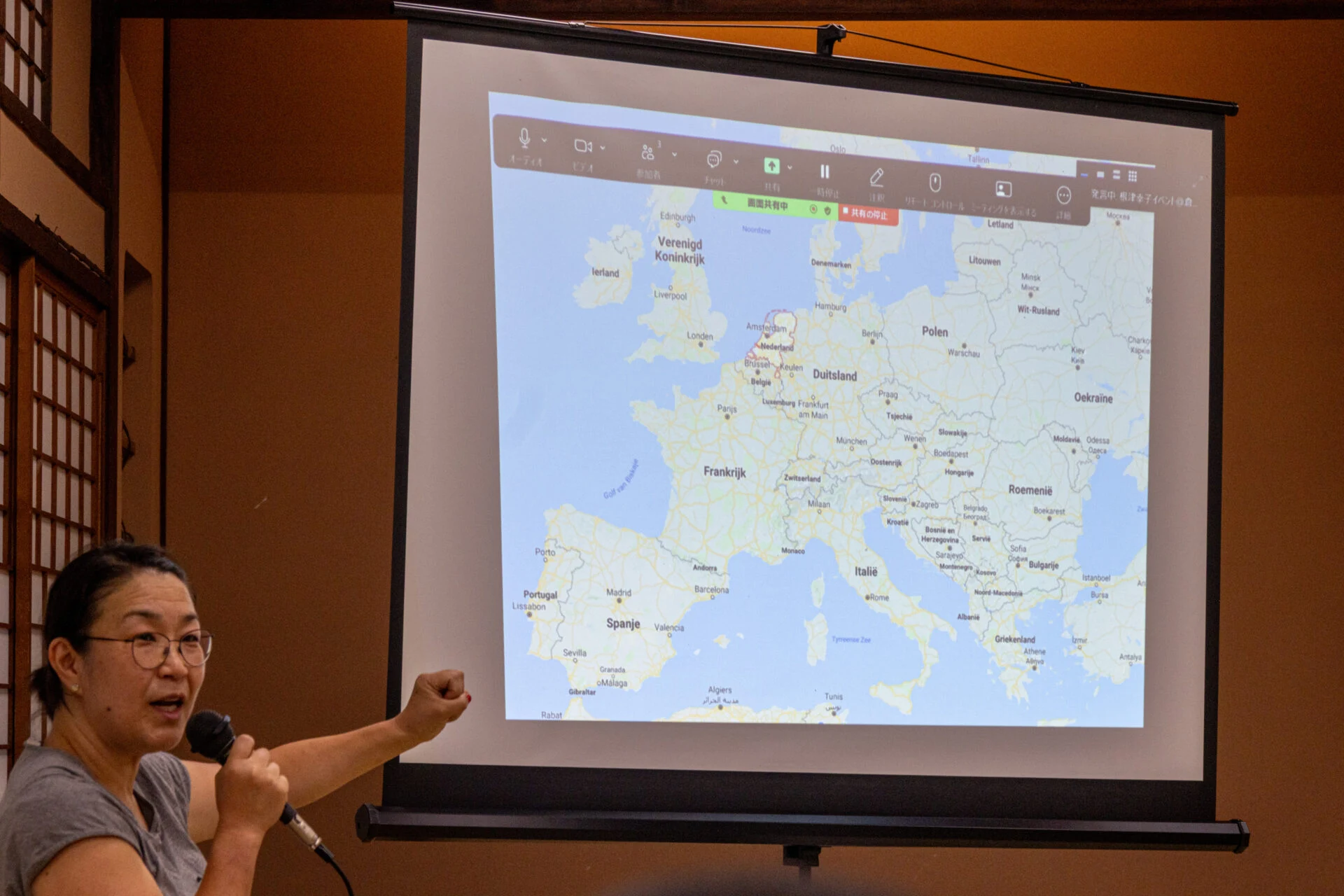
As shown in the map above, the Netherlands is located surrounded by major countries: Belgium and France to the south, Germany to the east, and the United Kingdom across the sea to the west, with a land area similar to that of Kyushu.
Being a small country allows for agility, and it boldly challenges advanced policies, establishing a unique presence in the international community.
Moreover, as the saying goes, "The world was made by God, but the Netherlands was made by the Dutch," there is a history of expanding the land by developing reclaimed land.
Currently, 25% of the country's land is below sea level, and with concerns about rising sea levels due to global warming, the Dutch people have a high awareness of environmental issues.
Practice of Circular Economy
Nezu cited the "practice of Circular Economy" as an advanced example in Amsterdam, Netherlands.
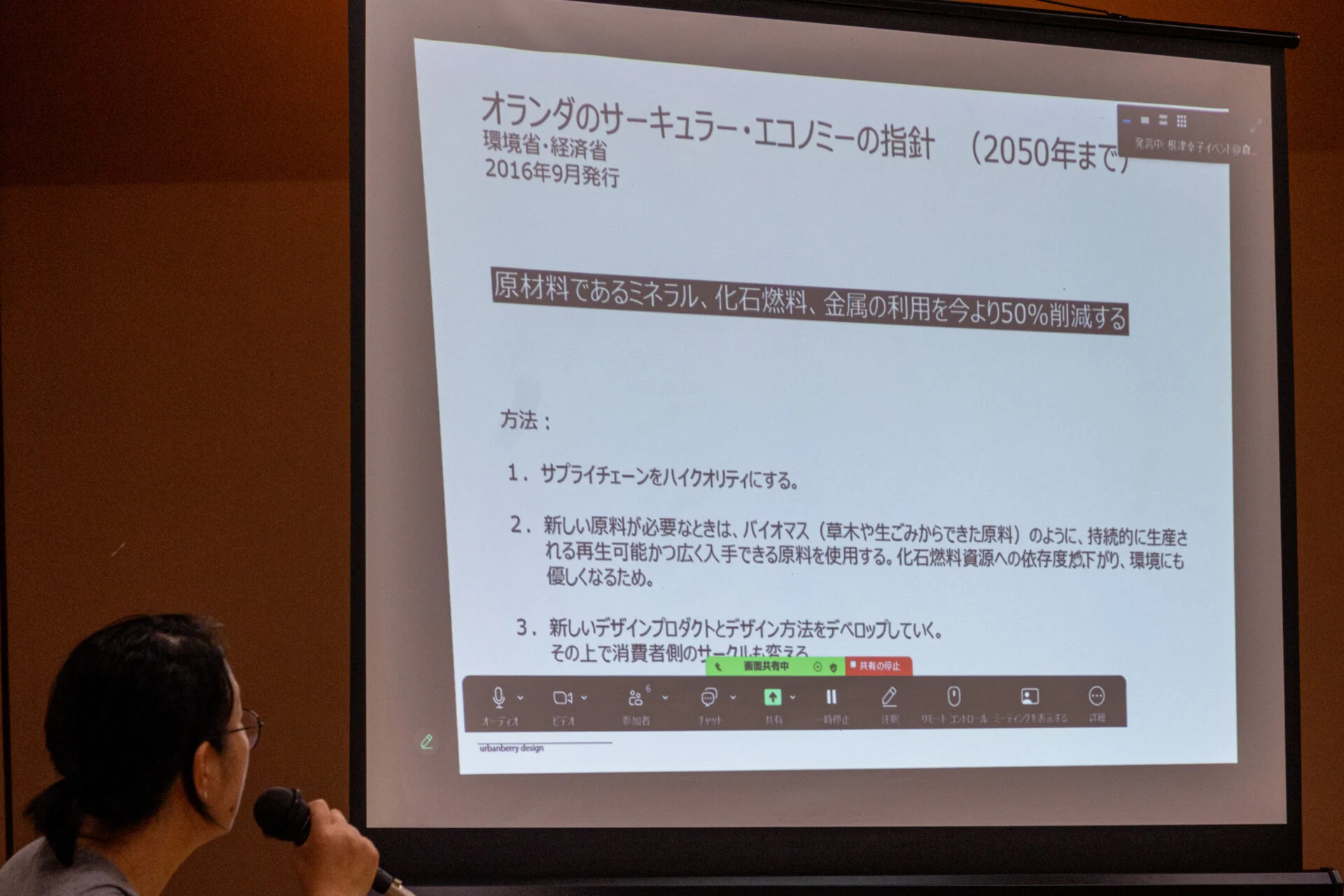
The "Circular Economy" is the idea of recycling and circulating resources instead of discarding used items, representing an even more advanced approach than recycling waste.
In the Netherlands, such initiatives are not implemented through government-led "top-down" approaches but are practiced by citizens in a "bottom-up" manner.
Rehabilitation of Former Gas Factory Site
As an example of Circular Economy, Nezu introduced a case where a former gas factory site closed in the 1980s was transformed into a park.
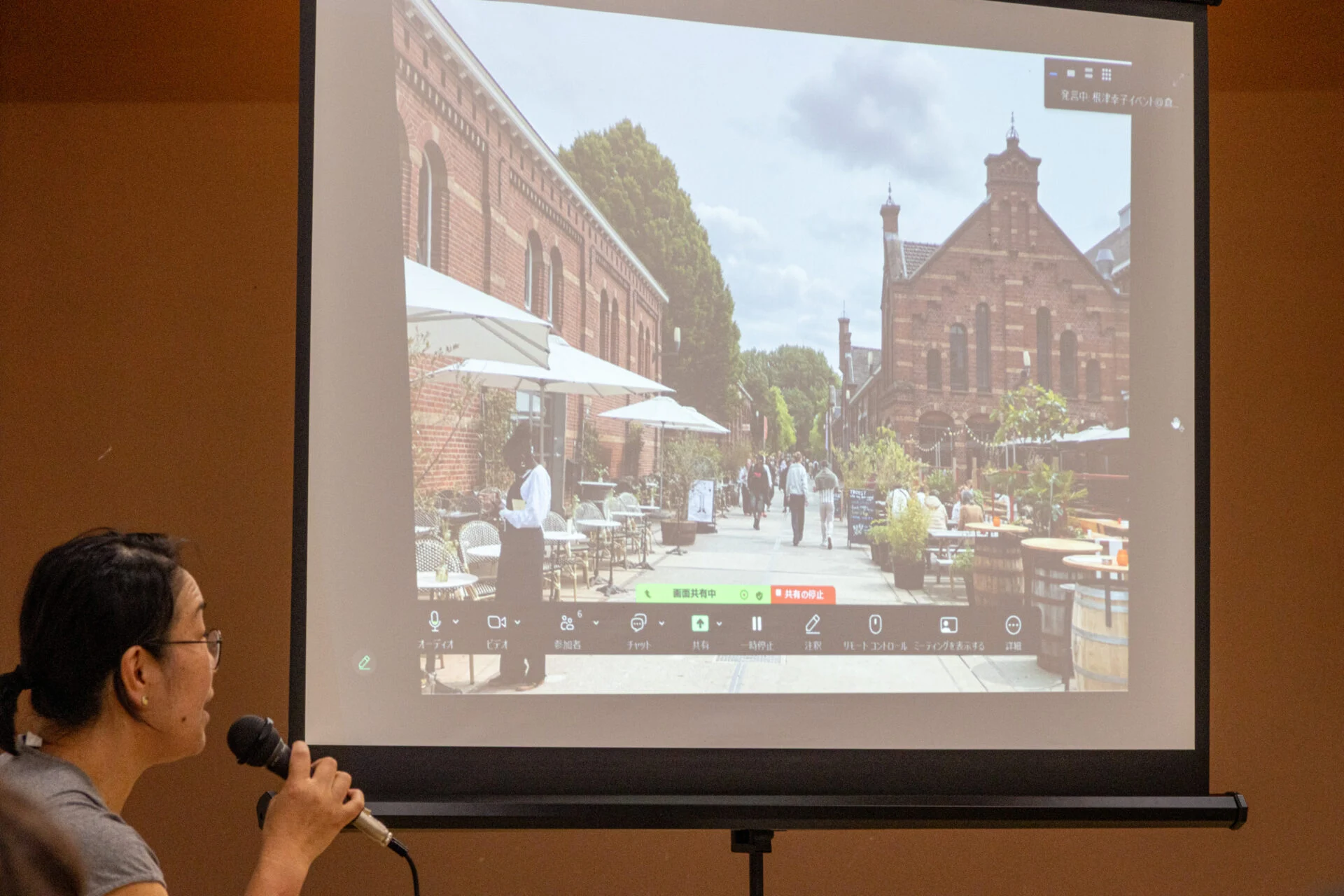
The city conducted hearings with citizens regarding the use of the factory site, and various events were implemented by citizens in a bottom-up manner while considering future usage.
This can be seen as an experiment where various attempts were made while considering the utilization of the site.
Based on the voices of the citizens from these series of experiments, the former gas factory site was transformed into a park that utilizes the ruins, serving as a place of relaxation for the citizens.
Cross Talk - Bottom-Up Urban Development in Kurashiki
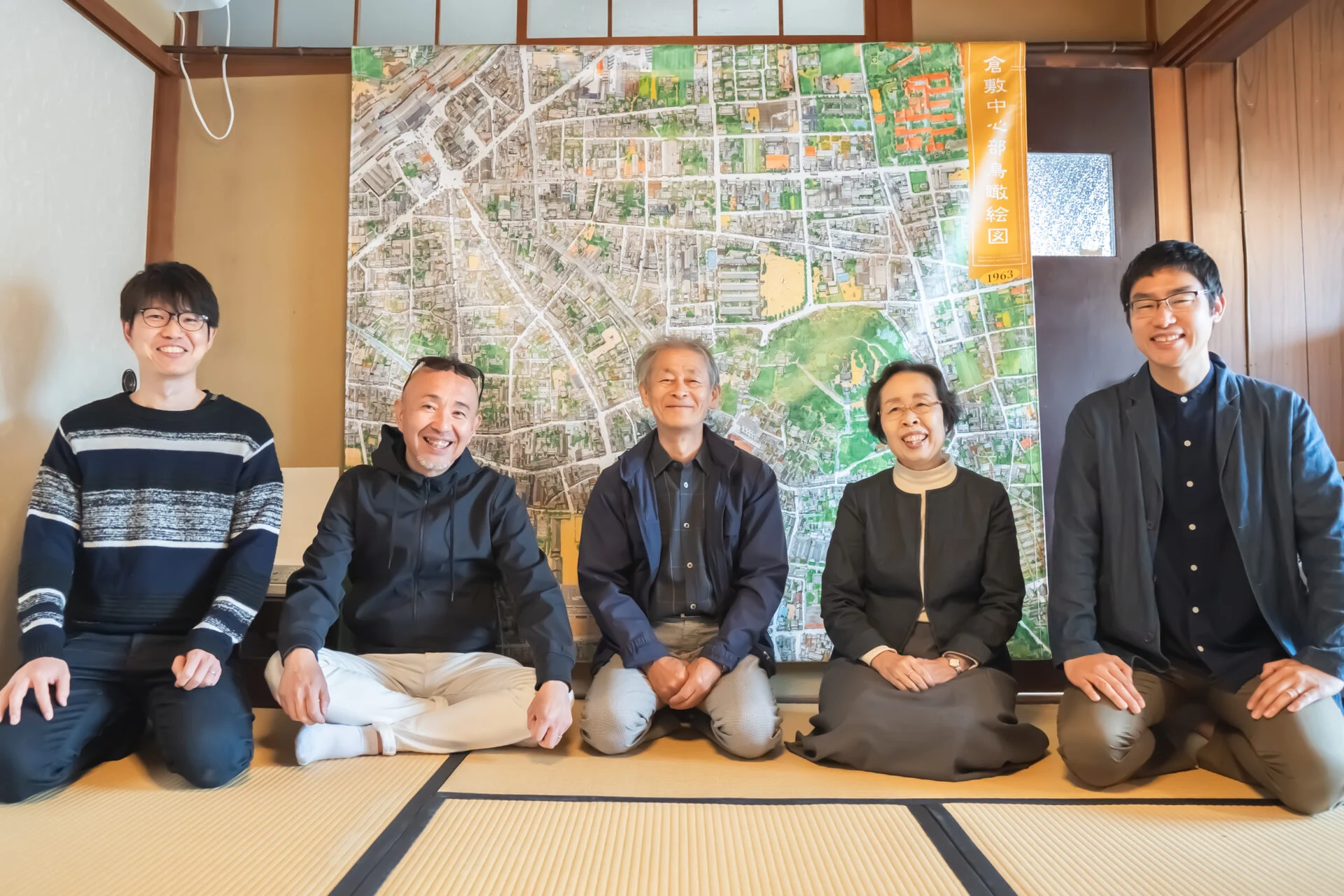
In the latter half, there was a cross talk (discussion) involving Nezu, Professor Hitoshi Narikiyo from Notre Dame Seishin University, and Aguri Sawae from the library cafe Hitohi, regarding the title of the lecture, "How to Make the Shopping District Interesting by Utilizing Vacant Houses?"
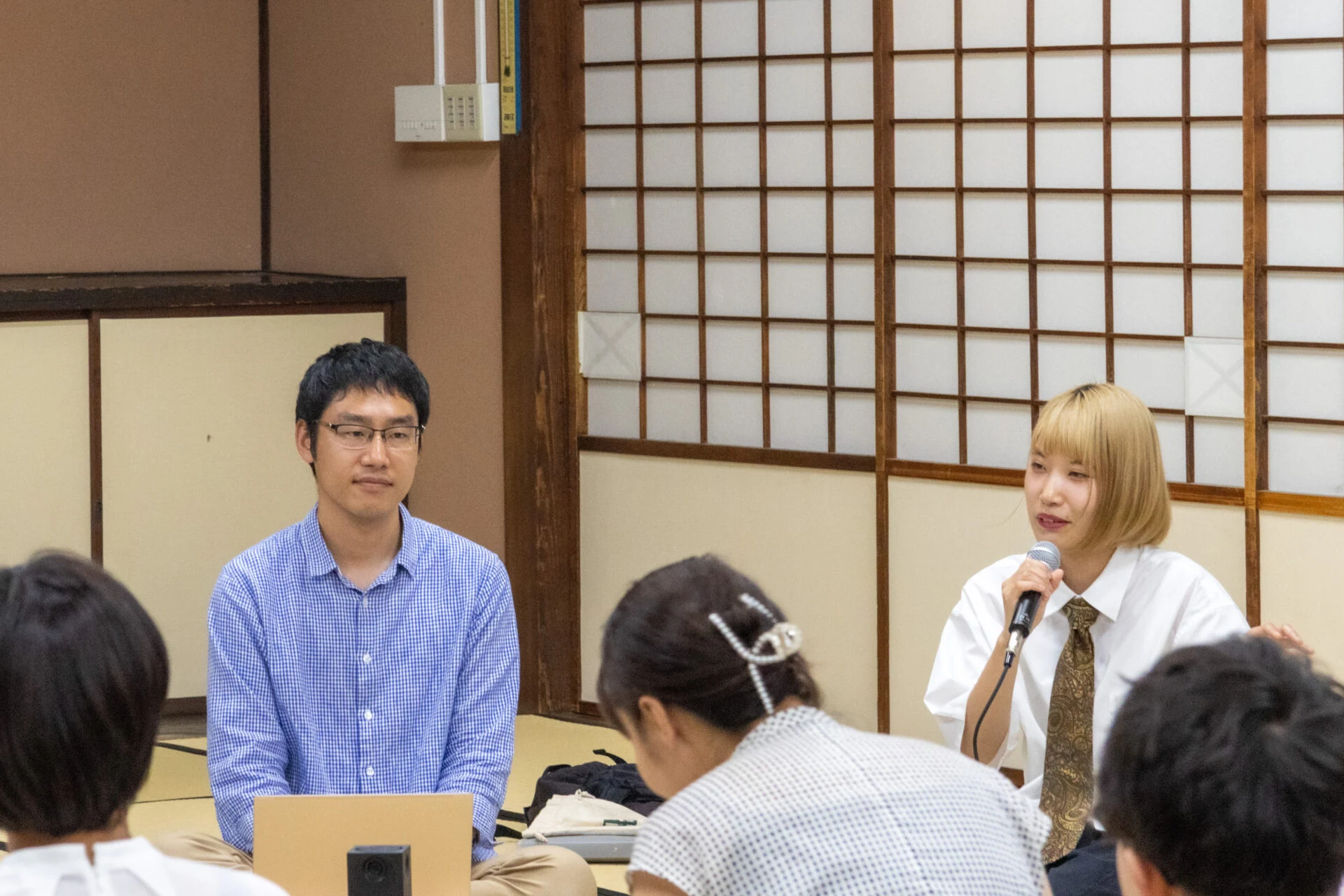
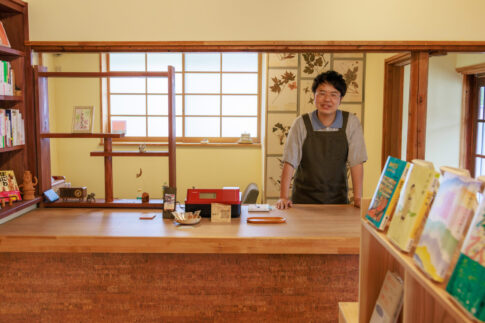
Sawae renovated a vacant house in the central urban area of Kurashiki and opened "Library Cafe Hitohi" in April 2025.
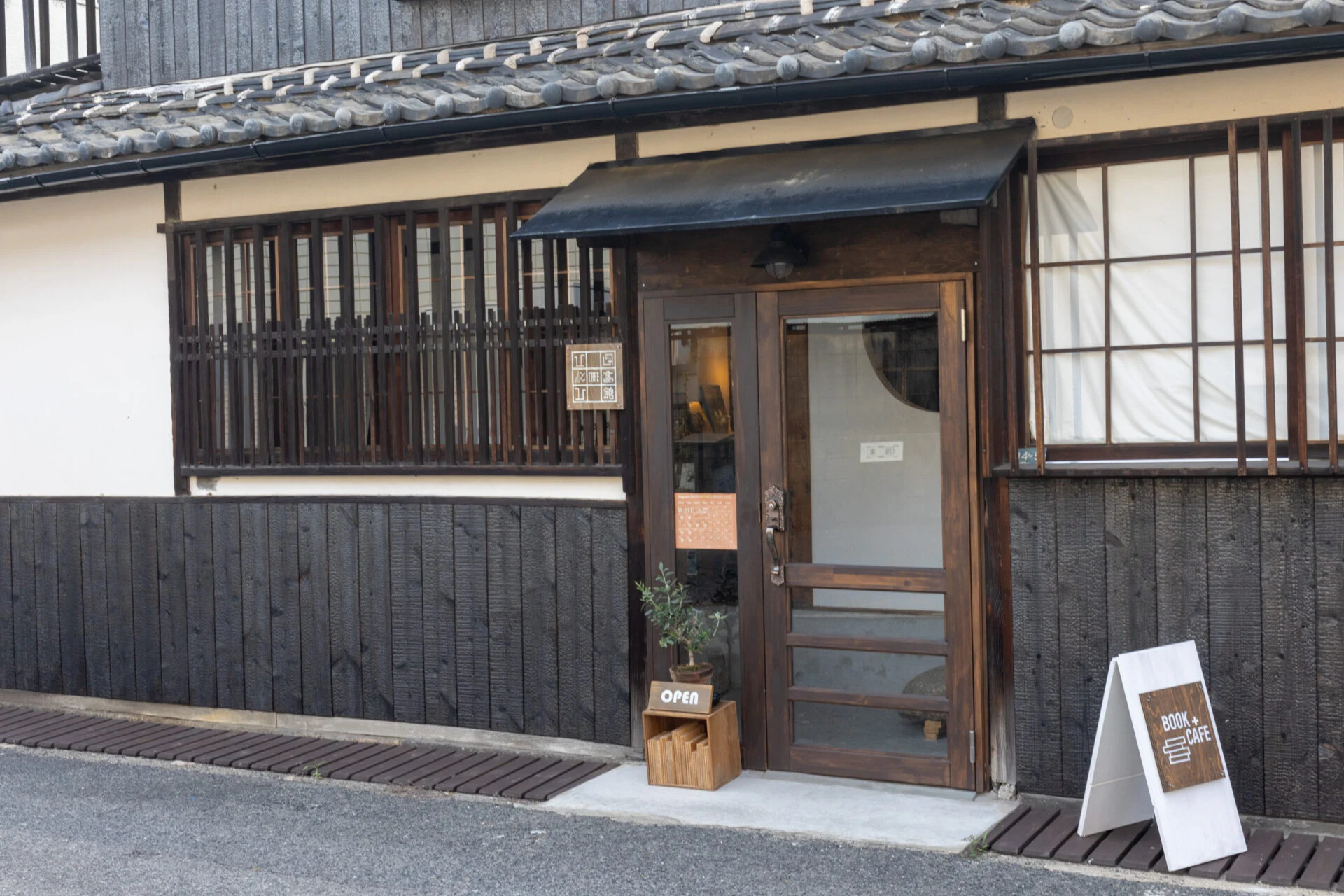
The concept of the cafe is a shared library cafe with individual book boxes, where users can become bookshelf owners (monthly fee) and have their own bookshelves.
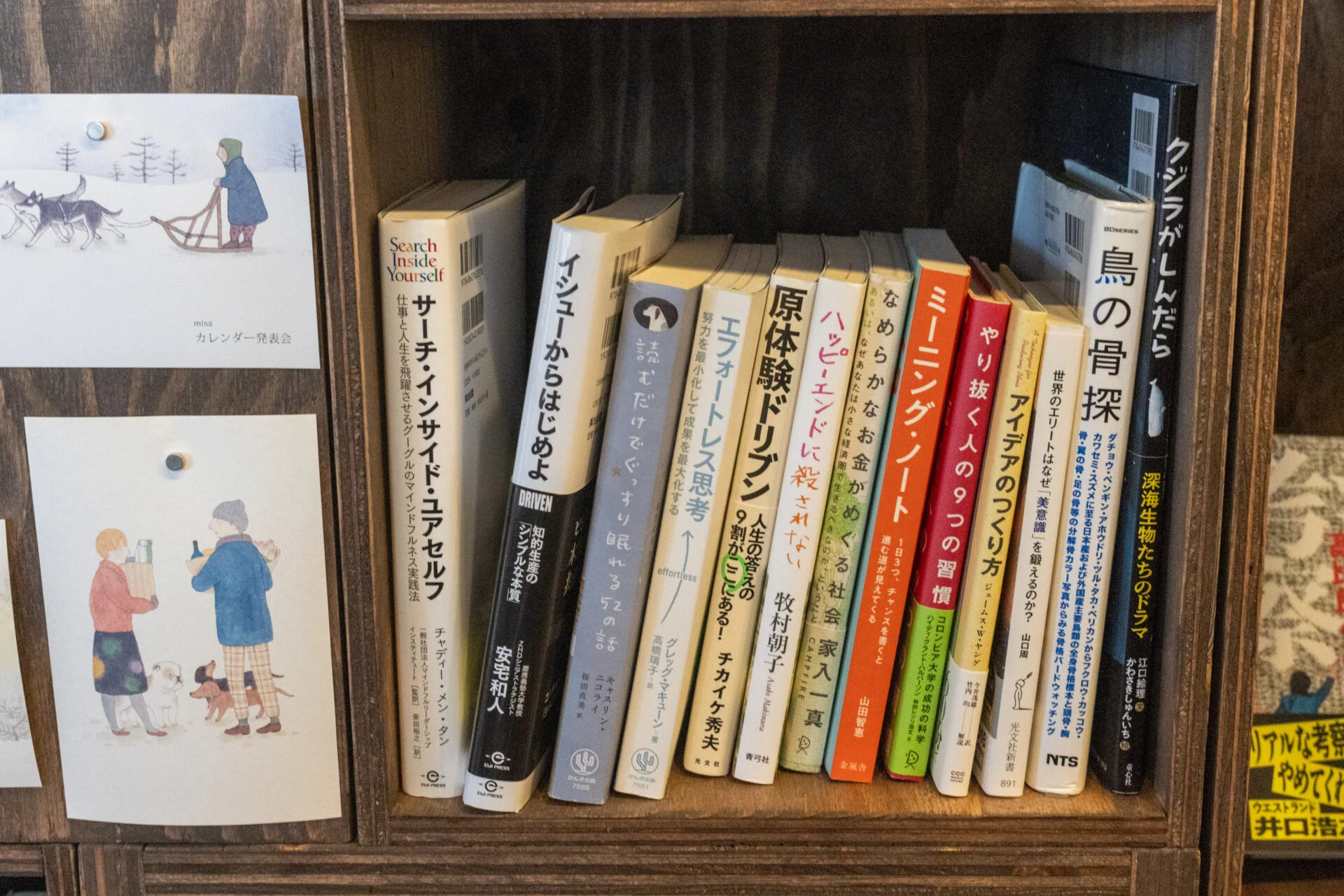
The unique bookshelves of the owners serve as a platform for self-expression and an indirect community. Sawae expressed her hope that the diverse books displayed on the shelves would serve as a bridge connecting people who gather at the cafe.
In the main discussion, Nezu asked Sawae, "Do you have any connections with public libraries such as Kurashiki Central Library?"
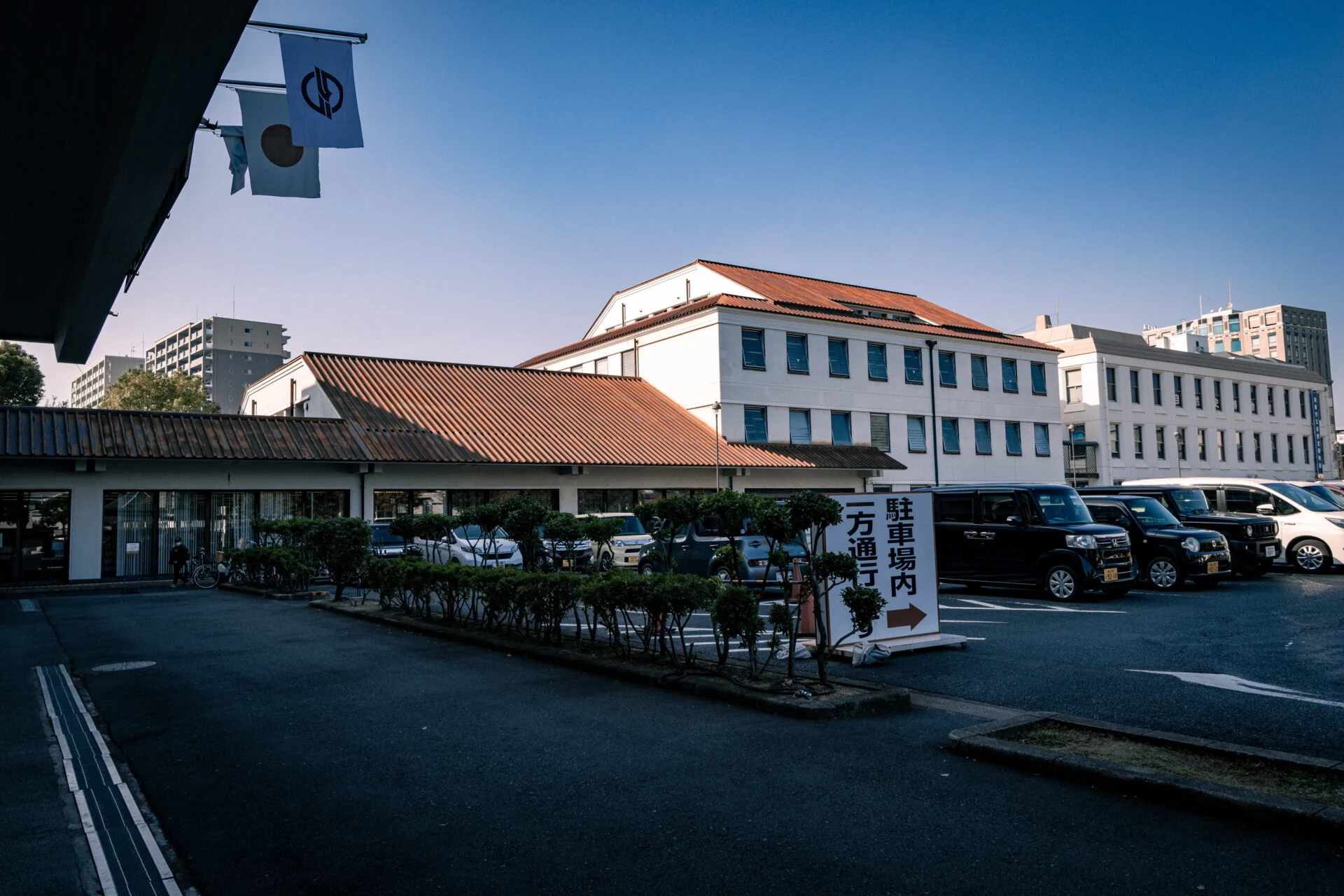
Currently, there is no connection with public libraries, but there was a discussion about how it would be interesting to collaborate in some form in the future.
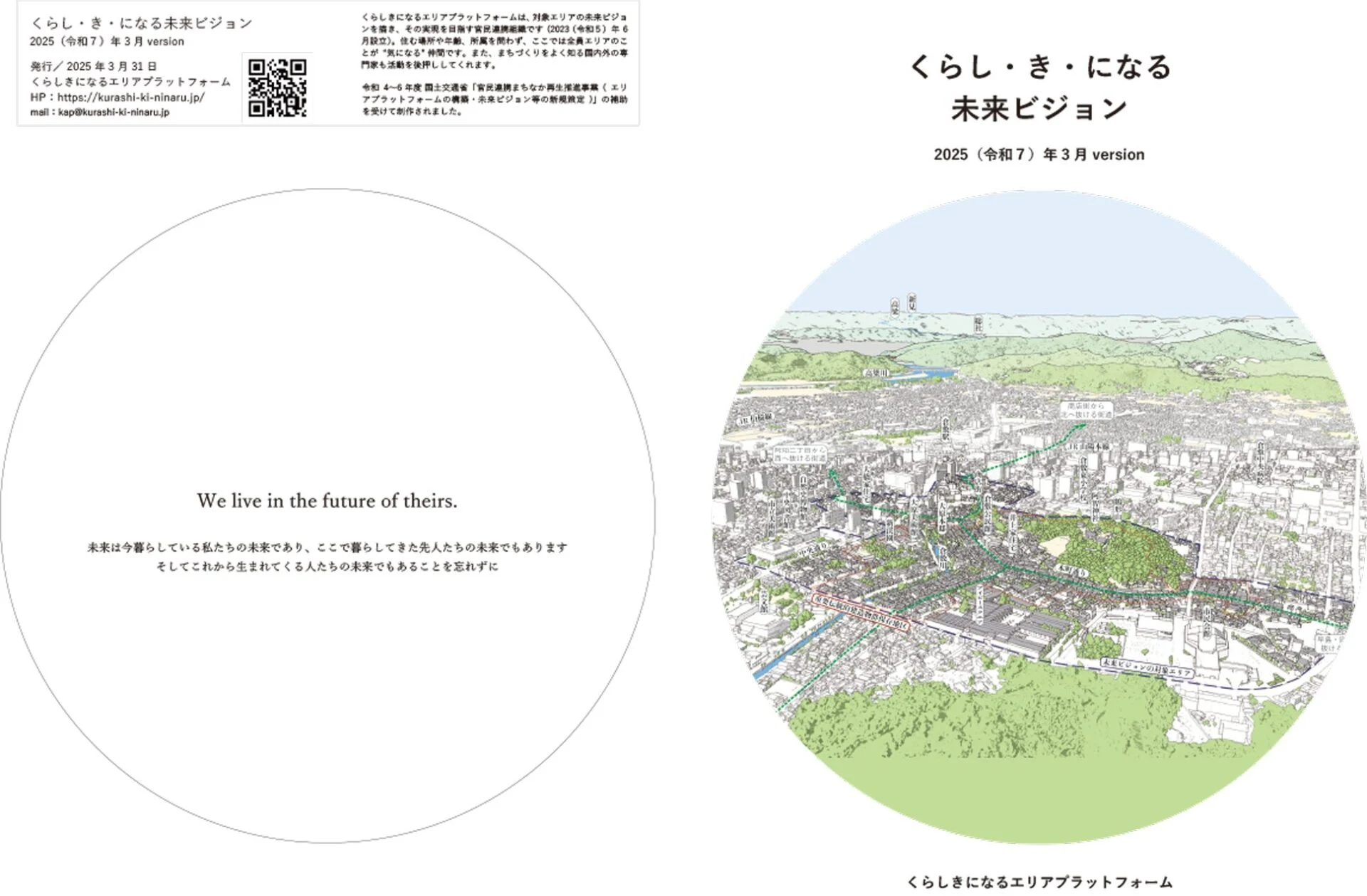
Additionally, there was an explanation from Professor Naruse about the "Kurashi Ki ni Naru Area Platform," in which he is actively participating as a committee member, regarding the "Kurashi Ki ni Naru Future Vision" formulated in March 2025.
Conclusion
The fact that 25% of the Netherlands' land was created through land reclamation made the author feel a commonality with Okayama, which has also developed vast agricultural land through reclamation since the Edo period.
However, what differs from Japan is the natural environment.
Unlike Japan, which has been surrounded by rich nature since ancient times, the Netherlands originally had little land, no mountains, and insufficient living space or farmland.
Therefore, I felt that the high awareness of individuals regarding environmental issues, stemming from their interest in how to utilize the land they have expanded through reclamation and concerns about the flooding of reclaimed land due to global warming, may have led to a "bottom-up" consciousness.
From the example of Amsterdam in the Netherlands, I also felt that there is still room for experimental urban development in the Kurashiki shopping district by effectively utilizing vacant houses.
Recently, there have been cases like the "Achi Festival," where unique events are held by neighborhood associations.
I hope that the future of Kurashiki will become even more interesting through diverse perspectives and approaches driven by citizens.
Data for the Amsterdam Bottom-Up Experimental City Publication Commemorative Lecture
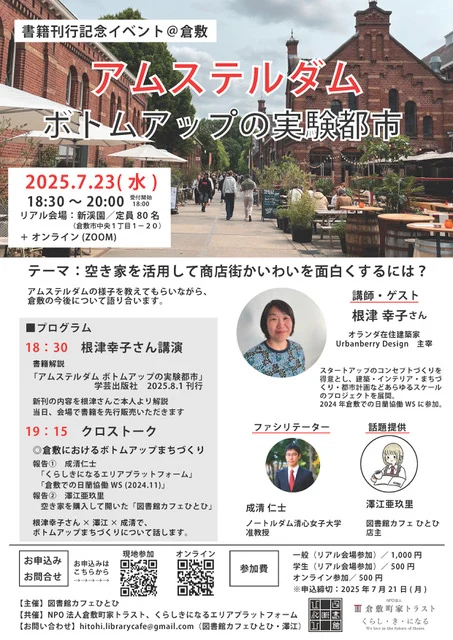
| Name | Amsterdam Bottom-Up Experimental City Publication Commemorative Lecture |
|---|---|
| Date | July 23, 2025 (Wednesday) 6:30 PM - 8:00 PM |
| Location | 1-1-20 Chuo, Kurashiki City, Okayama Prefecture, Shinkei-en Garden |
| Participation Fee (Tax Included) | General (In-Person Participation) / 1,000 yen Students (In-Person Participation) / 500 yen Online Participation / 500 yen |