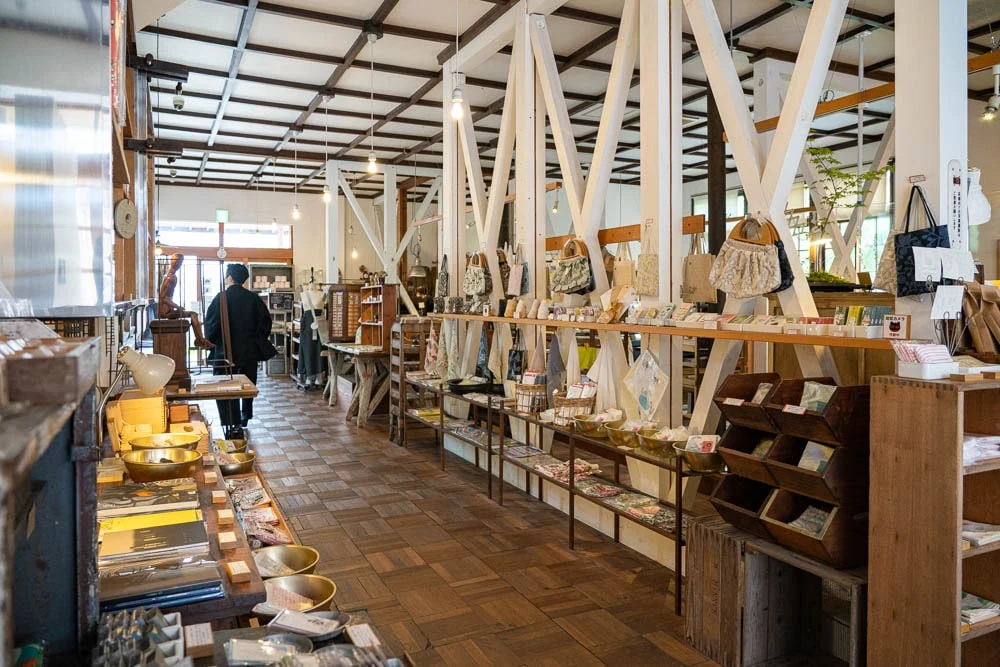
Interview
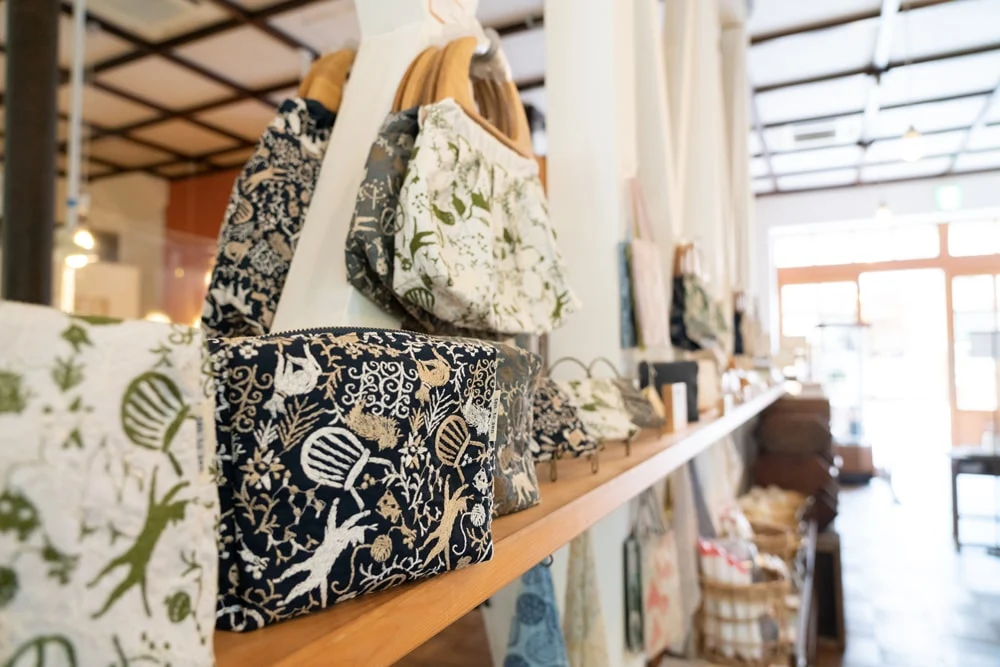
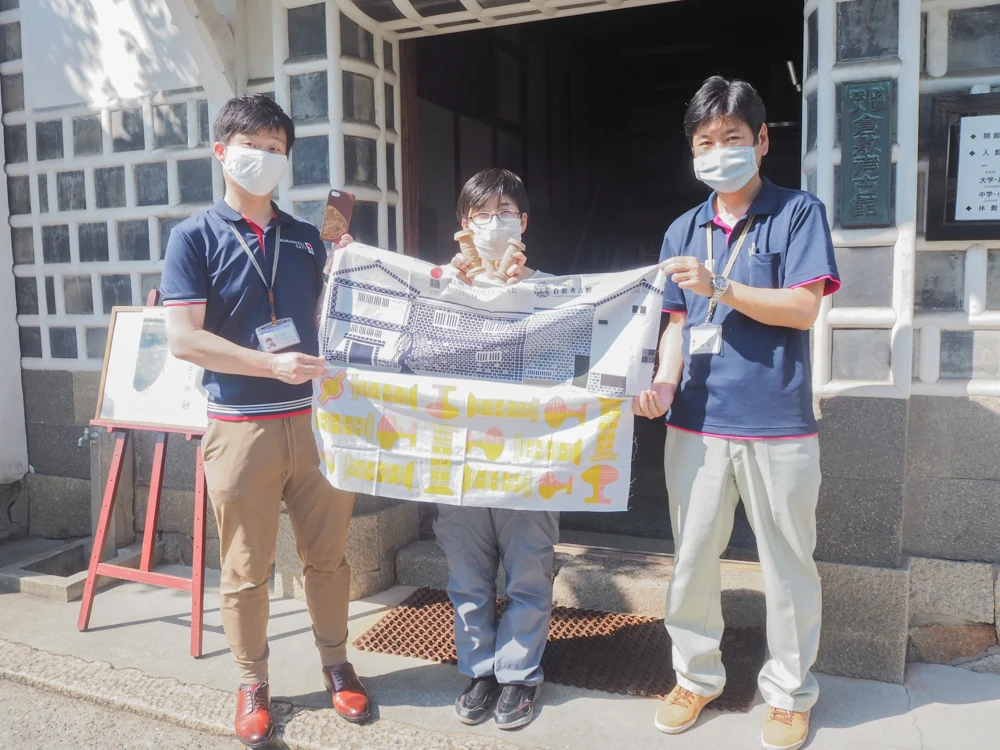
Please tell us about the history of Kurashiki Design Planning Office and Kurashiki Design Achibranch.
Tanabe (no honorifics)
We started in 1981 as a silk screen printing factory.
At that time, we were doing OEM (manufacturing products for other brands) for another company, printing T-shirts and so on.
A few years later, we began wholesale sales of our original fabric goods.
At that time, there was a boom in miscellaneous goods, and what was sought after was to chase after what was selling well.
We presented at international exhibitions, and because the response was good, we expanded the series.
However, by the time we presented at the exhibition six months later, many cheap products made to look similar were circulating in places like China.
It was unavoidable, but I thought, "I want to do something different."
What to make and how to sell it.
In those two points, I thought it was okay to stop doing things I didn't like.
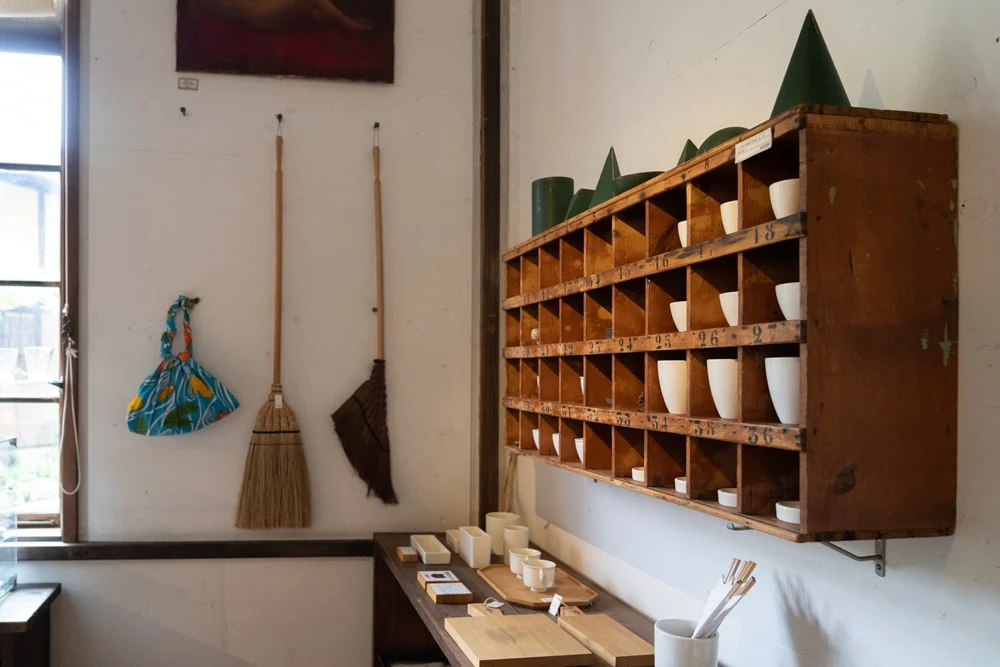
We made sure to include the production background in the catalog.
When the background is properly conveyed, it is completely different from imitated products.
It’s about resonating with the meaning and being discovered, that kind of image.
The image has become closer to what it is now about 20 years ago (in the 2000s).
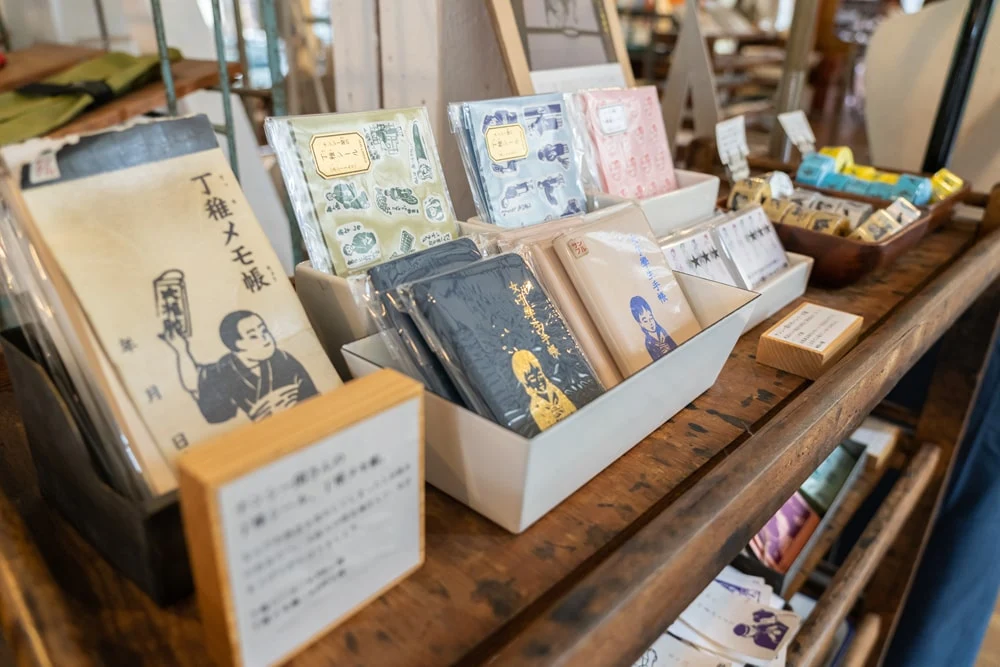
For a while, we only did product planning and wholesale sales.
Naturally, the products placed in each store are only a small part.
There was no place to see the whole range of products, so no one knew what Kurashiki Design Planning Office was making.
We have been asked many times to open a tenant store in department stores in front of stations, not just in Okayama, but I found nothing that piqued my interest.
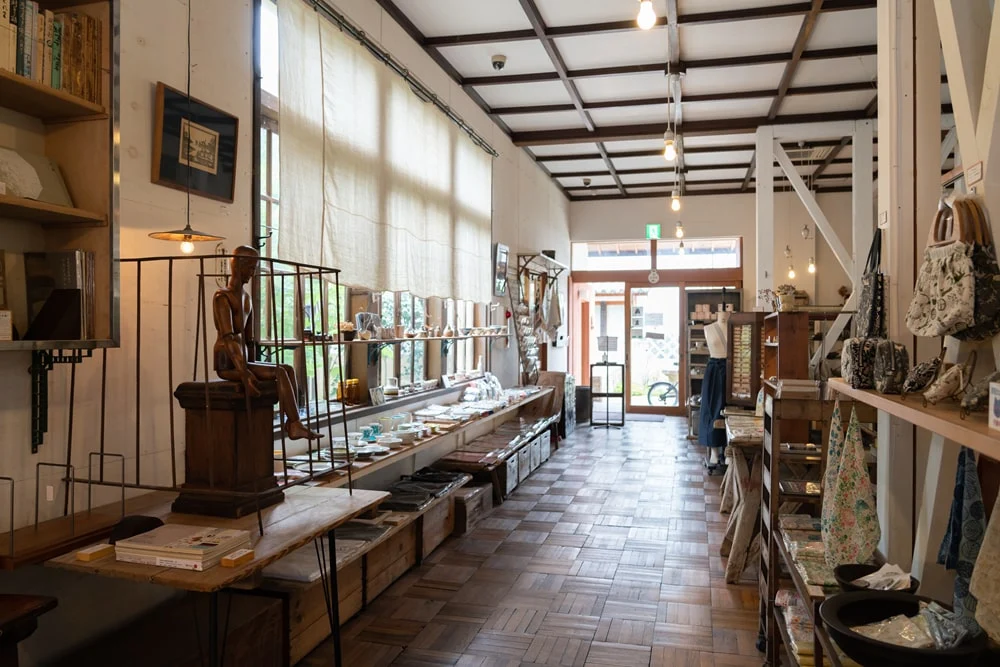
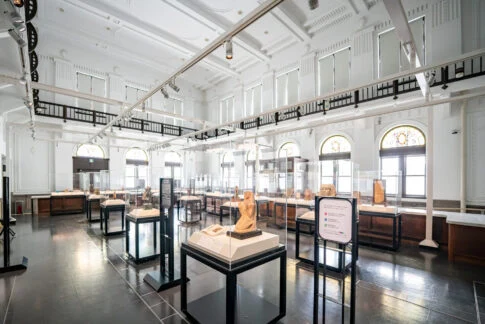
About 10 years ago (around 2010), when I was approached by Hayashi Genjuro Pharmacy Museum, I asked what the reason and intention behind creating the facility were, and I thought I would take a look first.
When I saw the building, it was really good. I thought this was the place.
At that time, many of the customers were from urban areas, and very few people in Kurashiki even knew the name.
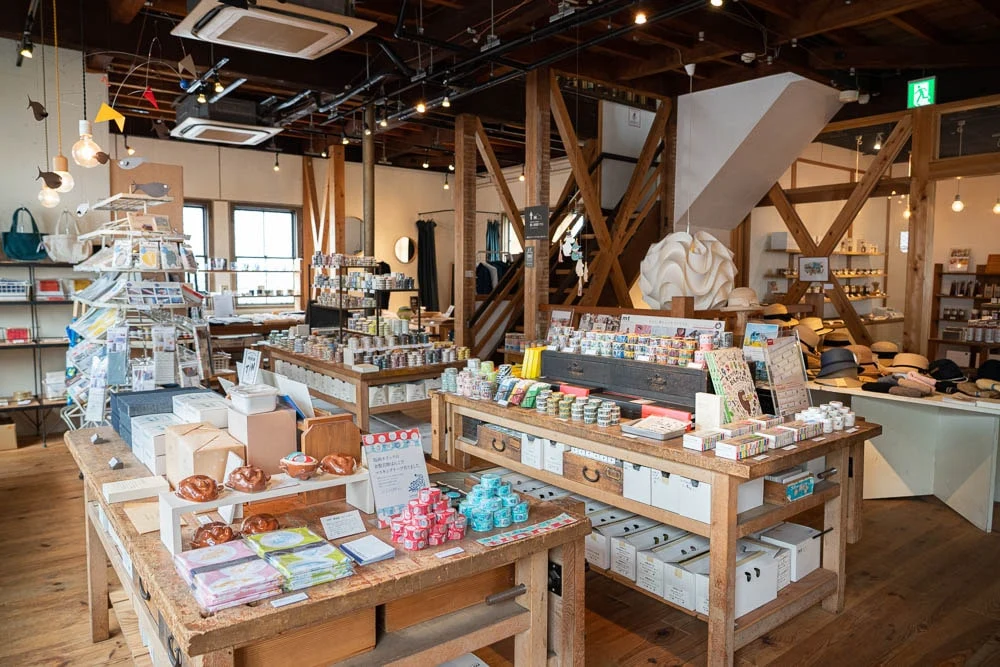
I thought, "If I miss this opportunity, I might never be involved with my hometown again," so I decided to open a store at Hayashi Genjuro Pharmacy Museum.
This year (2021) marks the 10th year.
Do you have any criteria when planning products?
Tanabe
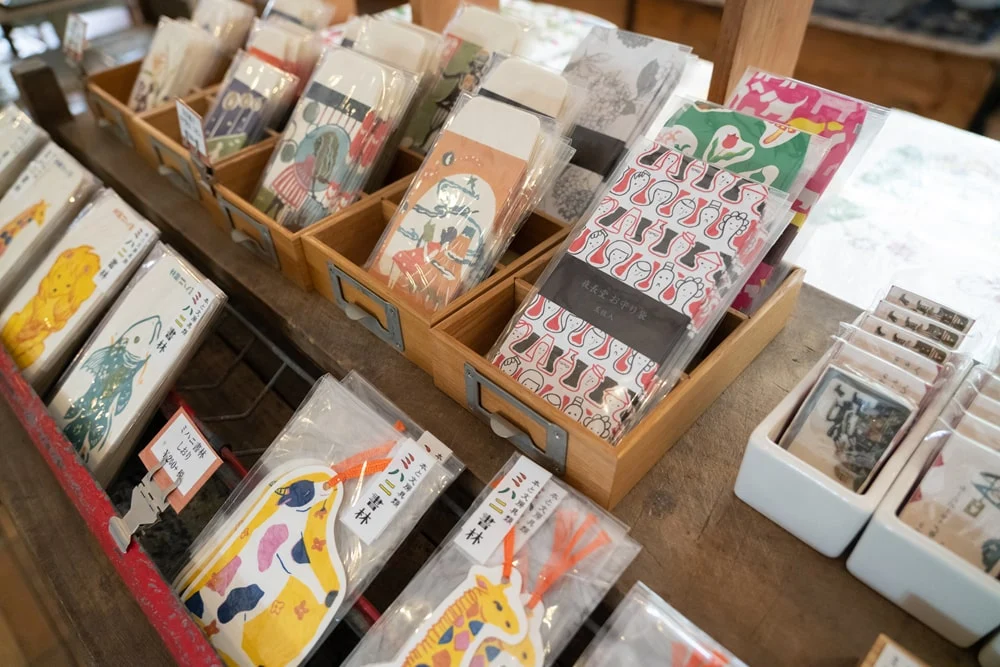
It’s what I like.
Even if I like it, I avoid things that are already widespread in the market.
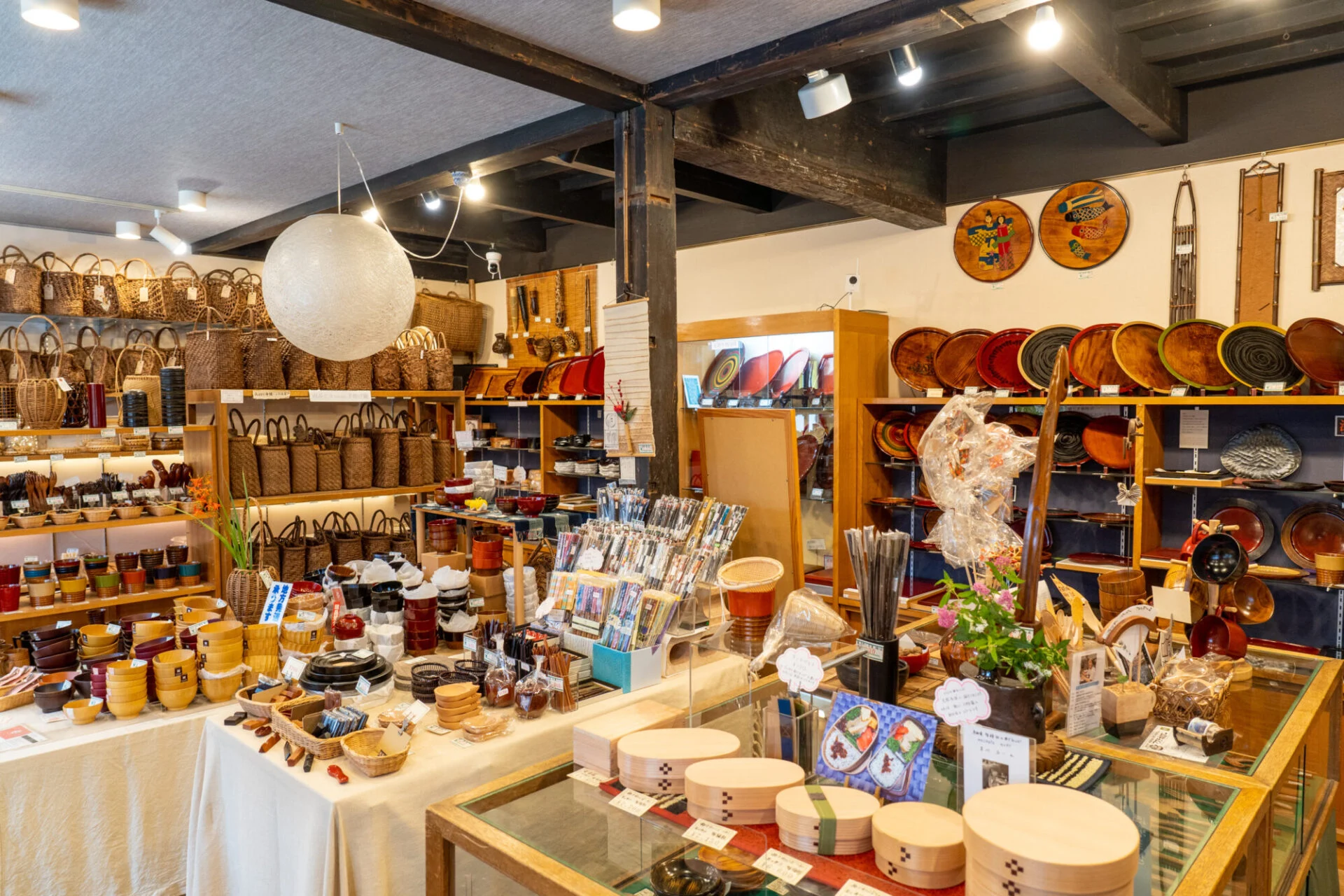
We create with the help of local factories and artisans, and we properly convey "who made it and where it was made".
How many people work at Kurashiki Design Planning Office?
Tanabe
There are 7 people in the company and 5 in the store.
That's a small number.
Tanabe
If the scale becomes too large, we need to increase sales volume.
Then, we have to prioritize making things that will be accepted in the market.
That is not what we desire, so I think "we should not scale up".
Can you tell me about some of the products?
Tanabe
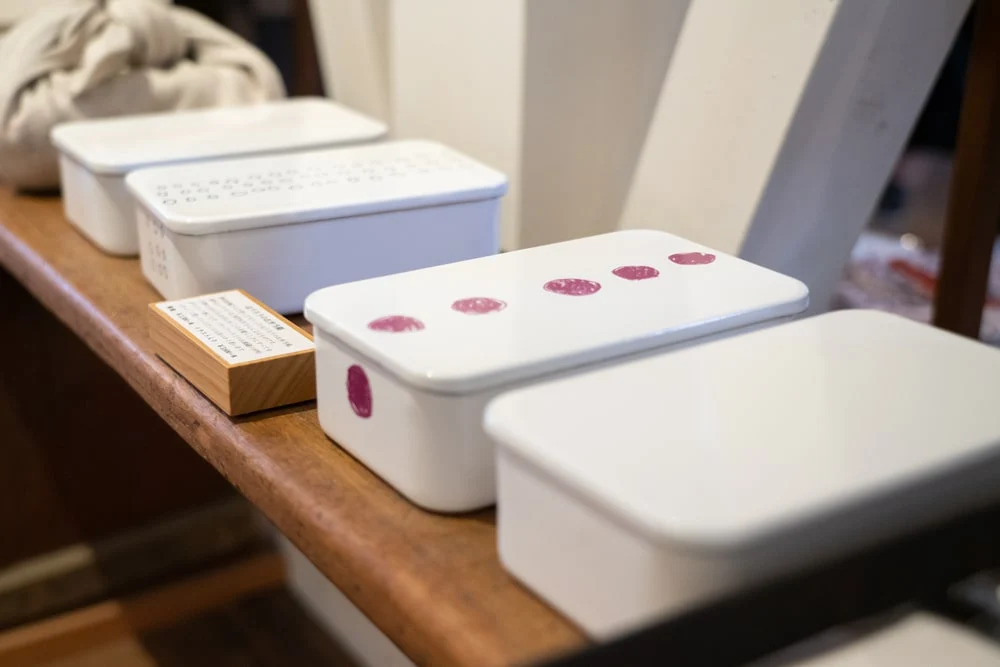
The Noda Horo lunch box is a product from a long time ago, but it is still popular.
Enamel is a material that has a glass-like glaze baked onto the surface of metal.
There are still a few companies in Japan that make large enamel products like bathtubs and system kitchens.
However, there are only a few companies, including Noda Horo, that make small enamel products like daily goods.
In Japan, they are on the verge of extinction.
Most of the enamel products like pots seen in miscellaneous goods stores are made in China or Southeast Asia.
Enamel has many advantages, but it can break if dropped, and rust can occur.
In terms of convenience, it cannot compete with stainless steel.
However, there are people who love this enamel atmosphere.
It’s not just about functionality.
We create for those who love it.
Due to the aging of artisans and other reasons, many manufacturing techniques are becoming difficult to inherit.
I want the manufacturers to remain.
What we can do may be small.
Even so, if we can create products that people who think they are nice want to buy and they sell.
Are there any products that you can no longer make?
Tanabe
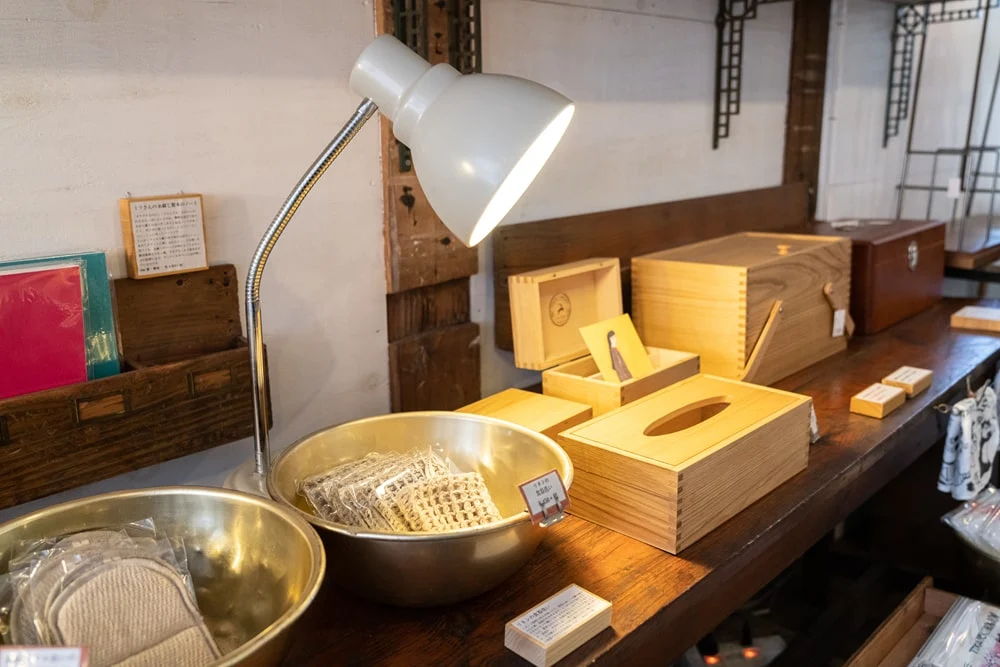
The aluminum desk light is one of them.
It is made using a technique called "spoon drawing," where both the shade and the base are shaped by hand using a lathe.
Similar desk lights exist in nationwide chain lifestyle brands.
They are made using a press method in Southeast Asia and are cheap, costing about 7,000 yen each.
The press method can lower the unit price, but the mold costs about 1 million yen each, so only items that can be sold in large quantities can be made.
Metalworking techniques have been refined by responding to delicate demands, such as making only five pieces for a specific person.
It is a technology born from individual responses.
If the shape is the same, there is hardly any difference in appearance between spoon drawing and pressing.
And our desk light costs 16,500 yen including tax. In terms of profit and loss, our product may be a loss.
However, the charm of the product is not just about profit and loss.
People who think this product is nice are willing to pay for the background that cannot be understood just by appearance, such as "I am happy to use this product."
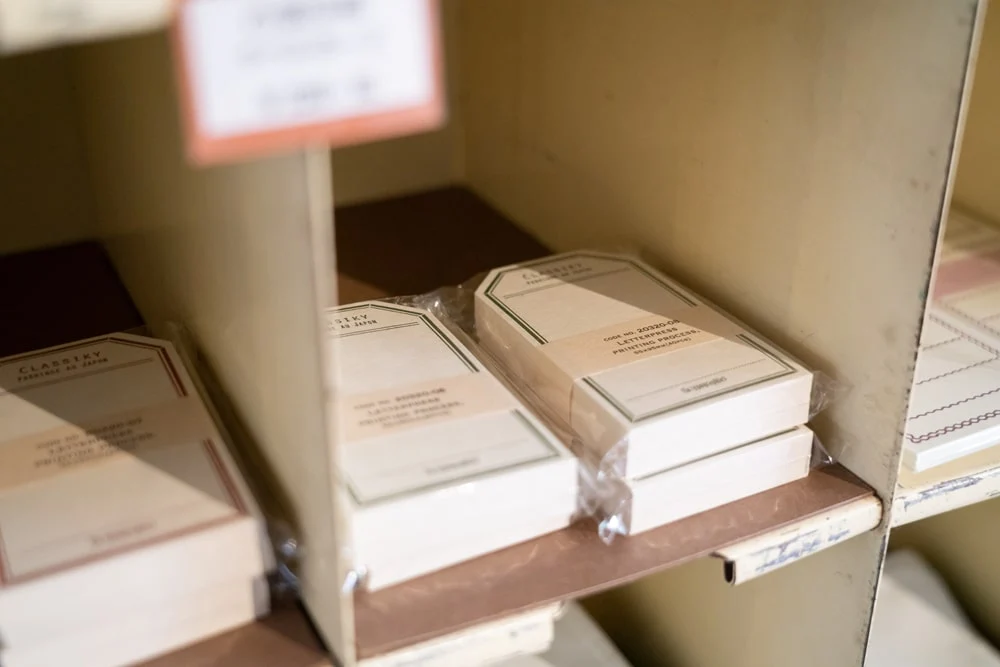
Kurashiki Design also produces many paper products, but the consolidation of paper manufacturers is progressing.
For example, if a manufacturer that makes 100 types of paper merges with another manufacturer that makes 100 types of paper,
then the new company may discontinue 50 types.
That is unavoidable, but the papers we like are usually among the 50 types that are discontinued.
If there are people who want that paper and buy it, it may not disappear.
The number of kilns is also decreasing rapidly.
It is a tough job, and many people say they cannot pass it on to their children.
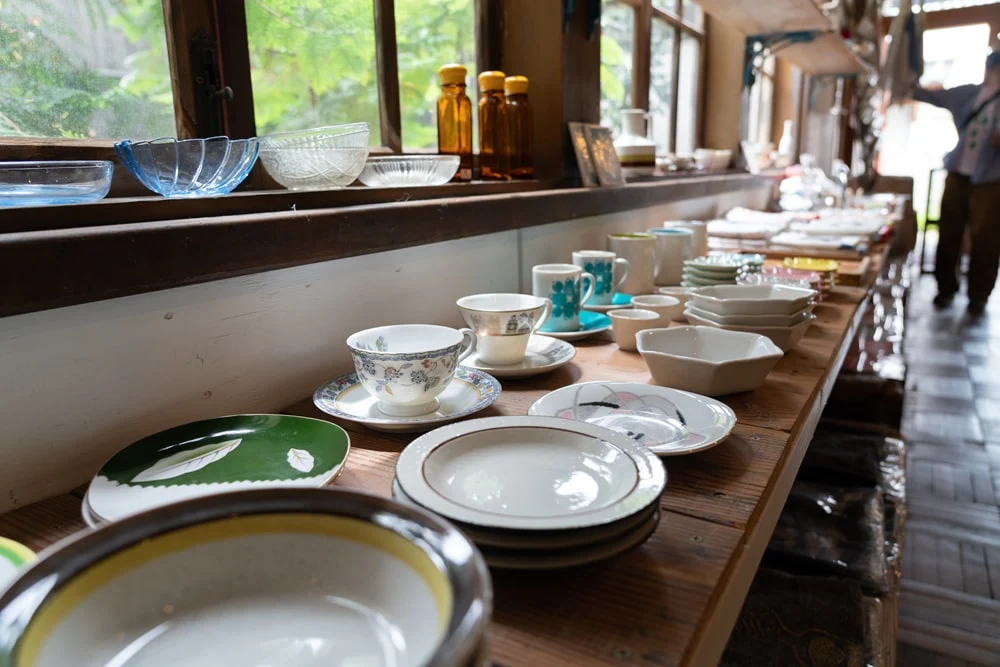
Large-scale mass production in big factories is not a bad thing.
For example, by producing clothes in large quantities for a certain fast fashion brand and selling them worldwide, we have been able to buy very high-quality and high-functioning items at low prices compared to decades ago.
It’s amazing.
However, if everything becomes mass-produced, society will become homogenized.
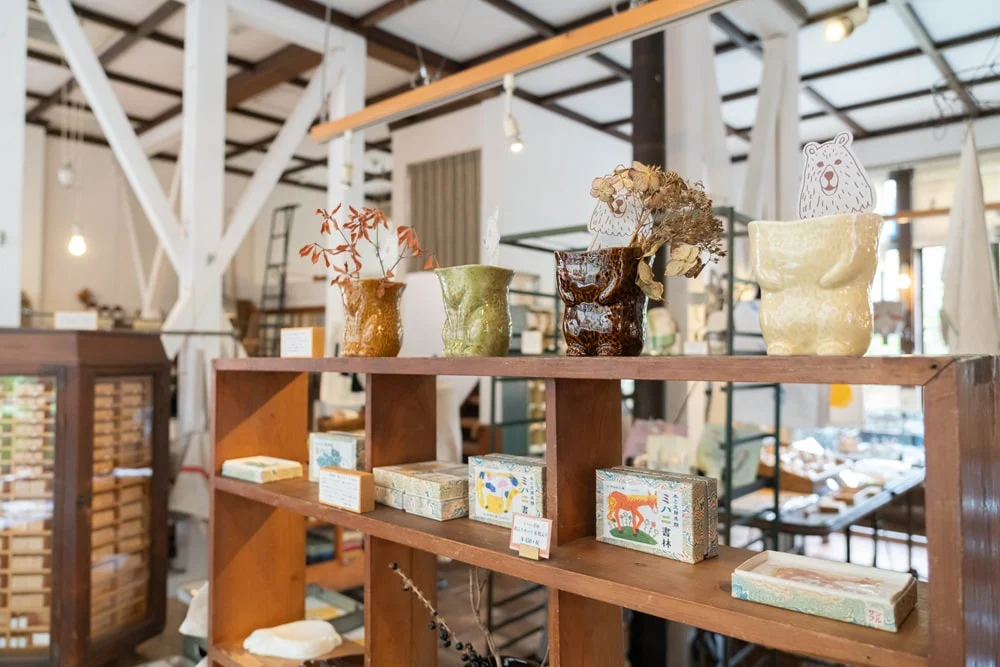
We like things that have some flavor and are interesting.
We create for those who think similarly.
Find your favorites at Kurashiki Design Achibranch
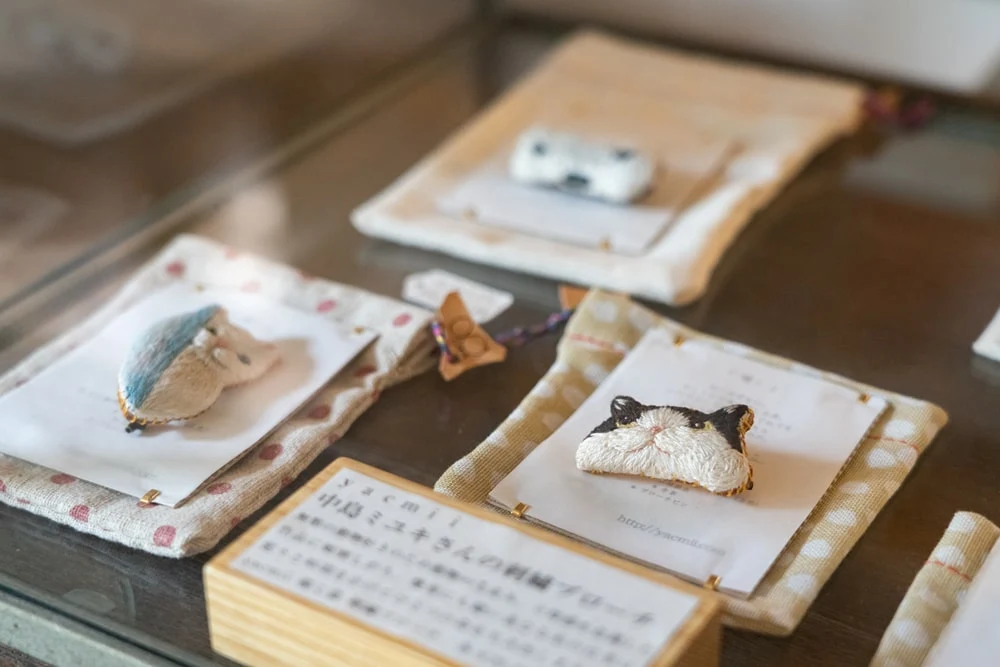
As I listen to your story, I deeply feel the respect for the creators and the love for life.
That is why I think many people resonate with your "good things" and become fans.
Daily goods can be used just for the sake of it.
But if you can spend your days thinking, "I like this item for this reason."
Wiping your hands, serving food — if those casual actions are accompanied by the feeling, "I like using this item,"
every day will surely become a little richer.
Please find the goods that color your daily life.