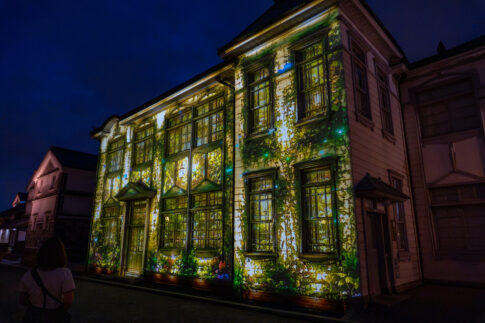
The Bikan Historical Area in Kurashiki City, where the townscape of the Edo period remains vivid.
At the center is the Kurashiki Archaeological Museum, a facility that exhibits many materials related to the Paleolithic era and ancient times.
On August 11, 2021, the Kurashiki Archaeological Museum launched a new initiative by releasing goods related to Japan Heritage.
These goods were realized through a collaborative project between the Kurashiki City Japan Heritage Promotion Council and the Kurashiki Archaeological Museum.
Although they had each produced goods separately before, this is the first collaboration.
We interviewed them about the details of the goods and the points of emphasis from the planning and development stages.
What is the Kurashiki Archaeological Museum?
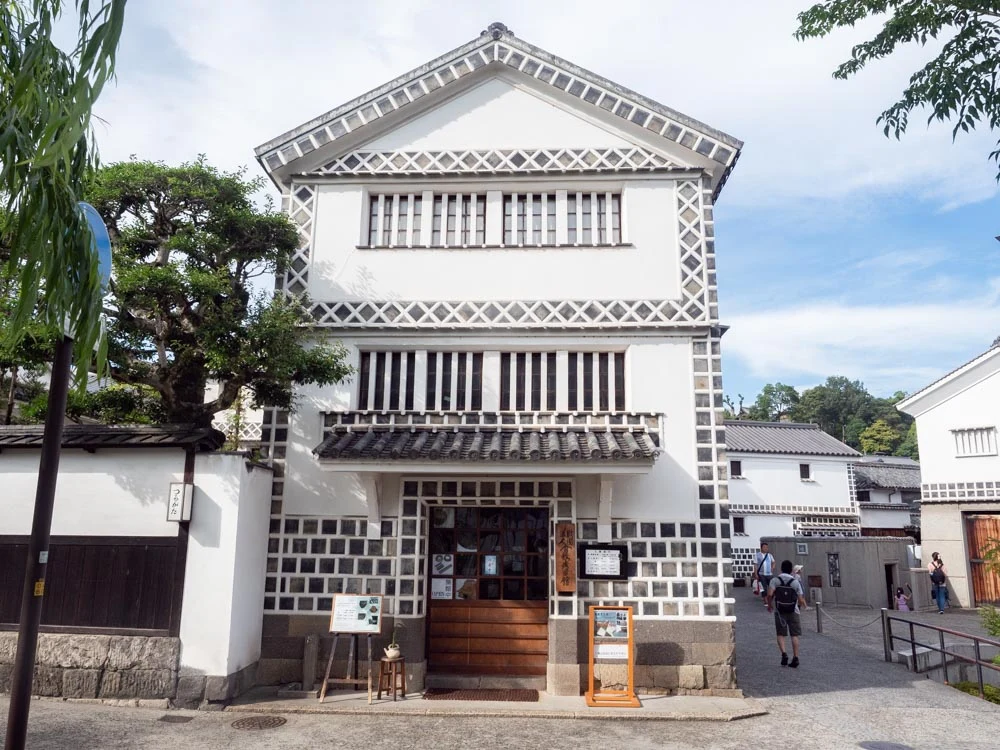
The Kurashiki Archaeological Museum is an impressive building characterized by the "namako wall," a staple of the scenery in Kurashiki.
It exhibits artifacts from the Kibi region and surrounding areas, which spread from Okayama Prefecture to the eastern part of Hiroshima Prefecture.
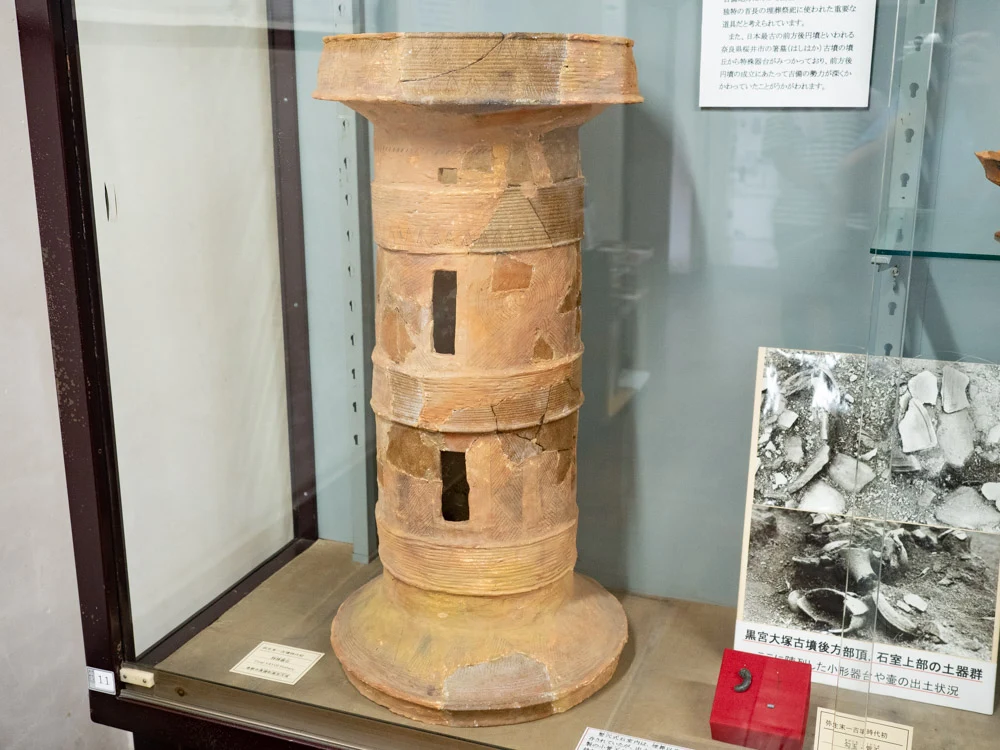
It is an indispensable facility for discussing Japan Heritage, as it also displays the special stand that became the origin of haniwa (clay figures).
In addition, there are also exhibits from other prefectures and regions such as Peru.
Along with the Kurashiki Museum of Folkcraft and the Ohara Museum of Art, which opened around the same time, it is said to be one of the three major cultural facilities in the Bikan Historical Area.
For more details, please read the articles below.
Introduction of Japan Heritage Goods
The Kurashiki Archaeological Museum, which exhibits valuable materials such as artifacts from the Kibi region and its surroundings.
To help local residents and tourists feel closer to Kurashiki and Japan Heritage, they decided to develop and sell goods.
Here are five types of goods created in collaboration between the Kurashiki City Japan Heritage Promotion Council and the Kurashiki Archaeological Museum.
| Product Name | Price (including tax) |
|---|---|
| Archaeological Museum Tenugui | 1,800 yen |
| Special Stand Tenugui | 1,100 yen |
| Bizen Ware Special Stand (Pen Holder) | 1,800 yen |
| Smartphone Case (iPhone 6, 6s, 7, SE (2nd generation)) | 8,000 yen |
| Masking Tape | 350 yen |
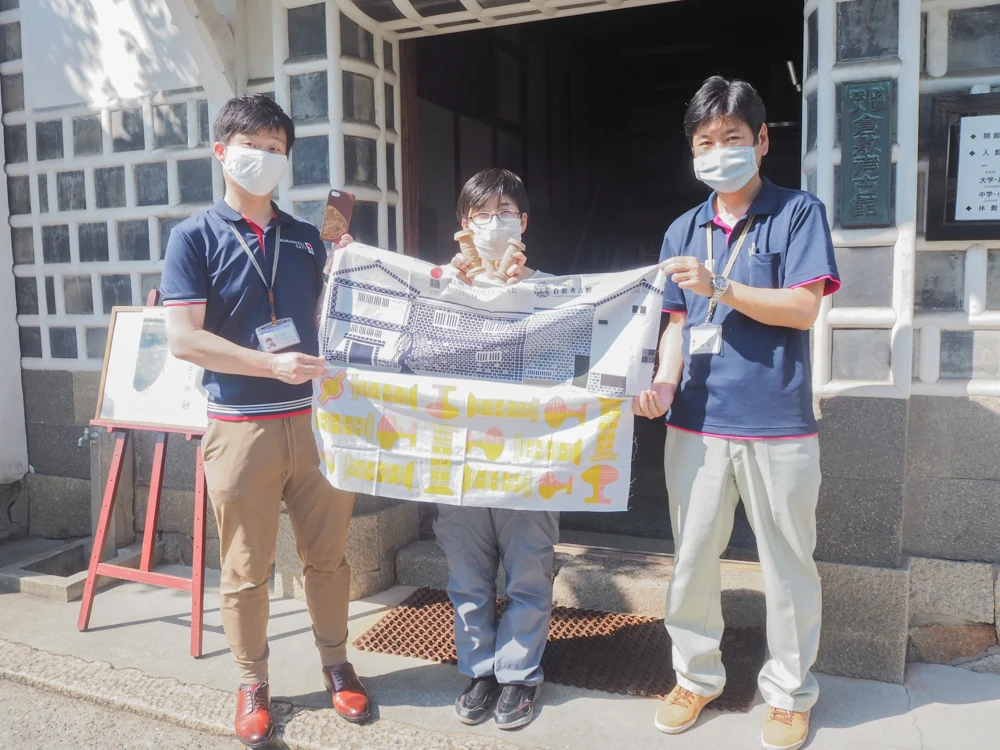
Archaeological Museum Tenugui
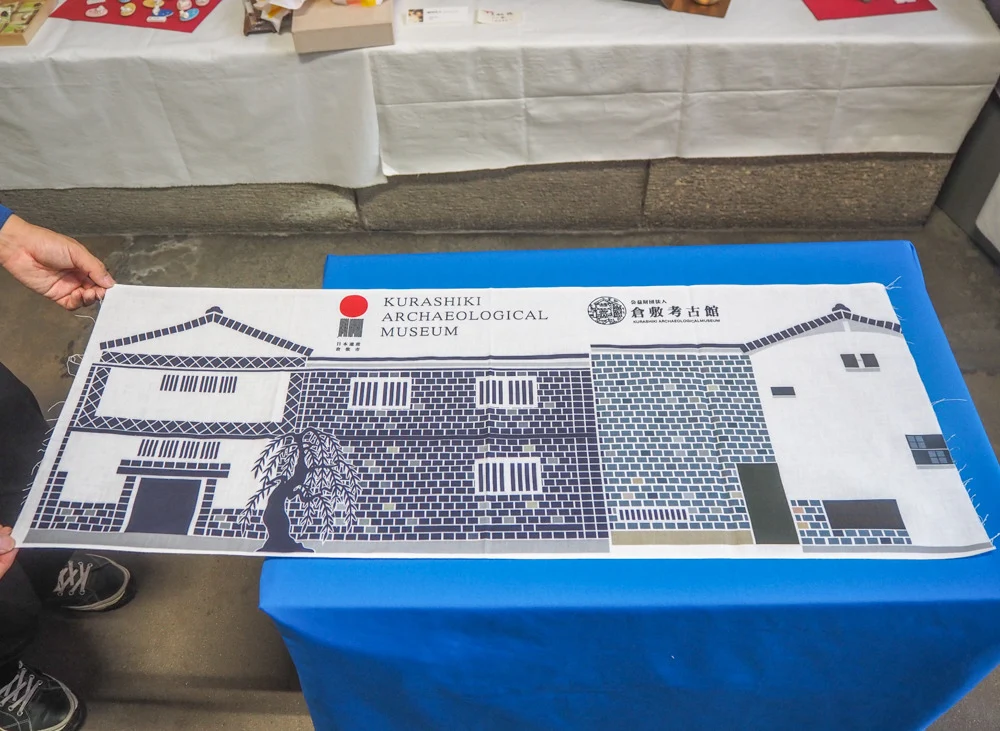
The "Archaeological Museum Tenugui" features a design that symbolizes the townscape of the Bikan Historical Area.
It is a tenugui (Japanese hand towel) that highlights the "namako wall" of the Kurashiki Archaeological Museum.
It seems to be a classic souvenir that you can share with family and friends, saying, "I went to Kurashiki!"
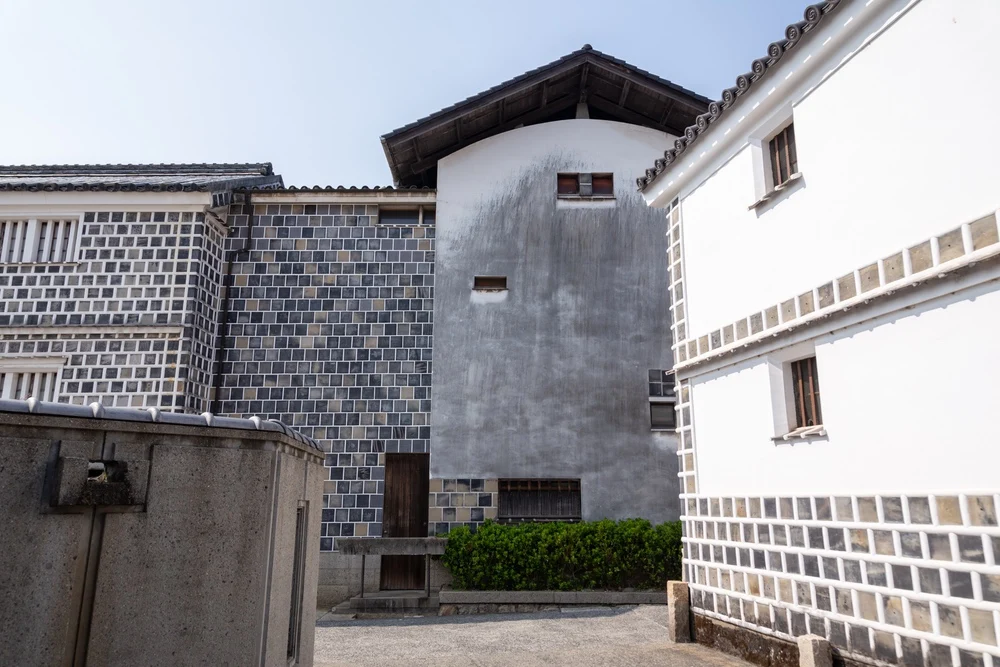
By the way, did you know that not all parts of the Kurashiki Archaeological Museum were built during the Edo period?
In fact, it was expanded in 1957.
Which part, you ask…
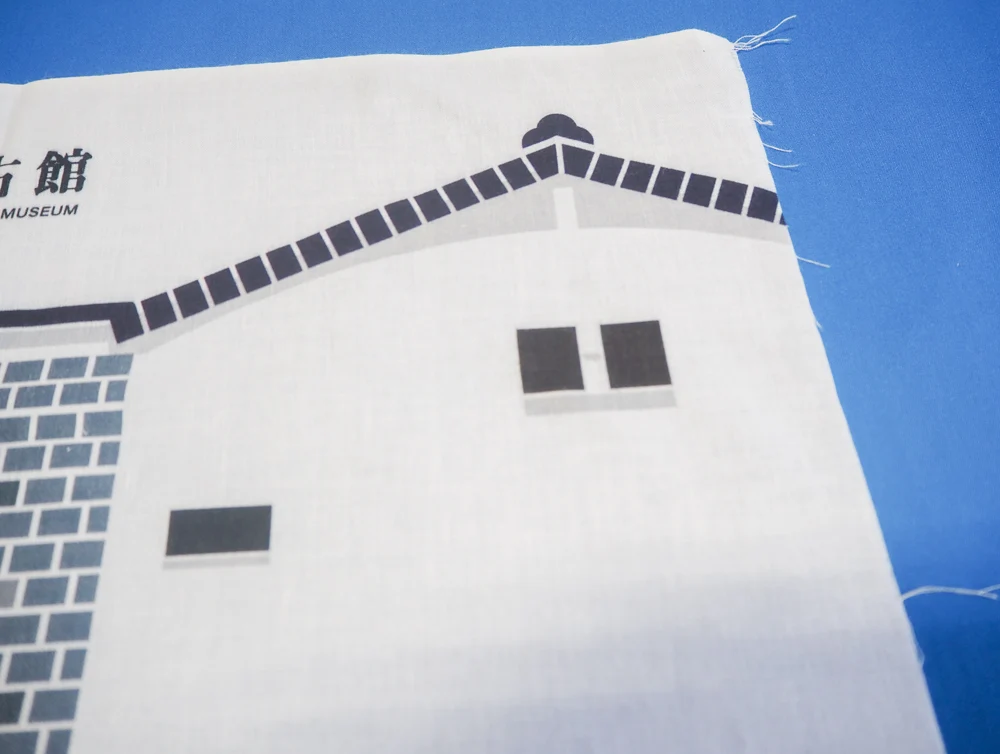
It is the building with the white wall on the right side of the tenugui.
If you pay attention to the roof, can you see the gap between the ceiling and the roof?
This roof is called a "placed roof," which is simply placed on top of a reinforced concrete building.
It has benefits such as insulation and resistance to damage.
Of course, it is also finely reproduced on the tenugui!
It seems like it would be fun to compare it with the actual expansion section.
Special Stand Tenugui
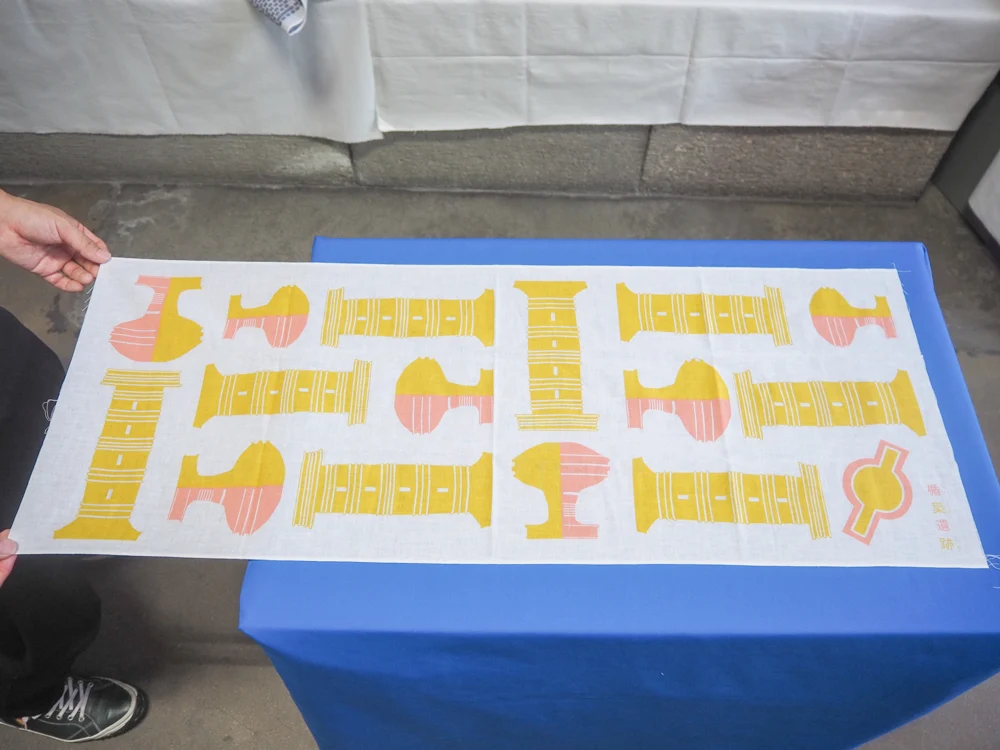
The other tenugui is the "Special Stand Tenugui."
It is characterized by depicting the special stand in vibrant colors.
Its vividness makes you want to pick it up and wonder, "What kind of pattern is this?"
If you look closely, you can also see a pot-shaped earthenware alongside the elongated special stand.
This too was excavated from the ruins.
In the COVID-19 pandemic, when there are many opportunities to wash hands, it seems to be a good item to remind you of Kurashiki's Japan Heritage in your daily life.
Bizen Ware Special Stand
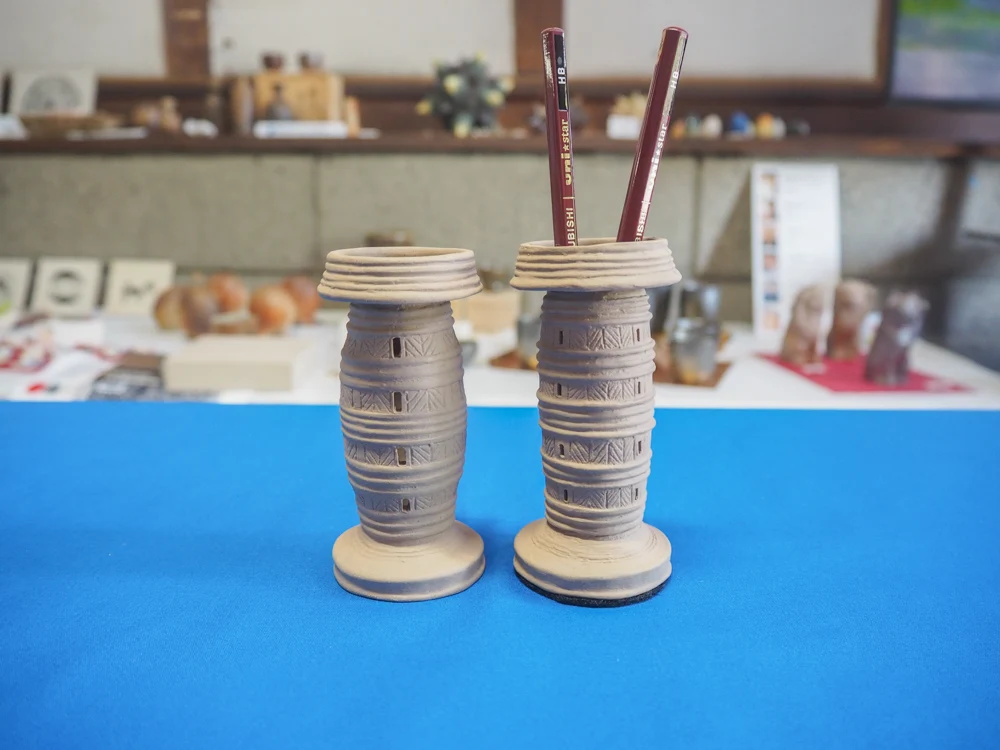
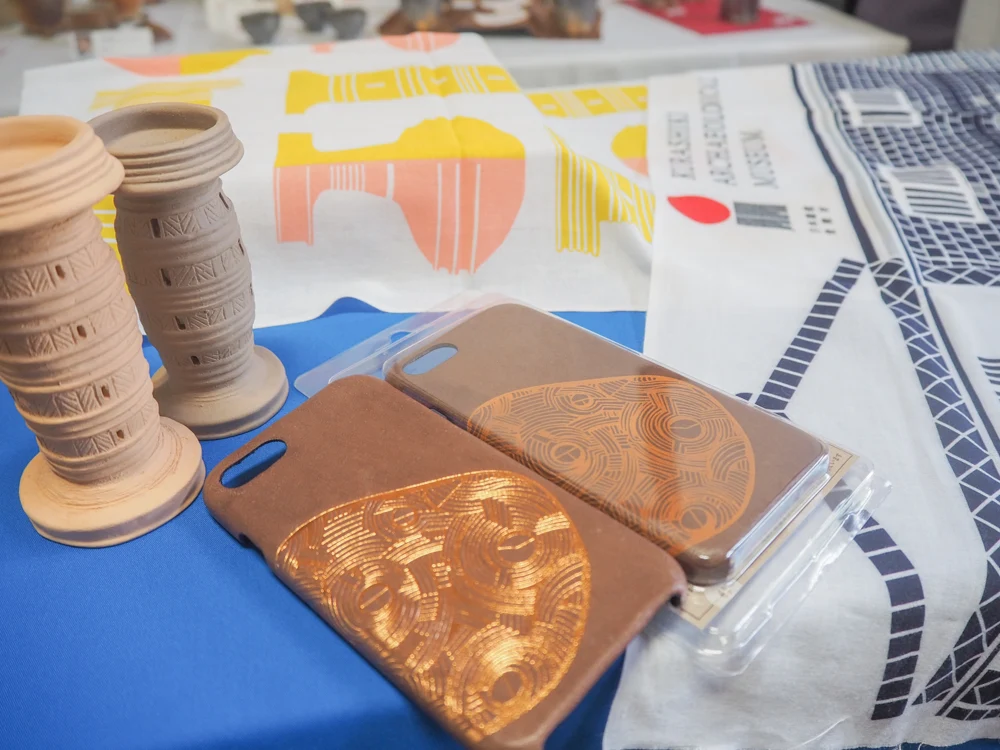
The "Bizen Ware Special Stand" serves as a pen holder as shown in the photo.
The intricate patterns of the special stand are reproduced even more finely than on the tenugui.
It is a nice point that the color scheme would blend well on a work desk.
If you look closely at the two special stands in this photo, can you see that the shapes are slightly different?
Each one is handmade Bizen ware, so there are no identical shapes!
Please compare the various "Bizen Ware Special Stands" lined up at the Kurashiki Archaeological Museum and find your favorite shape.
Smartphone Case
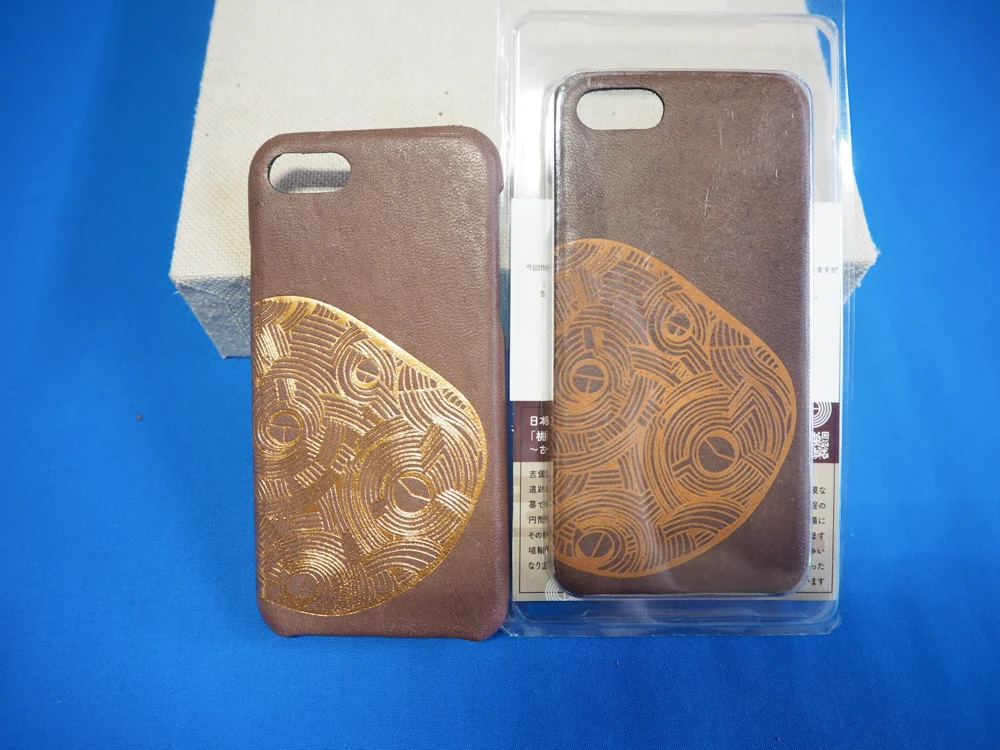
The highlight of the goods is the smartphone case!
There are two types: one with a glossy pattern and one without.
The feature is, of course, the eye-catching large pattern.
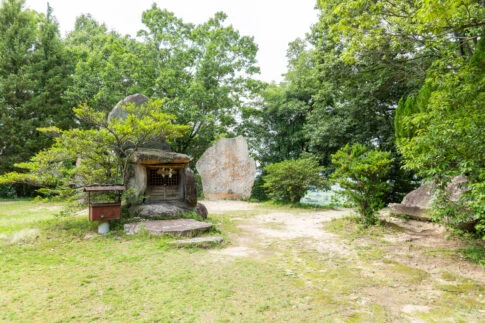
It is a design traced from the Tatetsuki Site, featuring the spiral-patterned stone.
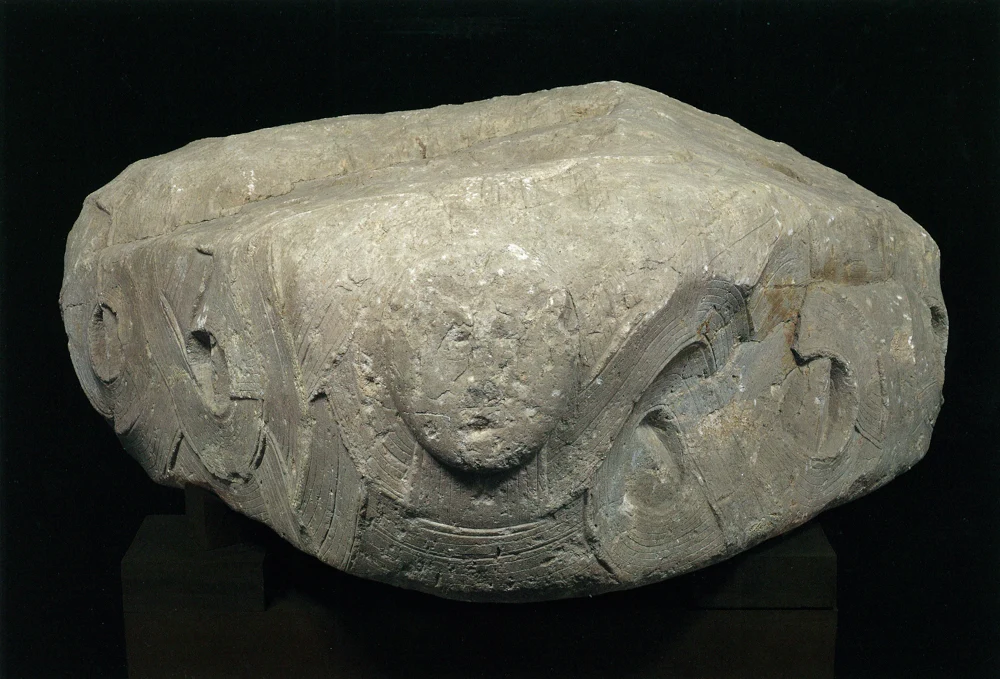
The smartphone case features a pattern seen from above the spiral-patterned stone.
Once, it was enshrined as the sacred object of the Tatetsuki Shrine, which was built on top of the Tatetsuki Site.
Now, it can be seen through the window of the storage room, but it cannot be viewed from above.
When you hold it, please take a look at how the pattern is made.
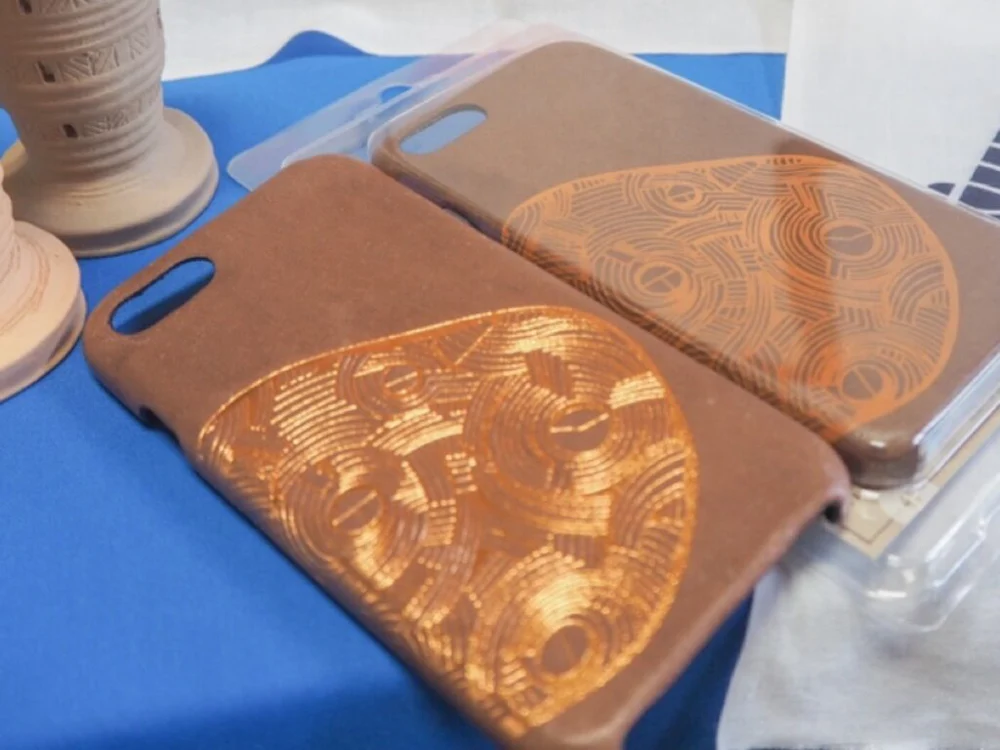
The case itself is made of gibier leather.
Compatible only with iPhone 6, 6s, 7, SE (2nd generation)
The more you use it, the more character it develops.
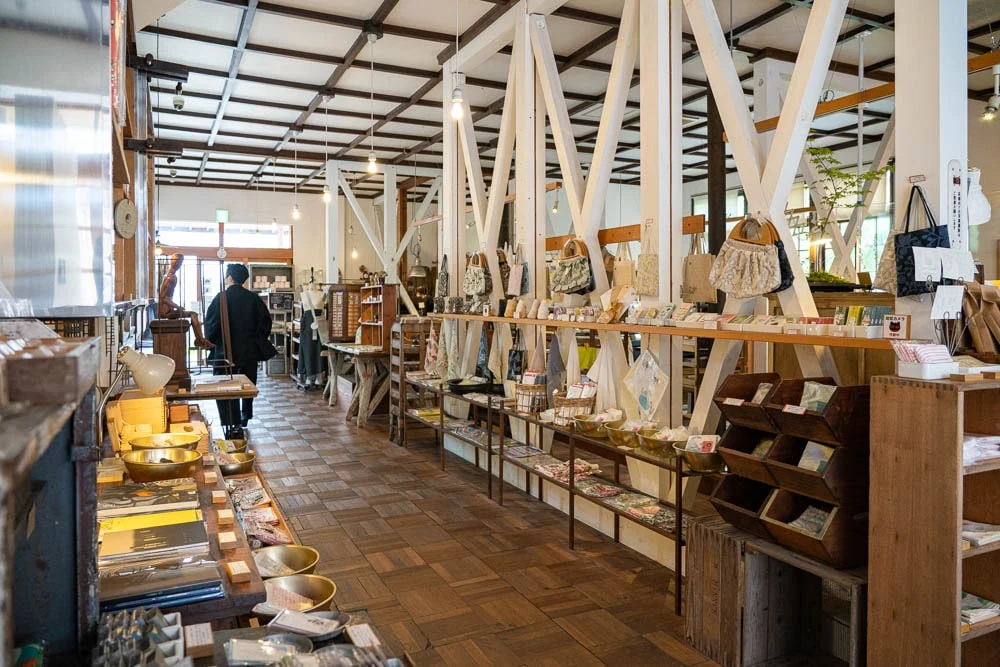
All of these goods can only be purchased at the Kurashiki Archaeological Museum, so please make sure to visit.
Additionally, a classic souvenir masking tape will be released soon.
I am looking forward to seeing what kind of design it will have.
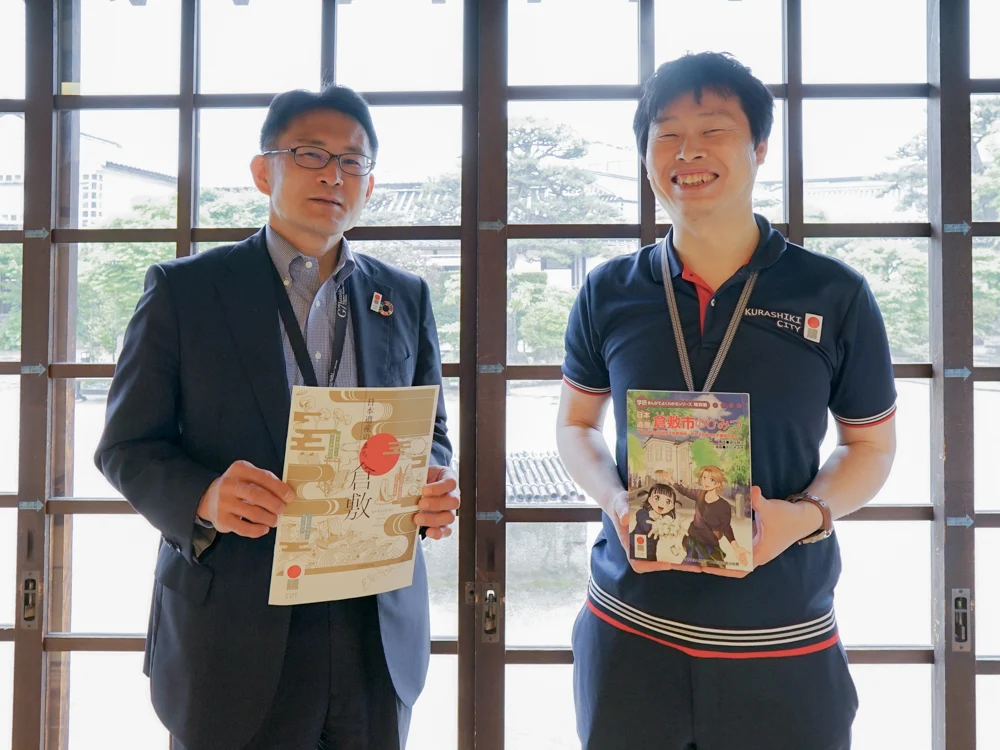
Next, we interviewed Ms. Ban Yuko from the Kurashiki Archaeological Museum and Mr. Ikeda Yasuyuki and Mr. Fujiwara Noriyoshi from the Kurashiki City Japan Heritage Promotion Office about the background and points of emphasis in creating the goods.
Data of the Public Interest Incorporated Foundation Kurashiki Archaeological Museum
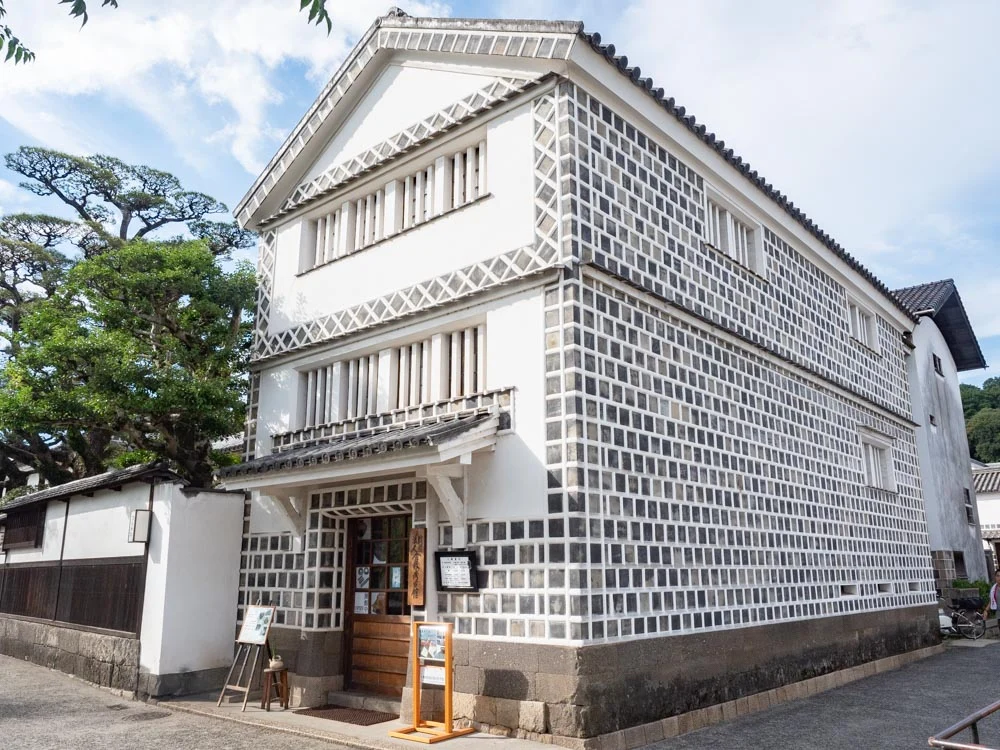
| Name | Public Interest Incorporated Foundation Kurashiki Archaeological Museum |
|---|---|
| Location | 1-3-13 Chuo, Kurashiki City |
| Contact | 086-422-1542 |
| Parking | None None |
| Opening Hours | 9:00 AM - 5:00 PM (Admission accepted until 4:30 PM) |
| Closed Days | Monday, Tuesday Open on holidays Closed during the New Year holidays |
| Admission Fee (including tax) | General: 500 yen (Group: 400 yen) High school and university students: 400 yen (Group: 320 yen) Elementary and junior high school students: 300 yen (Group: 240 yen) Disabled: 240 yen Preschool children: Free ※ Groups are 20 or more ※ Admission fees for special exhibitions may vary ※ Disabled rates require presentation of a disability certificate (applicable to the individual and one caregiver) |
| Payment Methods |
|
| Reservations | Available |
| Smoking | Completely non-smoking |
| Restrooms | Western-style restrooms |
| Website | Kurashiki Archaeological Museum |