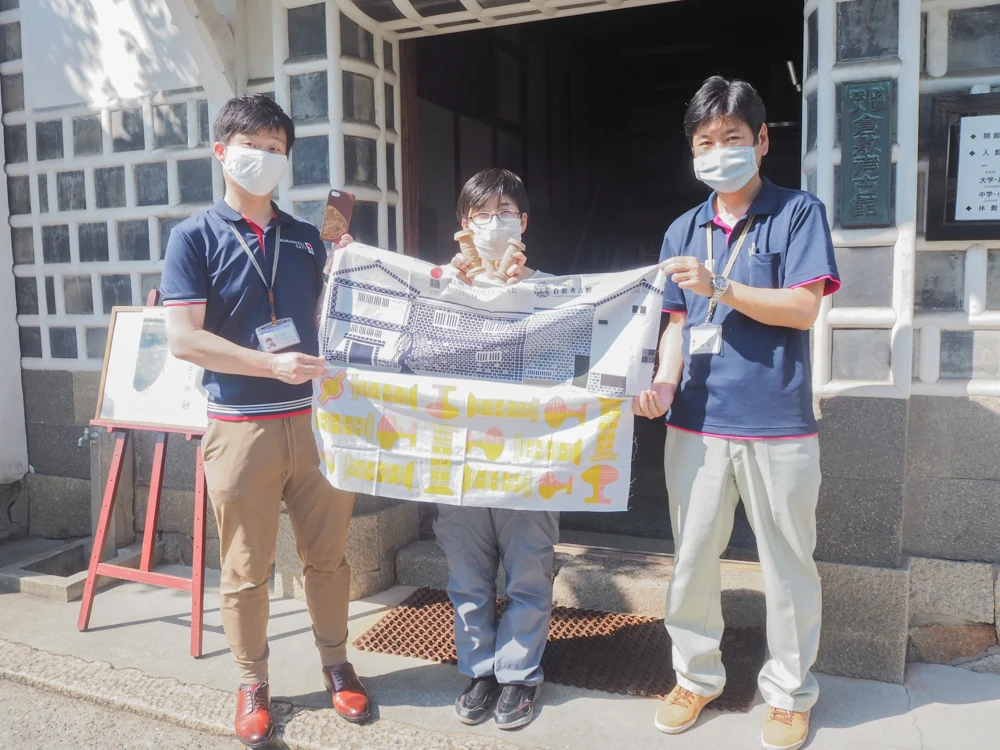
Goods developed with "Japan Heritage x Souvenirs"

Why did Kurashiki Archaeological Museum and Kurashiki City decide to collaborate on creating goods?
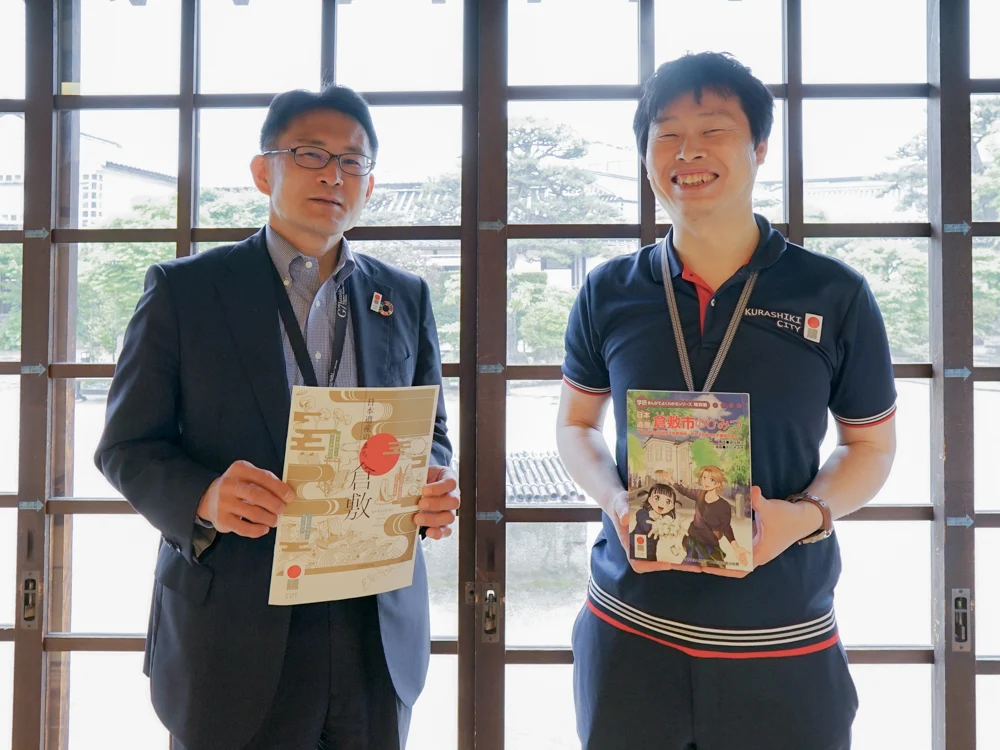
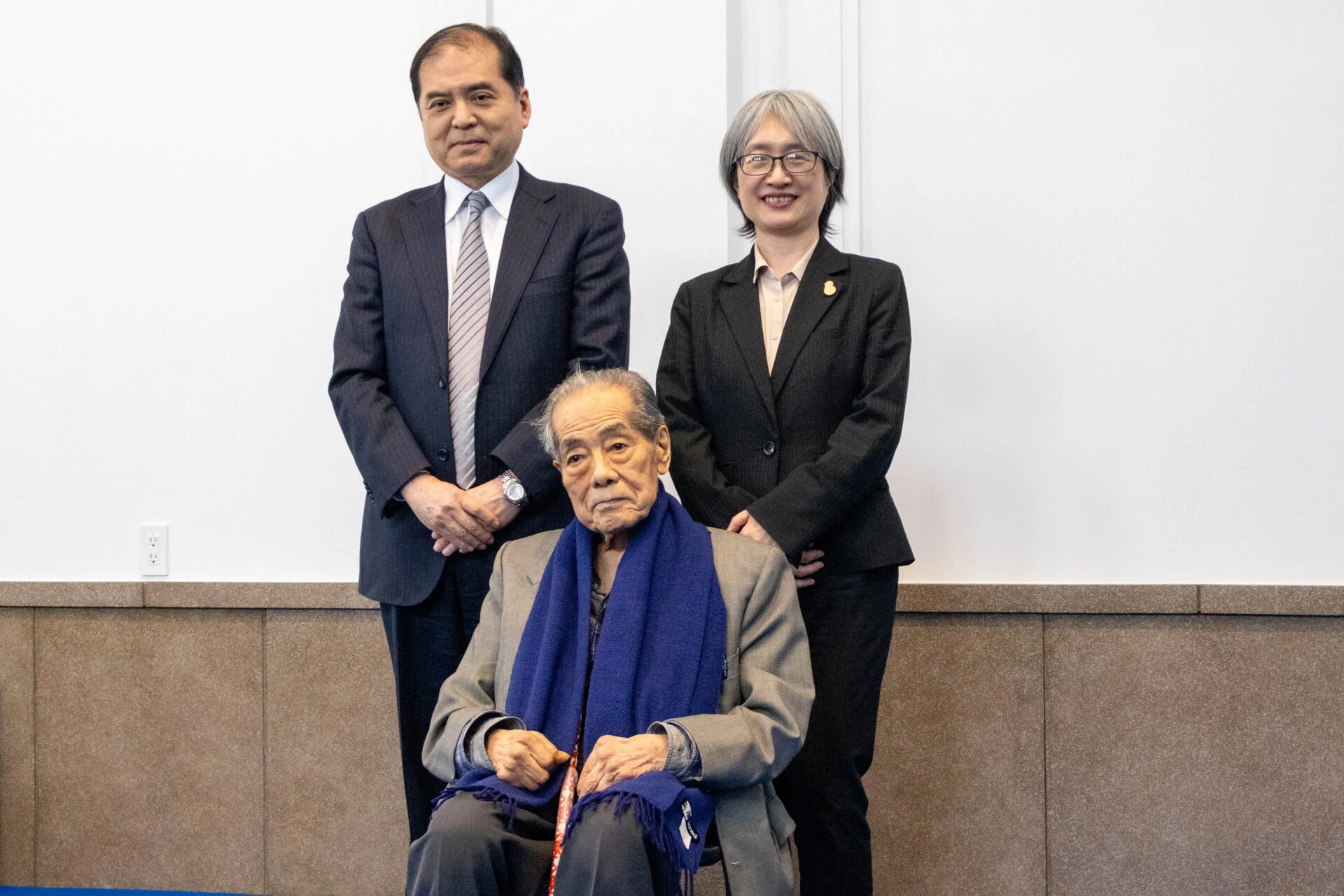
Fujiwara (no honorifics)
Since Kurashiki City and the Archaeological Museum have a partnership agreement, we were thinking about what we could do together.
If we could create goods, it would lead to attracting visitors to the Kurashiki Archaeological Museum and provide an opportunity for people to learn about the strong connection with Japan Heritage.
Although it was our first attempt, we reached the development and sales stage after nearly a year from planning.
I believe we can communicate the connection between Kurashiki and Japan Heritage through a different approach.
Ban (no honorifics)
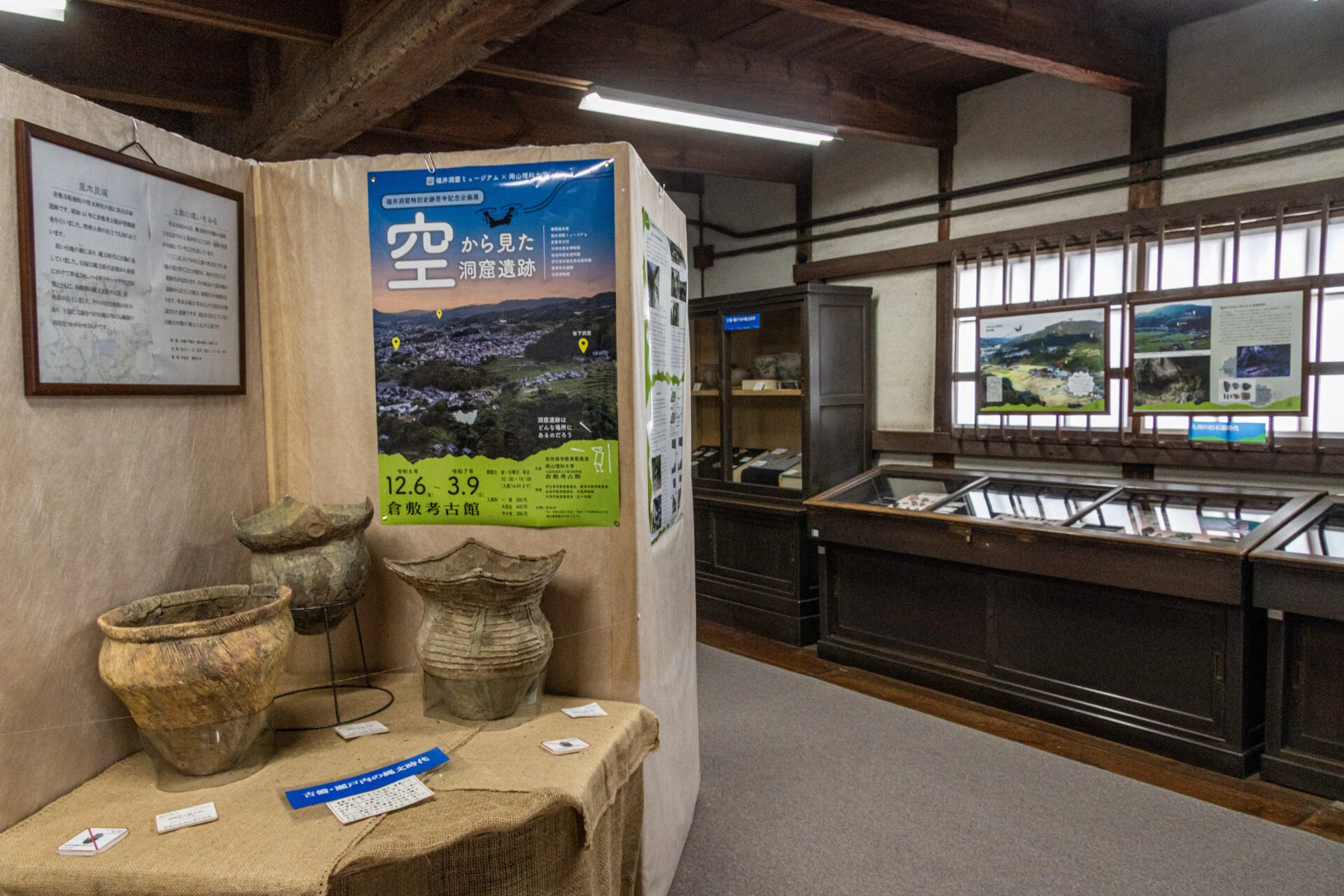
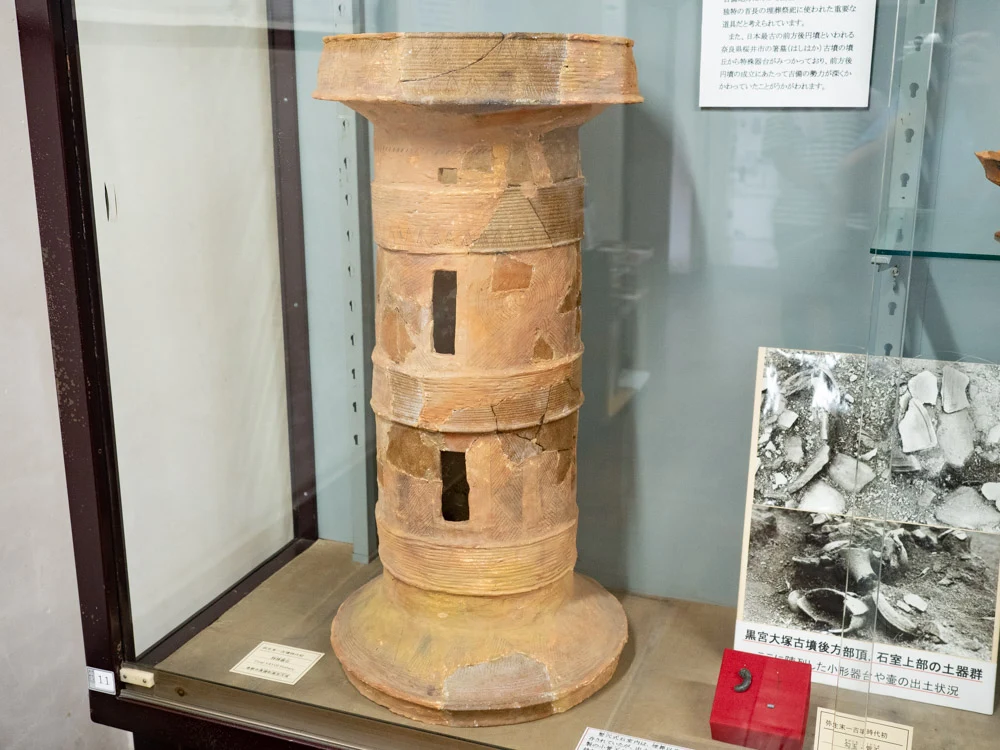
The Kurashiki Archaeological Museum displays many artifacts related to Japan Heritage.
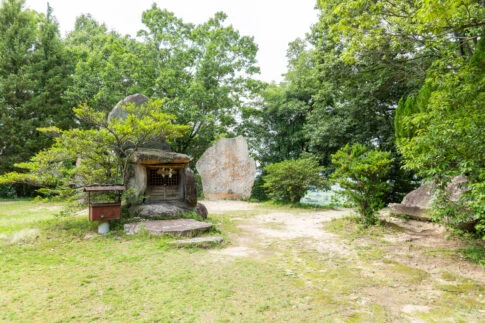
Visitors often ask, "How do I get to the Tatetsuki Site?" after seeing the exhibits.
With these goods, I think it will be easier to introduce Japan Heritage more clearly and guide people to the location of the Tatetsuki Site.
What was the deciding factor for choosing these five items as goods?
Ikeda (no honorifics)
As souvenirs, we considered "what kind of products would be easy to pick up?" and "what high-quality items can we sell?" which led to these five items.
These goods were produced with the cooperation of many people involved in local activities and local production companies, not just ourselves.
Tenugui (hand towels) and pen holders are classic souvenirs, and masking tape is also something people can easily reach for.
In particular, I think tenugui can also promote Kurashiki's Japan Heritage of cotton.
The smartphone case was developed in collaboration with local residents and became a flagship product.
Initially, there were many more ideas during the planning stage, but these five were selected considering the needs as well.
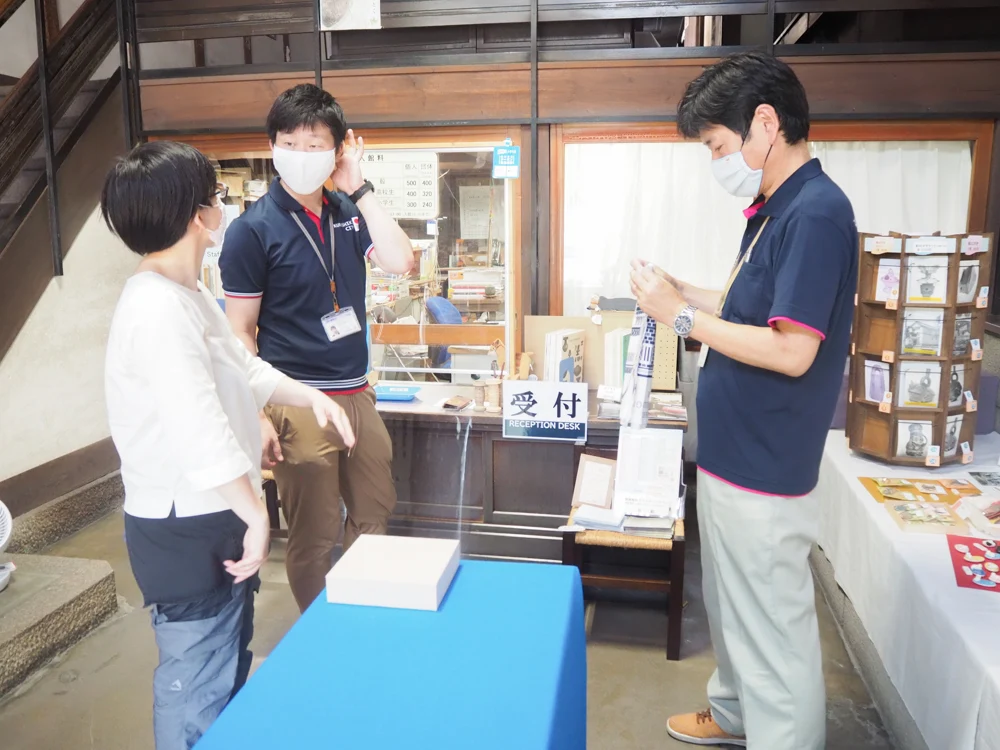
Please tell us about any particular points of emphasis.
Ban
The initial drafts were all handwritten by me.
Since we were creating something, I wanted to realistically represent Japan Heritage in the goods.
I conveyed my emphasis to the designer who would commercialize my drafts, and we completed the products.
I believe we were able to reflect the detailed charm of the ruins and buildings that one might not notice just by looking.
So all the designs are handwritten!
Ban
Yes. I wanted to convey the warmth of handmade items, so I did it by hand!
It did take a lot of time, but I think we were able to realistically reproduce it (laughs).
Regarding the Archaeological Museum tenugui, the roof structure part is a key point.
It's quite niche, so most people wouldn't notice the details just by looking at the goods.
However, I think being able to explain while showing the goods will deepen knowledge about Japan Heritage.
The design of the smartphone case is also detailed, but it started out completely handwritten.
I went to see the actual items about four times.

Since you normally can't see it from above, I was allowed to see it specially.
I took photos, designed to a certain extent, and then looked at the actual items to refine the overly detailed lines.
The real patterns are much more complex.
If everything is reflected, it becomes hard to see, so I designed it to avoid any awkwardness.
These goods are filled with many details. Finally, please share a message.
Ikeda
The Kurashiki Archaeological Museum is located at a place where the stories of Kurashiki's Japan Heritage of cotton and the ancient Kibi heritage overlap.
We created these goods to provide an opportunity to convey information about Japan Heritage again at the center of Japan Heritage in Kurashiki, the "Kurashiki Archaeological Museum."
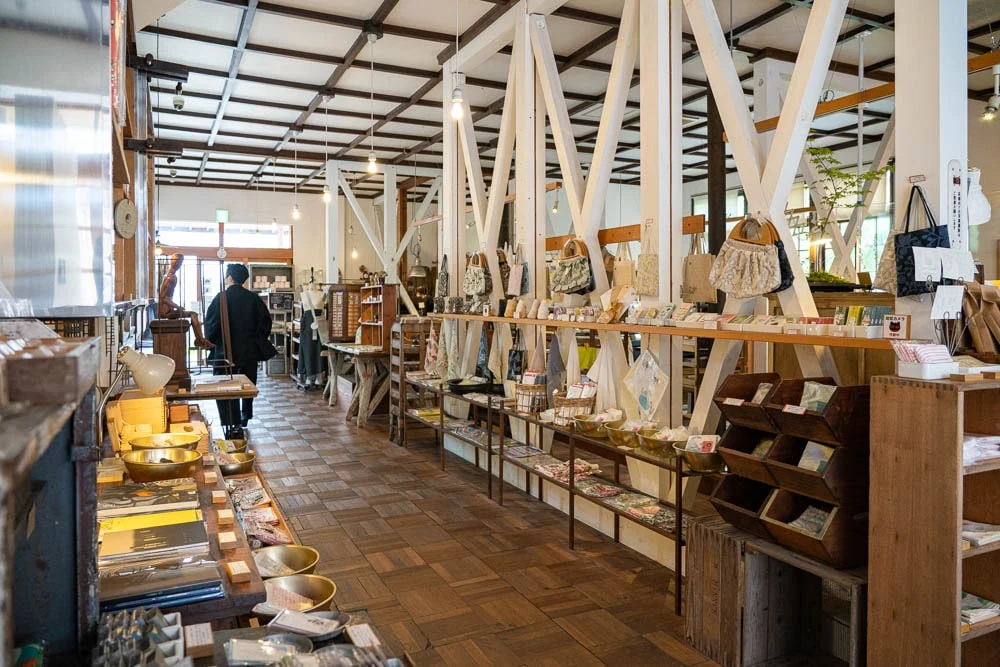
The goods are all easy-to-pick-up items as souvenirs.
Since they are exclusively sold at the Kurashiki Archaeological Museum, I hope you will definitely pick up anything that catches your interest.
And I would be happy if you could remember the connection between Kurashiki and Japan Heritage in your home or office.
Conclusion
The Archaeological Museum goods are all classic souvenirs.
If you happen to pick up something and then realize it is actually related to Kurashiki and Japan Heritage...
Wouldn't you want to brag about it?
When you visit the Archaeological Museum, you should be able to learn about the connection between Kurashiki and Japan Heritage from Ban and the other staff members.
Hearing the stories in person will allow you to enjoy a deeper tourism experience beyond just enjoying the scenery of the Bikan Historical Area.
Above all, the goods themselves have a realistic level of reproduction of Japan Heritage!
They are goods that pay attention to even the most intricate patterns.
You will want to pick them up and take a closer look.
If you want a souvenir unique to Kurashiki but are looking for something a little different, please make sure to visit the Archaeological Museum.
Articles related to Kurashiki Archaeological Museum
Data of the Kurashiki Archaeological Museum, Public Interest Incorporated Foundation
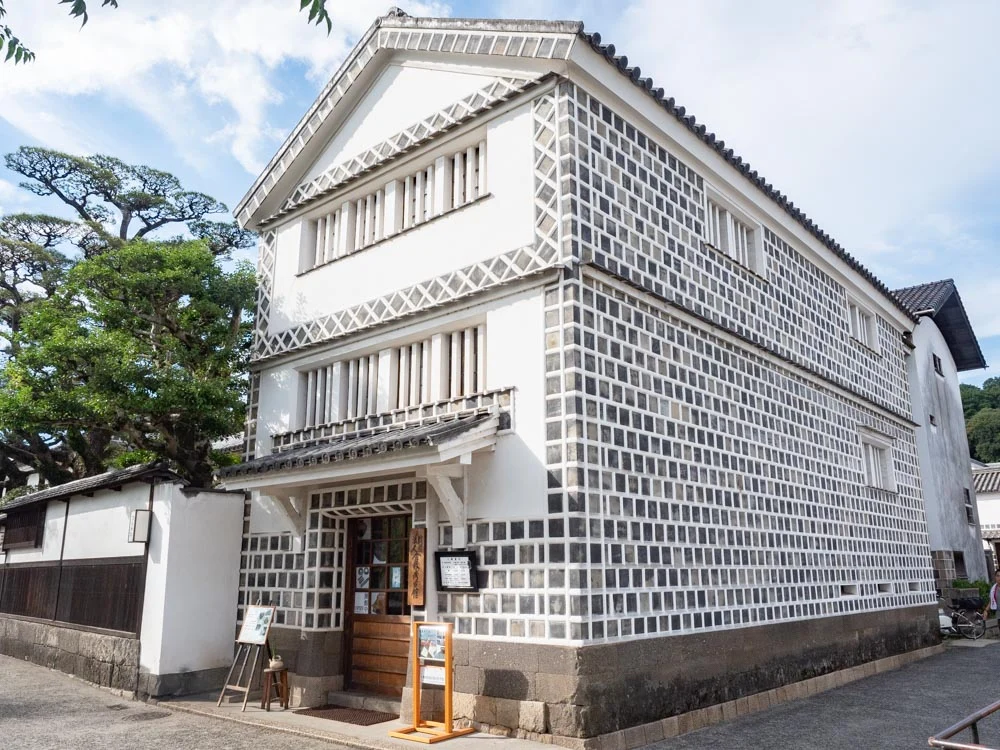
| Name | Kurashiki Archaeological Museum, Public Interest Incorporated Foundation |
|---|---|
| Location | 1-3-13 Chuo, Kurashiki City |
| Contact | 086-422-1542 |
| Parking | None None |
| Opening Hours | 9:00 AM – 5:00 PM (Admission accepted until 4:30 PM) |
| Closed Days | Monday, Tuesday Open on holidays Closed during year-end and New Year |
| Admission Fee (including tax) | General: 500 yen (Group: 400 yen) High school and university students: 400 yen (Group: 320 yen) Elementary and junior high school students: 300 yen (Group: 240 yen) Persons with disabilities: 240 yen Preschool children: Free *Groups are 20 or more *Fees for special exhibitions may vary *Discount for persons with disabilities requires presentation of a disability certificate (applies to the individual and one caregiver) |
| Payment Method |
|
| Reservation | Available |
| Smoking | Completely non-smoking |
| Toilet | Western-style toilet |
| Website | Kurashiki Archaeological Museum |