Christianity was introduced to Japan in the mid-16th century.
Triggered by the arrival of missionary Francisco Xavier, the Christian faith spread throughout various regions of Japan.
However, afterwards, Christianity was banned in Japan.
Believers faced severe persecution and were not even allowed to pray openly. Nevertheless, there were people who continued to secretly uphold their faith. They are called “Hidden Christians” and kept the flame of prayer alive for many years.
The history of such Hidden Christians remains in Okayama as well.
The small island of “Tsurushima” floating in the Nishi Islands of Bizen City. There, the graves of people who risked their lives to uphold their faith still quietly remain.
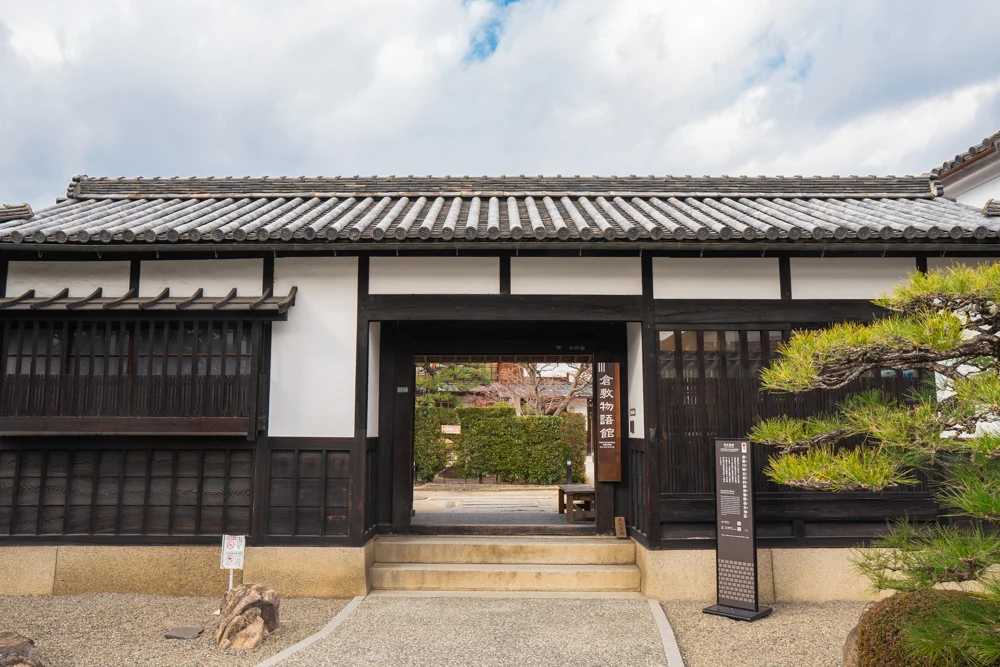
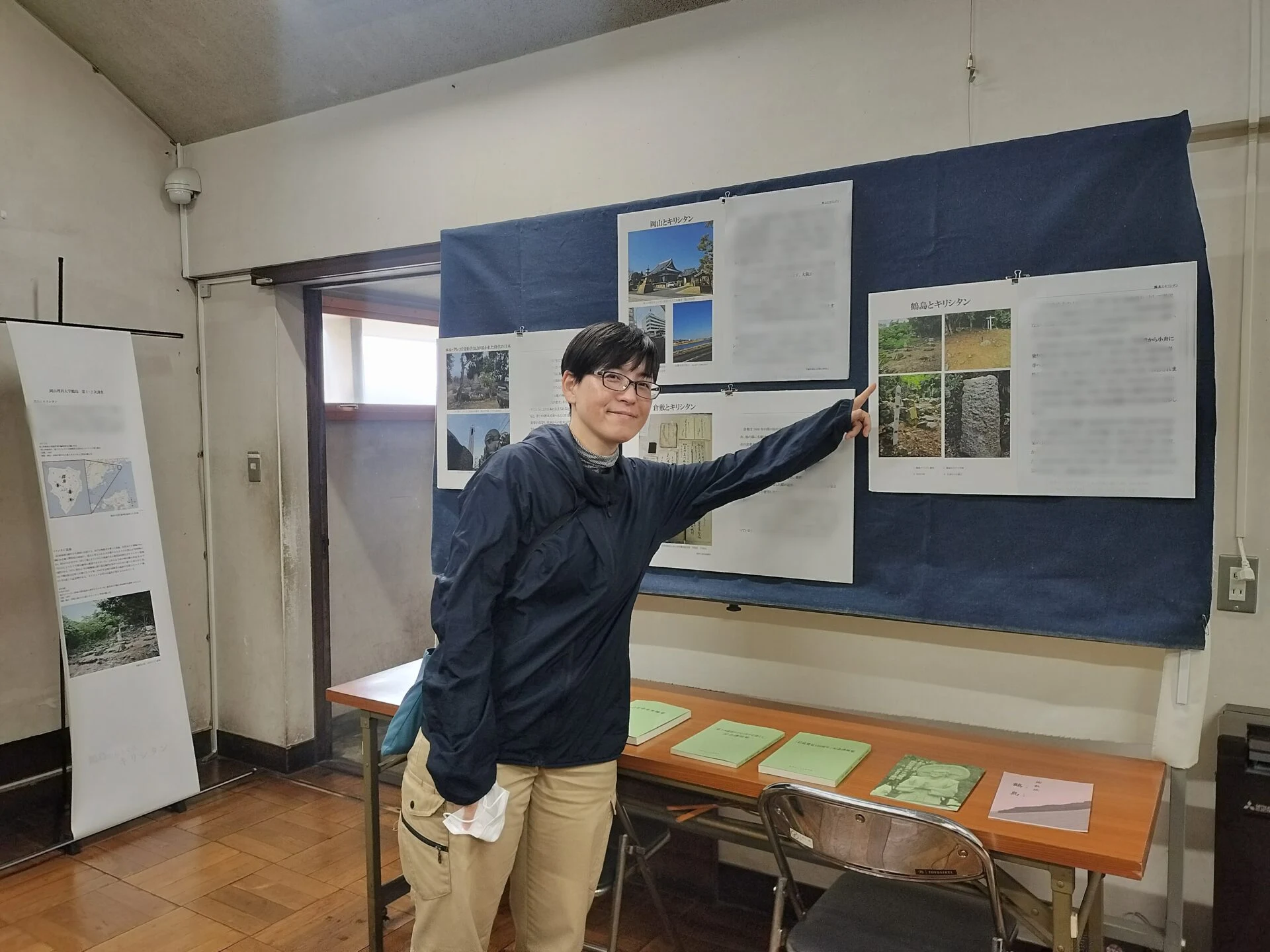
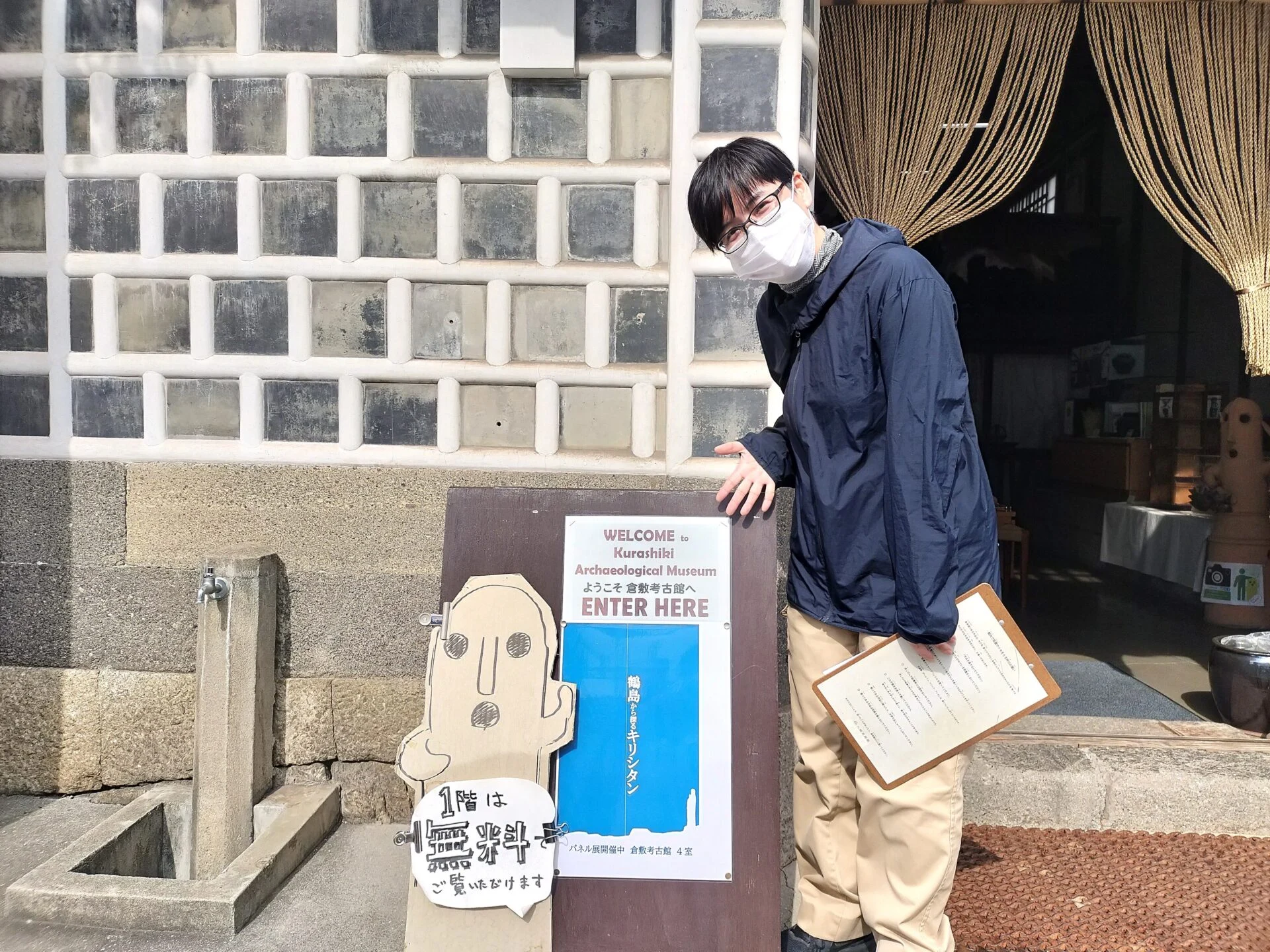
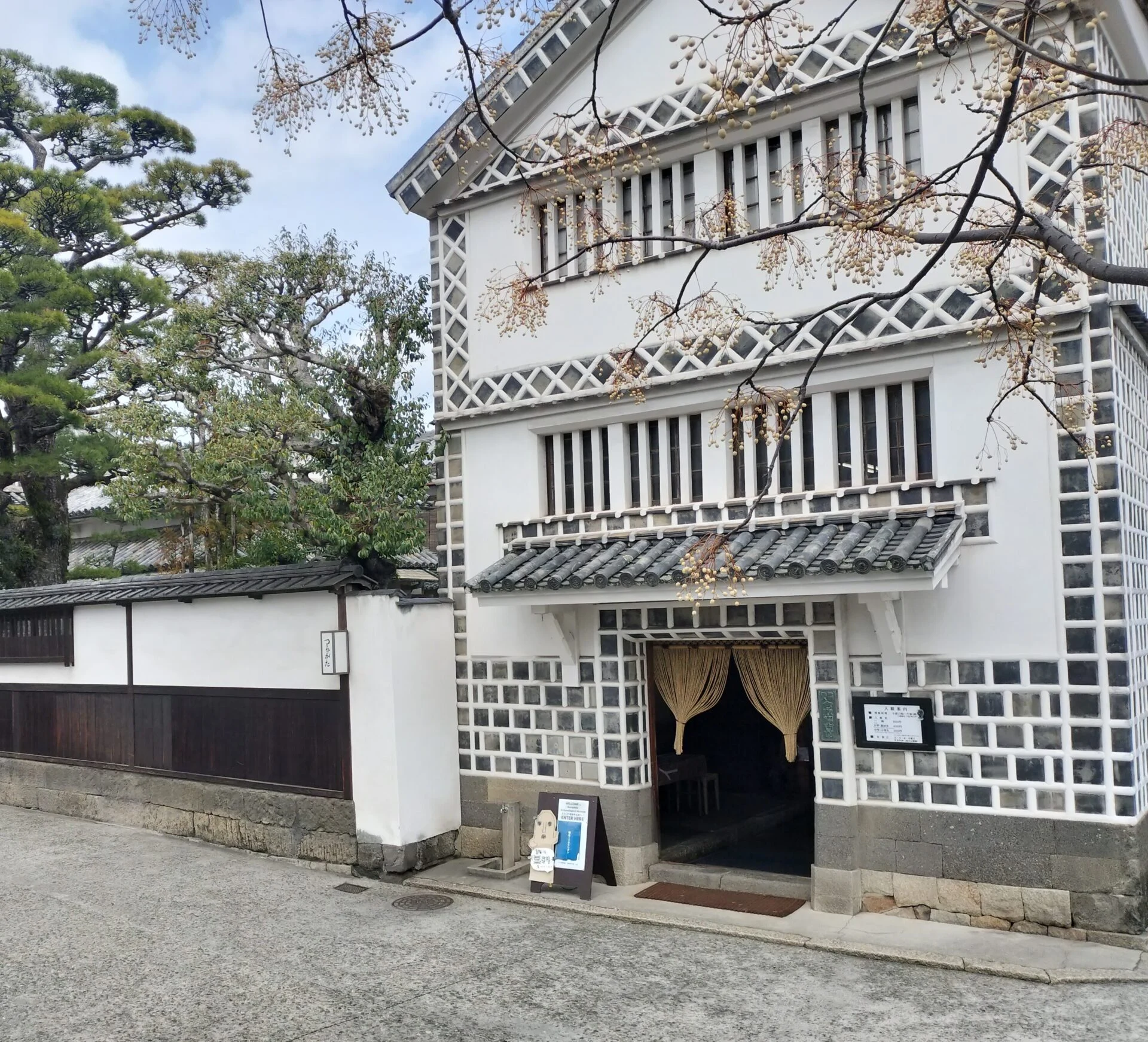
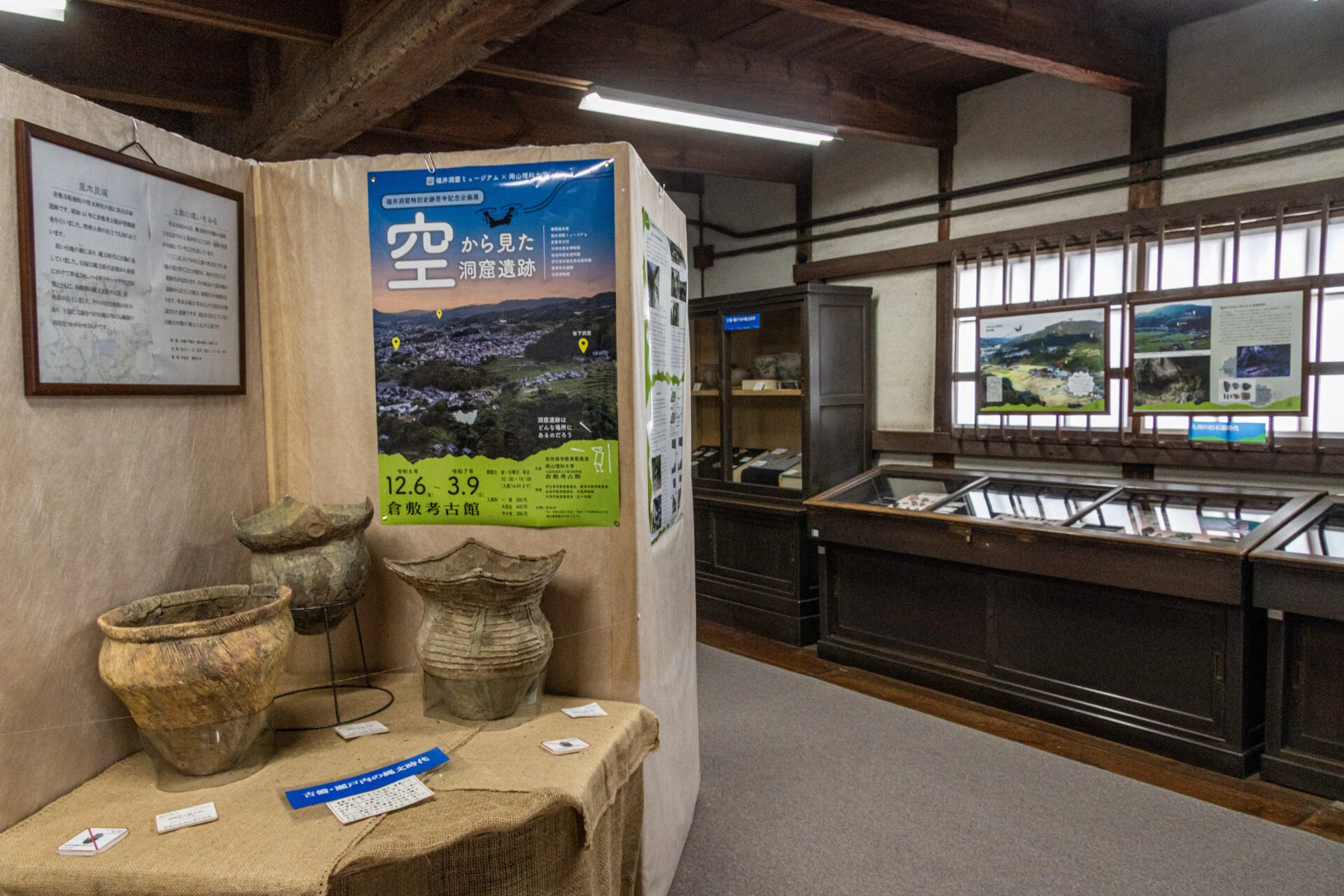
Currently, the Kurashiki Archaeological Museum is holding a panel exhibition titled “Exploring Hidden Christians from Tsurushima” about these “Stories of Okayama Not Found in Textbooks.”
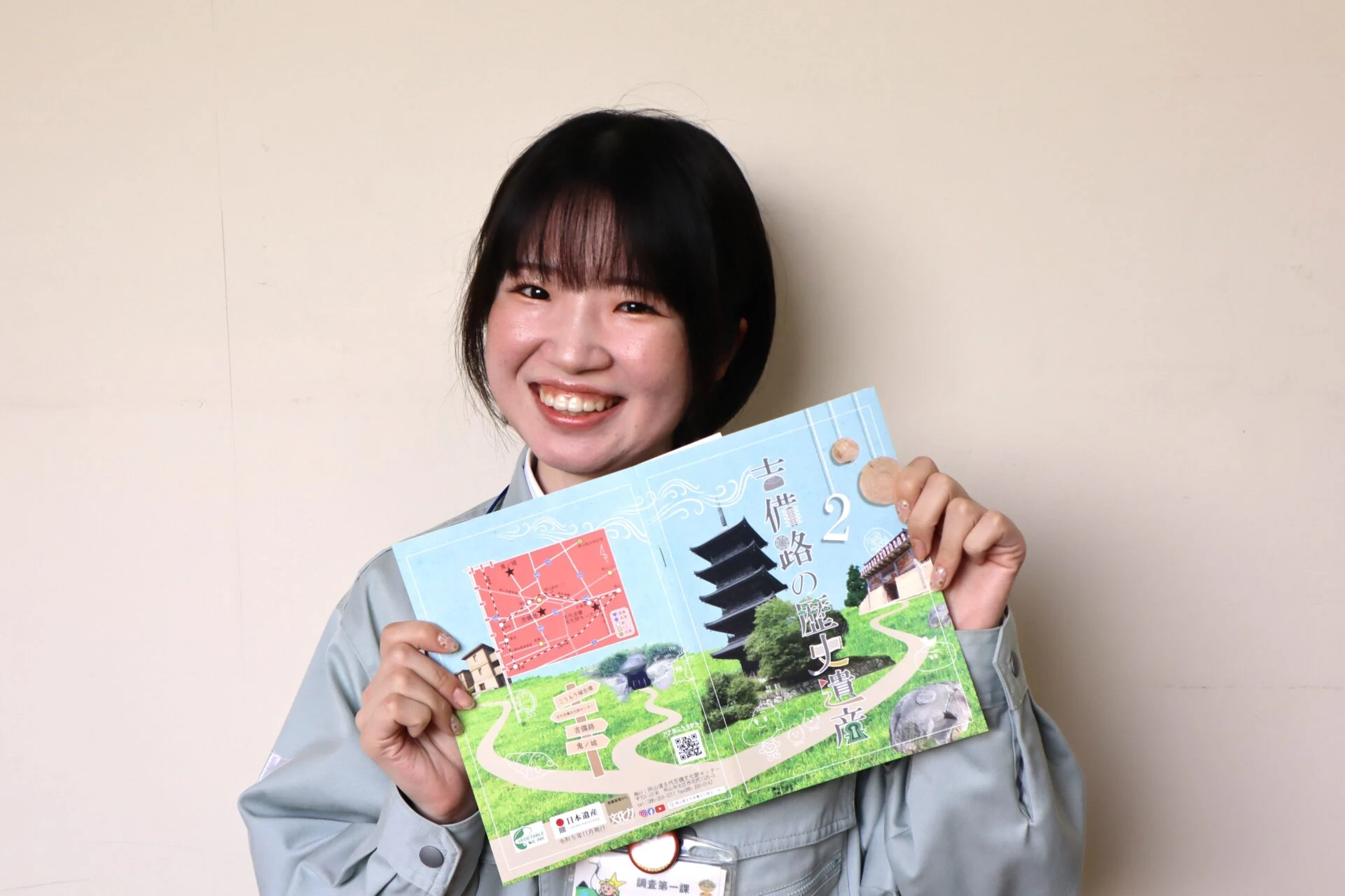
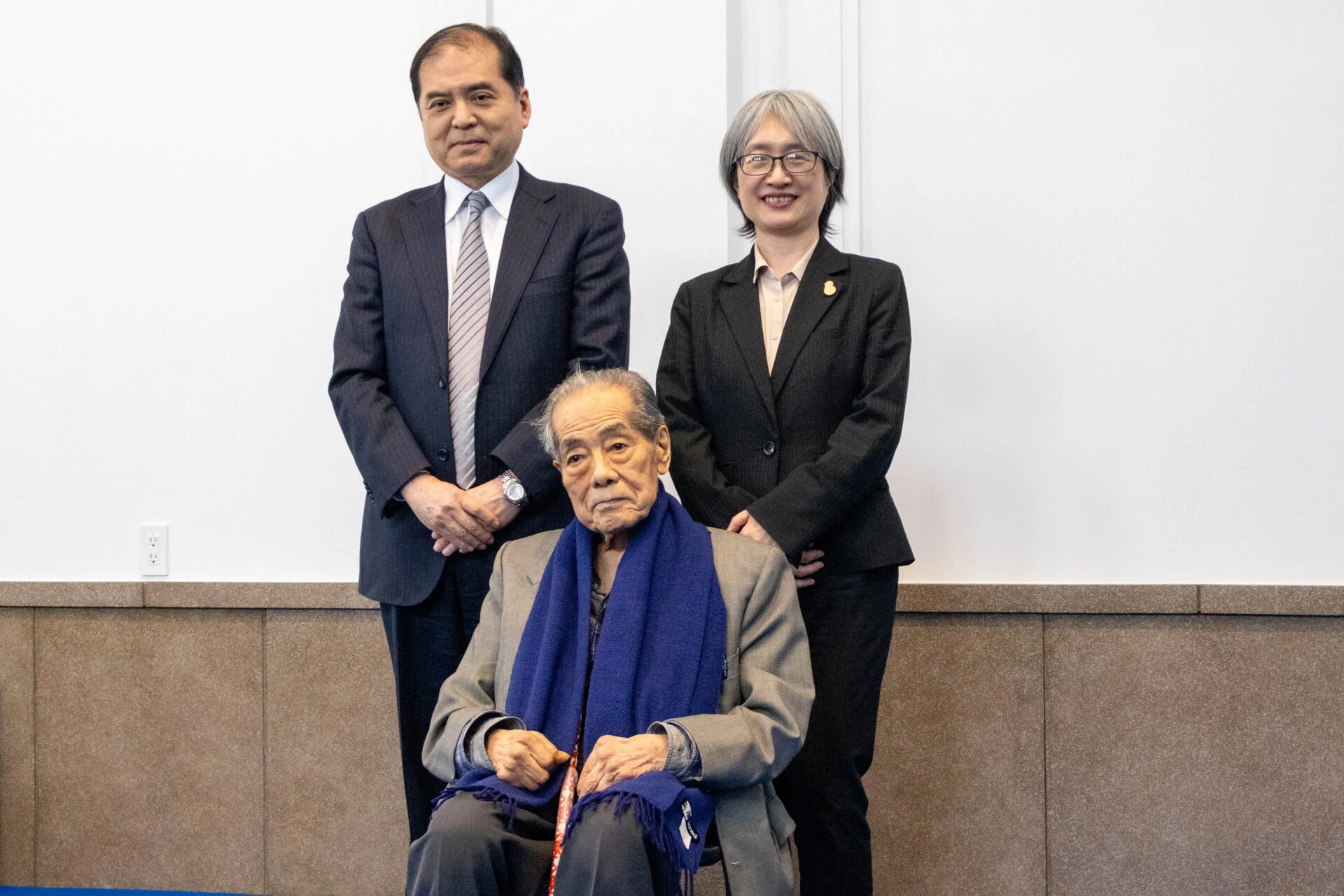
Yuko Ban, a researcher and curator at the Ohara Art Foundation, who is in charge of this panel exhibition, says, “I want to pass on the local history to the next generation.”
This exhibition makes us aware that there is history sleeping in our familiar places that is not found in textbooks.
Why do multiple religions such as Shinto, Buddhism, and Christianity coexist naturally in Japan? For the author from China, this “culture of accepting different faiths” is very interesting, and it is also this background that led to the coverage of this panel exhibition.
What is the panel exhibition “Exploring Hidden Christians from Tsurushima”?
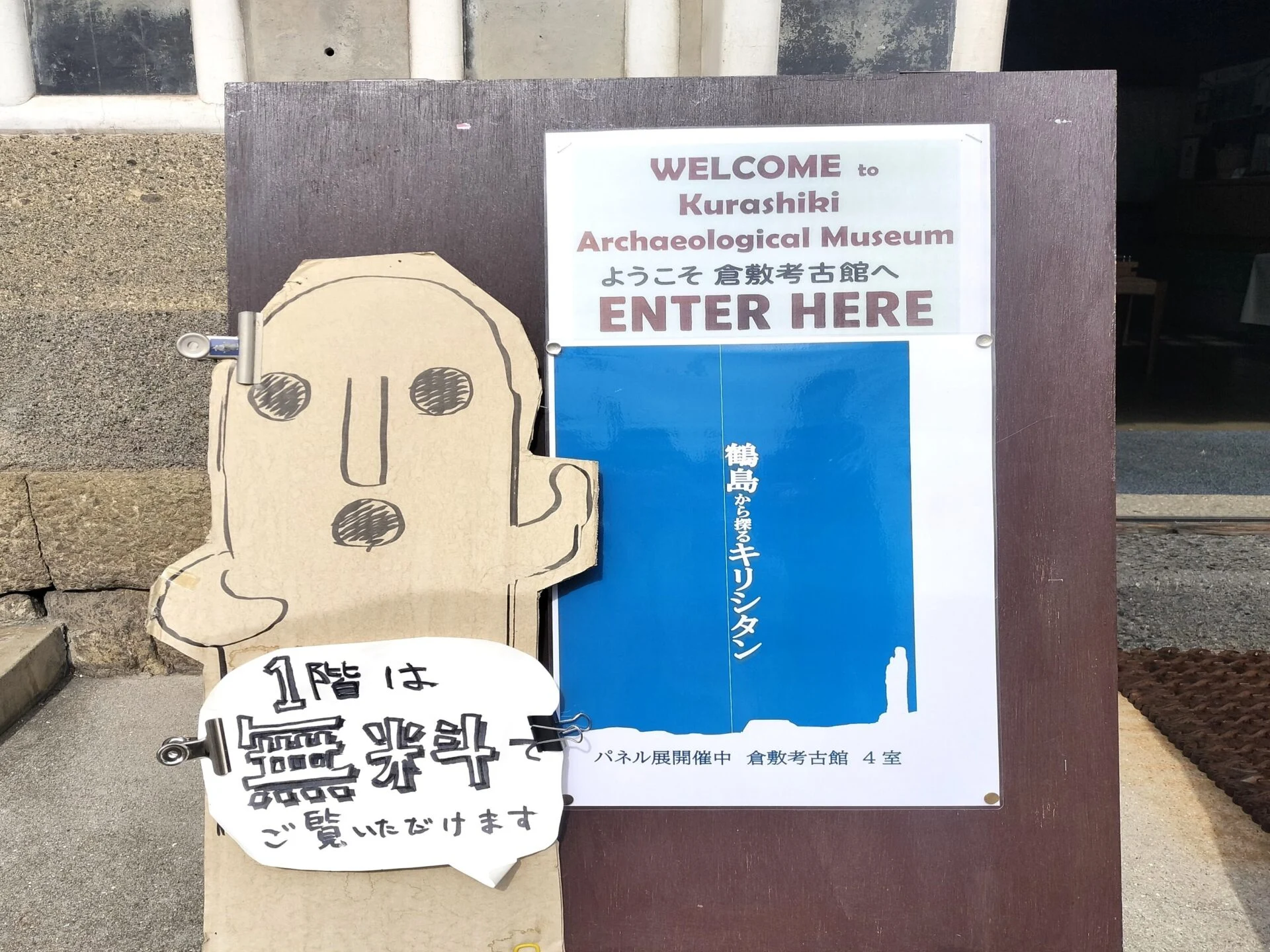
The panel exhibition “Exploring Hidden Christians from Tsurushima” is being held at the Kurashiki Archaeological Museum from February 27, 2026 (Friday) to May 31, 2026 (Sunday).
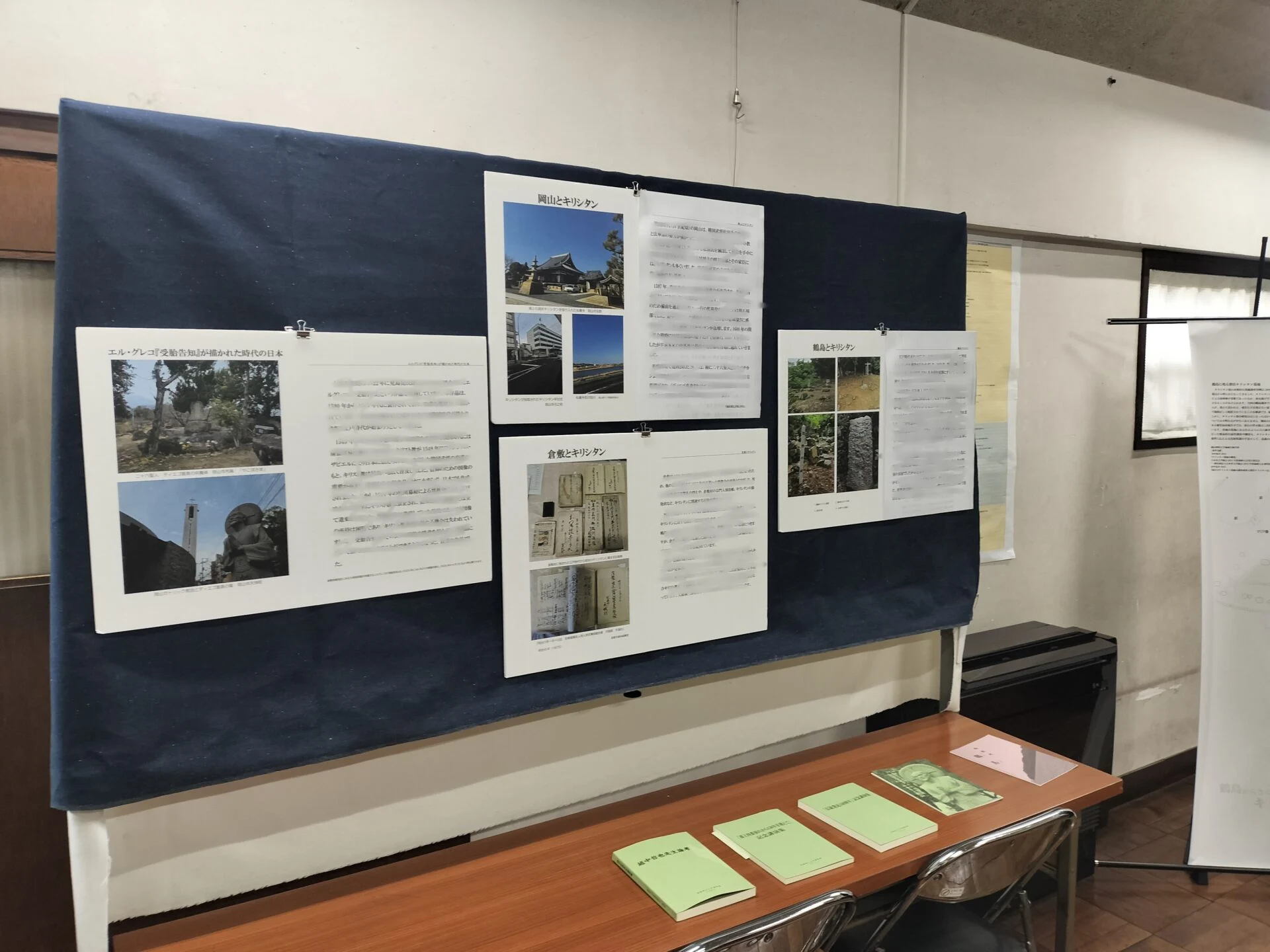
This exhibition introduces history through the following six panels.
- Okayama University of Science Tsurushima First and Second Surveys
- Japan in the Era When El Greco Painted “The Annunciation”
- Okayama and Hidden Christians
- Kurashiki and Hidden Christians
- Tsurushima and Hidden Christians
- The Cemetery of Hidden Christians Remaining on Tsurushima
The Story of Okayama and Tsurushima
In 1867, at the end of the Edo period, there were a series of crackdowns on Hidden Christians in Nagasaki. Many believers were placed in various domains, and some were sent to Okayama Domain.
They were relocated to the small island of “Tsurushima” floating in the Nishi Islands of Bizen City.
Separated from their families and hometowns, their lives in an unfamiliar land were said to be extremely harsh. Nevertheless, they continued to pray quietly without abandoning their faith. The monument bears the names of 18 individuals, 13 of whom lost their lives on the island.
Even today, the graves of these individuals remain on Tsurushima, conveying the footprints of those who endured a difficult era to uphold their faith. This fact teaches us that there is history sleeping at our feet that is not found in textbooks.
Archaeological artifacts related to Hidden Christians during the period of prohibition are said to be very few nationwide.
In this context, the cemetery remaining on Tsurushima is a valuable example, and a survey was conducted by Okayama University of Science from 2024 to 2025.
The Condition of Tsurushima Revealed by Field Surveys
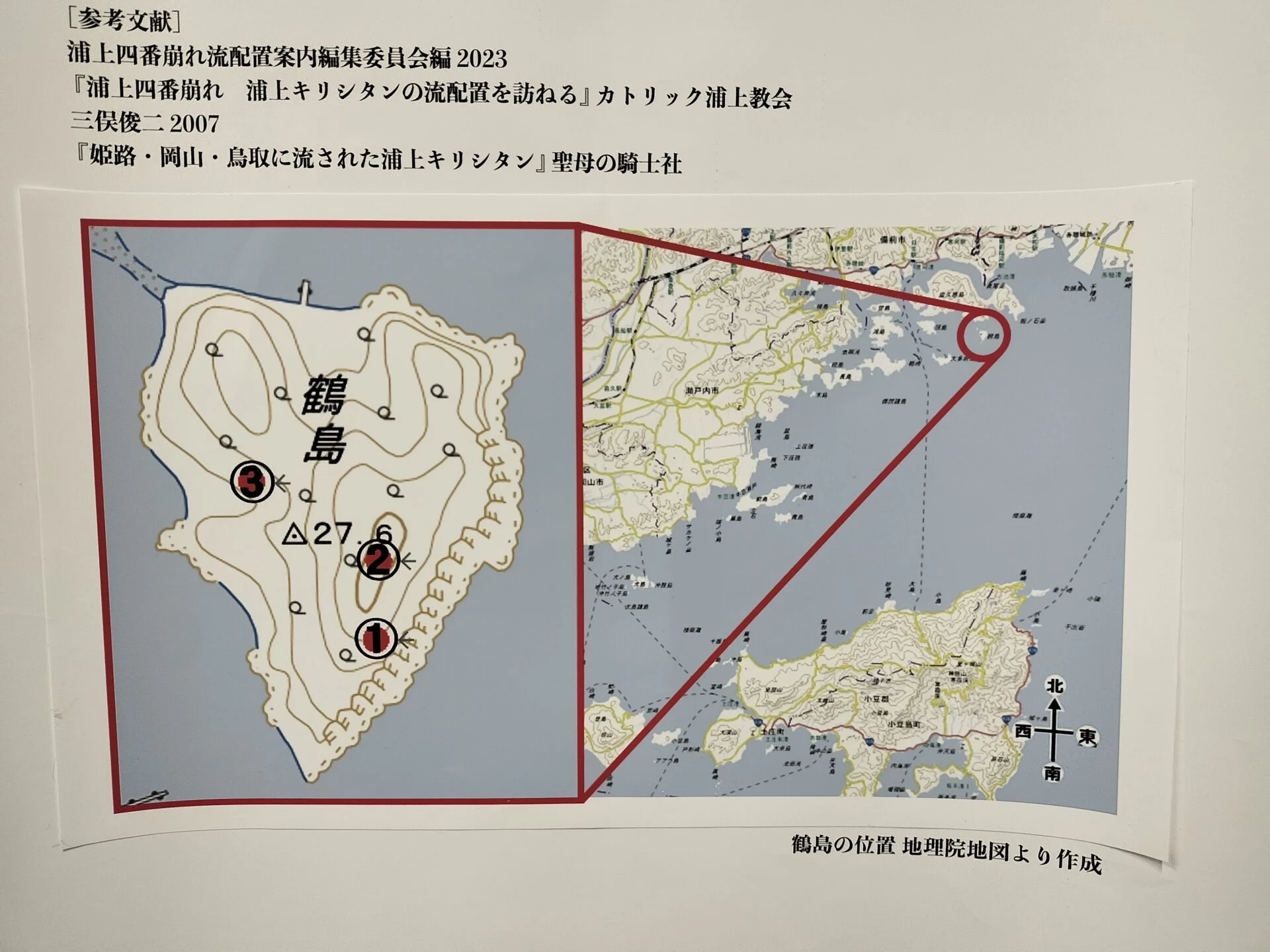
Yuko Ban, a researcher and curator at the Ohara Art Foundation, visited Tsurushima and conducted a field survey.
Currently, no one lives on Tsurushima.
Regarding the condition of the island, Ban said, “Even if it is maintained, vegetation quickly grows thick, turning it into a jungle.”
During the survey, work was also done to cut and clean the surrounding grass to prevent the graves from collapsing. Such work is said to be an important archaeological survey to preserve the condition of the graves while leaving a record.
Although excavation surveys have not been conducted at the Hidden Christian graves on Tsurushima, a survey to accurately record their location and shape is being carried out in preparation for the future when repairs may be needed.
The stones that serve as markers for the graves still remain, but some have been weathered and affected by nature over the long years. Therefore, one of the important objectives of this survey was to detail the current condition so that restoration to the original state can be achieved in the future.
Highlights of the Panel Exhibition from Researchers and Curators
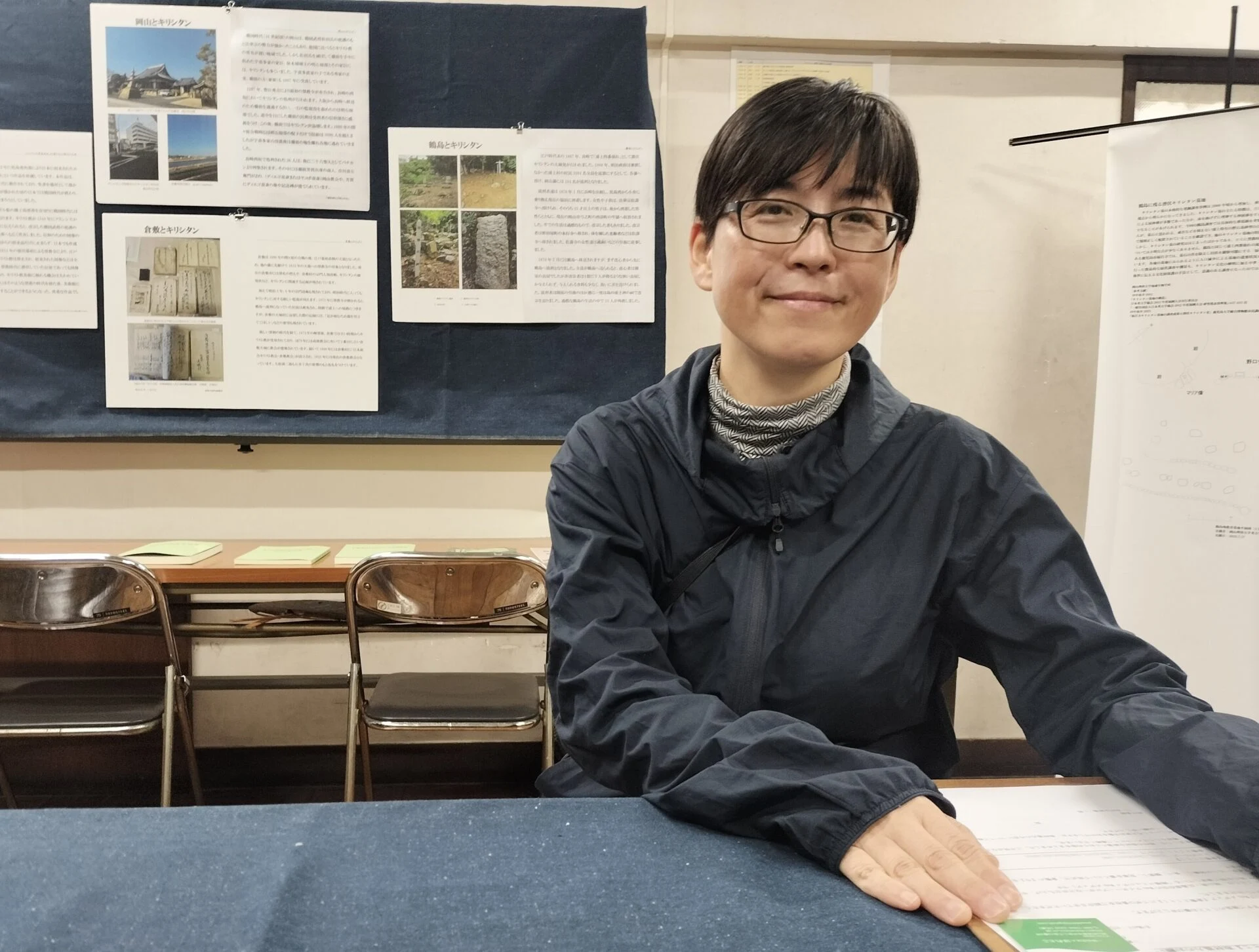
I spoke with Yuko Ban, who is in charge of the panel exhibition “Exploring Hidden Christians from Tsurushima,” about the background and highlights of this exhibition.
Could you tell us about the background of planning this exhibition themed “Hidden Christians of Tsurushima”?
Ban (no honorifics)
At the Kurashiki Archaeological Museum, we hold exhibitions in collaboration with Okayama University of Science every year. We have been introducing archaeological research materials held by Okayama University of Science along with archaeological materials in the collection of the Kurashiki Archaeological Museum.
In this context, a survey of the Hidden Christian graves on Tsurushima was conducted as part of the archaeological investigation of the Nishi Islands. Although excavation surveys cannot be conducted, this survey aims to record the location and shape of the graves.
This survey prompted us to introduce the relationship between Okayama and Christianity, and we hope that visitors will enjoy viewing the works while considering the historical background, which led to the planning of this exhibition.
Are there any panels or materials in the museum that you particularly want visitors to see?
Ban
I especially want visitors to see the panels featuring photos and survey maps that convey the history of the persecution faced by Hidden Christians, titled “Tsurushima and Hidden Christians.”
During the time when Christianity was prohibited, believers were forced to convert and faced strict crackdowns, yet they continued to uphold their faith. I would like everyone to see the materials that convey the history of those who maintained their faith in such difficult circumstances.
Are there points that first-time visitors can enjoy?
Ban
Even for those living in Okayama or Kurashiki, I think not many people are aware of the relationship between this region and Christianity.
For example, you can learn about the location of the prison where Christians were detained, the martyrs from Okayama, and the connections between Kurashiki and Christian culture, discovering the history that exists in your local area.
Moreover, even during the time when Christianity was prohibited, the fact that faith was upheld and that people other than Hidden Christians were also aware of Christianity is an important historical background that visitors can learn about.
What significance do you think this history holds for the people of Kurashiki and Okayama?
Ban
Okayama and Kurashiki may seem to have little connection to Christianity at first glance, but in fact, there are various forms of connection throughout history.
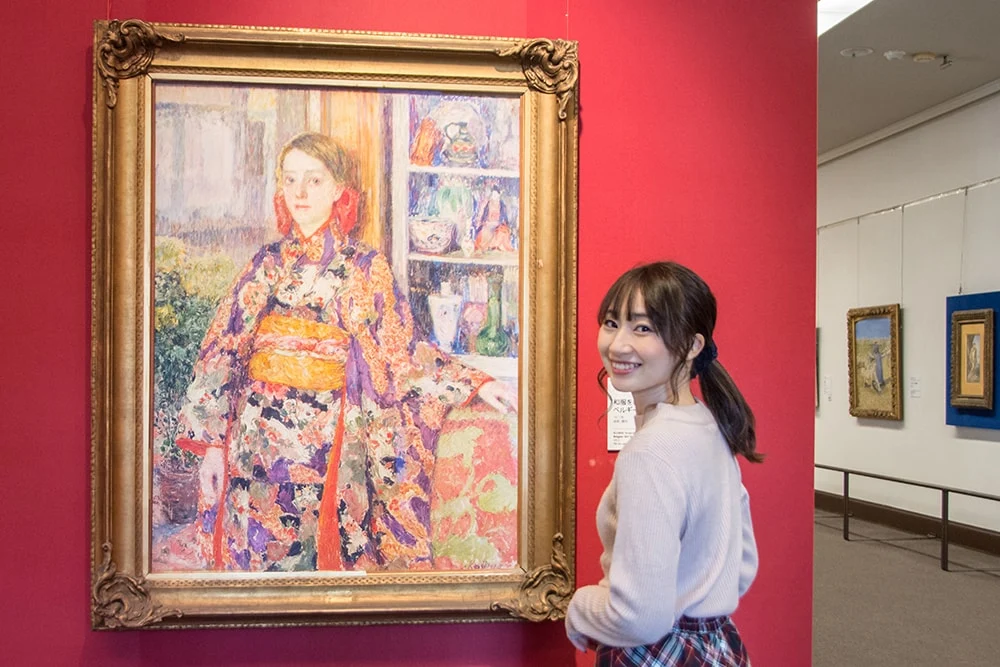
It is known that there were Christians in this region during the Sengoku period, and after the prohibition was lifted, in modern times, there were activities by businesspeople closely related to Christianity, such as Ohara Magosaburo. Furthermore, the arrival and public display of El Greco's “The Annunciation” by Kojima Torajiro allowed the general public to come into contact with Christian art.
By learning about this history, I hope people can feel that their region is connected to the world's religions and cultures.
Finally, please give a message to those who will visit in the future.
Ban
By learning about the history of Okayama and Kurashiki in relation to Christianity, it may broaden your perspective on the Christian art at the Ohara Museum of Art.
By understanding the faith and history behind the works, I believe the enjoyment of the paintings will increase. I would be delighted if you could visit the exhibition and touch upon the connection between the region and Christianity.
Conclusion
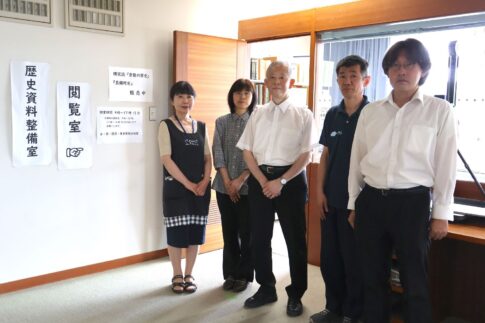
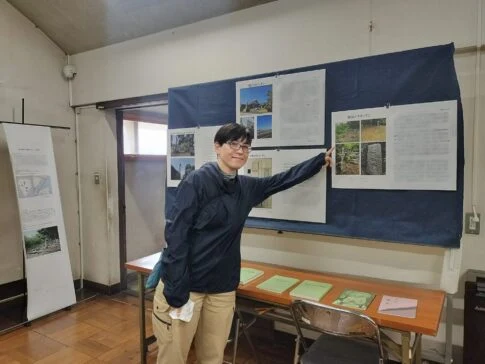
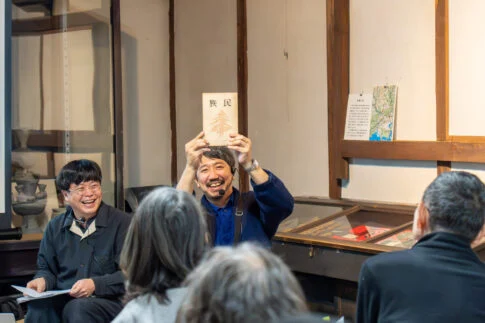
Although the scale of the panel exhibition is not large, researcher Ban carefully introduced each piece.
If you want to learn more about the history of your local area, please take the time to listen to her.
The prayers of the 13 individuals who remained on the small island should quietly speak to us.
While strolling through the Bikan Historical Area, why not touch upon the “another Kurashiki” that sleeps beneath this town?
Articles about Kurashiki Archaeological Museum
Data for the Kurashiki Archaeological Museum Panel Exhibition "Exploring Kirishitan from Tsurushima"
| Name | Kurashiki Archaeological Museum Panel Exhibition "Exploring Kirishitan from Tsurushima" |
|---|---|
| Dates | ■ Exhibition Period From February 27, 2026 (Friday) to May 31, 2026 (Sunday) 10:00 AM to 3:00 PM (Last admission at 2:45 PM) ■ Closed Monday to Thursday *Open on public holidays ■ Venue Room 4, Kurashiki Archaeological Museum |
| Location | 1-3-13 Chuo, Kurashiki City, Okayama Prefecture |
| Admission Fee (Tax Included) | General: 500 yen University and High School Students: 400 yen Junior High and Elementary School Students: 300 yen |
| Website | Kurashiki Archaeological Museum |