
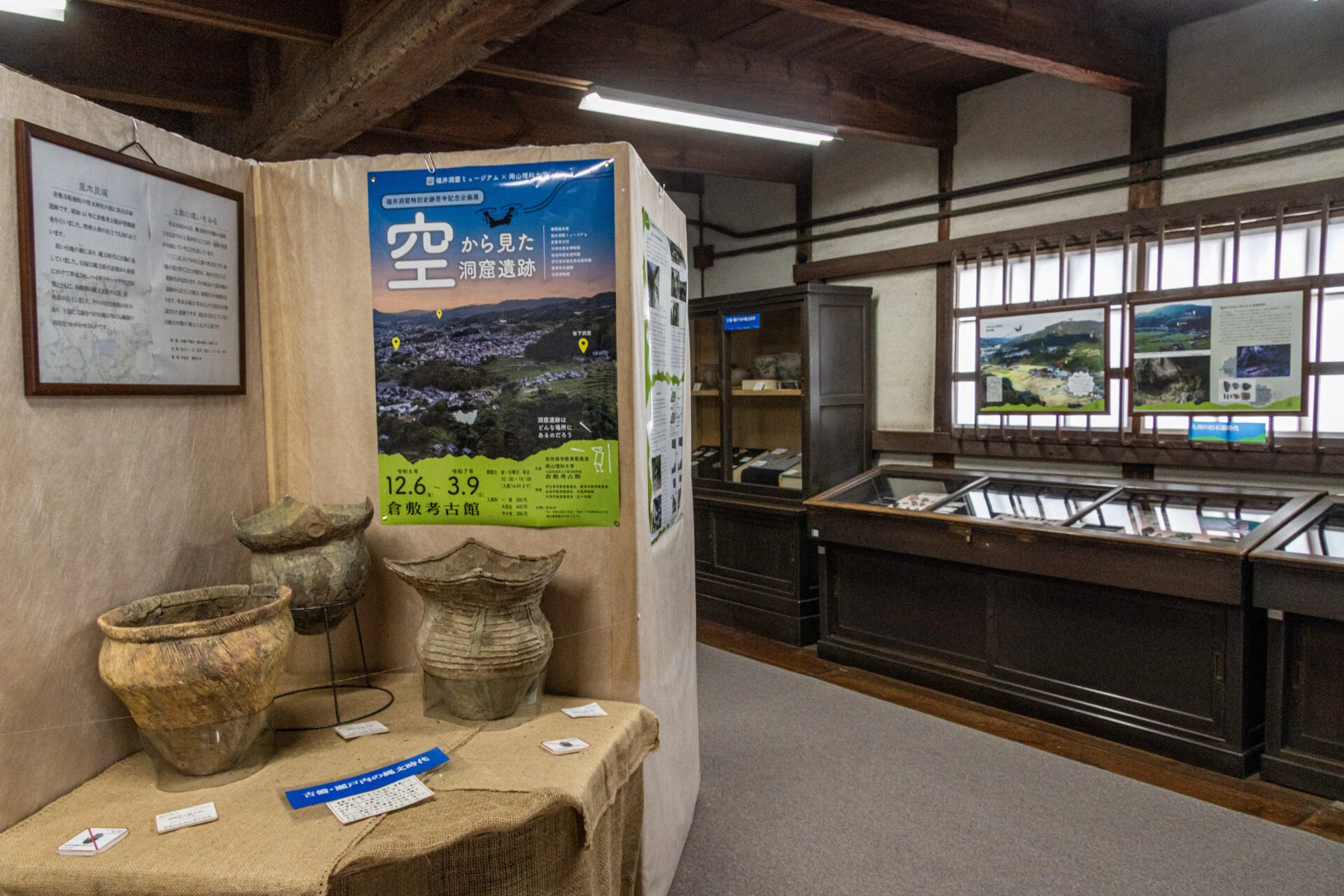
In the center of the Bikan Historical Area, in front of Nakabashi, is the Kurashiki Archaeological Museum. The appearance of the storehouse-style building is one of the representative landscapes of the Bikan Historical Area.
This museum mainly exhibits artifacts excavated from ancient Kibi ruins and burial mounds, and is currently holding a special exhibition titled “Cave Ruins Seen from the Sky”. While there are many ancient ruins, what kind of ruins are the cave ruins being highlighted this time?
I will report on the lives of people in the Paleolithic era revealed through the exhibits and the connection between the Kurashiki Archaeological Museum and the cave ruins.
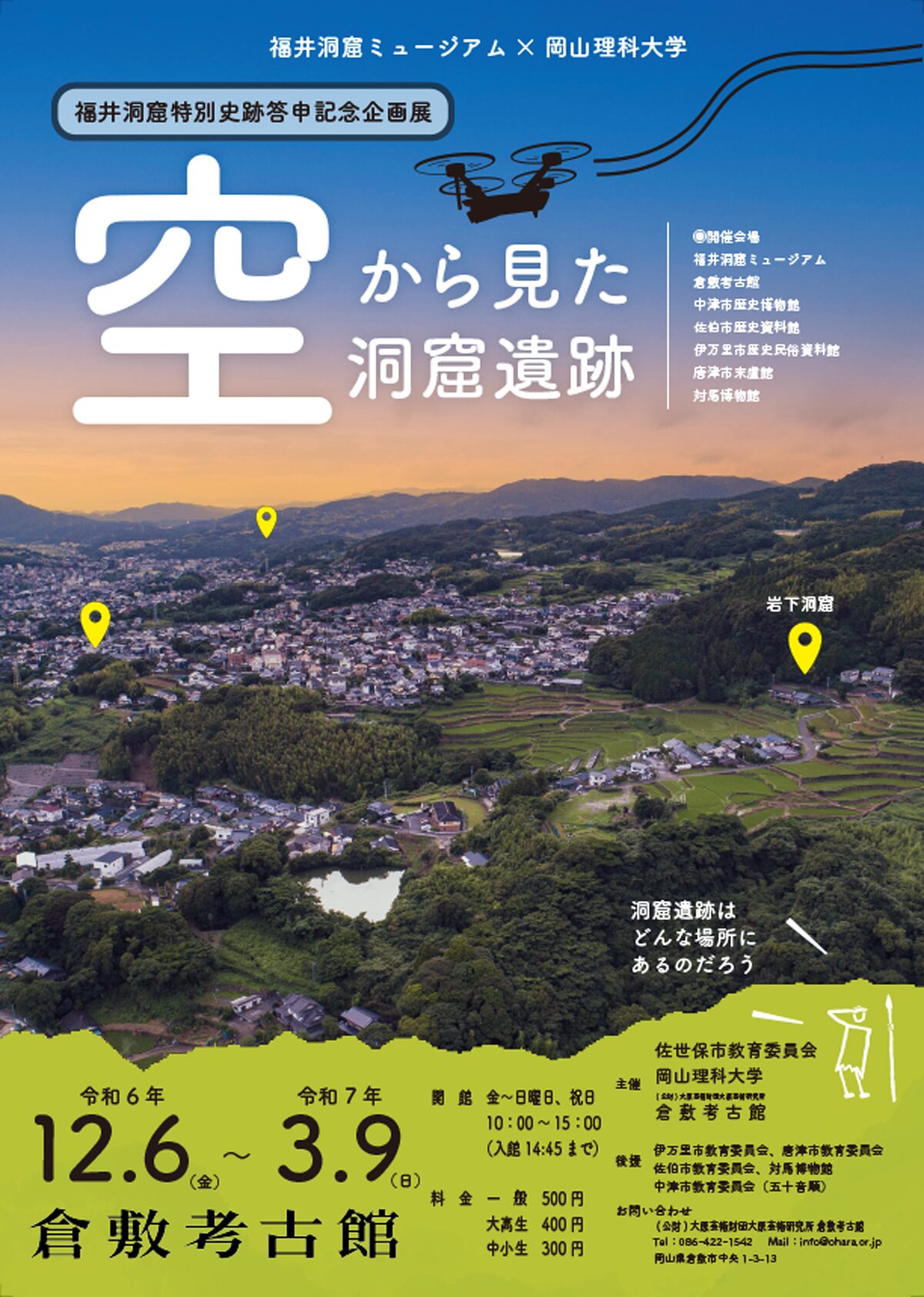
Overview of the Special Exhibition “Cave Ruins Seen from the Sky”
This exhibition introduces the lifestyle of ancient people revealed through aerial photographs of cave ruins in northern Kyushu, centered around the special historic site Fukui Cave Ruins located in Sasebo City, Nagasaki Prefecture, along with valuable excavated artifacts.
Since its opening in 1950, the Kurashiki Archaeological Museum has participated in surveys not only in Okayama but also in various regions, and the cave ruins are one of them.
Additionally, this special exhibition is being held in collaboration with Okayama University of Science and the Sasebo City Board of Education.
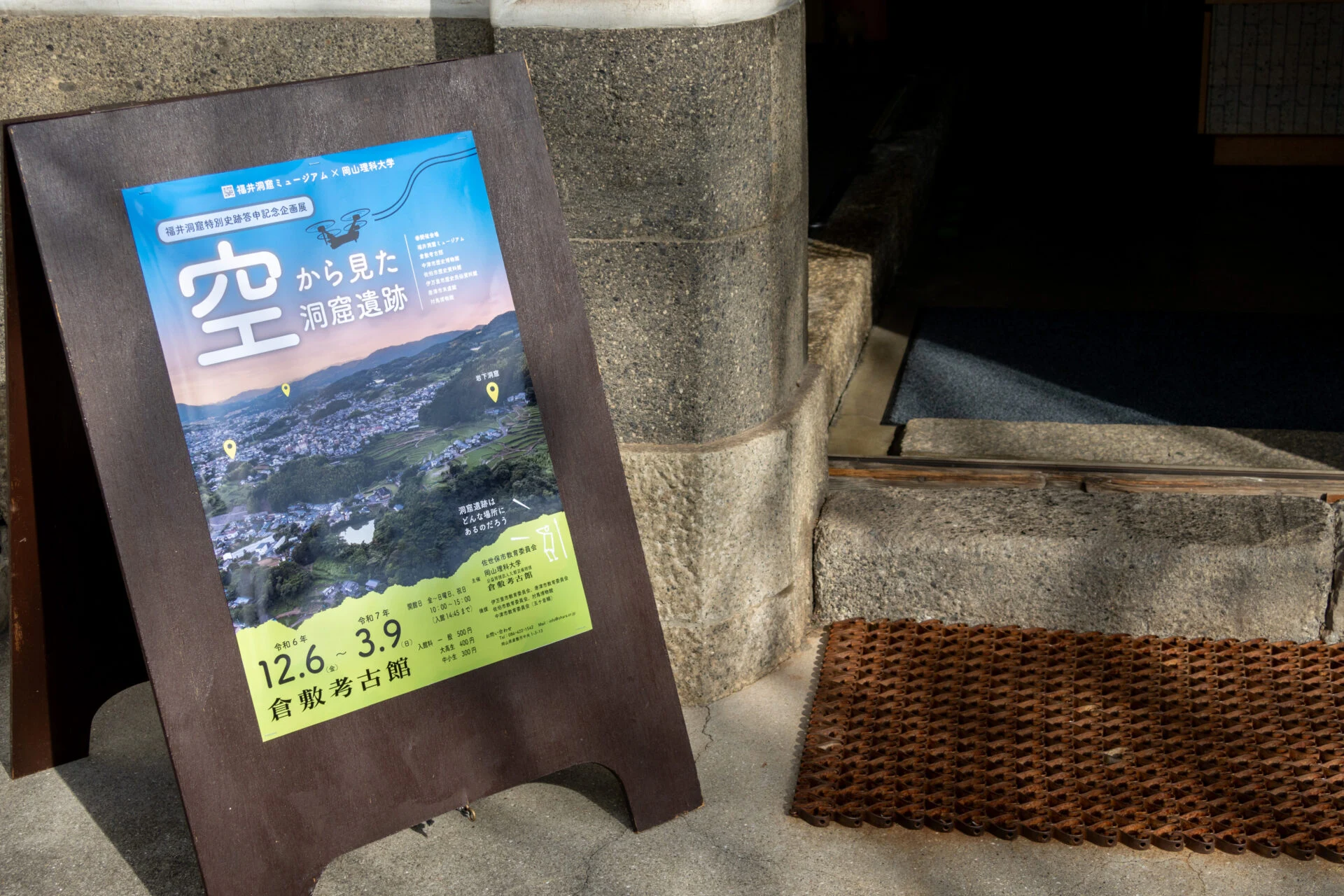
For details on the duration and admission fee, please refer to the image of the flyer.
What is the Fukui Cave Ruins?
The Fukui Cave Ruins, which are the focus of this exhibition, are estimated to have been used by people around the end of the Ice Age.
Cave ruins can simply be described as the homes of ancient people. At that time, people gradually began to settle in naturally formed caves (semi-sedentary).
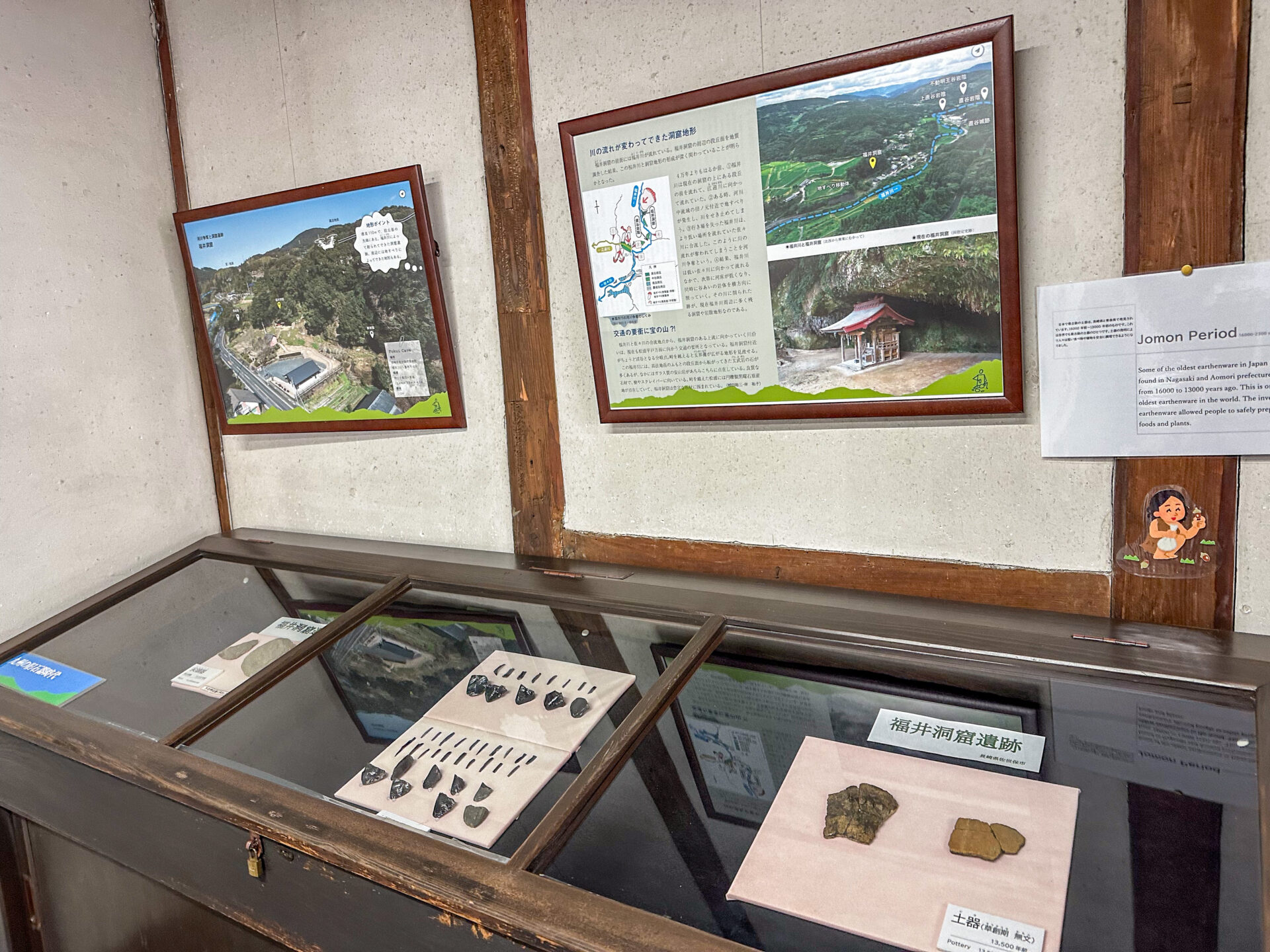
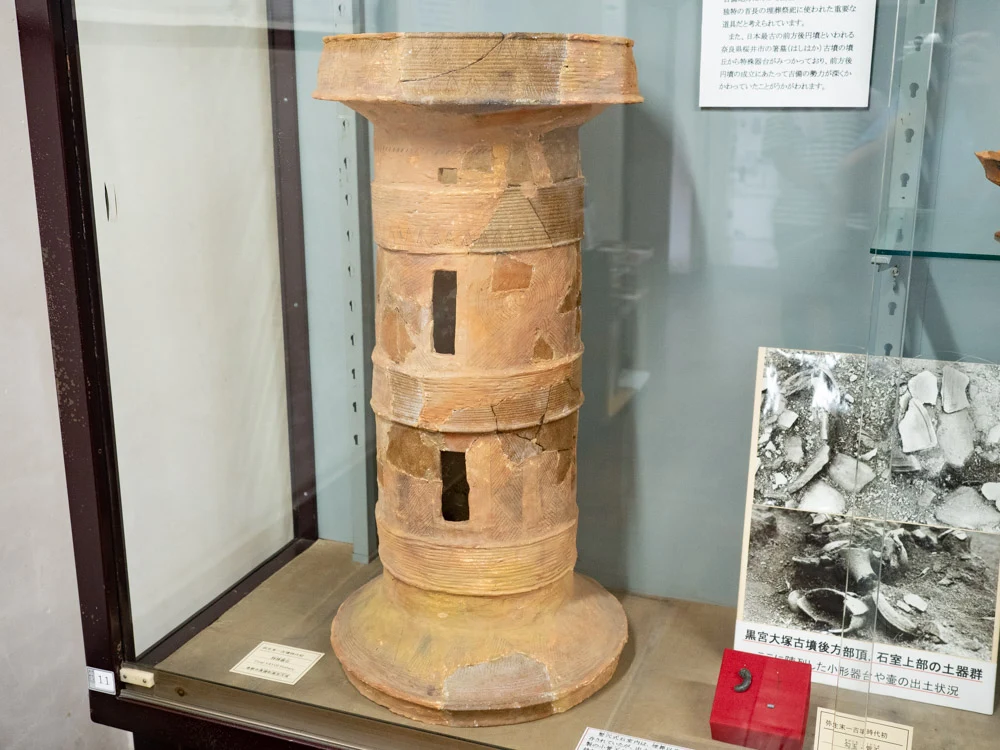
Artifacts such as pottery and stone tools that indicate human habitation in the cave ruins will be the main exhibits this time.
Interview – Regarding the Special Exhibition
Why was this special exhibition held at the Kurashiki Archaeological Museum, far from Sasebo City in Nagasaki Prefecture? The reason lies in the early episodes of the museum's opening.
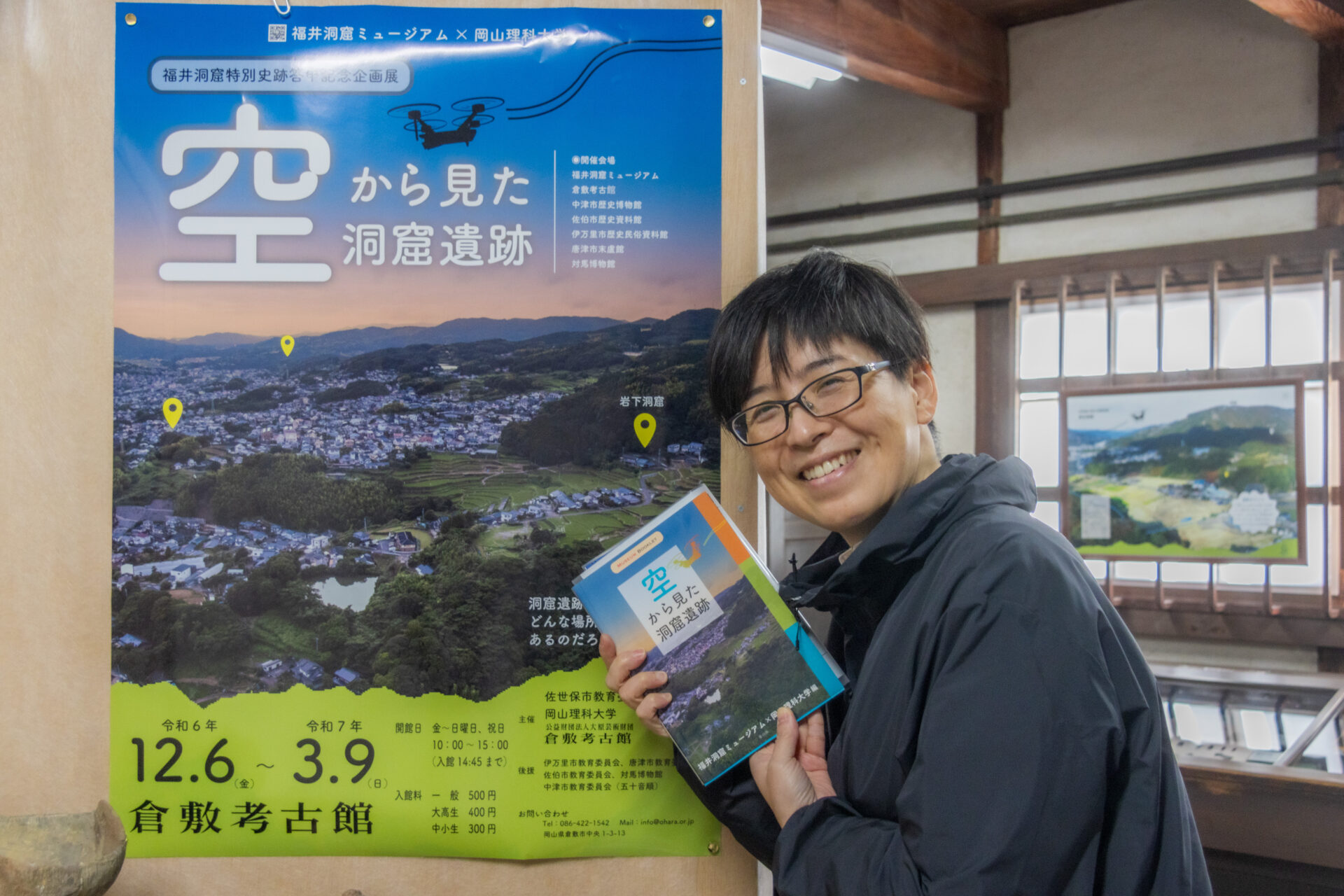
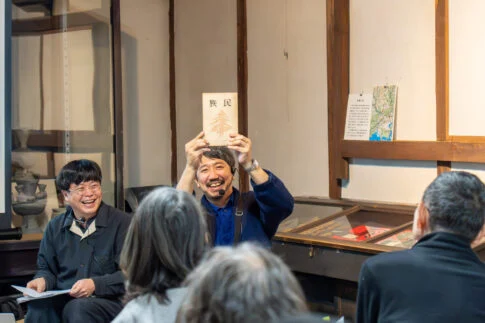
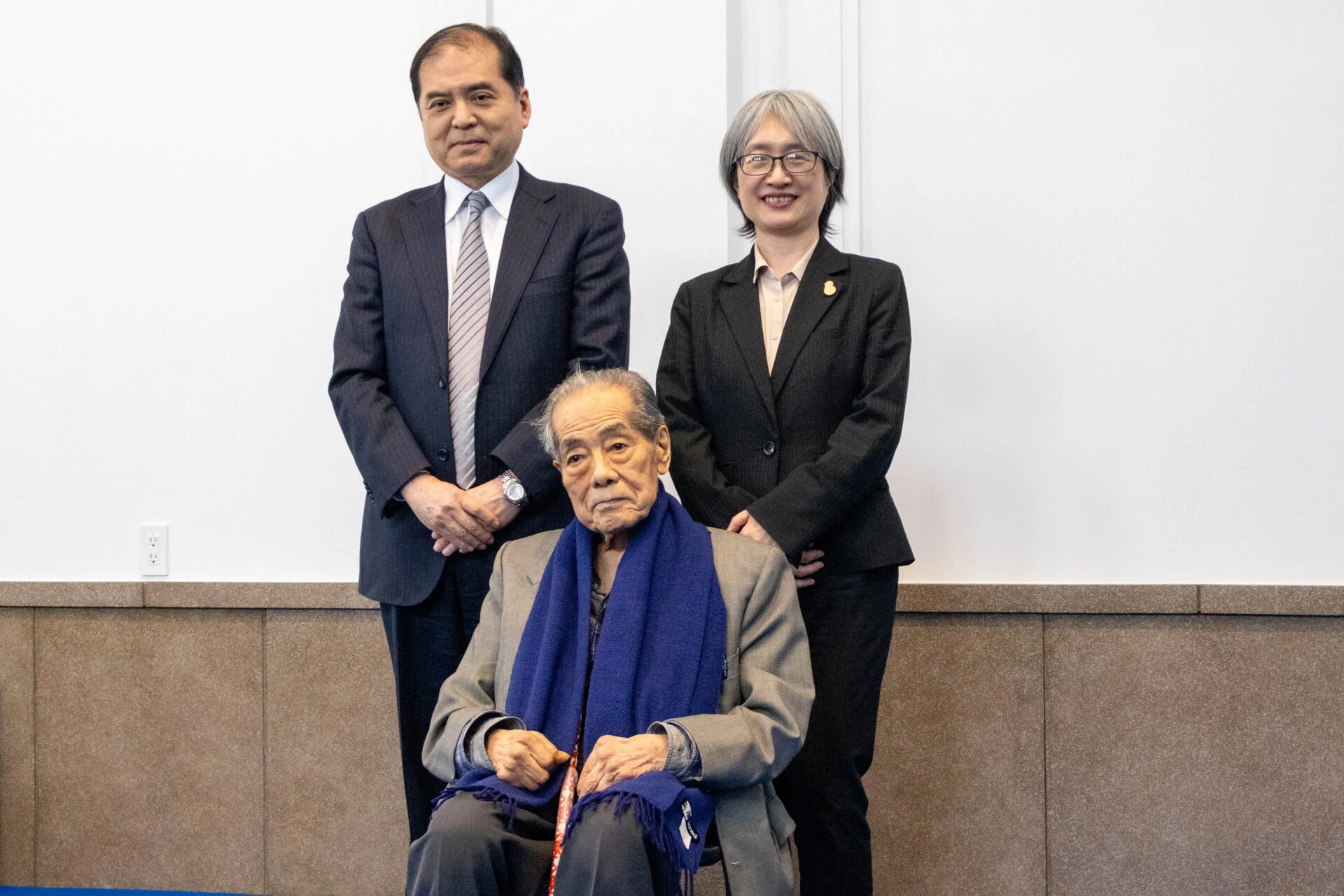
I spoke with curator Bann Yuko about the background of this special exhibition, the museum's thoughts, and particularly noteworthy aspects.
As a Pioneer of Private Archaeological Research Institutions
Could you briefly explain the reason for holding this special exhibition “Cave Ruins Seen from the Sky”?
Bann (no honorifics)
The Kurashiki Archaeological Museum opened in 1950. At that time, the only institutions conducting excavations of ruins and burial mounds were universities. In other words, it was a time when the cultural property administration of local governments such as prefectures and cities was not yet established.
Therefore, when something was discovered, universities and research institutions would go to help.
In that flow, researchers from the Kurashiki Archaeological Museum went to Sasebo City, where the Fukui Cave Ruins are located, to conduct research.
So, the Kurashiki Archaeological Museum is also a pioneer of private archaeological research institutions.
Bann
Before the war, it was believed that there was no Paleolithic era in Japan (that people had not yet lived there).
Then, after the war, stone tools were discovered at the Iwajuku Ruins in Gunma Prefecture, East Japan, confirming that the Paleolithic era existed in East Japan.
After that, the first Paleolithic tools discovered in West Japan were in Kurashiki.
Stone tools found around Washuzan in the Kojima area of Kurashiki City were investigated primarily by the Kurashiki Archaeological Museum and recognized as belonging to the Paleolithic era.
In other words, it was understood that Paleolithic culture had already flourished in West Japan about 20,000 years ago.
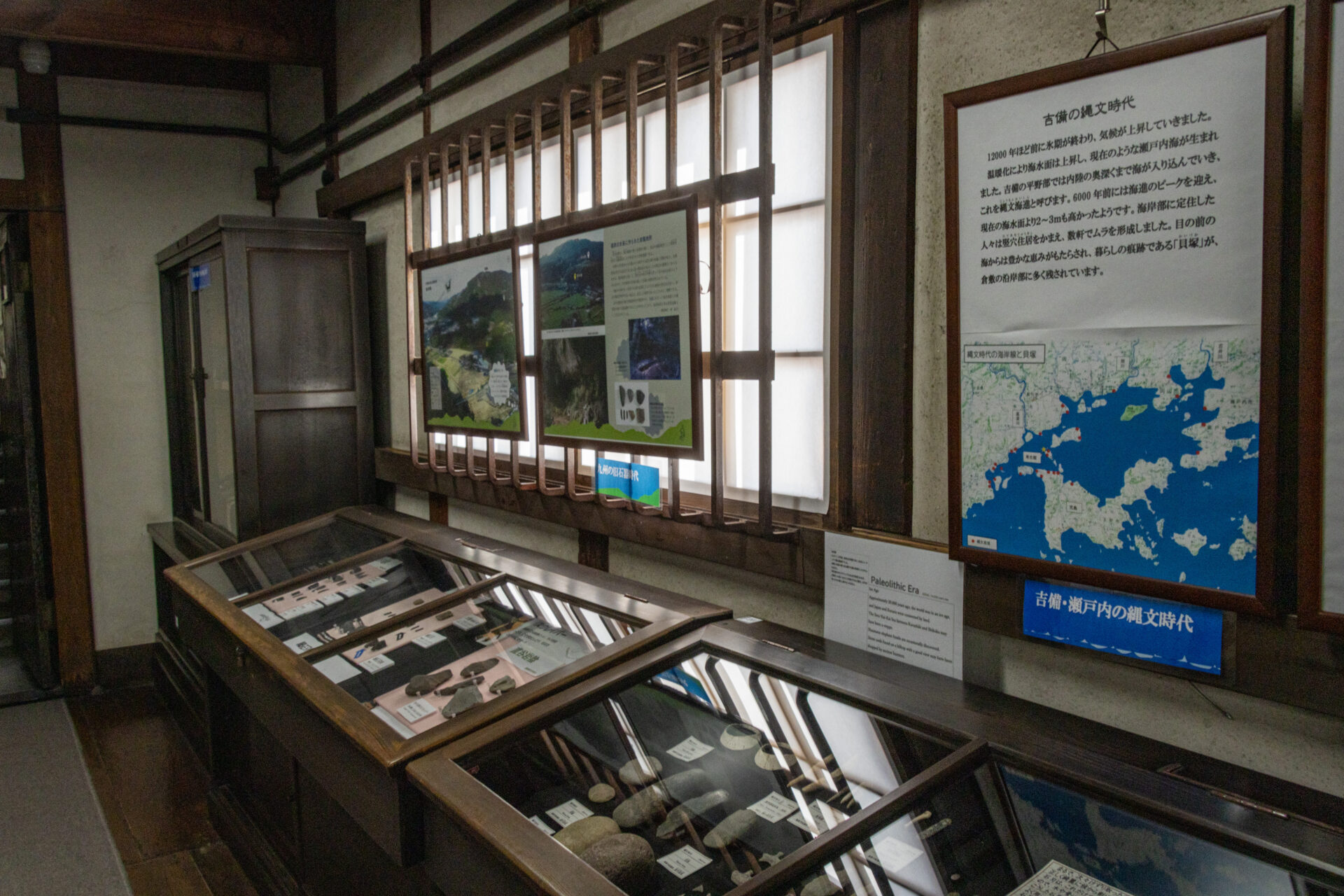
So, what about Kyushu?
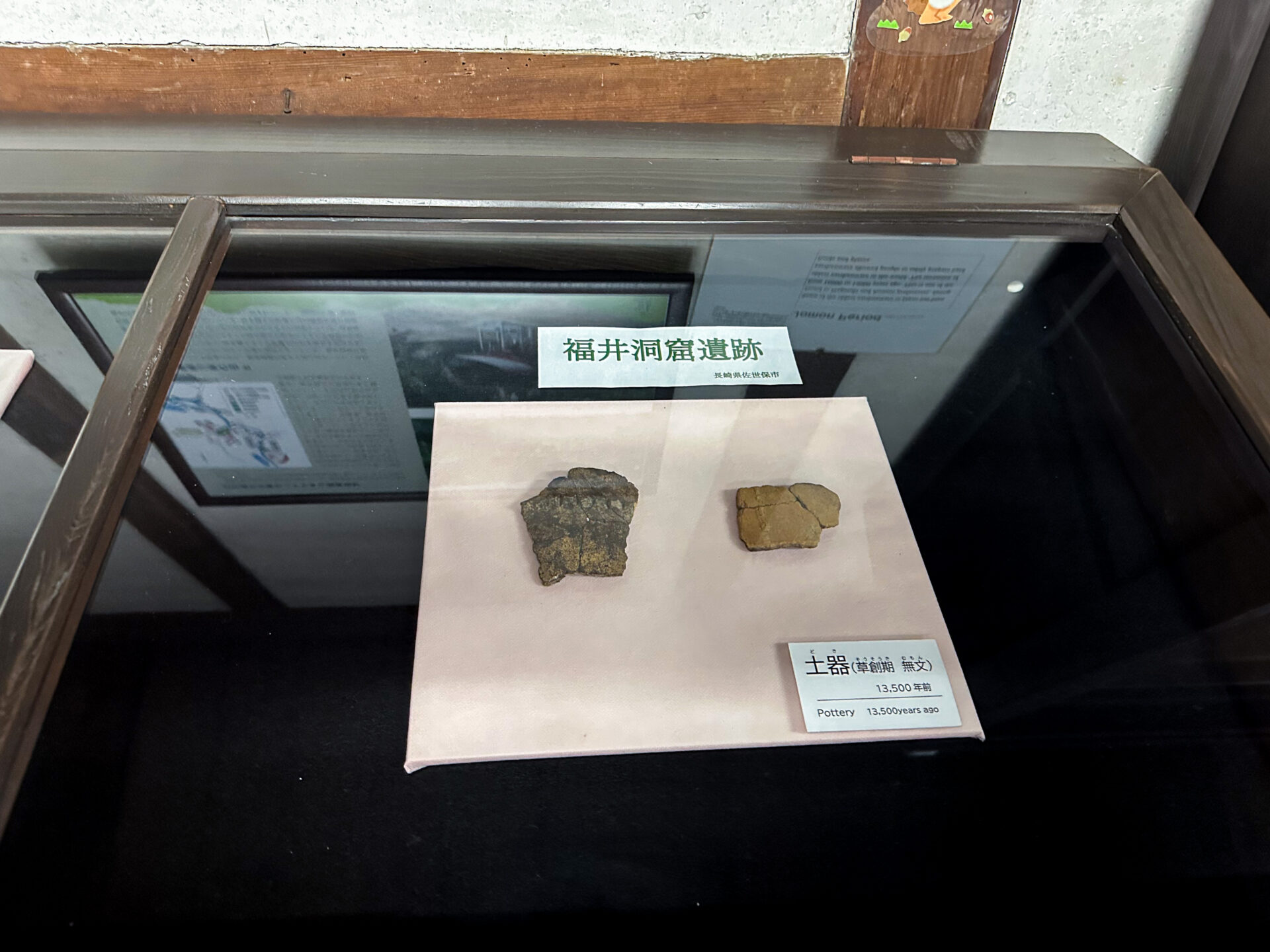
According to information from local researchers, when staff from the Kurashiki Archaeological Museum went to Sasebo to confirm the existence of Paleolithic tools in Kyushu, Paleolithic tools were excavated.
Moreover, from the layers believed to be from the Paleolithic era, pottery said to be among the oldest in the world was discovered. That location is the Fukui Cave Ruins.
Collaboration between Universities and Museums
I understand that this special exhibition is being jointly held by Okayama University of Science, the Sasebo City Board of Education, and the Kurashiki Archaeological Museum.
Bann
At that time, the late Mr. Kamaki Yoshimasa, who was involved in the excavation of the Fukui Cave Ruins, later became a professor at Okayama University of Science, and the late Mr. Makabe Tadahiko, who accompanied the excavation, became the director of the Kurashiki Archaeological Museum. Due to such long-standing connections, the three parties are collaborating for this exhibition.
Archaeology is always connected to the land.
As research progresses while maintaining ties to the excavated land, new discoveries emerge.
In that process, new methods are also incorporated. For example, as in this exhibition, photographing ruins from the sky.
Key Points of the Special Exhibition
Please tell us if there are any particular points of emphasis regarding this special exhibition.
Bann
In typical special exhibitions, the focus is often on deeply exploring the ruins being exhibited.
However, this time, we are highlighting the connections of researchers from the early stages of excavation and the ongoing research that continues to this day.
For example, when investigating the Fukui Cave Ruins, staff from the Kurashiki Archaeological Museum discovered another cave ruin nearby while conducting surveys. This cave ruin is called the Chokudani Rock Shelter Ruins, and stone tools have been excavated from there.
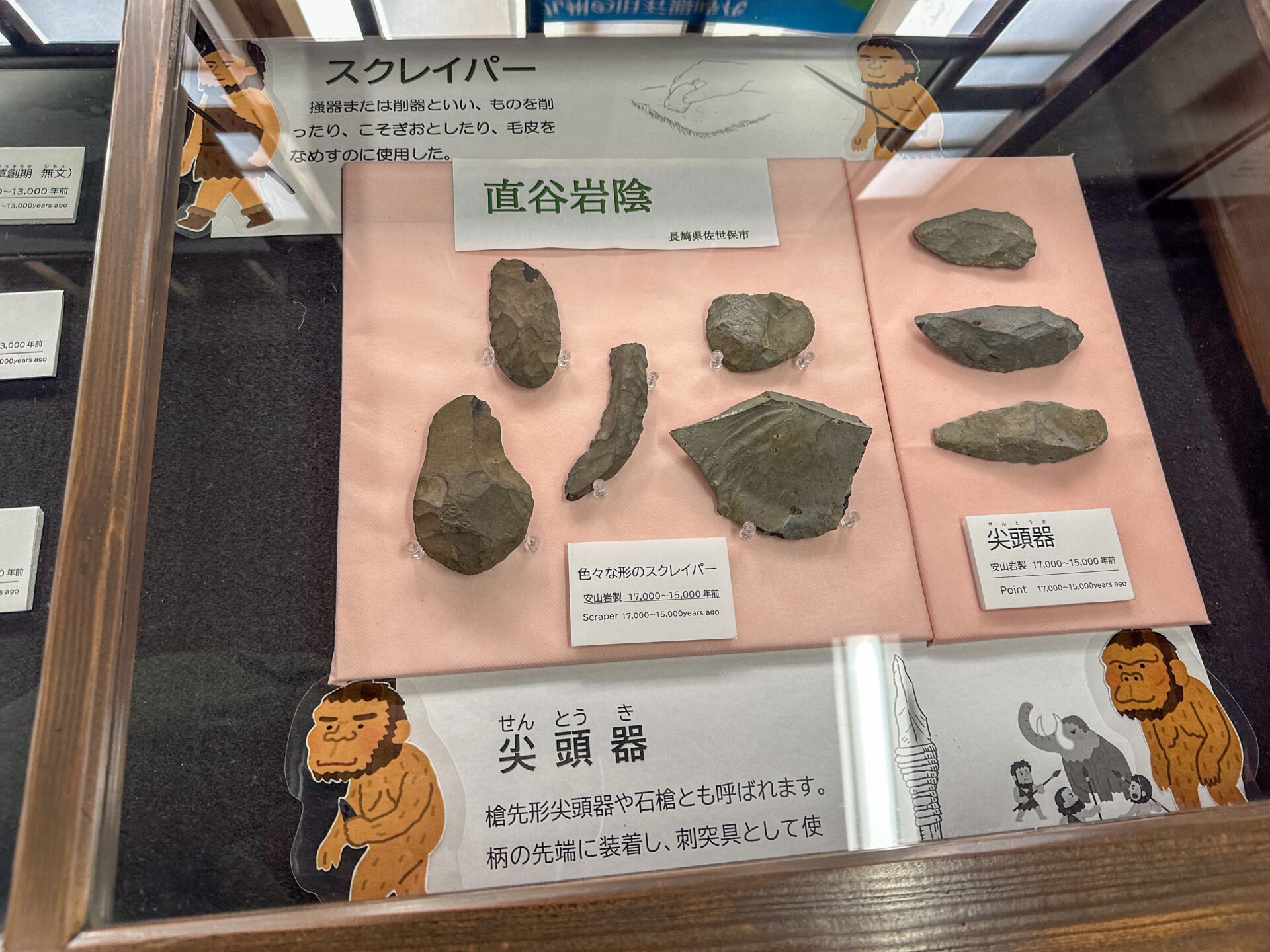
Since then, various investigations, including dating of the excavated items, have continued, and since 2017, aerial photographs have been taken using drones to record the surrounding area and location.
That is why the title of this special exhibition is “Cave Ruins Seen from the Sky”.
Cave Ruins Seen from the Sky
Regarding the title of the special exhibition “Cave Ruins Seen from the Sky,” what can be understood by viewing cave ruins through aerial photographs?
Bann
When modern people decide where to live, they choose places based on convenience and their lifestyle.
By looking at cave ruins (the homes of ancient people) through aerial photographs, one might see, for example, that there is a river nearby or that the location seems to be less prone to natural disasters, revealing the lifestyle of ancient people.
Are the places where cave ruins remain locations where people have lived since ancient times, thus being strong against natural disasters?
Bann
It cannot be said that this is true for all cases; in fact, traces of disasters are also left in the ruins. This Fukui Cave Ruins also had periods when people did not live there due to landslides.
When they first started living there, they did not know whether this cave ruin was safe.
Bann
That’s right.
So, they were not necessarily living in a safe place from the beginning; it is thought that they gradually learned to avoid such places while experiencing landslides and floods, and began to live in safer locations.
Features of the Exhibits at the Kurashiki Archaeological Museum
Please tell us about the features of the exhibits.
Bann
While the focus is on photo panels, in reality, we are exhibiting excavated items.
I hope people will take a close look at pottery and stone tools from the Paleolithic and Jomon periods, which are not usually seen.
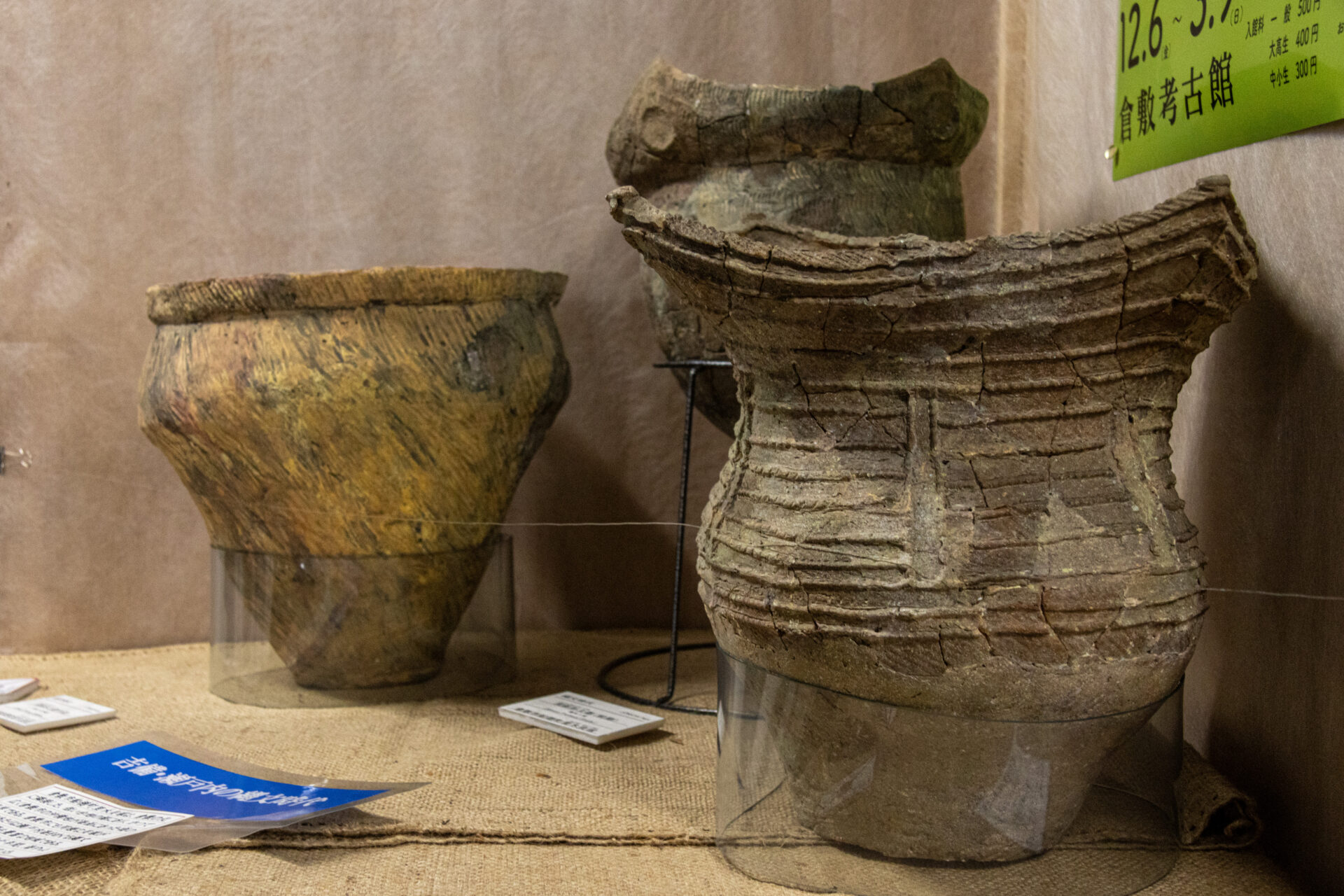
Actually, there shouldn't be pottery from the Paleolithic era, but pottery was found. By the people of the Kurashiki Archaeological Museum.
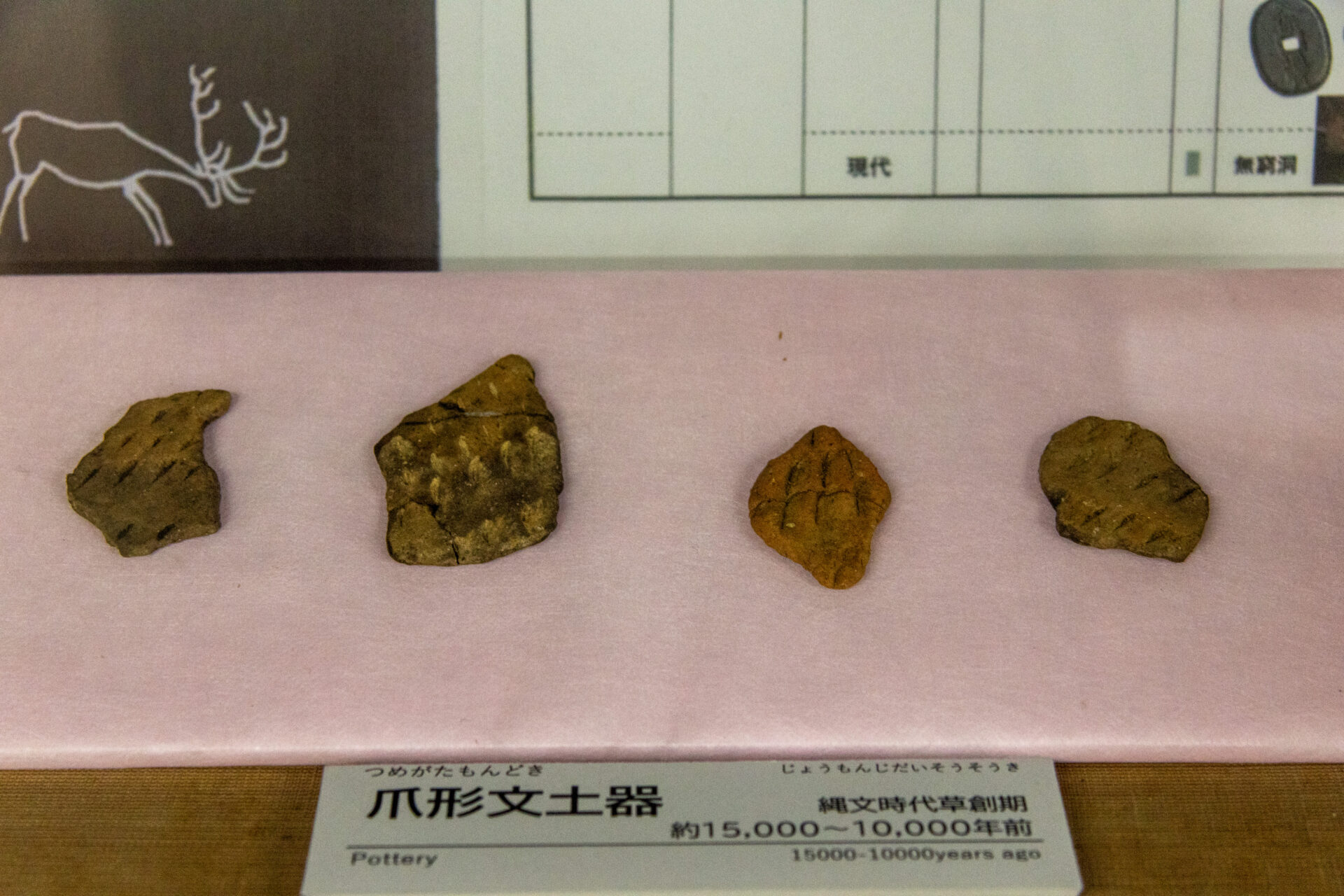
The pottery from this era does not have cord patterns but features unmarked surfaces or raised line patterns made by attaching clay strings. For example, this is called claw pattern pottery, where patterns were made on the surface of the pottery with claws.
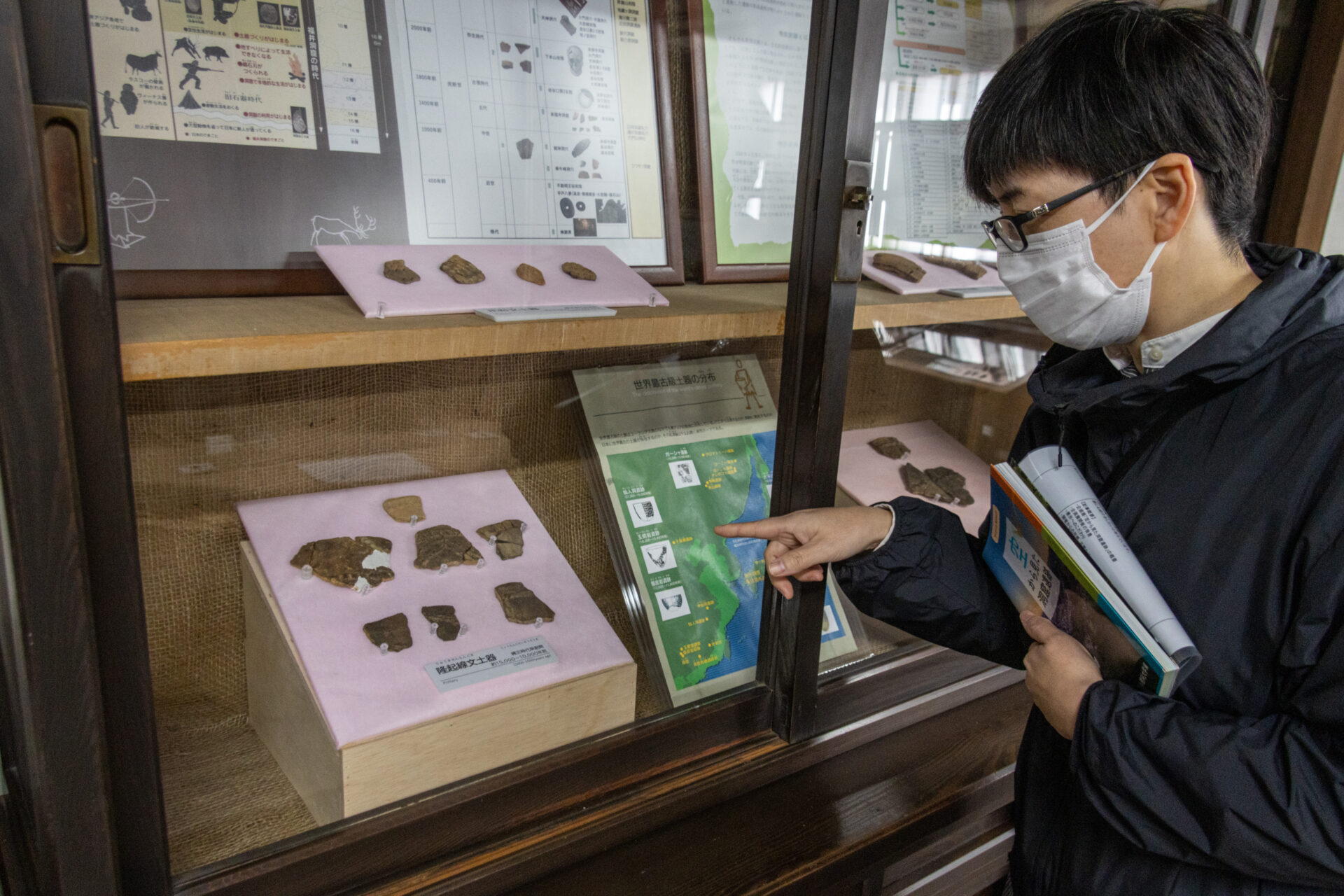
Later, during the Jomon period, pottery began to have cord patterns. This is the familiar Jomon pottery seen in textbooks.
Finally, please give a message to the readers who will visit.
Bann
Along with the valuable materials excavated from the ruins, please imagine what kind of places ancient people lived in and their lifestyles based on aerial photographs.
We look forward to your visit.
Conclusion
I thought that archaeological excavations mainly involved digging up artifacts, but my impression changed a bit before and after the interview.
What particularly left an impression on me was the phrase "It's not just about digging".
I think it's rare to learn about the stories hidden behind the artifacts seen in museums and other places.
However, I became more aware that there are researchers who are continuously diligently excavating and conducting research behind the scenes.
It seems that such diligent research has led to the study of "cave ruins seen from the sky," and then to this exhibition.
The collaborative exhibition held by the university researching the excavated land and the museum displaying the research results is open until March 9, 2025 (Sunday).
Why not take a moment to reflect on the lives of ancient people at the Kurashiki Archaeological Museum?
Articles about Kurashiki Archaeological Museum

Data for the Kurashiki Archaeological Museum Special Exhibition "Cave Ruins Seen from the Sky"
| Name | Kurashiki Archaeological Museum Special Exhibition "Cave Ruins Seen from the Sky" |
|---|---|
| Dates | Fridays, Saturdays, Sundays, and public holidays 10:00 AM - 3:00 PM |
| Location | 1-3-13 Chuo, Kurashiki City |
| Admission Fee (including tax) | General 500 yen University and high school students 400 yen Middle and elementary school students 300 yen |
| Website | Kurashiki Archaeological Museum |
















Fukui Cave Museum / ed. Cave Ruins Seen from the Sky. First edition, Yuzankaku, October 2024, 110p.