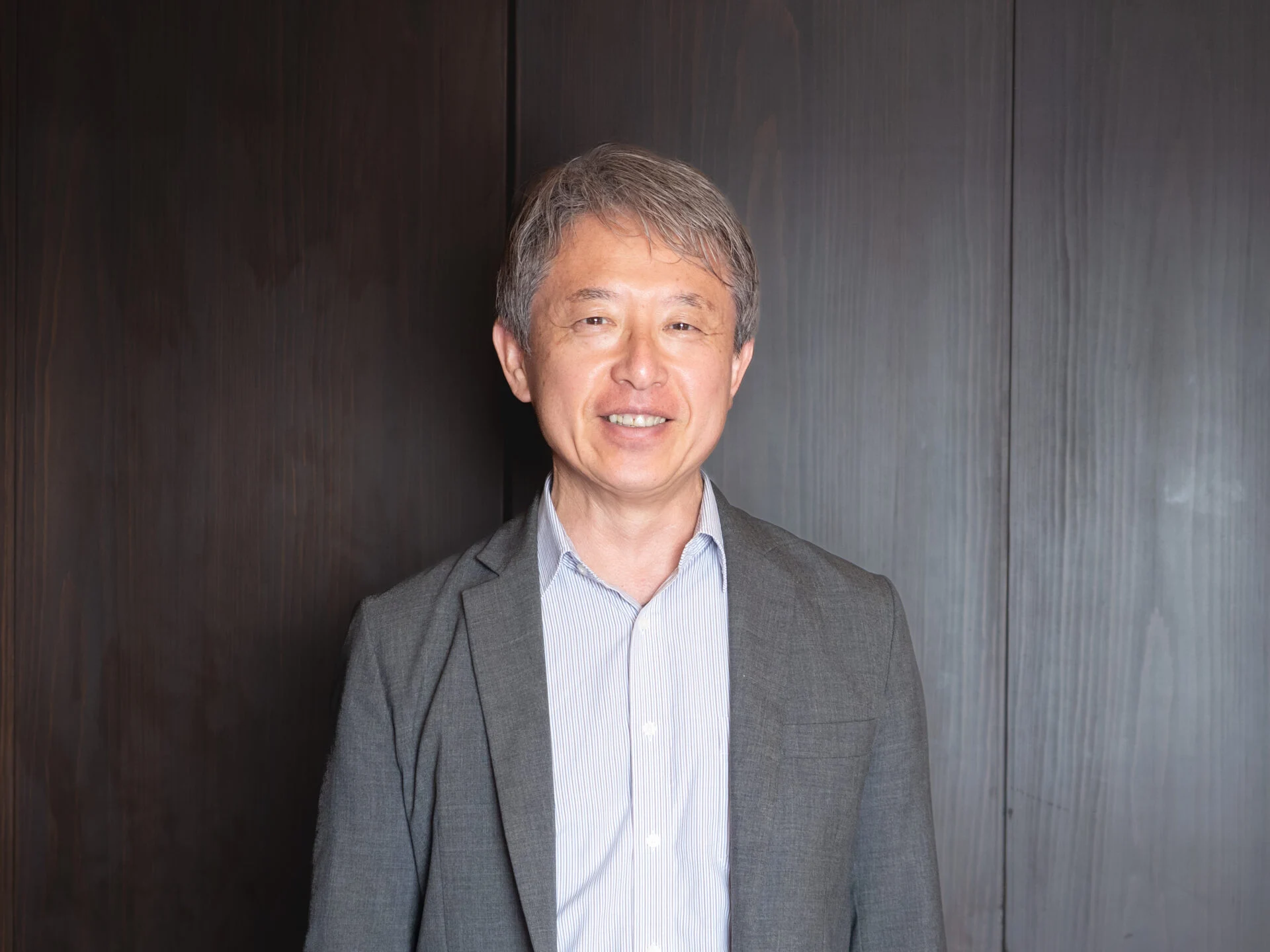
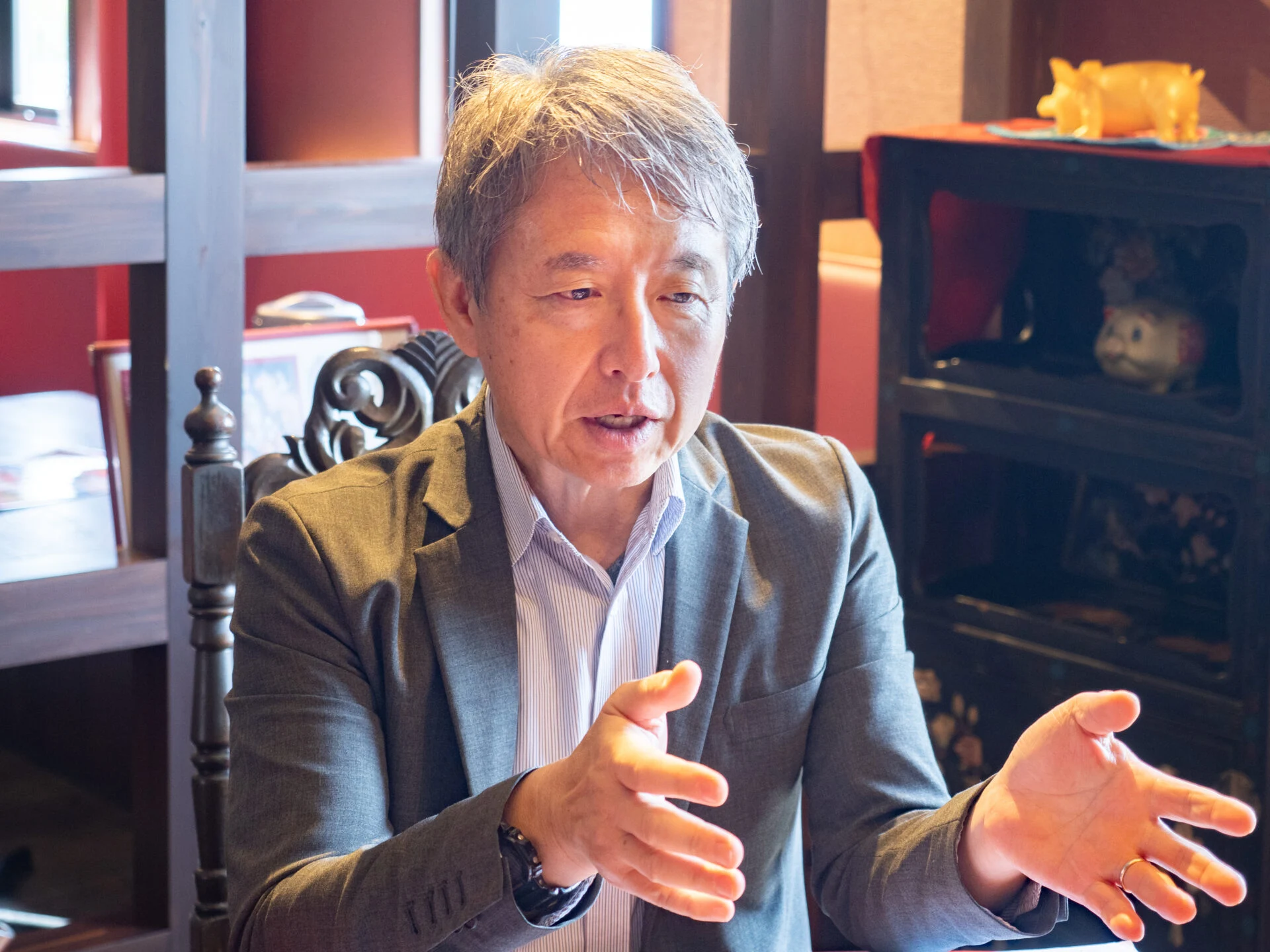
Interview with Hiroshi Hori, the representative of Kochin
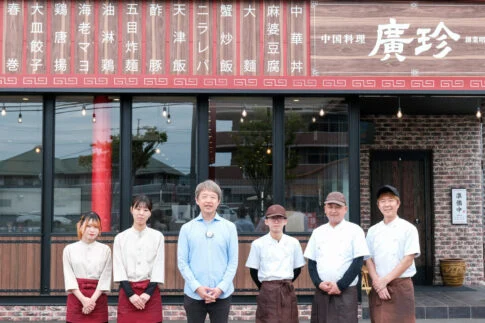
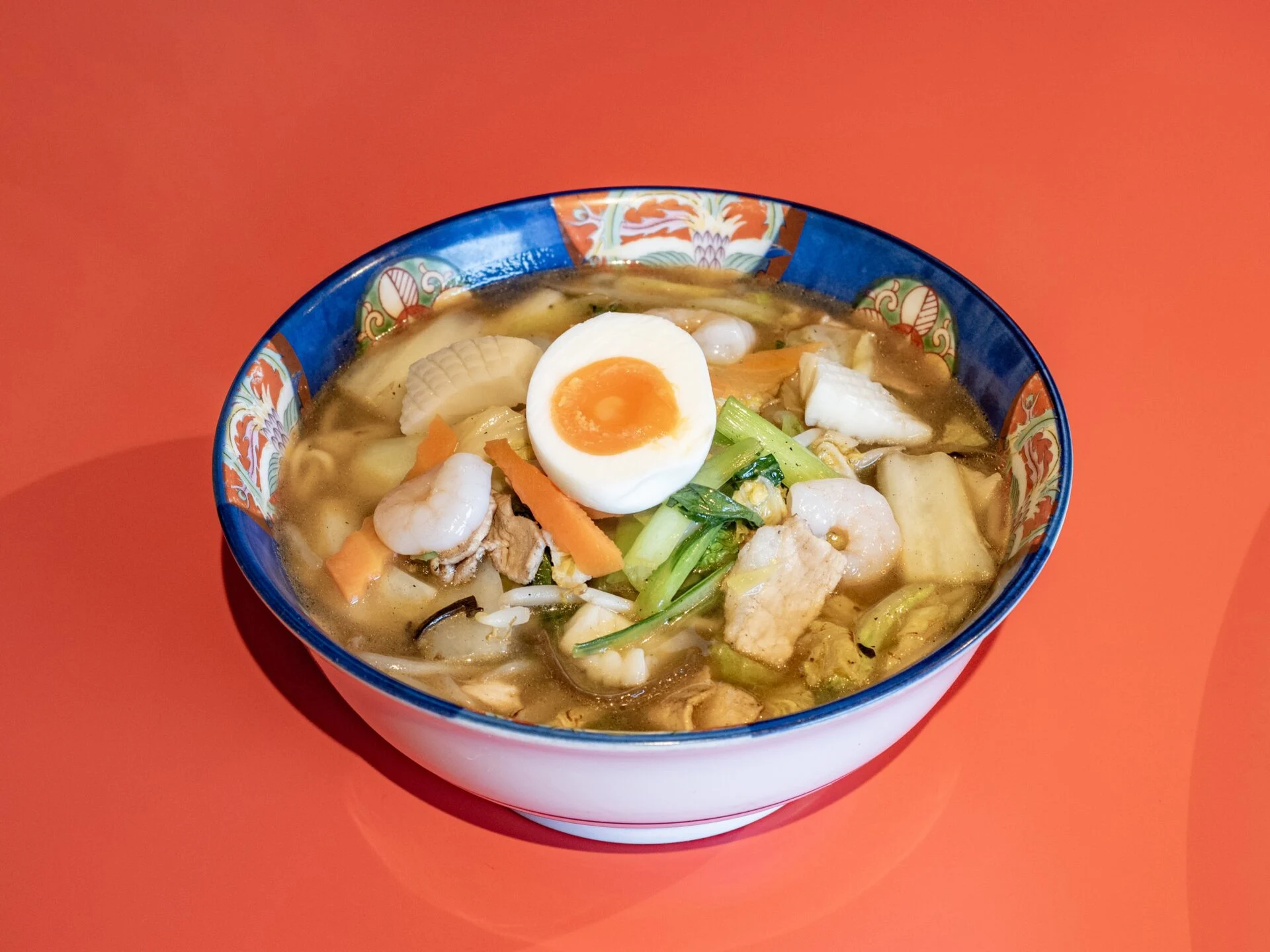
Kochin, a long-established "Chinese restaurant," has relocated and renewed itself, entering a new phase.
I spoke with Hiroshi Hori about the history of the restaurant, its commitments, and the background of its relocation and renewal.
The thoughts of the first generation on post-war food shortages that led to the founding
I want to know about the history of Kochin.
Hori
Kochin is now in its second generation with me. The founder was my father, the first generation.
My father experienced the post-war food shortages, which led to his desire for people to be able to eat their fill. I have heard that this was the reason he entered the culinary world.
At the suggestion of my predecessor, my grandfather, I trained at "Kochin-ken," the first Chinese restaurant (Cantonese restaurant) in Okayama, located in Omote-cho.
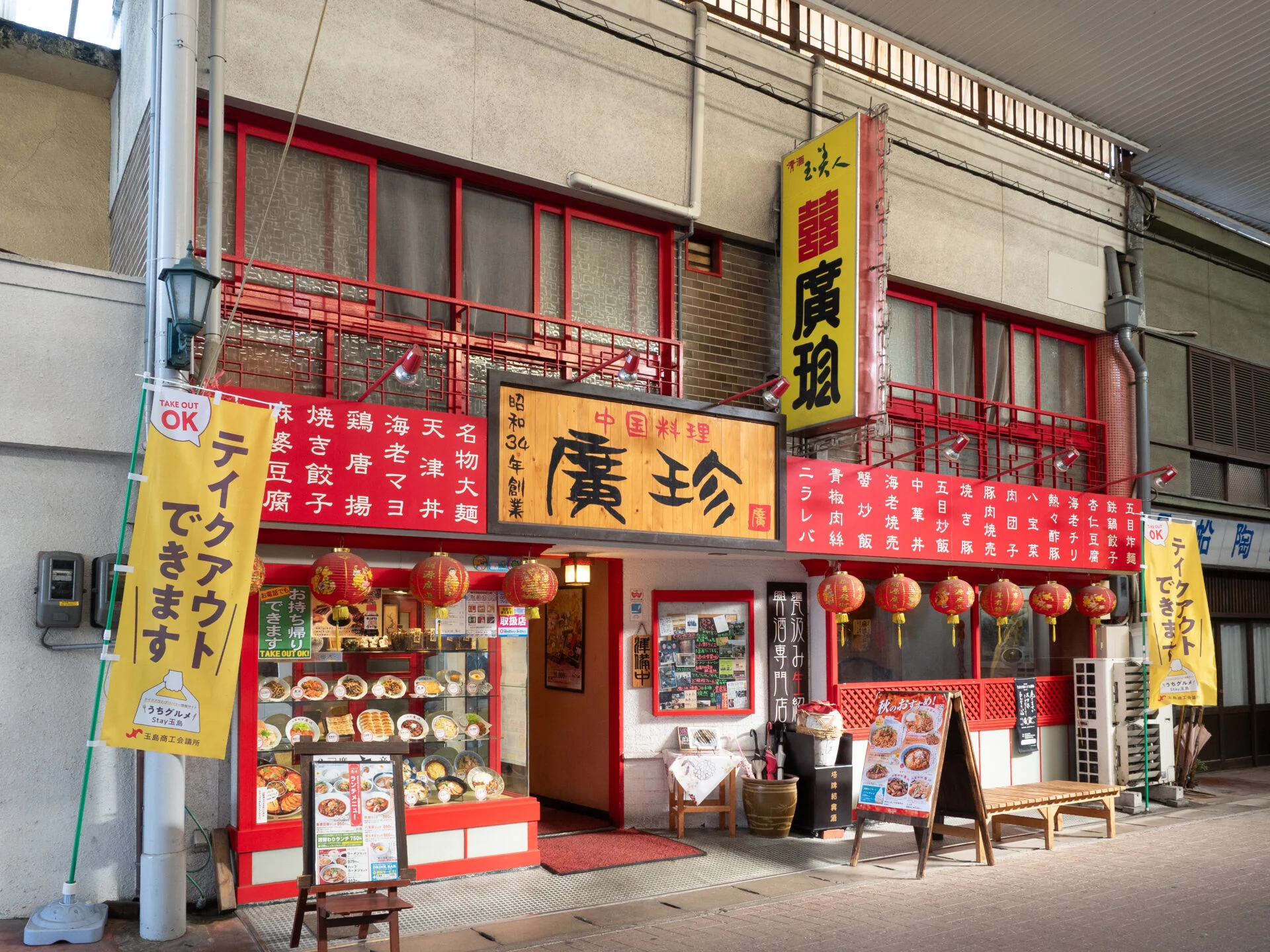
Then, in November 1959, my father independently opened "Cantonese Cuisine Kochin" in the Seishin-cho shopping street in his hometown of Tamashima. The name of the restaurant was taken from Kochin-ken, where he trained. The reason for his independence was the same as when he aspired to be in the restaurant business: the desire to "have the local people eat well and be full."
Since then, we have changed our selling methods and approaches to adapt to the times. We evolved from a Cantonese restaurant to a broader Chinese cuisine establishment, becoming "Chinese Cuisine Kochin."
Additionally, with the rise of the automobile society, we opened chain stores such as Chinese delicatessens and ramen shops in the suburbs. "Azumaya Tamashima" was opened as a family restaurant-style establishment because there were no popular Japanese restaurants in Tamashima.
The thoughts of the first generation are still carried on by the company and all the staff, and we believe that Kochin is a restaurant that "provides smiles and energy to the community through food."
Relocation to a suburban main road improved convenience
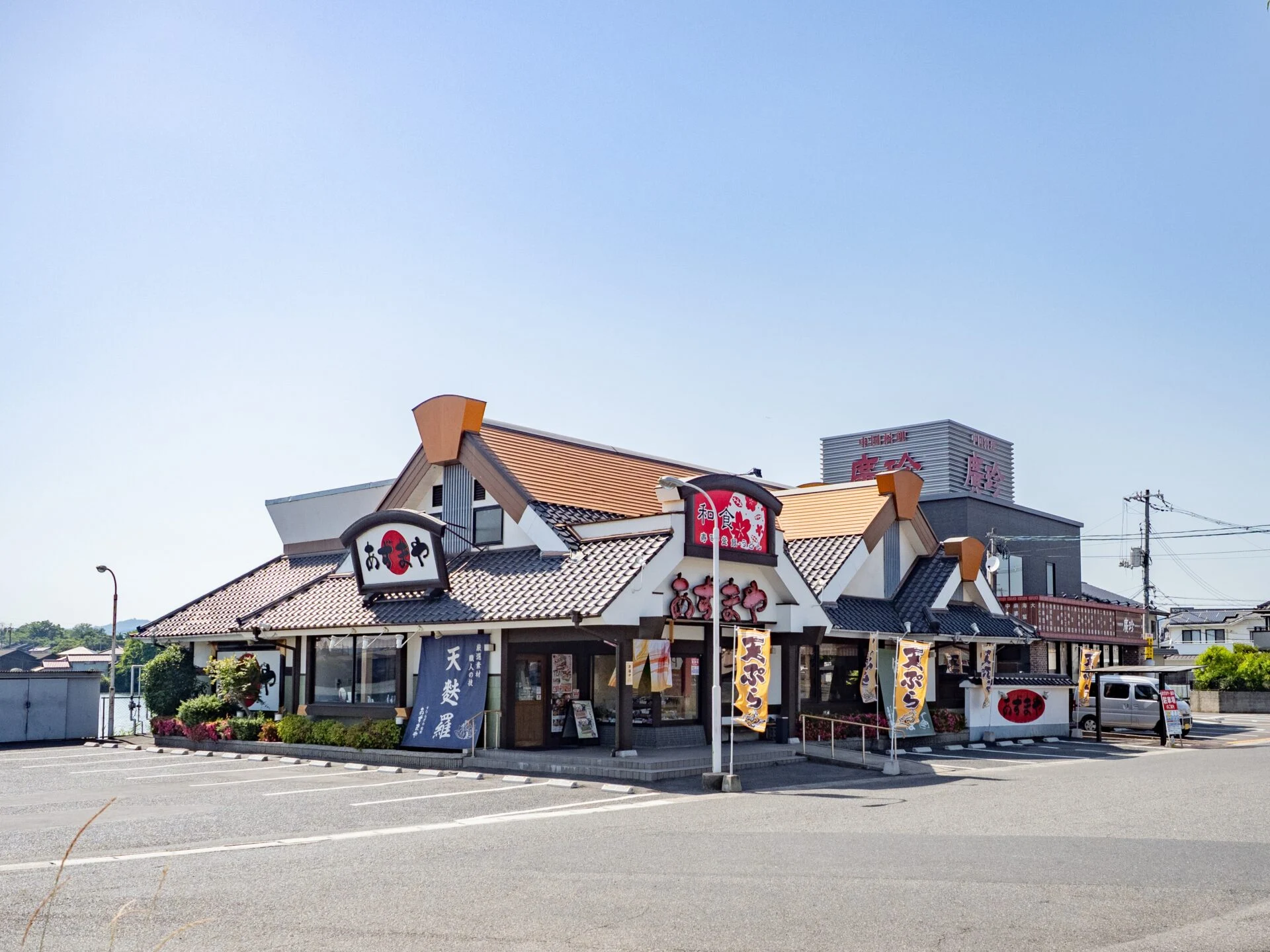
What was the reason for the relocation in 2025?
Hori
The main reason was the aging of the store.
If we were to renew, we wanted a larger and more user-friendly store, but being in a shopping street made it difficult to expand due to location constraints.
Fortunately, a plot of land adjacent to our chain store "Azumaya Tamashima" became available, so we decided to relocate and renew.
Additionally, being in the central shopping street made it inconvenient for customers due to parking issues. The new store is located along a suburban main road, where we can secure ample parking, making it easier for customers to visit by car.
Relocation and renewal to attract a wider customer base
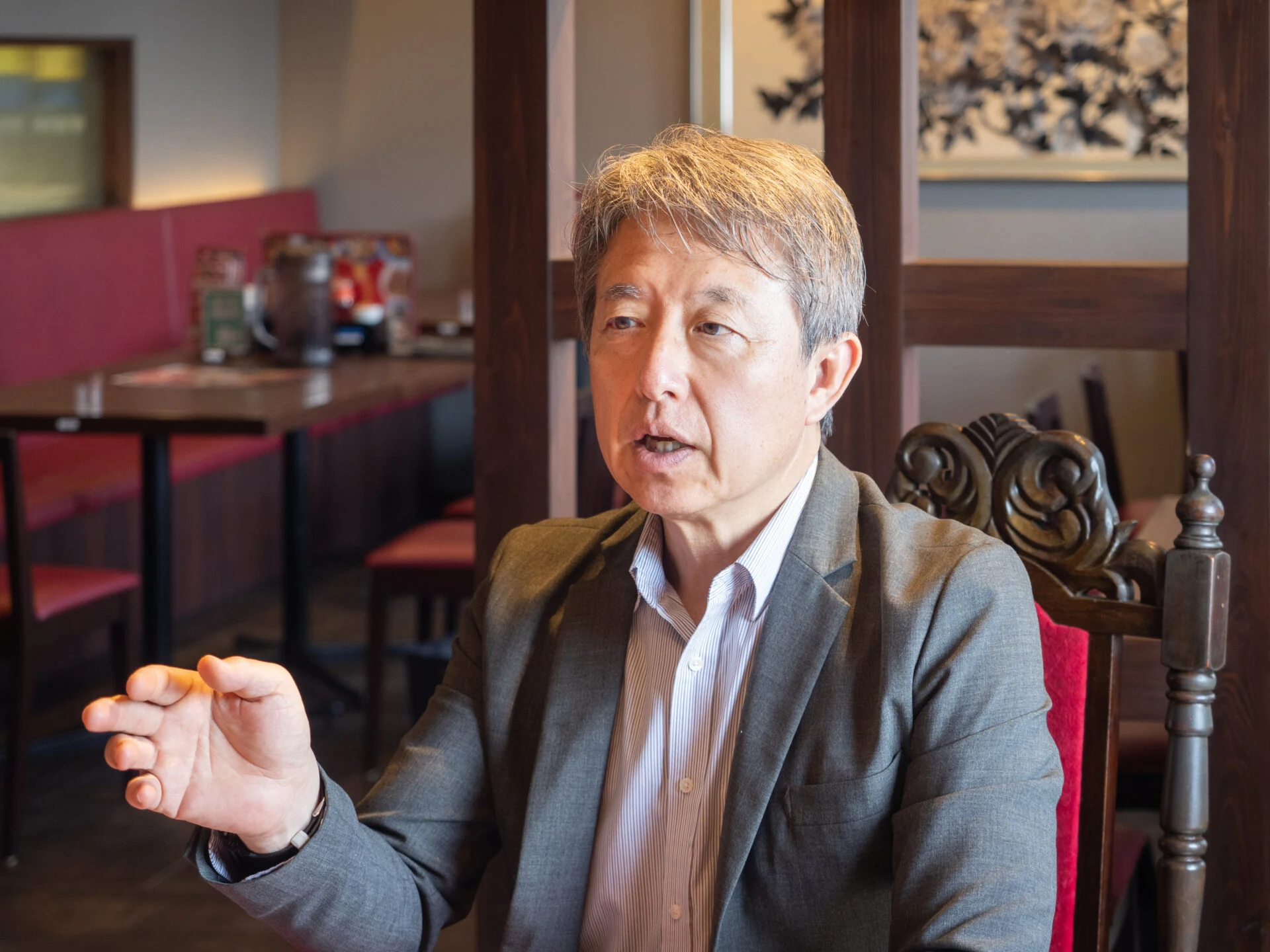
What has changed since the relocation?
Hori
The biggest change is definitely the parking.
We now have a shared parking area with Azumaya, allowing for many cars to park. There are also second and third parking lots.
Additionally, the number of seats has significantly increased. The old store did not have counter seats, which made it difficult for solo diners to visit. The new store has counter seats, making it more convenient for individuals to dine alone, which has been well received.
Furthermore, the second-floor seating can accommodate banquets. The old store also had second-floor seating for banquets, but the new store is equipped with monitors and sound systems, allowing for a wider range of uses.
We also use tablets for orders and waiting lists, aiming for efficient operations through IT systems.
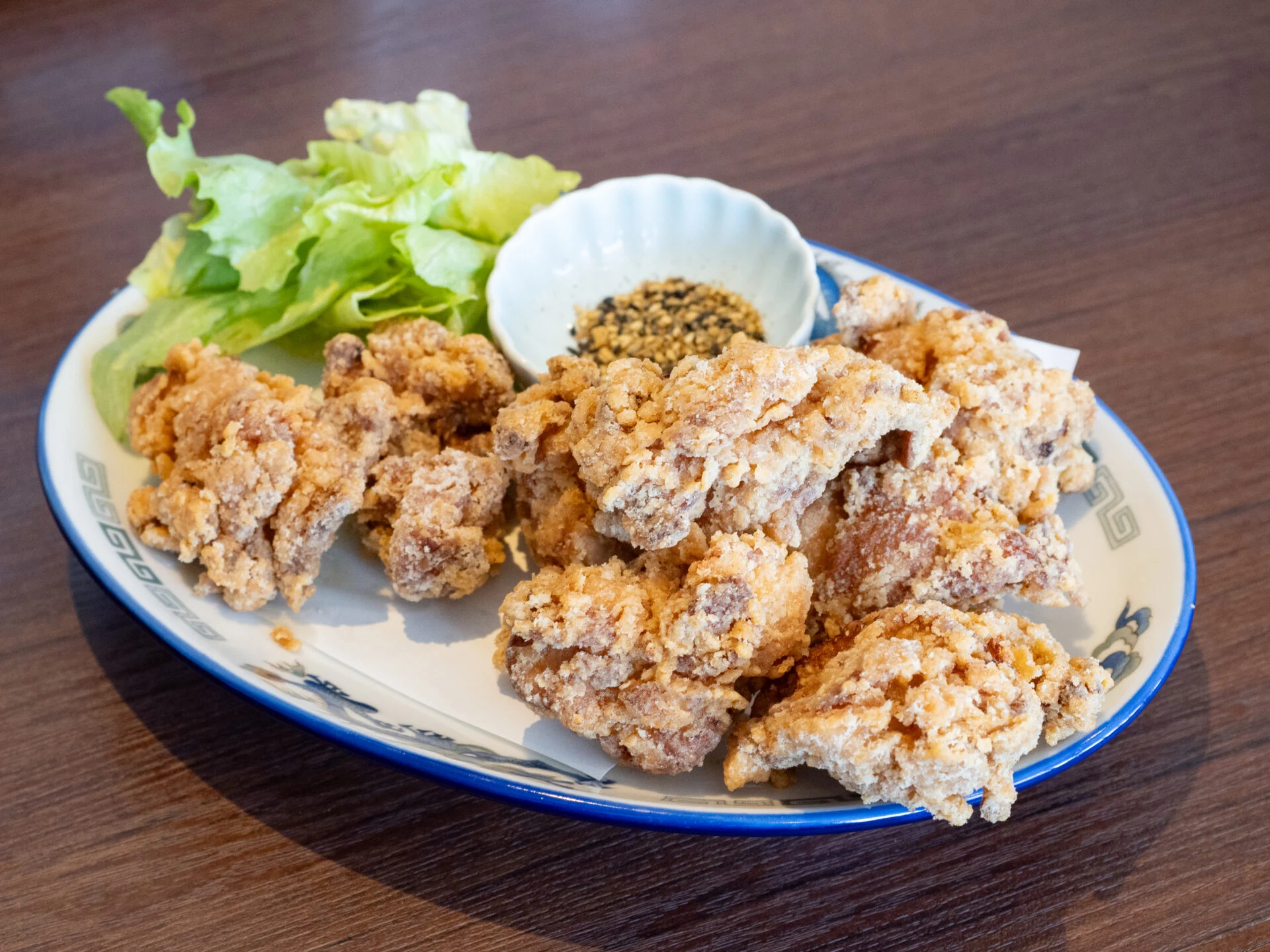
Has there been a change in the customers?
Hori
The customer base has really changed significantly. The old store, being a long-established one in the shopping street, was characterized by a high number of elderly customers.
At the new store, in addition to the previous customers, there has been a significant increase in families with children.
More people are coming for lunch during work or dinner after work, whether alone or in groups. There has also been an increase in banquet usage by companies and organizations.
Actively utilizing local ingredients. New menu development involves input from all staff
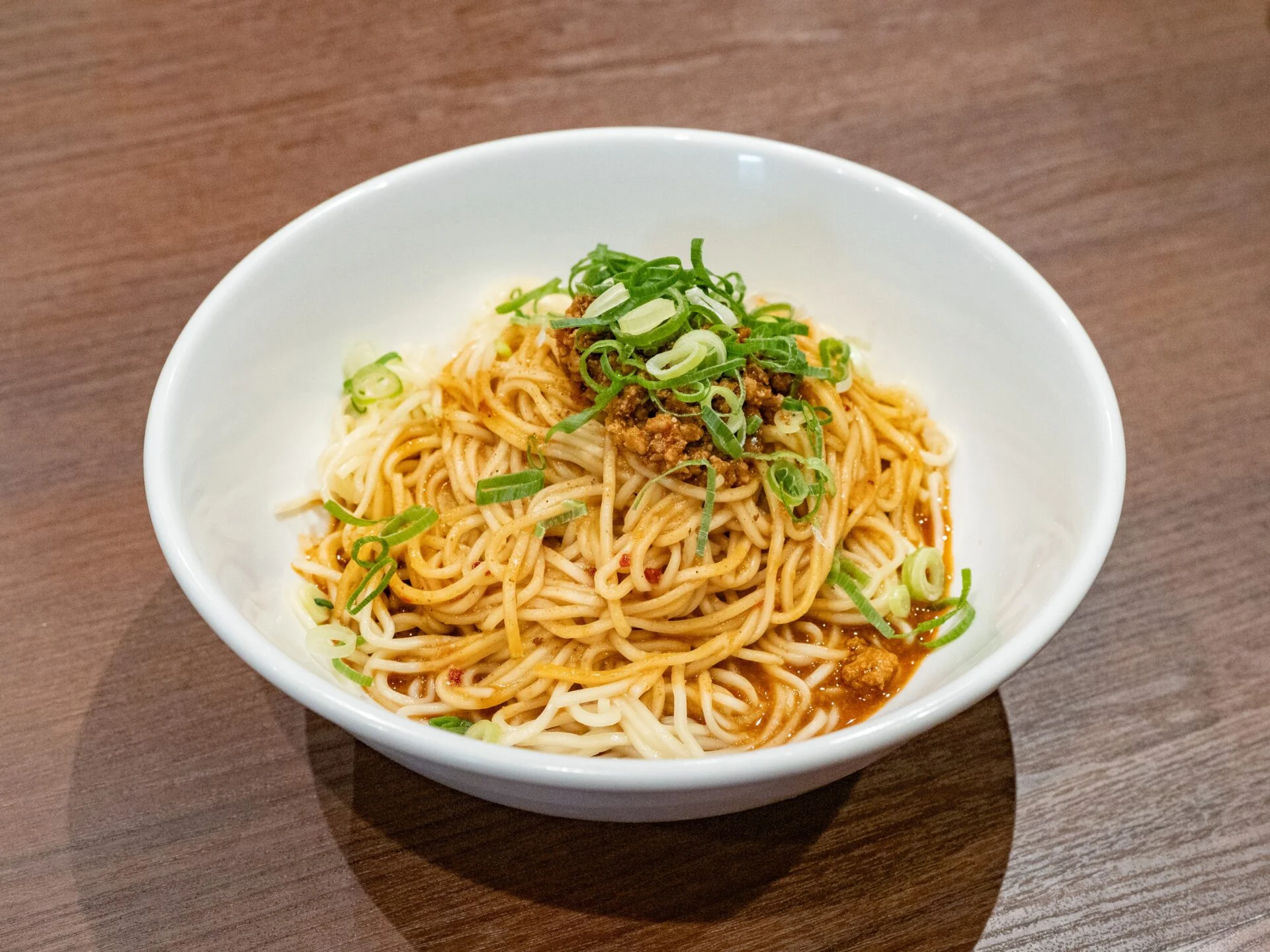
Please tell me about the restaurant's commitments.
Hori
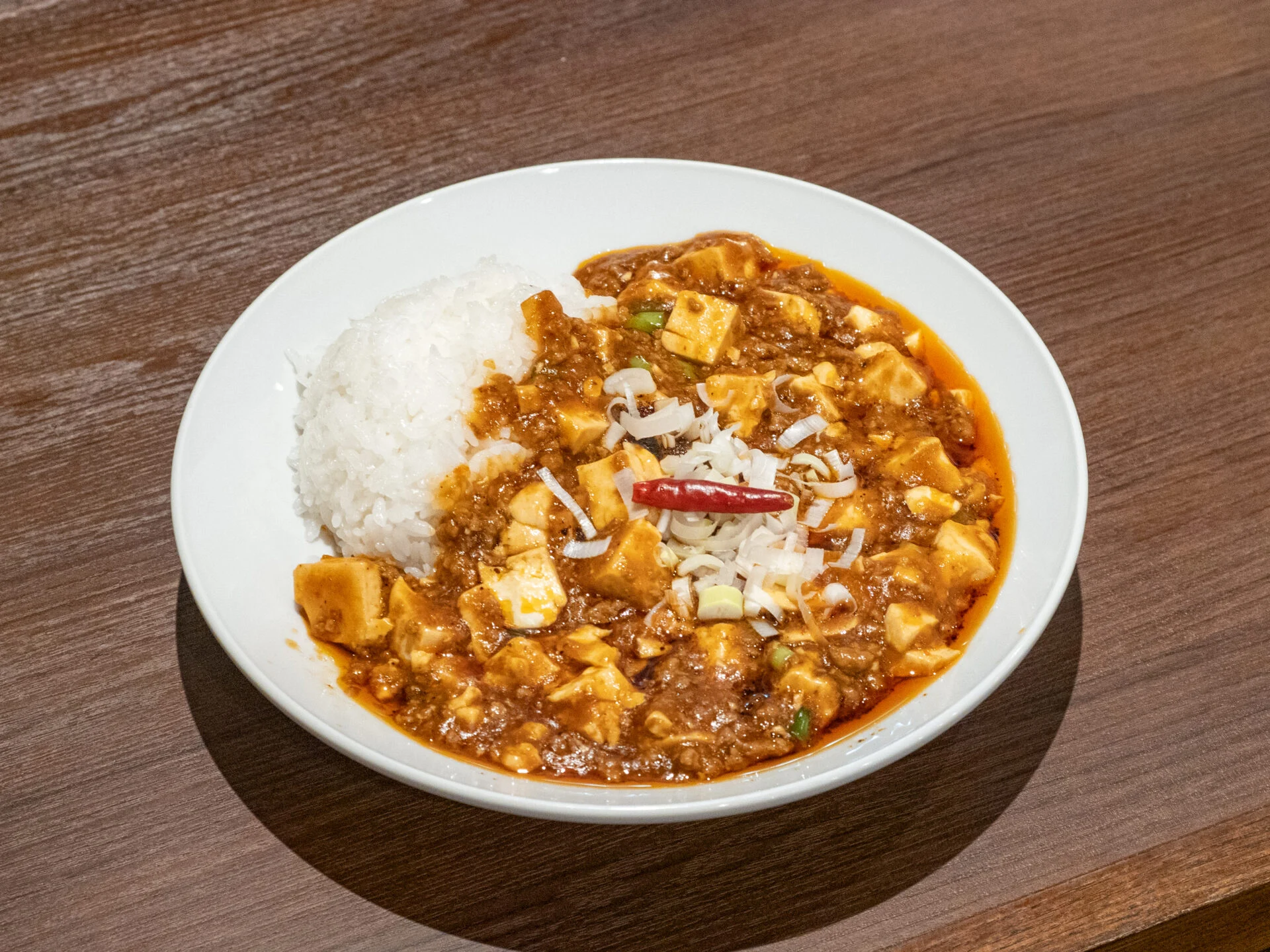
The most important commitment is to use local ingredients from the Tamashima area as much as possible. We consider local ingredients as "food resources."
For example, the eggs come from a local poultry company, Noda Hatsu. The sauce is from another local company, Toyoshimaya (Tate Sauce). The soy sauce used for ramen and char siu is from Tamashima Miso Soy Sauce.
The rice is a variety called "Nikomaru" grown by Ono Rice in Tamashima. The perilla used for the perilla juice is also from Tamashima.
Additionally, we use homemade Chinese noodles.
Are there any operational innovations in the restaurant?
Hori
One innovation is that we frequently implement minor changes to regular menu items.
Suggestions for new and seasonal menus, as well as improvements, are discussed not only by the cooking staff but also by all staff members, including those in the dining area.
Menu proposals are submitted with cost calculations and justifications, as we value the mindset of being professional chefs.
As mentioned earlier, the new store has seen an increase in younger customers compared to the old store, making it easier to incorporate challenging, unique, and trendy menu items that appeal to young people.
Continuing to give back to the local community of Tamashima
What would you like to do in the future?
Hori
Our company has been in business for over 60 years and has been well-loved by the Tamashima community. In fact, the relocation and renewal also serve as a way to express our gratitude to the community.
We aim to continue to provide dishes that will delight the local community while further refining our offerings and valuing local ingredients.
As part of our gratitude activities, we also provide job experience opportunities for local middle school students as a challenge work.
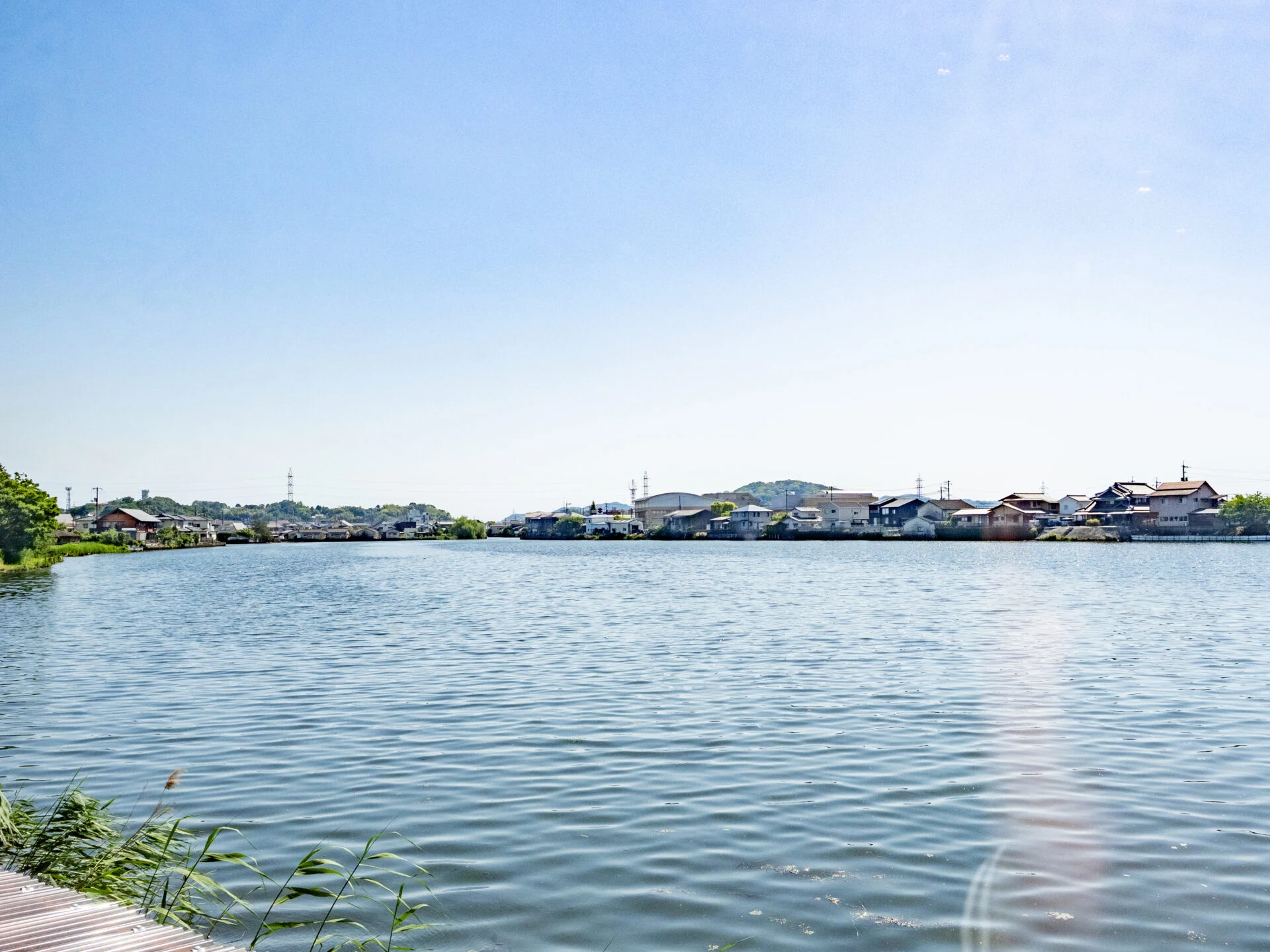
Additionally, the Tamagawa River next to the new store is the site of cleaning activities organized by the Tamashima Chamber of Commerce, which are held about twice a year, with participation from local residents and businesses. Our employees also participate in these activities. Furthermore, we invite customers to join as participants, with around 20 people participating each time.
For our customers, we also conduct cooking classes led by professionals, covering a wide range of cuisines, including not only Chinese but also Japanese, which have been very well received.
Moreover, this year (2026), we provided meals for a graduation celebration at Kurashiki Makibi Support School, an initiative that started because a graduate is working with us.
Our goal is to continue to give back and contribute to the local community of Tamashima in various ways.
Lastly, I want to attract more people from other areas to the Tamashima area. By bringing people to our restaurant, I hope to help invigorate the Tamashima area.
The desire passed down from the founder: "I want the local people to eat well and be full"
Since its founding in 1959, Kochin has been beloved by the people of Tamashima for over 60 years and has now relocated to make a fresh start.
Although the store and location have changed, the underlying desire of the founder to "have the local people eat until they are full and enjoy delicious food" has not changed to this day.
Furthermore, Kochin values its connection with the community beyond the framework of a restaurant, actively utilizing local ingredients, engaging in community activities, and offering cooking classes and vocational experiences.
It can be said that Kochin has continued as a store that walks alongside and supports the Tamashima community.
From now on, as a "local Chinese restaurant" that is close to the daily life of Tamashima, it will likely continue to be loved by many people.
Data of Chinese Cuisine Kochin
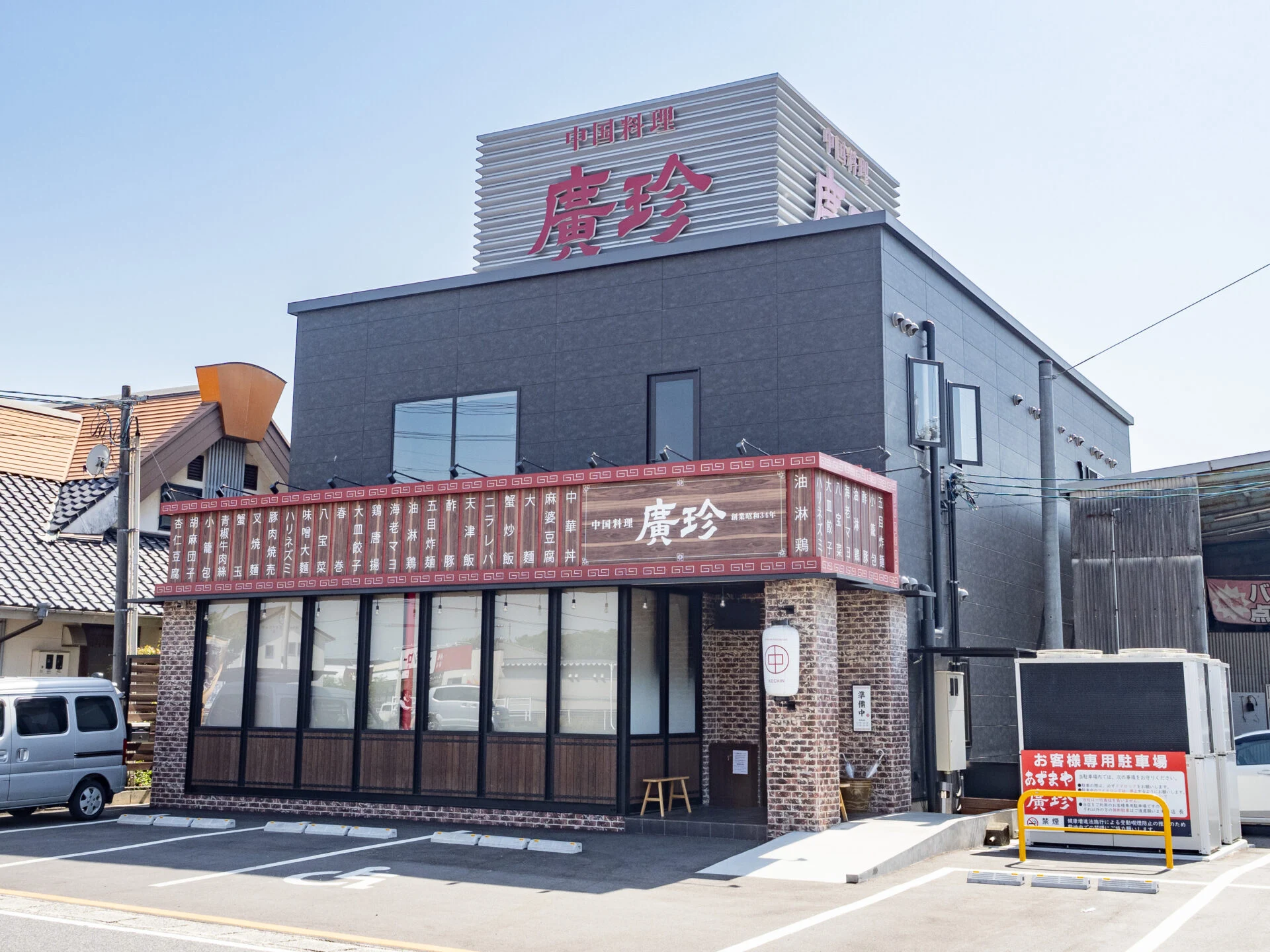
| Name | Chinese Cuisine Kochin |
|---|---|
| Address | 1713-14 Tamashima, Kurashiki City, Okayama Prefecture |
| Contact | 086-522-5188 |
| Parking | Available 2nd and 3rd parking lots available Shared with Azumaya Tamashima |
| Business Hours | 11:00 AM – 2:30 PM (Last Order 2:00 PM), 5:30 PM – 9:00 PM (Last Order 8:30 PM) |
| Regular Holidays | None |
| Payment Methods |
|
| Reservation Availability | Yes Reservations are only possible for large groups in the second-floor seating (Reservations are not possible for general use in the first-floor seating) |
| Seating | Total 156 seats ・Counter: 6 seats ・Table: 70 seats ・Second-floor Tatami room: 80 seats |
| Smoking | Completely non-smoking |
| Toilet | Western-style toilet |
| Childcare | Stroller access available (1st floor only) Child-friendly utensils available Child seats available |
| Barrier-Free | Ramp Wheelchair access available (1st floor only) Toilet is not wheelchair accessible |
| Website | Chinese Cuisine Kochin | For Everyone's "Delicious!" |