Experiences of feeling frustrated when one’s intentions are not conveyed are something everyone has likely faced.
For those whose work involves negotiations with others, the effectiveness of communication directly impacts performance.
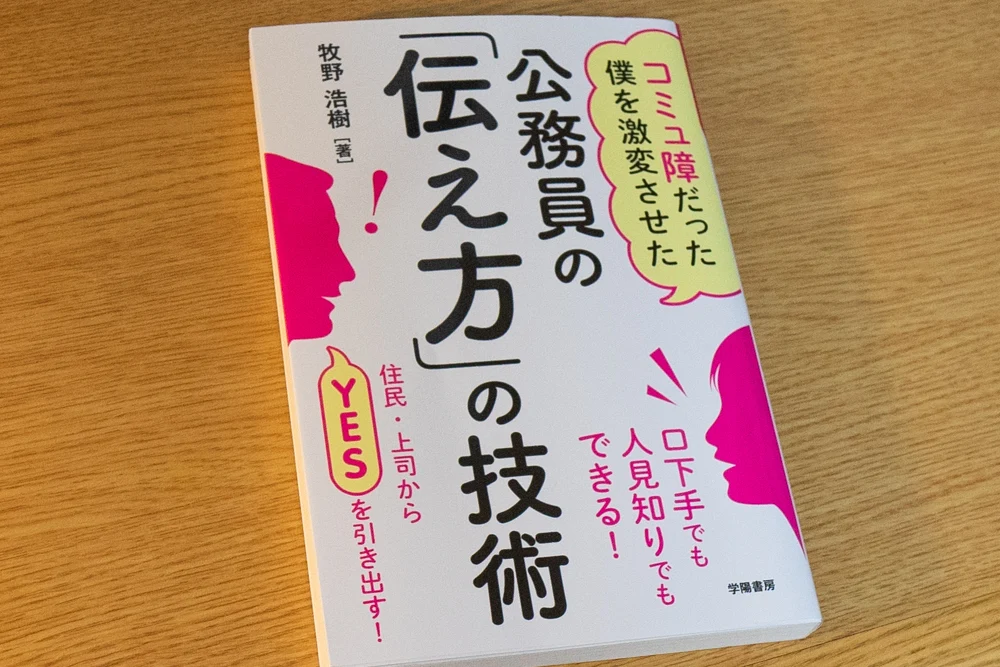
The author of "The Communication Skills of a Public Servant Who Transformed from Being Socially Awkward," Maki no Koji, was a self-proclaimed "socially awkward" person with few friends since elementary school and lacked confidence in communication.
However, after being assigned to the Tax Collection Division at the Kurashiki City Office, he struggled daily with negotiations with tax delinquents and began to study communication skills.
As a result, he successfully collected 170 million yen in taxes annually.
In addition to his role as a city office employee, Maki no has also been active as a rakugo performer, continuing to entertain local residents by holding performances every year.
We will introduce how Maki no, who has three identities as a public servant, author, and rakugo performer, approaches his work.
Maki no Koji's Biography
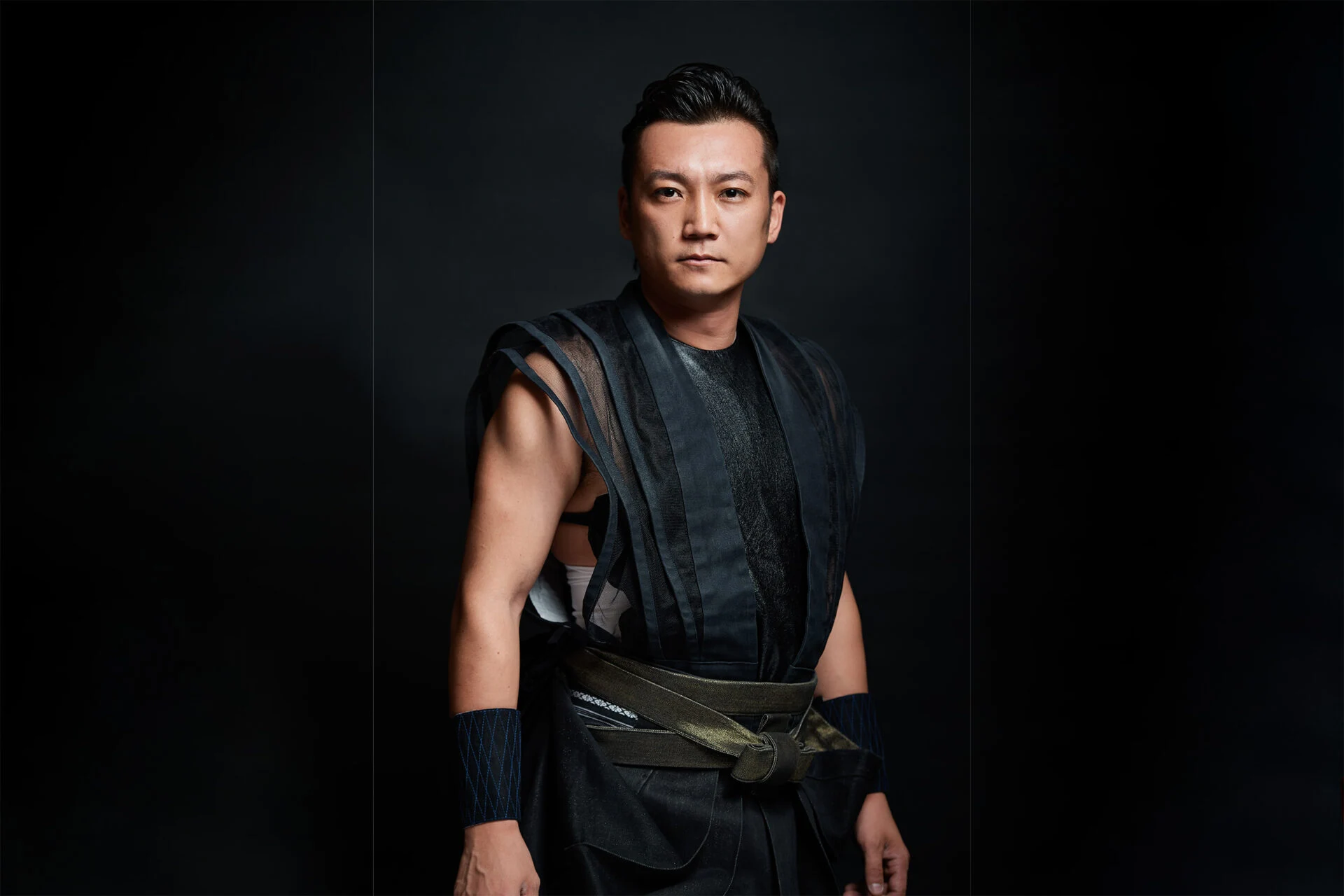
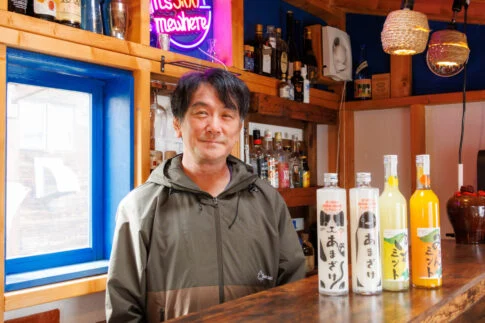
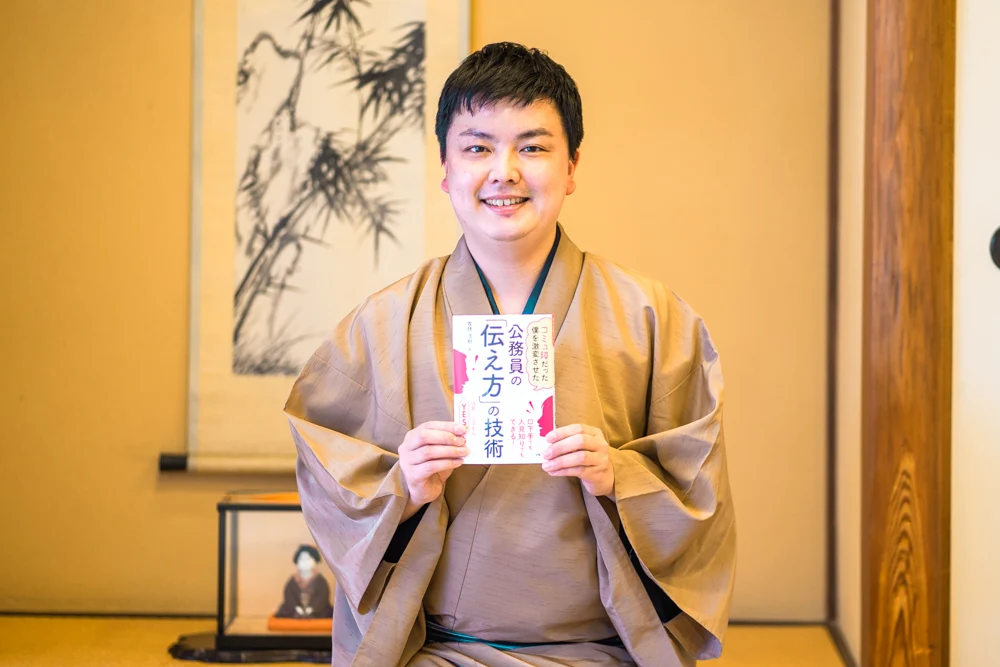
Self-proclaimed "socially awkward," Maki no Koji is an employee at the Kurashiki City Office.
Since elementary school, Maki no had a sense of discomfort in communication with others, but after joining the Kurashiki City Office in 2011, he was assigned to the Tax Collection Division.
This division requires communication skills for negotiating with tax delinquents.
Despite his discomfort in interacting with people, he honed his communication skills through the work of tax collection.
Maki no's book, "The Communication Skills of a Public Servant Who Transformed from Being Socially Awkward," is filled with the know-how he has developed through his work.
Interview with Maki no Koji
Maki no's "Socially Awkward" Episodes
Please tell us an episode where you felt you were bad at communication.
Maki no (no honorifics)
Since elementary school, I was not one to have many friends and lacked confidence in communication.
I truly felt "socially awkward" when I moved to Tokyo to attend university.
I was teased about my Okayama dialect by the people I met at university, but I did not have the sociability to promote my Okayama dialect, so I could not fit in.
The prefectural dormitory where only people from Okayama gathered was comfortable, and I even became reluctant to attend university, resulting in failing twice.
During job hunting, I struggled in interviews, but I was able to join a company in the Recruit Group as a contract employee because I was interested in the advertising industry.
I thought I would be able to write copy and other materials, but it turned out to be a sales job where I had to acquire new contracts.
I did cold calls to a beauty salon in Kichijoji, but it was common for them to not engage with me or listen to me.
Ultimately, I left the company after three months without securing a single contract.
What kind of work have you been involved in since joining Kurashiki City?
Maki no
After returning to Okayama Prefecture, I joined Kurashiki City in 2011 and was assigned to the Tax Collection Division.
I thought being a public servant would be stable and not too difficult since there were no quotas, but I realized that communication is also important in negotiations with delinquents.
In my third year after joining, I was dispatched to the Okayama Prefecture Delinquent Tax Collection Promotion Organization, which handles high-value and difficult cases that cannot be collected by municipalities in Okayama Prefecture.
There, I met an excellent senior employee who also appears in my book.
That person advised me that communication is like an experiment, and I should first try it out and turn it into know-how.
This was a perspective I had never considered before, and I found it interesting. Through trial and error in practical work, I began to make progress in tax negotiations.
Was there a trigger for you to compile your know-how into a book?
Maki no
After being involved in the Tax Collection Division, I became responsible for training in the Human Resources Division.
There, I frequently saw new employees struggling with communication.
Having experienced difficulties myself when I first joined the Recruit Group, I could deeply understand the feelings of new employees struggling with communication.
Thus, I decided to compile the know-how I had accumulated into a book to convey it clearly to my juniors.
Were you able to write everything you wanted to convey in the book?
Maki no
Actually, at first, I intended to publish the book under the title "The Legendary Tax G-Man" who achieved remarkable results, rather than "socially awkward."
I had the impression that self-help books were written by people with impressive titles and achievements, so I brought a proposal to the publisher that did not touch on "socially awkward" at all.
However, as I delved deeper into my experiences with the editor, a story emerged about someone who was socially awkward but grew and achieved results through learning in their work.
It became clear that the content about overcoming a negative state of feeling awkward in communication to being able to communicate normally would resonate more, leading to a focus on "socially awkward."
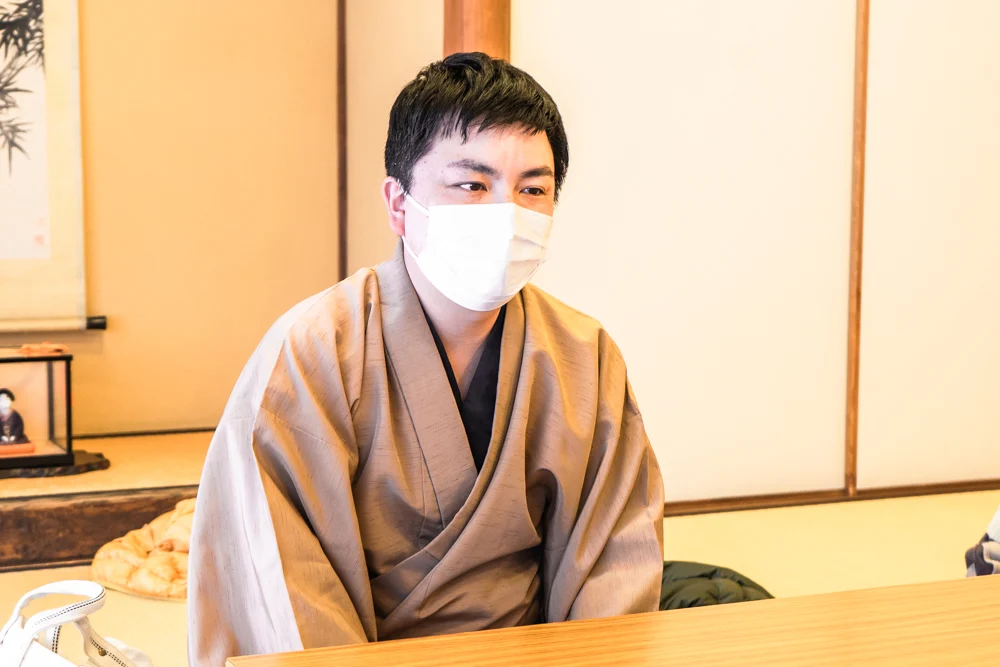
Activities as a Rakugo Performer
Please tell us what prompted you to start rakugo.
Maki no
I always wanted to make people happy and laugh.
That’s when I thought of rakugo.
However, I had no acquaintances who could teach me rakugo, so I started by searching for rakugo performers on the internet.
I found a rakugo performer named Jumbo Kinugasa, who was active in Kure City, Hiroshima Prefecture.
He is a rakugo performer who attracts about 1,000 audience members at each performance, and I began studying rakugo while attending his culture school.
Now, I can hold a performance once a year, gathering around 100 audience members.
Has having multiple identities as a public servant, author, and rakugo performer brought about any changes?
Maki no
I have simply become busier.
During the day, I work as a public servant, so from 9 AM to 6 PM, I focus on my duties.
If I want to do other things, I have to make time outside of work.
When writing the book, I would wake up at 4 AM to write.
For practicing rakugo, I would recite it repeatedly in my car during my commute or in the bath.
Although I feel busy, I am doing what I want, so my life has become more enjoyable.
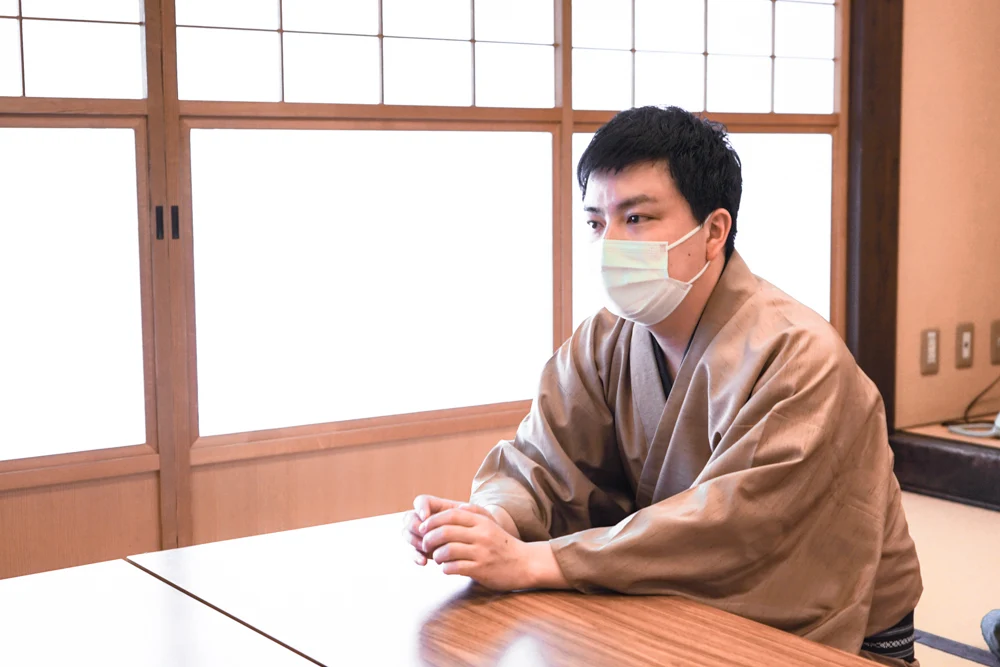
Insights as a Public Servant Engaged in Multiple Activities
Do multiple activities influence each other?
Maki no
For example, in rakugo, I learn how to manage pauses, which can be applied to presentations.
I actually feel that my presentations have improved, and I have been given more opportunities to serve as a lecturer during training at the city office.
Moreover, since the role of a public servant is to support the community, I feel a sense of fulfillment when local people enjoy my performances.
Both public service work and rakugo activities have consistency in supporting the community.
I was able to write about "communication skills" because I applied what I learned through my public service work, and it has also been beneficial in training junior employees.
My main job as a public servant, writing, and rakugo positively influence each other.
It has been said that lifetime employment for public servants is coming to an end; have you felt this in practice?
Maki no
I do not feel the kind of pressure that AI will take away simple labor, as mentioned in economic magazines and business books.
While public service may seem stable, it is not necessarily so.
The work I am involved in is specialized, and it may not be transferable to other industries.
Additionally, if I were to cause an accident and could no longer continue my work, there is a possibility of being left in a difficult situation.
I felt that even as a public servant, if I do not acquire skills, I am in a precarious position.
However, if I possess communication skills as know-how and have the experience of compiling it into a book, I can also work as a lecturer to convey this know-how to many people.
Above all, if I can engage in various activities, my connections with people will increase, and my life will become richer.
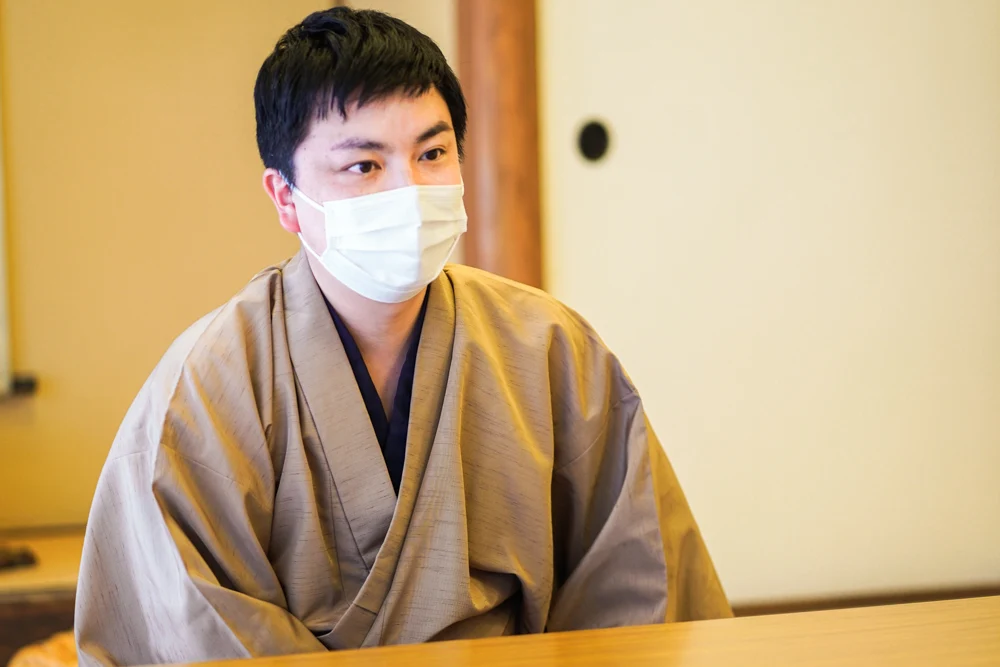
Listening to the Story of Maki no Koji, a Public Servant with Three Faces
As a writer, I have often found myself in situations where I need to convey my opinions to others in daily life and work.
There have been times when I felt frustrated at not being able to communicate effectively, but reading the book "The Communication Skills of a Public Servant Who Transformed from Being Socially Awkward" made me realize that the issue lay in the way I communicated.
Once past the stumbling experiences, many people can carry on with their lives as if nothing happened, so they often do not systematically organize solutions to their problems.
I feel that it is precisely because Maki no had a complex about communication that he was able to carefully reflect on his stumbling experiences and accumulate them as know-how.
Furthermore, his desire to convey this to juniors who struggle with communication was influenced by his past hardships.
I aspire to emulate Maki no's actions in turning his weaknesses and painful experiences into strengths.
Those who can pursue the causes of their failures and change their own actions are the ones who succeed, I have come to realize once again.