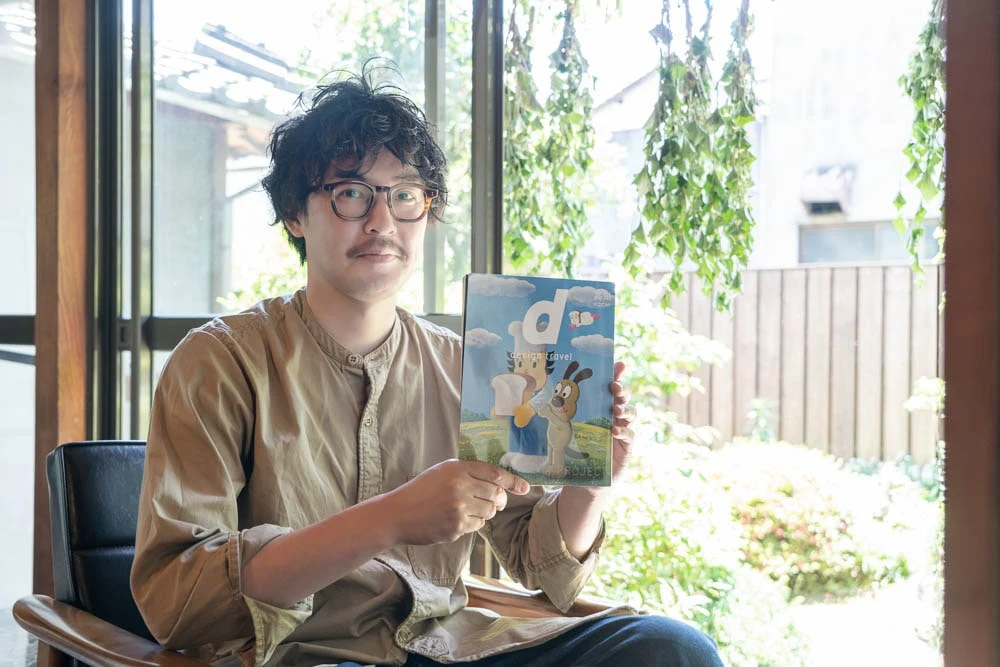
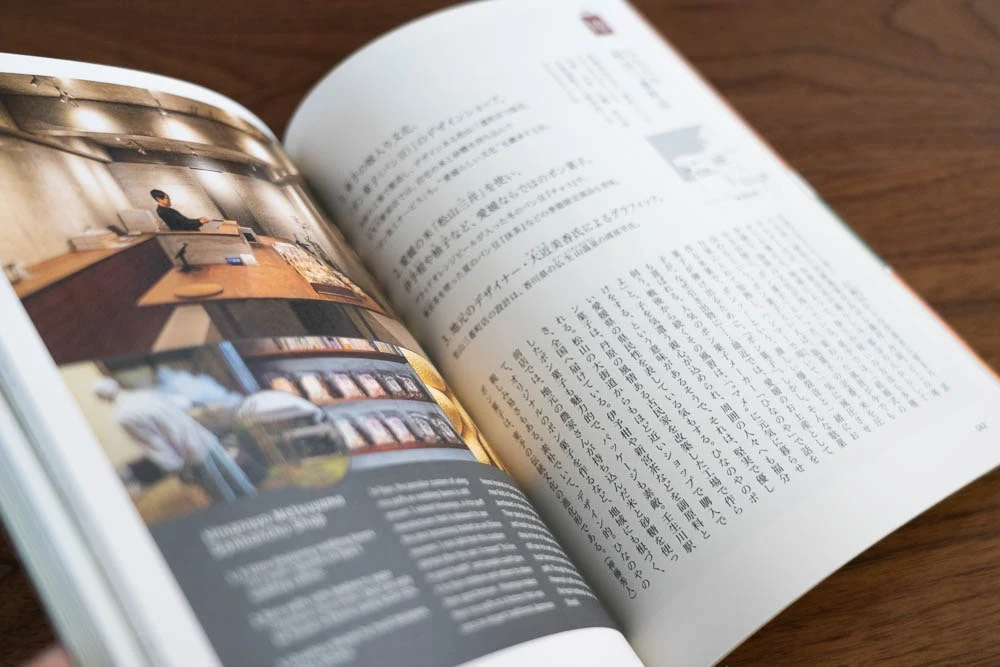
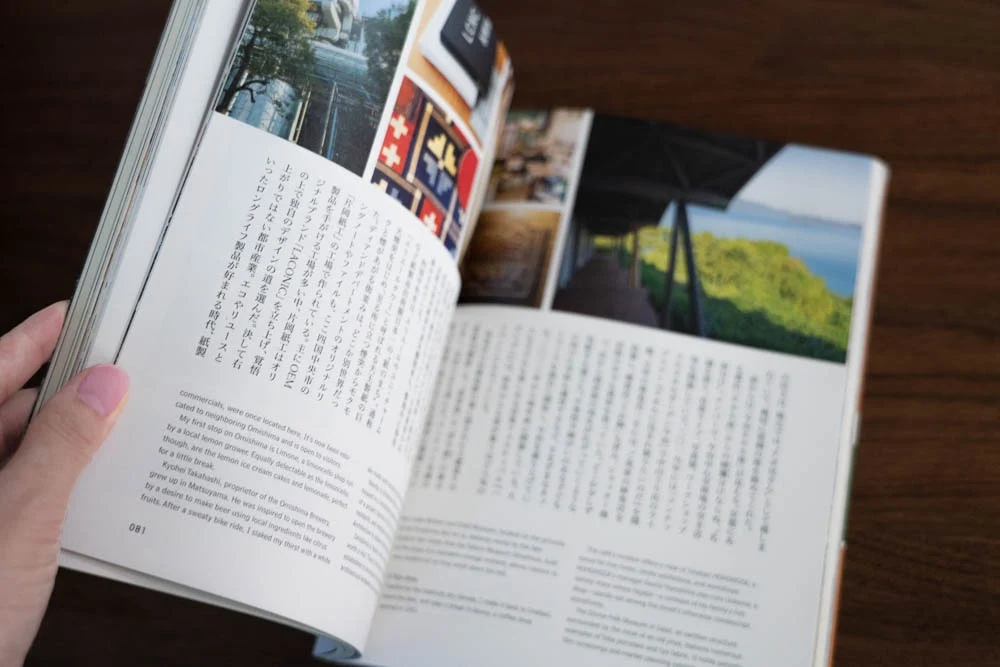
『d design travel』 is a travel guidebook that introduces things and experiences characteristic of each place, with one book for each of Japan’s 47 prefectures.
It’s a book you’ll want to keep close at hand forever. It makes you want to carry it around with you. And as you learn about the richness of regional culture, by the time you finish reading, you’ll find yourself falling in love with that place—and with Japan. That’s what I think of this book.
As of June 2020, the 28th volume, on Okayama, is in production.
What kind of book is 『d design travel』? Who makes it, with what thoughts in mind, and how?
The information presented here is current as of the article’s publication in June 2020. Please note that it may differ from current information.
What Is 『d design travel』?
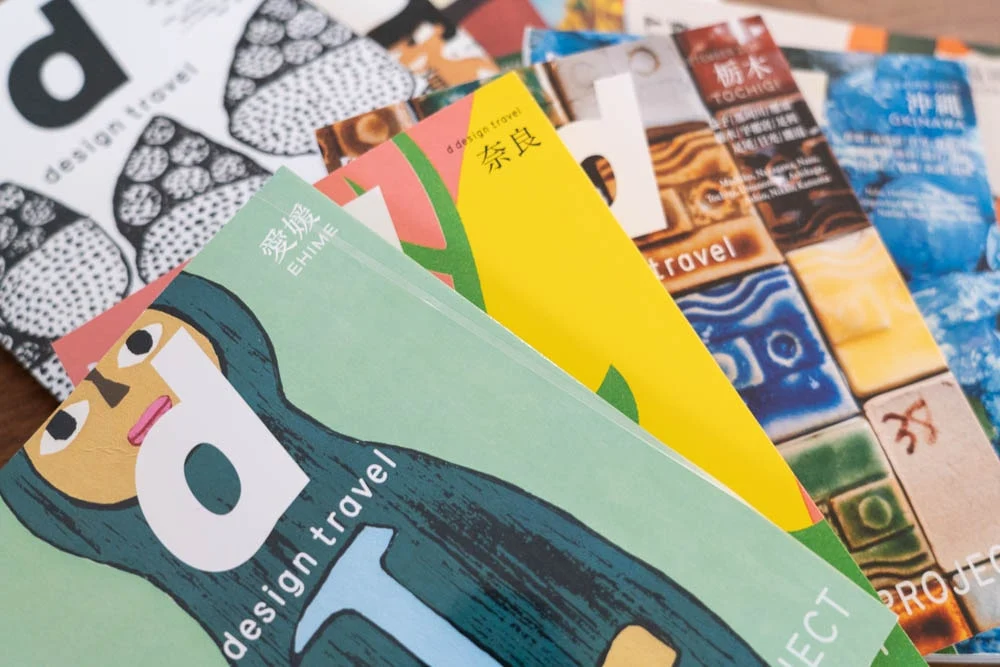
『d design travel』 is a travel guide with a design perspective, first published in 2009 by D&DEPARTMENT.
It was launched with its founder, design activist Kenmei Nagaoka, as its first editor-in-chief.
With “long-life design” as its theme, D&DEPARTMENT works to revisit the “enduring designs that are characteristic of each place” across Japan’s 47 prefectures and introduce them nationwide.
『d design travel』 is more than just a travel guide.
The editorial team spends two months on location, selecting and featuring things and experiences that express the region’s character and individuality.
With the concept of producing one volume for each of Japan’s 47 prefectures, the series had published volumes on 27 prefectures by March 2020.
In addition to the magazine itself, information is also shared in person through events such as exhibitions at Shibuya Hikarie and serving set meals.
What Makes 『d design travel』 Special
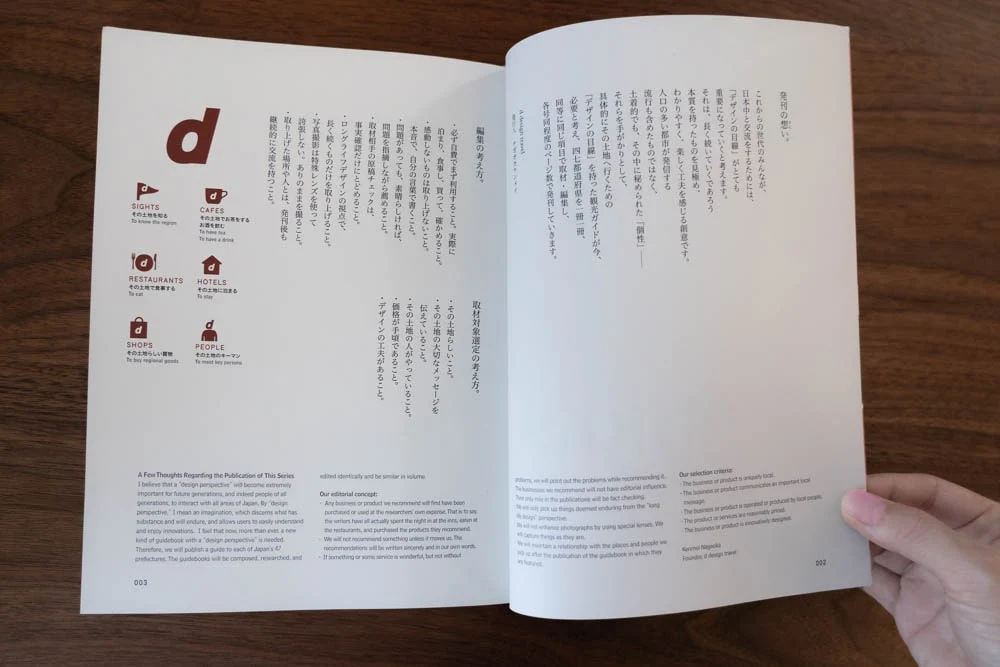
When you open 『d design travel』, the first words you see are “The Vision Behind This Publication.”
Across two pages, it explains the thinking behind the book and the standards used for research and editing.
Here is an excerpt from “Our Editorial Principles.”
- Always pay for things yourself first. Stay there, eat there, buy things, and verify them firsthand.
- Don’t feature anything that doesn’t move you. Write honestly, in your own words.
- Even if there are problems, recommend something if it is wonderful, while pointing out the problems.
- When the people you interview review your copy, limit it to checking facts.
- From the perspective of long-life design, feature only things that endure.
- Don’t use special lenses to exaggerate when taking photographs. Capture things as they are.
- Continue to maintain relationships with the places and people featured, even after publication.
They introduce places with great integrity, guided by clear standards of their own.
It’s because they have standards and quality they won’t compromise on that they’ve captured the hearts of so many people across Japan.
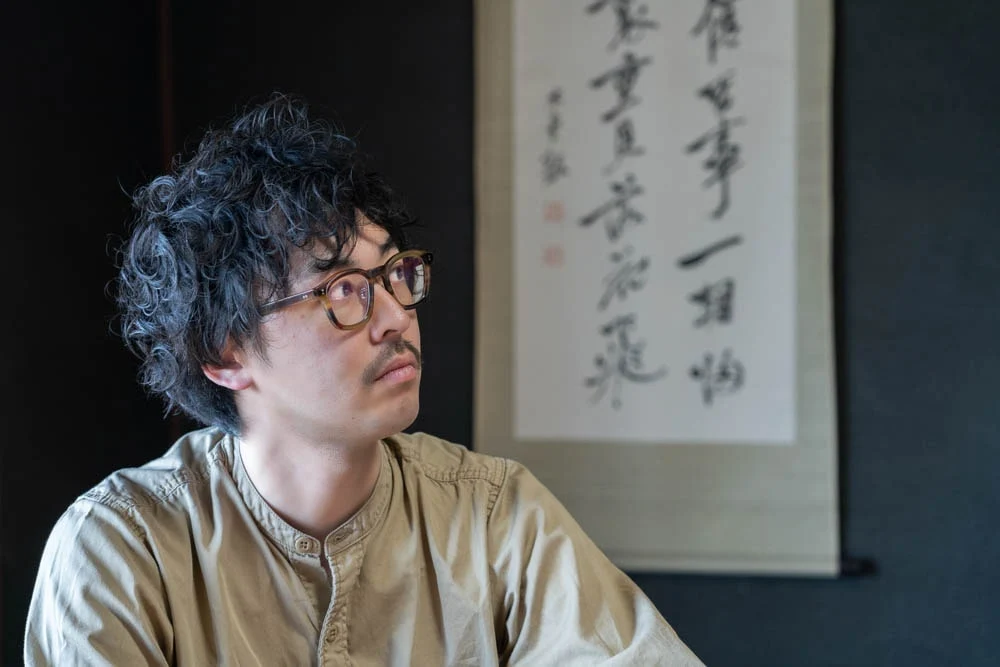
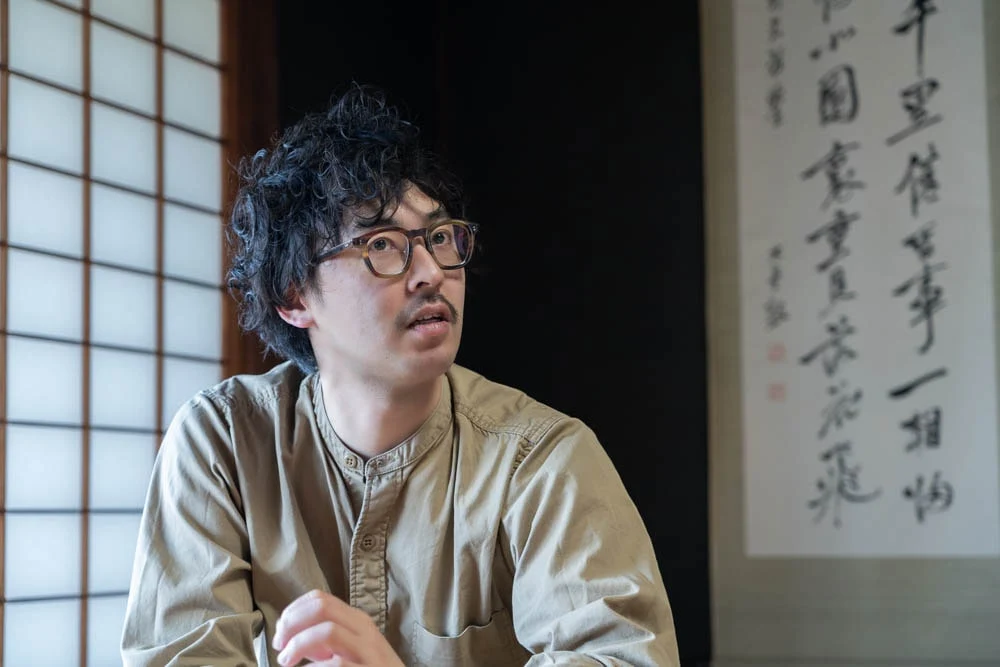
We spoke with Hideto Shindo, editor-in-chief of 『d design travel』, who was staying in Okayama.
Interview with 『d design travel』 Editor-in-Chief Hideto Shindo
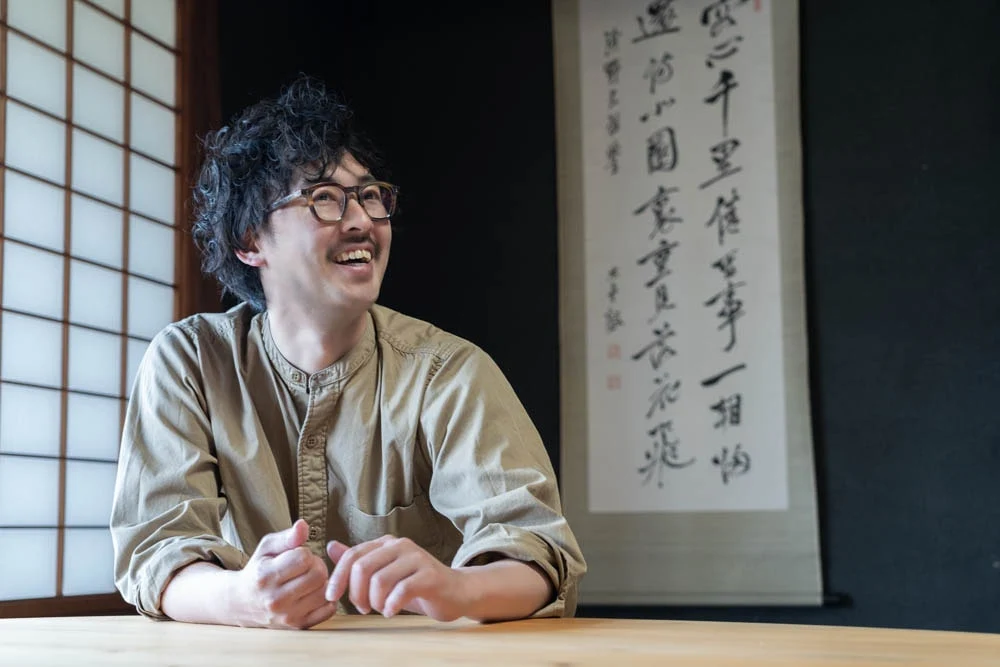
『d design travel』 spends two months on location and takes four months to produce, right?
Shindo
I think spending two months living in the place is essential.
If you research online, decide from the outset what to cover, and visit only to conduct interviews, it seems like you could make a book in about a month—but that’s not how we do it.
When you live in a place, you may realize that something you expected to stand out isn’t actually that distinctive, and decide to leave it out of the feature.
It’s hard work, but it’s interesting.
How do you get around during your two-month stay?<
Shindo
The first month is for research. In the second month, we visit places for interviews.
Actually, I’m not a “travel lover.”
If someone like me, who isn’t a travel lover, thinks, “Wow, this place is amazing!” then I think other readers will be even more interested.
Trusting that feeling, I travel first as an ordinary person.
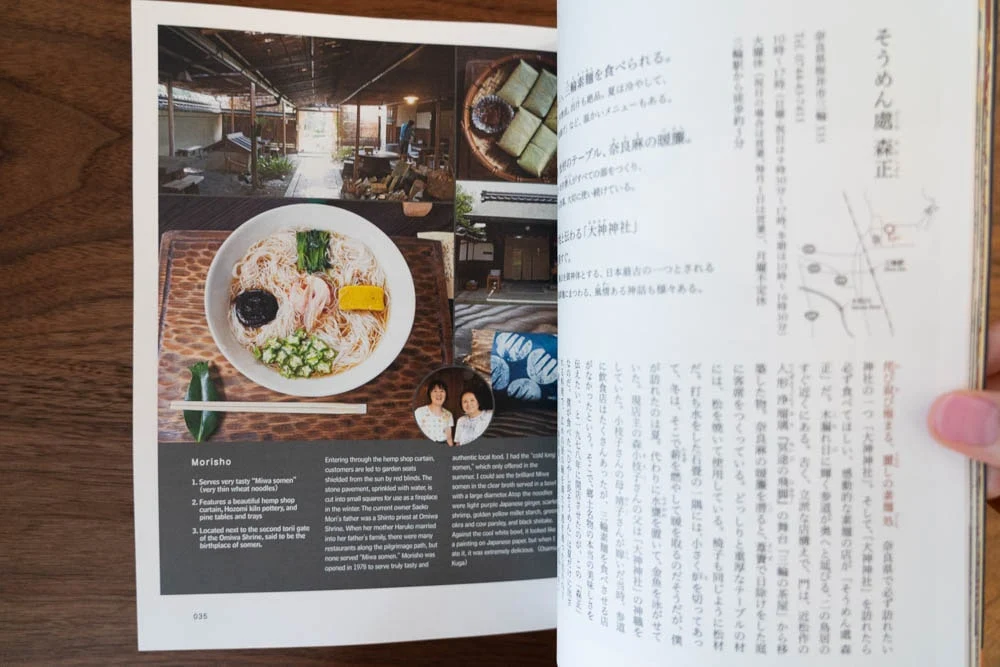
What are the distinctive features of 『d design travel』?
Shindo
When people hear that we make books from a design perspective, they tend to think we introduce “cool things and places,” but that’s not at all what we do.
Our concept is to “introduce places that are unique to each region.”
So, no matter how delicious or popular with locals, we have a rule not to feature cafes or restaurants that could just as easily be found in a neighboring prefecture.
Even if a place isn’t stylish or is very rooted in local tradition, we feature places that could exist because they’re in Okayama, are important to Okayama, and would be good to preserve for the future, by walking there ourselves, seeing them with our own eyes, experiencing them, and introducing them.
With other travel magazines and guidebooks, it’s hard to tell who is recommending the places, isn’t it?
With 『d design travel』, you can see who is recommending something and on what basis.
We also share our research and reporting process on social media.
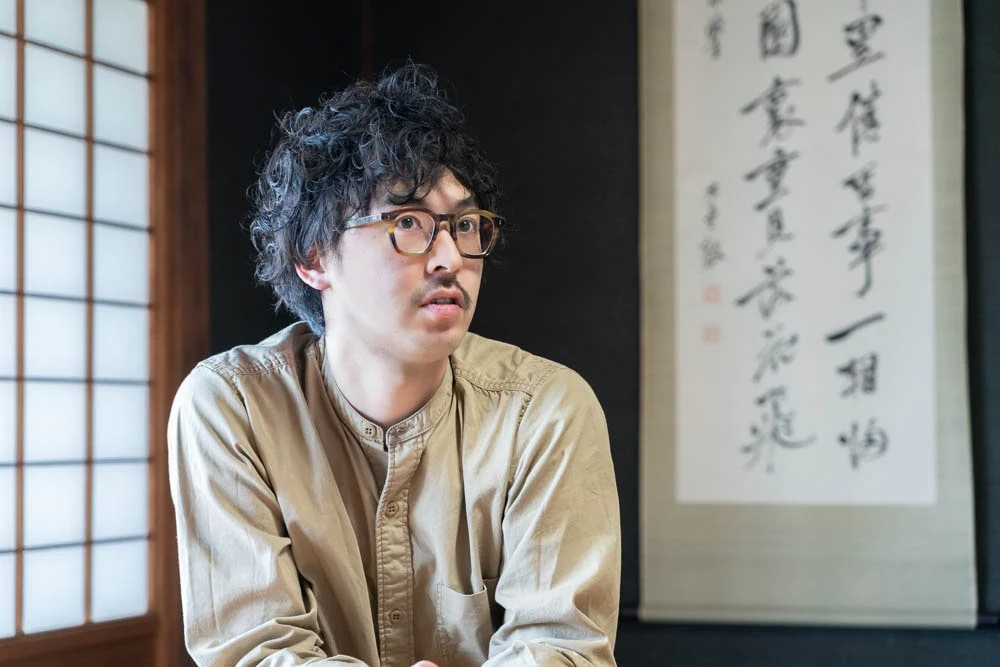
I’ve heard that because you experience things before writing about them, you eat a lot during your research.
Shindo
During the two months I spent in Kagawa, I think I went to around 200 Sanuki udon restaurants. The locals would probably say that’s nowhere near enough, but for us, it was a lifetime’s worth.
When deciding whether to feature a place, it’s not about the taste. For me, the first thing I look at is whether the bowl is characteristic of that place.
Other things matter too, like the toppings or whether the owner is interesting. We introduce places with distinctive character.
In Okayama, for example, the dishes might be Bizen ware.
Are you also paying attention to Bizen ware?
Shindo
Yes, we are.
There are a lot of Bizen ware kilns, aren’t there?
But we choose just one to feature in the review.
You can’t tell who would be best to feature in a review just by asking people, so you have to visit each shop and kiln and check for yourself.
This isn’t a book where you can vaguely say, “I just picked this kiln for some reason.”
If you can’t give a clear reason, readers will be left wondering too.
We haven’t visited yet, but perhaps we’ll discover something like “this particular shape is important.” We’ll see when we go.
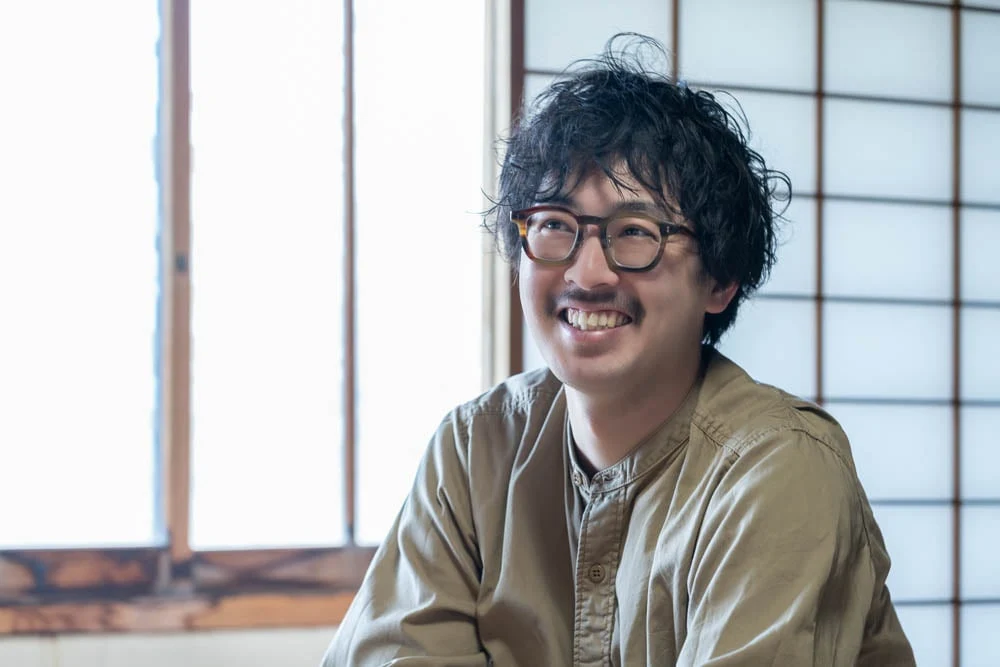
Do you hear from people in regions you’ve covered before, telling you how happy they are?
Shindo
We hear from them a lot.
We research and write carefully, and I think of it more as a cultural journal than a guidebook.
I want to make it a book that will still be useful 10 or 20 years from now.
Do local readers often say, “I discovered a shop I didn’t know about”?
Shindo
A lot of people seem to think it’s “a book that introduces niche places and hidden gems,” but that’s not quite right.
I’d be happy if people looked at shops they already knew and thought, “This really is characteristic of the area and important.”
Actually, I especially want local governments and local residents to read it.
So people can read it to learn about their own local culture.
Shindo
Calling it a textbook would be presumptuous, but I hope people will see it that way. Some school libraries even select it for their collections.
I feel sad that station fronts and major roads are lined with national chain stores, so every place ends up looking the same.
We feature local shops in the book partly to help preserve them. And even if a shop does close, if someone reads the book and thinks, “That shop was really wonderful,” it might inspire people to bring it back.
Serving local cuisine in dishes from that area and doing other things that make use of local character costs money.
I understand that using dishes from a 100-yen shop is easier.
That’s why, through this book, we try to bring together as many people as possible who are doing things that are “difficult but meaningful,” and support them together.
Nagaoka also dreams that if the market for the values 『d design travel』 cherishes grows, Japan will become a place where people like that can continue their work sustainably.
You’re raising support through crowdfunding for the Okayama volume. What led you to take that step?
Shindo
『d design travel』 also sells advertising, and the information on each prefecture at the end of the book is contributed free of charge.
I was unsure whether it was right to ask for even more support when so many people were already helping us.
But the crowdfunding model is similar to the way we make this book.
Our approach to reporting is to “go to the place and explore” and “build our circle of collaborators.”
For 『d design travel』, we hold workshops in advance to ask local people for recommendations, then travel around.
Sometimes people we meet at the workshops show us around when we visit.
We report as the ideas behind 『d design travel』 gradually take root and people come to support us.
Leaving aside the money, crowdfunding is much the same thing.
Crowdfunding is both a presale and a form of reporting.
This time, the impact of COVID-19 meant we couldn’t come to Okayama to conduct research right away.
Personally, I think there’s more value than money in asking in a survey, “Where would you include in this book?” and hearing people’s responses.
More than funding, we want to gain people’s support and build our circle of collaborators.
Of course, finances have become a serious challenge if we’re to keep going for more than 10 years.
It’s easy to support something when people say, “We’re making a new book” or “We’re recreating a book that’s gone out of print.” But when a book is expected to “keep going,” people wonder, “Why do it?”
Our company is going through a pretty difficult time because of the pandemic, and if the crowdfunding campaign doesn’t succeed, there’s a chance we won’t be able to make the Okayama volume.
That’s why I feel we have to make it succeed first.
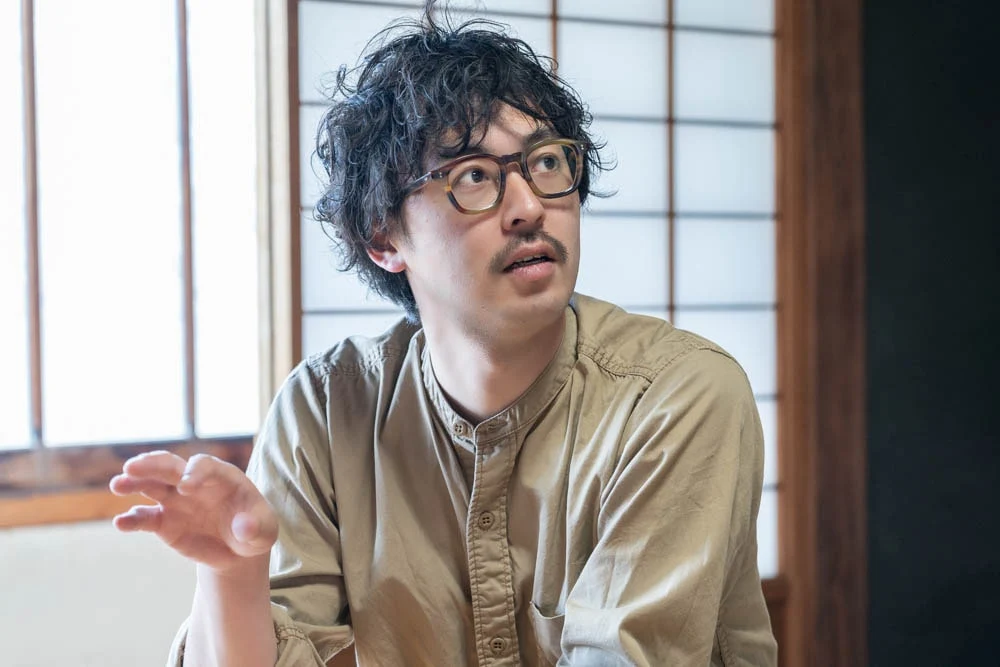
Looking at the proportion of people supporting us, less than half are from Okayama now.
Instead, people from places we’ve covered in the past are giving us tremendous support.
Isn’t it amazing that people with no connection to Okayama are supporting the Okayama edition?
First, I hope people will get to know “d design travel.”
And I want to increase the number of people who believe that Japan’s craftsmanship, history, and culture should be passed on to children and future generations.
Crowdfunding runs through June 30
Of the ¥13.9 million needed to produce vol. 28, the Okayama issue of d design travel, ¥5 million is being raised through crowdfunding.
With the “All-or-Nothing” model, the funds raised can be received only if the target amount is reached.
The campaign runs until 11:00 p.m. on Tuesday, June 30.
The writer recommends the ¥10,000 “Standard Course: Advance magazine reservation & goods (with doodle MAP).”
If the target amount is reached, this course offers the following rewards:
- Advance reservation of the Okayama issue; shipped as soon as it is completed
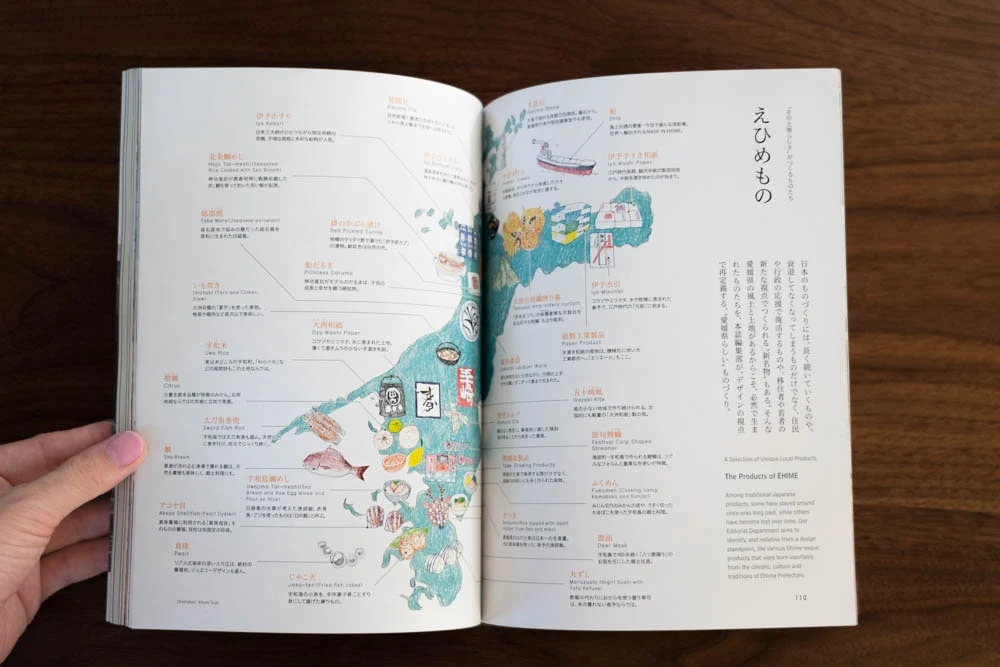
- [Limited quantity!] An extra-doodly MAP by the editor-in-chief
- A thank-you email
- An invitation to the Okayama issue’s contributors’ social media group
- Your name listed as a supporter in the Okayama issue (optional; a nickname is fine)
- [For supporters only] An original Okayama issue sticker
- Choose one of the following perks:
- [For supporters only] A sacoche bag made from Okayama-produced fabric by FROM LIFESTOCK
- An original ring-bound notebook
- [On sale exclusively at Shibuya Hikarie] A d design travel luggage tag
Let’s take a look at the sacoche bag perk.
It is one of the products from D&DEPARTMENT’s “FROM LIFESTOCK” project. It is said to be just the right size for carrying a wallet and a book while exploring a city on foot.
Fabric lying unused in warehouses is generally called “deadstock.”
But as Shindo puts it, “For us, it isn’t dead—it’s living stock.”
“FROM LIFESTOCK” redesigns surplus fabric from factories in different regions and turns it into products.
It has been decided that the bag will use fabric from Okayama Prefecture, but the details have yet to be settled.
It’s a perk where “you can look forward to seeing what color and kind of fabric it will be.”
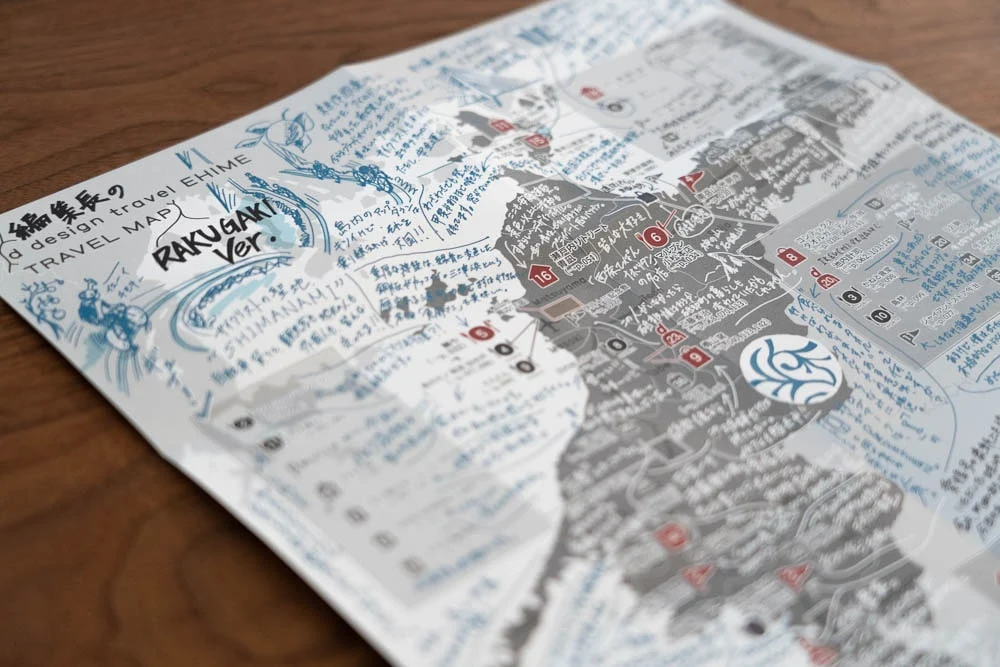
The “extra-doodly MAP by the editor-in-chief” is a MAP covered in writing from edge to edge.
It was the fifth day since Shindo had arrived in Okayama on the day of the interview, but he already knew so much about Okayama that it was astonishing.
And what will the MAP look like after two months of experiences have been added to it?
Looking forward to the day we can explore Okayama with the Okayama issue in hand
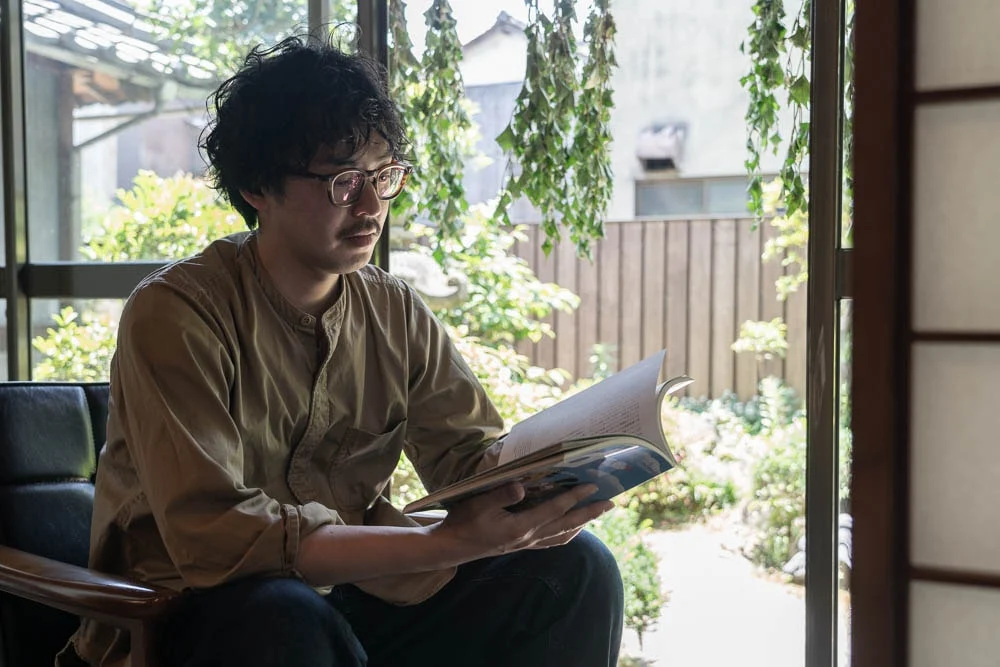
I also feel sad that so many places across Japan are becoming filled with national chain stores, making every town look the same.
A world where each place’s unique character shines and gives people something to be proud of is wonderful.
That’s why I hope the work of d design travel will continue.
And, quite simply, I want to keep reading it!
Please take a look at the crowdfunding page.
The “Latest Updates” section chronicles the journey, and interesting information is added every day.
And when the Okayama issue is complete, take the book and explore Okayama.
What would you like to know about Kurashiki?
Enter a search term to find articles on this site