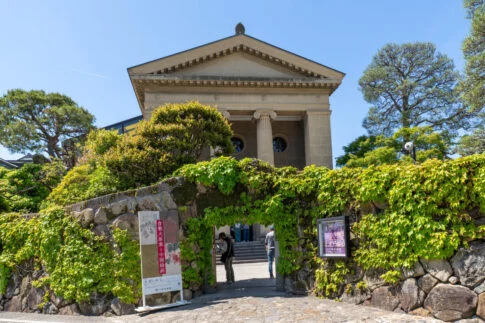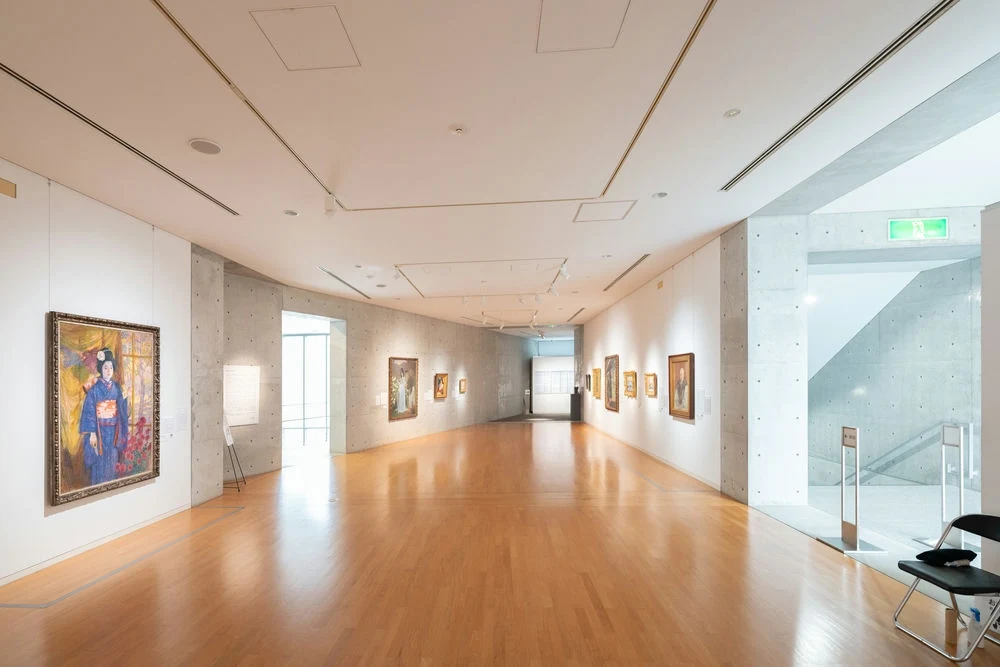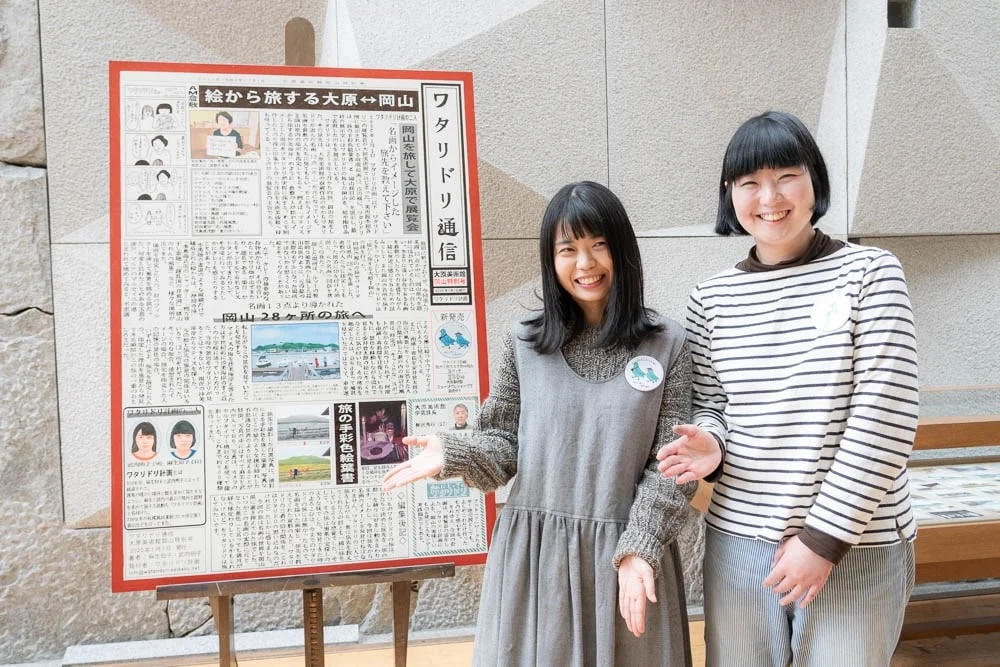
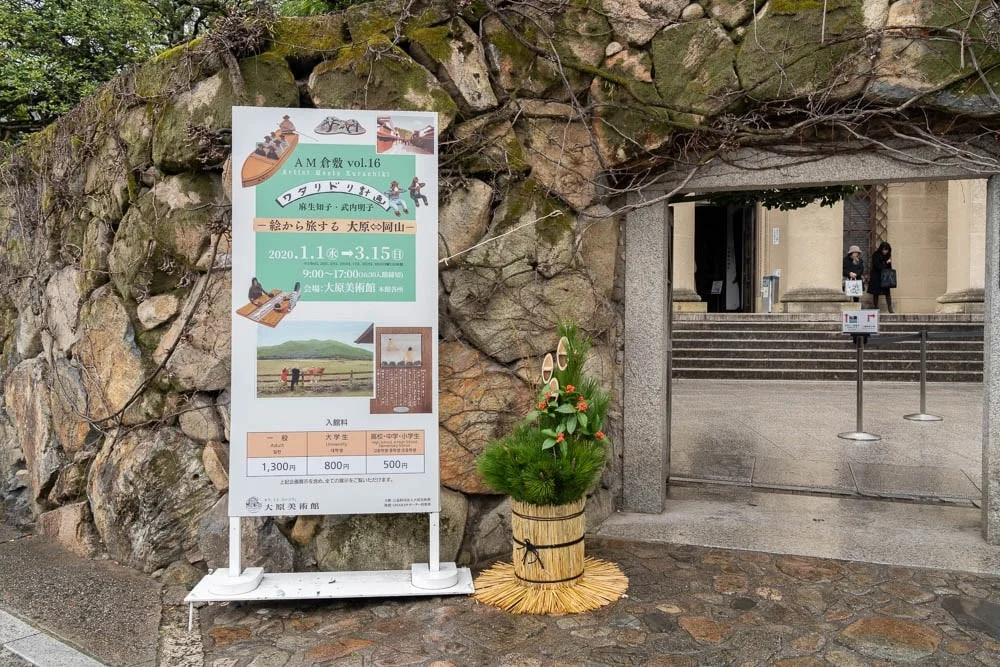
From January 1, 2020 (Wednesday) to March 15, 2020 (Sunday), a special exhibition is being held at the Ohara Museum of Art that brings paintings closer to the public.
The exhibition "AM Kurashiki vol.16 Wataridori Project -Traveling from Paintings: Ohara ⇔ Okayama-" features two artists who traveled around Okayama searching for landscapes depicted in paintings to create their works.
What kind of landscapes did the artists see?
This is an exhibition that can be enjoyed in a relaxed manner. The images of the paintings and landscapes may change.
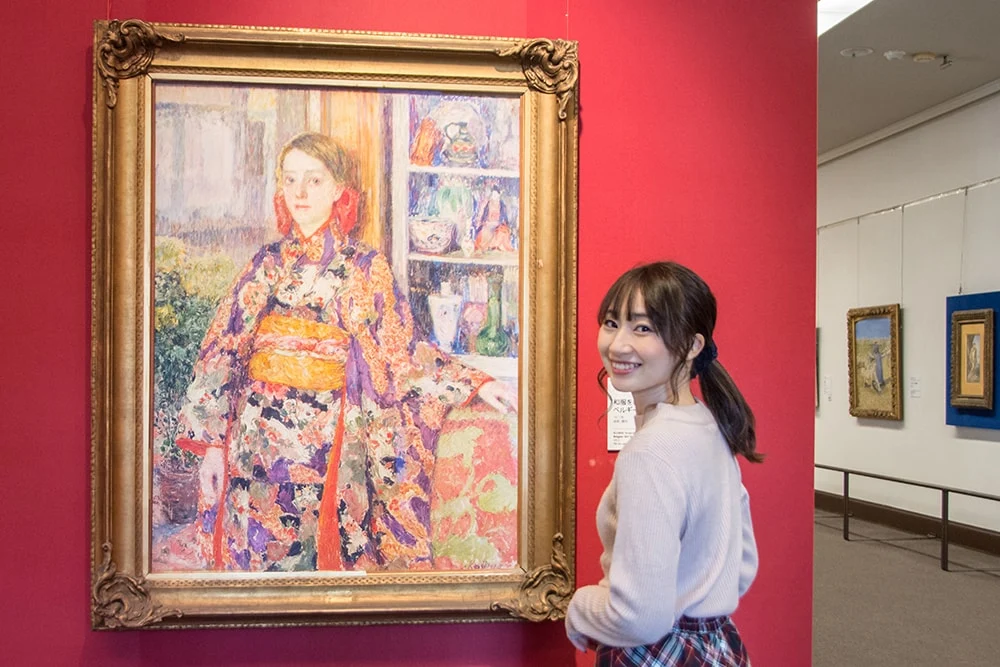
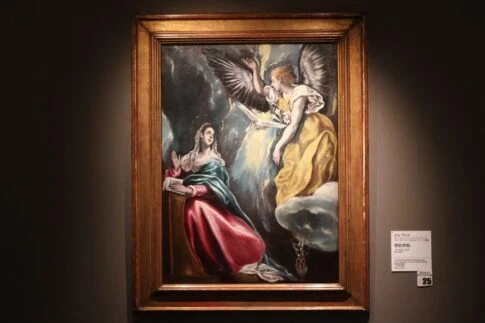
Photography is generally prohibited inside the Ohara Museum of Art. However, special permission has been granted for this occasion.
Overview of the Exhibition
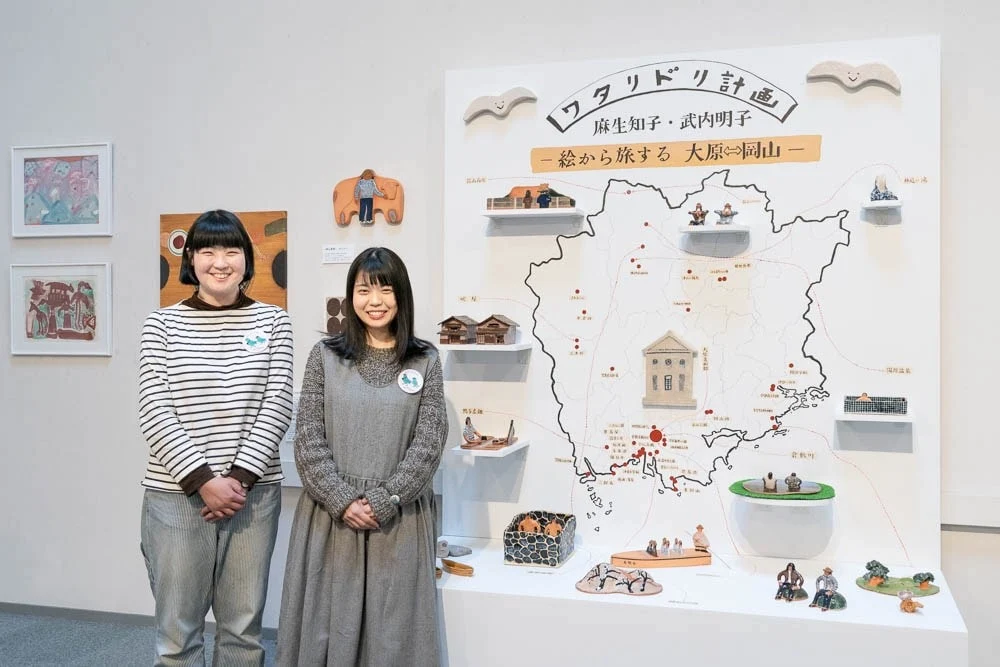
The Ohara Museum of Art is conducting a project called "AM Kurashiki (Artist Meets Kurashiki)."
AM Kurashiki is a project where artists create works through encounters with Kurashiki and present them.
The 16th edition features works from the "Wataridori Project."
What is the Wataridori Project?
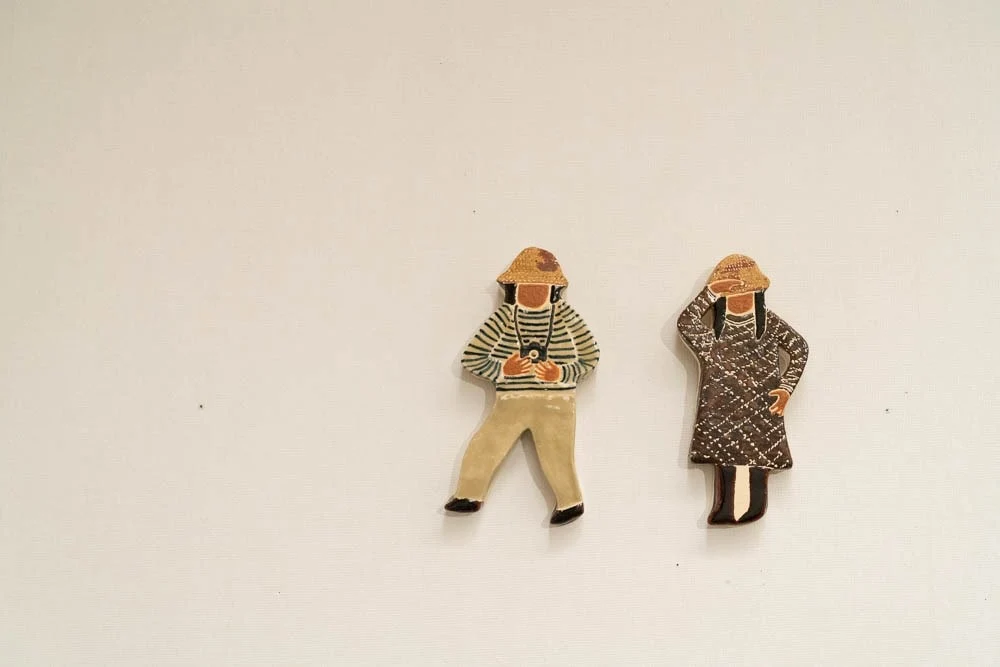
The Wataridori Project is an art project by artists Asou Tomoko and Takeuchi Akiko.
As friends since their preparatory school days, both Asou and Takeuchi are active as artists under their own names.
In the Wataridori Project, just like migratory birds fly in search of warm places and food, the two travel across Japan in search of exhibition locations and subjects, presenting the works they create at their travel destinations.
Formed in 2008, they have exhibited in about 20 locations nationwide so far.
In 2012, they participated in the VOCA exhibition, which is a gateway for young artists.
About "Wataridori Project -Traveling from Paintings: Ohara ⇔ Okayama-"
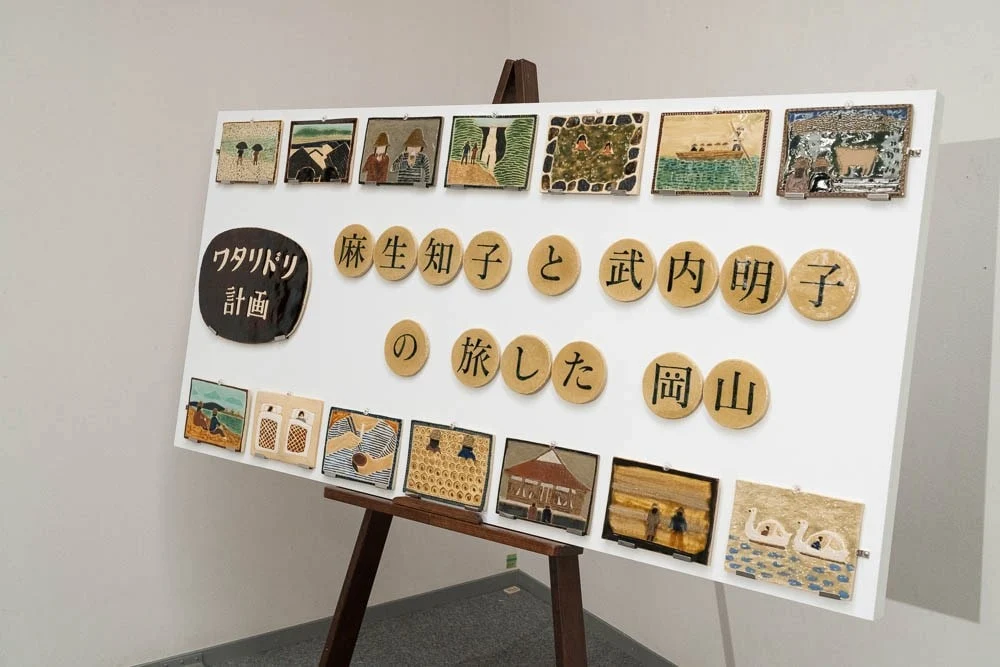
In the "Wataridori Project -Traveling from Paintings: Ohara ⇔ Okayama-," the artists selected 13 famous paintings from the Ohara Museum of Art and traveled to 28 locations in Okayama inspired by them to create their works.
The process of creation is as follows:
- The two artists of the Wataridori Project select several works from the collection of the Ohara Museum of Art.
- They show the works to local residents in Kurashiki and ask, "Where can we see this scenery in Okayama?"
- They travel to the locations suggested in the responses.
- They take photos of themselves at the travel destinations, print them in black and white, and create hand-colored postcards.
- They paint oil paintings based on the motifs from their travel destinations.
They began research for the exhibition in March 2018.
The famous paintings they traveled to are the following 13:
- Gauguin "The Fragrant Earth"
- Cézanne "Bathers"
- Marquet "Port of Marseille"
- Matisse "Cliffs at Etretat"
- Pissarro "Apple Picking"
- Picasso "Bull's Head"
- Rousseau "View of a Village Near Paris"
- Klee "Candelabrum"
- Rothko "Untitled (Green on Green)"
- Lee Ufan "From Line"
- Yasui Sōtarō "Scenery of the Outer Coast"
- Maeda Kanji "Red Landscape"
- Kojima Torajiro "Summer Boat"
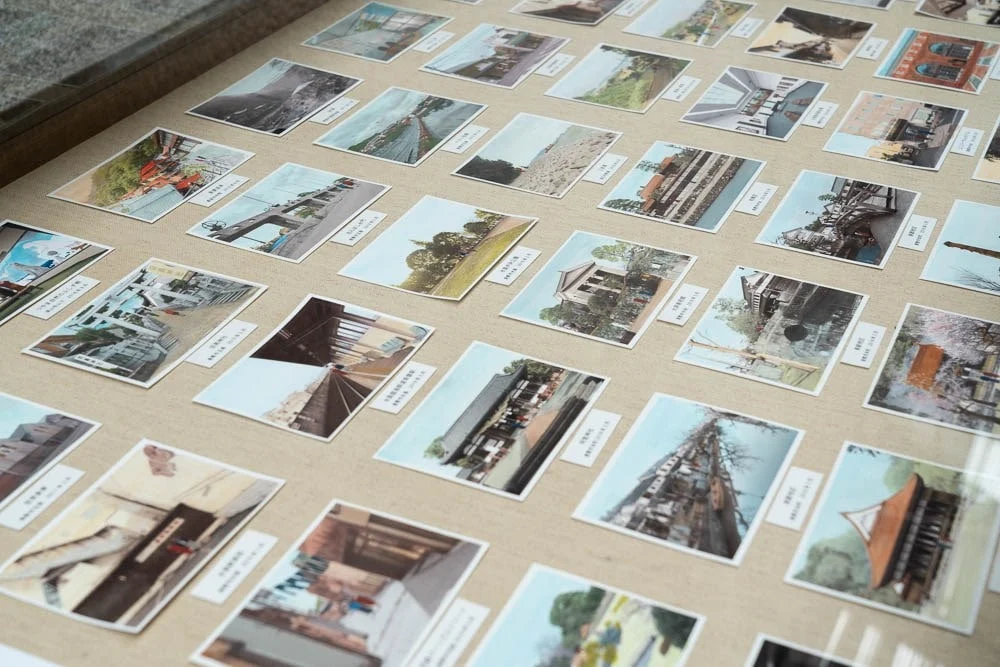
The hand-colored postcards have been created in past exhibitions, and they have produced about 300 types so far.
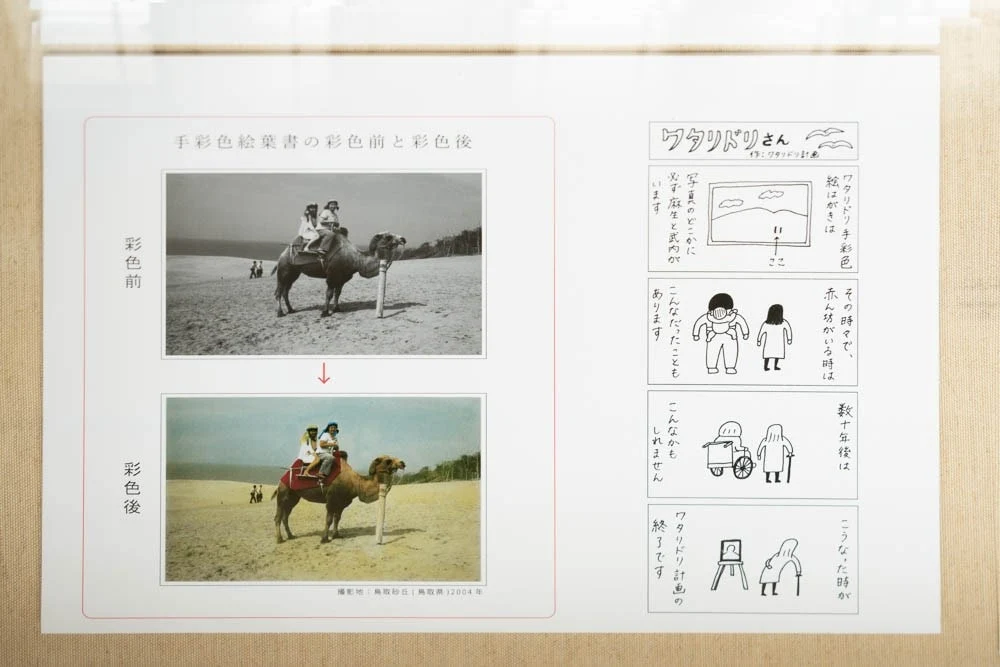
Deciding on travel destinations based on the collection works is the first attempt tailored to the exhibition at the Ohara Museum of Art.
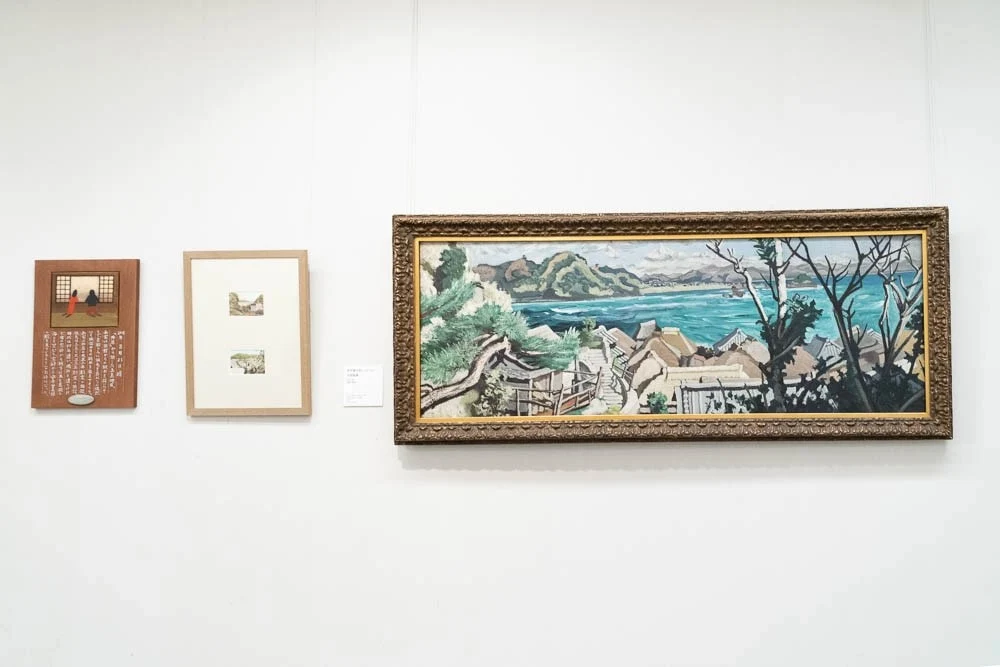
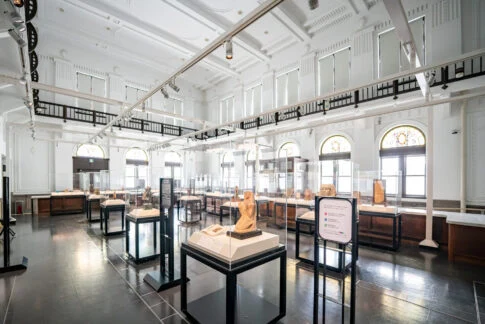
The entire main building of the Ohara Museum of Art is used to display "Original Works, Oil Painting Travel Diary Panels, Hand-colored Postcards" in 13 sets, along with paintings, ceramics, videos, and other works.
Let's Take a Look at the Works
From Cézanne's "Bathers" to Yubara Onsen
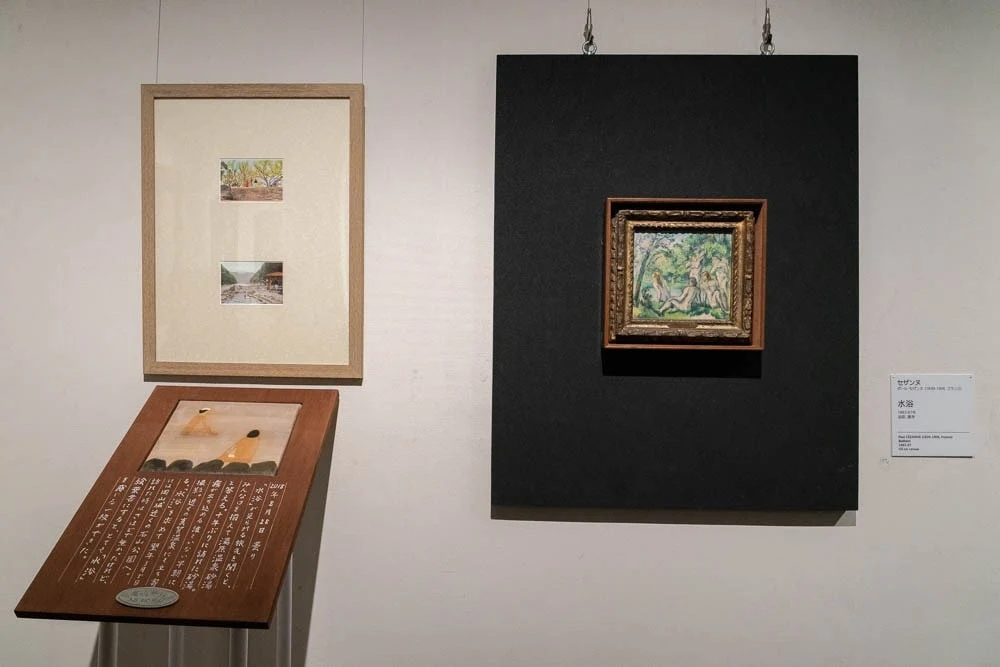
Let's take a look at the work based on Cézanne's "Bathers."
In Cézanne's painting, several people are bathing in the forest.
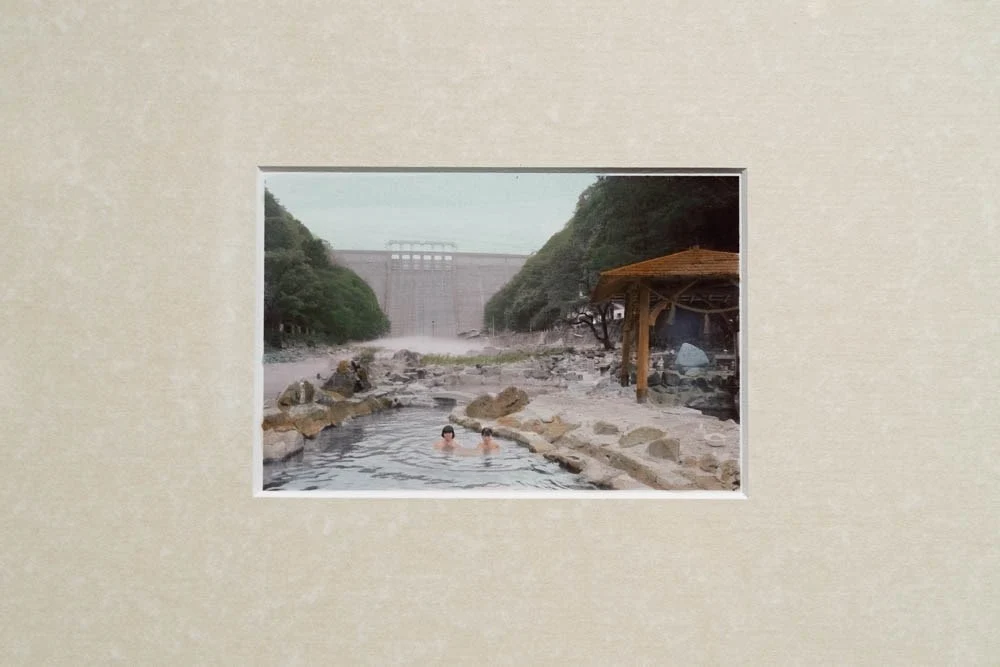
When asked where this scenery could be seen, everyone unanimously answered, "The sand bath at Yubara Onsen."
The two artists of the Wataridori Project visited the sand bath (a mixed-gender natural open-air bath) at Yubara Onsen in Maniwa City, Okayama Prefecture, to search for a spot reminiscent of Cézanne.
They took photos there, printed them in monochrome, colored them with oil paints, and created postcards.
Here is the colored version of the photo taken at Yubara Onsen.
The author has previously thought, "Bathers seem like a scene from a distant past in a faraway country; I can't imagine it being an everyday sight."
However, by looking at a familiar place with the perspective of "Could this be like Cézanne's Bathers?" the image of the painting changes.
I began to imagine that the people bathing in Cézanne's time might have gathered and relaxed just like at the sand bath in Yubara Onsen, perhaps saying things like, "Ah, this is paradise."
It may be an off-base imagination, but it's interesting how perspectives can change.
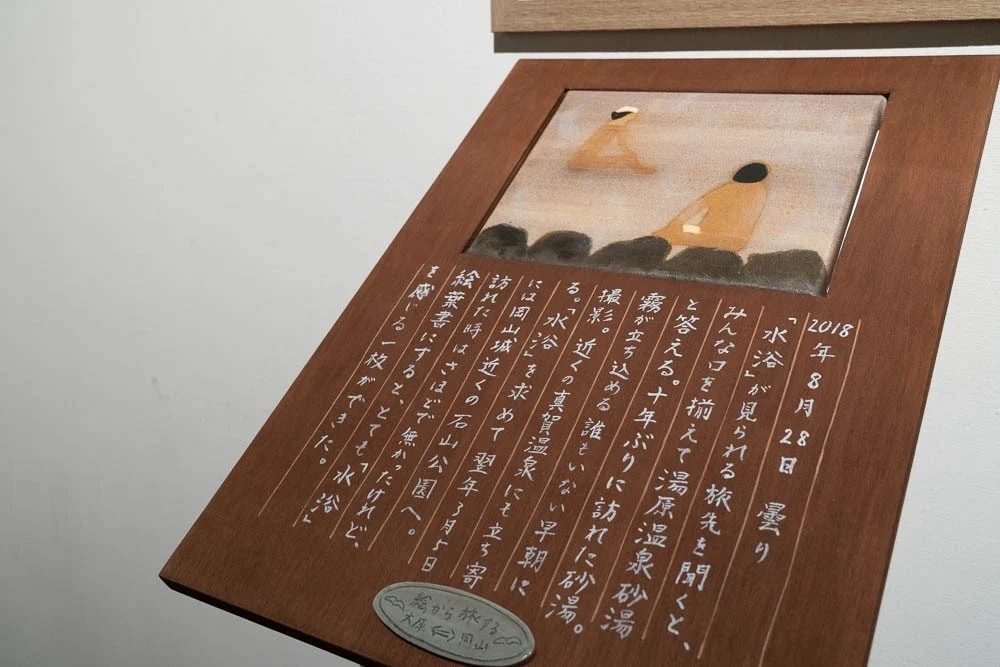
Seeing the oil painting accompanied by an episode made me feel like I was traveling together.
Where is Klee's Painting?
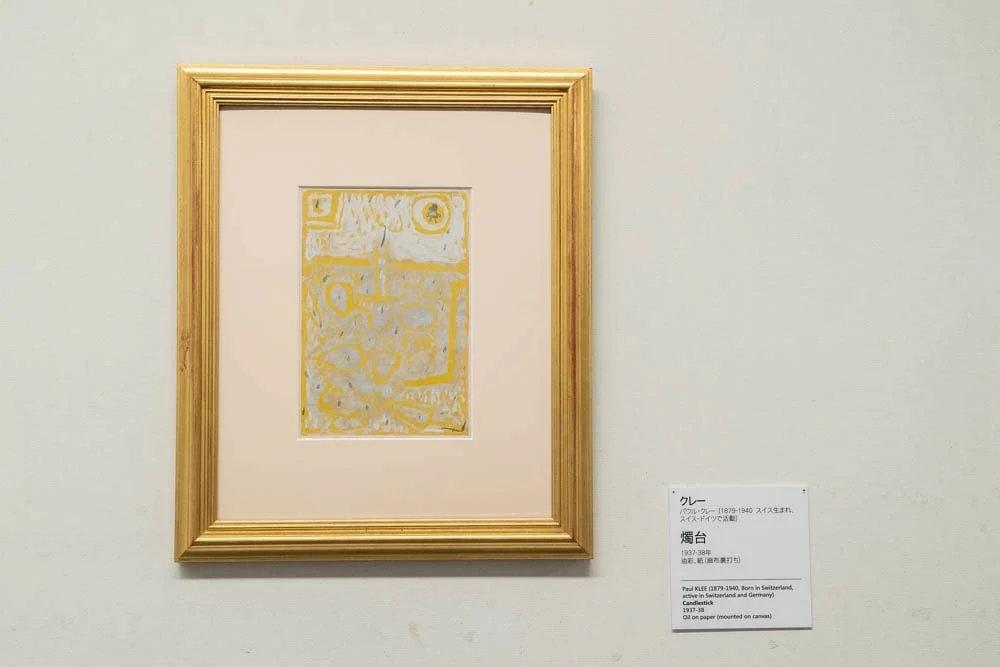
Please take a look at this yellow painting by Klee.
What kind of place could this scenery be seen?
One of the responses received was the sunflower field in the reclaimed land of Kasaoka City.
It's a landscape where yellow spreads all around.
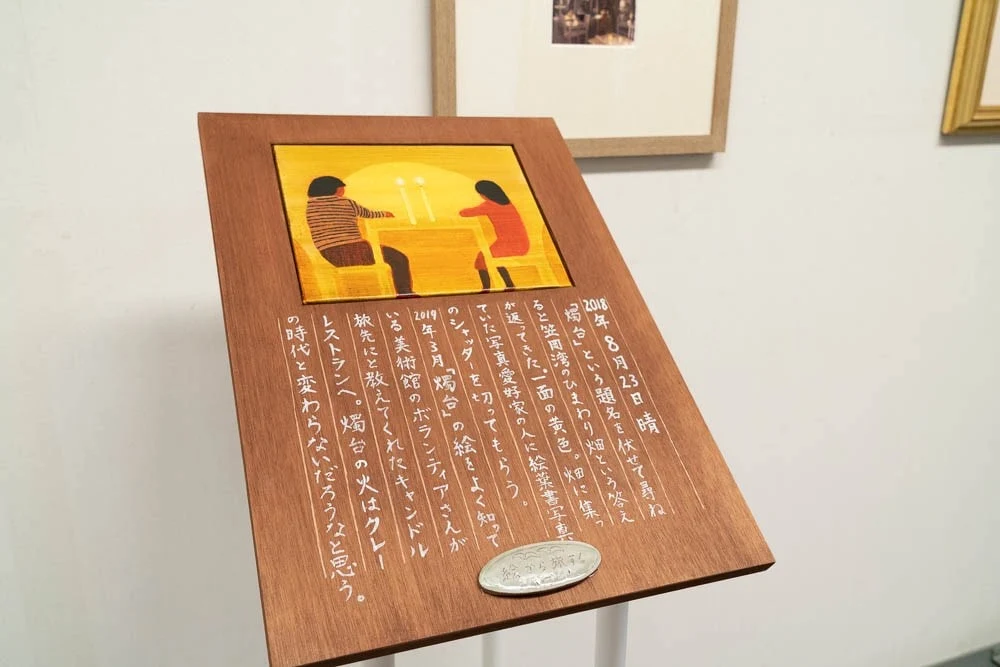
Another person mentioned the "Candle Restaurant Candle Taku Watanabe-tei."
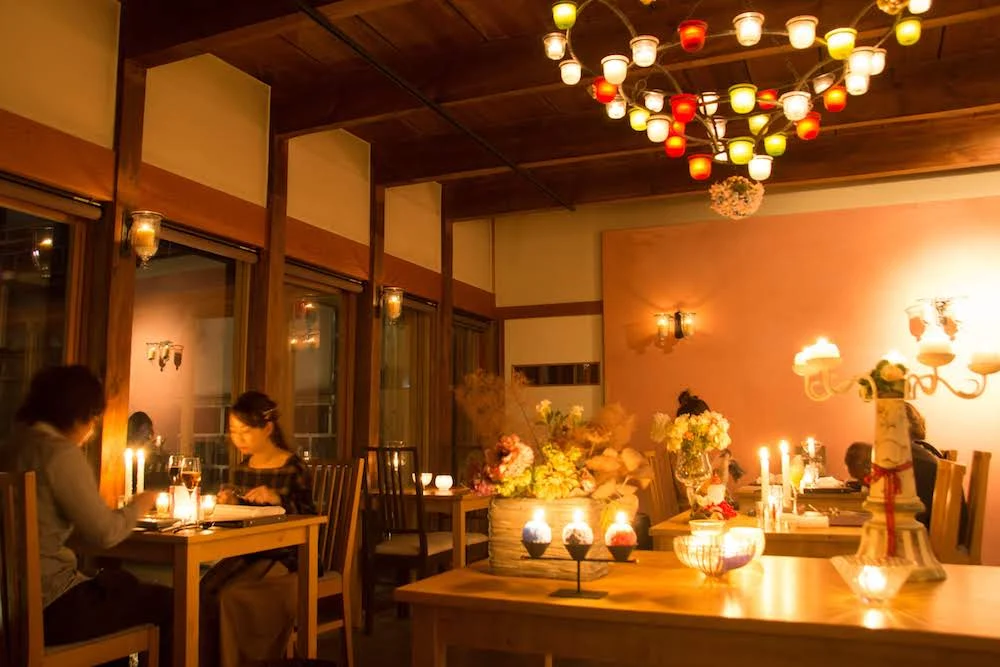
A comment was made, "The flame of the candelabrum must be the same as in Klee's time."
Rousseau's "View of a Village Near Paris" Looks Just Like Hiruzensan Plateau

The place that was said to resemble Rousseau's "View of a Village Near Paris" is the Hiruzensan Plateau in Maniwa City.
As the two artists of the Wataridori Project said, "It’s a landscape just like in the painting," a postcard depicting the similar scenery was created.
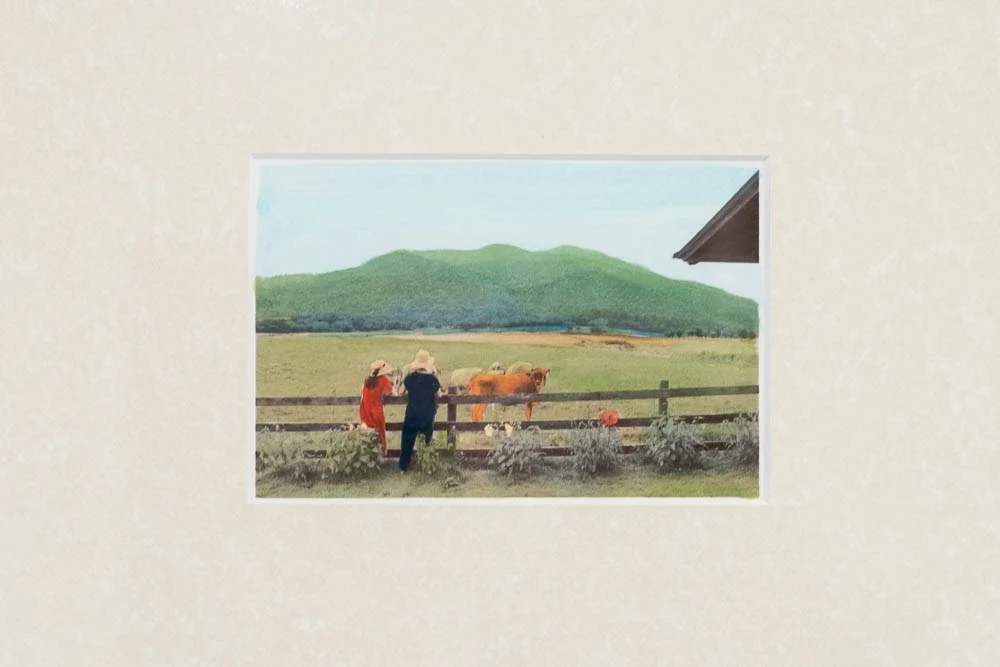
Rousseau's paintings are often described as "strange," "naive," and "having odd perspectives," yet they capture people's hearts.
When comparing with the photos, it becomes clear how Rousseau depicted the cows and haystacks in such a large scale.
Punting Boat Rides on Kurashiki River
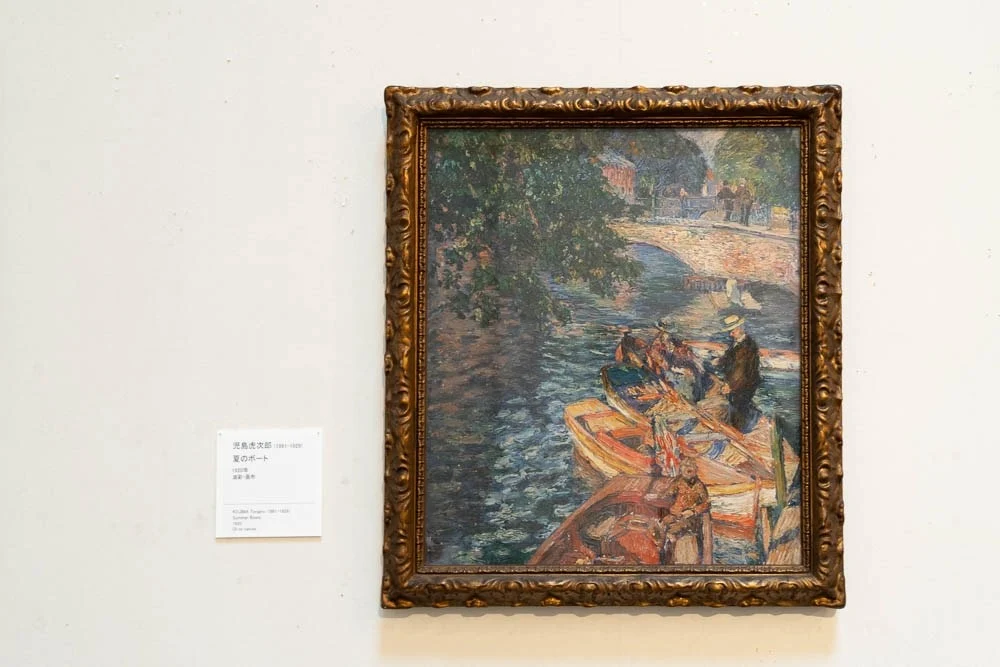
Kojima Torajiro's "Summer Boat" features Punting Boat Rides on Kurashiki River.
It depicts a landscape from somewhere in Europe, but it makes one think, "Isn't this a painting of Kurashiki River?"
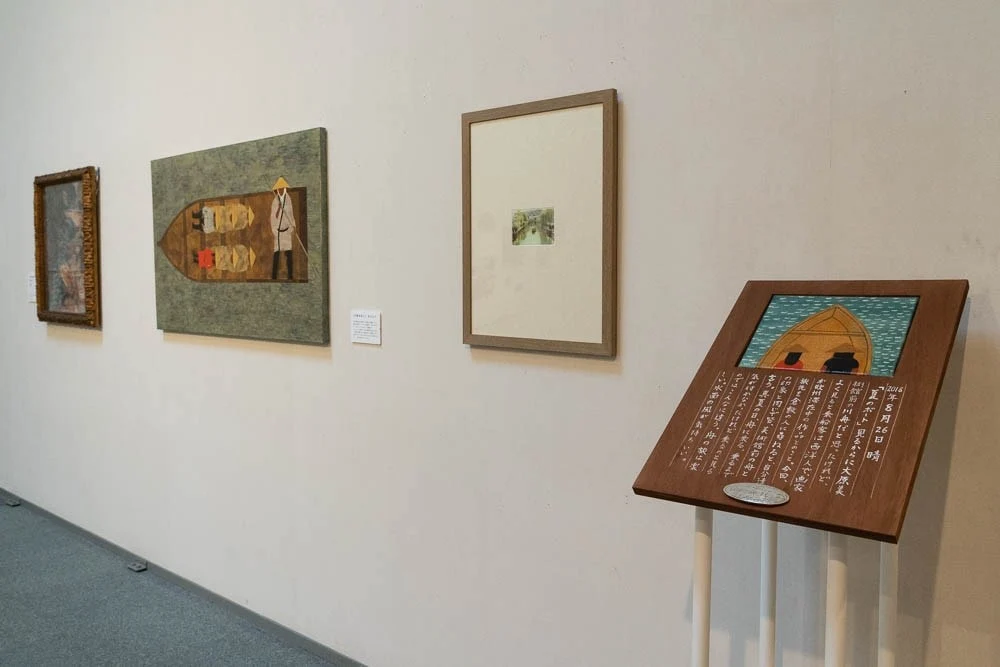

The two people who rode the boat said, "I didn't realize until I got on, but it's so different from just watching."
What kind of painting is a stalactite cave made of somen (thin noodles)?
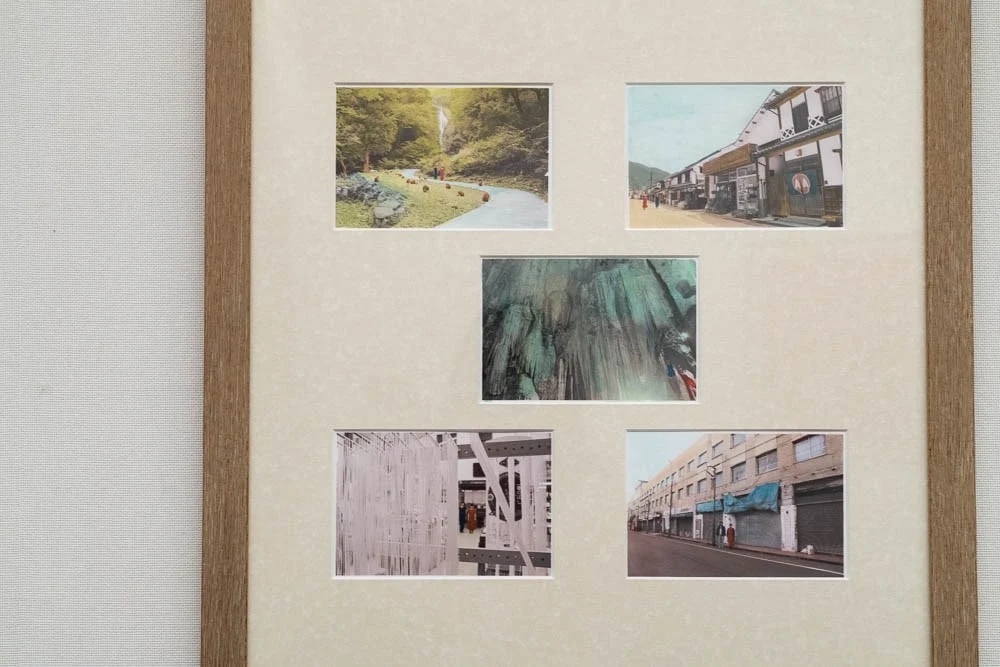
The most varied answers came from Lee Ufan's "From the Line."
Destinations mentioned included Ikurado Cave (Niimi City), tatami mats, Katsuya noren (Maniwa City), Kannabe Falls (Maniwa City), and shop shutters in shopping streets.
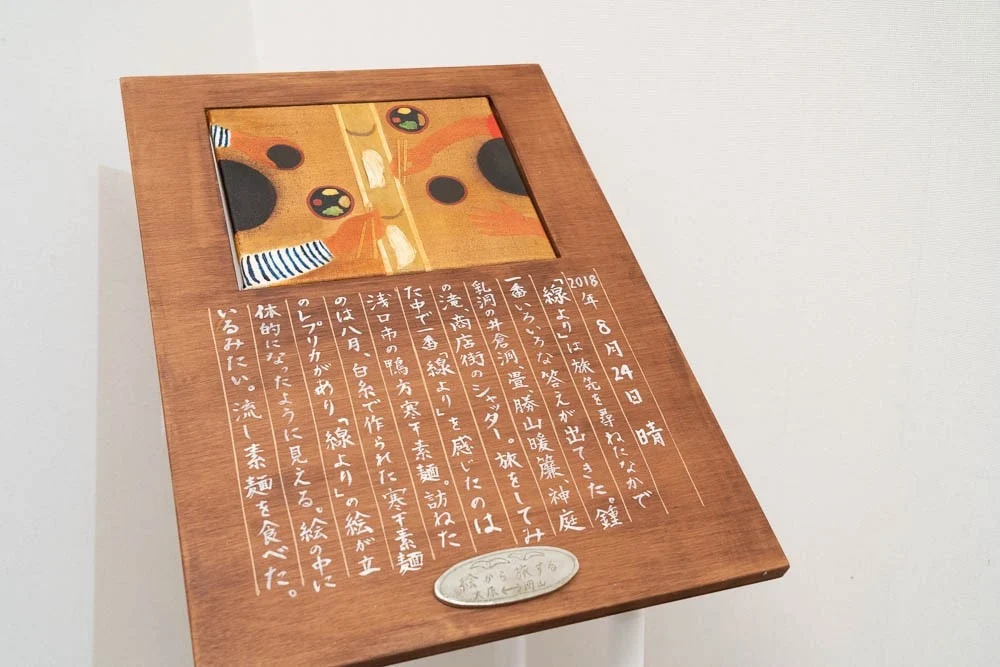
When asked in an interview, "What artwork do you think fits perfectly?" the names of these paintings were mentioned.
In particular, the cold-dried somen from Kamogata in Asakuchi City and Ikurado Cave were said to be a perfect match, surprising everyone.
What kind of painting resembles somen and also looks like a stalactite cave? Please check it out at Ohara Museum of Art.
Diversity is also appealing
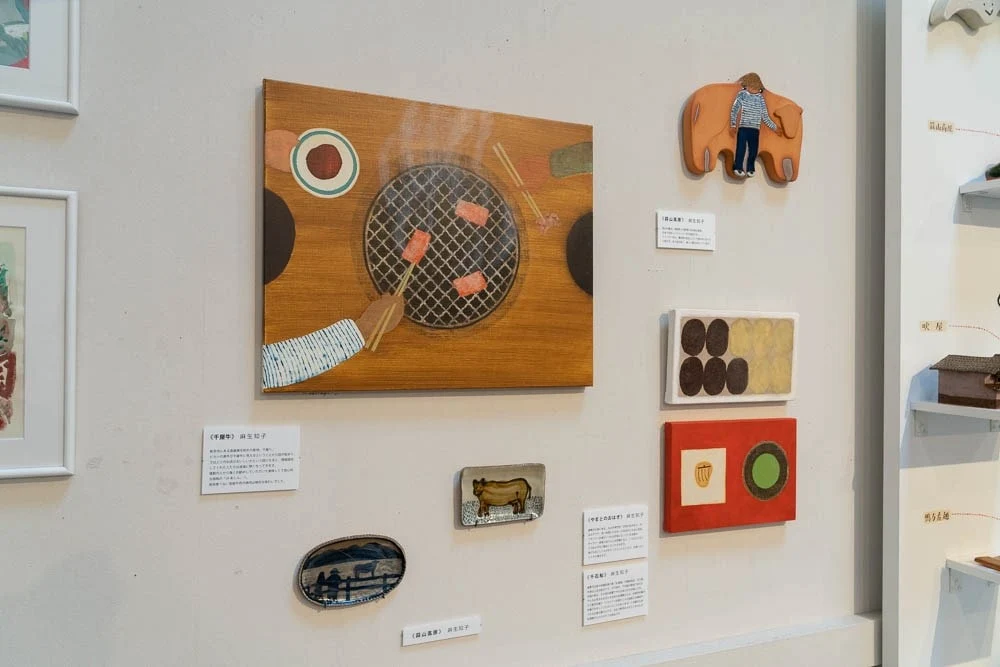
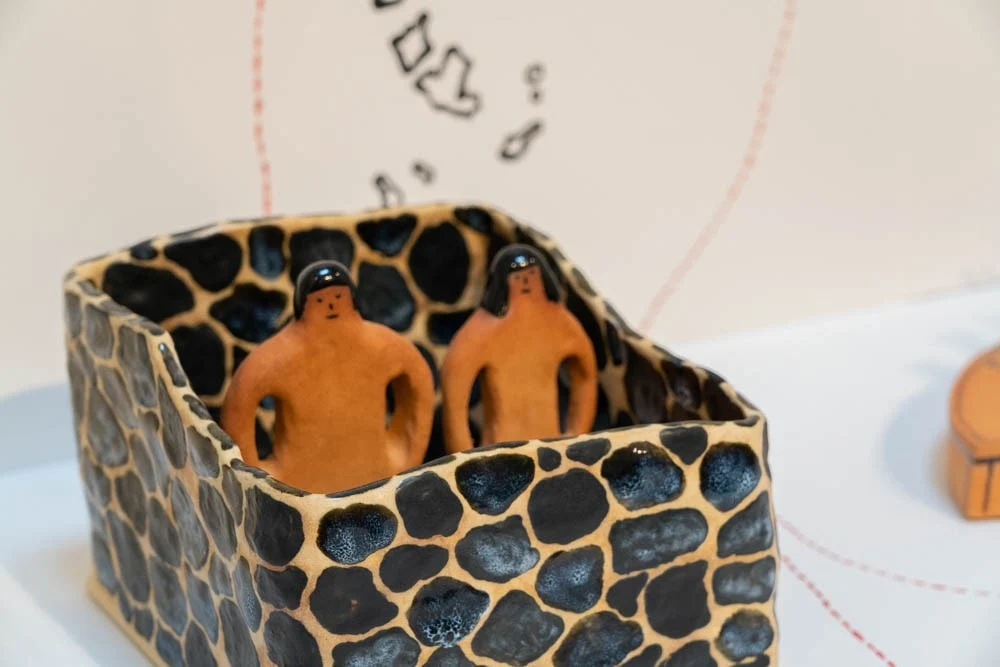
You can enjoy not only colored photographs and oil paintings but also the newspaper-style "Wataridori News" and ceramics.
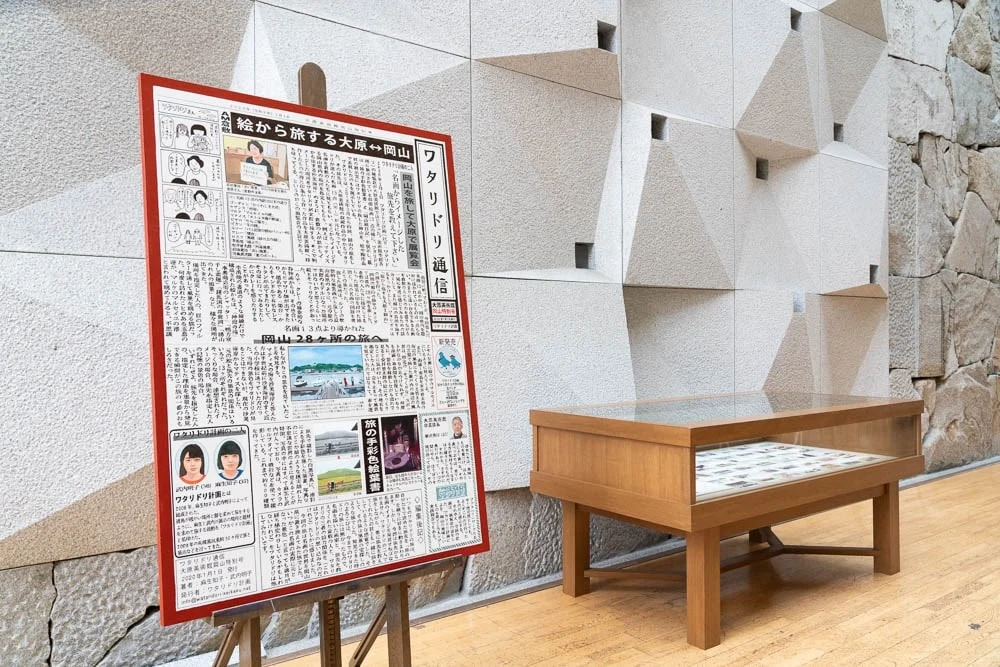
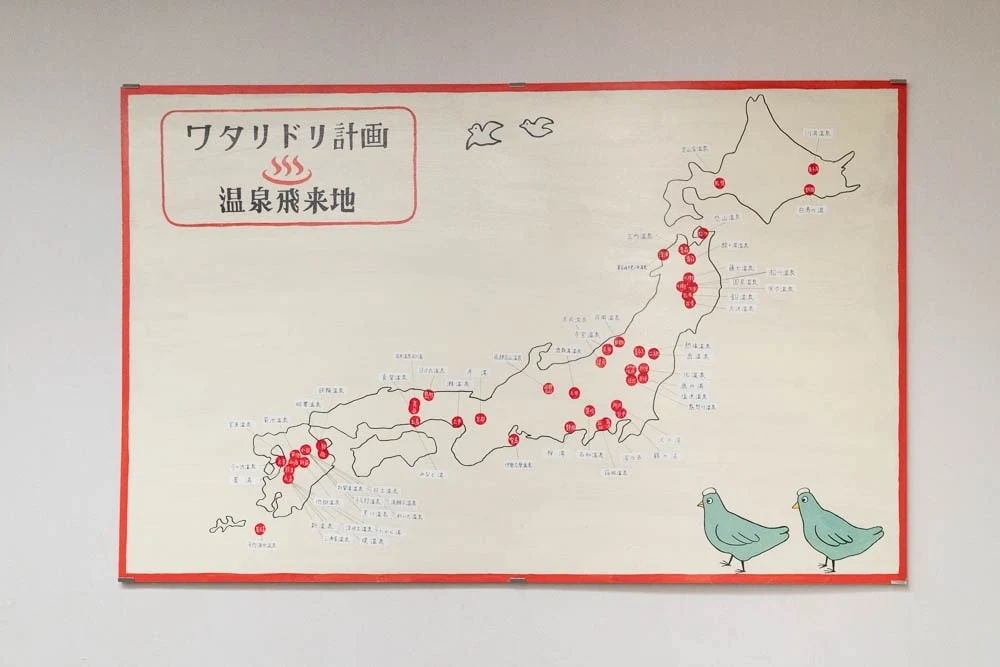
As a special feature, there was also a "Top 20 Recommended Hot Springs" selected by the two who love hot springs, using hand-colored postcards.
The warm and comforting works made me feel cozy.
Each hand-painted postcard is 550 yen
At the exit of Ohara Museum of Art, hand-painted postcards are for sale.
These postcards, printed with black-and-white photographs, are hand-colored one by one by the artist using oil paints, and they can be purchased for 550 yen (tax included).
The author was surprised, saying, "Isn't that a different level?"
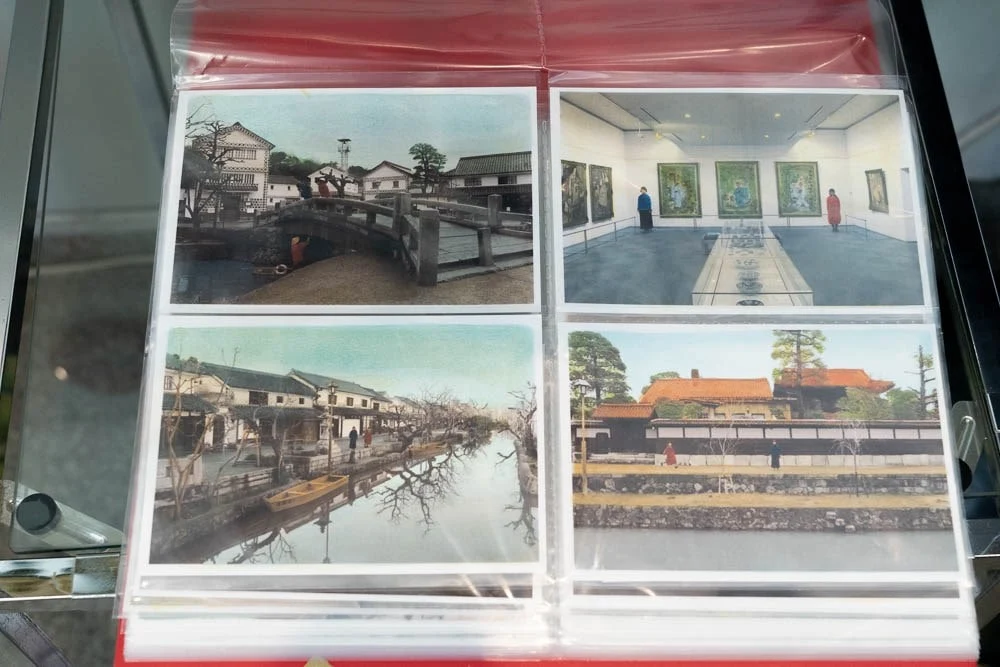
The postcards purchased had the scent of oil paint.
They are not sold in the museum shop. Also, payment for hand-painted postcards is cash only.
I conducted an interview with Tomoko Aso and Akiko Takeuchi.
Ohara Museum of Art AM Kurashiki vol.16 Wataridori Project - Traveling from Art Ohara⇔Okayama- Data
| Name | Ohara Museum of Art AM Kurashiki vol.16 Wataridori Project - Traveling from Art Ohara⇔Okayama- |
|---|---|
| Location | 1-1-15 Chuo, Kurashiki City, Okayama Prefecture |
| Contact | 086-422-0005 |
| Parking | None |
| Opening Hours | January 1, 2020 (Wednesday) to March 15, 2020 (Sunday) 9:00 AM to 5:00 PM (last admission at 4:30 PM) |
| Closed | Closed days during the exhibition (all Mondays) January 6, 20, 27; February 3, 17; March 2, 9 |
| Admission Fee (tax included) | Adults: 1,300 yen University students: 800 yen High school, junior high, and elementary school students: 500 yen * Group rates available for 20 or more people |
| Payment Methods |
|
| Reservations | Not accepted |
| Smoking | Non-smoking (smoking allowed only in designated areas) |
| Restrooms | Western-style toilets, Japanese-style toilets, barrier-free toilets |
| Childcare | Nursing room, diaper changing station, stroller rental Nursing room is located in the Craft Museum Diaper changing stations are available on the 2nd floor of the main building and in the Craft Museum |
| Barrier-free | Ramps, barrier-free toilets, elevators, wheelchair rental |
| Website | AM Kurashiki Vol.16 Wataridori Project - Traveling from Art Ohara⇔Okayama- | Ohara Museum of Art |