Interview with Miasa Arimune, owner of “One Espresso, Please”
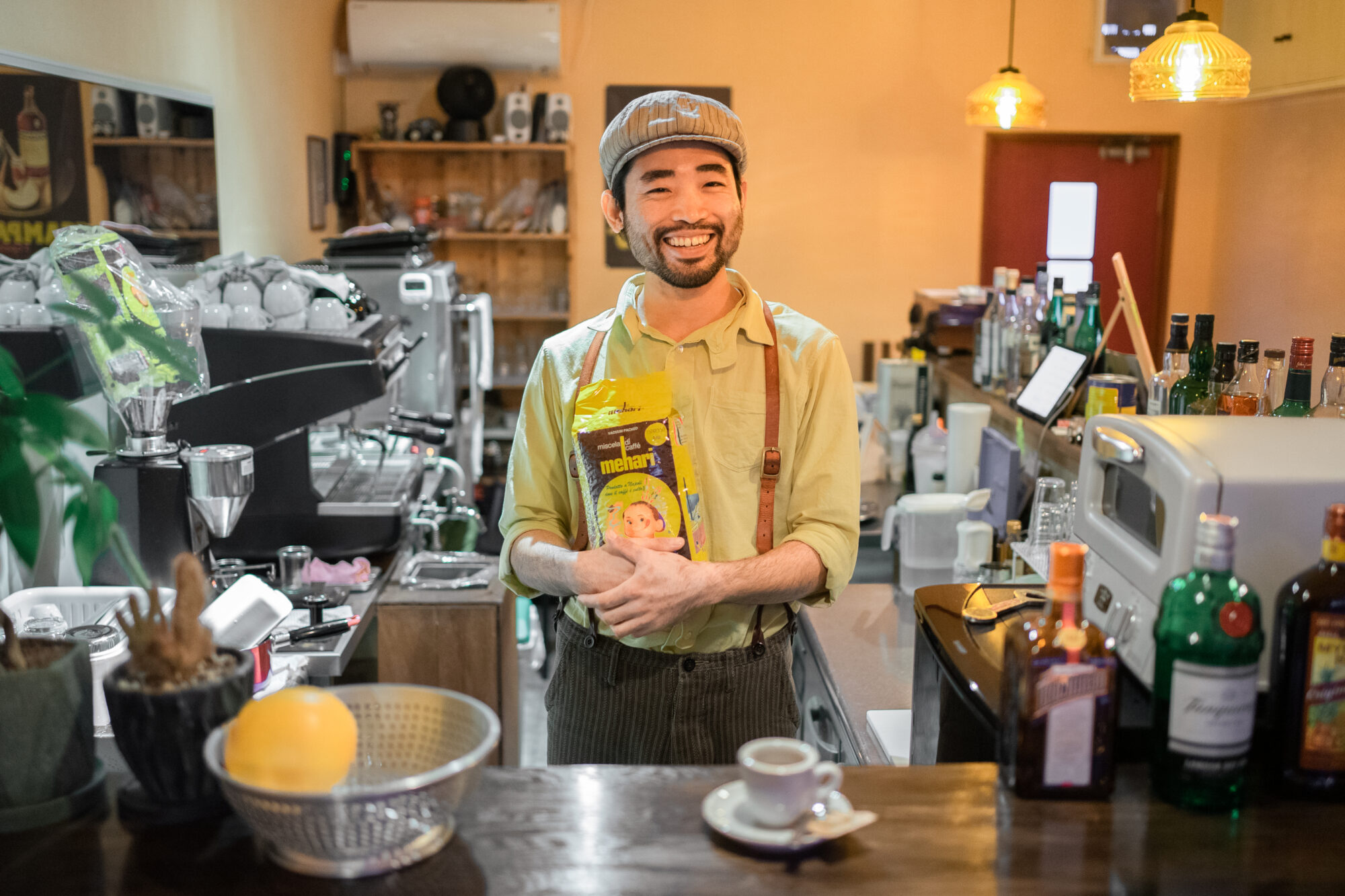
We spoke with Arimune about her experiences before opening her shop and how things have changed since then.
Her words reveal the story behind each cup of espresso.
What led her to become a barista
Had you always wanted to become a barista?
Arimune (honorific omitted)
Actually, when I graduated from a technical high school and started working at a factory, I had no plans to become a barista.
Rather, I was focused on earning an income and becoming independent, so I was happy just to have landed a stable job after graduating high school.
But when I saw senior colleagues who had been working there for decades, I began to worry, “Is it really okay to keep living the same life?”
As time went by, I started wanting to run my own business.
What made you decide to quit your job?
Arimune
Since I started working right after graduating from technical high school, I felt inferior because I had less experience than other people.
For example, classmates who went to university traveled overseas or studied abroad—things they could experience that I couldn’t by simply continuing to work at a factory. I admired them.
While I was working with those unsettled feelings, a temporary worker at my workplace who was one year older than me gave me the opportunity to go abroad.
That colleague was planning to live overseas on a working holiday, and had moved from her hometown of Kagoshima to Okayama to save money.
Until then, I thought living overseas was out of reach, but that was the moment I realized, “You can create your own opportunities.”
Why did you choose to become a barista?
Arimune
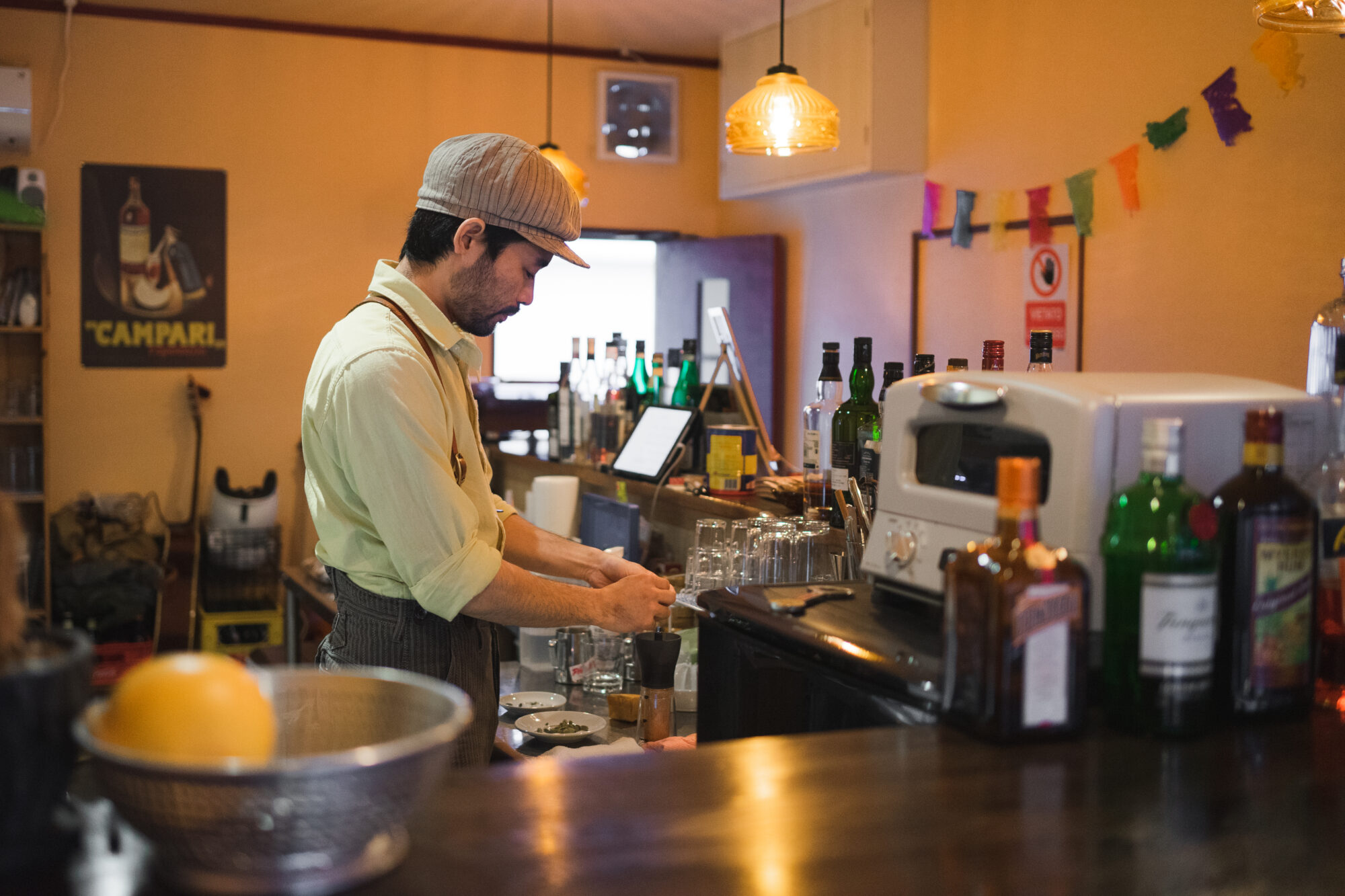
I wanted to have my own business, so if I was going abroad, I wanted to do something that would help me in the future, rather than just travel.
I thought serving coffee was something I could do, and when I looked into it, I realized there weren’t many places in Okayama serving espresso.
If I was going to become a barista, I wanted to experience the culture and atmosphere of Italy, the birthplace of espresso.
I searched online for a way to get started, found a barista training study-abroad program, and decided to go to Italy.
What she learned in Italy
Where did you work?
Arimune
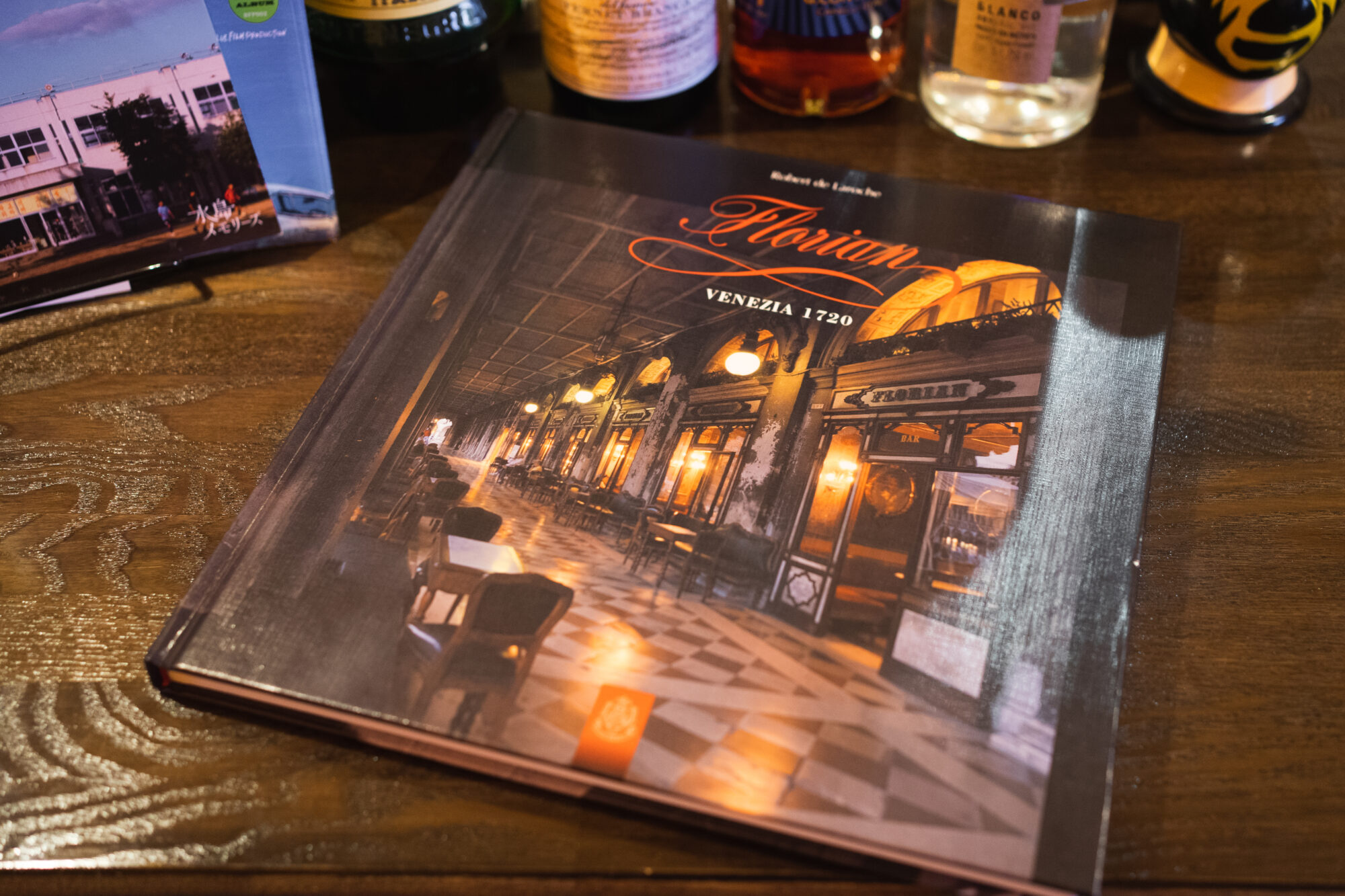
At a place called Florian in Florence, Italy.
It was a bar where you could drink espresso standing up, with a restaurant attached. It was bustling with both locals and tourists.
Of course, conversations at work were all in Italian.
There were Italian chefs and bartenders, as well as staff from Asia, and both work instructions and customer service were conducted in Italian.
Even though I attended a language school, I couldn’t speak Italian fluently right away.
I struggled to communicate while working, but eventually I was able to do my job at the shop.
What was the hardest part?
Arimune
When I first started working at Florian, I was assigned a lot of menial tasks, like washing dishes and cleaning.
After about a month of doing chores every day, I started to feel anxious that I wasn’t learning any skills, despite having moved all the way to Italy to work.
I felt I couldn’t keep doing chores, so I explained to the shop again that I had come to learn barista skills.
After that, I was no longer made to do only chores, and they started letting me make espresso too.
I don’t think I could have done anything if I had held back because my Italian wasn’t good.
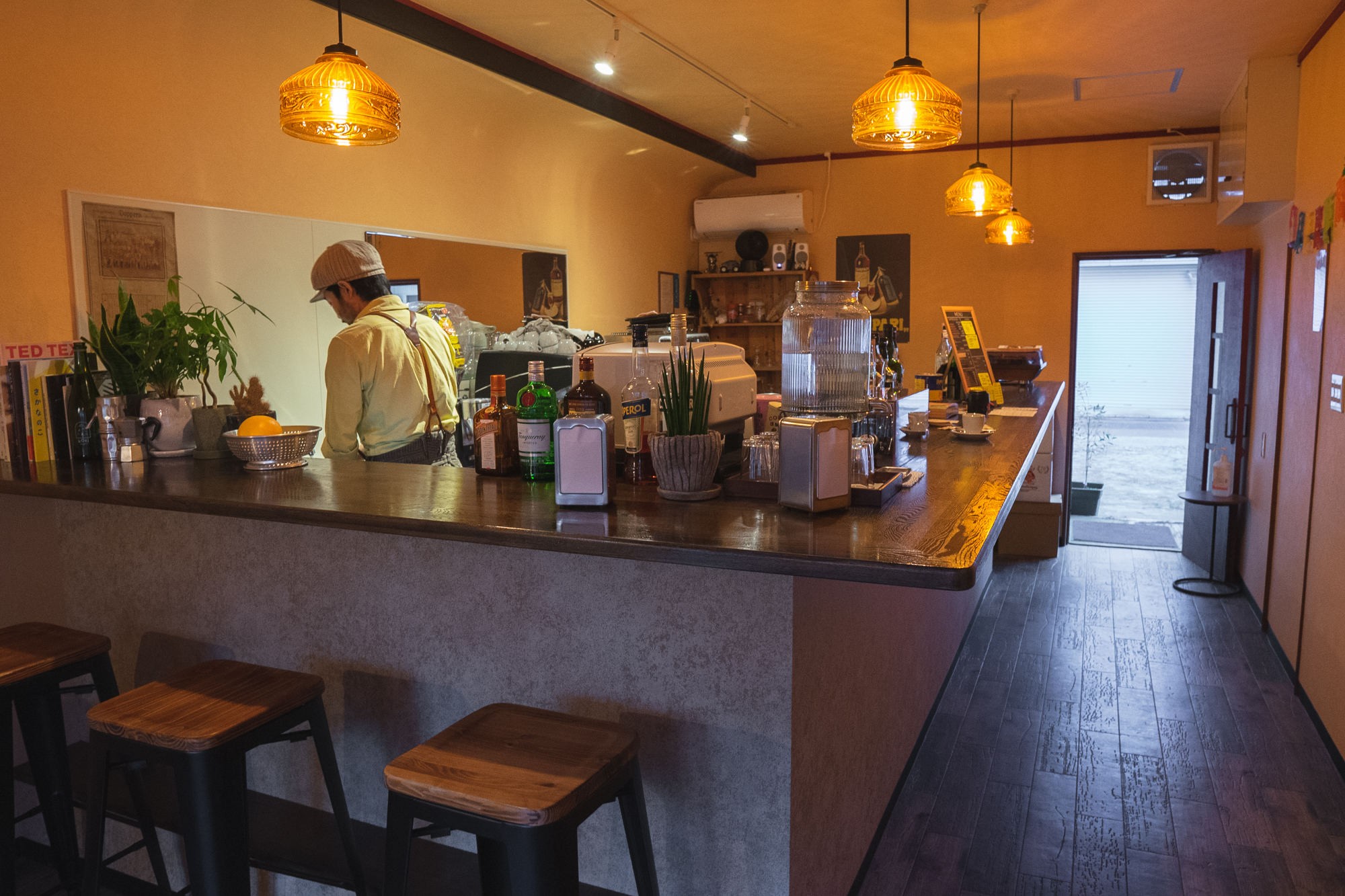
What did you learn in Italy?
Arimune
I feel that experiencing the culture of Italy, the home of espresso, and the atmosphere of its bars was an irreplaceable experience I could only have gained by studying in Italy.
But in fact, I didn’t gain enough knowledge about espresso or the skills to make it.
I got the impression that in Italy, many customers choose a place because it’s familiar, rather than because its espresso is delicious.
So at the time, I couldn’t tell whether Florian really served good espresso.
I came to believe that I needed to learn about espresso and master the techniques from the basics.
What she learned in Japan
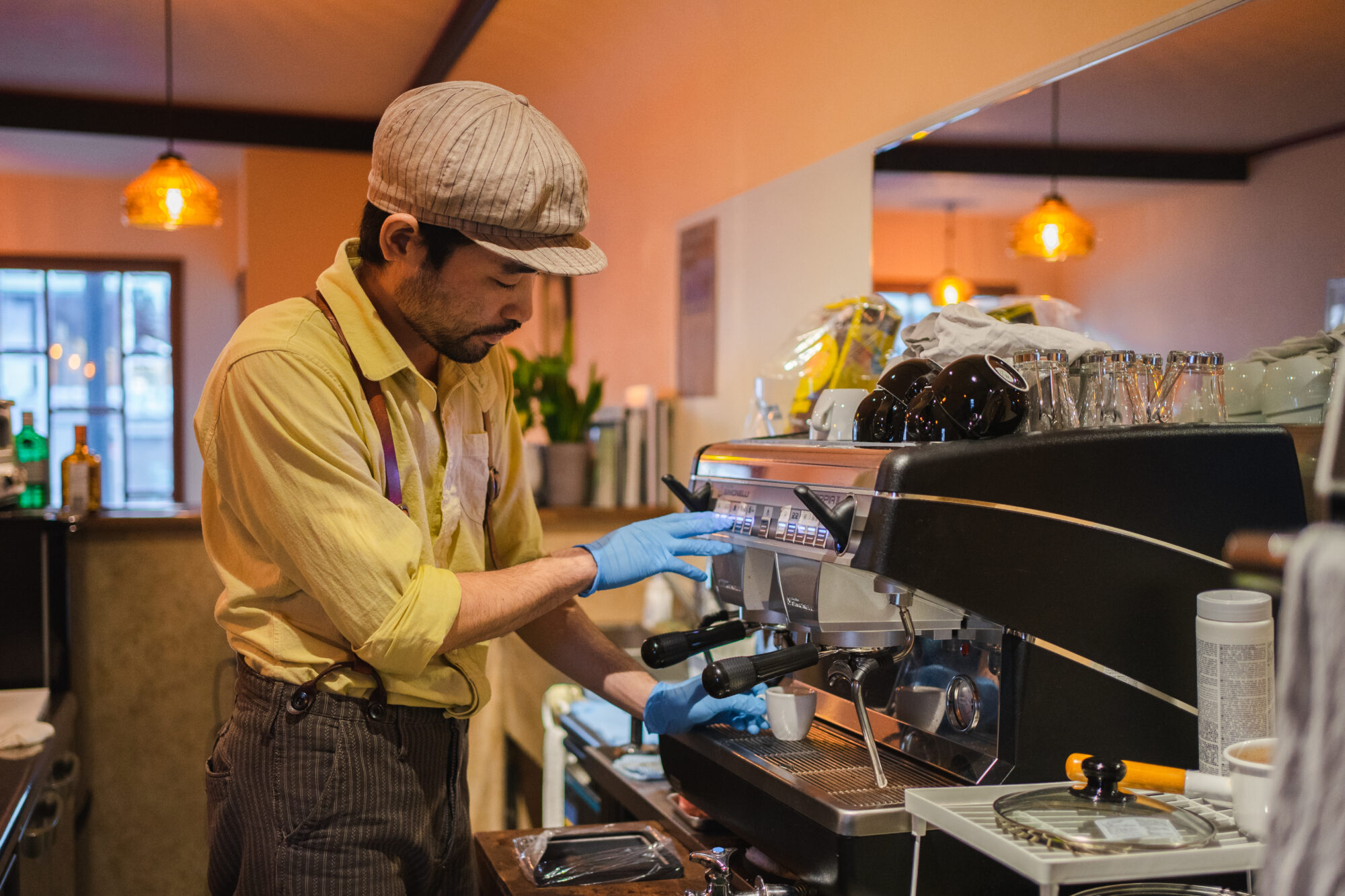
How did you study in Japan?
Arimune
I studied while working at an espresso specialty shop in Takamatsu, Kagawa Prefecture.
There was a bar in Florence run by a Japanese person, and its owner told me there was an authentic bar in Takamatsu where you could drink standing up, just like in Italy.
The bar in Takamatsu that I was told about was run by a barista who had won two years in a row at a competition hosted by the Japan Barista Association (JBA).
After returning to Japan, I was working in Okayama City, but I remembered the bar in Takamatsu and asked if I could work there to study.
At first, I kept my main job in Okayama City and went to Takamatsu once a week. Eventually, I moved to Takamatsu and was able to focus on honing my skills while working at the bar.
What did they teach you at the shop in Takamatsu?
Arimune
They taught me not only how to make espresso, but also customer service etiquette from the ground up.
I learned basic manners, such as how to speak to customers, how to place plates, and how to clear them away.
The owner was someone who pointed out even the smallest things, and I’m truly grateful for that.
The owner had also worked for the person who originally founded the Japan Barista Association.
I was taught the espresso-making method recommended by JBA, so I was able to learn the fundamentals.
What makes “One Espresso, Please” special
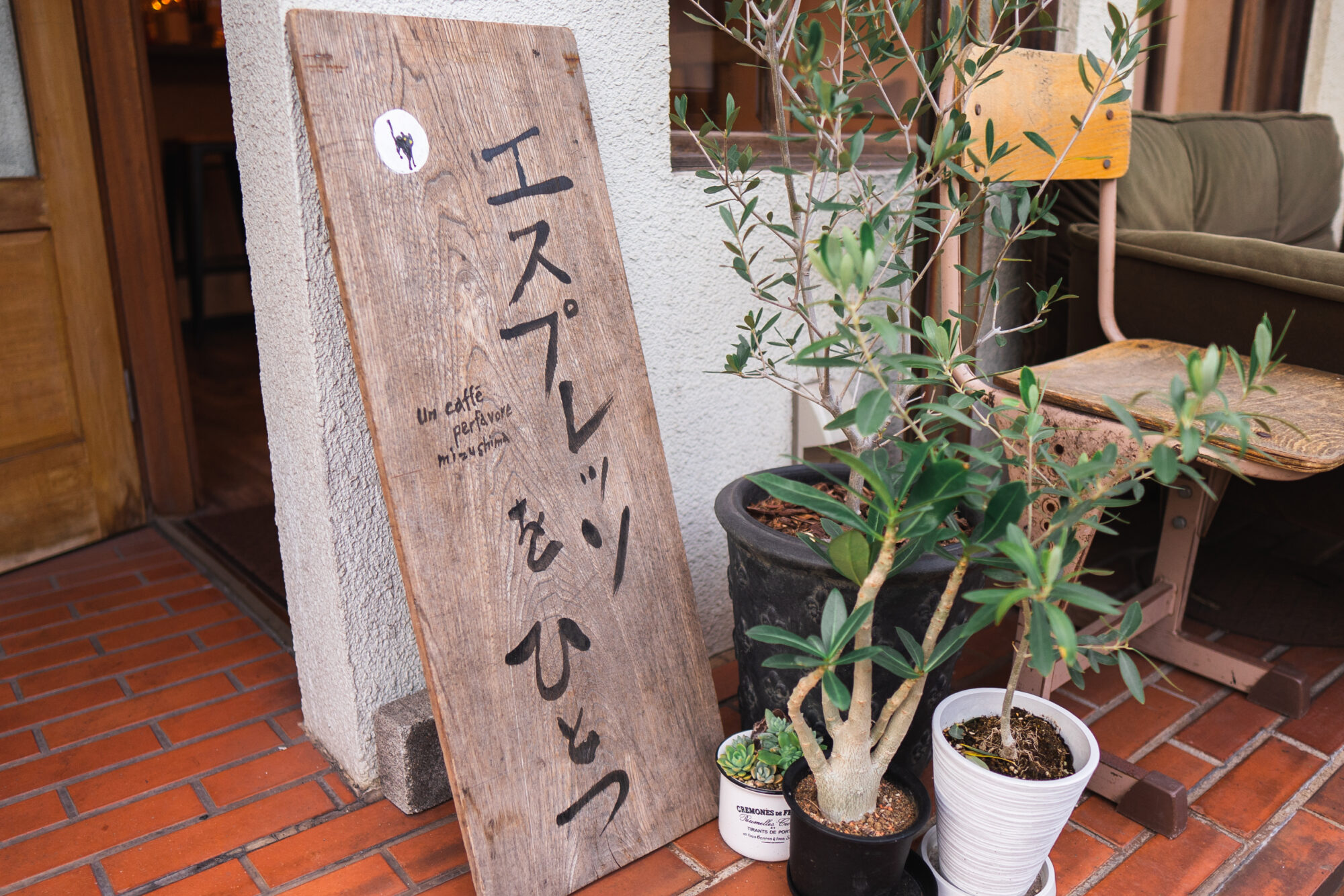
Why did you open your shop in Mizushima?
Arimune
My ideal was a bar like those in Italy, where you can drink espresso standing up for 1 euro (about 150 yen).
I was looking for a place where I could make that ideal a reality and still run a viable business.
The person who introduced me to the “One Espresso, Please” location was the owner of a clothing store who had been friends with me since before I studied in Italy.
The clothing store originally had a location in Okayama City, but now it’s in Mizushima, the owner’s hometown.
They had also supported my training as a barista, and told me about a good property in Mizushima.
I thought the location they introduced me to could make my ideal a reality, and that’s how I came to open a shop in Mizushima.
What kinds of customers do you get?
Arimune
Mizushima has many izakaya, and at night people come out to enjoy a drink.
Many people stop by after enjoying a drink, to savor coffee at their leisure.
Many people also visit after seeing posts from “One Espresso, Please” on social media.
Recently, regulars who live near Mizushima have started coming by.
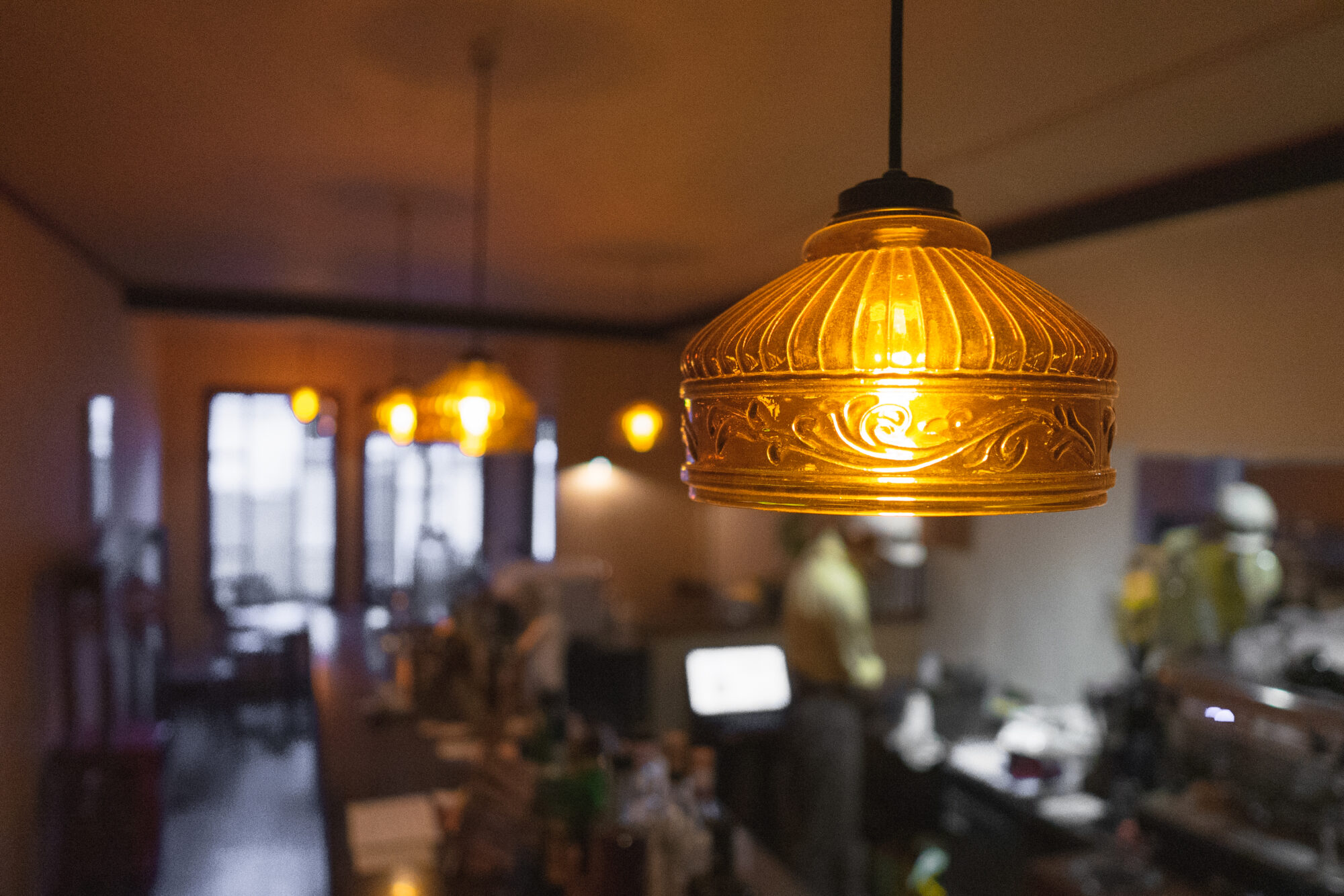
What do you consider important when making espresso?
Arimune
At the shop in Takamatsu, I was taught the basic style recommended by JBA.
But at Florian in Florence and at other espresso specialty shops, they made it differently.
The flavor changes depending on how it’s made, and you can taste a deliciousness that differs from the basics.
Also, at bars in Italy, they made espresso to suit each customer’s preferences.
I believe there is more than one right answer when it comes to delicious espresso, so I value leaving room to experiment with how I make it.
What would you like to take on next?
Arimune
I have what you might call a dream—or an ideal way of working.
“I’d like to close the shop for one month each year to study as a barista overseas, in Italy or elsewhere, and then put what I’ve learned to use for the remaining 11 months.” That kind of work sounds fun, doesn’t it?
When I return to Japan, I’d like to spend about a week serving treats I brought back, so my regular customers can enjoy them too.
I want to make this a shop where I can savor carefully crafted espresso together with my customers.
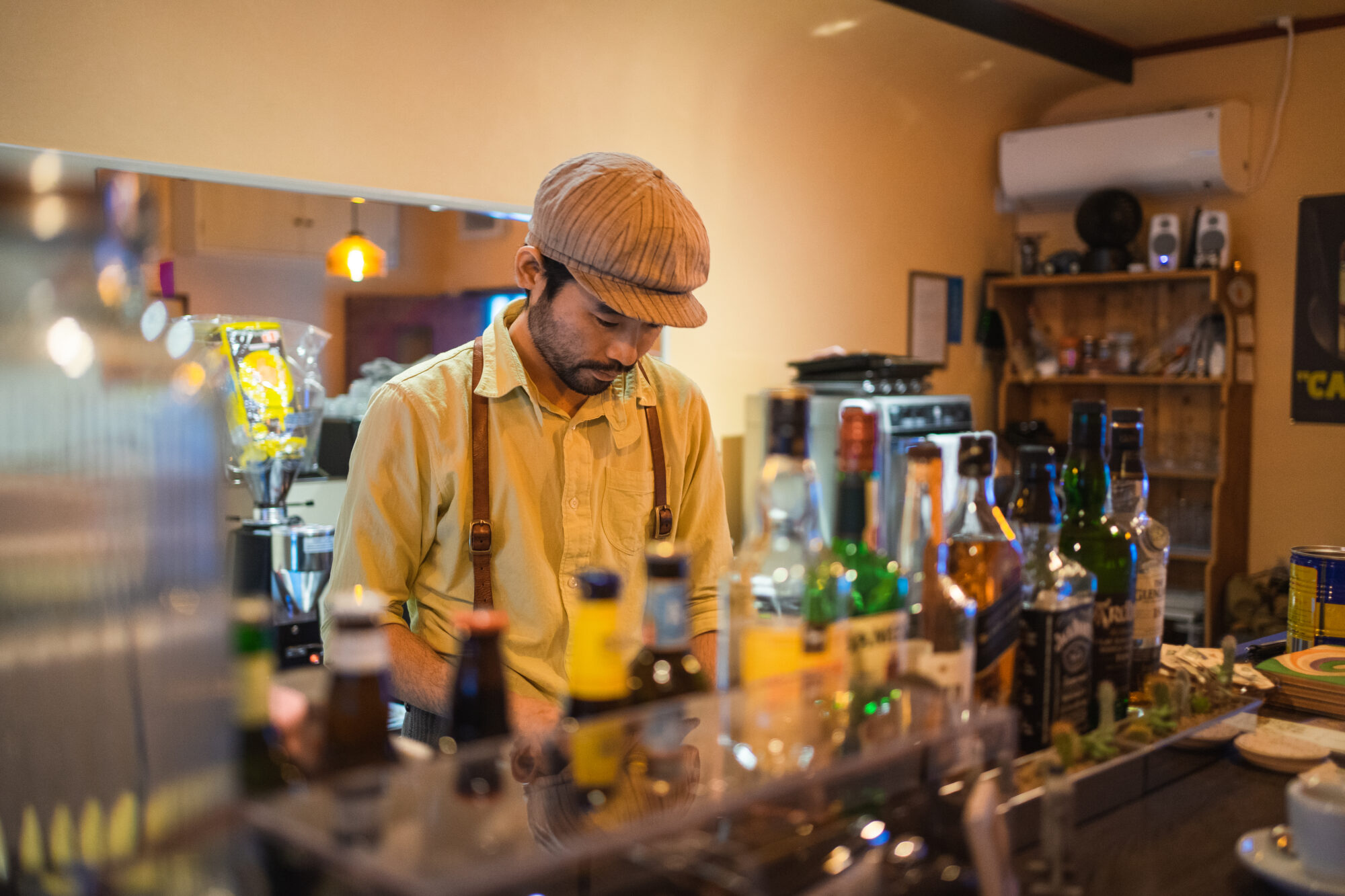
After savoring espresso
Calling it a bar where you can savor authentic Italian espresso is straightforward, but the bitterness of espresso poured into a small cup had a depth that can’t be conveyed in a single word.
It would be hard to imagine who Arimune is today from the time she first started working at a factory.
At the factory, in Florence, and in Takamatsu, she was always finding challenges and steadily taking action.
Each of those actions is what enabled Arimune to turn her ideal into reality.
I think the scenes she witnessed along the way are what give her espresso its deep flavor.
Why not try an espresso at a shop with a barista who knows the bars of Italy firsthand?
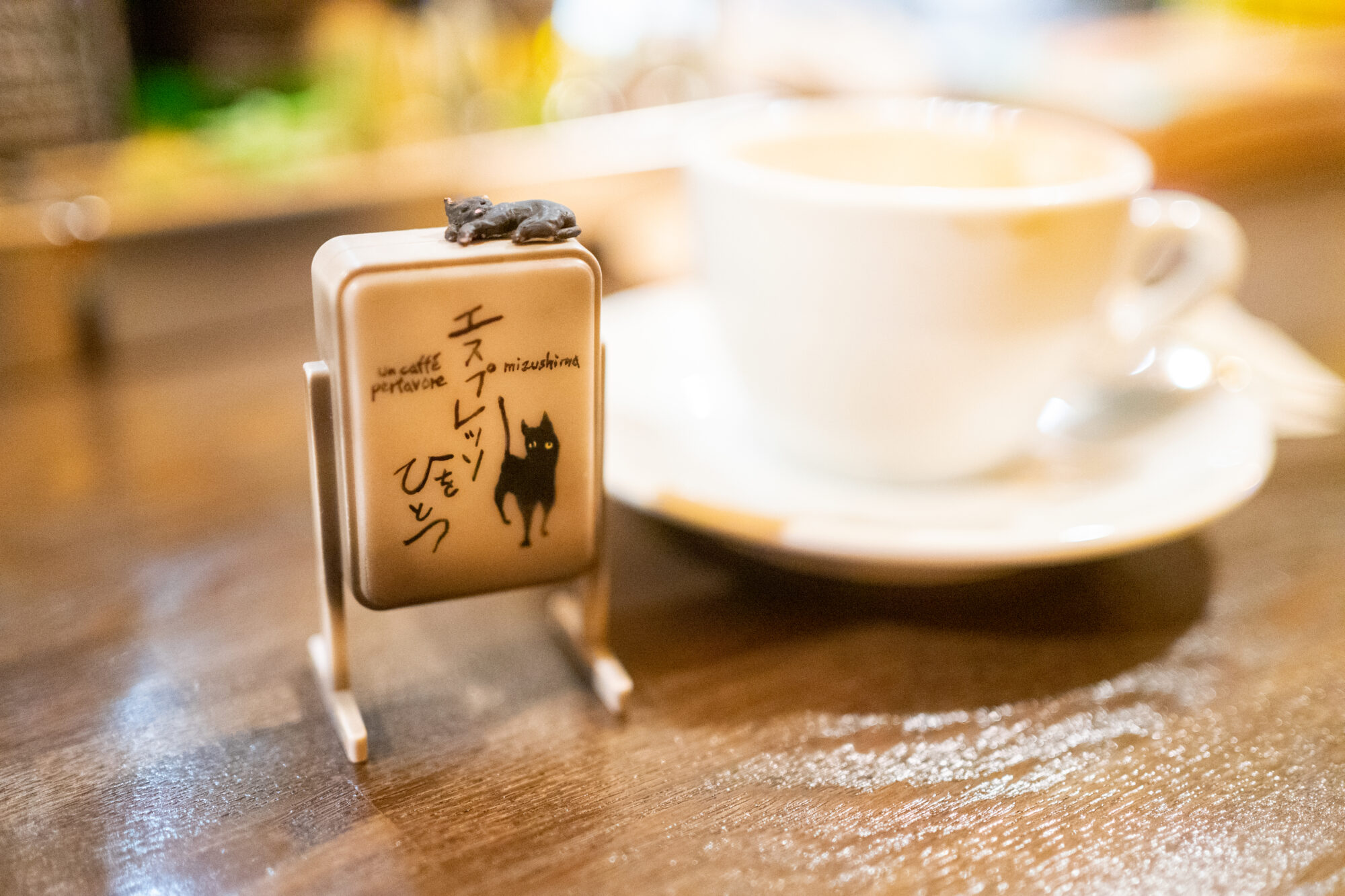
Espresso wo Hitotsu Information

| Name | Espresso wo Hitotsu |
|---|---|
| Address | 8-18 Mizushima Nishisakaemachi, Kurashiki City, Okayama Prefecture |
| Parking | Available Two parking spaces on the west side of the shop |
| Hours | Tuesday: Closed Monday, Wednesday–Friday: 7:00 a.m.–5:00 p.m. Saturday: 12:00 p.m.–12:00 a.m. Sunday: 12:00 p.m.–5:00 p.m. |
| Closed | Tuesday Check Espresso wo Hitotsu’s Instagram for current business hours. |
| Payment methods |
|
| Reservations | Not accepted |
| Seating | Counter: standing room; tables: 2 |
| Smoking | Entirely non-smoking (outdoor smoking area available) |
| Restroom | Western-style toilet |
| Website | Espresso wo Hitotsu (Instagram) |



What would you like to know about Kurashiki?
Enter a word to search articles on this site