Interview with the 16th Head of the Inoue Family
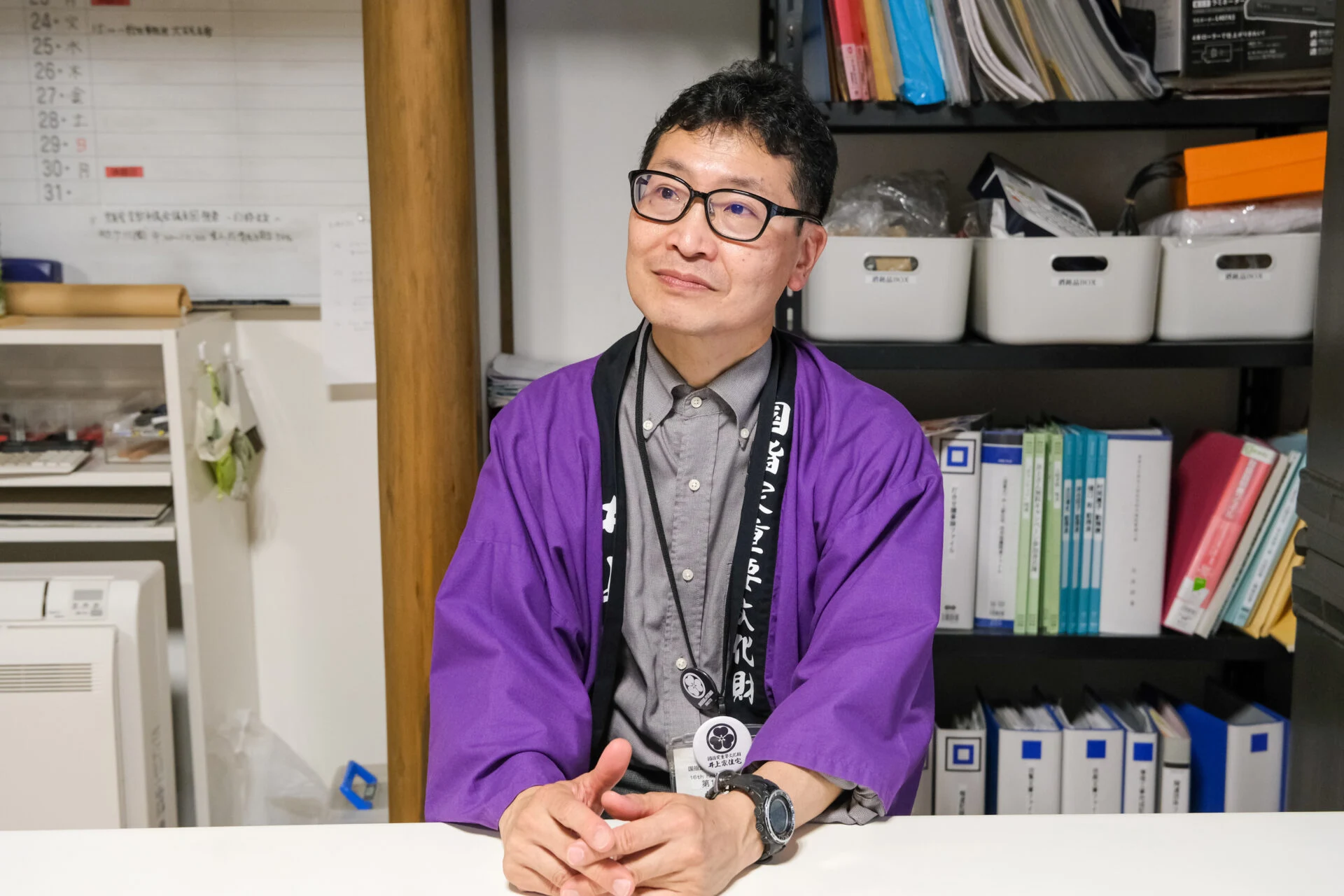
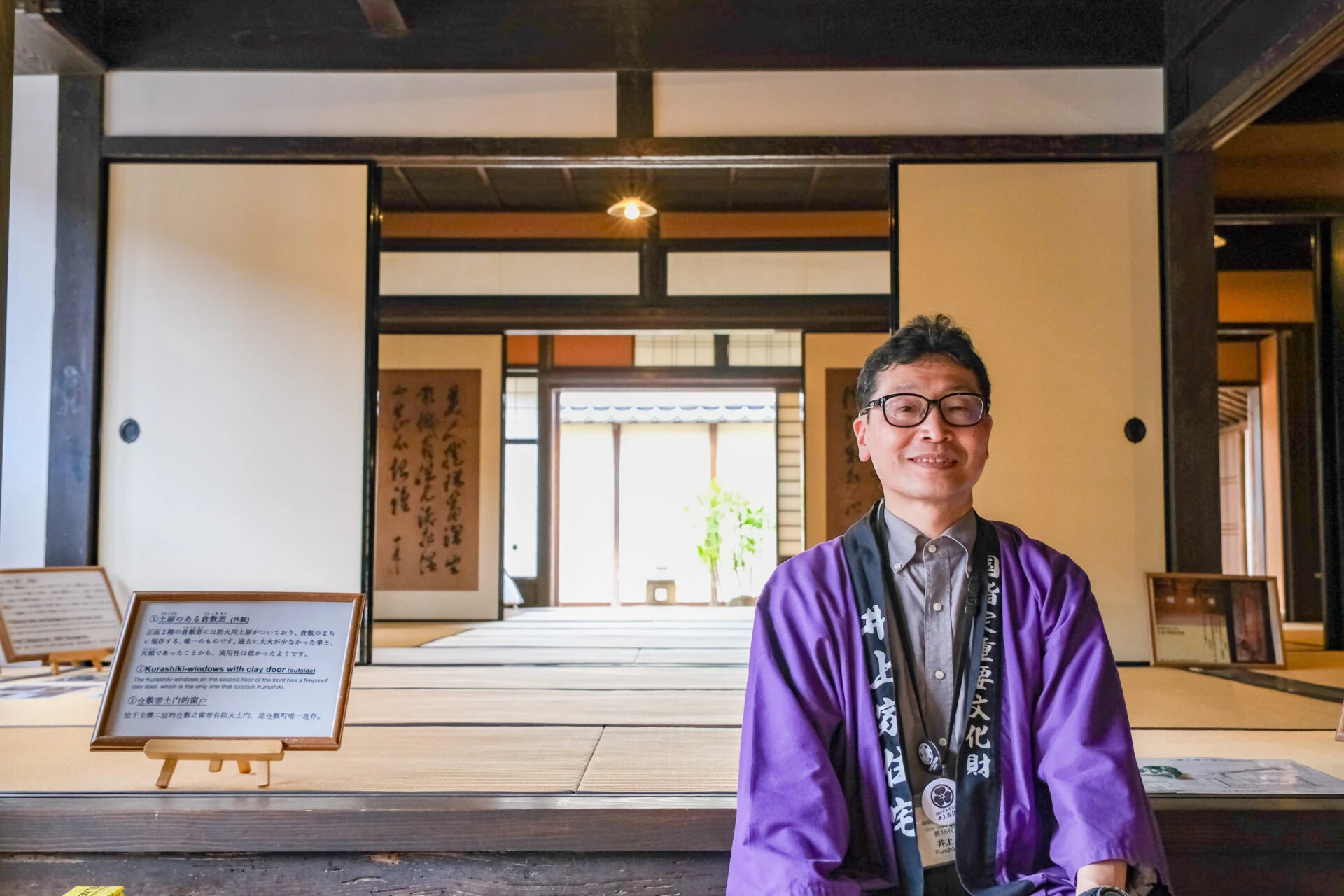
I spoke with Mr. Inoue Fumihiko, the 16th head of the Inoue family.
Preservation and Repair Work Revealing the Historical Changes of the Building
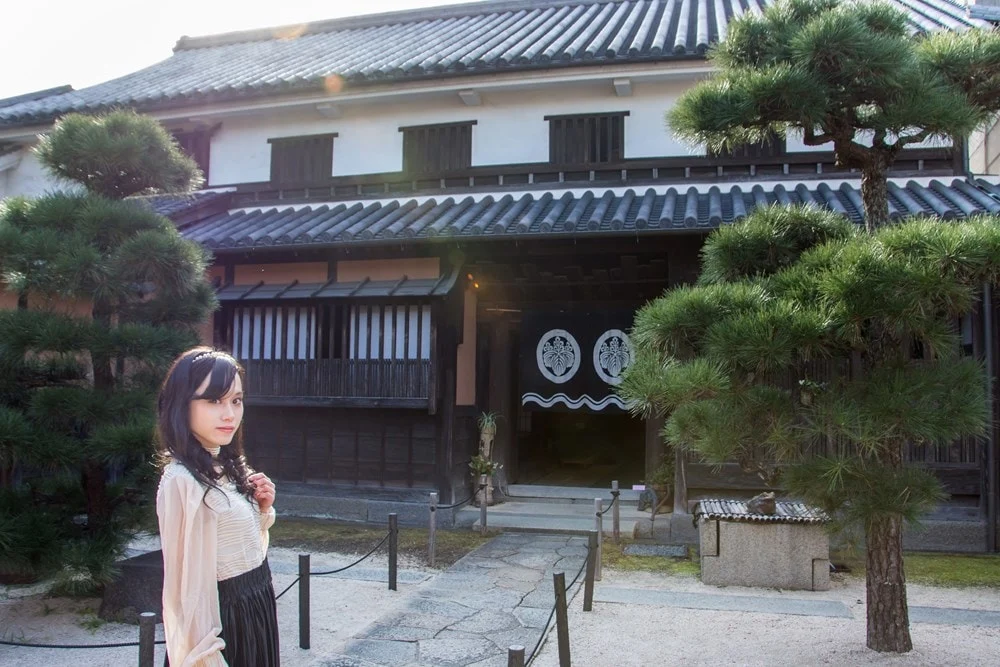
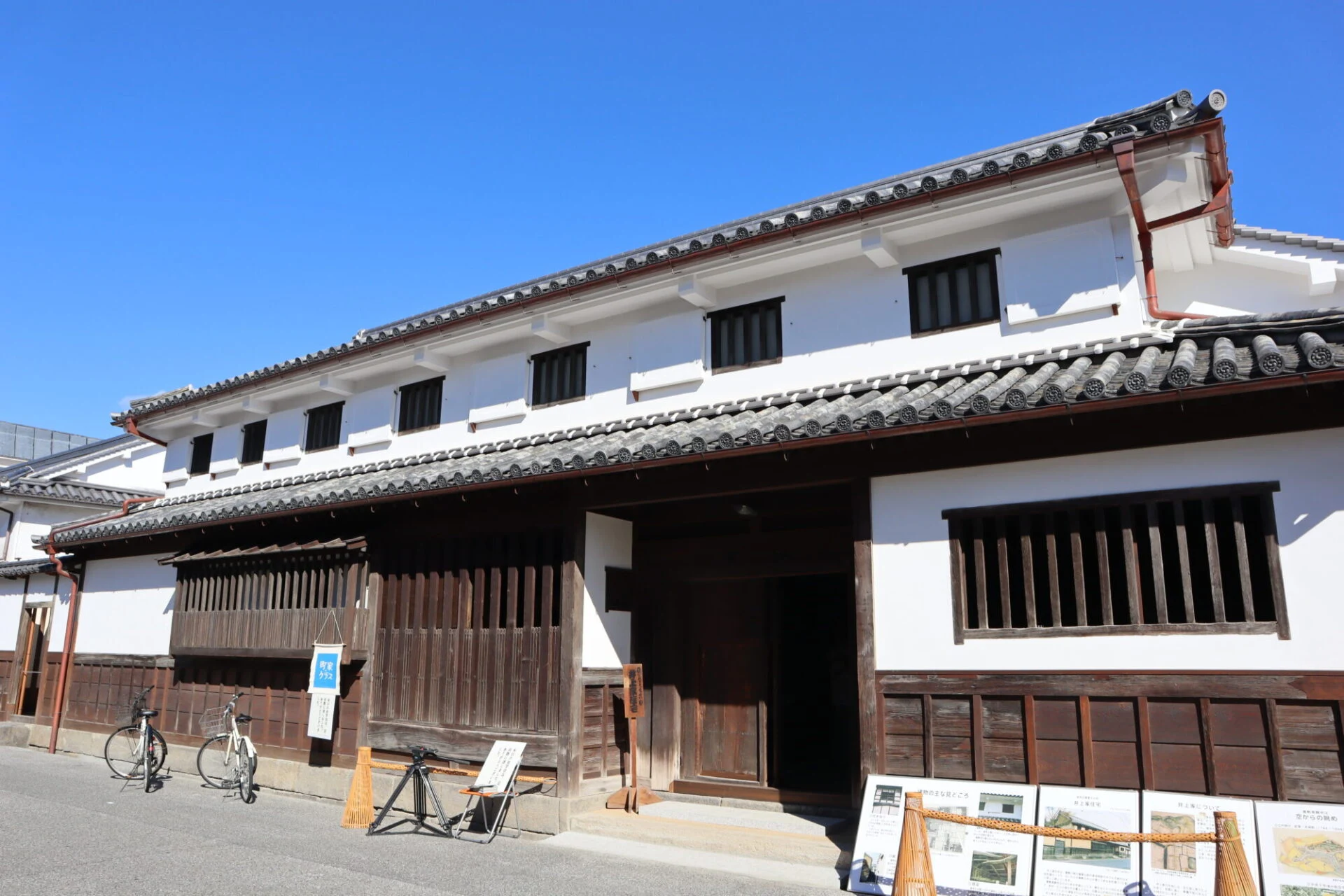
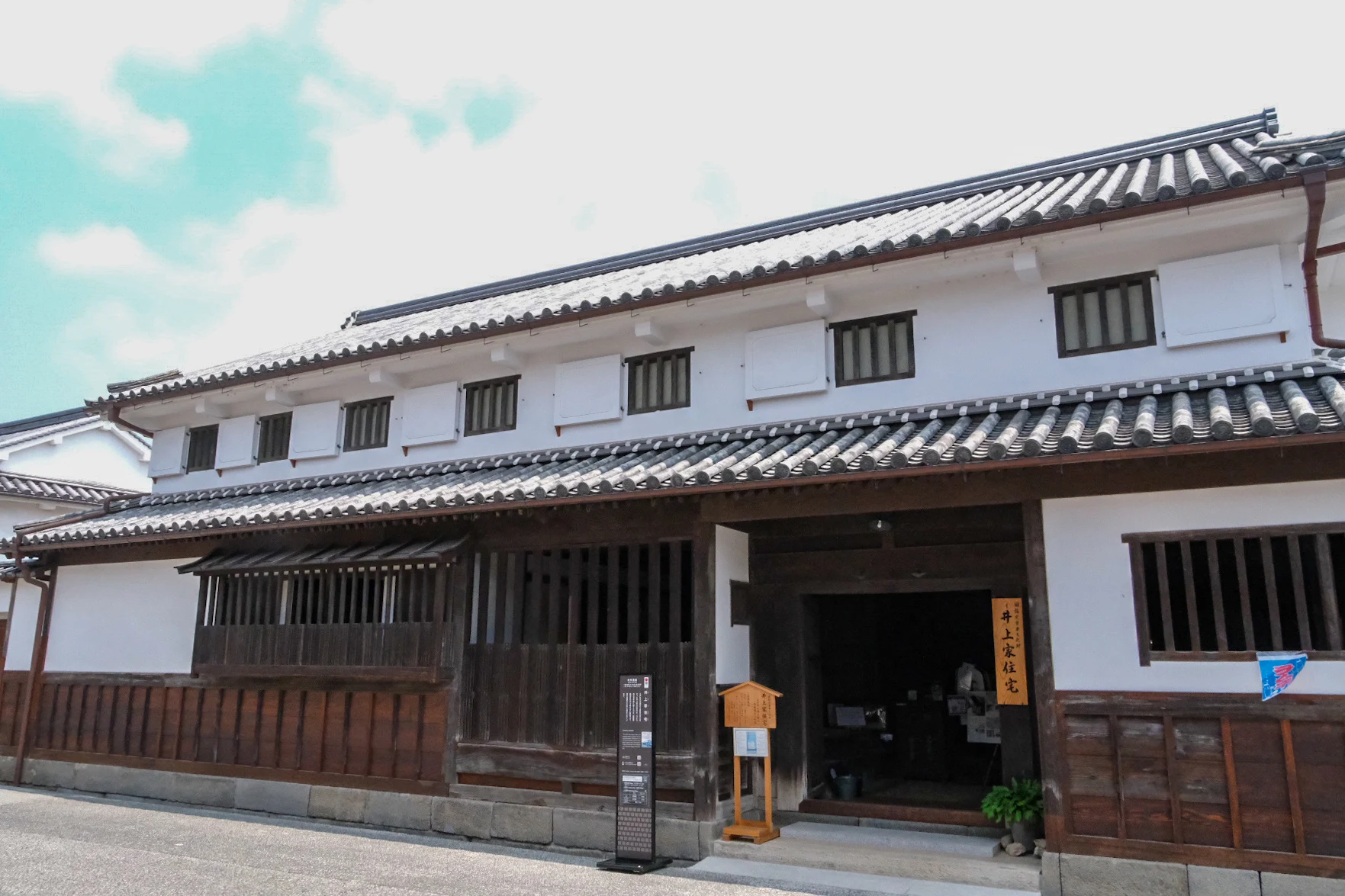
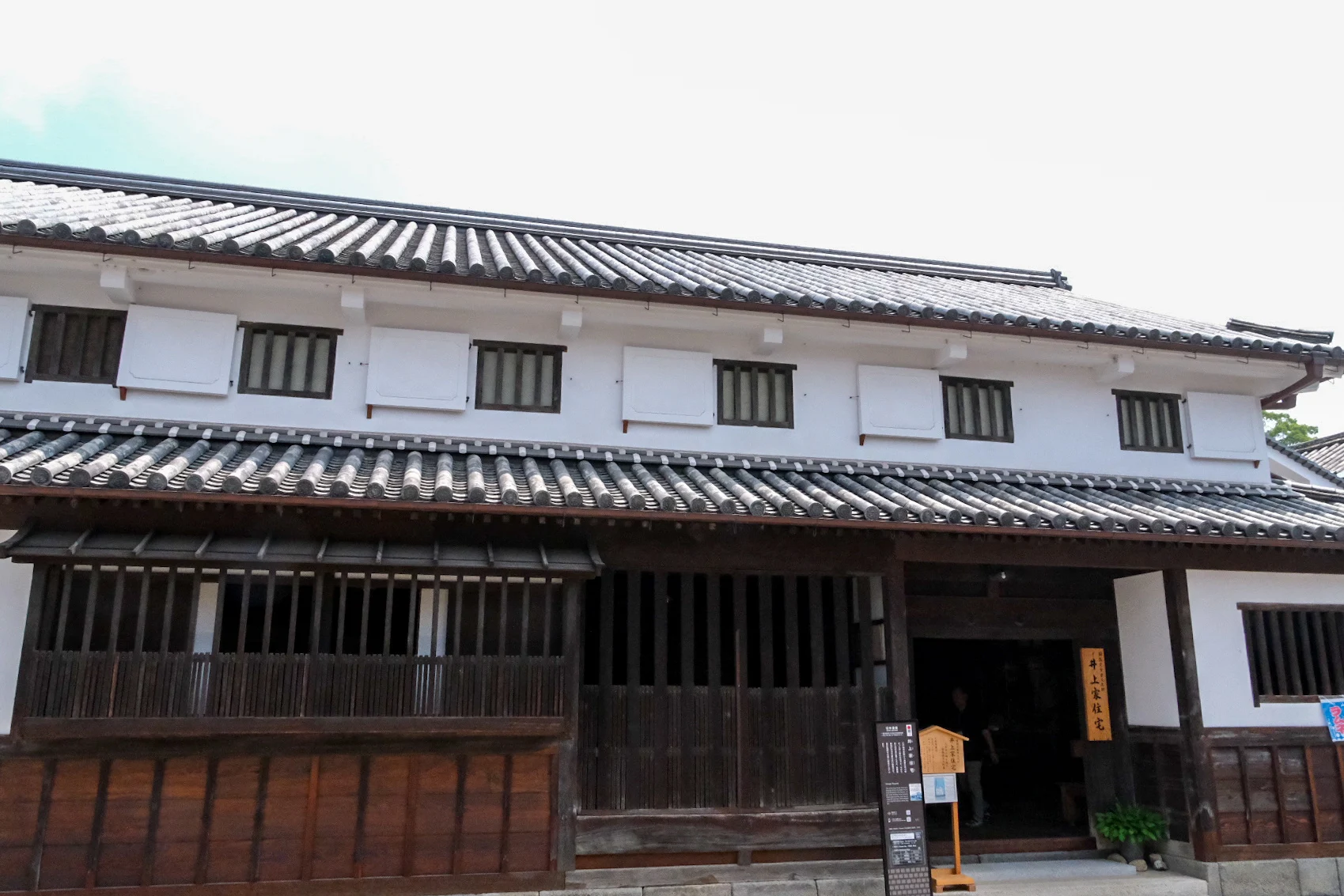
I heard that the Inoue House is the only surviving Kuroku-style residence in the Bikan Historical Area.
Inoue
That is correct.
After approximately 10 years of preservation and repair work starting in 2012, it was revealed that the main house was built in the 6th year of the Kyoho era (1721) and is the oldest machiya (townhouse) architecture in the Bikan Historical Area.
During the preservation and repair work, we restored it to reflect the conditions of the Tenpo era, when the 10th head Saburoemon was active.
Can you tell us about the background that led to the large-scale preservation and repair work?
Inoue
The Inoue family has been using the house as a residence while repeatedly undergoing renovations since the Edo period.
After the new house was built on the premises in 1997, it became the living space, but until then, daily life was conducted in the building currently open to the public. Even after the living space was moved to the new house, my father continued to use this place for guests and work.
However, as the building aged, it deteriorated. The Inoue house experienced leaks, damage from termites, and deterioration due to age.
In 2004, the main house and surrounding areas were designated as a National Important Cultural Property, which led to the start of preservation and repair work in 2012 with the cooperation of the national government, Okayama Prefecture, and Kurashiki City.
Why did the work take 10 years?
Inoue
The initial plan was for the preservation and repair work to take 6 years.
However, once we began the work, we found damage and deterioration that exceeded our initial expectations. There were even places where the floorboards had completely rotted away.
Additionally, there was no vacant land nearby to build a shed for storing dismantled materials and replacement supplies, so we had to rent land far away to build it. This also added time for transportation and logistics.
The preservation and repair work also included seismic reinforcement. For the seismic reinforcement, structural calculations and the production of custom steel frames for the Inoue family were also carried out.
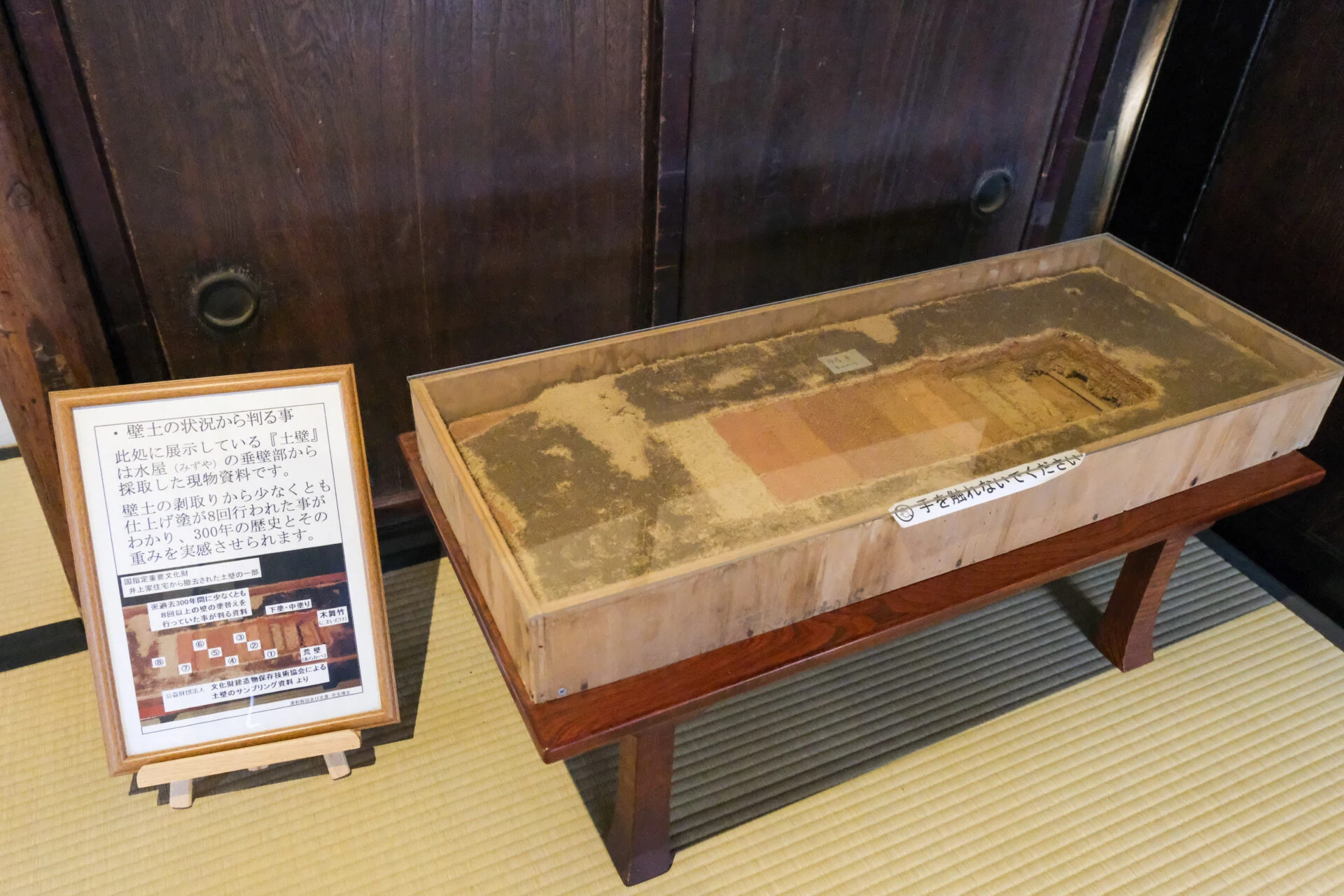
While conducting these tasks, we had specialists investigate and verify the materials discovered, examining how this building had been used over time. We also organized the materials we had preserved until now.
The materials and historical changes of the building revealed during the preservation and repair work are also on display, and we introduce them when guiding visitors through the facility.
Role as a "National Important Cultural Property"
Are there any initiatives you are working on as a National Important Cultural Property?
Inoue
The Cultural Property Protection Law states the following:
Owners and other stakeholders of cultural properties must be aware that cultural properties are valuable national assets, and they must strive to preserve them carefully for the public and to make them available for cultural use as much as possible.
Source: Cultural Property Protection Law, Article 4, Paragraph 2
Therefore, it is necessary not only to preserve them carefully but also to strive for cultural utilization, such as making them public. Since the Inoue family transitioned from a private residence to a cultural property, it has become open to the public.
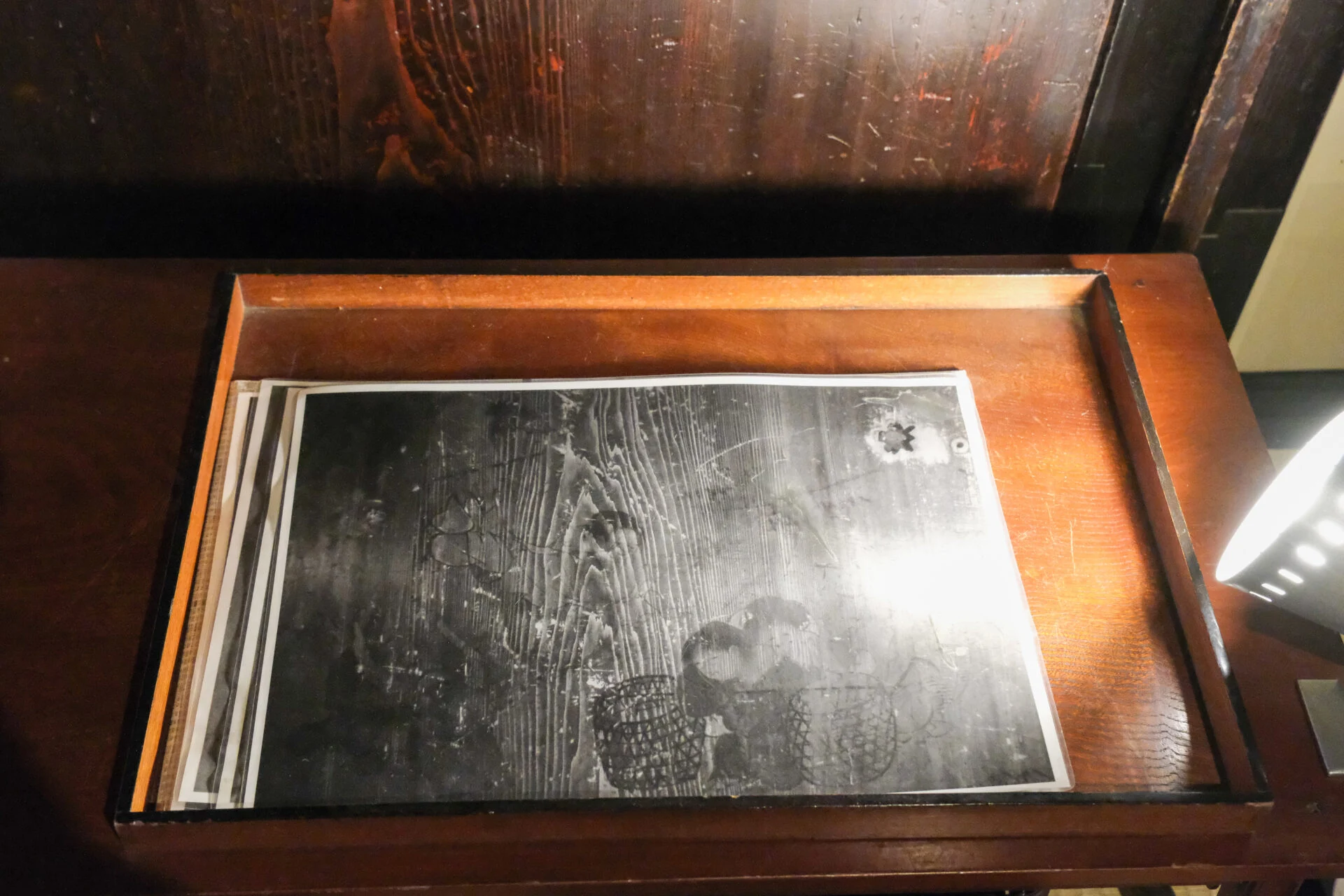
We provide brochures to visitors and place exhibition panels and explanatory boards to guide them as much as possible.
Staff, including myself, also conduct demonstrations and provide guidance.
Exhibits Showcasing Traces of Daily Life are Well Received
Can you tell us why you decided to recreate the interior of the Inoue House during the Tenpo era after the preservation and repair work?
Inoue
Because it was the time when the Inoue family was at its most prosperous and the functions of the building were fully developed.
However, at the time we started the work, we had not yet decided which era to restore it to.
The preservation and repair work also revealed that the house had undergone numerous expansions and renovations throughout its long history.
We investigated how each room was used and the order in which they were built by examining the dismantled materials.
Based on the results of that investigation, we decided to restore the Inoue House to reflect the Tenpo era.
After opening to the public, what kind of visitors have you had?
Inoue
Many people who love old houses visit, both from Japan and abroad.
About 20% of our visitors are foreign tourists. If you consult us in advance, we can provide guidance in English.
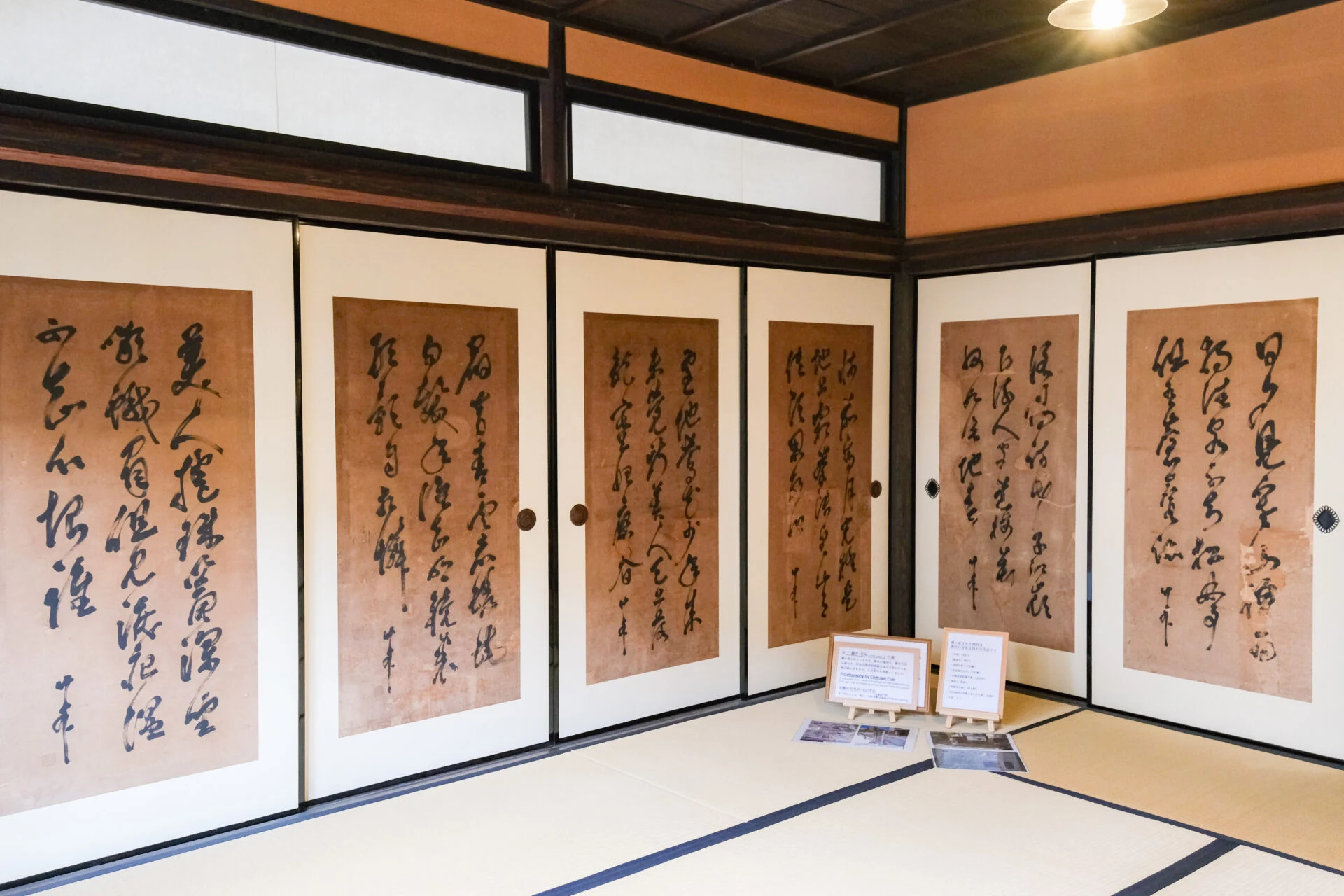
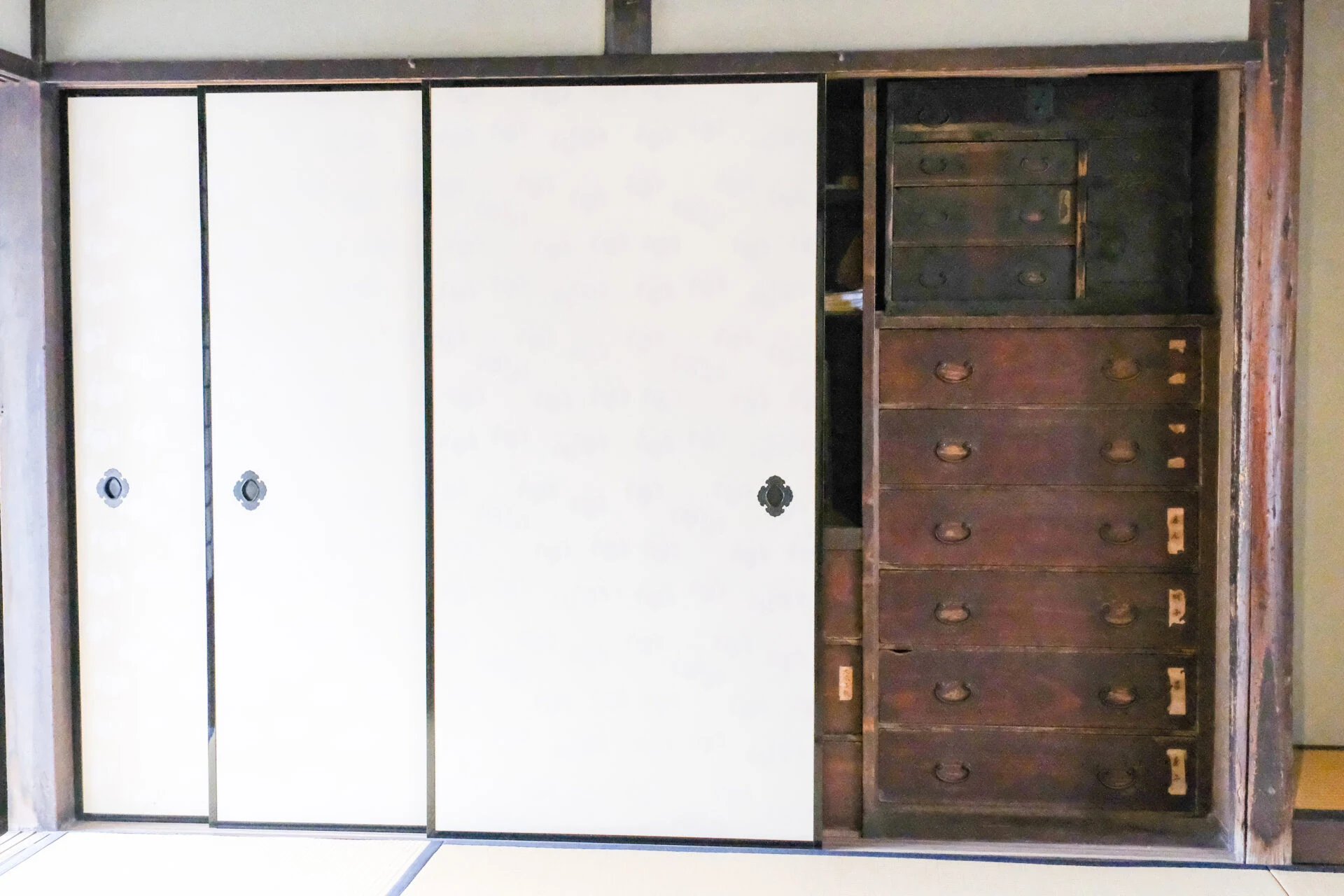
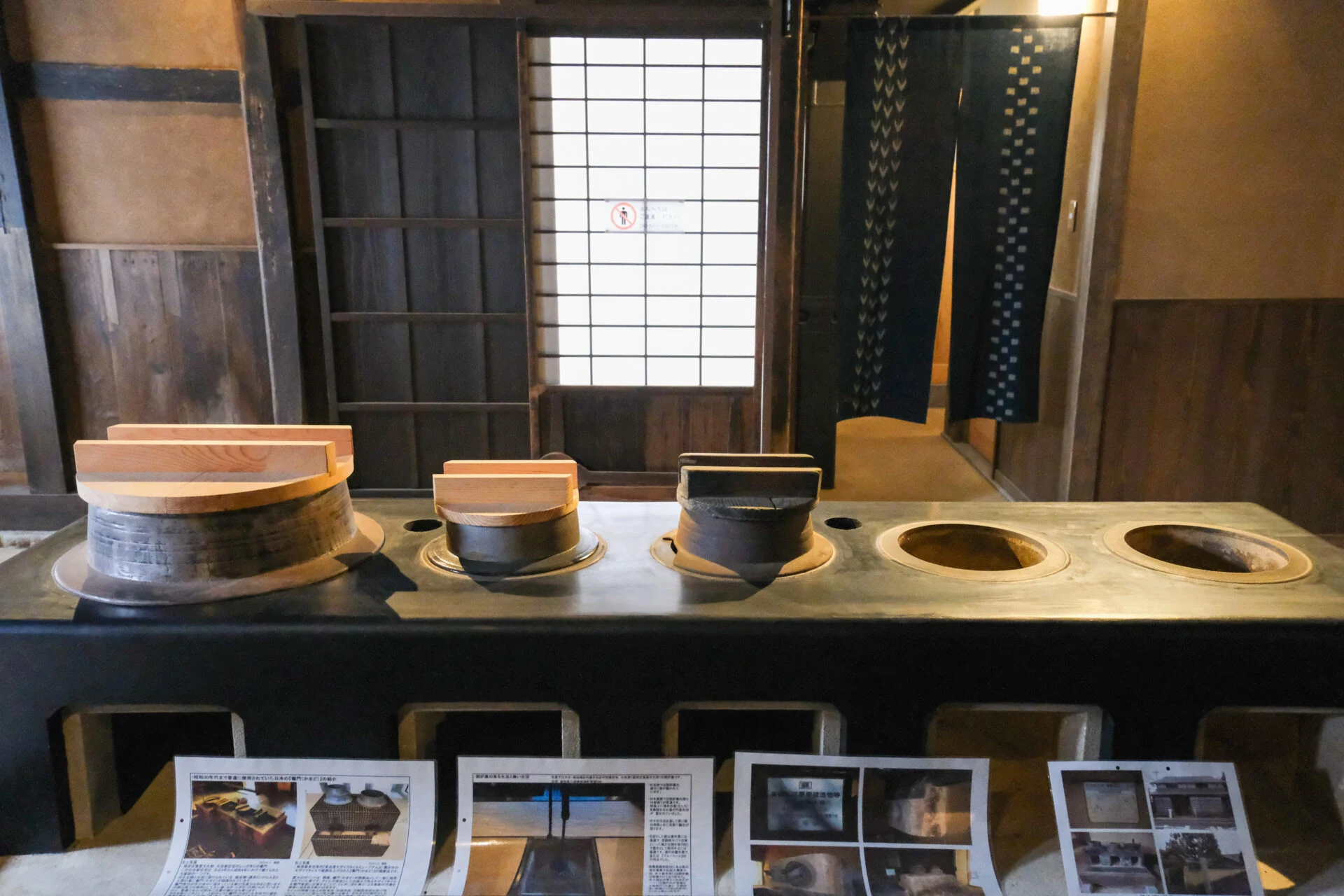
Exhibits that showcase daily life, such as the bath and toilet for visitors, built-in chests of drawers with names written on them, and the kitchen, are well received. Some of the names on the drawers belong to my father.
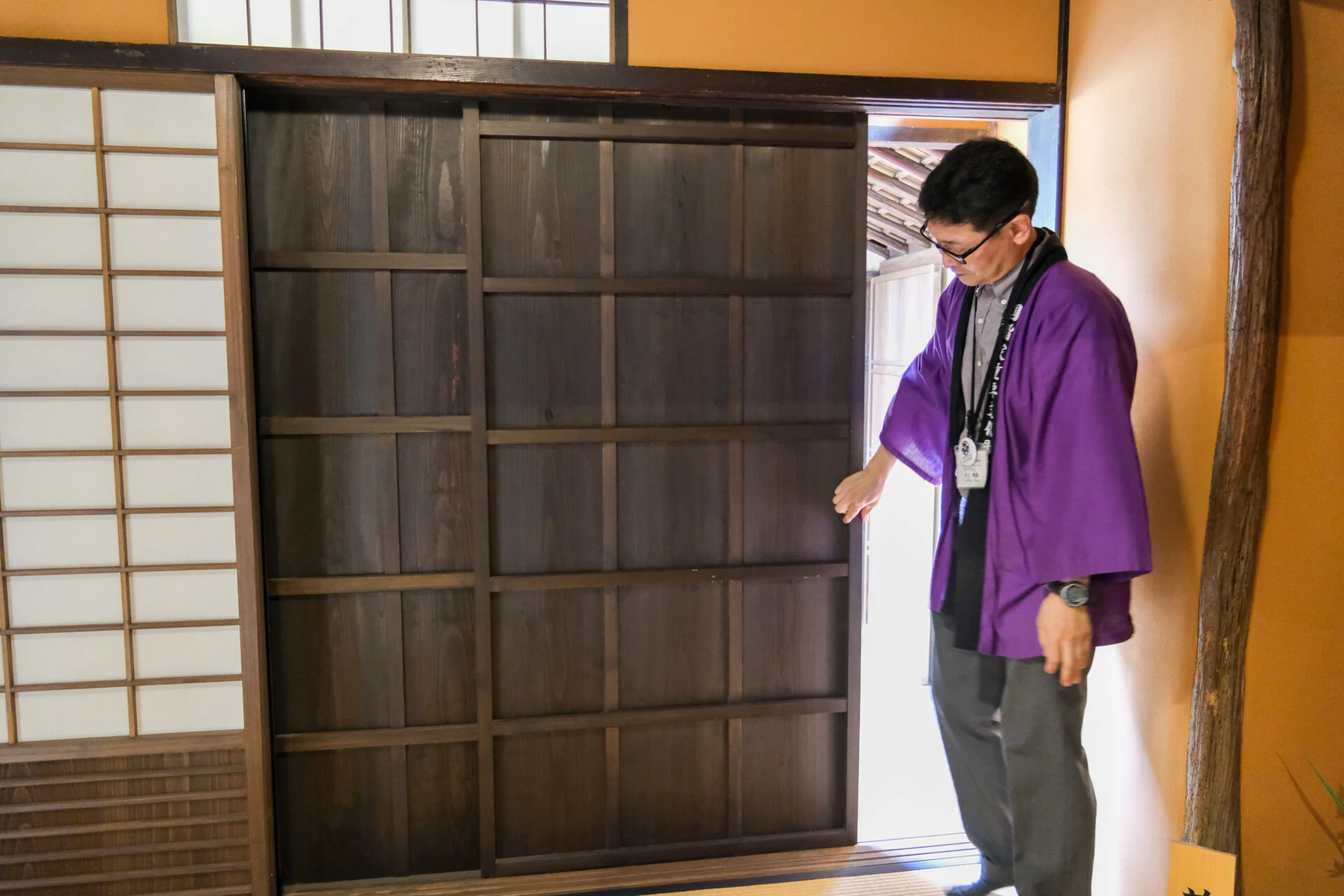
Additionally, there are unique mechanisms in the sliding doors, shutters, and storm doors, and many visitors express their delight, saying, "It feels like a ninja house!" You can also see how these mechanisms actually work.
The Inoue House is also a facility eligible for the "Ikigai Passport," which allows elementary and middle school students residing in Kurashiki City to use cultural and social education facilities for free, and we welcome its use for extracurricular learning.
Since we have also restored the kitchen oven, I hope to eventually establish a place for experiential learning.
Can you tell us how to enjoy the Inoue House?
Inoue
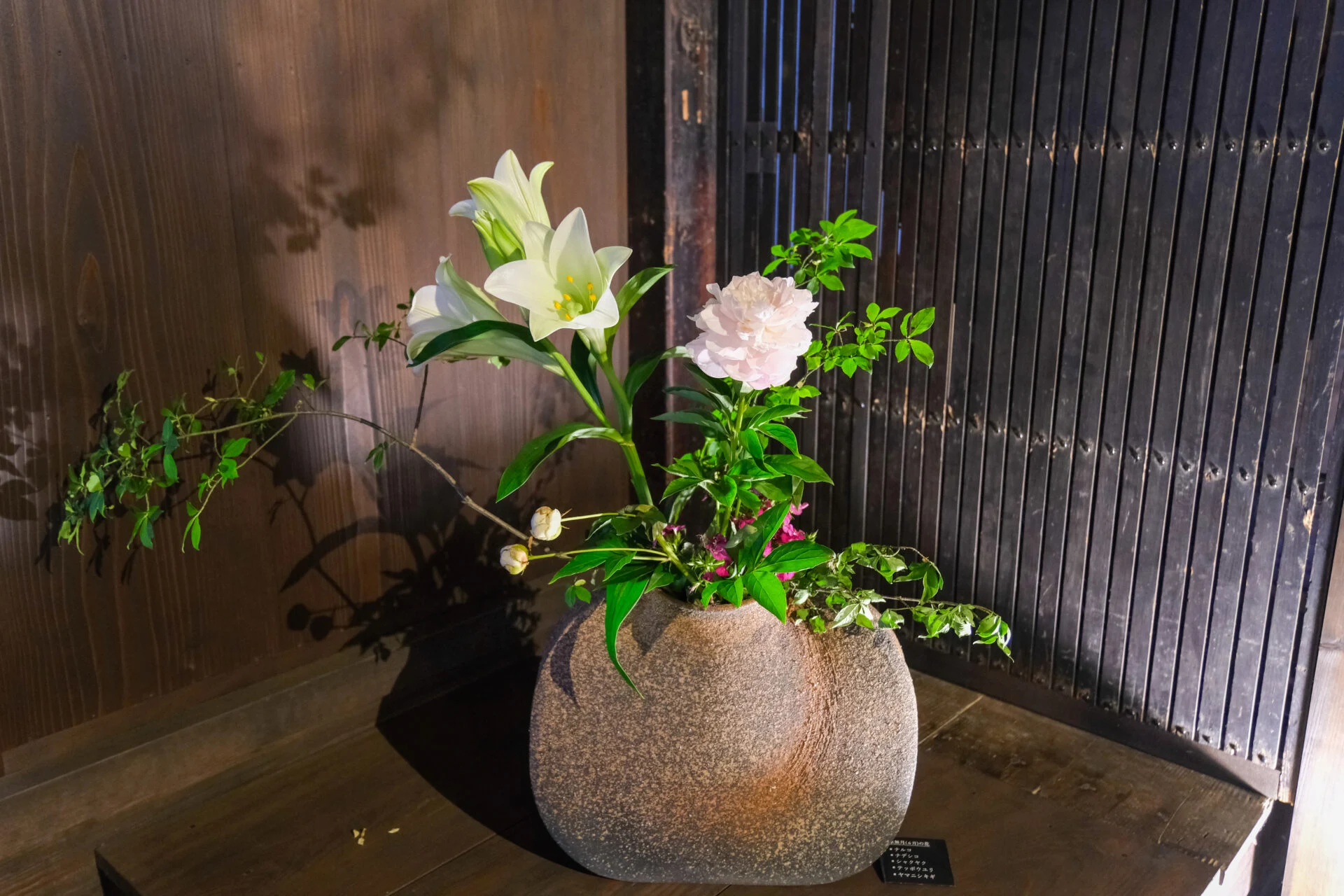
We have seasonal flower arrangements and Ikebana (flower arranging) created by volunteers displayed in each room, so I hope you will take a look at them.
It is also recommended to relax while sitting on the tatami (straw mat) and looking at the garden.
Next to the tsuboniwa (small garden) with a snow-viewing lantern, there is a hanging scroll of a crane, so it is nice to reflect on the time when cranes were present here.
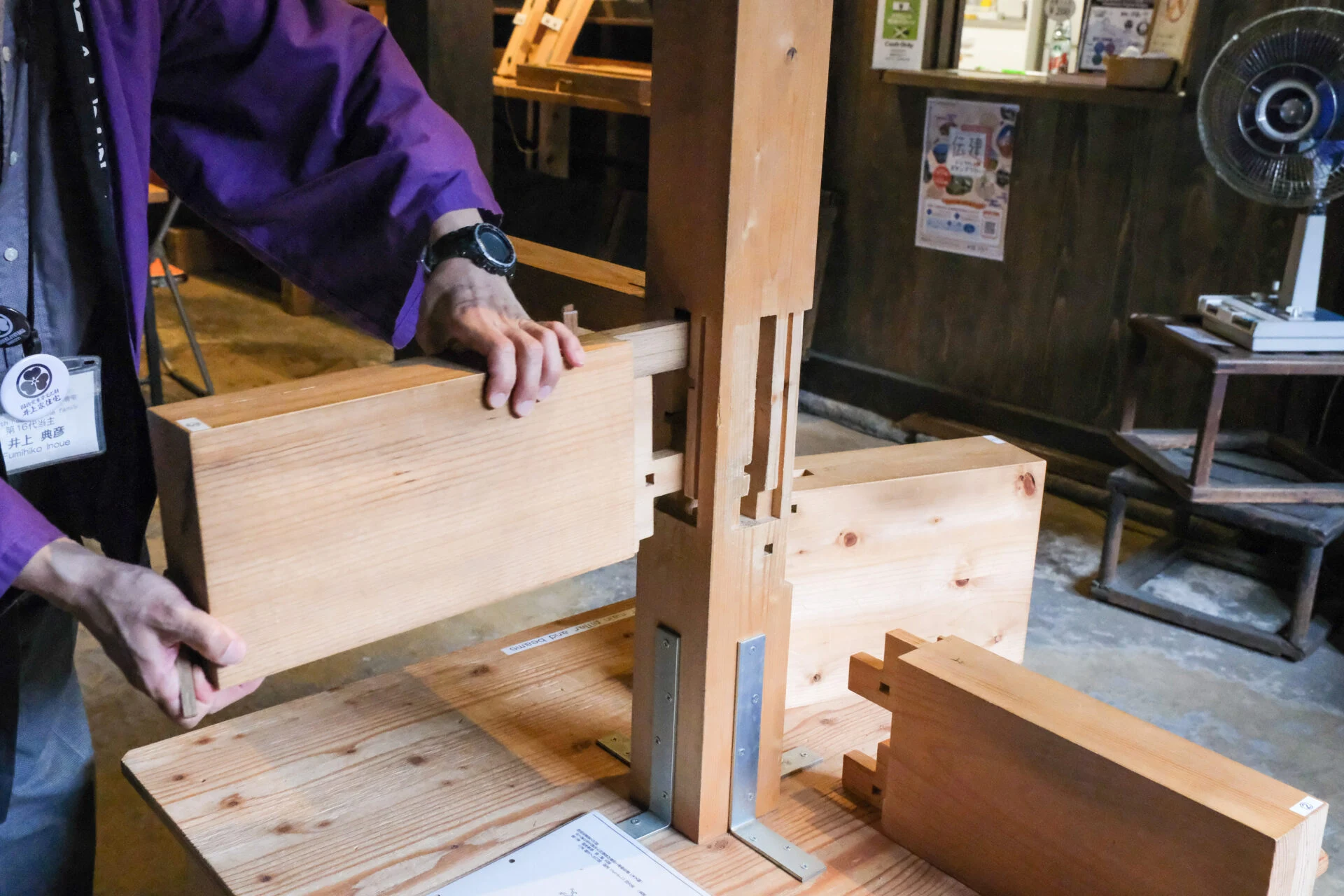
Additionally, at the entrance, there are models of the joints and four-way connections used during the preservation and repair work.
You can actually handle them and assemble them yourself, so why not enjoy it while moving your hands?
Finally, do you have a message for the readers?
Inoue
Please come and experience the feeling of time slipping back while reflecting on life in the Edo period.
Conclusion
During the 10 years of preservation and repair work, Mr. Inoue continued to live in the new house located on the same premises.
Living in front of the main house, which was undergoing construction as a National Important Cultural Property... what a valuable experience.
The function of the Inoue House as a museum open to the public as a National Important Cultural Property with a long history has only just begun.
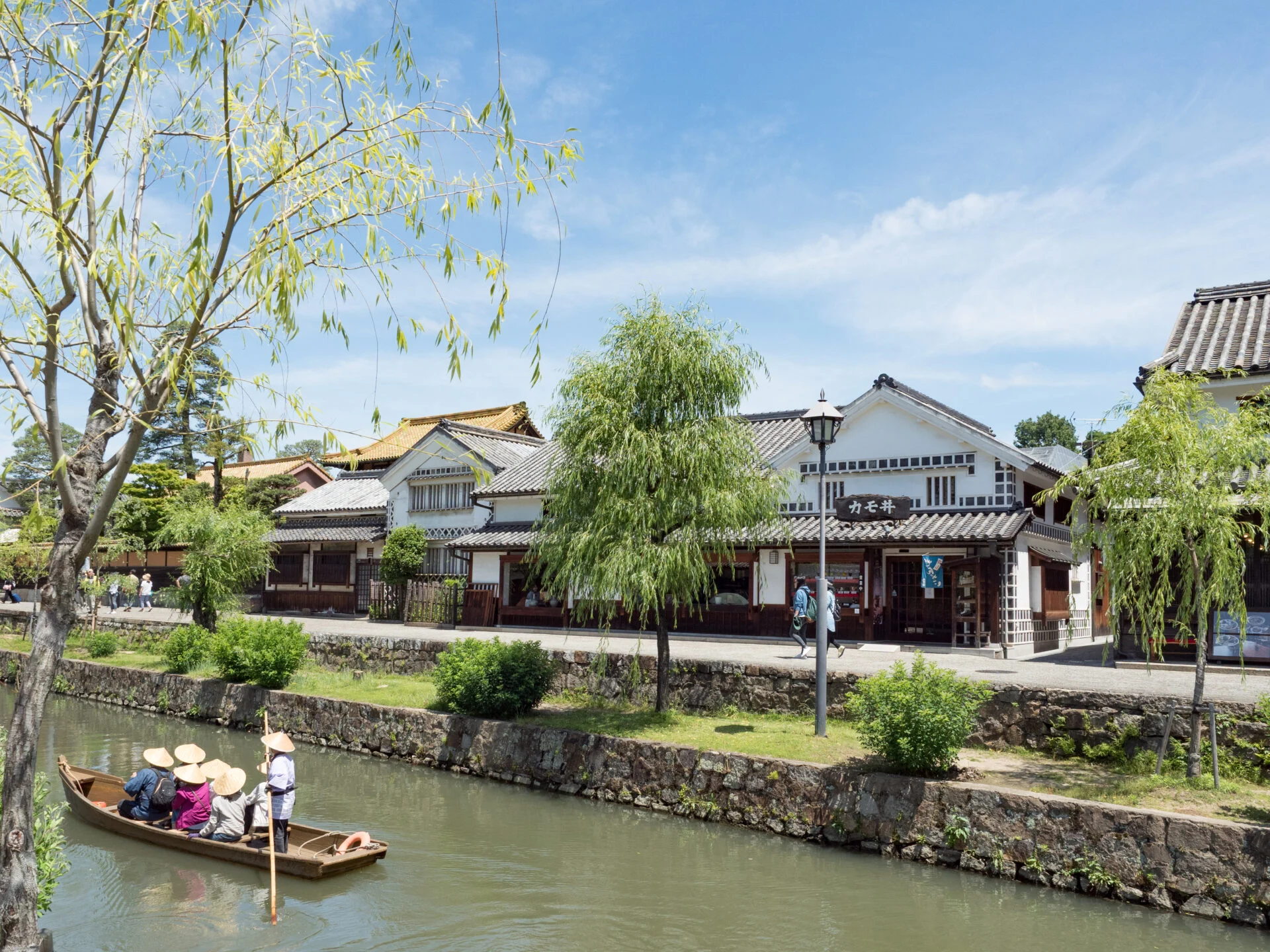
As one of the traditional landscapes of the Bikan Historical Area, I hope this facility continues to convey the way of life that has been carried out in this town.
Articles on Japan Heritage in Kurashiki City
Nationally Designated Important Cultural Property Inoue House Data
| Name | Nationally Designated Important Cultural Property Inoue House |
|---|---|
| Location | 1-36 Honmachi, Kurashiki City, Okayama Prefecture |
| Contact | 086-422-0714 |
| Parking | None |
| Opening Hours | 10:00 AM - 5:00 PM (Last admission at 4:30 PM) |
| Closed | Monday Year-end and New Year (12/28 - 1/3) (If Monday is a holiday, open, closed the following day) |
| Admission Fee (Tax Included) | Adults 500 yen (400 yen) Elementary and Junior High School Students 300 yen (200 yen) Preschool Children Free * The numbers in parentheses are for groups of 20 or more |
| Payment Method |
|
| Reservation | Available If you wish for guidance in English, confirmation by phone is necessary Reservations are also required for group guidance (30 to 60 minutes) |
| Smoking | Completely Non-Smoking |
| Toilet | Western-style toilet |
| Childcare | Designated facility for Ikigai Passport |
| Barrier-Free | Can bring a cane with a cover Guidance without masks is possible Many exhibits that can be touched and enjoyed |
| Website | Nationally Designated Important Cultural Property Inoue House |