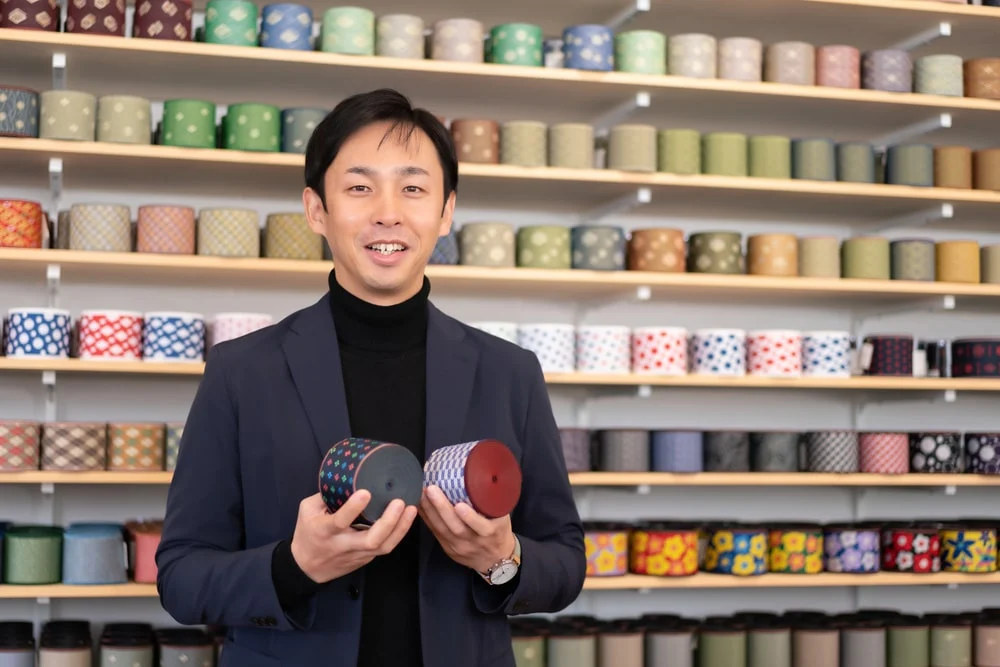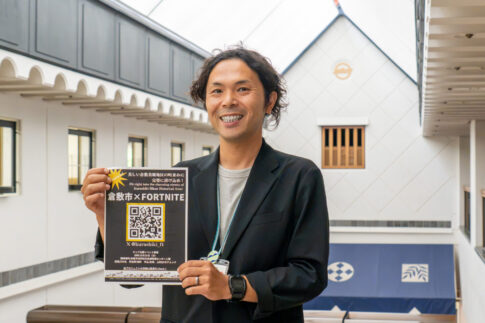
Interview with Keizo Sagawa, President of the Minki Isozaki Memorial Association
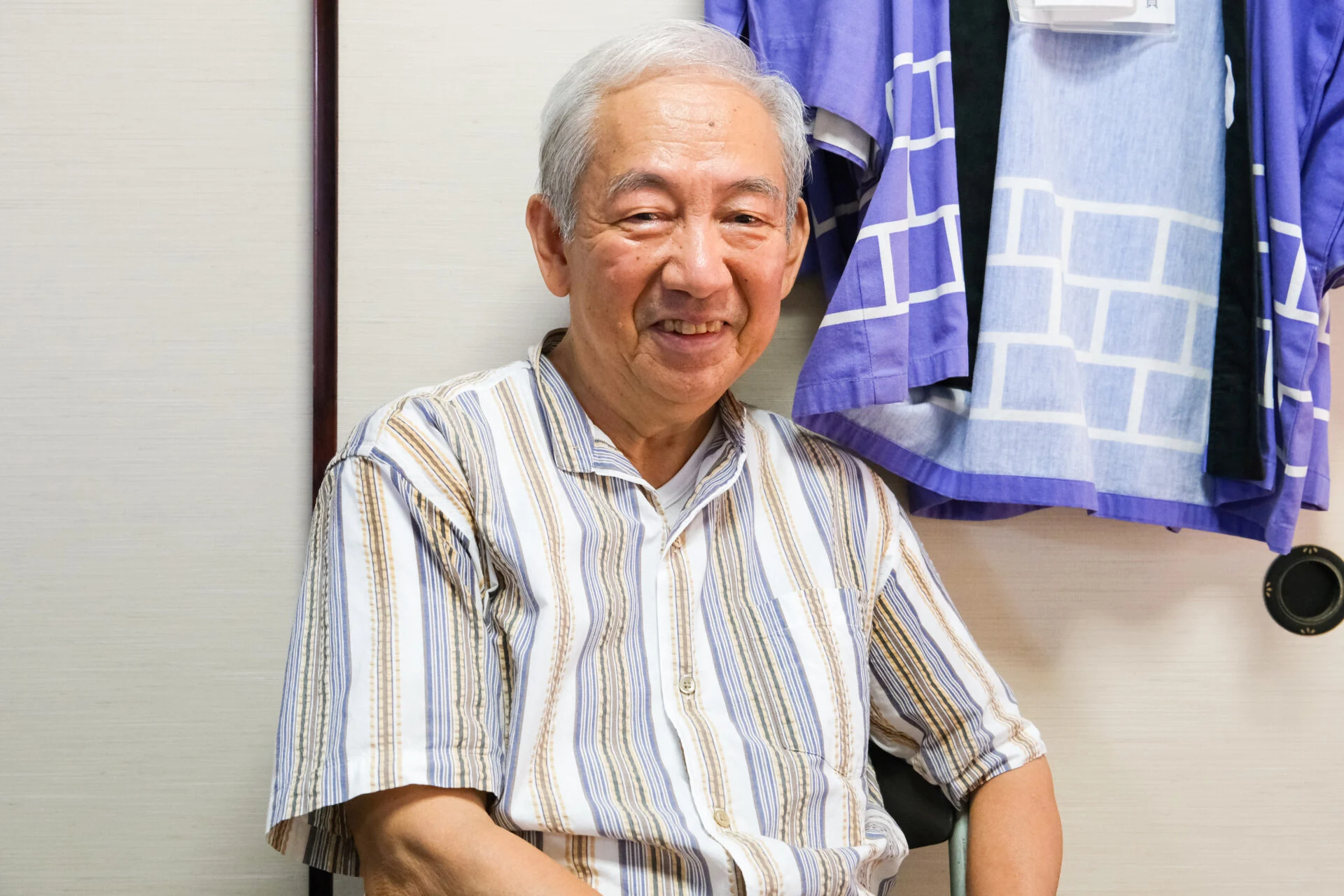
I asked Keizo Sagawa, President of the Minki Isozaki Memorial Association, about how to enjoy the Minki Isozaki Memorial Hall and its highlights.
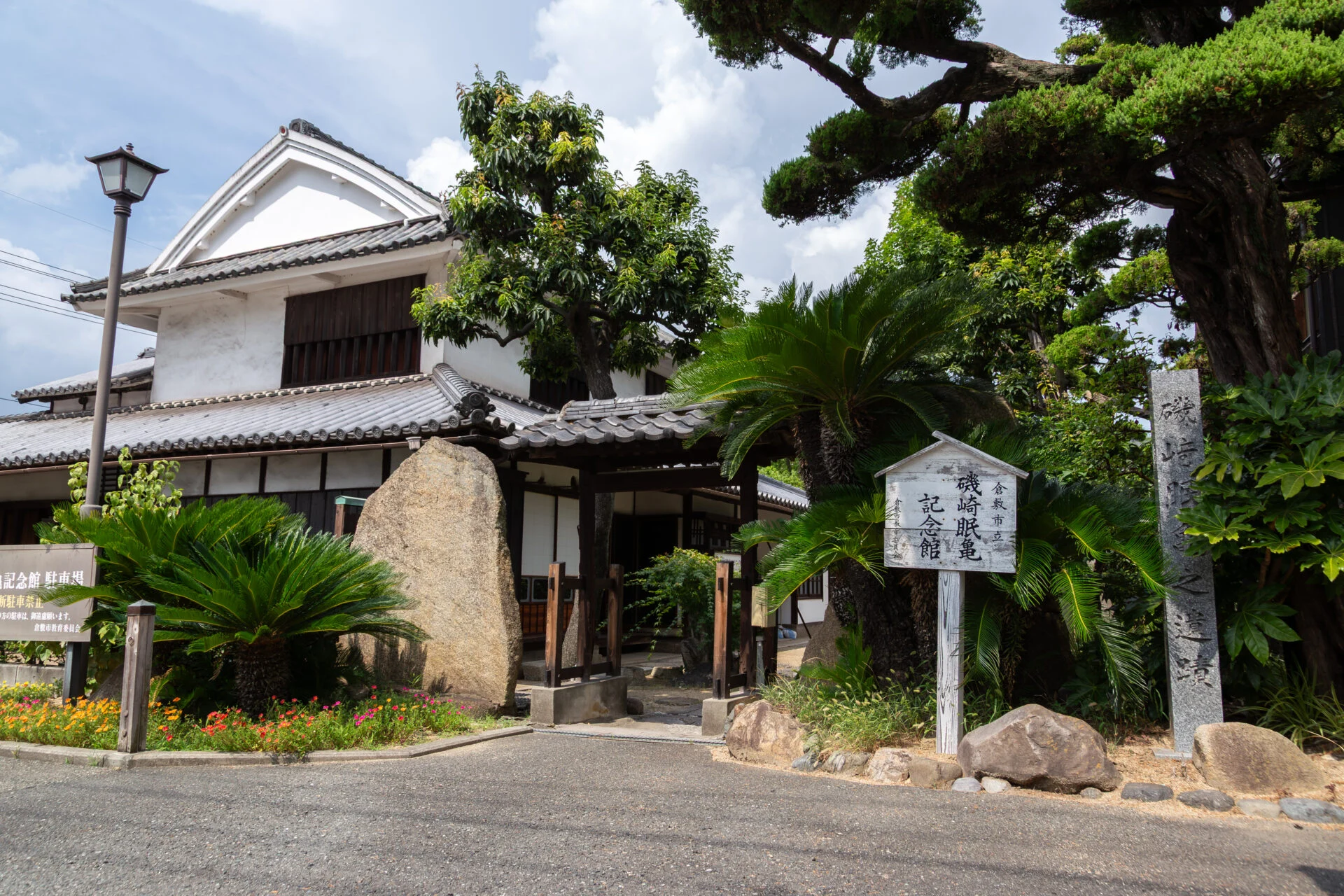
The memorial hall is the place where Isozaki Minki spent the dawn of Nishikigawa
This is the place where Nishikigawa was developed, right?
Sagawa
Yes.
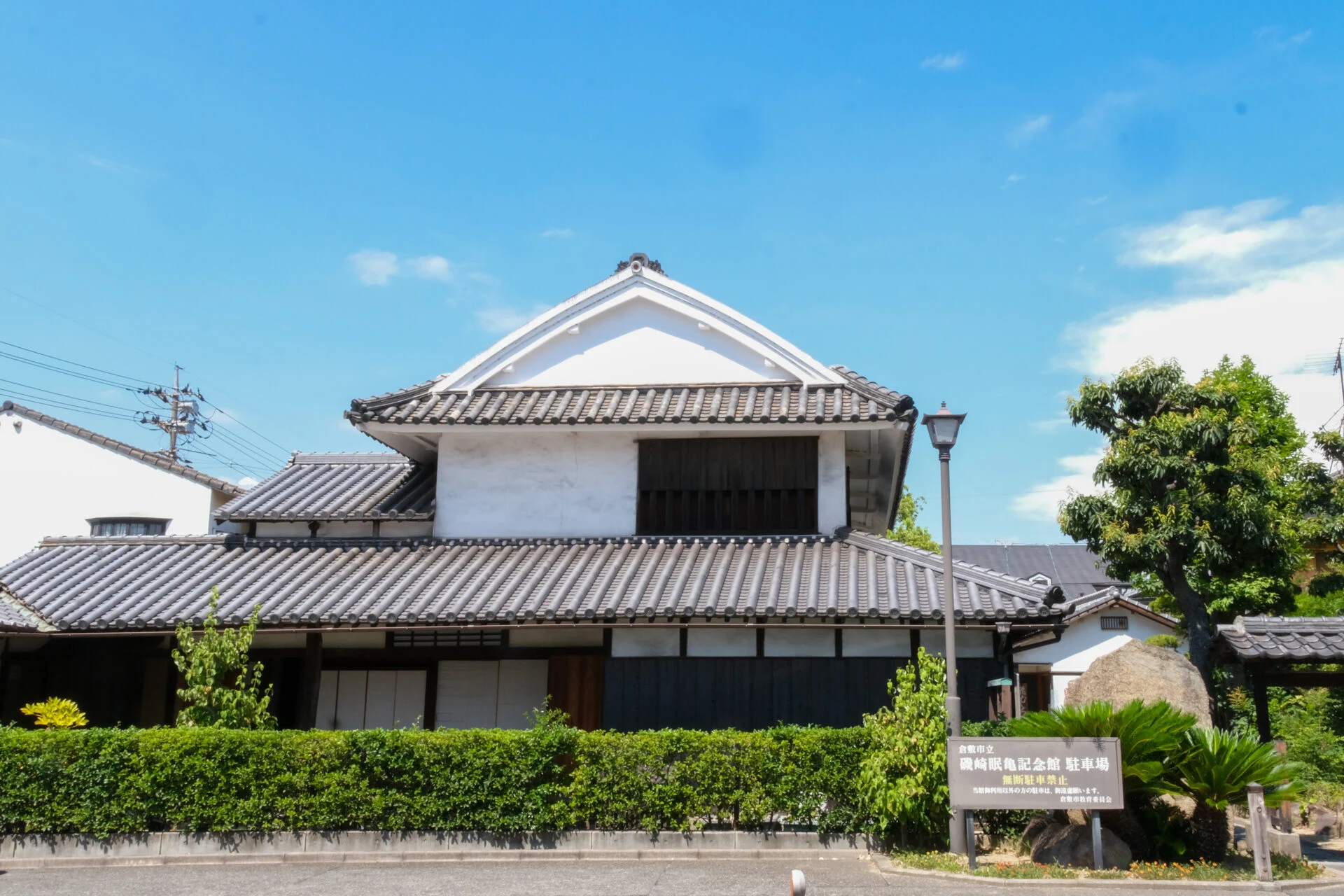
This building was constructed in 1875 as a research laboratory for Nishikigawa. The nearby Chayamachi Elementary School was established in 1873, so it was around the same time.
Before inventing Nishikigawa, Minki invented a weaving method for Ogura-ori using threads imported from overseas, making it easier to weave. He seems to have built a house in this area, his birthplace, after making a fortune from that.
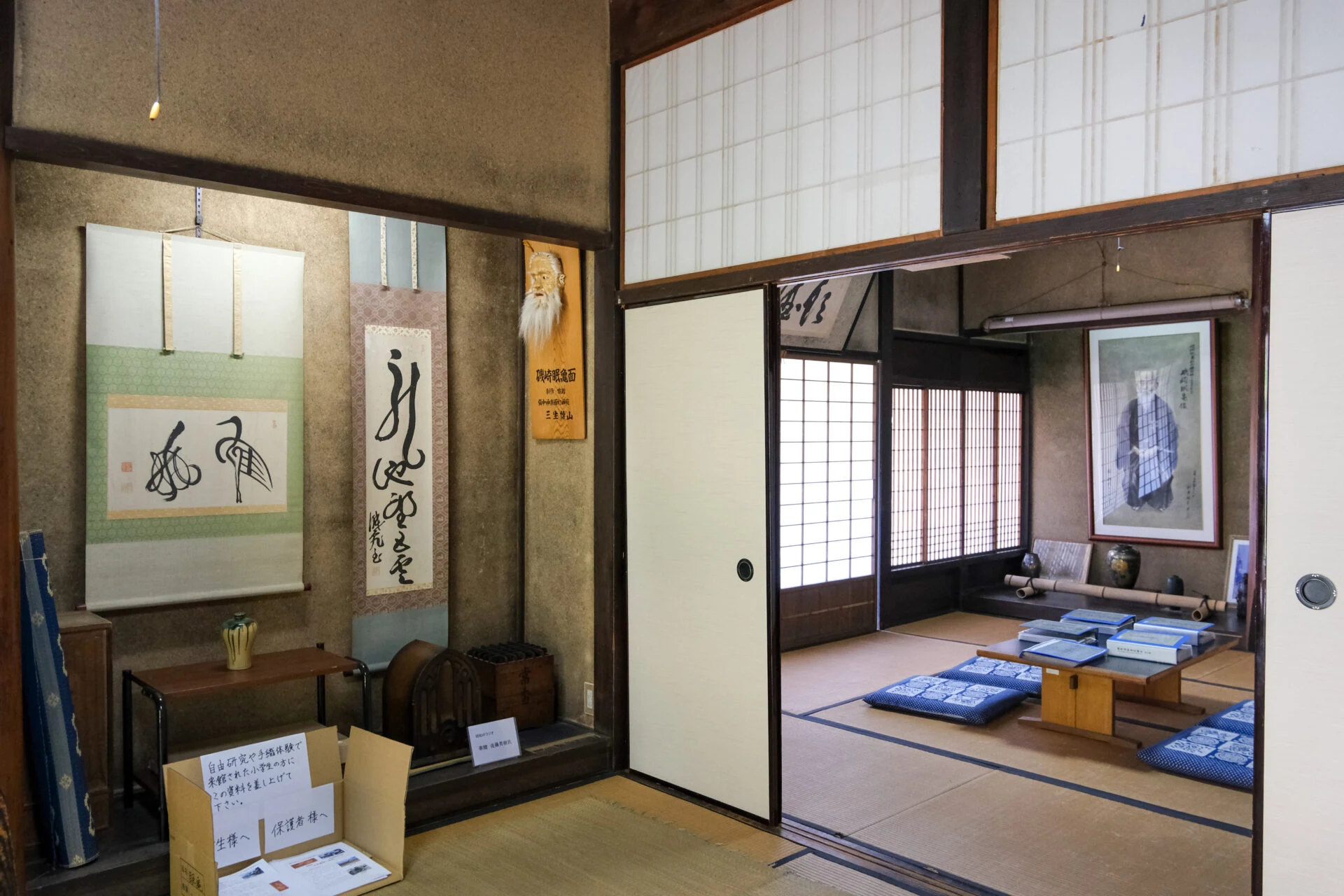
After that, he spent four years in this building's second floor, dedicating himself to the development of Nishikigawa, even sacrificing sleep. During that time, he had no income, and it seems his wife struggled by selling household goods.
It is said that Minki was inspired to come up with the weaving method for Nishikigawa by a word from his devoted wife.
Minki spent the dawn of Nishikigawa in this place until he built a new home in Sendomachi, Okayama City, around the time he turned sixty.
Nishikigawa gained fame as an export product
Can you tell me about the characteristics of Nishikigawa?
Sagawa
First, it is characterized by finely detailed patterns woven in twill. Since it uses rush grass, it is thick.
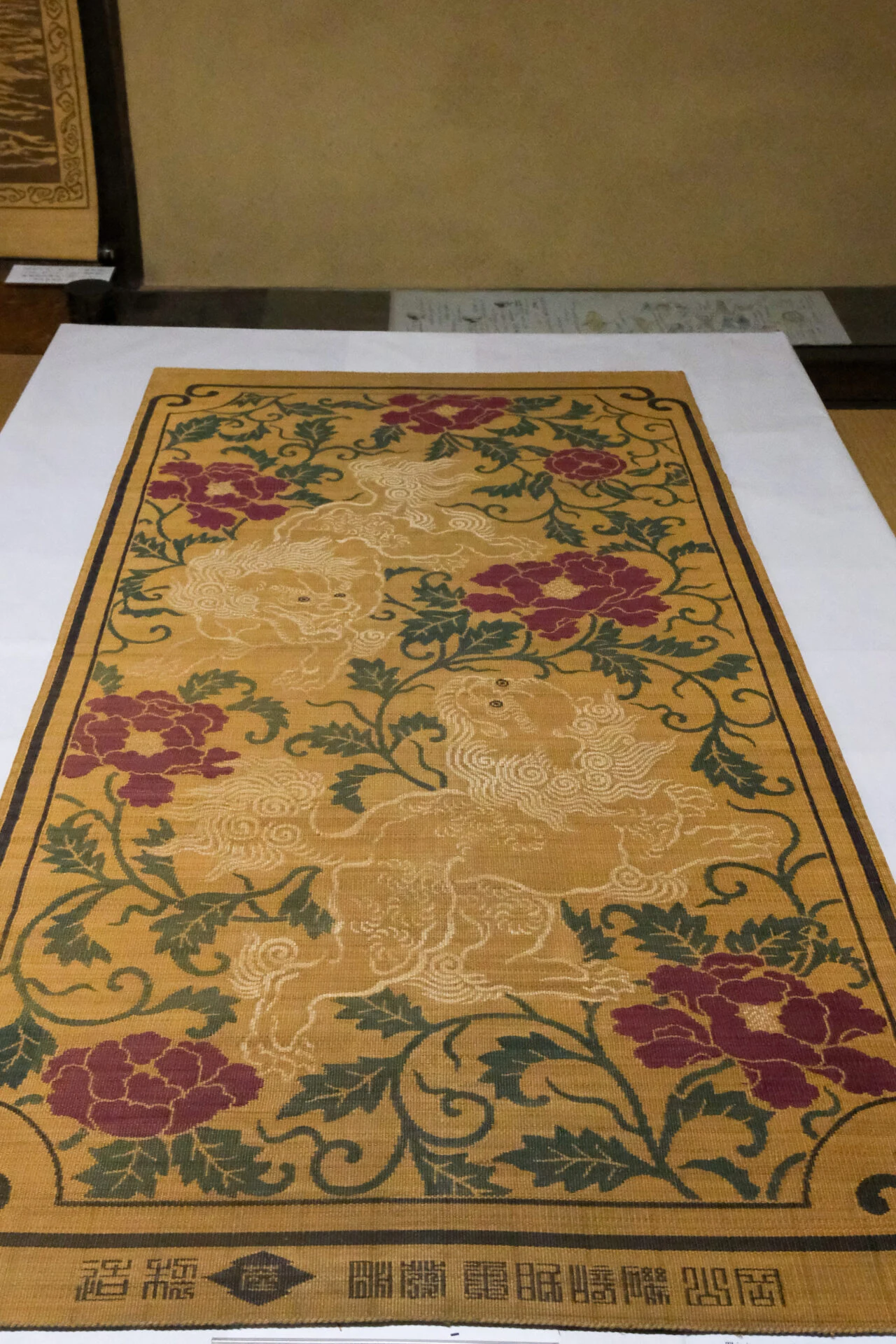
It was named Nishikigawa because it is like a brocade-like flower mat.
However, it took nearly a month to weave a single tatami-sized Nishikigawa, making it cost-ineffective and very expensive, so it had to be targeted at the wealthy and for export.
Since the meaning of "nishiki" is not easily conveyed to foreigners, it was marketed as "HEIWA-SHIKI".
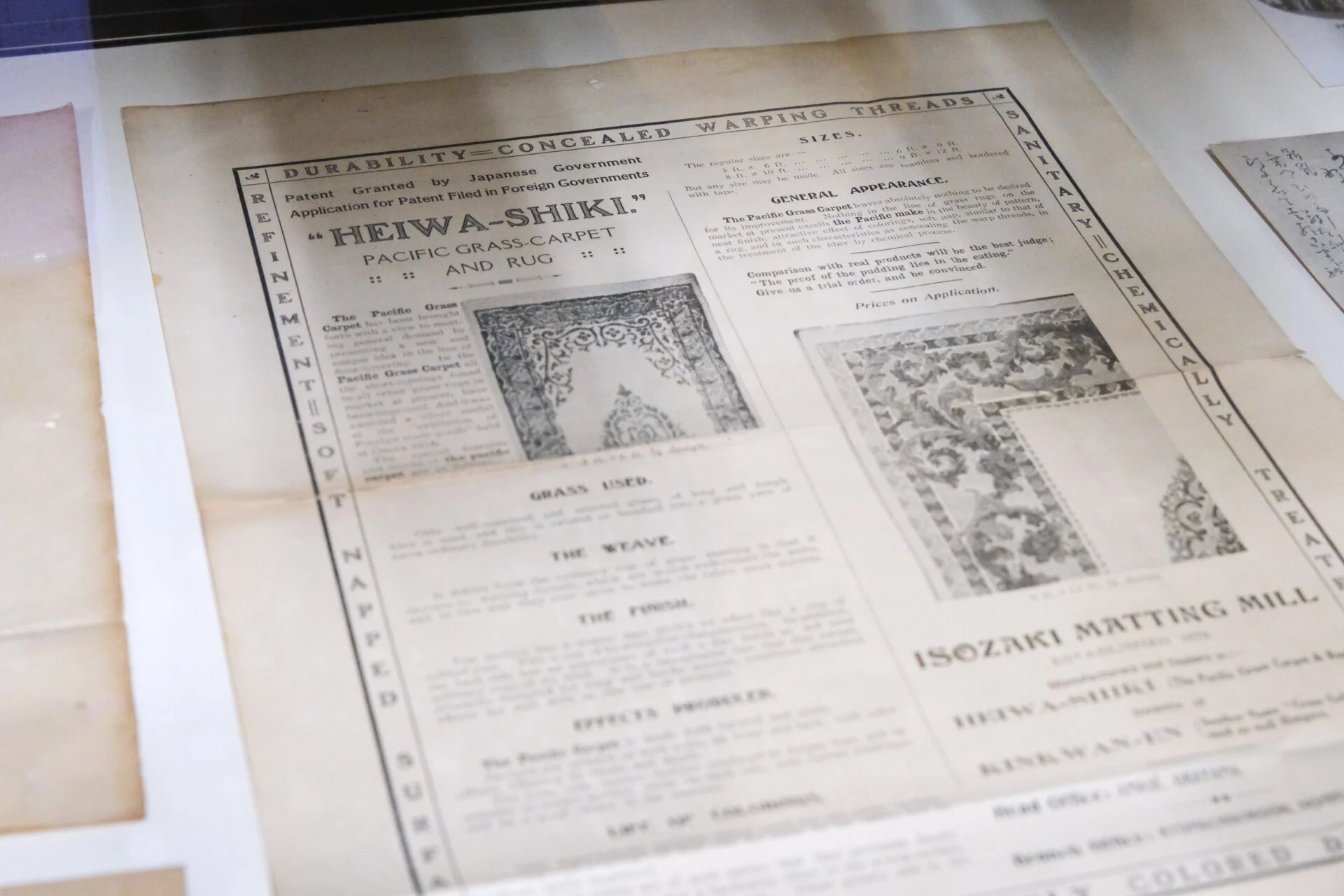
Although a patent was applied for to guard against industrial espionage, Nishikigawa was not inherited
Why did Nishikigawa stop being produced?
Sagawa
There are two main reasons.
The first is that the manufacturing technique was lost.
Minki was very afraid that the manufacturing technique he had painstakingly invented would leak to the outside, leading to inferior versions of Nishikigawa flooding the market. Therefore, from the research stage, the second floor workshop had no windows, and he was particularly wary of industrial espionage, even teaching his techniques to prisoners to weave.
As a result, the number of people who could inherit the manufacturing technique became limited.
During the mid-Meiji period, flower mats were the third most exported item from Japan, but due to a blow to the American carpet industry, high tariffs were imposed. As Japanese life gradually shifted to Western styles, many businesses turned to industries with lower tariffs or shifted to making flower mats for domestic use.
Even so, the "Isozaki Seigenjo" established by Minki continued to manufacture Nishikigawa while enduring hardships, but it closed in 1934. The skilled workers from the Meiji era passed away one after another, and weaving stopped, leading to the loss of the manufacturing technique.
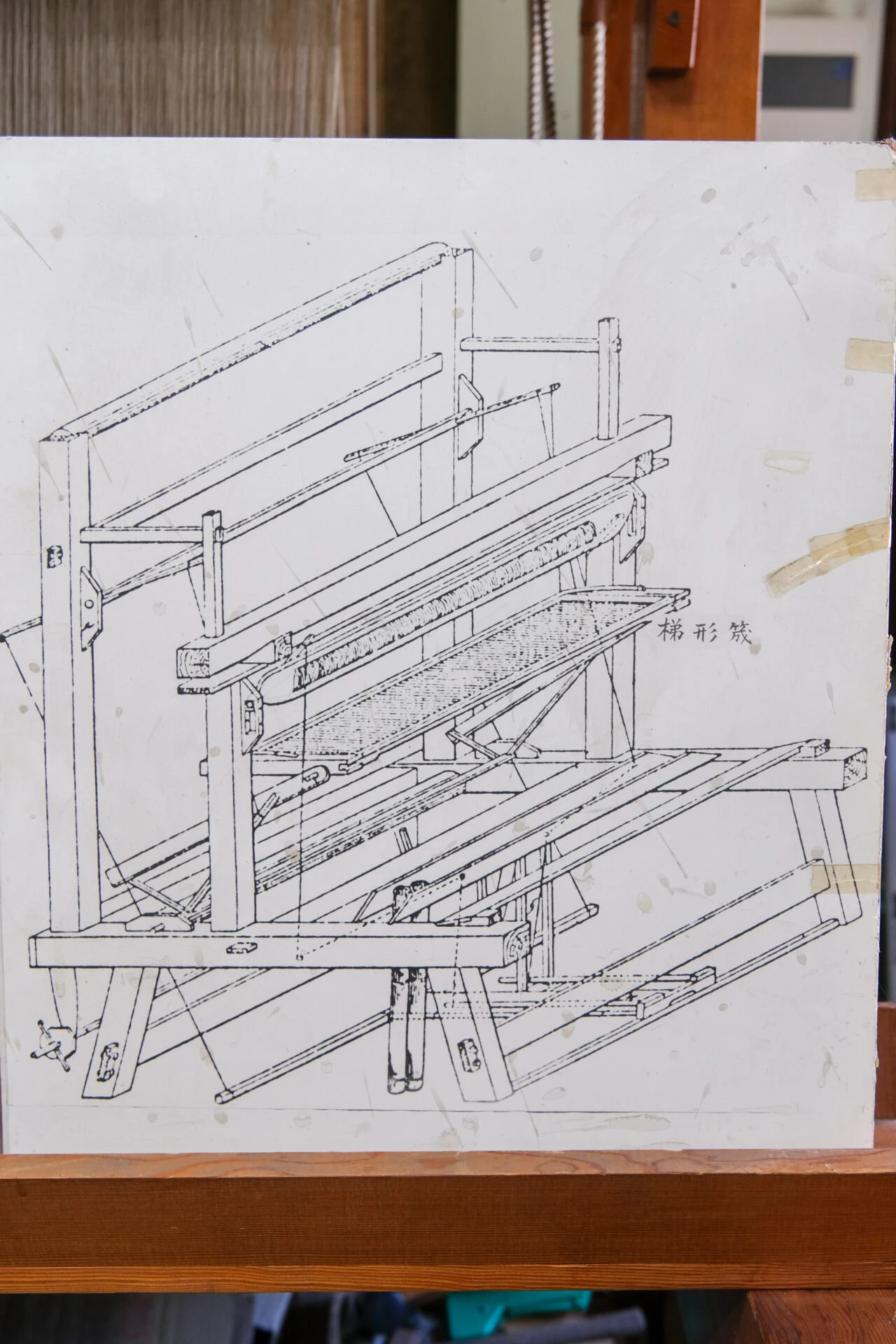
The second reason is that the weaving machines capable of producing the methods described in the patent no longer exist.
After the closure of the manufacturing facility and the passing of skilled workers, the existing weaving machines aged and eventually none remained.
Fortunately, there were design drawings of the weaving machines recorded at the time of the patent application, so the only restored weaving machines based on those drawings exist at this museum and the Okayama Prefectural Museum of Art.
In other words, Minki is like the "parent" of the patent system?
Sagawa
That's right.
Minki had a passionate desire to "protect technology" and reportedly made a proposal for a patent system to the government.
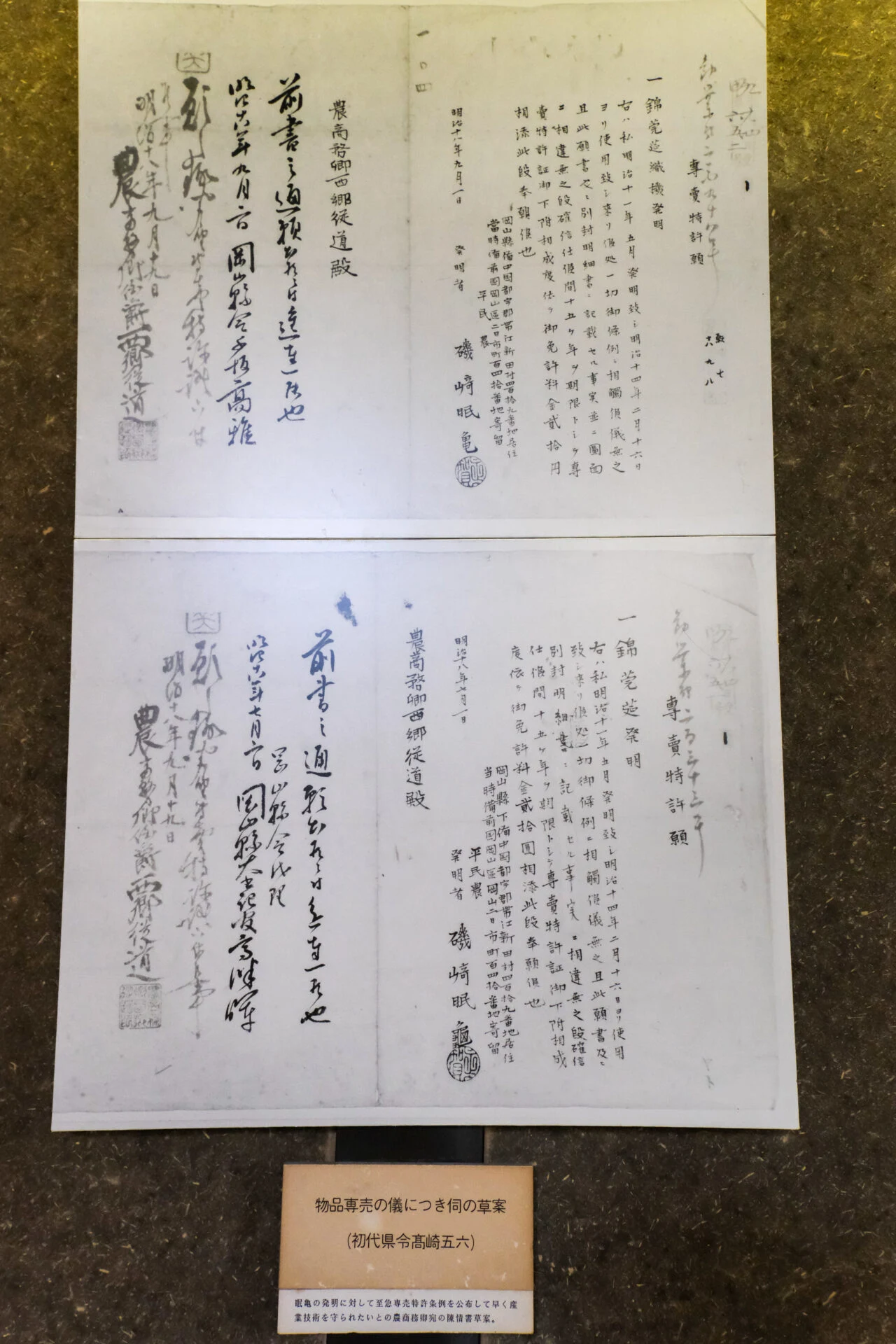
Of course, he was the first to apply for a patent, but the actual permissions were granted for the weaving machine as the 23rd and for Nishikigawa itself as the 24th.
I want local people to see it
What are the highlights of the Minki Isozaki Memorial Hall?
Sagawa
First, I want you to enjoy the sloped stairs leading up to the exhibition hall on the second floor.
Minki was not only the inventor of Nishikigawa but also an idea man who invented new weaving methods for Ogura-ori. It is said that he designed this sloped staircase himself to transport heavy rush grass and weaving machines.
Local elementary school students visiting on social studies trips all seem to walk up this sloped staircase with great interest. However, it can be dangerous to run, and since there are valuable Nishikigawa pieces displayed on the second floor, please be careful not to run or touch the exhibits when visiting with children.
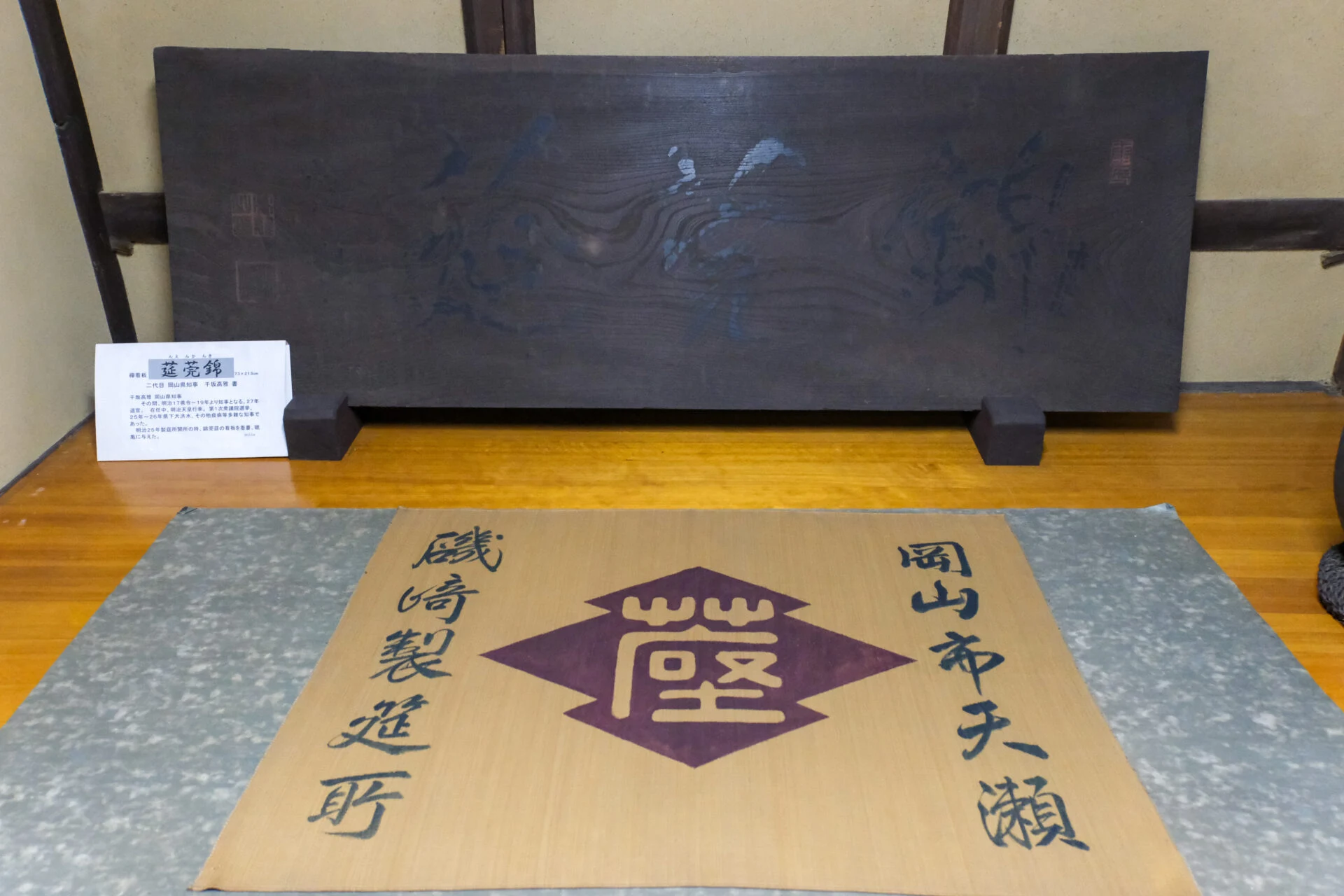
And of course, the original Nishikigawa pieces, which are no longer produced, are the main highlight.
27 pieces have been designated as important cultural properties of Kurashiki City, and they have been used as representative products of Okayama Prefecture, such as being used as the flooring for Enyo-tei in Korakuen when Emperor Meiji visited Okayama and being presented during the enthronement ceremony of Emperor Showa.
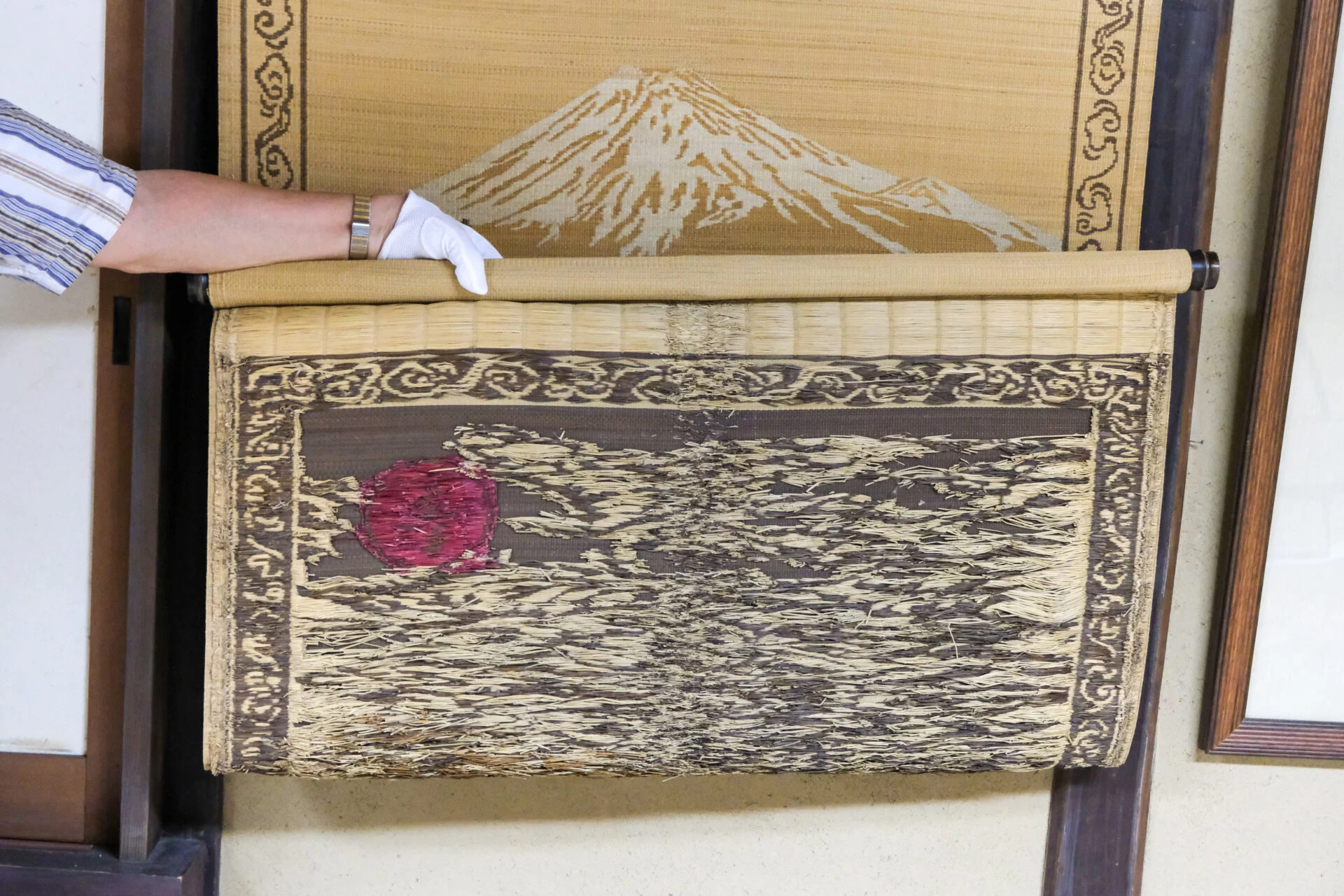
Overseas, they were also used not only as carpets but also as tapestries.
Are there any precautions to take while viewing?
Sagawa
Since rush grass crumbles when touched, please avoid touching it. Additionally, it is sensitive to moisture and fire, so eating and smoking are strictly prohibited.
For these reasons, the second-floor workshop does not have air conditioning, so please take measures against heat and cold when you visit.
What do you want visitors to feel?
Sagawa
You can get close to and appreciate the original Nishikigawa, so I want you to see its fine details with your own eyes.
Also, if you take a look at the exhibition hall on the first floor, there are many materials that convey Minki's "importance of persevering and making efforts", so please take your time to appreciate them while reflecting on his struggles.
If there are current challenges and future prospects, please share them.
Sagawa
The building itself is from the Meiji era, and the displayed Nishikigawa is undeniably aging. There are no successors, and no new Nishikigawa will be woven in the future, so a major challenge is how to preserve the existing materials and how to commemorate them for the future.
However, it is undoubtedly a very valuable resource, so I hope more people will come to see it.
Finally, please say a word to the readers.
Sagawa
Our facility is within walking distance from Chayamachi Station, where trains also stop that run to Kojima and Shikoku. Many people come to appreciate the exhibits during their train transfer times.
I want local people in Kurashiki to know more about the precious Nishikigawa that still exists. Please come and see the legacy of Minki, which embodies "efforts bear fruit."
Conclusion
The Nishikigawa at the Minki Isozaki Memorial Hall is a valuable resource, but it is not enclosed in glass cases, allowing for direct appreciation.
However, due to the nature of rush grass, it is very difficult to protect, and there are many challenges remaining regarding how to preserve the existing Nishikigawa and how to commemorate it.
It is often said, "Support while you can," and similarly, it is important to "appreciate Nishikigawa while it can still be seen in its current state" as one of the important cultural properties.
The Nishikigawa created by Isozaki Minki, who is said to be the parent of the patent system, is a must-see cultural property that every citizen of Kurashiki should see at least once.
Articles about Japan Heritage in Kurashiki City
Data on Minki Isozaki Memorial Hall
| Name | Minki Isozaki Memorial Hall |
|---|---|
| Location | 195 Chayamachi, Kurashiki City, Okayama Prefecture |
| Contact | 086-428-8515 |
| Parking | Available |
| Opening Hours | 9:00 AM - 4:30 PM |
| Closed | Monday Year-end and New Year holidays |
| Admission Fee (including tax) | Free admission |
| Reservations | Available Please make a reservation by phone for groups and those wishing to experience weaving. |
| Smoking | Completely non-smoking |
| Restroom | Western-style restroom |
| Website | Kurashiki City Minki Isozaki Memorial Hall |