Diversity of People—how much do we really know about it?
Characteristics related to appearance include age, gender, race, height, and weight, while social characteristics may include nationality, place of residence, family structure, occupation, and income.
Innate characteristics and characteristics acquired throughout life shape personality, thoughts, and values, giving rise to diverse individuality.
While it is easy to say "accept diverse individuality", the reality is that there are people who are hurt by having their individuality denied.
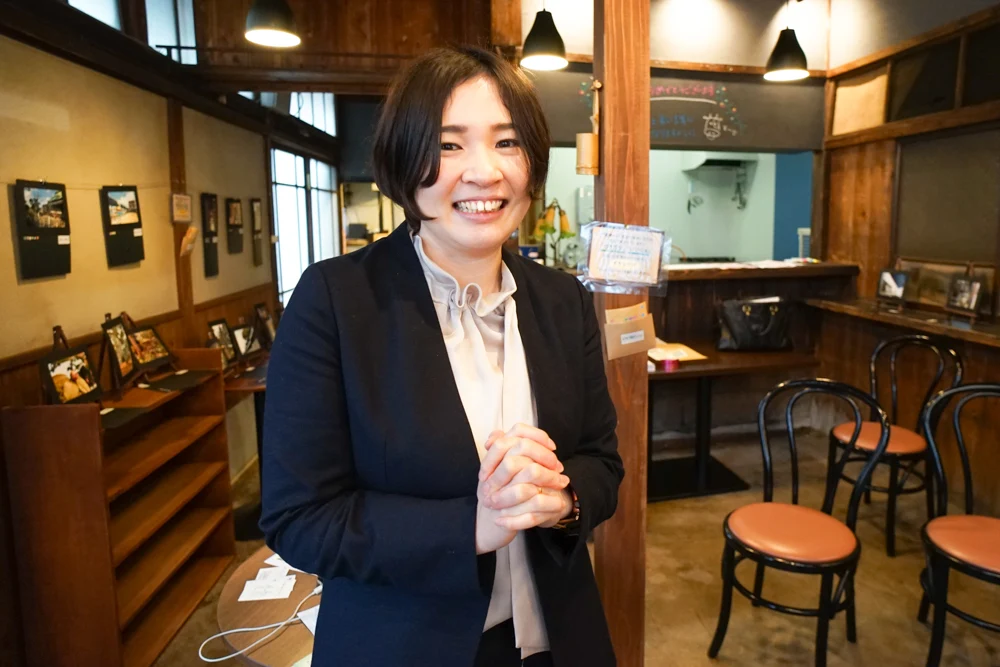
Kikutake Yuki experienced a state referred to as poverty and lived in a child welfare facility from birth until the age of 18.
At times, she was unjustly criticized for her living conditions, but with the support of social welfare, she was able to grow and become self-sufficient.
After completing the First Term of Takahashi River Study Group to think about the SDGs in the Takahashi River basin, Kikutake established a learning space called "Kuragaku" to convey that there are people with various backgrounds in society.
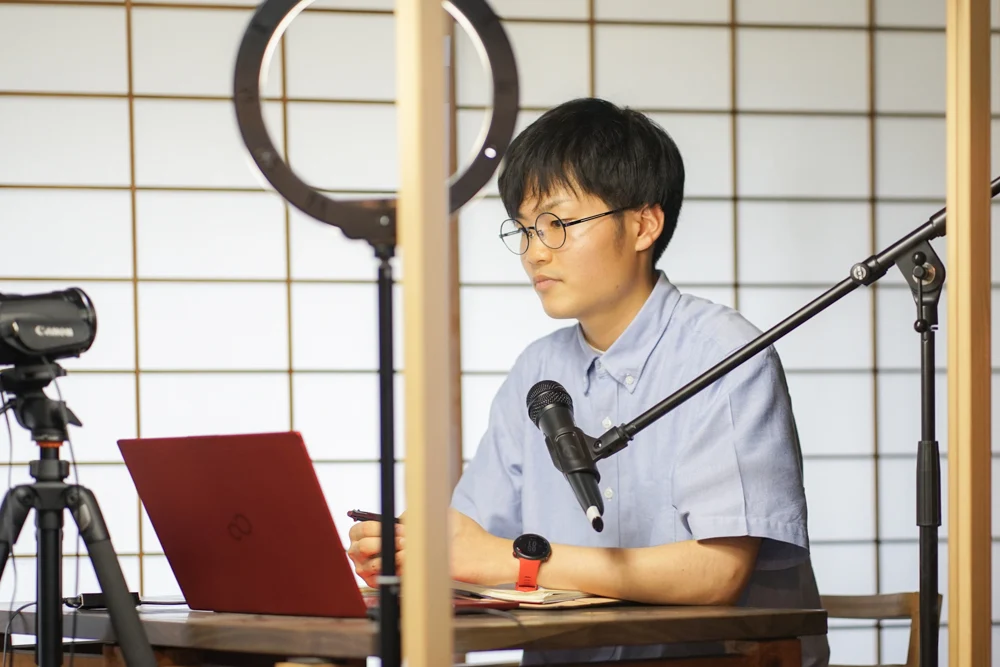
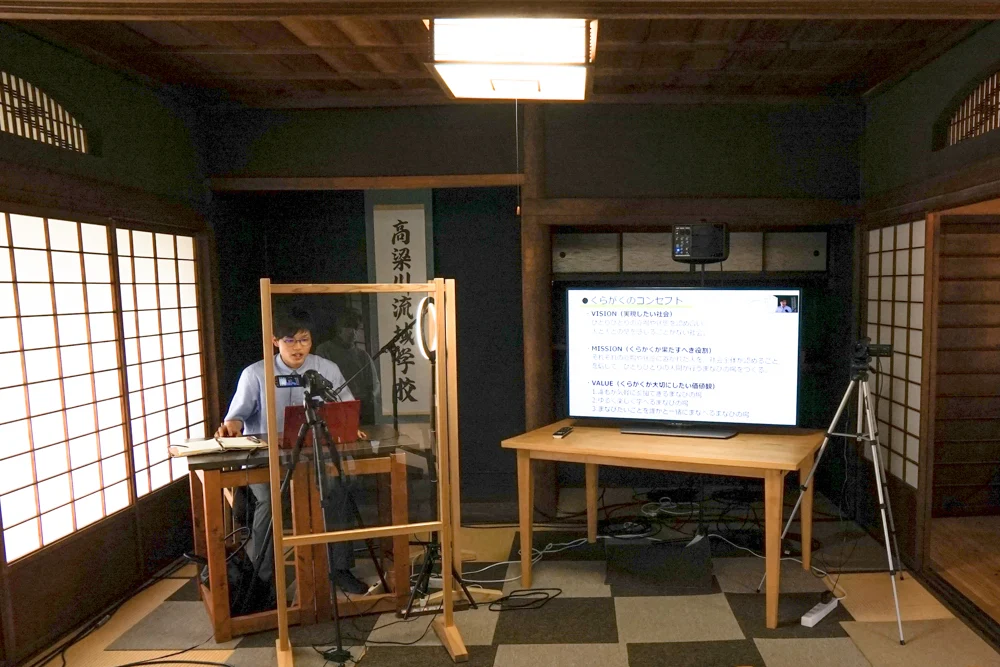
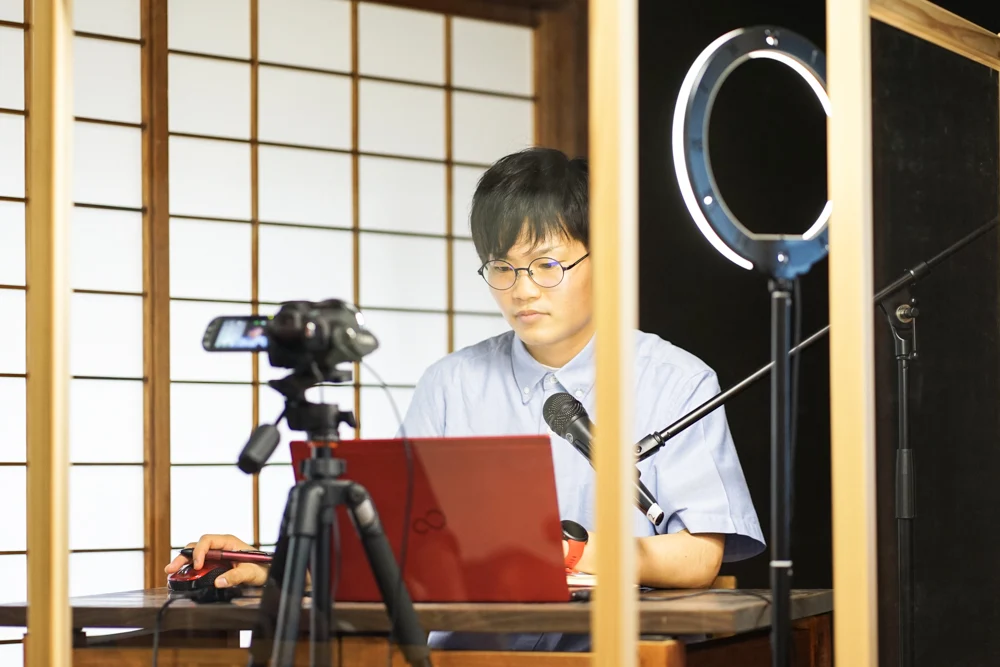
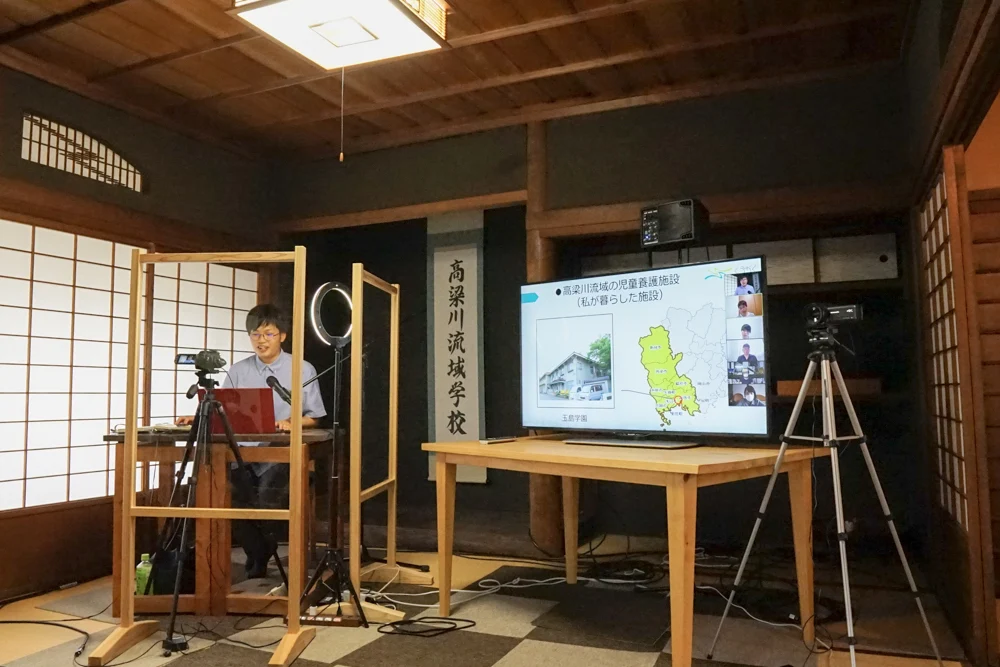
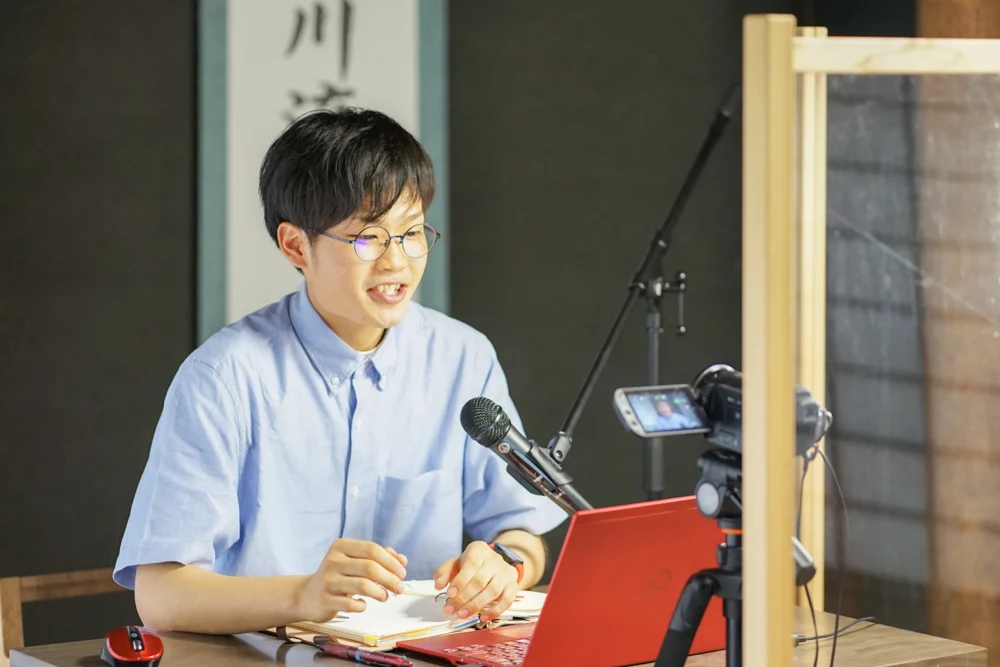
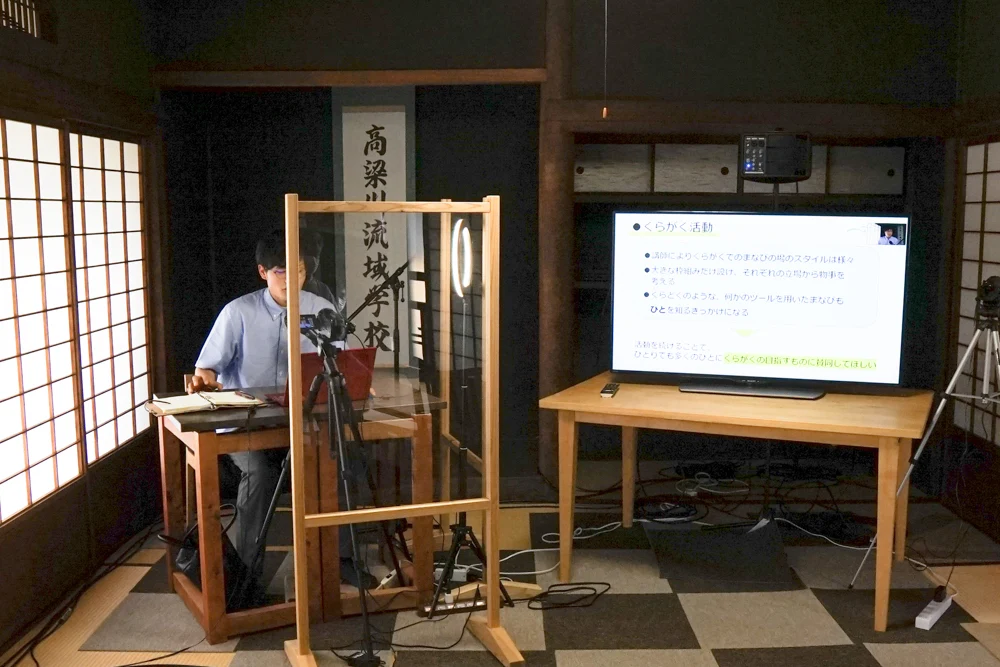
On July 3, 2021 (Saturday), she took the stage as a lecturer at the Second Term of Takahashi River Study Group and explained the background of establishing "Kuragaku".
We will introduce the circumstances that led Kikutake to start a new business and her thoughts on her activities.
What is the learning space "Kuragaku"?
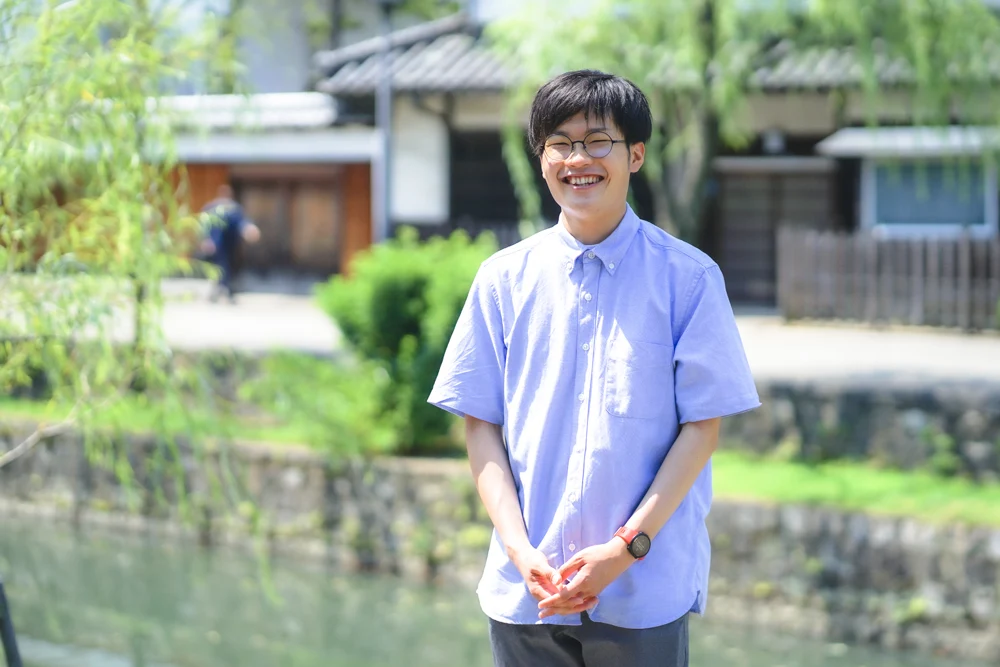
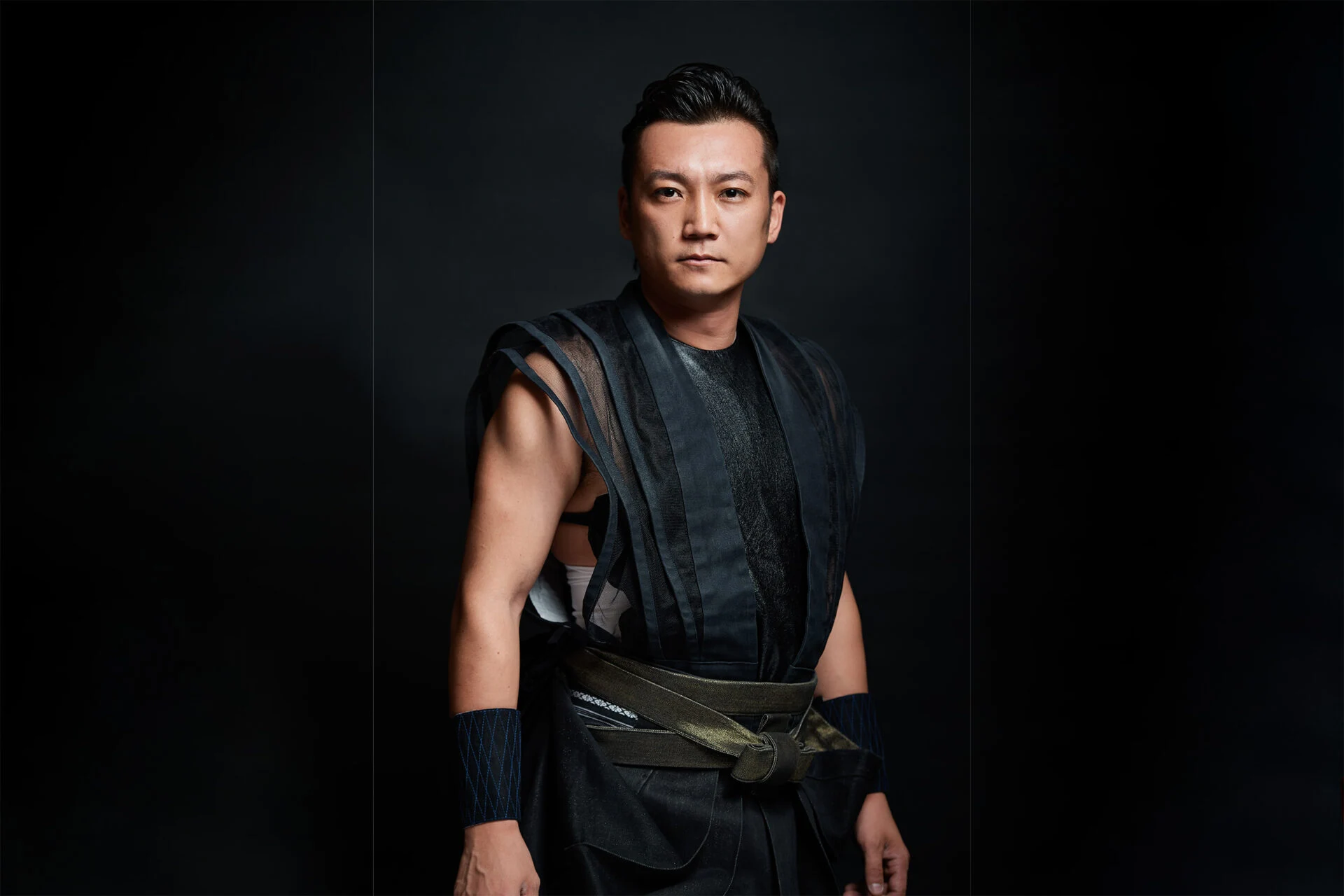
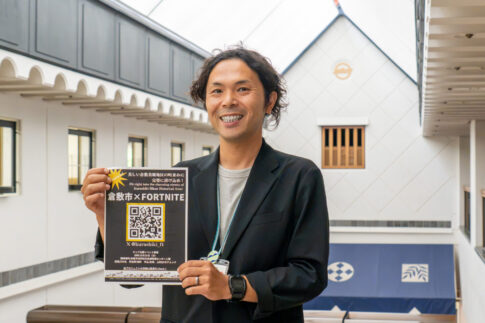
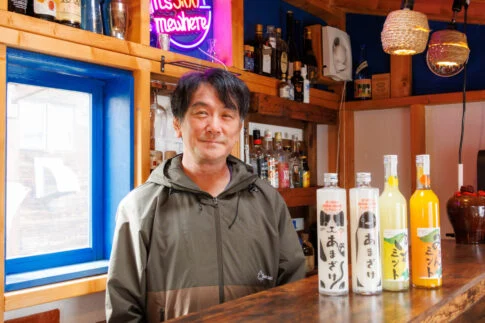
Kikutake Yuki, Representative of "Kuragaku"
Kikutake Yuki, a graduate of the First Term of Takahashi River Study Group aimed at considering the SDGs in the Takahashi River basin, established Kuragaku in April 2021 with the goal of realizing a society where everyone recognizes each other's positions and conditions and respects one another.
Until the age of 15, Kikutake lived a life described as poverty, and then spent the next three years in a child welfare facility.
After starting to work as a member of society, she participated in community activities such as garbage collection volunteering to give back for the support she received from social welfare.
Through interactions gained from community activities and learning in the First Term of Takahashi River Study Group, Kikutake realized that she could grow significantly as a person regardless of her upbringing.
She decided to provide a space for learning that is accessible to everyone, regardless of their position or condition, and established Kuragaku.
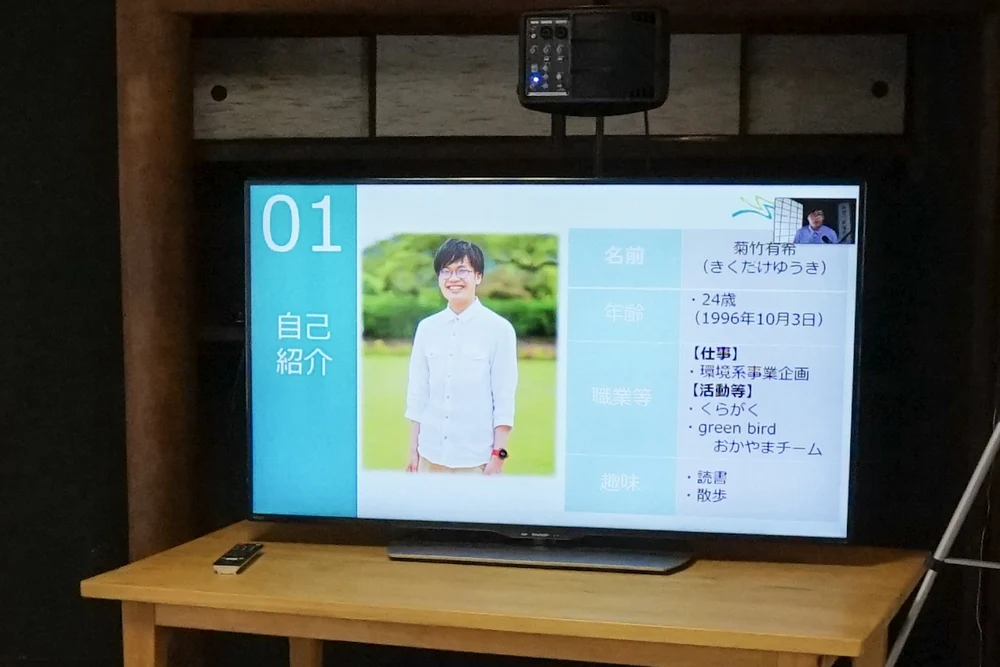
Activities of "Kuragaku"
In the activities of Kuragaku, instructors decide on a theme and give presentations, followed by group work where participants share their opinions on the theme and feedback on the presentations.
No special qualifications are required to participate; anyone can join.
Each event lasts for two hours and is mainly held at the coworking space "Sumiyoshicho no Ie Bumbuku" in Kurashiki City.
In past activities, not only people active in the community but also university students and freelancers have given presentations as instructors.
| Date | Theme | Instructor |
|---|---|---|
| April 25, 2021 | About Poverty | Kikutake Yuki, Representative of Kuragaku |
| May 4, 2021 | Kuradoku (Book Club) | |
| May 16, 2021 | About Encounters with People | Nurse |
| May 30, 2021 | Differences Between Best Friends and Friends | University Student |
| June 13, 2021 | What is Politics? | Politician |
| June 26, 2021 | Kuradoku (Book Club) | |
| July 17, 2021 | About Work Styles | Freelance Designer |
| July 25, 2021 | About Job Hunting | University Student |
Themes include social topics such as "poverty" and "politics", as well as personal topics like "the difference between best friends and friends".
Additionally, an event called "Kuradoku" was held where participants introduced books to each other.
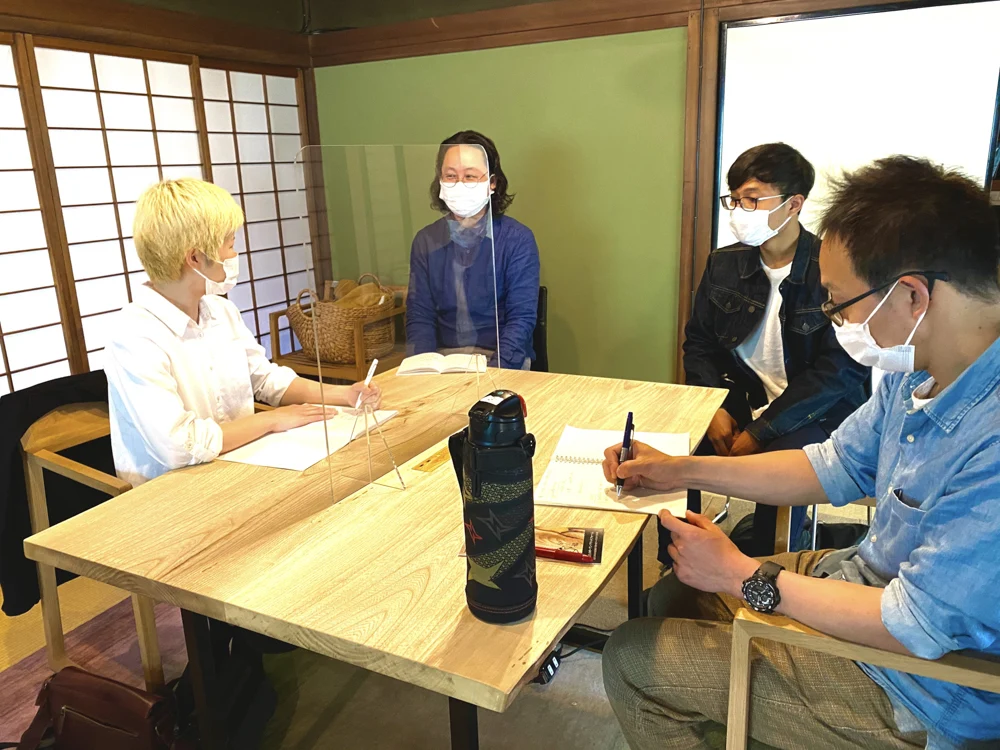
Reflecting on Life in Poverty
What is Poverty?
Definition of Poverty
The background behind Mr. Kikutake starting Kuragaku is his past experience of living in poverty.
While many people know the term poverty, few understand what specific conditions it represents.
Therefore, Mr. Kikutake taught us about the definition of poverty at the beginning of the lecture.
The situation of poverty can be broadly classified into two types.
| Absolute Poverty | A state where one cannot maintain a minimum standard of living in terms of clothing, food, and shelter |
|---|---|
| Relative Poverty | A state of financial insecurity Income level below 50% of the national median annual income (Reference: 2020, 3.7 million yen) |
Absolute poverty corresponds to being without clothes or a place to live, essentially equating to homelessness.
Relative poverty is a state of financial insecurity, which is relatively better than absolute poverty, but the freedom of living is low.
Child Poverty
In Japan, poverty is not easily visible, so many people are unaware that there are individuals living in poverty close to us.
According to a survey by the Ministry of Health, Labour and Welfare, it has been found that about 13% to 16% of children living in Japan are in relative poverty.
For example, in elementary schools, it indicates that one or two students in a class are in a state of relative poverty.
According to Mr. Kikutake's experience, children in a state of relative poverty often appear to be "normal" at first glance.
However, he mentioned that by paying attention to clothing, smell, frequency of moving, and the incidence of cavities, one can sometimes see signs of poverty.
Reality of Life in Poverty
Absolute Poverty
Mr. Kikutake shared that he lived in a state of absolute poverty or relative poverty from birth until the age of 15.
He spoke from personal experience about what absolute poverty was like.
| Clothing | Wore the same clothes every day. |
|---|---|
| Food | Could not have three meals a day. |
| Shelter | No place to live. Moved from one business hotel to another. Stayed at grandparents' house. |
Not only was the frequency of meals low, but there were also few occasions when they could eat a satisfactory amount, and sometimes the family of four would share one convenience store bento.
He recalled having questions like, "Why can't I eat until I'm full?", "Why don't I have a home?", and "Is this normal?", but due to the lack of opportunities to compare with others, he was not aware of being in a state of poverty.
Relative Poverty
Mr. Kikutake also utilized the public assistance system at one point and lived in a state of relative poverty.
The public assistance system is a system that economically guarantees a minimum standard of living that is healthy and cultural as follows.
This system provides necessary assistance according to the degree of hardship for those who are in need despite utilizing all their assets and abilities, ensuring a minimum standard of living that is healthy and cultural, and promoting their independence.
Source: Ministry of Health, Labour and Welfare, "Public Assistance System"
When utilizing the public assistance system, if the income is below the minimum living cost set by the Ministry of Health, Labour and Welfare, the difference is provided as assistance.
However, there are strict conditions that apply only when all assets, such as cars and houses, have been sold and even then, one cannot maintain a sufficient standard of living.
Mr. Kikutake specifically shared about his life in relative poverty due to the public assistance system.
| Clothing | Reduced frequency of wearing the same clothes. Could not buy a uniform. |
|---|---|
| Food | Three meals a day, with menus mainly consisting of side dishes and processed foods. School lunches were a source of nutrition. |
| Shelter | Had a place to live. |
Mr. Kikutake could not afford to buy elementary and junior high school uniforms due to financial reasons and had consulted with teachers about it.
However, he was told by the teachers, "If you can't buy a uniform, please come in casual clothes."
When he was in elementary school, there were times when he was the only one in casual clothes among his classmates wearing uniforms.
Experiencing Poverty
Now that Mr. Kikutake is working in society, he does not view all of his past life in poverty pessimistically.
He speaks about his experience of living in poverty, noting that he received both negative and positive influences.
- Unable to experience the ordinary aspects of a typical family (seasonal events, family trips, career paths, home environment)
- Embarrassed about the history of living in poverty
- Feelings of inferiority regarding lack of money (did not like being labeled as poor)
- Confidence to live in any environment
- Ability to feel gratitude towards those who treat me kindly
Before Launching "Kuragaku"
Life in a Children's Care Facility
Mr. Kikutake spent his high school years in a children's care facility located in Kurashiki City.
A children's care facility is a place that accepts children aged 2 to 18 who cannot receive proper care due to abuse, neglect, or economic reasons.
It is said that approximately 30,000 children live in children's care facilities across the country.
Mr. Kikutake has experienced being looked down upon just for living in a children's care facility.
He shared that he could not talk about his past to others until recently due to the lack of understanding and prejudice he faced.
However, he mentioned that he was able to focus on studying and extracurricular activities because he could live safely in the children's care facility.
He expressed his appreciation for the support provided by social welfare.
What He Gained from Community Activities
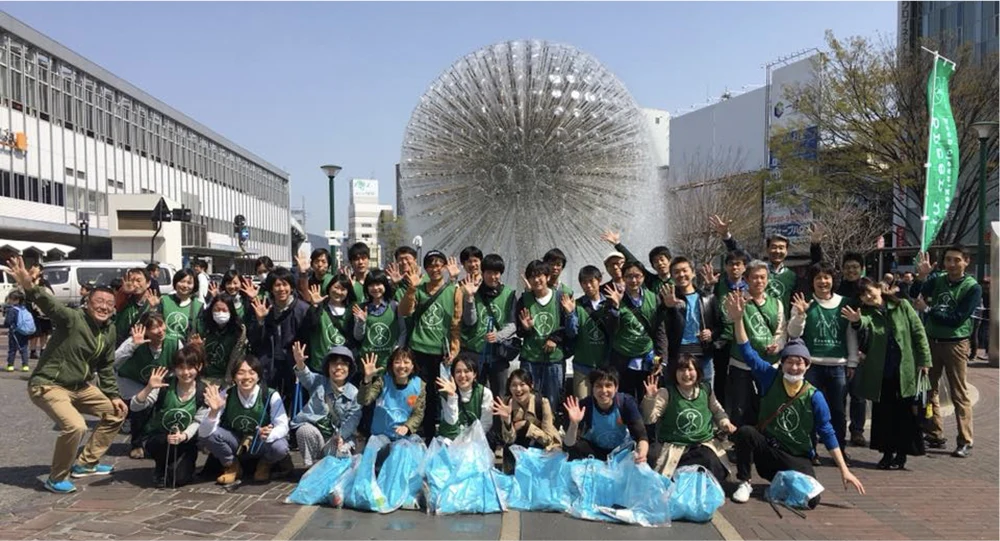
After leaving the children's care facility and starting to work for a company, Mr. Kikutake participated in volunteer activities to give back to society for the support he received from social welfare.
Without any special skills, Mr. Kikutake joined the garbage collection activities of the Certified Non-Profit Organization green bird Okayama Team, which anyone can participate in.
The garbage collection activities involve diverse participants regardless of profession, age, or nationality, and Mr. Kikutake felt stimulated by people from various backgrounds.
| Occupation | Children in strollers, kindergarteners, elementary school students, middle school students, high school students, university students, working adults, elementary school teachers, middle school teachers, high school teachers, principals, professors, politicians, public servants, tax accountants, entrepreneurs, investors, beauticians, barbers, insurance agents, system engineers, engineers, designers, monks, dental hygienists, nurses, caregivers, dry cleaners, electricians, real estate agents, artists, train drivers, truck drivers, hotel owners, translators, café staff, bartenders, Instagrammers, film directors, announcers, radio personalities, bloggers, medical representatives, magicians, cosplayers |
|---|---|
| Nationality | China, South Korea, Vietnam, Indonesia, Sri Lanka, Cambodia, United States, France, Germany |
Initially, he participated with the goal of picking up garbage, but through interacting with diverse people, he became aware of new ways of thinking and values, and felt his interest in things he had not previously cared about growing.
He began to see garbage collection as a place where he could meet people and a place that provides opportunities to think through interactions with others.
Mr. Kikutake has continued his activities while engaging with many people and is now active as a leader of the Okayama Team.
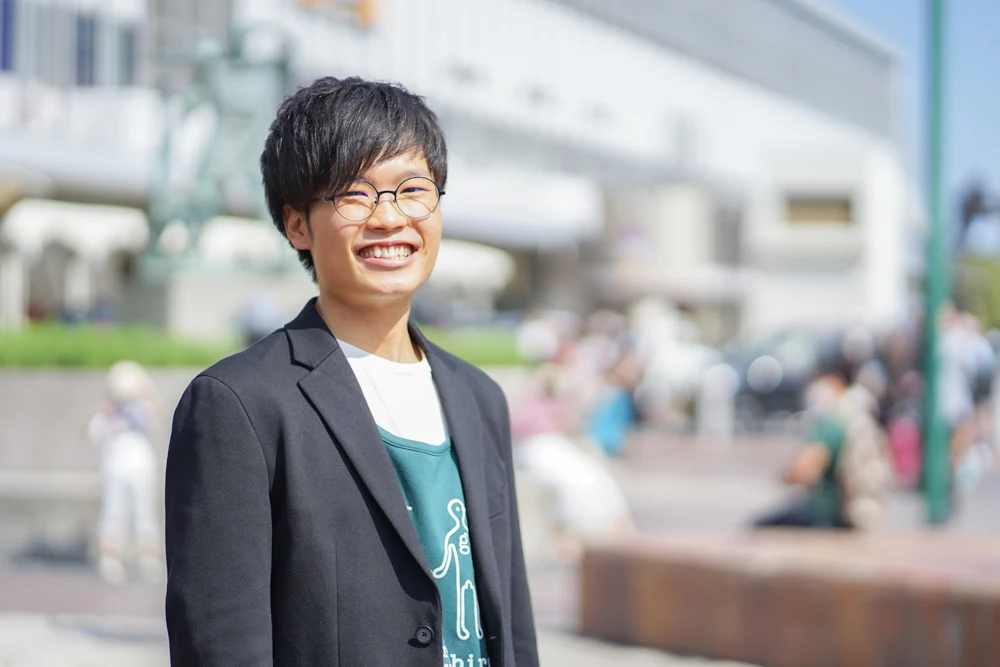
Afterward, Mr. Kikutake realized that encounters with people could provide opportunities for thought, and he jumped into various fields and places, such as support activities for children with developmental disabilities and activities connecting young people with politics.
He mentioned that his current job at an environmental company and his participation in the first term of Takahashi River Academy were opportunities gained through the connections he built in the activities of the green bird Okayama Team.
Establishing "Kuragaku"
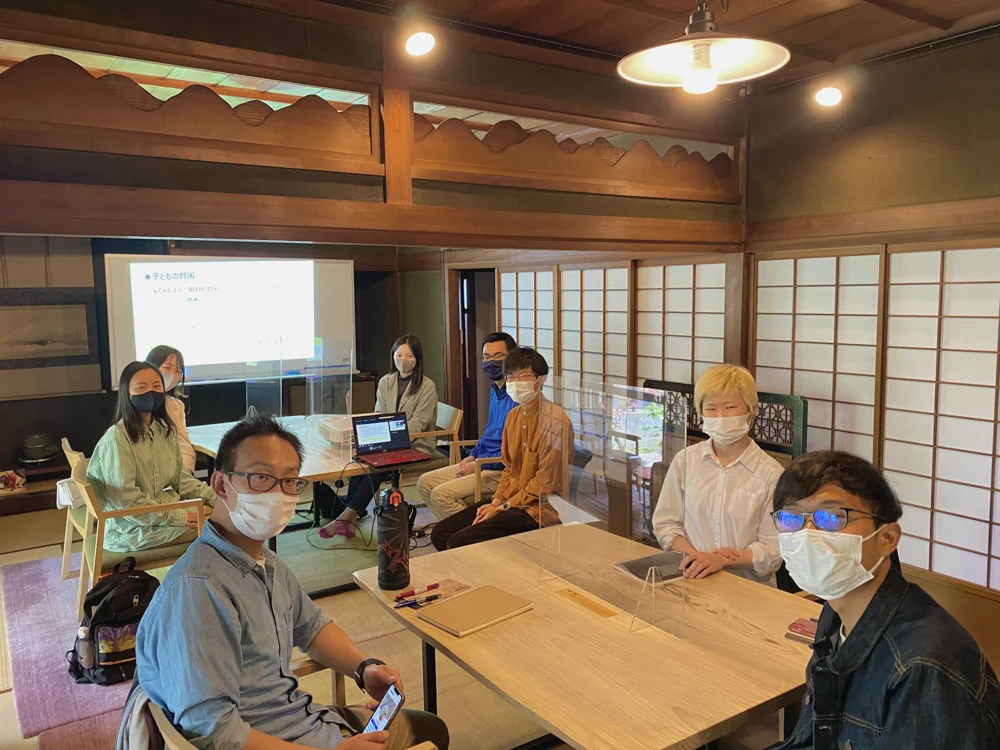
Through learning from community activities and social activities such as green bird and the first term of Takahashi River Academy, Mr. Kikutake feels that he has grown significantly as a person regardless of his background.
As a result, he has come to want to create a place where people can learn while interacting with others, regardless of their position or circumstances.
His experiences of living in poverty until the age of 15 and spending his high school years in a children's care facility are elements that shape Mr. Kikutake's character and should be respected as individuality.
Not only Mr. Kikutake's individuality but also the individuality of people from any background should be recognized in society, and he established a learning space that everyone can participate in.
Hearing from Mr. Yuki Kikutake, Representative of "Kuragaku"
The majority of people living in modern Japan go about their daily lives without worrying about food, clothing, and shelter, receiving medical care and enjoying a life filled with entertainment.
It can be understood from history that a society where many people can live with peace of mind has been built through the free economic competition of capitalism.
However, it is also an undeniable fact that economic competition has widened the gap between the rich and the poor.
Being born into poverty is not an individual's responsibility, and I believe that there should be no blame for "not being able to buy a uniform."
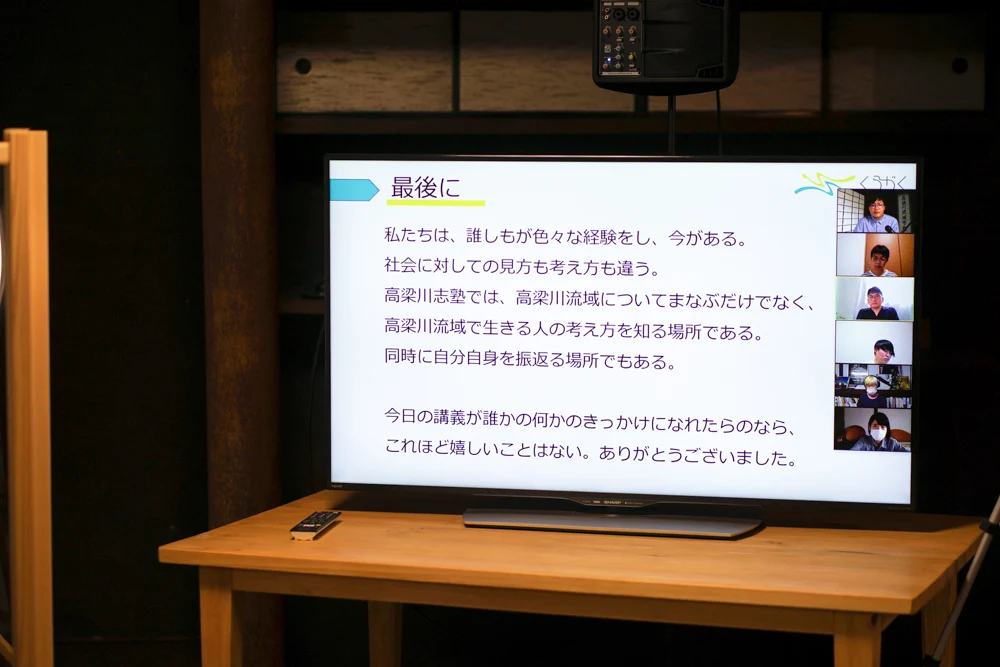
Poverty in Japan is said to be hard to see.
In reality, despite many people receiving compulsory education, how many noticed classmates who were supposed to be in poverty, just a few in the class?
Even if they did notice, they may have unintentionally or intentionally recognized it as something different and condemned a state that is not the individual's responsibility.
Instructor Kikutake clearly showed the invisible poverty in Japan through the lecture.
Kikutake spoke about past experiences in a bright and clearly audible voice, but it must have taken courage to decide on the content of the lecture.
Through this lecture, I sincerely hope that many people will take notice of poverty in Japan and move closer to a society where everyone, regardless of their background, can be acknowledged.
Kuragaku Data
| Organization Name | Kuragaku |
|---|---|
| Industry | Civic Group |
| Representative Name | Kikutake Yuki |
| Year Established | April 2021 |
| Website | Kuragaku (Instagram) |