Interview with Kawamoto Jiro of Urabe Design
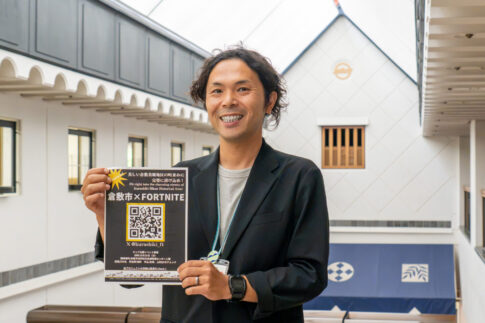
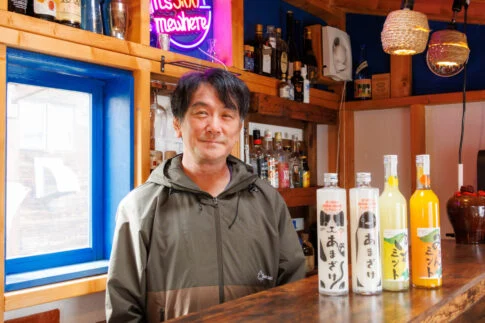
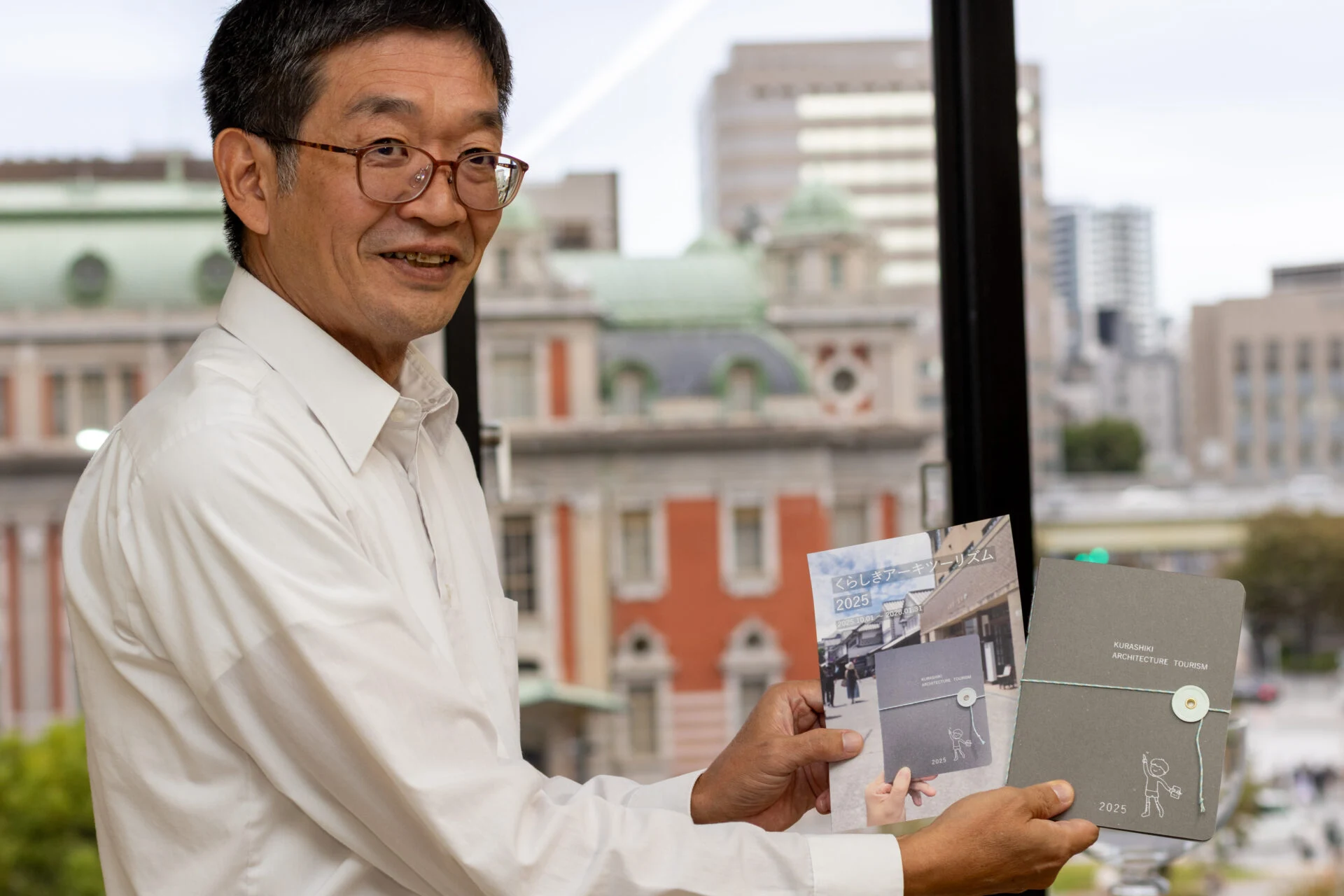
We spoke with Kawamoto Jiro, Executive Officer and Director of Urabe Design Co., Ltd., who was involved in the planning of Kurashiki Architourism 2025, about the highlights and points of interest for this event.
Could you tell us about the background of choosing "building regeneration" as the theme this time?
Kawamoto (no honorifics)
As we have covered in previous Kurashiki Architourism events, there are various old and new buildings remaining around the Bikan Historical Area in Kurashiki.
In the 1980s, a time when it became important to consider how to use existing buildings after the period of rapid economic growth, architect Narimura Tohru from Kurashiki City began working on the regeneration of old houses in the Bikan Historical Area with fellow architects.
The buildings handled by Narimura became a catalyst for adding new charm to the town through small-scale extensions and renovations.
I believe it is important to increase the number of buildings that add new elements while preserving the original structures when considering the future of the Bikan Historical Area, which is why we chose the theme of "building regeneration" this time.
Could you tell us about the changes and new aspects since the last time (2024)?
Kawamoto
The "Memory File," which we create each year in different colors, has been produced this time with a color scheme that emphasizes a vibrant atmosphere to match the theme of "building regeneration."
Considering the compatibility with the gray cover, we chose a slightly bluish string to combine. We hope this color scheme conveys the image of old things becoming new.
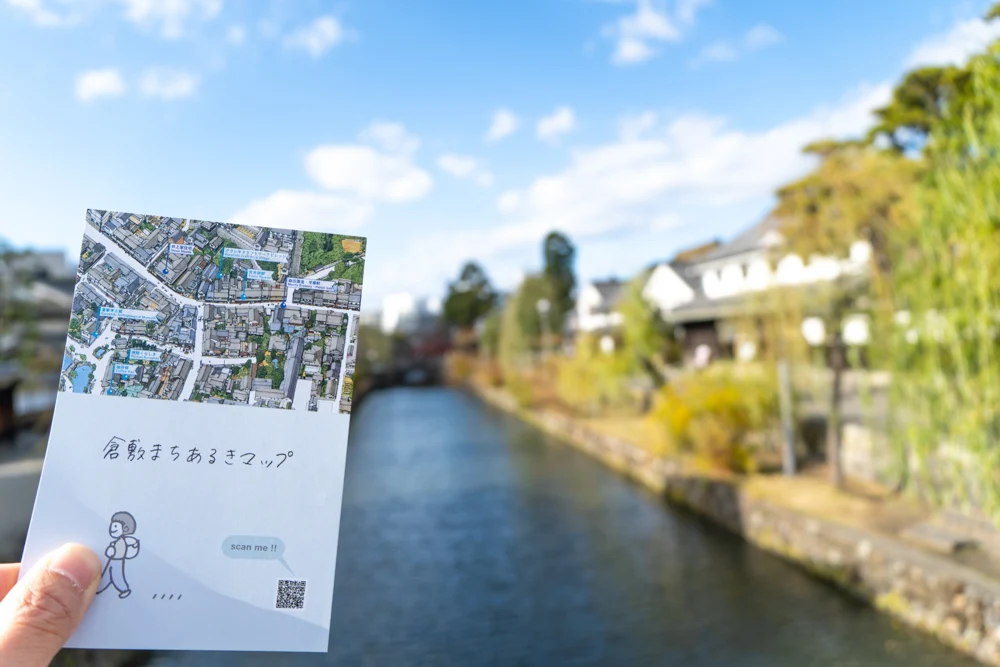
Another aspect is the bird's-eye view illustration depicted on the back of the "Building Cards."
While it has been possible to enjoy connecting two cards, this time, all five cards can connect due to the proximity of the buildings.

The bird's-eye view illustration is one of its attractions, as it allows you to see the details of the town, such as human activities and the appearance of cars, when viewed as a large picture, so I hope you will try connecting them.
You will also be able to see how the two main streets, the Kurashiki River street running north-south and the Honmachi street running east-west, are connected.
Is there anything you would like people to pay attention to during this Architourism event?
Kawamoto
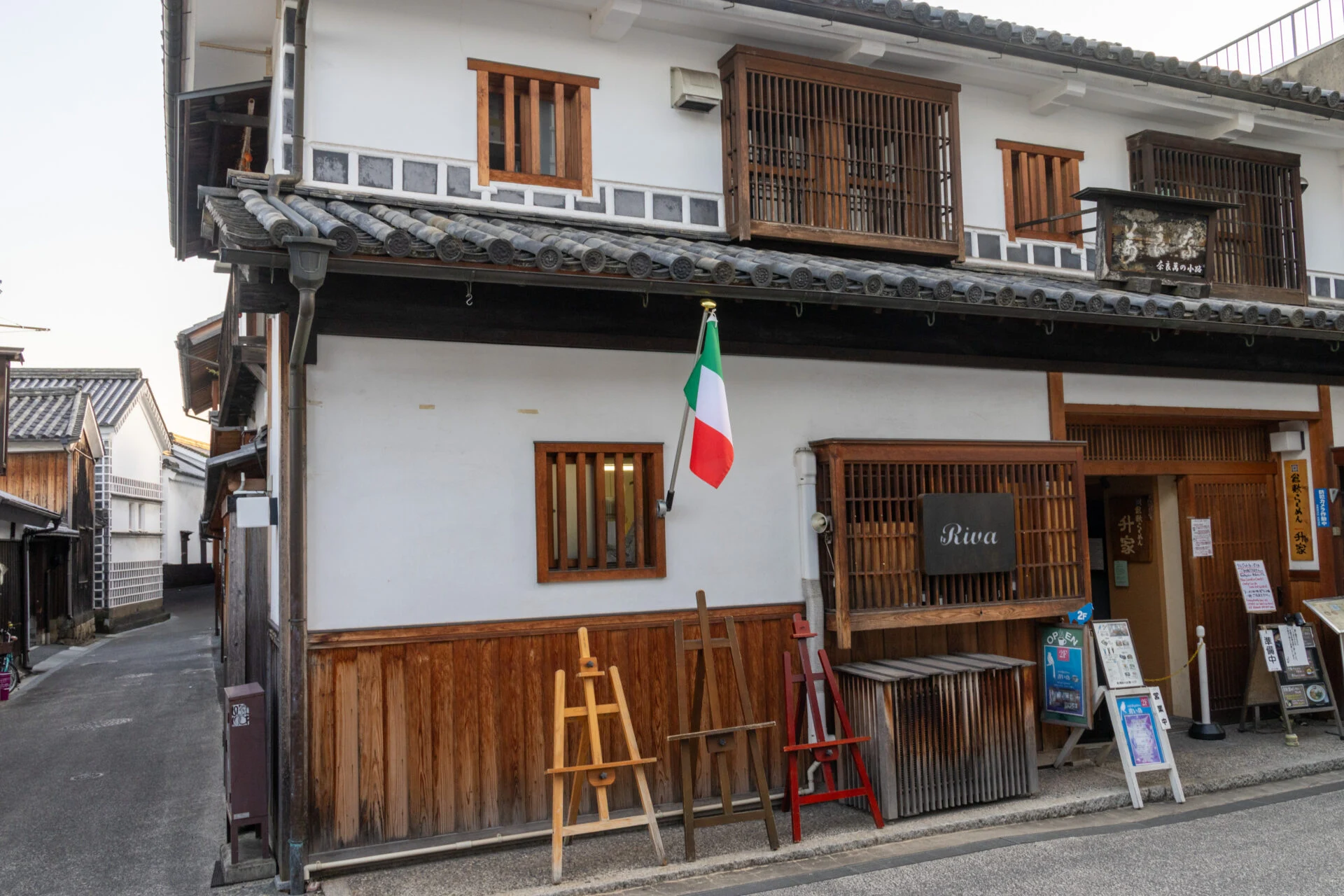
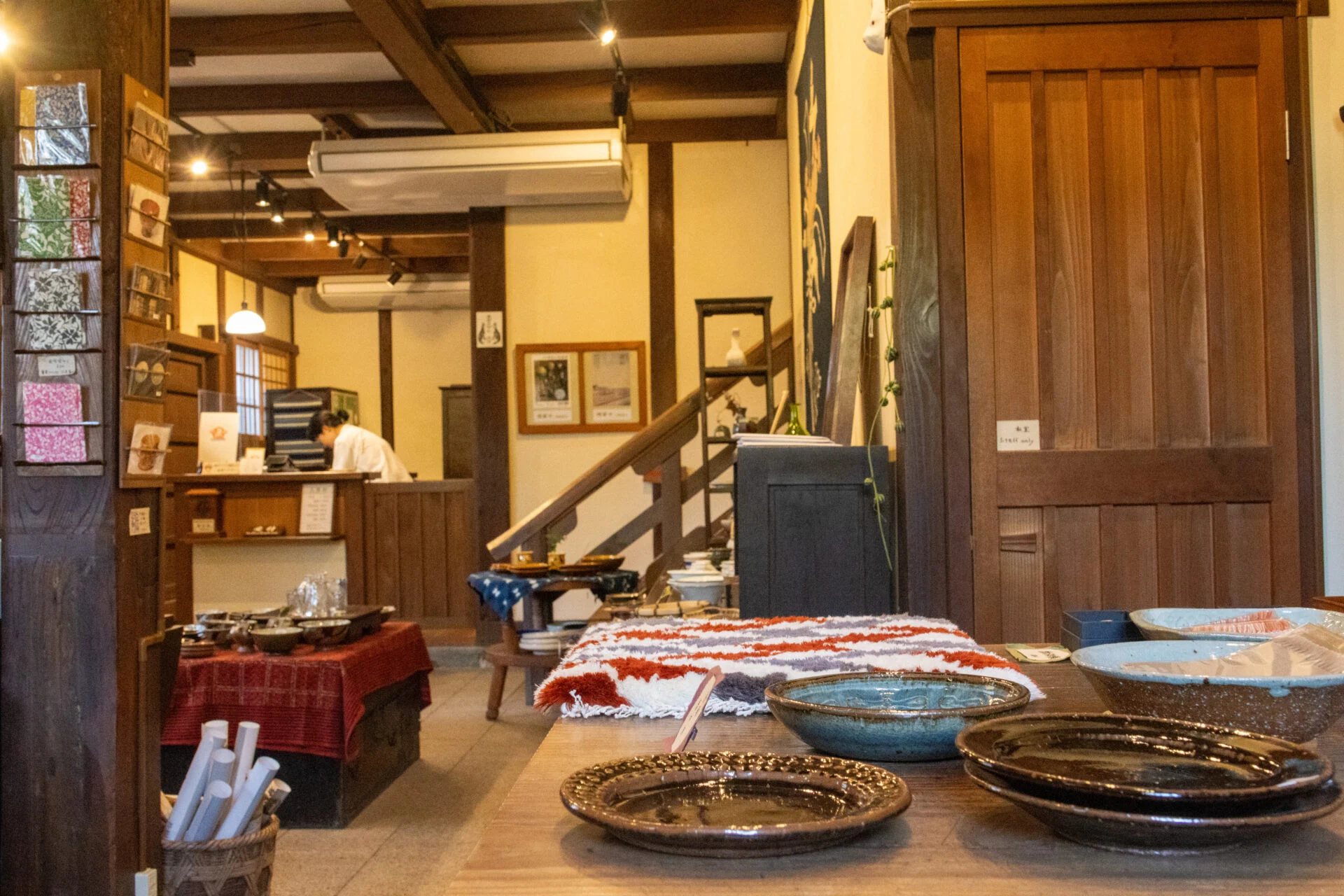
When introducing buildings, it is easy to be captivated by the exterior, but this time we have selected buildings that feel new when you enter them.
So, while they may initially seem a bit plain, I would be happy if you could pay close attention to the fact that the exteriors blend in with the old townscape while the interiors are updated to match the times.
A common feature of the buildings introduced this time is that they add new elements while preserving traditional materials and details.
For example, we are consciously incorporating elements that have not existed before, such as creating patios within traditional Japanese architecture during the building regeneration process.
Finally, could you give a comment to the readers?
Kawamoto
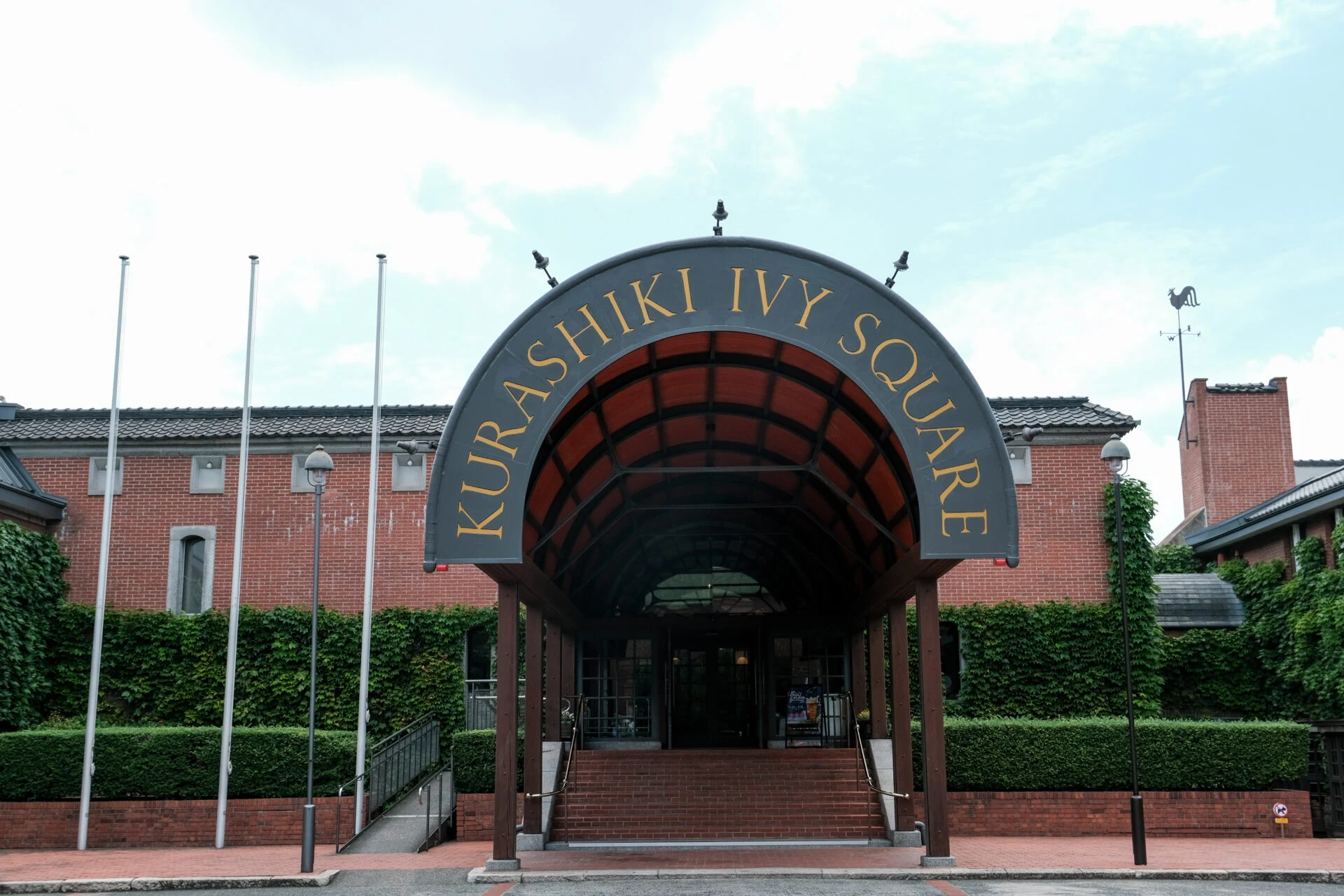
Urabe Chintaro created new buildings such as the Kurashiki International Hotel and set a precedent for building regeneration at Kurashiki Ivy Square, while Narimura has been preserving the town by regenerating townhouses.
In response to that sentiment, we are engaged in building regeneration activities with the hope that new elements will enter the townscape while considering the historical buildings and landscapes.
I believe that by participating in the Architourism event, visitors to Kurashiki will deepen their understanding of the townscape, leading to a more fulfilling trip.
Additionally, I would be happy if learning about the examples of building regeneration in Kurashiki could encourage people to pay attention to town development and the regeneration of old houses in their own towns.
Conclusion
Through this Architourism event, I have re-recognized that there are various innovations in the buildings of the Bikan Historical Area that we usually enter without much thought.
By implementing renovations that allow access to the inside of townhouses, such as through-dirt floors and patios, we can utilize not only the "line" of the main street but also the "plane" of the inside of the townhouses, resulting in an increase in the town's charm.
Moreover, walking around the town while collecting Building Cards can serve as a means for tourists to learn more deeply about Kurashiki and for locals to discover new aspects within their everyday scenery.
Seto Inland Sea Architectural Charter
Finally, I would like to touch on the keyword that frequently came up during the interview, the regeneration of buildings by adding new elements to old buildings, in relation to the "Seto Inland Sea Architectural Charter" announced in 1979 by Urabe Chintaro and fellow architects Matsumura Masatsune and Yamamoto Tadaji.
Seto Inland Sea Architectural Charter
To protect the environment of the Seto Inland Sea, to understand the relationship between the environment and humans in the regions that make up the Seto Inland Sea, and to value architecture as a medium.
To create architecture that begins with valuing humans.
It is about cherishing the nature of the Seto Inland Sea and creating architecture from it.
Architecture and the environment should not be separated, and architecture should not walk alone.
To examine the civilization created by our predecessors, to understand it, and to use it as a foundation and foothold for future leaps.
To recognize that the Seto Inland Sea has been the cradle of civilization for the Japanese people in both the past and present, and that it has also been a gateway to the world.
In other words, we will protect the civilization in this region and promote it while broadly opening our eyes to the world and contributing to humanity through architecture.
September 1979
Urabe Chintaro, Matsumura Masatsune, Yamamoto Tadaji
The pioneer of building regeneration in Kurashiki, Urabe Chintaro's thoughts on architecture rooted in the community are likely being passed down to contemporary architects across time.
Kurashiki Architourism 2025 will be held until January 31, 2026.
It is a fitting culmination of past efforts and a building regeneration that connects to the future. Why not visit while experiencing the work of people who connect these sentiments?
Data on Kurashiki Architourism 2025

| Name | Kurashiki Architourism 2025 |
|---|---|
| Dates | October 1, 2025 (Wednesday) - January 31, 2026 (Saturday) |
| Location | Around the Bikan Historical Area |
| Participation Fee (including tax) | Free (Memory File 500 yen (including tax)) * "Building Cards" are distributed for free at each facility, but some facilities may require an entrance fee when touring inside. Please check each facility's website for details. |
| Website | Kurashiki Architourism 2025 |