From October 1, 2025 (Wednesday), the "Kurashiki Architourism 2025" will be held in the Bikan Historical Area of Kurashiki.
This event, which started in 2022, has spotlighted various architectures in the Bikan Historical Area and its surroundings, introducing the charm of architecture rooted in the community.
In its fourth edition, the theme is "Conveying the Good Old Days and Incorporating the New: Building Regeneration", focusing on buildings that are showcasing new charm through renovation. Why not explore the new architectural charm sprouting in the Bikan Historical Area, where old and new Japanese and Western buildings blend exquisitely?
The event will run from October 1, 2025 (Wednesday) to January 31, 2026 (Saturday).
What is Kurashiki Architourism 2025

Kurashiki Architourism, which started in 2022, aims to allow tourists to enjoy the charm of the buildings scattered around the Bikan Historical Area.
In the first edition in 2022, buildings designed by local architect Uraha Shintaro were featured, in 2023, three famous architects' buildings were highlighted, and in 2024, buildings by unknown architects were showcased, with a different theme each year.
In this fourth edition (2025), as a culmination of the previous events, the focus is on "Building Regeneration", highlighting five buildings that have been renovated in recent years around the Bikan Historical Area.
- Hayashi Genjuro Pharmacy Museum
- Kurashiki Craftwork Village
- Kurashiki Garden
- Kurashiki Museum of Folkcraft
- Ohara Museum of Art Kojima Torajiro Memorial Gallery
About the Building Cards
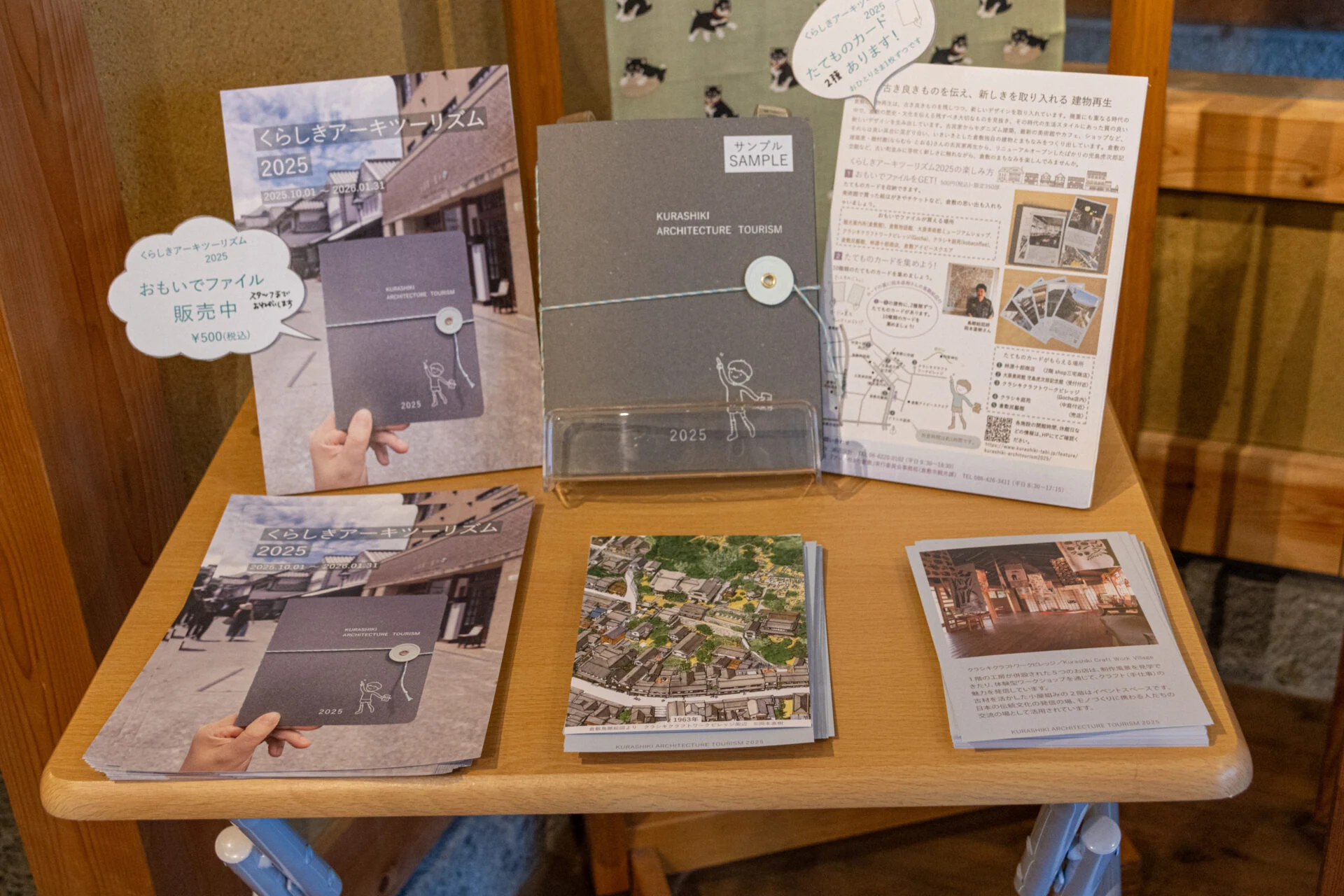
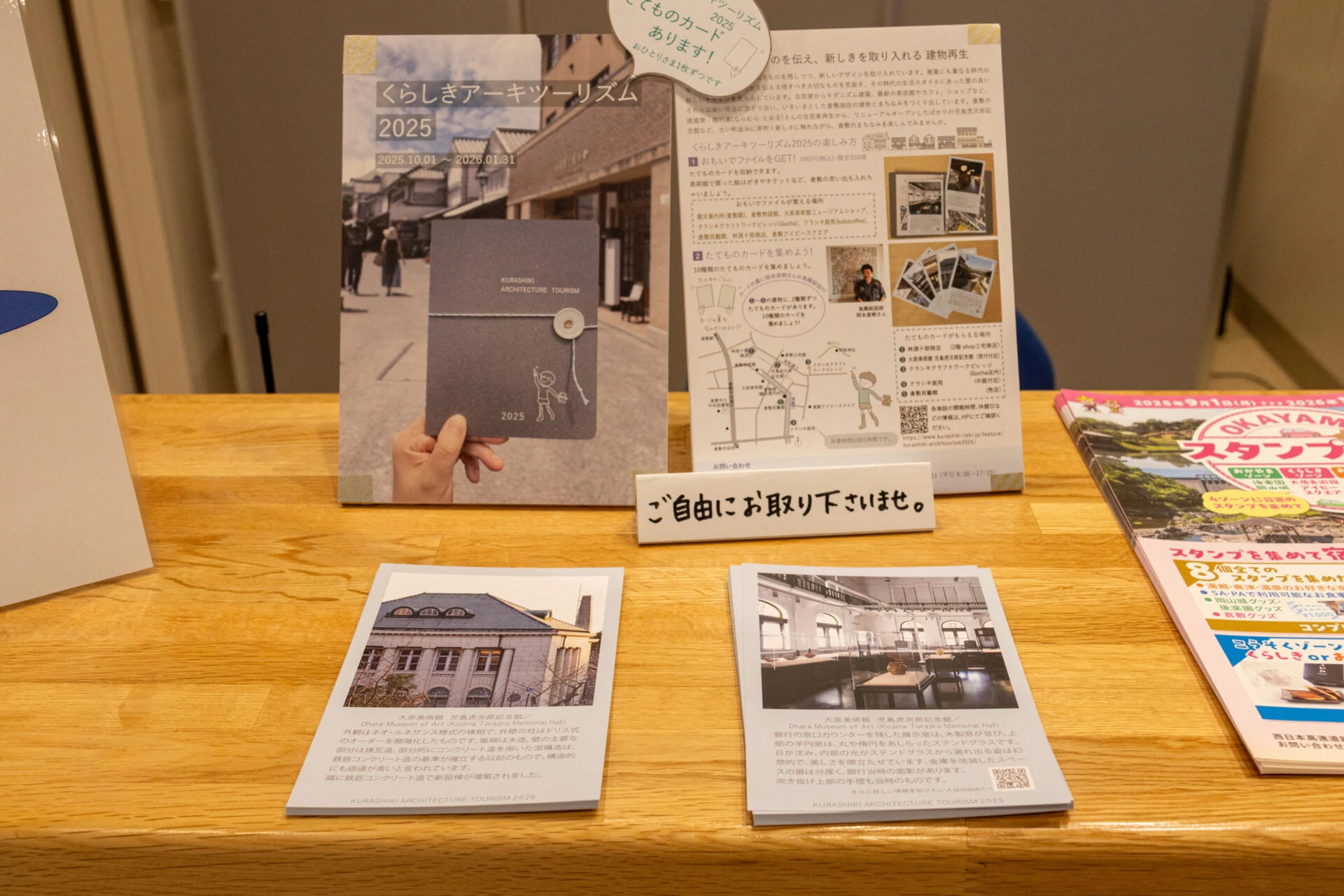
One of the features of Kurashiki Architourism is the "Building Cards".
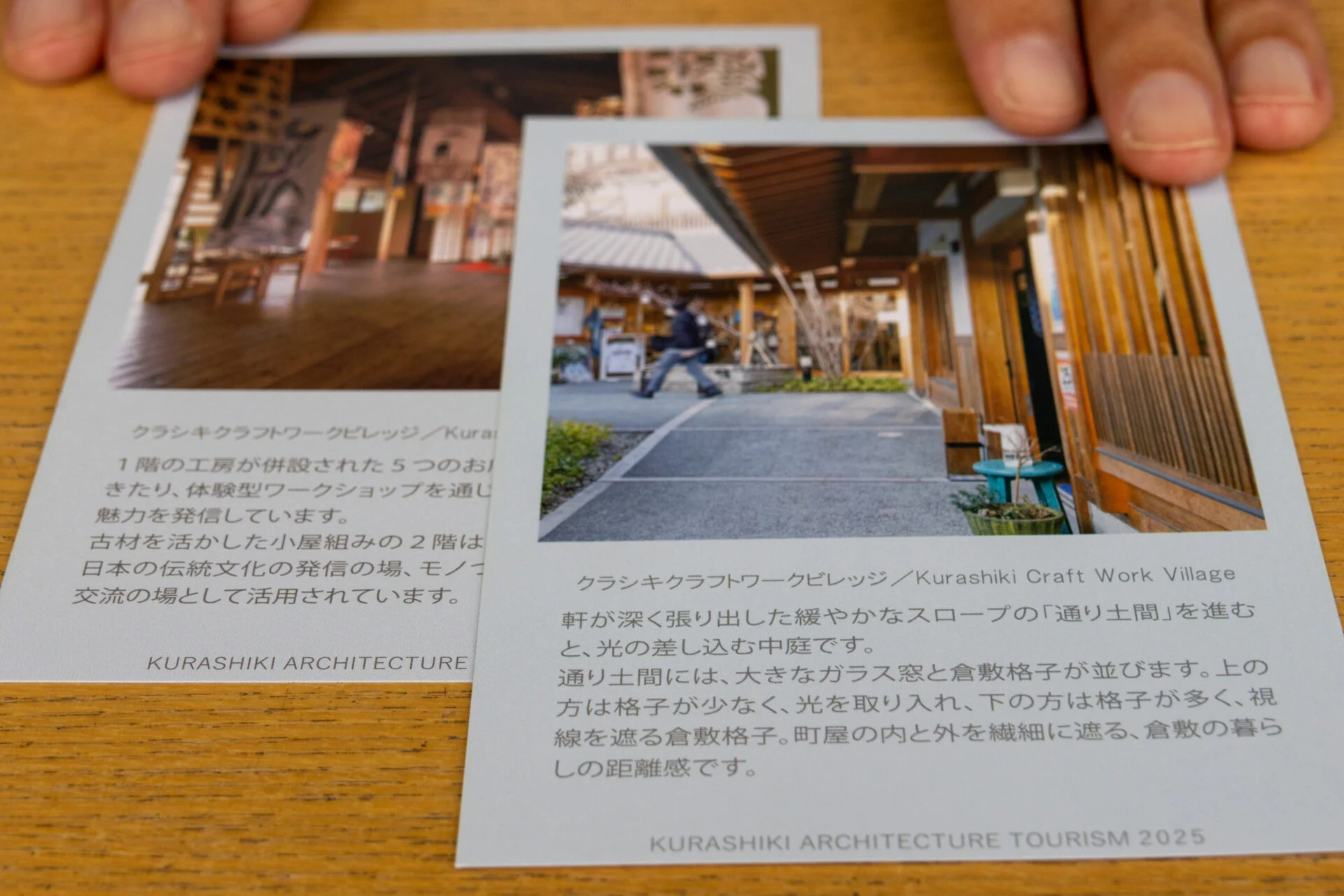
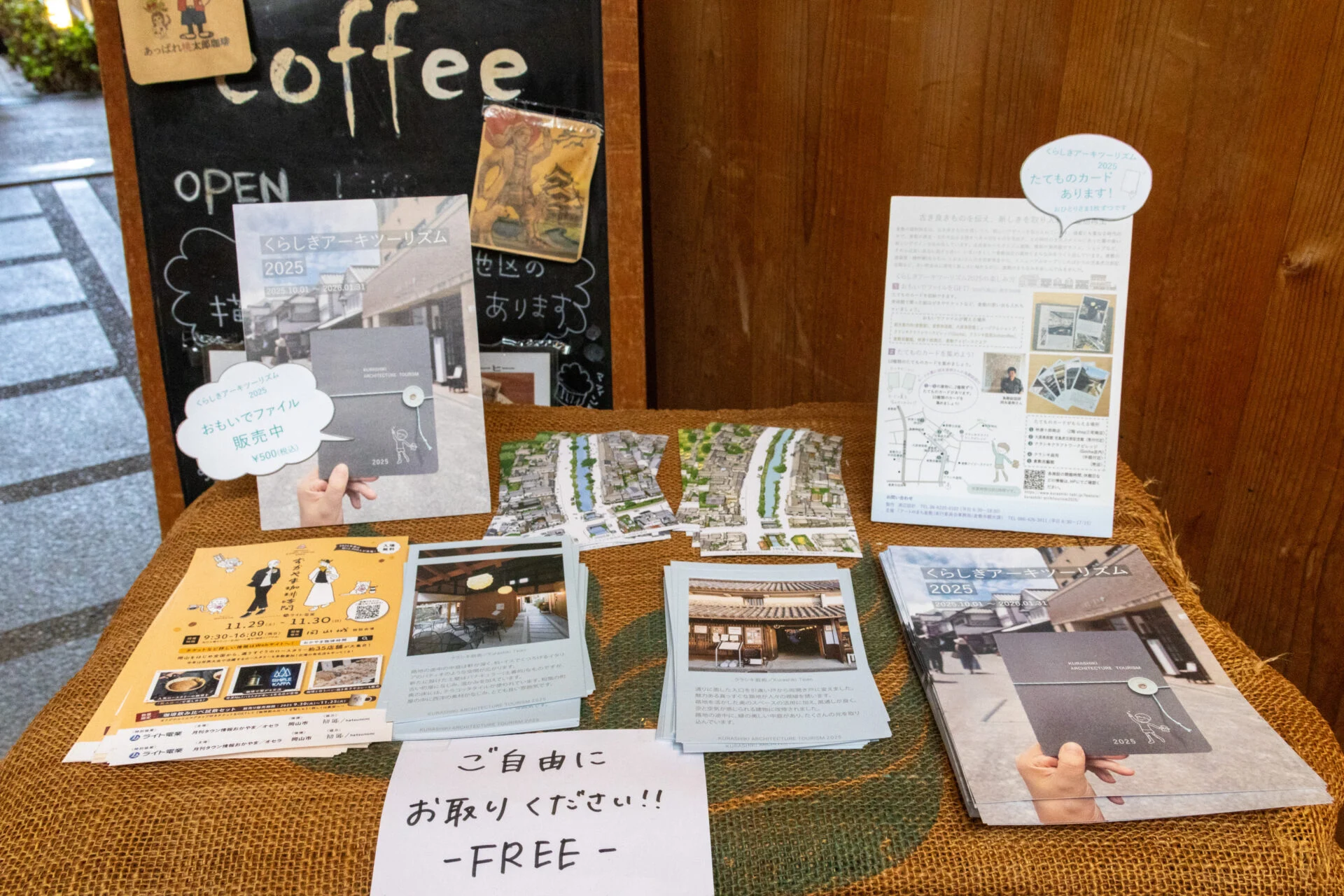
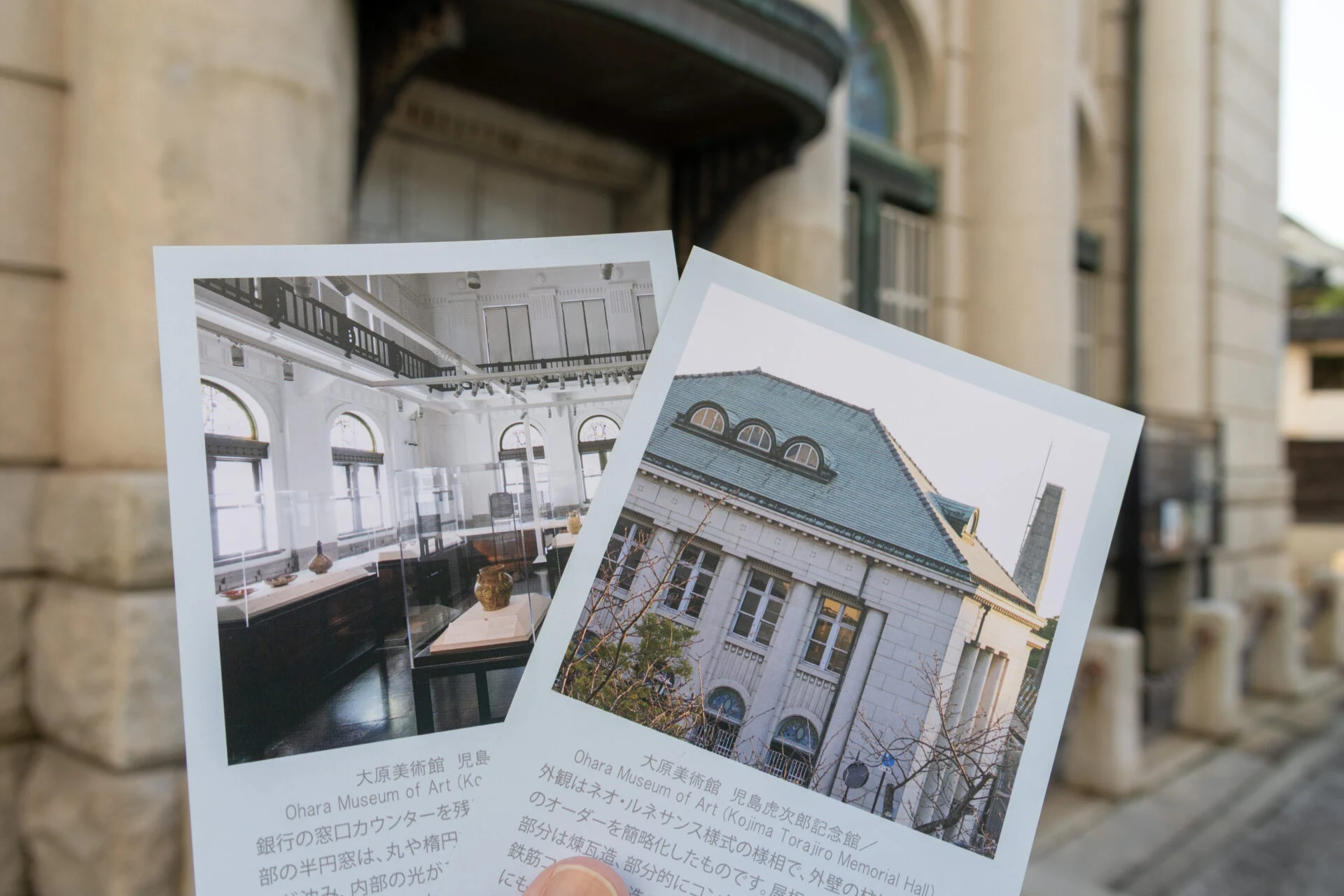
These are postcard-sized cards with explanations and photos of the buildings on the front and a bird's-eye view illustration on the back, with two cards available for each facility.
The front of each card contains descriptions of the building's exterior and interior along with photos. The back features bird's-eye view illustrations by Naoki Okamoto, showing the bird's-eye views from 1963 and 2005, making it interesting to explore the differences in the townscape over the years.
The Building Cards are distributed for free at the following five facilities.
- Hayashi Genjuro Pharmacy Museum (2nd floor shop Miyake Shoten)
- Kurashiki Craftwork Village (inside Gocha)
- Kurashiki Garden (near the courtyard)
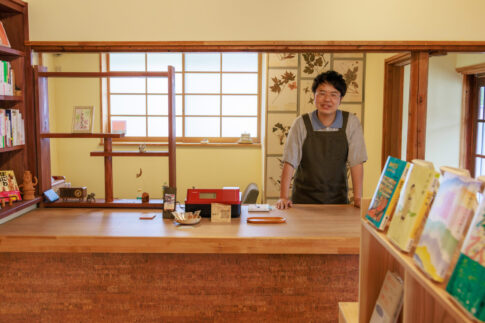
- Kurashiki Museum of Folkcraft (gift shop)
- Ohara Museum of Art Kojima Torajiro Memorial Gallery (near the reception)
About the Memory Files
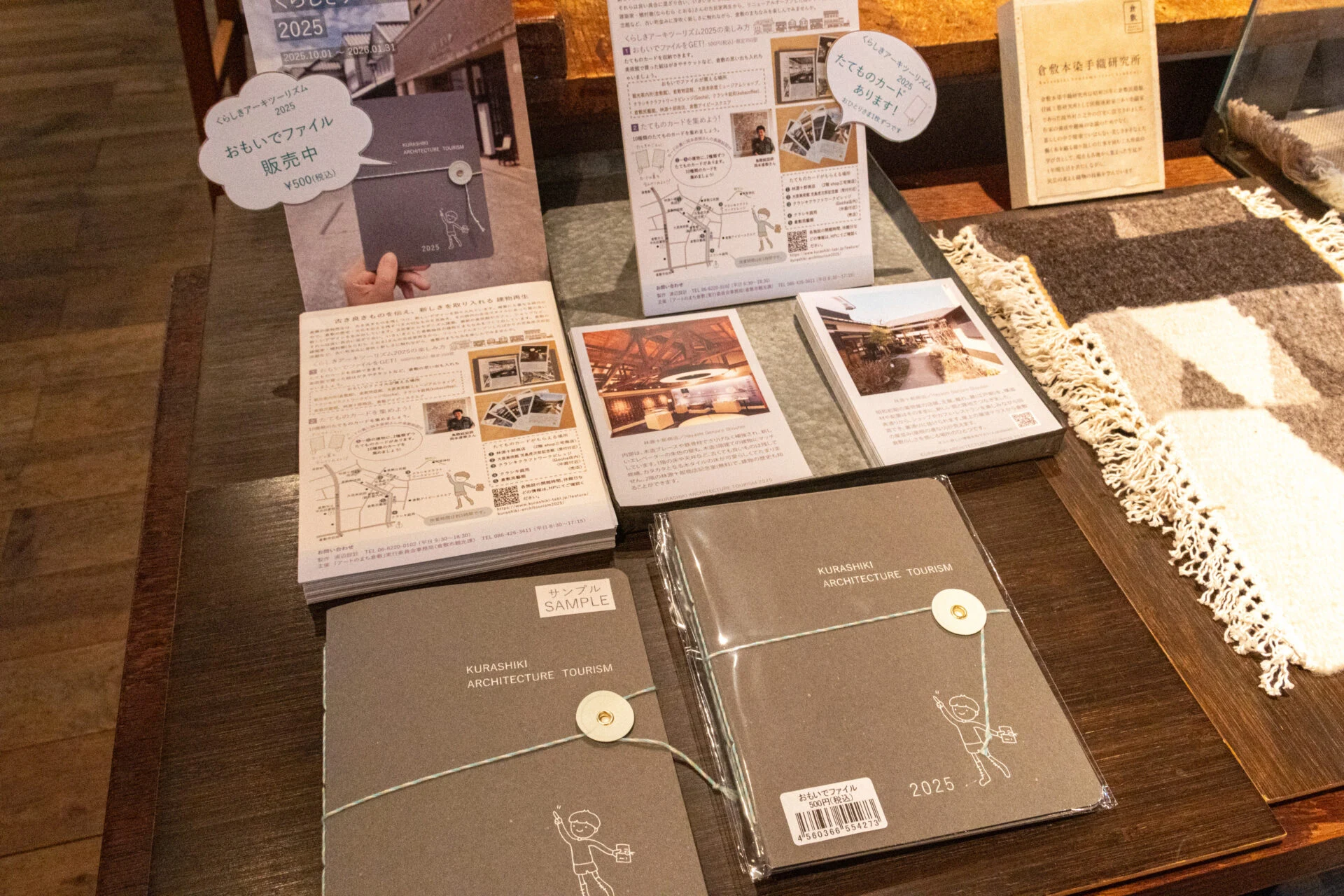
The "Memory Files" allow you to organize and store the collected "Building Cards".
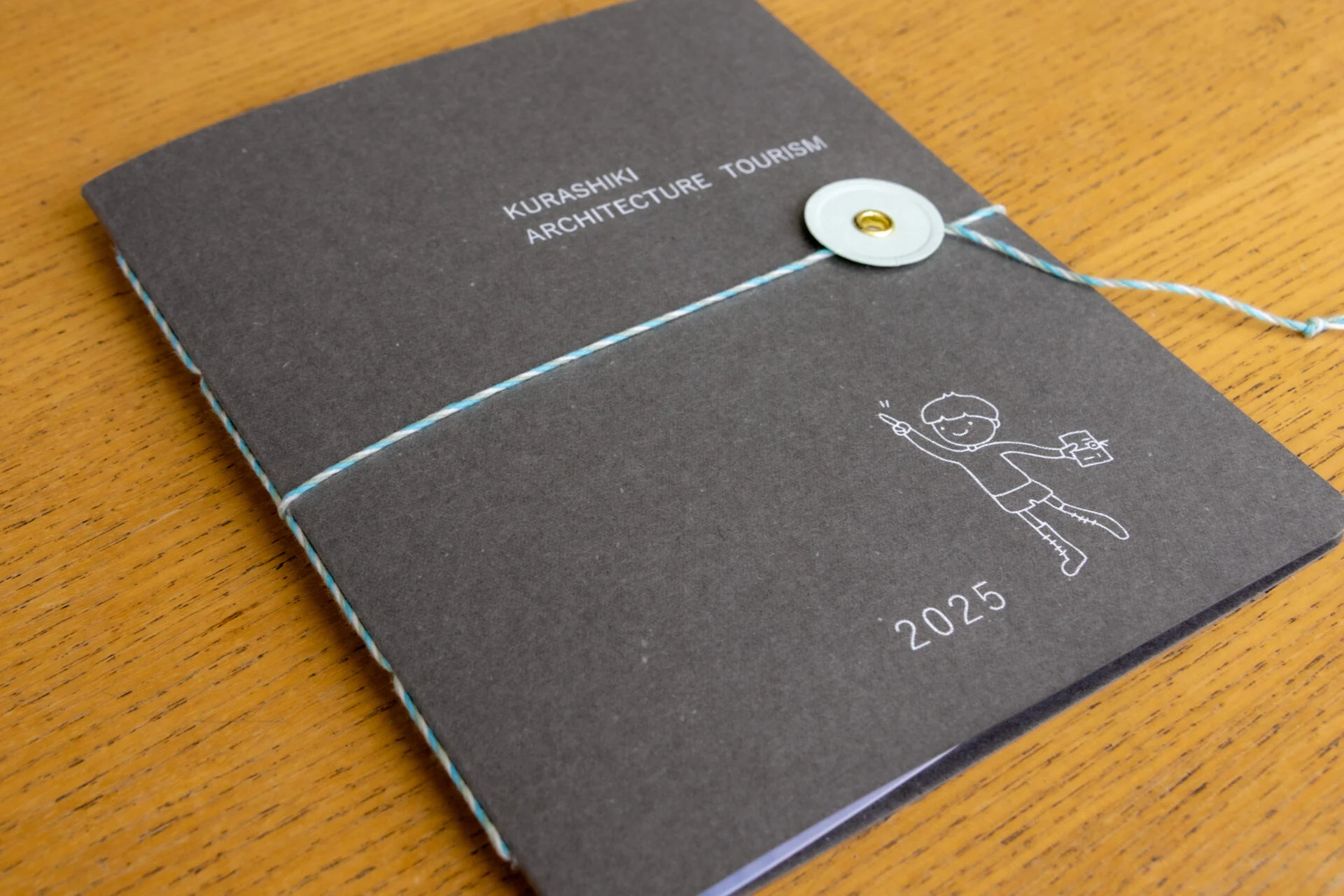
Each time, they are handmade with different designs and colors, giving a warmth unique to handmade items. The cute illustrations included are also original.
You can also store items other than the Building Cards, so it is recommended to keep tickets to museums and postcards as memories.
The Memory Files are sold at the following locations (limited to 350 copies, 500 yen).
- Kurashikikan Tourist Information Office
- Kurashiki City Kurashiki Monogatari-kan
- Ohara Museum of Art Museum Shop
- Kurashiki Craftwork Village (Gocha)
- Kurashiki Garden (kobacoffee)
- Kurashiki Museum of Folkcraft (gift shop)
- Hayashi Genjuro Pharmacy Museum (2nd floor shop Miyake Shoten)
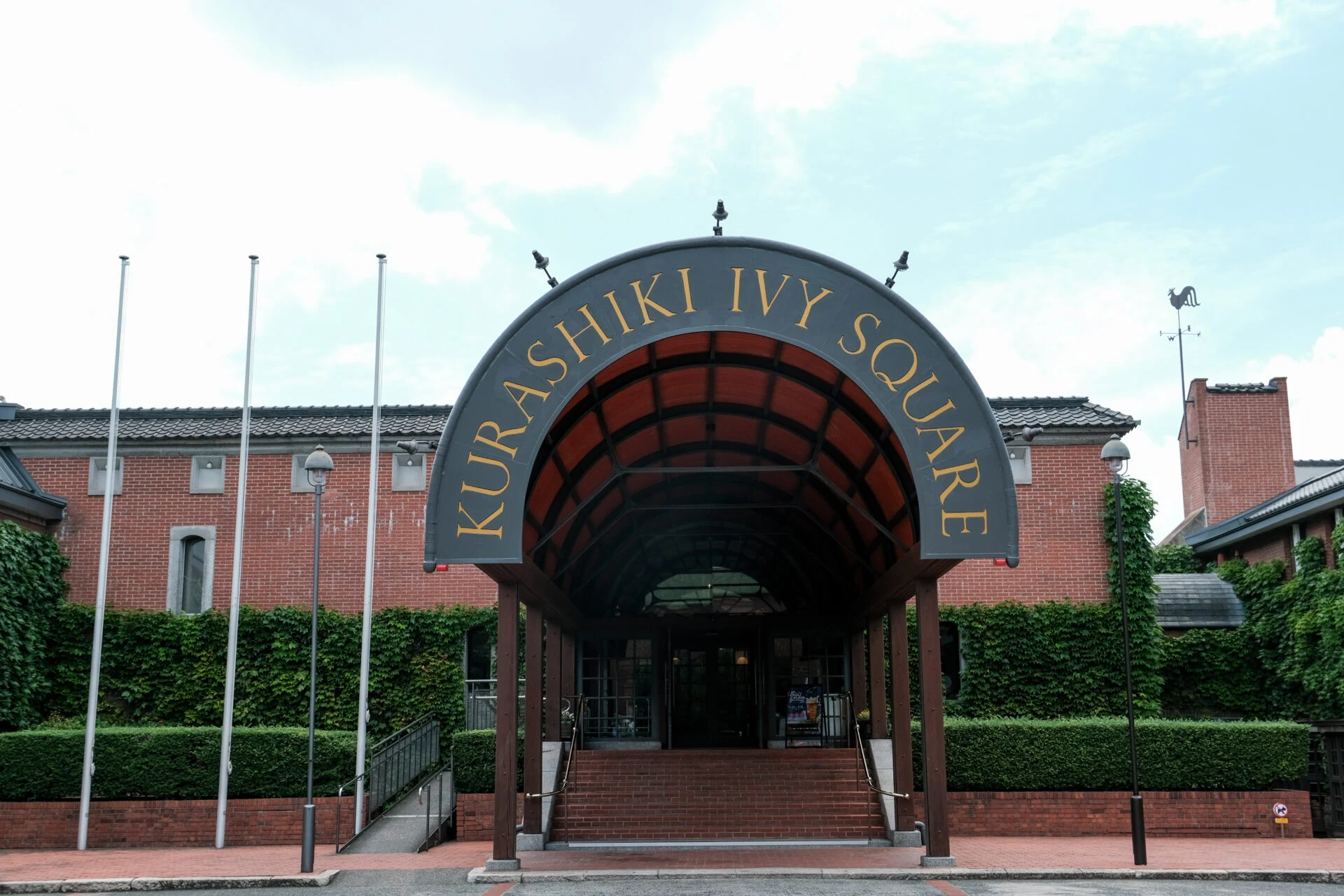
- Kurashiki Ivy Square Front Desk
The Kurashiki Walking Map has also been updated
The digital map, Kurashiki Walking Map, which makes walking around the Bikan Historical Area more enjoyable, has new content added.

The newly added content is called "Discovery Points", introducing characteristic spots other than buildings, such as fire lookout towers and Joyato along the Kurashiki River.
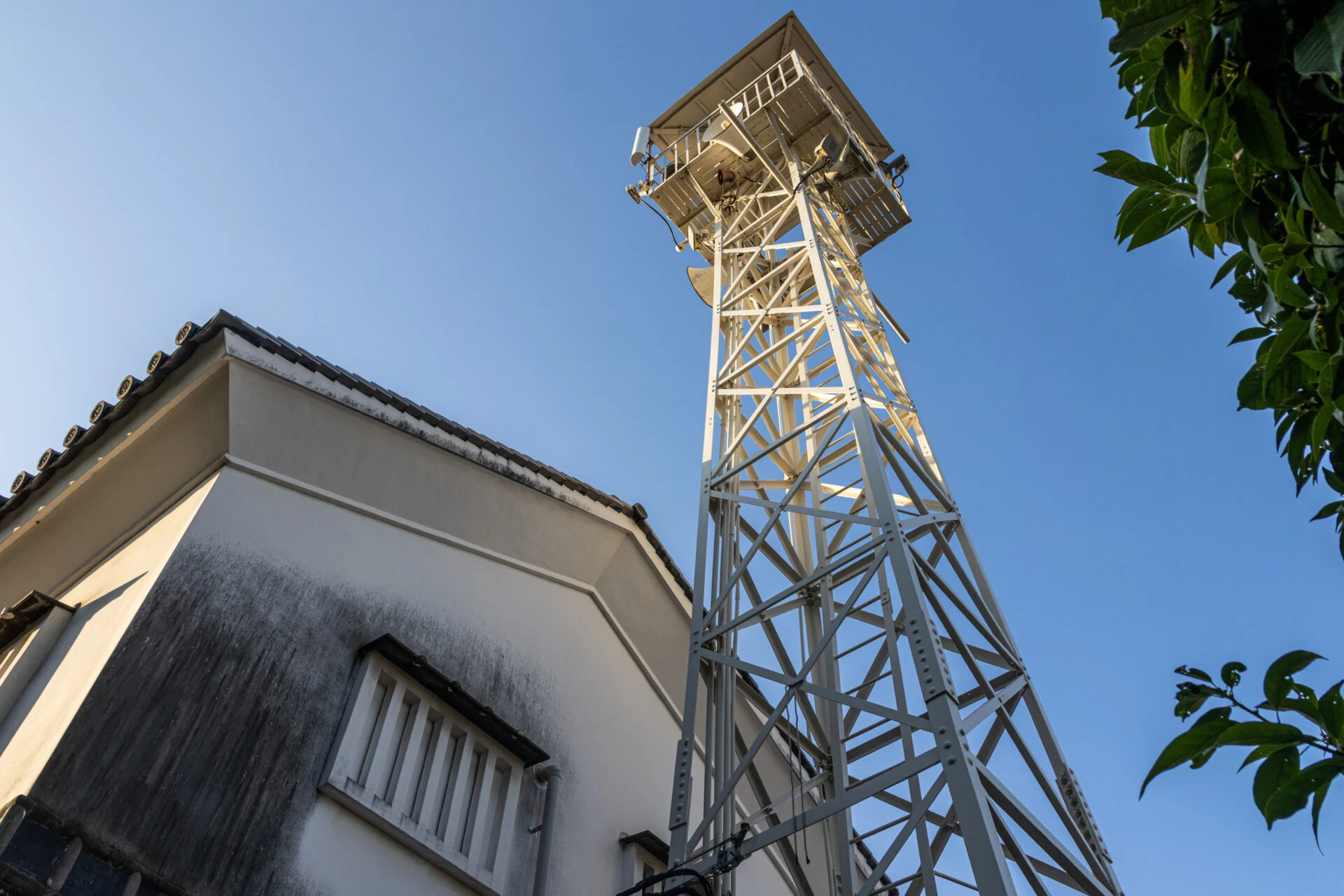
The numerous pieces of information, even unknown to locals, will enrich your walking experience.
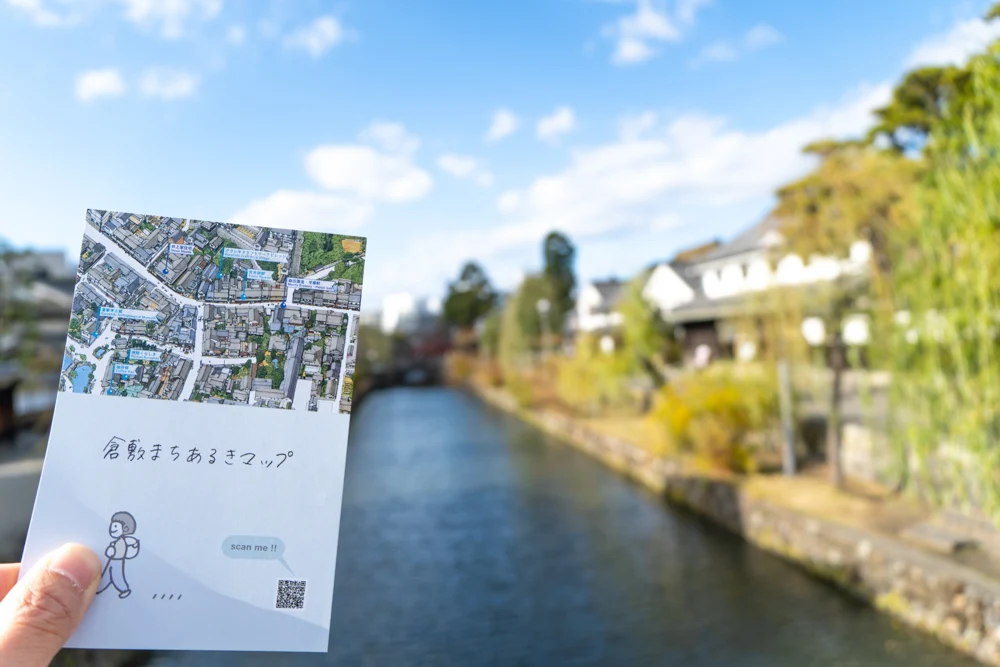
I Actually Went Around
I also went around each building with the Memory File in hand.
It takes less than an hour to visit all the target buildings, making it a perfect walking course around the Bikan Historical Area.
Hayashi Genjuro Pharmacy Museum

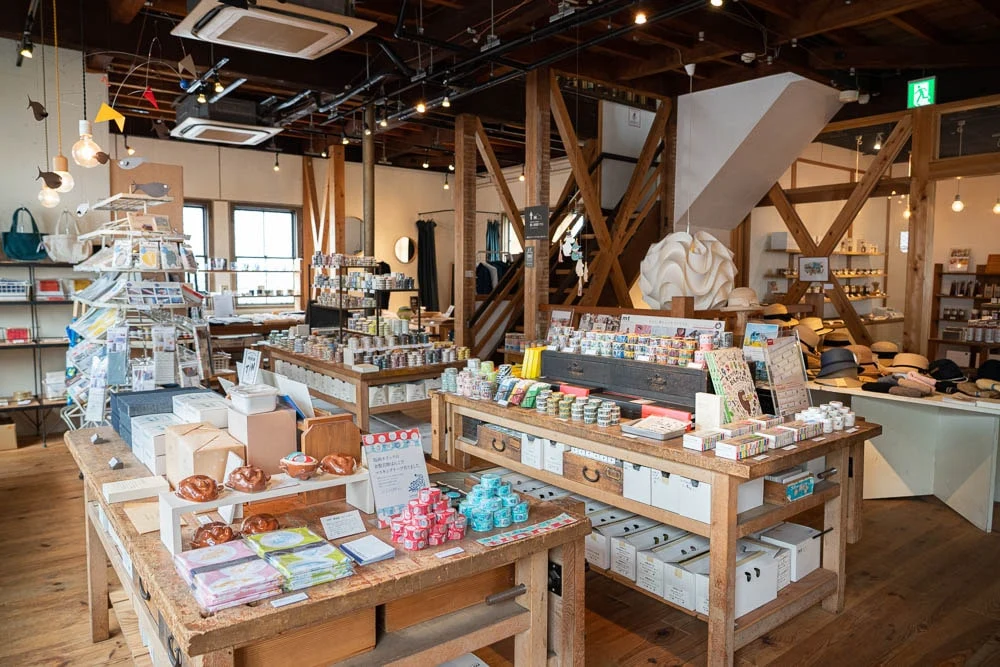
This complex facility, which opened in 2012, was renovated from an old vacant drugstore building. It houses multiple shops, including a general goods store, restaurants, and a denim shop, allowing visitors to experience the unique charm of Kurashiki.
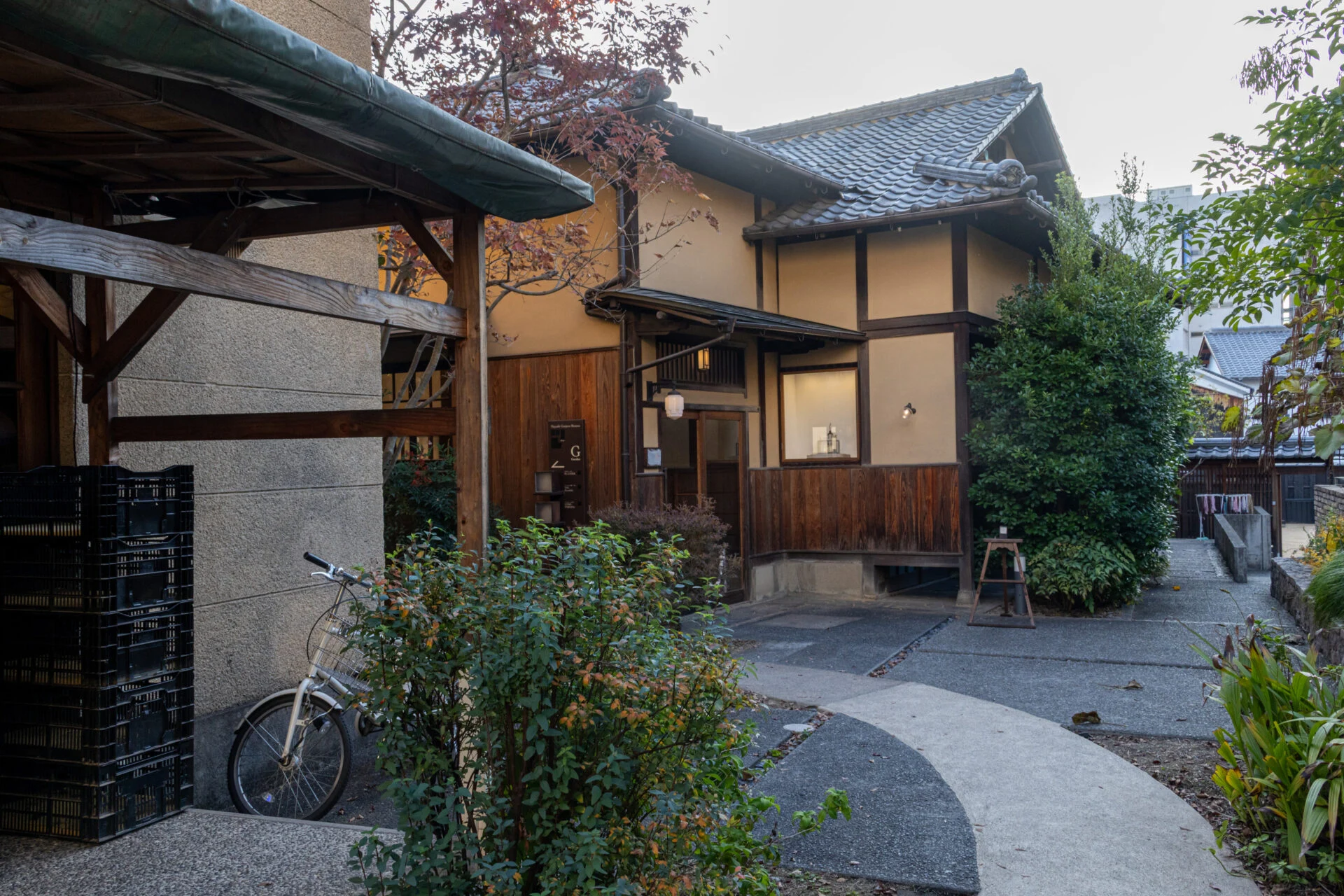
The renovation was carried out by architect Narumura Toru, who has been involved in the renovation of townhouses in Kurashiki for many years.

The unique feature of this building is that not only the part facing the main street was renovated, but also several buildings within the premises were improved along with the courtyard and alley, allowing for circulation from the main street to the back of the premises.
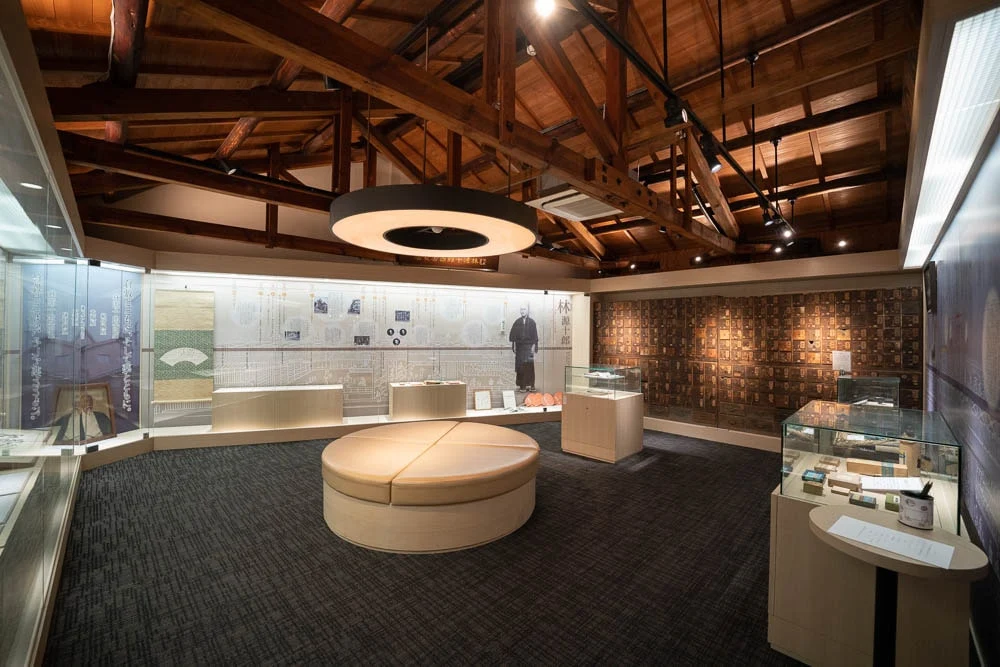
On the second floor, there is the "Hayashi Genjuro Pharmacy Museum Memorial Room", which records the history of the time when it was a drugstore, allowing visitors to learn about its past activities.
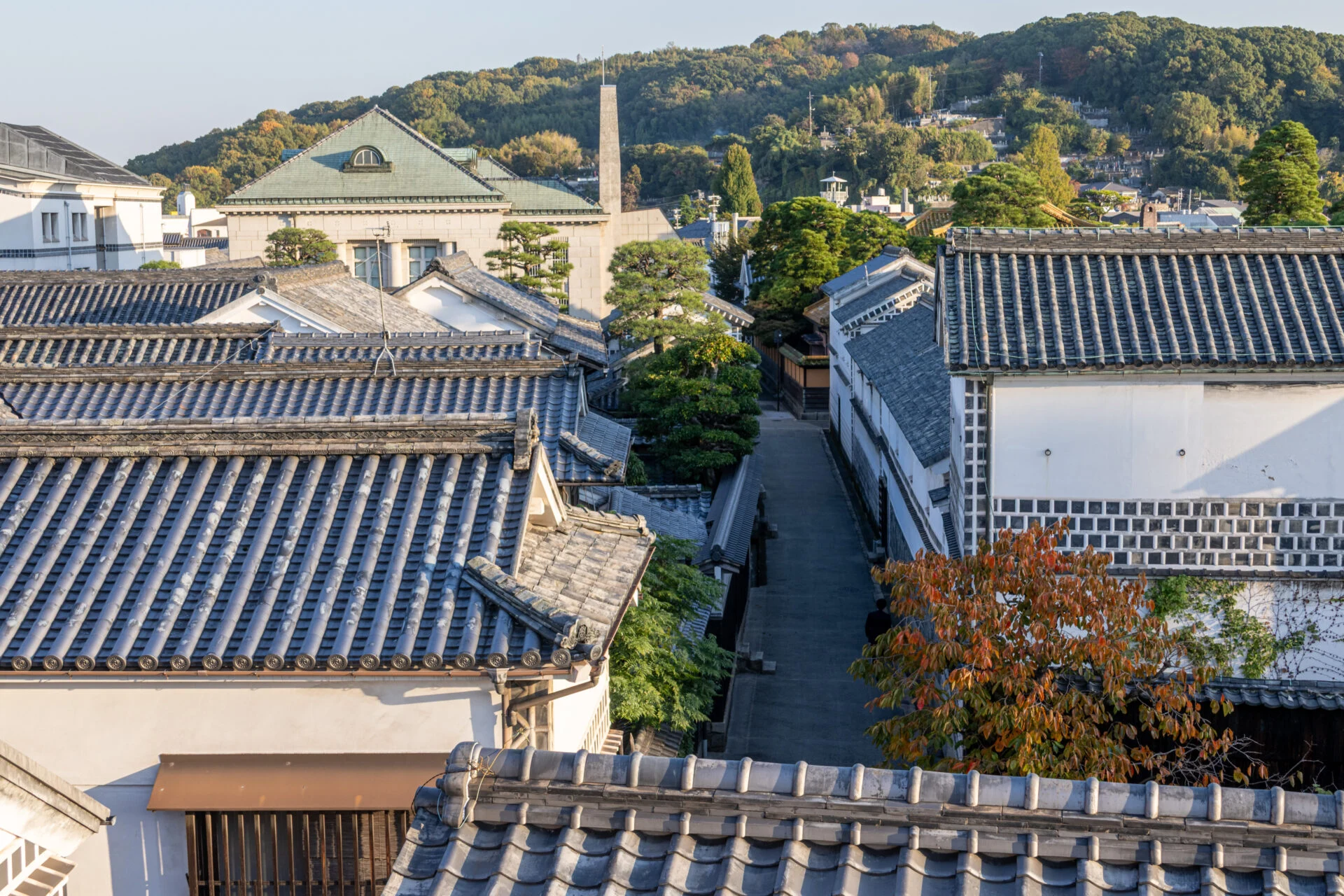
The rooftop terrace on the third floor is a hidden spot where you can enjoy a panoramic view of the Bikan Historical Area. The key visual for the movie "The Town with Storehouses", released in 2025, was shot from here.
Kurashiki Teien

"Kurashiki Teien," built along the Kurashiki River, is a complex facility that was opened in 2014 after renovating a town house that is about 100 years old. Like Hayashi Genjuro Shoten, it was also renovated by Mr. Narimura.

A feature of this building is the "Street Doma," a space that continues from the main street to the back.
With the presence of the Street Doma, it has become possible for multiple stores to occupy not only the part facing the main street but also the back area.
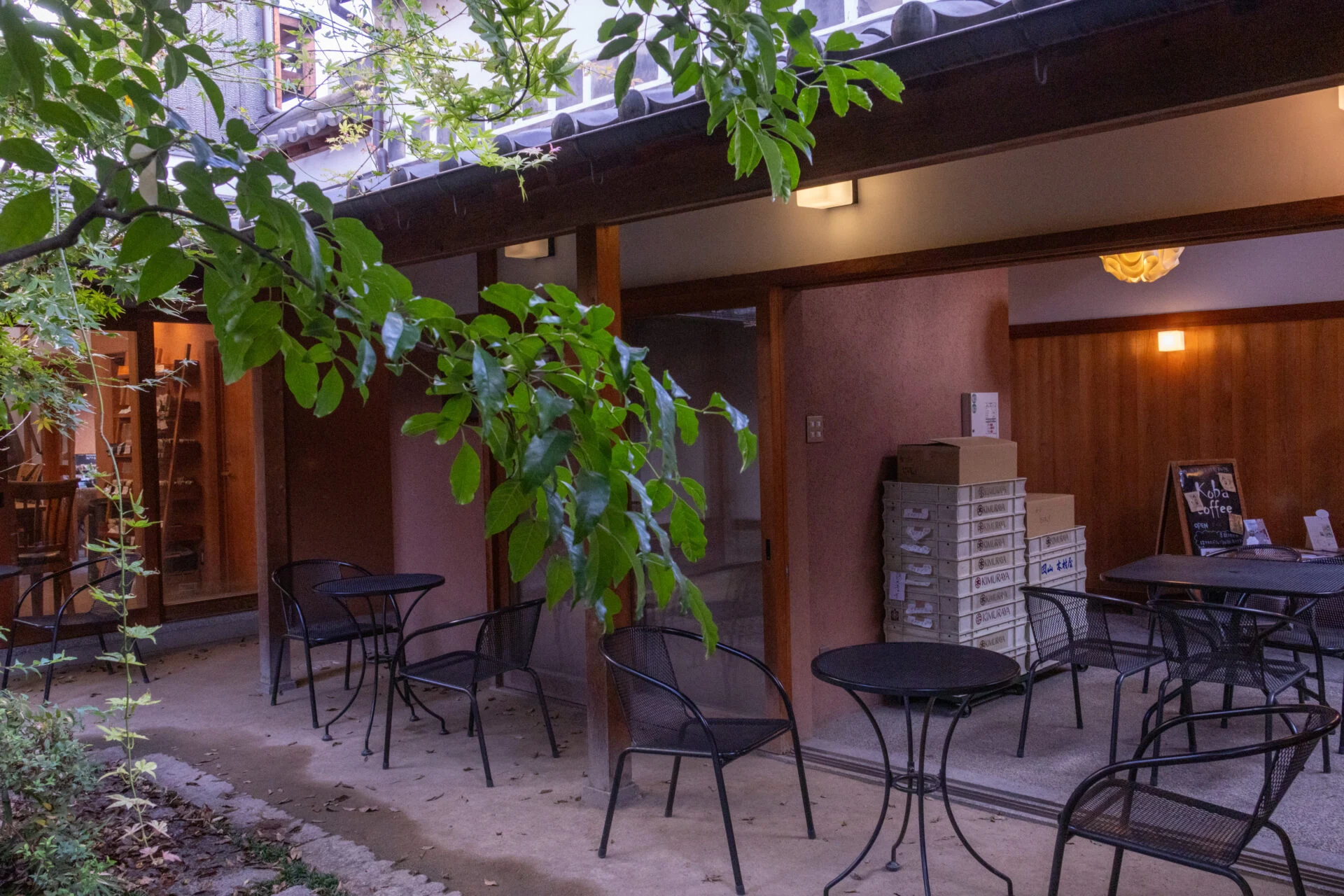
Additionally, the courtyard has been designed as a resting space, creating an atmosphere similar to a Western-style patio. It is a modern space that overturns the traditional image of a town house in a good way.
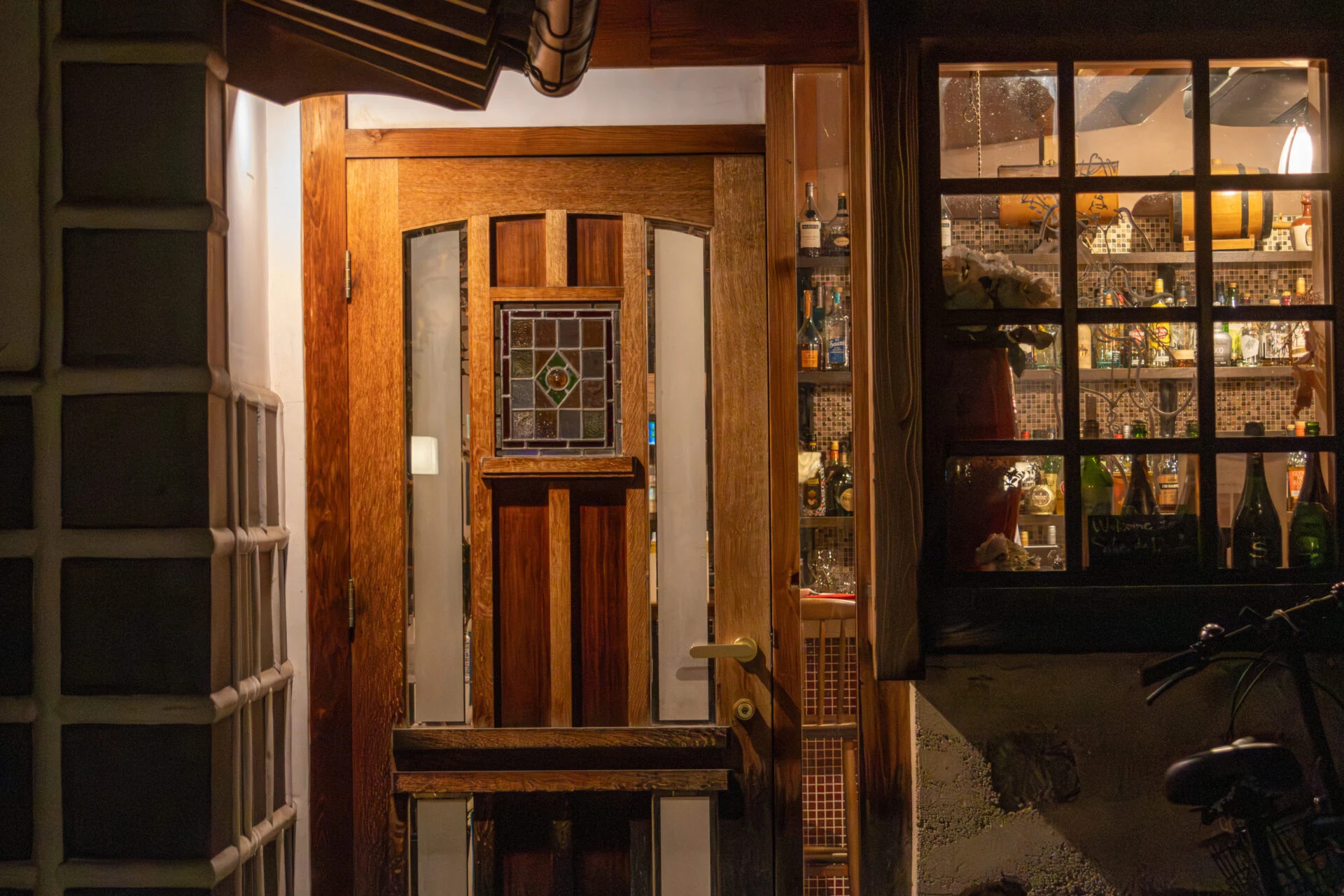
At the back, there is a hidden bar, Salon de Ric’s, and a specialty coffee shop, kobacoffee, which are loved not only by tourists but also by locals.
I also remember guiding people from outside the prefecture here, and they were very pleased with the atmosphere.

Although it is located in the tourist area of the Bikan Historical Area in Kurashiki, Mr. Narimura designed it with the intention of creating a place where local people can conduct business and live properly. Please pay attention to this ingenuity.
Kurashiki Craftwork Village
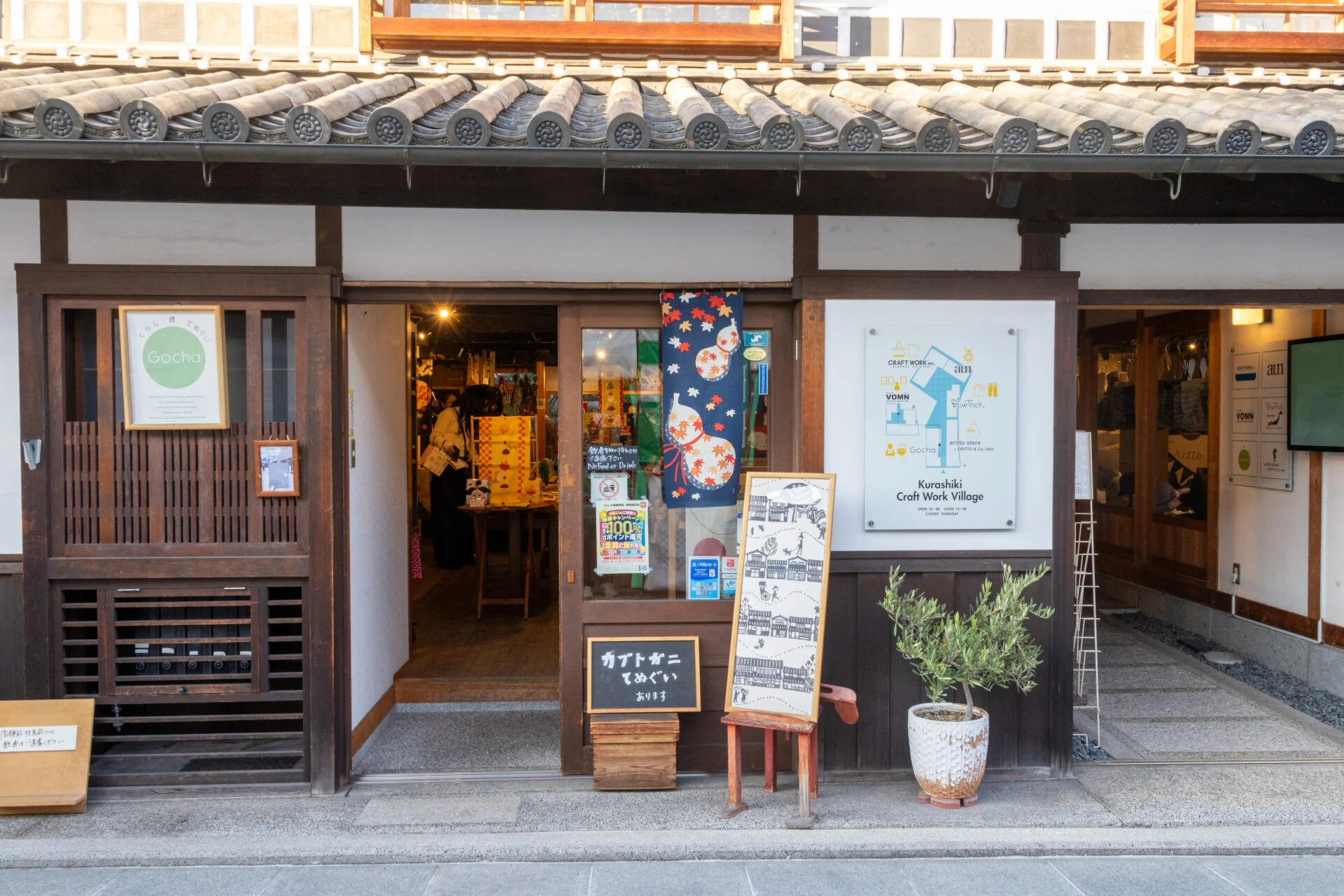
"Kurashiki Craftwork Village," opened in 2017 after renovating a town house on Honmachi Street, was also renovated by Mr. Narimura.

The building with the Street Doma has a similar atmosphere to the previously mentioned Kurashiki Teien, but it is characterized by an extension built around a well in the backyard, creating a plaza-like space.
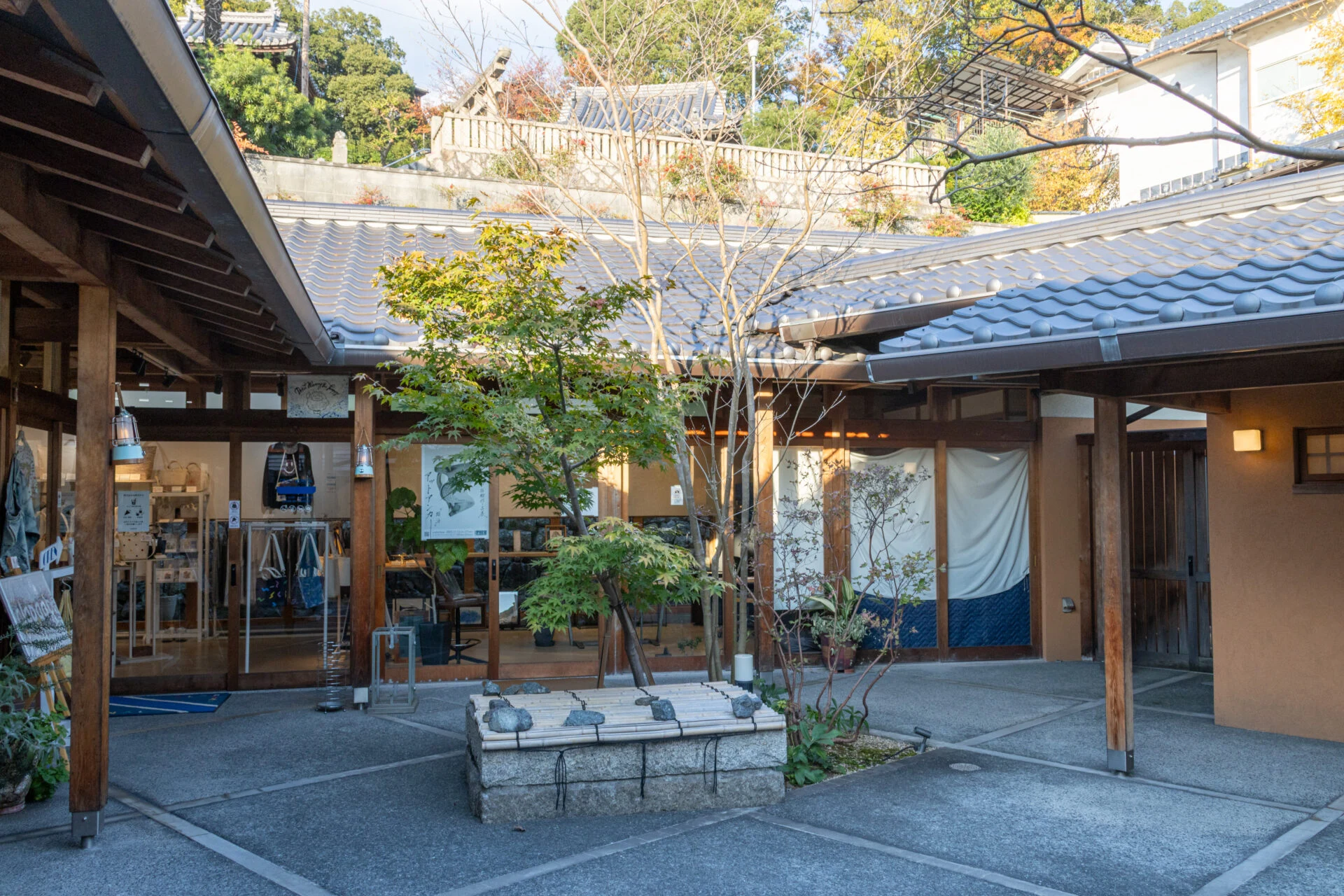
Moreover, there are also creative solutions for utilizing the second floor, which is often a challenge in the renovation of town houses.
Here, "Gocha," which sells tenugui (hand towels) on the first floor, uses the second floor as an event space irregularly, allowing visitors to see the crafting process through the window, which is a characteristic feature of the Craftwork Village.

Kurashiki Museum of Folkcraft
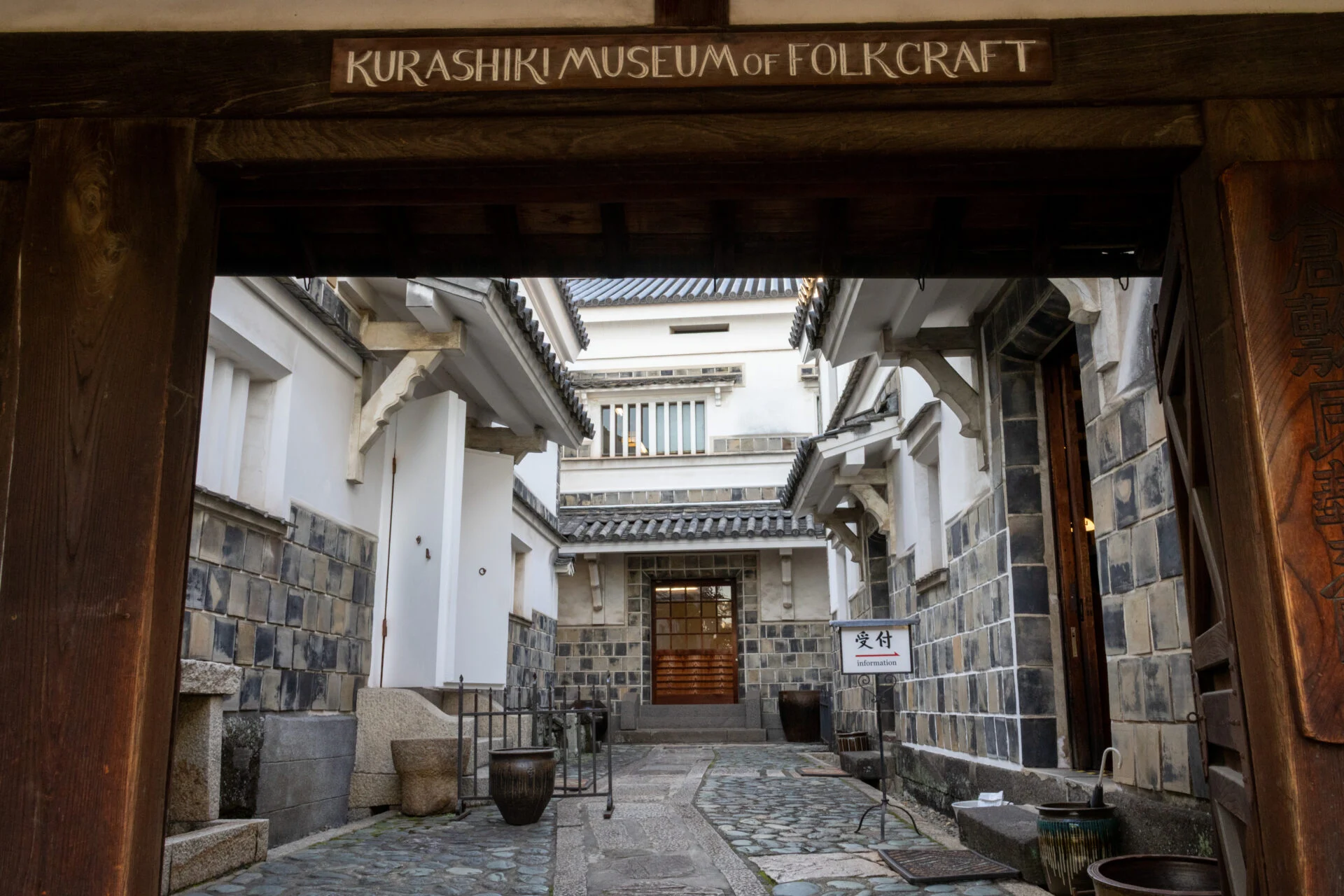
Opened in 1948 shortly after the war, "Kurashiki Museum of Folkcraft" was the first to renovate a traditional house in Kurashiki, transforming an Edo period rice storehouse. It is one of the iconic buildings of the Bikan Historical Area, characterized by its entrance surrounded by white walls.
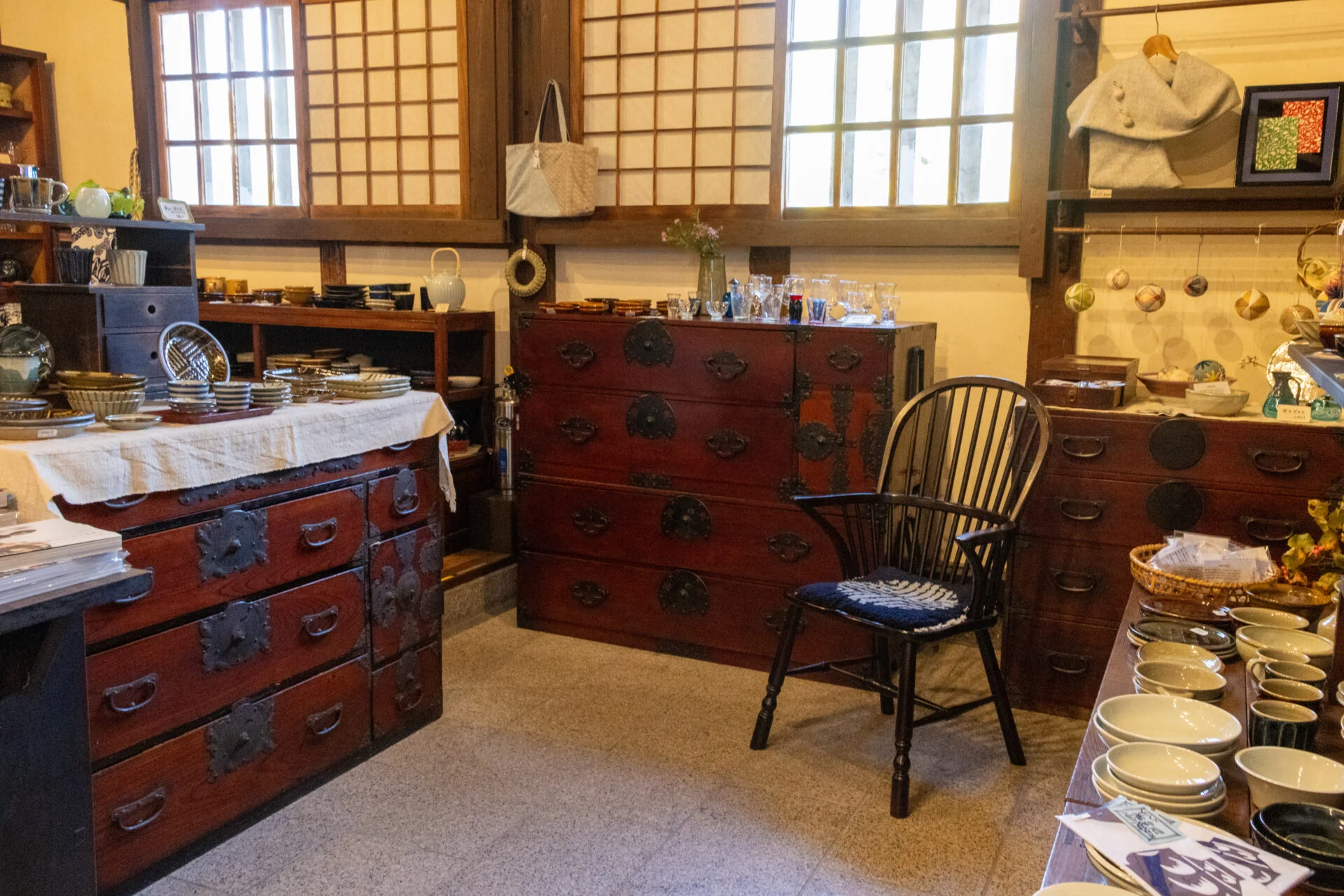
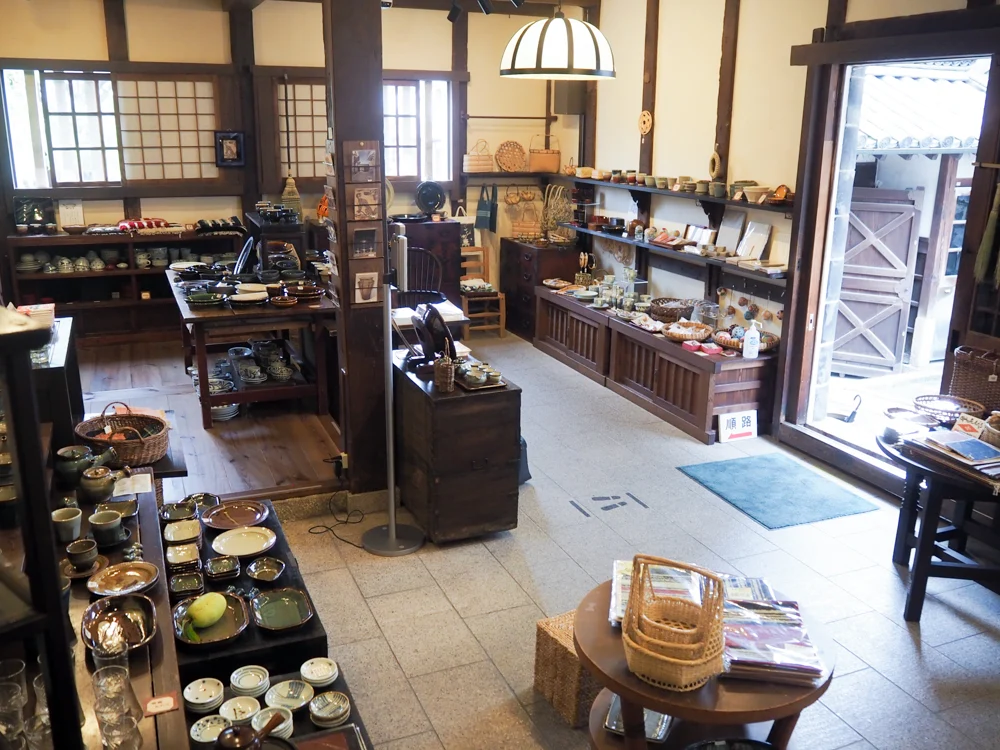
In 2020, the shop corner was renovated by Mr. Narimura.

This is highlighted as a characteristic example of a place that has undergone several renovations and reconstructions in the past, gradually changing with the contributions of various people.

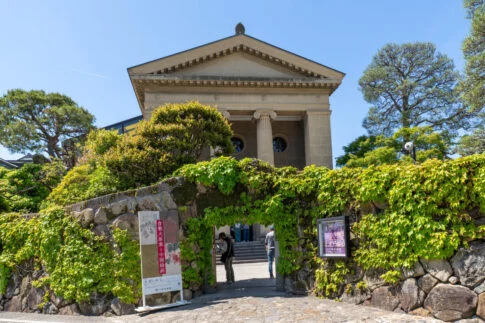
Ohara Museum of Art Kojima Torajiro Memorial Gallery
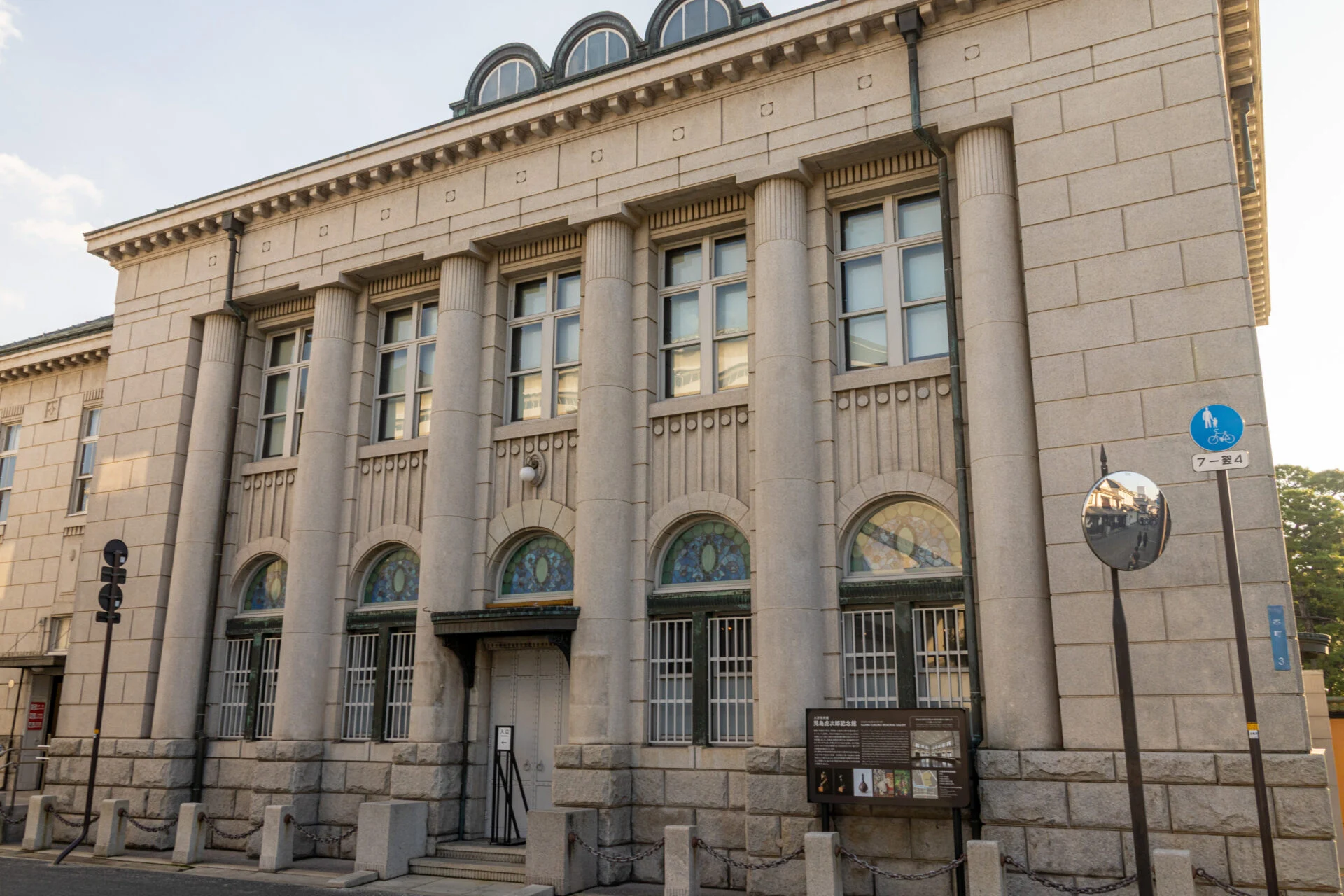
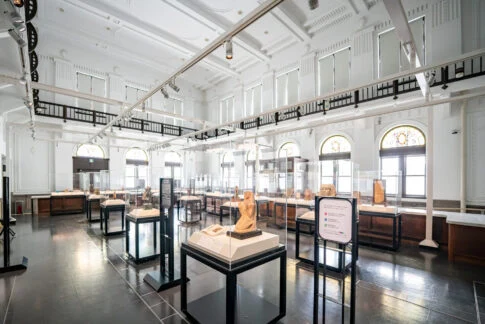
The last place I visited was the "Ohara Museum of Art Kojima Torajiro Memorial Gallery," which opened in April 2025.
This building, designated as a registered tangible cultural property, was designed by architect Yakushiji Kazue, known for designing the main building of the Ohara Museum of Art, and was completed in 1922 as the Kurashiki branch of Daiichi Godo Bank (now Chugoku Bank).
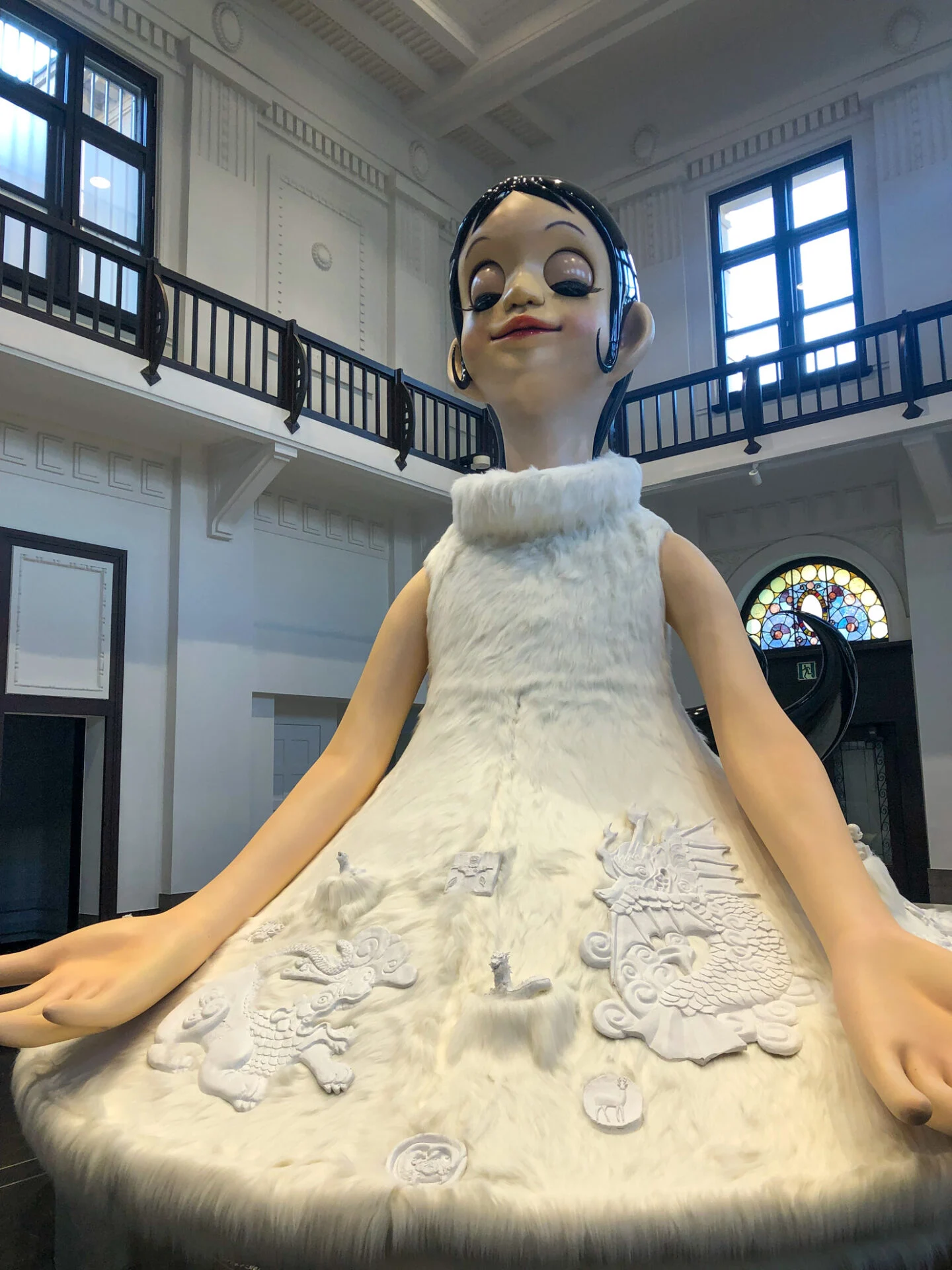
Until 2016, it was used as the Kurashiki Honmachi branch of Chugoku Bank, but with the end of banking operations, the building was transferred to the Ohara Museum of Art. This prompted its repurposing as a museum.

While preserving the traditional design, it is introduced as an example of regeneration that adds new functions.
I spoke with Jiro Komoto, Executive Officer and Director of Urabe Design Co., Ltd., about the highlights and attractions of Kurashiki Architourism 2025.
Data on Kurashiki Architourism 2025

| Name | Kurashiki Architourism 2025 |
|---|---|
| Dates | October 1, 2025 (Wednesday) - January 31, 2026 (Saturday) |
| Location | Around the Bikan Historical Area |
| Participation Fee (including tax) | Free (Memory file 500 yen (including tax)) * The "building card" is distributed for free at each facility, but some facilities require an admission fee when touring inside. Please check the respective facility's website for details. |
| Website | Kurashiki Architourism 2025 |