Interview with Keiko Kusudo
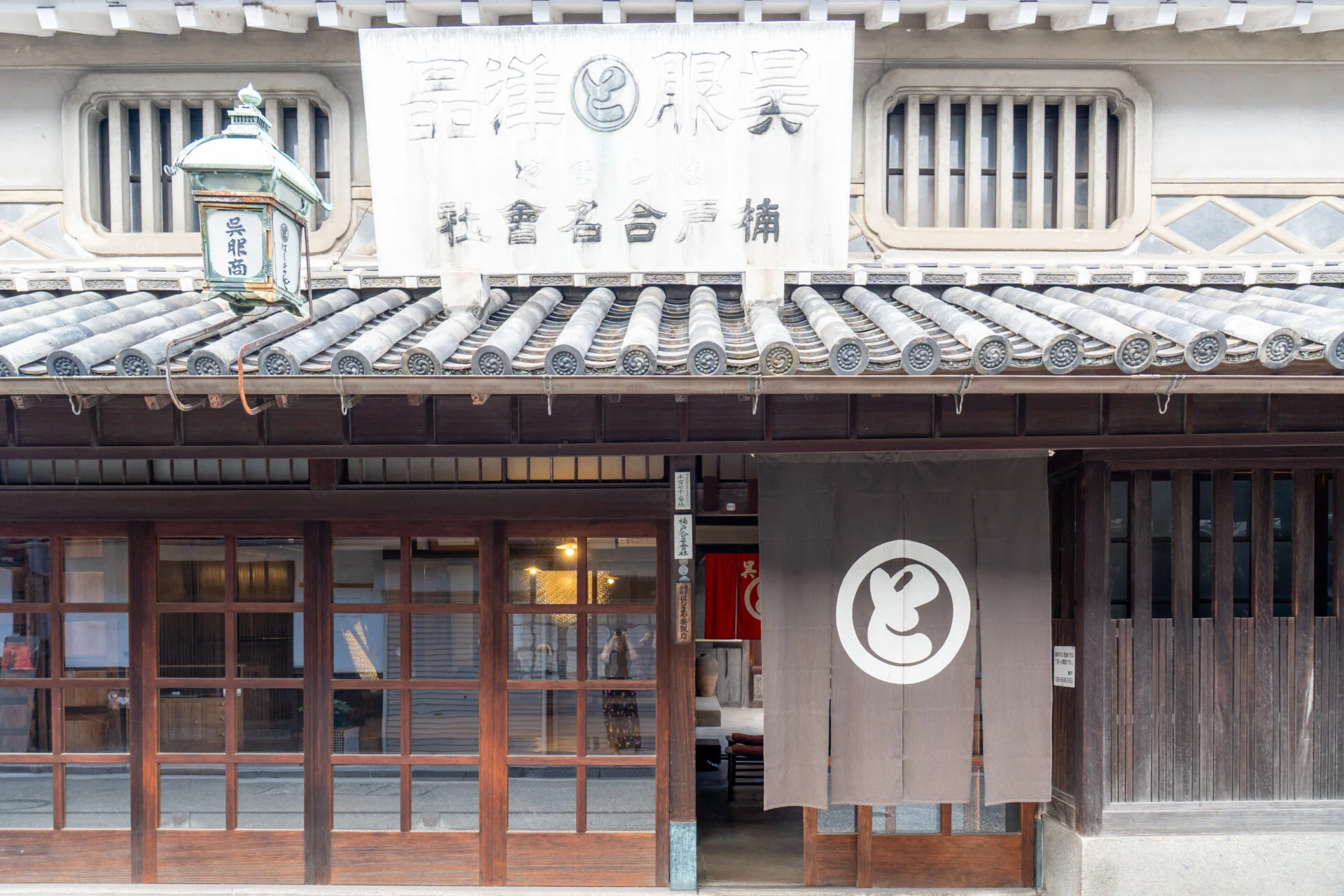
We spoke with Keiko Kusudo about the adaptive reuse of cultural property buildings at Kusudo House.
Continuing to welcome customers at the kimono shop and gallery
What led you to adaptively reuse the cultural property buildings at Kusudo House as a gallery and cafe?
Kusudo (honorific omitted)
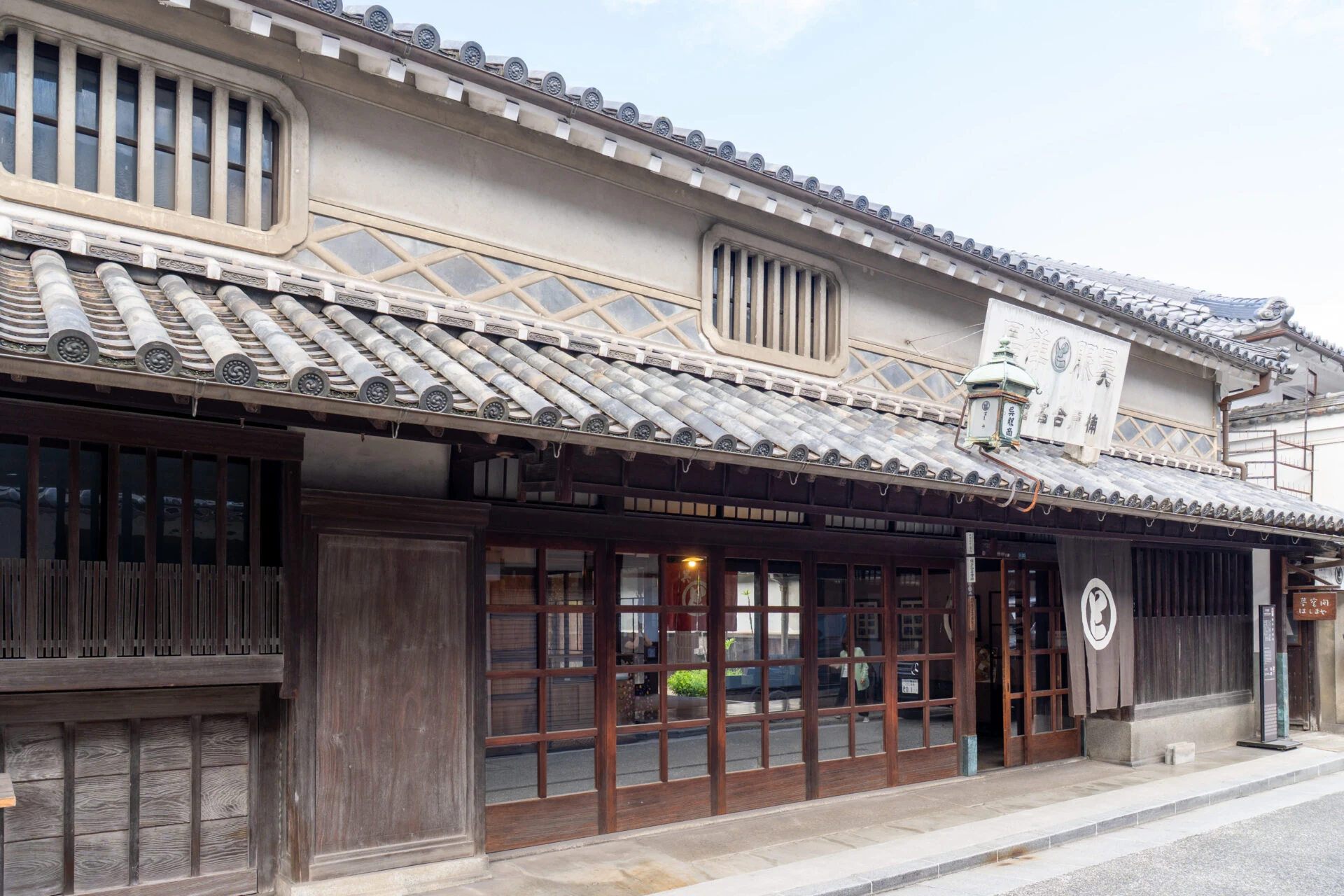
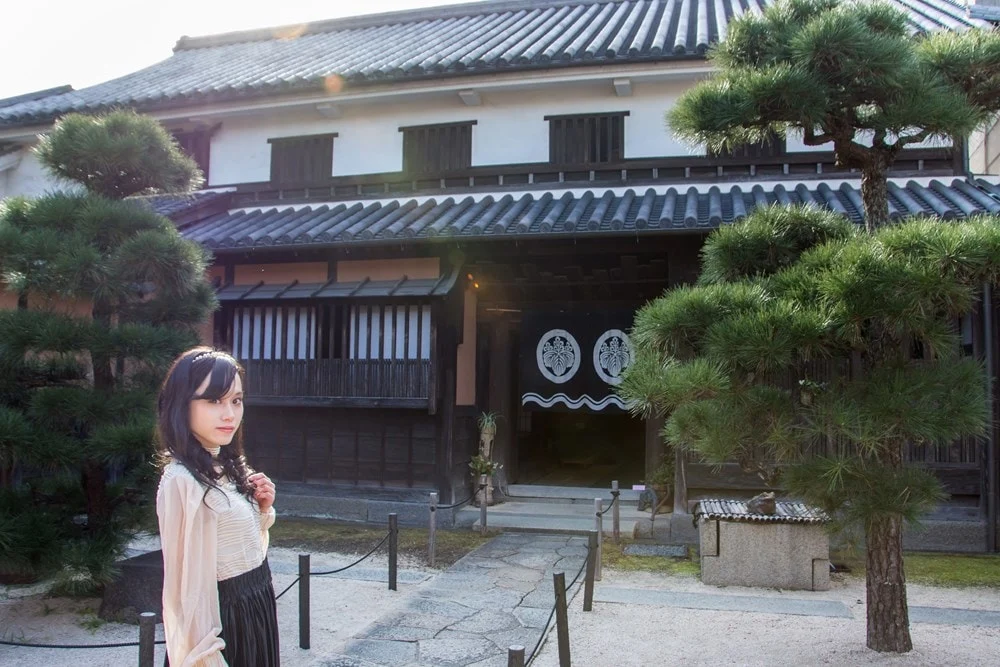
In 1996, five buildings at Kusudo House were registered as Tangible Cultural Properties, creating a need to open the cultural properties to the public.
However, since we still live on the Kusudo House grounds, it was difficult to open the main house to the public right away. So we decided to renovate the rice storehouse and open it to visitors, since entering through the stone-paved alley gives people a sense of the atmosphere of the Kusudo family home.
We had been running a kimono shop for some time, and had experience holding exhibitions in the main house. Serving tea to our customers brought us the joy of seeing them connect with one another.
We also knew artists who wanted to exhibit their work or perform, as well as customers who wanted to enjoy art. It took a long time to develop the idea, but eventually I realized that I was at the center, between those who wanted to share information and those who wanted to receive it.
So, wanting to create a place where people could share enjoyable moments, we renovated the rice storehouse in 1996 and opened “Yume Kukan Hashimaya.”

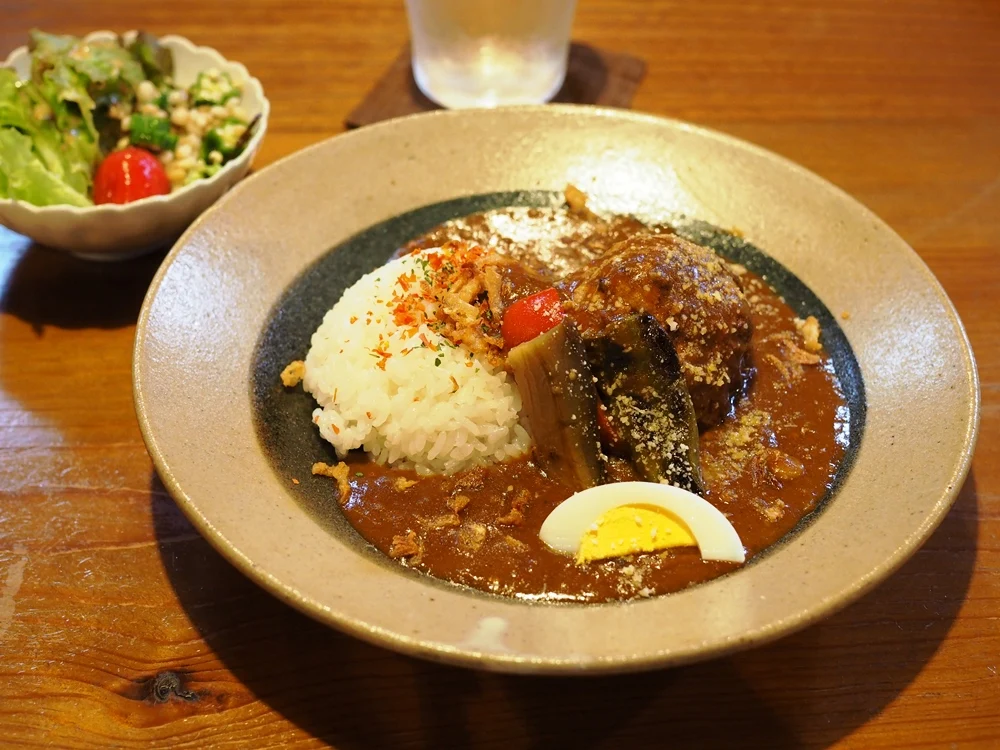
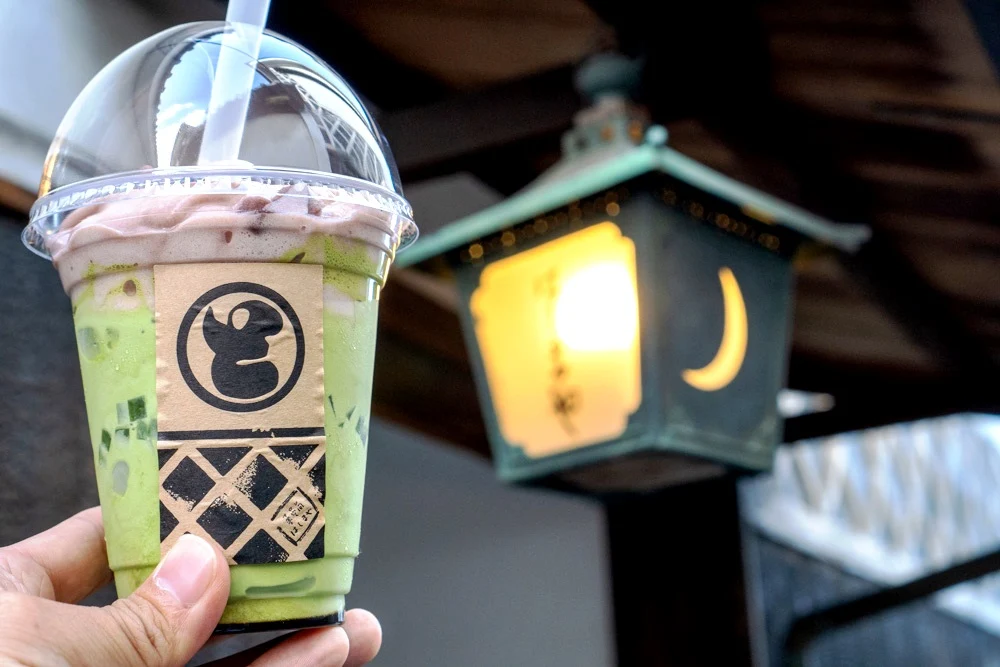
Since 2022, Mayumi, the wife of the sixth-generation owner, has run “atelier & salon Hashimaya,” a salon where guests can enjoy meals and drinks centered around homemade fermented seasonings.
What kinds of exhibitions were held at Yume Kukan Hashimaya?
Kusudo
We held a wide range of events, including concerts in various genres such as classical and jazz, poetry readings, and exhibitions of artworks.
For every concert and exhibition, we found potential participants through word of mouth, and I spoke directly with them to invite them to exhibit.
Hoping to adapt our activities to the times
Communities making use of traditional houses have become more common today, but was this an unusual initiative in 1996?
Kusudo
Yes, it was.
We were interviewed by various media outlets back then.
We spent a long time thinking about what to do here, and at first we even considered opening a restaurant. Later, my son opened “Kurashiki Kiln and Southern Italian Cuisine Hashimaya,” so I’m glad we didn’t turn it into a restaurant after all (laughs).
Many people in Kurashiki love folk crafts, and many are also actively pursuing their own artistic careers. That’s probably why Yume Kukan Hashimaya became so popular.
Finally, do you have a message for our readers?
Kusudo
From a kimono shop to a gallery, cafe, and restaurant, our activities have changed with the times, and I feel that the ages and interests of our customers have changed as well.
I hope you’ll enjoy a delicious and pleasant time inside the storehouses at Kusudo House.

From the Writer
At Kusudo House, generations of the Kusudo family have continued to live through the Meiji, Taisho, Showa, Heisei, and Reiwa eras.
We look forward to seeing the uniquely Kusudo “modern” initiatives that will emerge in the years to come.
Articles about Kurashiki City's Japan Heritage
Kusudo House data
| Name | Kusudo House |
|---|---|
| Address | 1-20 Higashimachi, Kurashiki City, Okayama Prefecture |
| Website | Hashimaya |

What would you like to know about Kurashiki?
Enter a search term to find articles on this site