Interview with President Kawai of NIHONMENPU TEXTILE CO., LTD.
We spoke with President Kawai Masaharu about the charm of Ibara denim and its connection to the community.
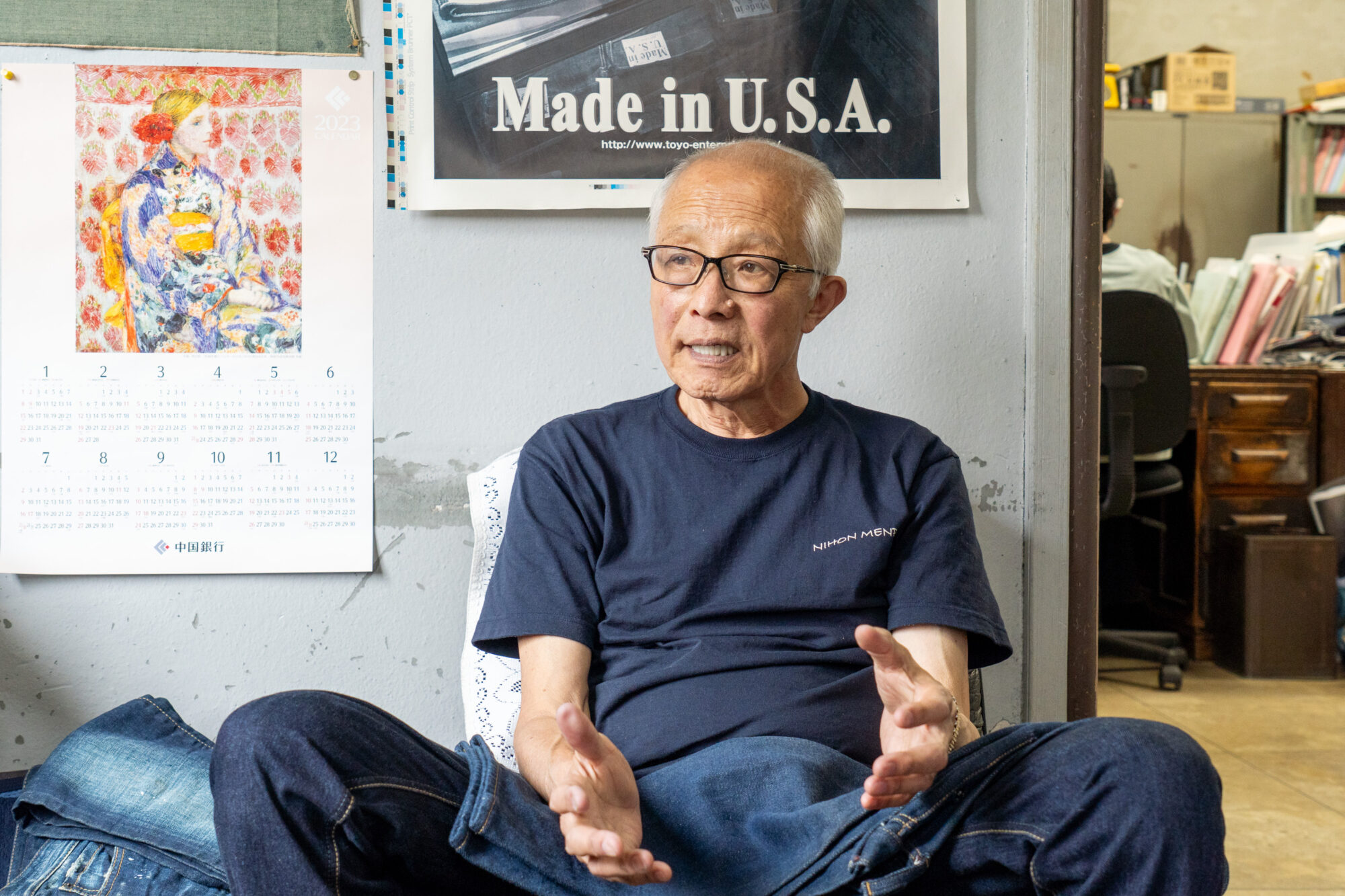
Please tell us about Ibara denim.
Kawai (no honorifics)
Ibara is located on the Sanyo Road, which flourished as a post town during the Sankin-kotai (alternate attendance) system.
In the Sanbi region, 350 weaving houses cooperated to produce Bingo kasuri.
The indigo woven into the patterns of Bingo kasuri is the origin of denim.
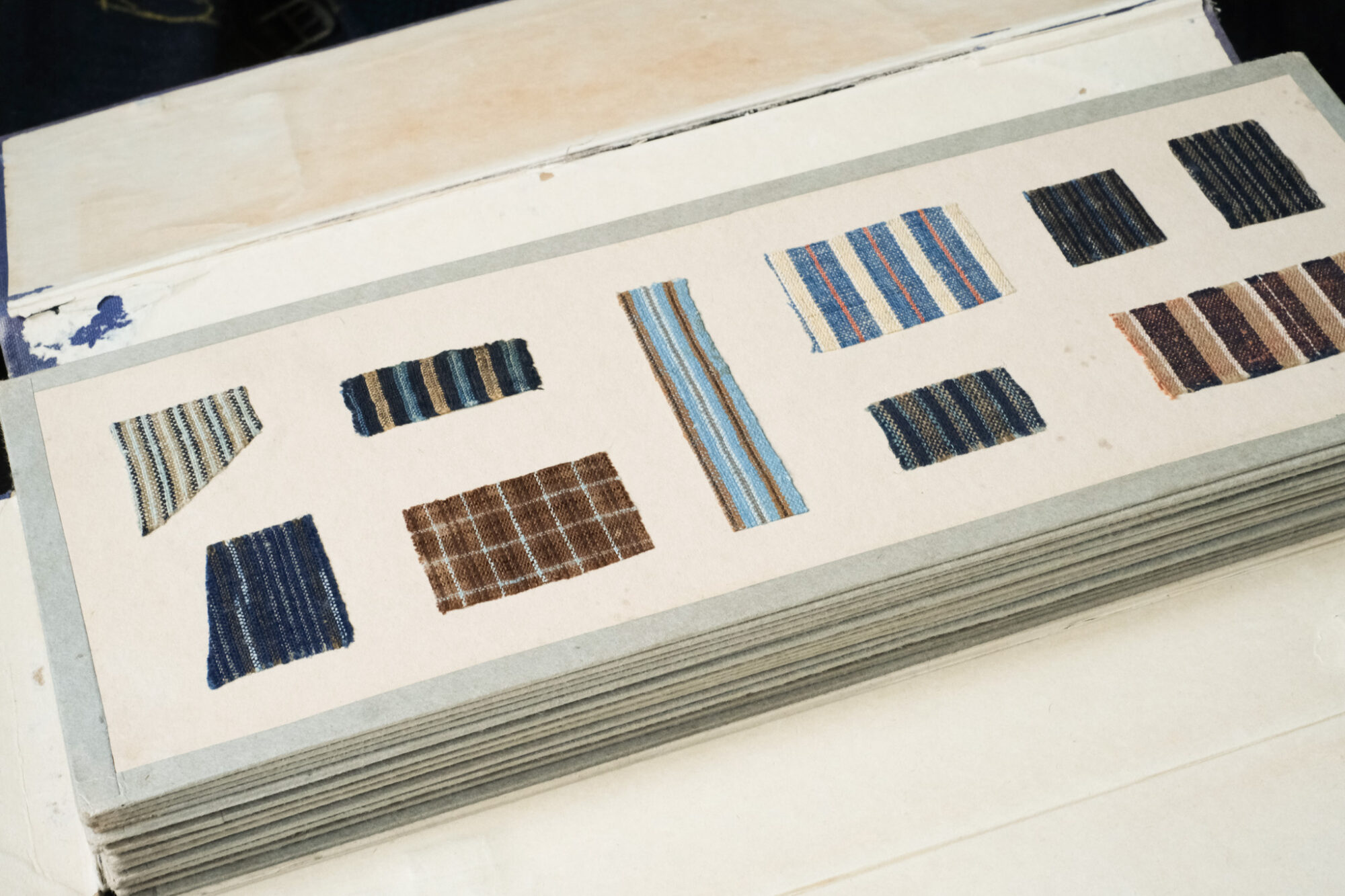
Denim was born from the traditional techniques of weaving sturdy and thick Bichu Ogura fabric and Bingo kasuri.
The Sanbi region established its position as a production area for denim fabric and sewing processing for Western clothing after the war, but since 1990, it has been engulfed by the low-price competition of the entire apparel industry.
The 350 weaving houses in the Sanbi region have now dwindled to 14 as of 2023.
In the Sanbi region, instead of mass-produced low-cost products, a network has been built in the non-mass-produced, high-value-added product market, with Fuchu, Fukuyama, and Ibara producing denim fabric, while Kojima specializes in sewing jeans.
A characteristic of the Sanbi region is that jeans products are produced not by individual companies, but by the community.
This is a concrete example of regional cooperation against cheap imports and is said to be a means for small and medium-sized enterprises to survive.
This is the power of "Made in Japan" from the Sanbi region.
From Ibara to Overseas
The Instagram of NIHONMENPU is in English; is this a message aimed at overseas customers? Also, is President Kawai the one updating Instagram?
Kawai
The updates on Instagram are done by the staff.
Yes, it may also have a meaning for overseas customers.
In the United States, we have customers in New York, Los Angeles, and San Francisco.
In Europe, there are many overseas customers in Paris, London, Milan, and so on.
Ibara denim is sought after and used all over the world.
Since the birth of Ibara denim, we have expanded our sales channels overseas, leading to long-term relationships.
It is only natural to create good products that are sought after from abroad.
The reason high-quality denim transactions continue overseas is that trust is maintained.
The Charm of Shuttle Looms
What is the most attractive process in denim making?
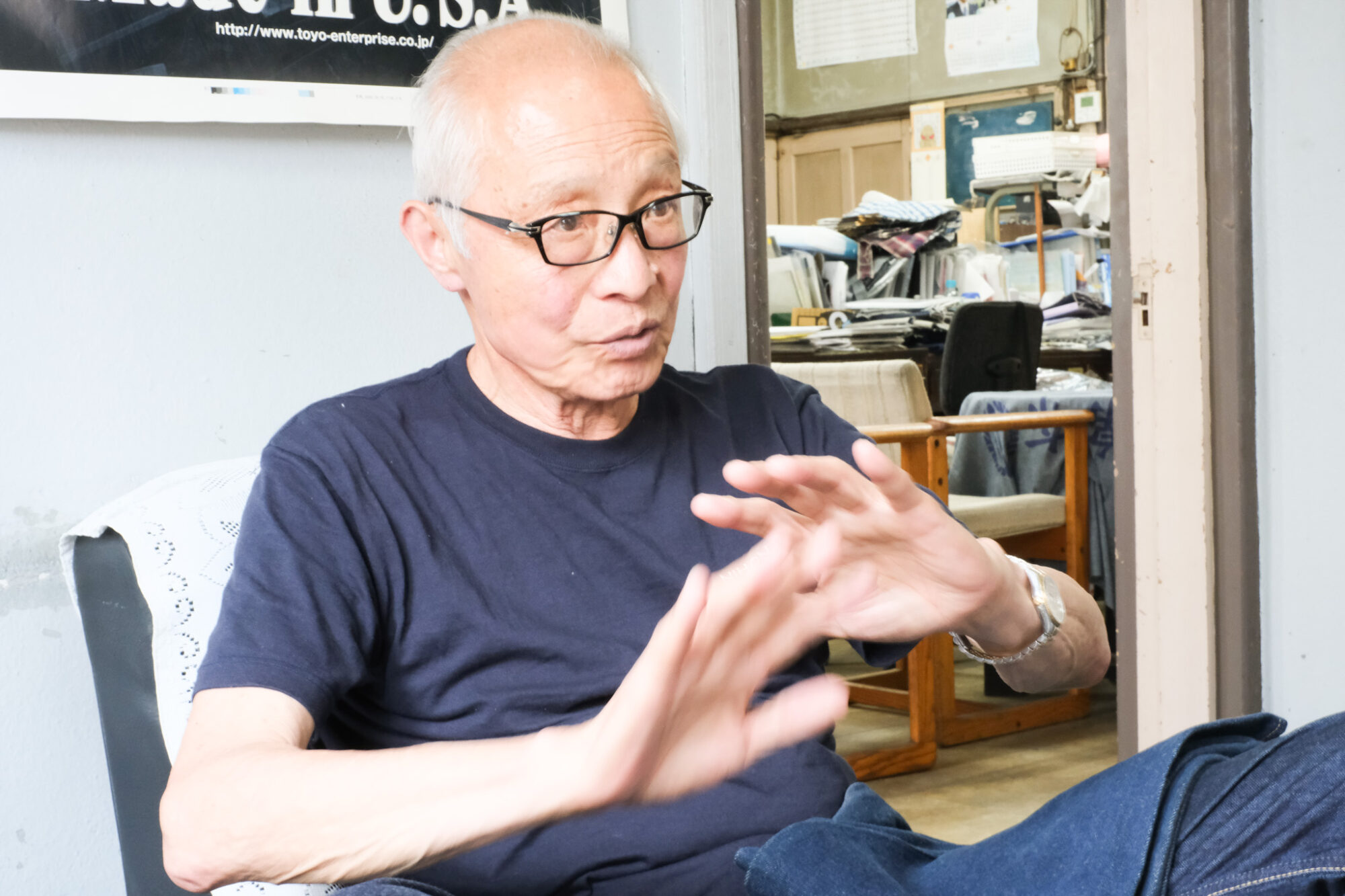
Kawai
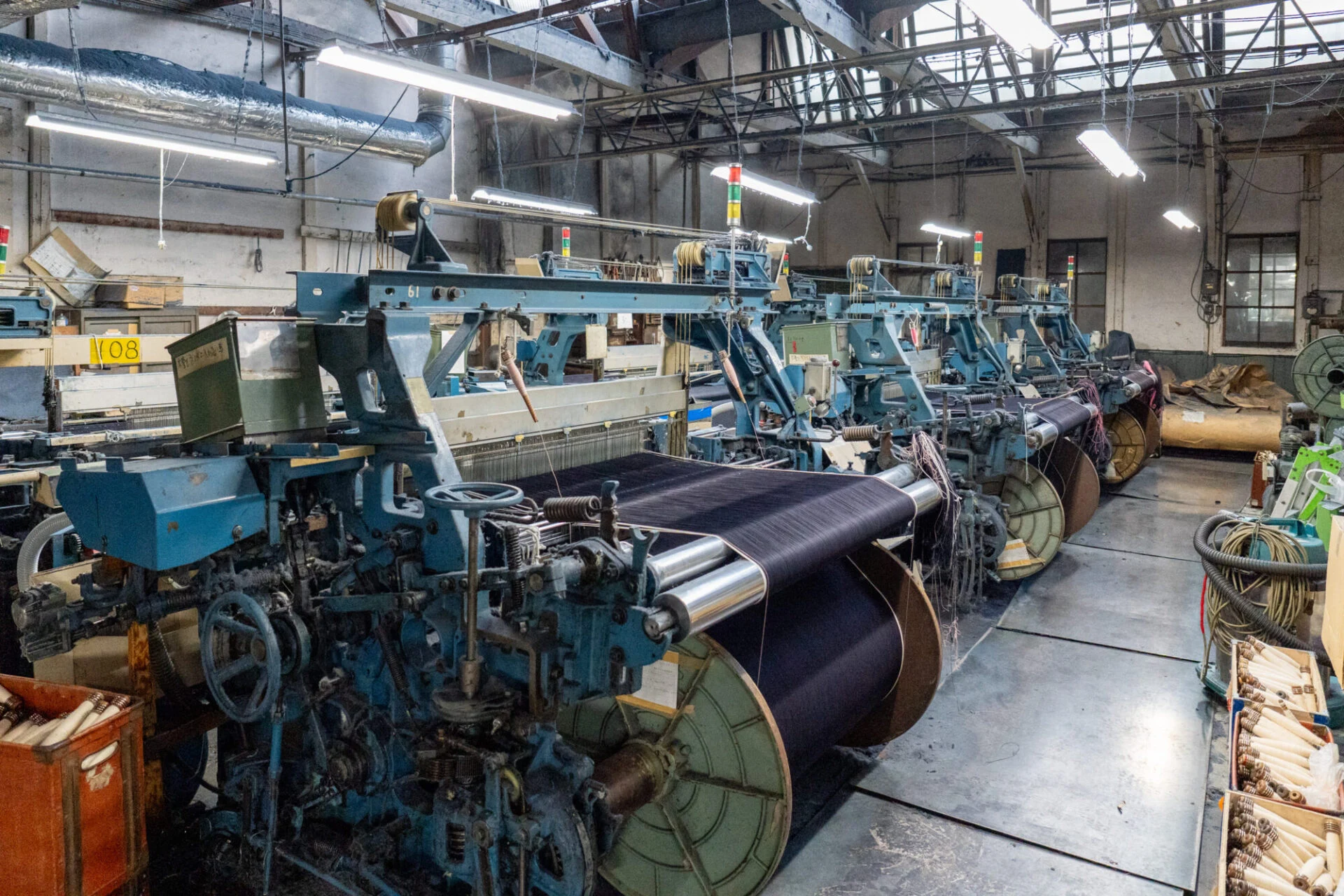
It is the process of weaving denim with shuttle looms.
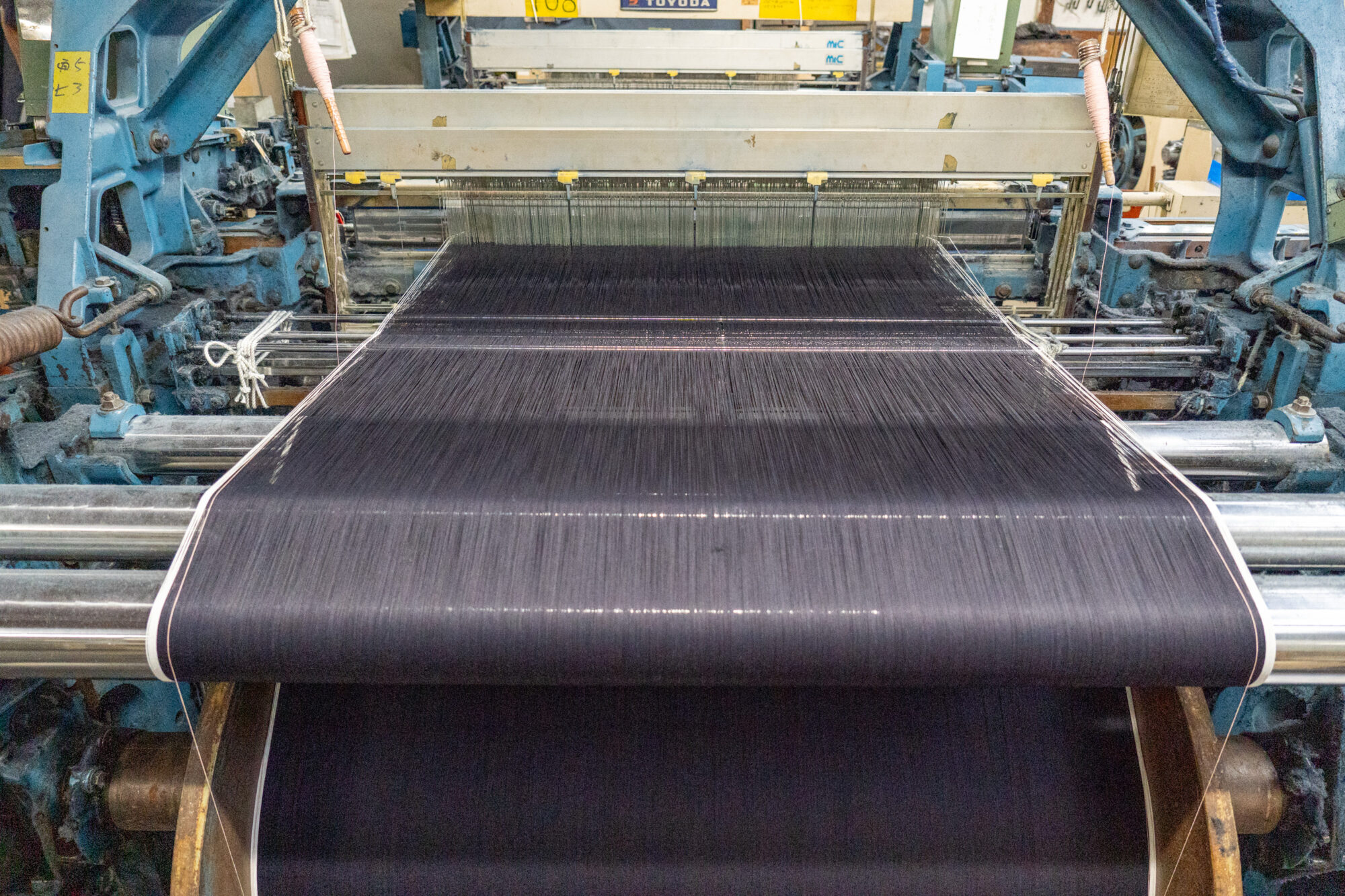
As of 2023, NIHONMENPU has about 150 shuttle looms actively in use.
The sound of the shuttle loom weaving denim has a regular rhythm and is very pleasant.
Weaving Denim with Discontinued Looms
I hear that shuttle looms are no longer being manufactured.
Kawai
The type of shuttle loom we use at NIHONMENPU is no longer in production.
If a nearby weaving house is closing down, we have purchased their shuttle looms.
If the shuttle loom breaks, won't it be impossible to make selvedge denim?
Kawai
It will be fine even if the shuttle loom breaks.
The places where shuttle looms typically break are mostly fixed, and the techniques to repair those broken parts have already been established.
We will continue to make denim while carefully maintaining the existing shuttle looms.
While it is common to consider efficiency and replace them with the latest looms to increase productivity, the shuttle loom has the most human-like movements, even if it is slower.
With shuttle looms and the skills of skilled artisans, denim that looks hand-woven can be produced.
The texture that can only be achieved with shuttle looms and skilled artisans enhances the uniqueness of NIHONMENPU's denim and further increases the value of Ibara denim.
I hear that you are also particular about organic cotton.
Kawai
The organic cotton used at NIHONMENPU is grown in Turkey.
When the cotton is harvested and the cotton bolls burst, the sea breeze from the Mediterranean acts as a pesticide, drying out the stems and calyxes.
Cotton cultivation requires a large amount of water until it grows, and a dry climate during the harvest period.
Usually, when the cotton bursts and reaches the state called cotton bolls, pesticides are used to dry out parts other than the cotton to make it easier to pick.
On the other hand, organic cotton is cultivated using methods that consider safety, utilizing the local climate.
Cotton labeled as organic must clear the world standards set by government-designated certification bodies.
Using high-quality organic cotton is NIHONMENPU's commitment.
You have opened a factory shop. How has the customer response been?
Kawai
It has been very well received.
Most overseas manufacturers have factory shops attached to their factories.
NIHONMENPU has built a factory shop in the same way.
I heard that NIHONMENPU is not currently doing sewing, but where are the products in the factory shop made?
Kawai
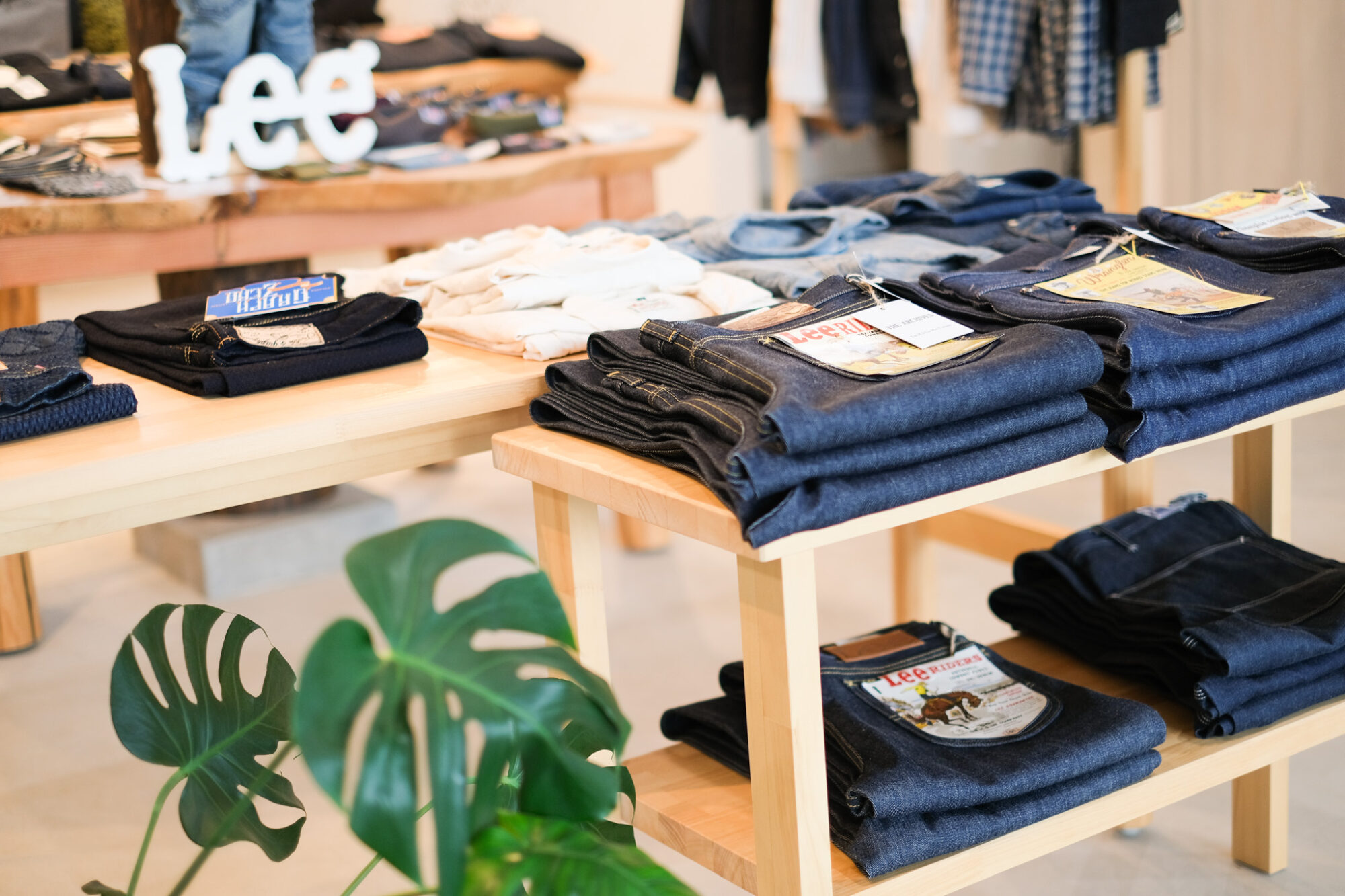
The products in the factory shop are from domestic jeans manufacturers like EDWIN and overseas customers.
The condition for products to be handled in the shop is that they use NIHONMENPU's denim.
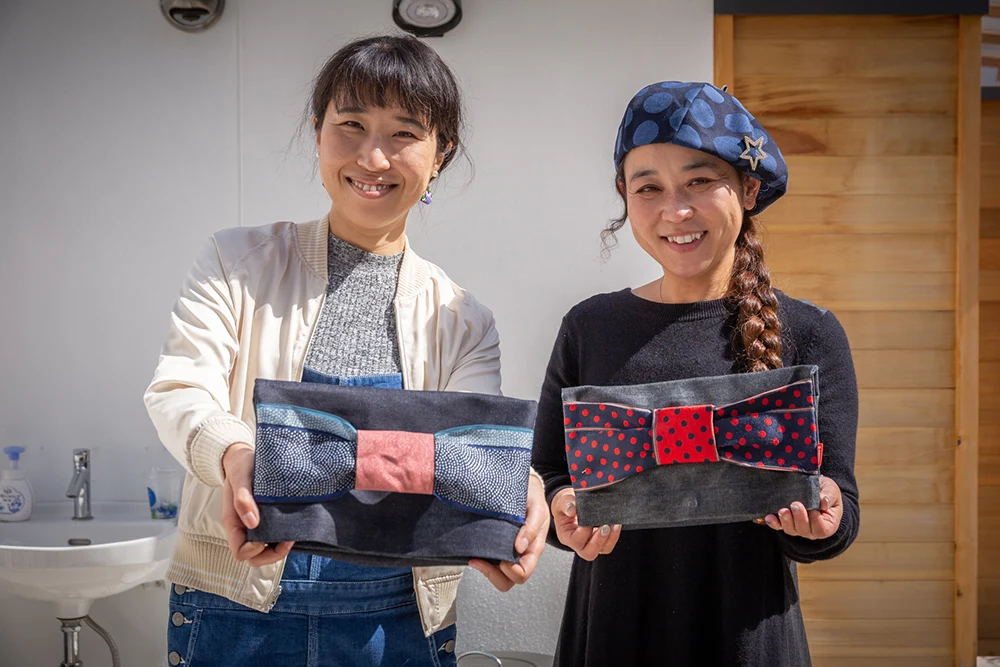
Members of the Ibara Clothing Cooperative, of which I am the chairman, and the Bichu Textile Structural Improvement Industrial Association also produce items for us.
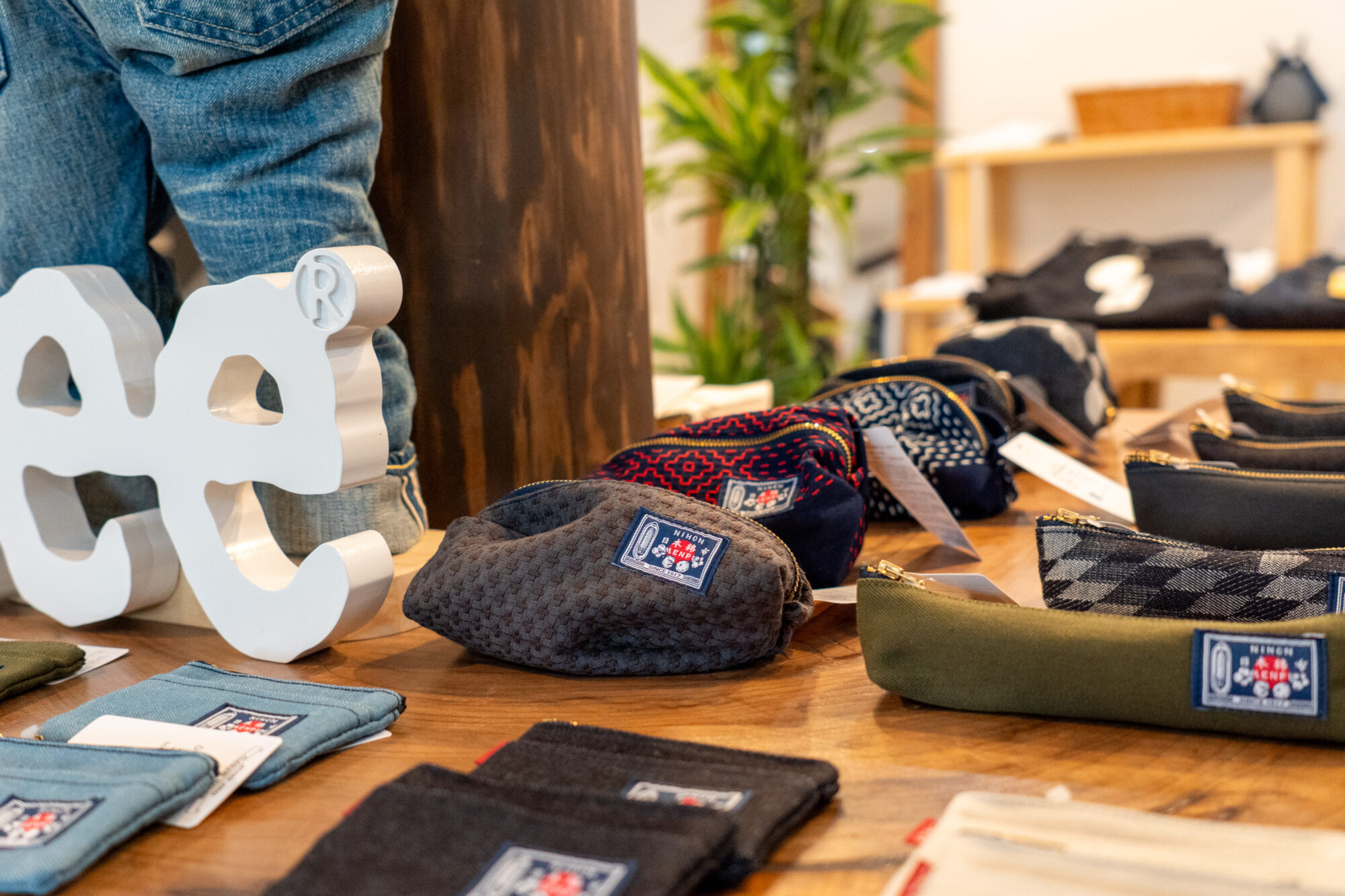
Ten years ago, the first job I did to promote Ibara denim was to create the Ibara Denim Store at Ibara Station with the mayor of Ibara.
The Ibara Denim Store is operated by the Ibara Clothing Cooperative.
With the power of the Ibara City, NIHONMENPU, and the Ibara Clothing Cooperative, the Ibara Denim Store has achieved significant results.
It serves as a base for promoting Ibara denim, which is recognized for its highest quality by famous overseas brands.
And ten years later, the factory shop of NIHONMENPU has opened, giving birth to another store that conveys the charm of Ibara denim.
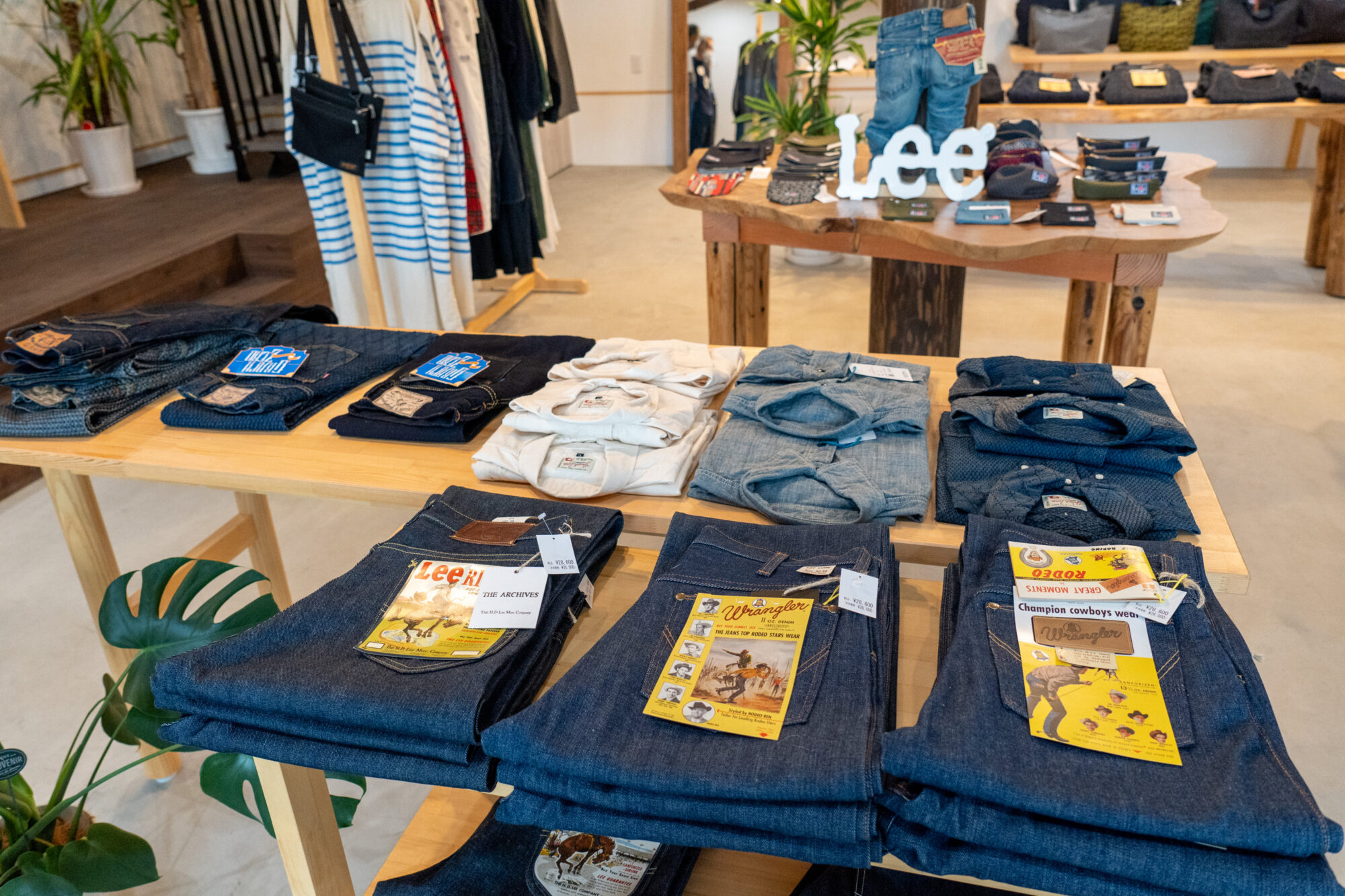
Connection with the Community
Kojima in Kurashiki City is involved in sewing jeans, while Ibara is connected through denim fabric. What is the relationship with Kurashiki?
Kawai
There is a very strong connection.
We have transactions with jeans manufacturers in Kurashiki.
Such as BOBSON and BIG JOHN.
Kojima started with school uniforms and then transitioned to jeans.
Kojima also had weaving houses for denim and canvas, and their roots are the same Bingo kasuri for both Kojima and Ibara.
Each has its role within the Sanbi region and has nurtured the jeans industry.
Kojima and Ibara have grown old together; they have a friendly relationship.
Thanks to the efforts of Kojima's jeans manufacturers, Ibara has also prospered.
We are very grateful for that.
What are the future prospects for NIHONMENPU?
Kawai
We started small in Ibara and have grown larger.
Currently, there are 65 employees working at NIHONMENPU.
The skills are being naturally passed on to younger employees.
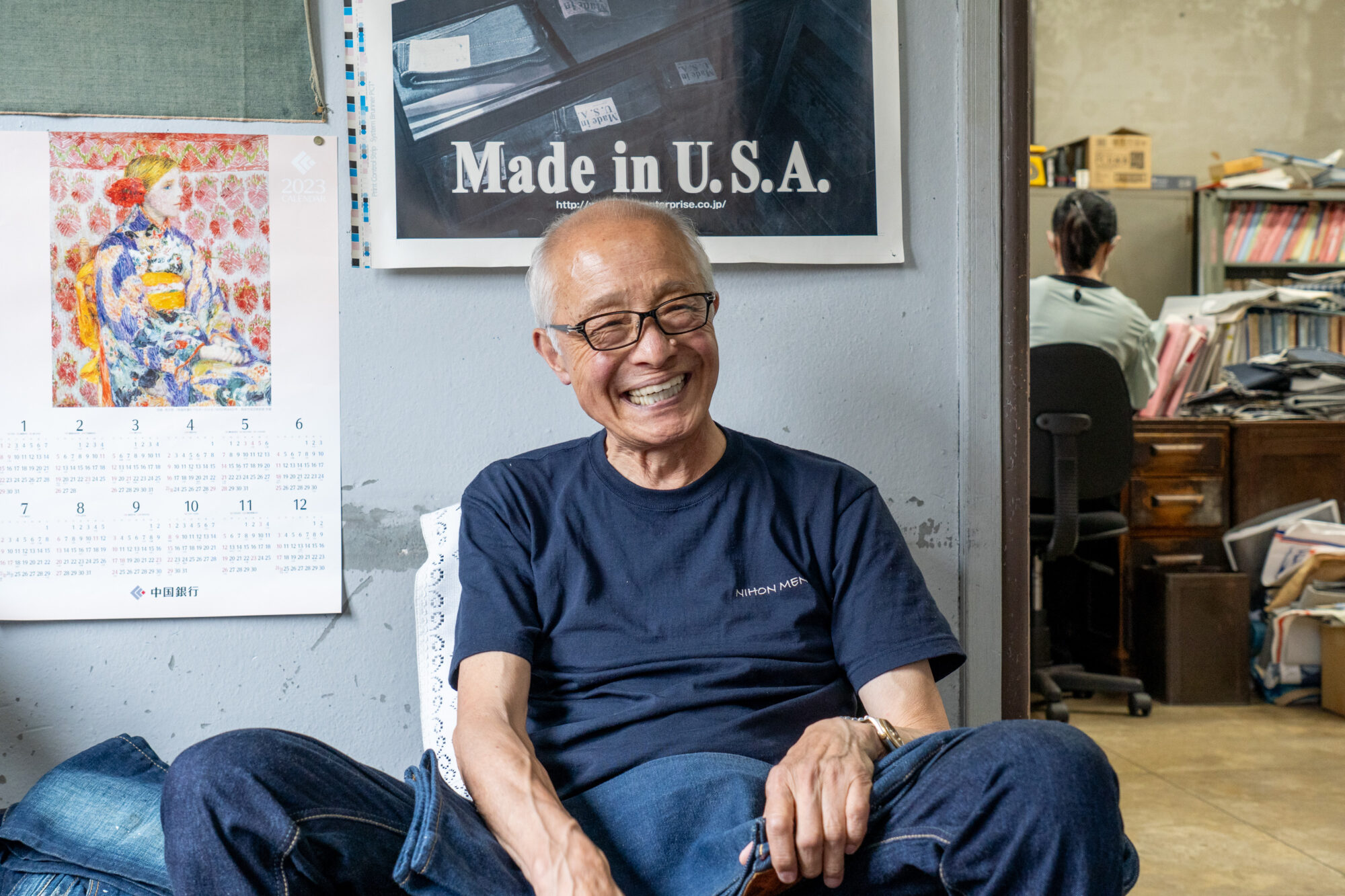
While preserving the traditional techniques that have lasted for over 100 years, we want to create interesting, new, unique, and innovative fabrics.
There are still many things we want to do.
Conclusion
NIHONMENPU is located near the tranquil Oda River, where waterfowl play, in the Takahashi River basin.
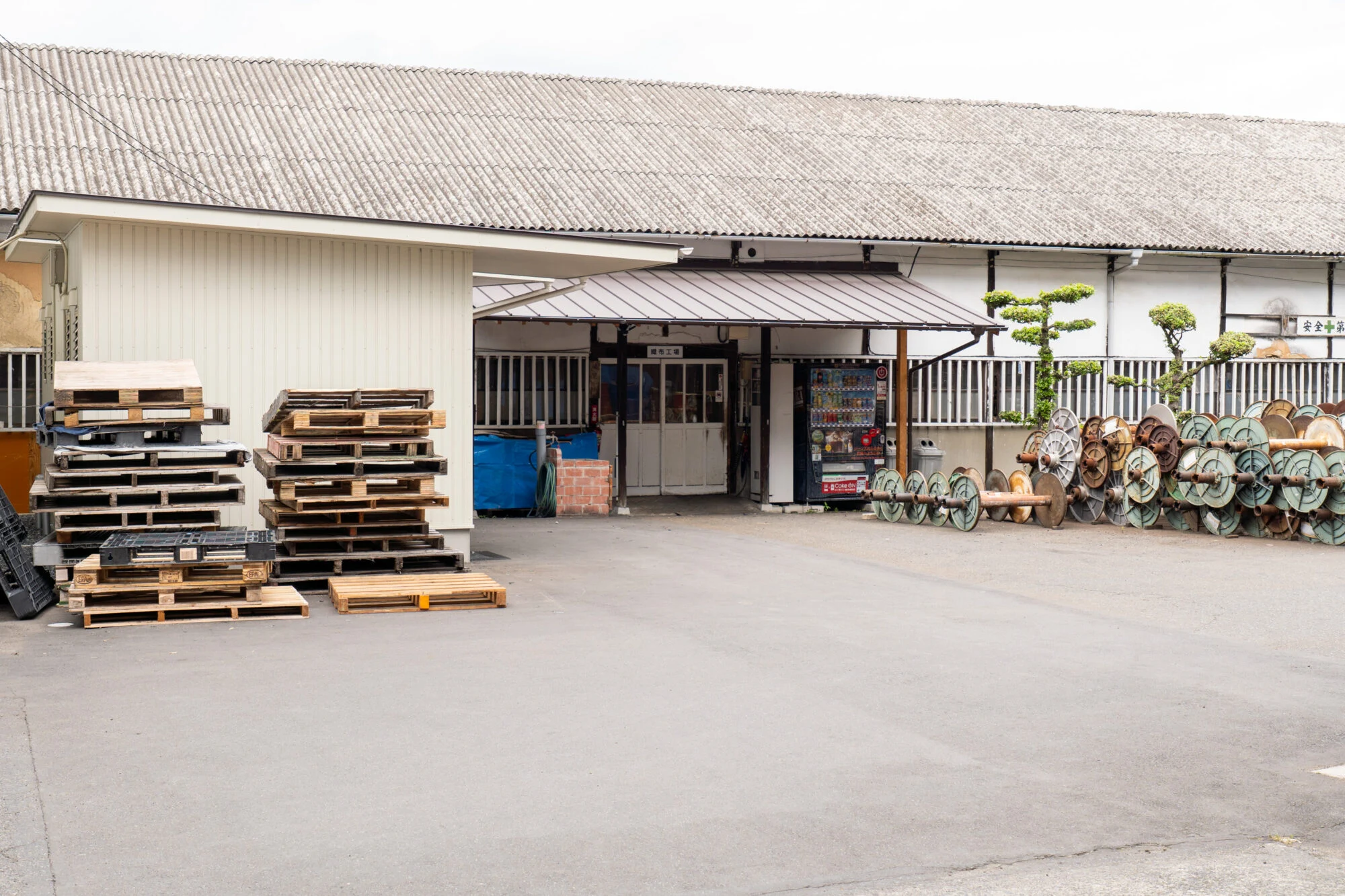
The company building has a charming appearance recognized as a modern industrial heritage.
The reception room has an American atmosphere decorated with jeans typical of a denim weaving house.
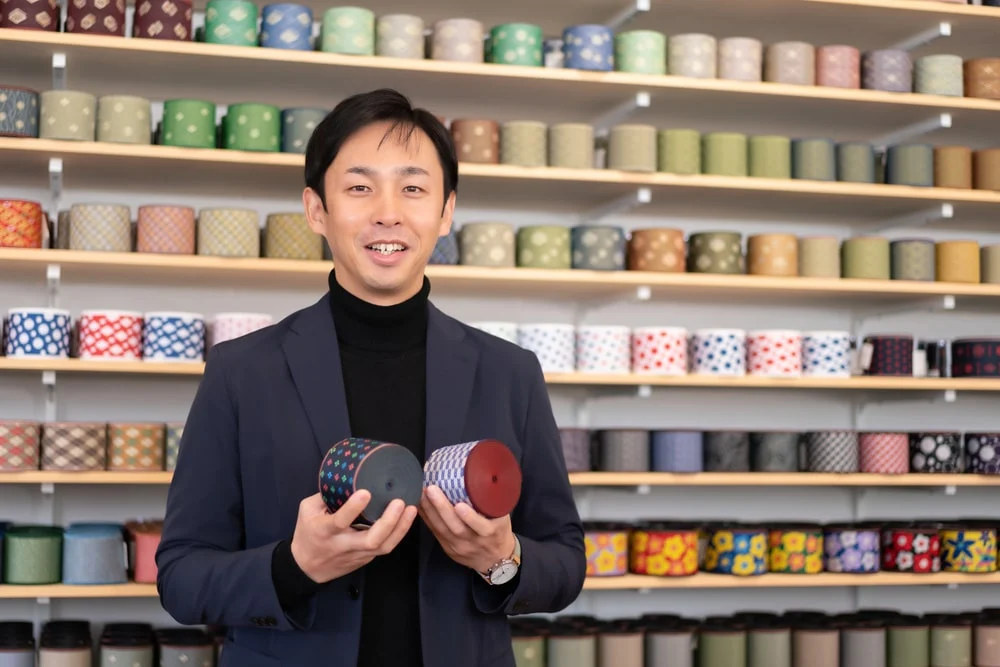
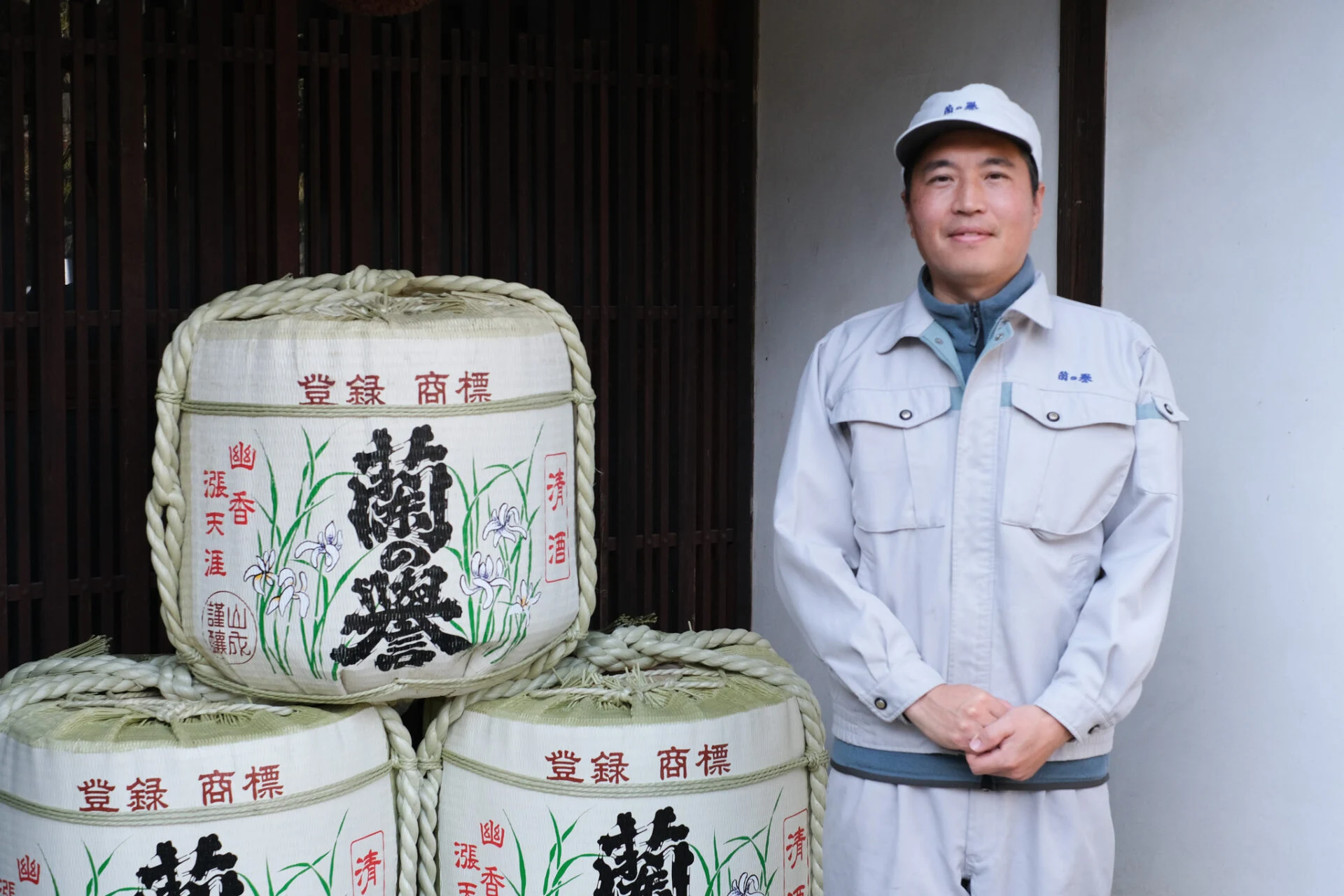
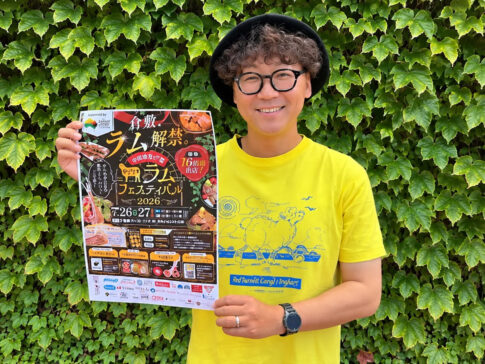
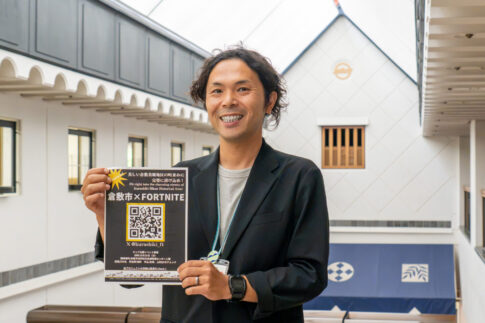
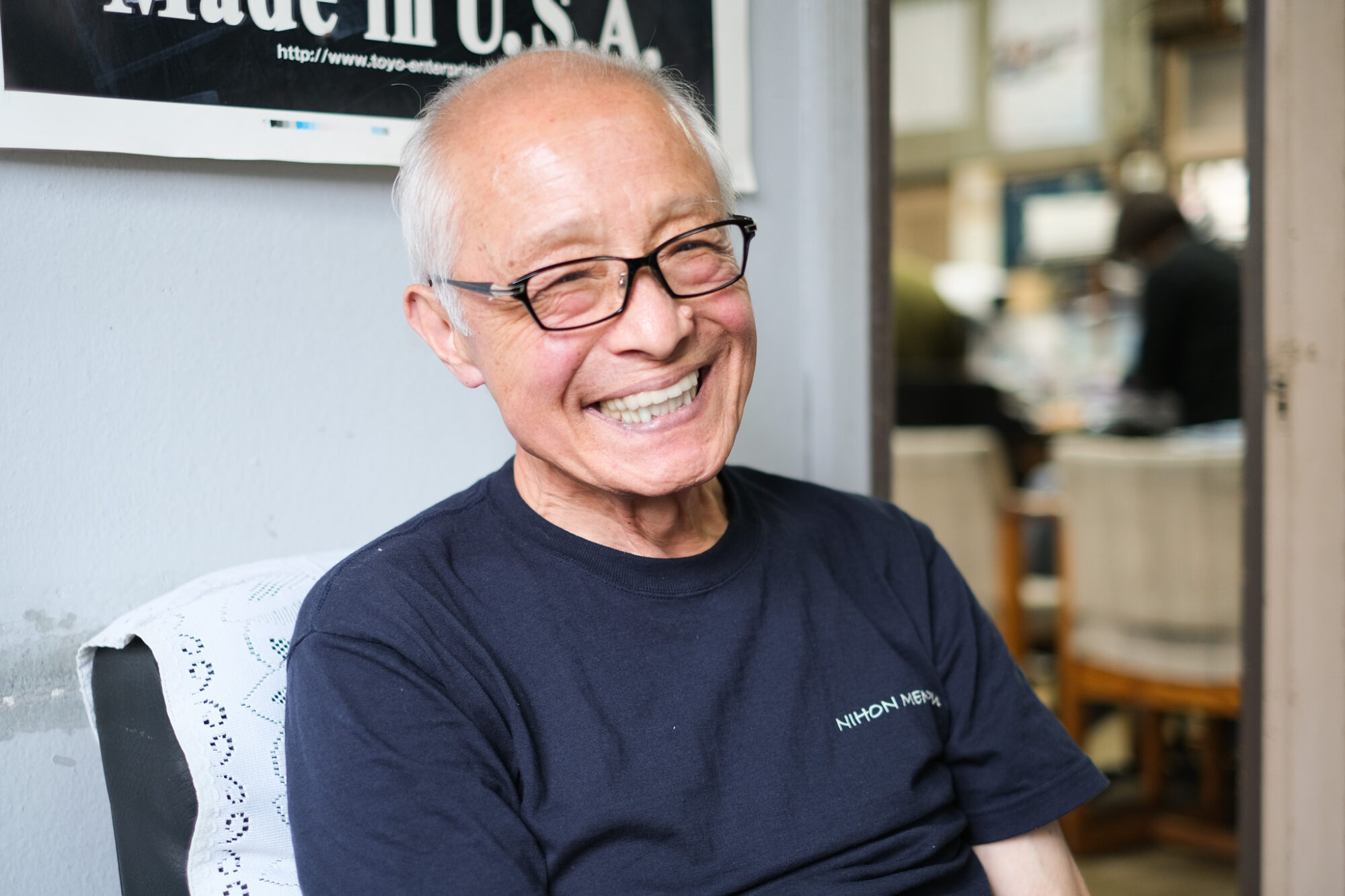
President Kawai and the director of the accounting department, Mr. Yamamoto, were stylishly wearing NIHONMENPU's jeans and original T-shirts.
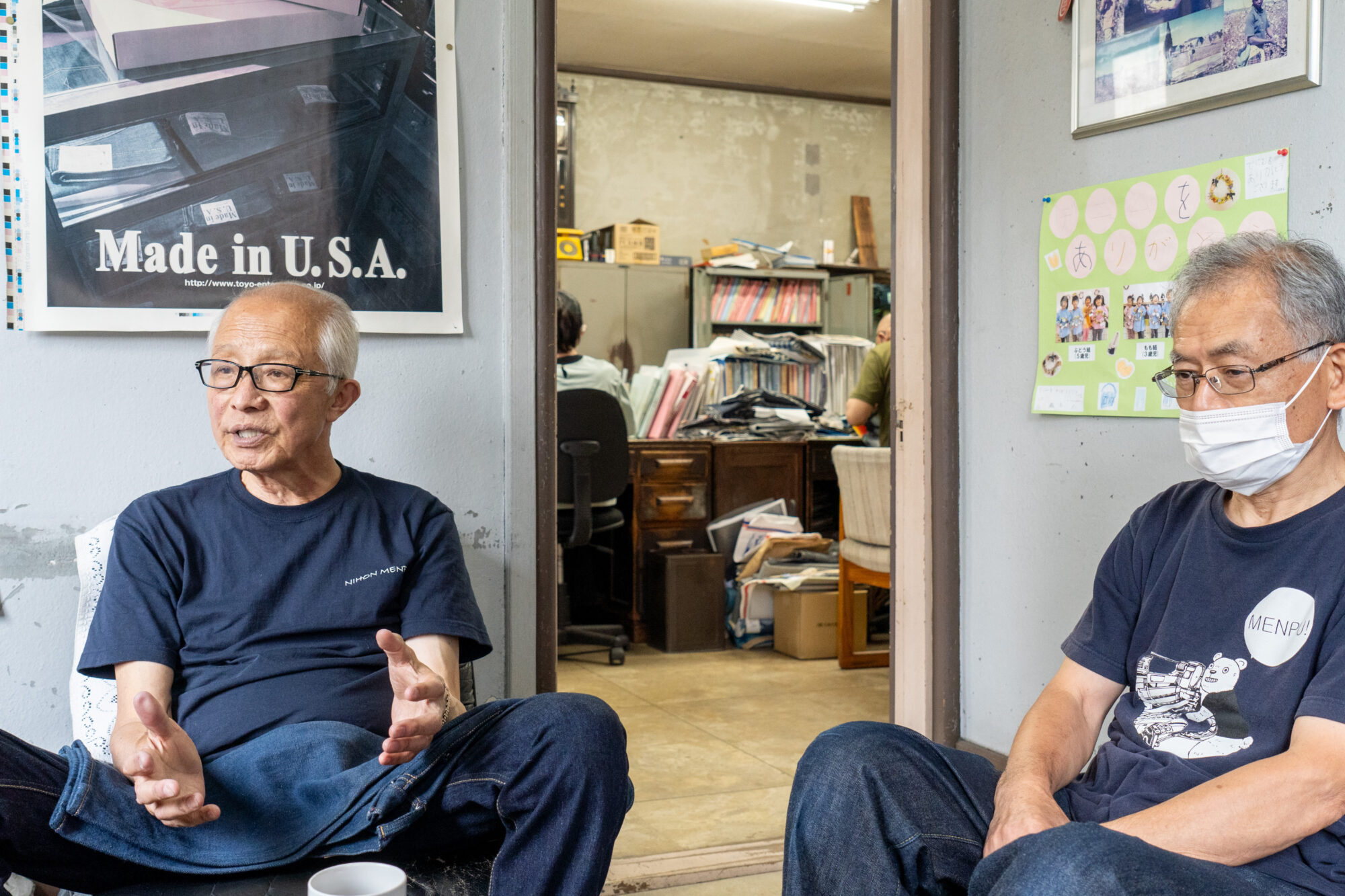
In the reception room, there was a cute letter written by a kindergarten child thanking for the factory tour.
I have also received inquiries from neighbors about the use of the land.
Locally, they are affectionately called "Menpu-san."
“It’s a nice place here,” said President Kawai.
NIHONMENPU TEXTILE CO., LTD. is located in the denim holy land.
From Fuchu in Hiroshima, Fukuyama, Kojima in Kurashiki, and Ibara, to the world.
I wanted people to know more about the denim born in the Sanbi region.
The dyed threads have a sharp indigo color that is strikingly beautiful.
The shuttle loom weaves denim with a lively rhythm.
I cannot forget the gentle texture of the carefully woven denim.
I thought I would like to stylishly wear jeans made from NIHONMENPU's denim with the hem slightly rolled up.
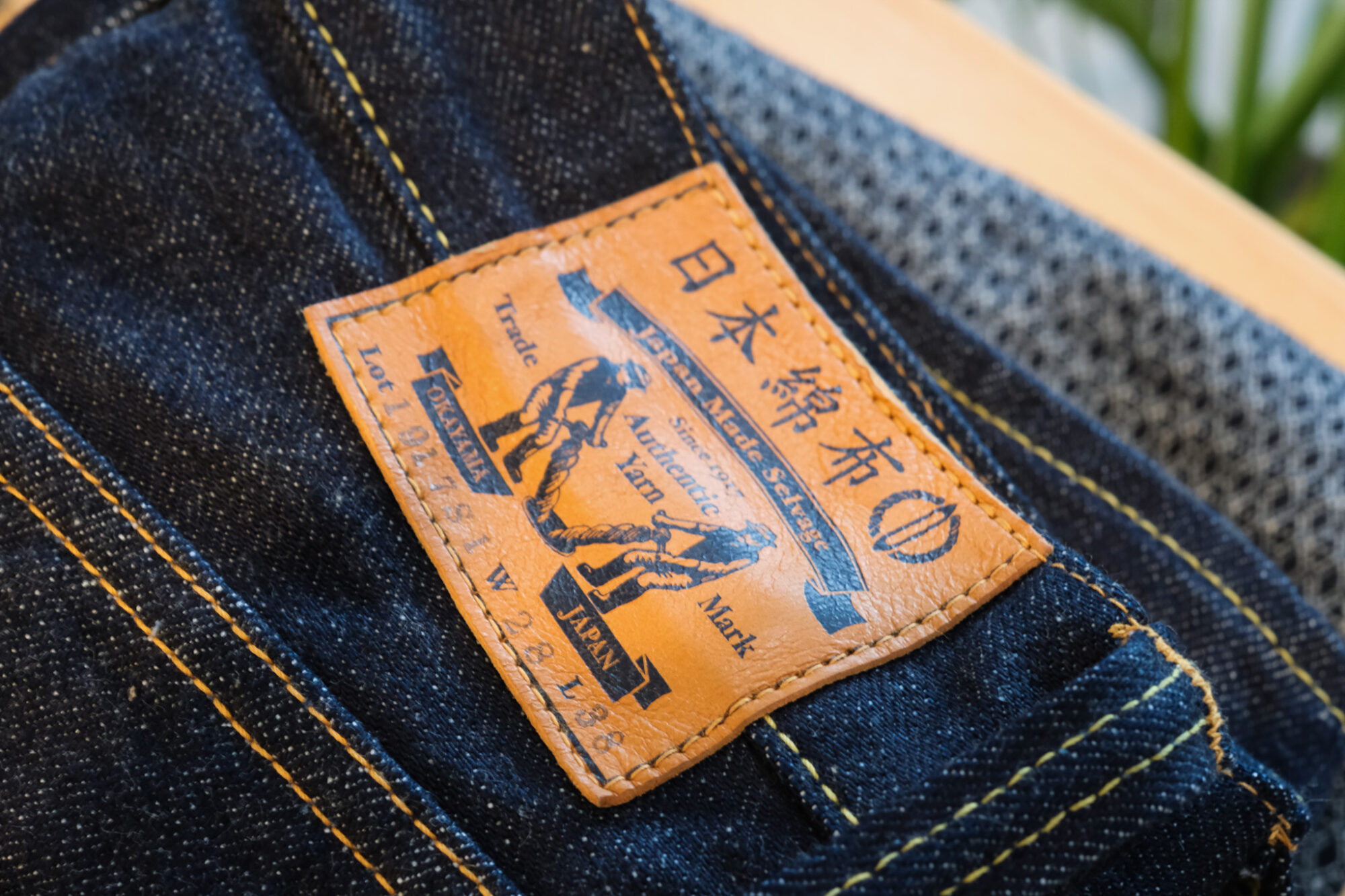
Data of NIHONMENPU TEXTILE CO., LTD.
| Organization Name | NIHONMENPU TEXTILE CO., LTD. |
|---|---|
| Industry | Denim and yarn-dyed fabric manufacturing and sales |
| Representative Name | Kawai Masaharu |
| Year Established | 1917 January 2 |
| Address | 1076 Higashiekihara-cho, Ibara City, Okayama Prefecture |
| Contact | 0866-63-0111 |
| Website | NIHONMENPU |