Interview with a curator at Nozaki's Historical Residence

We spoke with Tsuji Noriyuki, a curator at Nozaki's Historical Residence, about how the Former Nozakihama Lighthouse was used at the time and how he hopes it will continue to be valued in the town of Kojima.
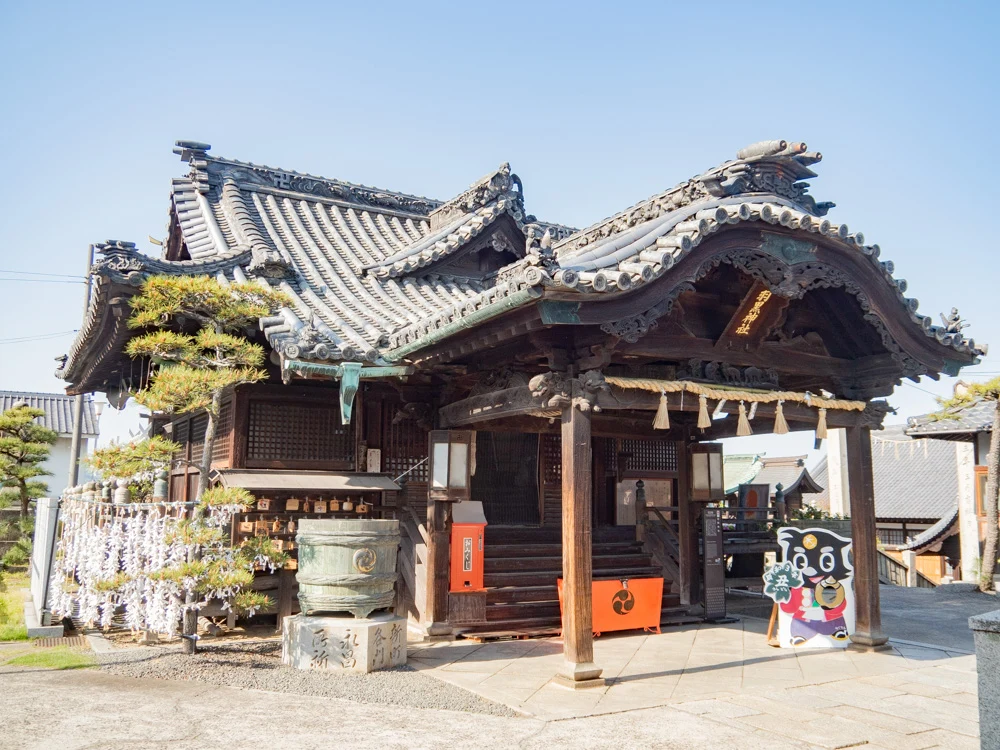
Built as a sacred lantern for Shiogama Shrine
Could you tell us how the Former Nozakihama Lighthouse came to be built?
Tsuji (name omitted)
The Nozaki family business was salt production.
At places associated with salt, they built Shiogama Shrines to enshrine the deity of salt.
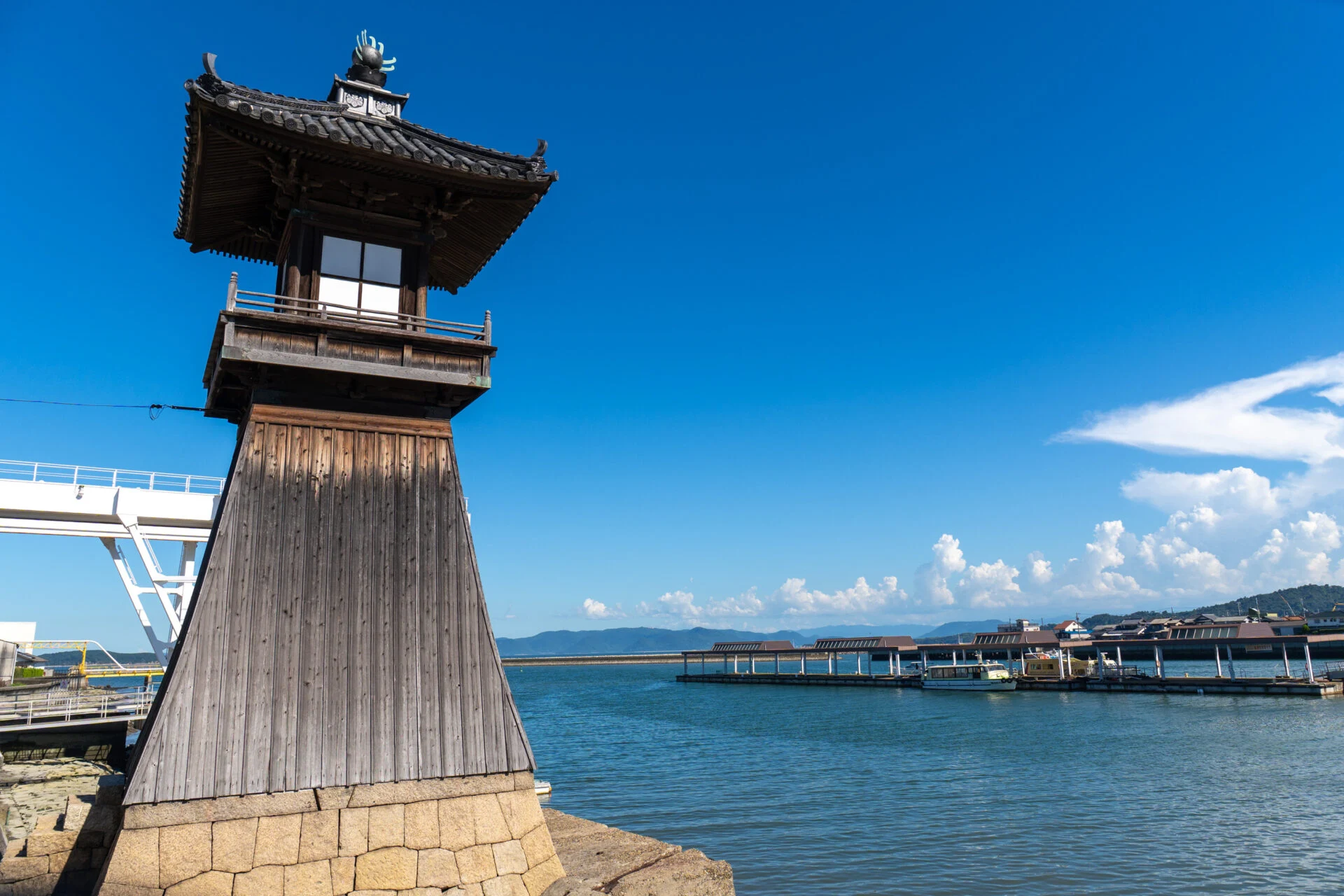
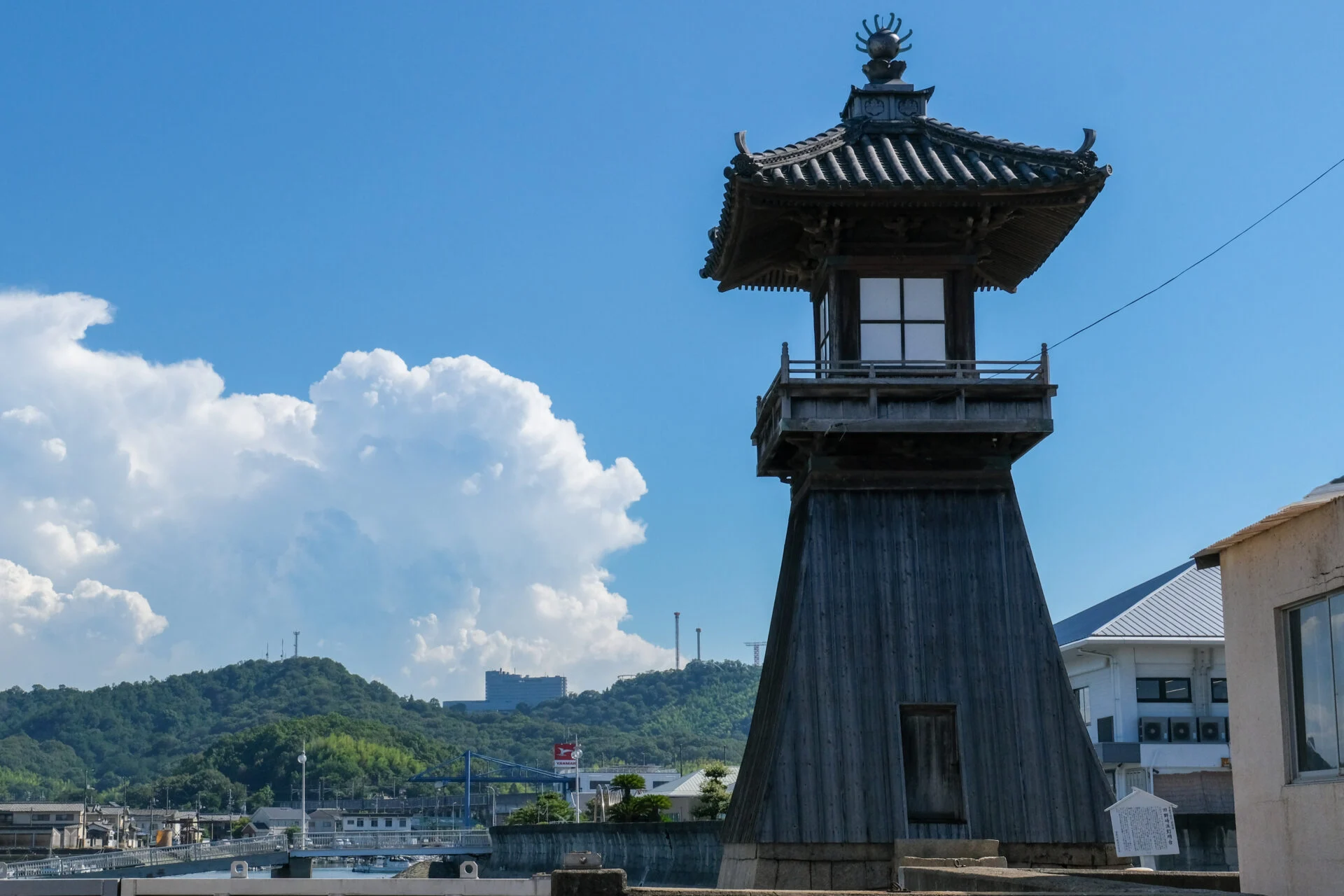
The Nozaki family also built a Shiogama Shrine near what is now Kojima Sightseeing Port, and the Former Nozakihama Lighthouse was built as a sacred lantern to illuminate the shrine.
It will continue to watch over Kojima alongside Shiogama Shrine.
Naikai Salt Industries Co., Ltd., whose registered head office is Nozaki's Historical Residence, manages Shiogama Shrine. The lighthouse is managed by Nozaki's Historical Residence (Ryuo Kaikan Public Interest Incorporated Foundation).

What does Shiogama Shrine mean to Naikai Salt Industries?
Tsuji
It is the deity of salt, so we cherish and worship it.
The shrine is not open to the public, but an annual festival called Myojin Festival is held.
It is currently held on November 2. A Shinto priest offers prayers, and employees visit Shiogama Shrine.
Near the shrine building are also monuments to Nozaki Buzaemon and his eldest son Tsunetaro, said to have been inscribed by Yamada Hokoku, a Yangming Confucian scholar of the Bitchu-Matsuyama Domain. It can be said to be one of the important places for telling the history of the Nozaki family.


A wooden lighthouse, rare even nationwide
I hear the Former Nozakihama Lighthouse has distinctive architectural features.
Tsuji
Being a wooden lighthouse is one of its distinctive features.
Stone lighthouses are common, but wooden ones are rare. Another distinctive feature is that it has a room where a light is lit.
These features were recognized, and it was designated a Kurashiki City Important Cultural Property.
Follow the Nozaki family’s historic sites, including the Former Nozakihama Lighthouse, and explore Kojima

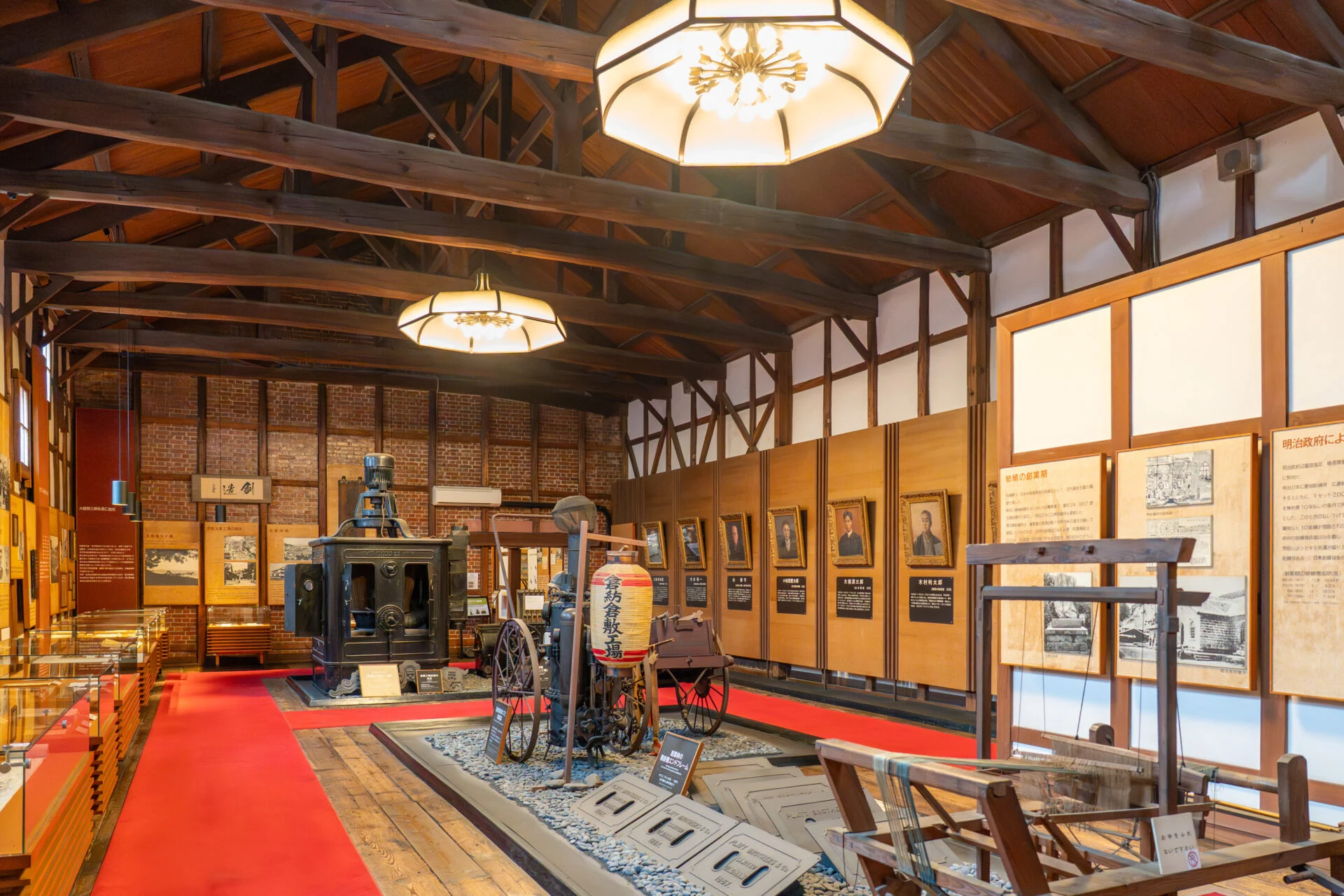
There is also a replica of the Former Nozakihama Lighthouse in the museum at Nozaki's Historical Residence.
Tsuji
Actually, the replica in the museum is slightly different in shape from the original.
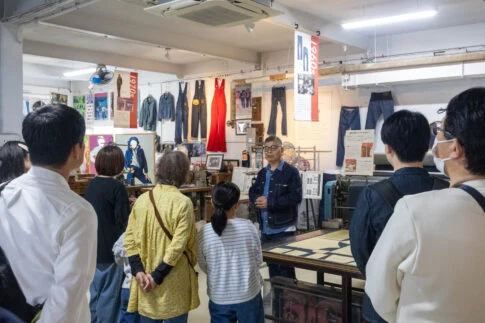
The museum also displays the history of salt production and how salt was made, using tools actually used in salt production as well as replicas.


If you visit Nozaki's Historical Residence and become interested, be sure to visit the Former Nozakihama Lighthouse as well. It is about a 20-minute walk, making it ideal to combine with a stroll around Kojima Station.
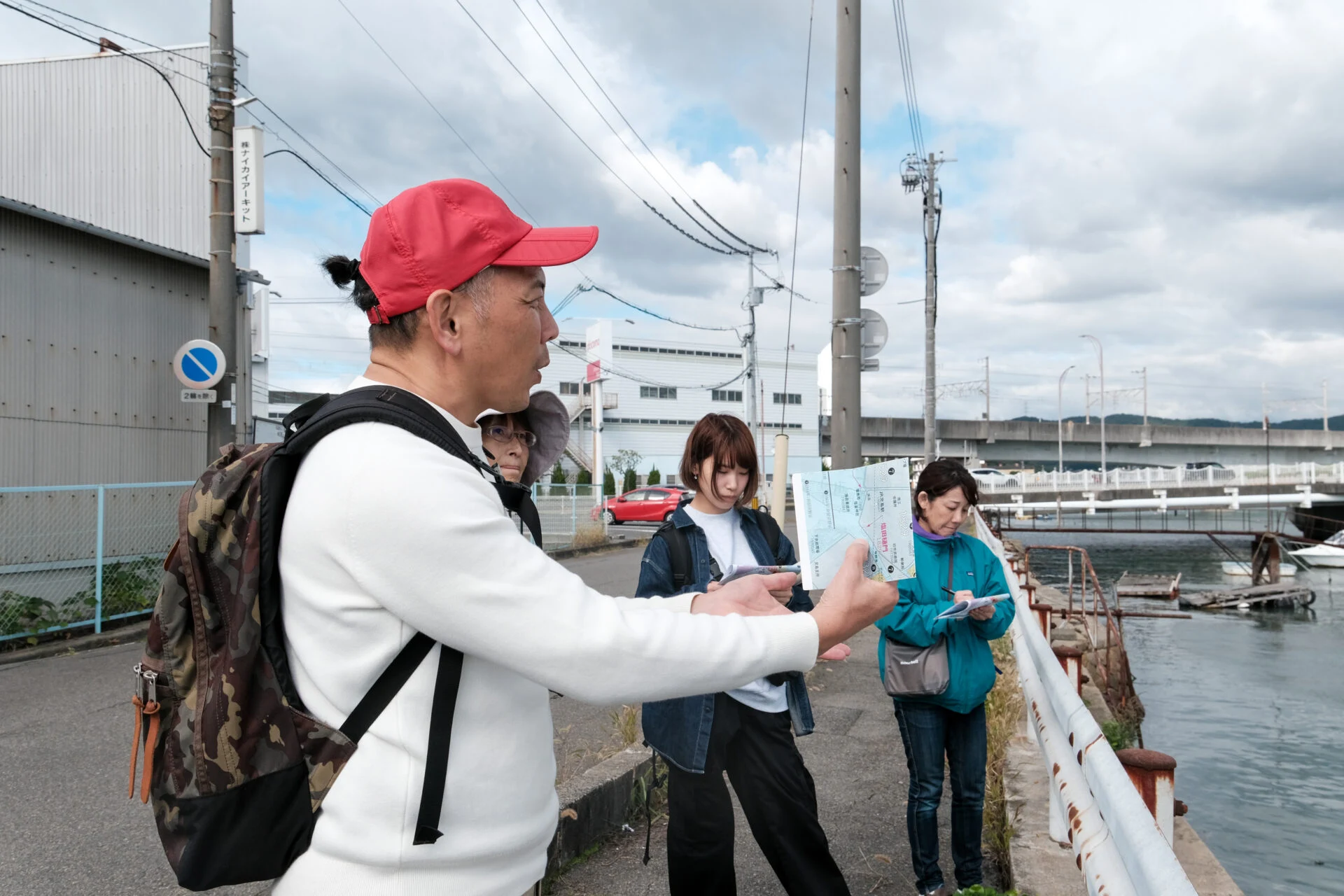
Walking along Buzaemon-dori, named after Nozaki Buzaemon, you can see sites connected to the Nozaki family, such as the Monument Honoring Nozaki Buzaemon (one of the largest obelisks erected for an individual). We also recommend continuing on to explore Kojima Jeans Street.
Do you have a message for our readers?
Tsuji
For people in Kojima, the view of the Former Nozakihama Lighthouse may seem ordinary, but it is a precious cultural property rarely seen anywhere in Japan. I hope as many people as possible will learn about it.
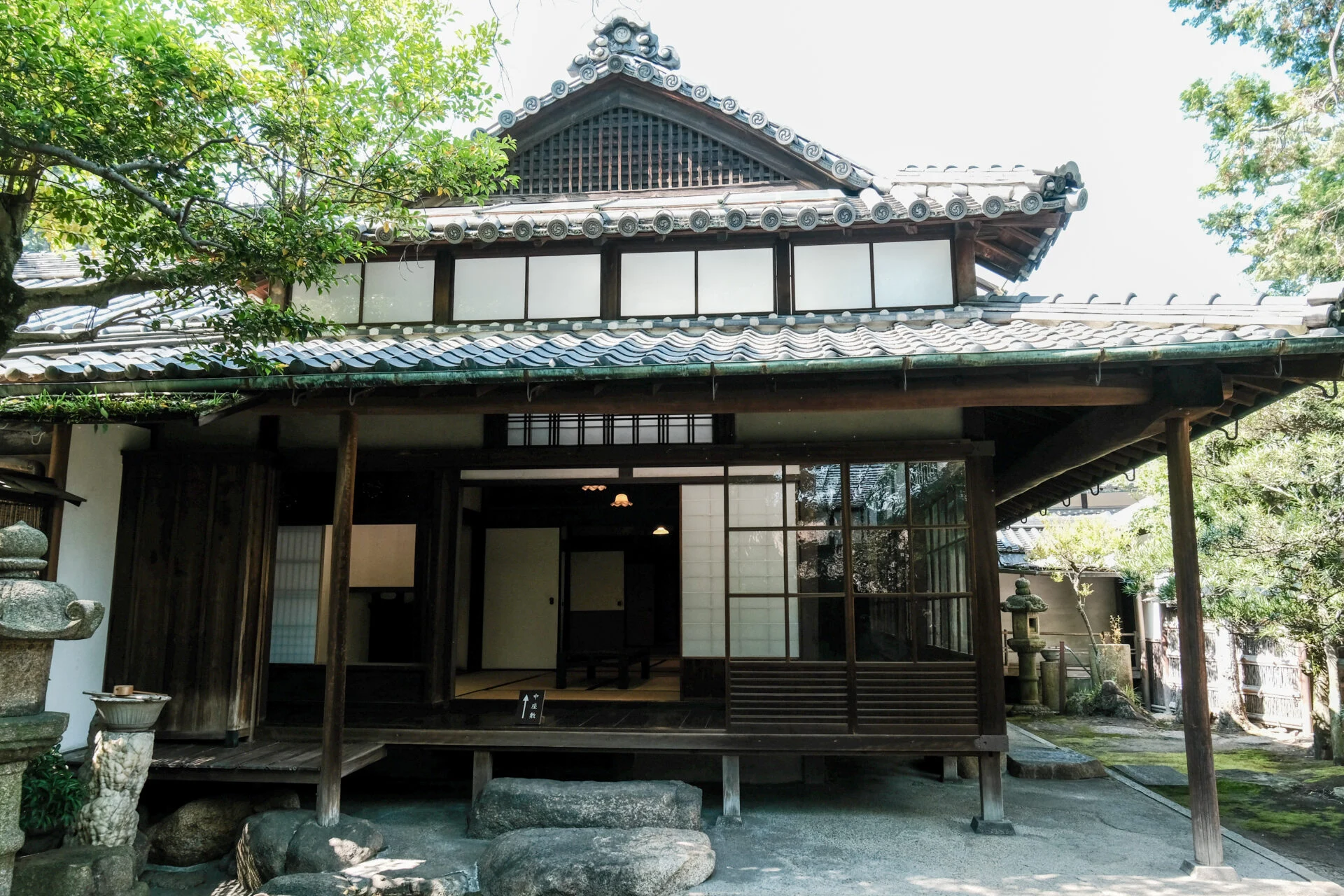
Nozaki's Historical Residence is well known as a site associated with the Nozaki family, but as you walk around Kojima, you will find many related cultural properties, including obelisks, the Former Nozakihama Lighthouse, and Shiogama Shrine.
After learning about the history of salt production at the Nozaki Family Salt Industry Museum, please take a stroll to the Former Nozakihama Lighthouse.
From the Writer
The Former Nozakihama Lighthouse is one of the constituent cultural properties of the Japan Heritage story “A different world entwined with the dreams of men who overcame the stormy seas—Ports of call for Kitamaebune ships and shipowner settlements.”
I associated the Nozaki family with salt, so I wondered whether they also transported a lot of salt on the Kitamaebune ships. However, according to Tsuji, more coal than salt was traded in Kojima. You can find out how coal was used in salt production at the Nozaki Family Salt Industry Museum.
After learning about the history of salt production at the Nozaki Family Salt Industry Museum, please take a stroll to the Former Nozakihama Lighthouse.
Articles about Kurashiki City’s Japan Heritage
Former Nozakihama Lighthouse Information
| Name | Former Nozakihama Lighthouse |
|---|---|
| Address | 4048 Ajino, Kojima, Kurashiki City, Okayama Prefecture |
| Contact | 086-472-2001 |
| Website | Nozaki's Historical Residence |

What would you like to know about Kurashiki?
Enter a search term to find articles on this site