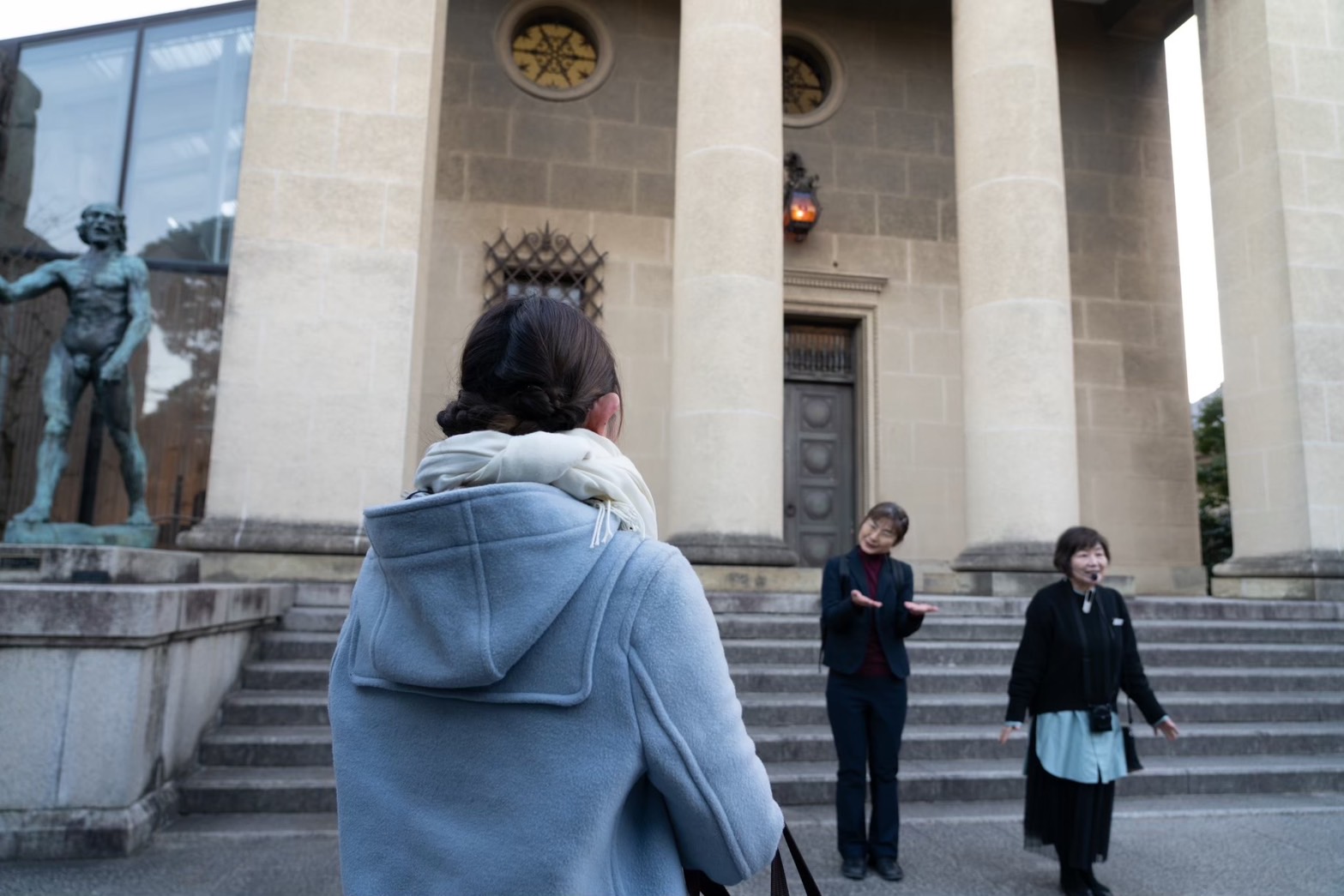
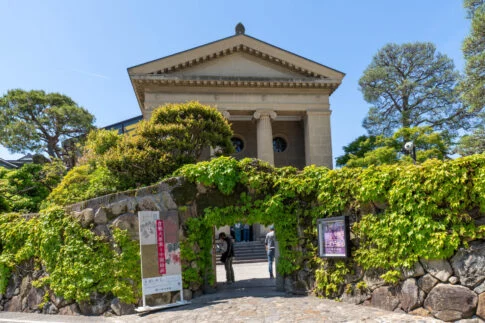
One of the most striking Western-style buildings in the Bikan Historical Area is the Ohara Museum of Art.
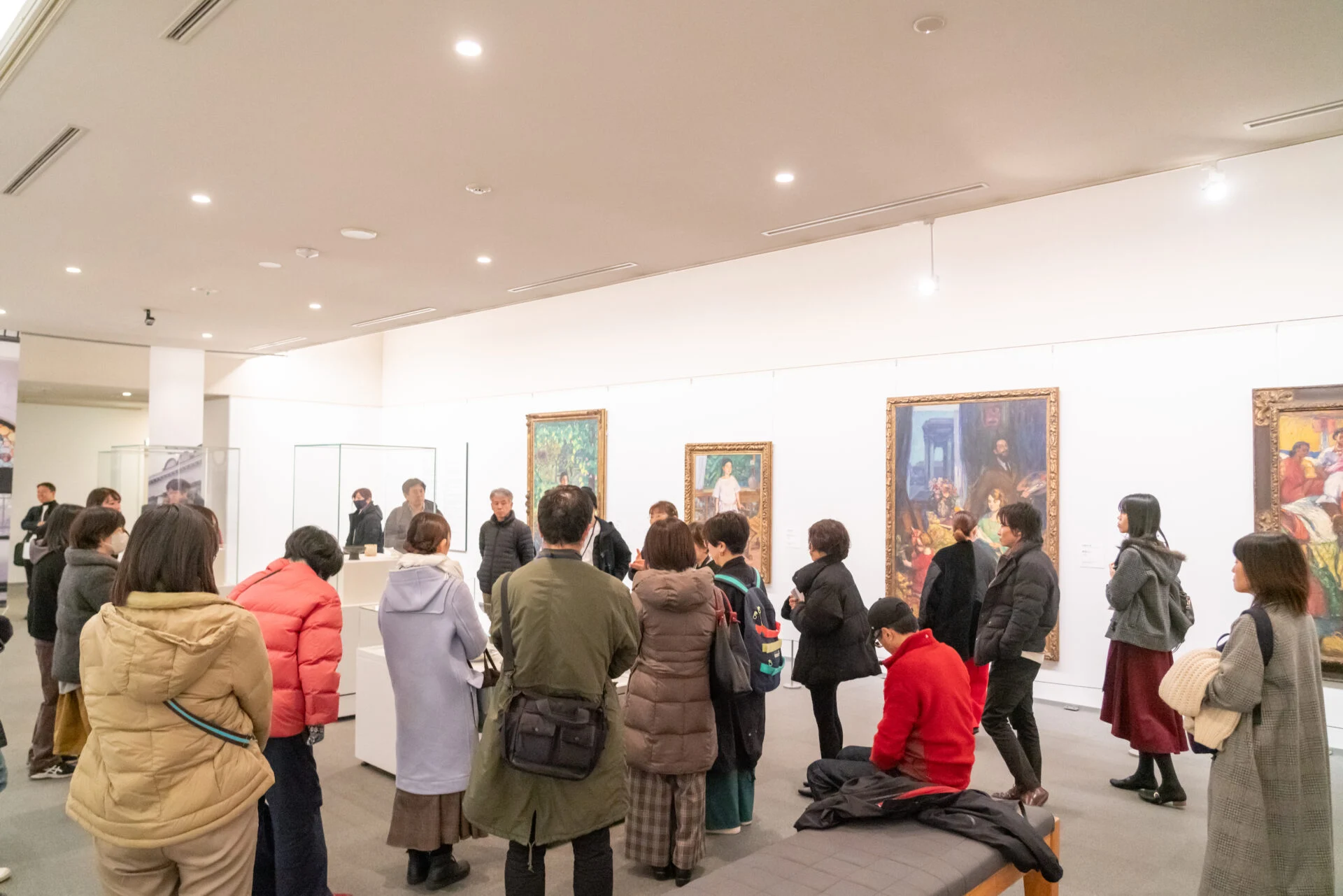
The Ohara Museum of Art holds Evening Tours, where visitors can reserve the museum after closing and view works in the main building while touring with a special guide.
In this article, I report on my experience taking part in an Evening Tour at the Ohara Museum of Art with a sign language interpreter, whom I requested because I am deaf.
The information in this article was current when it was published in April 2024. Please note that it may differ from current information.
Ohara Museum of Art Evening Tour
The Ohara Museum of Art holds the “Evening Tour,” a reservation-only tour where visitors view works with a special guide after the museum closes.
The tour runs for 90 minutes, from 5:00 p.m. to 6:30 p.m.
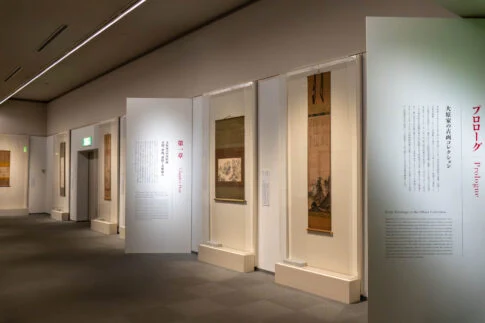
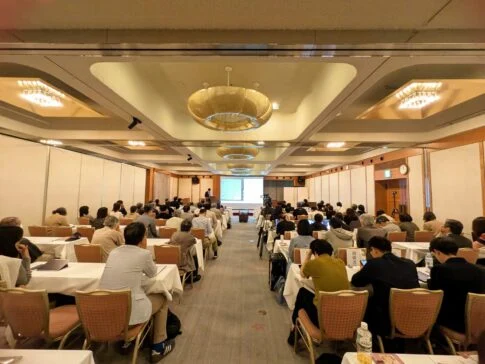
It is designed for groups of around 20 people, who can view the works while touring the main building together with a special guide.
What to Expect on the Day
When I visited in December, the museum closed at 3:00 p.m., so the 90-minute tour began at 4:30 p.m. (Tours can begin at 3:00 p.m. from December to February.)
The tour visits the exhibition rooms in order, starting on the first floor of the main building. Since I am deaf, I was unsure whether I would enjoy the Evening Tour, which is conducted entirely through spoken explanations, as much as the other hearing participants.
So, I asked a sign language interpreter to accompany me on this tour.
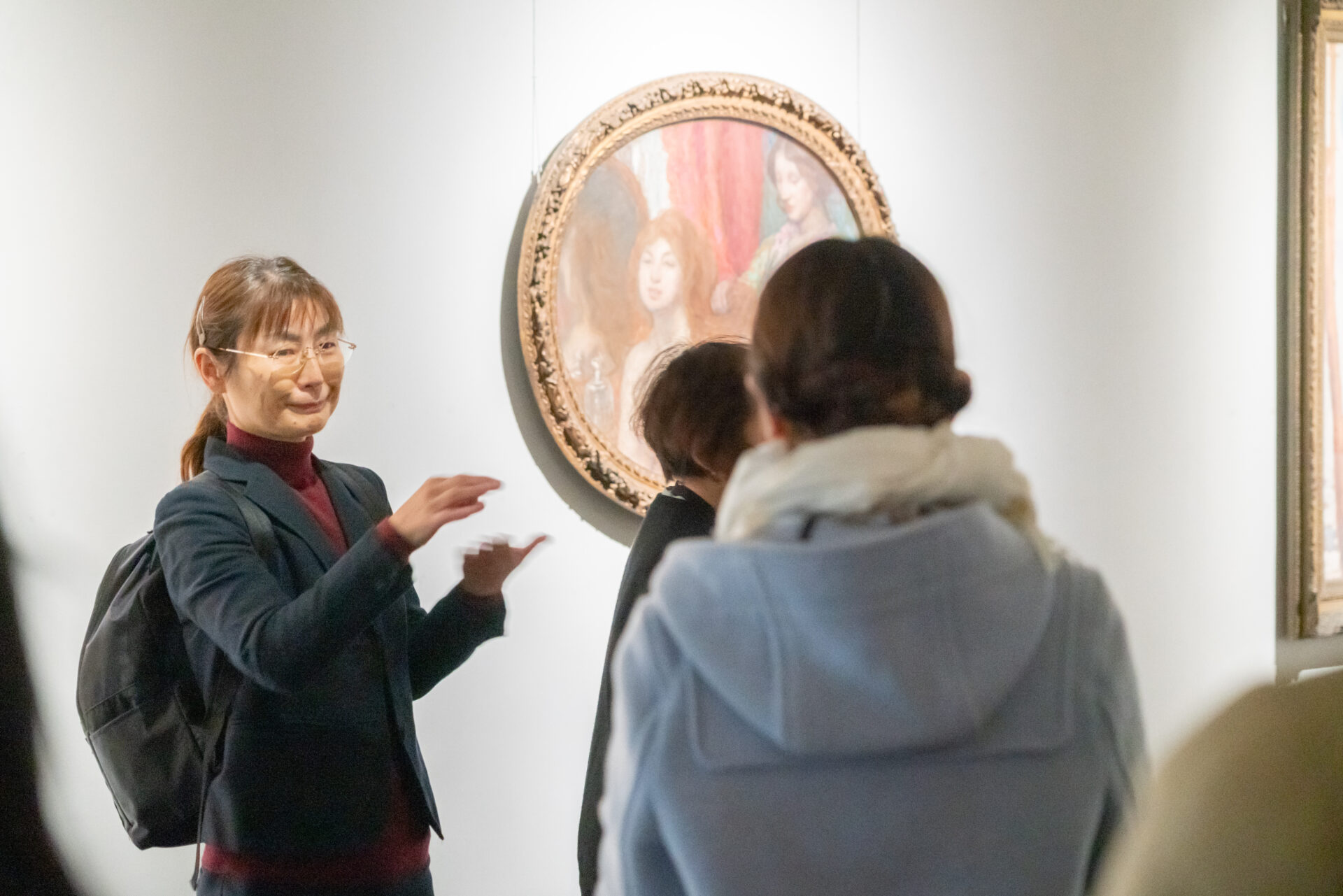
Kurashiki City has a communication support program that dispatches sign language interpreters to facilitate communication for people with hearing, speech, or language disabilities.
For this Evening Tour, an interpreter was dispatched from the perspective of promoting social participation.
A special guide shares a wealth of fascinating stories about the collection
The Ohara Museum of Art opened in Kurashiki in 1930 as Japan’s first museum of Western art.
Many of the Western paintings currently displayed at the Ohara Museum of Art, including Claude Monet’s Water Lilies and El Greco’s The Annunciation, were reportedly purchased directly from artists in Europe by the painter Kojima Torajiro, who was from Takahashi City, Okayama Prefecture.
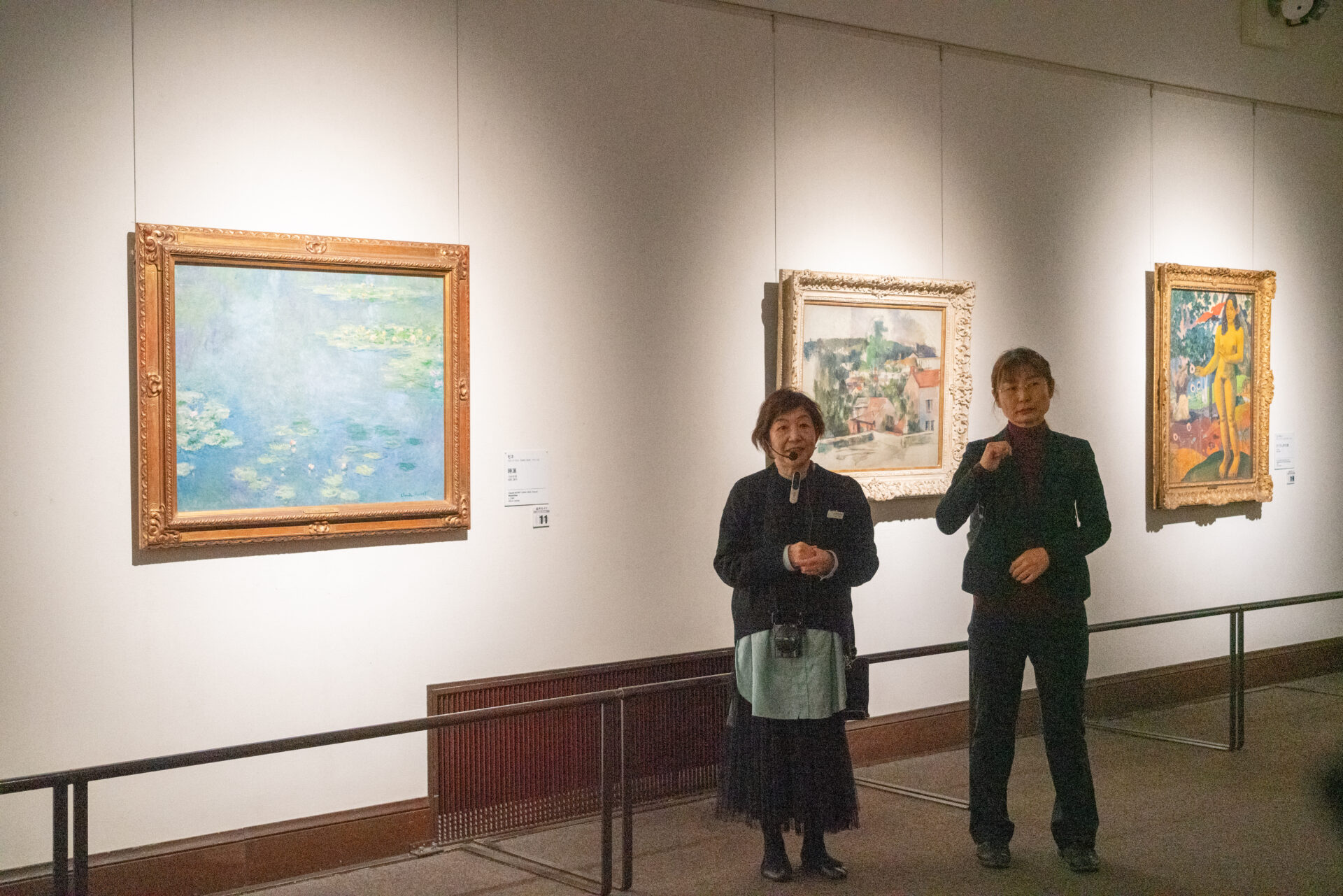
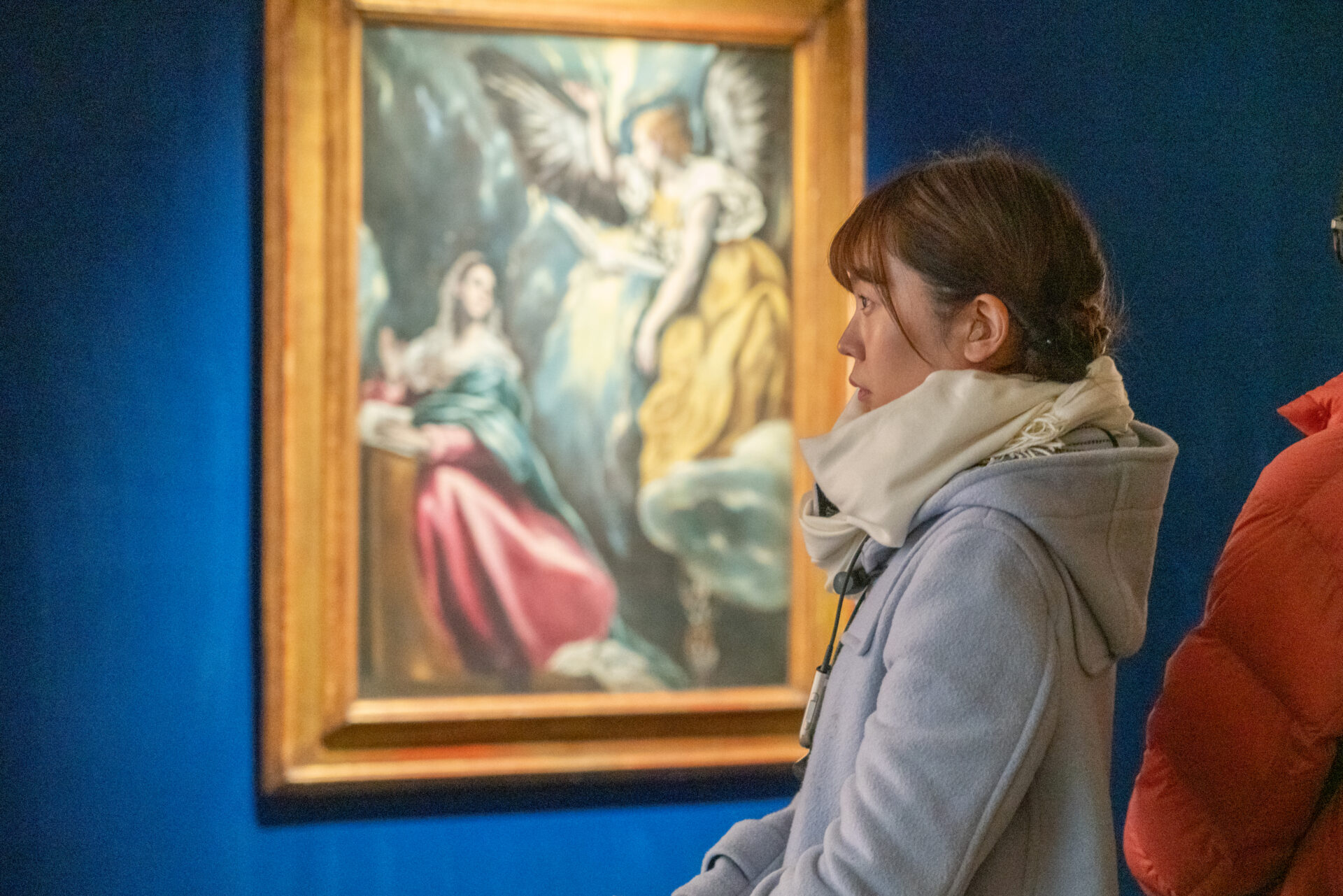
Water Lilies was purchased directly from Monet himself by Kojima Torajiro, who met the artist in person. The Annunciation, meanwhile, was apparently found languishing in a Paris gallery and acquired with some difficulty.
When visiting a museum on your own, you can see the works and read their descriptions, but learning behind-the-scenes stories like these about how they were acquired is a special pleasure of the Evening Tour.
Conversations broaden your perspective on viewing art
The Ohara Museum of Art also promotes dialogue-based art appreciation.
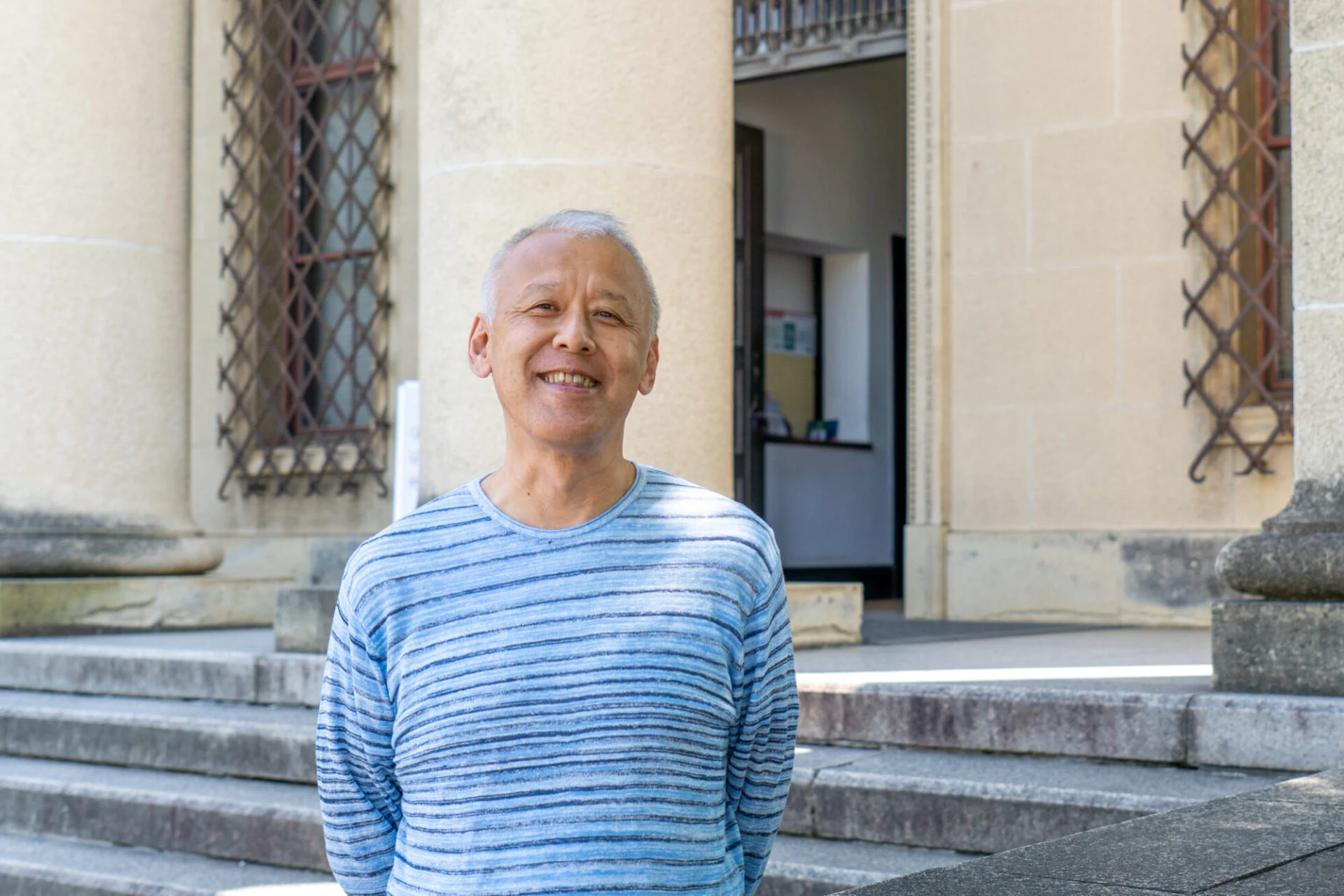
Since this Evening Tour was conducted for a group, participants felt comfortable asking questions and sharing their impressions with one another.
The question that sparked the liveliest discussion was:
“If you could be given one of the works in this exhibition room, which would you choose?”
That was the question.
Participants chose works from their own perspectives, saying things like, “This one might be too big,” or “I like these colors.”
Art appreciation can seem a little intimidating, but anyone can think about which work they like best.
When I view art in the future, I’d like to look around while imagining which works I’d want to display in my home or give to someone dear to me.
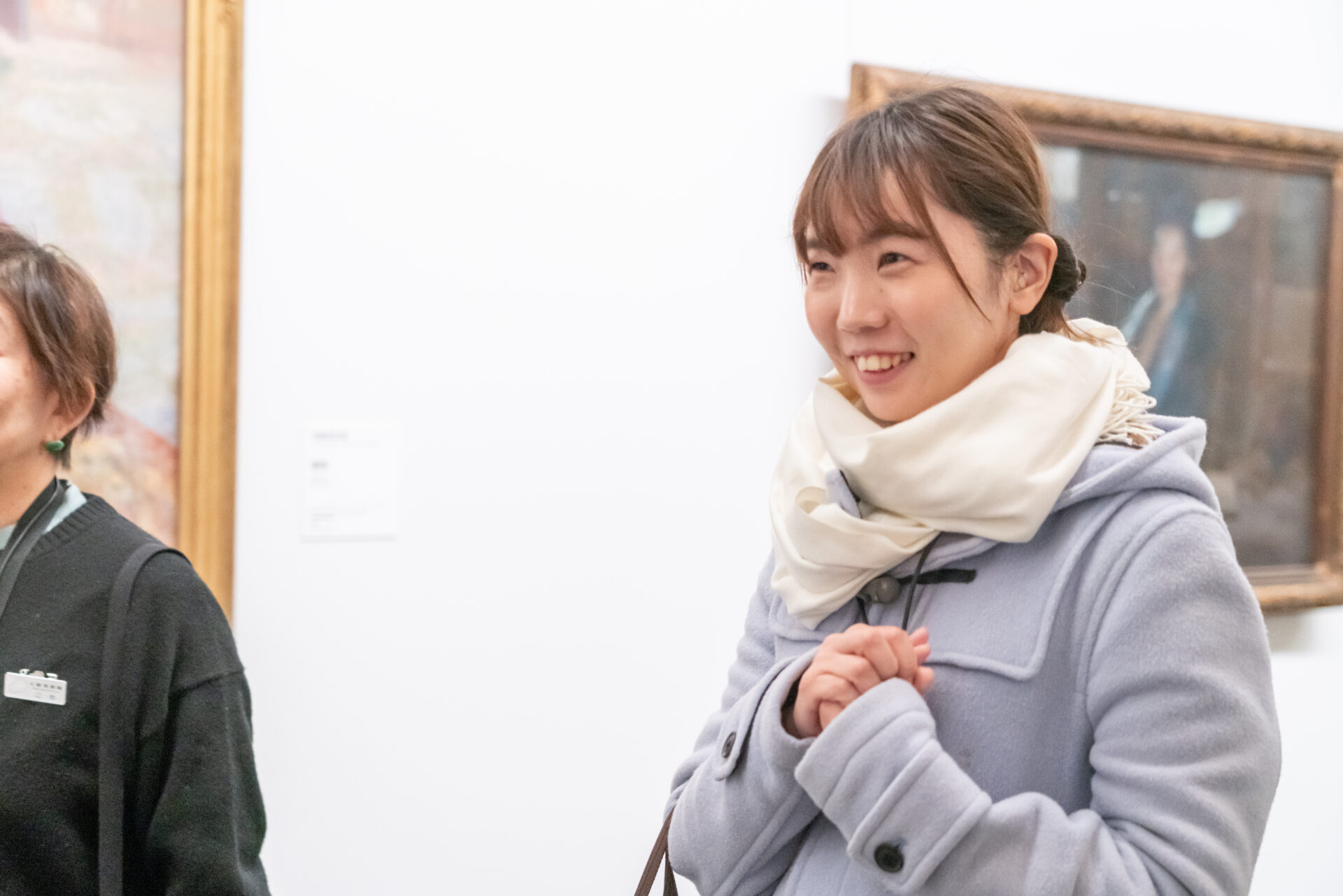
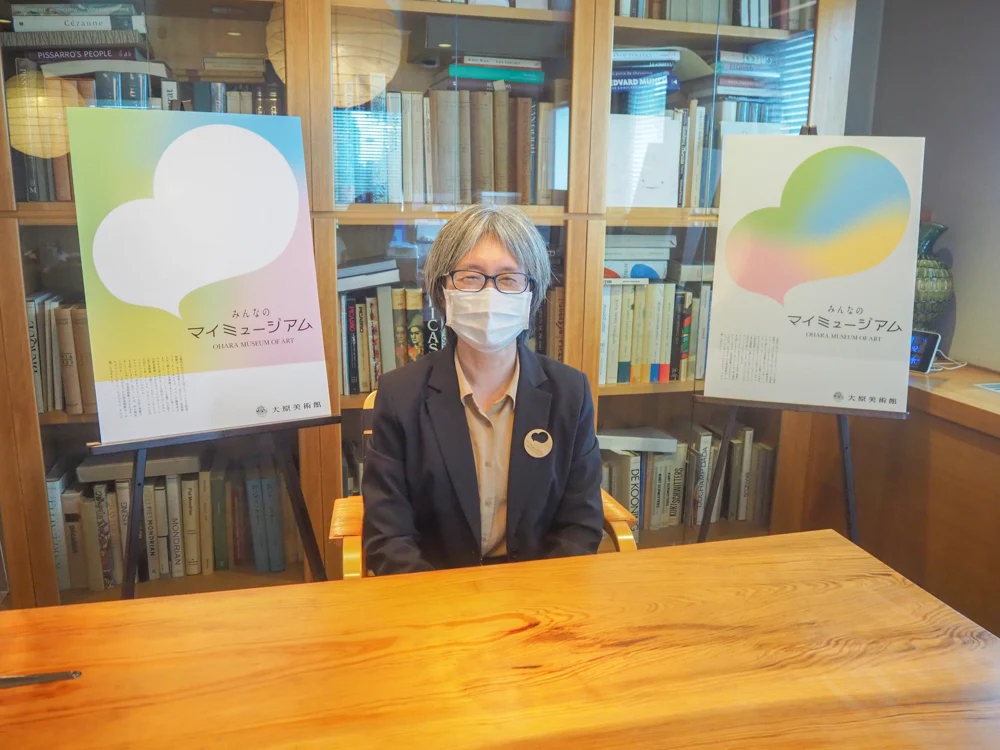
Everyone’s own museum
As the story of Kojima Torajiro suggests, the Ohara Museum of Art has always valued “supporting artists of the time and collecting works from the same era.”
Today, it is working under the slogan “Everyone’s Own Museum” as it looks ahead to the 100th anniversary of its opening in 2030.
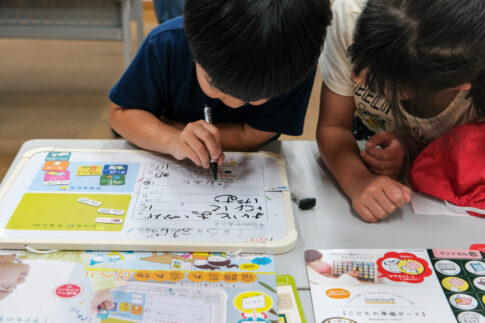
They also told us about efforts to help children, especially those who will shape the next generation, feel a connection with art. These include searching for favorite paintings with children and holding outreach classes for children in hospital classrooms.
At the “35th Kurashiki Children’s Friendship Art Exhibition,” held in January 2024, works created during an outreach class were displayed at the Kurashiki City Art Museum. I also visited the exhibition, and the children’s works inspired by Water Lilies left a strong impression on me.
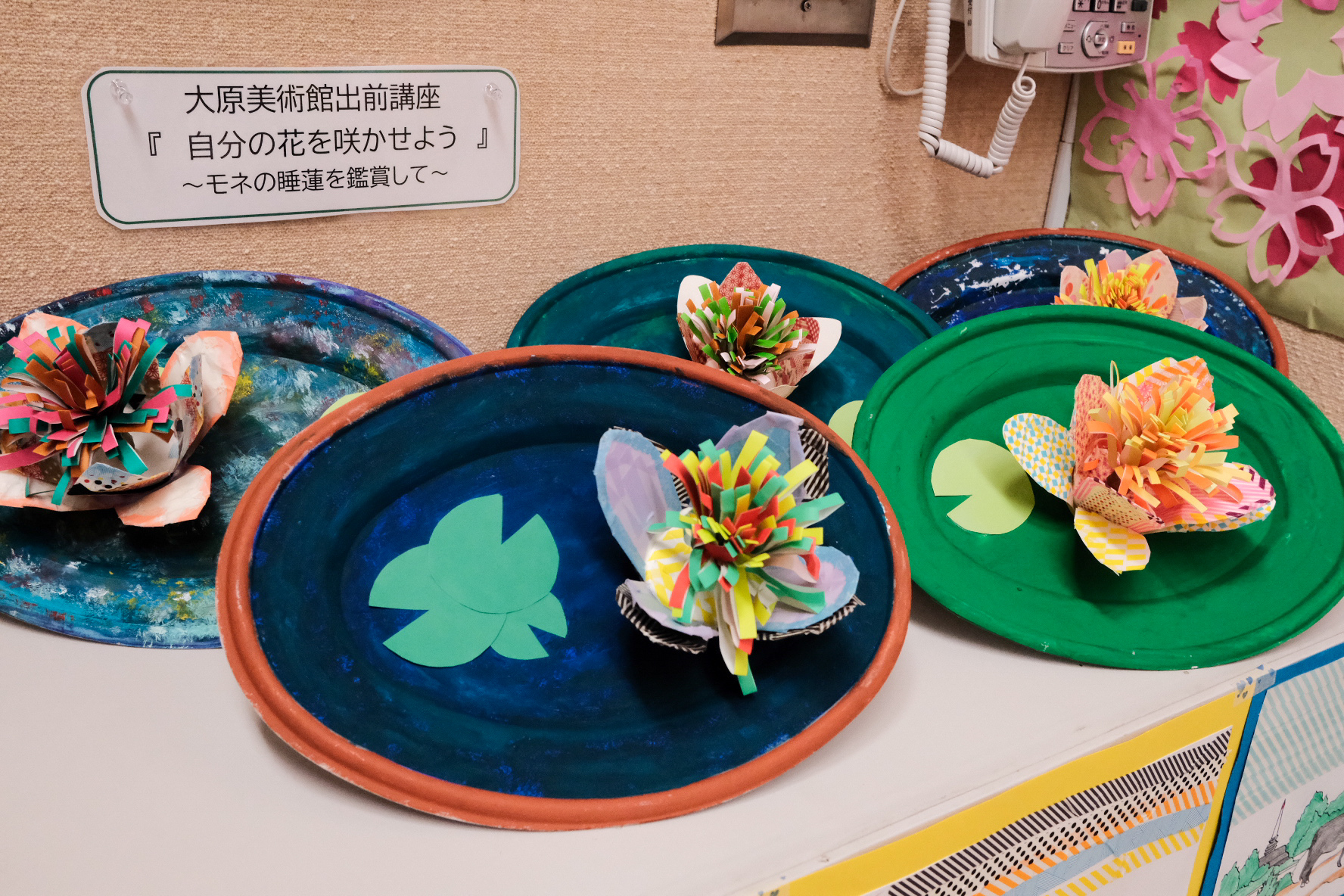
The children each created their own interpretation of Water Lilies, using colors and shapes inspired by their own imaginations. Each work was different, and the children’s creativity shone through.

During this Evening Tour, we were also told that the Water Lilies in the Ohara Museum of Art’s collection depicts the surface of the water in a way that invites viewers to imagine what lies beneath it and the scenery reflected on it.
The children must have created their own expressions after hearing explanations about the works. I thought it was wonderful that the museum supports children, who will shape the future.
With a sign language interpreter, I enjoyed the tour just like hearing participants
The Ohara Museum of Art Evening Tour was full of fascinating stories that you would not learn simply by viewing the works, including the museum’s history and the background to the paintings. Special exhibitions at museums sometimes offer audio guides.
However, because I am deaf, I cannot hear the audio guide. As a result, I had never known what explanations about art were like.
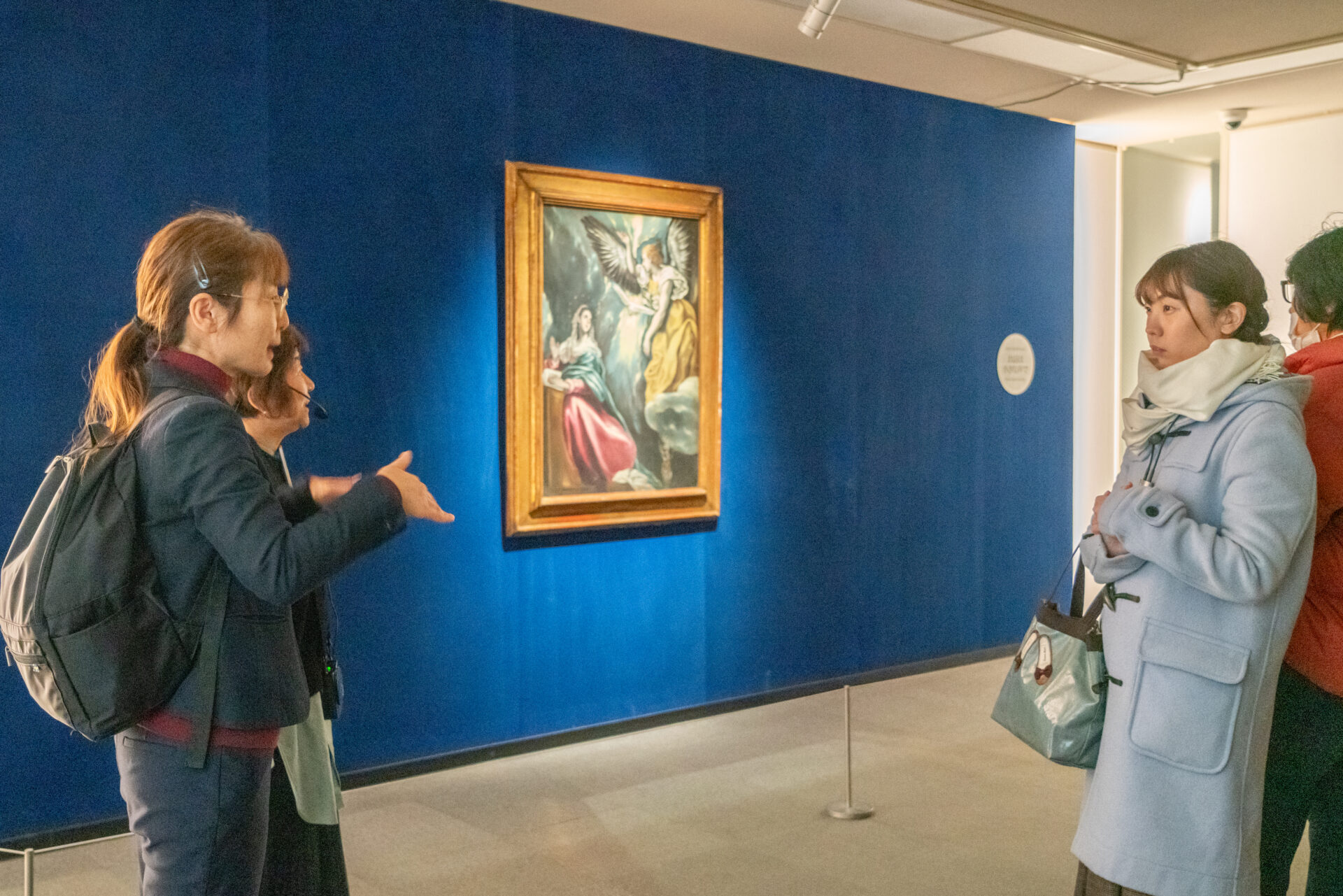
Before joining the Evening Tour, I wondered whether it was appropriate to request a sign language interpreter just for my own art appreciation. But after taking part with an interpreter, I found it a very enriching and rewarding experience.
If there are events I’d like to attend in the future, I hope not to give up from the outset, but instead to look into available support programs and find a way to enjoy them.
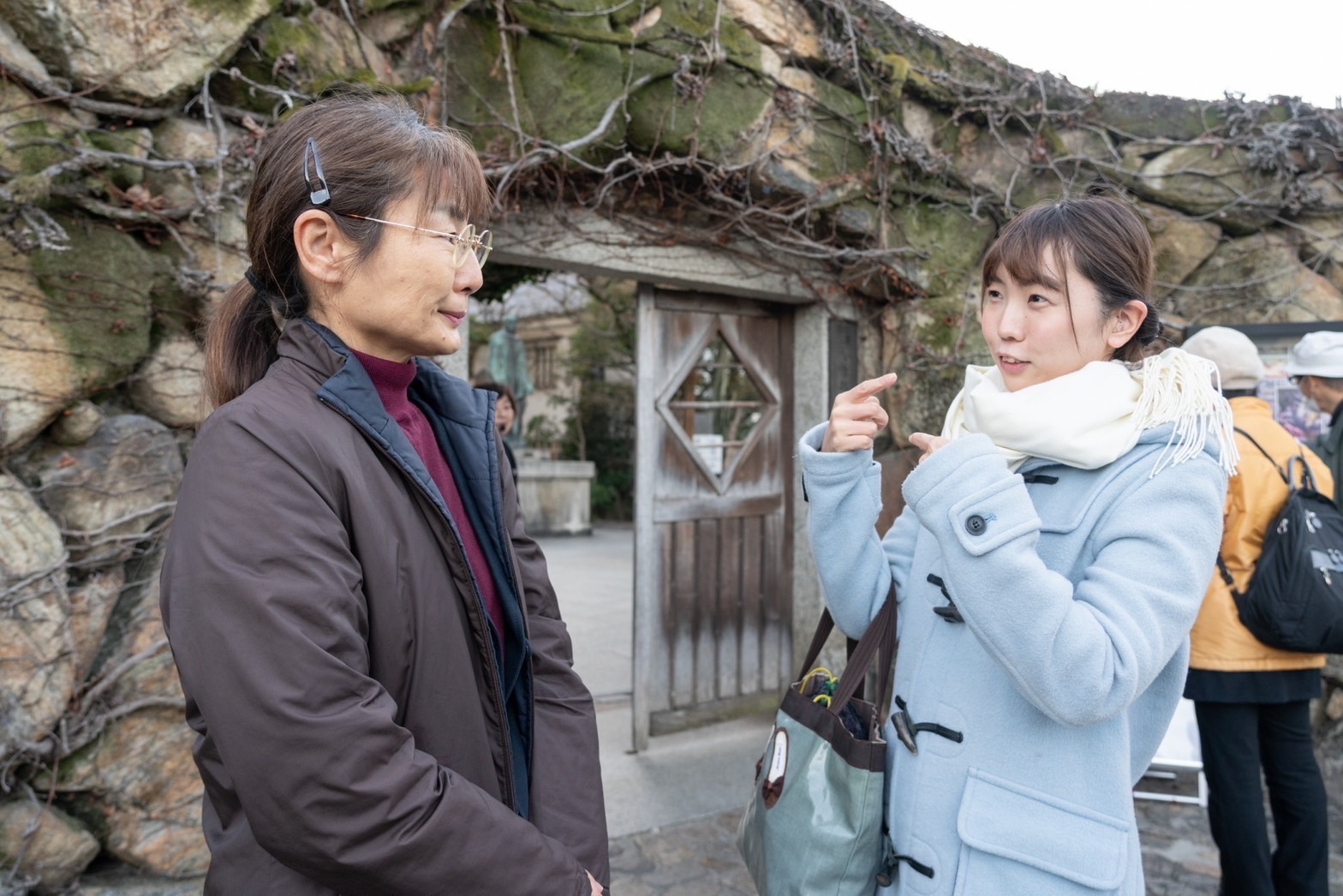
From the Writer
When I stepped outside after the Evening Tour, which had begun at dusk, I found myself back in the quiet winter Bikan Historical Area, where my breath turned white in the cold.
Even so, after experiencing beautiful art and hearing the energetic stories behind the works, my heart felt warm and bright.
After thanking the special guide and sign language interpreter many times, I left the Ohara Museum of Art.
I encourage you to experience the Evening Tour at the Ohara Museum of Art and discover a greater love of art and art appreciation.
Articles about the Ohara Museum of Art

Ohara Museum of Art Evening Tour Information

| Name | Ohara Museum of Art Evening Tour |
|---|---|
| Dates | Tuesdays, Wednesdays, and Thursdays on weekdays 5:00 p.m.–6:30 p.m. (90 minutes) * From December to February, times after 3:00 p.m. can be arranged (by the 15th of the month before the tour) [Application deadline] By the 15th of the month before the tour |
| Location | 1-1-15 Chuo, Kurashiki City |
| Participation fee (tax included) | Minimum tour fee: ¥90,000– (approximately 20 people at ¥4,500 per person) |
| Website | Ohara Museum of Art |


What would you like to know about Kurashiki?
Enter a word to search articles on this site