Interview
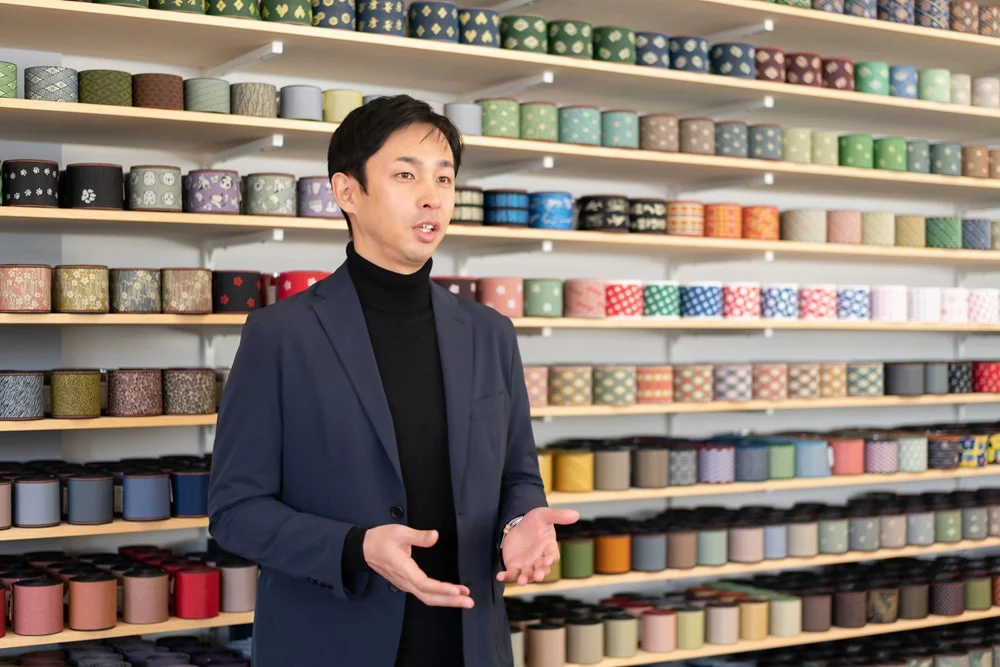
From "Plain Black or Brown" to Colorful Tatami Borders
I heard that Takada Textile was the first to create patterned tatami borders.
Takada (honorifics omitted)
At one point, there were about 100 tatami border manufacturers.
However, for quite a long time, all 100 companies were only making "plain tatami borders in black and brown cotton material."
If that continued, it would lead to a focus solely on low prices, so we wanted to differentiate ourselves from other companies.
In the late 1950s, Takada Textile was the first in the tatami industry to develop patterned tatami borders.
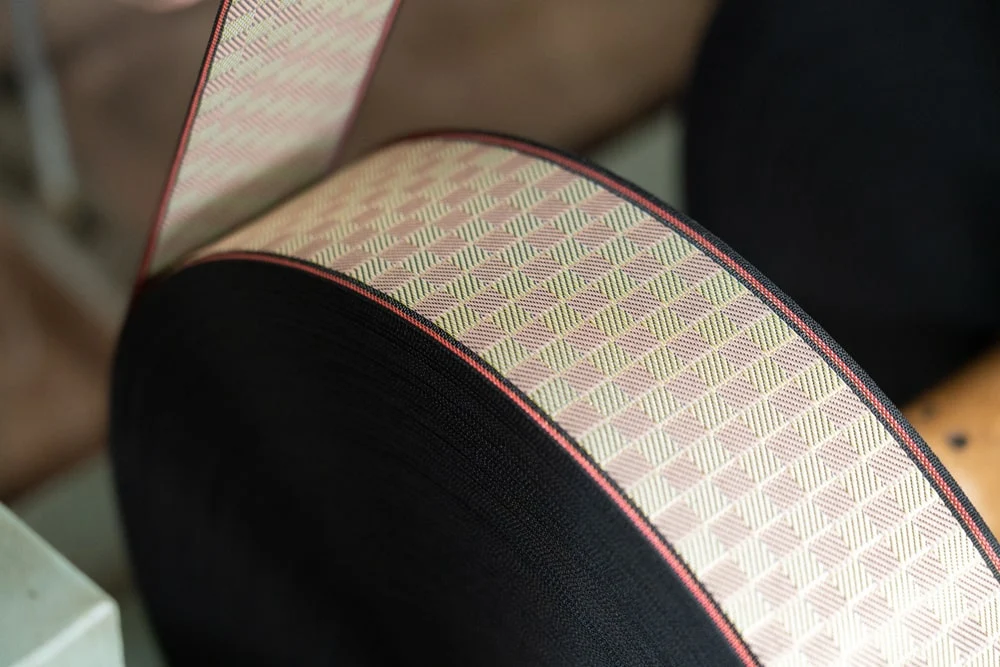
From mere auxiliary materials to value-added products.
I want to change the position of tatami borders to "something that influences the atmosphere of a room with design elements."
Gradually, other companies also began to create patterned borders.
I believe that the current positioning of tatami borders is that they have become design-oriented items that make people think, "If it were a tatami border like this, I would be willing to pay a little more to use it."
Why were there only plain black and brown tatami borders in the past?
Takada
I think tatami craftsmen believed that "black and brown were sufficient."
Even when we developed products and delivered sample books to tatami shops, the shops would say, "That can't be used," and they wouldn't show them to the end users who actually choose and use tatami.
Therefore, they were not recognized.
So even if you made them, they didn't reach the world.
Takada
That's right.
I believe there are two approaches to product creation.
One is to create because we want to, to challenge and change the industry's values.
The other is to create products based on customer requests through marketing.
Tatami borders originally had no customer demand at all.
Even now, not many people know that they can choose tatami borders.
The key factors in determining the price of tatami are the tatami surface and tatami base.
There is a sense that "the cheaper the tatami border, the better."
However, it's not that high-priced tatami borders made with care are completely rejected; there are some customers who respond positively, and they are used to some extent.
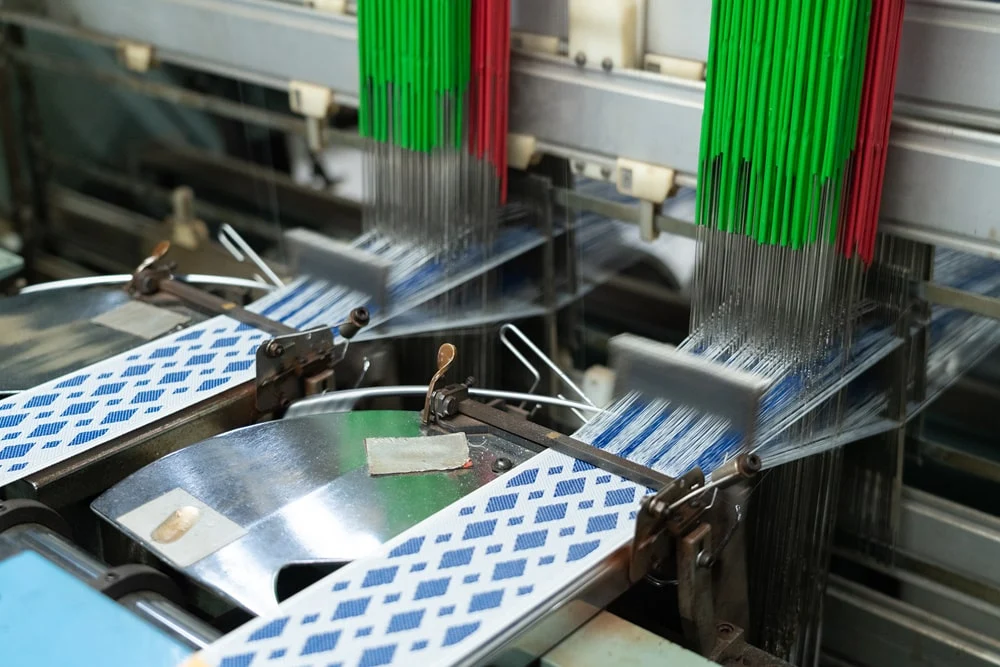
So, we changed our promotional approach.
If tatami shops find it difficult to show sample books, we should let the people beyond them see them directly.
We participated in exhibitions and directly sent sample books to design offices, construction companies, and interior coordinators via direct mail.
As a result, recognition gradually increased as people said, "Wow, there are tatami borders like this, they're wonderful."
We have also started to receive requests for our tatami borders by name.
To Please Tatami Shops: Directly Managed Store FLAT
Did it expand smoothly?
Takada
There was significant backlash from tatami shops saying, "Please stop making new products."
In the tatami industry, the conventional practice is that the minimum order unit for standard tatami borders is one roll, which is enough for 10 tatami mats.
If you use a rare tatami border, there are shipping and handling fees, and if one household only uses it for 6 tatami mats, ordering one roll would leave 4 tatami mats worth left over.
Additionally, the pricing model was based on "how much for one tatami mat," so even if the tatami border changed, the selling price of the tatami remained the same.
Therefore, if the price of the tatami border increased, the profits for the tatami shops would decrease.
For tatami shops, it became a situation where they recommended good tatami borders, the customers were happy, but they themselves were at a loss.
This was all because, at that time, tatami borders were not positioned as value-added products that could satisfy customers and generate profits.
There may be a perspective that says, "As long as the end users are happy, that's fine."
However, we must ensure that our partners, the tatami shops, can receive proper compensation.
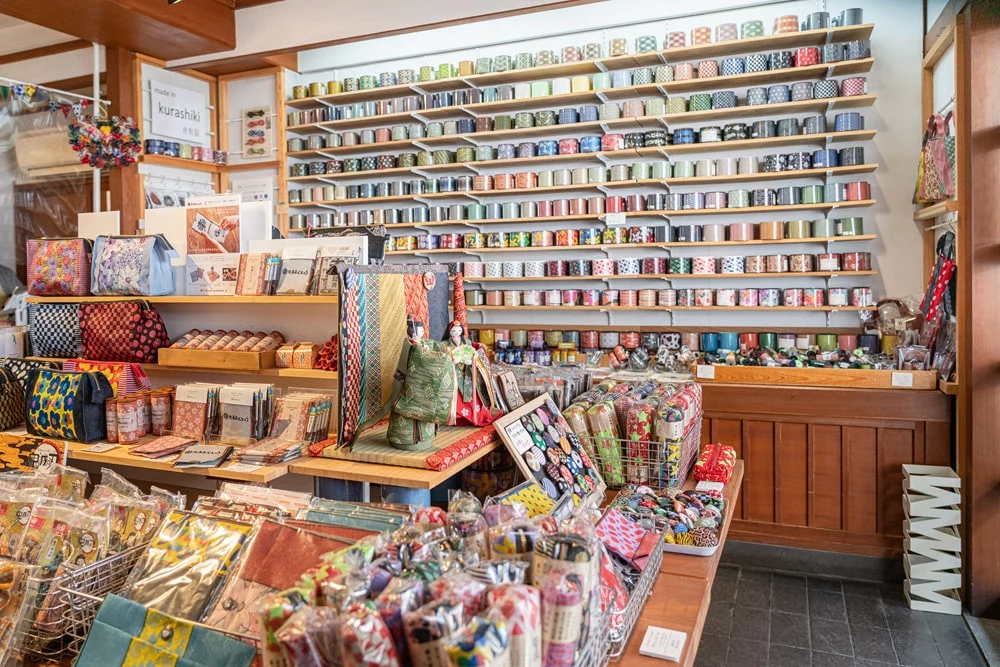
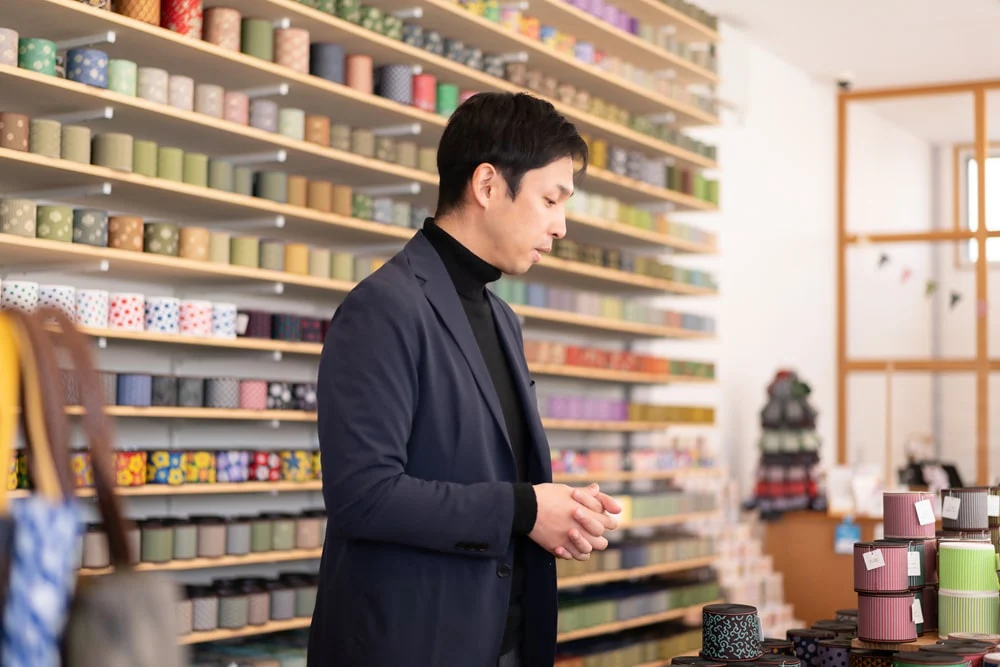
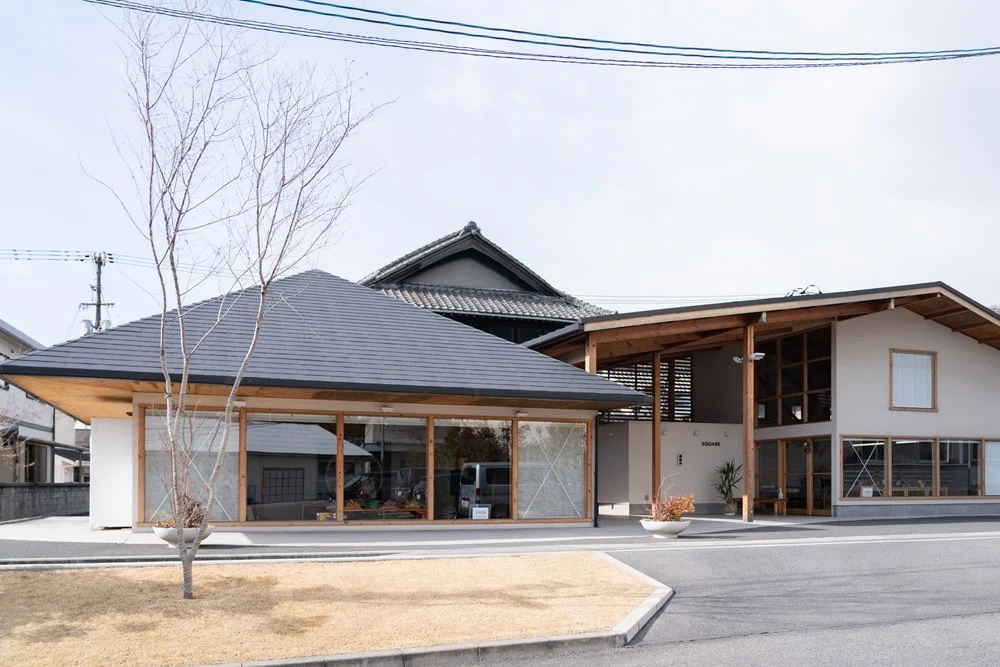
So, we created a directly managed store called "FLAT" where end users could see tatami borders.
Connecting End Users with Tatami Borders
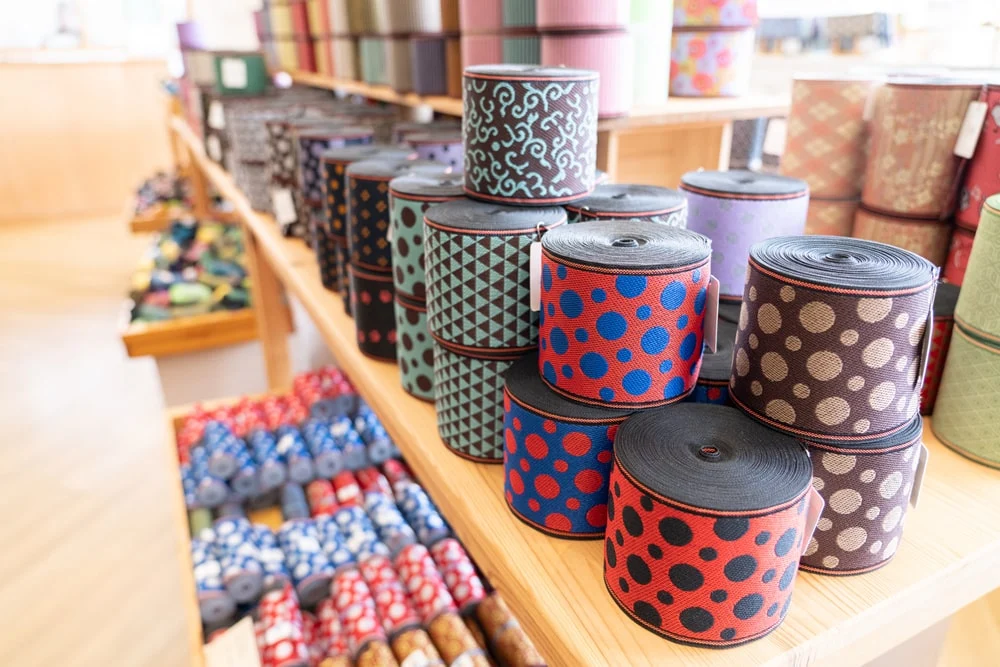
The directly managed store is also for the sake of tatami shops, isn't it?
Takada
For end users, the opportunities to renew tatami are few and far between.
Generally, tatami surfaces are flipped every 5 years, and the other side is used for another 5 years, totaling about 10 years for the lifespan of a tatami surface.
If a household changes tatami three times in their lifetime for a 6-tatami mat room, that would only be an association with 18 tatami mats in total.
With this alone, there is no way for tatami borders to gain recognition over time.
Moreover, no matter how valuable the tatami borders we create are, if tatami shops do not think to show them to customers, we cannot create them with a good feeling.
Until then, tatami borders were seen as "something that only has value when associated with tatami," but I thought we could propose that tatami borders themselves can hold value as a material.
If the recognition spreads that "tatami borders are woven materials at this price point," I thought it would make it easier for tatami shops to show tatami borders to customers.
The Potential of Tatami Borders as a Material

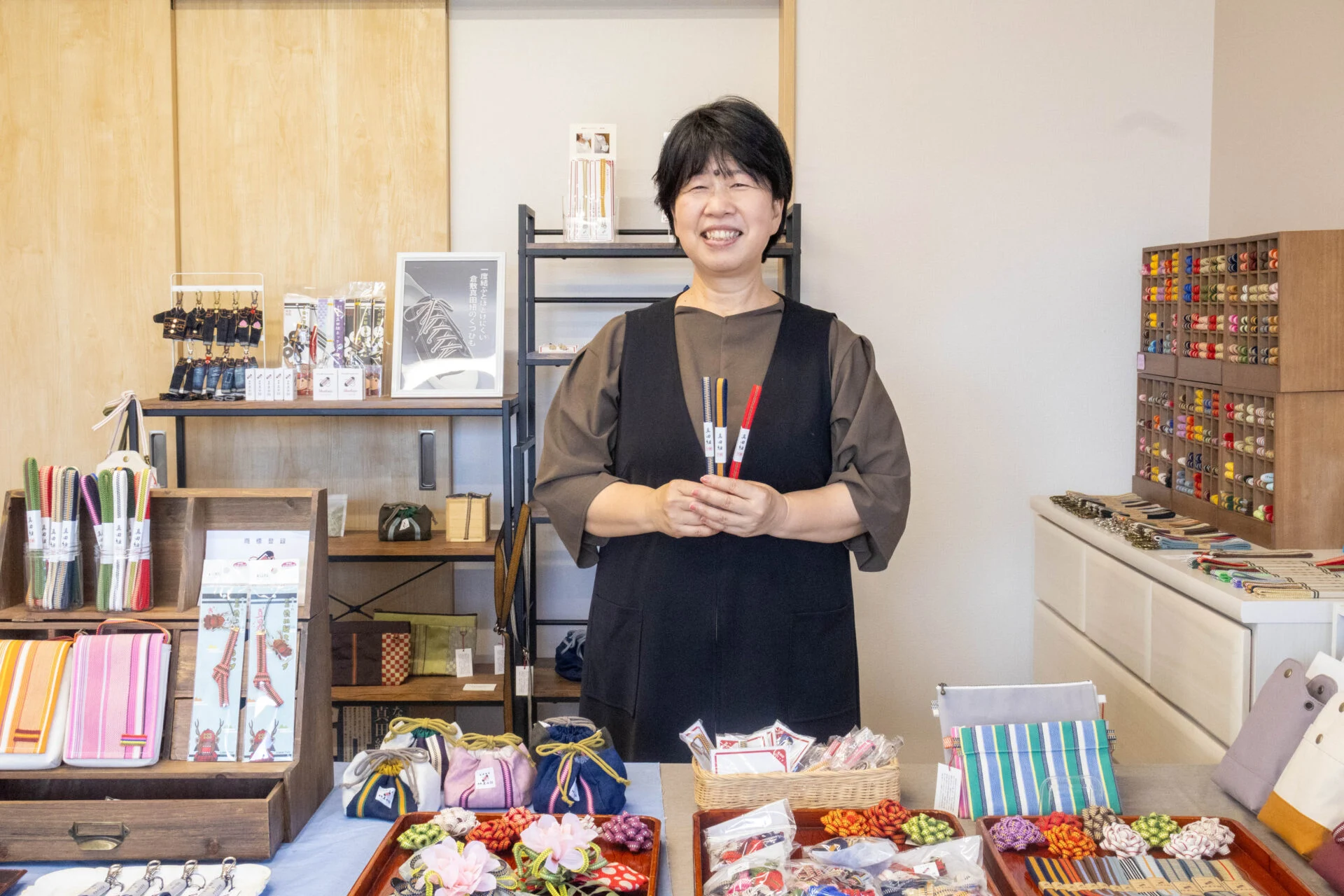
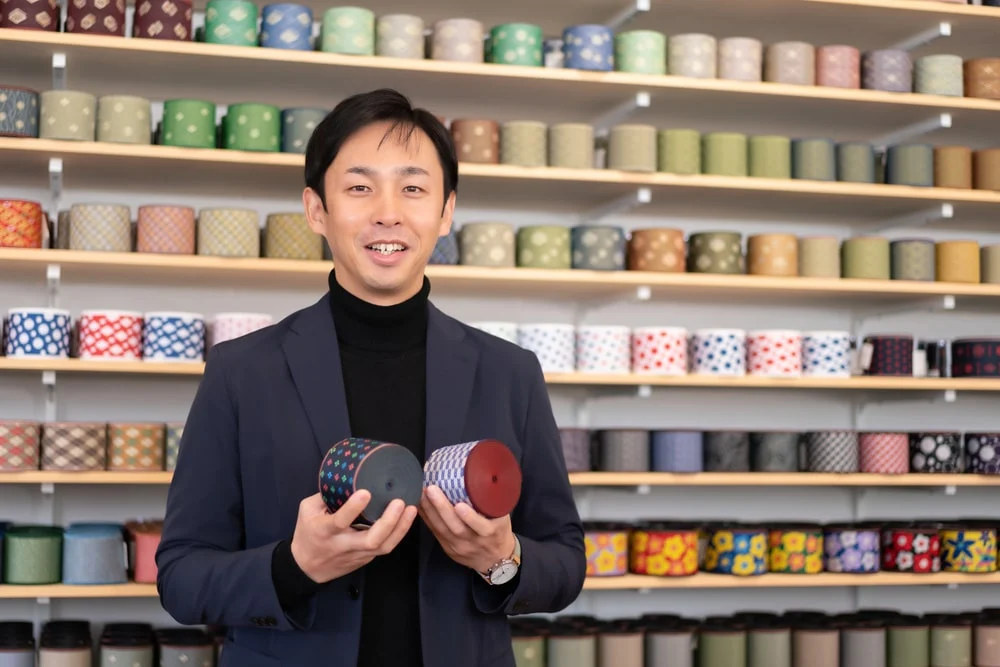
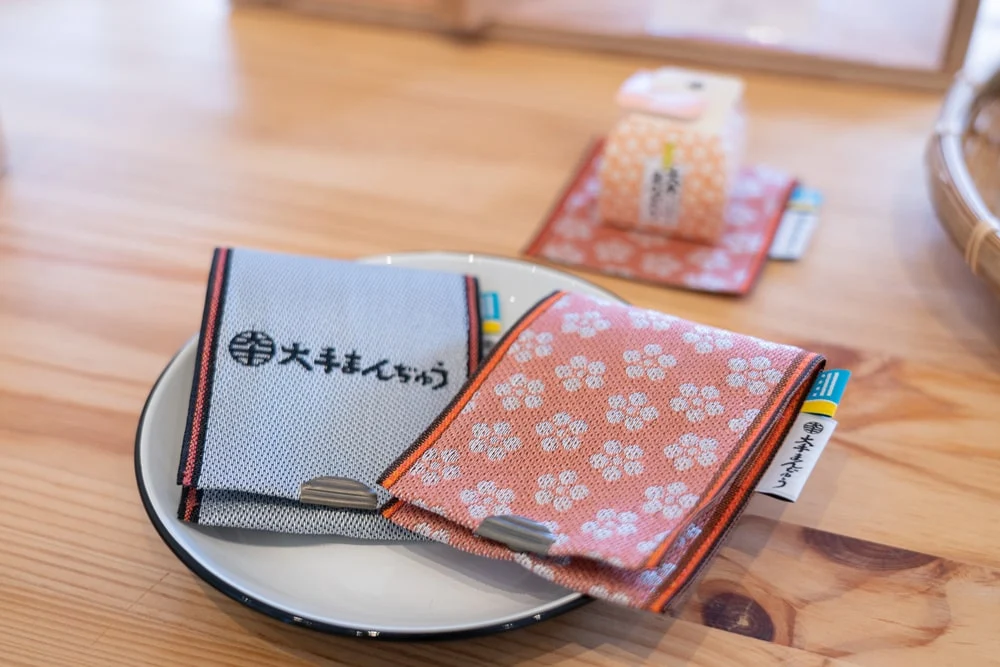
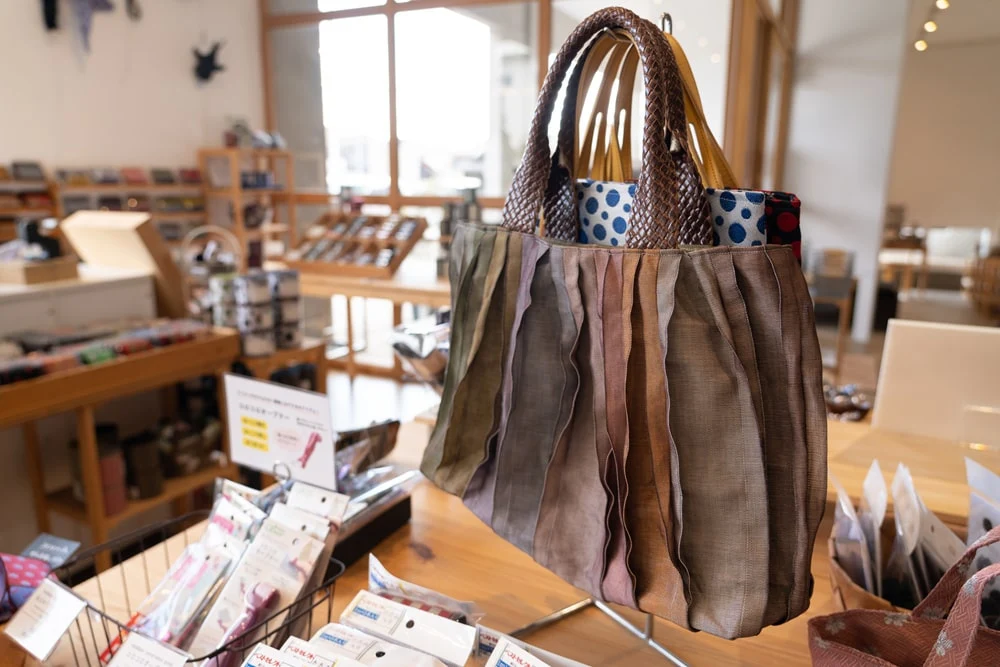
At FLAT, you can see tatami borders used in various forms.
Takada
I have always been interested in developing uses and have participated in exhibitions such as gift shows.
Tatami borders cannot be ironed, but they easily take creases. They cannot be washed, but they are woven with threads that do not absorb water easily.
Since they are used at foot level, they are durable.
They can be used for small items and other applications that do not require washing.
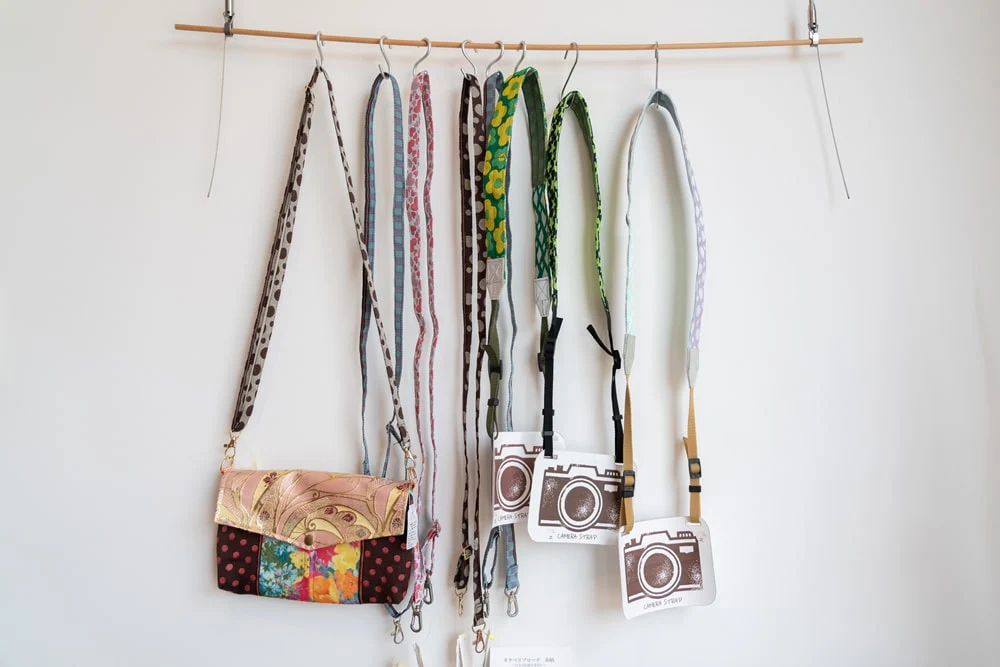
However, there weren't many ideas on what to make with tatami borders that are only 80 millimeters wide, which was a bottleneck.
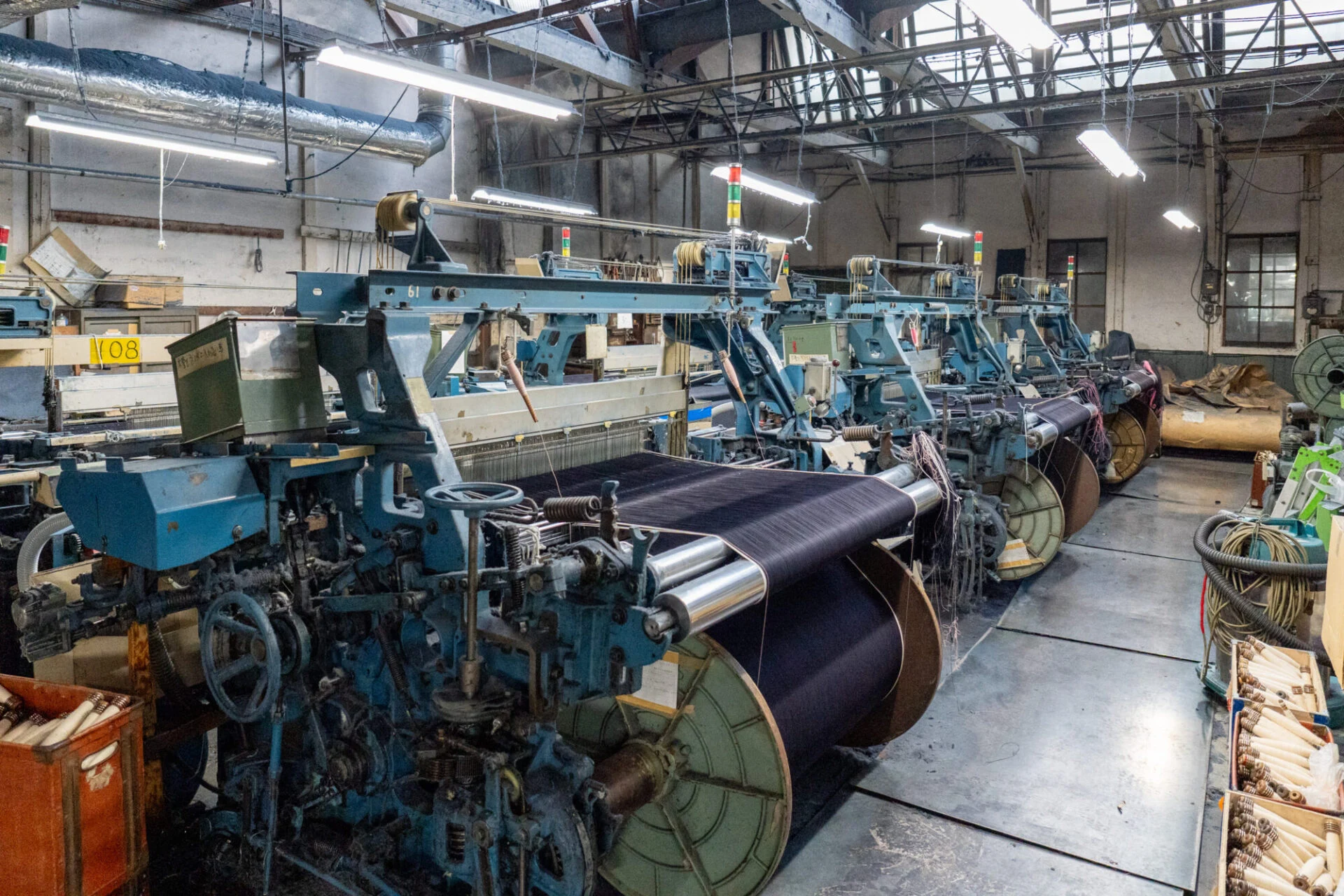
The Kojima area where Takada Textile is located is a textile town. Many seniors have worked in sewing jobs.
When we held a handmade contest using tatami borders for the local community, we received some amazing works.
We also had craft teachers create works and collaborated with craft publishers to publish several volumes of handmade books using tatami borders.

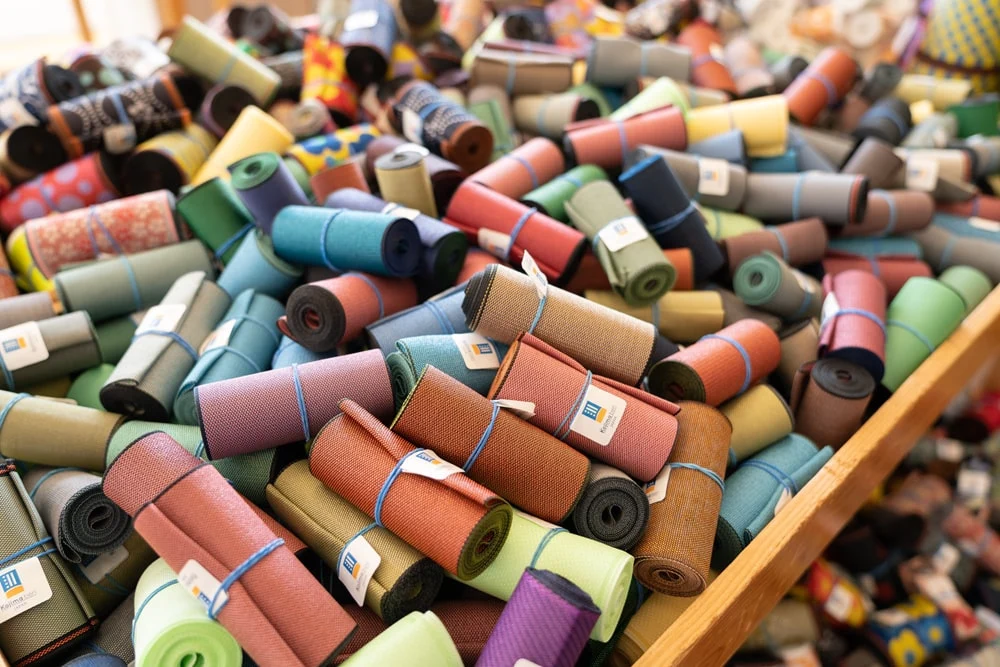
Additionally, tatami borders that are less than 2 meters long, which could not be used for tatami, had to be discarded.
However, if we keep tatami borders that are less than 2 meters as materials in stores, customers will show interest.
As handmade materials, that length is quite usable.
Takada
Eventually, more people started to visit FLAT to see tatami borders, thinking, "If there are such cute tatami borders, I should have used this for my home tatami borders."
As recognition increases, more people will want to use them at home, and more will want to try using them as materials.
From various angles, we are working to enhance the value and recognition of tatami borders.
Creating Pop Culture
Takada
Tatami are deeply rooted in Japanese culture and are somewhat universal, not subject to trends or fads.
I am aware that they have continued to exist because they are good products.
We are conducting our business from the perspective of "creating pop culture" rather than just preserving traditional culture.
I believe that tatami borders can provide a value that makes tatami something people want to say, "I want to use it because it's cute" or "I like it."
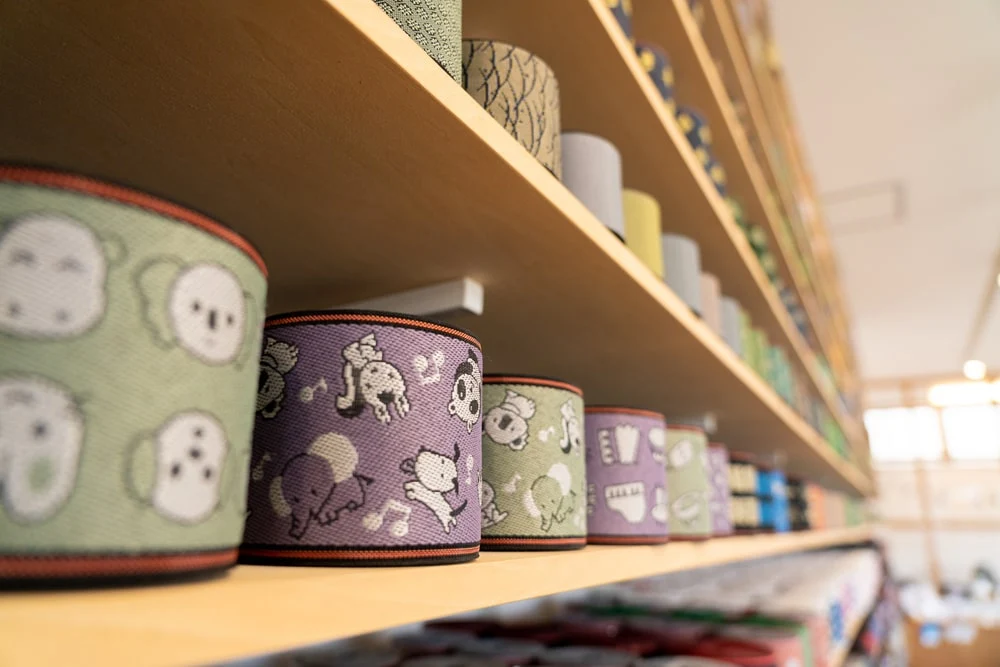
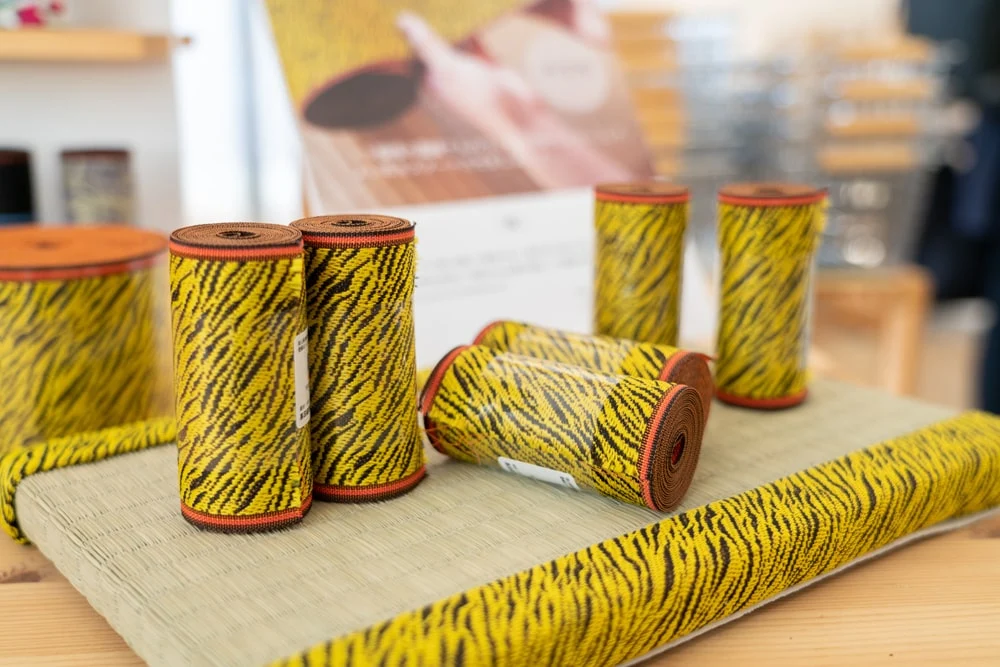
When we supply animal-patterned tatami borders to kindergartens, the children are extremely happy, and we have various tatami borders for Chinese restaurants, among others.
In the past, it was not common to choose tatami borders.
However, for today's craftsmen and designers, it has become the norm to select tatami borders.
As this happens, some people find that existing products are insufficient, and the market for special orders is rapidly expanding.
Collaborations and Initiatives: More About How to Create Than What to Create
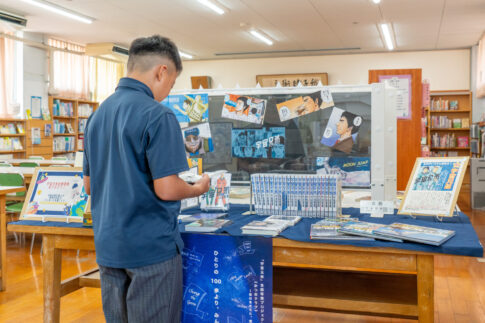
Products related to "Demon Slayer" are also being made.
Takada
We sell tatami borders and tatami mats.
Because of the design of this tatami border, it becomes a tatami mat that evokes the characters.
I want to spread the idea that the value brought by the design of tatami borders is that "the existence of tatami borders itself is valuable," which is why we collaborated.
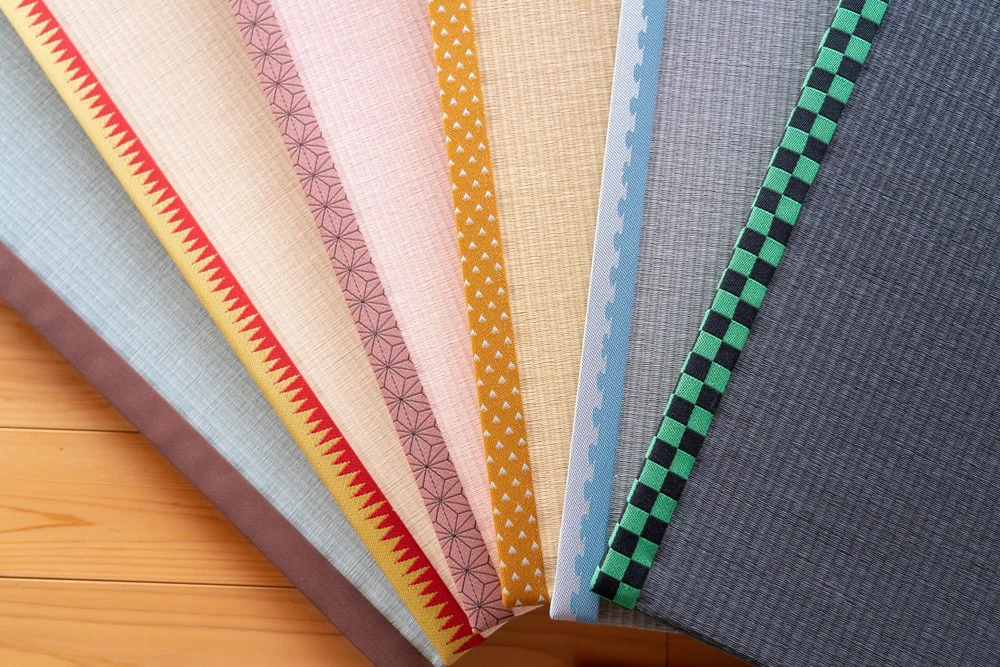
I wasn't really aiming for popularity with the products; I just made them because I wanted to. However, I received quite a response, so I feel lucky about that.

Why did you participate in "Design Goals," where creators, designers, and companies with disabilities form a team to create products?
Takada
I was interested in the flow of product development. I thought that interesting things could be created by utilizing each person's strengths.
We use them not because the creators have disabilities, but because they are wonderful as designs.
Our products move because our customers are happy, and the creators receive compensation (royalties) for using their works. I thought it was good to create something great.
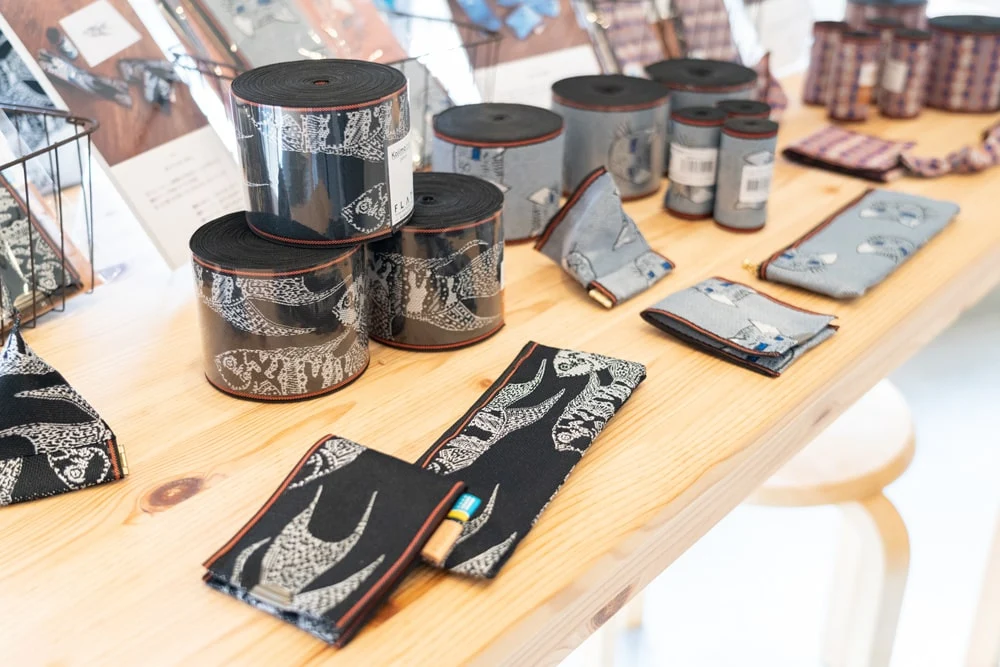
What we create is important, but we place even more importance on "how we create it."
For example, the relationships with suppliers and the working environment for employees.
I believe that ease of working is an essential element in manufacturing in rural areas.
Engagement with the Community and Expanding Recognition
Has your relationship with the community changed?
Takada
Takada Textile is actively engaged in social activities. The chairman has long served as the head of the Kojima Chamber of Commerce.
However, when I graduated from university and returned to Kurashiki in 2004, no one knew about tatami edges.
Neither the government nor the local people, nor even those from Okayama Prefecture or Kurashiki City, were aware of it.
Even in 2014, when the antenna shop "Tottori Okayama Shimbashi-kan" opened in Tokyo, tatami edges were excluded from the selection of products.
There was not much recognition of tatami edges as a prefectural industry in Okayama, and it was quite frustrating.
I managed to persist and secure a small sales space, resulting in sales and a loyal customer base, and now it has become the number one selling product in the antenna shop.
As a result, it catches the attention of prefectural officials and urban buyers, and many relationships have started from there.
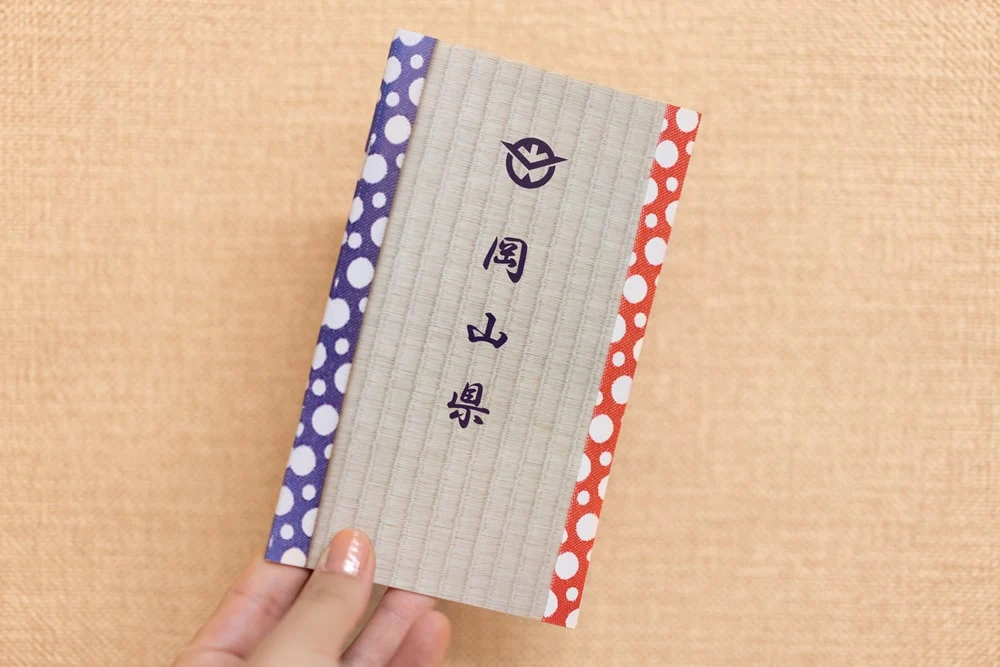
Now, tatami edges are featured as a specialty product, to the extent that they are used for the cover design of Okayama Prefecture's PR booklet.
Your efforts have paid off, and recognition has changed.
Takada
Upgrading Tradition or not necessarily adhering to common sense.
I am the sixth generation, but I am working with the mindset of starting a business as the sixth generation.
The industry in Kojima has a history of rise and fall.
Kojima started with the production of tabi (traditional Japanese socks), and when tabi fell out of use, the technology was used to make stiff-collared shirts for school uniforms, and as the birthrate declined, school uniforms also decreased, leading to a shift to working wear and denim.
Denim has also become increasingly difficult due to the rise of cheap overseas products, but each brand is being created and marketed globally.
The Future of Tatami Edges
Takada
Tatami edges have a long history, but I believe we are in a transitional period now.
The ratio of homeowners with tatami is decreasing, and the number of ryukyu tatami (tatami without edges) is increasing.
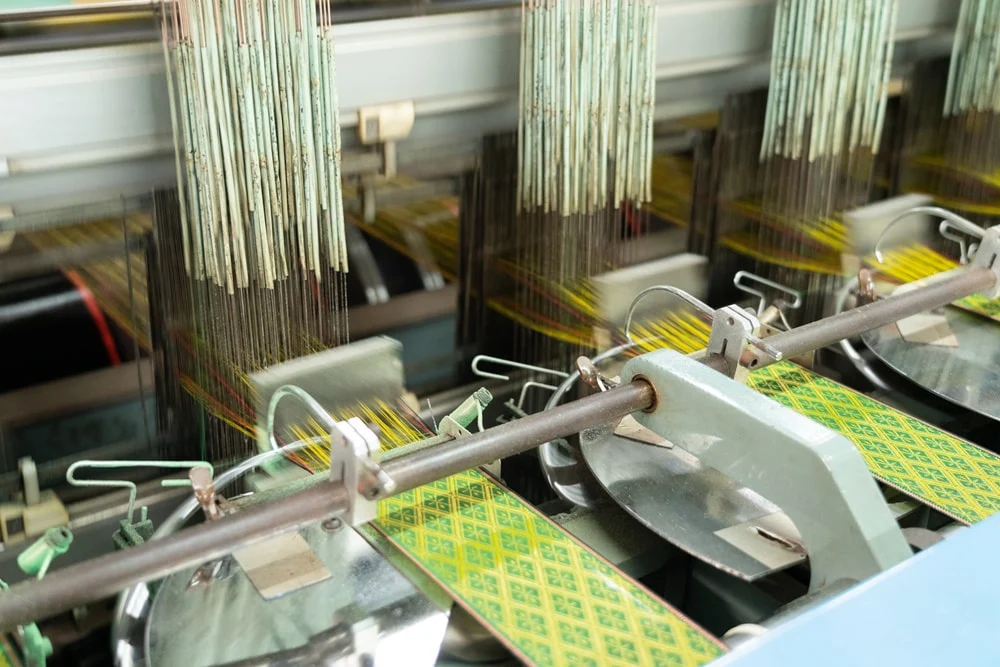
Still, what is the purpose of making tatami? Or, how can we use our weaving technology for narrow-width textiles to benefit society, even beyond tatami edges? I always try to keep that perspective.
We must be flexible, and it is important to recognize opportunities and take action.
Since we do not have abundant budgets like large companies, we need to leave an impact and refine our effectiveness.
Now, we are increasingly taking unique initiatives as tatami edges rather than just being a part of tatami.
If those initiatives ultimately lead back to tatami, that would be a double win.
As a company, do you have a mindset to challenge new things?
Takada
Yes, we do.
Many employees take maternity and childcare leave, and I hope that when they return, there will be changes that make them feel like they are in a different world.
What is important when creating things is the perspective of surprising or being interesting.
We consciously create things that make people think, "I can't believe something like this was born from a traditional industry."
I believe that without such manufacturing, it wouldn't be enjoyable.
What are your dreams and goals for the future?
Takada
By 2025, I want to achieve recognition to the point where when one in ten people in the country is asked, "Do you know tatami edges?" they respond not with "It's the black ones, right?" but with "There are various kinds recently," or "There are many ways to use them."
The world is tough due to the COVID-19 pandemic, but we had planned to exhibit at a trade show in France in February 2022. We are also considering expansion to China, Taiwan, and other overseas markets.
Since it is not a material that sells quietly, the challenge is how to convey the value of tatami edges.
Knowing About Tatami Edges is Fun
You may not often think about tatami edges in your daily life.
However, tatami edges are surely a more diverse and enjoyable world than you might imagine.
The author has felt, thanks to FLAT, that "tatami edges are interesting" for several years now.
And through the interview, I was very impressed by the aspirations and initiatives of Takada Textile.
You can create your preferred interior, change your mood, and encounter new materials.
I have high expectations for the possibilities brought by the 80-millimeter textile.
Please take a look at the diverse world of tatami edges.
Data of Takada Textile Co., Ltd.
| Organization Name | Takada Textile Co., Ltd. |
|---|---|
| Industry | Tatami Edge Manufacturing |
| Representative Name | Takada Naoshi |
| Year Established | 1950 |
| Address | 2-2-53 Kojima Karakoto, Kurashiki City, Okayama Prefecture |
| Contact | 086-477-7162 |
| Website | Takada Textile Co., Ltd. |