
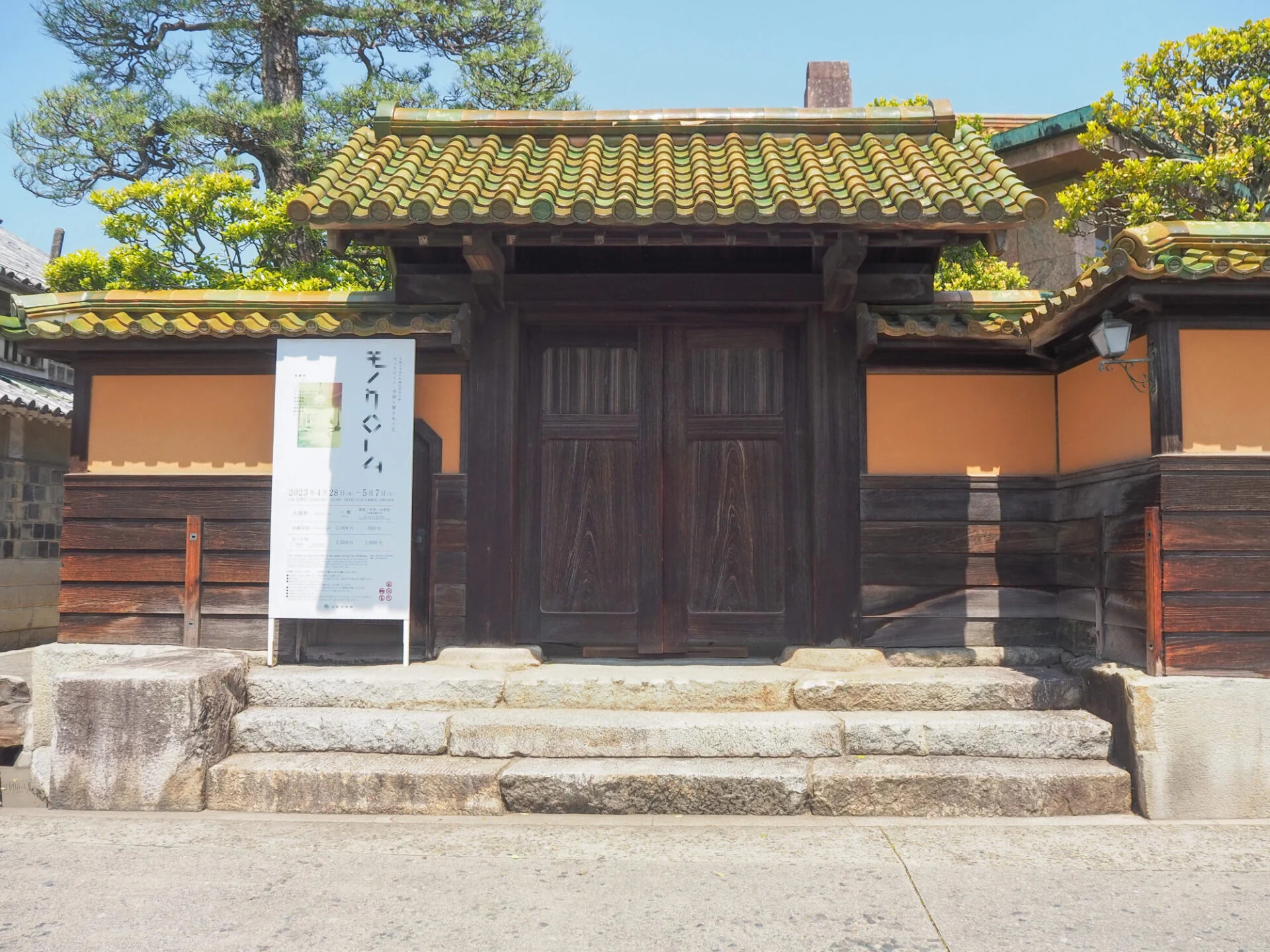
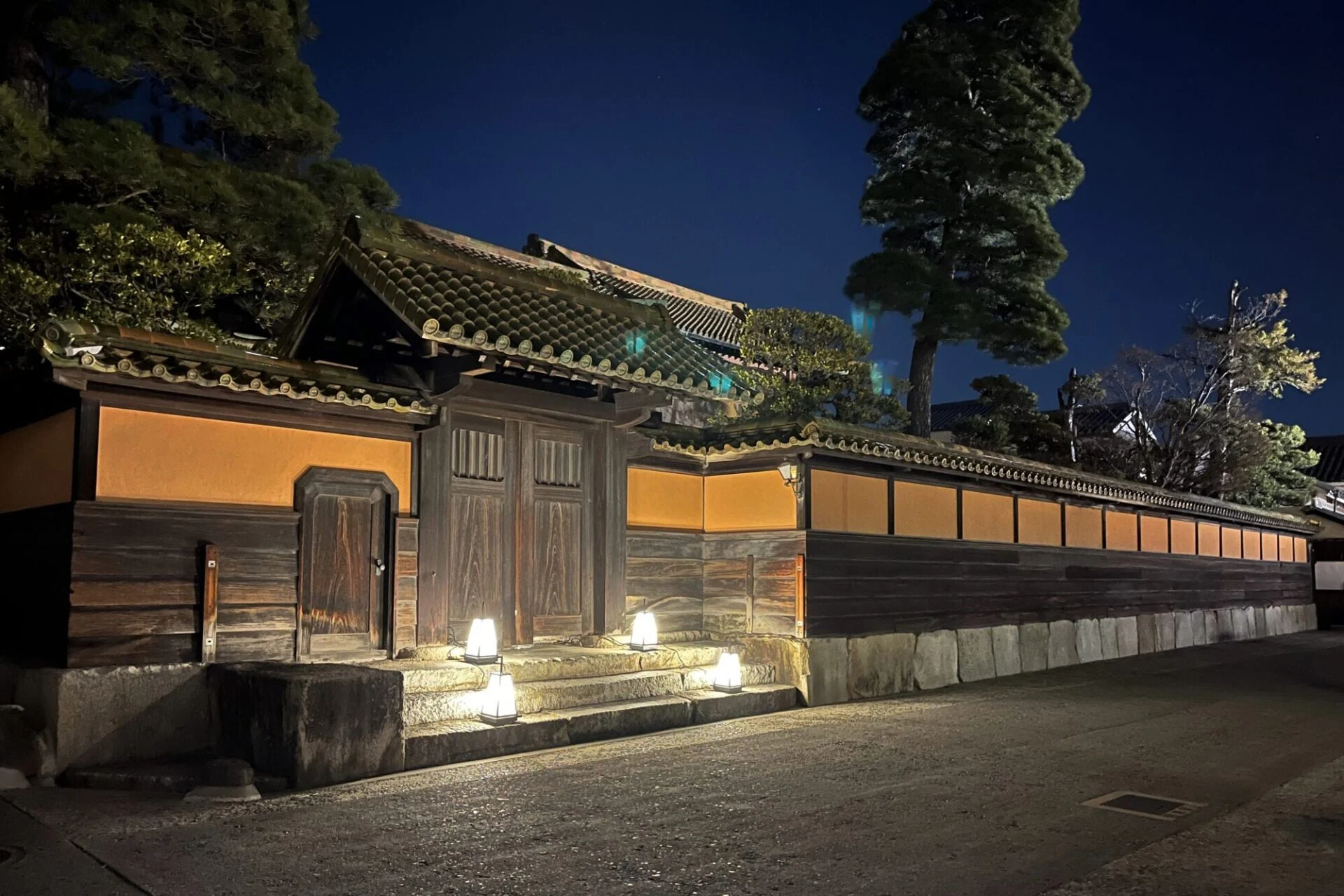
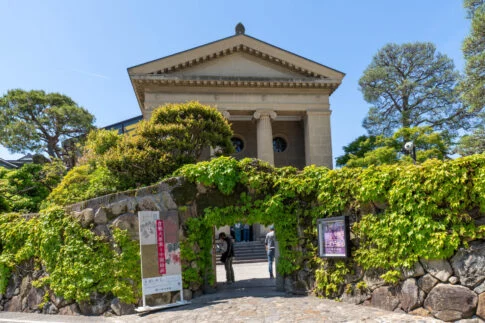
Kurashiki’s Bikan Historical Area is home to buildings associated with Ohara Magosaburo, the founder of the Ohara Museum of Art.
One of them is Yurin-so Villa.
It is not usually open to the public, but you can visit during special exhibitions held twice a year.
The time has come to enjoy Yurin-so Villa this spring, too.
This is the first spring exhibition to be held in four years.
Here is an introduction to the special exhibition titled “Monochrome: Colors in Harmony with Space.”
Photography is normally prohibited inside Yurin-so Villa. Special permission to take photographs was granted for this article.
The information presented here is current as of the article’s publication in May 2023. Please note that it may differ from current information.
About Yurin-so Villa
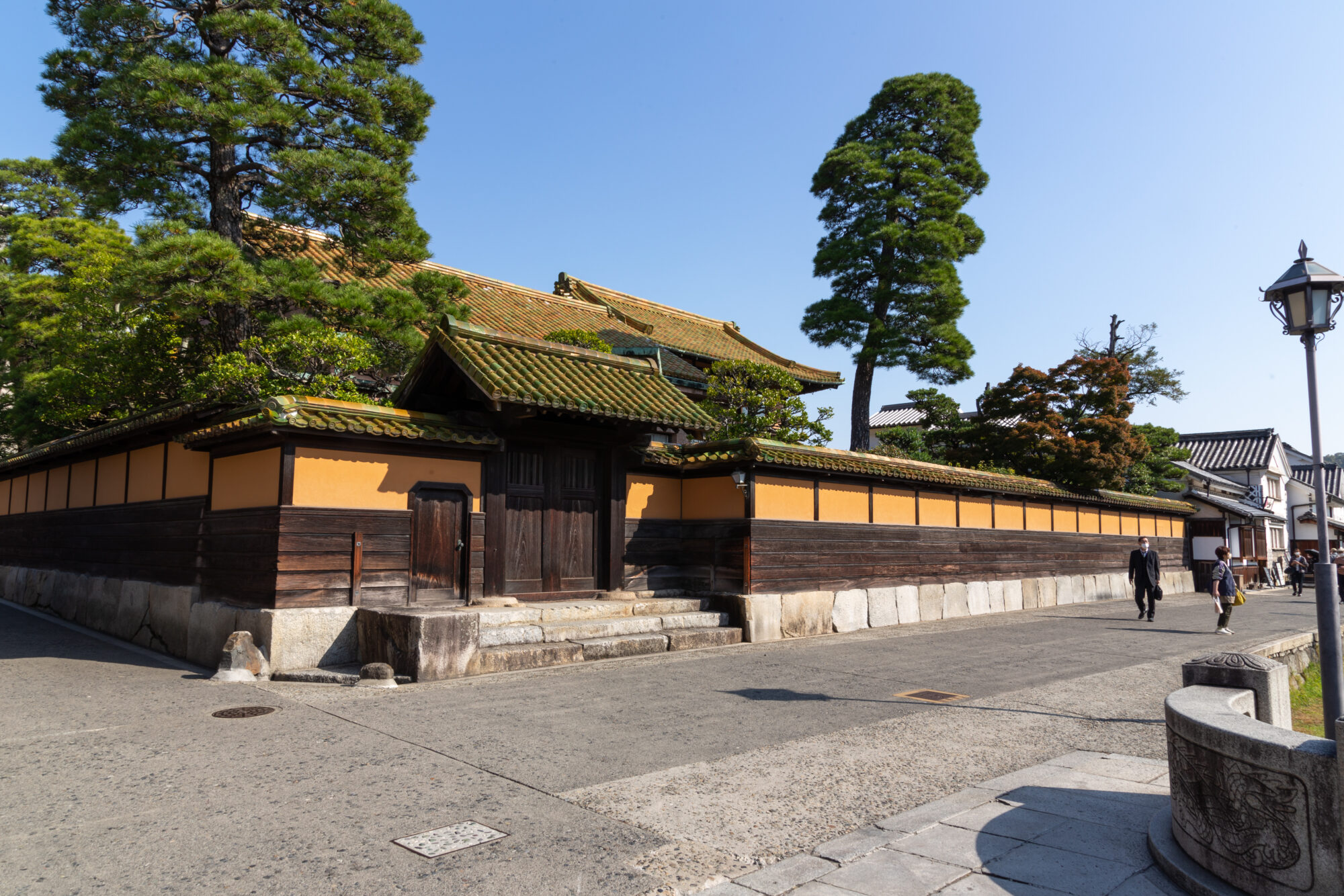
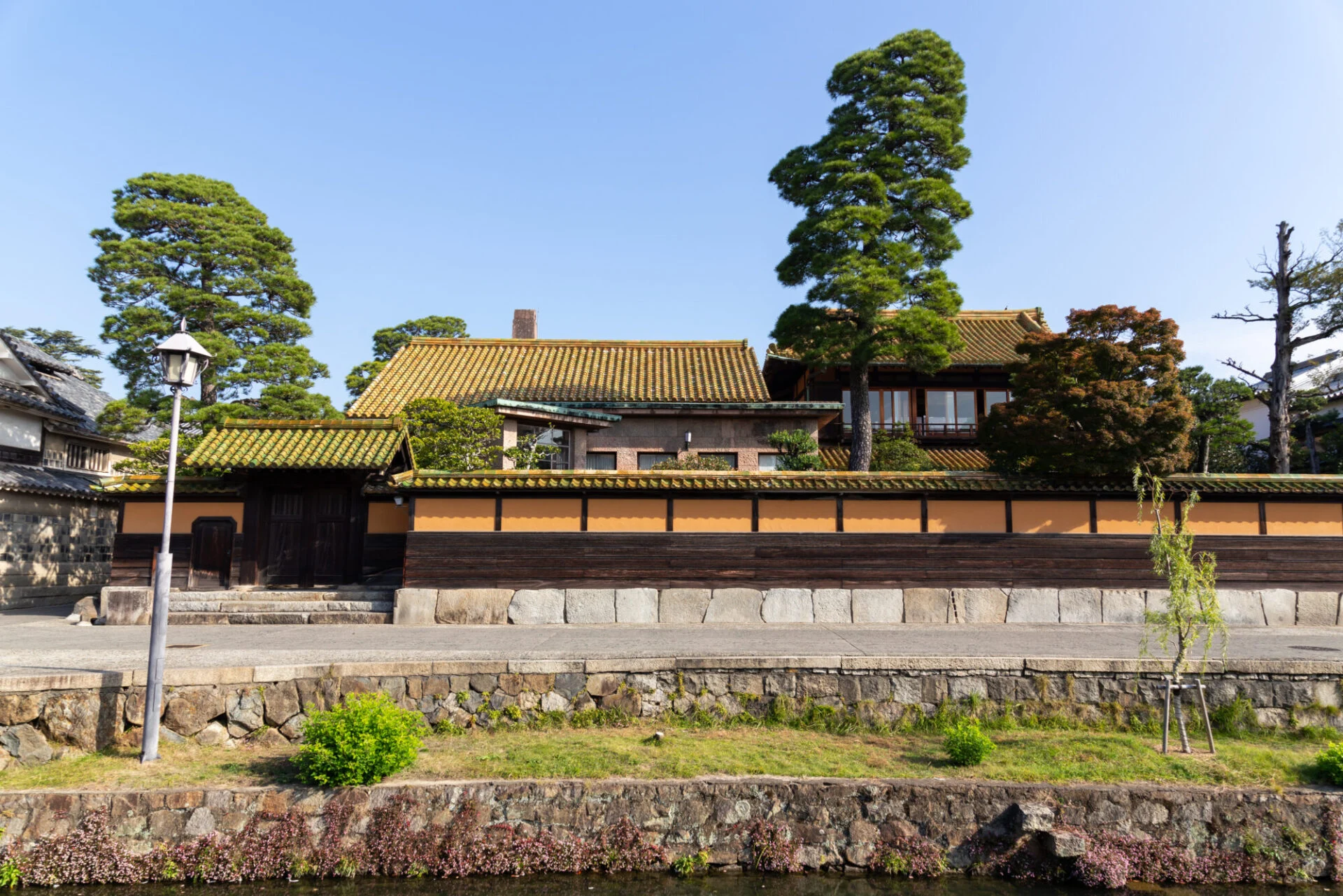
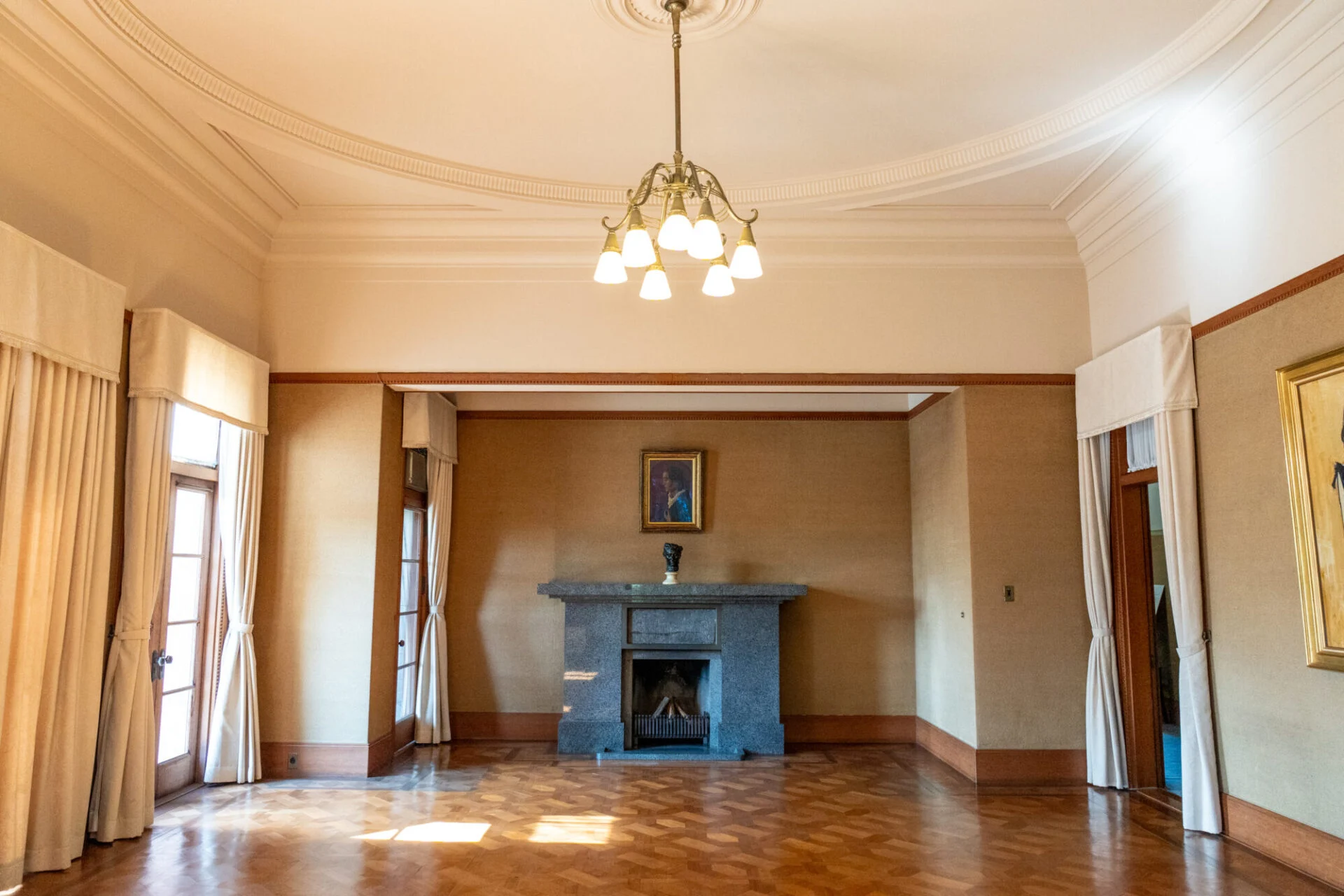
Yurin-so Villa was built in 1928 as the private residence and guesthouse of Ohara Magosaburo.
The idea began when Magosaburo, concerned about his wife’s poor health, envisioned a space where only the family could spend time together in peace. Ultimately, the building also took on the role of a guesthouse.
It is an elegant building that combines elements of Western-style and Japanese-style architecture.
It was designed by Yakushiji Kazue.
He also designed the Ohara Museum of Art and other buildings.
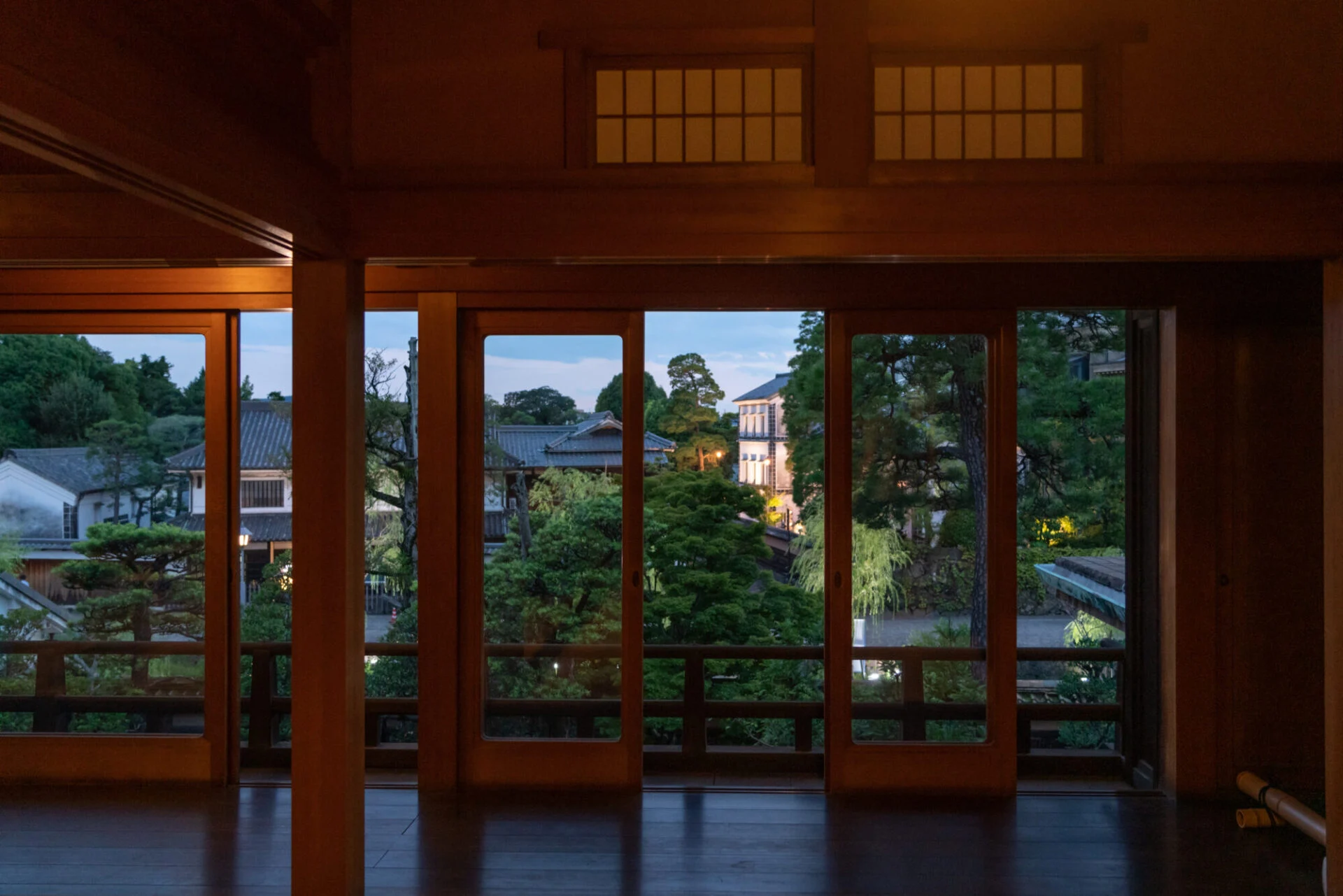
The building is not the only elegant feature; the garden outside the windows is, too.
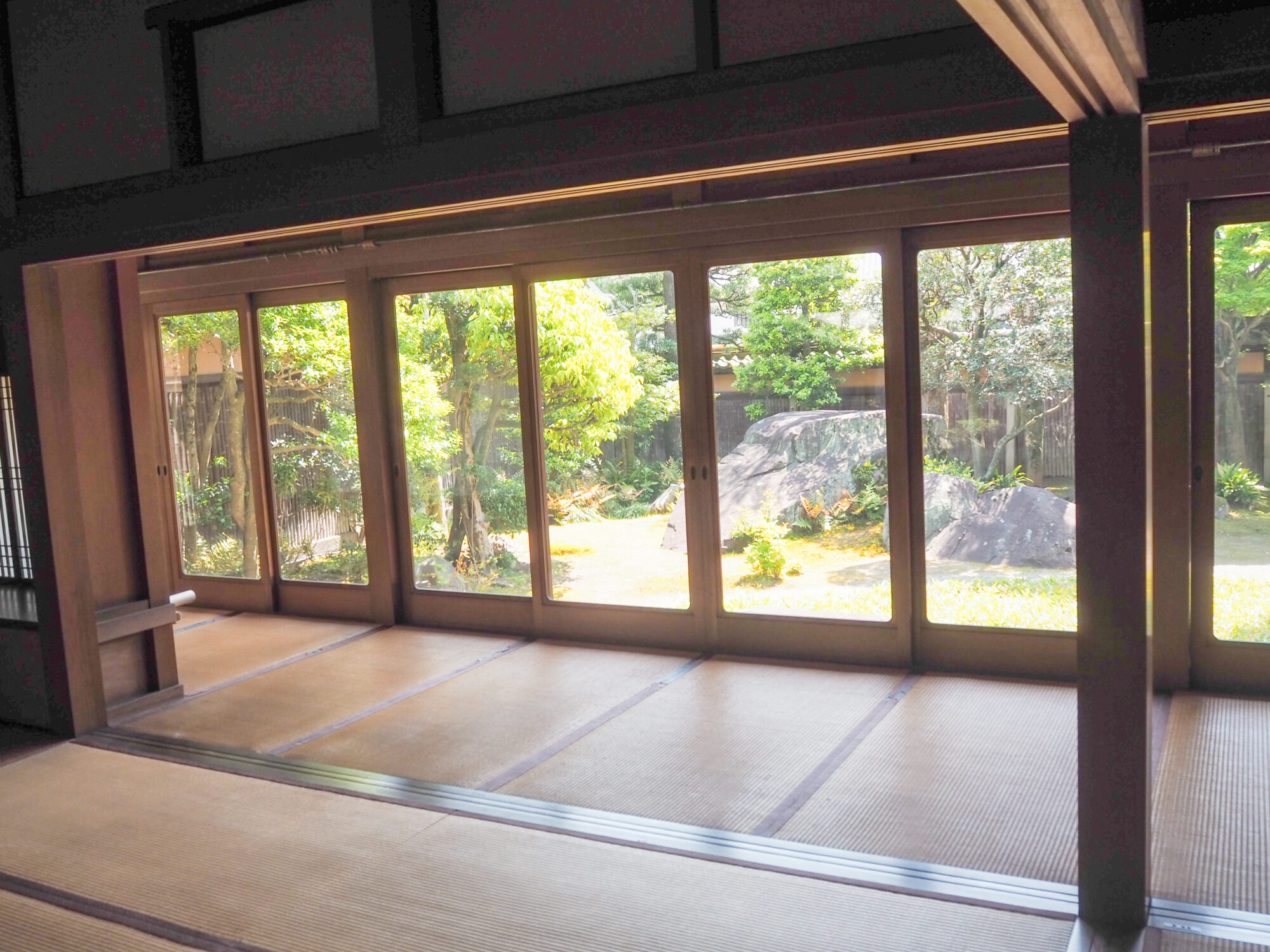
Large Kurama stones, now impossible to obtain, and lush green plants are beautifully maintained.
The spring exhibition is a special opportunity to fully enjoy the garden’s fresh greenery, too.
About the Spring 2023 Special Exhibition at Yurin-so Villa, “Monochrome: Colors in Harmony with Space”
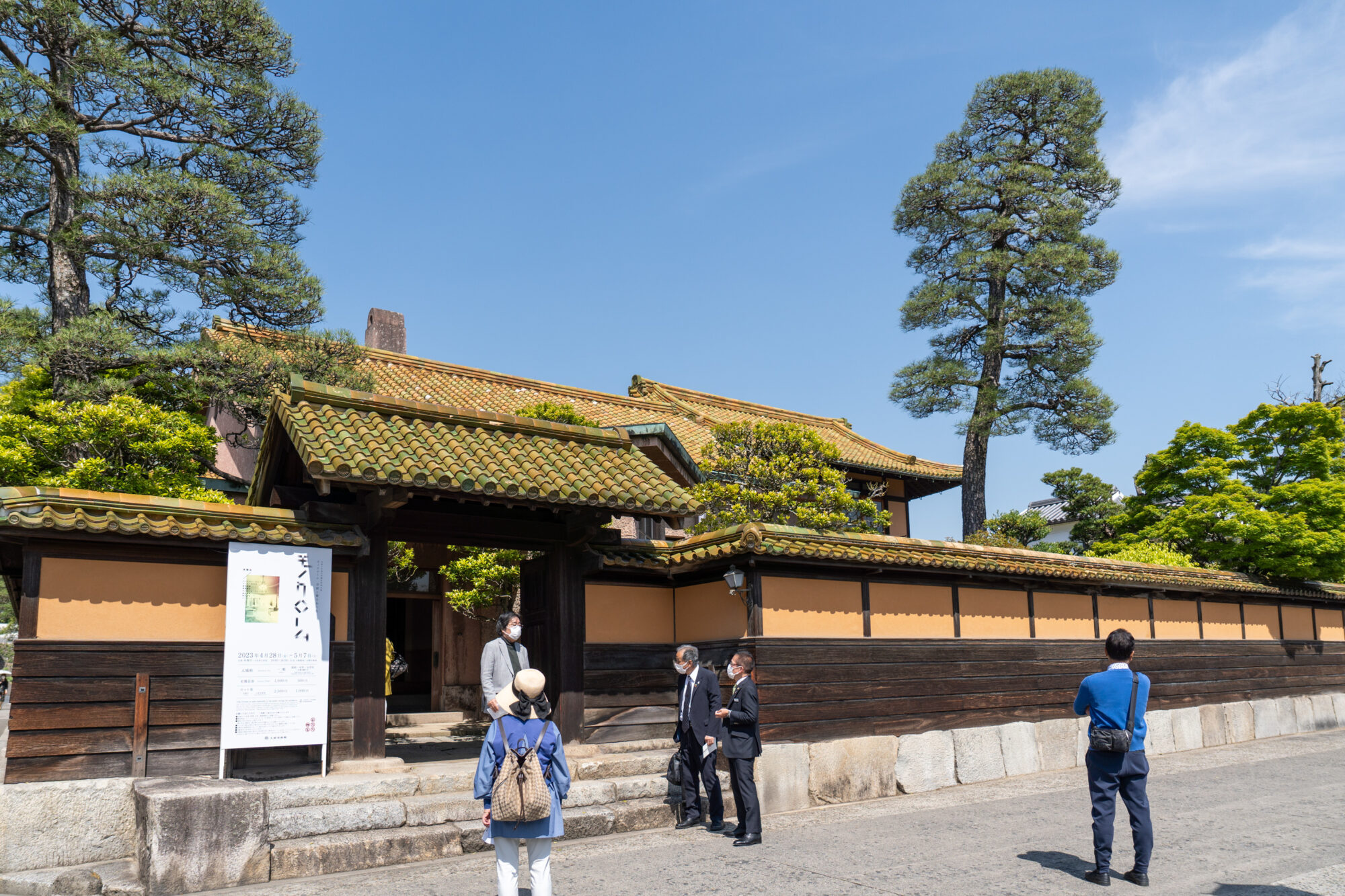
The spring special exhibition is being held for the first time in four years, due to the impact of the COVID-19 pandemic.
| Exhibition period | April 28 (Fri)–May 7 (Sun), 2023 Open every day during the exhibition |
|---|---|
| Opening hours | 10:00 a.m.–4:00 p.m. Last admission at 3:30 p.m. |
| Admission | Yurin-so Villa ticket: Adults ¥1,000; high school, junior high school, and elementary school students ¥500 Combined ticket: Adults ¥2,500; high school, junior high school, and elementary school students ¥1,000 *The combined ticket provides admission to Yurin-so Villa and the Ohara Museum of Art |
The theme this time is “Monochrome: Colors in Harmony with Space.”
As the name suggests, 12 monochrome works from the Ohara Museum of Art collection are on display.
Monochrome refers to gradations created using a single color.
Most of the works use either white or black. Their simple colors make them enjoyable in many different ways.
Many of the works are being shown for the first time in a while, making the opportunity to see them especially valuable.
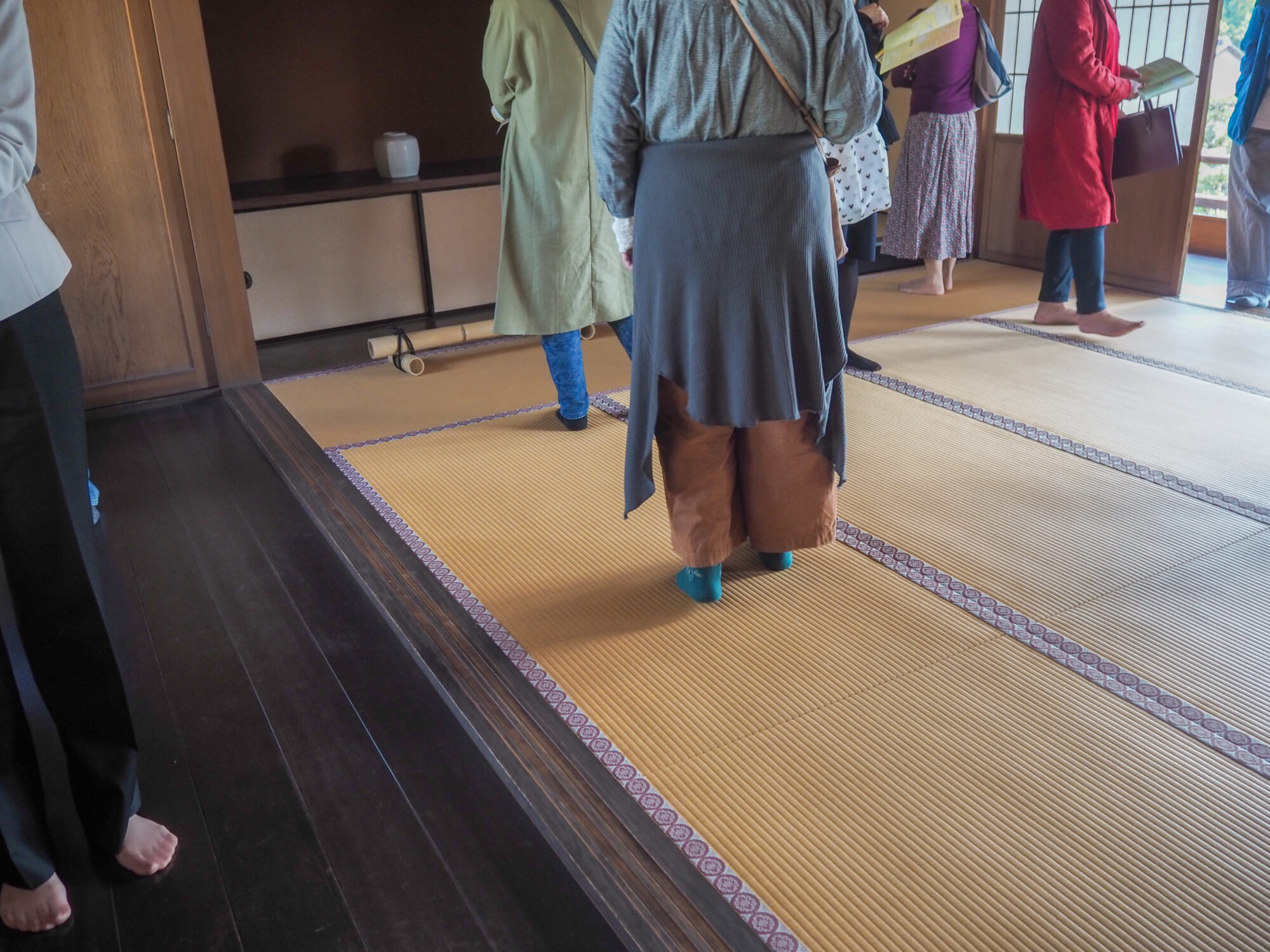
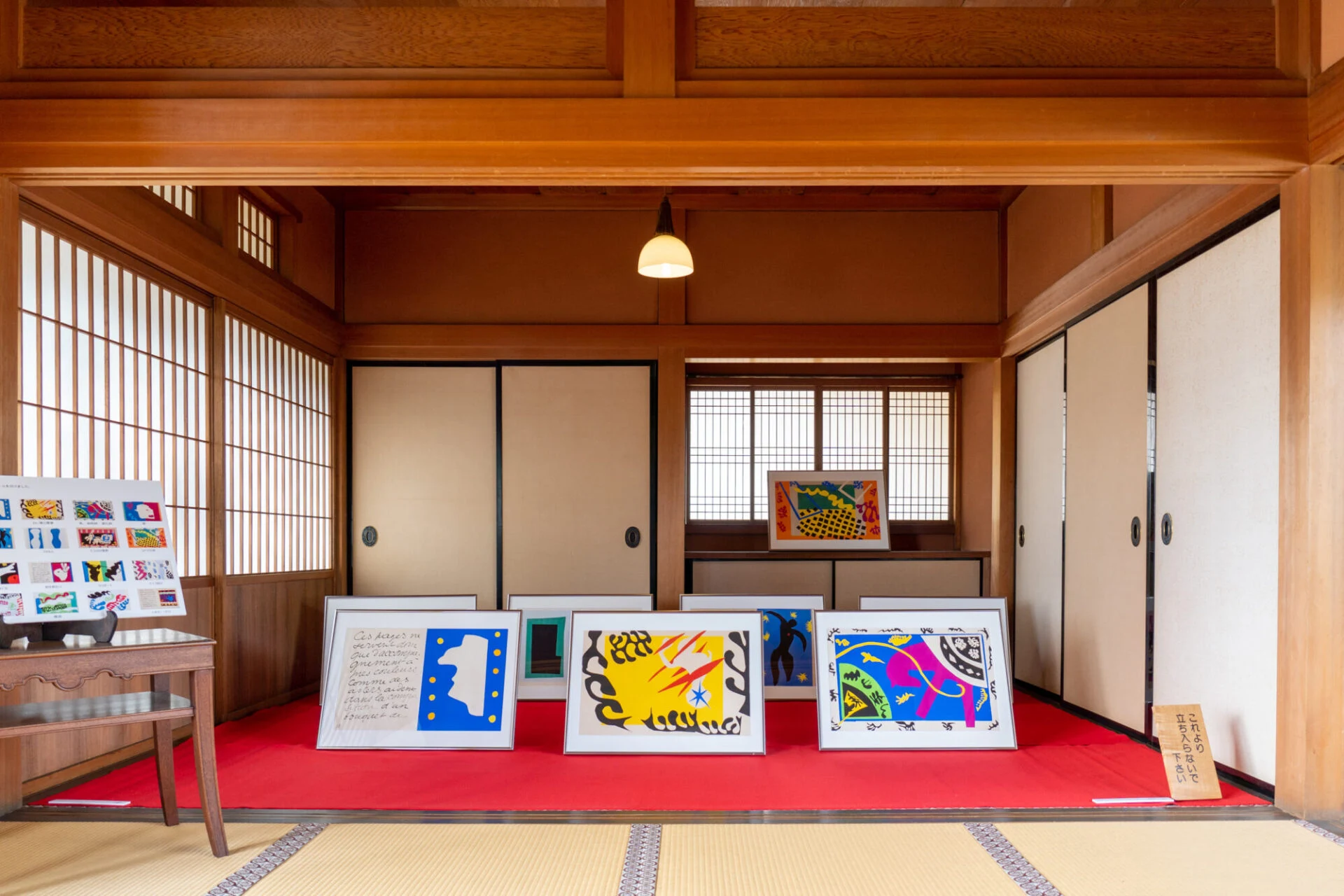
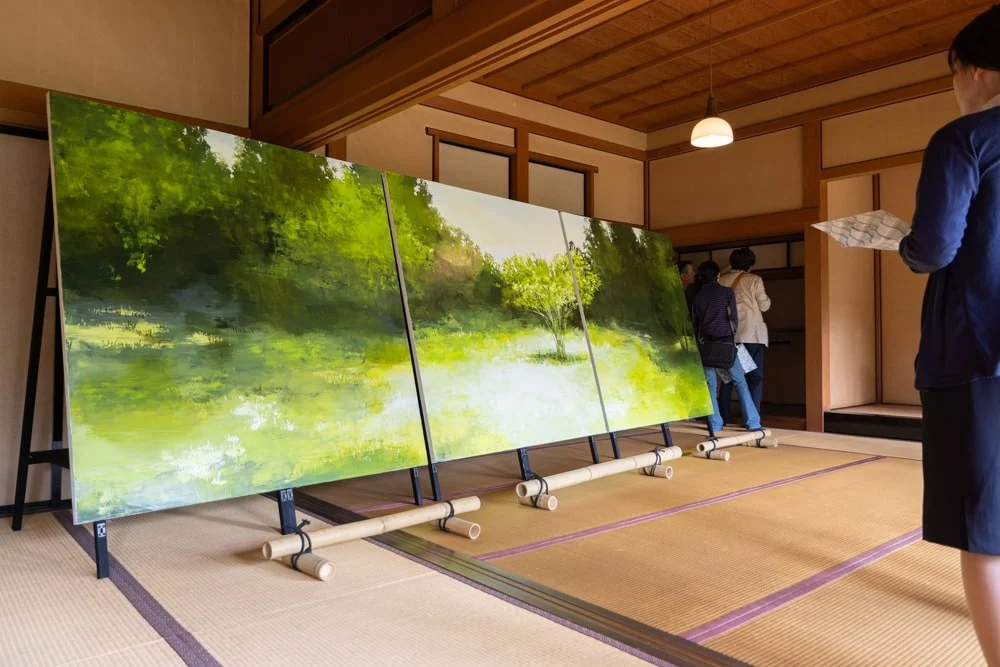
The exhibition is displayed in three rooms: the Western-style room and Japanese-style room on the first floor of Yurin-so Villa, and a Japanese-style room on the second floor.
Each room has a different theme, allowing visitors to experience completely different atmospheres.
How will it feel to view monochrome works alongside Yurin-so Villa’s architecture and garden?
This special exhibition invites you to enjoy the entire space of Yurin-so Villa and spend some unhurried time there.
A Selection of Exhibited Works
Here is a selection of works from “Monochrome: Colors in Harmony with Space.”
Seven Elements of Black with a Square: From Kazimir Malevich’s “Suprematism: 34 Drawings”
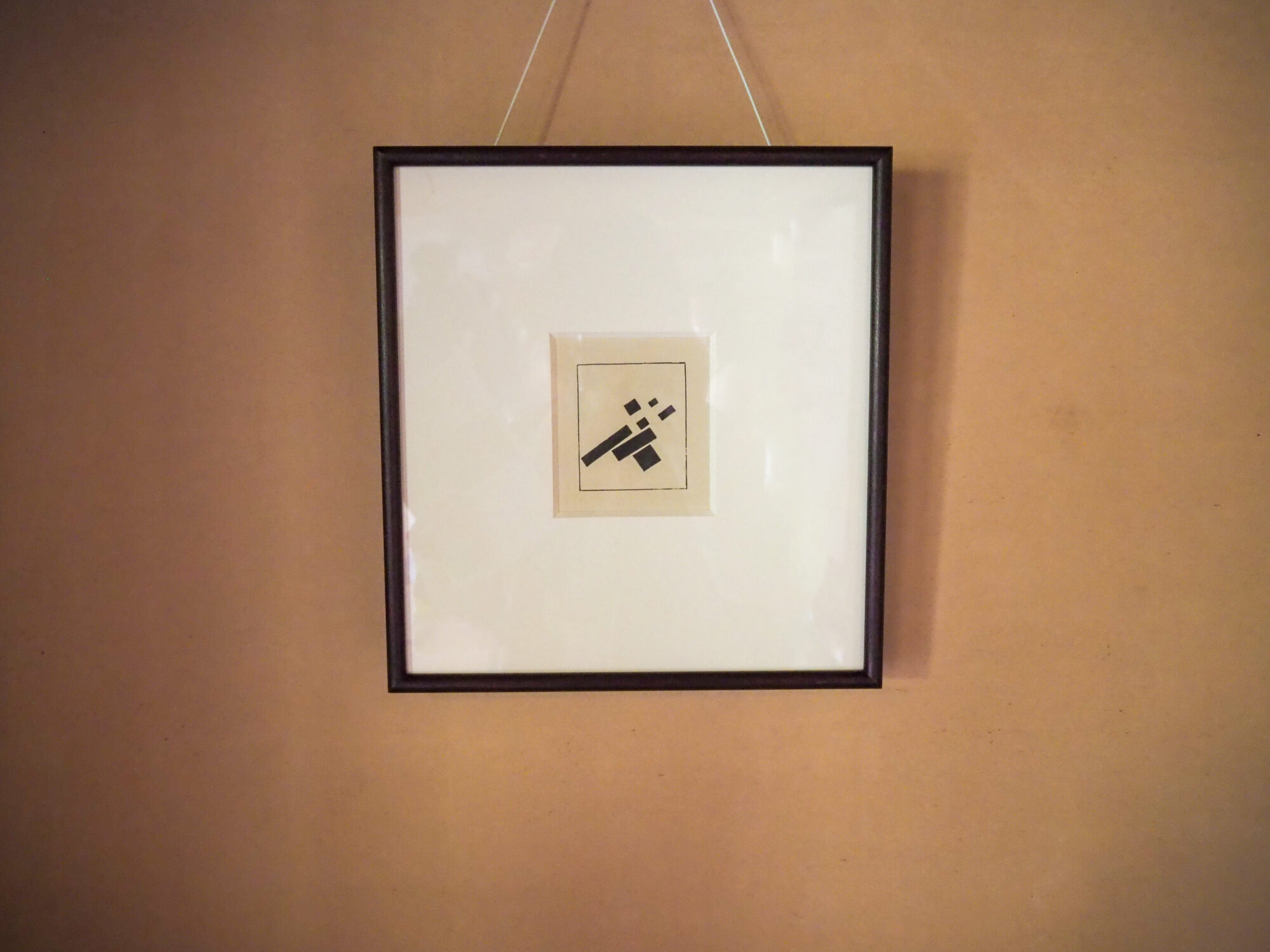
Kazimir Malevich, who was born in what is now Ukraine, created this work in 1920.
It can be viewed in the Japanese-style room on the first floor.
Malevich, one of the pioneers of abstract painting, was a painter whose strength lay in thinking through and expressing his works theoretically.
As a practical expression of the art he pursued, he also published a book.
The work on display this time is one page from that book.
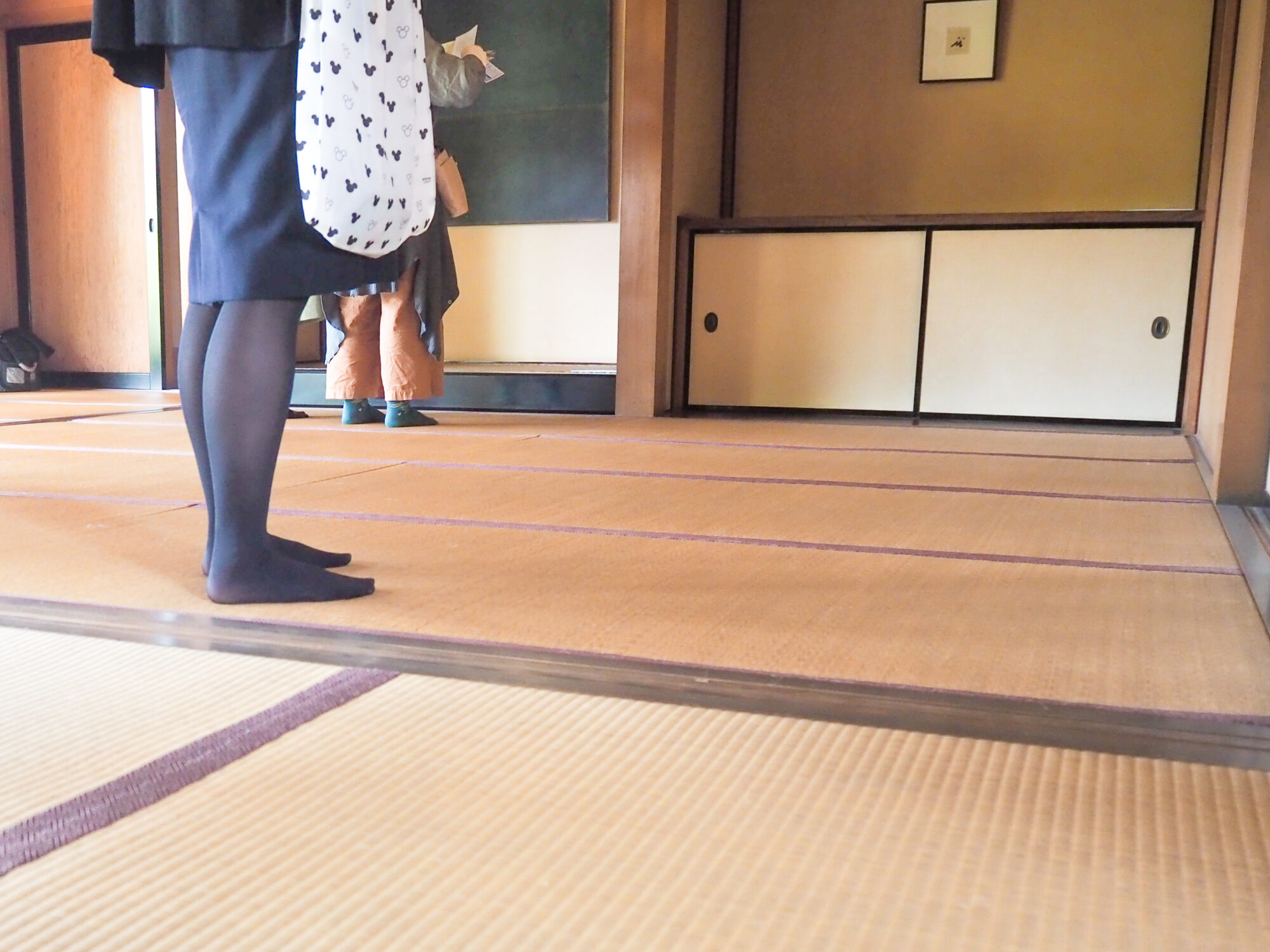
The world of black and white is expressed through a bold reduction of elements.
The work may seem distinctive when viewed up close, but it is fascinating to see how harmoniously it blends with Yurin-so Villa’s architecture from a little farther away.
Outside the windows, the garden plants are vibrant, and the contrast between the vivid colors of nature and the monochrome work is another highlight.
This work can be viewed until May 2, 2023. A work located behind it is scheduled to go on display the following day.
White Porcelain Faceted Jar
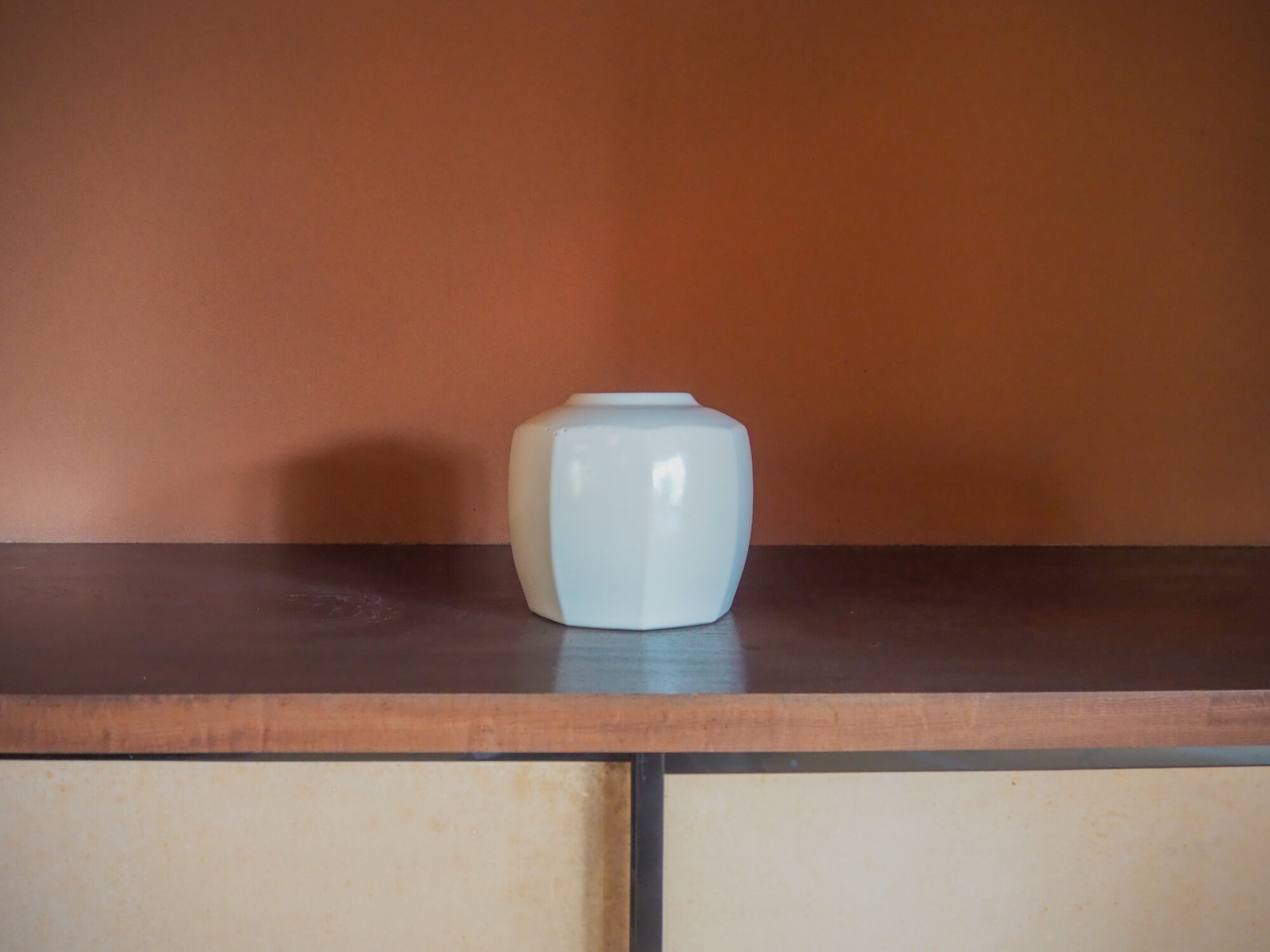
Displayed in the Japanese-style room on the second floor, this work was created in 1931 by Tomimoto Kenkichi.
It is characterized by the softness of the white porcelain and the crisp edges created by its faceted surface.
Light streaming in through the windows makes the edges stand out beautifully.
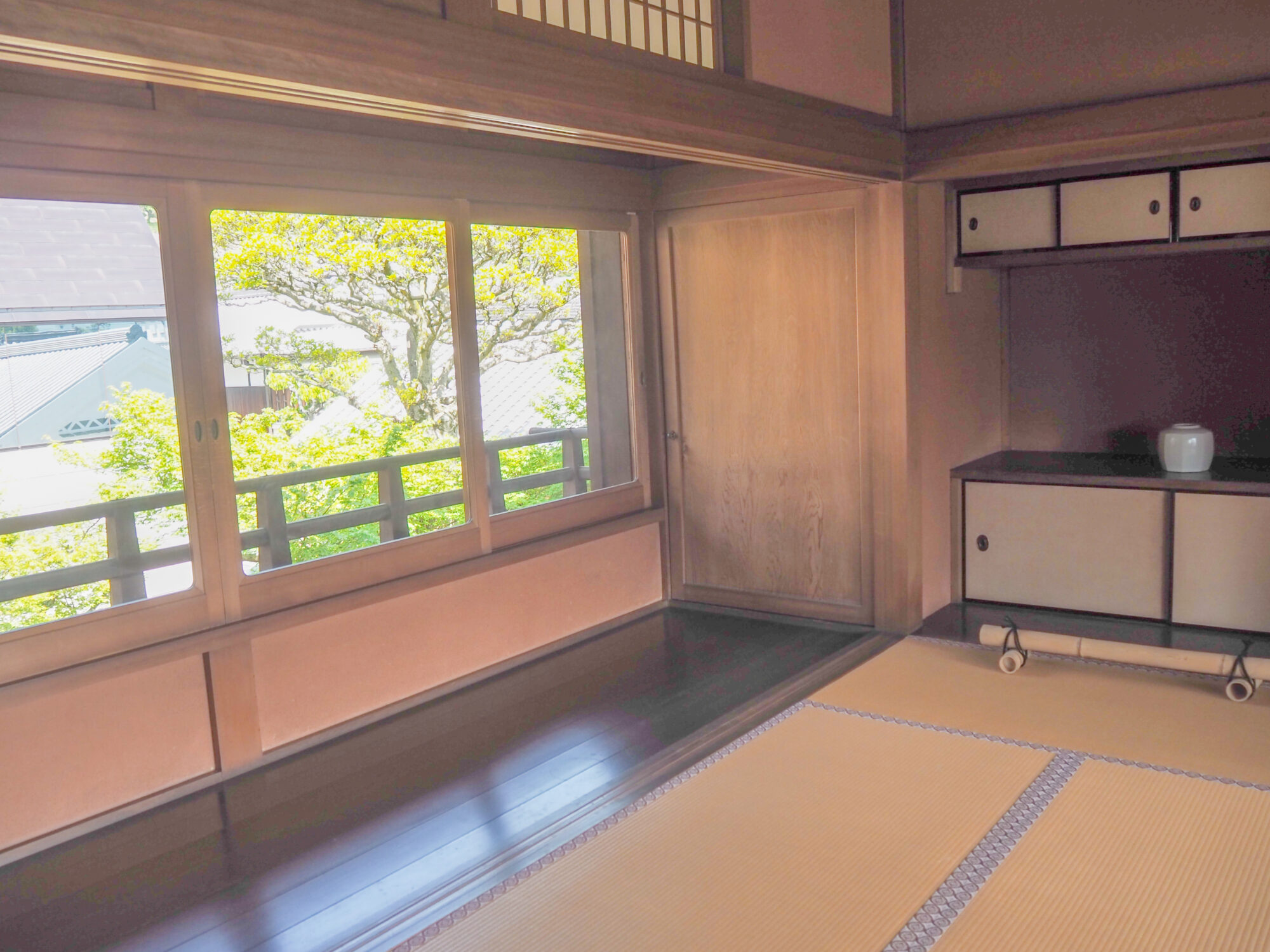
Although it uses only white, this work reveals a variety of expressions depending on the angle.
Try viewing it from different directions and enjoying it again and again.
A work by British ceramic artist Bernard Leach is also on display next to it.
Being able to appreciate the harmony and contrast with other works is another pleasure unique to this special exhibition.
From the Writer
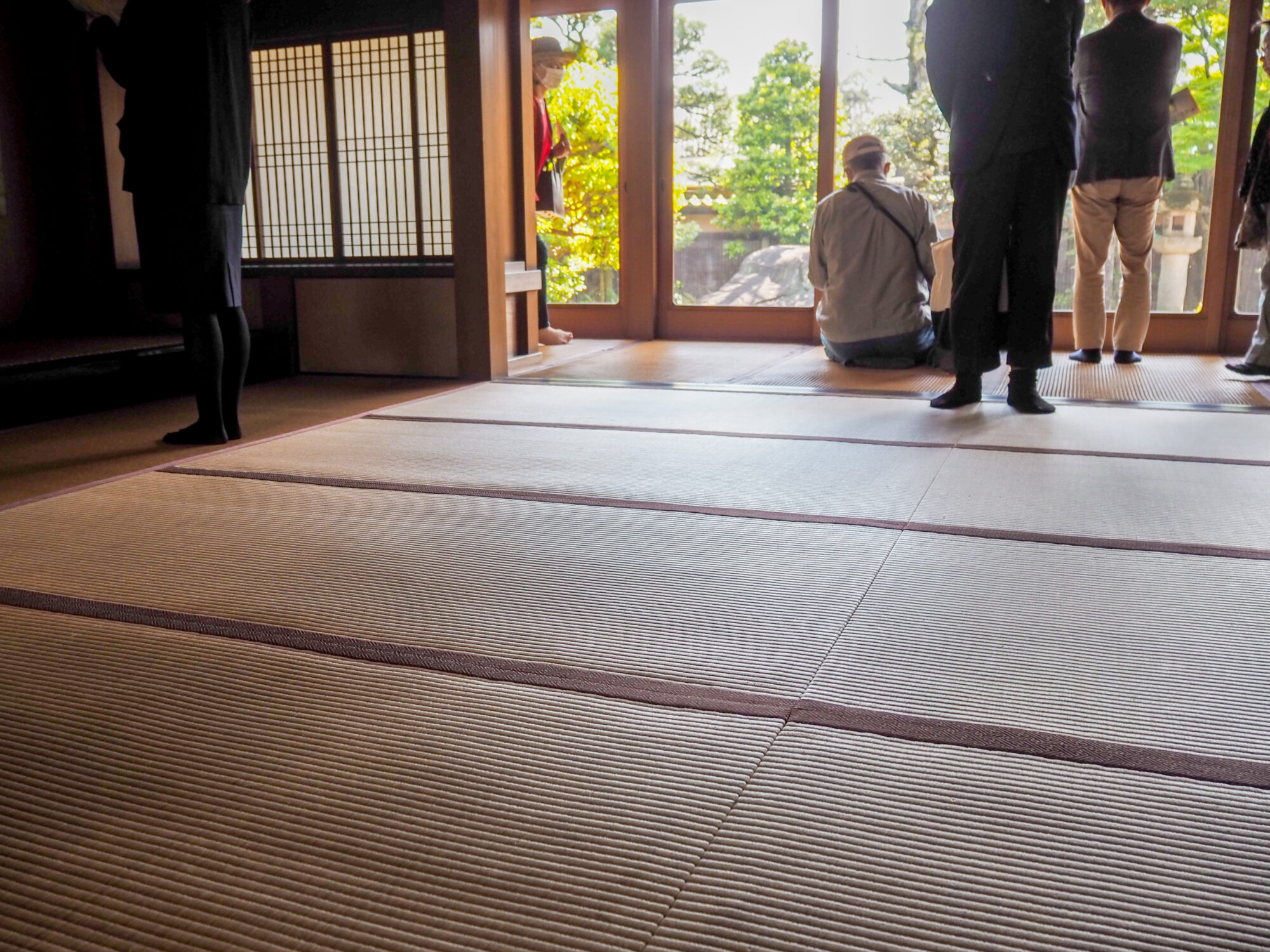
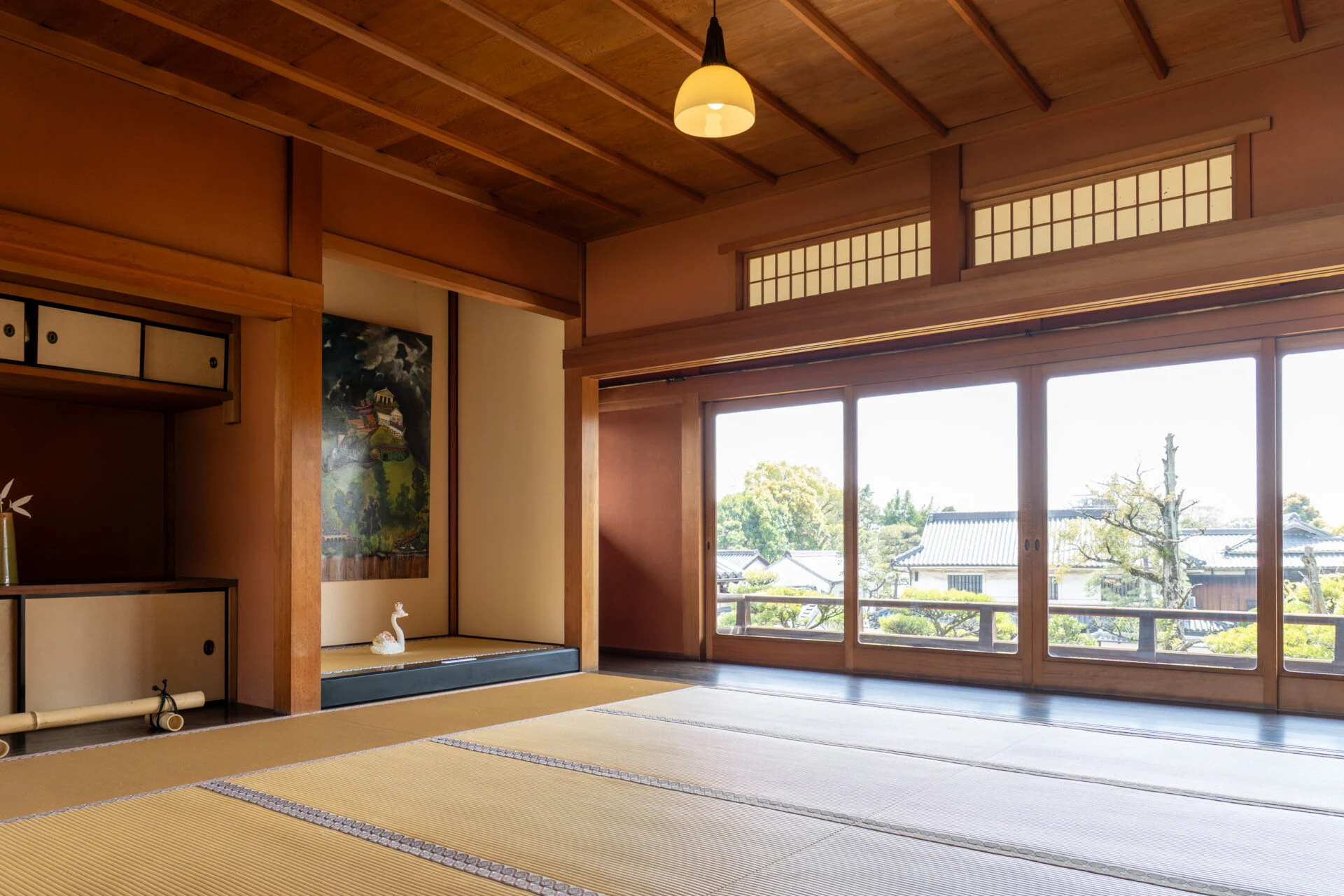
One fascinating aspect of the Spring 2023 Special Exhibition at Yurin-so Villa is that you can enjoy the works through everything you see, including the view outside the windows.
First, take a close look at the works themselves. Then, after enjoying Yurin-so Villa as a whole, look at the works again with fresh eyes.
I felt that being able to enjoy them again and again is a highlight of this special exhibition.
Otsuka, a curator at the Ohara Museum of Art, said:
Golden Week arrives with the season of fresh greenery.
We hope you will enjoy a special moment at Yurin-so Villa.
Articles about Yurin-so Villa


What would you like to know about Kurashiki?
Enter a word to search articles on this site






































Monochrome has long been a theme that has captivated many artists, both in the East and the West.
I believe there is meaning in holding an exhibition on monochrome at Yurin-so Villa, where Eastern and Western architectural styles come together.
Please enjoy the harmony between the works and Yurin-so Villa’s architecture, as well as the contrast with the garden’s greenery and the blue sky.