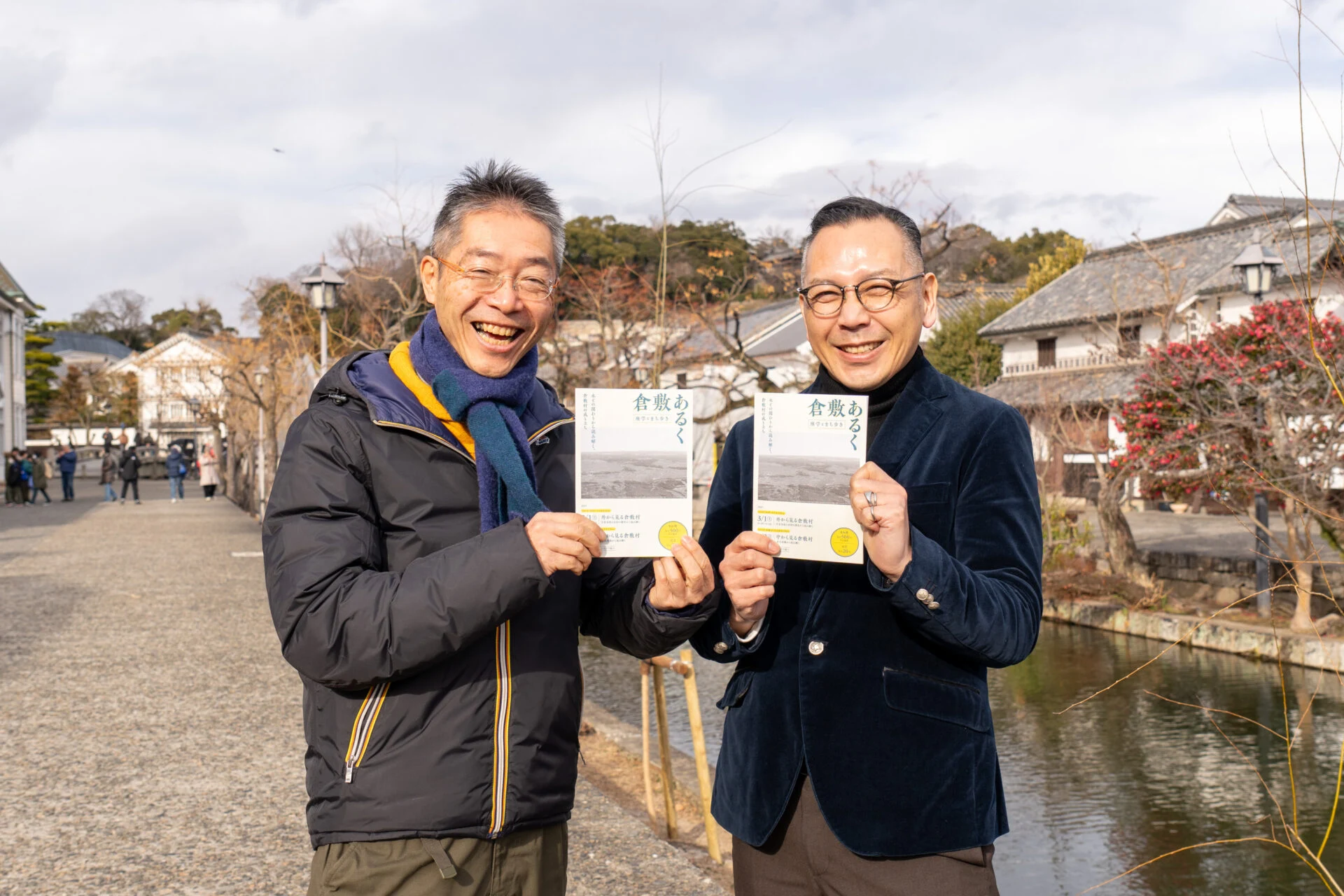
What comes to mind when you hear "Kurashiki"?
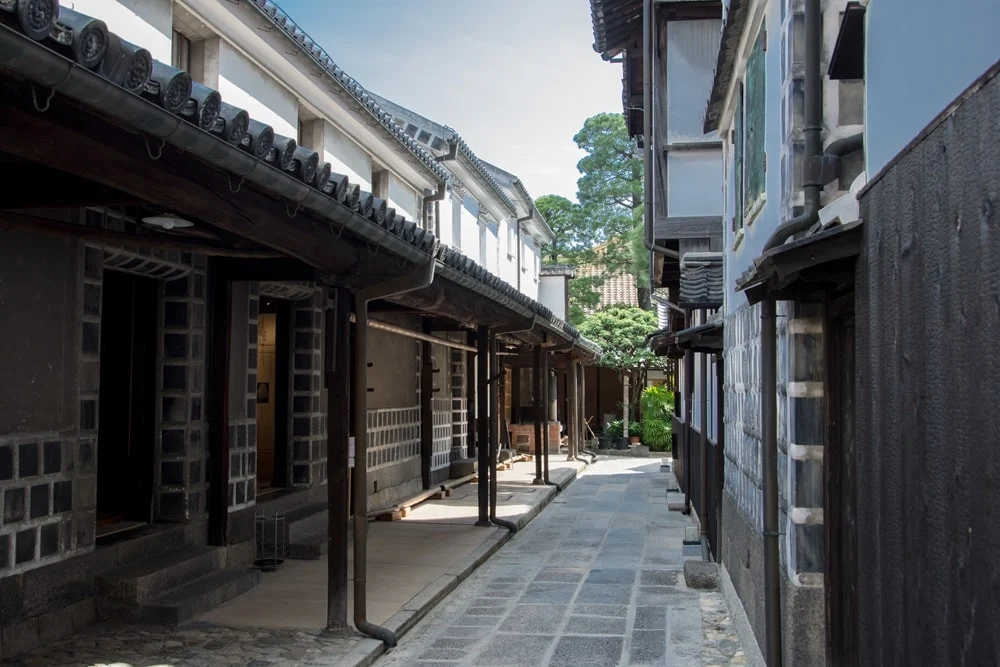
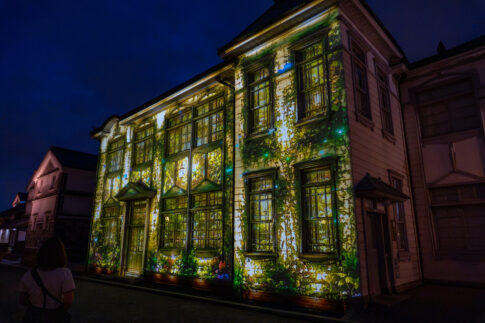
You might imagine the white-walled townscape represented by the Bikan Historical Area.
The current white-walled townscape was established after the Edo period, but what was it like before that, and how did the town come to be in that location? The walking event "Kurashiki Aruku" that delves into that mystery will be held on March 1 (Saturday) and 2 (Sunday), 2025.
The event is organized by the architectural group "KURASiX," which is active in Kurashiki.
We will introduce this project that explores the history of the town, which you may think you know but actually do not.
About "Kurashiki Aruku"
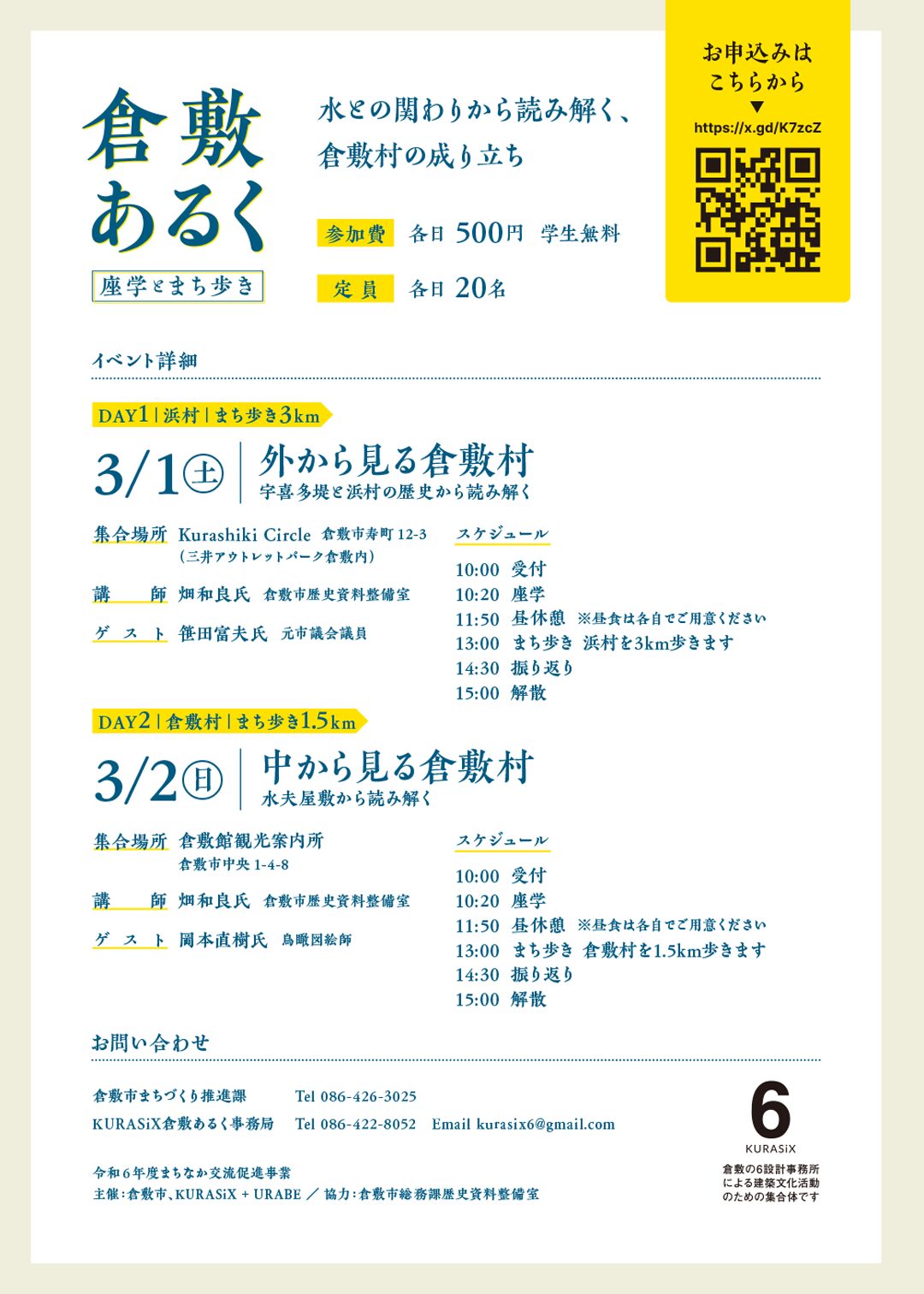
This event will be themed "Interpreting the Formation of Kurashiki Village through Its Relationship with Water," with different walking routes on the first and second days (To register, please click here).
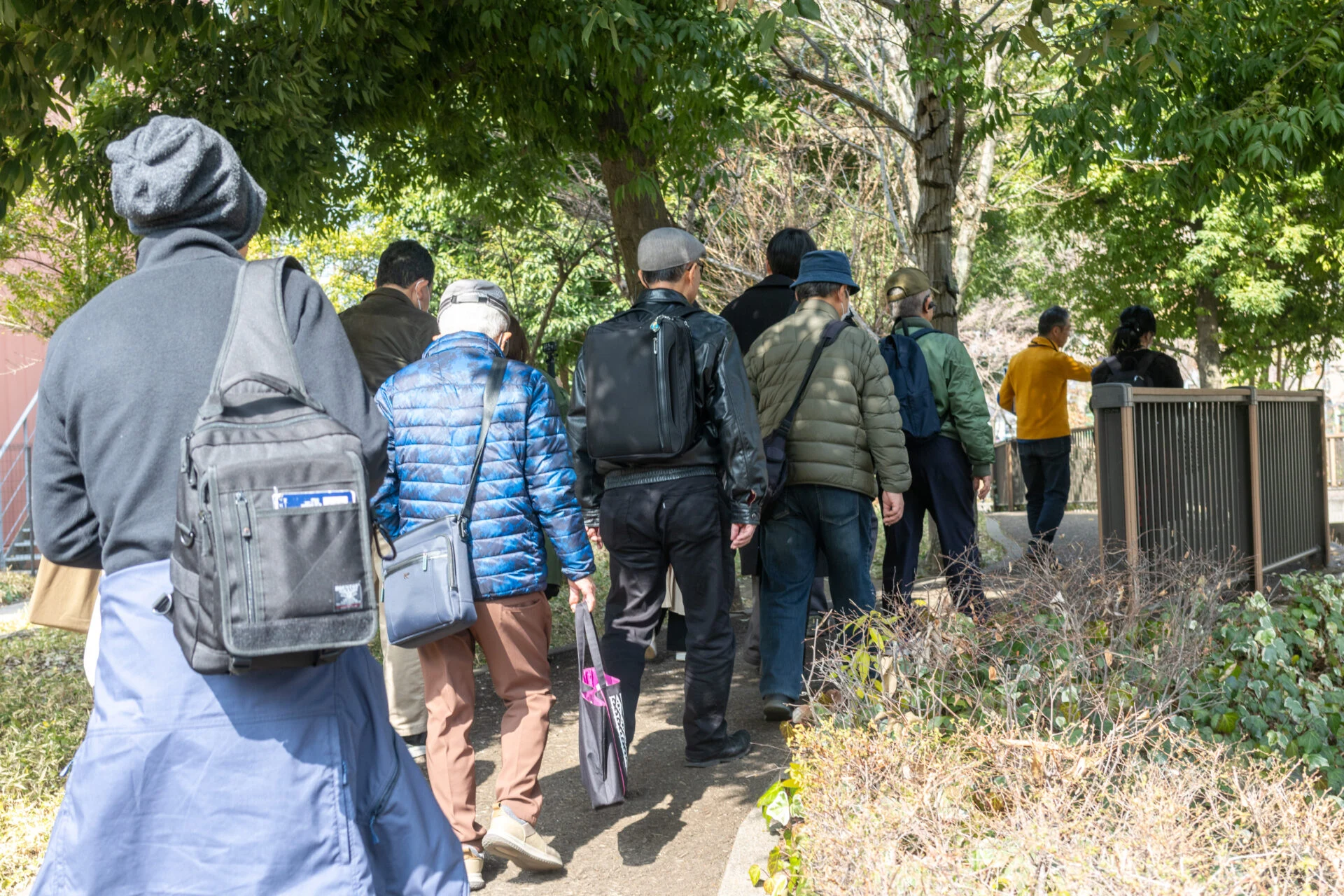
On both days, the morning will consist of a "lecture" as a place to learn preliminary knowledge, and in the afternoon, participants will engage in a "walking tour" to confirm the spots discussed in the lecture.
For an overview, please see the leaflet below.
What is KURASiX
A collective of six design offices in Kurashiki for architectural cultural activities.
Since 2021, we have been active with the hope of enhancing the architectural culture of Kurashiki through architectural cultural activities such as exhibitions, children's model workshops, architectural explorations, and walking tours.
Source: KURASiX Official Website
Viewing Kurashiki Village from the Outside
On the first day, we will walk a 3km route focusing on the formation of "Hamamura" (present-day Hamacho), which was located in the northeastern part of the current JR Kurashiki Station (west side of the current Kurashiki City Manju Elementary School), and its connection to Kurashiki Village.
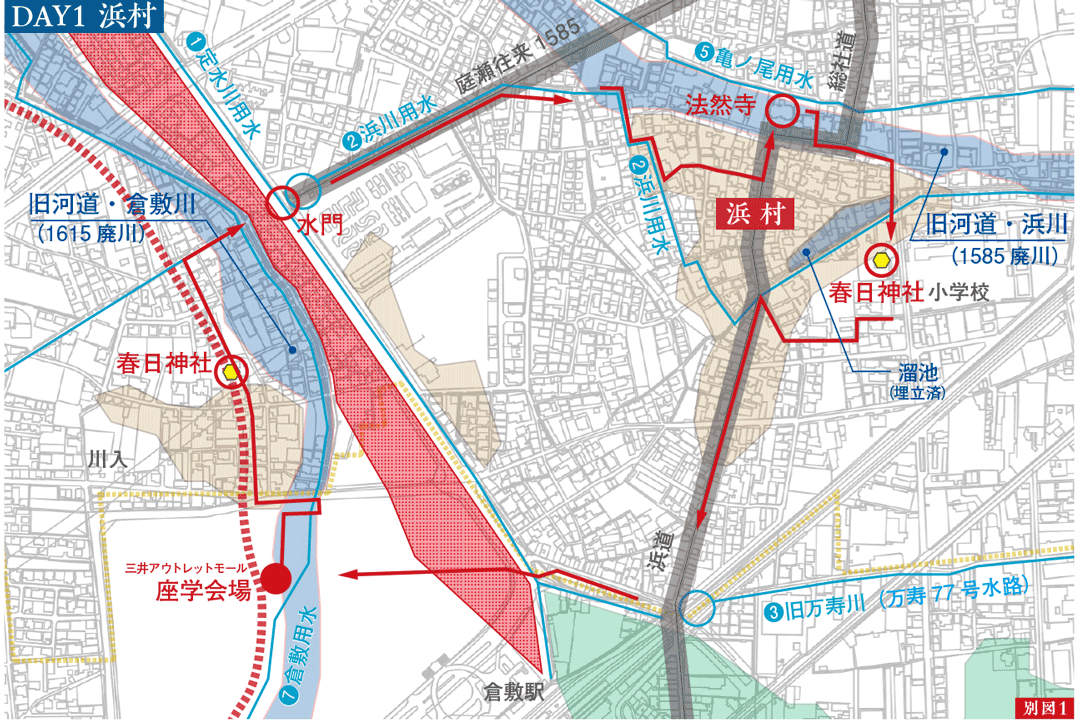
The title "Viewing Kurashiki Village from the Outside" was given based on the approach that looking at Kurashiki Village from Hamamura, which had developed earlier with its unique irrigation system, might reveal something interesting.
In the morning, as preparation for the walking tour, we will have a lecture using illustrations by Mr. Hata Kazuyoshi from the Kurashiki City Historical Materials Office at "Kurashiki Circle," located within MITSUI OUTLET PARK Kurashiki.
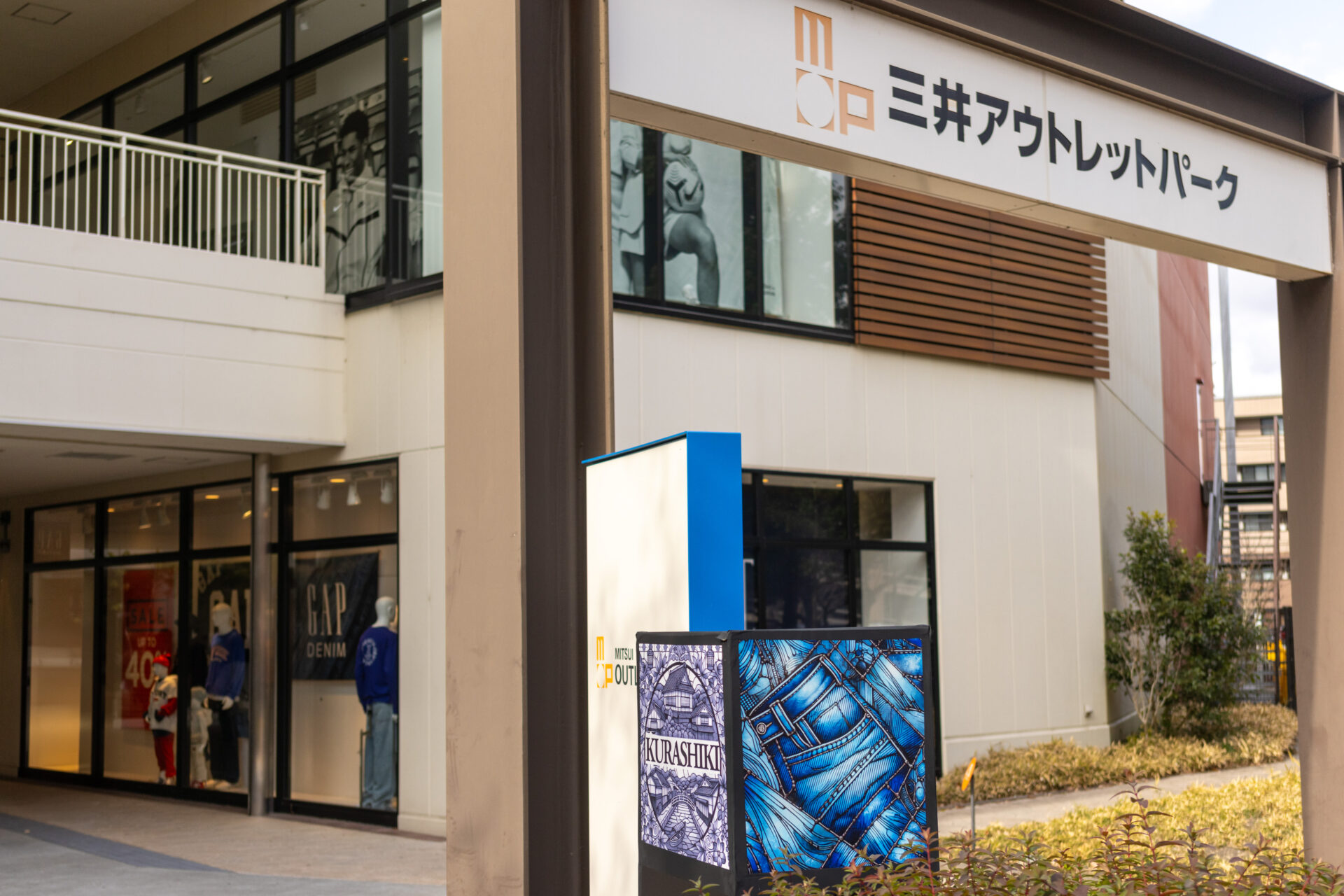
In the afternoon, we will actually walk around and confirm the locations discussed in the lecture.
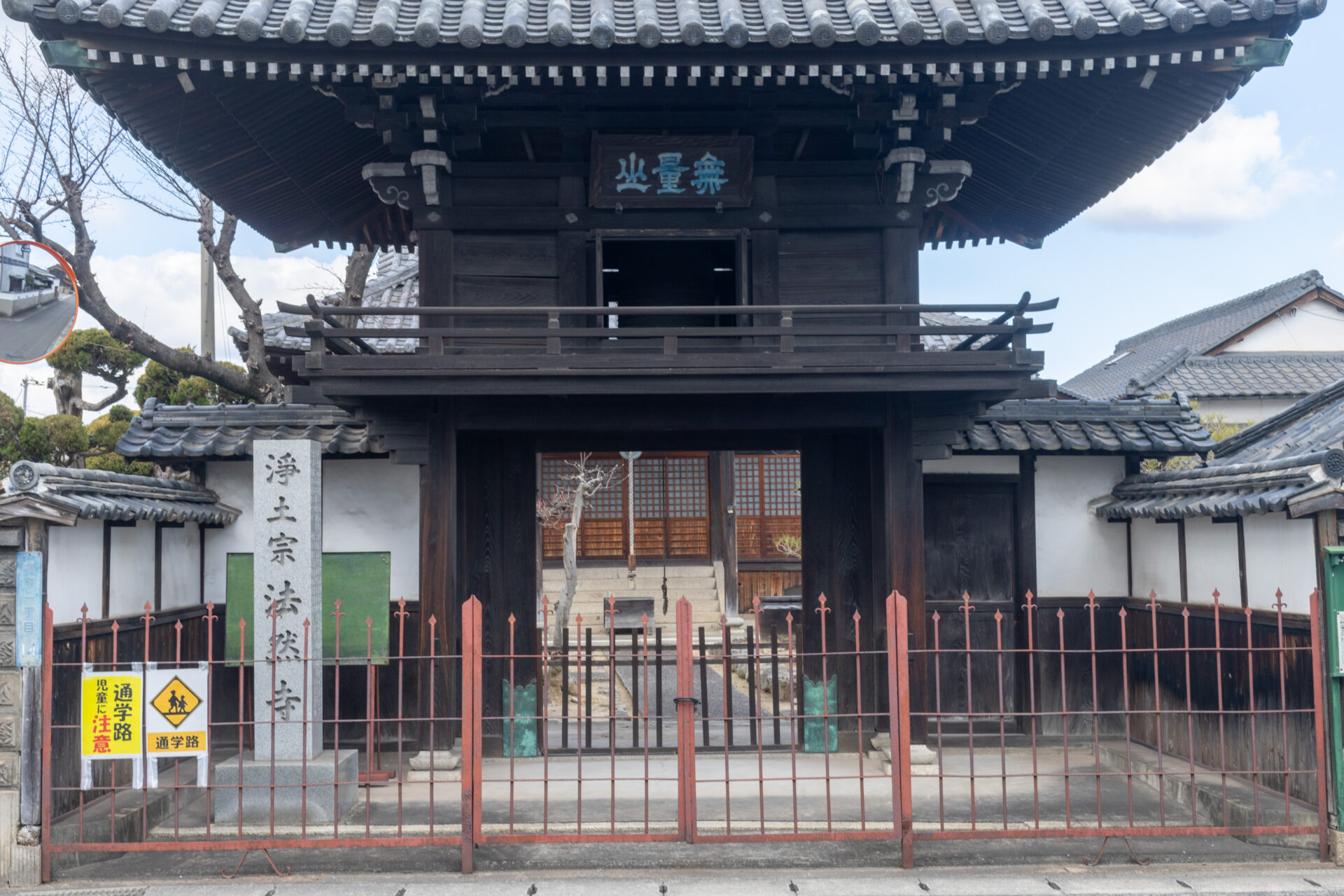
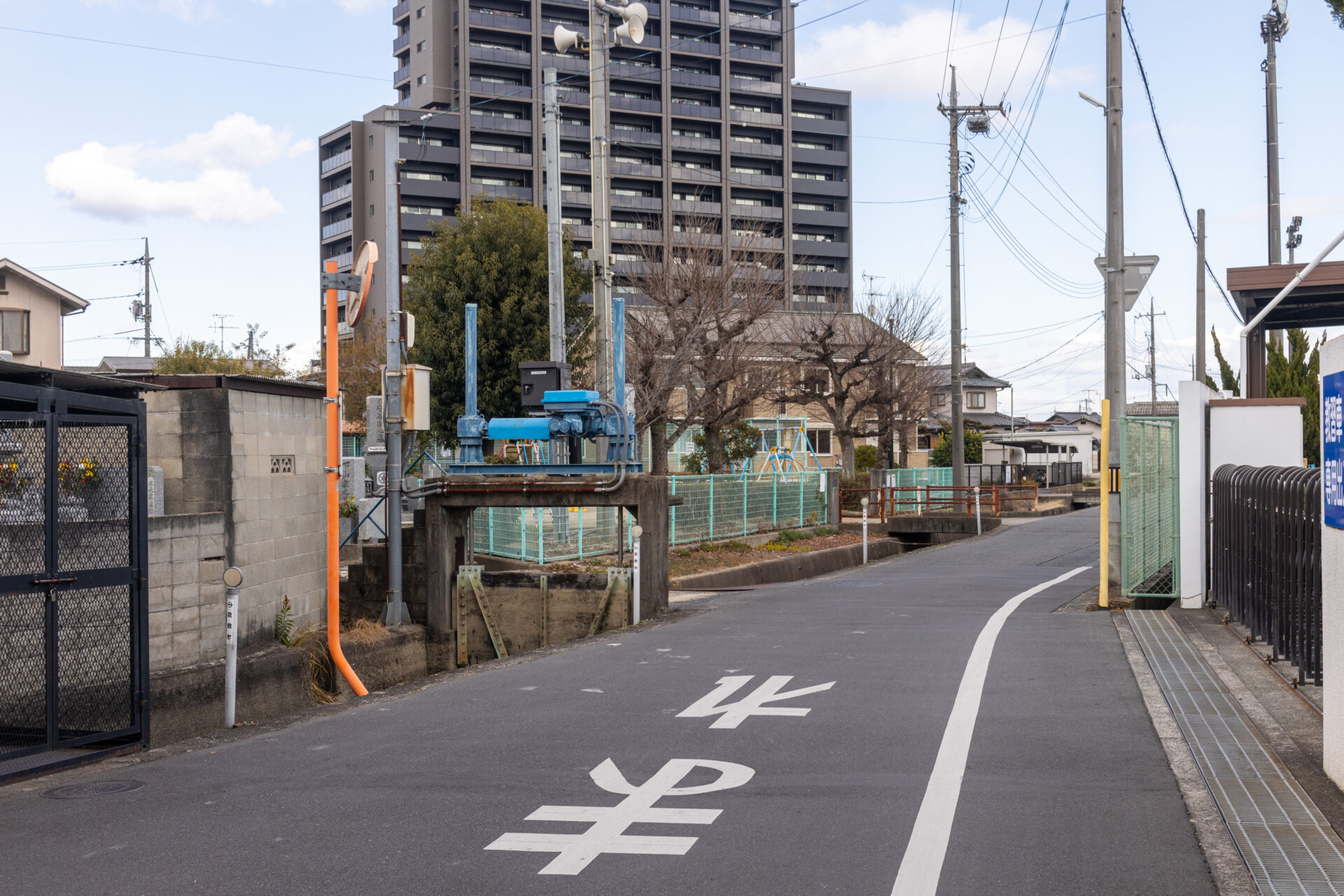
As the theme of this walking tour is "relationship with water," the "Ukita Dam" that once existed from the Takahashi River to Hamamura and the irrigation canals along the way will also be key points for the walking tour.
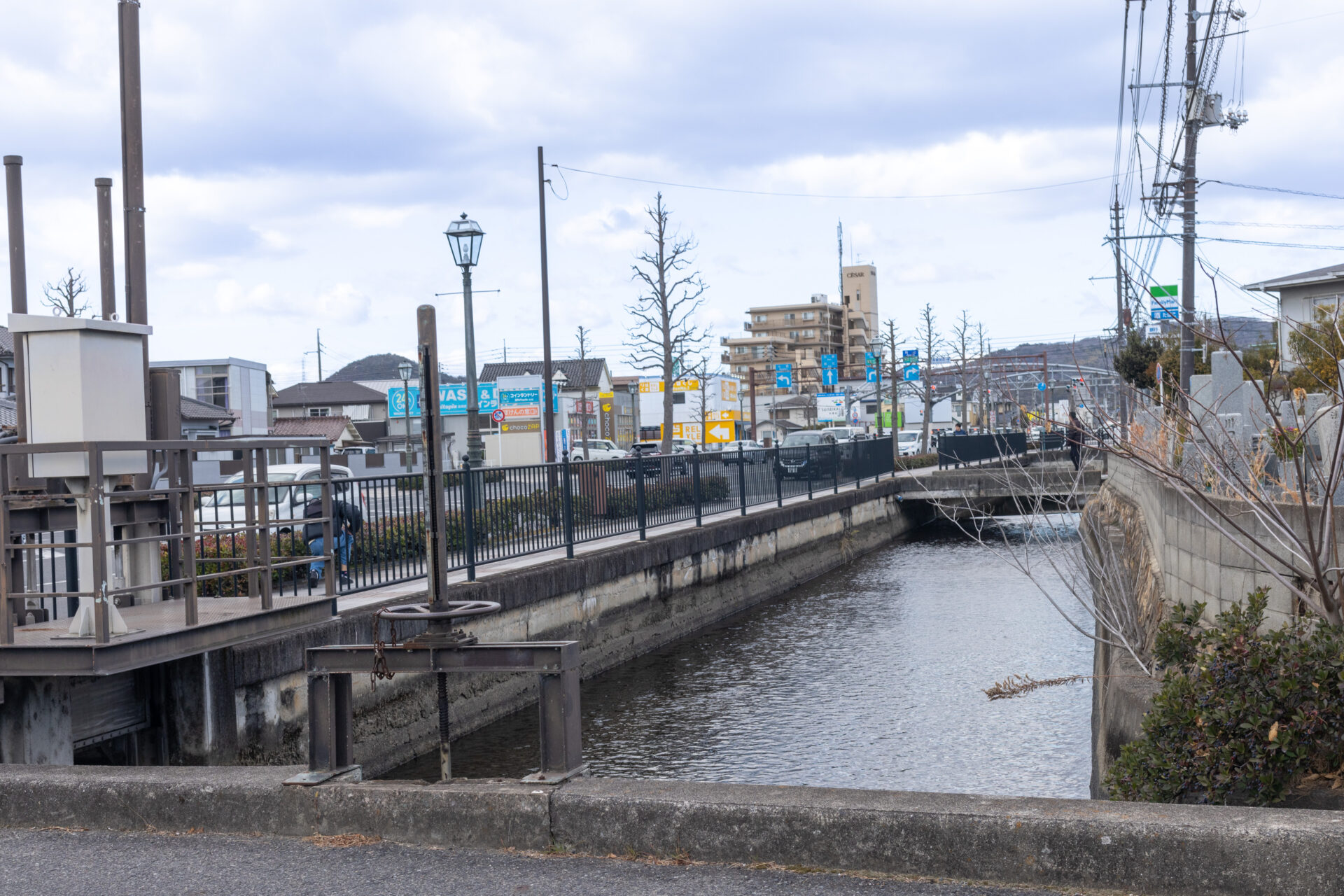
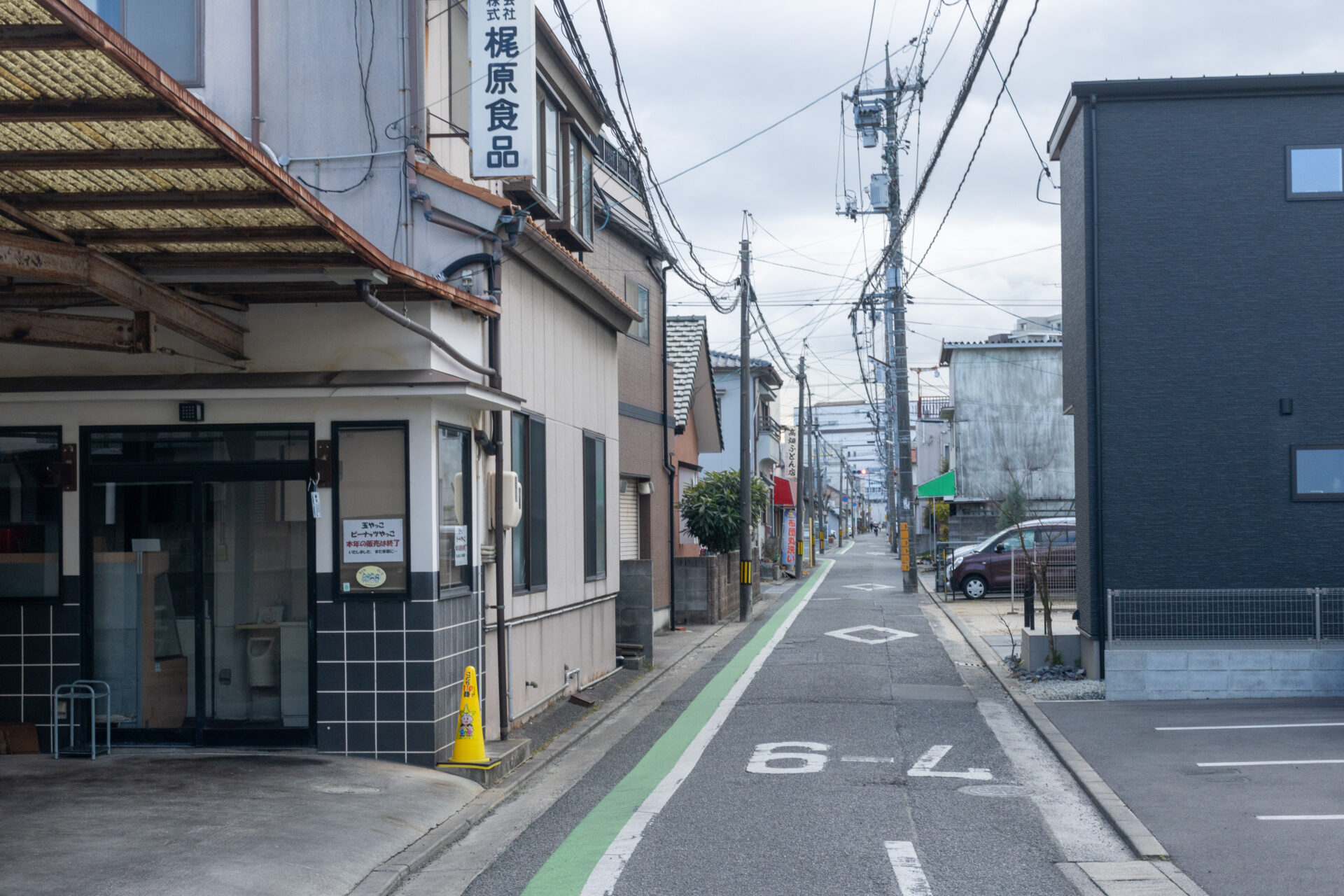
We will also explore why Hamamura was established in the northeastern part of the current JR Kurashiki Station and its relationship with Kurashiki Village.
Viewing Kurashiki Village from the Inside
On the second day, we will walk a 1.5km route focusing on the formation of "Kurashiki Village," centered around the southern side of Tsurugayama (near the current Kurashiki Community Center), primarily around the Bikan Historical Area.
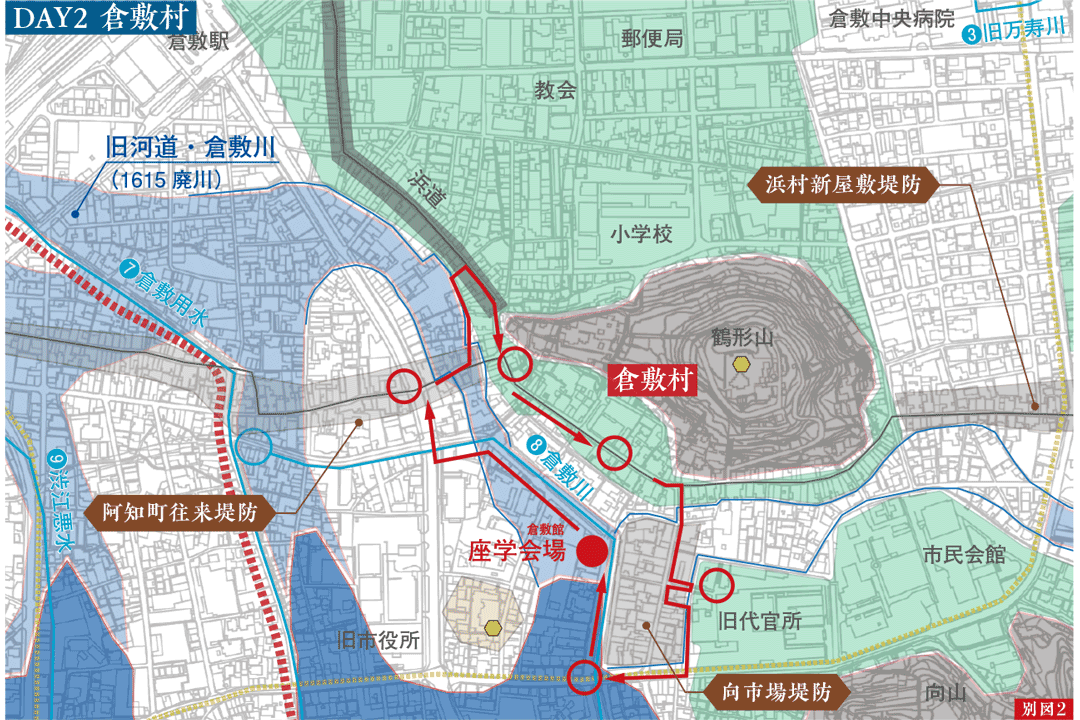
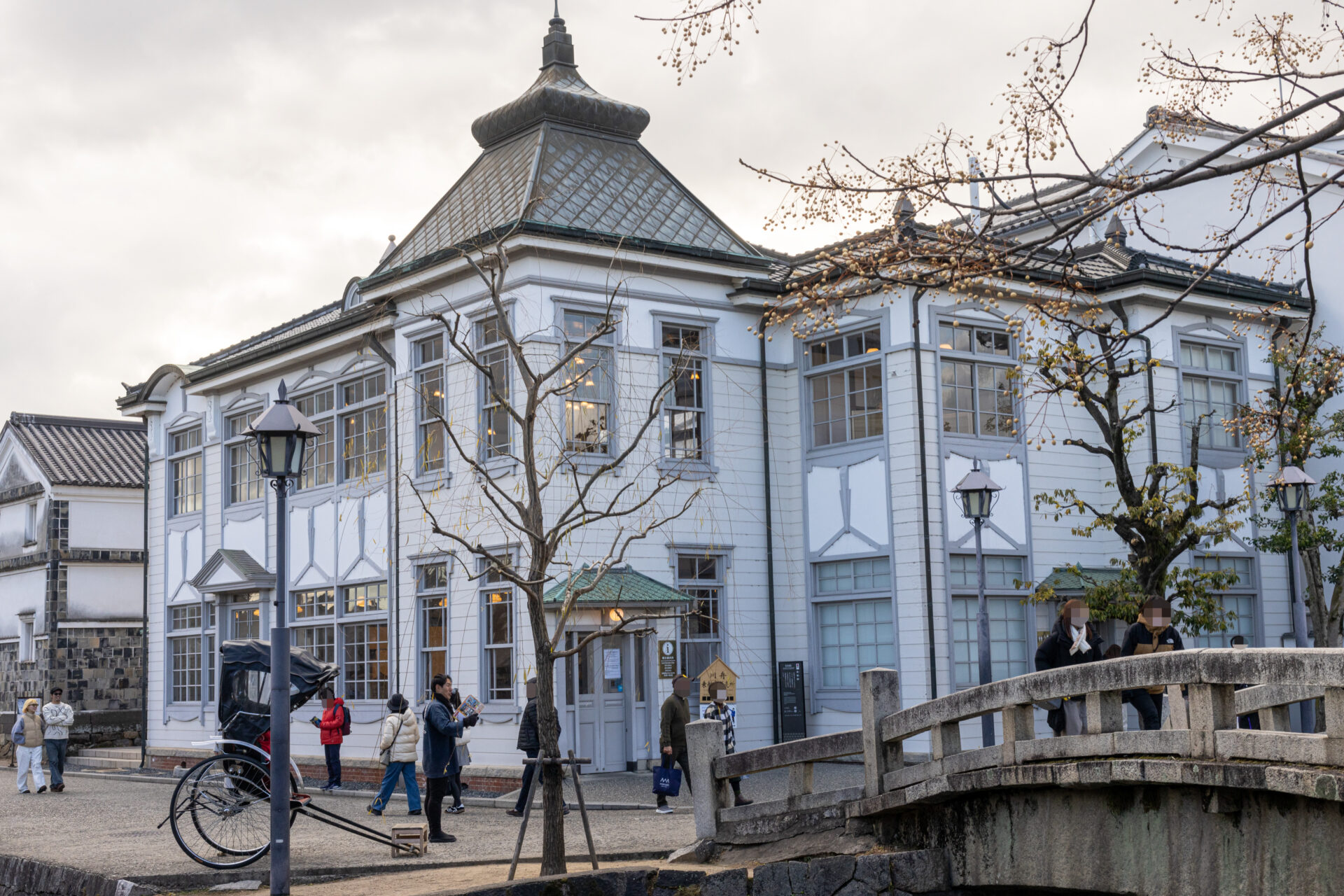
The flow of the day will be similar to the first day, with a lecture in the morning at the Kurashikikan Tourist Information Office, followed by a walking tour in the afternoon.
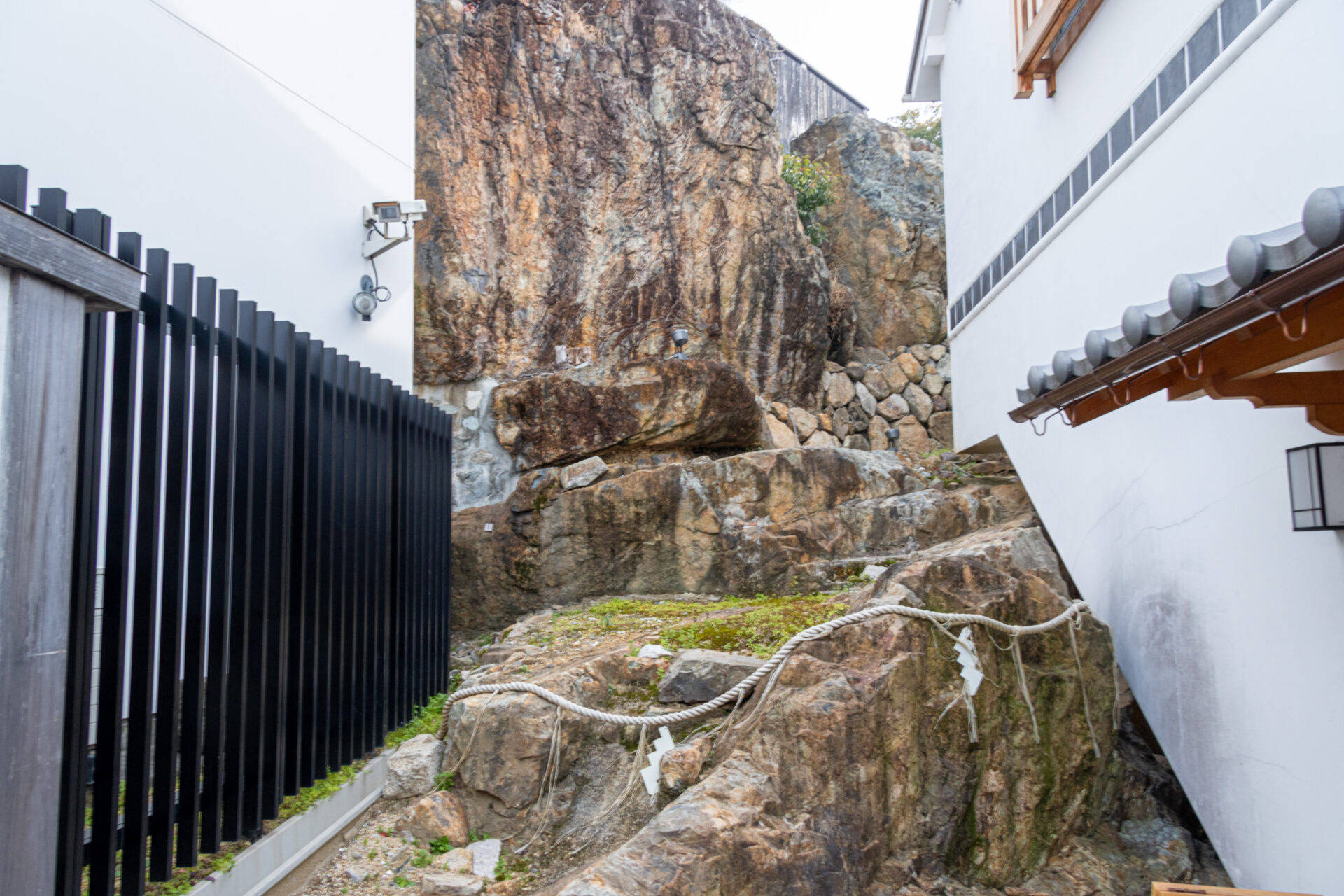
The area around Kurashiki was once called "Kibi no Anakai," and the sea spread to the south of the current Tsurugayama.
The area that used to be a bay is around the current Kurashiki Community Center, and it is believed that Kurashiki Village developed as a port town from this area.
Additionally, the title "Viewing Kurashiki Village from the Inside" conveys the desire to capture the true nature of the formation and changes of Kurashiki Village as seen from the place that served as its starting point.
While walking, we will delve into the water transport using the Seto Inland Sea and the subsequent development of Kurashiki, as well as the connections with Hamamura that we walked through on the first day.
About the Project - Organizer Interview
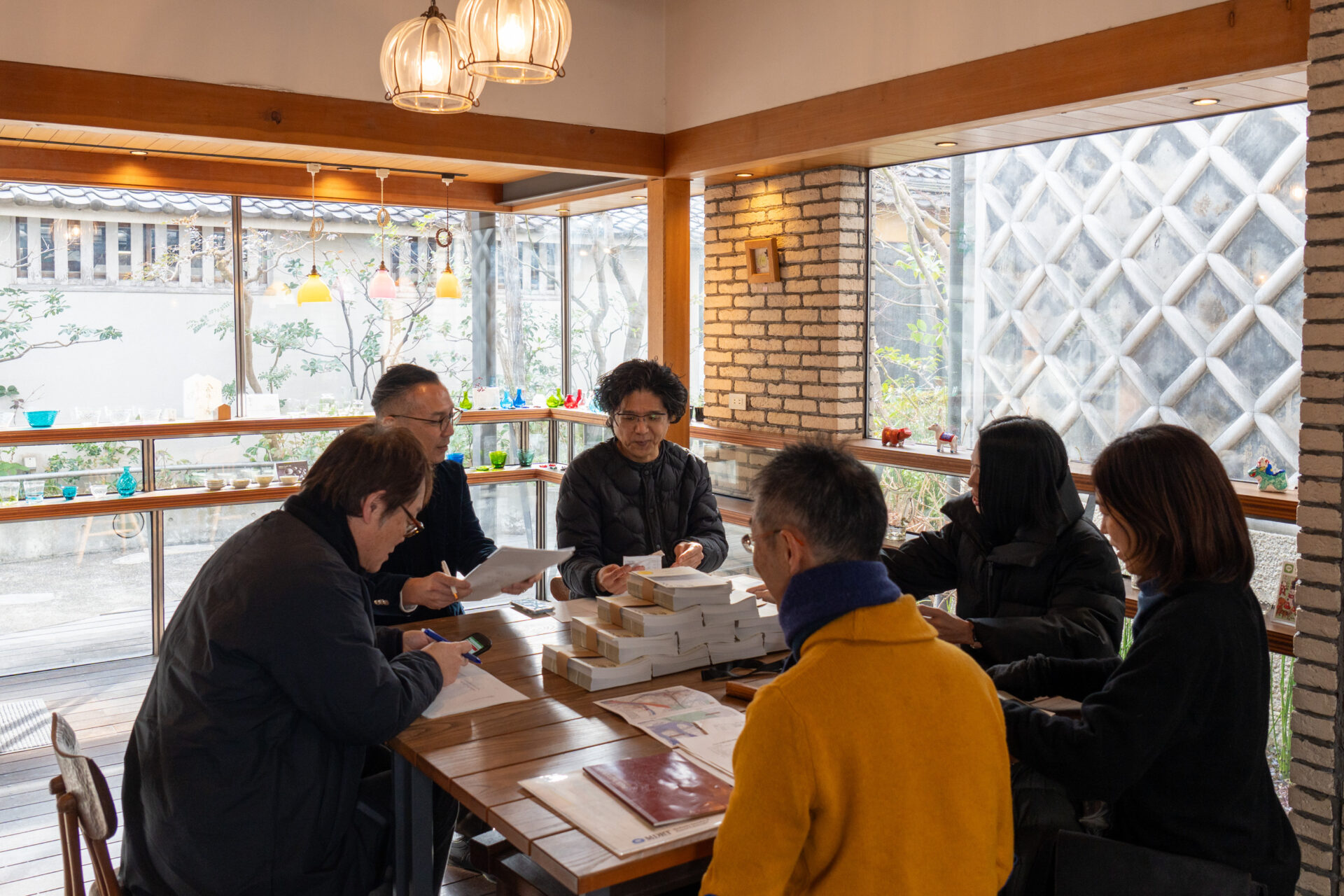
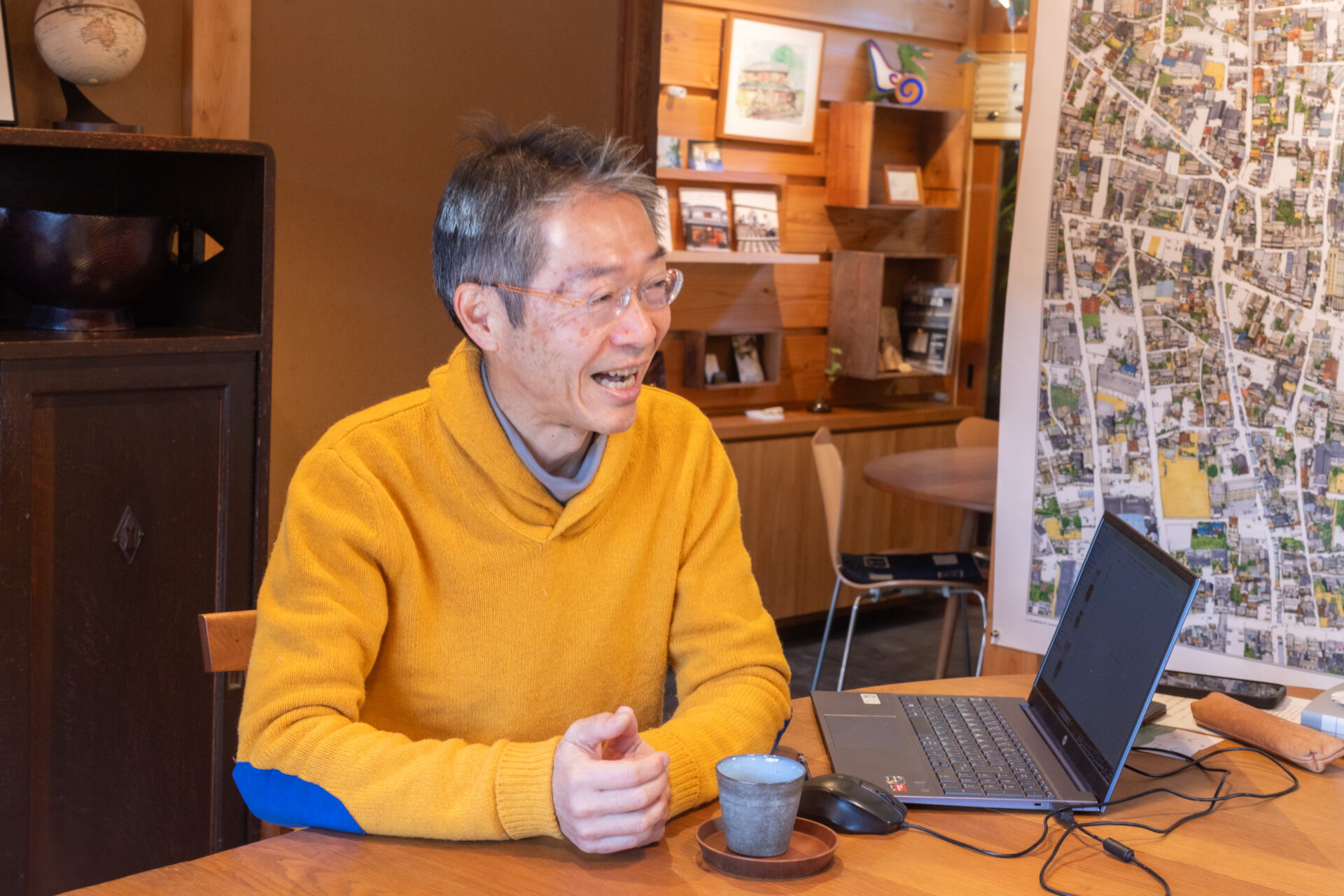
We spoke with Masahiro Nishina from Nishina Architectural Design Office, one of the initiators of this event and a member of KURASiX, and Shinsaku Yamaguchi from Kurashiki Architectural Workshop Yamaguchi Shinsaku Design Office.
Could you tell us about the background of this event?
Nishina
As part of a project by Kurashiki City (Urban Development Promotion Division), we were asked to "come up with a plan related to presenting new perspectives on the city center and rediscovering its charm," which led to the planning of this walking event.
Kurashiki is often imagined as a place to tour the streets of the Edo period, as suggested by its catchphrase "the town of white walls."
While this is indeed true and a wonderful aspect, there are voices, especially among the younger generation, saying that it is too clean and looks like an open set for a movie, which feels artificial.
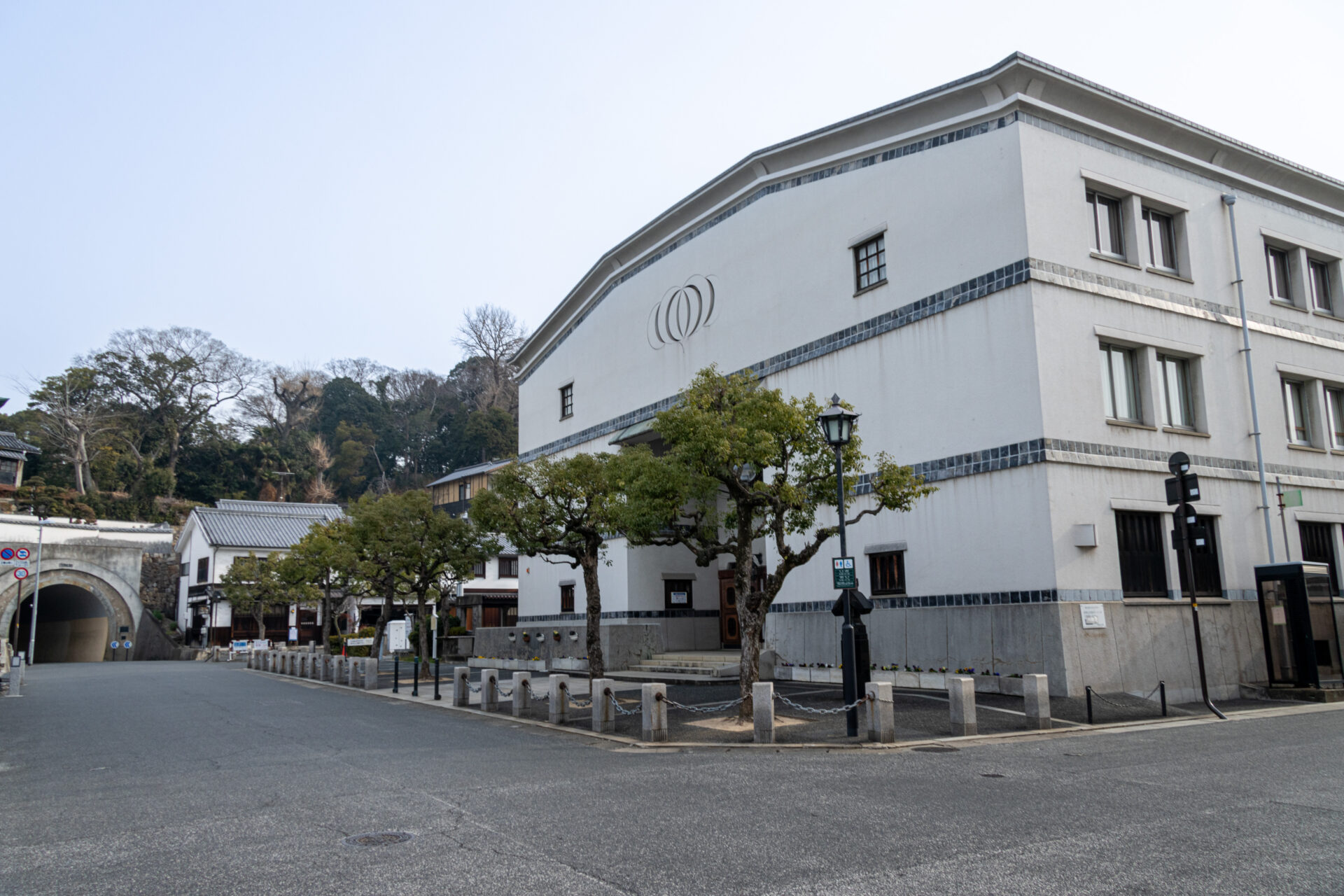
This town has not stopped in the Edo period; modern architecture such as Ohara Museum of Art and banks were built before the war, and after the war, Shizutaro Urabe developed the Kurashiki International Hotel and the Ohara Museum of Art Branch, creating a coexistence of modern architecture within the white-walled town.
Yamaguchi
Kurashiki is not just about the streets of the Edo period; the good aspects of each era have overlapped, and the town itself has changed over time.
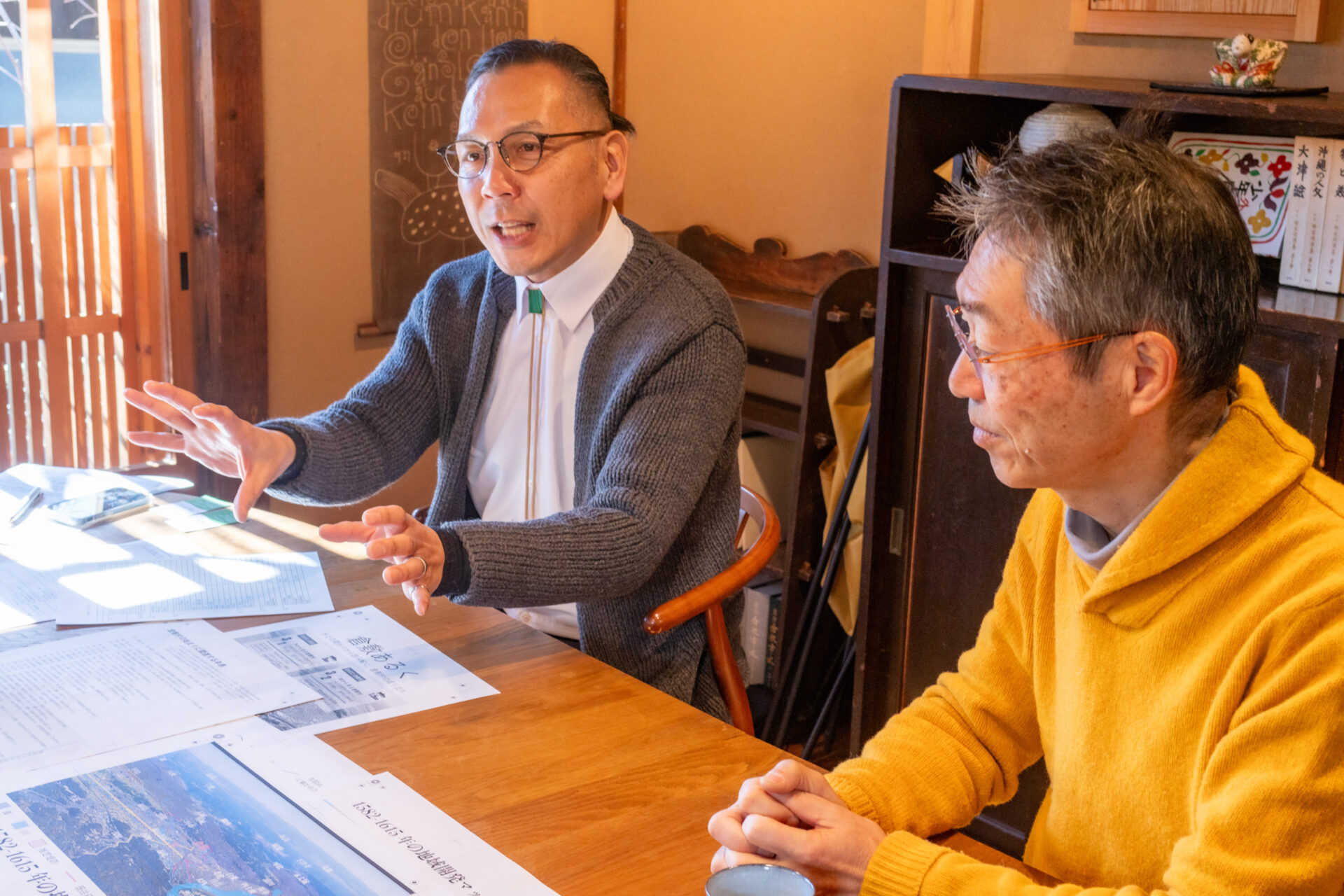
Although not prominently introduced, there is a common understanding among architects that the essence of each era accumulated in the space is what makes Kurashiki special.
Nishina
Furthermore, by exploring how this place came to be, we aim to create a series of events in the future.
As a starting point, we planned an event to explore how the town of Kurashiki was formed from the late medieval period to the early modern period (1582-1615) through actual walking.
I hear there is a desire for this to be an opportunity to learn about the local area.
Nishina
In recent years, towns designated as traditional building preservation districts have been providing detailed materials about their formation from the government, but Kurashiki, which was designated as a traditional building preservation district ahead of the rest of the country (in 1979), has not compiled such materials.
I believe this is somewhat influenced by the history that since the Edo period, the town of Kurashiki has been developed by merchants, and the administration has entrusted town development to the merchants.
On the other hand, in recent years, facilities such as Ohara House Katalyzer, Ohashi House, and Inoue House have been developed as public facilities, each introducing the history of their respective families.
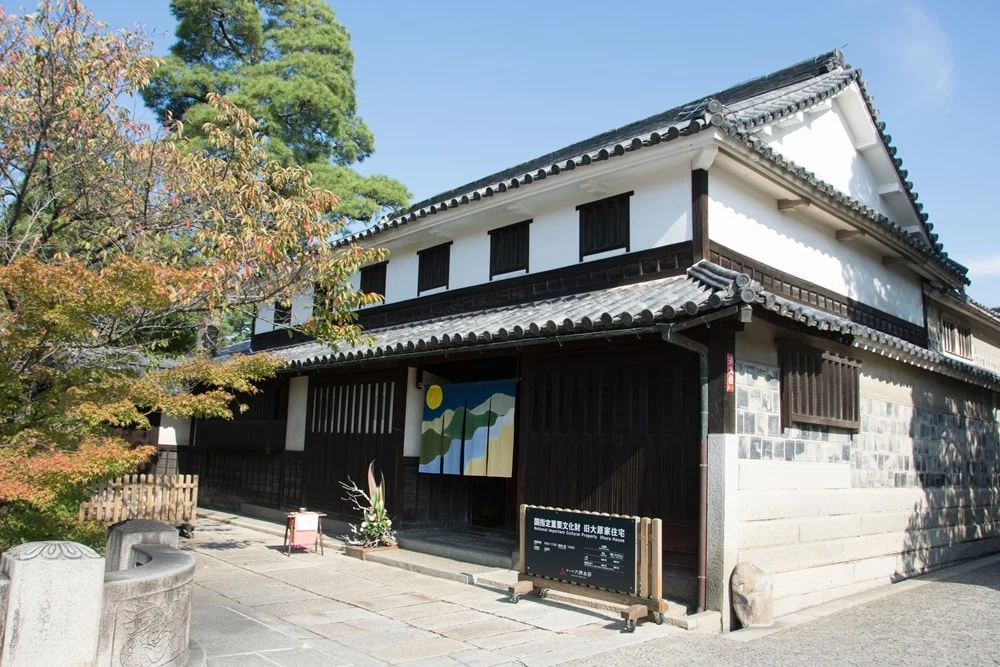
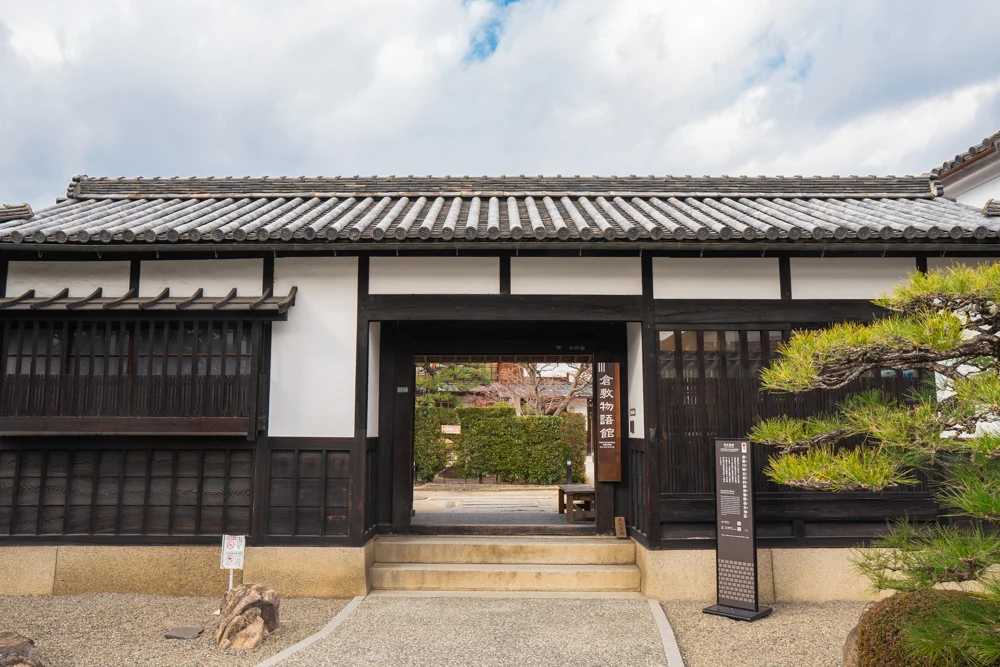
Additionally, Kurashiki City has started exhibitions about Japan Heritage at the Kurashiki City Kurashiki Monogatari-kan, and the number of facilities where one can learn about the town's history has been increasing.
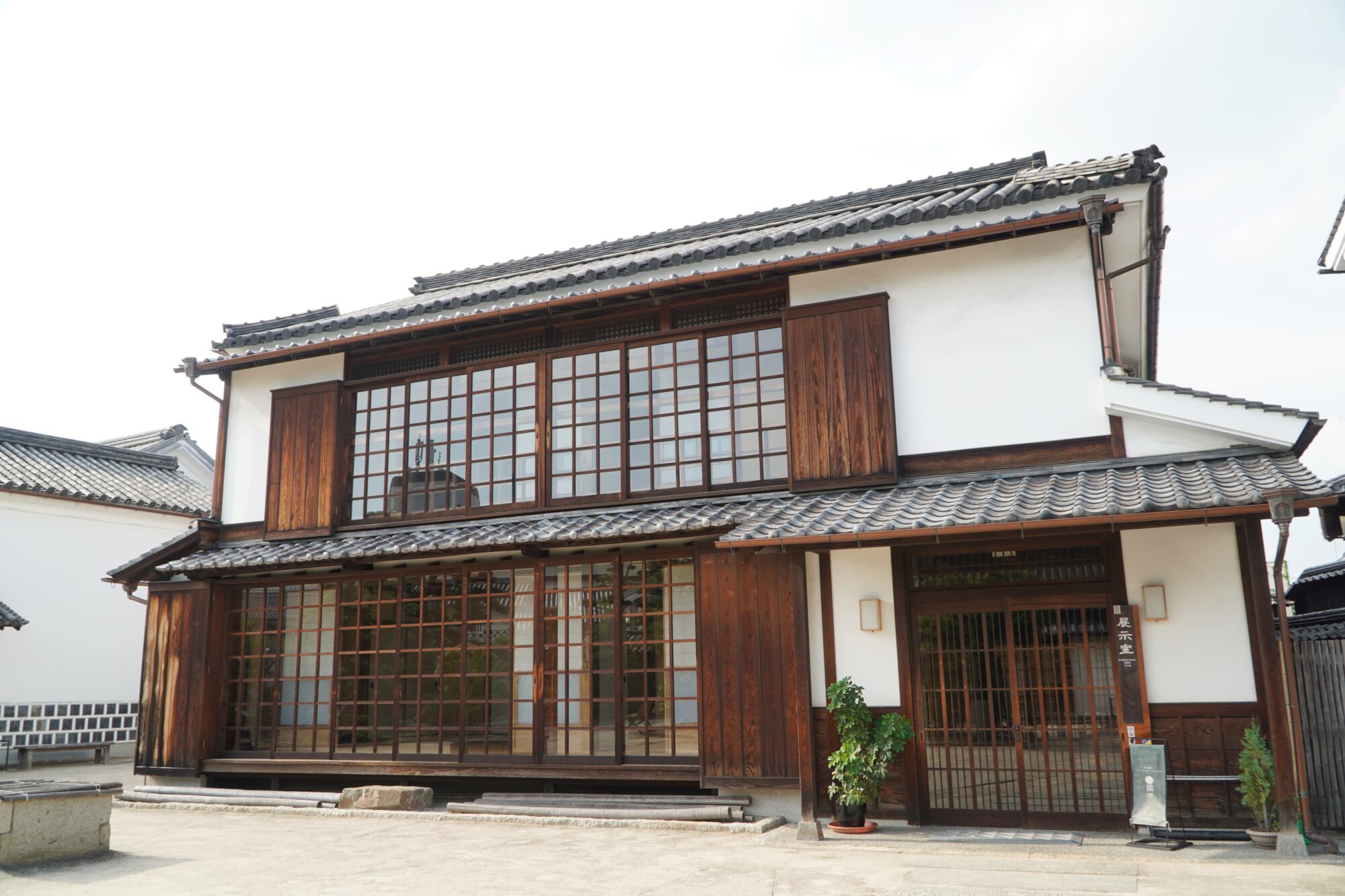
However, there is still no facility that comprehensively introduces the history of the town, such as a visitor center. This is a significant delay compared to other traditional building preservation districts.
Yamaguchi
Through this initiative, I hope that in the future, a facility (visitor center) that allows for an overview of the town's history can be established, which would add depth to the walking events.
What kind of people would you like to participate?
Nishina
I would love for young people who will carry the future to participate.
Yamaguchi
High school students, vocational school students, university students, those involved in town development, or anyone considering the future of Kurashiki.
Nishina
I hope that by using their own eyes and feet, they will learn how the region of Kurashiki was formed to contribute to discussions about town development.
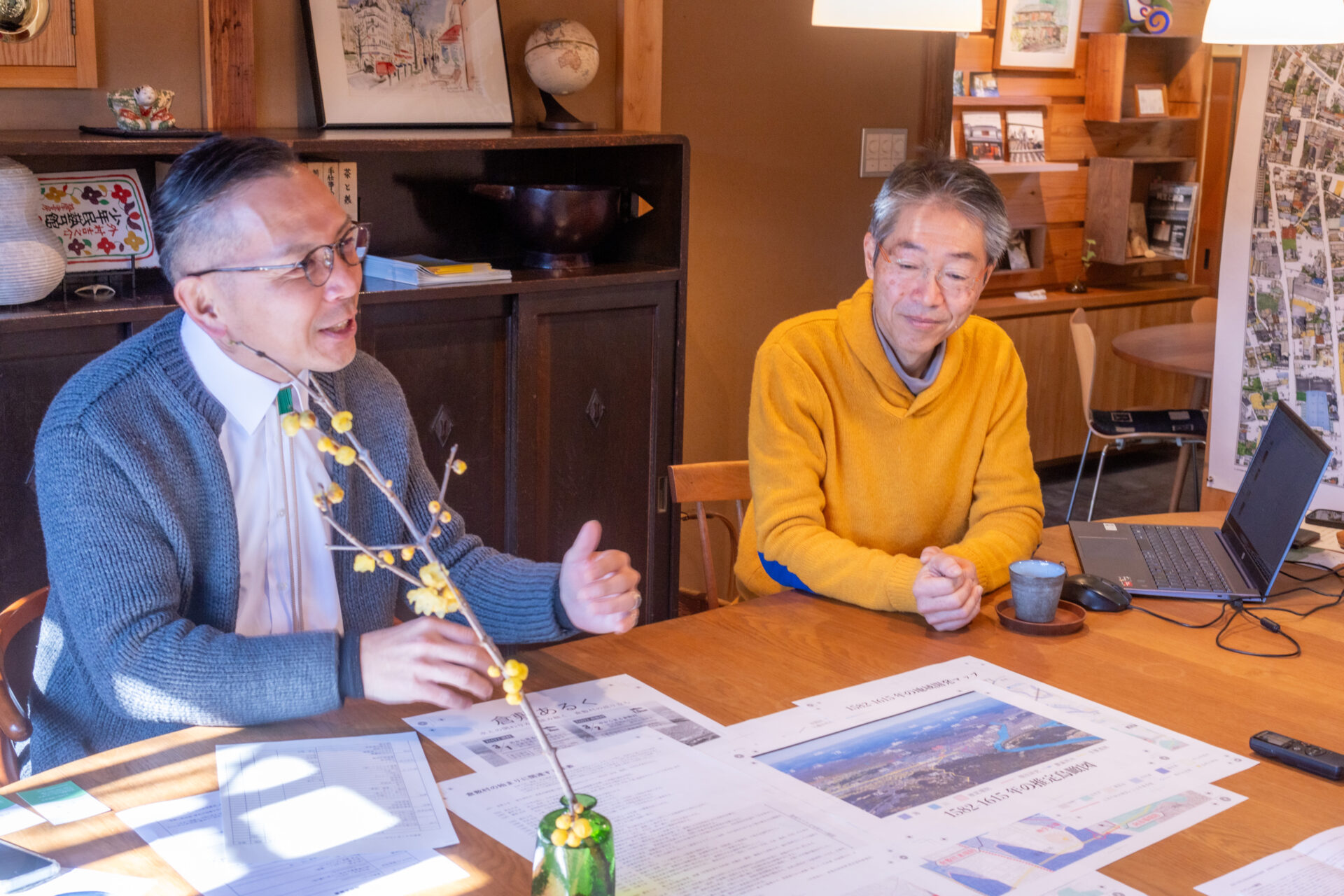
Additionally, there is a desire for Kurashiki to be a sustainable town, which is the background for this event. I would be happy if this event serves as an opportunity to learn what we can do for that.
Conclusion
When I heard about the content of this project, I felt that the point of approaching the origins from the traces of history is similar to the program "Buratomori" (NHK General).
The two people who answered the interview also recognized this point, saying that it may be a niche and specialized field, but (like the experts appearing in Buratomori) they want to convey what they enjoy first, which left a strong impression on me.
Additionally, it is characteristic that this is a project from the perspective of architects rather than historians.
I felt that the event was planned from a perspective that is closer to the participants, in a good way, because they are not history experts.
It is said that the maps used in this walking event will be distributed at tourist information offices after the event.
How about enjoying a mystery-solving walking tour while feeling the early spring breeze?
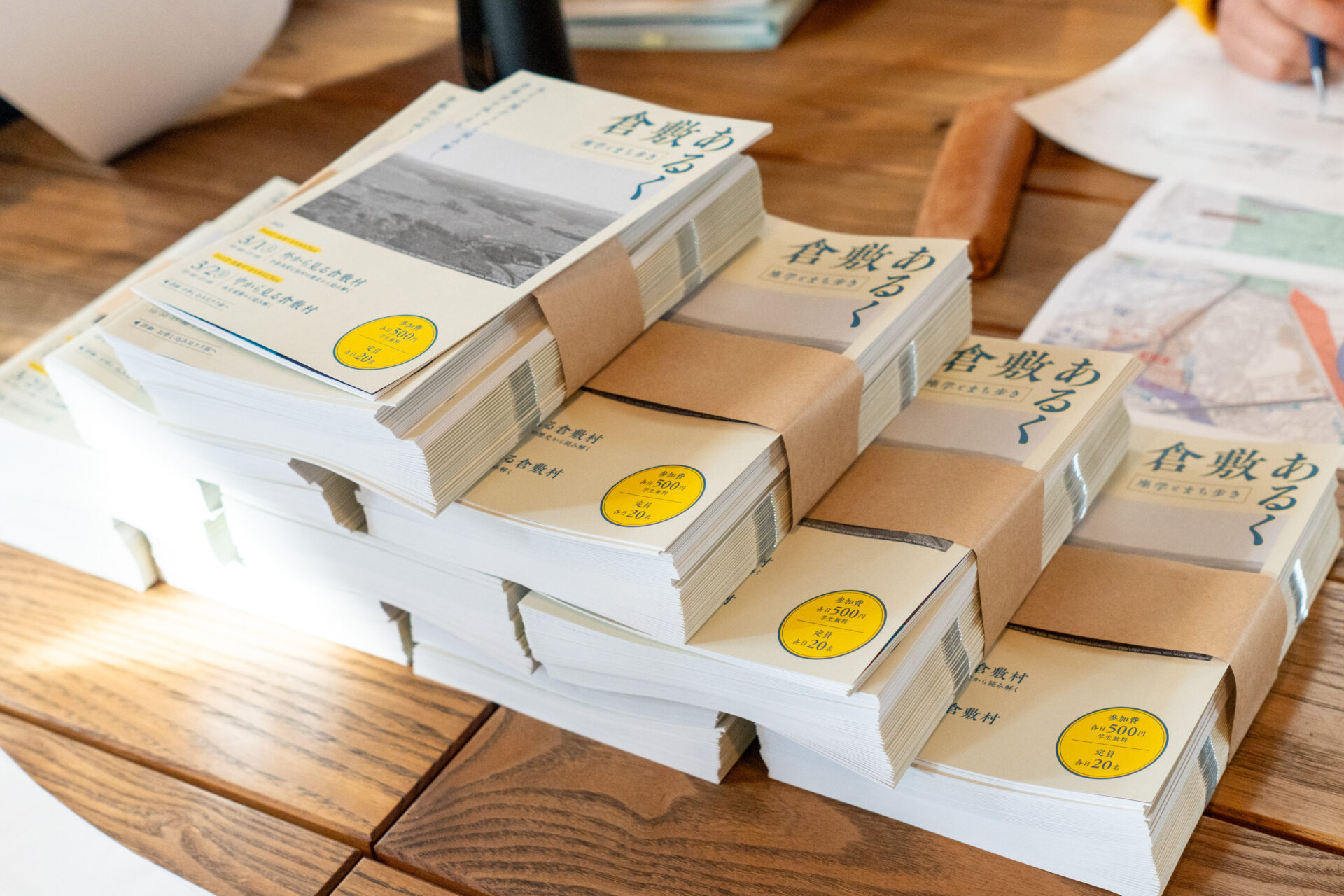
Kurashiki Walking: Understanding the Formation of Kurashiki Village through Its Relationship with Water
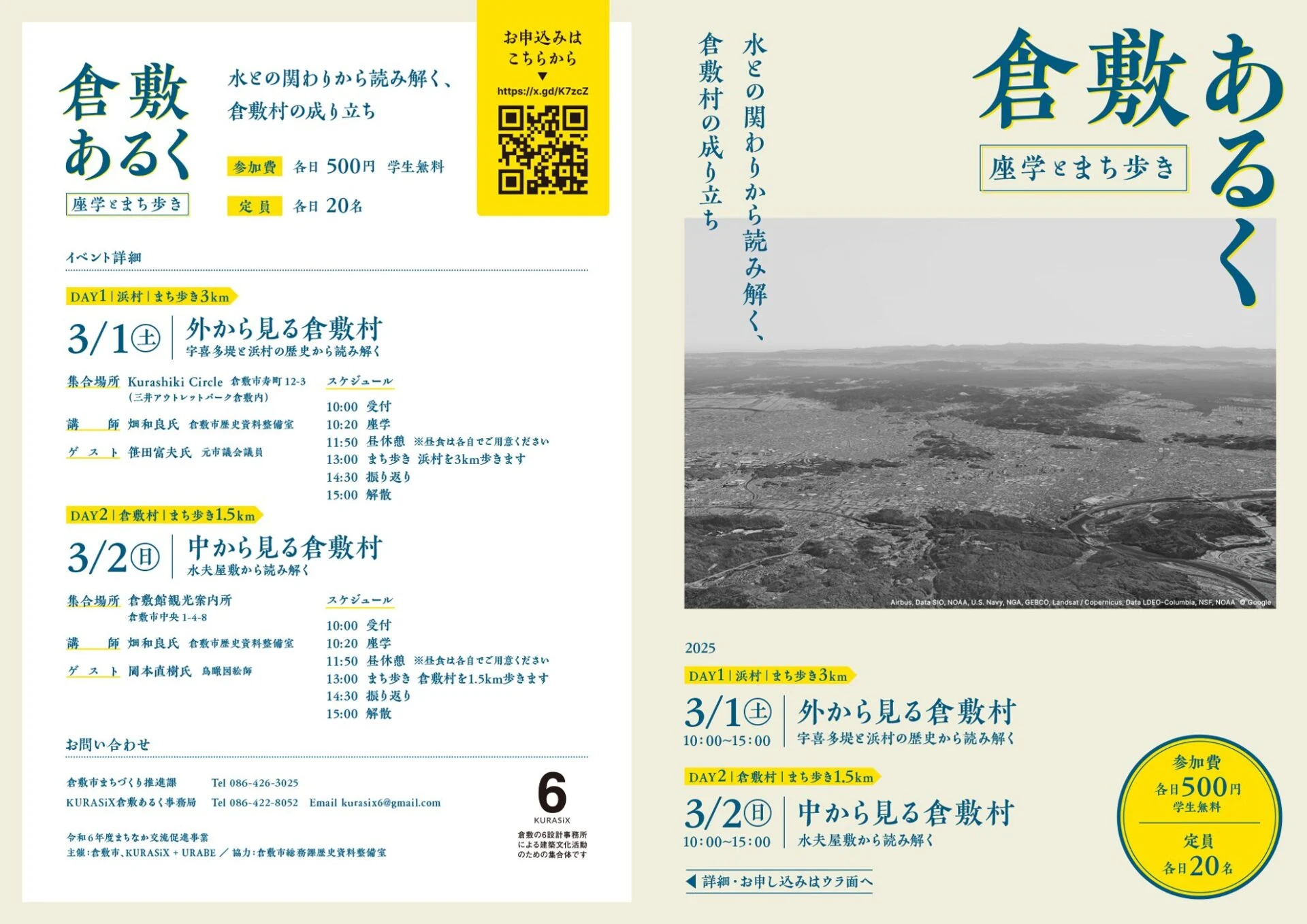
| Name | Kurashiki Walking: Understanding the Formation of Kurashiki Village through Its Relationship with Water |
|---|---|
| Date | March 1 (Saturday) and 2 (Sunday), 2025 Reception: 10:00 AM - Lecture: 10:20 AM - 11:50 AM Walking: 1:00 PM - 2:30 PM Wrap-up and conclusion, dispersal at 3:00 PM (The times are the same for both days) |
| Location | Kurashiki City Center (Bikan Historical Area, Hamamachi, MITSUI OUTLET PARK Kurashiki) |
| Participation Fee (including tax) | 500 yen (free for students) Please prepare your own lunch during the break |
| Website | Kurashiki Walking, Lecture and Walking Tour (Participation Application Form) |