Interview with Soeda Keigo
We spoke with Soeda Keigo, a young employee working in the Housing Division of the Kurashiki City Building Department.

Providing attentive support to ensure comfortable living in municipal housing
What kinds of inquiries come to the Housing Division counter?
Soeda (honorific omitted)
I get the impression that many are urgent concerns related to housing.
For example, when a leaseholder passes away, there may be family members worried and asking, “Can we continue living in the municipal housing?”
Basically, everyone who comes to the counter is facing a problem, so we do our best to ease residents’ concerns, even a little.
There are various rules for municipal housing. I imagine some situations can be difficult to handle.
Soeda
That’s right. There are many cases that are difficult for the administration to intervene in, such as rules prohibiting pets, noise disputes between residents, and compensation issues caused by water leaks.
Because there are ordinances, it’s easy to tell people, “That’s not allowed,” when something is prohibited. But I feel that simply stating the rules and turning people away isn’t practical.

When handling those kinds of cases, is there anything you keep in mind?
Soeda
This is advice I received from a senior colleague, too: above all, listen carefully to what people have to say. I think it’s important to hear them out to the end in order to find the best solution that both sides can accept.
By asking about everything, including what they’re worried about and the background, we’ve sometimes found another solution or a way forward they could accept. I try not to view their requests as isolated “points,” but to consider them more broadly as a “whole picture.”
The “teamwork emphasized in training is essential at City Hall

I imagine there are many challenging situations. What do you find rewarding about your current job?
Soeda
It’s seeing residents who were full of anxiety complete the necessary procedures and leave the counter looking relieved. I’m especially happy when they thank me.
The most rewarding moments are when I feel that “my work has helped someone.”
Because many residents come with serious concerns, there’s a very focused atmosphere on the floor. What is the workplace atmosphere like?
Soeda
During work hours, residents come in, so the atmosphere is always focused. After work, though, it becomes friendly, and we can talk about work or just chat.
I think we have a good balance between work and downtime.
Also, many of the staff are kind and warm. For example, if I’m having trouble handling something at the counter, a supervisor who has been listening from behind may step in to help before I even ask for help. It’s reassuring to know that we solve problems as a team rather than leaving anyone to handle them alone.

It sounds like you have a supportive team environment. What kind of training did you receive after joining?
Soeda
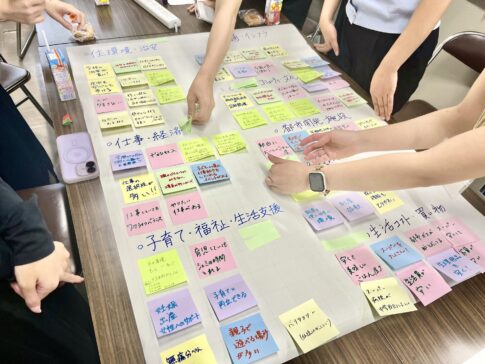
We had various training sessions after joining. In addition to classroom learning, there were outdoor training sessions and game-based activities to learn how information is communicated within an organization. Quite a few were more active and physical than I expected.
In one training session, we split into small groups and interviewed people in the Bikan Historical Area to come up with tourism ideas that would encourage visitors to stay overnight in Kurashiki. I think it was a session that required close communication among group members.
Even though we work in different departments and have different jobs, we still keep in touch with our fellow new hires, thanks to training like this.
It’s a little surprising that there are so many training sessions to build teamwork and group skills.
Soeda
Of course, some city work involves administrative tasks that you do quietly on your own.
But even with those tasks, someone else ultimately needs to review them, or a supervisor needs to make a decision, so I’ve realized that teamwork is important in this workplace.
The appeal of Kurashiki that becomes clear after working in different places

From your experience in different places, what do you feel is unique about Kurashiki? And what is it like to live here?
Soeda
I think Kurashiki strikes a good balance between its tourism appeal, with its rich history and culture in places like the Bikan Historical Area, and its urban amenities, which make daily life convenient.
You don’t have trouble finding places to shop in your everyday life, and transportation is well developed, making it easy to go anywhere in any direction. The wide range of options makes it a comfortable place to live. And as you’d expect from a place known as the “Land of Sunshine,” the climate is pleasant, too.
In terms of healthcare, I’ve seen firsthand how smoothly hospitals work together through my child’s health checkups. I think the well-developed healthcare system is another one of Kurashiki’s attractions.
Rely on those close to you as you choose work that suits you

Do you have a message for young people around your age?
Soeda
I think some people are struggling with their current situation, but it may help to keep in mind the option of “taking the plunge and changing your environment,” such as by changing jobs.
My previous job had good benefits and pay, so when I considered changing jobs, people around me tried to stop me, saying, “You shouldn’t quit.” But I’m sure everyone has different priorities when it comes to work.
Please value what matters most to you in your work, whether that’s the job itself, benefits, or work-life balance.
I think it’s difficult for anyone to keep working without stress. Don’t try to shoulder too much on your own; lean on those around you and let’s work together to make Kurashiki a better place.
From the Writer
I had a rather rigid image of local government organizations, but through my interview with Soeda, I got a glimpse of a friendly workplace atmosphere.
Kurashiki City uses the phrase “We are one team!” as the tagline for its recruitment booklet. An environment where employees support one another with their problems, as well as helping residents, must surely make the workplace more comfortable.
The interview made me realize that the baton of mutual support passed among individual employees helps drive the development of Kurashiki.
I hope to continue following Soeda’s work as he supports residents and helps them live safe and secure lives.

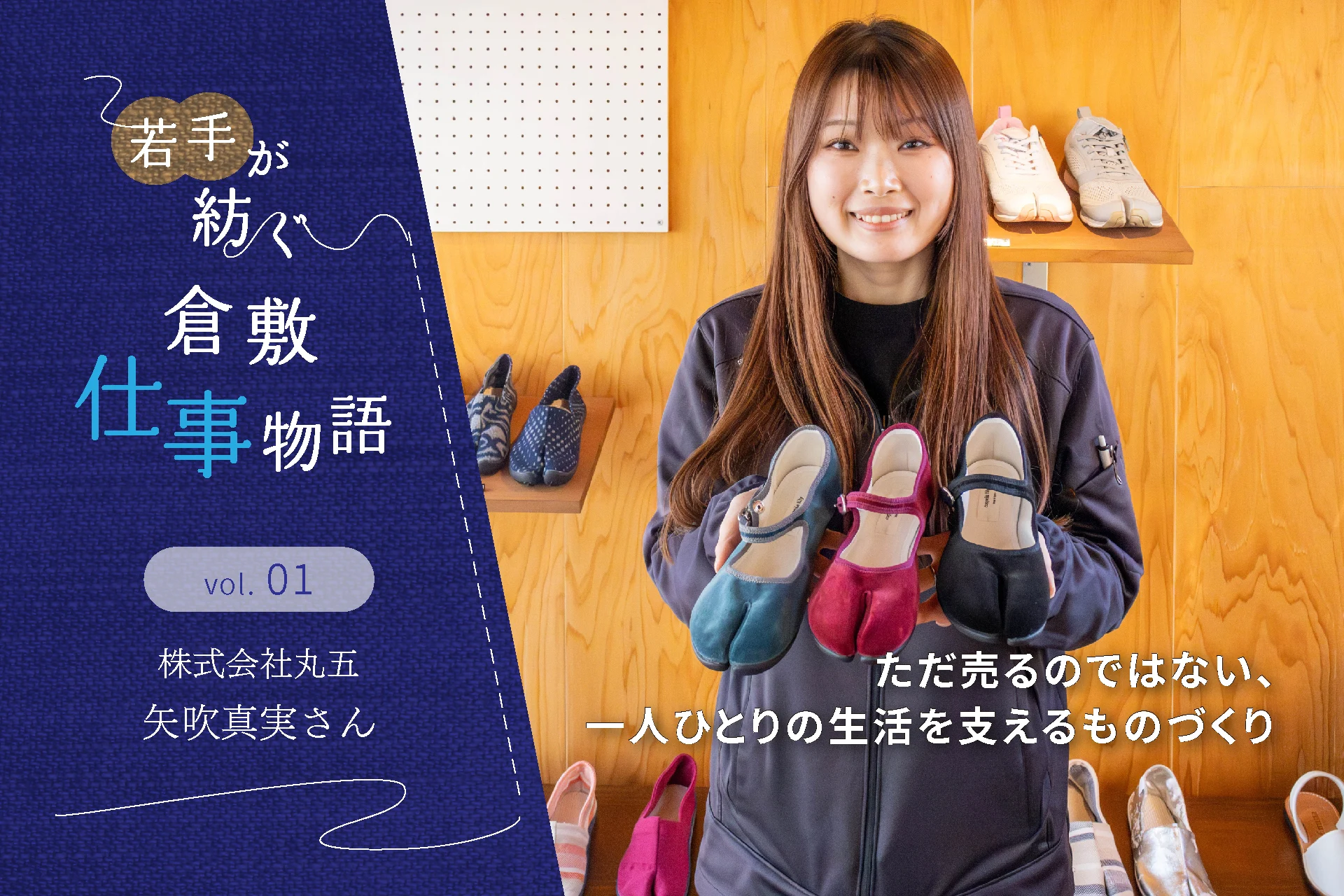
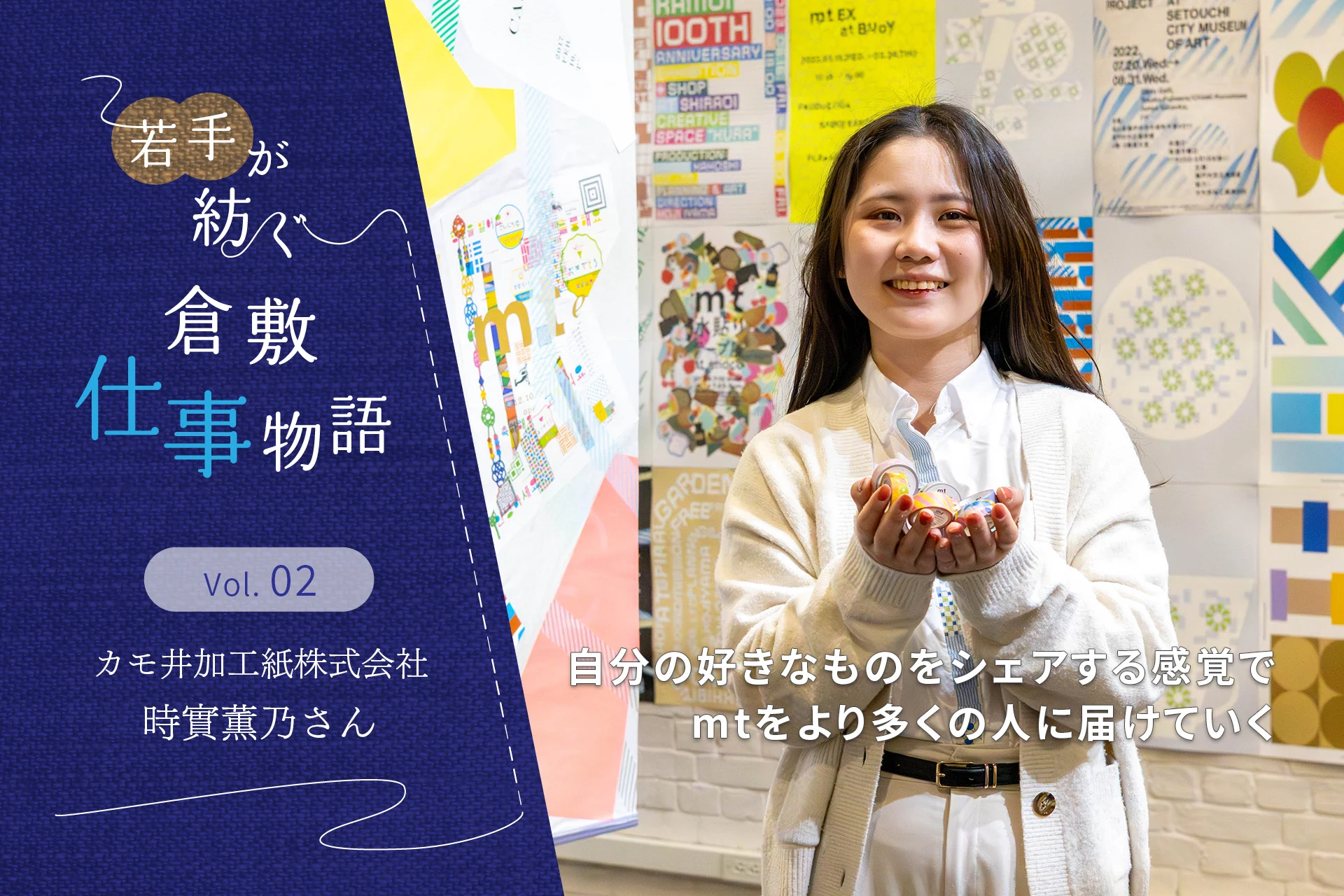
Stories of Kurashiki Work Woven by Young Employees: Back Issues
Kurashiki City Information
| Name | Kurashiki City |
|---|---|
| Address | 640 Nishinakashinden, Kurashiki City, Okayama Prefecture |
| Contact | Kurashiki City Personnel Division 086-426-3141 |
| Website | Kurashiki City Website |



What would you like to know about Kurashiki?
Enter a word to search articles on this site