The Trigger for Preserving Historical Townscapes is the Folkcraft Movement

When did the preservation of the townscape along the Kurashiki River begin?
Shuhaya
The specific policies for townscape preservation began to be implemented in the 1970s (1965-1974). However, even before that, there were voices advocating for the preservation of Kurashiki's townscape.
Originally, Kurashiki was an area where the Folkcraft Movement was active.
As the Folkcraft Movement continued, the idea emerged that the historical townscape remaining around the Kurashiki River should be preserved.
Folkcraft is the idea that "beauty exists in practical tools used in everyday life."
This idea likely resonated with the historical townscape along the Kurashiki River, which is intertwined with local life, culture, and climate.
After the war, cultural figures began to actively call for the preservation of Kurashiki's townscape.
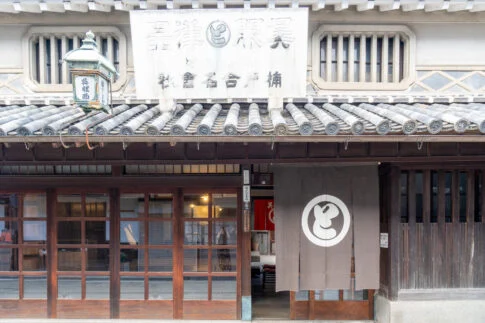
Kurashiki Museum of Folkcraft was established by businessman Ohara Soichiro and textile artist Tonomura Kichinosuke, who was one of the central figures in the Folkcraft Movement in Kurashiki.
In Europe and other overseas regions, town planning that utilizes historical buildings has been carried out, and it seems that Mr. Ohara was influenced by that.
He expressed a desire to make the Kurashiki River area like Rothenburg in Germany and advocated for the necessity of preserving the townscape.
Additionally, Mr. Tonomura and others established the Kurashiki Urban Beauty Association and continued to widely advocate for the preservation of Kurashiki's townscape.
Initiatives for Preserving Townscapes by the Government Begin in the 1970s
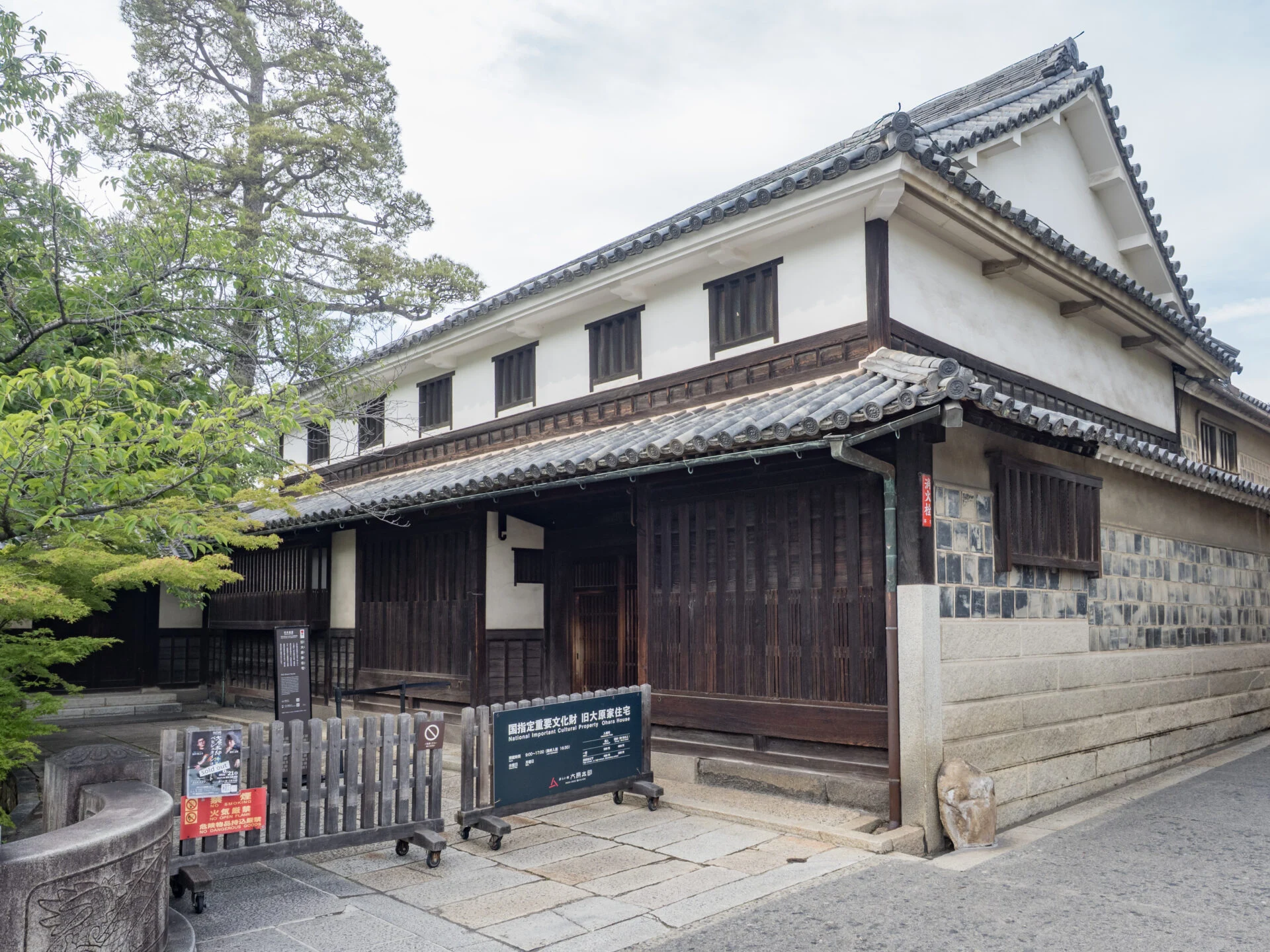
I want to know the background of how full-scale townscape preservation began.
Shuhaya
The desire for townscape preservation by local volunteers eventually moved the hearts of local residents, and the voices advocating for preservation grew louder.
Mr. Ohara was a major landowner in the area and a person of great influence. Cultural figures like Mr. Tonomura were rooted in the local community, engaging in creative activities based on the principles of folkcraft.
As local residents empathized with them, the call for townscape preservation spread. Eventually, this voice reached the government, leading to townscape preservation activities led by both the government and residents.
At that time, there was no system for townscape preservation in Japan, so Kurashiki City created its own ordinances and plans.
In 1968, Kurashiki City promulgated the Kurashiki City Traditional Scenic Preservation Ordinance, targeting approximately 20.7 hectares of the Kurashiki River area and Honmachi. The following year, in 1969, the Kurashiki City Traditional Scenic Preservation Plan was announced.
As a result, the Kurashiki River Bikan Historical Area, Kurashiki River Special Bikan Area, and Kurashiki River Preservation Monuments were designated. This area was named the Traditional Scenic Preservation Area.
Within the area, a rule was established that any changes to the exterior must be reported. This marked the beginning of full-scale townscape preservation efforts along the Kurashiki River.
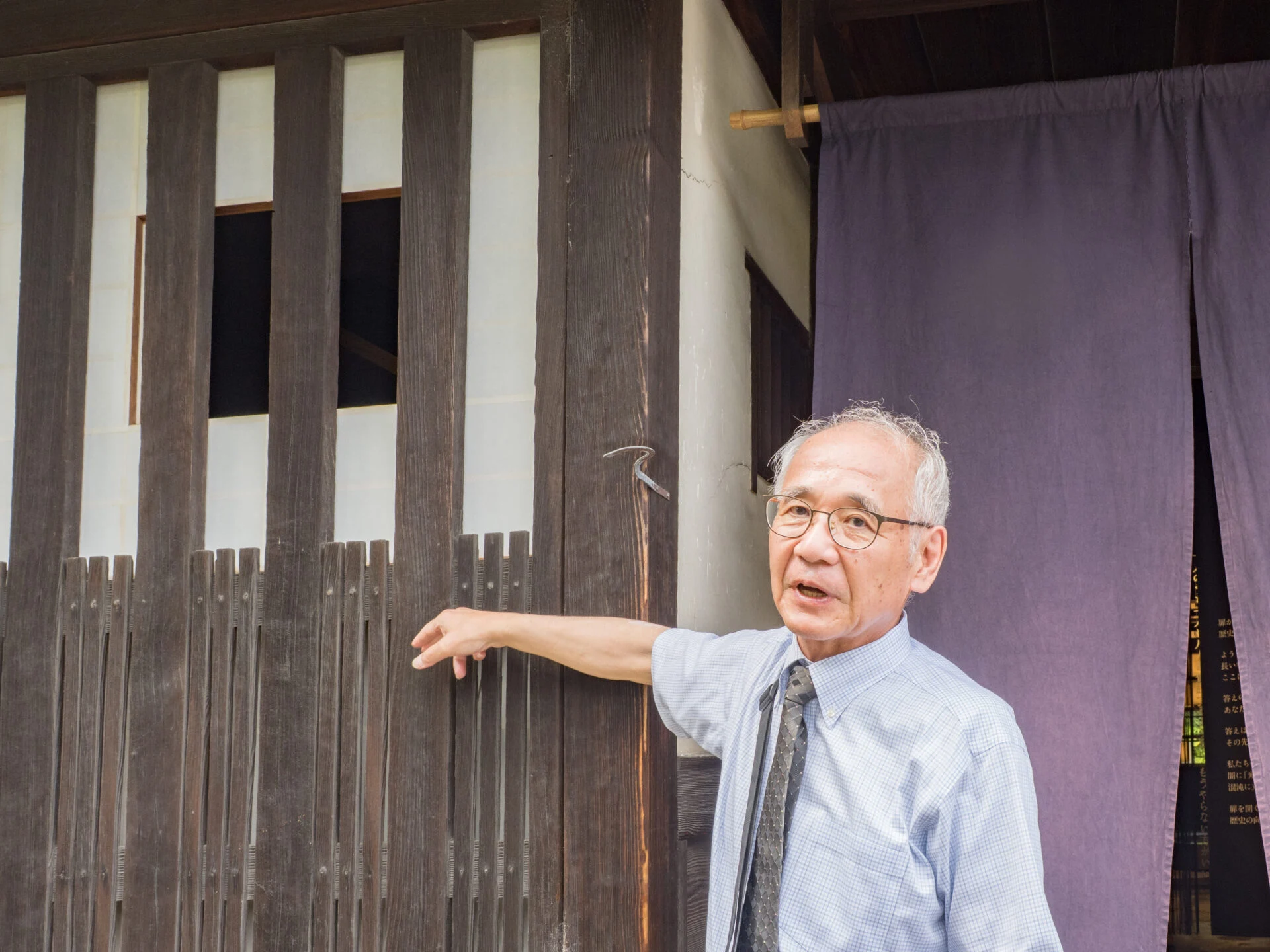
In 1975, the Important Traditional Buildings Preservation System was established. Finally, the national system caught up.
In response, in 1978, Kurashiki City enacted the Kurashiki City Traditional Buildings Preservation District Preservation Ordinance. Changes to the exterior could no longer commence without application and permission. Additionally, a system was established to provide subsidies if certain conditions were met.
In 1979, 13.5 hectares of the scenic area designated by the city were selected as a national Important Traditional Buildings Preservation District (expanded to 15 hectares in 1998).
In 1990, recognizing the importance of the landscape visible from the Kurashiki River, the Kurashiki City Kurashiki River Traditional Buildings Preservation District Background Preservation Ordinance was enacted to protect the landscape of the background area. This was pioneering nationwide.
In 2000, the Scenic Ordinance based on the Building Standards Act was established, and in 2005, it was revised to become the Kurashiki City Scenic Area Ordinance based on the Scenic Law.
It became a more robust system for protecting the landscape.
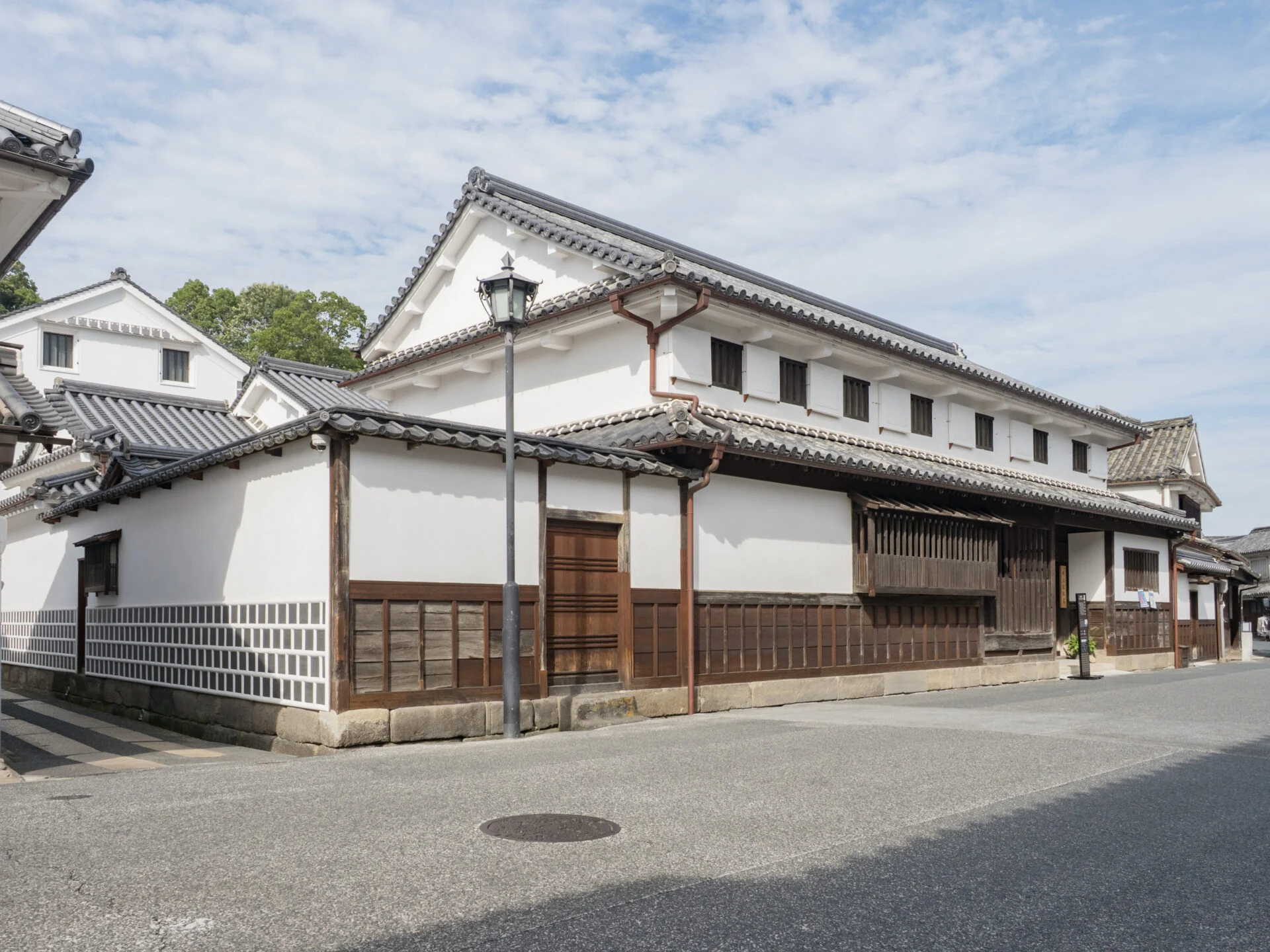
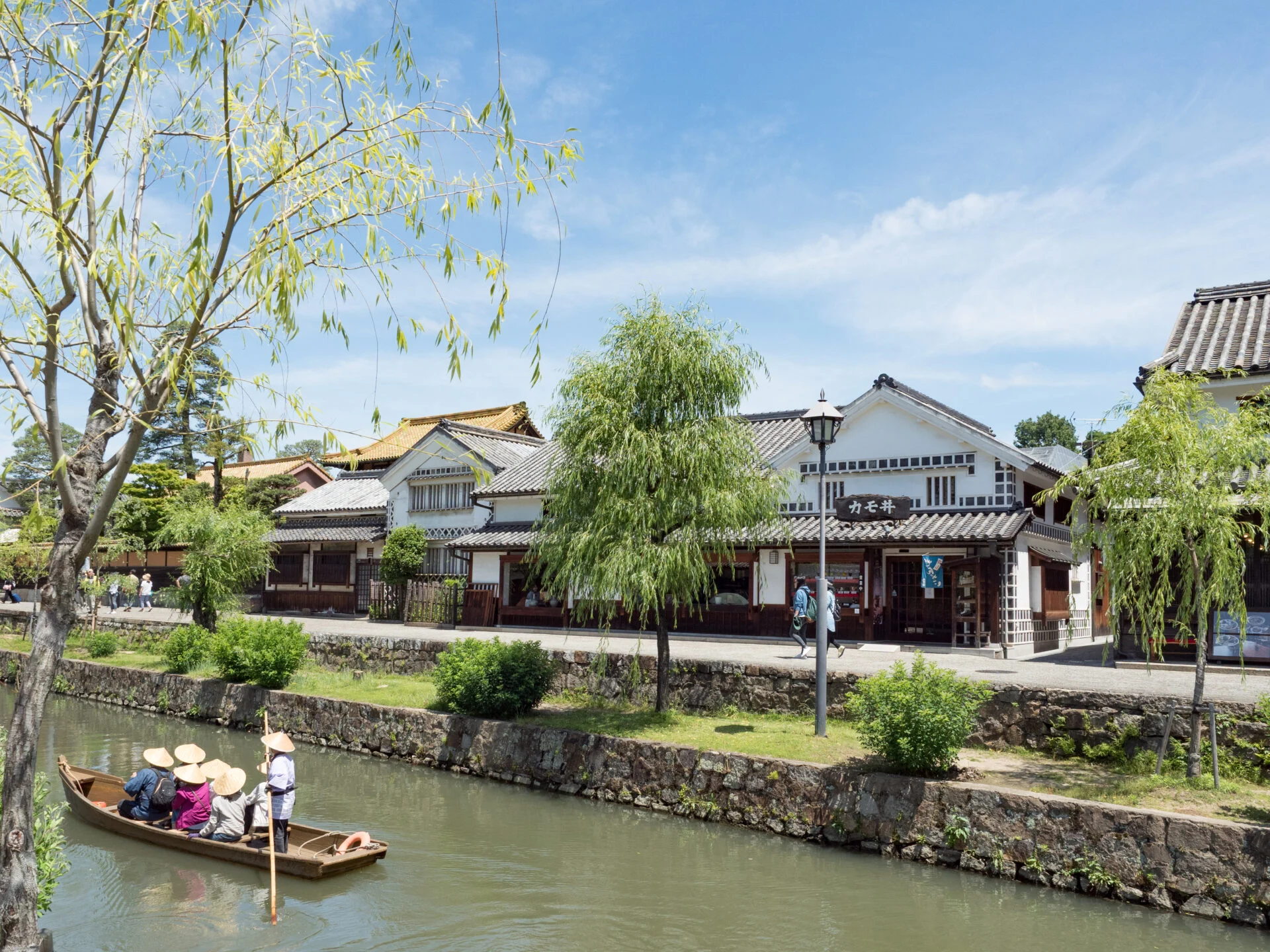
Kurashiki City is working on preservation by revising and establishing ordinances and systems according to the situation. Thanks to these efforts by Kurashiki City, the townscape along the Kurashiki River has been preserved and maintained, attracting many visitors.
The Kurashiki River area received the Urban Landscape Award "Beautiful Townscape Award" in 2010, and the Asian Urban Landscape Award "Grand Prize" in 2012.
Furthermore, in 2017, it became one of the cultural properties of the Japan Heritage "A Kurashiki story beginning with a single cotton flower - A town of textiles woven from Japanese and Western influences."
This is likely one of the results of the city and residents working together for many years on townscape preservation.
Kurashiki is One of the Pioneering Regions for Townscape Preservation
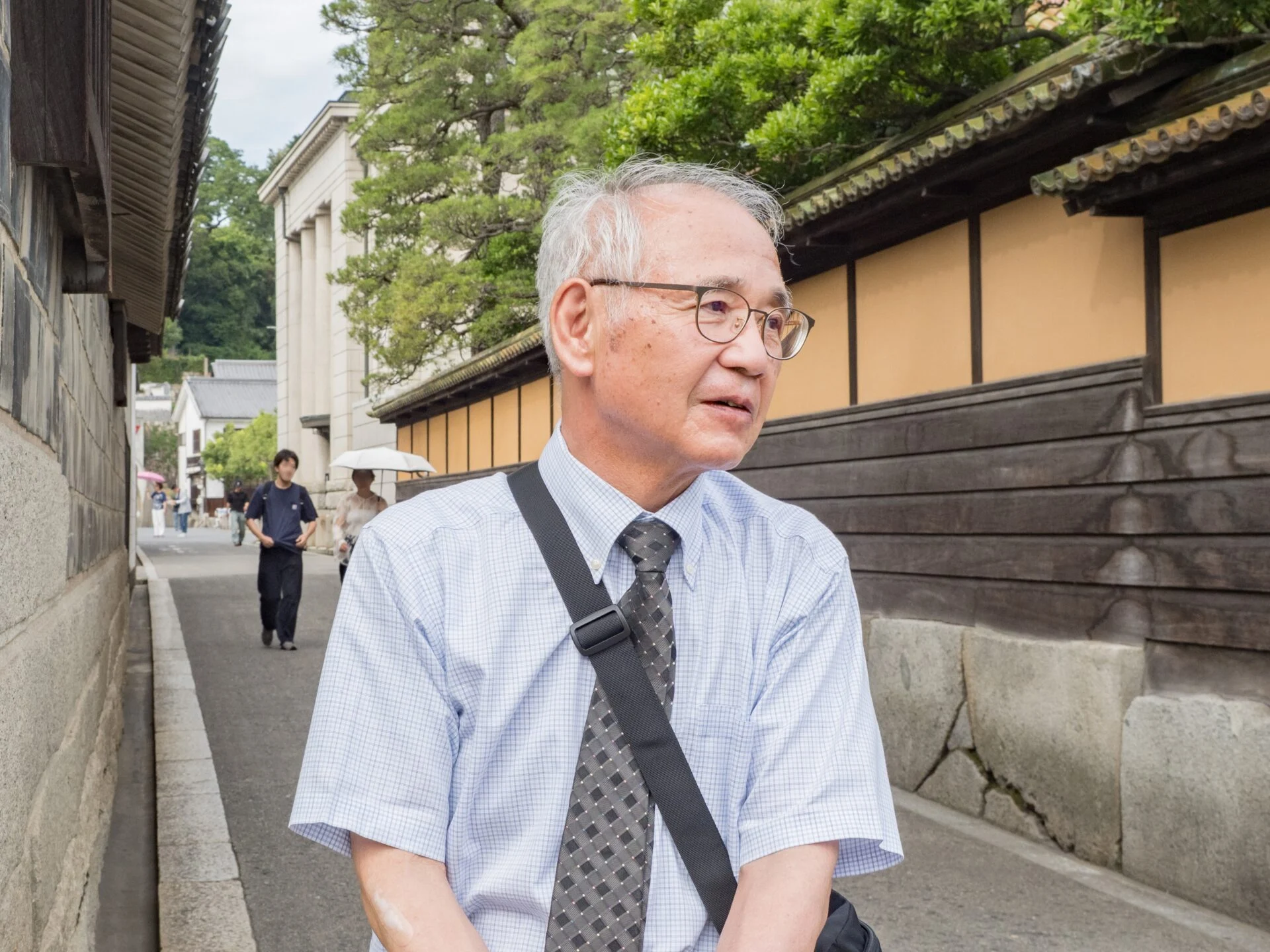
Was the initiative for preserving the townscape along the Kurashiki River one of the earliest in the country?
Shuhaya
The preservation of the townscape along the Kurashiki River can be said to have been among the earliest in the country.
What is important is the concept of "townscape preservation." In places like Kyoto and Nara, efforts have long been made to preserve individual buildings.
In post-war Kurashiki, it was groundbreaking to focus not on individual buildings but on the "group of buildings" that make up the townscape.
It involved designating an area and preserving the historical buildings within that area. In other words, it was not a preservation activity focused on "points," but rather on "surfaces."
Only a few regions, including Kurashiki and Kanazawa (Ishikawa Prefecture), were aware of the importance of preserving as a group of buildings early on.
Moreover, the efforts for preserving the townscape in Kurashiki and Kanazawa were conducted even before the national Important Traditional Buildings Preservation District system was established in 1975.
Kurashiki can be considered one of the pioneering regions for townscape preservation.
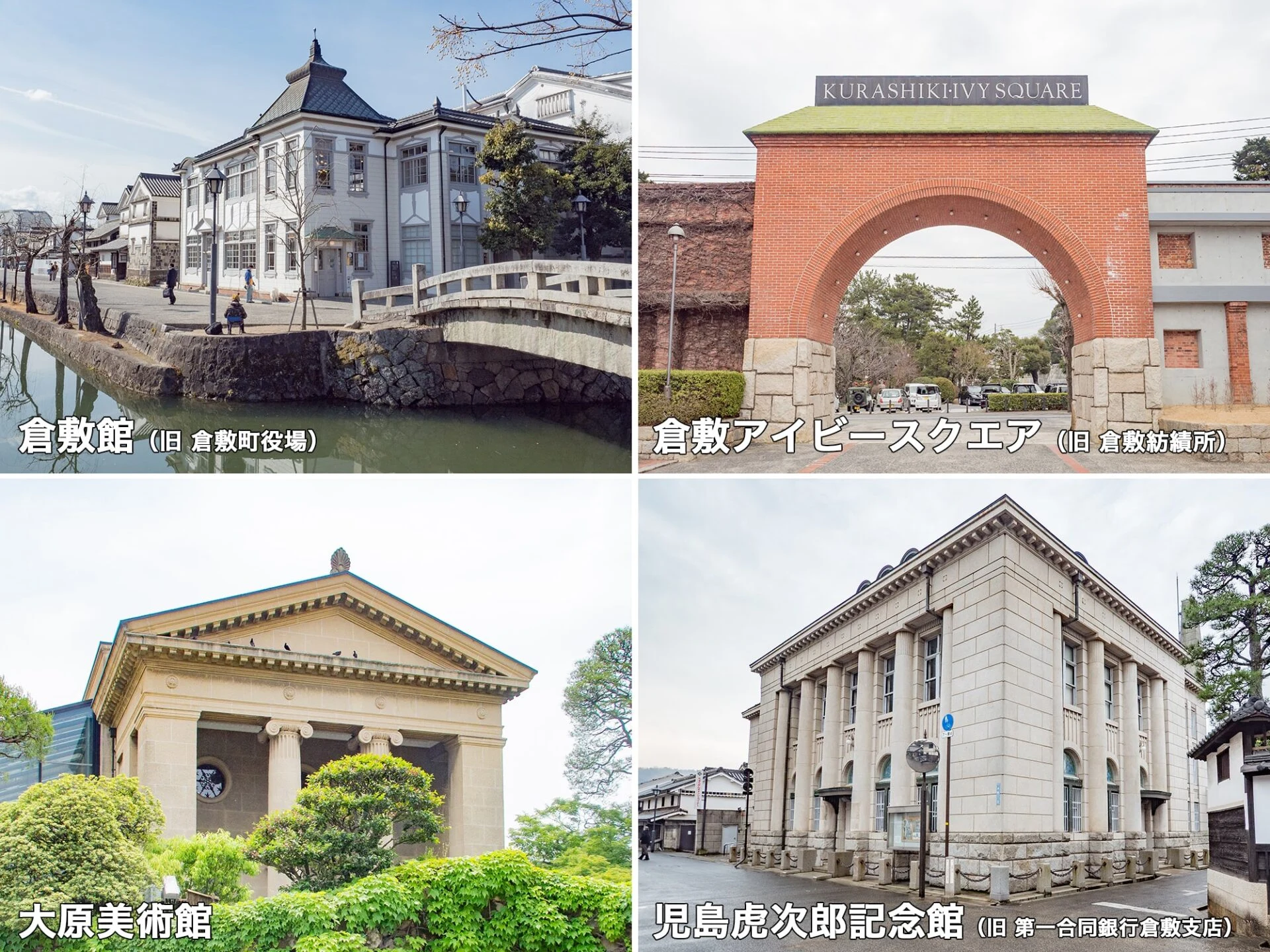
The 1970s was precisely the period of rapid economic growth. Urban development was being carried out in various places, and historical buildings were being lost.
After Kurashiki and Kanazawa, movements for townscape preservation began in many regions, including Takayama (Gifu Prefecture), Tsumago (Nagano Prefecture), Hagi (Yamaguchi Prefecture), Matsue, Tsuwano (both in Shimane Prefecture), and Kyoto.
Each of these regions has now become a tourist destination with preserved historical townscapes, attracting many visitors from both domestic and international locations. I believe the efforts for townscape preservation in Kurashiki had significant meaning for Japan.
Subsequently, in response to movements across the country, the national system for Important Traditional Buildings Preservation Districts was established. The then Ministry of Education reportedly used Kurashiki, Takayama, and Hagi as model areas when establishing the Important Traditional Buildings Preservation Districts.
Moreover, it is very important to note that the preservation of Kurashiki's townscape did not originate from government initiatives, but rather the call for townscape preservation emerged from the private sector, which moved the government to action.
For a detailed timeline of townscape preservation activities, please refer to the following.