Highlights along the Kurashiki River
What are the noteworthy points and highlights of the historical buildings remaining along the Kurashiki River?
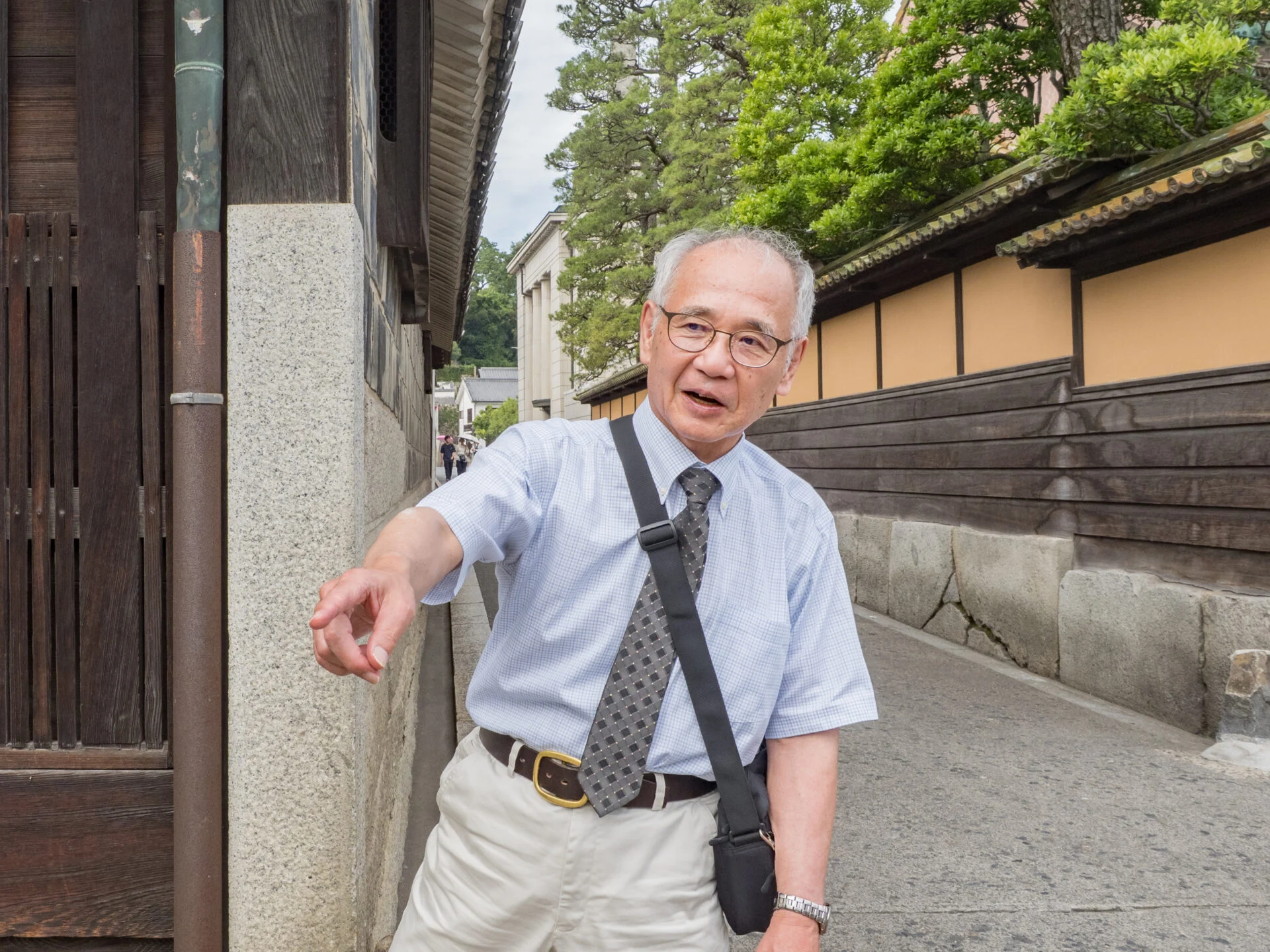
Among the various distinctive features, Toshihiko Shibuya points out four points: Kurashiki Lattice, Kurashiki Window, Earthen Storehouse Construction, and Namako Wall.
Additionally, Mr. Shibuya says that the "Higashimachi" located at the easternmost part of the streetscape along the Kurashiki River is also worth visiting.
Kurashiki Lattice
What is "Kurashiki Lattice"?
Shibuya
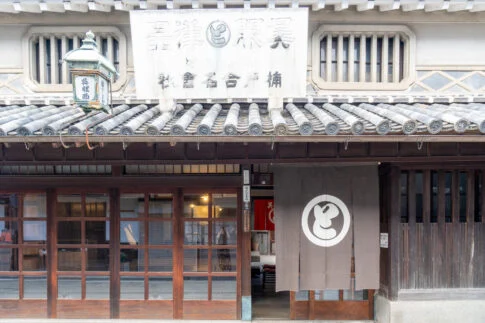
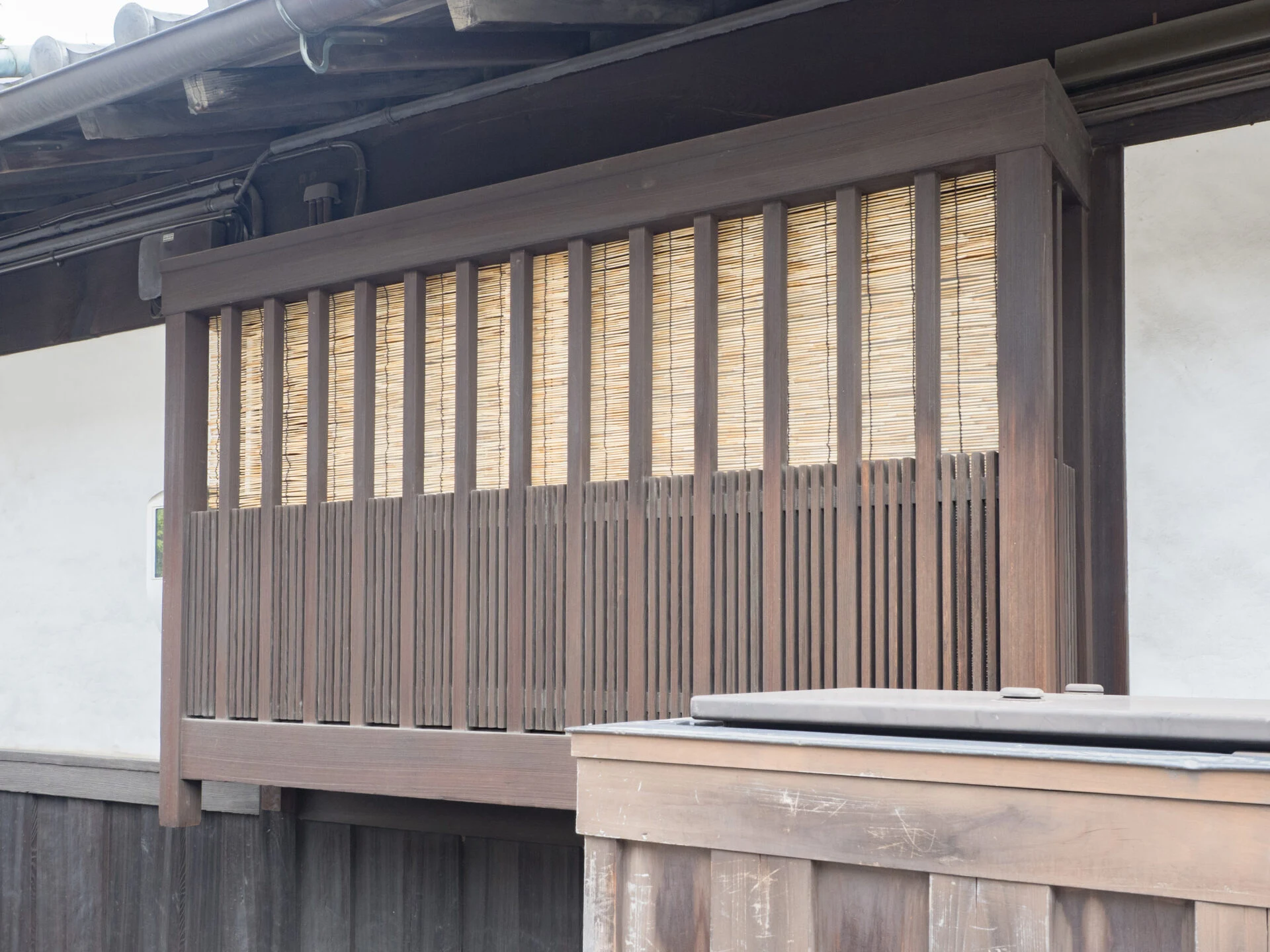
Kurashiki Lattice is commonly seen in Kurashiki's townhouses, such as the Former Ohara Residence (designated as an Important Cultural Property).
Kurashiki Lattice is generally referred to as "Oya Dooshi Kiriko Goshi", and it is not unique to Kurashiki.
However, it is widely incorporated into the townhouses along the Kurashiki River and can be considered a representative architectural design of Kurashiki.
It is mainly found on the first floor of townhouses, characterized by several short and thin vertical bars arranged between thick vertical bars (tatego, vertically elongated rod-like components).
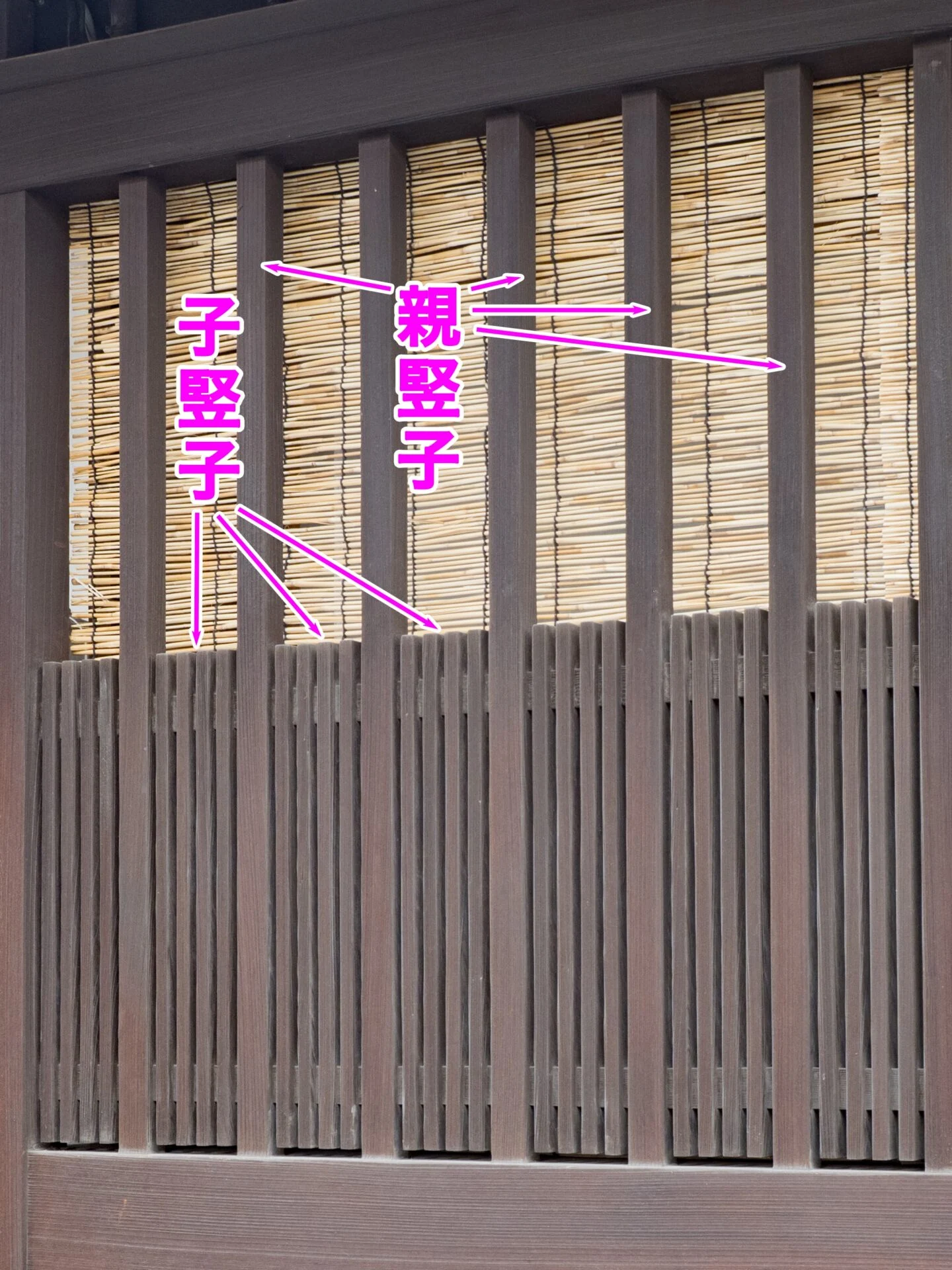
The thick ones are called Oya Tatego, and the thin and short ones are called Ko Tatego.
The short Ko Tatego makes it difficult to see inside from the outside. Since the Ko Tatego is short, there is an opening at the top. Sunlight comes in from here, brightening the interior.
Kurashiki Lattice is a truly functional design that balances privacy protection and indoor lighting.
The number of Ko Tatego varies by house, with three being the most common. Some houses may have five, and there are also differences in the thickness of the Tatego.
The Tatego is mostly fixed with nails. In some houses, the Tatego is fixed by passing a horizontal bar through it.
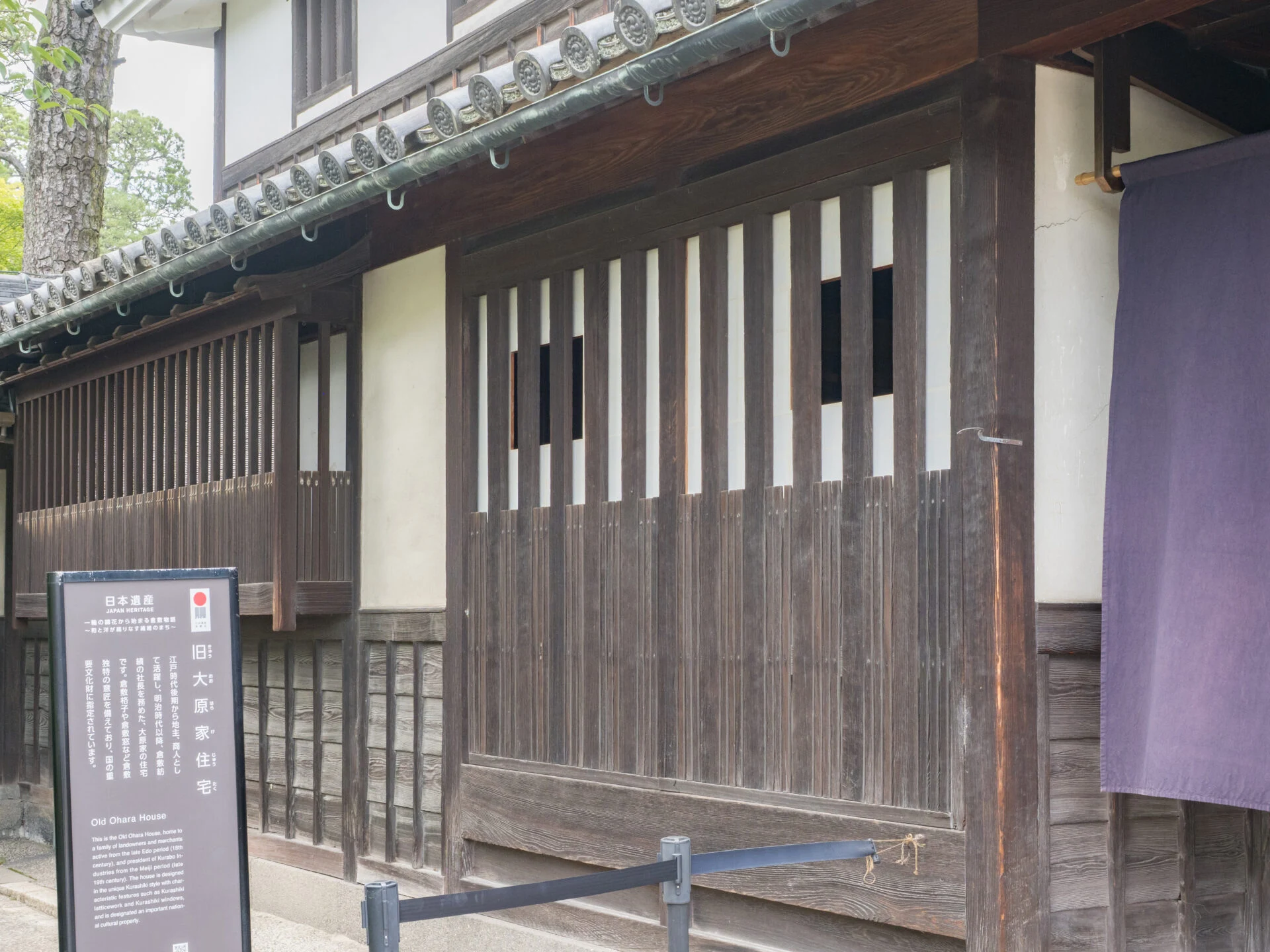
I find great pleasure in the unique "rhythm" created by the continuous Kurashiki Lattice of thick Oya Tatego and several Ko Tatego. I also feel a kind of artistry in the Kurashiki Lattice, and I am overwhelmed when I look at it.
It is interesting to see that the Kurashiki Lattice has slightly different characteristics depending on the house, reflecting the owner's preferences and living environment.
When strolling along the Kurashiki River, be sure to pay attention to the Kurashiki Lattice.
Kurashiki Window
What are the characteristics of "Kurashiki Window"?
Shibuya
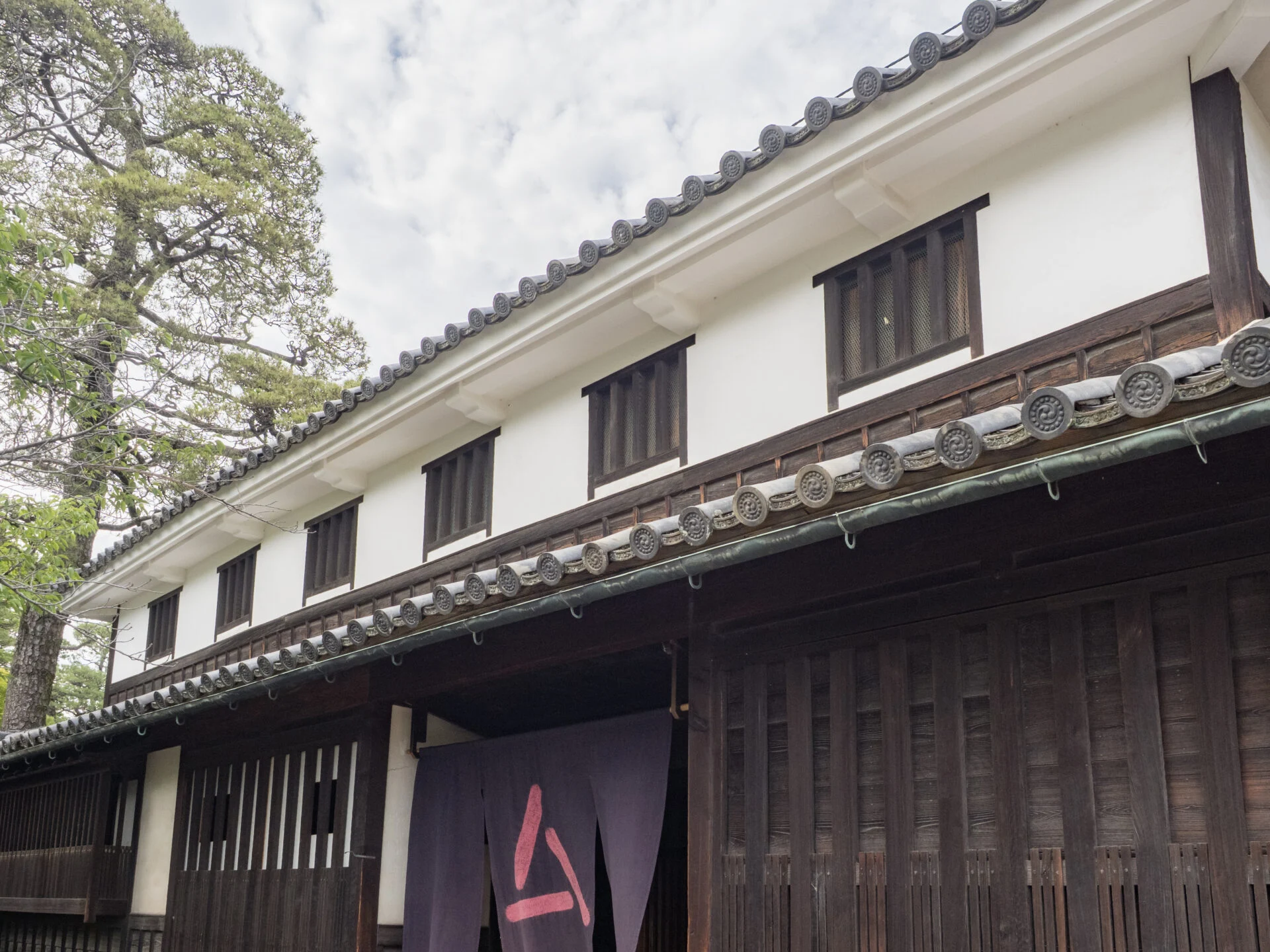
Kurashiki Window is a design unique to Kurashiki, found on the second floor of townhouses along the Kurashiki River.
The corners of the window frame protrude slightly towards the wall, and there are 3 to 5 vertical bars left in their natural wood state.
The walls are coated with plaster, and normally, the window frames and vertical bars would also be painted with plaster. However, Kurashiki Windows are not painted.
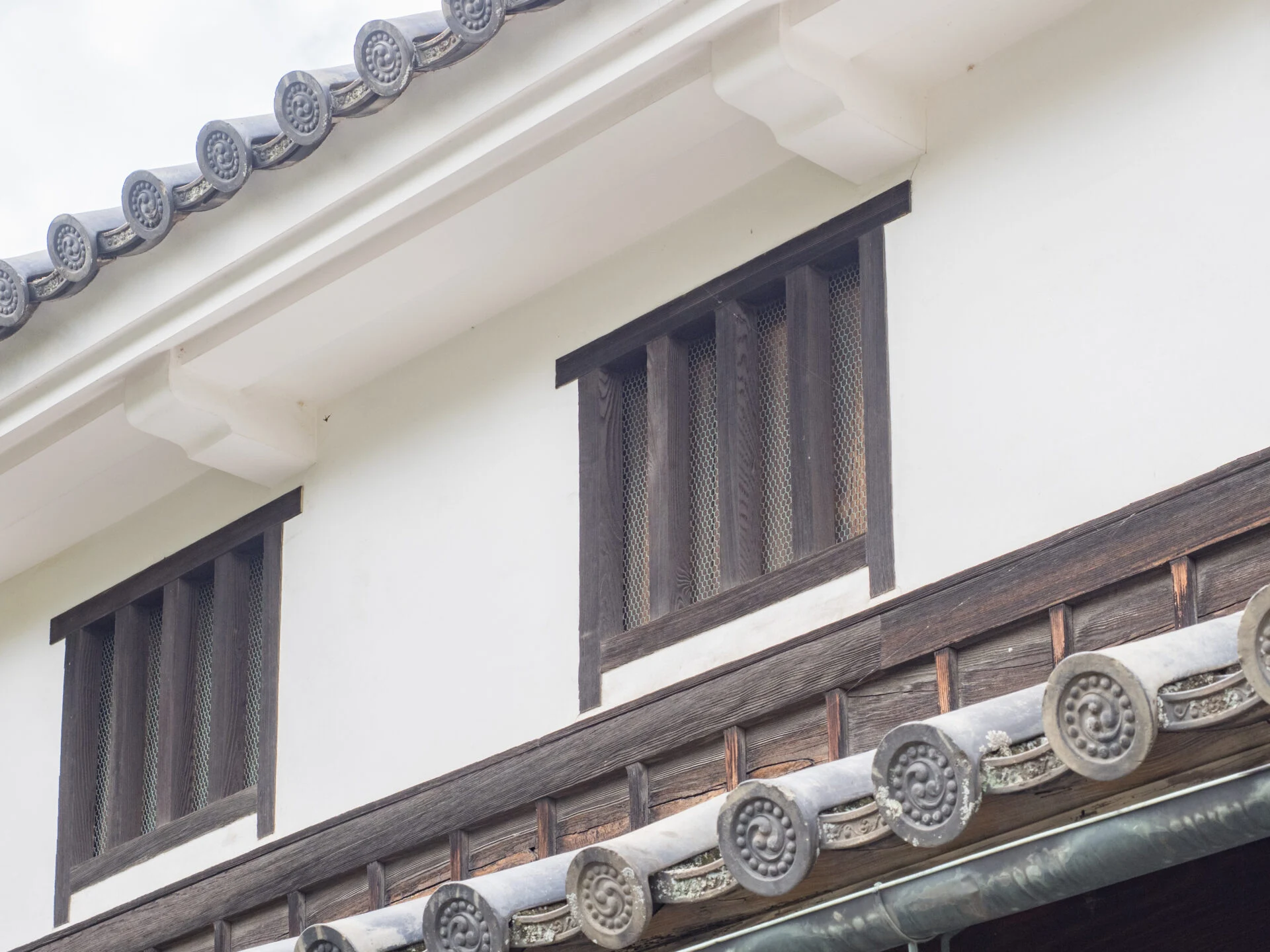
This is believed to be influenced by fire hazards. Coating with plaster serves a fire-resistant purpose. However, there is a history that large fires did not occur in the town of Kurashiki.
Therefore, the awareness of fire prevention may have been different from other regions. This is said to be reflected in the Kurashiki Window.
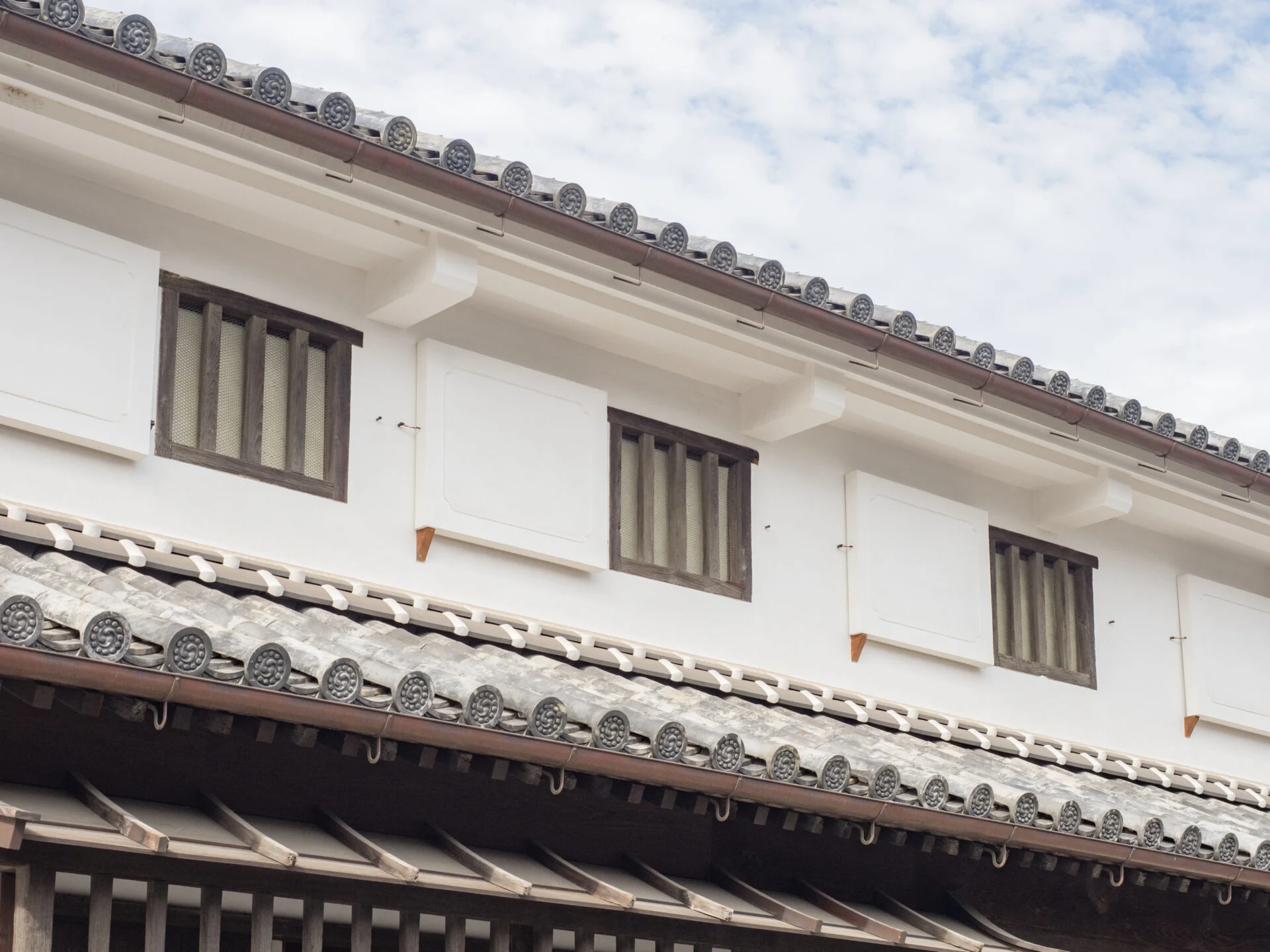
Additionally, the Inoue House (designated as an Important Cultural Property), which is the oldest existing townhouse along the Kurashiki River located on Honmachi Street, features a Kurashiki Window with a door. This window dates back to a time when there was a strong awareness of fire hazards.
Be sure to pay attention to it.
Earthen Storehouse Construction
Please tell me about Earthen Storehouse Construction.
Shibuya
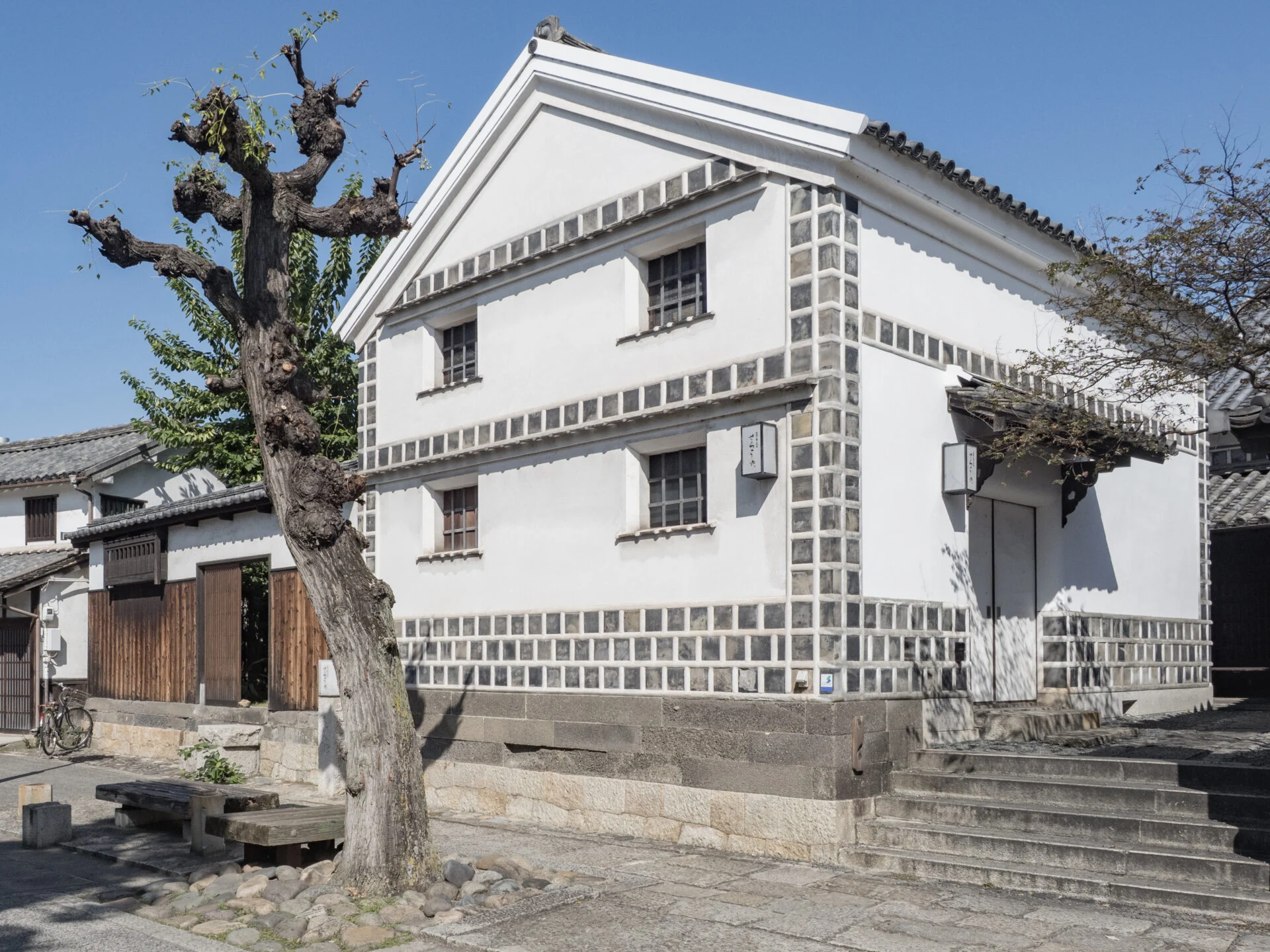
Earthen Storehouse Construction is a method where the entire building is covered with a finish of earthen plaster, concealing the wooden structure underneath.
Earthen Storehouse Construction can be found throughout the country, but the image that many people might immediately associate with the "Bikan Historical Area" is likely that of buildings constructed in this style.
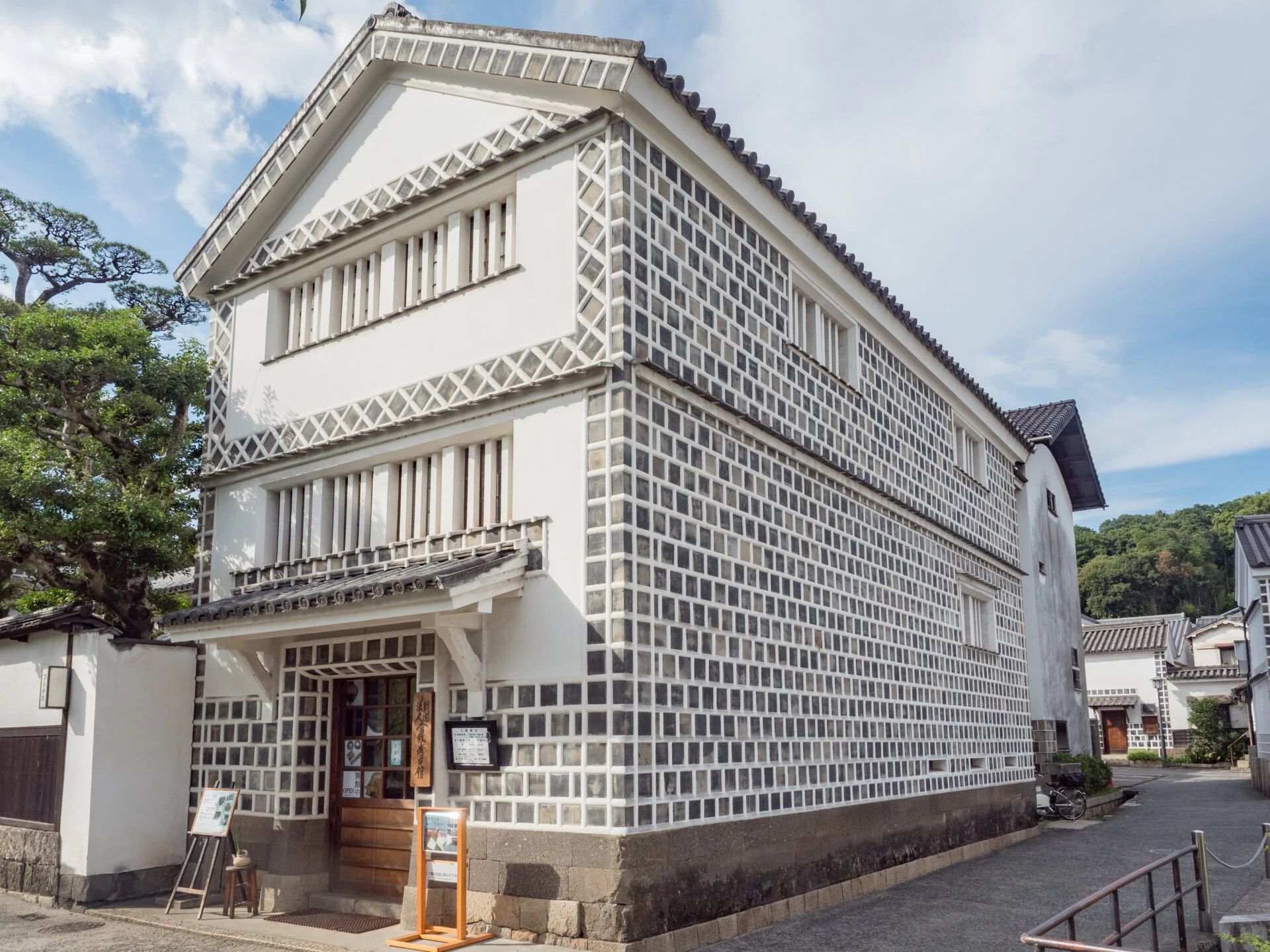
Most of the storehouses along the Kurashiki River exhibit this style. The purpose of applying earthen walls and plaster is to improve fire resistance.
Due to the thick walls, even if a fire occurs, the outer surface of the wall may be damaged, but the interior is better protected.
Namako Wall
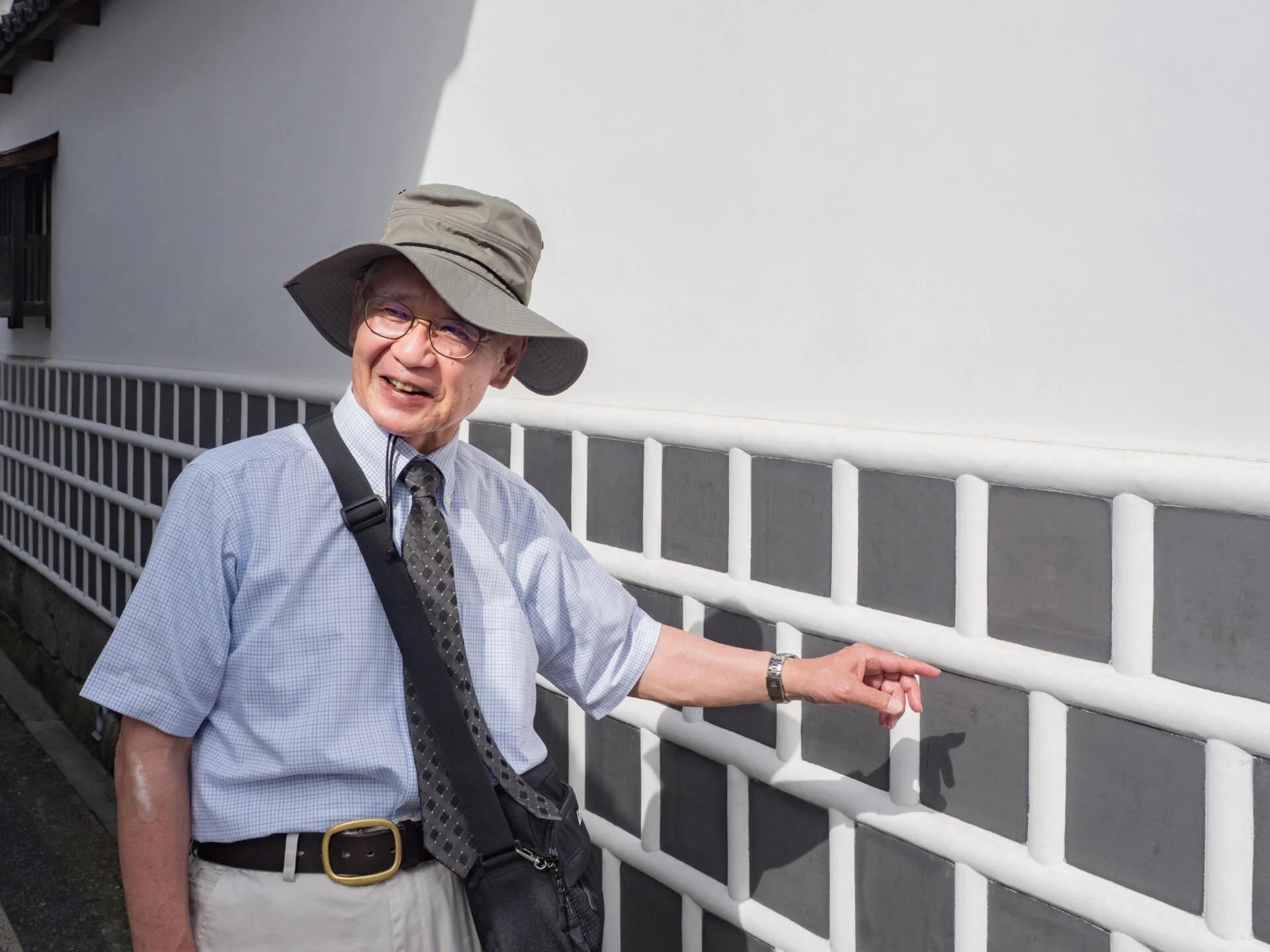
What are the characteristics of Namako Wall?
Shibuya
Namako Wall is a type of exterior wall finish. Formally, it is called Namako Meji Kawarabari.
It is characterized by square tiles being affixed to the wall, with plaster applied to the gaps between the tiles, creating a raised effect. This raised plaster resembles a sea cucumber, which is the origin of its name.
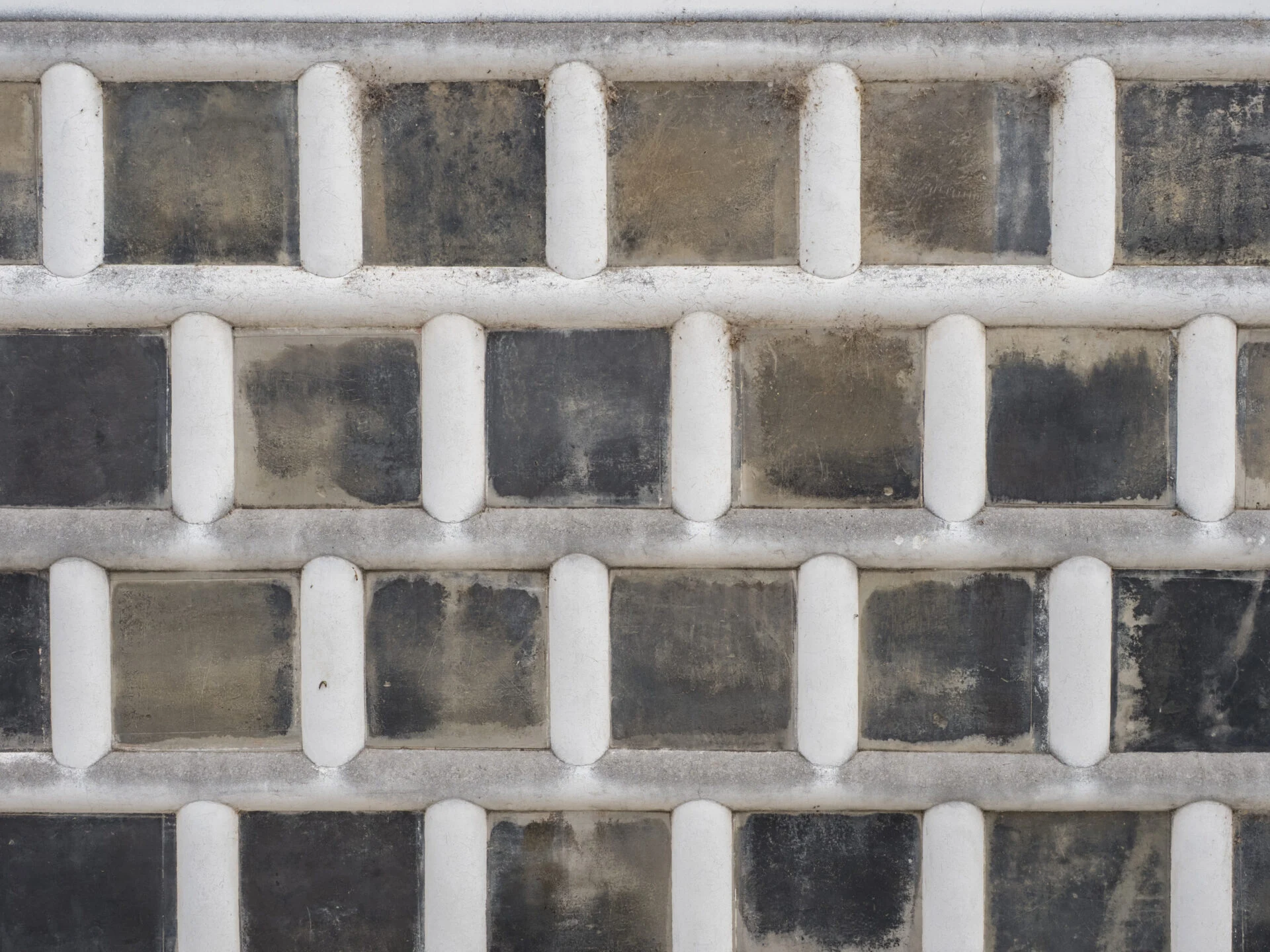
To skillfully apply the namako-style plaster, considerable skill is required. The plasterers who can create namako walls have significantly decreased.
In Kurashiki, there are types of namako walls such as "Imobari", where the plaster parts intersect in a cross pattern, "Umabari", which has staggered vertical lines, and "Shihabari", which crosses diagonally.
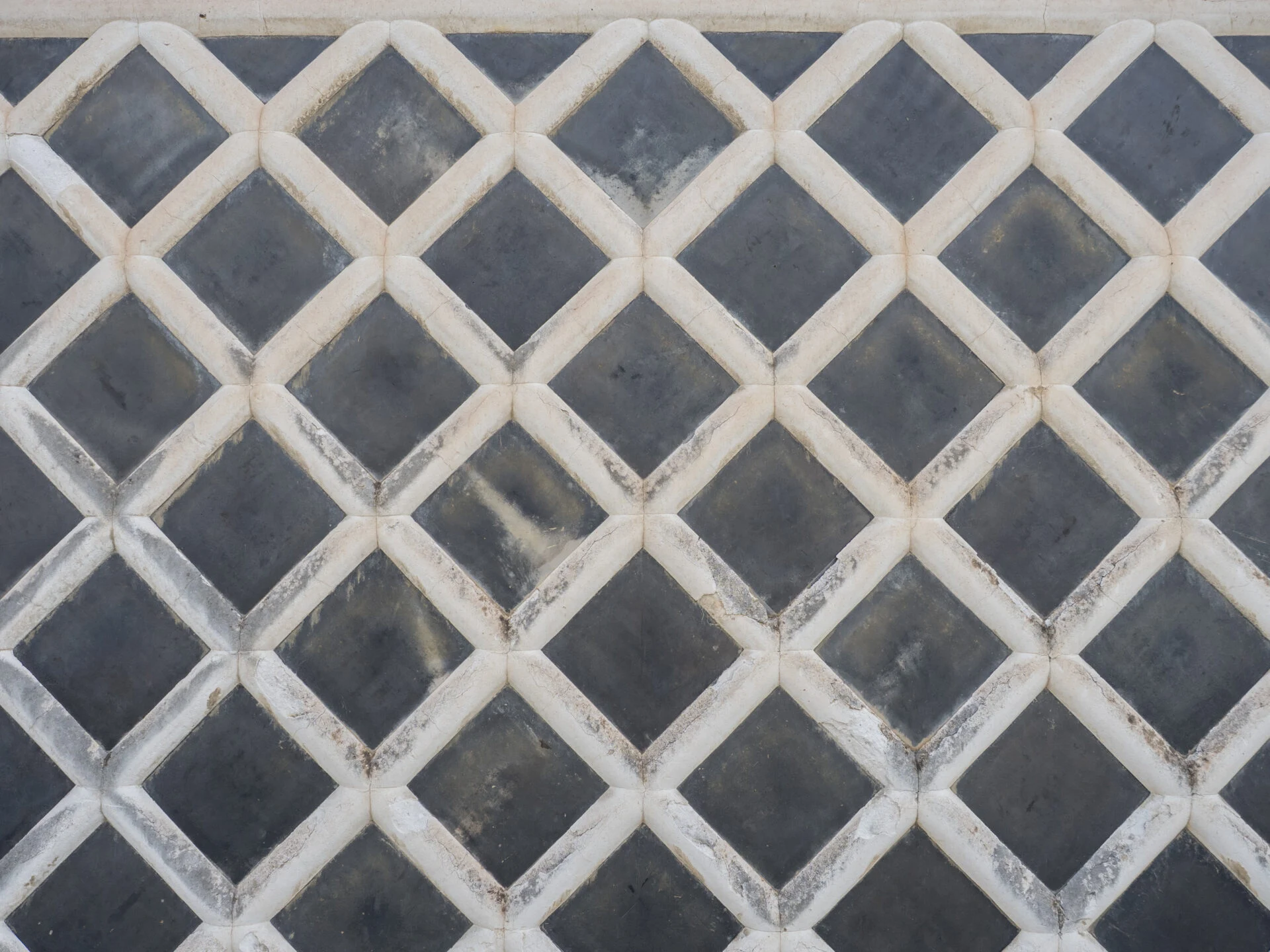
In Kurashiki, Umabari and Shihabari are particularly common.
While namako walls can be seen nationwide, they are likely what comes to mind when you hear "Bikan Historical Area."
Townscape of Higashimachi
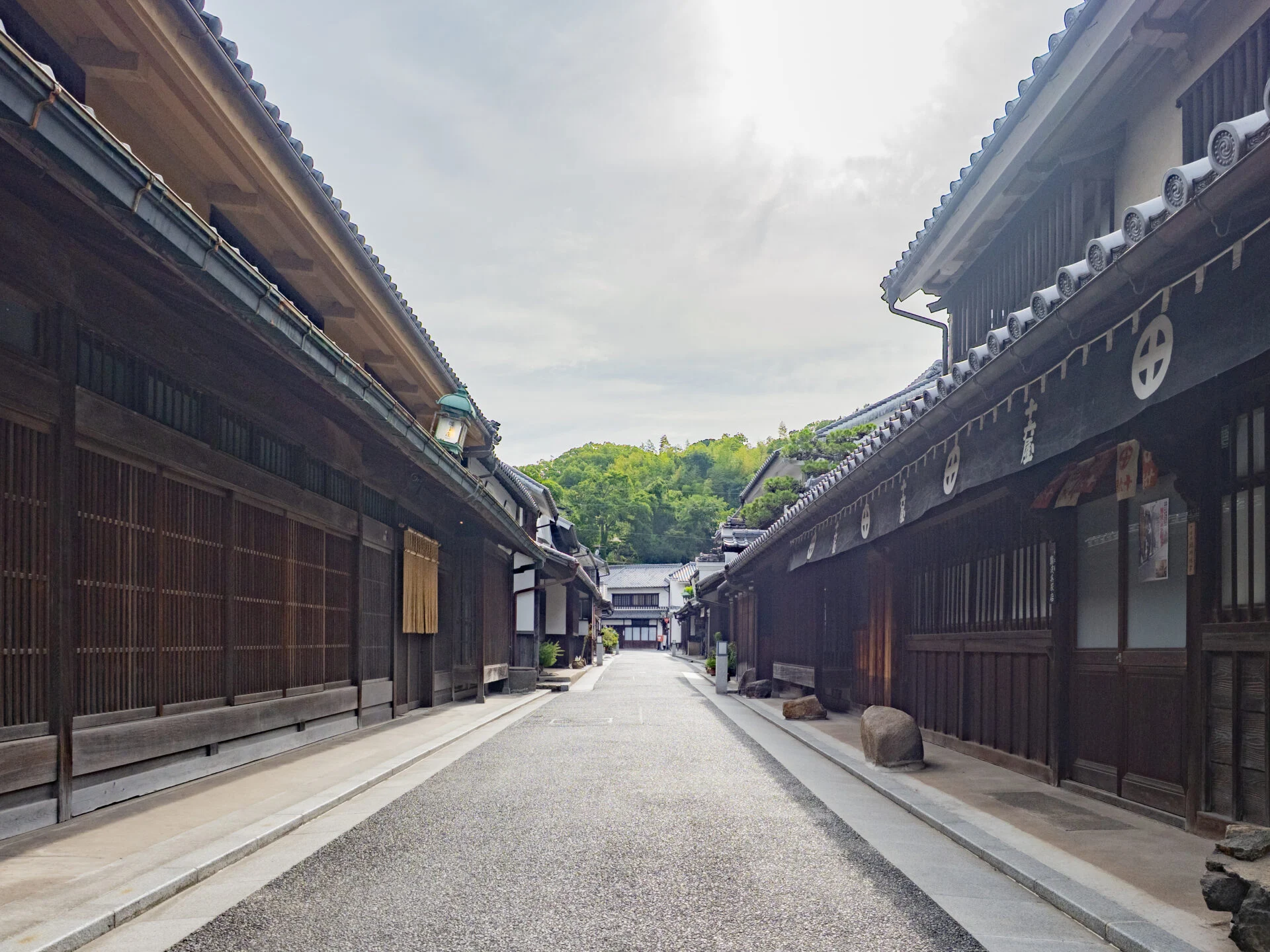
What are the charms of Higashimachi that Shibuya recommends?
Shibuya
Higashimachi is a town that continues eastward from Honmachi Street, which runs east-west along the southern side of Tsurugatayama. This area was added to the Important Preservation Districts for Groups of Traditional Buildings in 1998.
There are many former residences of wealthy merchants, and the impressive atmosphere is characterized by its heaviness. There is also the Kusudo House, which is designated as an important cultural property by the city.
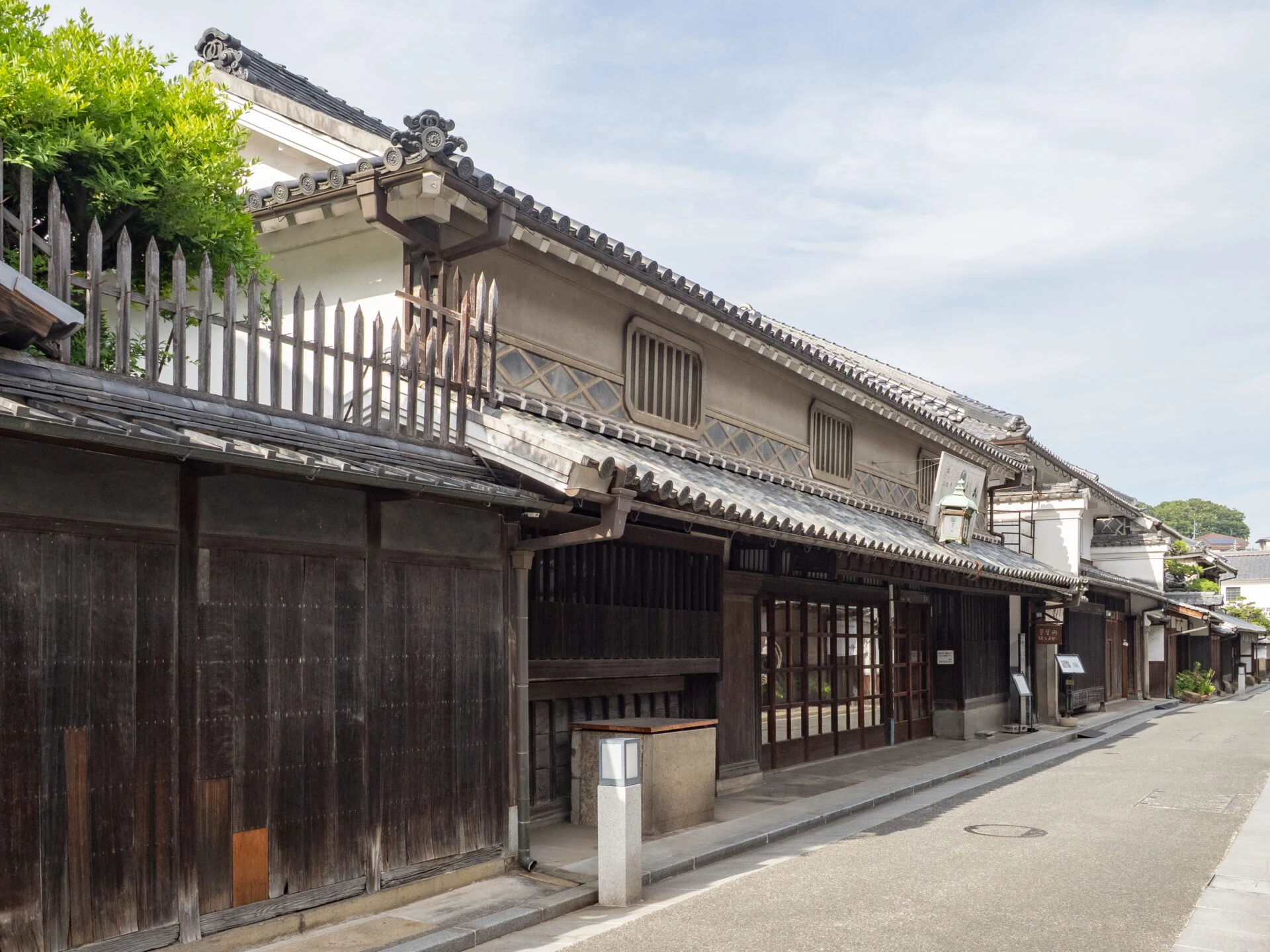
It is not overly commercialized, and it is a quiet street that retains the atmosphere of traditional living, which is one of my favorite places.
It retains the characteristics of Kurashiki from the past, which is very valuable and appealing.
Townscape along the Kurashiki River that evokes history from the Edo period
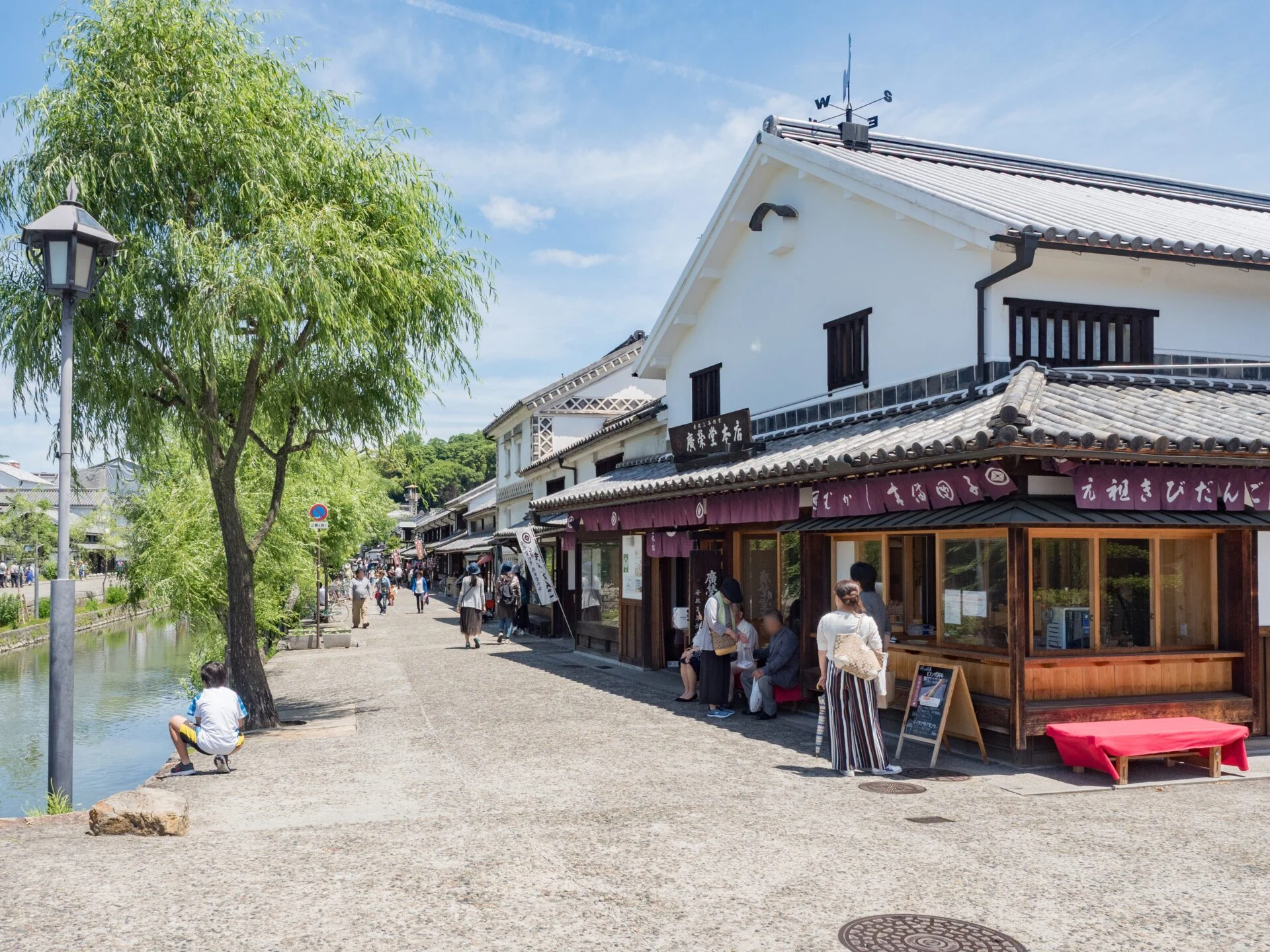
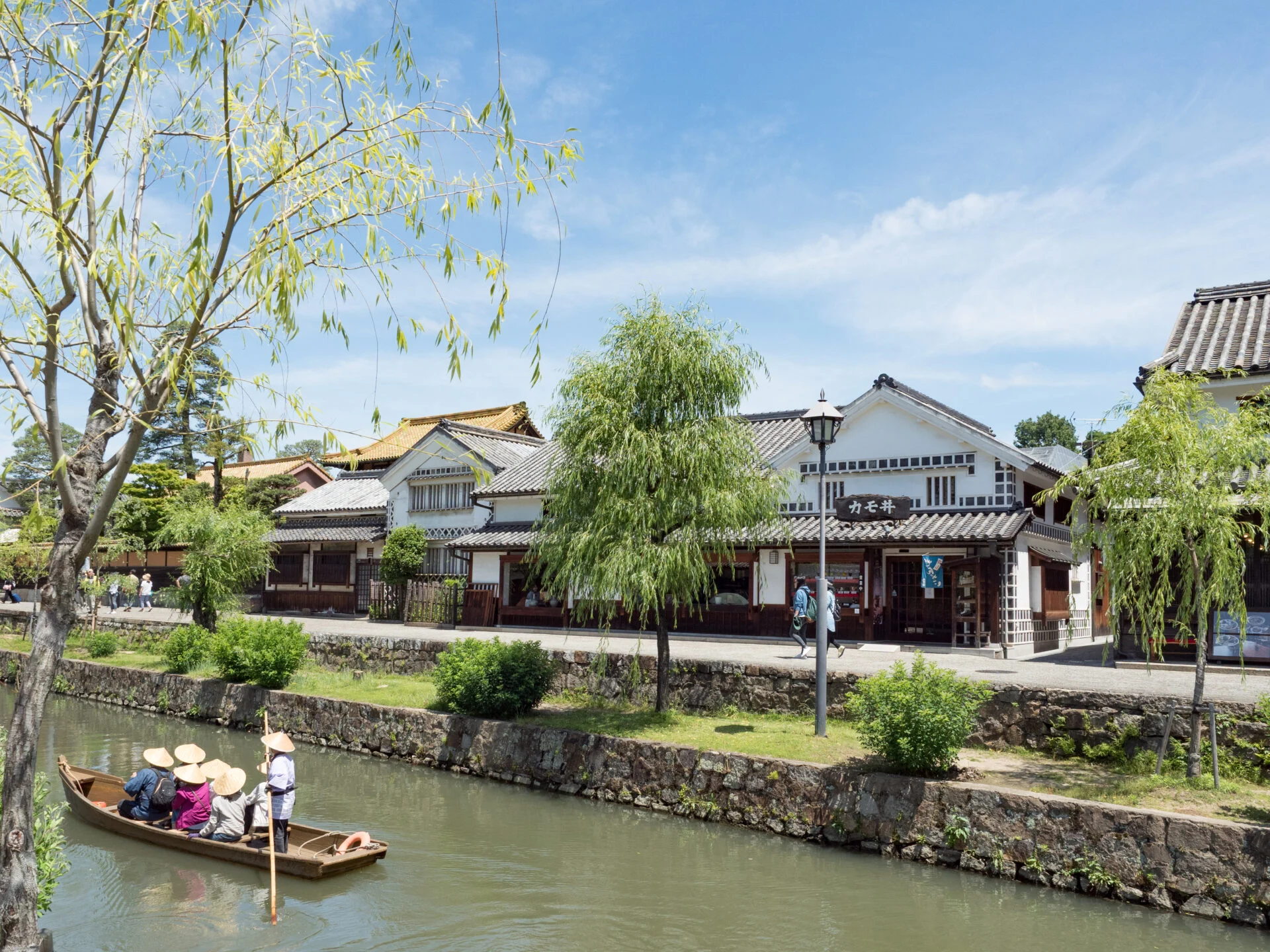
The townscape along the Kurashiki River is a representative landscape of Kurashiki and a popular tourist destination visited by many people. I think it is attractive to stroll and enjoy the scenery or visit shops and facilities.
Additionally, if you pay attention to the Kurashiki lattice, Kurashiki windows, and namako walls, you may find a different kind of interest.
I also recommend walking through the town along the Kurashiki River while exploring the individuality of each building.
Articles about Japan Heritage in Kurashiki City