
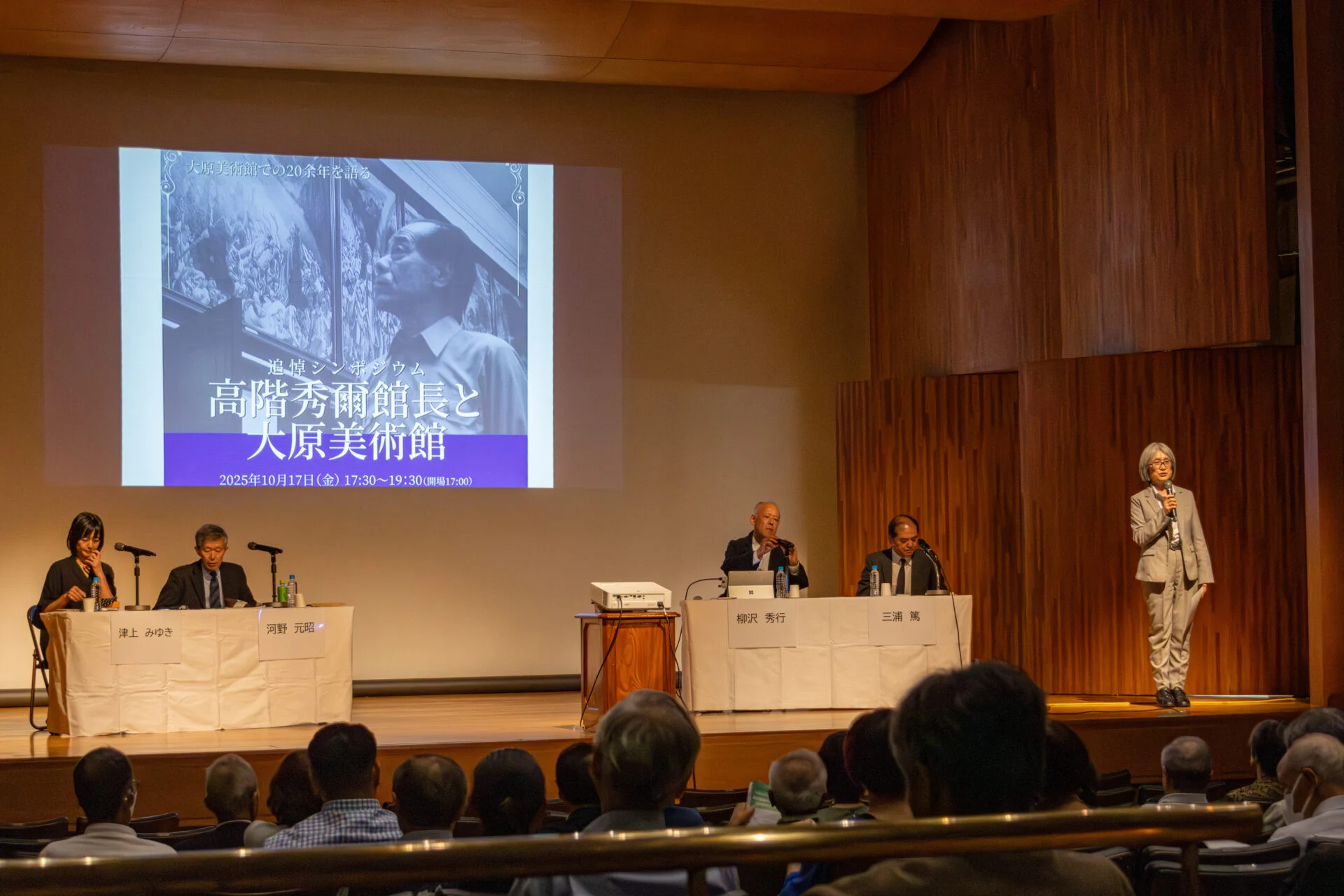
Art historian Shuji Takashina, who served as director of the Ohara Museum of Art for many years, passed away on October 17, 2024, at the age of 92.
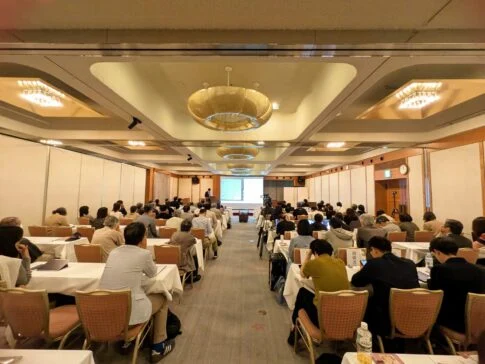
On October 17, 2025, the first anniversary of his passing, a memorial symposium titled “Director Takashina and the Ohara Museum of Art” was held at the Kurashiki Community Center, hosted by the Ohara Museum of Art.
We report on the symposium, where participants reflected on his brilliant achievements during his lifetime and the many stories about him.
The information presented was current when this article was published in November 2025. Please note that it may differ from current information.
Director Takashina and the Ohara Museum of Art
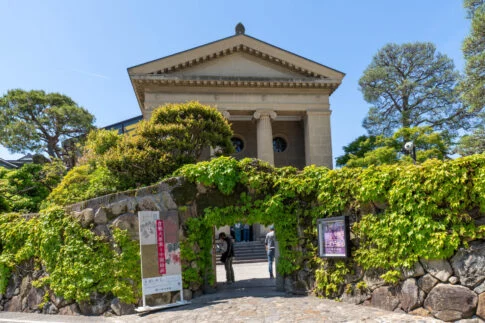
After serving as a professor at the University of Tokyo and director of the National Museum of Western Art, Director Takashina served as director of the Ohara Museum of Art for 21 years, from 2002 to 2023.
During his tenure, he was named a Person of Cultural Merit in 2005 and awarded the Order of Culture in 2012.
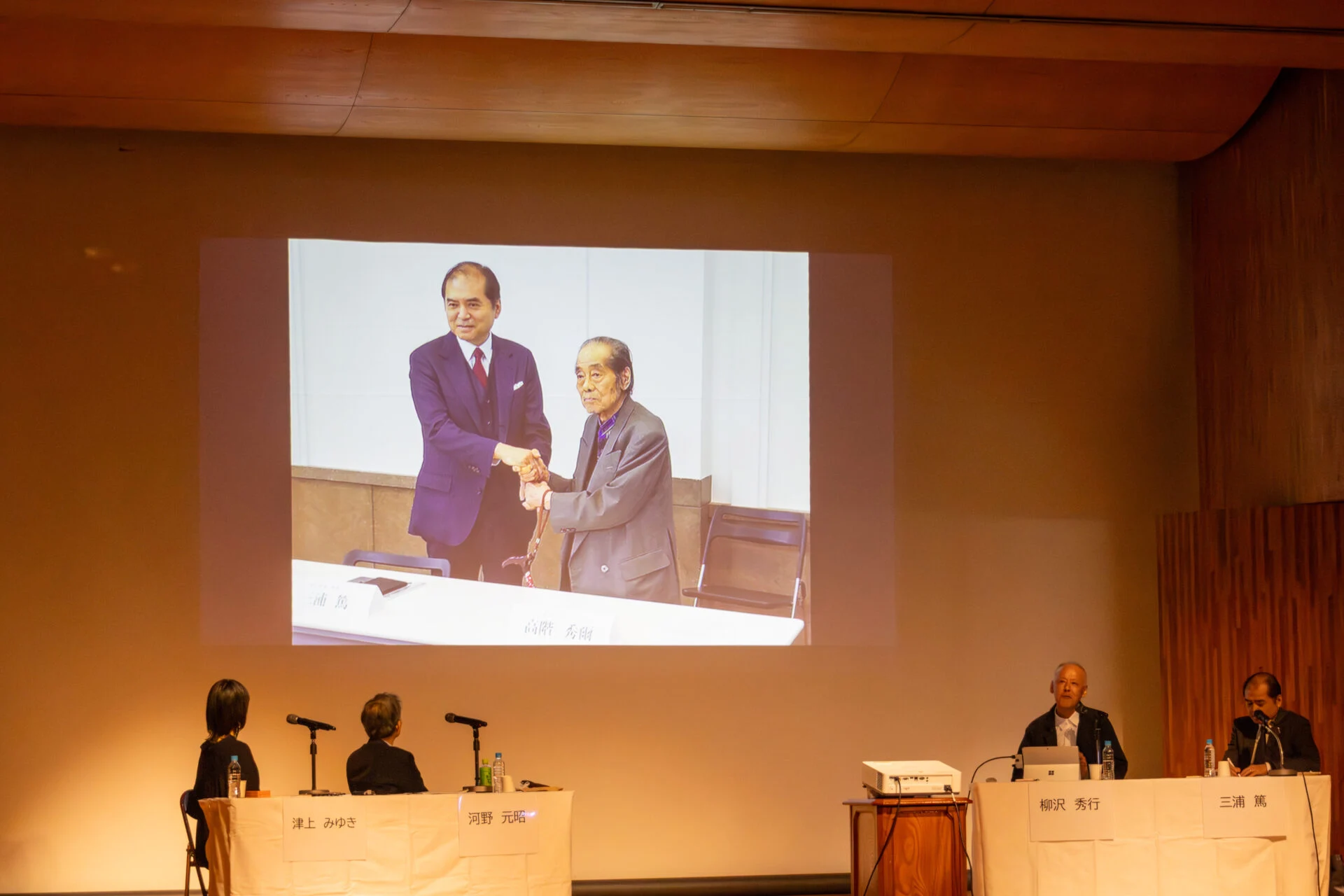
From April 2024, he also became the first director of the newly established Ohara Institute of Art Research, supporting the Ohara Museum of Art on the front lines until the end of his life.
Many initiatives launched during his tenure as director continue to this day (2025). Representative examples include:
- Special Opening of Yurin-so Villa
- ARKO (Artist in Residence Kurashiki, Ohara)
- AM (Artist Meets) Kurashiki
Special Opening of Yurin-so Villa
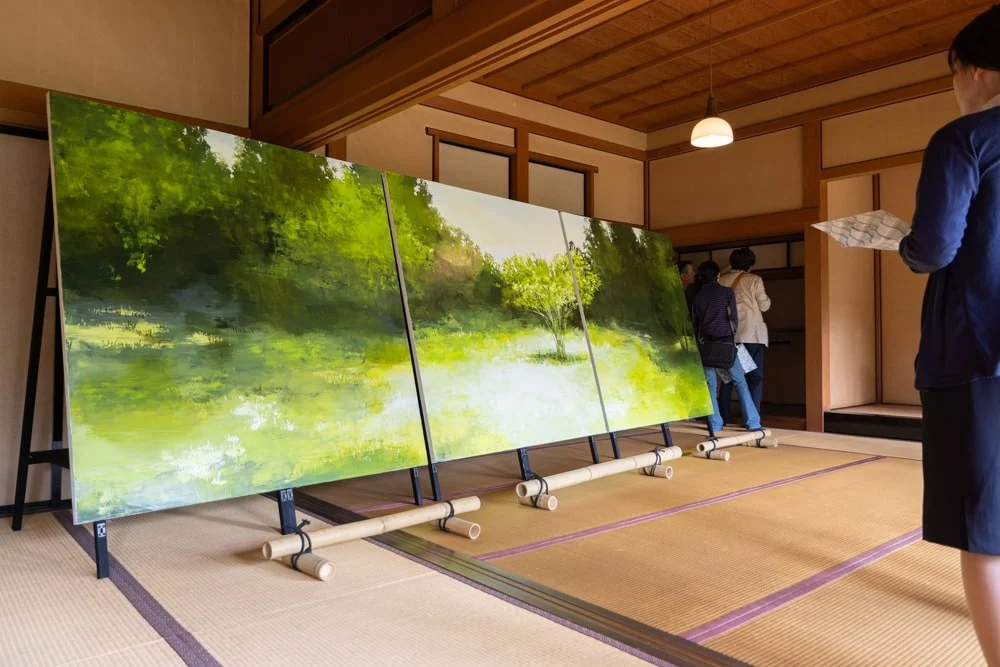
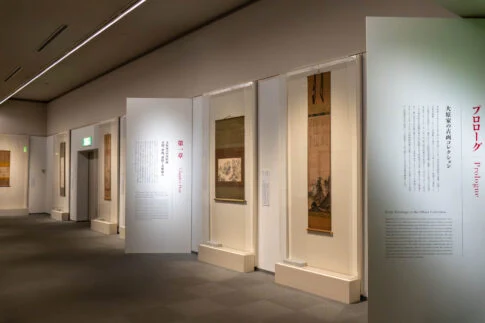
A special exhibition held twice a year, in spring and autumn, at “Yurin-so Villa,” the former Ohara family villa opposite the Ohara Museum of Art.
Because the building’s complex structure and blend of Japanese, Western, and Chinese architectural styles require experience to display works there, mainly veteran artists are invited to exhibit.

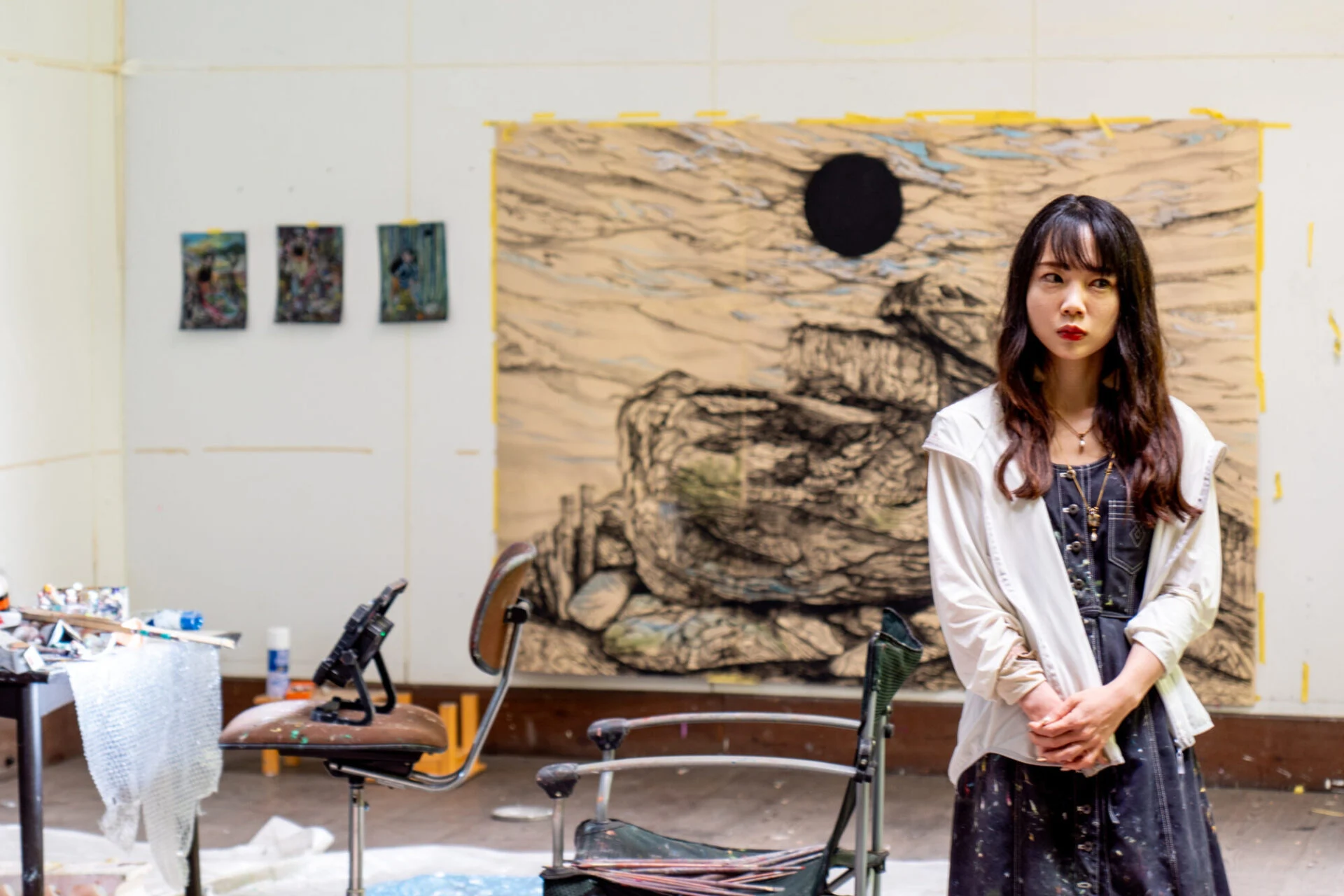
ARKO (Artist in Residence Kurashiki, Ohara)
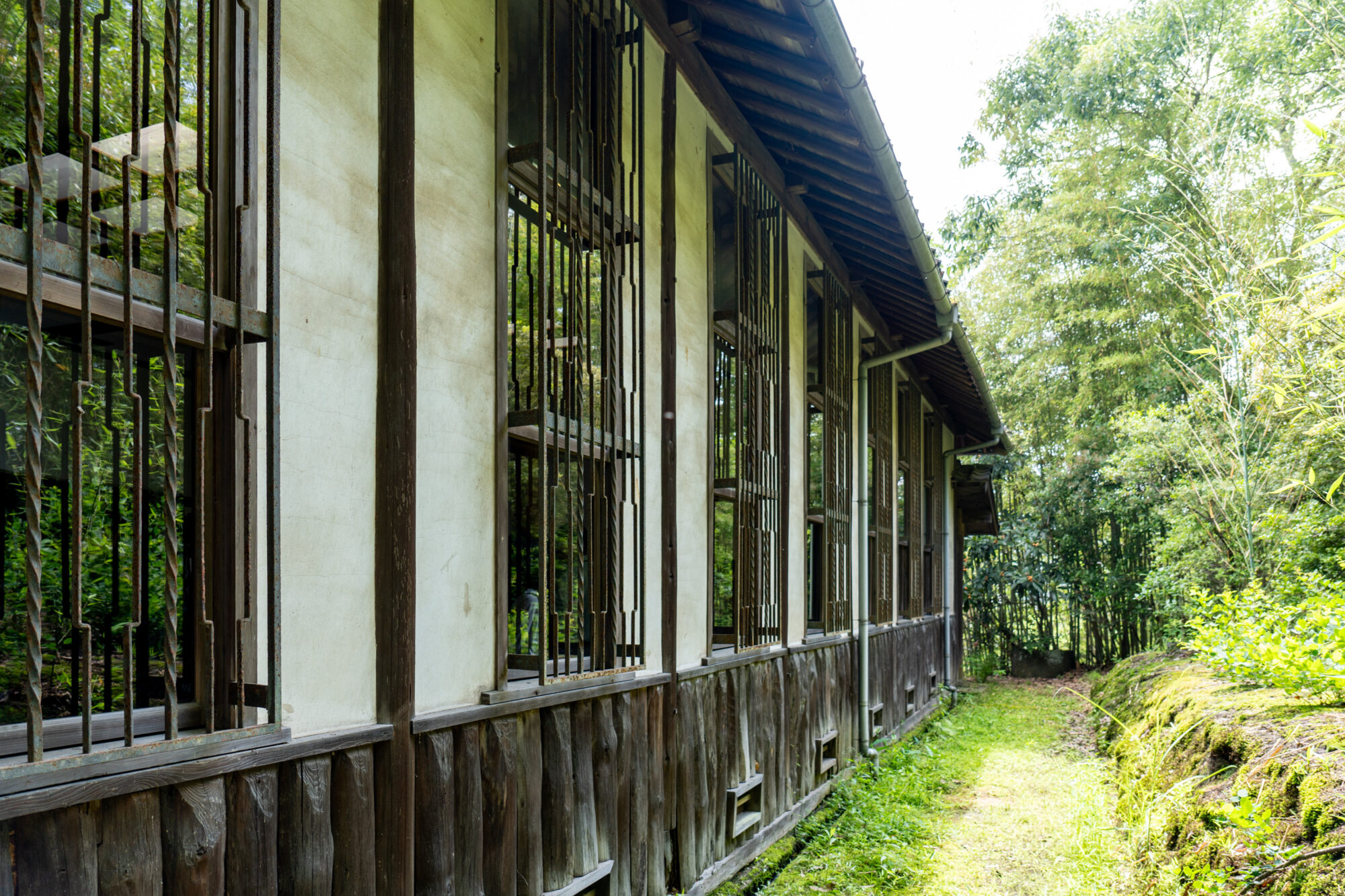
This program aims to support emerging artists.
Artists stay and create for up to three months at Muimura-so, the studio used by Western-style painter Kojima Torajiro, who laid the foundations of the Ohara Museum of Art. An exhibition of works completed within approximately two months after the residency concludes is also held.
AM (Artist Meets) Kurashiki
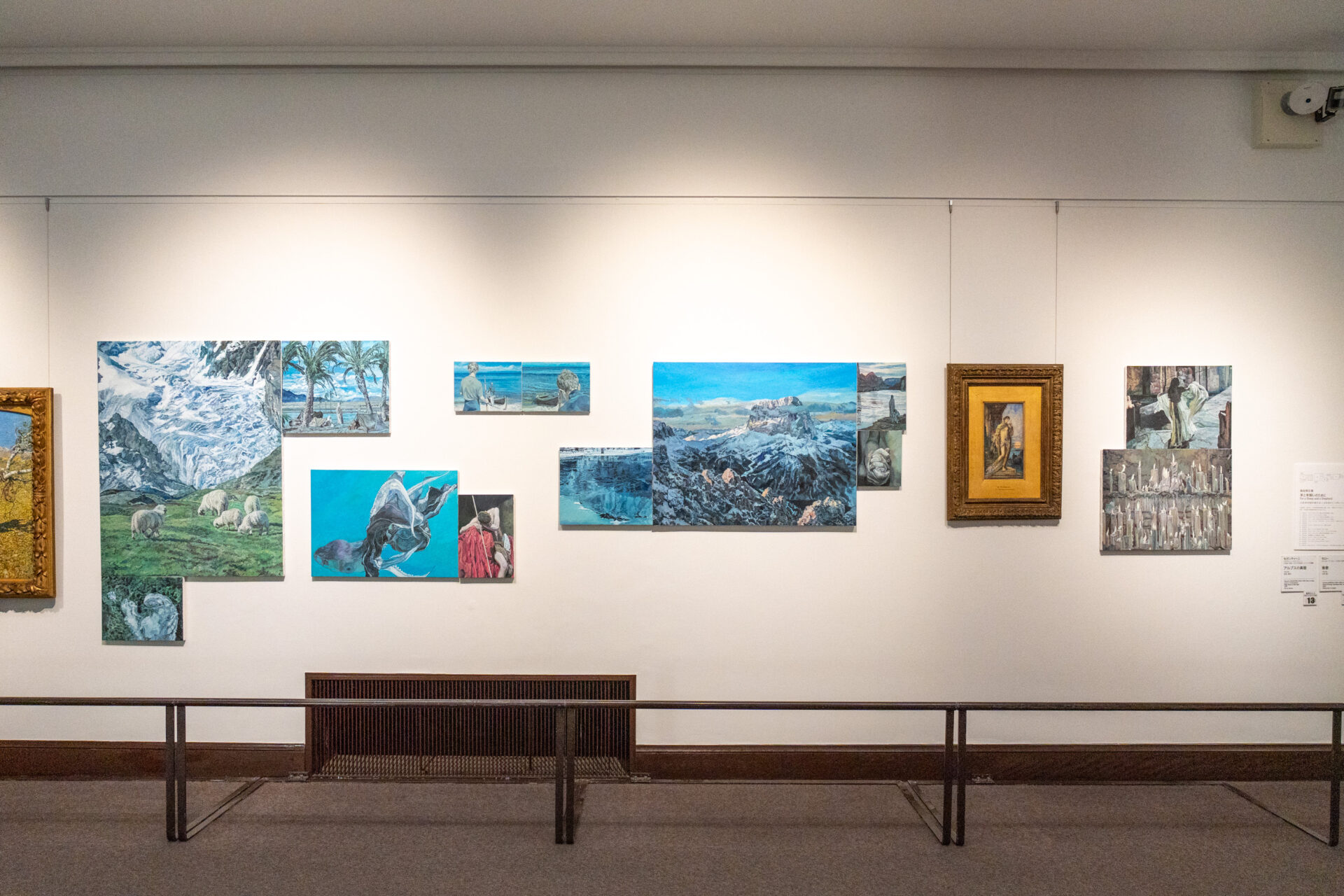
This initiative invites artists to create and present works inspired by their encounters with Kurashiki.
In addition to the above, he oversaw many initiatives, including the Children’s Art Museum, various special exhibitions, and exhibitions of the Ohara Museum of Art’s collection held throughout Japan.
About the Symposium
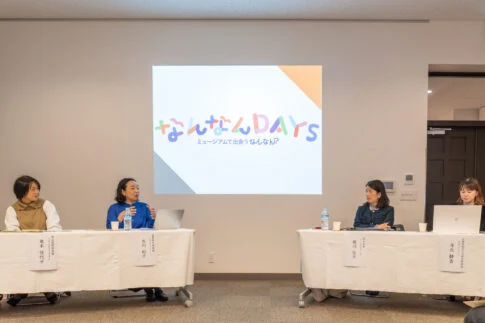
The symposium was moderated by current Ohara Museum of Art director Atsushi Miura, with the following people connected to Director Takashina appearing as panelists.
- Motoaki Kono
Professor Emeritus, University of Tokyo - Miyuki Tsugami
Artist - Hideyuki Yanagisawa
Senior Advisor, Ohara Art Foundation
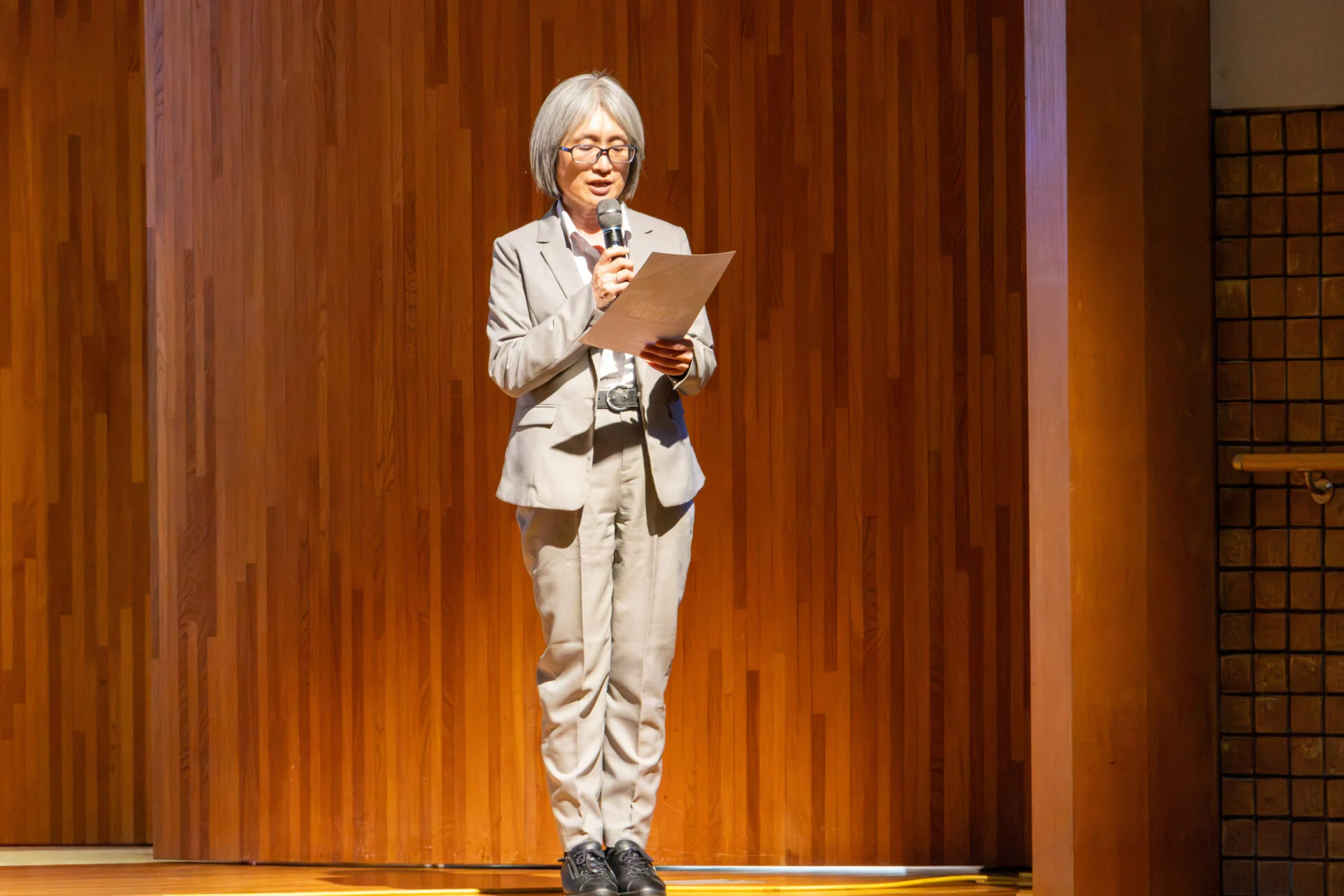
The three panelists shared a variety of stories about Director Takashina.
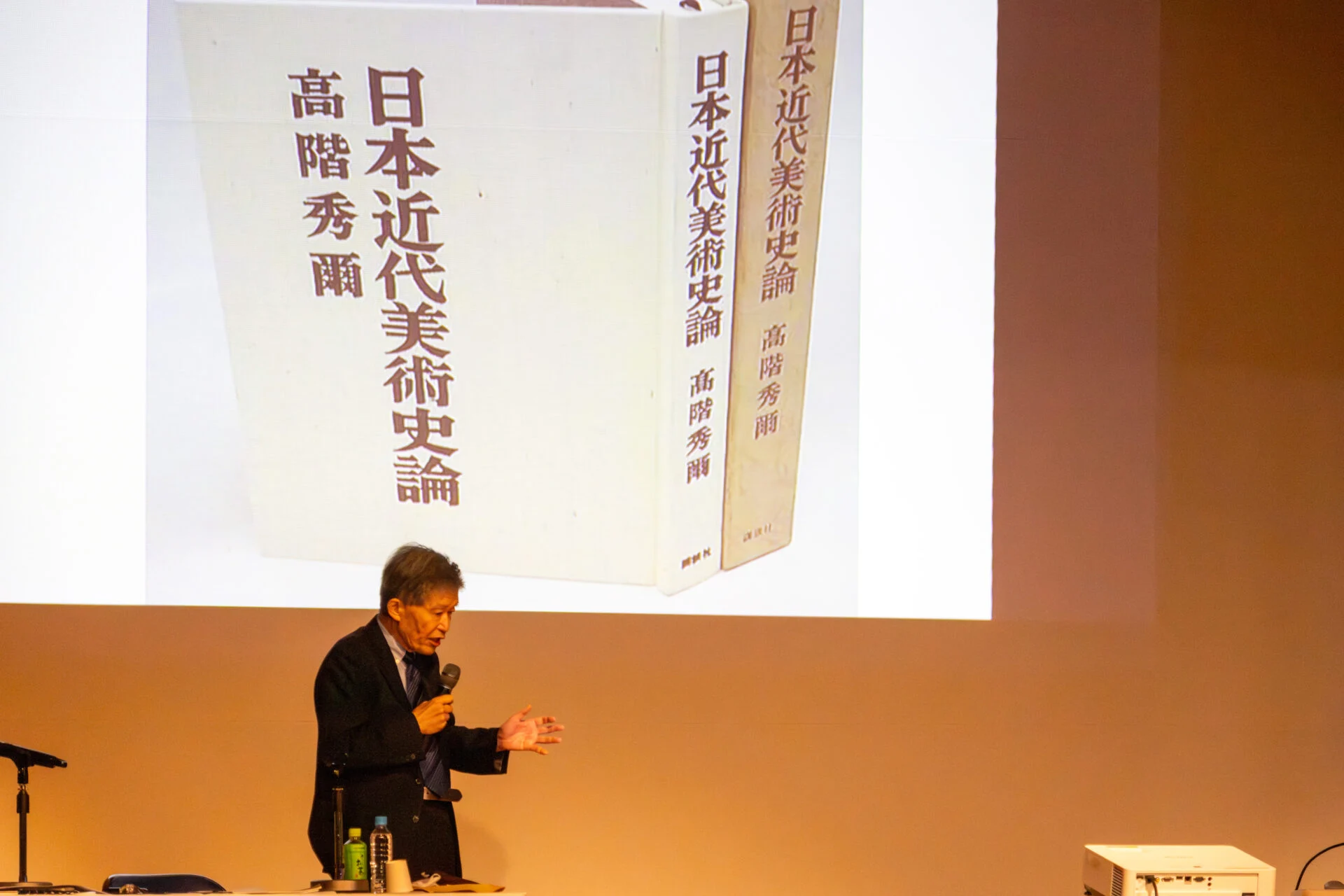
Panelist Motoaki Kono had a close relationship with Director Takashina as a colleague dating back to their time at the University of Tokyo. Thanks to that connection, Kono worked to organize an exhibition of the Ohara Museum of Art in Akita while serving as director of the Akita Museum of Modern Art.
Today, he is also active in writing, including on his “Talkative Director” blog, where he has posted several messages commemorating Director Takashina.
During the conversation, Kono introduced Director Takashina’s book “Essays on the History of Modern Japanese Art” as one of his personal book recommendations. It was a guiding work for Kono in studying modern Japanese art.
He also spoke of Director Takashina as a person brimming with curiosity, who “viewed things from a broad perspective” and was “well versed in both high and popular culture”.
Stories that could only come from someone close to him—including how he knew not only Western painting, his specialty, but also popular culture such as the performing arts—were surprising and fascinating.
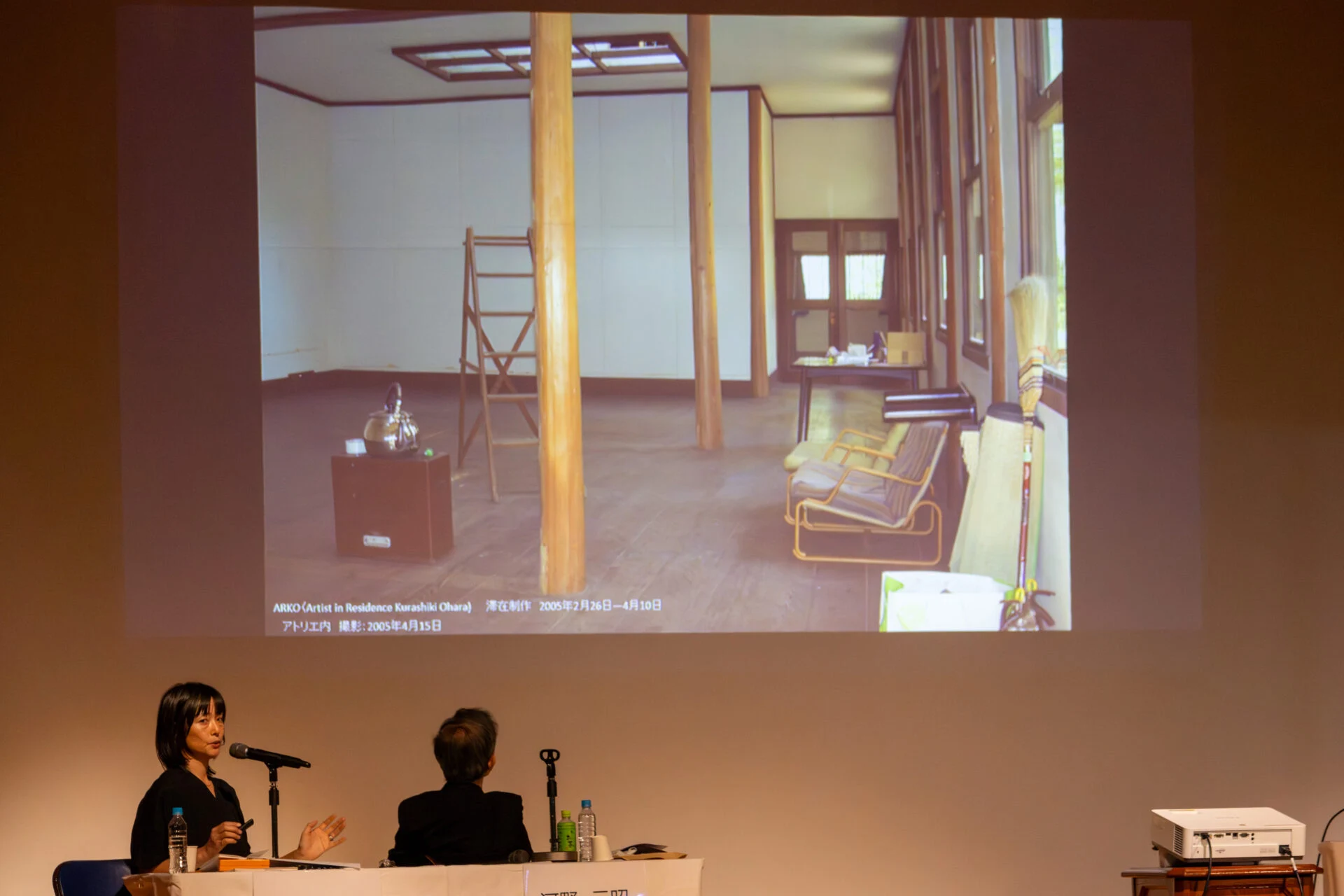
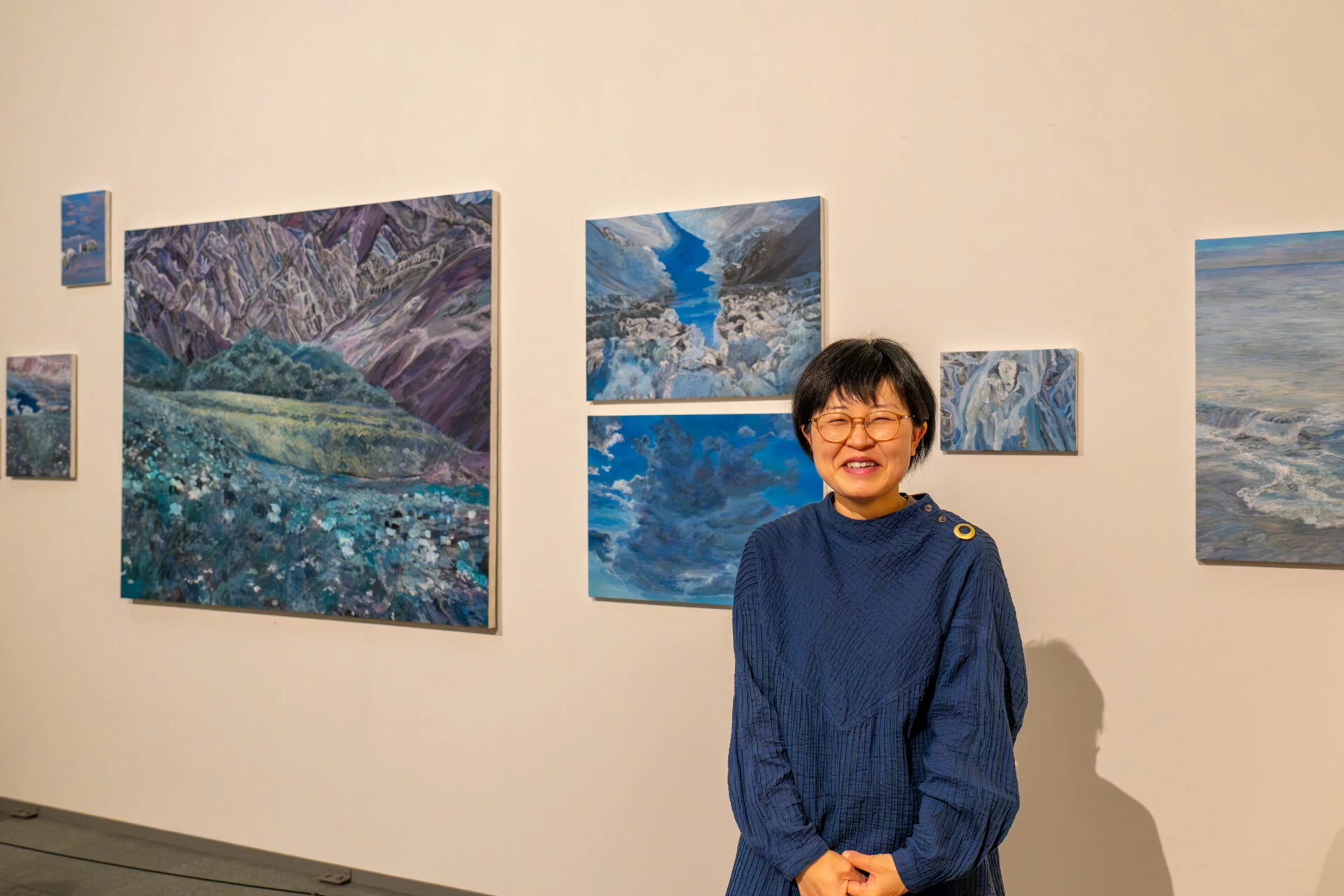
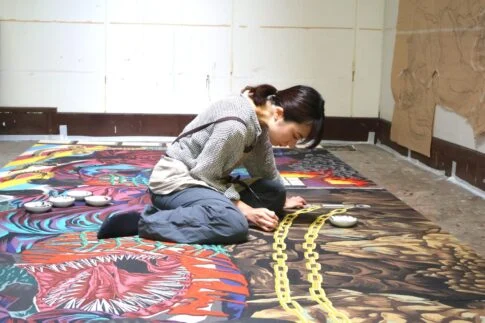
ARKO began in 2005, and Miyuki Tsugami took part in the residency in Kurashiki as its first invited artist.
In 2003, Tsugami exhibited at the VOCA Exhibition, an annual exhibition of emerging artists held at the Ueno Royal Museum, and won the top award, the VOCA Award.
Her meeting with Director Takashina, who was serving as a judge at the time, led to her invitation to the first ARKO program. This is how she became connected with the Ohara Museum of Art and Kurashiki.
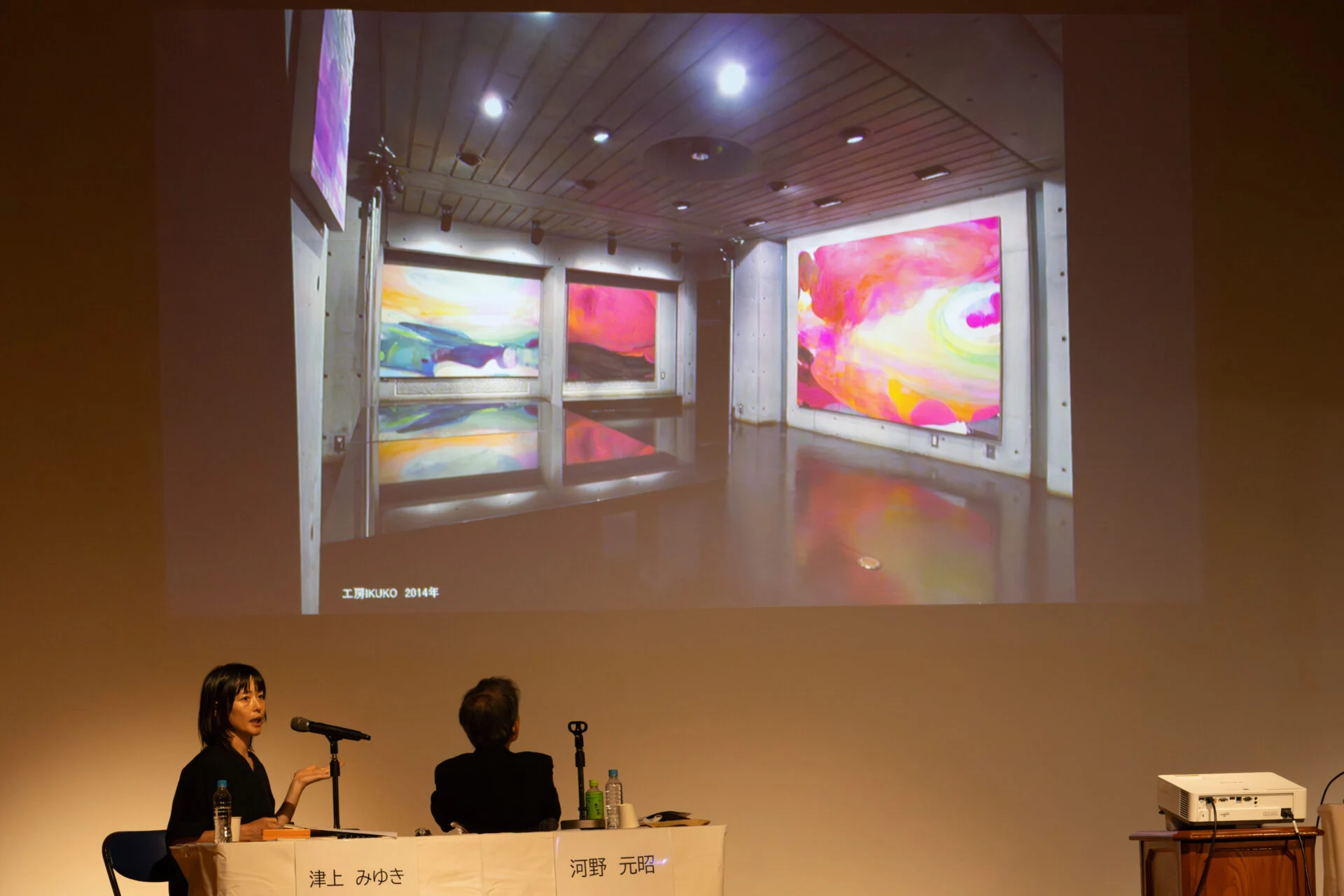
In the conversation, she spoke candidly about her feelings toward the Ohara Museum of Art and Kurashiki as an artist currently active at the forefront of her field.
One particularly memorable point was her description of Director Takashina as someone who created “spaces”.
ARKO provides emerging artists with a “space” to create, while other initiatives also function as “spaces” connecting the museum and people. We could sense Director Takashina’s legacy as a coordinator.
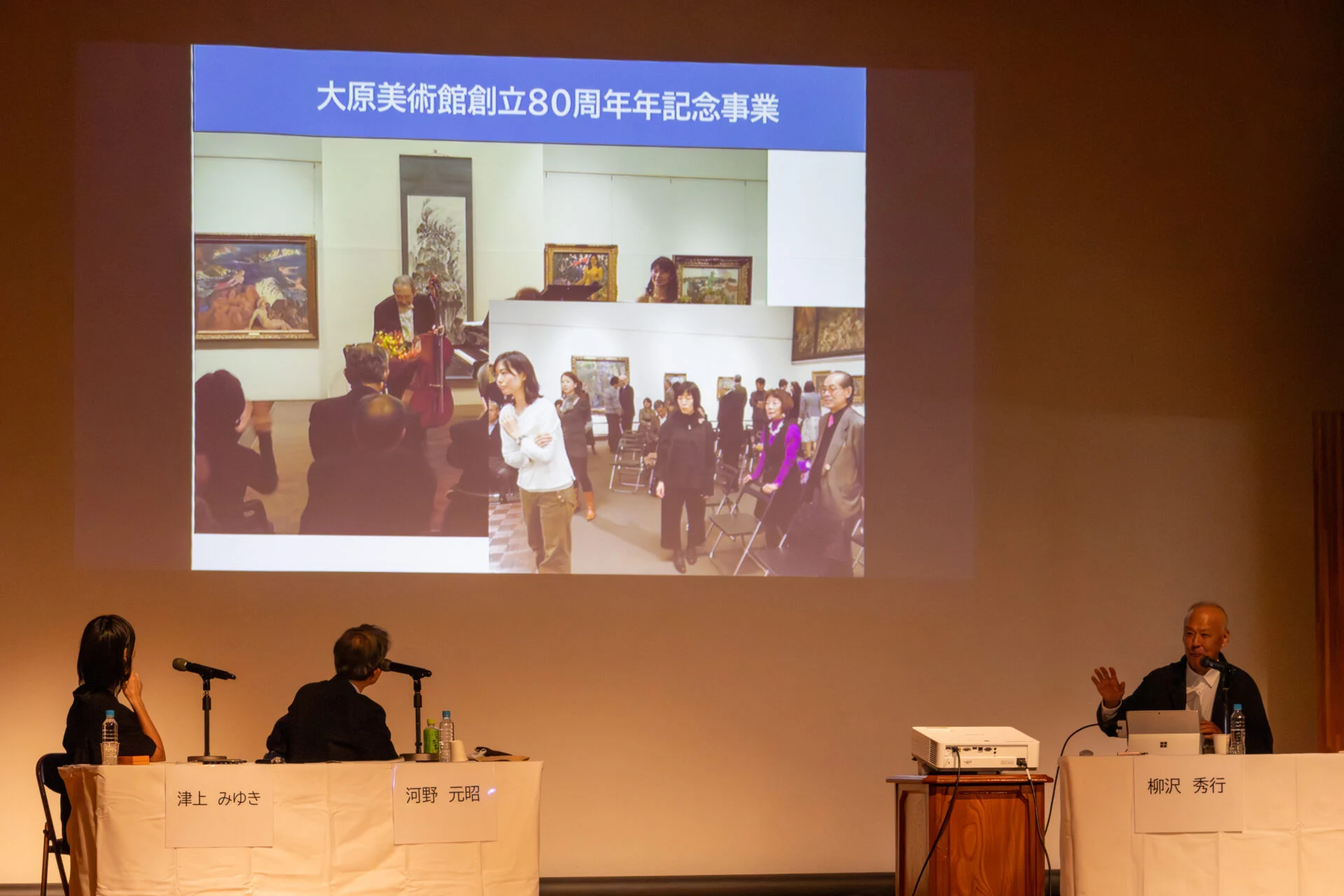
Hideyuki Yanagisawa participated as a panelist on behalf of the Ohara Museum of Art.
In 2002, when Director Takashina took up his post, Yanagisawa moved from the Okayama Prefectural Museum of Art to the Ohara Museum of Art as a curator. He is now a Senior Advisor at the Ohara Art Foundation.
As one of the people who observed Director Takashina from closest at hand, he shared stories from when Takashina first took up the position.
When Director Takashina joined the Ohara Museum of Art, he established the following three basic policies.
- Research into history and works
Thoroughly research the history of the Ohara Museum of Art and its collection. - Making use of exhibitions
Avoid leaving works on display indefinitely or keeping them in storage indefinitely. - Interest in multiple fields
As a researcher, look beyond a single field and take an interest in multiple disciplines.
Based on these guiding principles, the museum actively holds collection-themed exhibitions to make use of exhibitions, while continuing to research the history and works on display at the same time.
Messages from audience members
In addition, many artists who had known Director Takashina during his lifetime took part at the venue. Here are some of their stories.
Artist and cultural advisor to Kotohira-gu Shrine Takubo Kyoji spoke about a 2020 conversation at the Ohara Museum of Art’s Crafts and Oriental Art Gallery between media artist Ochiai Yoichi and Director Takashina: “In that conversation with Mr. Ochiai, who was young enough to be his grandson, I felt his extraordinary curiosity and youthful spirit.”
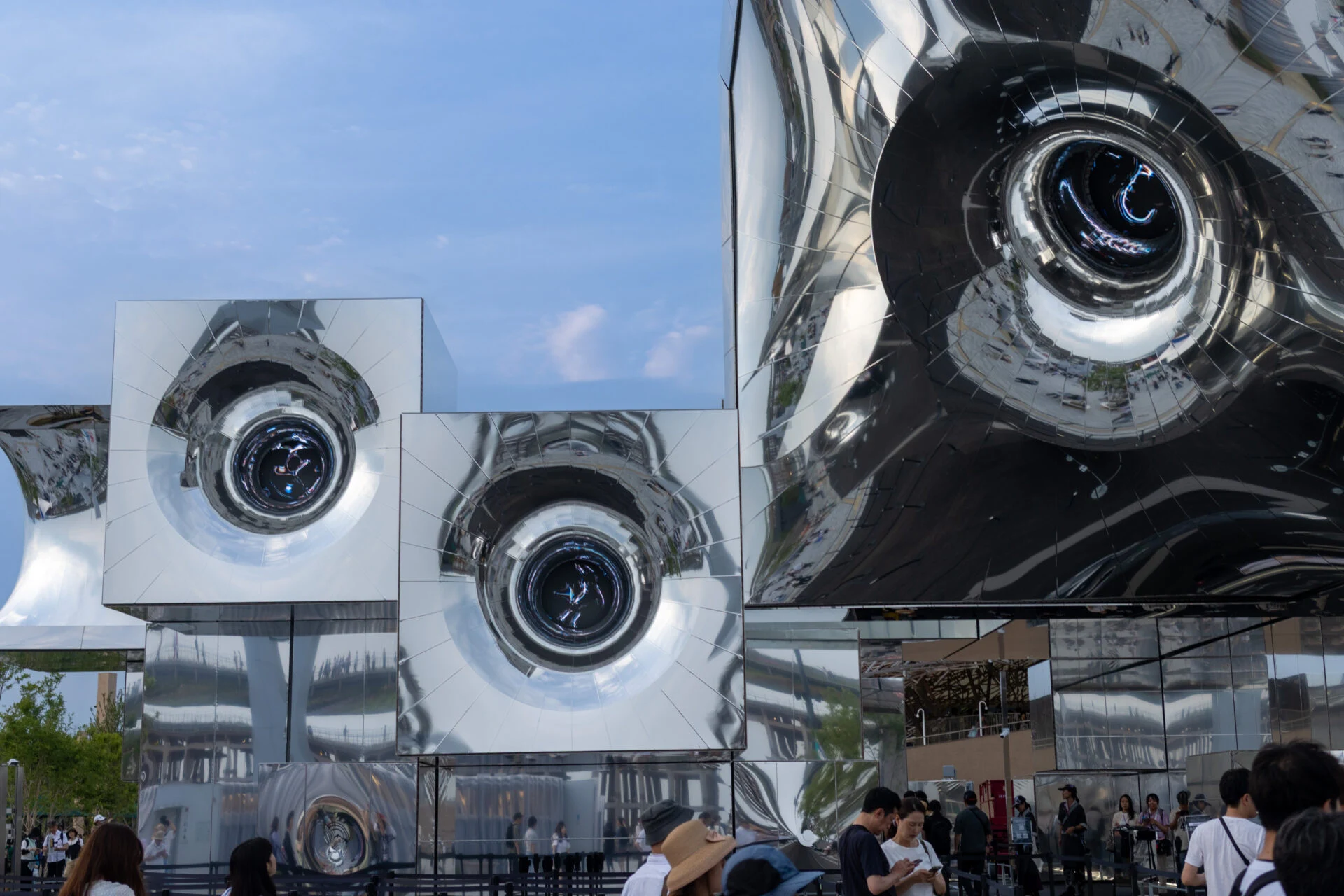
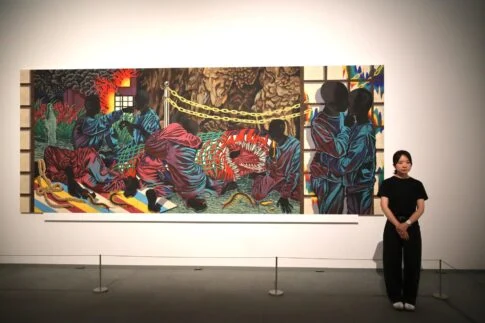
Contemporary artist Matsui Chie, who took part in the spring 2014 special opening of Yurin-so Villa and created an installation (spatial art) on site, shared the following:
Many other people connected with the museum also shared wonderful stories about Director Takashina.
From the Writer
Since it first opened, the Ohara Museum of Art has incorporated living works of art from its own era.
Director Takashina’s work at the Ohara Museum of Art gave more concrete form to the principle advocated by Ohara Soichiro: “A museum is something that lives and grows.”
Another thing I felt strongly through this symposium was that Director Takashina’s greatest achievement may have been not only undertaking many projects that continue to this day, but also “leaving behind the people” who would carry them forward.
I believe this will help strengthen the “horizontal axis of the same era” in the words Director Takashina often spoke during his lifetime—“the vertical axis of history and the horizontal axis of the same era”—and pass it on to the future.
With the efforts of Director Miura and many other staff members, I hope the “vertical axis of history” will be carried forward to the Ohara Museum of Art of the future.
Articles about the Ohara Museum of Art
Memorial Symposium “Director Shuji Takashina and the Ohara Museum of Art” Information

| Name | Memorial Symposium “Director Shuji Takashina and the Ohara Museum of Art” |
|---|---|
| Date | Friday, October 17, 2025, 5:30 p.m.–7:30 p.m. |
| Location | Kurashiki Community Center, Main Hall |

What would you like to know about Kurashiki?
Enter a search term to find articles on this site


































When I was creating a work at Yurin-so Villa, he said to me, “You worked hard.” It is rare for a director to speak to an artist directly, so the moment remains in my heart as a warm and happy memory.