
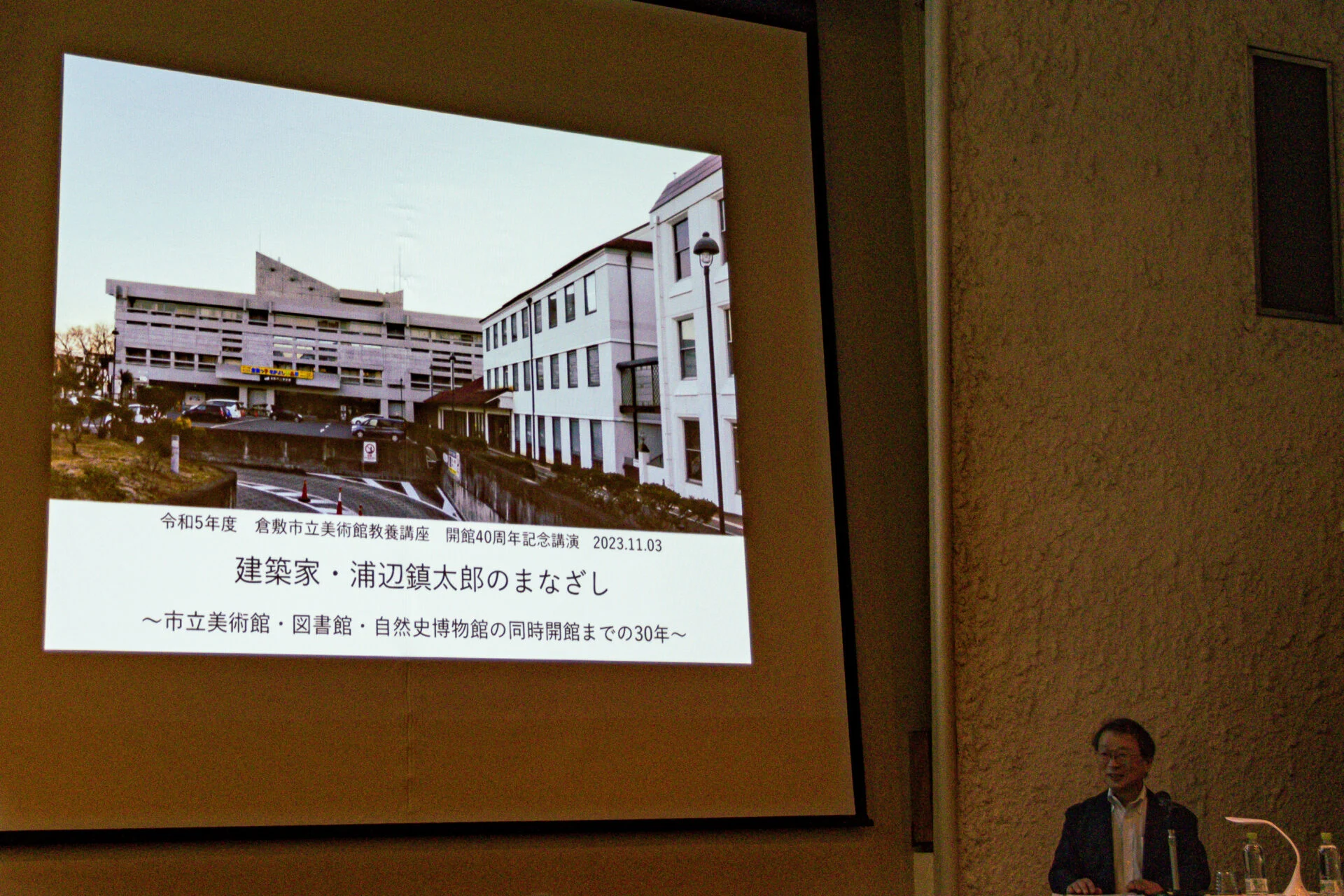
This autumn (2023), events are being held almost every week in various places, and I was interested in a lecture that would appeal to architecture lovers, so I decided to attend.
Architect Urabe Shizutaro (Urabe Shizutaro), who loves his hometown Kurashiki and is loved by the city of Kurashiki, will discuss how he became involved in the city's development.
I will report on the introduction of representative architecture that was also presented at the lecture.
The Perspective of Architect Urabe Shizutaro: 30 Years Until the Simultaneous Opening of the City Art Museum, Library, and Natural History Museum
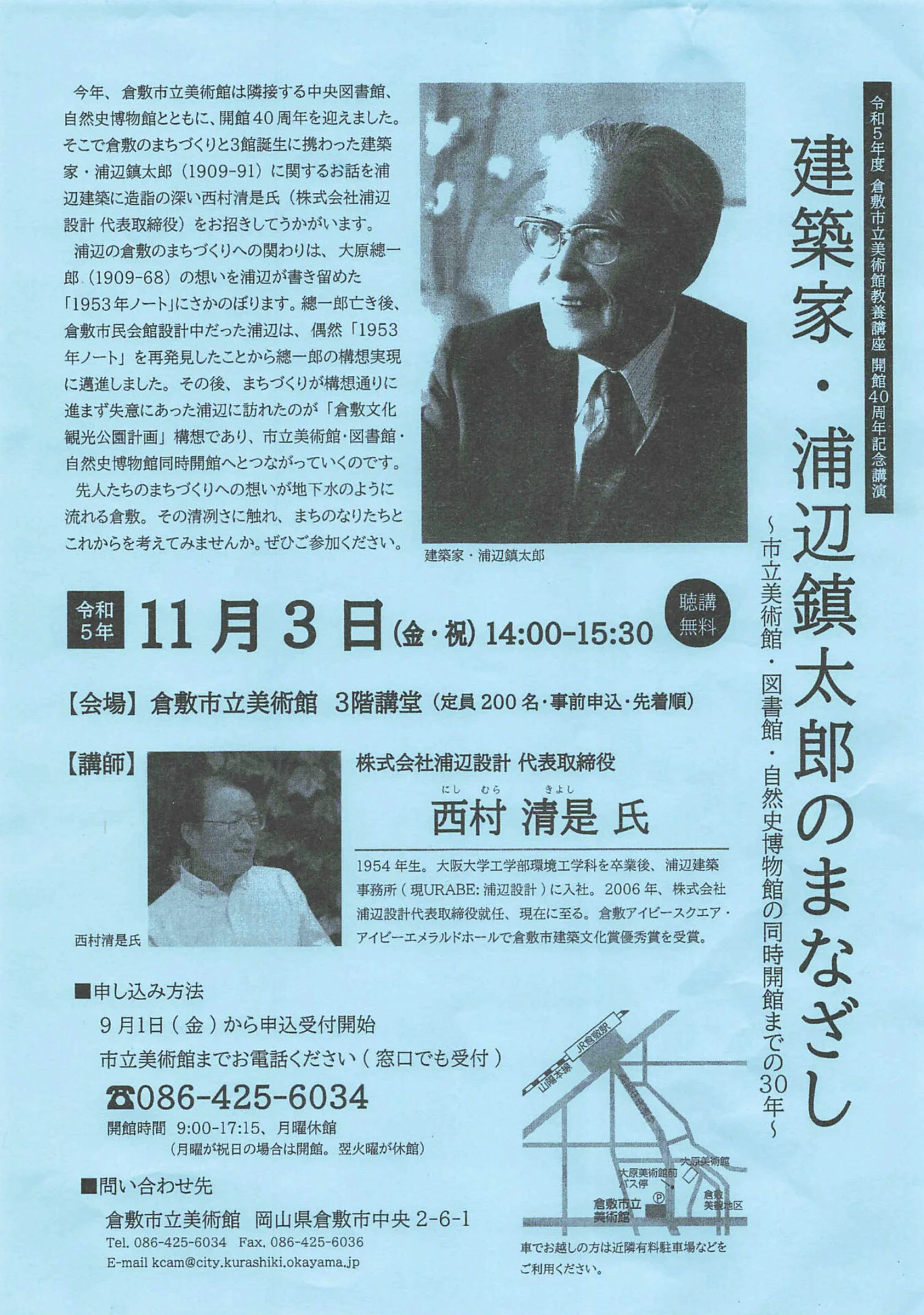
"The Perspective of Architect Urabe Shizutaro: 30 Years Until the Simultaneous Opening of the City Art Museum, Library, and Natural History Museum" was held on November 3, 2023, as part of the 40th anniversary commemorative lecture series of the Kurashiki City Art Museum.
The lecturer is Nishimura Kiyoshi (Nishimura Kiyoshi), the representative director of Urabe Design Co., Ltd.
I Attended the Lecture
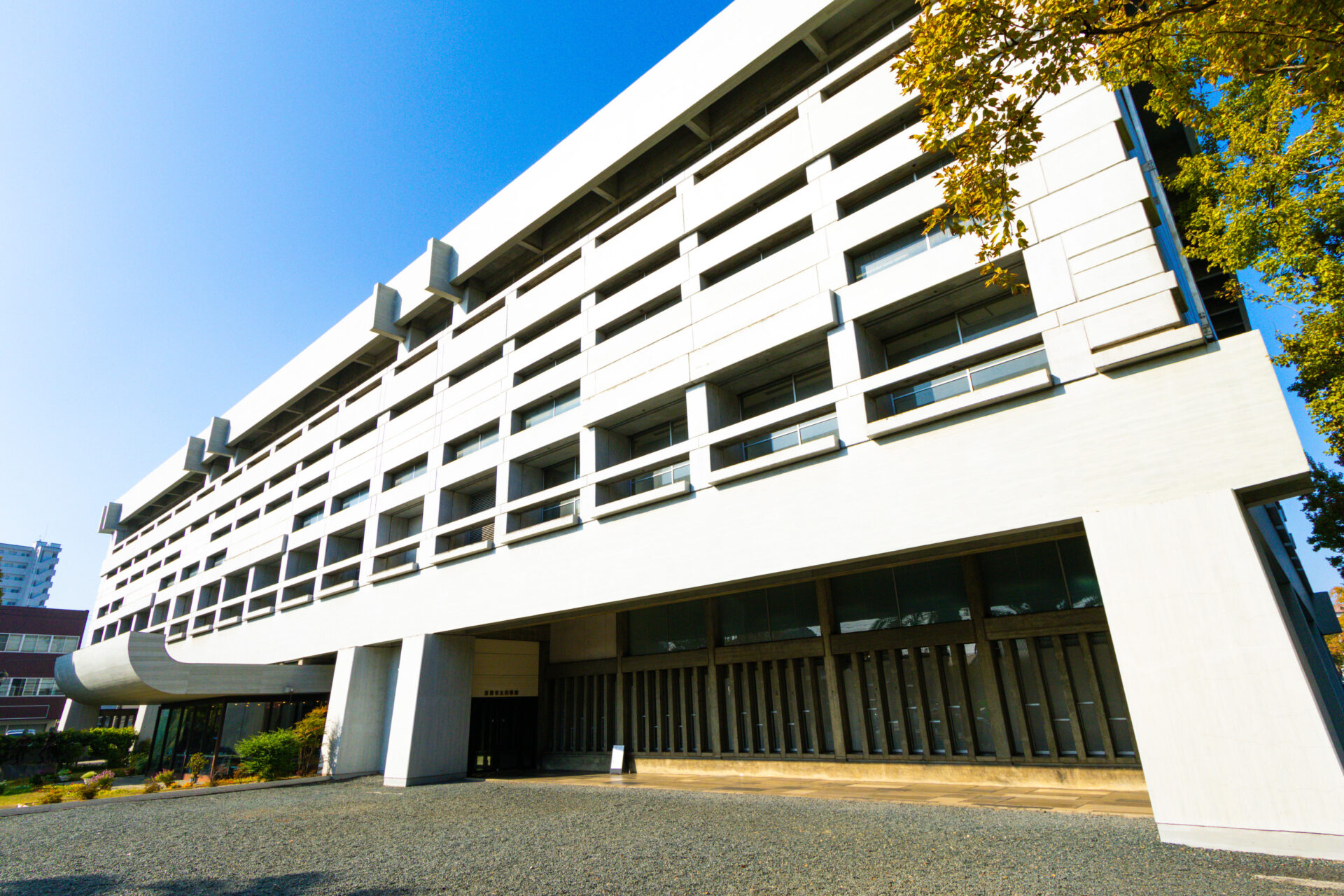
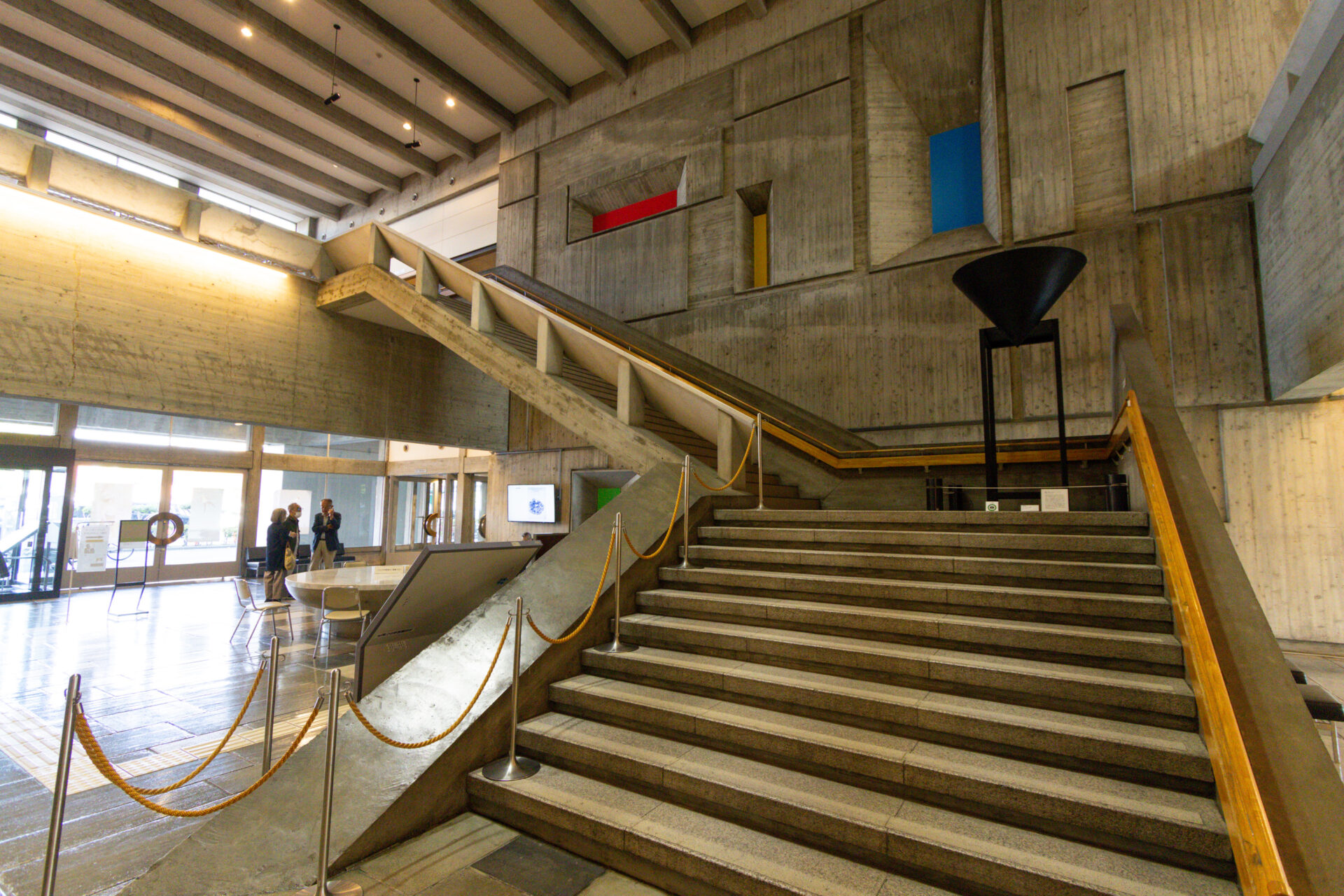
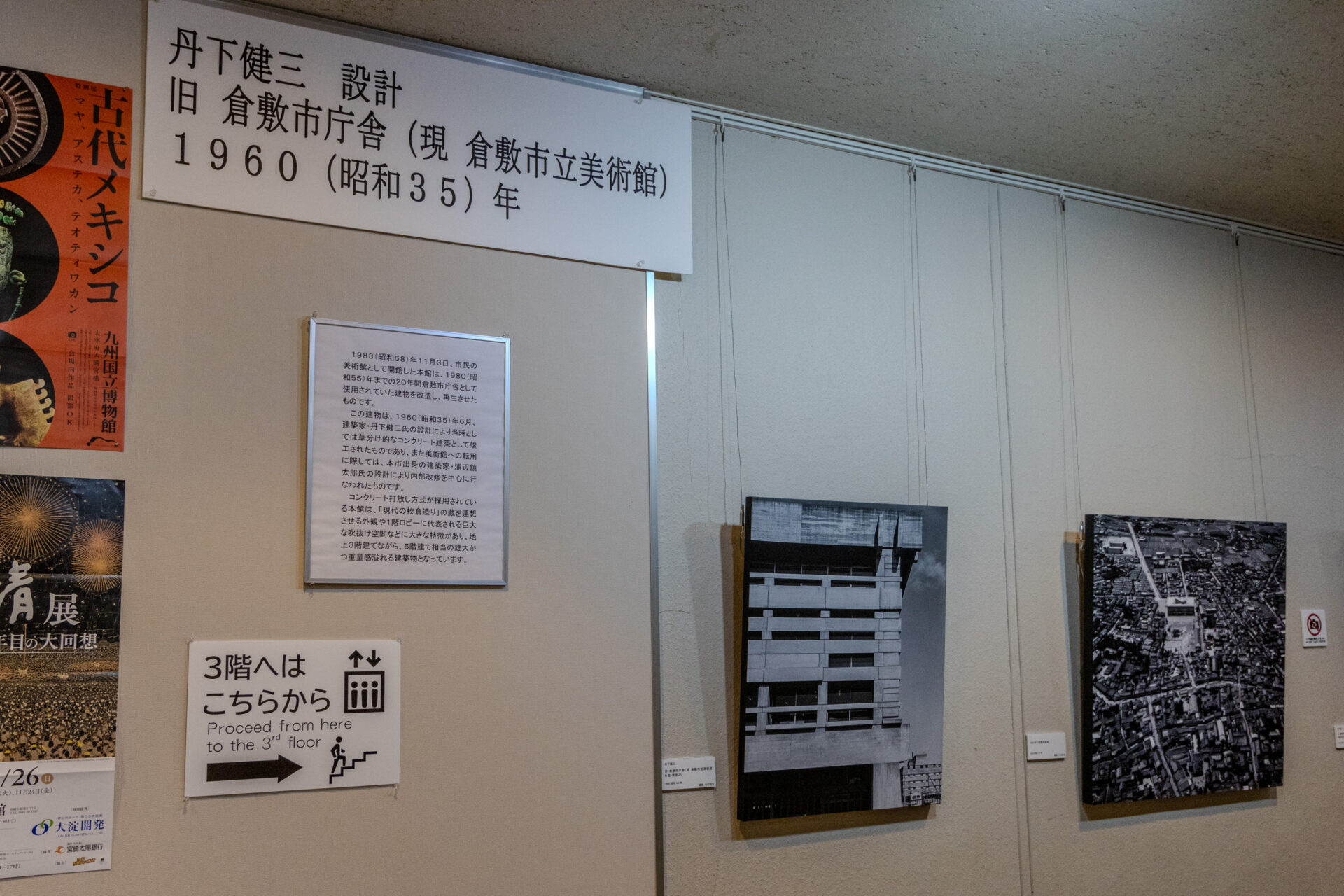
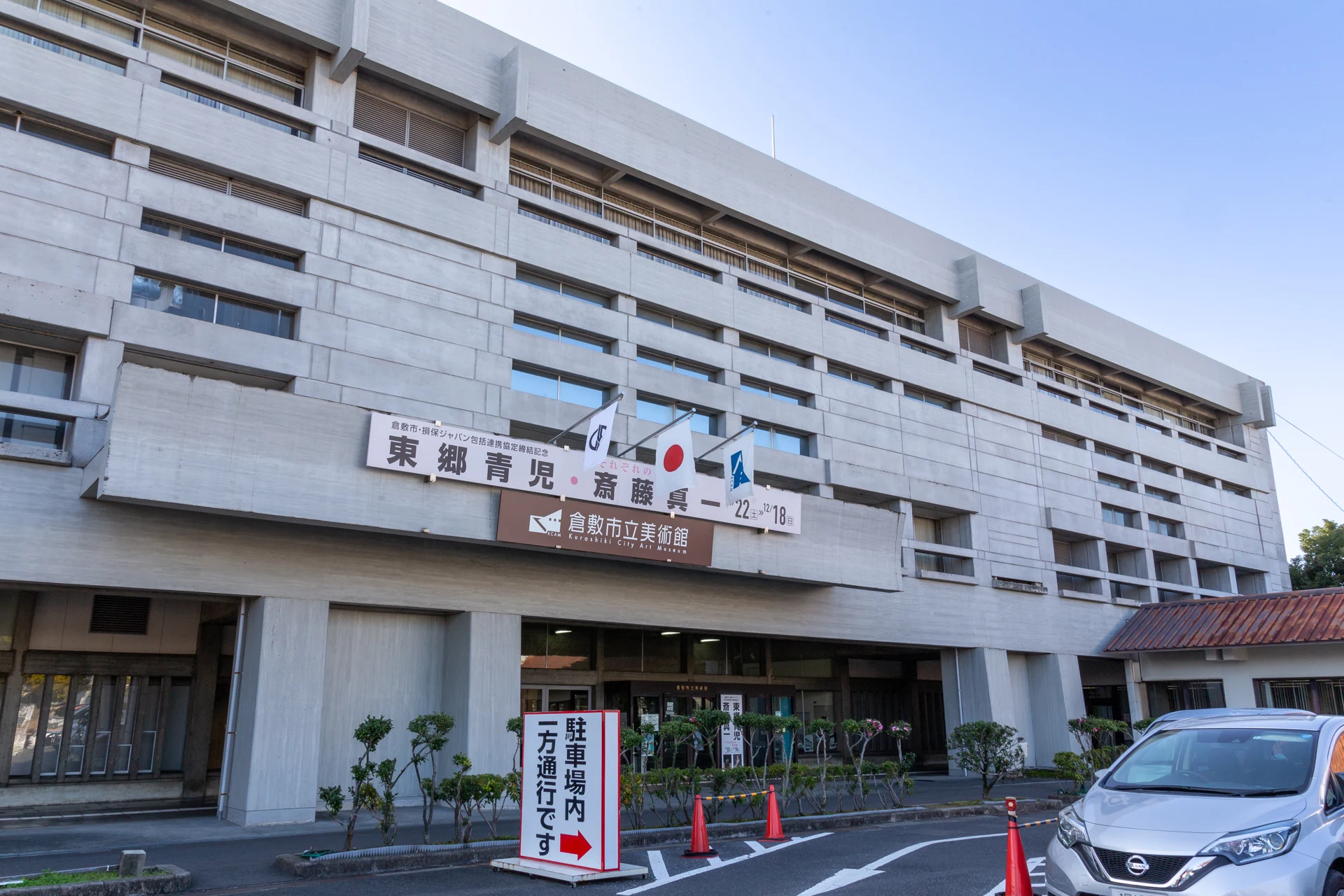
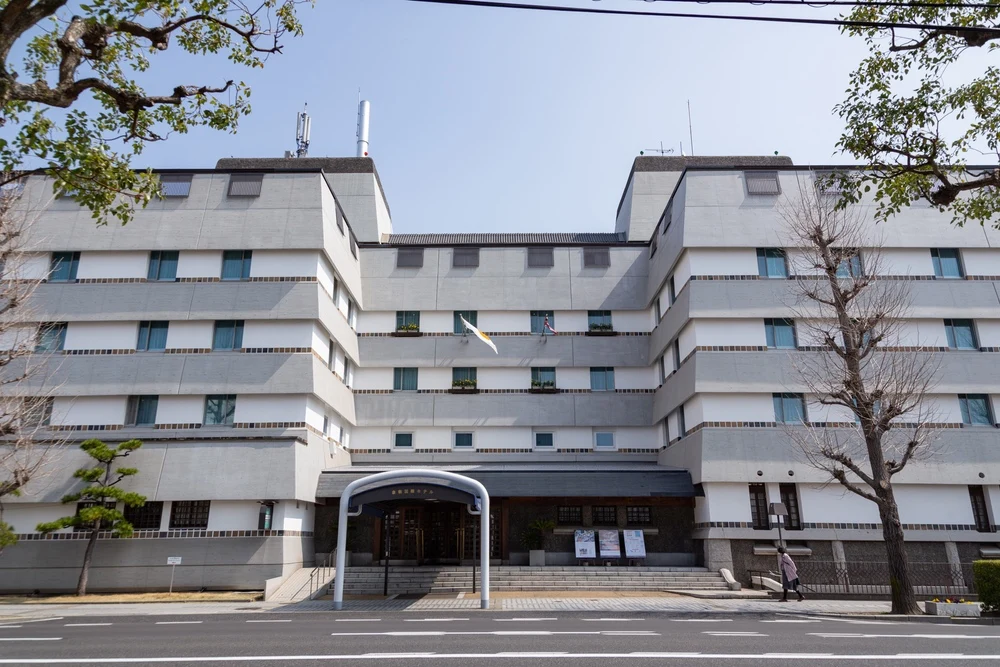
The lecture venue, Kurashiki City Art Museum, was originally built as the Kurashiki City Hall by the great architect Kenzo Tange during the Showa era, and was renovated into an art museum by Urabe Shizutaro, celebrating its 40th anniversary this year (2023).
This lecture is part of the commemorative events for the 40th anniversary.
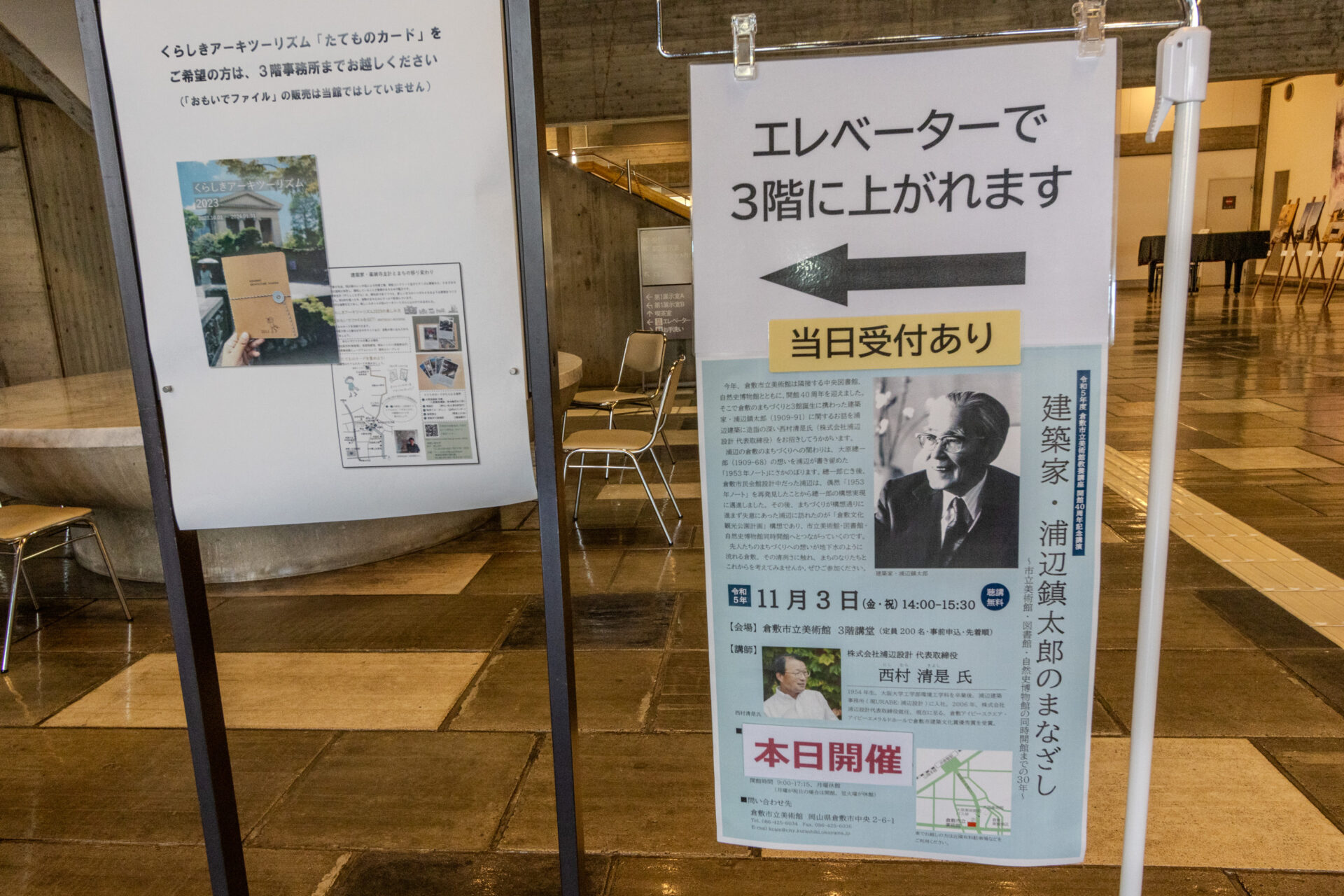
The venue is the auditorium on the third floor. Let's take a look around the building.
Overview of the Lecture
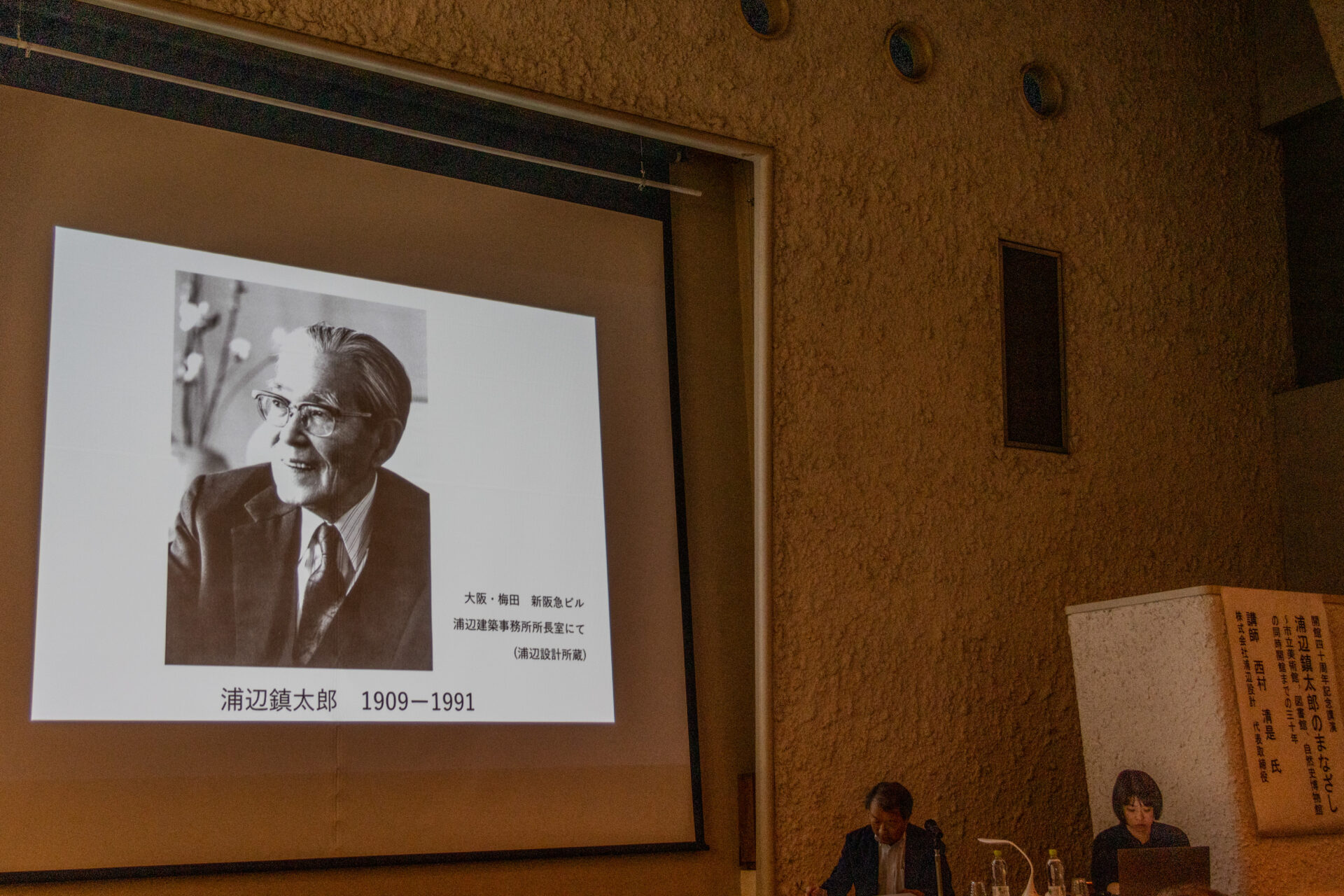
The lecture is finally starting.
First, it began with an introduction of Urabe Shizutaro by the lecturer, Mr. Nishimura.
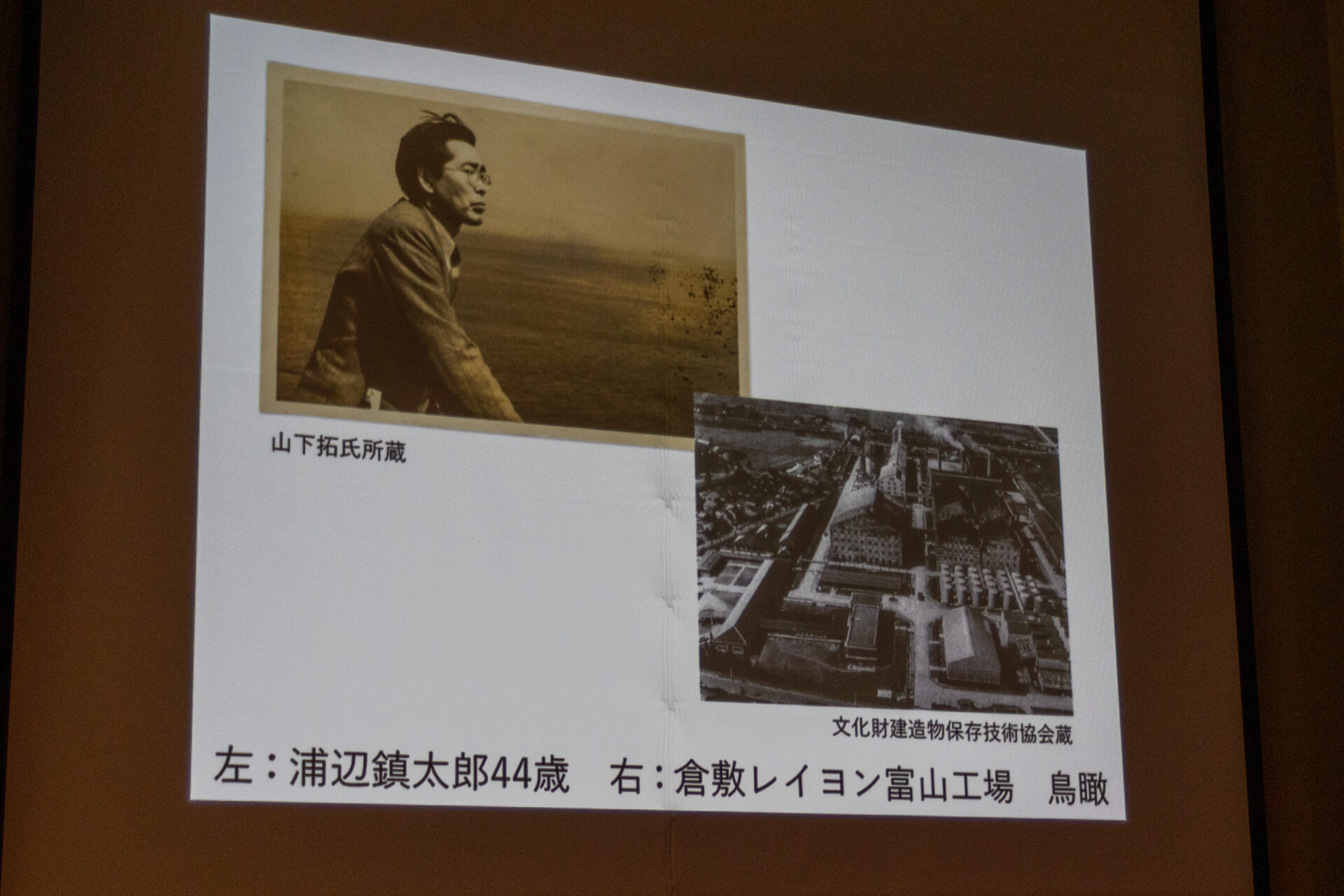
While he was in the maintenance department of Kurashiki Rayon (now: Kuraray), he was involved in many constructions such as factory buildings and company housing, and many of the buildings still exist over half a century later.
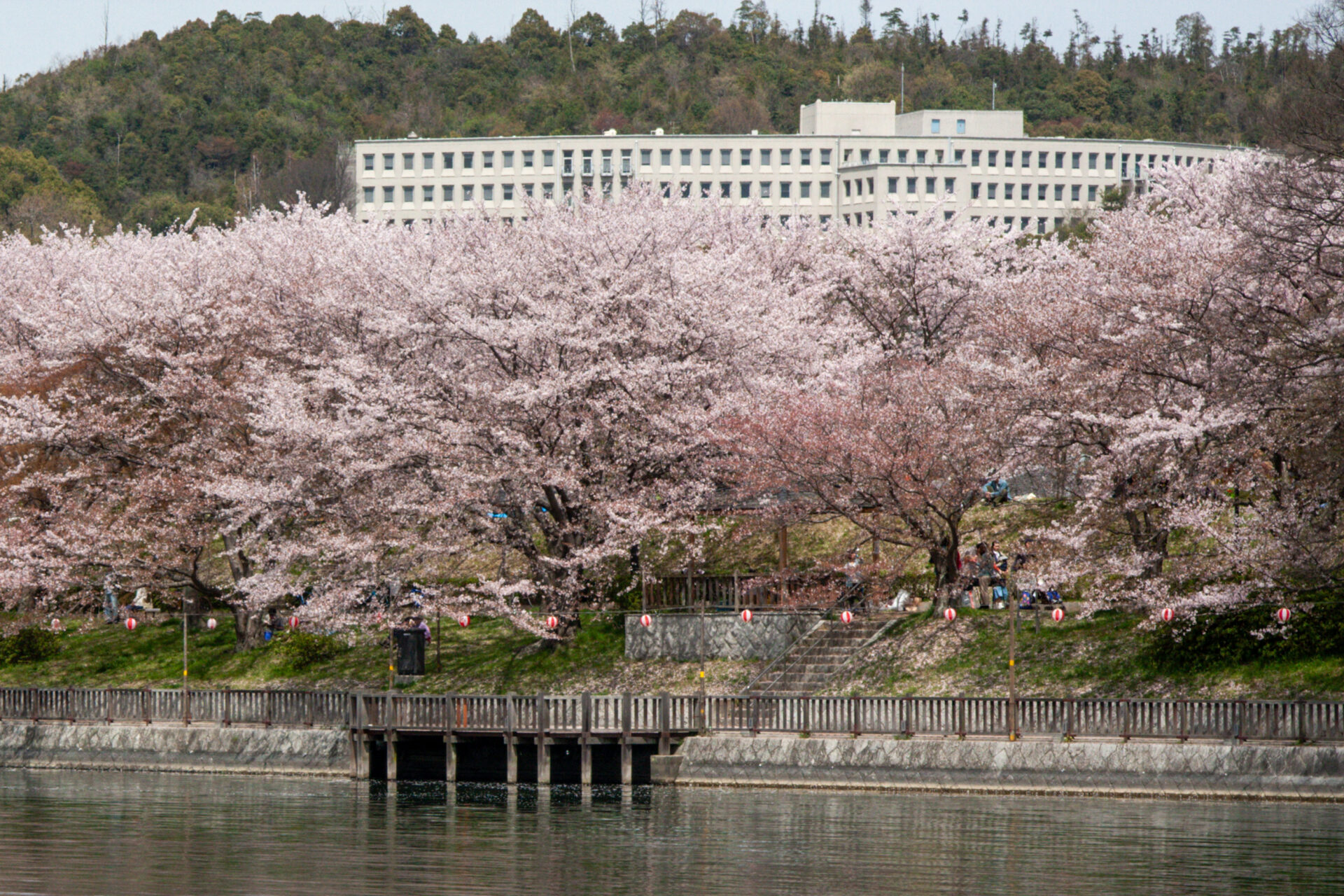
One of them is the "Kuraray Kurashiki Research Center," located north of Sakatsu Park.
You may have seen it even if you don't know what kind of facility it is.
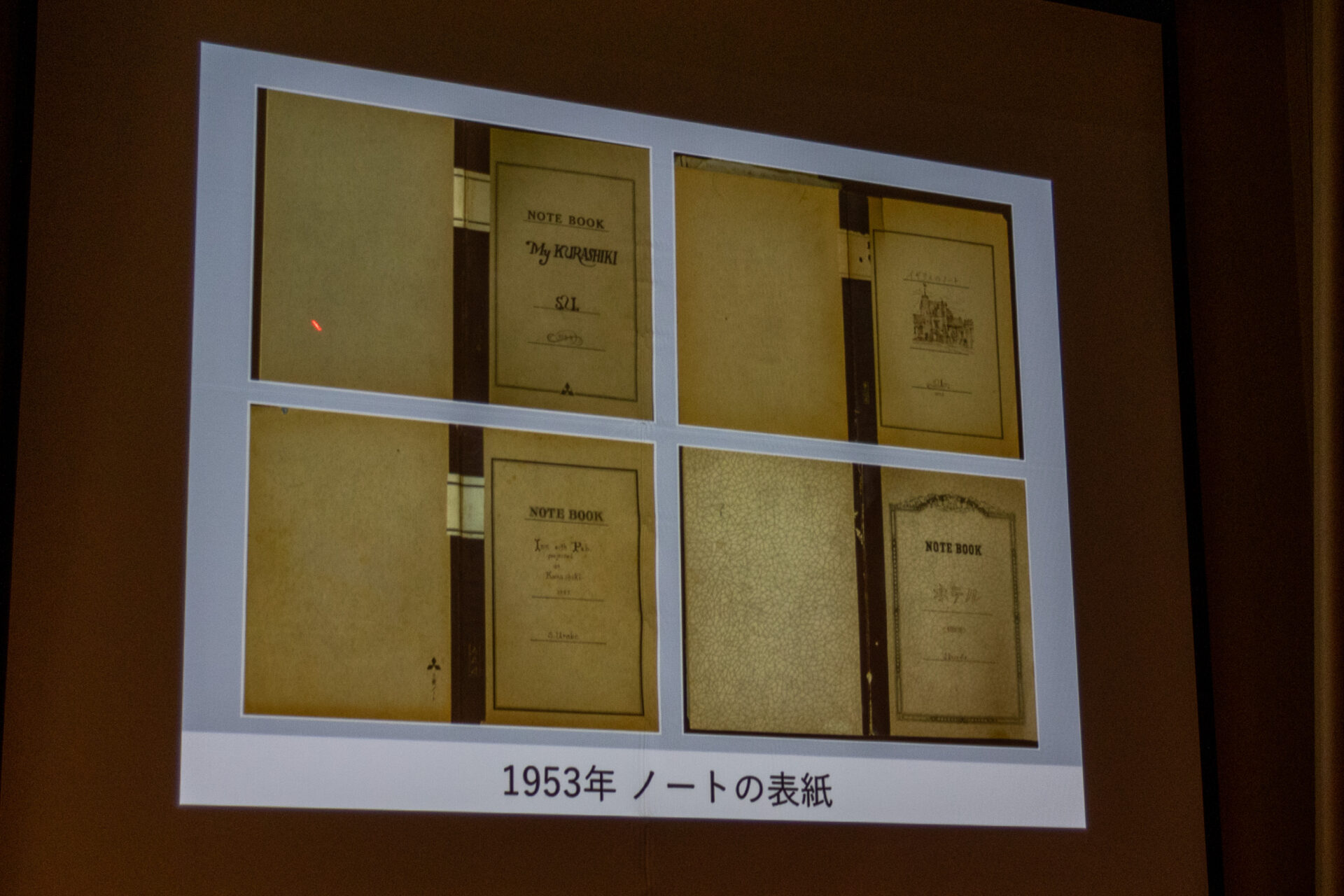
The subtitle of the lecture, "30 Years Until the Simultaneous Opening of the City Art Museum, Library, and Natural History Museum," refers to the introduction of the period from this "1953 Notebook" to 1983.
This notebook was written by Urabe Shizutaro, capturing the thoughts of Ohara Soichiro (Ohara Soichiro), who was the president of Kurashiki Rayon (now: Kuraray) at the time, regarding the development of Kurashiki, and it contains many buildings that have been realized and still exist today.
Just as Ohara Magosaburo (Ohara Magosaburo), who created the Ohara Museum of Art, supported Kojima Torajiro (Kojima Torajiro) as a patron, Ohara Soichiro also supported Urabe Shizutaro as a patron of urban development, but he fell ill and passed away before his aspirations could be fulfilled.
As time passed, the main content of this lecture is how the urban development philosophy envisioned by Ohara Soichiro was realized.
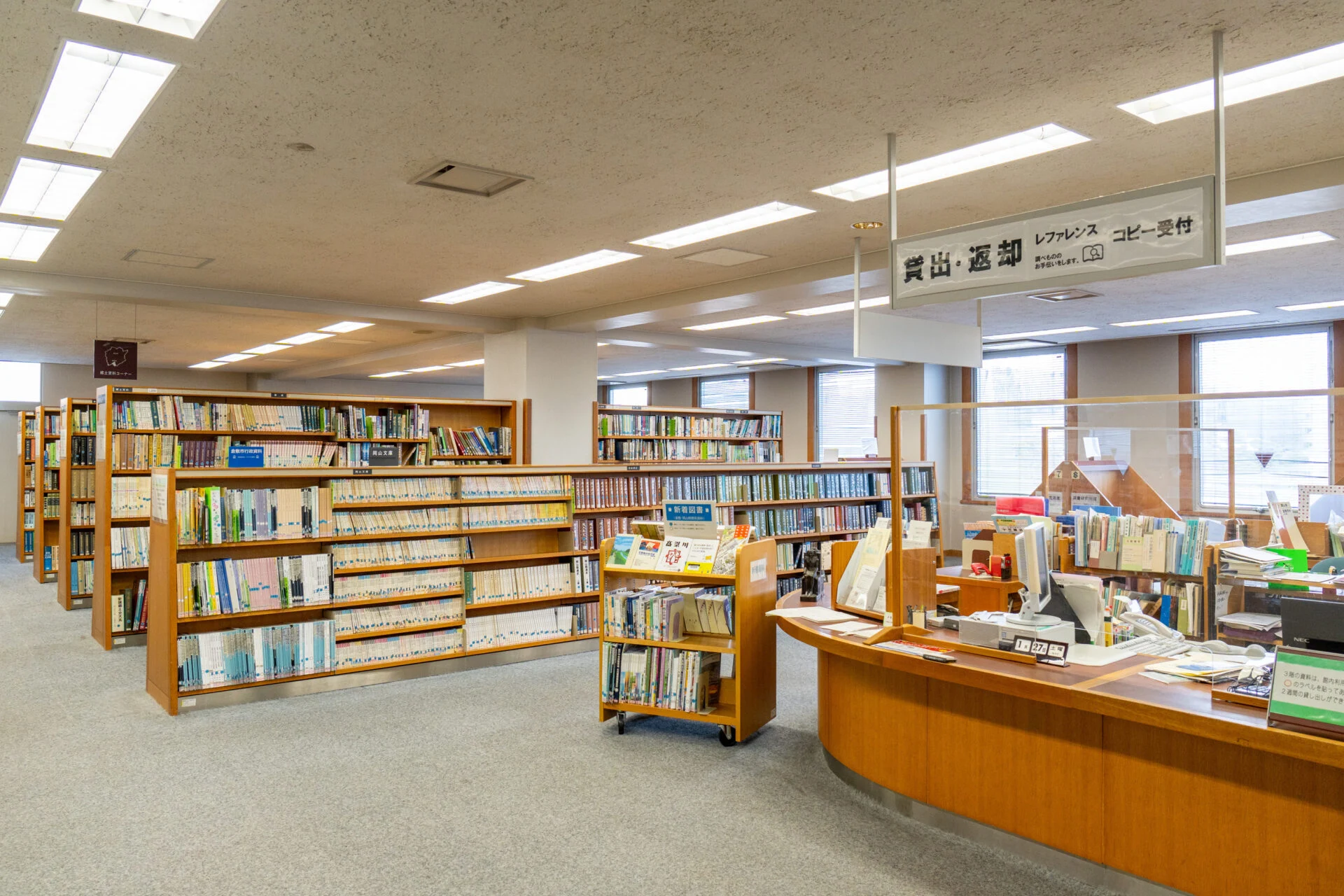
Kurashiki Central Library
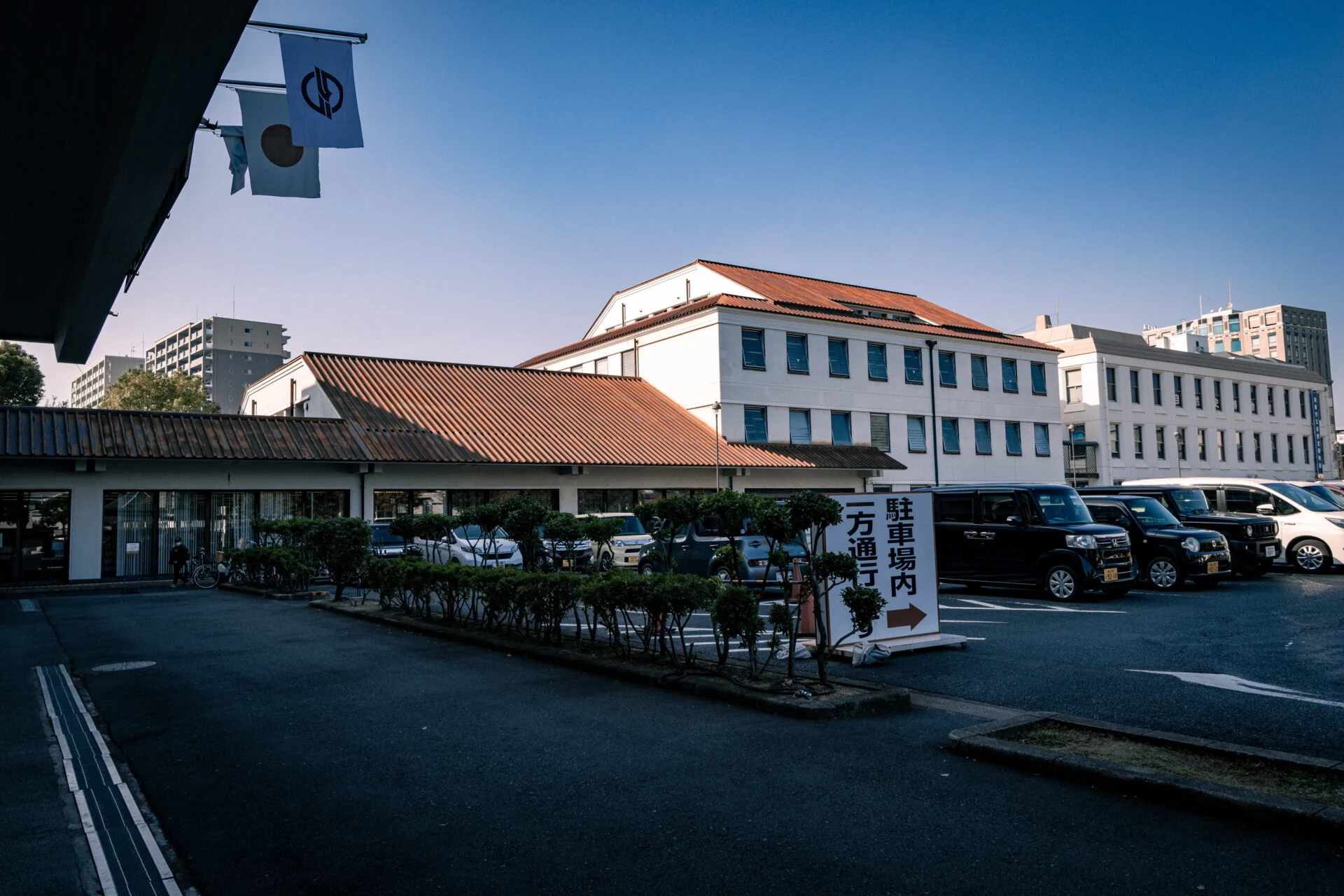
This is the library that opened simultaneously with the Kurashiki City Art Museum, which is the main theme of this lecture.
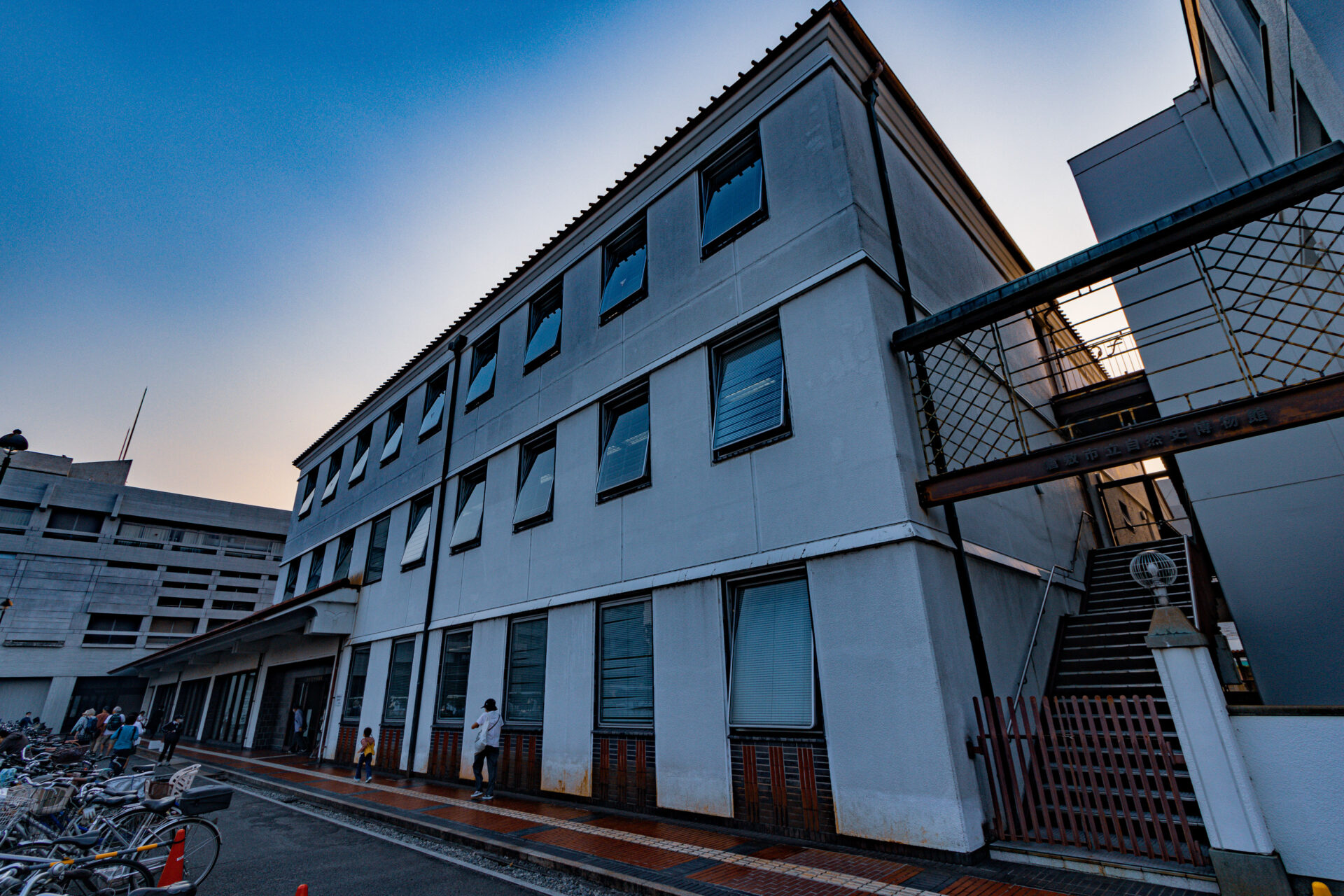
It was built to connect with the adjacent Natural History Museum, and the design of the facade is unified with that of the Kurashiki City Art Museum to create a sense of unity.
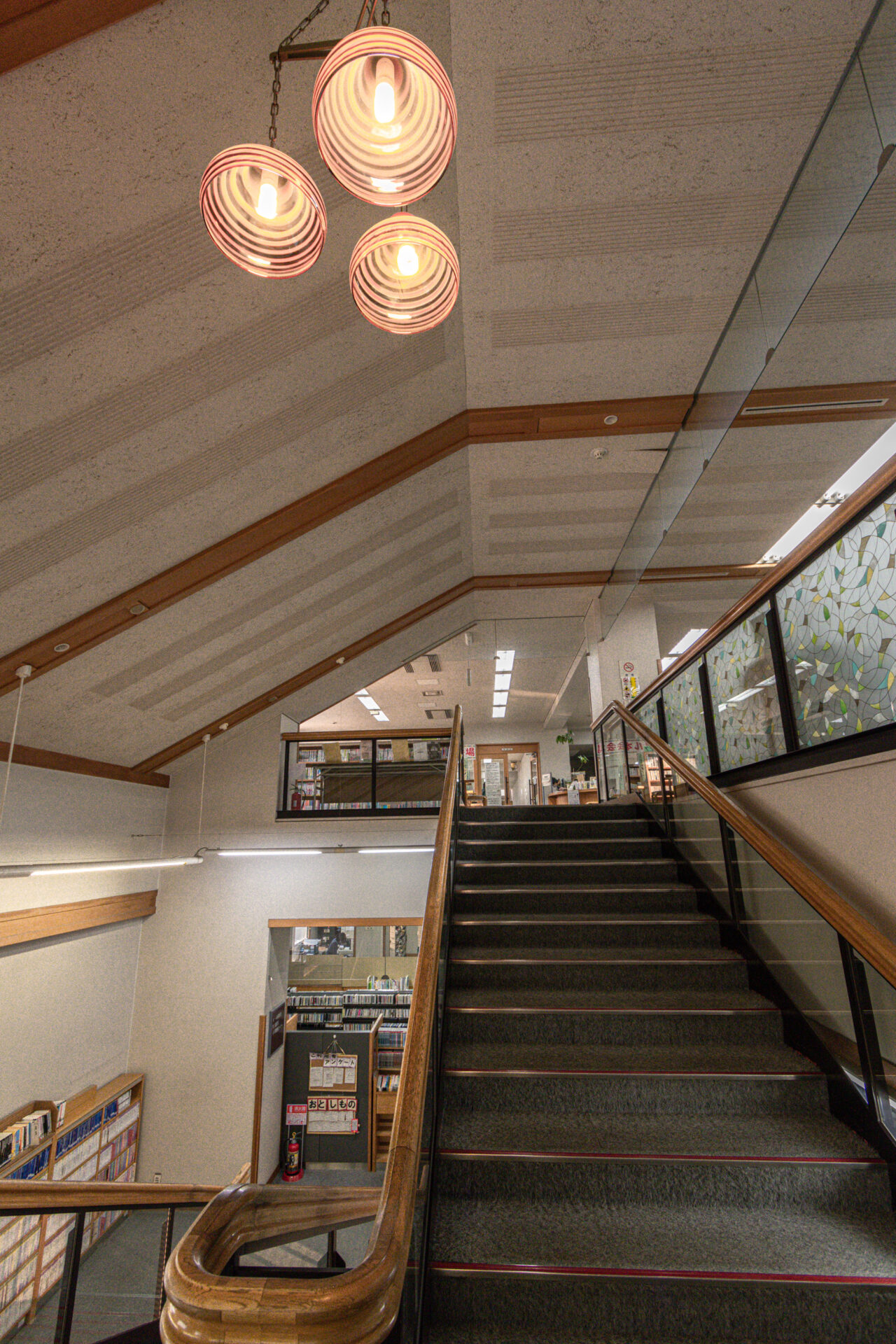
The lighting in the stairway from the first floor to the second floor is the same as that used in the Kurashiki International Hotel, and it well reflects the characteristics of Urabe Architecture.
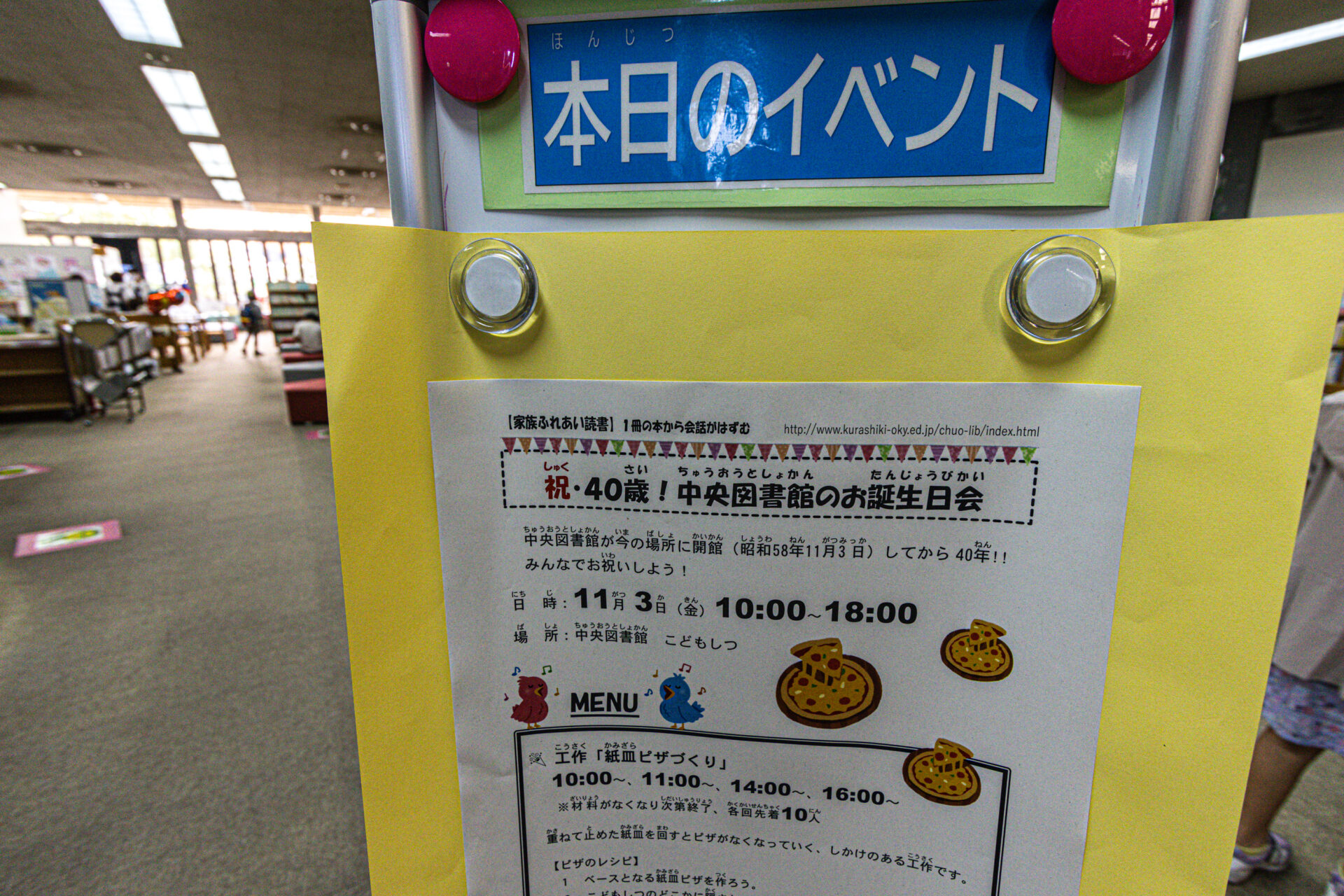
In the children's library, which is rich in picture books and children's literature, a birthday party was held to celebrate the 40th anniversary of its opening.
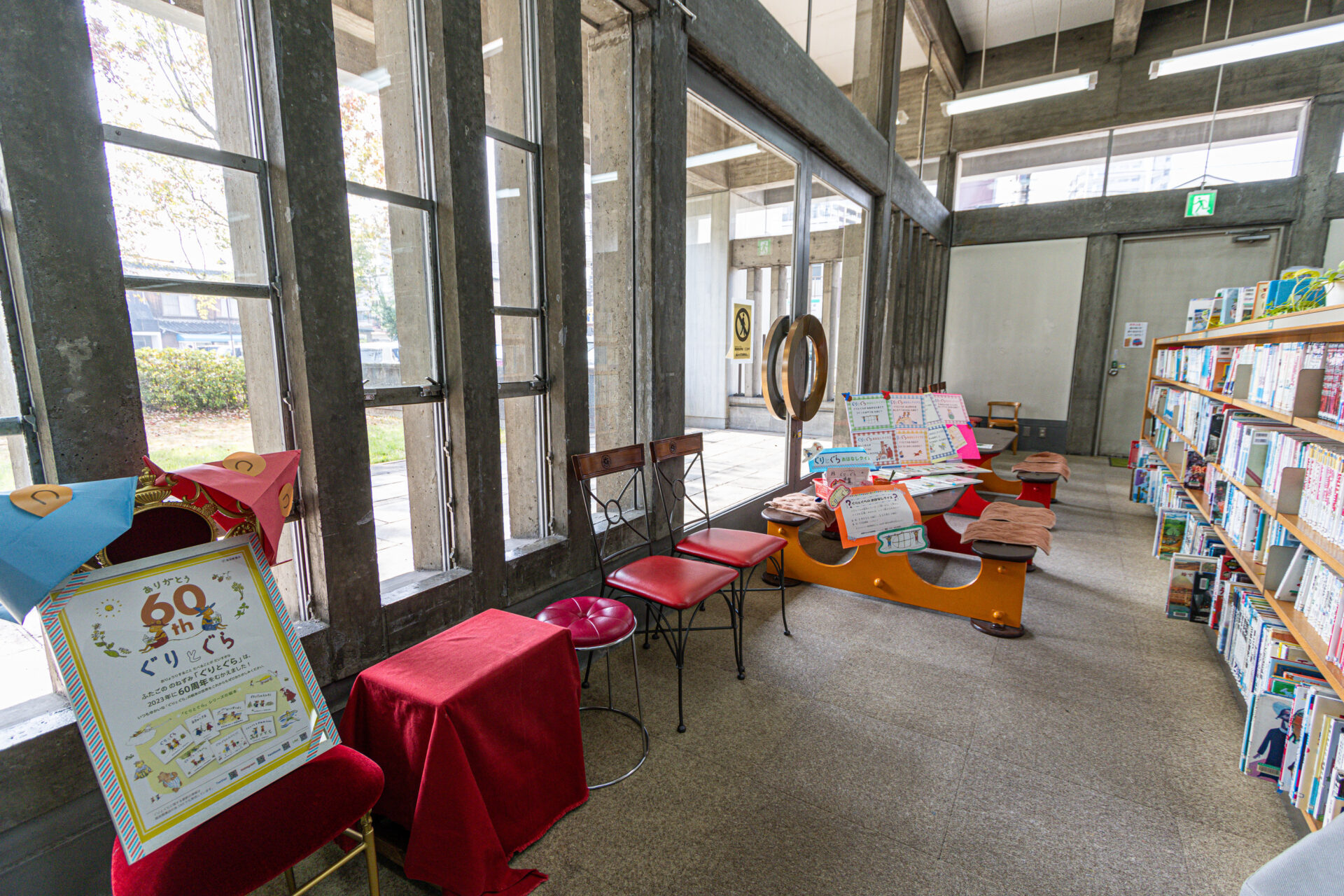
The children's library is located on the west side of the first floor of the Kurashiki City Art Museum, almost embedded into it.
I also used to visit this place often when I was a child, and I now think that it was here that I developed an interest in architecture.
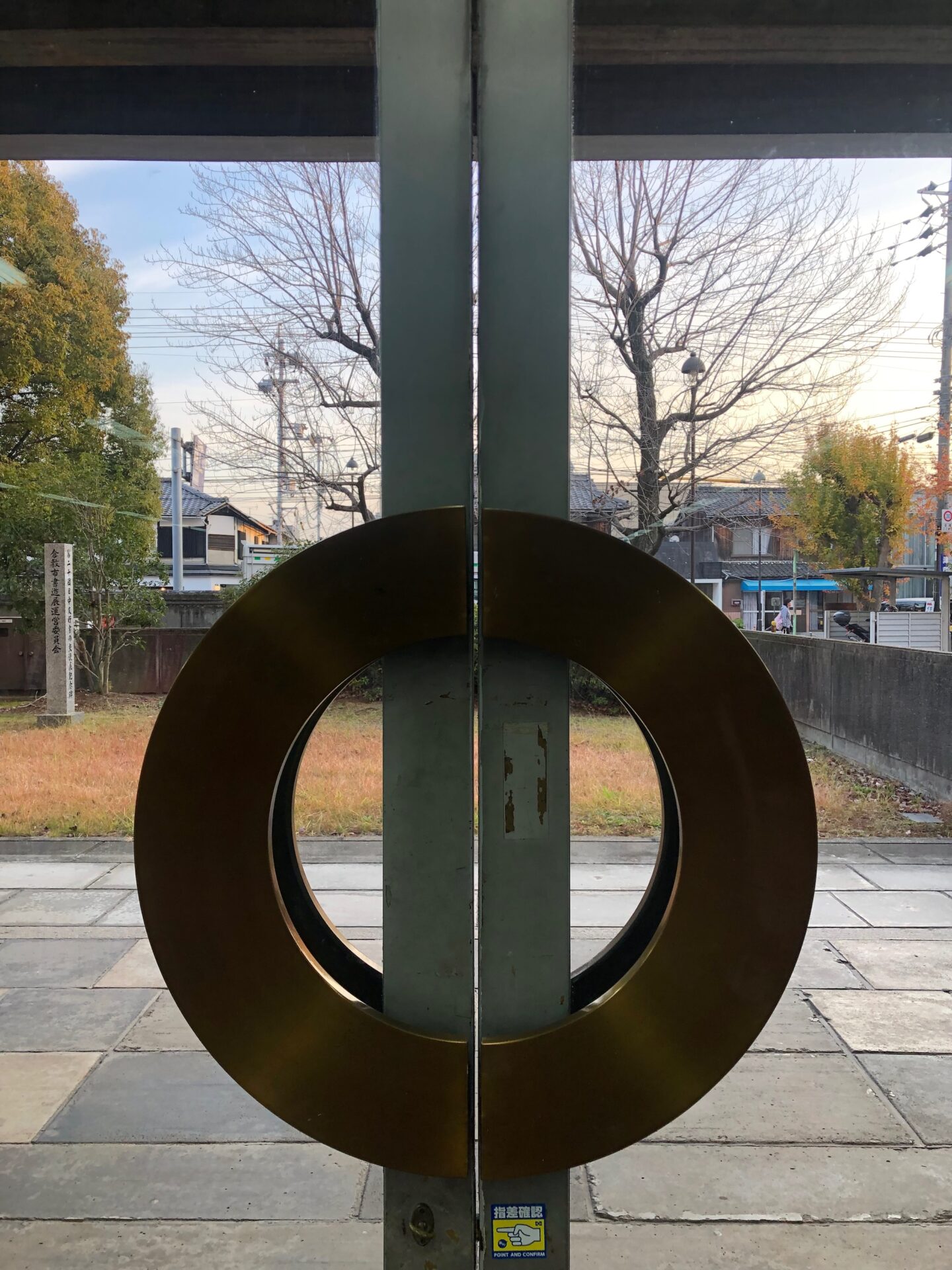
Ohara Museum of Art (Annex)
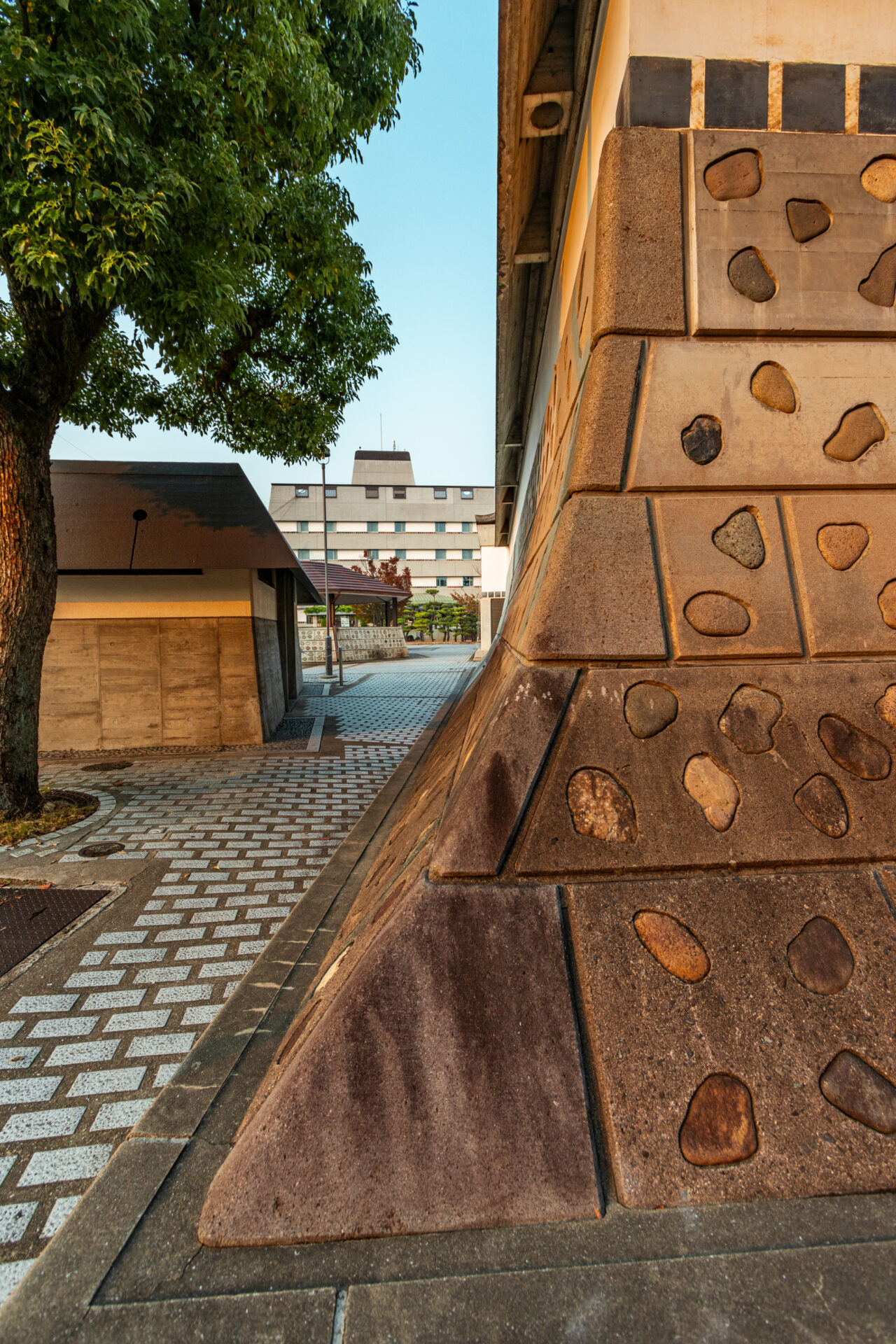
This is one of the representative works of Urabe Chintaro (the Ohara Museum of Art (Annex) is currently closed for a long-term renovation).
Instructor Nishimura also mentioned that he particularly likes the combination of this exterior that resembles stone walls and the Kurashiki International Hotel.
When it was introduced in the NHK General TV program "Buratamori," it was also mentioned that this place is "a boundary between the Bikan Historical Area (former Kurashiki) and the new town." Indeed, when you think about it, it does give that impression.
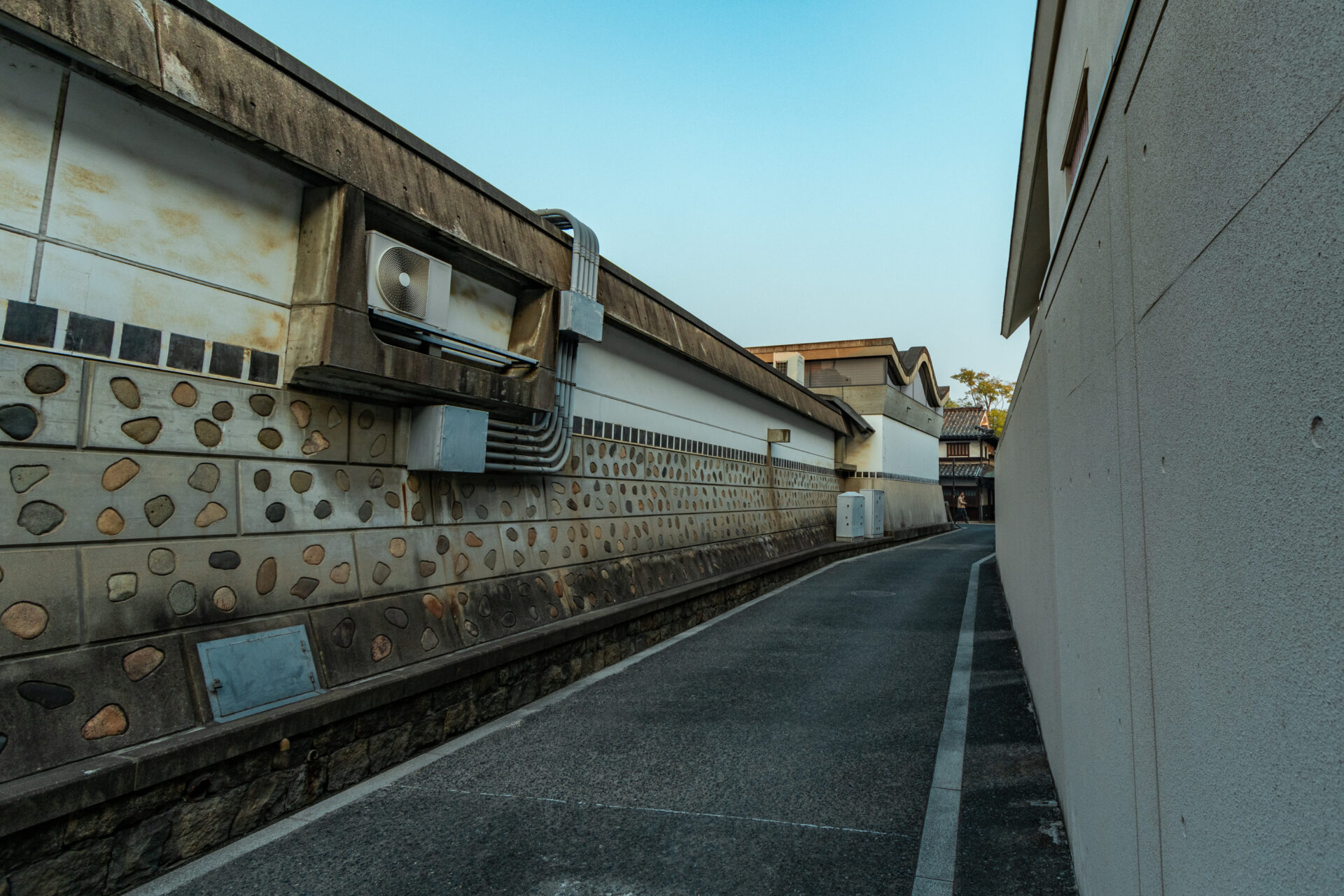
It is said that this design was adopted after many discussions, integrating it with the wall.
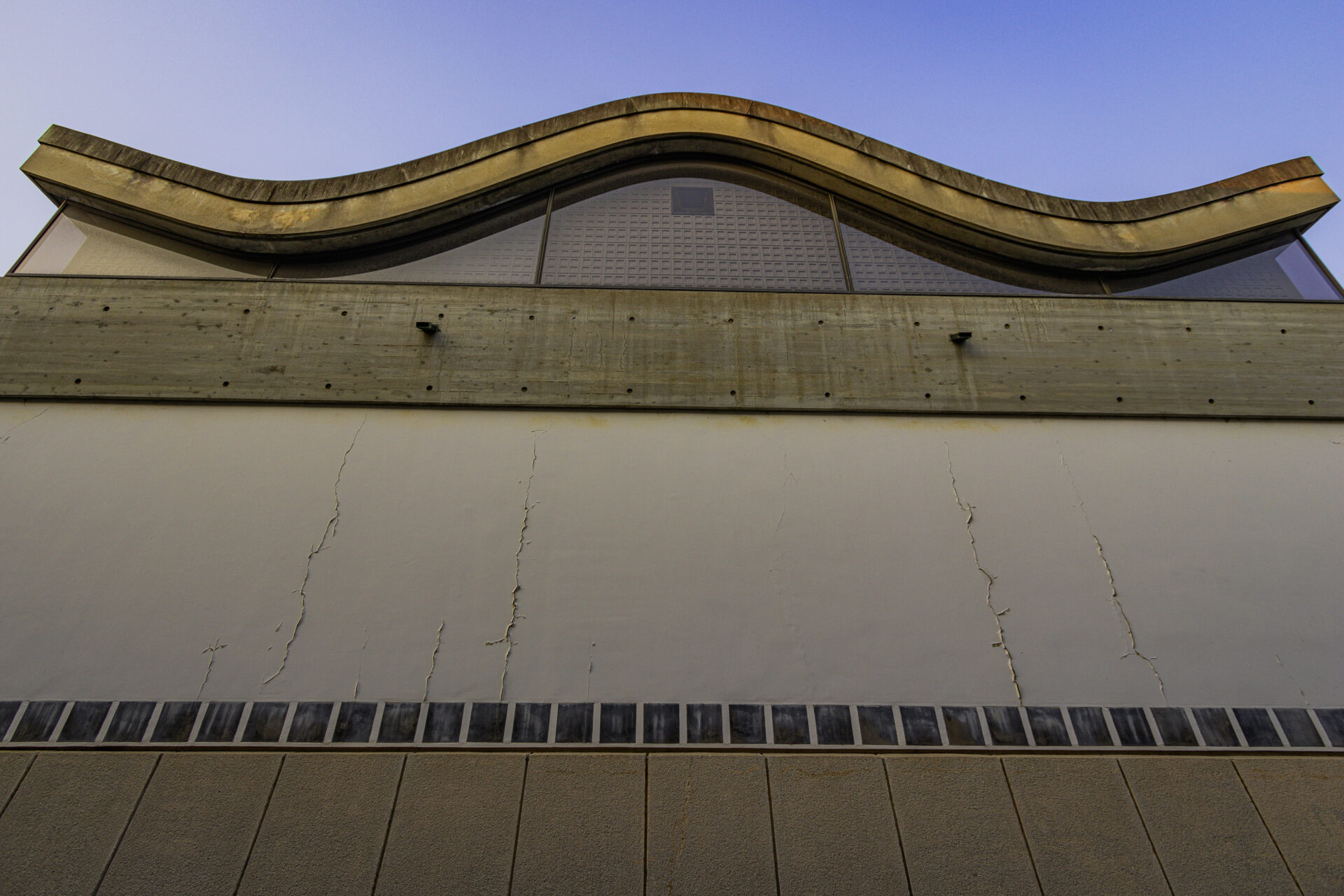
The wavy roof design looks very modern, as if it were not from over half a century ago.
Additionally, it blends well with the surrounding landscape.
I look forward to the day when I can once again appreciate works at the Ohara Museum of Art (Annex).
![[Closed] Ohara Museum of Art (Annex) - A museum that supports creative challenges and walks with the present](https://media.kuratoco.com/wp-content/uploads/2019/04/23060108/190215-101r-3.jpg)
Kurashiki International Hotel
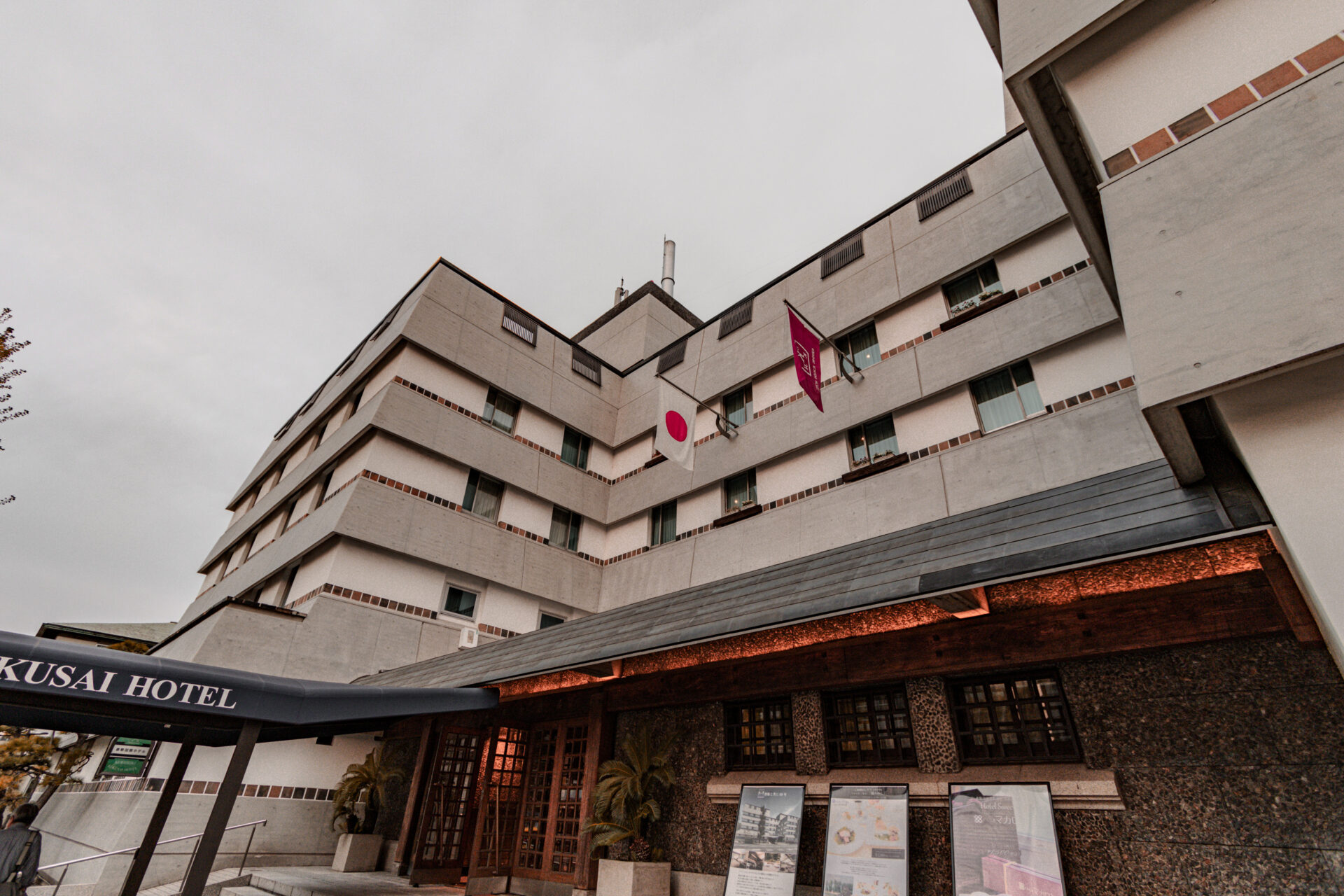
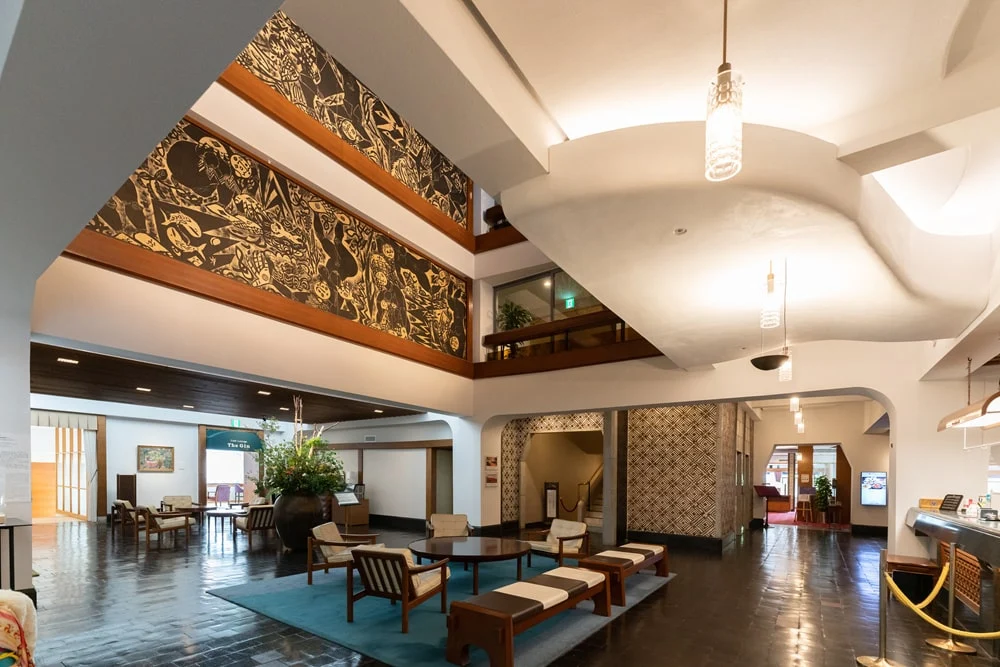
This building is a response by architect Urabe Chintaro to Ohara Soichiro's desire to "create a hotel suitable for the city of Kurashiki."
In a notebook from 1953, there is a plan for hotel construction titled "Pub at HASHIMA," and this hotel is the realization of that concept.
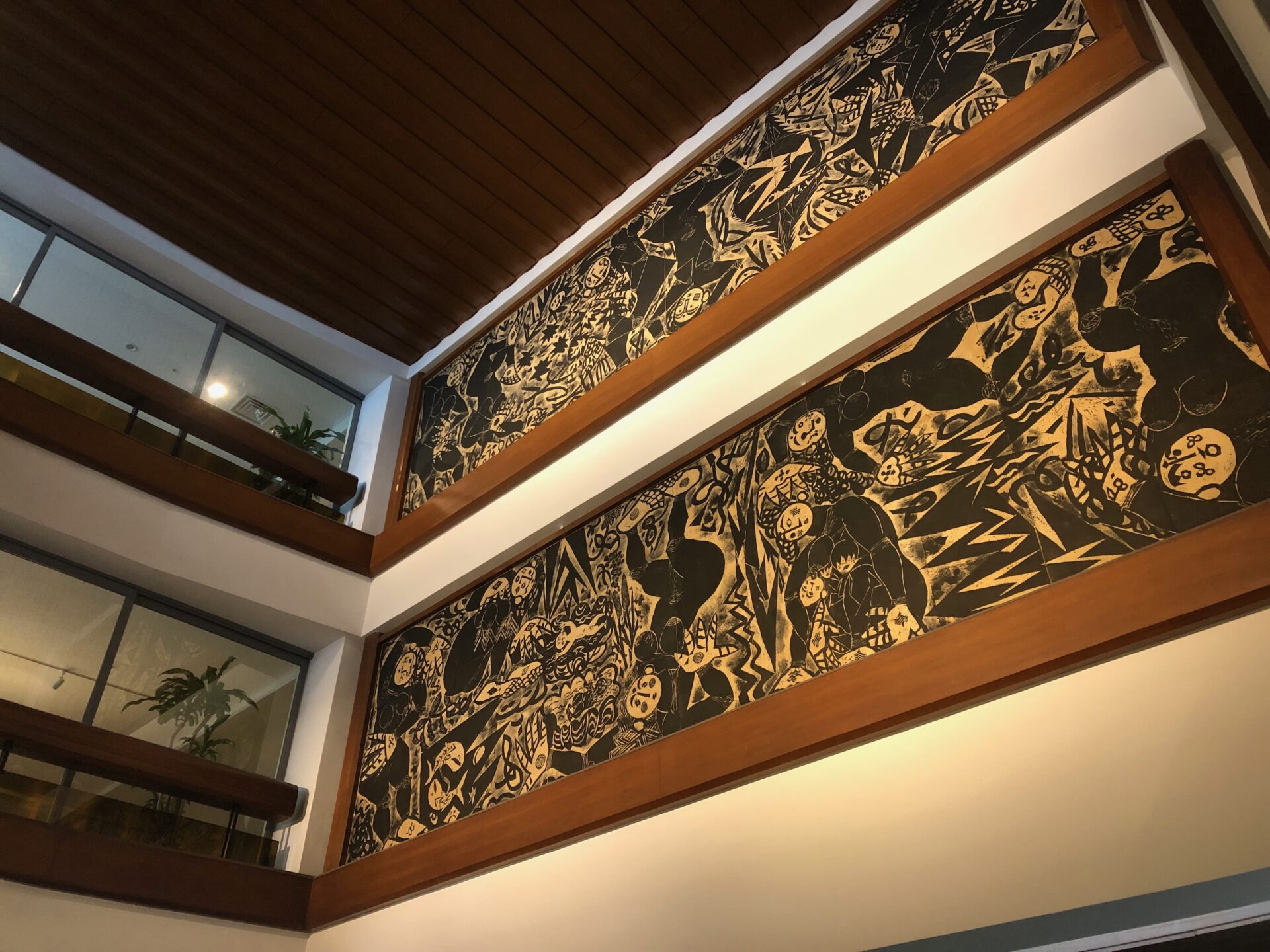
Displayed in the lobby is Munakata Shiko's "The Fence of the Great World: Kon - From Humanity to the Gods," which is one of the largest woodblock prints in the world, welcoming visitors since its opening.
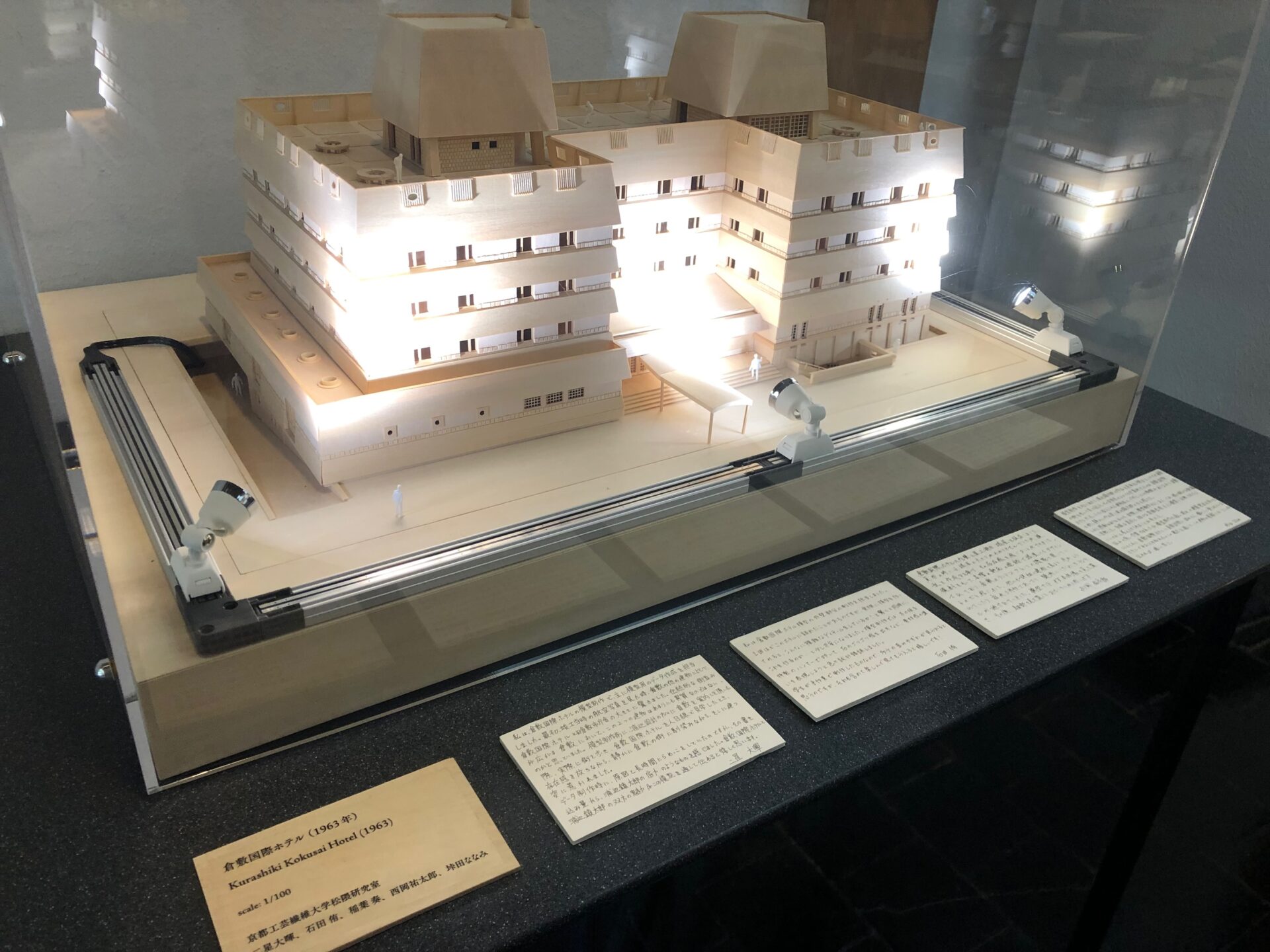
A wooden model was also on display.
This was exhibited at an exhibition held in 2019.
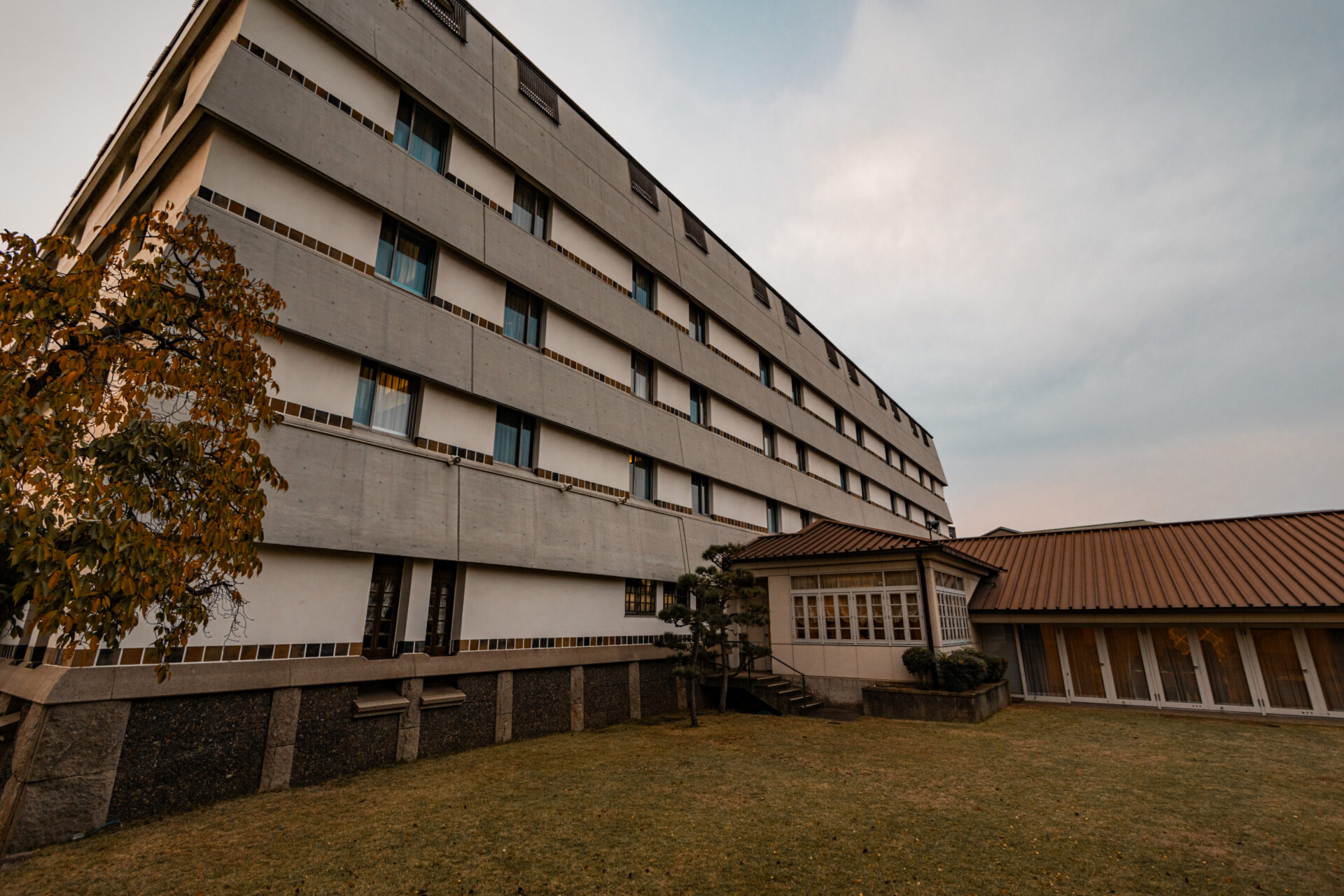
At the back, there is a garden that connects directly to Shinkei-en Garden.
On a personal note, I held my wedding reception here, so I have a special attachment to this building.
Conclusion
After 40 years, the central library has begun to show signs of aging, and it will be relocated to the east side of the Kurashiki City Office Main Building, while the Natural History Museum will also move to a location near Life Park Kurashiki in the near future.
As for the future use of the current central library and natural history museum sites, nothing has been decided yet.
I hope that the traditions of "Kurashiki, a town with its own unique character," which embody the thoughts of our predecessors, will be preserved and utilized in a positive direction.
For those who want to learn more about Urabe Architecture, I would like to introduce two books that were frequently referenced as materials during the lecture by instructor Nishimura (both are available at the central library).
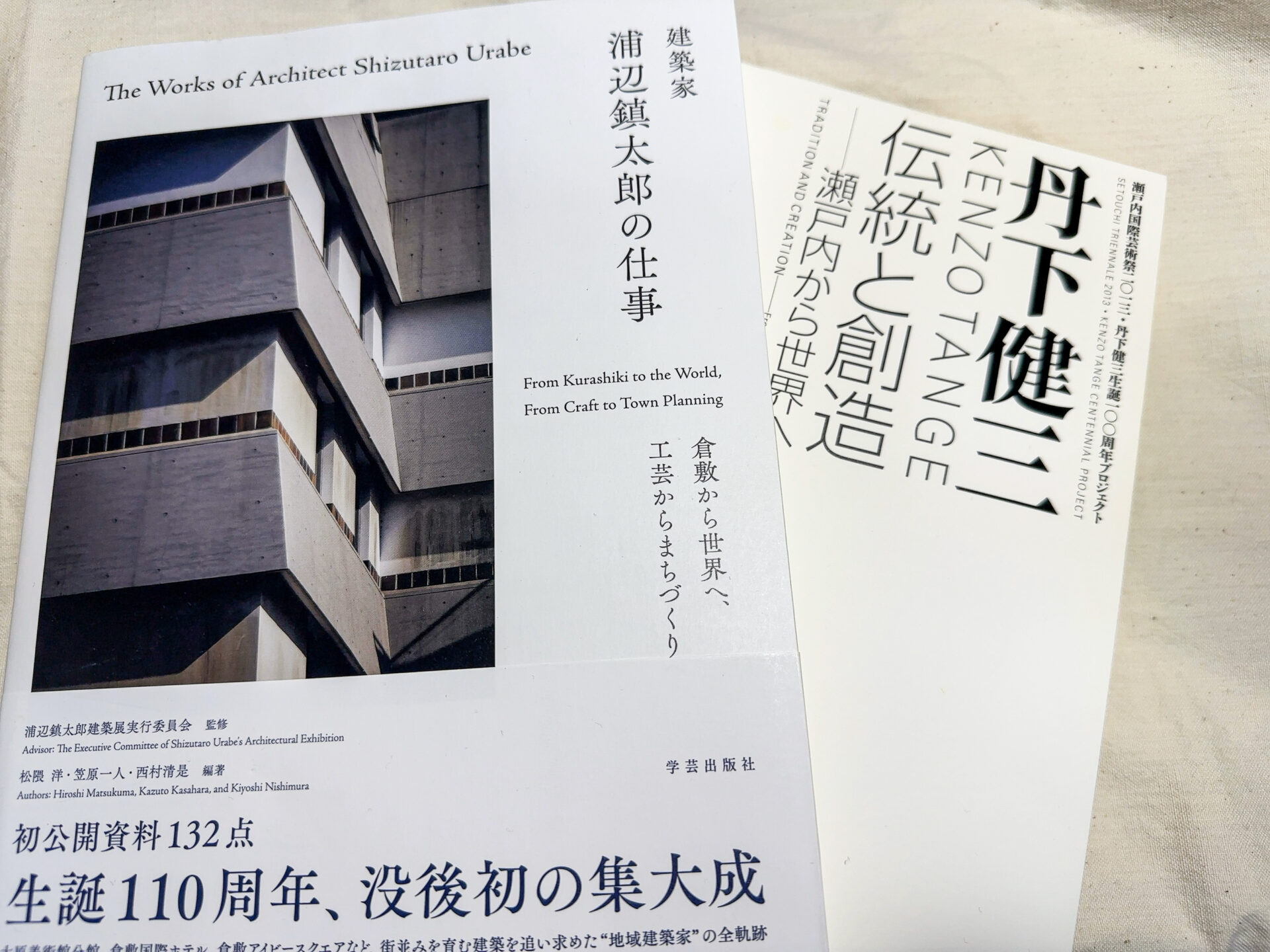
As Setouchi architecture contemporary with Kenzo Tange, the Kurashiki International Hotel and Ohara Museum of Art (Annex) designed by Urabe Chintaro are introduced. Of course, there is also an introduction to the Kurashiki City Art Museum (former Kurashiki City Hall).
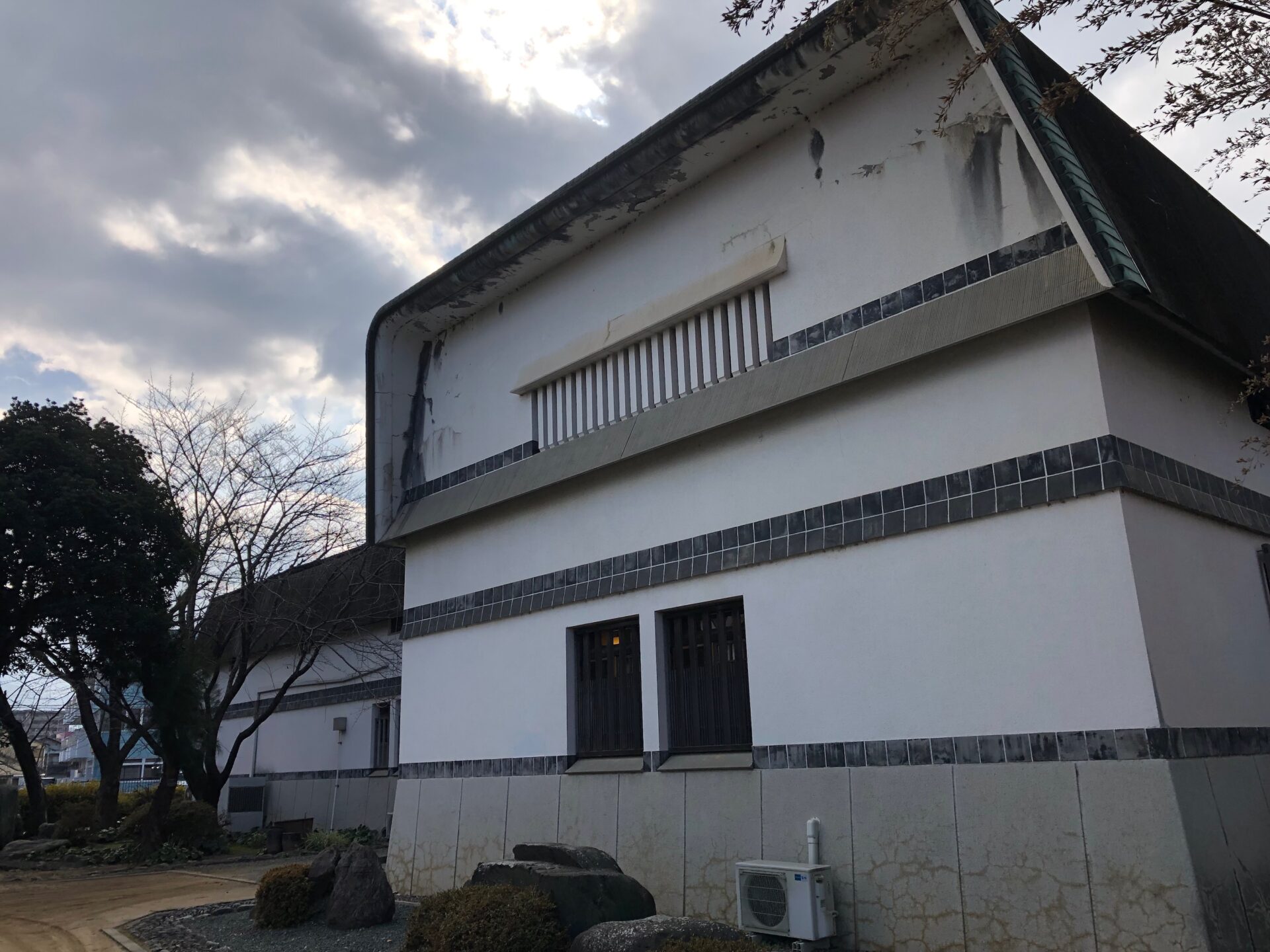
Although it is located outside the prefecture (Saijo City, Ehime Prefecture), the "Ehime Folk Art Museum" is also introduced in the above book.
It was built around the same time as the Kurashiki International Hotel, and many similarities can be observed.
It may have been part of Kuraray's community contribution activities in Saijo City.
The Perspective of Architect Urabe Shintaro: Data on the 30 Years Leading to the Simultaneous Opening of the City Art Museum, Library, and Natural History Museum
| Name | The Perspective of Architect Urabe Shintaro: Data on the 30 Years Leading to the Simultaneous Opening of the City Art Museum, Library, and Natural History Museum |
|---|---|
| Date | November 3, 2023 2:00 PM - 3:30 PM |
| Location | 3rd Floor Auditorium, Kurashiki City Art Museum |
| Participation Fee (including tax) | Free |

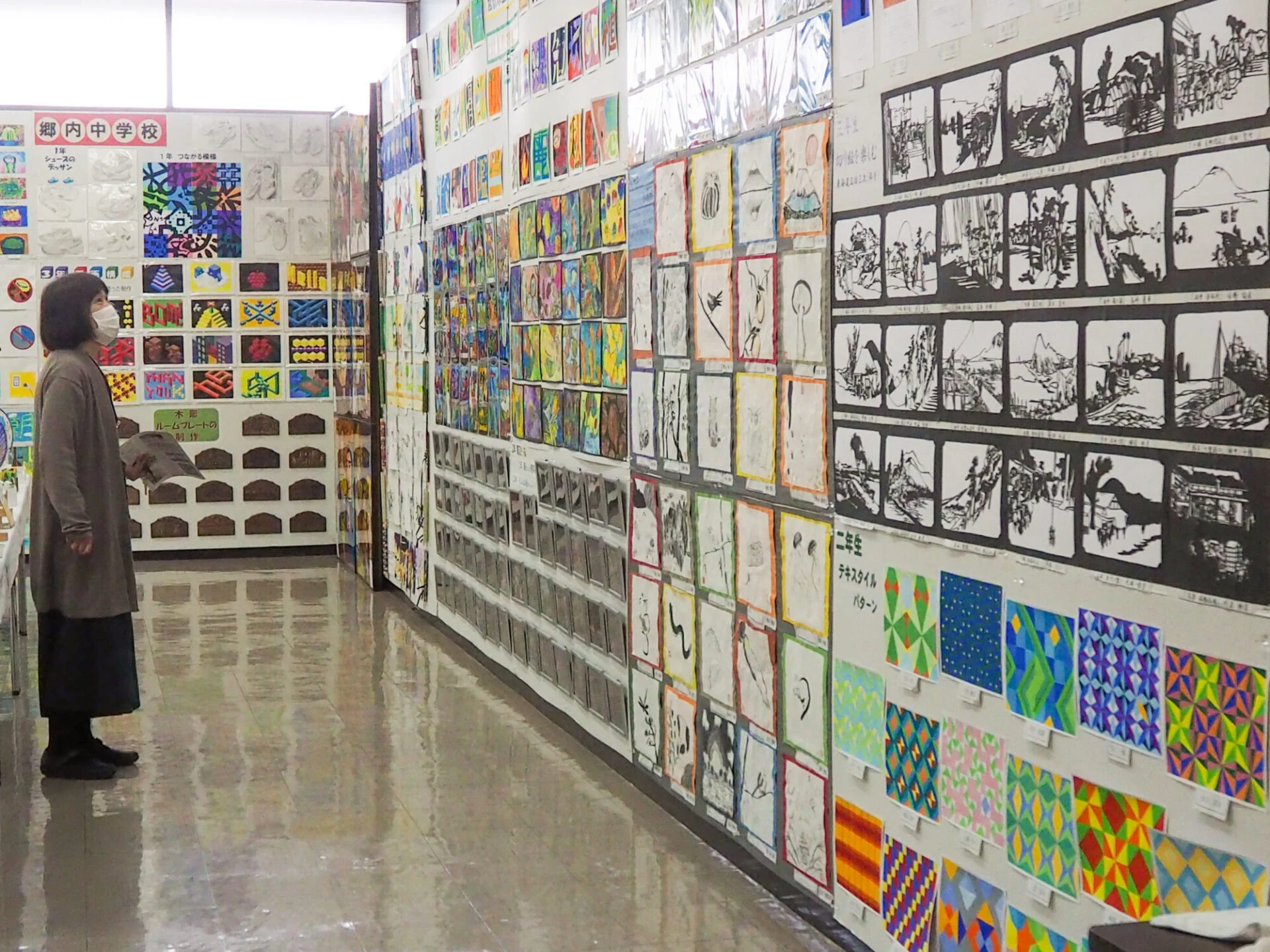






This is the catalog of the retrospective exhibition held at Kurashiki Ivy Square in 2019.
It includes detailed explanations about the "1953 notebook" mentioned in this lecture by instructor Nishimura.