Interview with Sakamoto Sanae about her feelings towards Sanada-himo
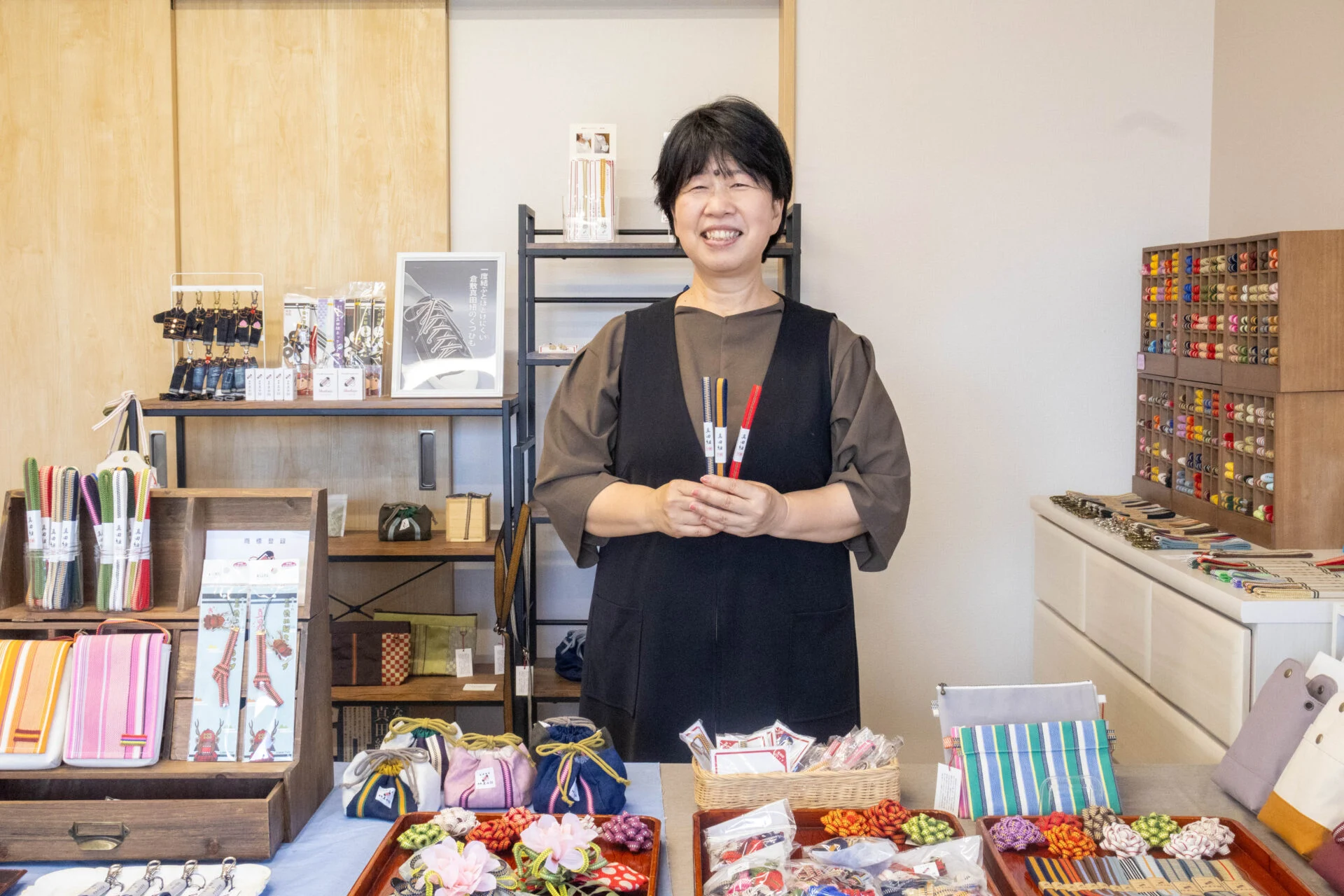
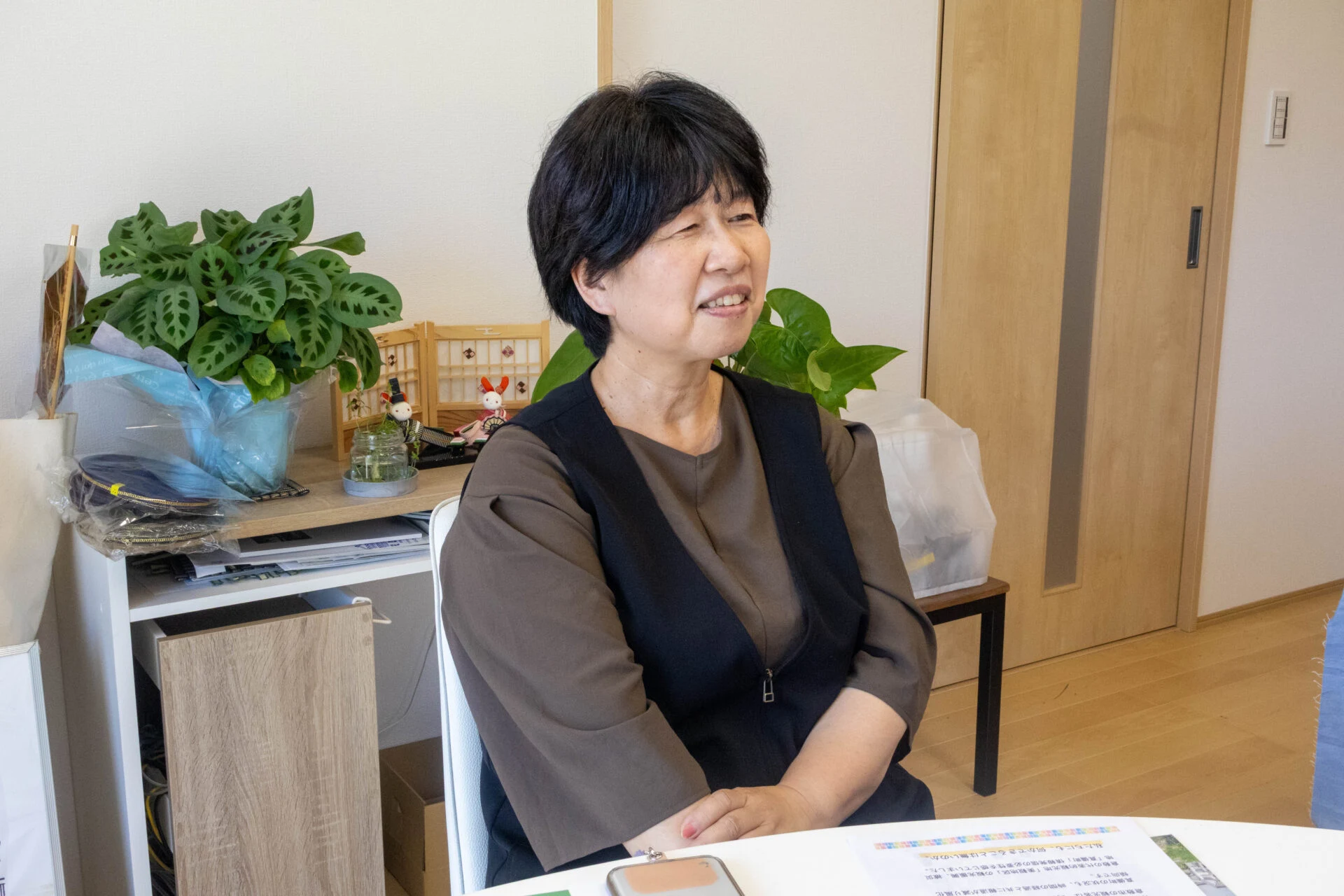
We spoke with Sakamoto Sanae, Executive Director of Sakamoto Textile Co., Ltd., about her feelings towards Sanada-himo.
Can you tell us about the reason you started weaving Sanada-himo?
Sakamoto
The biggest reason was that I thought, “If it stops here, Sanada-himo will really disappear.”
My father’s generation wove narrow textiles such as seat belts and craft cords. However, as time went on, the production of textile products shifted overseas, and at that time, our company was also in a difficult situation. Seeing my father struggling up close made me strongly desire to “create something that can only be made in Kojima.”
Later, I encountered Sanada-himo for the first time in Kyoto and was shocked by its beauty. At that time, I didn’t know that Sanada-himo was a specialty product of Kojima, and I was surprised to learn about the history of Sanada-himo in Kojima through local history later. However, Sanada-himo, which is also a starting point of the region's history, was already on the verge of disappearing.
At the time I wanted to weave Sanada-himo, I learned that my mentor, Ishihara Koichi, was a craftsman of Sanada-himo.
I inherited the weaving techniques and the power loom from Ishihara, and I was able to weave Sanada-himo at Sakamoto Textile.
If you hadn't taken over, Sanada-himo might not exist in Kojima anymore, right?
Sakamoto
I think it was a critical situation. After inheriting the power loom, it took about six months to be able to weave Sanada-himo that could be sold. The power loom itself is old, so it was quite a struggle to learn how to operate the machine while checking its condition.
I was also worried about whether it would be viable as a business, and I think I wouldn’t have been able to continue without a strong desire to truly do this.
I believe that Sanada-himo itself, along with the weaving techniques, power loom, and historical background, is a treasure that the region has preserved, so I want to work hard to ensure it does not disappear.
What is the difference between the commonly seen kumihimo and Sanada-himo?
Sakamoto
The biggest difference is the method of production.
Kumihimo is made by braiding diagonally, while Sanada-himo is woven, so the warp and weft threads are woven at right angles. Therefore, kumihimo has elasticity, while Sanada-himo is made to be completely non-stretchable and durable.
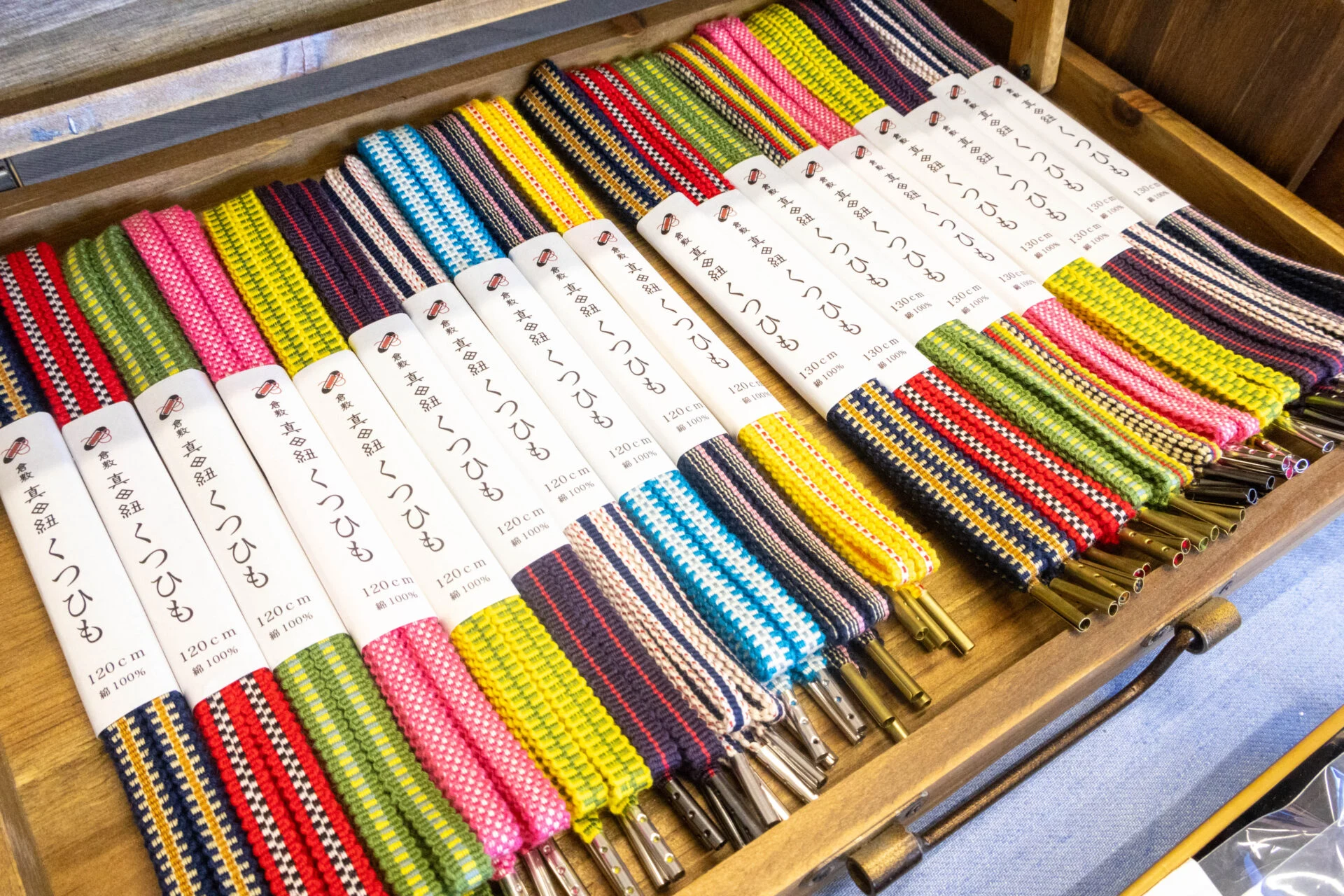
What do you think is the charm of Sanada-himo?
Sakamoto
I can think of various things, but the most important is that Sanada-himo continues to be linked to the history of Kurashiki. Sanada-himo is also what made Kojima a textile town, so I believe it is an indispensable textile product for this town. When reflecting on the history of the region, the presence of Sanada-himo is always there.
Additionally, the irregularity that arises from using traditional power looms is also a charm. I believe that while the latest machines can weave very neatly, this irregularity creates a unique flavor that is characteristic of Sanada-himo.
Previously, I had the opportunity to consign Sanada-himo at a shop near the Louvre Museum in France. An overseas customer who purchased it said, “This cord alone makes me feel the spirit of Japan.” I was very happy to hear that they felt this way even across borders. It was an event that made me strongly realize that this is something that can only be made in Japan.
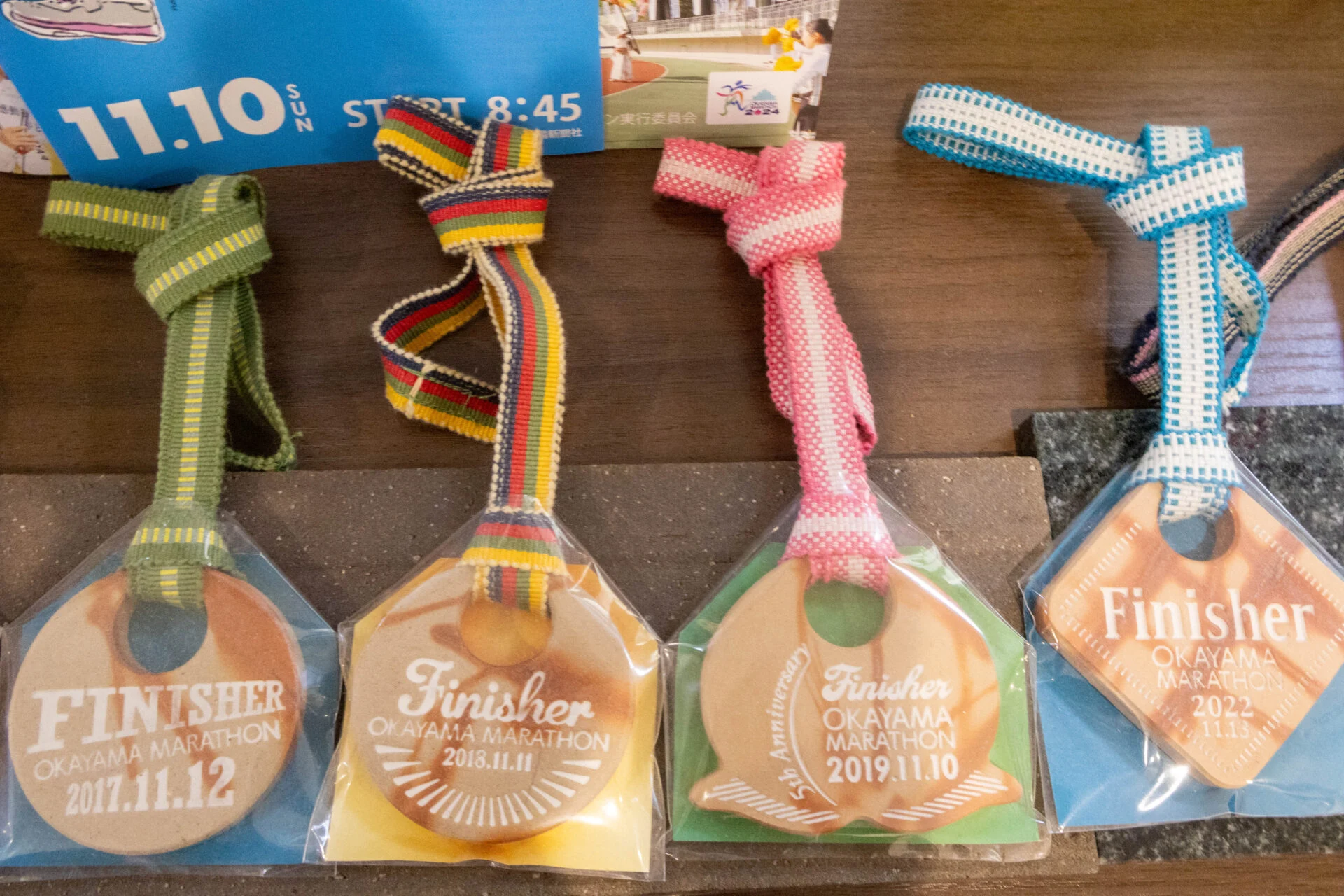
Since it is a very thin textile, I think it is difficult to express colors and patterns. How do you approach this?
Sakamoto
The scenery of Kyoto, where I used to live, was so beautiful that I wanted to express the beauty I felt with all my senses. I am very particular about color combinations.
Additionally, there are designs that express people's feelings.
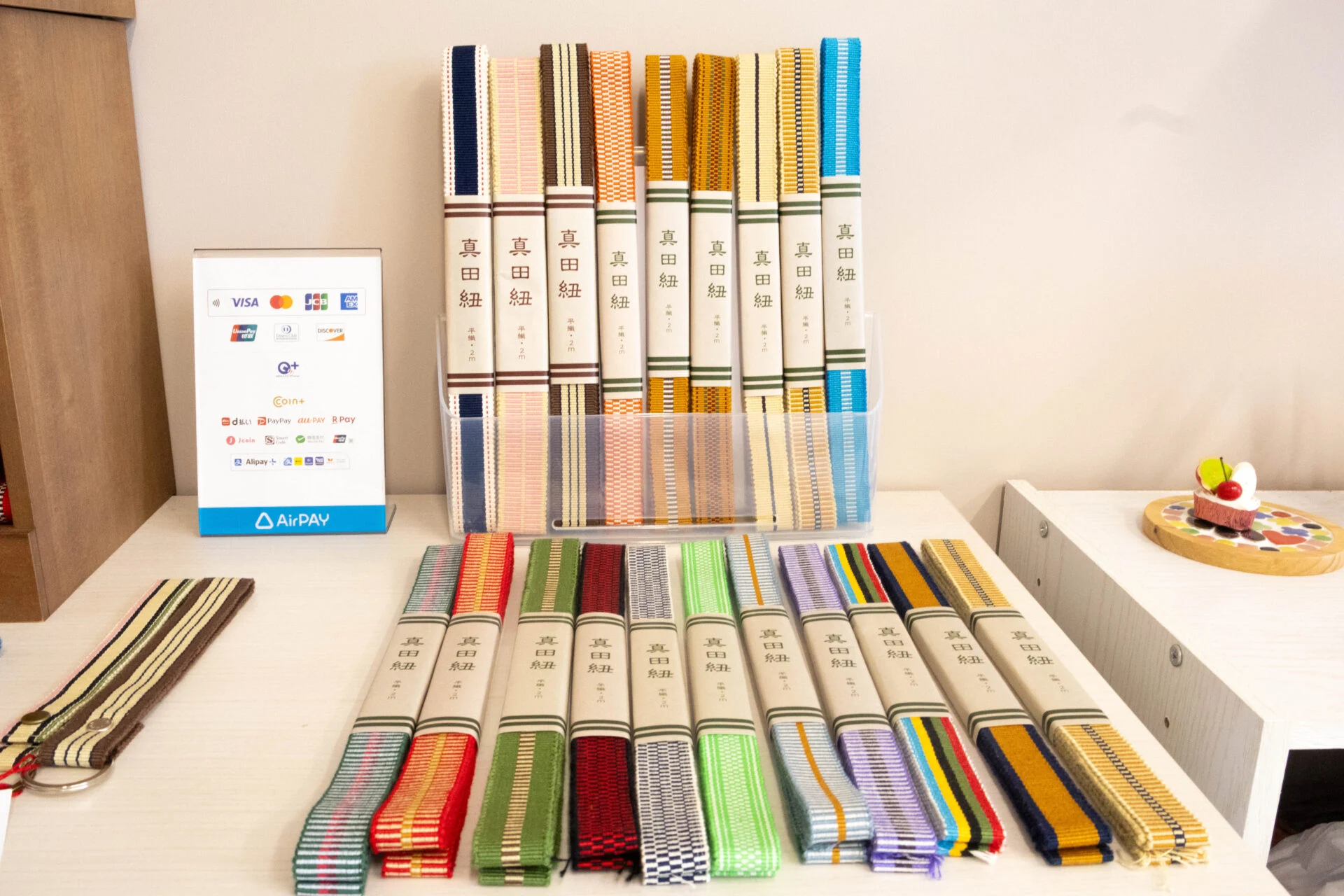
For example, I received a request from a jewelry company that wanted to express “the appearance of connecting like bonds,” and I used the traditional Sanada-himo pattern of railroad tracks. The railroad track pattern looks like a chain, so I thought it would express the bond.
Within the limited condition of a very thin cord, it is enjoyable to express various things such as memorable experiences, unforgettable beautiful scenery, and people's feelings.
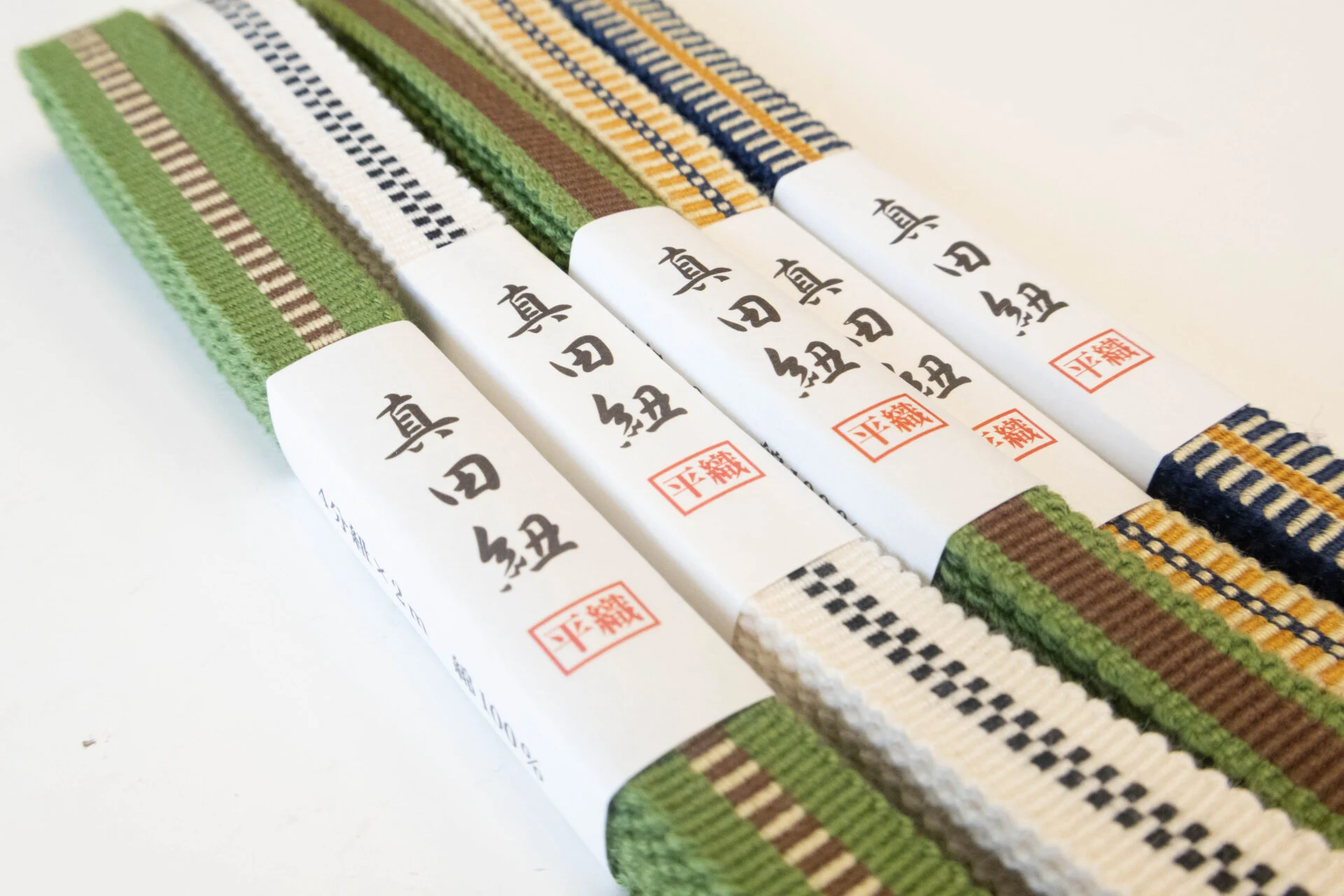
What challenges have you faced in inheriting Sanada-himo?
Sakamoto
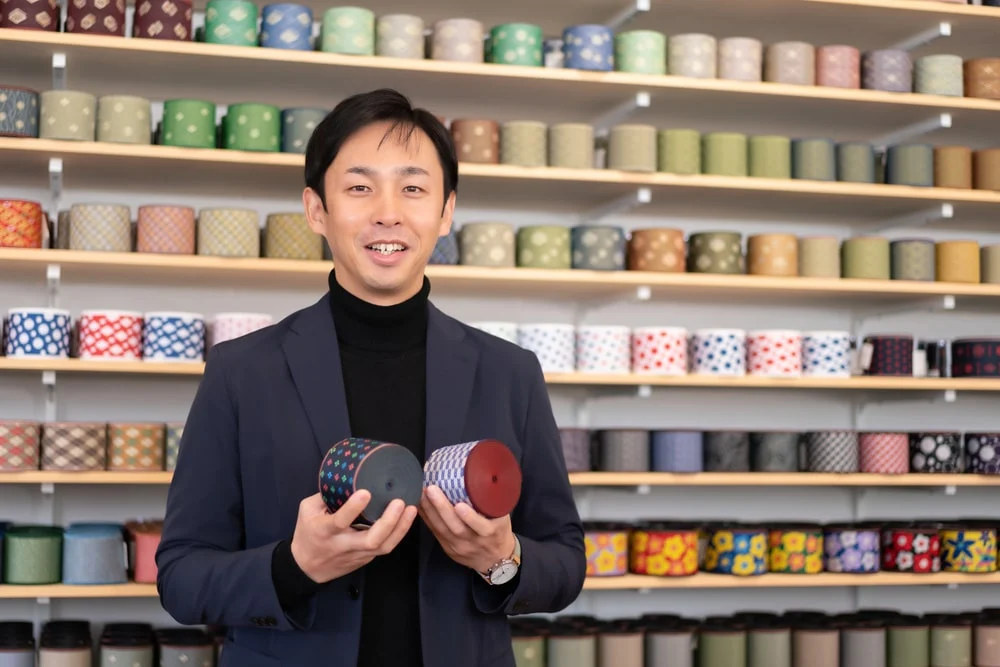
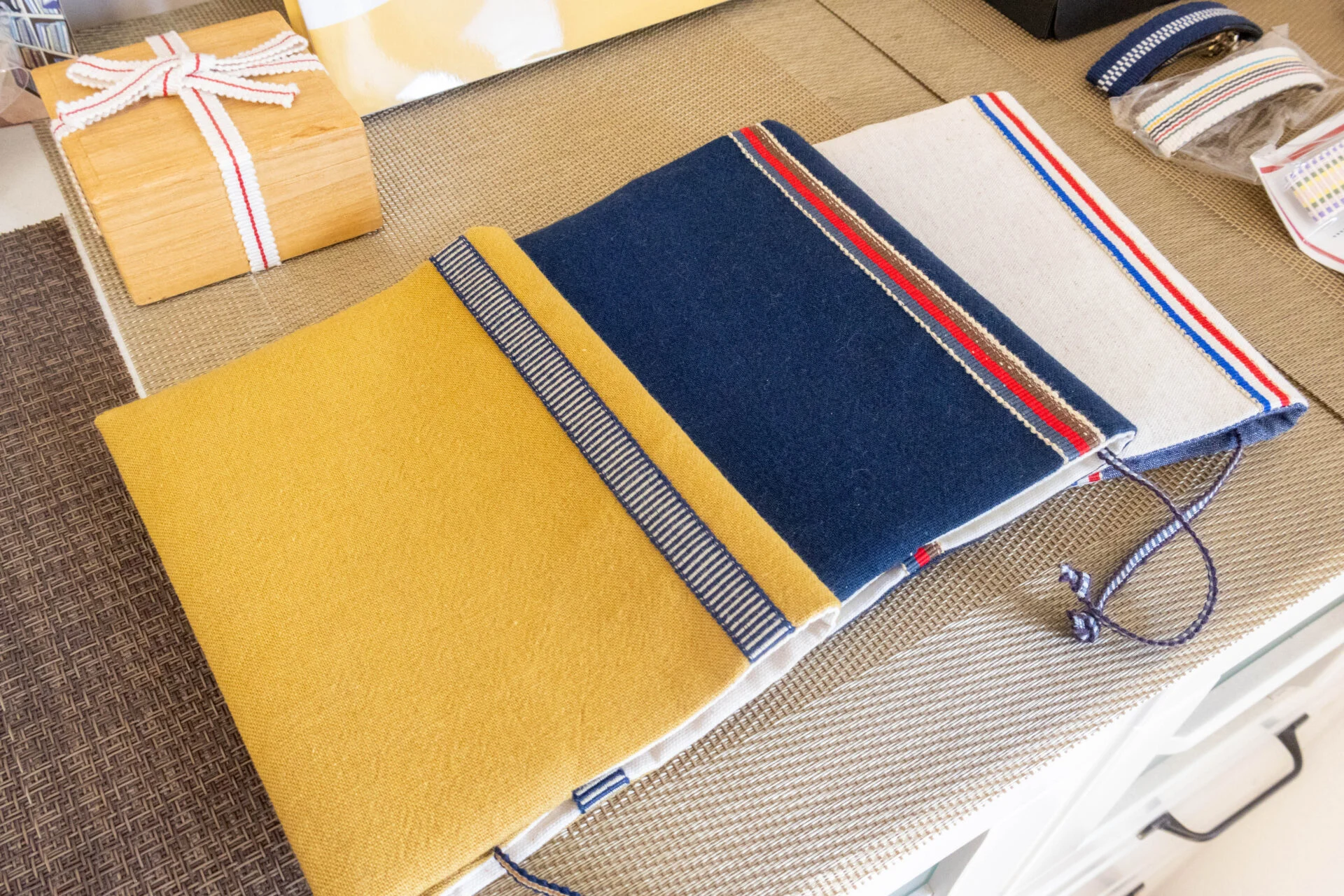
Sakamoto Textile's Sanada-himo is colorful, and we weave cute designs that are popular among young women, but that was quite a challenge. Until now, the mainstream Sanada-himo has been in subdued colors...
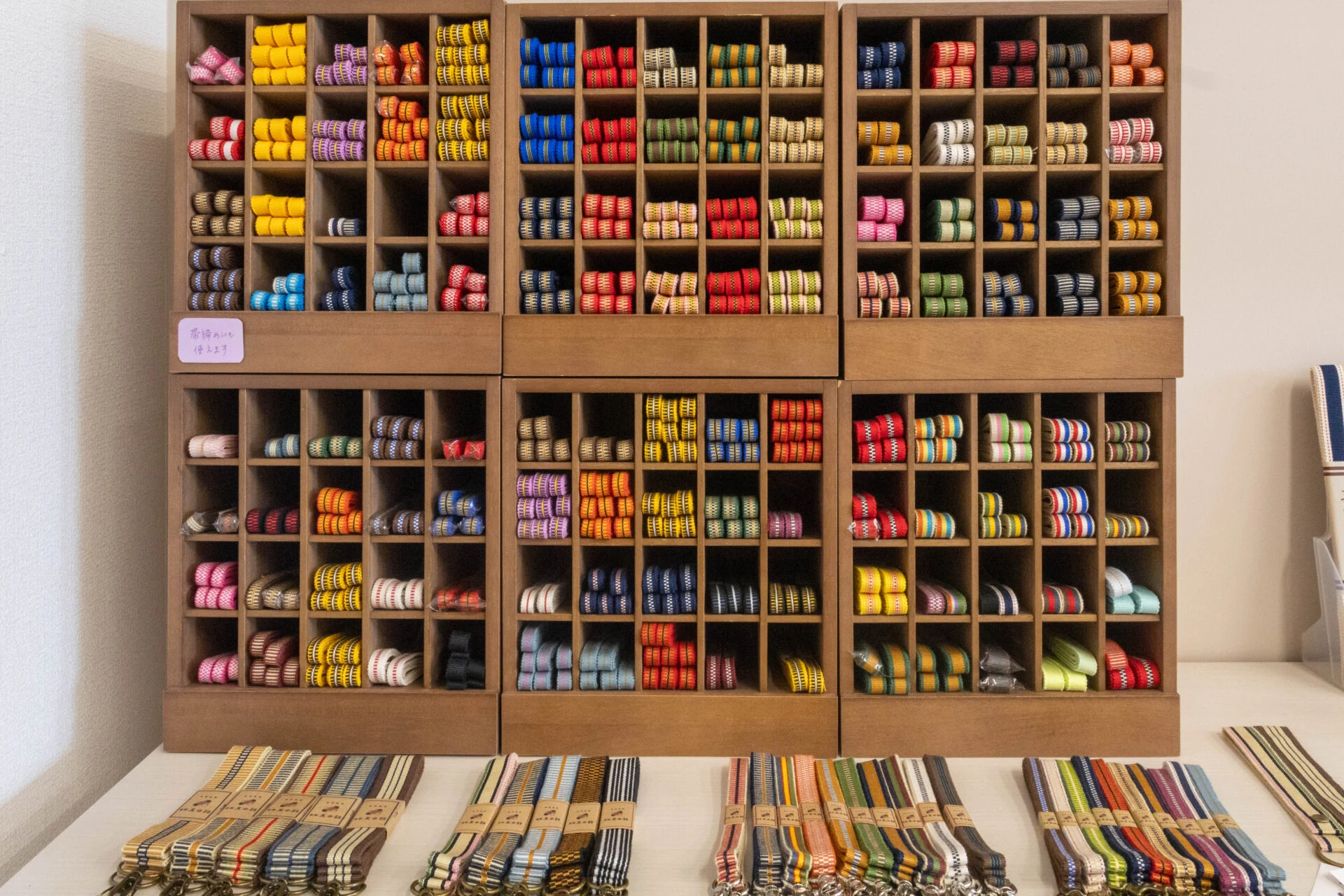
In order for us to inherit Sanada-himo, we need to combine it with business, but I had concerns about changing traditional Sanada-himo. However, there were times when customers asked, “Is this all the colors you have?” so I decided to boldly try weaving in colors like red and pink.
At that time, I thought, “I might get scolded by someone,” but I believed that if I made it something that many people could easily pick up, I could ultimately continue to preserve the culture of Sanada-himo.
It wouldn’t make sense if it ended with my generation, so I need to think of ways to ensure that the company can make a profit while also inheriting traditional techniques.
It may seem difficult, but I find it enjoyable to think about. I love Sanada-himo.
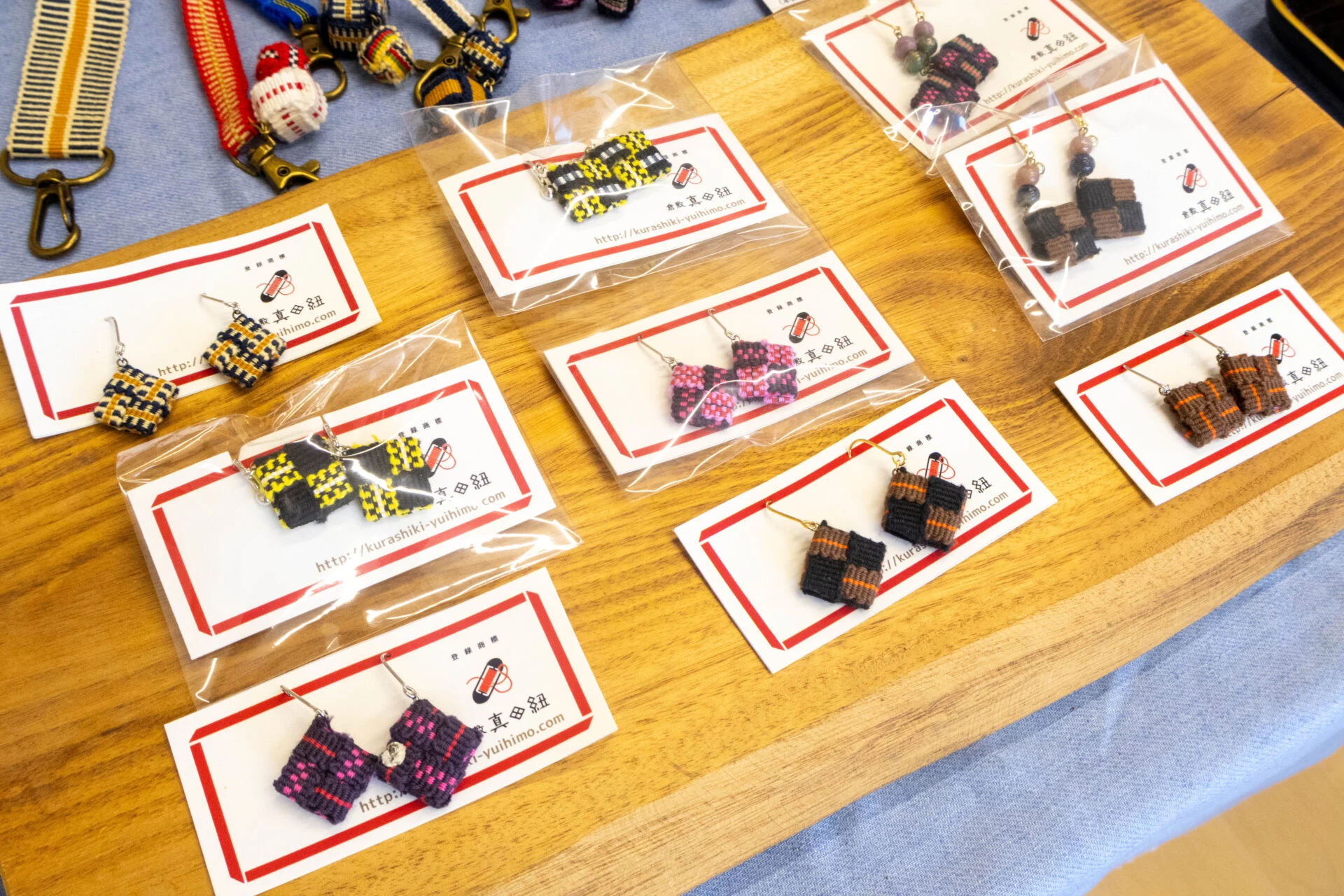
The power loom used at Sakamoto Textile is a valuable asset, but managing maintenance must be quite challenging, right?
Sakamoto
Yes, it seems that power looms that are still operational are rare, and there have been employees from Toyota Automatic Loom Works who have come to observe.
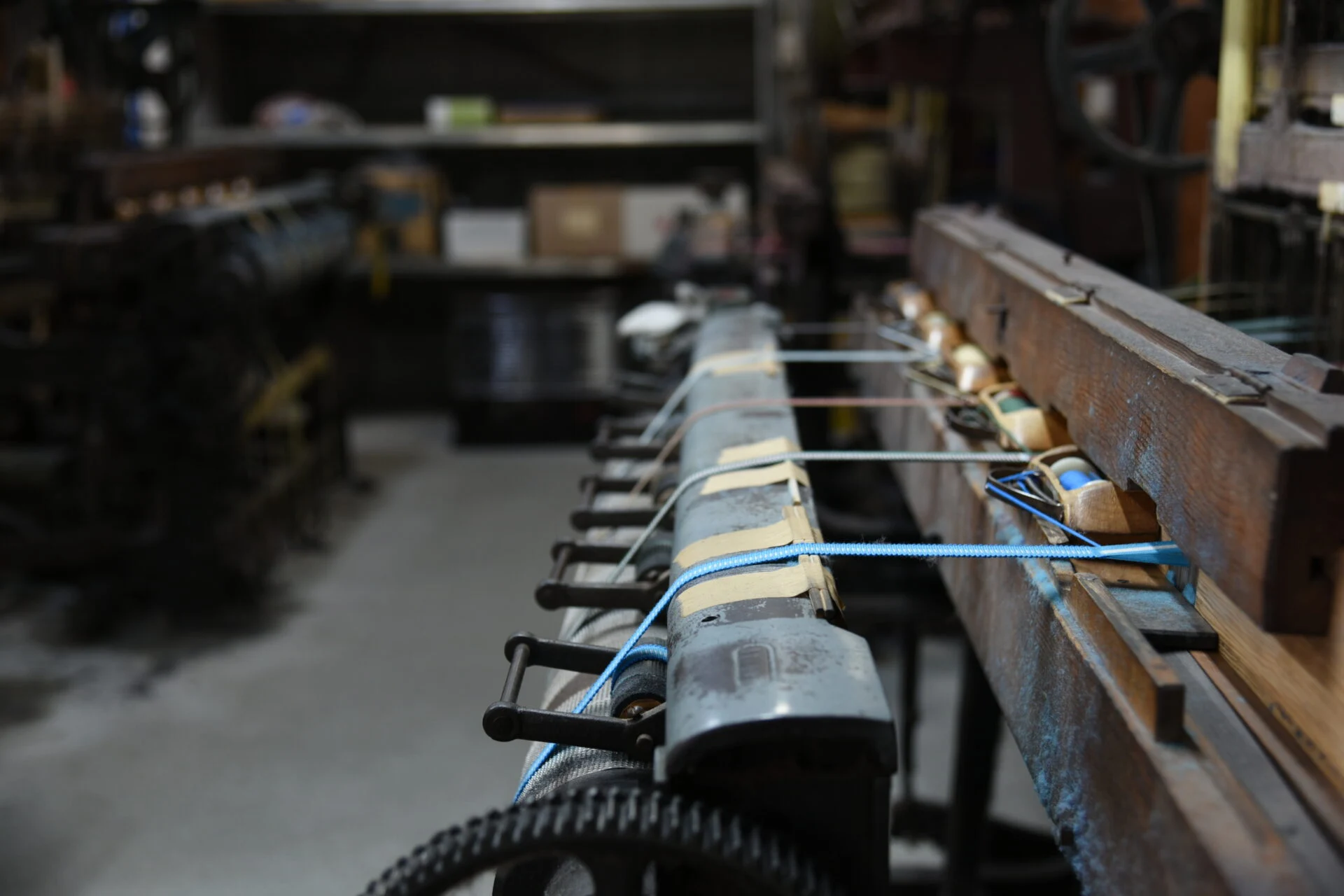
In Kojima, there is only one craftsman who still maintains power looms. This person used to manufacture power looms, and when I contact them about any issues, they immediately advise me over the phone, saying, “Try pulling that claw over there.”
However, that craftsman is also elderly and said, “I don’t know how long I can continue this work, so if there are any machines that need repair, please let me know early.” I realize that there is a shortage of successors for not only Sanada-himo but also for the craftsmen who maintain power looms.
Does Sakamoto Textile's Sanada-himo have any special features?
Sakamoto
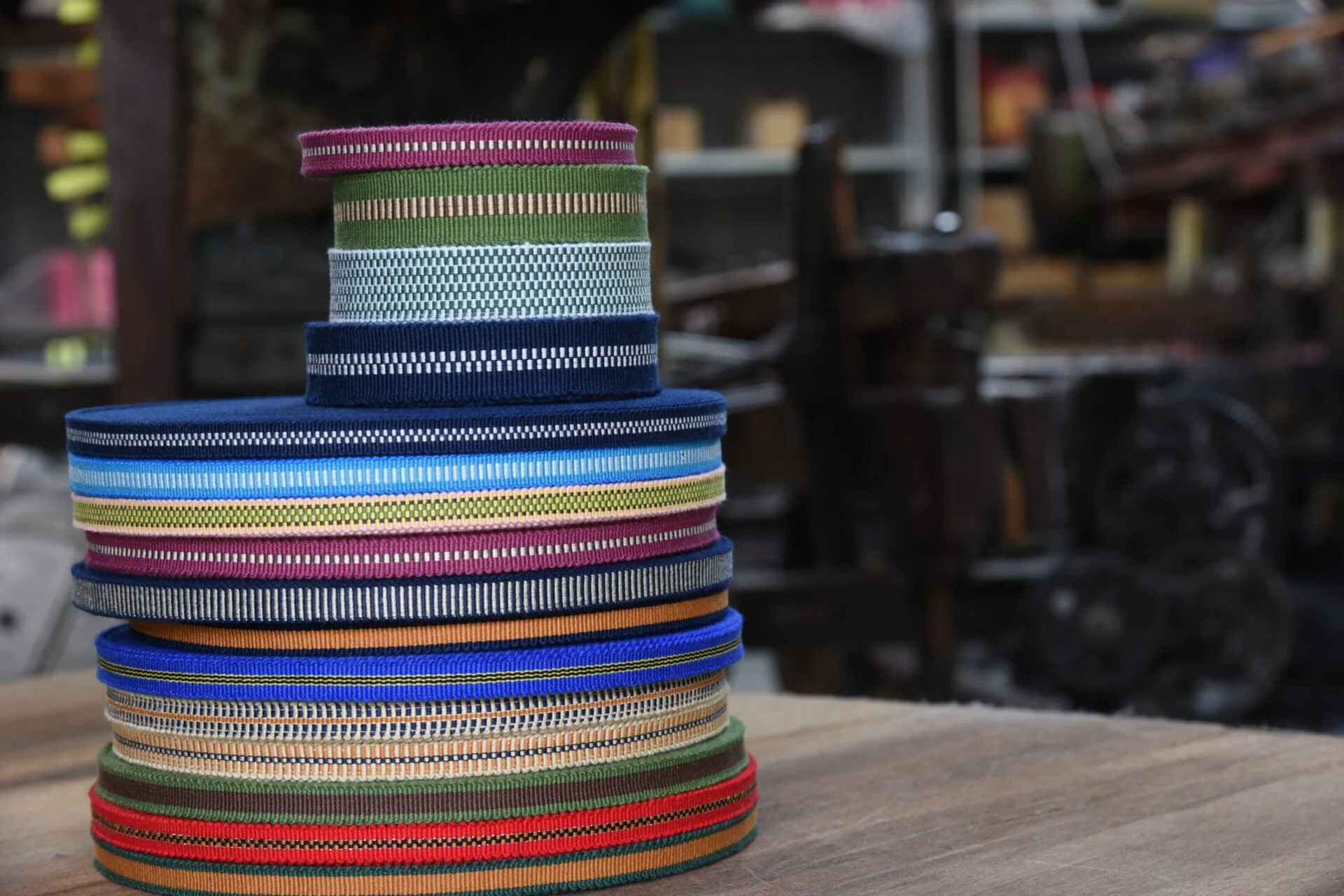
The biggest strength is that we can create custom Sanada-himo from small lots.
This is possible because of Sakamoto Textile's power loom, which has been modified to weave from a short length of 1 meter.
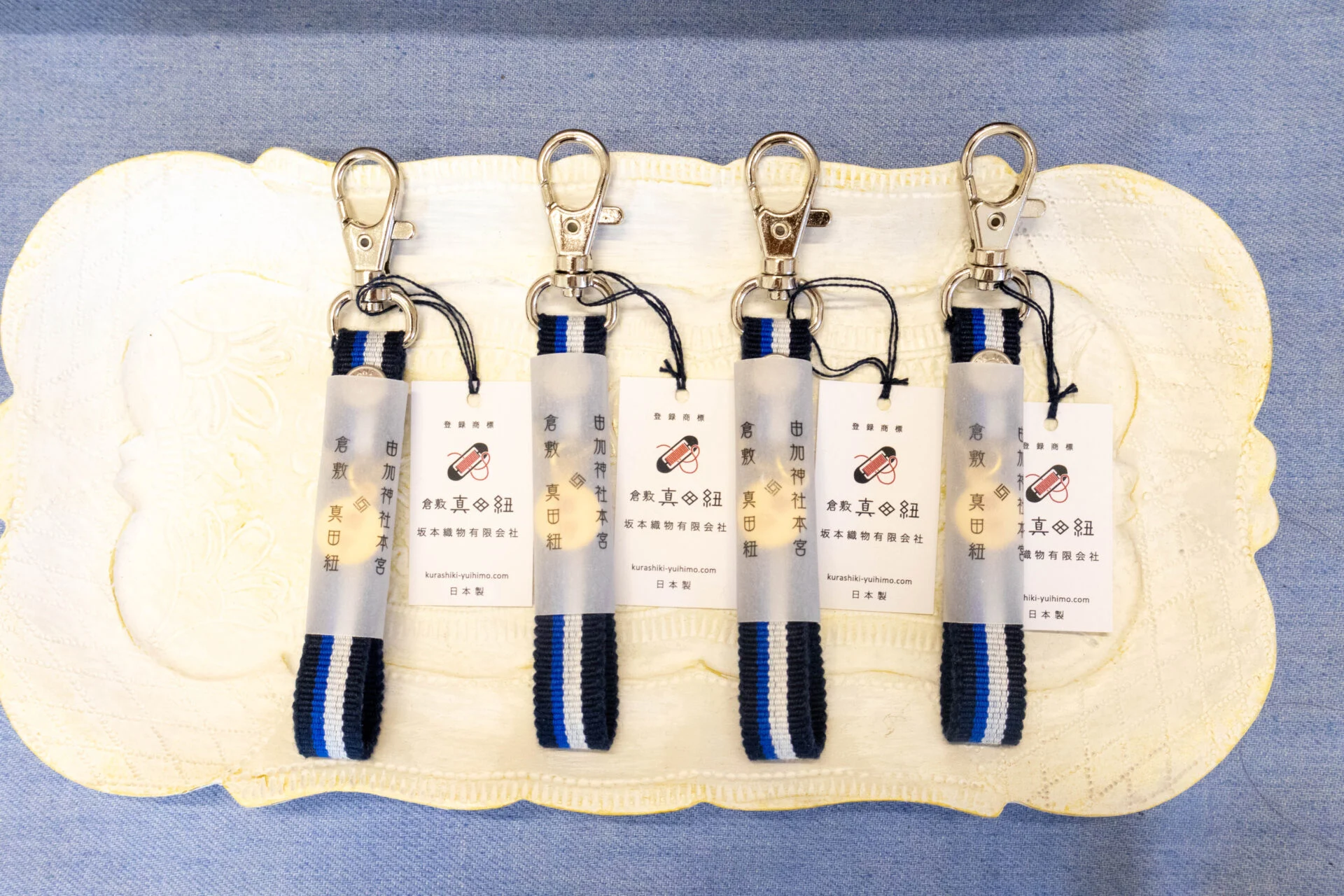
When inheriting Sanada-himo, I thought that as a woman, the value of being able to create my own patterned Sanada-himo might be in demand among women. While mass-producing the same pattern is certainly more efficient, I believed that being able to weave a variety of patterns in small lots would allow us to deliver Sanada-himo to more people.
Currently, I am grateful to receive requests not only from companies but also from artists and designers.
Can you tell us about your future prospects?
Sakamoto
I want to properly PR the existence of Sanada-himo to people outside the prefecture and overseas.
In the future, I would like to create Sanada-himo items that can be used by people overseas. While there are existing items that bring joy, I want to push myself a little further.
In order to deliver Sanada-himo to more people, I want to work hard together with my son, who is my successor.
Conclusion
Hearing Sakamoto's passionate thoughts made me realize that the creator is the biggest fan. After the interview, I felt that I liked Sanada-himo even more.
Because Sakamoto Textile prioritizes Sanada-himo, I believe they can challenge themselves to create new items while valuing tradition.
In order to preserve traditional products, the creators must also ensure that they can continue their activities as a business. I think the conflicts that arise in that process can be overcome because of their love for it.
I want to support Sakamoto Textile's Sanada-himo in the future, so I will try to pick it up whenever I see it.
Article about Japan Heritage in Kurashiki City
Data of Sakamoto Textile Co., Ltd.
| Organization Name | Sakamoto Textile Co., Ltd. |
|---|---|
| Industry | Manufacturing and sales of Sanada Himo and narrow woven textile products |
| Representative Name | Sakamoto Koji |
| Year Established | 1970 |
| Address | 3-8-37 Kojima, Kurashiki City, Okayama Prefecture |
| Contact | 086-477-6340 |
| Website | Sakamoto Textile Co., Ltd. |