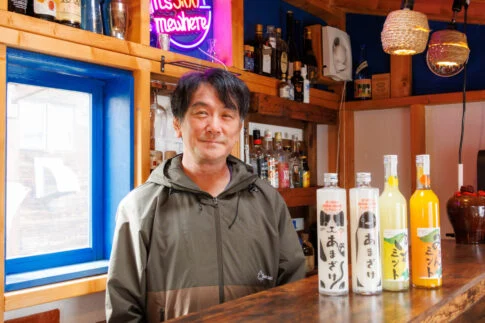
Interview with Shimozawa Takashi, the Assistant Priest of Yuga Shrine Honmiya
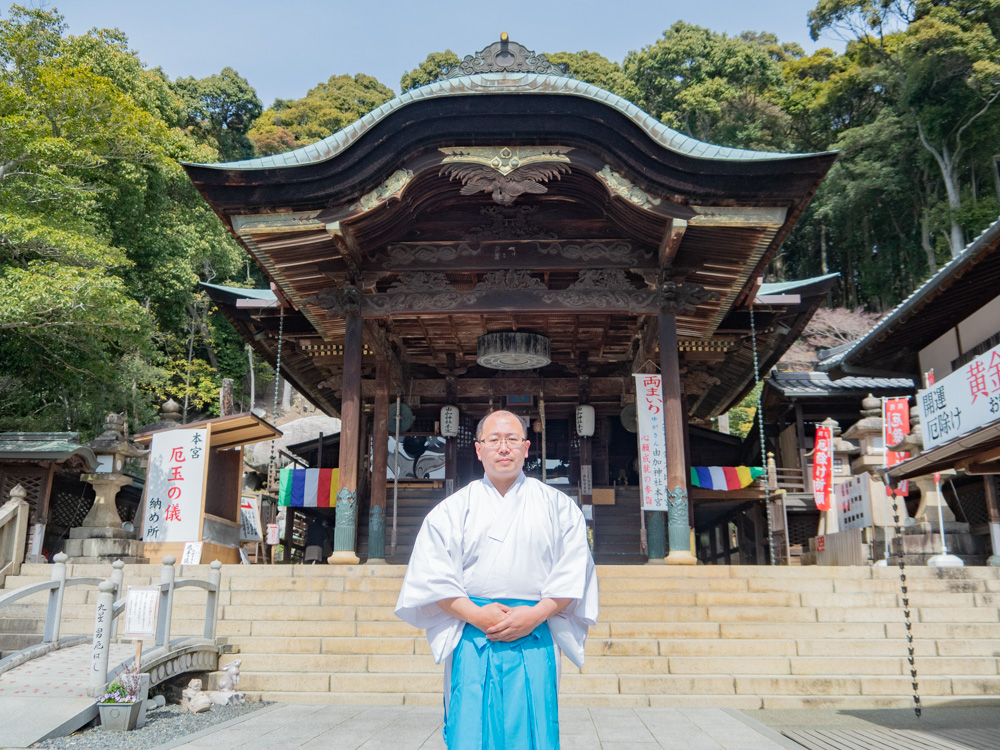
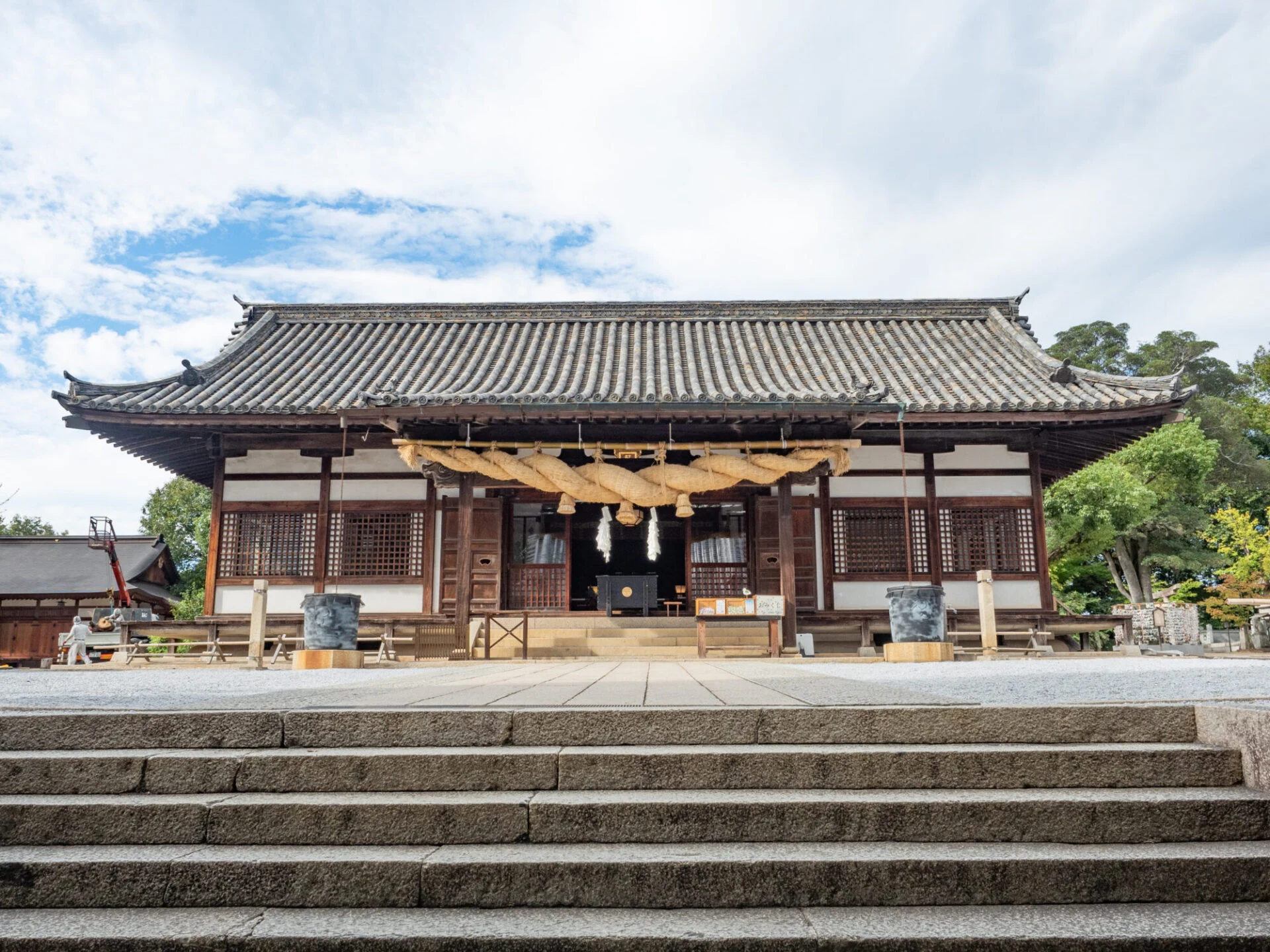
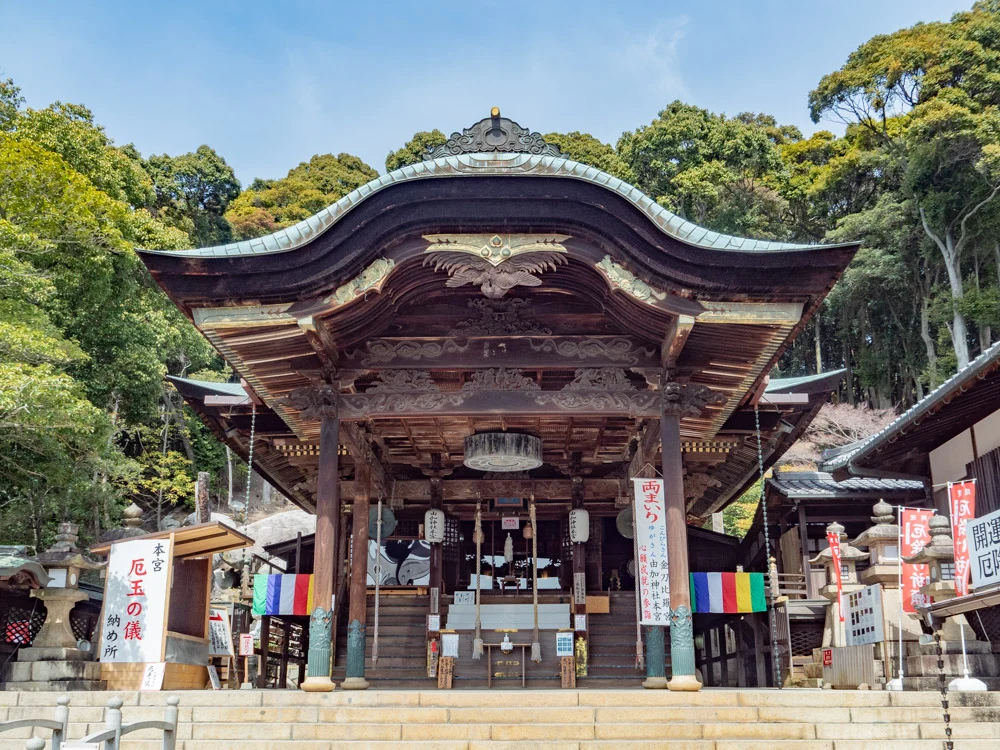
Yuga Shrine Honmiya has a long history and attracts many visitors.
I spoke with Assistant Priest Shimozawa Takashi about the background of the popular "Bizen-mamori" amulet.
This interview is based on the initial coverage conducted in March 2022.
The "Bizen-mamori" amulet created in collaboration with traditional crafts
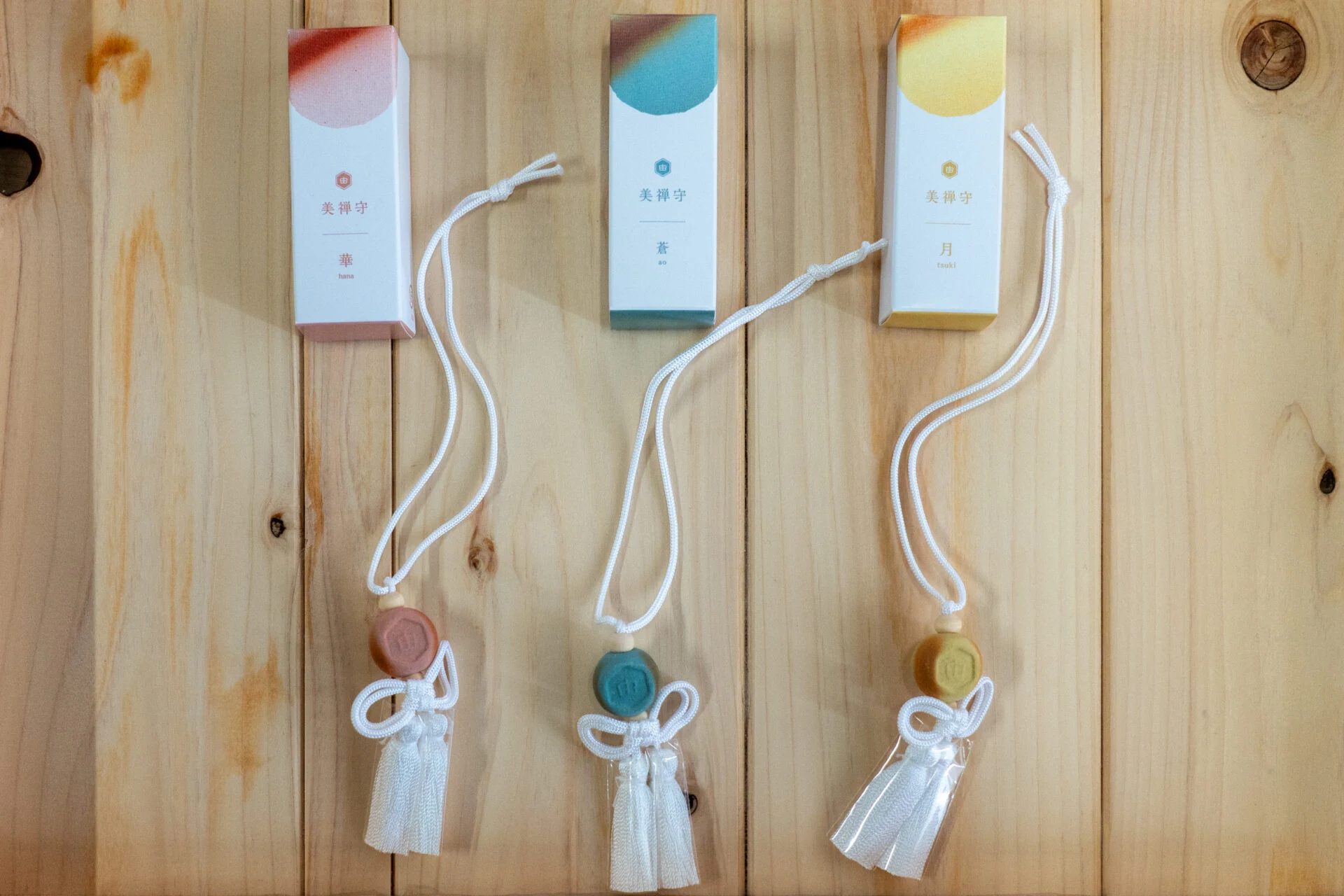
I hear that the "Bizen-mamori" is popular, but I would like to know the background of its creation.
Shimozawa (no honorifics)
We started distributing the Bizen-mamori in December 2021.
Since it is an amulet made using Bizen pottery, a traditional craft representative of Okayama Prefecture, I believe it has been crafted to reflect the local charm.
Moreover, Yuga Shrine Honmiya is famous for its Bizen pottery torii gate and lion, so there is also a connection through Bizen pottery.
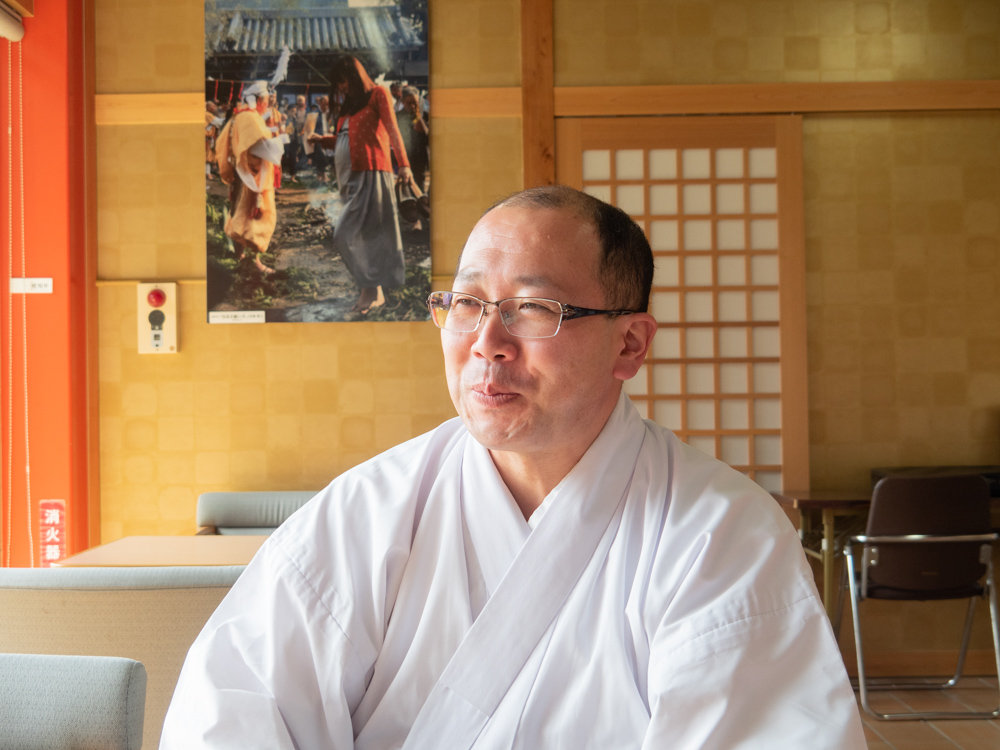
Since you started distributing the Bizen-mamori, how has the response been from visitors?
Shimozawa
The Bizen-mamori has been very well received, and in the beginning, it would sell out quickly, causing some delays for visitors.
Due to the nature of being made from Bizen pottery, it was difficult to prepare them immediately, but we have since managed to distribute them with some leeway.
However, depending on the situation, there may be times when we cannot distribute them immediately, so we would appreciate your understanding in that regard.
The Bizen-mamori has the benefit of disaster prevention.
Since the outbreak of the novel coronavirus in 2020, we hope that the power of the Bizen-mamori will lead to an early end to the pandemic and bring brightness to everyone.
Have there been any other collaborations or interesting initiatives?
Shimozawa
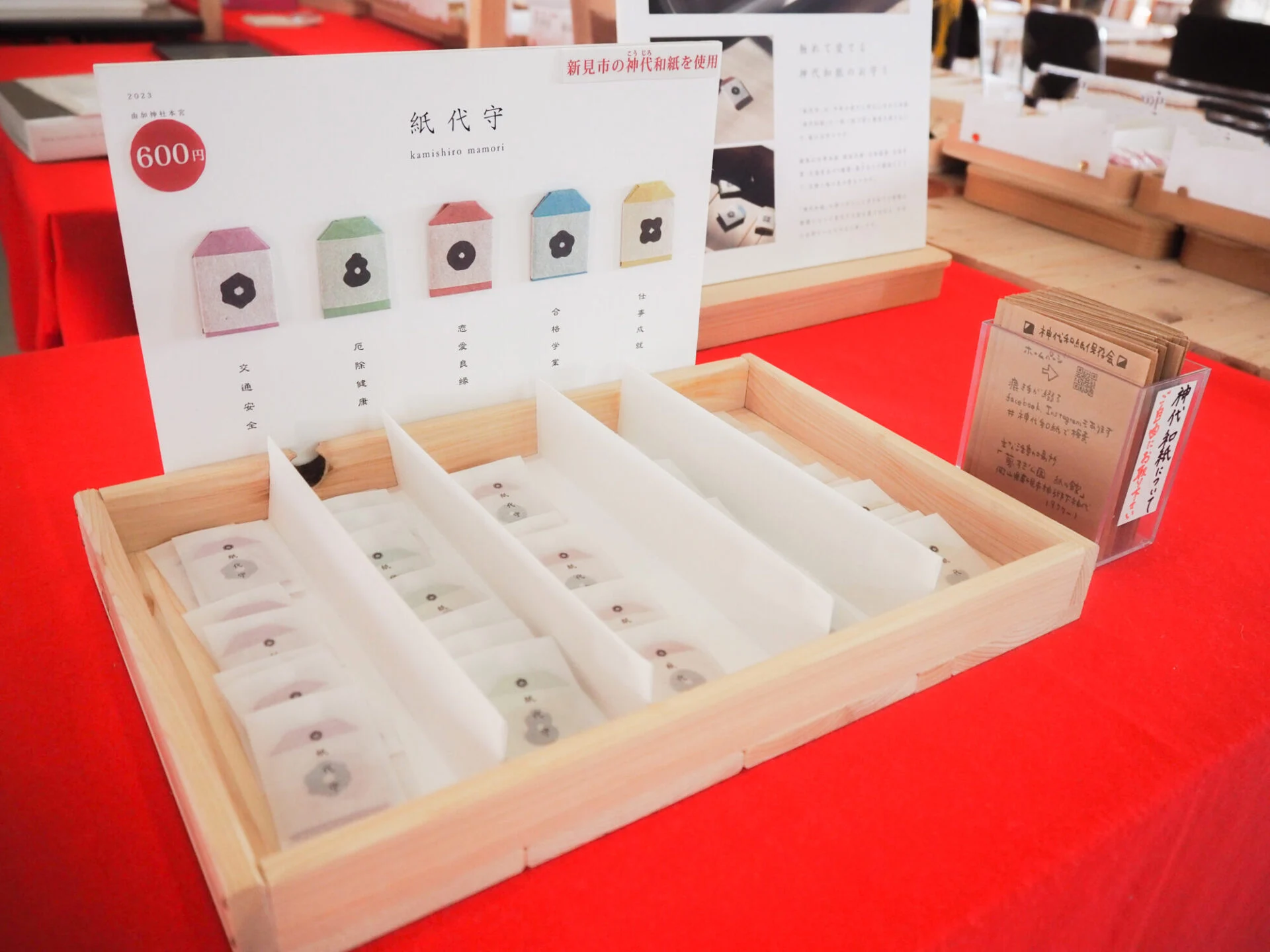
We also have a matchmaking amulet made using the local traditional craft of Sanada-himo, which has been well received.
Additionally, although we are not currently distributing it, there used to be a Octopus Amulet for success prayers, inspired by the octopus deity at Yuga Shrine Honmiya, which was popular.
Octopus is called "Octopus" in English.
It also plays on the word "pass" (as in passing an exam) when placed on a desk (笑).
Becoming the "Head Temple for Disaster Prevention" through the "Ryo-mairi" in the Edo period
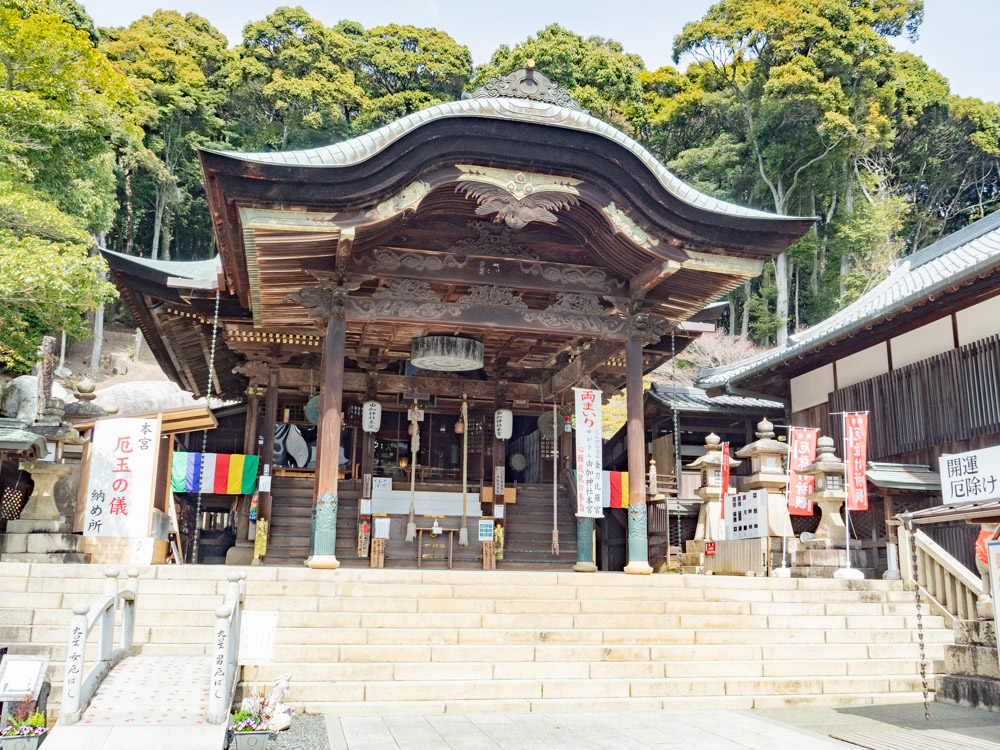
Yuga Shrine Honmiya is called the "Head Temple for Disaster Prevention," but how did it come to be so?
Shimozawa
Yuga Shrine Honmiya has Teoki-honbu no Mikoto and Hiko-sato no Mikoto as its main deities.
Teoki-honbu no Mikoto and Hiko-sato no Mikoto are the gods of architecture and skills.
However, during the Edo period, as the "Ryo-mairi" between Yuga Mountain and Kotohira Shrine became popular, the gods of safe travel, Kaminao no Mikoto and Oinao no Mikoto, were enshrined.
Kaminao no Mikoto and Oinao no Mikoto are gods of disaster prevention.
Since then, Yuga Shrine Honmiya has seen an increase in visitors praying for disaster prevention and, subsequently, for protection from misfortune, leading to it being referred to as the "Head Temple for Disaster Prevention".
Yuga Shrine Honmiya has 52 branch shrines nationwide
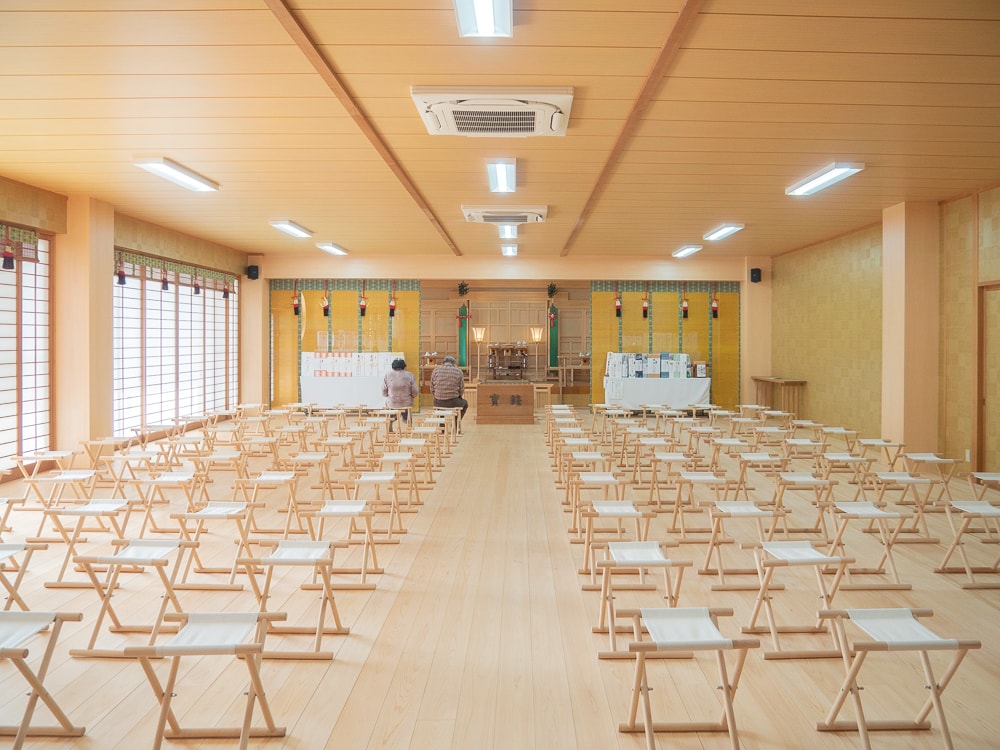
Yuga Shrine Honmiya is called "Honmiya," but how many branch shrines are there?
Shimozawa
So far, we have confirmed 52 branch shrines nationwide through research of documents and other sources.
There may be more that we have not been able to verify in the literature.
Most of the branch shrines are located in western Japan, particularly in the Chugoku, Shikoku, Kinki, and northern Kyushu regions. The westernmost is in Shimabara, Nagasaki Prefecture, and the easternmost is in Nara City, Nara Prefecture. There is also a Yuga Shrine in Gunma Prefecture, but we have not yet confirmed it.
Nearby, there are branch shrines in Higashizuka in Mizushima, Shimotsui in Kojima, and Tatebajima (commonly known as Whale Island) off the coast of Kojima.
Before the pandemic, we used to conduct a "Yuga Shrine Pilgrimage" to visit branch shrines across the country.
This was planned to connect the ties between Yuga Shrines by visiting each one.
The reopening of Ryo-mairi made easier by the Seto-Ohashi Bridge
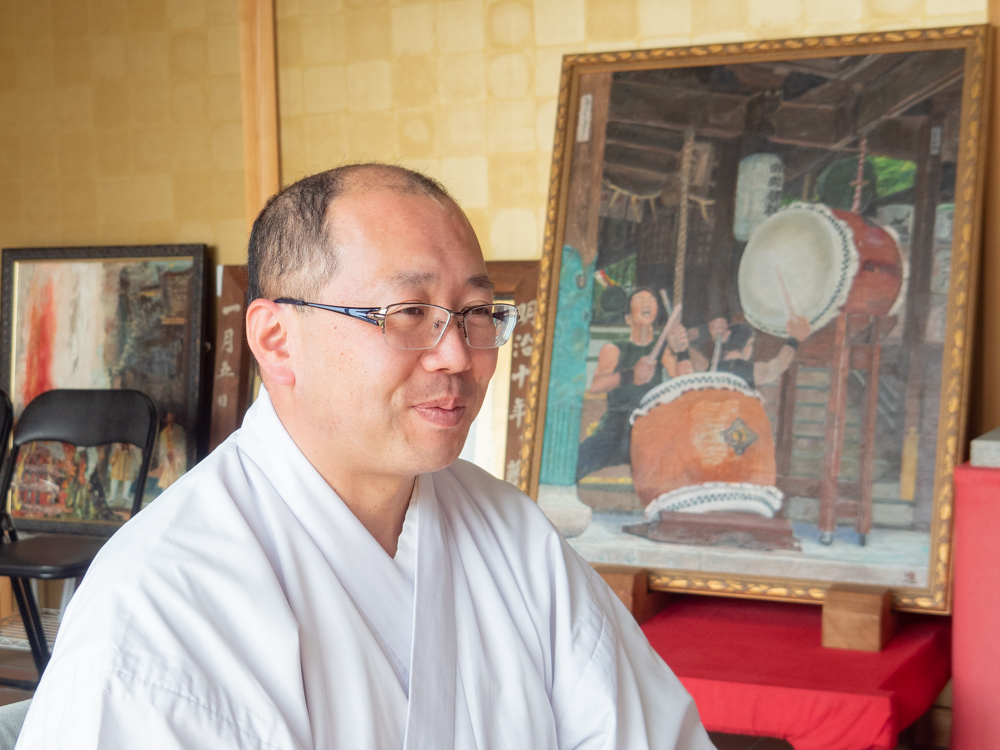
If you have a final message, please share it.
Shimozawa
The Ryo-mairi, which was popular in the Edo period, had once declined.
However, with the opening of the Seto-Ohashi Bridge, travel between Honshu and Shikoku has become easier, leading to an increase in people participating in Ryo-mairi.
There are individuals and companies from as far away as Hiroshima Prefecture and Aichi Prefecture who come every year for Ryo-mairi.
Visitors to Yuga Shrine Honmiya come with various wishes, including disaster prevention, success prayers, and wishes for children.
Since you have made the effort to visit the top of Yuga Mountain, I hope you can receive the benefits and return home with them.
Please feel free to visit without being too formal.
Yuga Mountain is also part of a national park, so it is rich in nature. You can enjoy cherry blossoms in spring and autumn leaves in fall.
I hope you can visit Yuga Shrine Honmiya and refresh both your mind and body.
"Ryo-mairi" at the Head Temple for Disaster Prevention, Yuga Shrine Honmiya
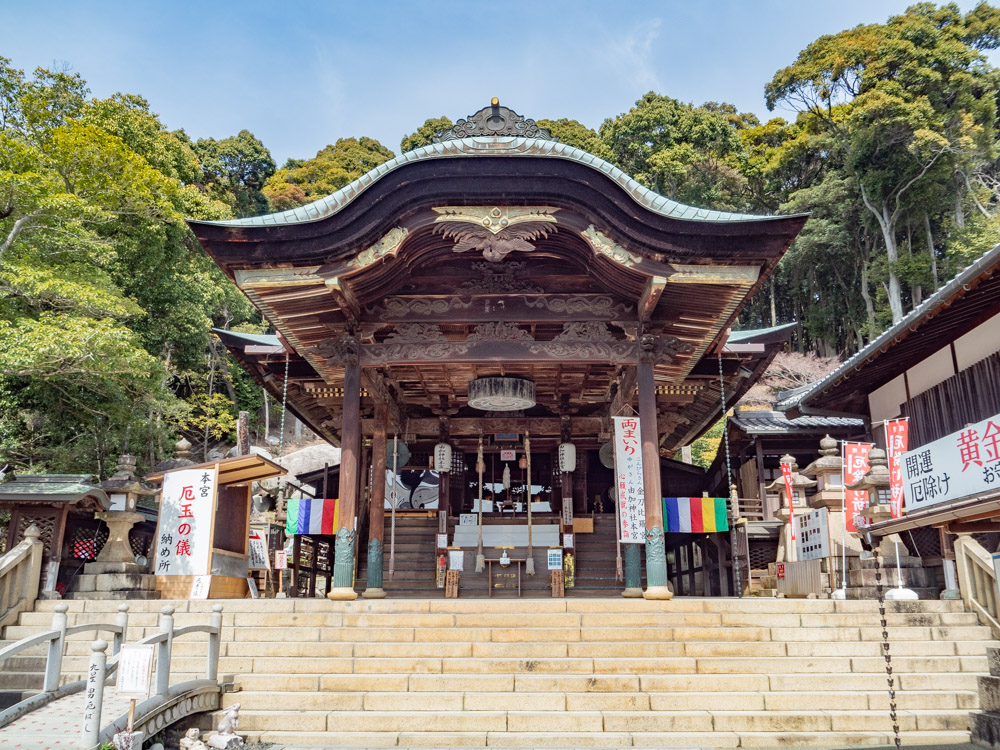
Yuga Mountain has a long history and flourished during the Edo period with the "Ryo-mairi" to Kotohira Shrine.
It is about 13 km southeast from the Bikan Historical Area to Yuga Mountain. When visiting Kurashiki, why not take a trip to Yuga Shrine Honmiya and pay your respects?
Also, please be sure to get a Kurashiki-style goshuincho (stamp book) and the Bizen pottery amulet, Bizen-mamori.
Article about Japan Heritage in Kurashiki City
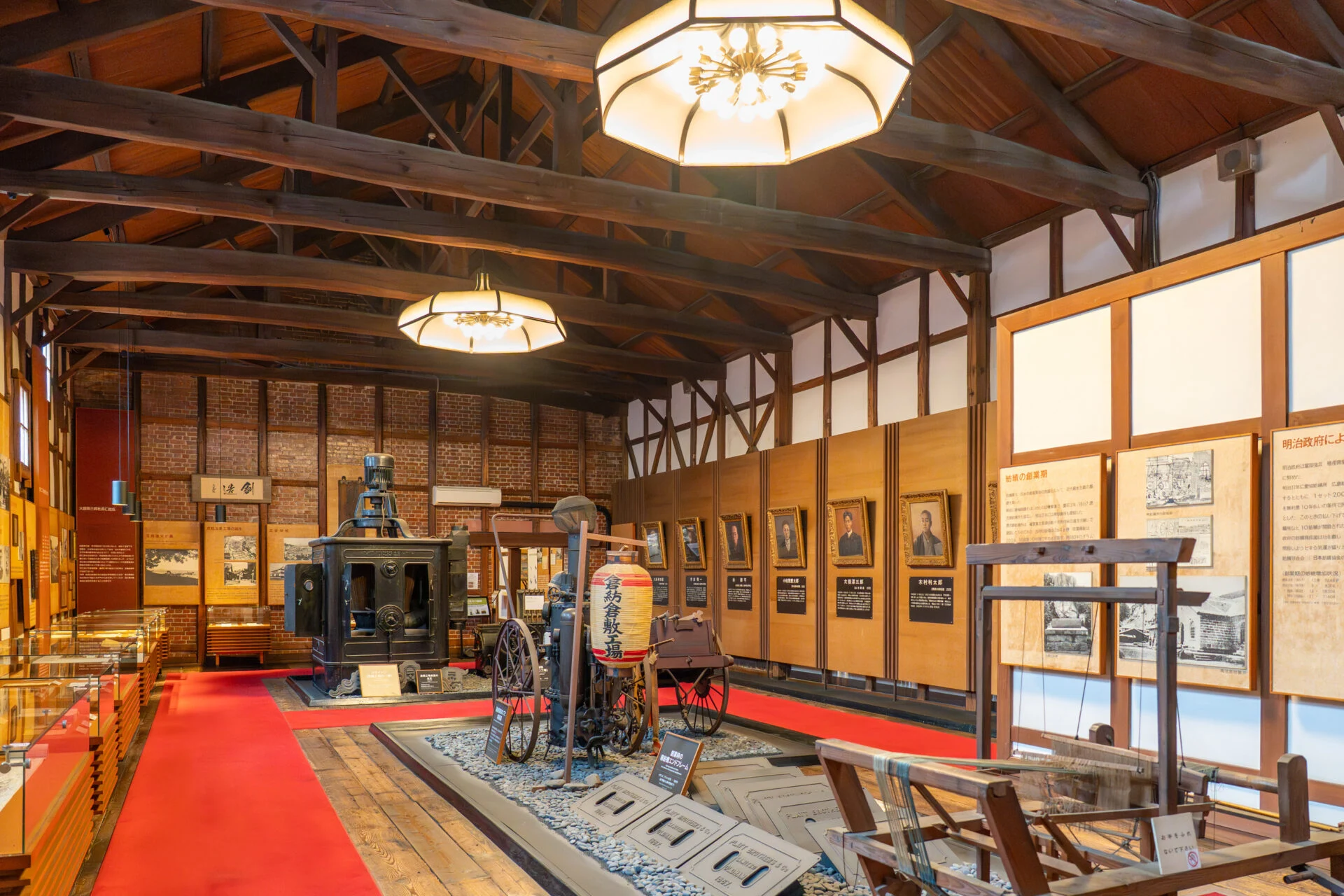
Data on Yuga Shrine Honmiya
| Name | Yuga Shrine Honmiya |
|---|---|
| Alternate Name | Yuga Daigongen |
| Location | 2852 Yuga-yama, Kojima, Kurashiki City, Okayama Prefecture |
| Contact | 086-477-3001 |
| Parking | Available There are first and second parking lots |
| Deities | Taokihooinomikoto Hikosashirinomikoto Kaminaohinomikoto Oonohinomikoto Principal Buddha: Amida Nyorai, Yakushi Nyorai |
| Benefits | Warding off evil Disaster prevention Traffic safety Construction and civil engineering safety Family safety Improvement of skills Increase in financial fortune Prosperity in business Marriage and love fulfillment Childbirth and prosperity of descendants Examination success and more |
| Goshuin (Initial Offering Fee) | Available (300 yen) |
| Visiting Hours | Anytime |
| Reception Hours | 9:00 AM - 4:00 PM |
| Closed Days | None |
| Admission Fee | None |
| How to Pay Admission and Initial Offering Fees |
|
| Restroom | Western-style toilet |