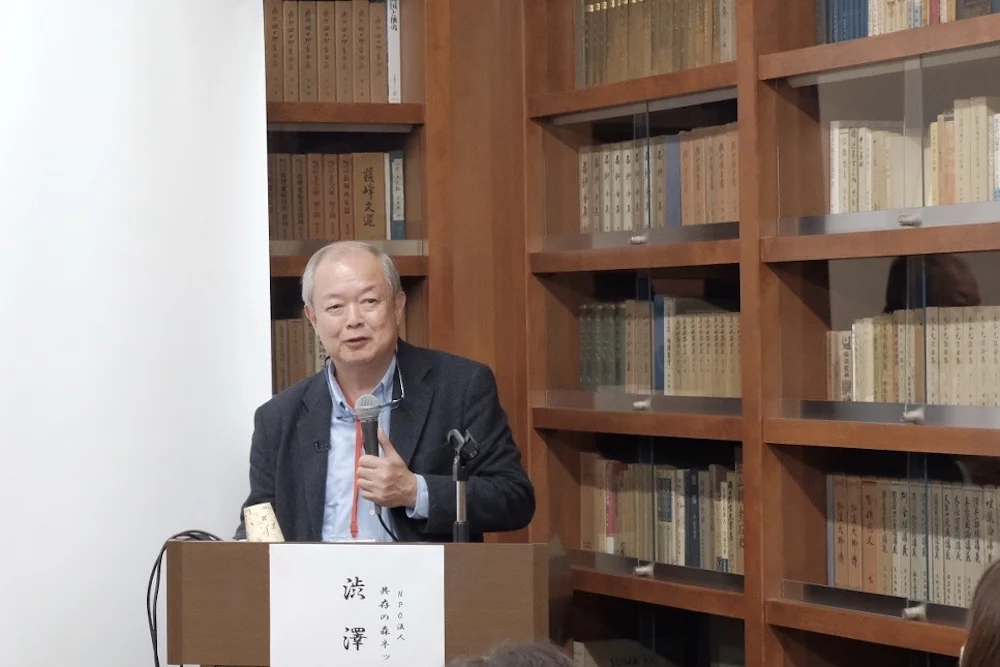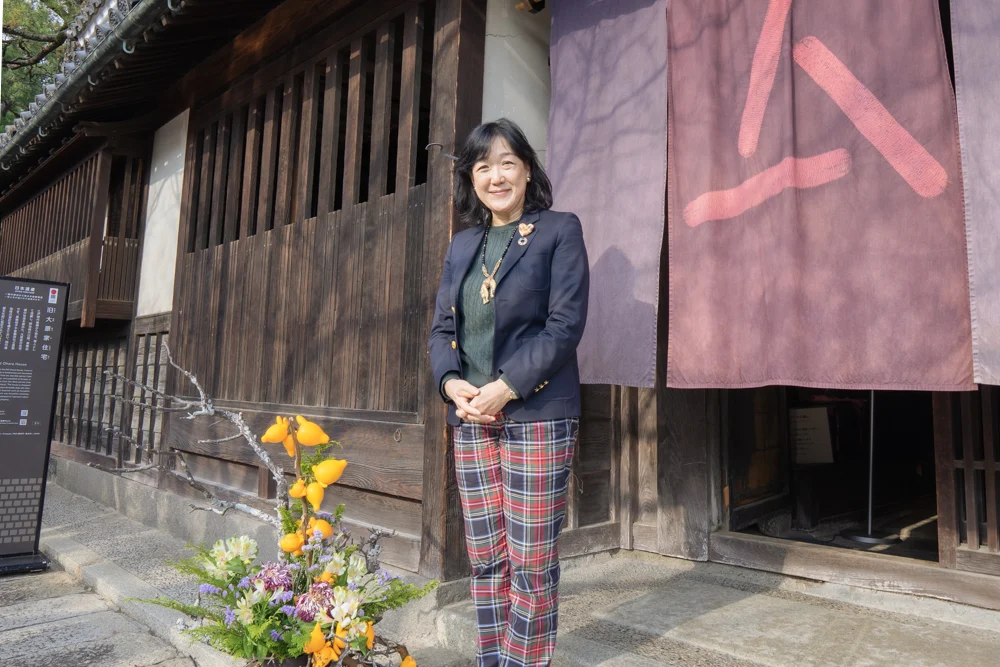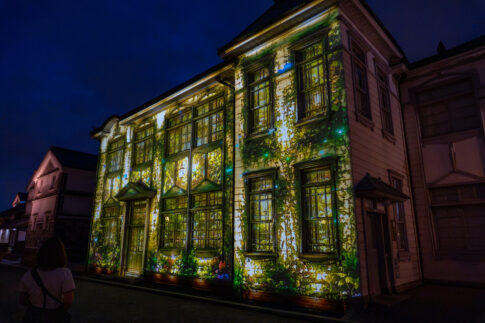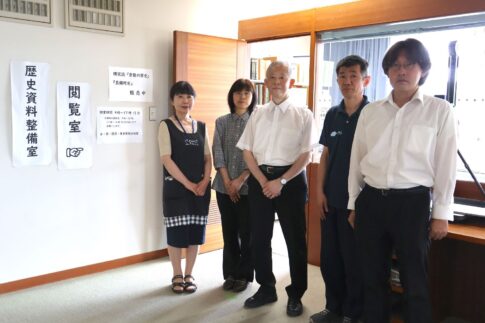
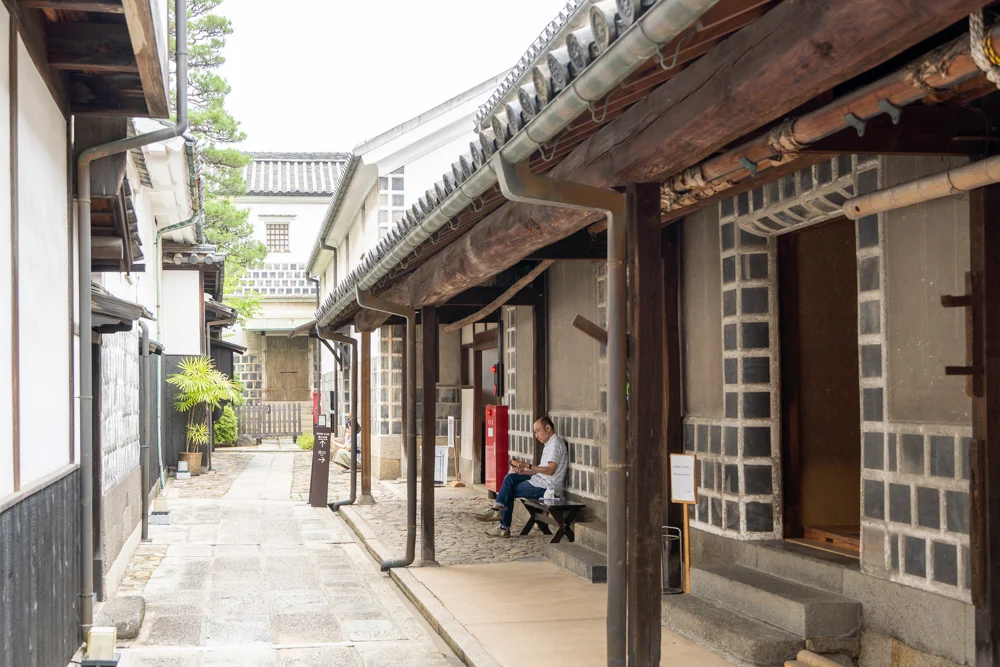
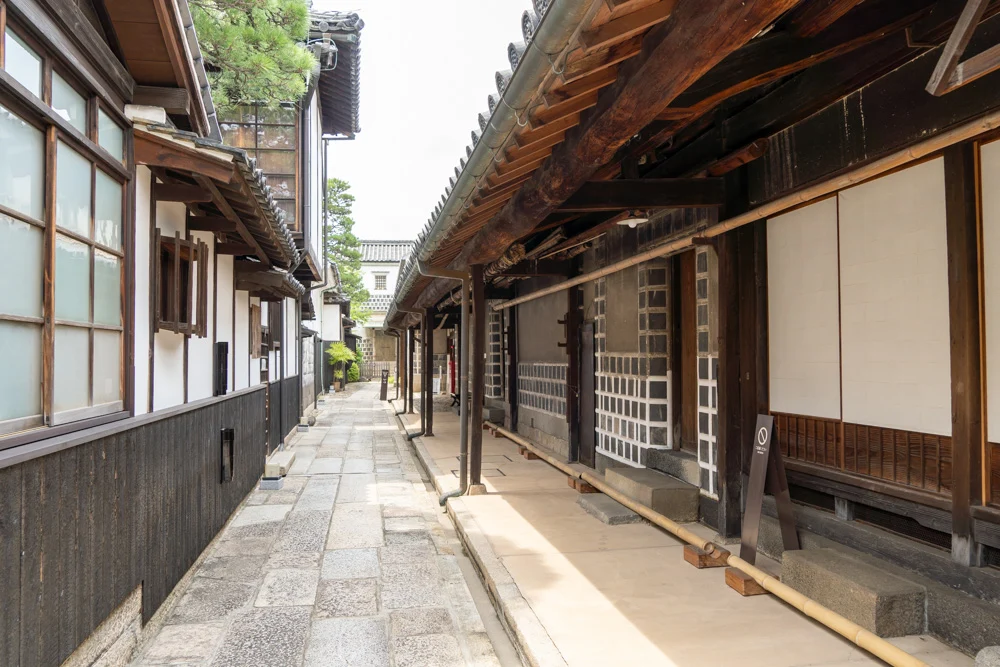
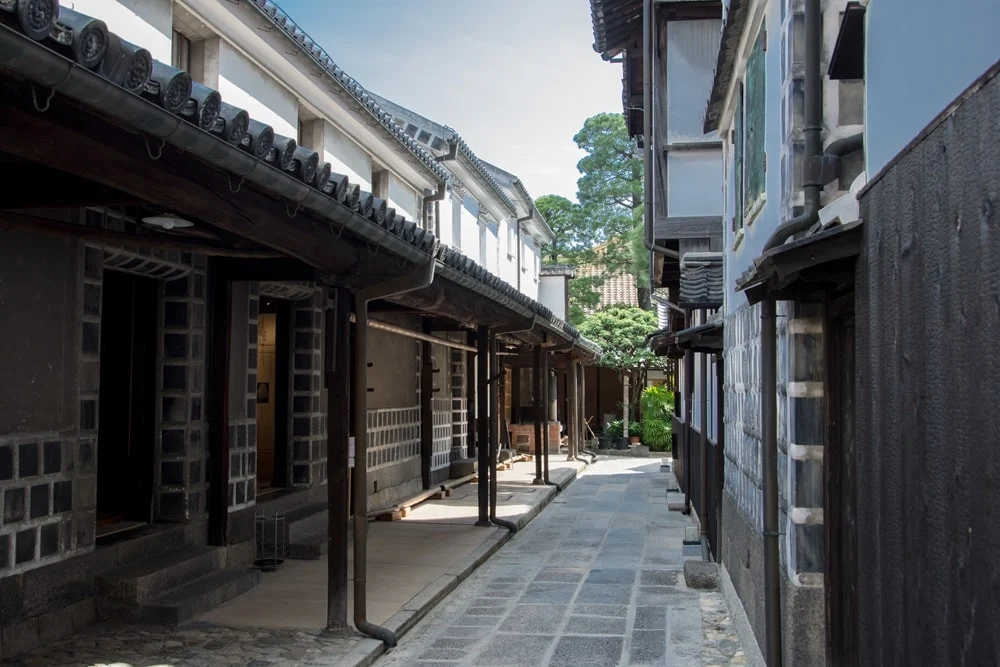
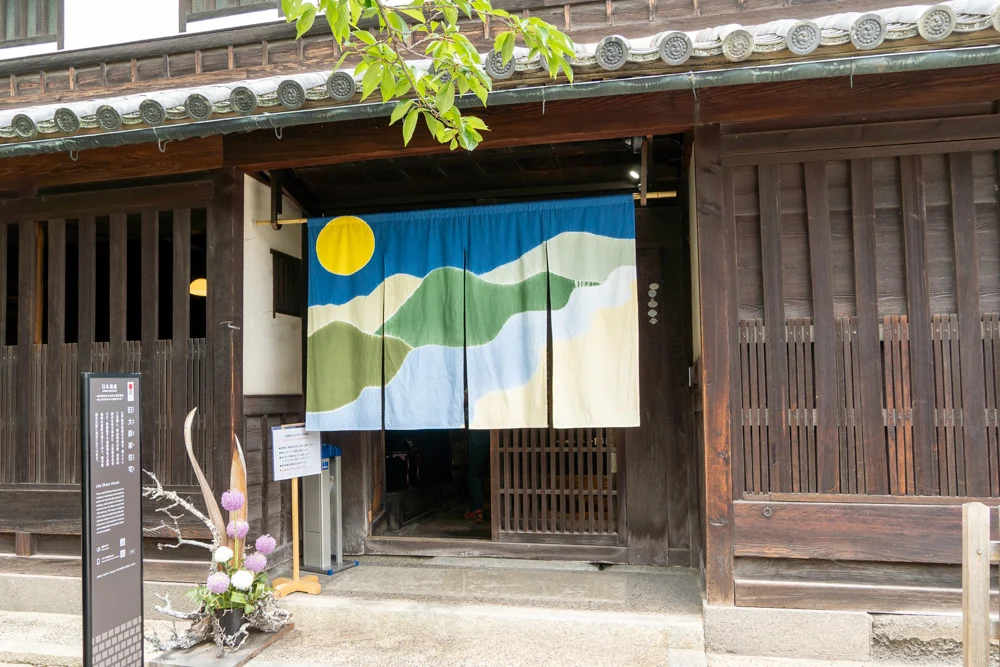
Ohara House Katalyzer, a nationally designated important cultural property located in the Bikan Historical Area of Kurashiki.
As a place for "discussing the present and future," we are also focusing on educational programs.
One of the programs organized by Ohara House Katalyzer is the "Kurashiki Mirai K Juku."
The 14th session was held as part of the "Takahashi River Basin Future Career Education Seminar" commissioned by Kurashiki City.
The theme was "High School Attraction Guide 1 through Regional Collaboration."
Participants from various industries and age groups passionately discussed the future of education.
This report covers the seminar "14th Kurashiki Mirai K Juku - High School Attraction Guide 1 through Regional Collaboration," held on June 27, 2020 (Saturday).
What is the "Takahashi River Basin Future Career Education Seminar"?
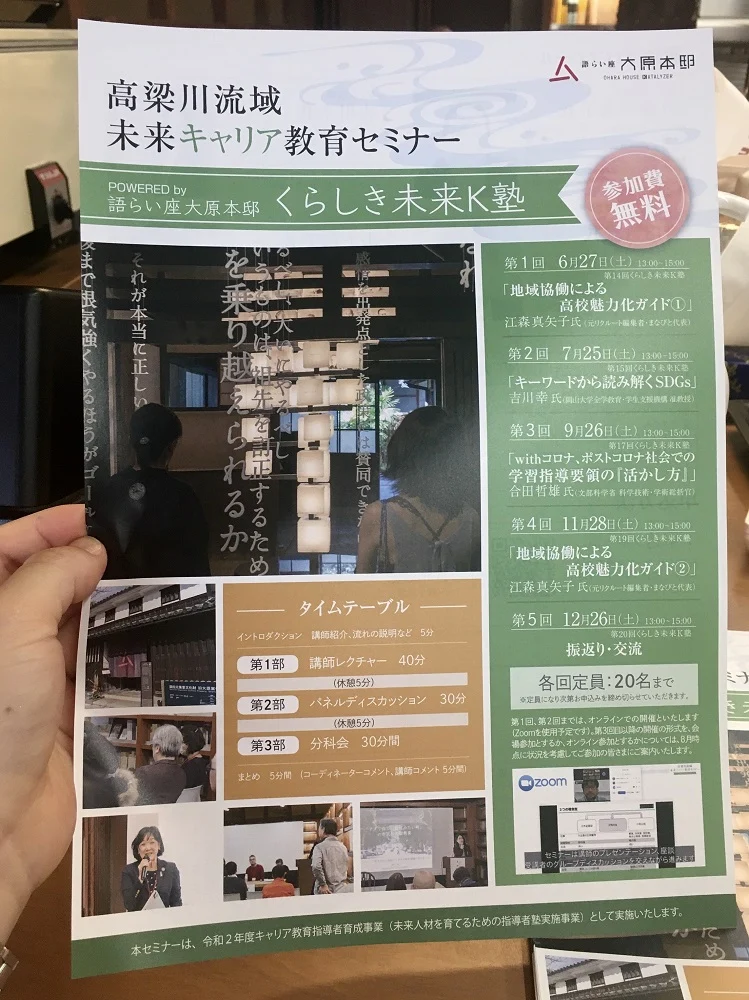
The "Kurashiki Mirai K Juku" has been ongoing for about two years at Ohara House Katalyzer.
In 2020, it is also being held as the "Takahashi River Basin Future Career Education Seminar."
The "Takahashi River Basin Future Career Education Seminar" is a monthly seminar that collaborates with Kurashiki City's projects to create and support connections between teachers, businesses, and the community.
This time, it was held as the first of a series of five consecutive seminars.
The schedule for the upcoming sessions is as follows:
| Date and Time | Content | Speaker |
|---|---|---|
| July 25 (Saturday) 1:00 PM - 3:00 PM | Decoding SDGs from Keywords | Yoshikawa Sachi |
| September 26 (Saturday) 1:00 PM - 3:00 PM | How to Utilize the Curriculum in a With-Corona and Post-Corona Society | Goda Tetsuo |
| November 28 (Saturday) 1:00 PM - 3:00 PM | High School Attraction Guide 2 through Regional Collaboration | Emori Mayako |
| December 26 (Saturday) 1:00 PM - 3:00 PM | Reflection and Exchange |
Each session has a capacity of 20 people on a first-come, first-served basis. Until July, it is planned to be held in an online seminar format. (Information as of July 2020)
Overview of the 14th Kurashiki Mirai K Juku - High School Attraction Guide 1 through Regional Collaboration
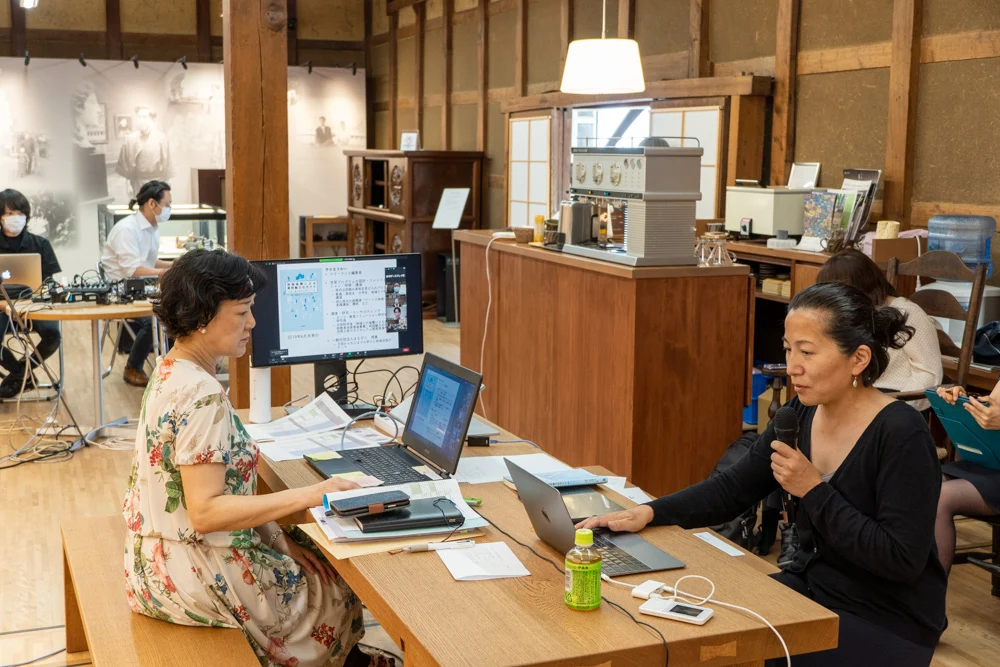
The theme of the 14th Kurashiki Mirai K Juku is "High School Attraction Guide 1 through Regional Collaboration."
The flow of the seminar was as follows:
| Format | Content | Speaker |
|---|---|---|
| Lecture | High School Attraction Guide 1 through Regional Collaboration | Emori Mayako |
| Breakout Session | (Group discussion by participants) |
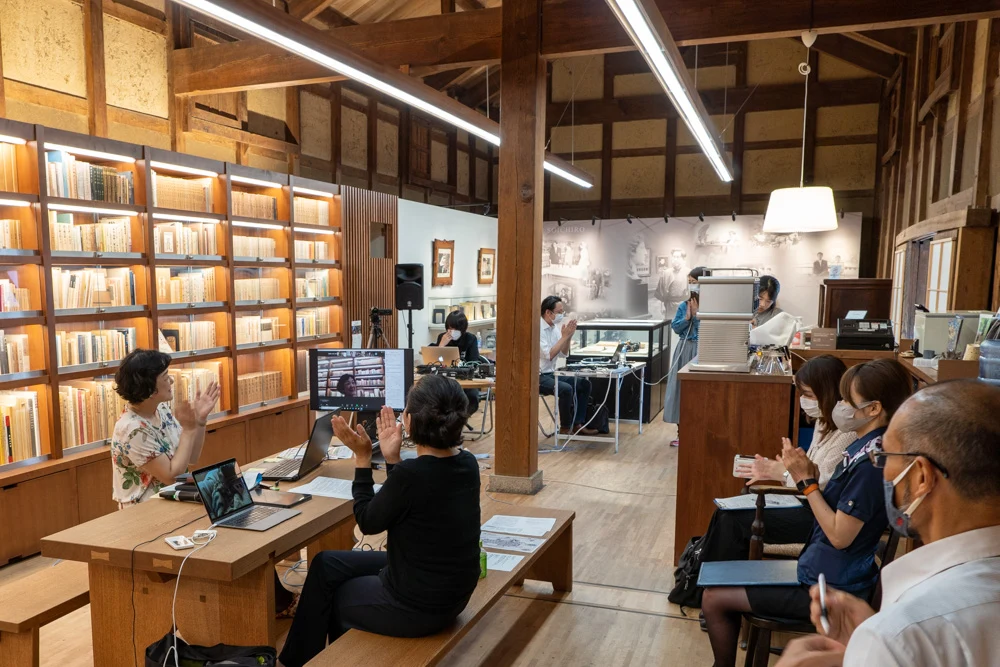
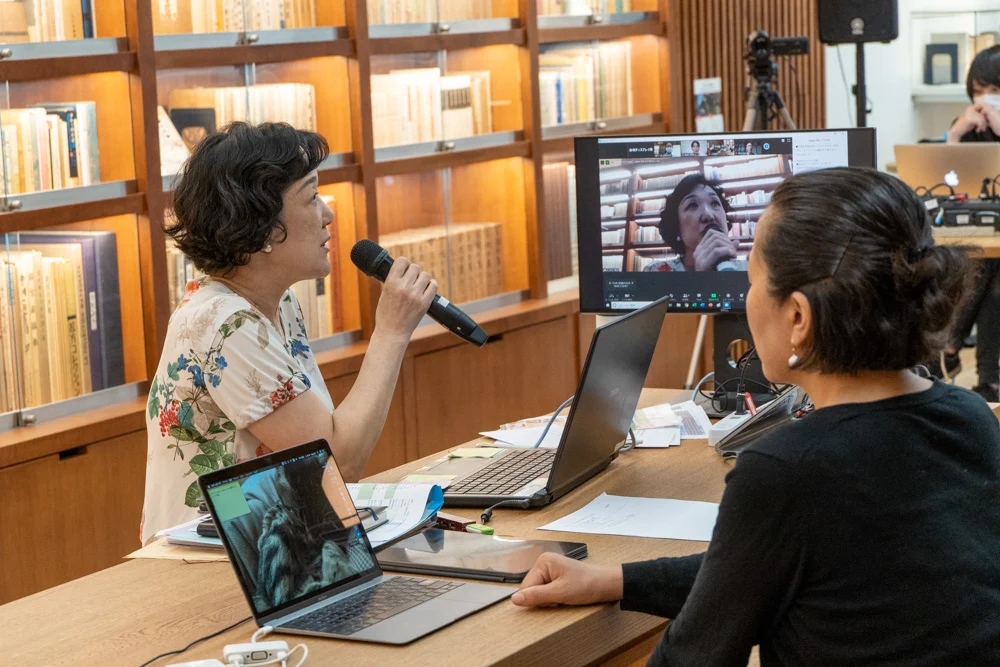
This time, due to the prevention of the spread of the novel coronavirus, participants were primarily recruited for an online seminar format.
About 20 people participated, including those involved in education, community development, and university students.
The venue was equipped with many communication devices, and participants were curious, wondering "What kind of event will this be?"
As the seminar began, comments and questions were sent, and participants engaged in online discussions, creating a richly connected seminar.
Lecture by Emori Mayako
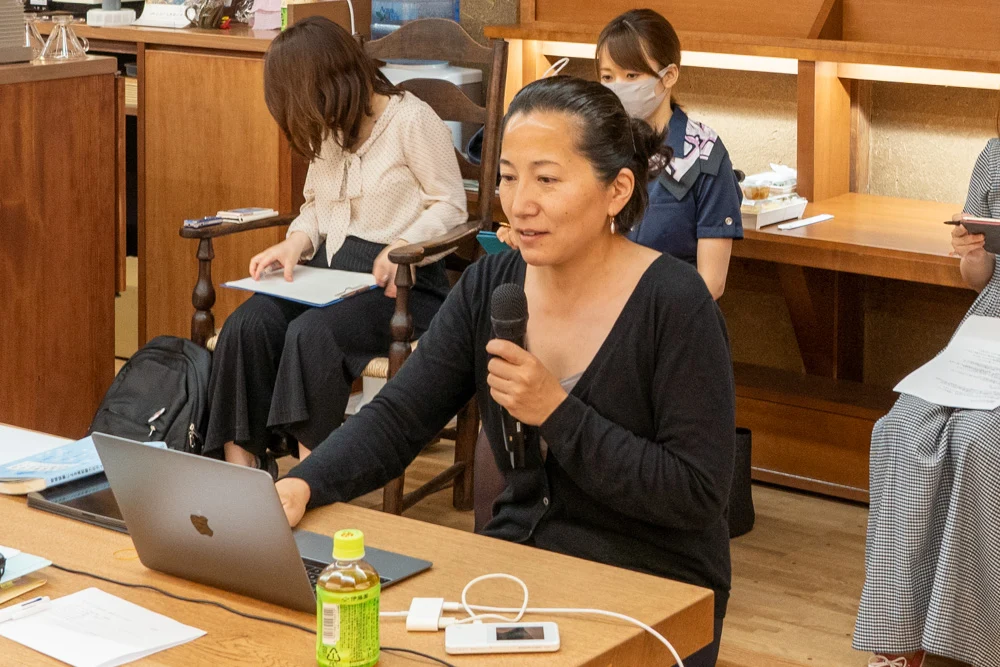
In her lecture, Emori Mayako discussed the necessity of connecting schools and communities through her background and the initiative of "High School Attraction."
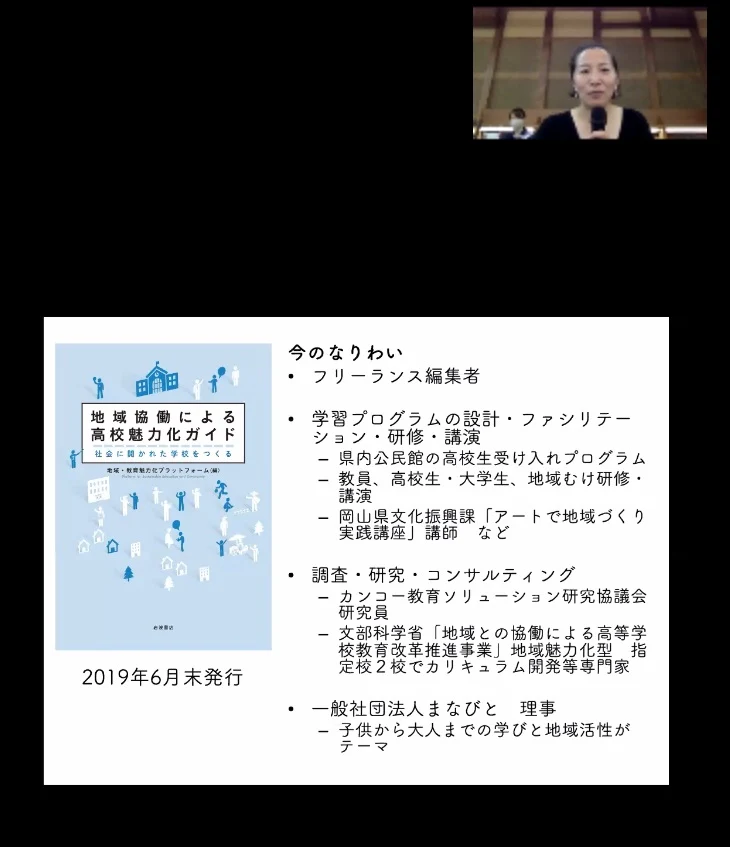
Biography of Emori Mayako
Emori Mayako has been involved in school education activities, including editing educational magazines.
In 2015, she moved to Okayama and worked as a community revitalization cooperation volunteer in Wake Town, engaging in the attraction of Okayama Prefectural Wake Shizutani High School.
She operates a "learning program linked with the local community" and serves as a coordinator connecting schools and communities.
In 2019, she established the "Manabito Association," and as of July 2020, she is active in writing, lecturing, workshops, and also works as an advisor.
Imagining Schools in 2040
At the beginning of the seminar, Emori touched on materials titled "The Future School." It was very interesting, so I will briefly introduce part of it.
This is a story about a school in 2040.
Students learn not only in the classroom but also by going out into the actual community.
They understand "how what they studied in school connects to society."
Once, the staff room only had teachers.
Now, it has become a place where diverse people, including local residents, university professors, experts, and government officials, are involved on a daily basis.
They form a team to support learning so that students can learn safely.
For students, "improving their learning, the community they live in, and their future" is a matter of course.
"This is something I wrote while imagining 'I hope schools will be like this in the future!'" Emori explained.
Emori envisions a school open to the community.
Are you aware that we are currently changing towards such a future?
What is "High School Attraction"? - Learning that can only be gained here

"High School Attraction" means making schools more attractive with the entire community.
It started in 1990 at Shimane Prefectural Oki Island Front High School.
The trigger was that Oki Island Front High School, which was the only school on the island, faced the risk of closure due to depopulation.
Fearing that "if this continues, people will flow out, and the island will disappear," the island began to tackle "High School Attraction" to ensure its survival.
One of the attractions, the "learning program linked with the local community," conducts classes that identify and solve unique challenges of the island.
This is the moment when learning that can only be gained on this island was born.
As a result, it became a popular school that made students nationwide want to attend.
The population living on the island increased, and it became more vibrant than before.
From the success of Oki Island Front High School, it was learned that learning within the community leads to better growth for students.
Following this success, "High School Attraction" spread to schools across the country.
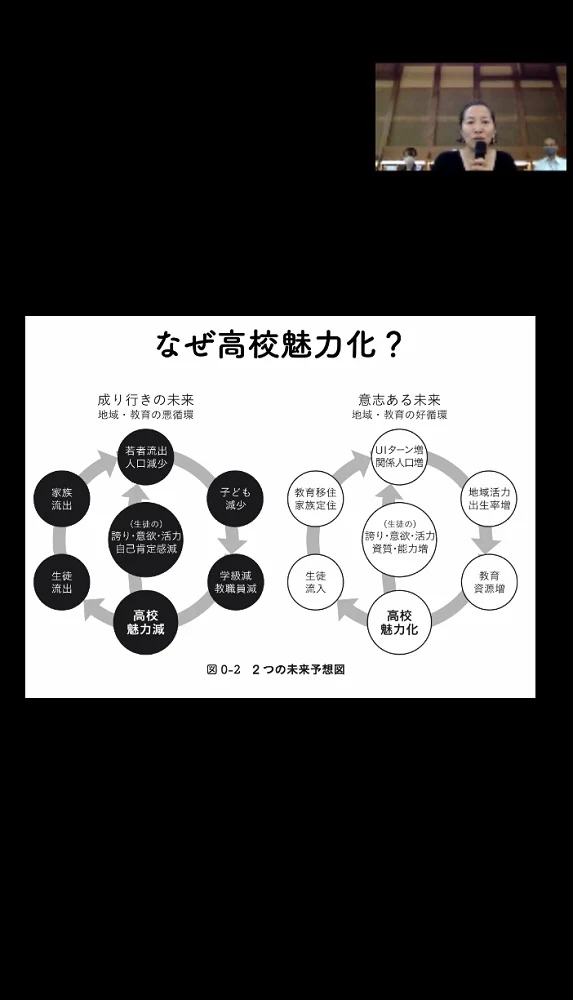
Why is it necessary to work on "High School Attraction" now?
Emori explains that it is because creating a good cycle between schools and communities emerges from "High School Attraction."
The "practical learning that is useful in society" gained within the community enhances students' motivation and abilities, ultimately improving their vitality.
When the community collectively nurtures students, more individuals who think "I want to make the community even better!" will emerge.
The charm of schools and communities creates a cycle that continues into the future.
Actually, Okayama Prefecture is one of the prefectures where collaboration between schools and communities is progressing.
Examples representing community-based "High School Attraction" include the "Maniwa Attraction Project" at Okayama Prefectural Maniwa High School and the "Town Project" at Okayama Prefectural Kurashiki Minami High School.
Yoko Yamashita, the director of Ohara House Katalyzer and also the seminar coordinator, was originally the principal of these high schools.
At Maniwa High School, she realized that experiential learning teaches important lessons as a person by observing students learning the value of life through livestock industry experiential learning.
Connecting Schools and Communities

"High School Attraction" cannot be achieved without collaboration between schools and communities.
The "learning program linked with the local community" is the core of "High School Attraction."
However, from her experience as a coordinator connecting schools and communities, Emori states that collaboration is not easy.
Emori emphasized the importance of regular discussions between schools and communities, including students.
It is essential for schools and communities to cooperate with a unified intention, without being caught up in their immediate interests.
Breakout Session

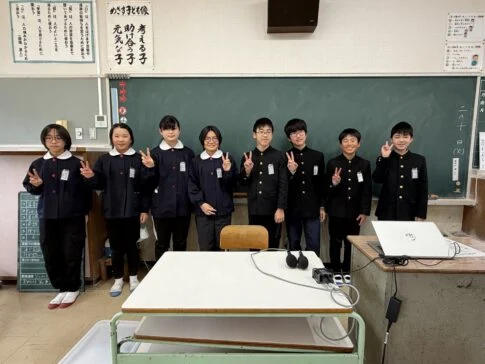
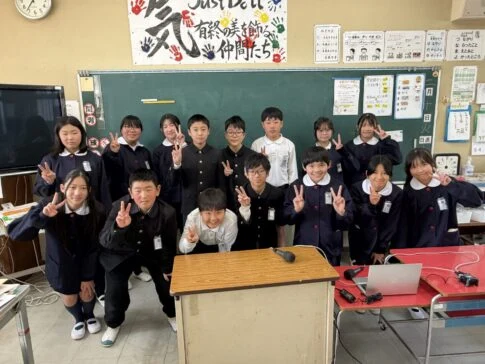
In the breakout session, participants were divided into six groups of several people each for discussion.
There was no fixed theme; after the first half of the lecture, participants proposed topics they wanted to discuss.
Those attending in person also engaged in discussions with online participants through their smartphones during the session.
After about 40 minutes of discussion in each group, opinions were shared with the entire assembly.
What surprised me was that younger generations, such as university students, had extremely specific opinions.
Some participants were graduates of schools that are working on "High School Attraction."
Perhaps because of that, they seemed to have a clear vision regarding "High School Attraction" linked with the community and understood the challenges ahead.
For example, one opinion was that "we should actively promote exchanges between high schools and share the learning and emotions gained through community engagement."
Another pointed out that "currently, the number of students who can learn within the community is limited. We should create a matching system to ensure equal opportunities."
The solid statements made by the younger participants caught the attention of the adults present.
People of different ages and positions seriously considered what they could do and exchanged opinions.
Conclusion
In the 14th Kurashiki Mirai K Juku, we learned about the necessity of connecting schools and communities.
I believe that "High School Attraction" is an initiative that supports the future society.
- To nurture students with the entire community
- Students will grow up and give back to the community they live in
This is the starting point of a positive cycle that continues without interruption.
Additionally, during the seminar, I was pleasantly surprised to find that "there are so many people who think about the future of education as 'their own matter.'"
The future of education is surely bright
I felt this more strongly than before participating in the seminar.
The "Kurashiki Mirai K Juku" will continue to hold seminars related to education. This is truly a place for dialogue connecting schools and communities, as Emori emphasized the necessity of.
"I might not be able to keep up..." You don't need to brace yourself; it's okay.
This is a widely open meeting that anyone, even a "regular person who is not an expert like the author," can easily participate in.
For information on future meetings, please check the website of the Takahashi River Basin Future Education Seminar.
Articles about Ohara House Katalyzer
Data for the 14th Kurashiki Future K Seminar / 1st Takahashi River Basin Future Career Education Seminar
| Name | 14th Kurashiki Future K Seminar / 1st Takahashi River Basin Future Career Education Seminar |
|---|---|
| Date | June 27, 2020 (Saturday) 1:00 PM - 3:00 PM |
| Location | 1-2-1 Chuo, Kurashiki City, Okayama Prefecture |
| Participation Fee (Tax Included) | Free |
| Homepage | Takahashi River Basin Future Career Education Seminar |