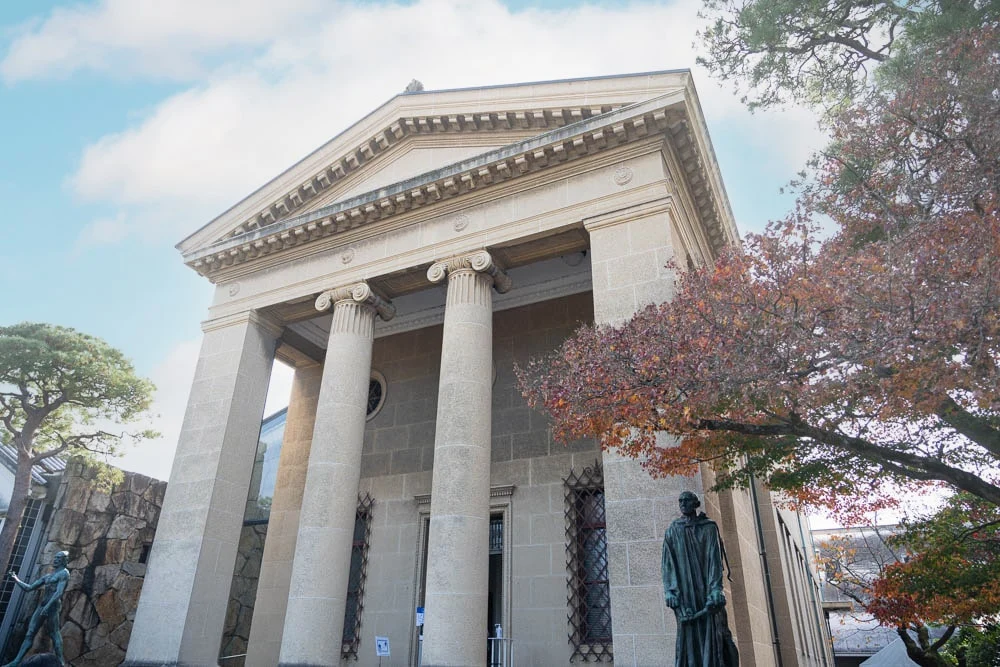
In 2020, the Ohara Museum of Art celebrated its 90th anniversary.
However, due to the impact of the COVID-19 pandemic, it was forced to close temporarily for as long as 136 days.
As of December 2020, the number of visitors is still limited to avoid crowding.
With the drastic decrease in visitors, the museum is in a financially difficult situation.
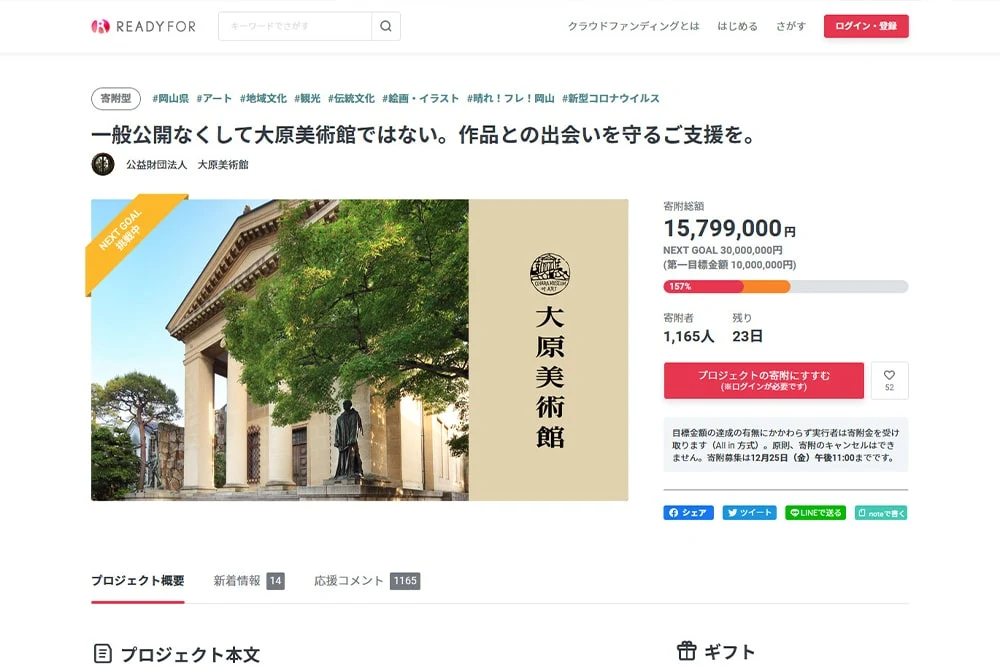
The Ohara Museum of Art is currently conducting a crowdfunding campaign to raise operational costs until 11 PM on December 25, 2020.
What is the current situation of the Ohara Museum of Art?
We spoke with the staff working at the museum to hear their thoughts and the reactions from those around them.
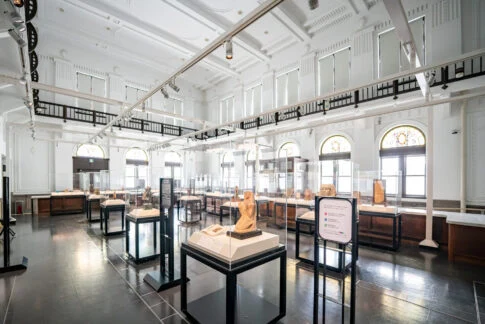
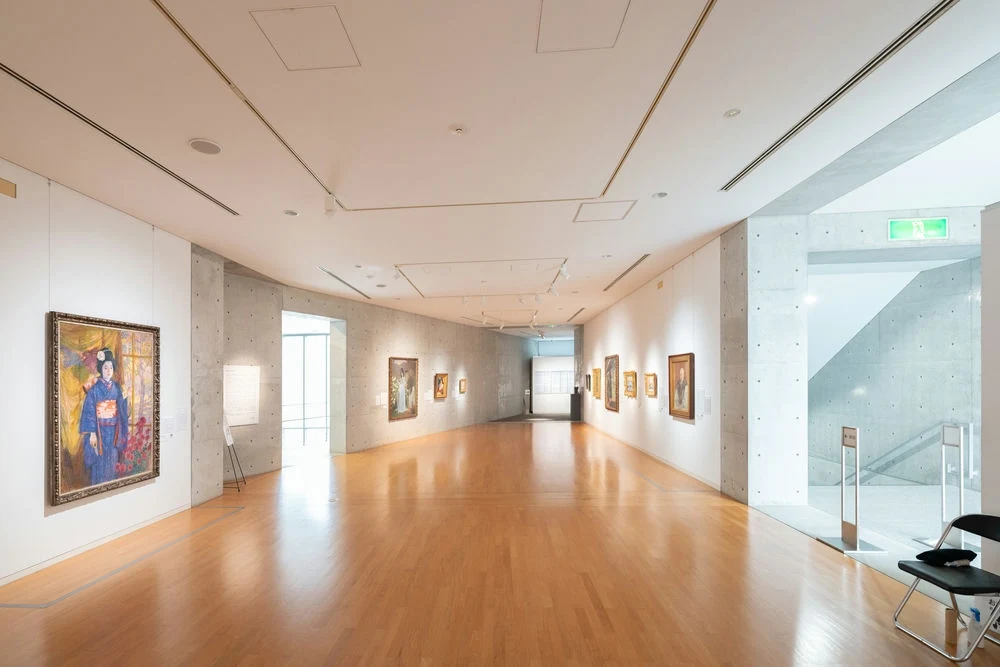
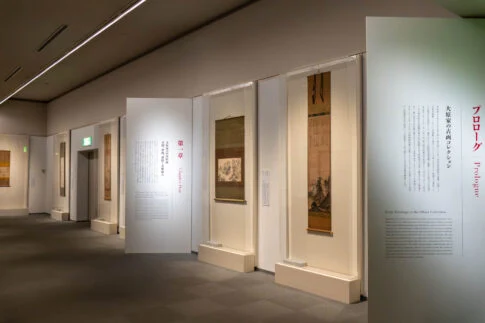
Photography is generally prohibited inside the Ohara Museum of Art. The photos in the museum were taken with special permission in 2019.
Ohara Museum of Art Celebrates 90th Anniversary
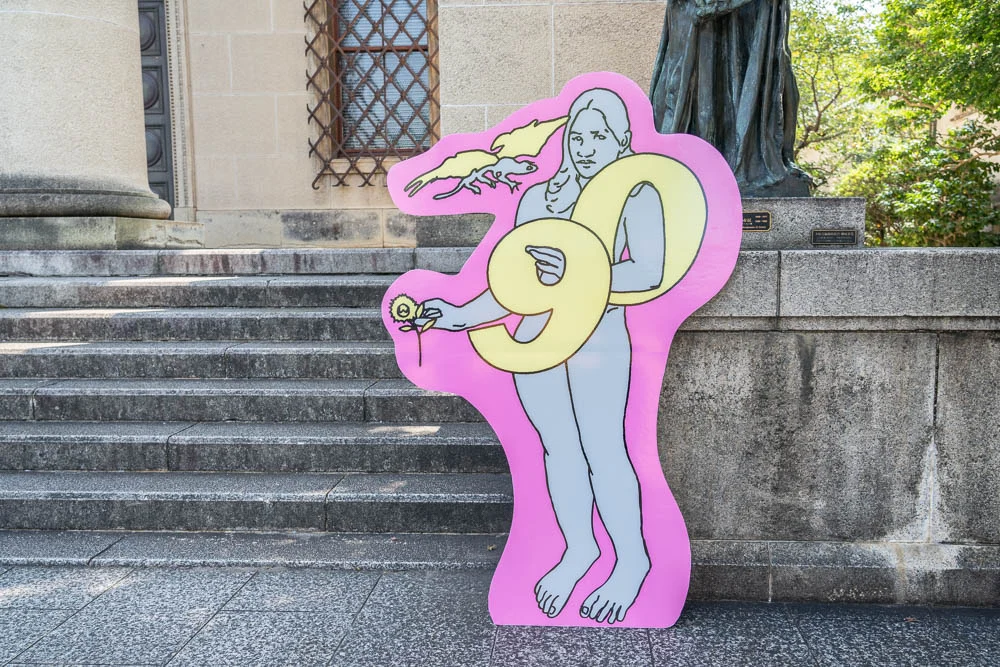
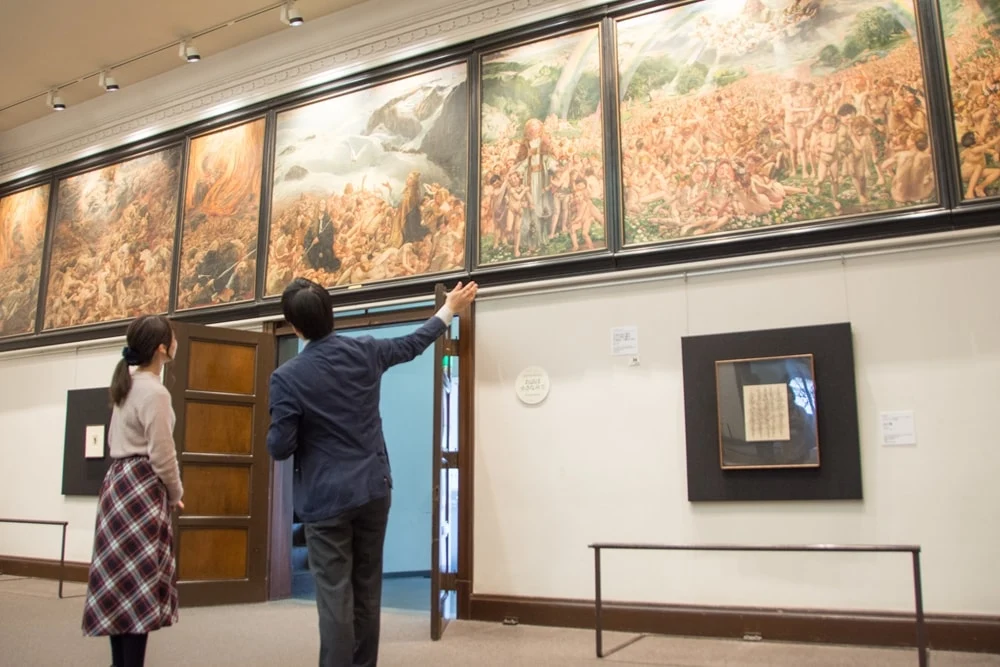
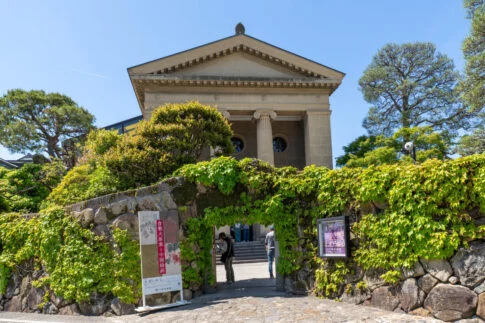
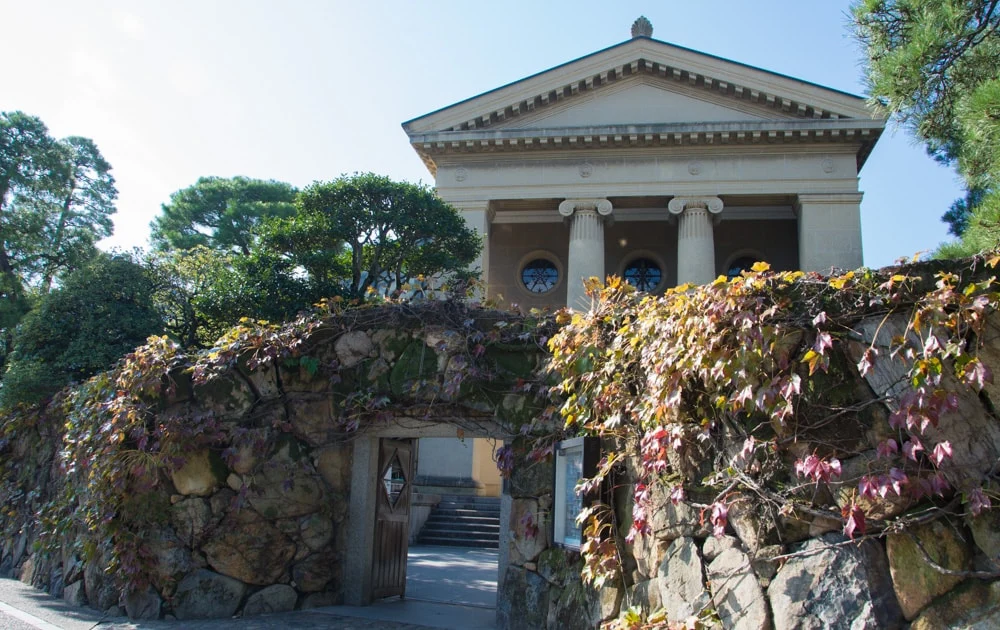
Ohara Museum of Art is the first private museum in Japan focused on Western art, established in 1930.
It was born in an era when it was difficult to see works from overseas, with the aim of allowing people in Japan to see "excellent original works."
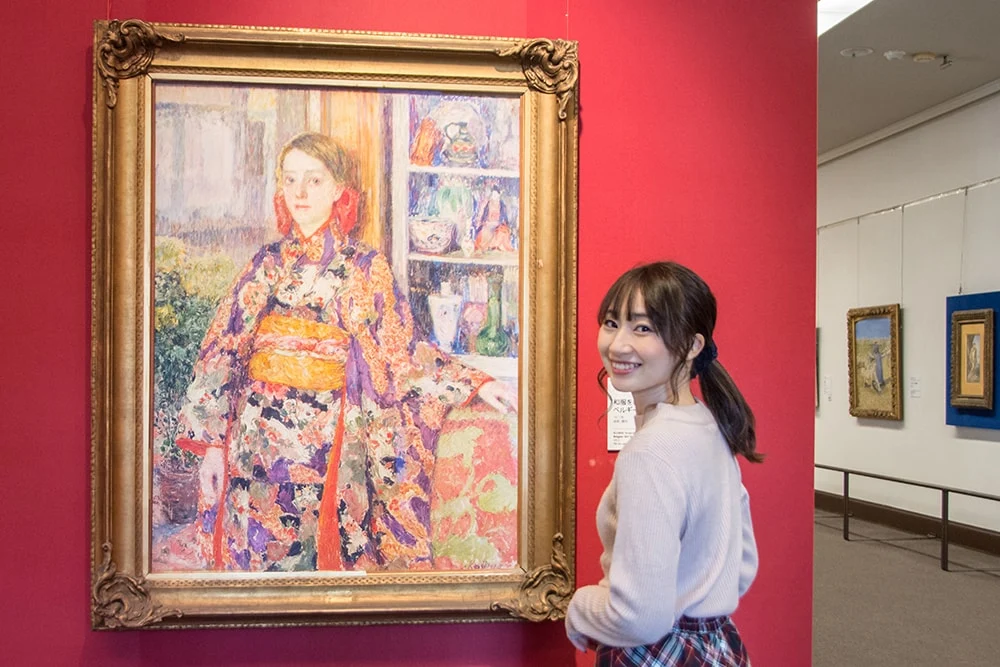
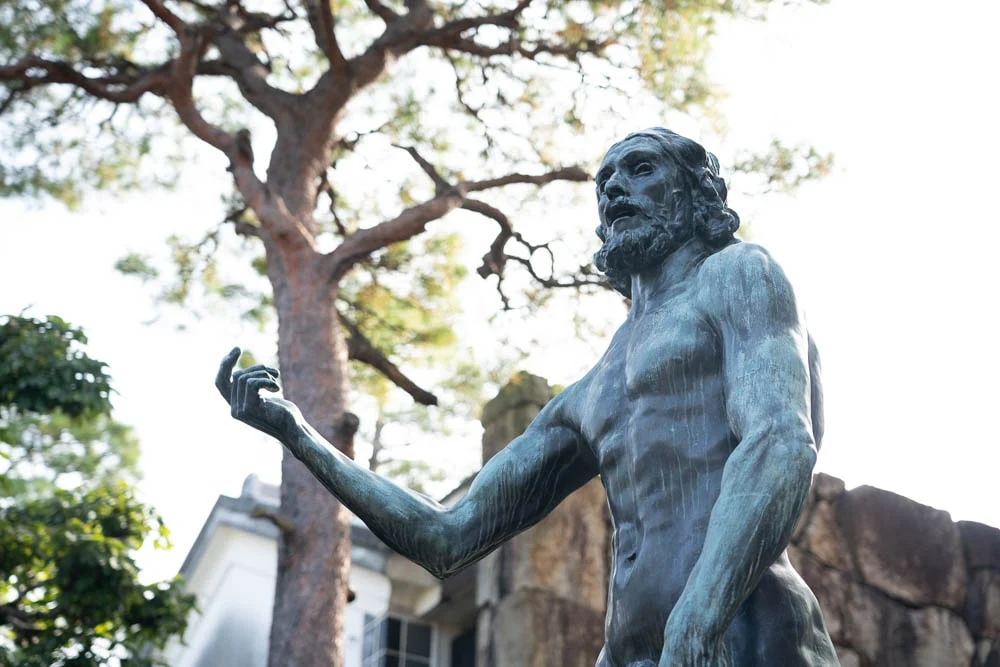
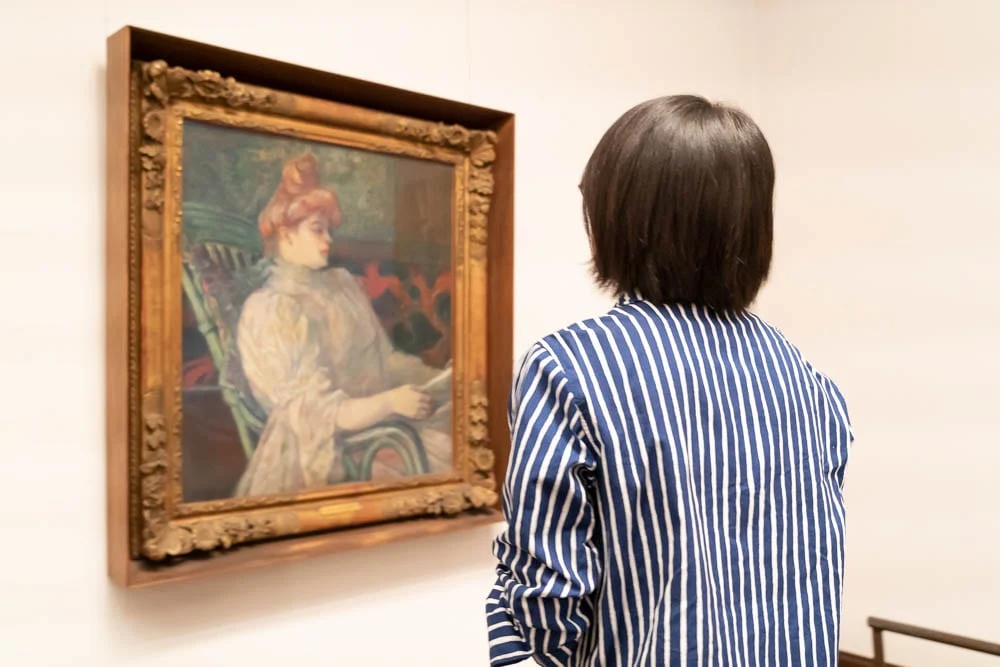
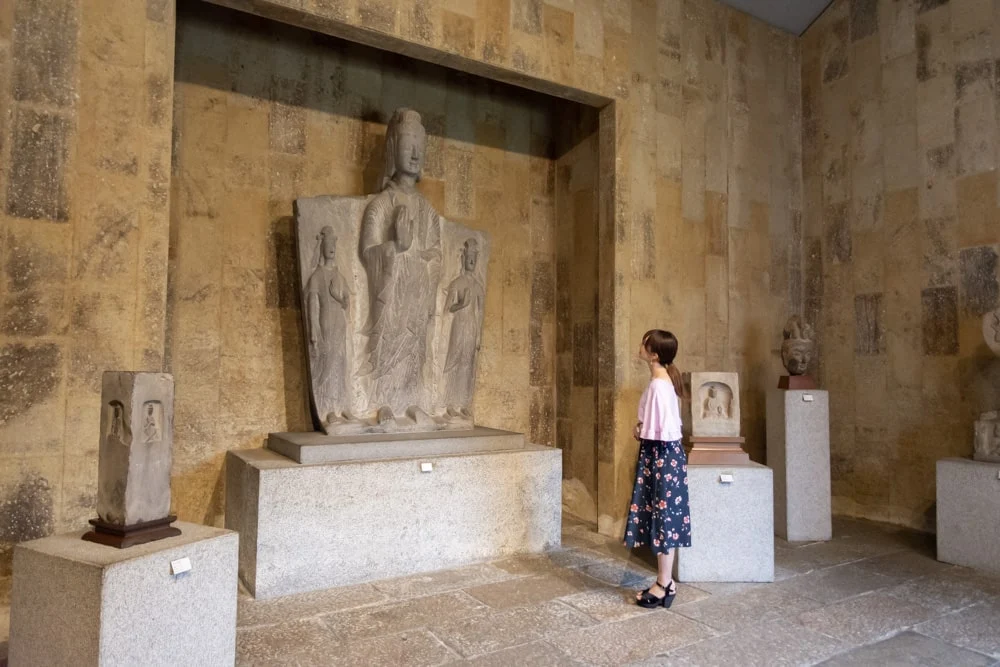
The museum houses a wide range of works, from modern Western paintings by El Greco, Monet, Gauguin, Matisse, and Picasso to contemporary art.
Current Situation of Ohara Museum of Art and Crowdfunding
The majority (about 80%) of the Ohara Museum of Art's operational costs are covered by admission fees.
The annual number of visitors needed to maintain the museum's public exhibitions is about 300,000, which is barely sufficient.
However, the expected number of visitors in 2020 is significantly impacted by the closure and visitor restrictions, estimated to be around 50,000.
This represents a decrease of approximately 85% from the previous year, and if this continues, it will be difficult to maintain public exhibitions and artworks.
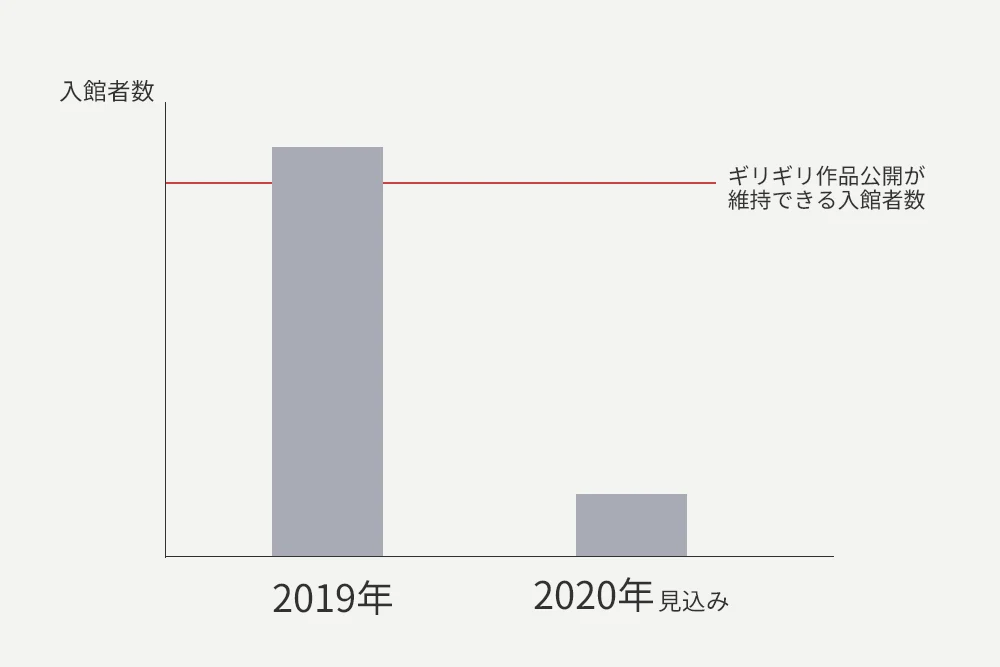
Therefore, we decided to launch a crowdfunding campaign to maintain an appropriate preservation environment for the artworks and to "continue to keep the museum open."
The crowdfunding campaign is being conducted on the site "READYFOR" until 11 PM on December 25, 2020.
The first target amount of 10 million yen was achieved in just 5 days and 8 hours after the crowdfunding began!
However, the initial target of 10 million yen is merely an amount that can "temporarily cover urgent operational costs."
Currently, the next target is set at 30 million yen.
There are several courses for support returns, including a course that offers a VR viewing experience.
For more details, please check the crowdfunding page.
Staff Interviews
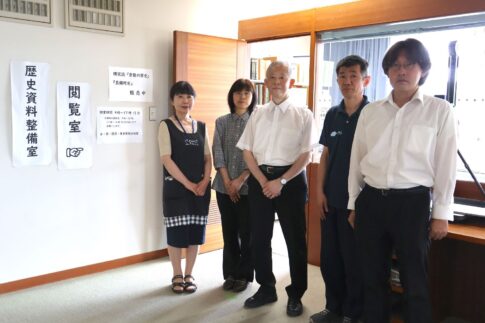
We interviewed three staff members working at the Ohara Museum of Art.
Public Relations Officer Sasaki Kozue
It has been about a month since we started the crowdfunding campaign. How is it going?
Sasaki
The comments on the crowdfunding campaign have been truly appreciated.
At the beginning, I was exhausted every day, but I would read the comments before going to bed and fall asleep while soaking in the joy.
We also display the comments in the museum's back office.
The staff on site say they are moved when they read the comments.
What has been the reaction from those around you since starting the crowdfunding campaign?
Sasaki
It has been reported in newspapers and on television, and it seems that people have realized, "So, it was such a difficult situation."
An elderly man living nearby came to us with money in hand, saying, "I have no interest in art, but if the Ohara Museum of Art were to disappear, I would feel somehow uncomfortable."
This has also been a chance for us to learn that the museum is valued as something that is part of everyday life.
I have heard that the museum incurs heavy running costs whether it is open or closed.
Sasaki
That's right.
The museum's responsibility is not just to "show the artworks."
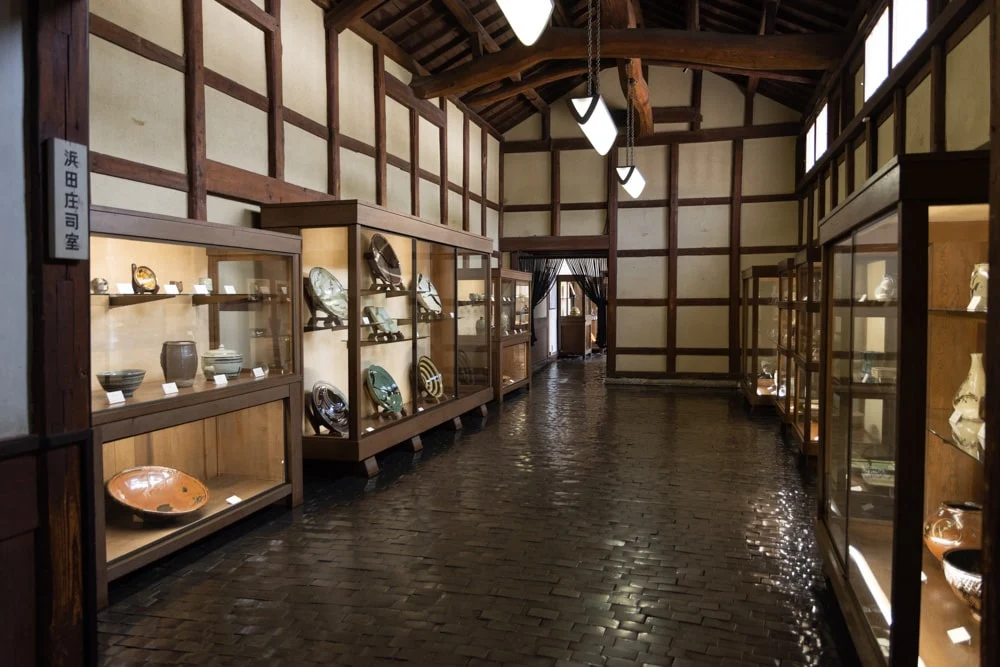
We also need to introduce new works, and it is important to preserve and manage the artworks.
There are running costs, including labor and electricity, for parts that are not visible.
For example, the storage area is not seen by visitors, but it holds more artworks than those on display and is essential.
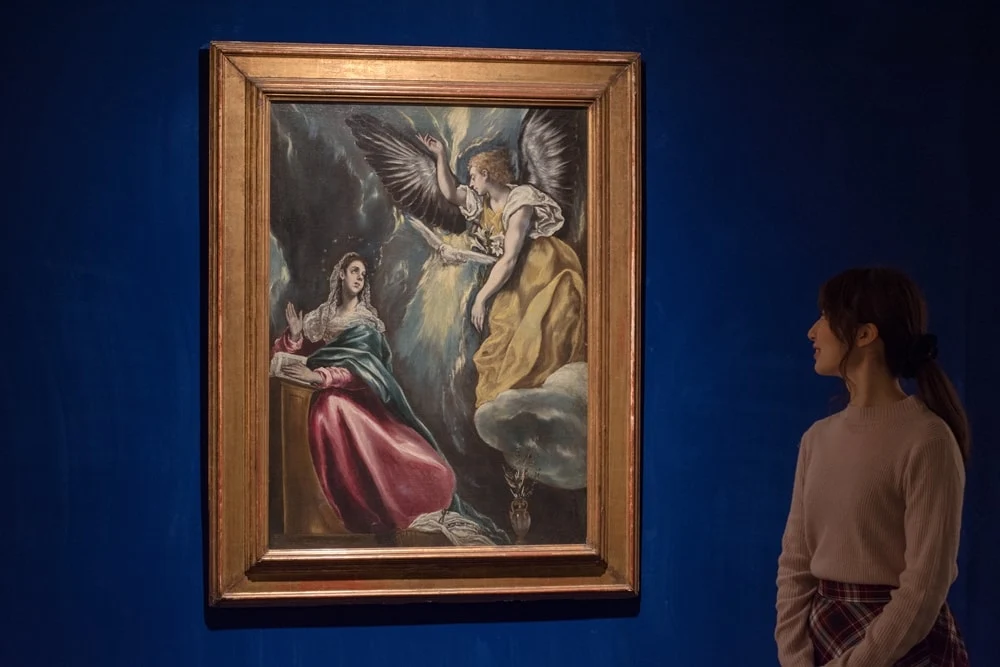
Protecting the artworks is a responsibility for the future.
Restoration of artworks also incurs costs.
We protect the artworks for people to see, but if visitors do not come, it will become difficult to continue protecting them.
These two aspects cannot be separated.
While we have set a target amount for the time being, the honest truth is that "the more we have, the better."
Have there been any memorable comments or support?
Sasaki
Before we started, I thought, "Those who support us must have visited the Ohara Museum of Art."
However, there were quite a few people who said, "I have never been there, but I need you to keep it open for the day I can go."
It is amazing to receive support from those who say, "I want to go someday."
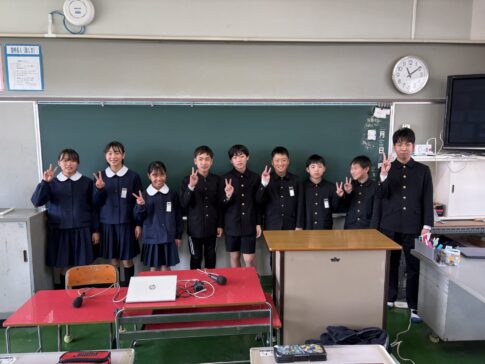
We have also received support from kindergartens and elementary schools, and it was not led by the teachers, but the children acted voluntarily.
One elementary school collected aluminum cans as volunteers and converted them into money to support us.
They said, "I want to continue seeing the artworks with peace of mind," which is very much appreciated.
Facilities Management Group Ohashi Tomoya
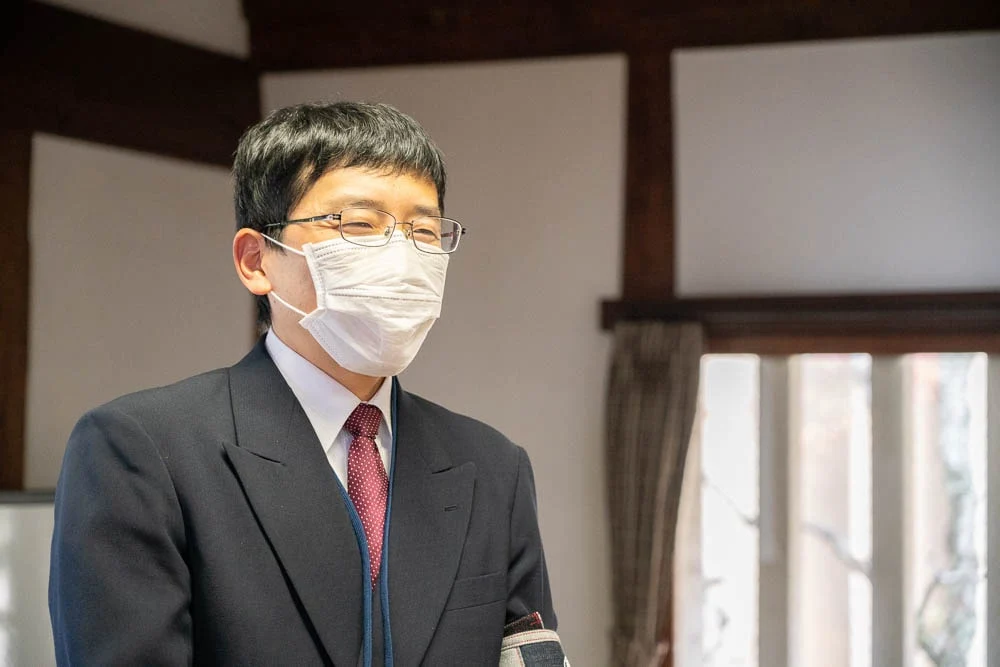
What kind of work do you usually do?
Ohashi
I manage the facilities, including locking and unlocking the museum.
I check if the lights are out, if there are any issues with the air conditioning, and perform maintenance as needed.
After reopening, I have taken on more tasks, such as distributing numbered tickets at the entrance.
What did you think when the crowdfunding campaign started?
Ohashi
Since we operate on a self-sustaining basis, I understood that it would be tough if customers did not come.
After being closed for months and having to turn away visitors due to capacity restrictions after reopening, I felt the decrease in visitors very acutely.
So, “as expected,” it has become that serious of a situation.
For the Ohara Museum of Art, I think the crowdfunding is like "playing the last card."
People might think, "Since we achieved 10 million yen, we should be fine now," but that is not the case.
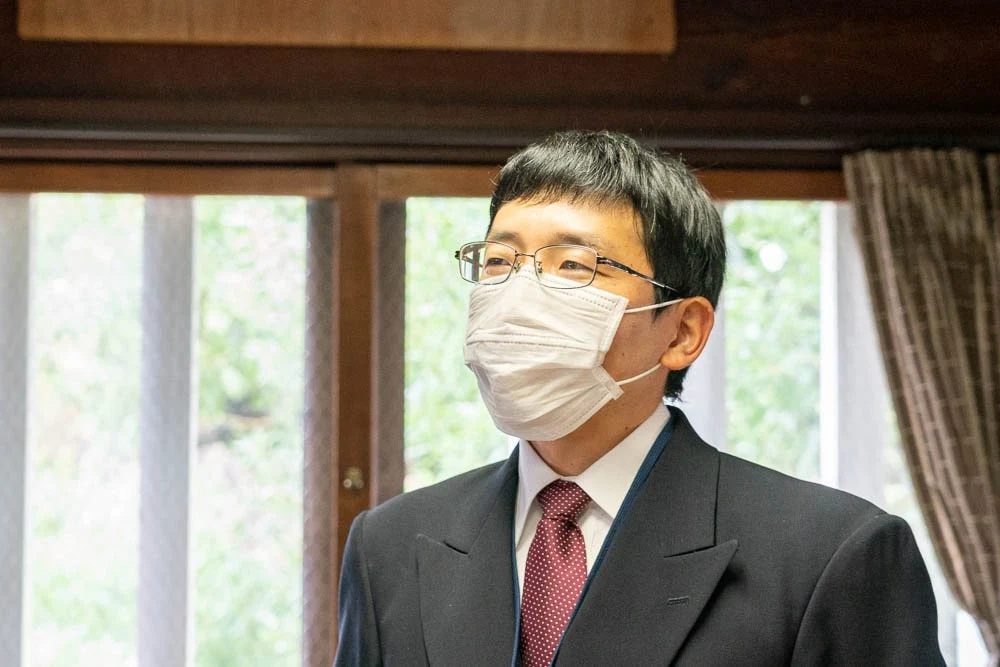
Do you have an ideal vision for the Ohara Museum of Art?
Ohashi
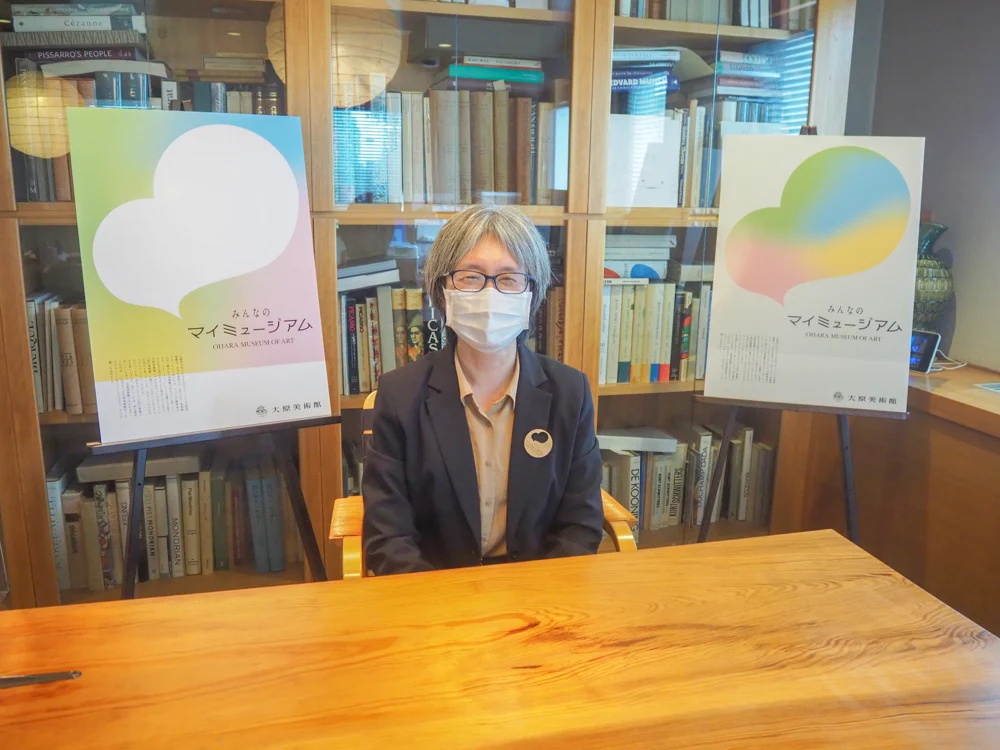
The director recently said, "We want to be a museum for everyone."
We hope that everyone can come without hesitation, just like going to a café.
I think there is a perception that it feels "expensive," but we want to convey, "Please come casually."
We hope to become a museum that people can visit easily.
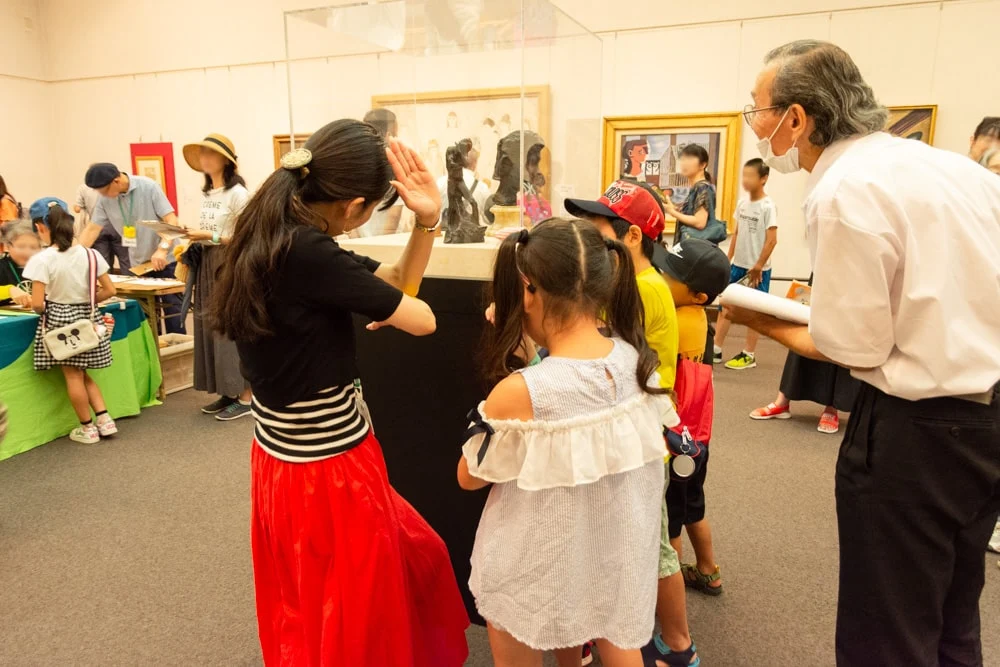
Some people may feel a wall against the museum.
Ohashi
It is difficult to break down that wall.
We are also engaged in activities to familiarize children with art from a young age, so I hope that little by little, people will feel closer to us.
Part-time Staff Mori Ryoko
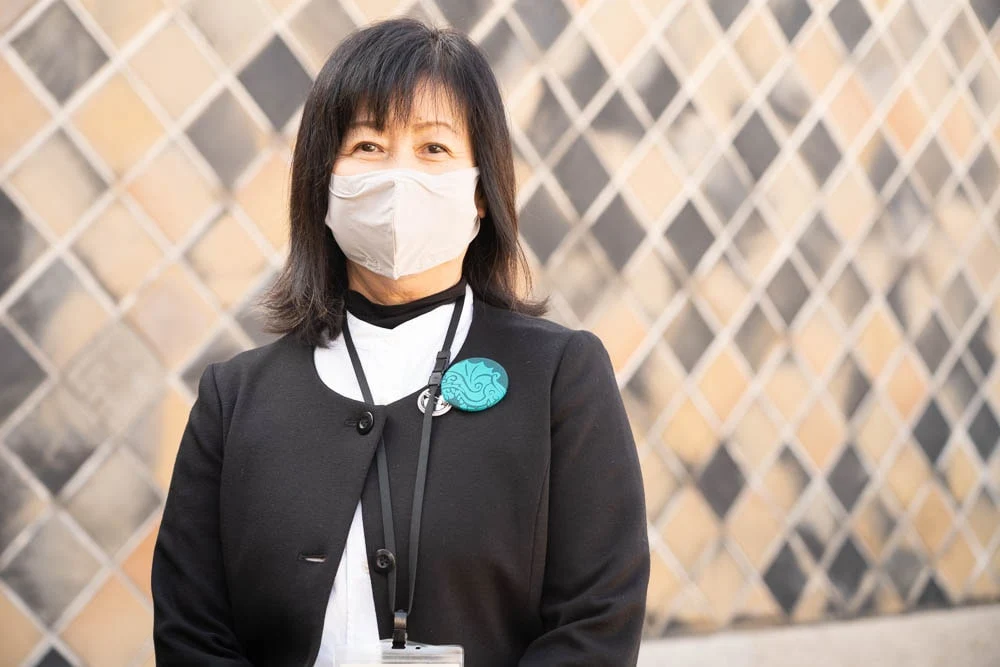
What kind of work do you usually do?
Mori
Mainly, I am responsible for monitoring the exhibition rooms and selling admission tickets.
Before the closure, I also guided children when they viewed the artworks.
What did you think when you heard that crowdfunding was starting?
Mori
First, I was surprised.
The closure had been ongoing, but at first, I had a vague sense that "things would return to normal once we reopened."
However, it was not at all the same as before.
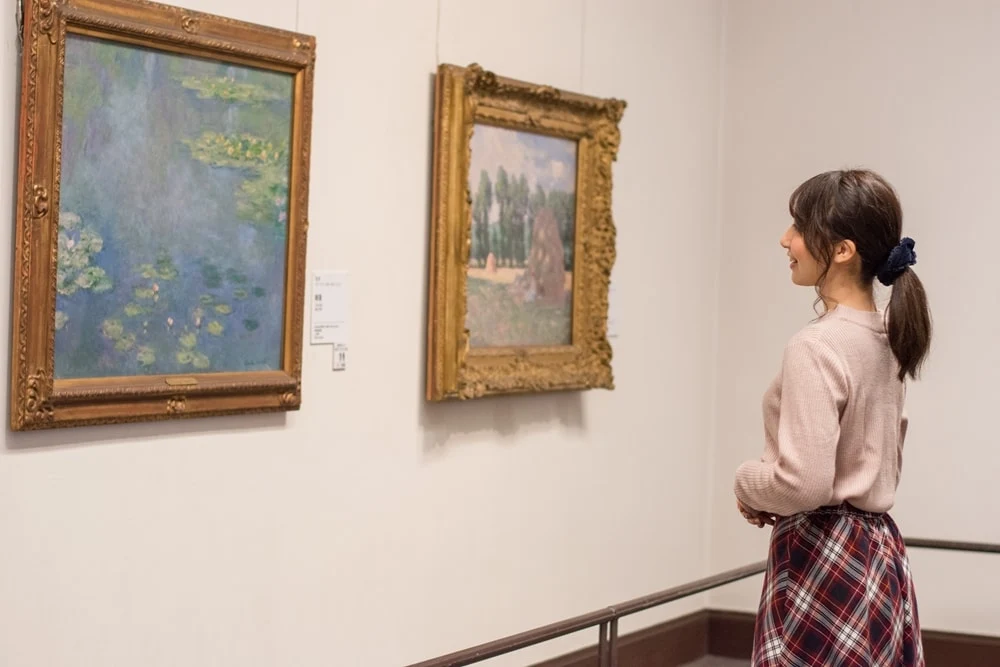
Did you experience any changes in your feelings after the closure?
Mori
I really feel that "the museum is for the customers."
When I entered the museum during the closure, it was a personal feeling, but the paintings looked dry and parched.
And when we reopened and customers came in, the paintings felt revitalized and alive.
They shouldn't have changed, though.
The customers' reactions are not just words.
For example, a customer who recently visited didn't say anything, but as they looked around the museum, their eyes were sparkling, like in a shoujo manga.
I felt that the museum, the exhibitions, and the customers' reactions are what make the museum exist.
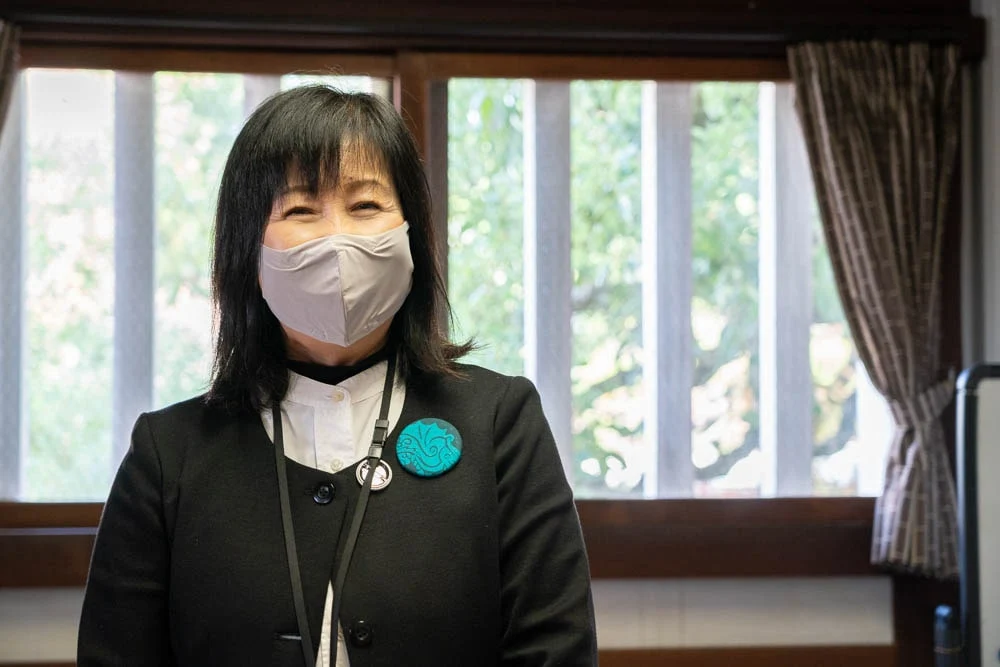
What do you enjoy most about your work?
Mori
I can work among the artworks, and it's nice to hear the customers' impressions.
Not everyone says, "It's magnificent, it's wonderful," but some say, "I could paint this myself," or "If I look at it for too long, I might go crazy."
The fact that everyone is not the same is what makes it enjoyable.
It has been a month since the crowdfunding started; what are your thoughts?
Mori
I think crowdfunding is about putting the spirit of support into money.
I am truly filled with gratitude and surprise that we achieved our goal in less than a week, but I was also helped by the warmth of the comments.
Among the support messages, there were comments like, "I visited when I was a child," "I visited 60 years ago," and "I visited with my late husband."
I felt that each person has a time to reflect on their memories with Ohara Museum of Art.
Until now, I had taken it for granted.
Customers come in, admission fees come in, and that allows us to keep the museum open, hold special exhibitions, and invite artists.
I realized that it was not at all something to take for granted.
There was also a support message saying, "Please connect this to the future."
While I feel joy in being able to see the artworks now, perhaps we are working at the museum to pass this baton on.
I want to continue to connect this baton so that we can see the artworks at Ohara Museum of Art.
My power is small, but thanks to the many people who supported us through crowdfunding, I understood that "each person's power becomes a great power."
I will take it one step at a time.
Ohara Museum of Art and the Management of Other Museums
Let’s talk a little about money.
It is said that managing a museum is very difficult in general.
Let’s take a look at the numbers from other museums.
For example, a museum under a certain corporation reportedly covers 92% of its revenue through dividends from its parent company.
Moreover, the operational costs of the museum exceed twice the business revenue from admission fees and the sale of catalogs combined.
Additionally, among the six facilities operated by the Independent Administrative Institution National Museum of Art, the proportion of income from admission fees and other exhibition-related income is 12.4% of the total income.
Museums under corporate umbrellas or those operated by the government are said to be sustained mainly by income other than admission fees, such as money from corporations and subsidies.
(Reference: Museum Management and Finance - Yosuke Nishida)
However, Ohara Museum of Art is a privately funded museum that operates on a self-sustaining basis, with about 80% of its operating costs covered by admission fees.
Among museums, it can be said that maintaining it is quite challenging.
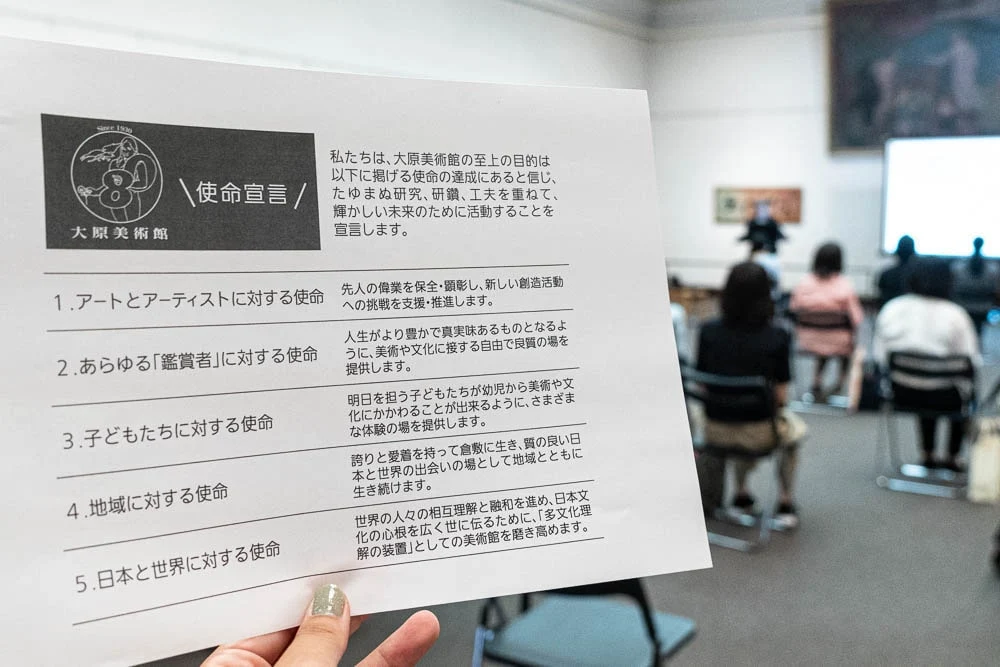
In my several interviews with Ohara Museum of Art, I have seen various efforts made to reduce costs.
Even in a harsh environment, Ohara Museum of Art has been open to the public with a sense of mission for "art and artists, for all viewers, and for the community."
To Protect the Place of Encounter with Artworks
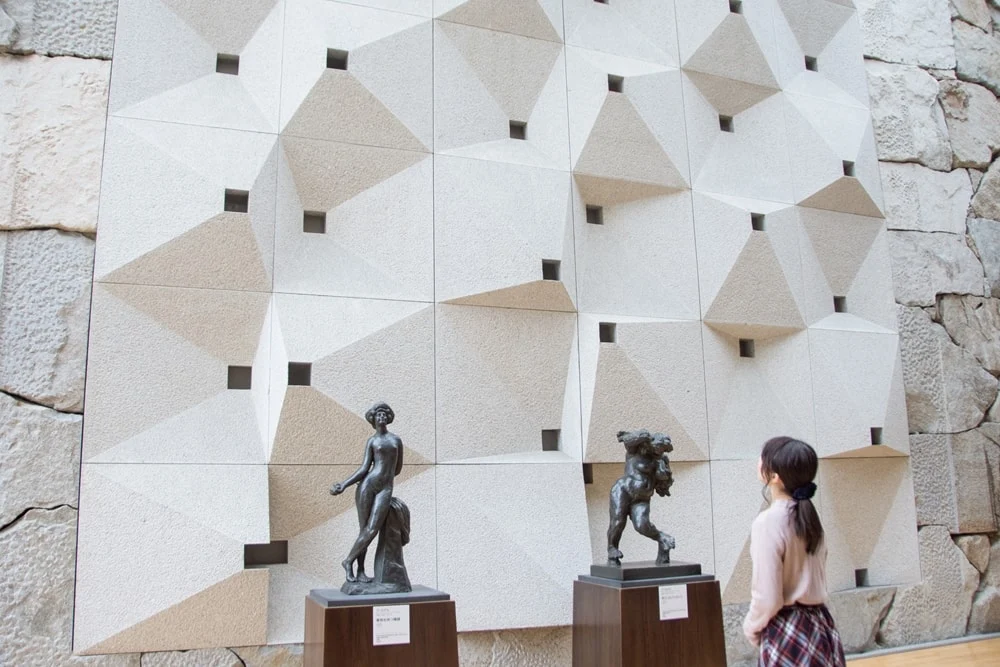
I believe that art enriches life.
Being intoxicated by beauty, astonished by craftsmanship, inspired, and shocked.
There are often times when my values are shaken, and even years after viewing, the experience helps my heart.
May the place of encounter with artworks continue in the future.
The support comment section on the crowdfunding page is filled with passionate messages from all over the country.
Please take a look at them.
Articles about Ohara Museum of Art
Data of Ohara Museum of Art
| Name | Ohara Museum of Art |
|---|---|
| Location | 1-1-15 Chuo, Kurashiki City, Okayama Prefecture |
| Contact | 086-422-0005 |
| Parking | None |
| Opening Hours | 【December to February】 9:00 AM - 3:00 PM (Last admission: 2:30 PM) 【March to November】 9:00 AM - 5:00 PM (Last admission: 4:30 PM) |
| Closed Days | Monday Open on public holidays and substitute holidays if they coincide Winter closure and temporary closures may occur |
| Admission Fee (including tax) | 【General】 Adults: 2,000 yen High school, junior high, and elementary school students (under 18 years old): 500 yen |
| Payment Methods |
|
| Reservations | Available No reservation required for individuals |
| Smoking | Completely non-smoking |
| Restrooms | Western-style toilets, barrier-free toilets |
| Childcare | Nursing room, diaper changing sheet, stroller rental The nursing room is located in the Craft Museum Diaper changing sheets are available on the 2nd floor of the main building and in the Craft Museum |
| Barrier-free | Wheelchair rental, ramps, barrier-free toilets, elevators |
| Website | Official Website of Ohara Museum of Art |