
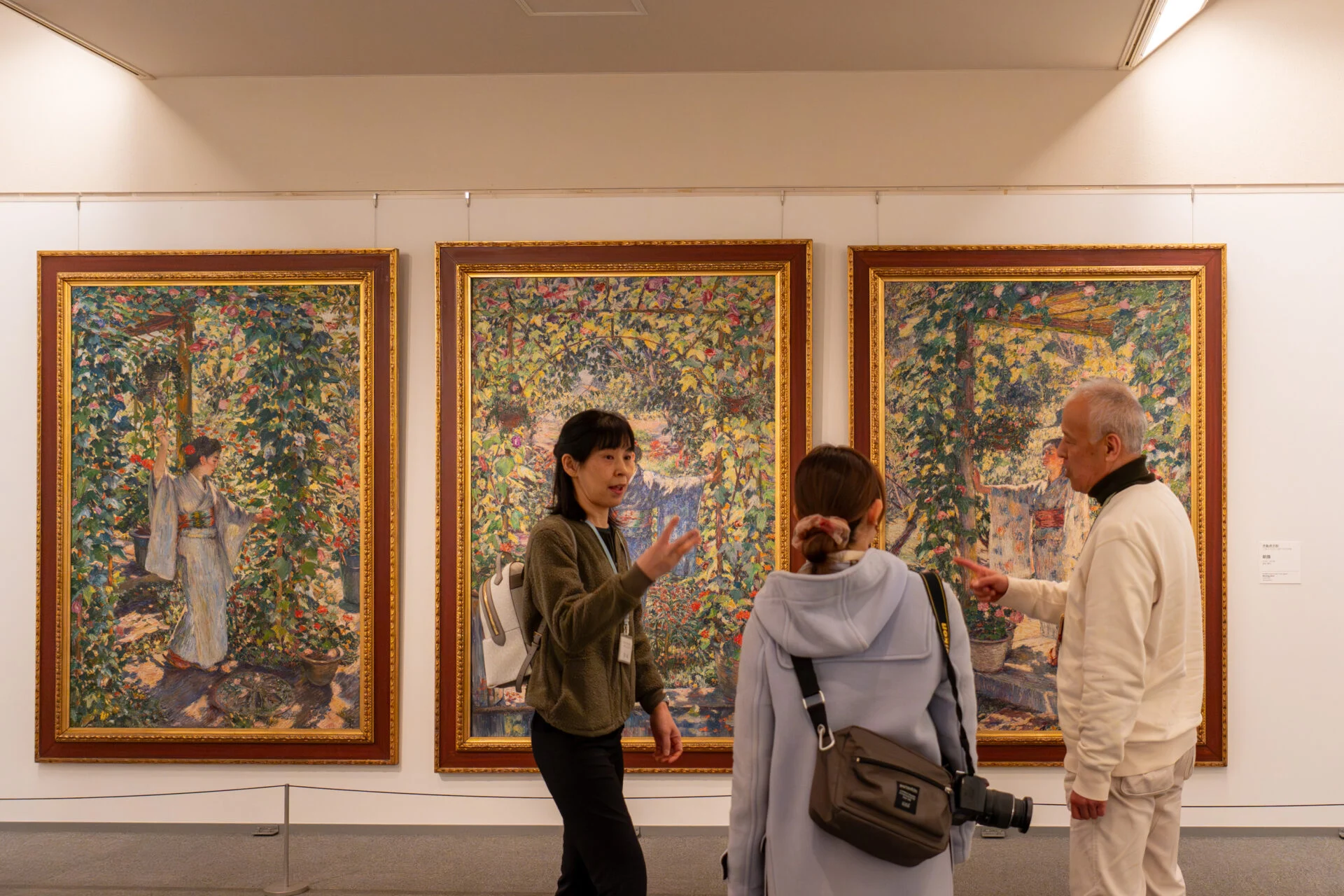
A new initiative has begun at the Ohara Museum of Art, one of the symbols of the Bikan Historical Area.
This is a program aimed at preventing "frailty," a state characterized by physical and mental decline due to aging and a decrease in social connections.
What kind of connection is there between art museums and health?
I will report on my experiences participating in the frailty program organized by the Ohara Museum of Art.
What is the Ohara Museum of Art?
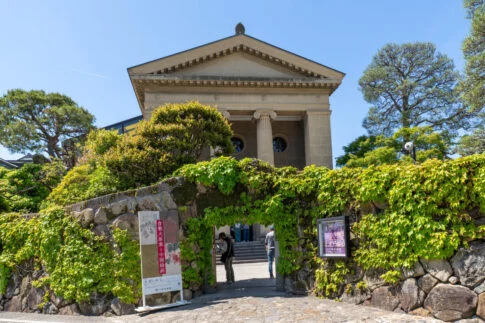
The Ohara Museum of Art is Japan's first private museum focused on Western art, established in 1930 (Showa 5).
It is divided into the main building, Annex, and Crafts and Eastern Gallery, with approximately 3,000 items in its collection.
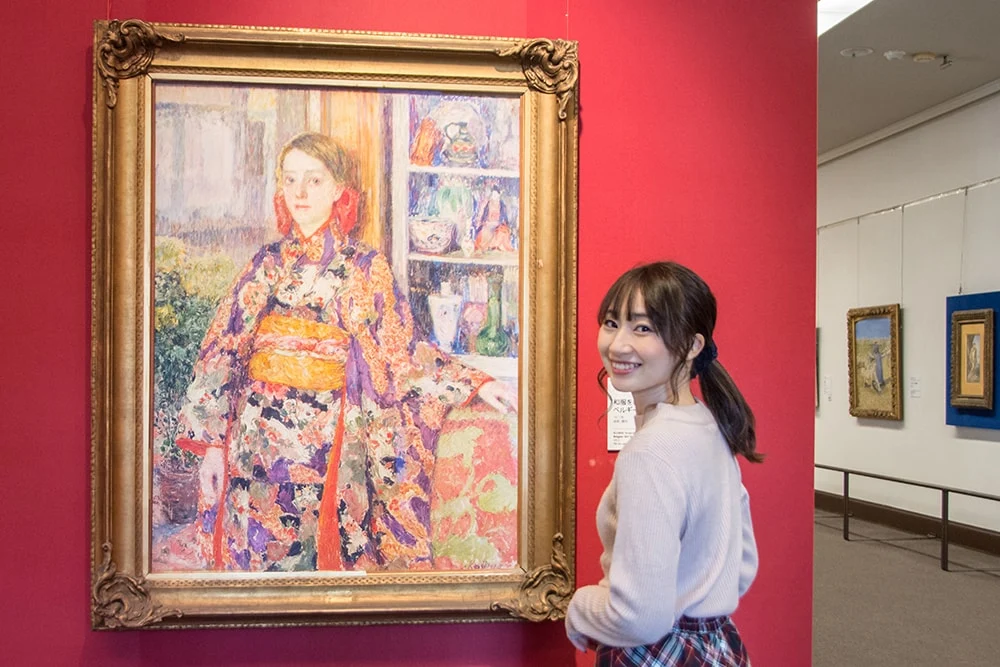
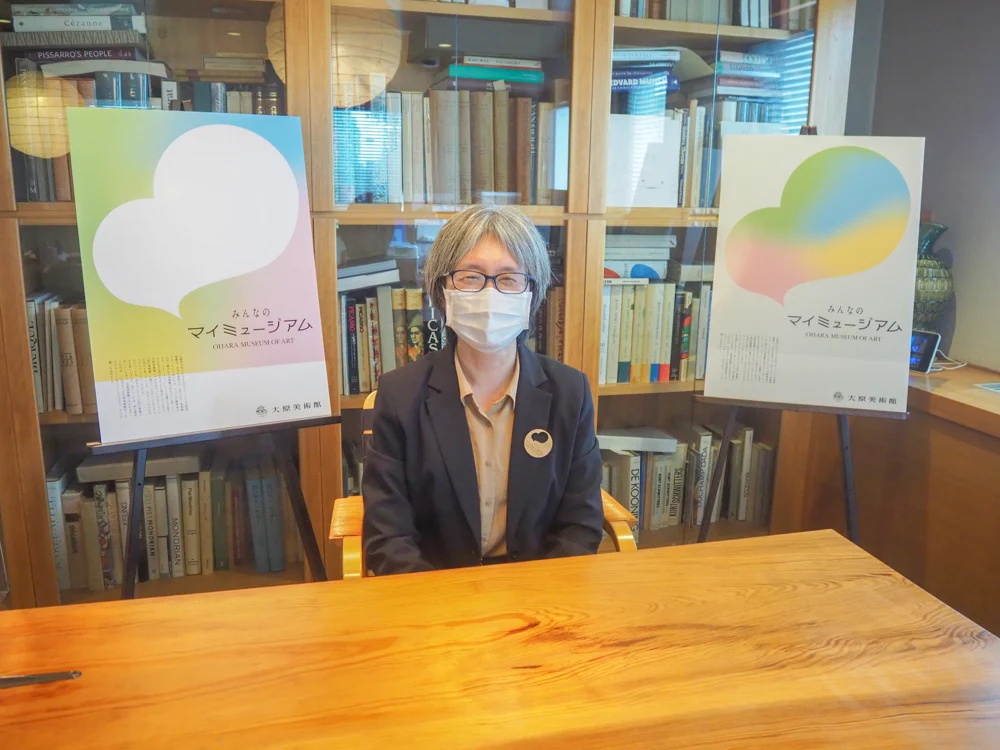
In many cases, it is customary to appreciate art quietly in museums, but at the Ohara Museum of Art, under the slogan "Everyone's My Museum," they engage in various forms of appreciation, such as interactive appreciation and outreach classes for children in the hospital.
What is Frailty?
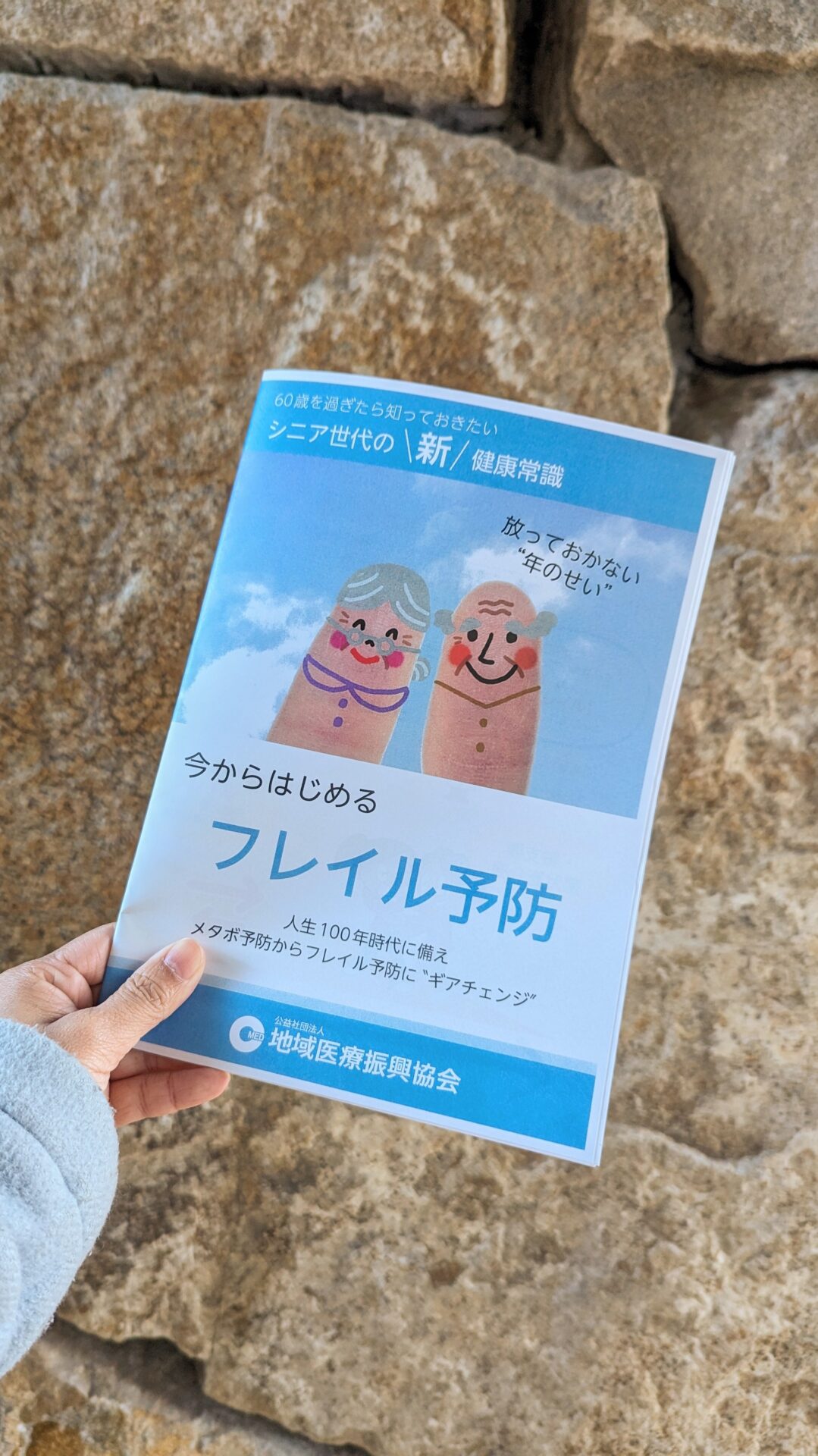
According to the Japan Community Health Promotion Association, frailty refers to the following state.
Frailty is a state in which, due to aging, muscle strength and cognitive function decline, and individuals tend to become more isolated, resulting in a "decrease in physical strength and vitality, and a weakening of social connections."
Quoted from the leaflet of the Japan Community Health Promotion Association
Frailty is a state that lies between health and the need for support or care, but it is said that by noticing it early and reviewing daily life, frailty can be prevented and improved at any age.
The three pillars of frailty prevention are as follows.
- Exercise: Keep muscle strength and walking ability by moving the body
- Social: Maintain interaction with the local community
- Nutrition: Eat well to maintain good nutritional status
What is the Frailty Prevention Program at the Ohara Museum of Art?
The Ohara Museum of Art is a facility where you can walk about 1,000 steps just by walking through the main building and the Crafts and Eastern Gallery. Appreciating the artworks and using the stairs in the museum provides exercise.
Additionally, by setting points of appreciation and participating in interactive appreciation, participants can engage in conversation with others, leading to social participation.
Against this background, a frailty program led by staff trained under the guidance of the Japan Community Health Promotion Association was conducted on February 24, 2024 (Saturday). The content is as follows.
- Neighborhood Stroll (practicing the frailty prevention element of exercise)
*Guided by museum staff who completed training, including the history of the Ohara Museum of Art, nearby architecture, and recommended dining options. - Lecture (explanation of frailty prevention elements of exercise, social participation, and nutrition)
- Interactive appreciation of artworks in the main exhibition room (practicing the frailty prevention element of social participation)
"Promoting Health at the Museum!" Experience Report
On a winter afternoon with clear skies, many tourists were passing by the meeting place in front of the Ohara Museum of Art, especially since it was the weekend.
There were 15 participants in the program that day. In addition to the participants, media representatives also gathered, indicating the program's level of interest.
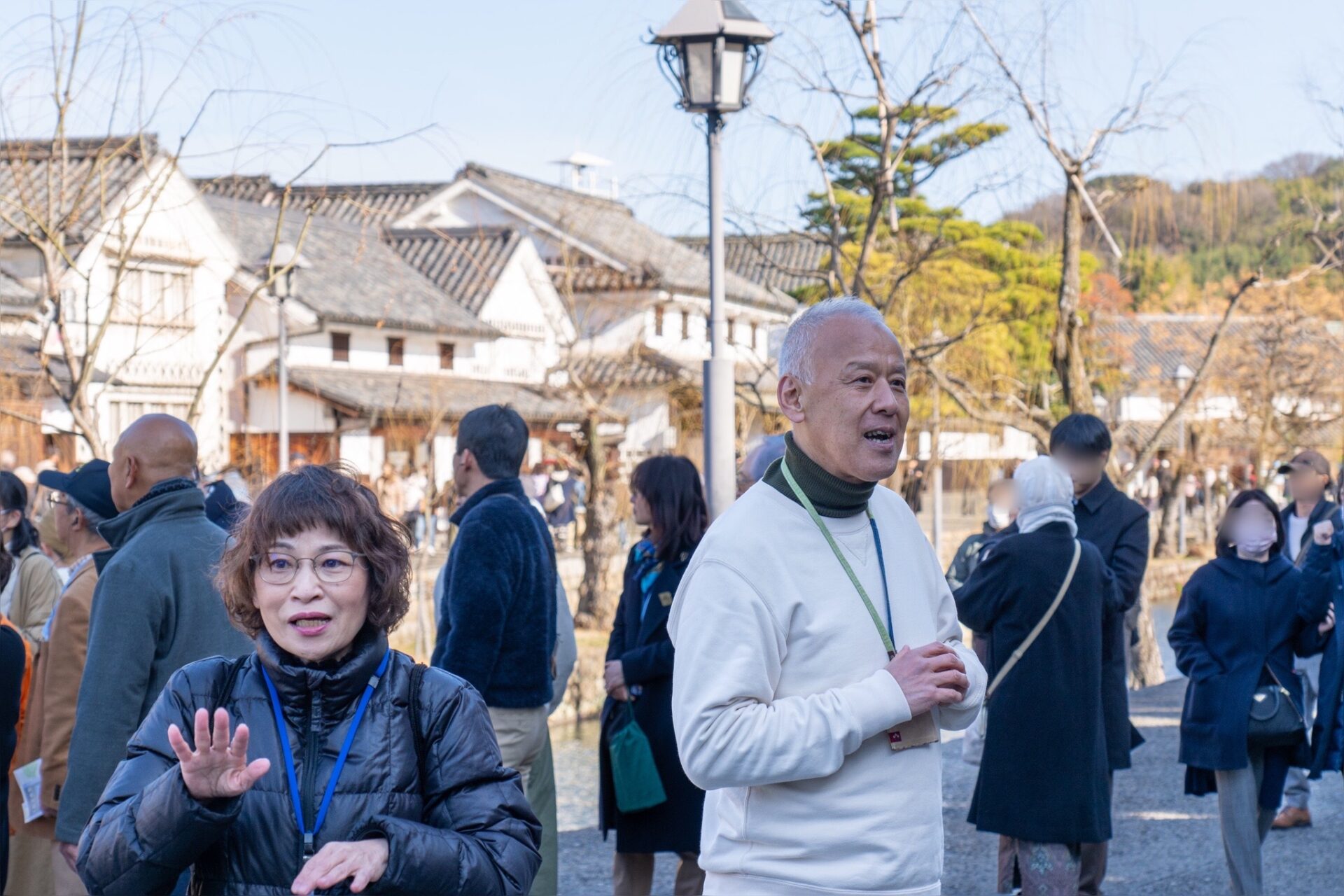
As someone with a hearing impairment, I had requested a sign language interpreter in advance, so I participated while having the museum staff's explanations interpreted into sign language.
Proposal for a Stroll in the Bikan Historical Area
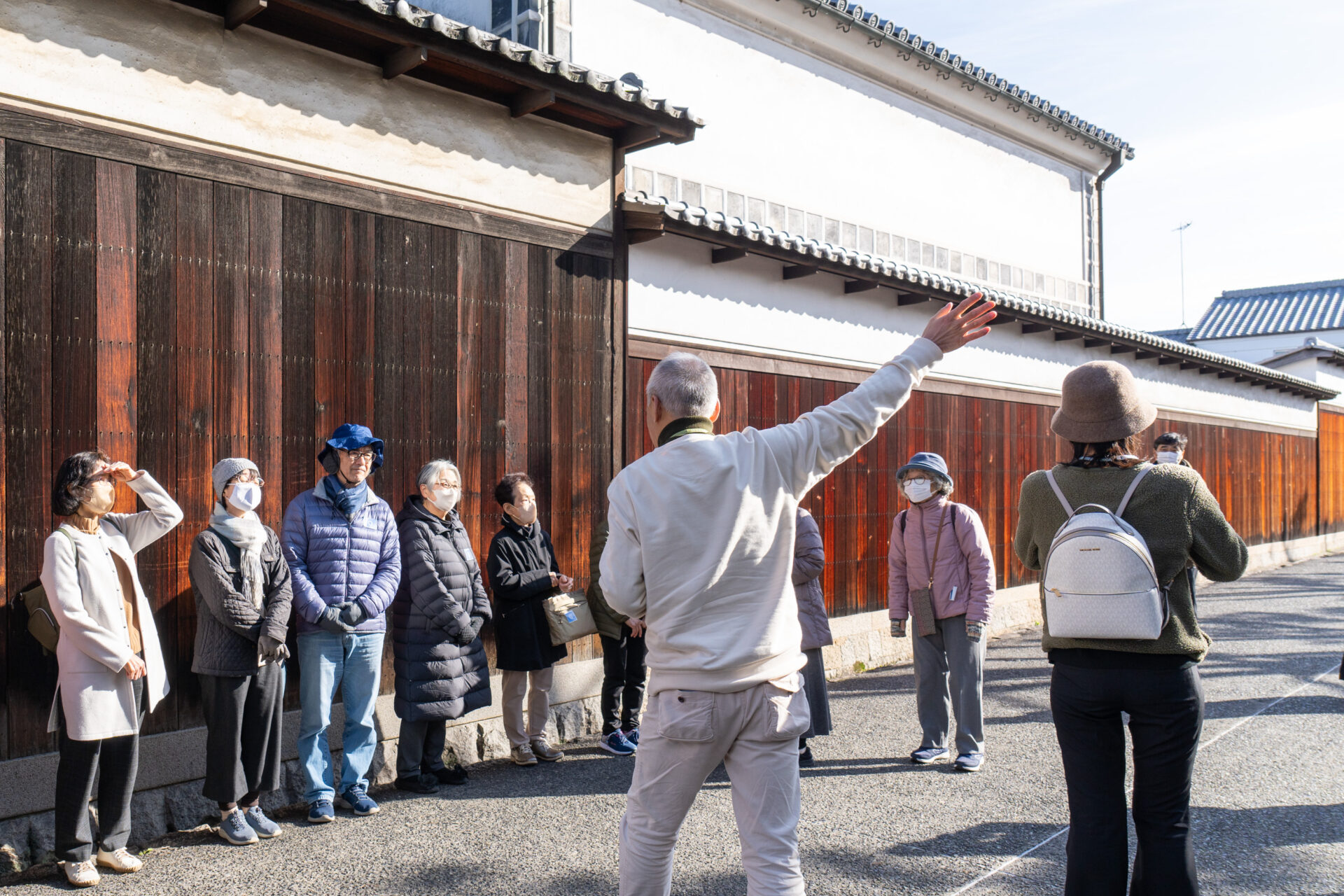
After receiving a brief explanation of the frailty prevention program in front of the Ohara Museum of Art, the stroll around the museum began immediately.
"Shinkei-en Garden is a free admission facility, so you can easily drop by while strolling in the Bikan Historical Area."
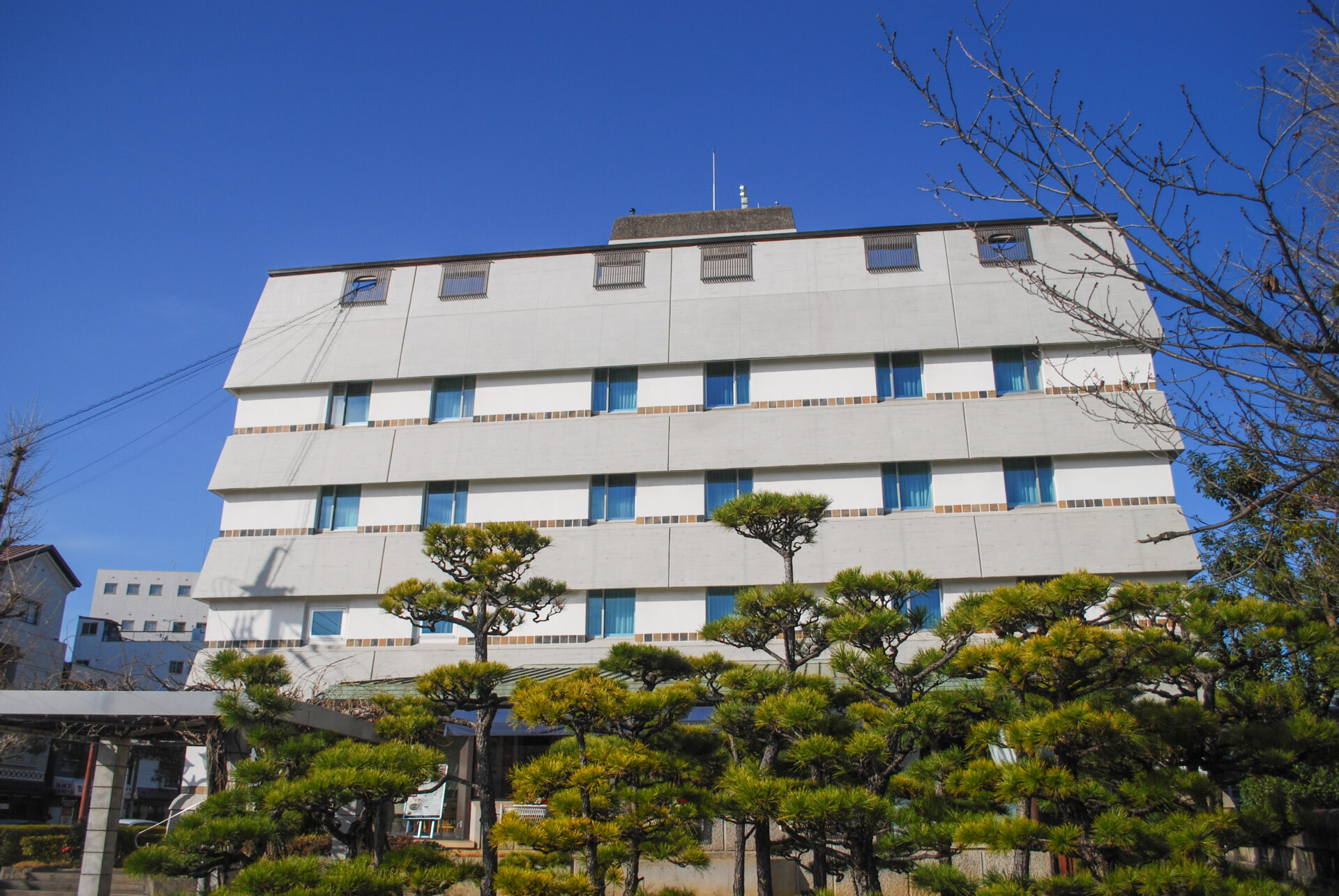
"Kurashiki International Hotel and the Ohara Museum of Art Annex were designed by the same architect, Uraabe Shizutaro. There are other buildings designed by Uraabe around the Bikan Historical Area, so be sure to look for them."
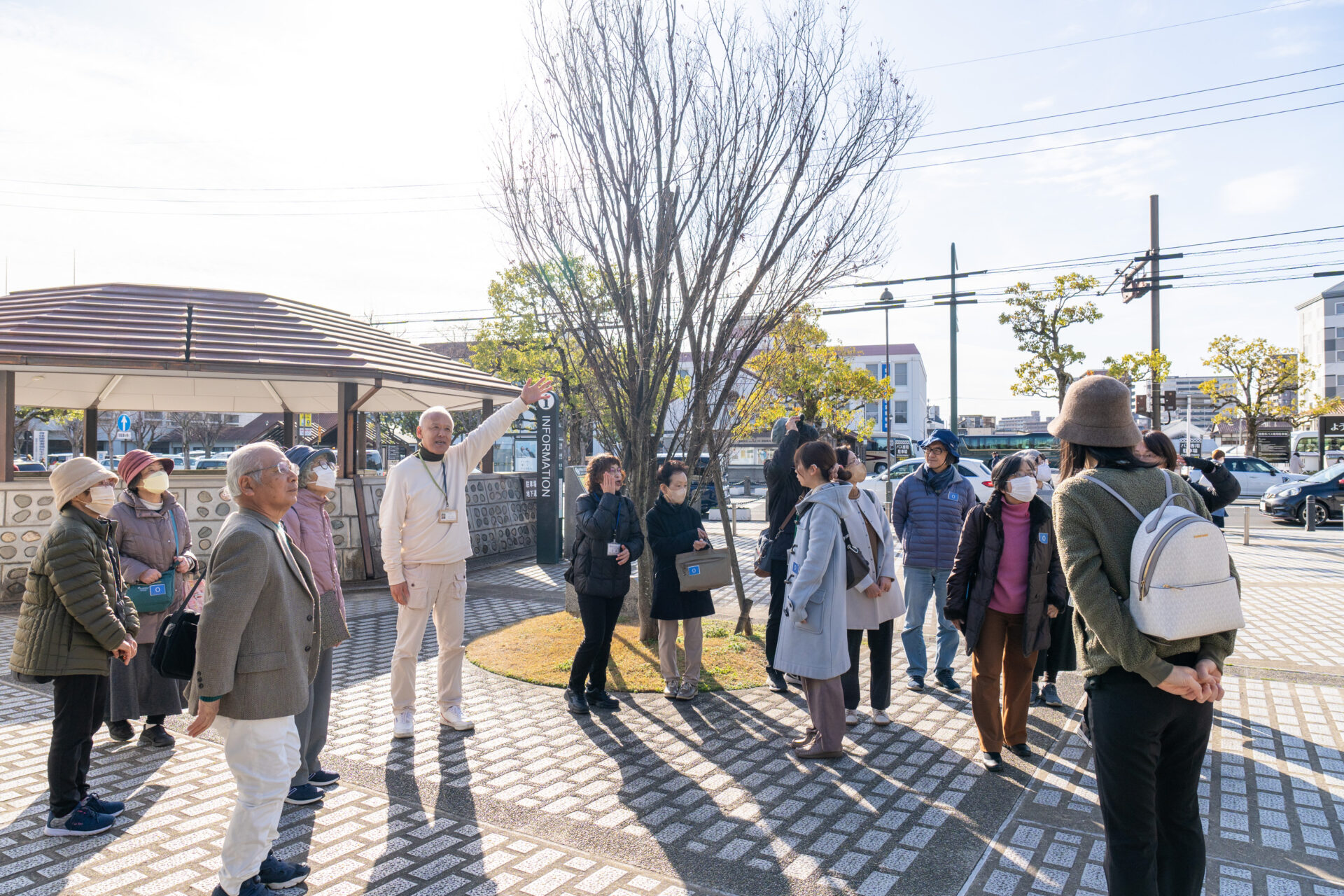
"Look up! The Kojima Torajiro Memorial Gallery faces a narrow street, but it expresses lightness by incorporating mirrored surfaces."
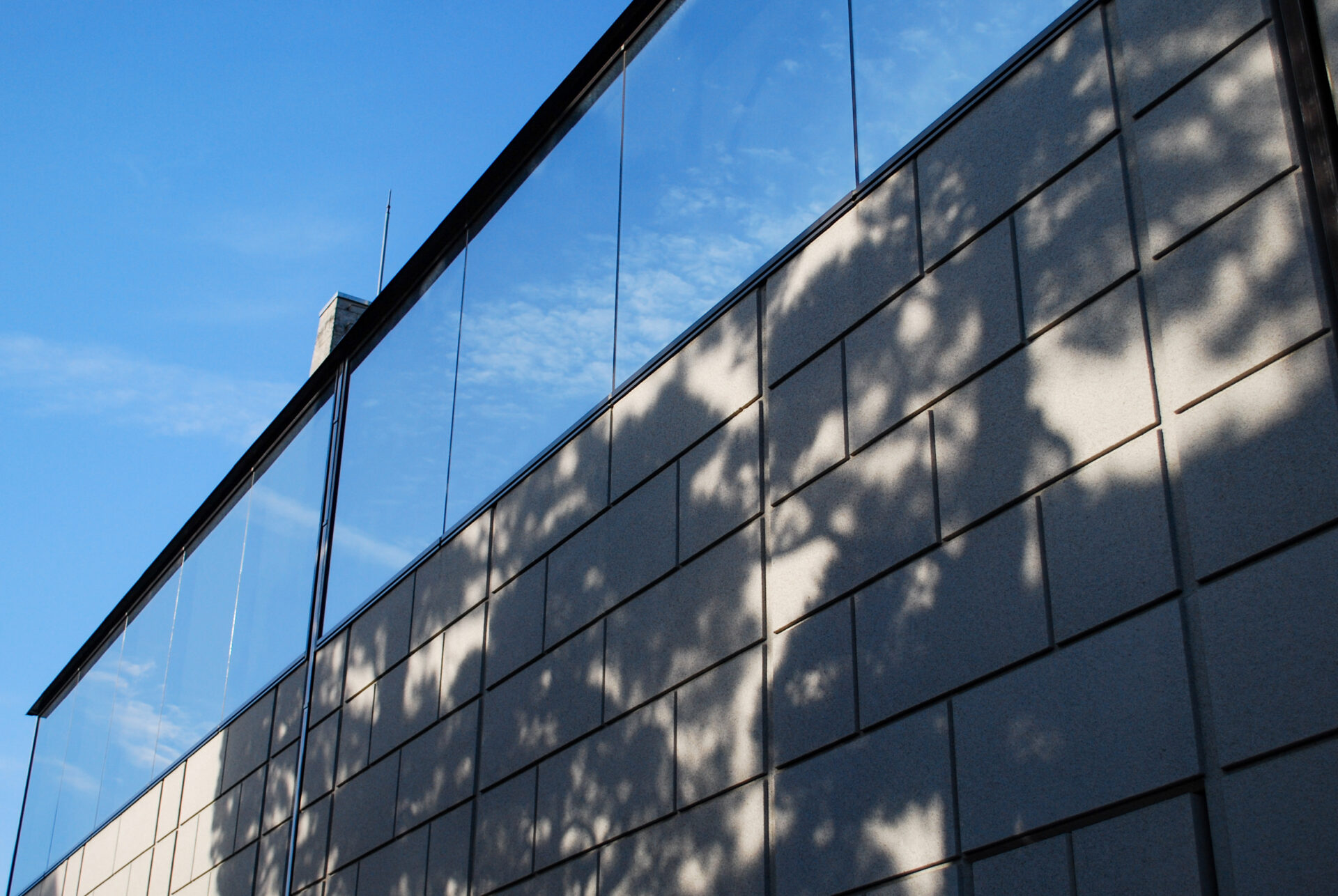
Each spot was approached not so much as a place to look at closely, but rather as a sense of being guided through the points of the stroll.
Proposal for Frailty Prevention
After about an hour of strolling, we returned to the main building of the Ohara Museum of Art.
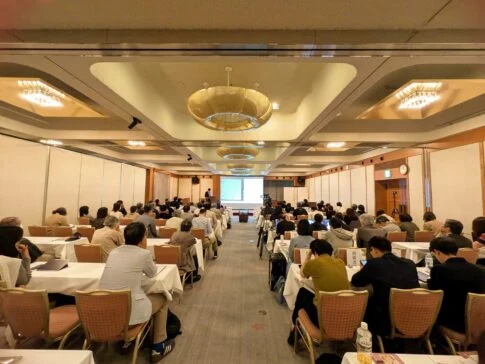
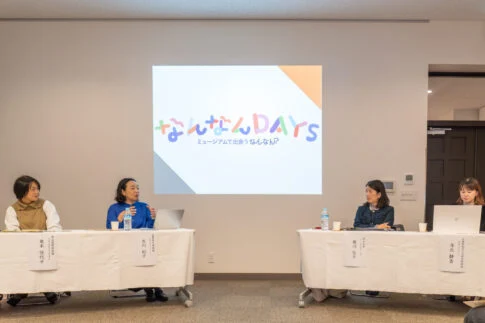
Here, we took a break while receiving explanations from the museum staff about frailty prevention and an introduction to the intent of the "Promoting Health at the Museum!" initiative.
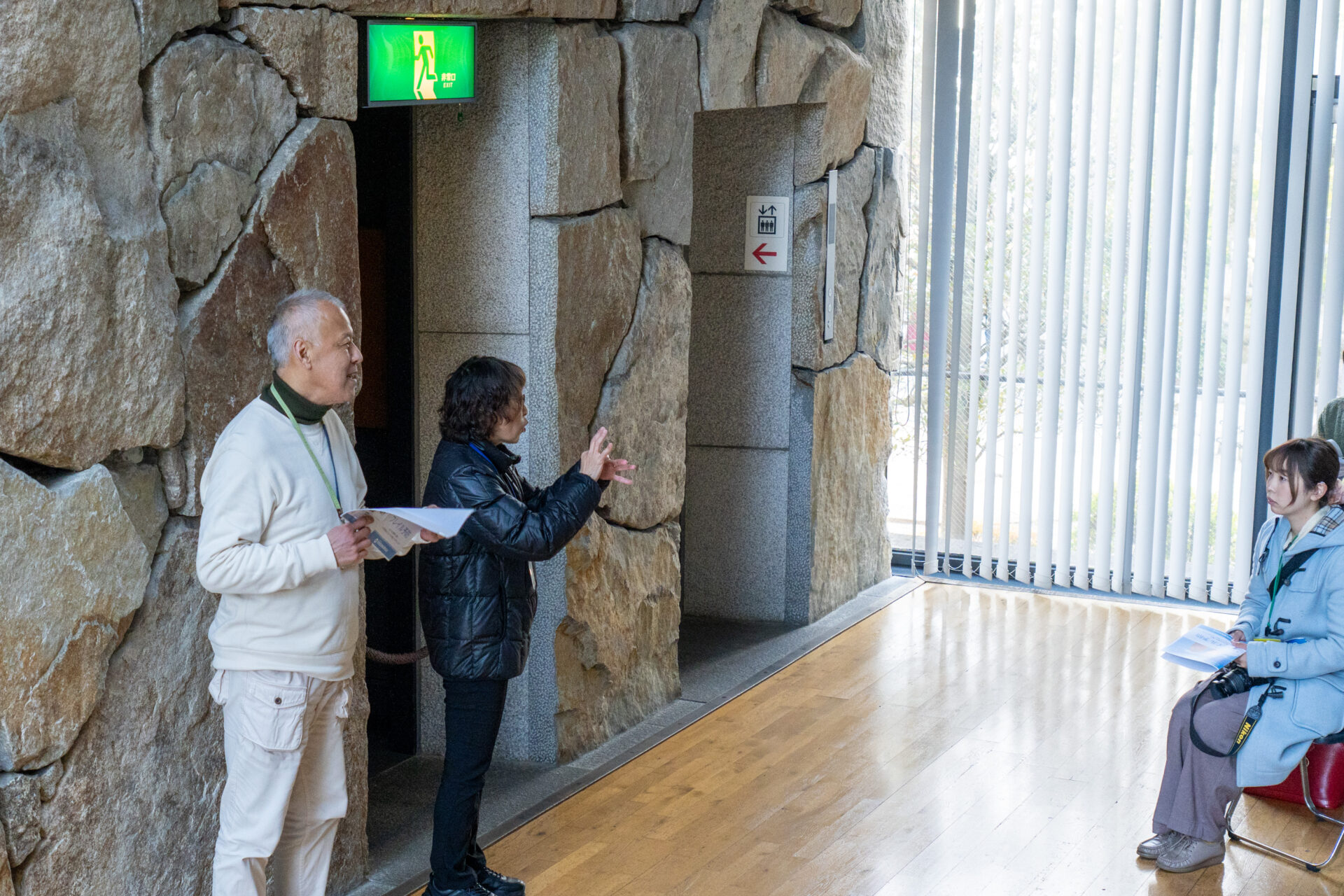
It is said that frailty prevention is not a one-time effort but requires continuity.
In other words, "Promoting Health at the Museum!" is merely a proposal for frailty prevention. By experiencing how to walk in the Bikan Historical Area, recommended food information from museum staff, and interactive appreciation, participants can grasp the points of frailty prevention and it is important for each participant to practice frailty prevention in their daily lives.
The neighborhood stroll was at a slightly brisk pace, but thanks to that, I feel like I can revisit the places that caught my interest at my own pace.
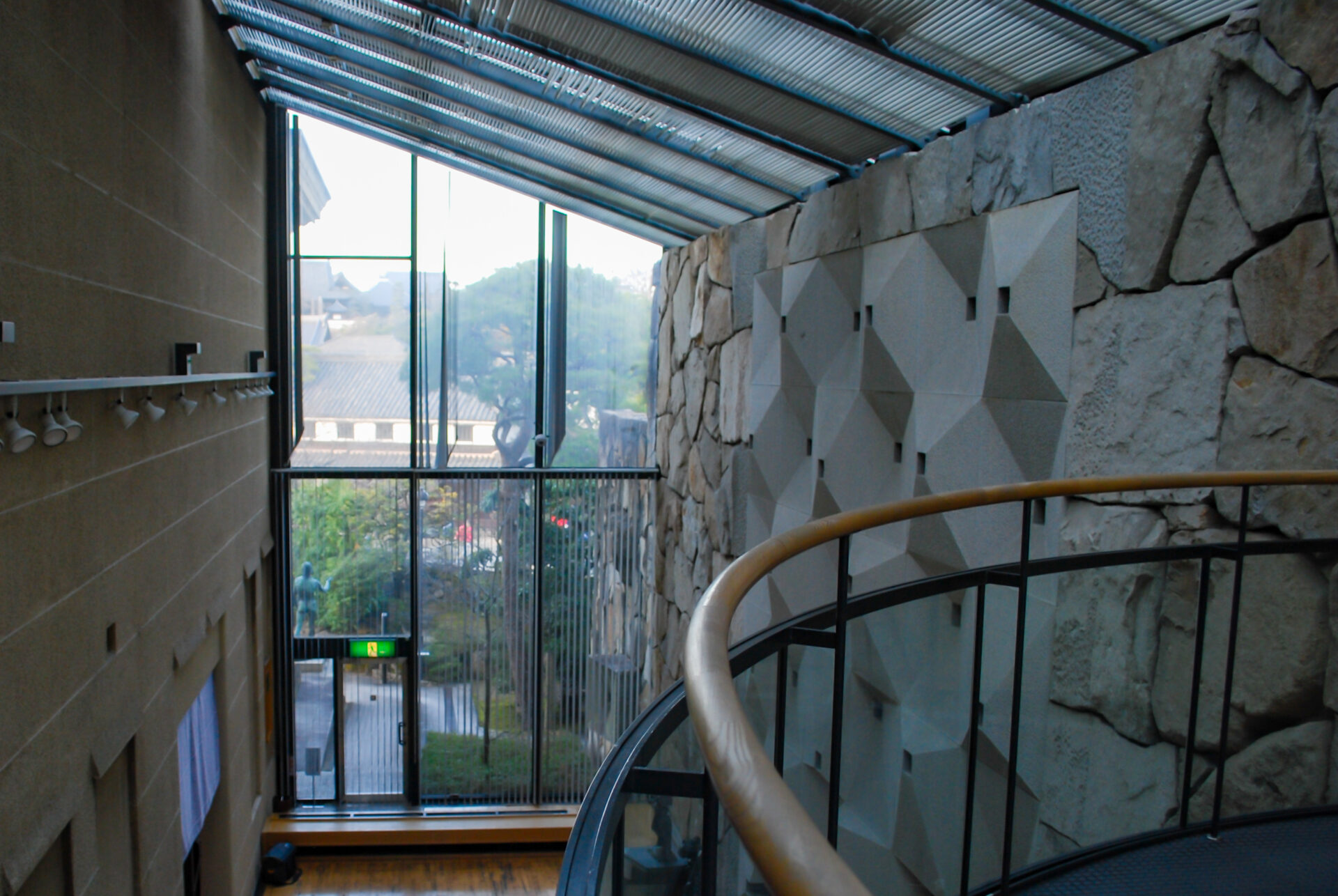
Proposal for Interactive Appreciation
After about 30 minutes of lecture, including a break, we concluded with an experience of interactive appreciation.
We received a lecture on interactive appreciation on the first floor of the main building and then divided into small groups of about 4 to 5 people.
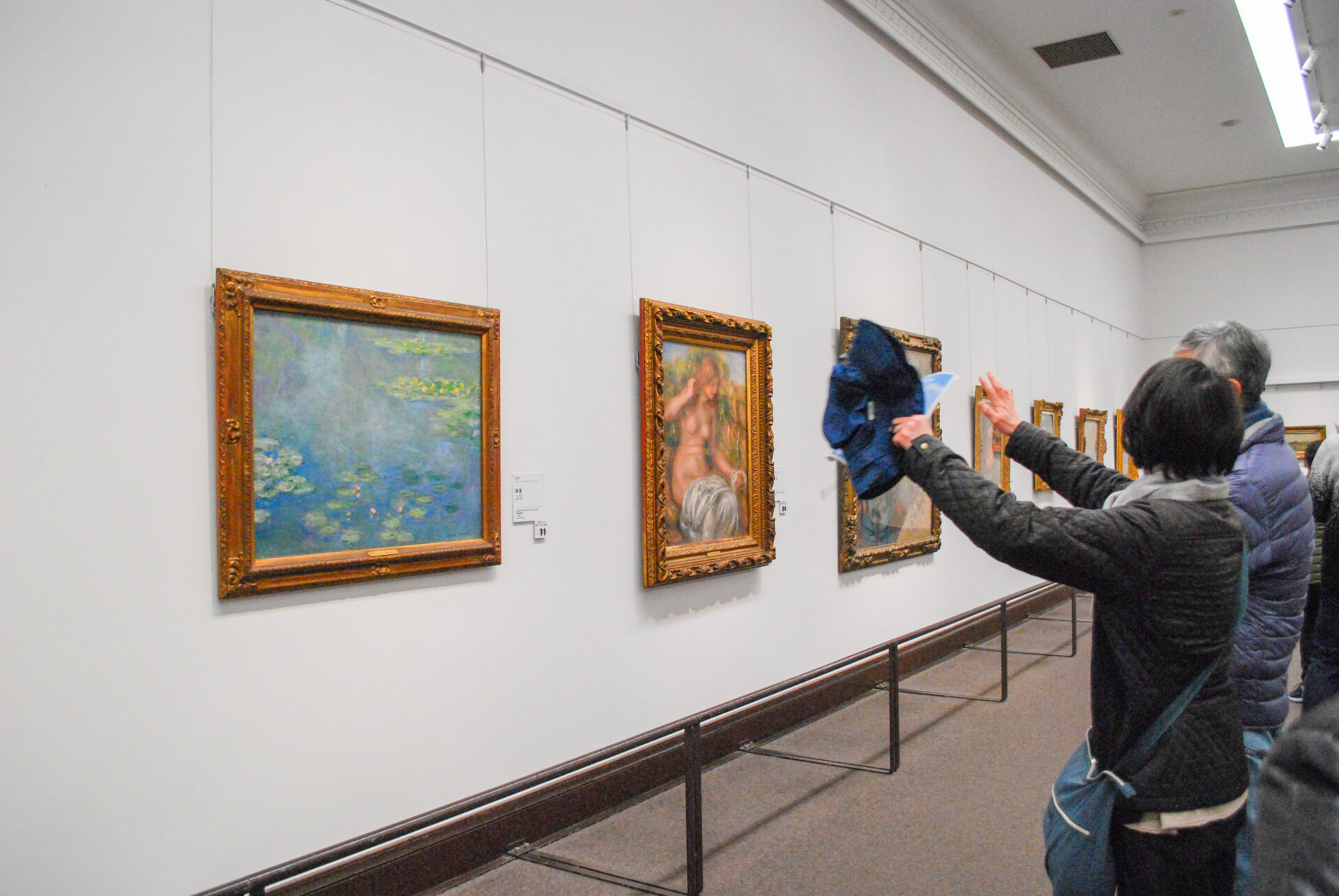
Since all participants were meeting for the first time, dividing into small groups allowed for a comfortable and enjoyable dialogue experience. It was truly a participatory interactive appreciation session.
Since I was communicating through a sign language interpreter, I was able to think carefully and answer questions like "Do you want to take that artwork home?" in an environment where participants could get closer to the interpretation.
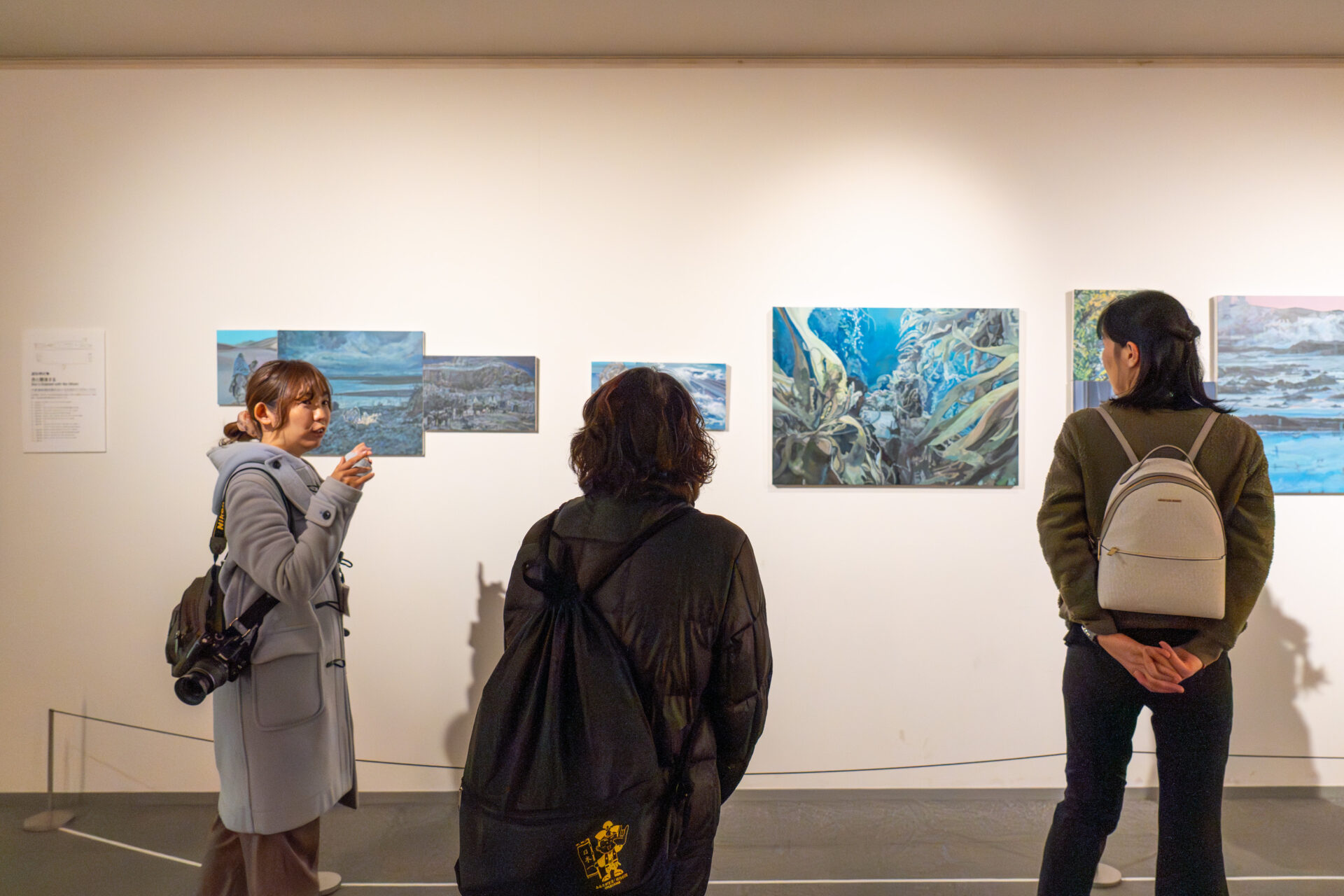
This was my second interactive viewing after the Evening Tour, but at the Ohara Museum of Art, the permanent exhibitions change with the seasons, and the perspectives of fellow participants and museum staff differ, so there are new discoveries no matter how many times you experience it.
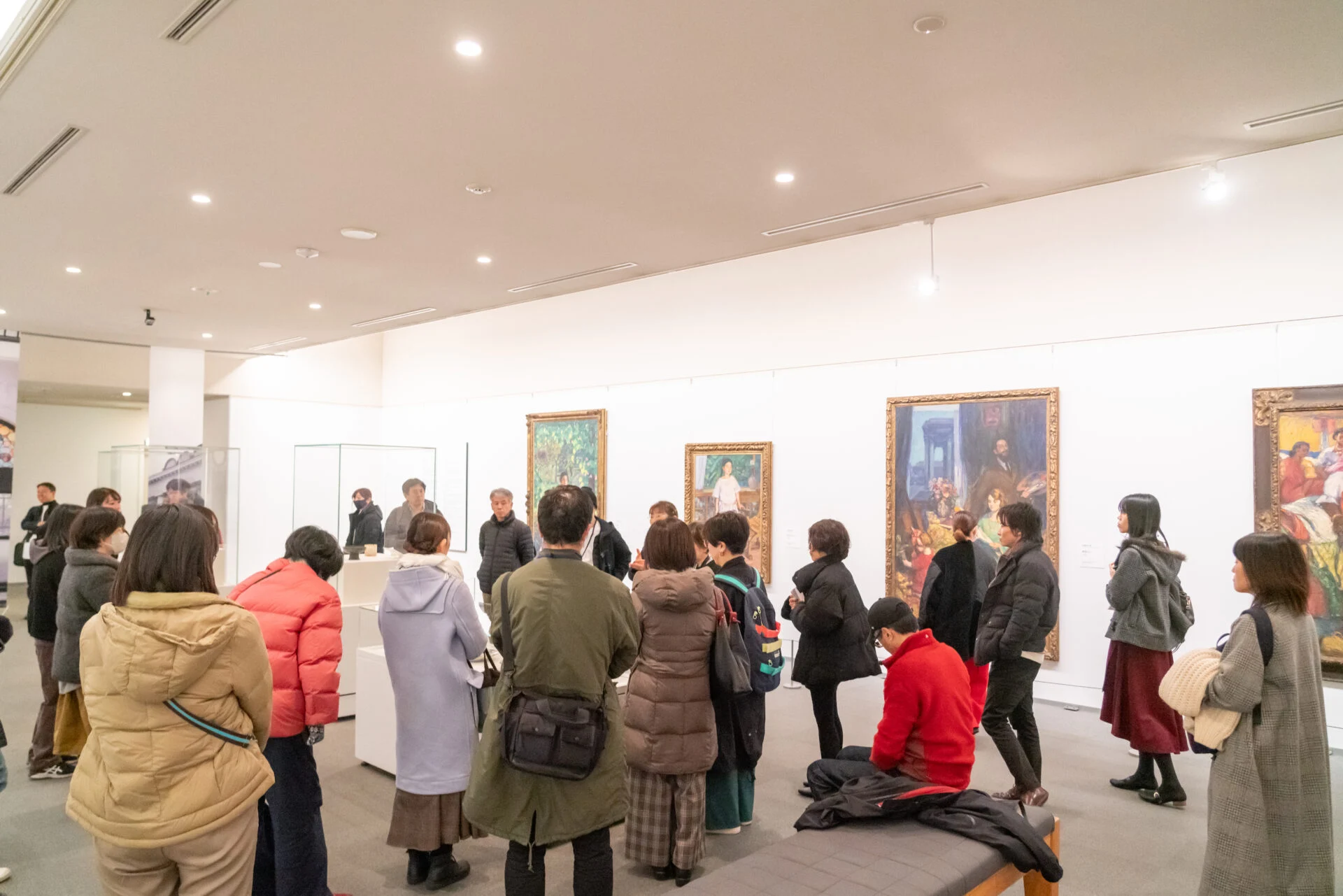
I was informed that just walking through the main building and the Craft and Eastern Rooms of the Ohara Museum of Art would allow me to walk about 1,000 steps, but after walking around the nearby area and the main building of the Ohara Museum of Art, I realized that I had walked nearly 10,000 steps at this point.
Conclusion
With the Ohara Museum of Art towering in the center of the Bikan Historical Area and many related facilities nearby, the interactive viewing was truly a unique initiative of the Ohara Museum of Art.
The content was so substantial that it couldn't be fully absorbed in two hours, but during the lecture, I was told, "This time, the museum promotes health! Think of it as a experience for preventing frailty. Please consider it a hint for your own frailty prevention," which gave me the pleasure of wanting to revisit the Bikan Historical Area and the Ohara Museum of Art.
The frailty prevention program at the Ohara Museum of Art allows participants to engage in exercise while walking around the area and interacting with each other and museum staff, enabling social participation.
According to the museum staff in charge of this frailty prevention program, they are looking to collaborate with nearby restaurants to incorporate an approach related to food in the future.
I look forward to the further development of this program.
Articles about the Ohara Museum of Art
Data on the Ohara Museum of Art
| Name | Ohara Museum of Art |
|---|---|
| Address | 1-1-15 Chuo, Kurashiki City, Okayama Prefecture |
| Contact | 086-422-0005 |
| Website | Ohara Museum of Art |










In front of the main building of the Ohara Museum of Art → In front of the Annex → In front of Kurashiki International Hotel → In front of Wakatake no Sono → Main building of the Ohara Museum of Art