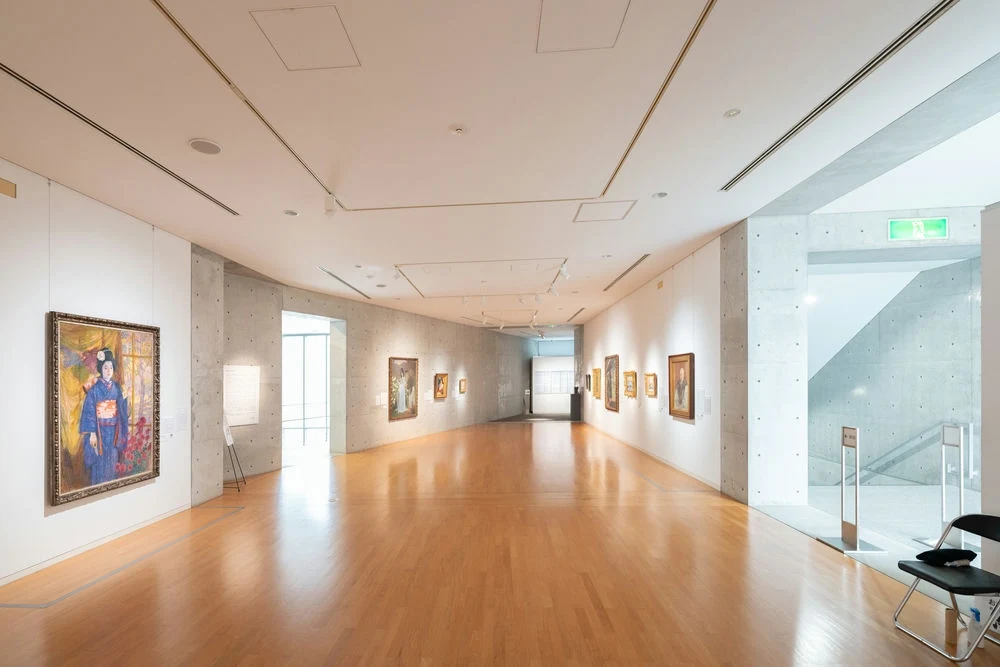
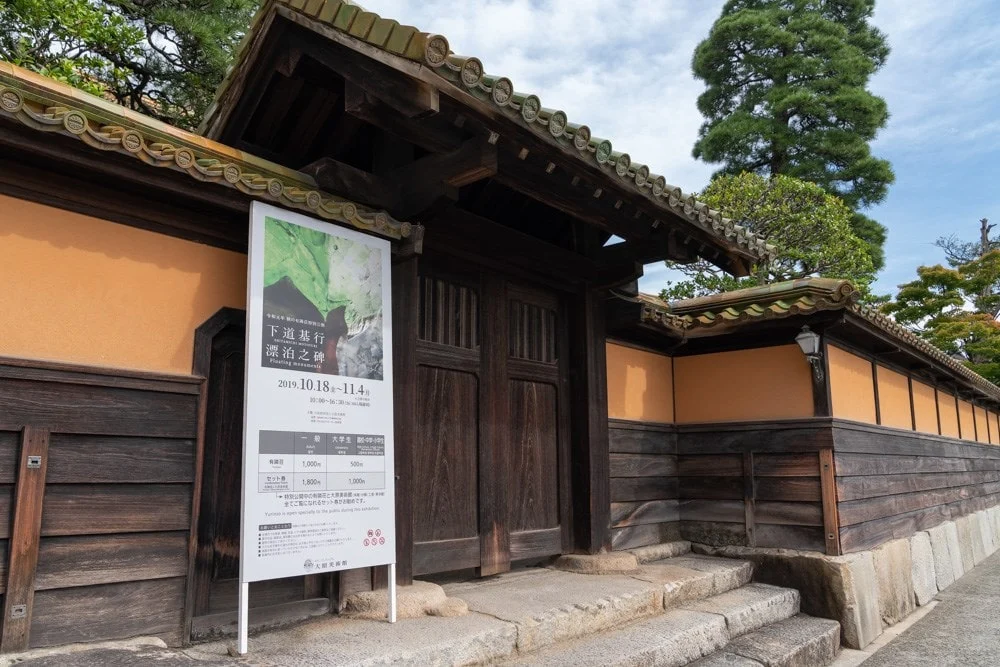
From October 18, 2019 (Friday) to November 4, 2019 (Monday, public holiday), a special exhibition by the Ohara Museum of Art was held at Yurin-so Villa located in the Bikan Historical Area.
By Motoyuki Shimamichi, "Monument of Drifting".
The author believes that "Mr. Shimamichi is one of the most noteworthy artists in Japan today."
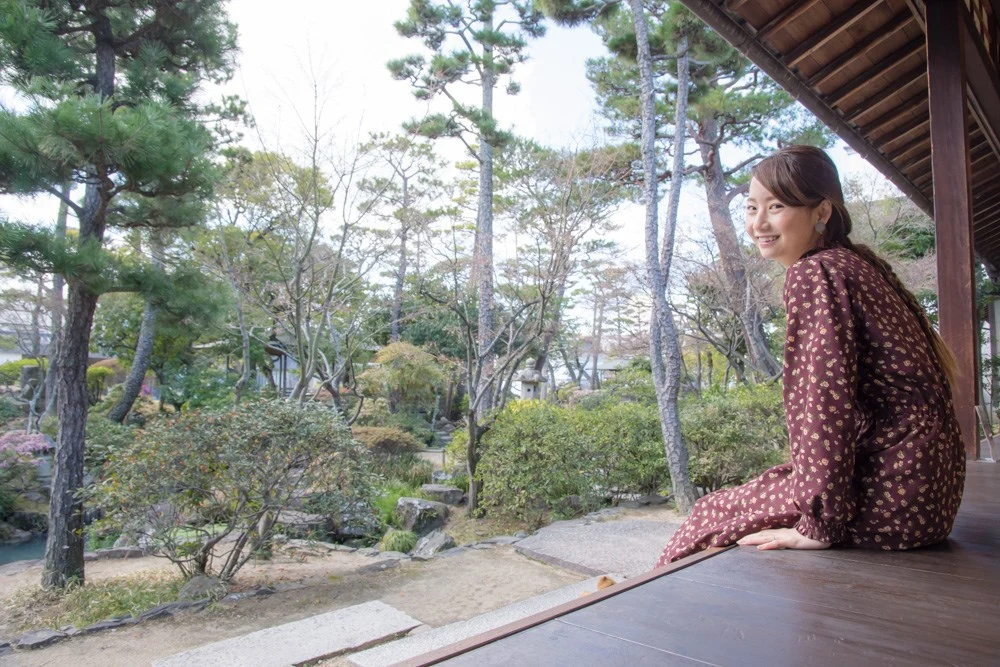
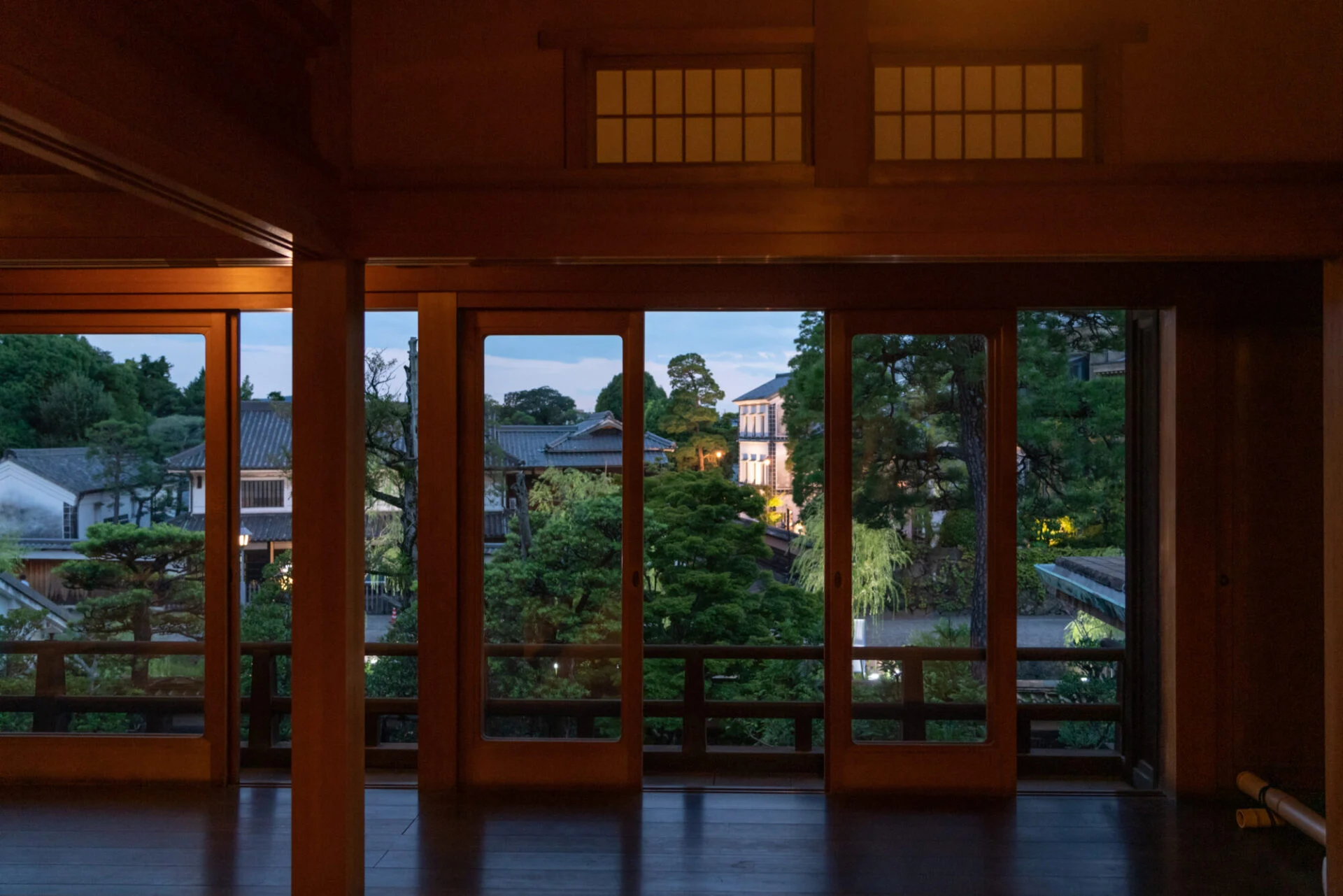
During the exhibition period, it is a rare opportunity to enter Yurin-so Villa, which is usually only viewable from the outside, and enjoy the elegant view of the Bikan Historical Area.
I covered the special exhibition.
Photography is usually prohibited inside Yurin-so Villa. This time, we have received special permission to take photos.
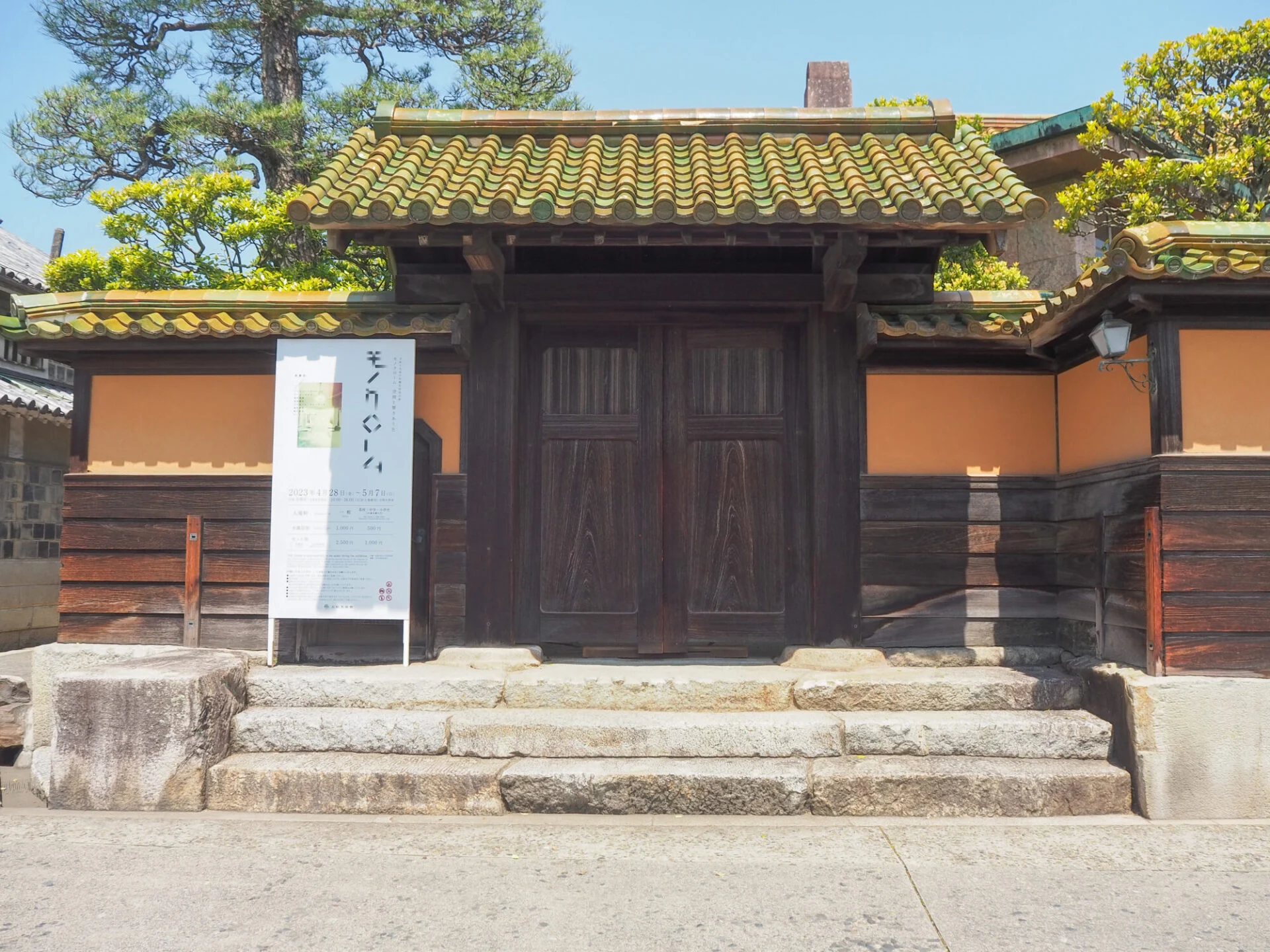
What is Yurin-so Villa
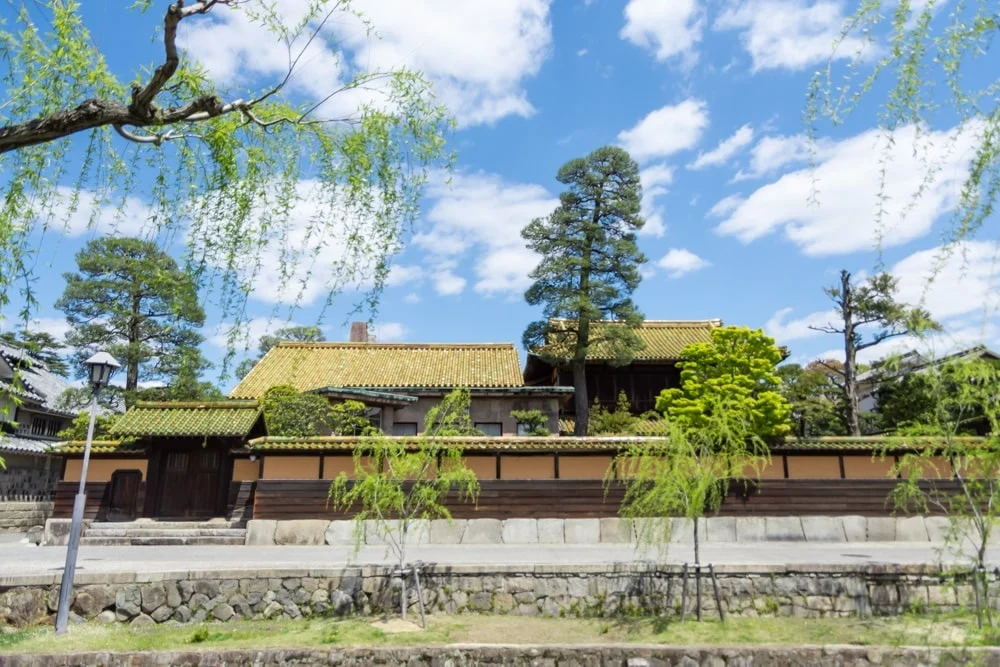
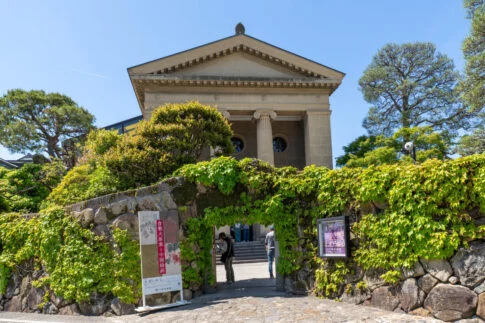
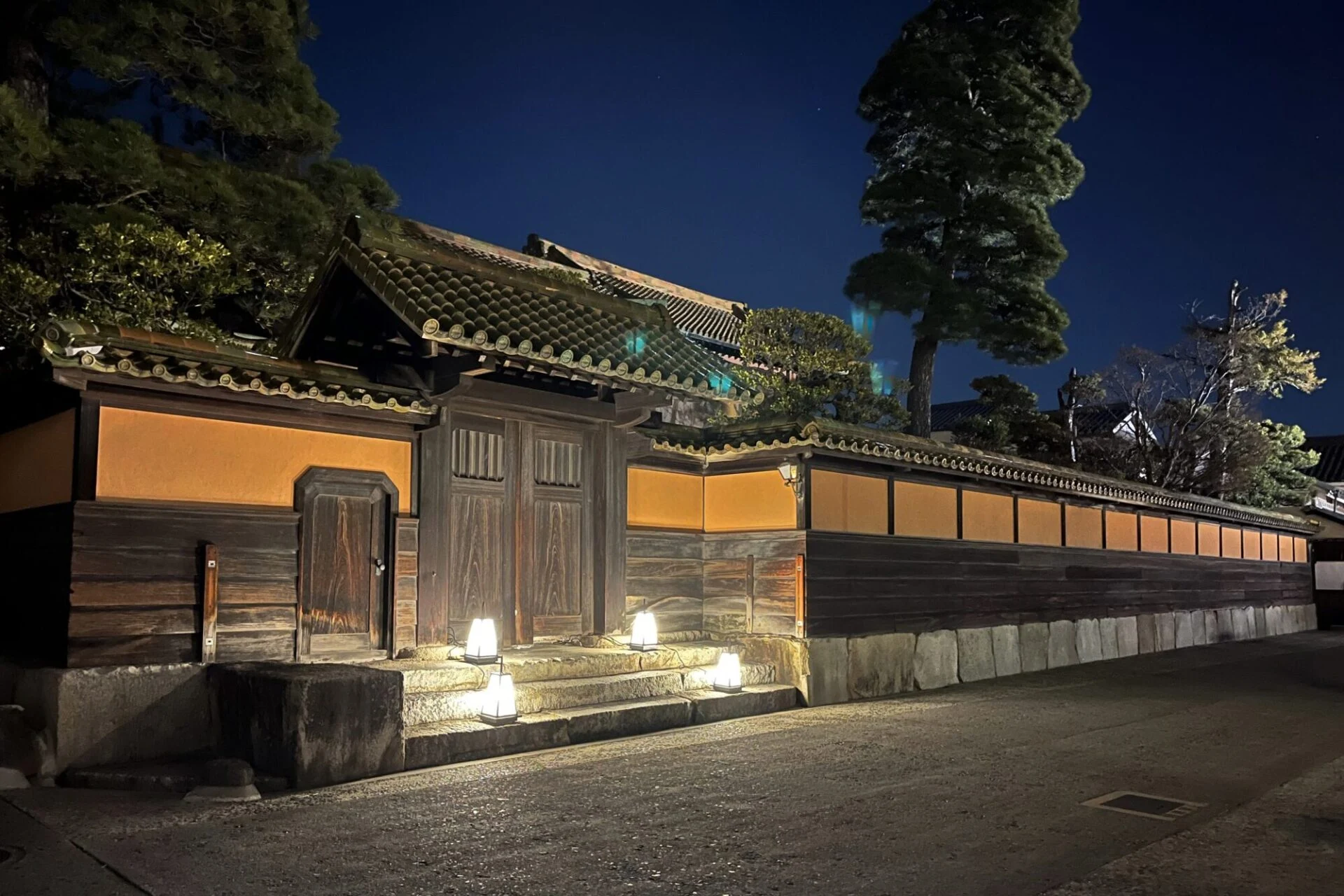
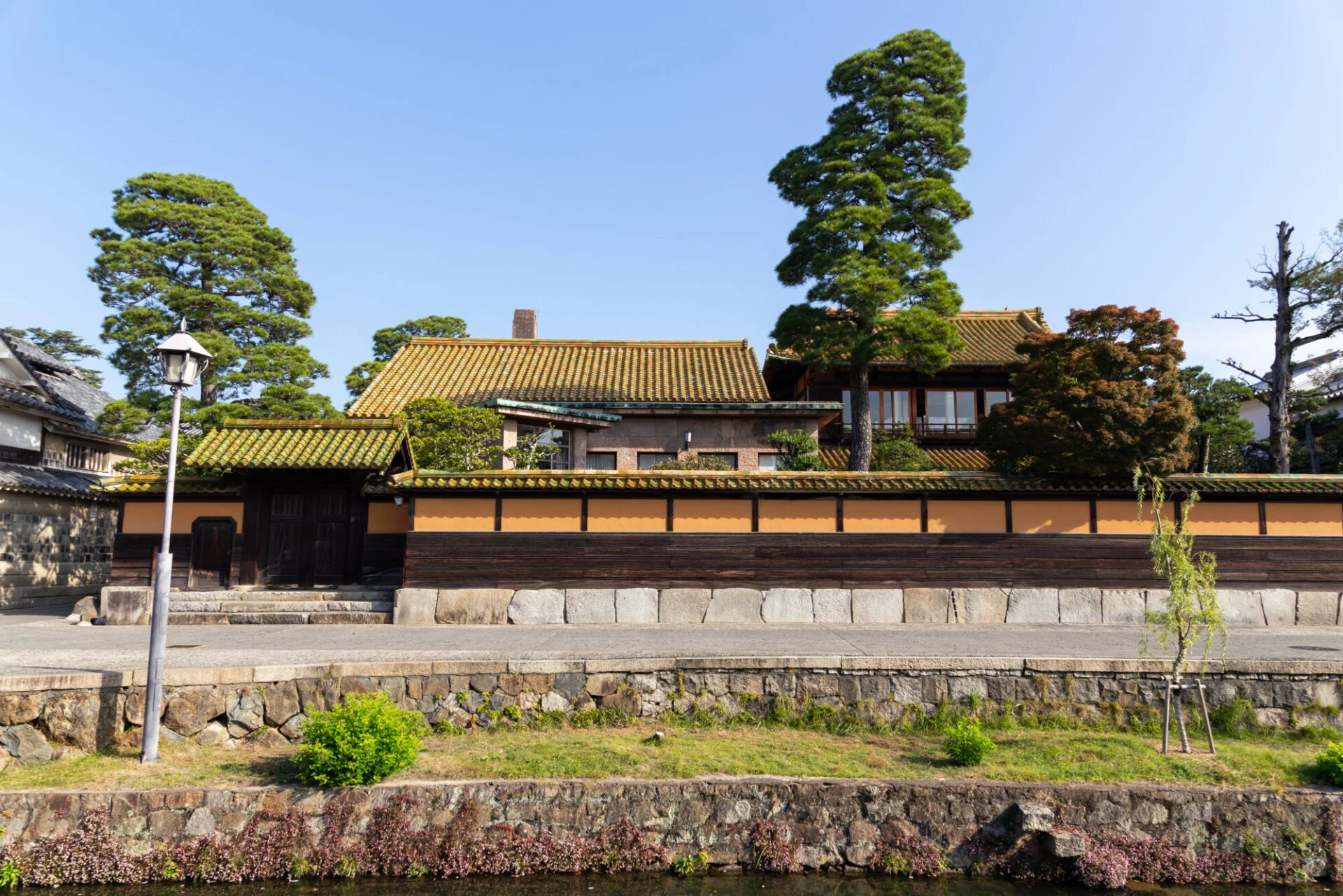
Yurin-so Villa is the former villa of the Ohara family, which had a significant impact on the economy and culture of Kurashiki.
It was built in 1928.
Usually, only the exterior can be viewed.
However, since 1997, it has been open to the public for 1 to 2 weeks each spring and autumn as a venue for special exhibitions organized by the Ohara Museum of Art.
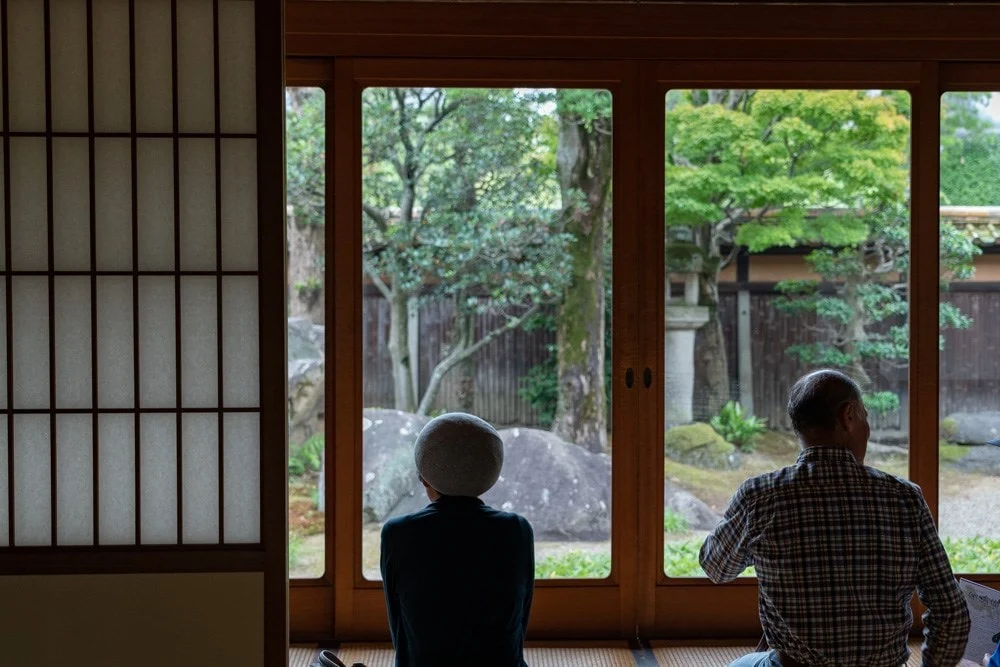
The features and highlights of Yurin-so Villa are detailed in the article below, so please take a look.

There are three points that I particularly want you to focus on:
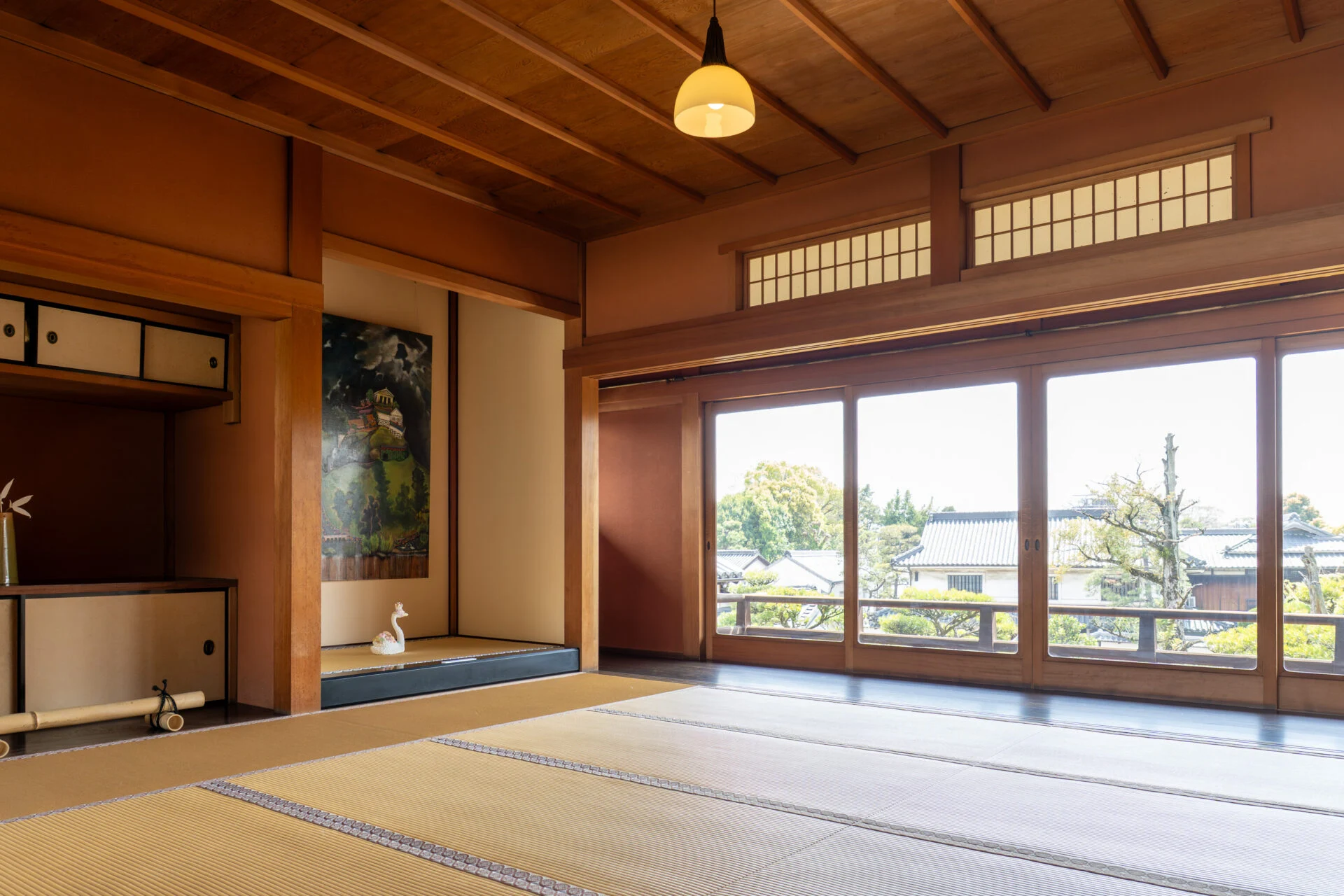
- The view of the Bikan Historical Area from the second floor is superb
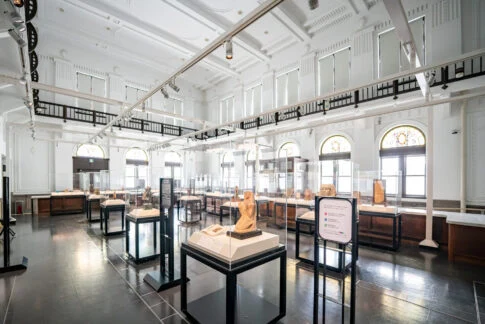
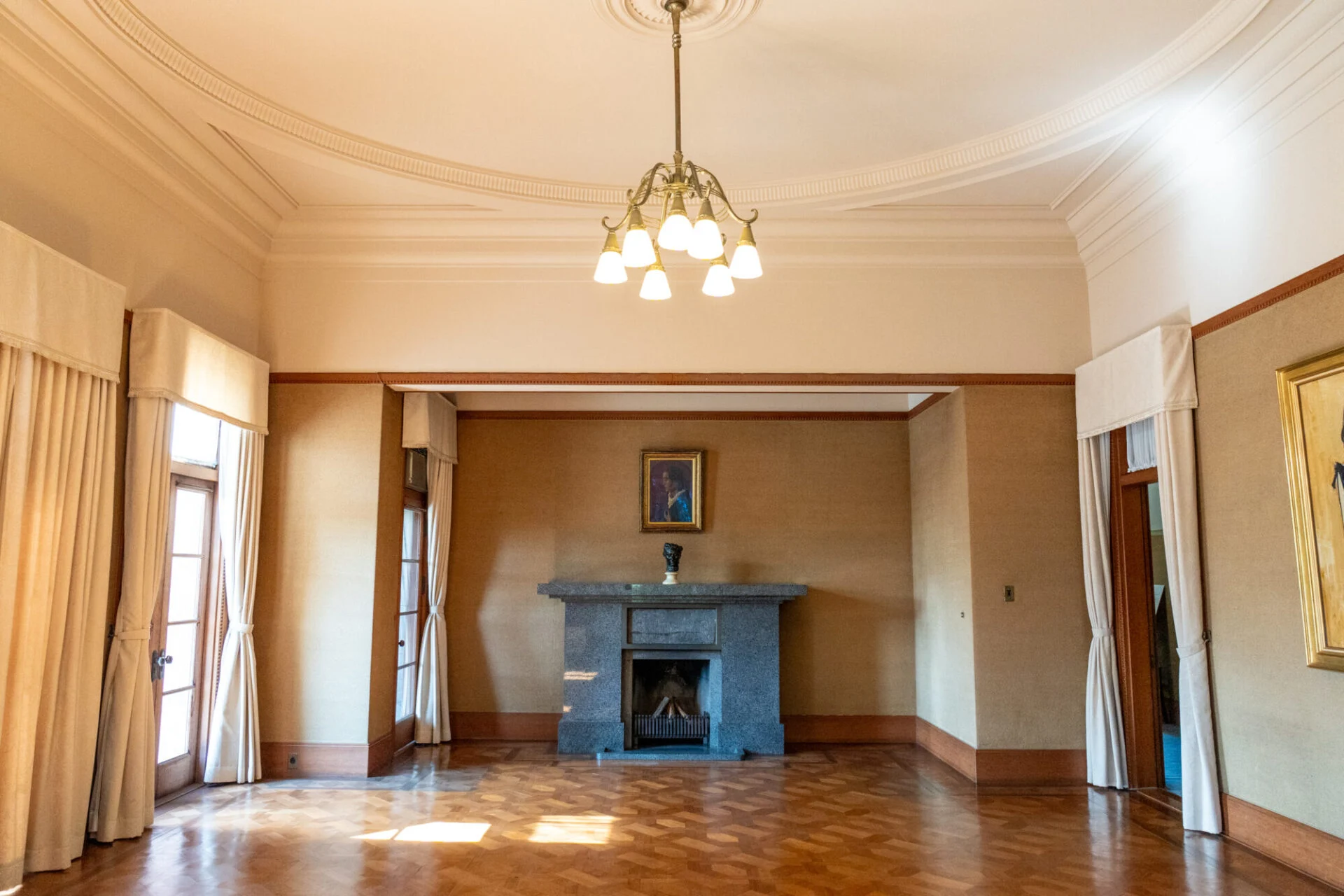
- A famous architecture that blends Japanese and Western styles
- Two gardens by a pioneer of modern Japanese gardens
The tiles called "Midori-goten" are also introduced in the article below.
About Motoyuki Shimamichi
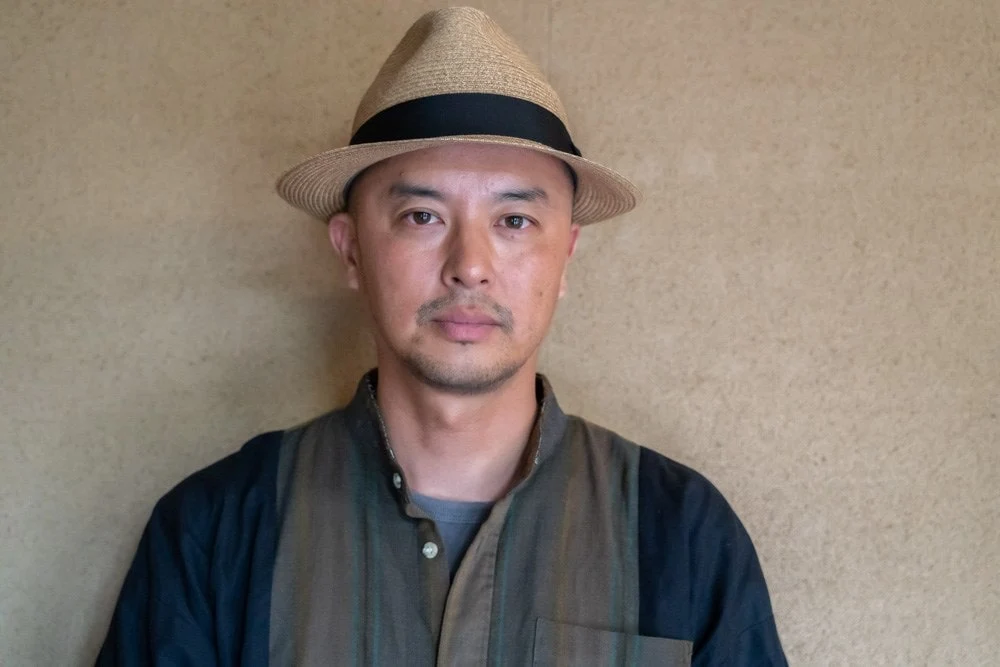
Motoyuki Shimamichi is an artist born in Okayama City in 1978.
He has participated in numerous exhibitions, including the "Asian Art Biennial 2013" (Taiwan), "Gwangju Biennale 2018" (South Korea), and "MOVING STONES" (France), and has held solo exhibitions in Aichi and Toyama.
In March 2019, he received the "Tokyo Contemporary Art Award 2019-2021."
Moreover, he has become a central artist representing Japan at the "Venice Biennale," the world's largest international art exhibition with a history of over 120 years, in 2019.
The Venice Biennale is an international exhibition held every two years, often referred to as the Olympics of art.
It is probably the exhibition that art professionals around the world pay the most attention to.
The representative artists of the Venice Biennale are cutting-edge artists representing their countries.
The author believes they are like flag bearers at the Olympics.
It is truly exciting that Mr. Shimamichi's solo exhibition is being held in Kurashiki!
Let me introduce the exhibition.
About the Monument of Drifting
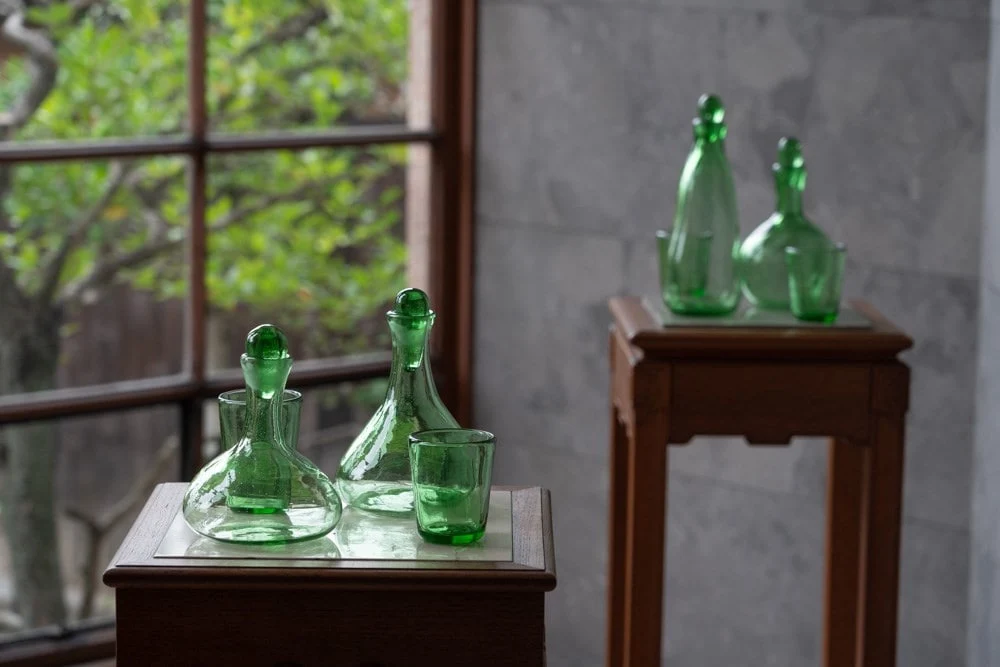
The Monument of Drifting project began in Okinawa in 2014.
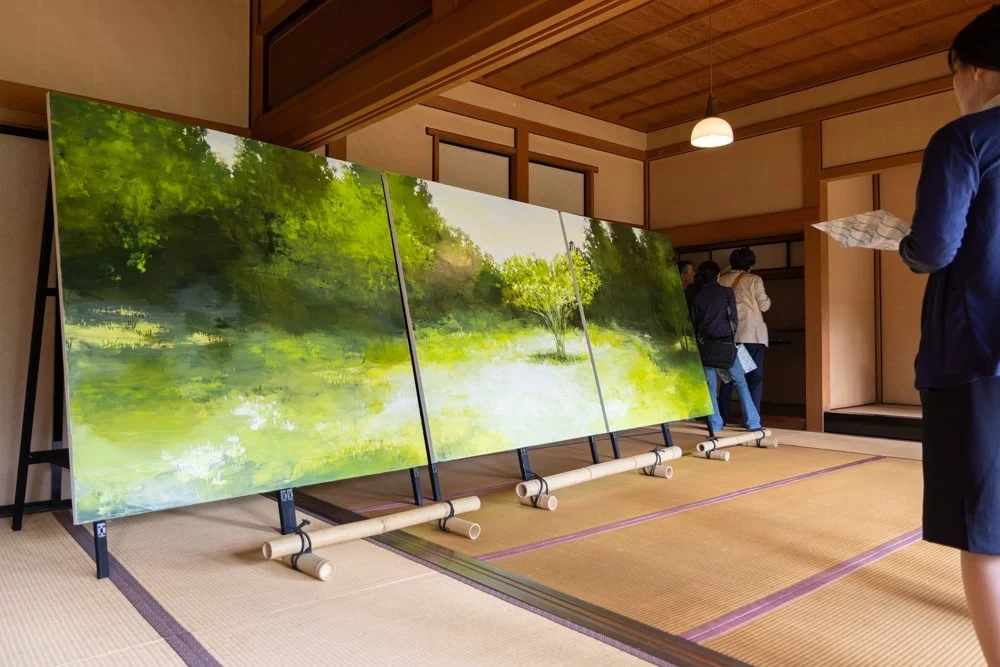
The exhibition at Yurin-so Villa consists of the following three parts.
- Okinawa Glass
- Tsunami Stones
- Nagisa Sansai
Each room features a different series, allowing visitors to enjoy the space.
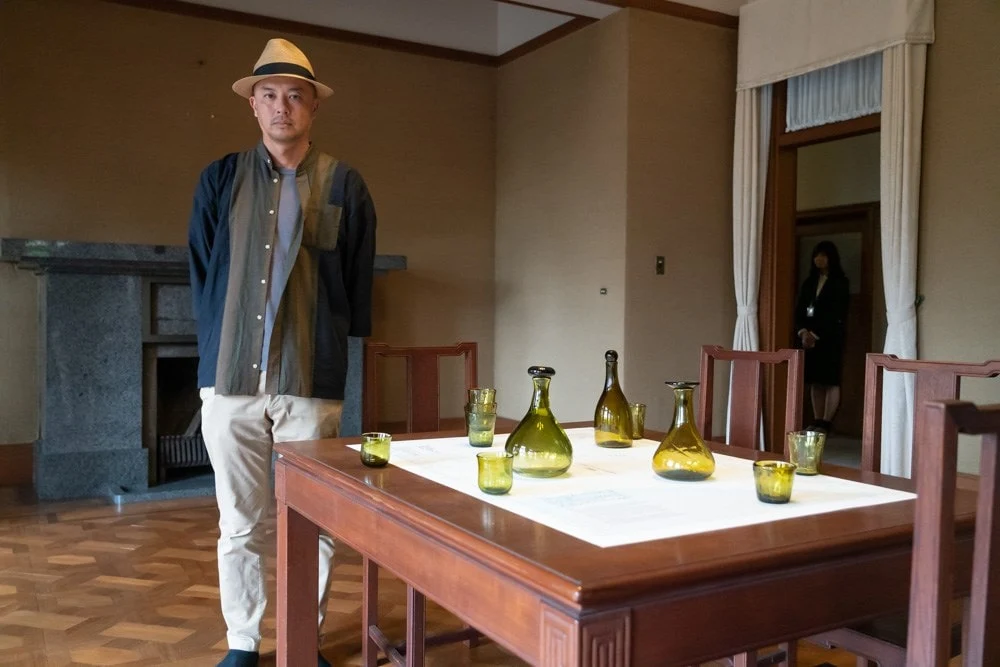
Okinawa Glass
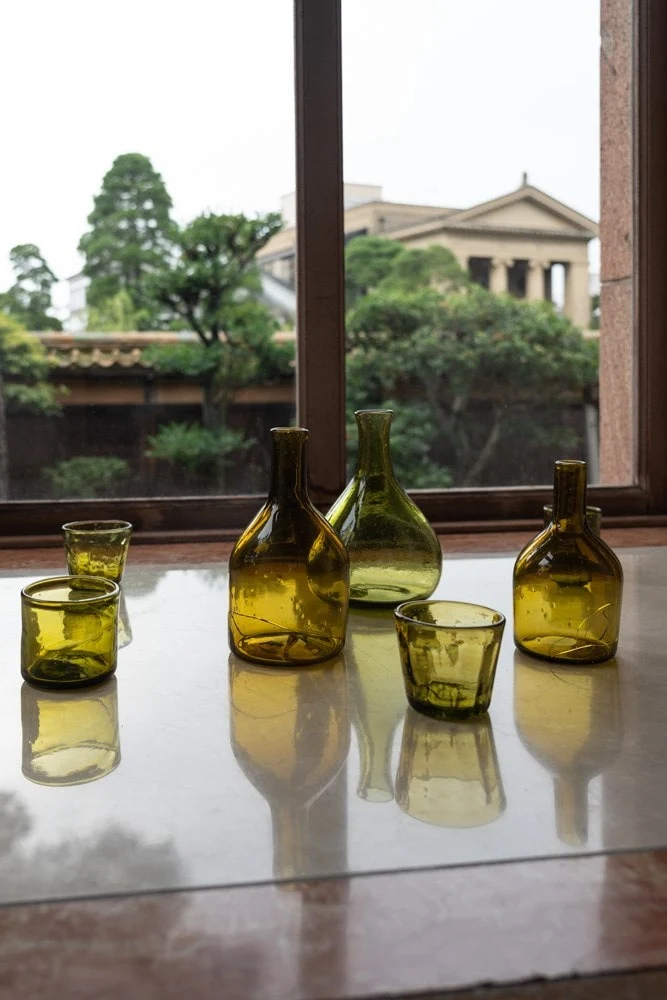
On the beaches of Okinawa, glass bottles wash ashore from China, Korea, and other places.
The "Okinawa Glass" project aims to revive these bottles as recycled glass in collaboration with Ryukyu glass artisans.
Mr. Shimamichi has been contemplating "boundaries."
For him, Okinawa is an "inner" place within the framework of Japan.
However, when he goes to Okinawa, he is seen as an "outer" person from the "mainland."
Geographically, Okinawa can be considered a boundary land.
The beach is also a boundary line between land and sea.
What colors will the tableware made from glass bottles that have drifted from various places have?
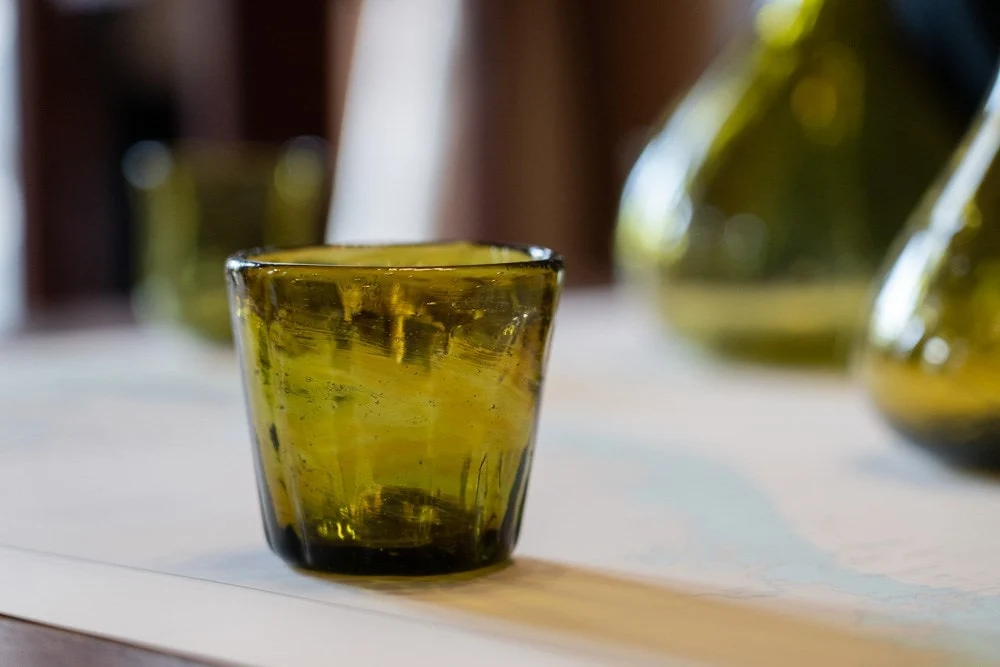
In the "Okinawa Glass" project, mixing glasses from different manufacturing factories can make them more prone to breakage due to differences in expansion rates.
It is said that if they are completely mixed, they become less likely to break, but Mr. Shimamichi mentioned, "It feels strange to be completely mixed."
The artwork includes an instability that is not uniform, even though they are melted together.
At the venue, bottles that have drifted ashore and photos of materials referred to as "recipes" are also displayed.
Tsunami Stones
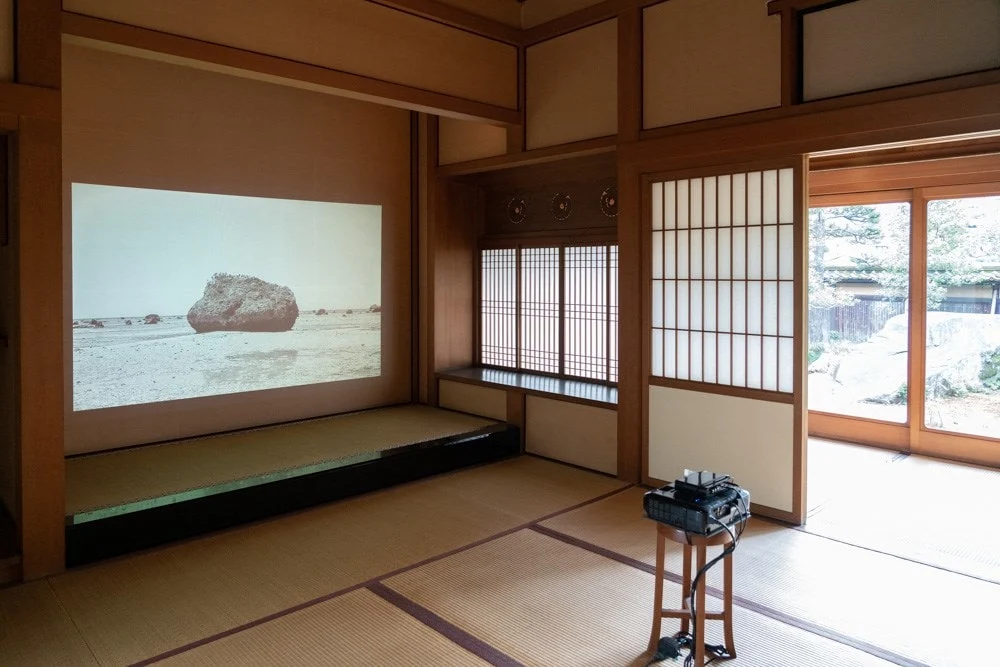
On the Miyako and Yaeyama Islands, there are many stones called "Tsunami Stones" that have been washed ashore by tsunamis.
It is said that tsunamis occur approximately every 500 years, bringing many rocks each time.
One piece from a series of monochrome video works documenting Tsunami Stones is on display at Yurin-so Villa.
The video playing at Yurin-so Villa features rocks that have become a colony for migratory birds.
This Tsunami Stones series is also exhibited at the Venice Biennale.
The glass bottles from the "Okinawa Glass" series and the Tsunami Stones share the commonality of being "washed ashore."
By comparing recently washed ashore items with those that washed ashore long ago, I felt the length of time since the Tsunami Stones arrived at this place.
Nagisa Sansai
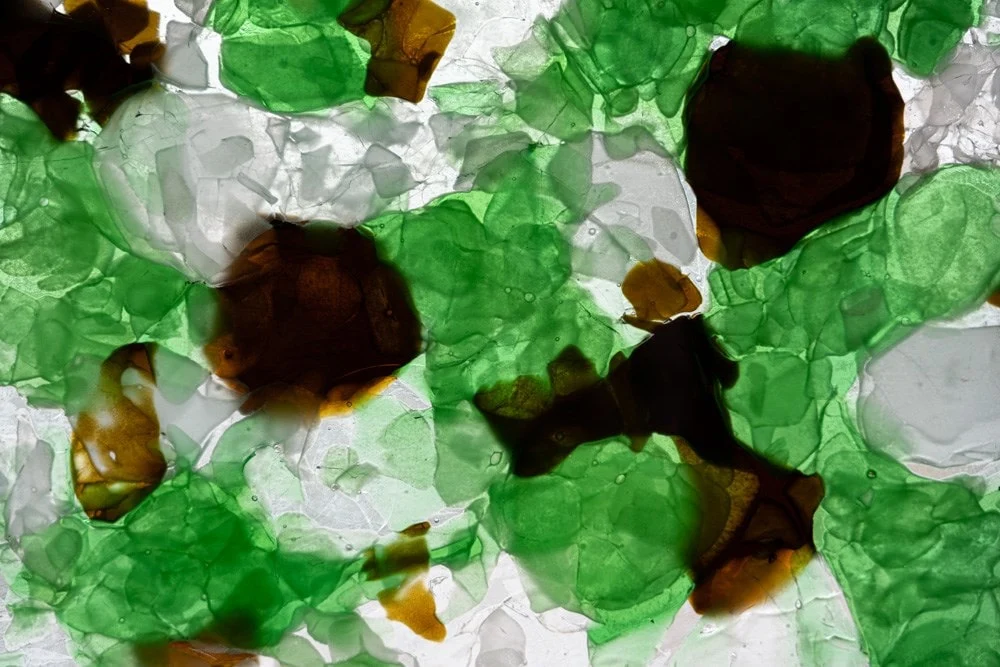
The new work created in Kurashiki to match Yurin-so Villa is "Nagisa Sansai."
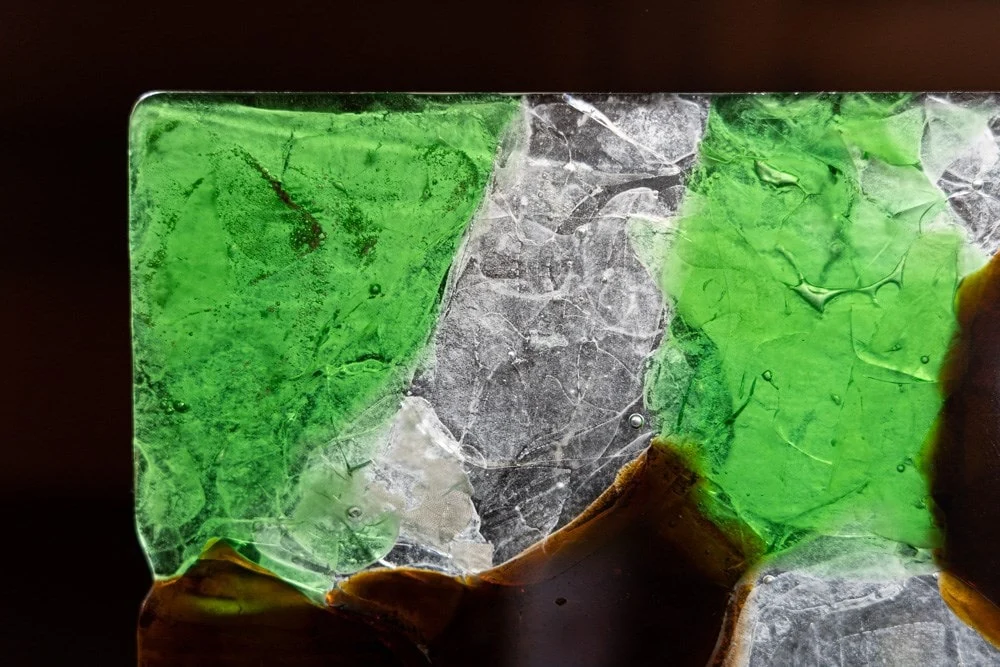
This artwork is made by crushing and arranging drifted glass and melting it into plate glass.
Kurashiki is a city thriving in folkcraft and glass
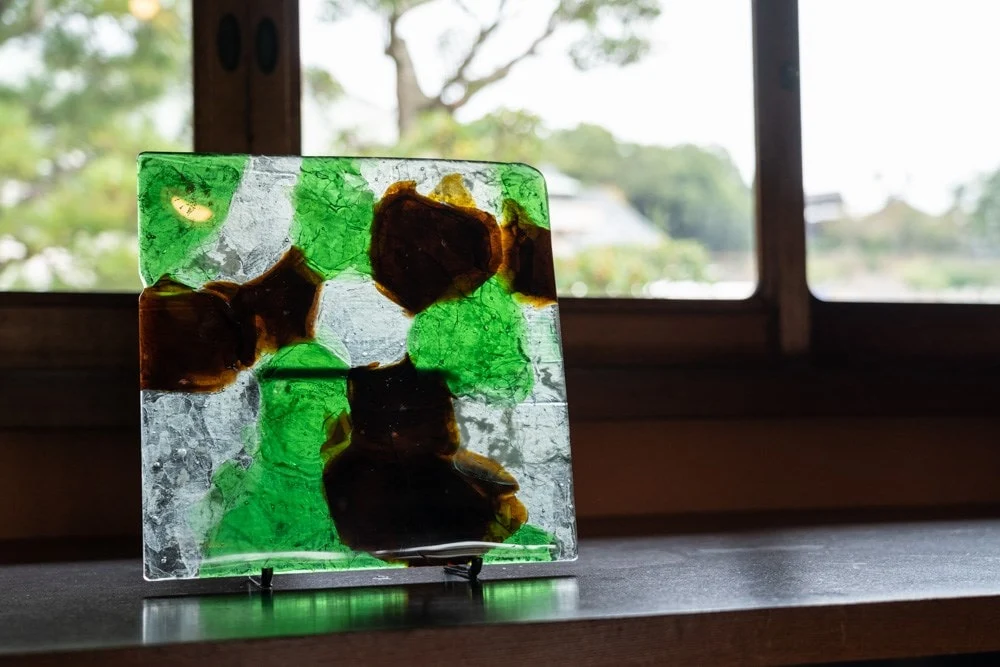
The "Nagisa Sansai" series was created with the cooperation of the glass course teachers at Kurashiki University of Science and the Arts.
According to Mr. Shimamichi, this plate glass cannot be made unless the equipment, knowledge, and techniques come together as a trinity.
Kurashiki University of Science and the Arts has all of these elements.
Kurashiki is a significant city for folkcraft.
And it is a city thriving in glass crafts.
For more information on the relationship between folkcraft and Kurashiki, please refer to the article below.
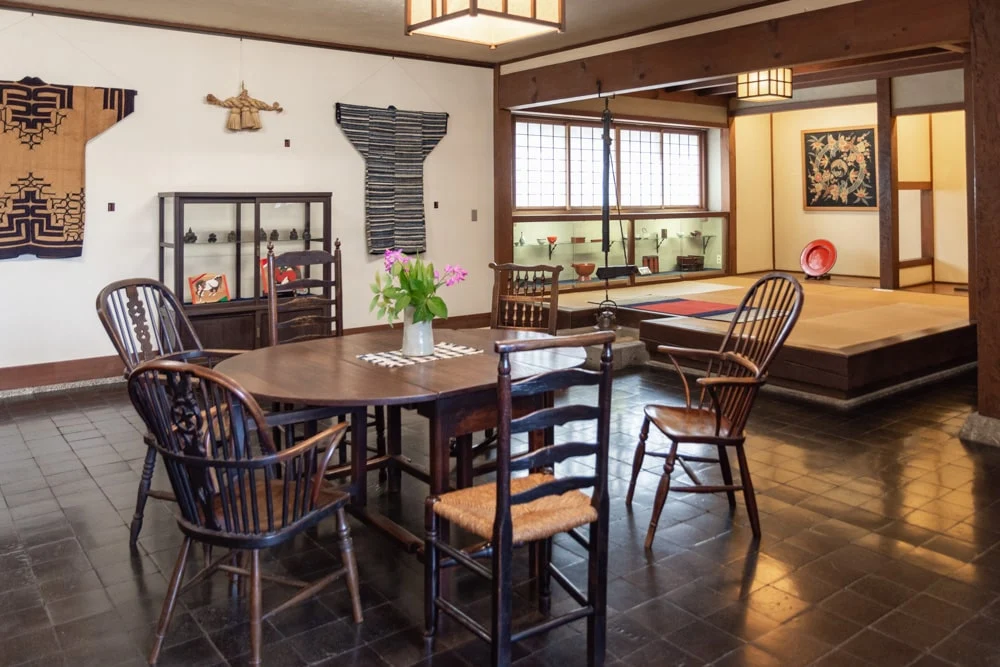
Mr. Shimamichi mentioned, "It is rare in Japan to have glass so close at hand."
He felt that his interests align with the culture that Kurashiki possesses.
Nagisa Sansai, made from glass bottles with remaining information
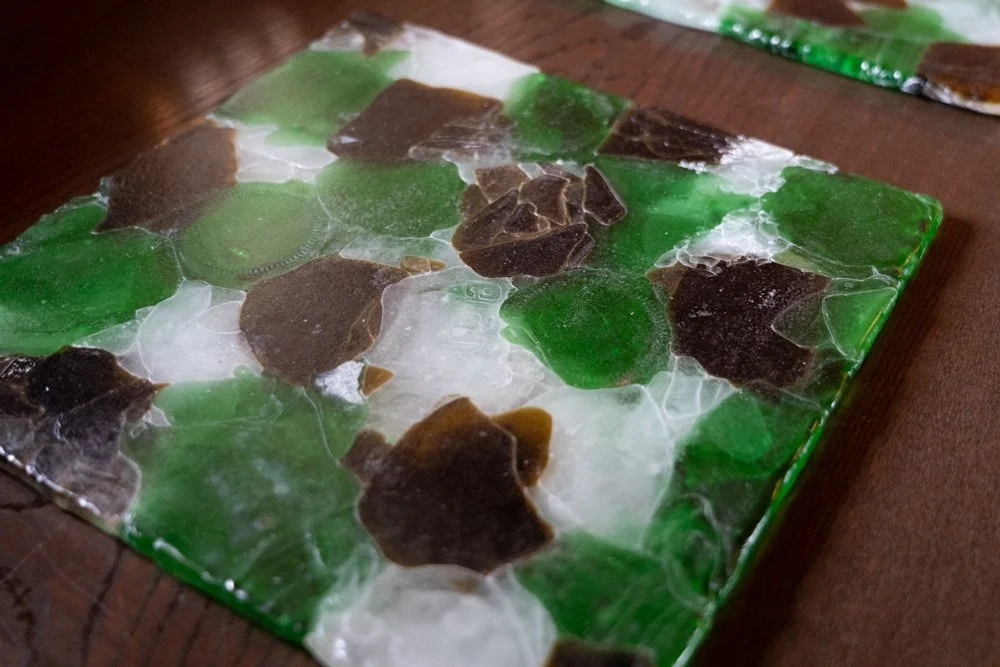
Nagisa Sansai was created by molding and melting.
When melted, the information from when it was a glass bottle remains on the underside.
It seems that they intentionally left this information and polished only the upper side.
The jagged edges and letters on the bottom of the bottle are visible, which is interesting!
Where did this glass come from, how was it used, and how did it end up here?
My imagination expanded.
The Window of Yurin-so in the Artwork
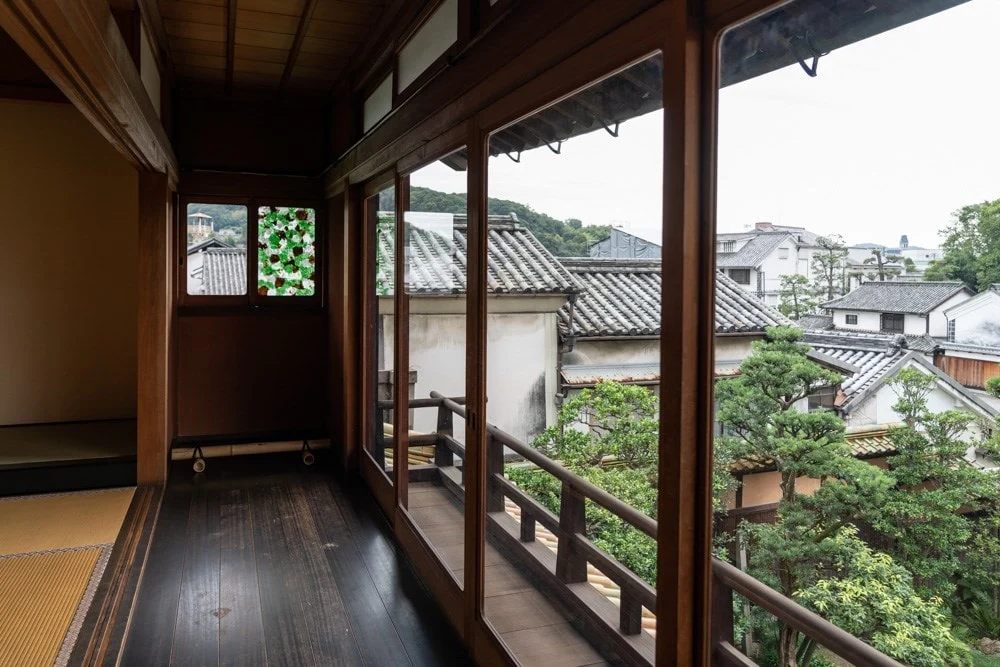
And “Nagisa Sansai” has become one of the window glasses of Yurin-so!
Windows are also things that separate the inside from the outside.
It was made so as not to interfere with the charm of the Yurin-so building and space, and I felt it blended into the space.
Let's See Works by Japan's Representative Artists
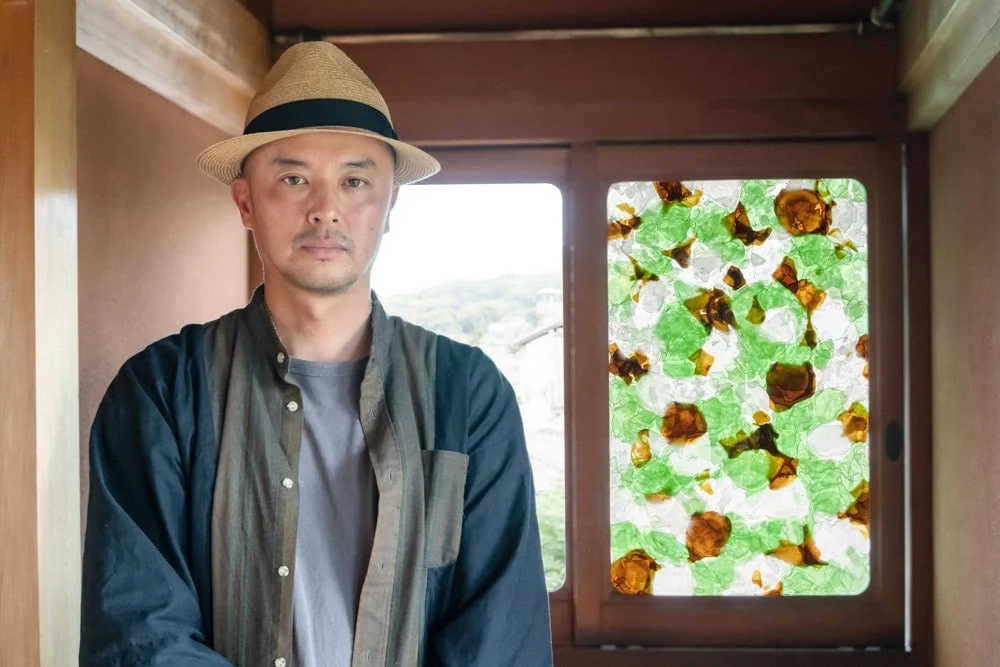
Change, permanence, disappearance.
The inside and the outside.
What I had thought was a boundary until now, is it really a boundary?
How do we relate to it?
I was prompted to question through the artwork and reconsider how I am myself.
Mr. Shimomichi, whose trends are attracting attention both domestically and internationally.
Would you like to enjoy the series being exhibited at the Venice Biennale and new works unique to Kurashiki at Yurin-so?
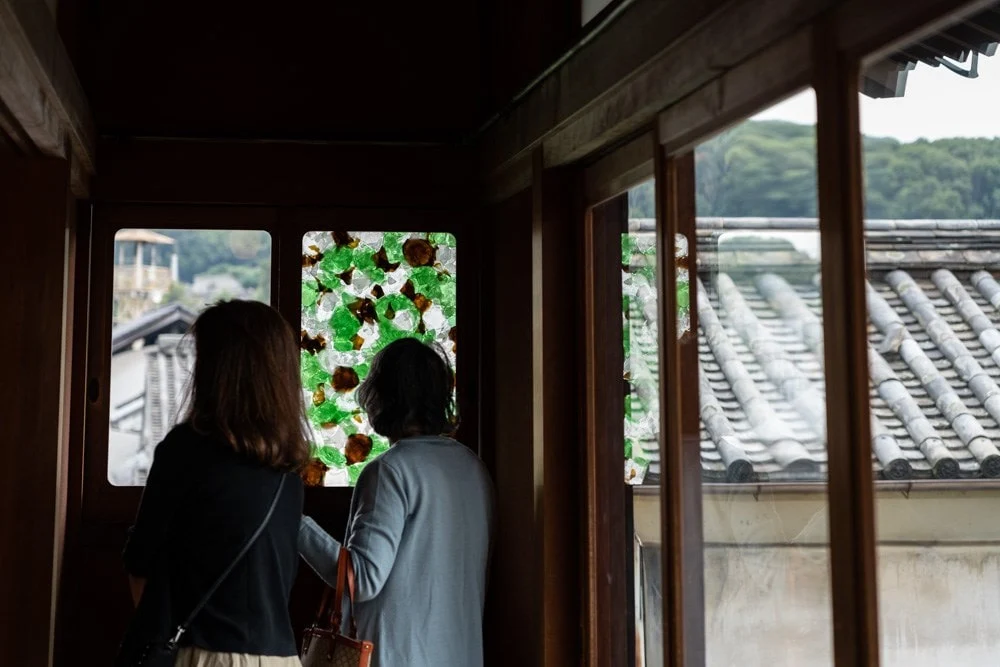
In addition to the exhibition, the beautiful architecture, garden, and views from the windows are also recommended.
Various Special Exhibitions Held at Cultural Facilities in the Bikan Historical Area
During the special exhibition period at Yurin-so, various special exhibitions were held at cultural facilities in the Bikan Historical Area.
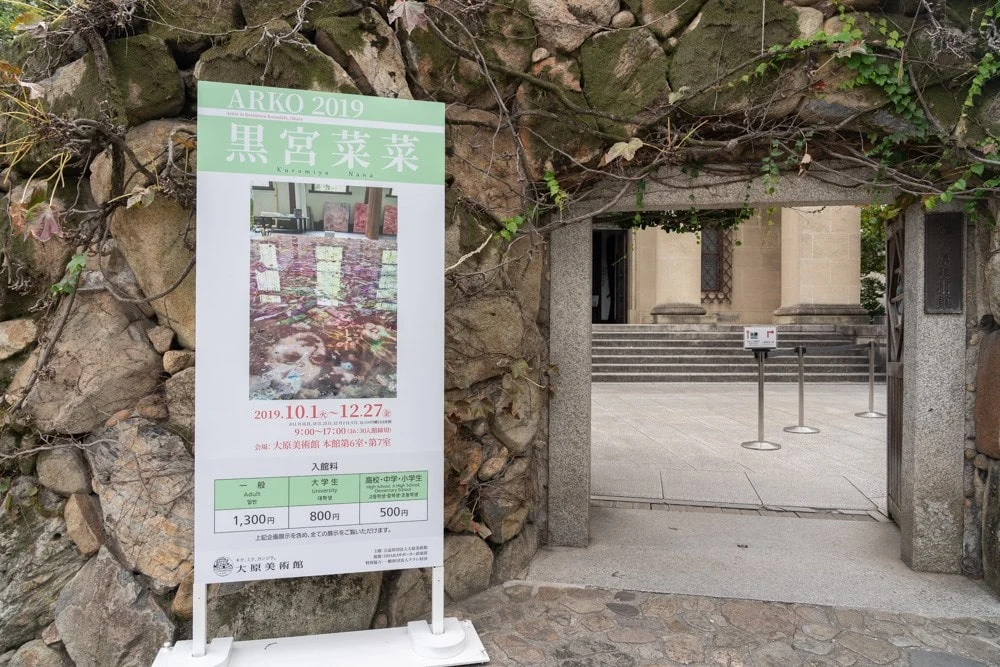
Ohara Museum of Art will hold “ARKO2019 Nanao Kurokami” until December 27, 2019 (Friday).
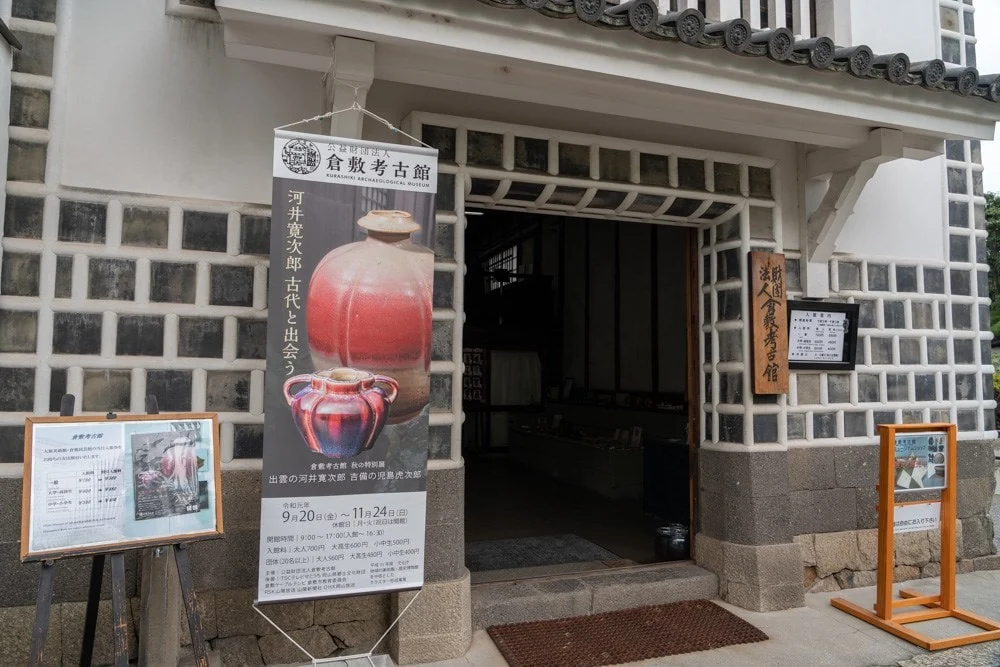
Kurashiki Archaeological Museum will hold “Meeting Kanjiro Kawai of Ancient Izumo - Kojima Torajiro of Kibi” until November 24, 2019 (Sunday).
Kurashiki Museum of Folkcraft will hold “Crafts Through the Four Seasons - From the Remnants of Summer to the Year-End” until December 1, 2019 (Sunday).
Please visit them as well.
Articles Related to Yurin-so
Data on Yurin-so, Ohara Museum of Art
| Name | Yurin-so, Ohara Museum of Art |
|---|---|
| Location | 1-3-18 Chuo, Kurashiki City |
| Contact | 086-422-0005 |
| Parking | None |
| Opening Hours | Usually only the exterior is open for viewing. From October 18 (Fri) to November 4 (Mon, holiday) 2019, open from 10:00 AM to 4:30 PM. * Last entry at 4:00 PM * Open every day during the exhibition |
| Closed | Irregular holidays |
| Admission Fee (including tax) | [Yurin-so Admission Fee] Adults: 1,000 yen Students: 500 yen [Set Ticket] * Admission to Yurin-so and Ohara Museum of Art (main building / annex / crafts and Asian art building) Adults: 1,800 yen Students: 1,000 yen |
| Payment Method |
|
| Reservation | Not accepted |
| Smoking | Completely non-smoking |
| Website | Special Opening of Yurin-so in Autumn 2019: Shimonmichi Motoyuki, Monument of Bleaching | Ohara Museum of Art |