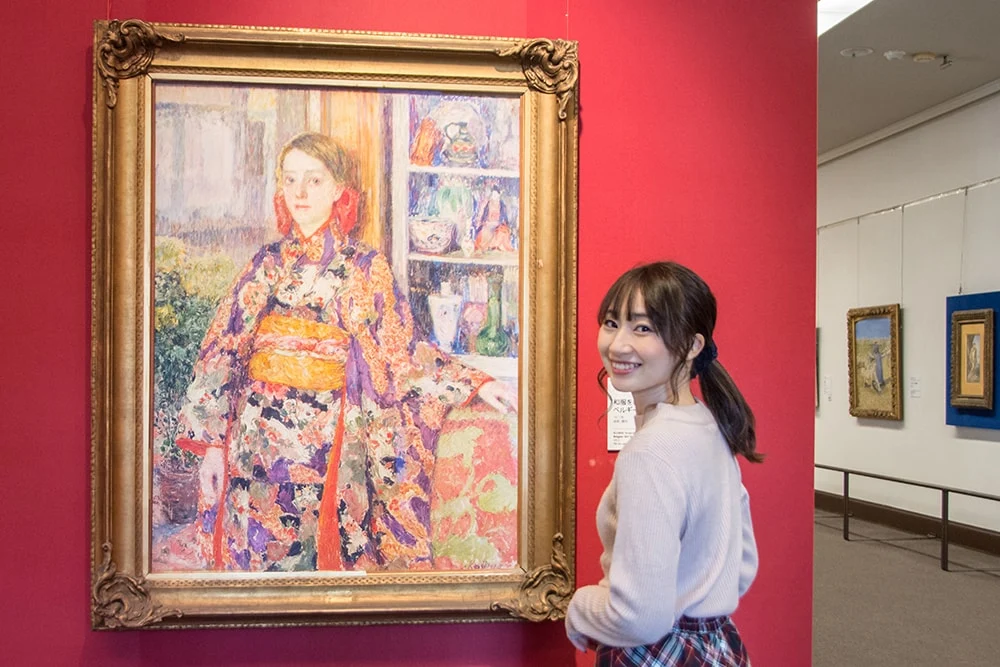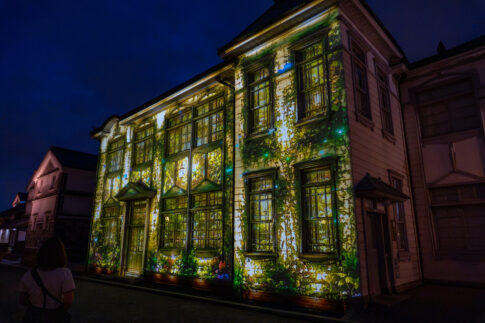
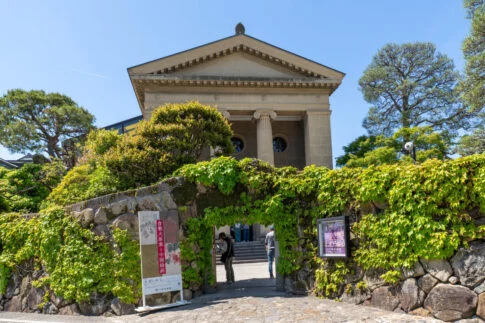
The Ohara Museum of Art, characterized by its Roman temple-style architecture, and the Kurashiki Archaeological Museum, known for its distinctive namako walls, are representative facilities that can be considered symbols of the Bikan Historical Area.
However, due to the nature of museums, some people may think that bringing a baby could "cause trouble," or feel that it is "difficult to use casually" due to disabilities.
In response, the Public Interest Incorporated Foundation Ohara Art Foundation has planned appreciation tours and events where both children and adults can think together, create things, and enjoy the museum in a fun way, targeting those with babies or disabilities.
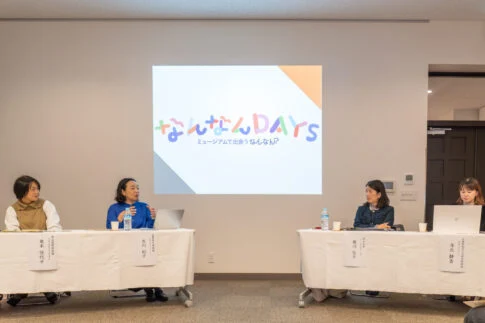
Let me introduce the "Nan-nan DAYS" which was held for the first time in 2025.
What is the Ohara Museum of Art?
The Ohara Museum of Art was established in 1930 (Showa 5) and is Japan's first private museum focused on Western art. It is divided into the main building, the Craft and Oriental Gallery, and Kojima Torajiro Memorial Gallery, with approximately 3,000 items in its collection.
In many cases, it is customary to appreciate art quietly in museums, but at the Ohara Museum of Art, under the slogan "Everyone's My Museum", they engage in various forms of appreciation, such as dialogue-based appreciation and outreach classes for children in the hospital.
From 2002 to 2019, the Ohara Museum of Art held an event called "Children's Art Museum (commonly known as Chilmuu)" every August. However, it was canceled due to measures against the spread of COVID-19 starting in 2020 and has been on hold since then.
"Nan-nan DAYS" was planned as an event that restarted in a new form while utilizing the history of the "Children's Art Museum".
What is Nan-nan DAYS 2025?
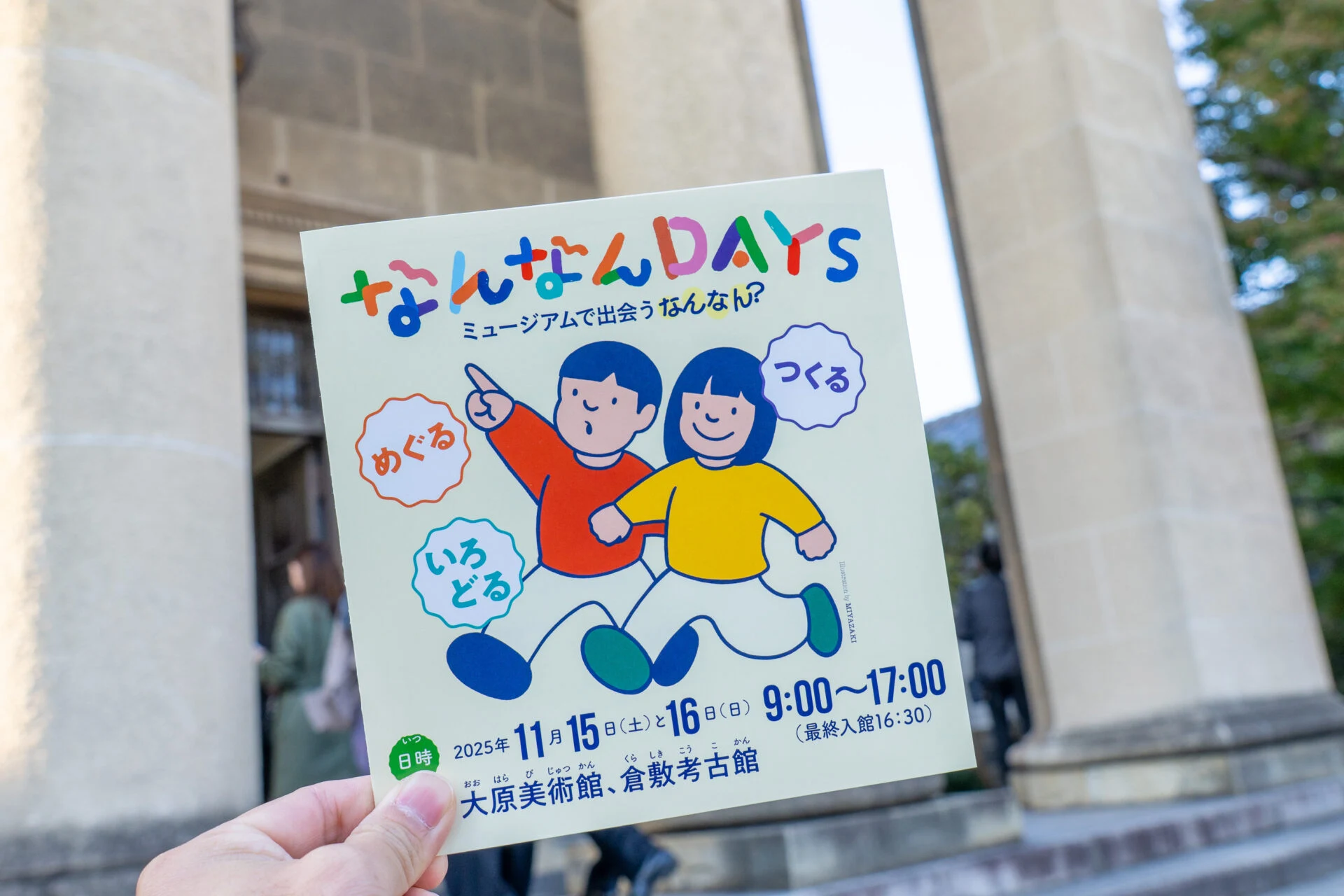
The term "Nan-nan" in Nan-nan DAYS refers to the Okayama dialect for "What is this?" and "Why?"
Nan-nan DAYS is an event where people of all ages can encounter many paintings, sculptures, archaeological artifacts, and buildings that make them think "Nan-nan?" while exploring the Ohara Museum of Art and the Kurashiki Archaeological Museum, held on November 15 (Saturday) and 16 (Sunday), 2025.
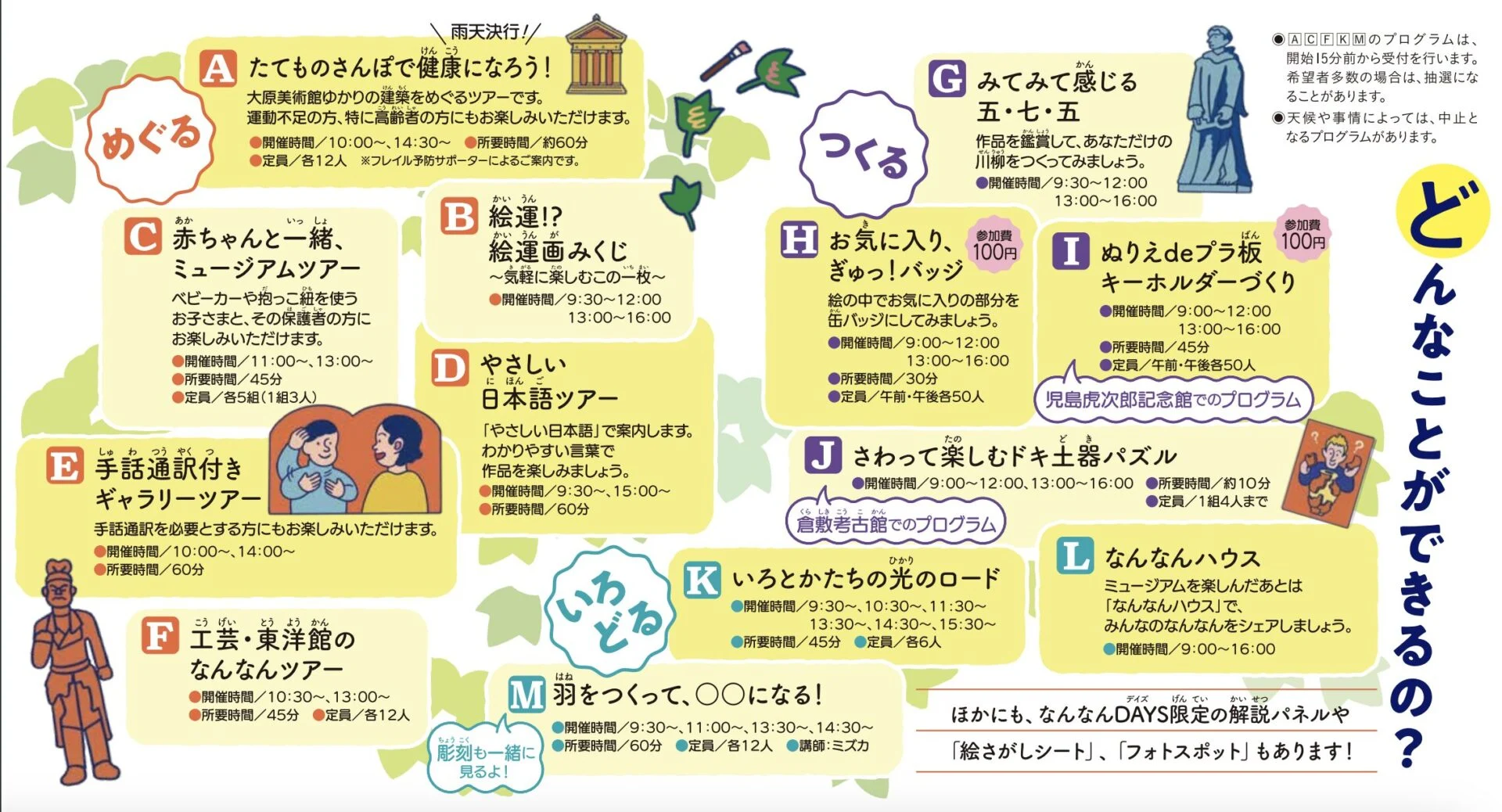
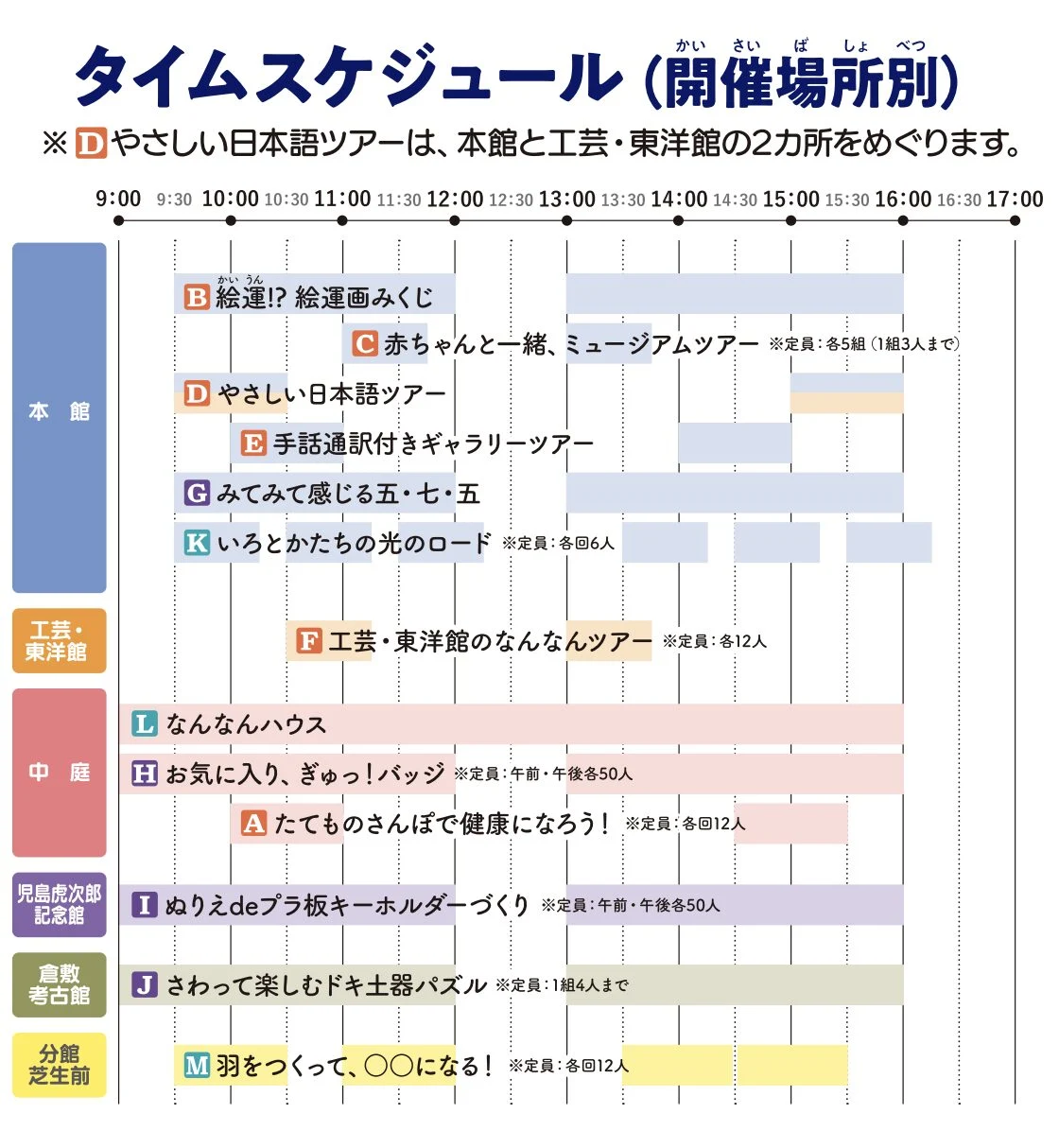
On the day, various appreciation tours and craft corners were prepared, offering a rich program where participants could enjoy art, think, create, and have fun in the museum.
The programs that were implemented are as follows.
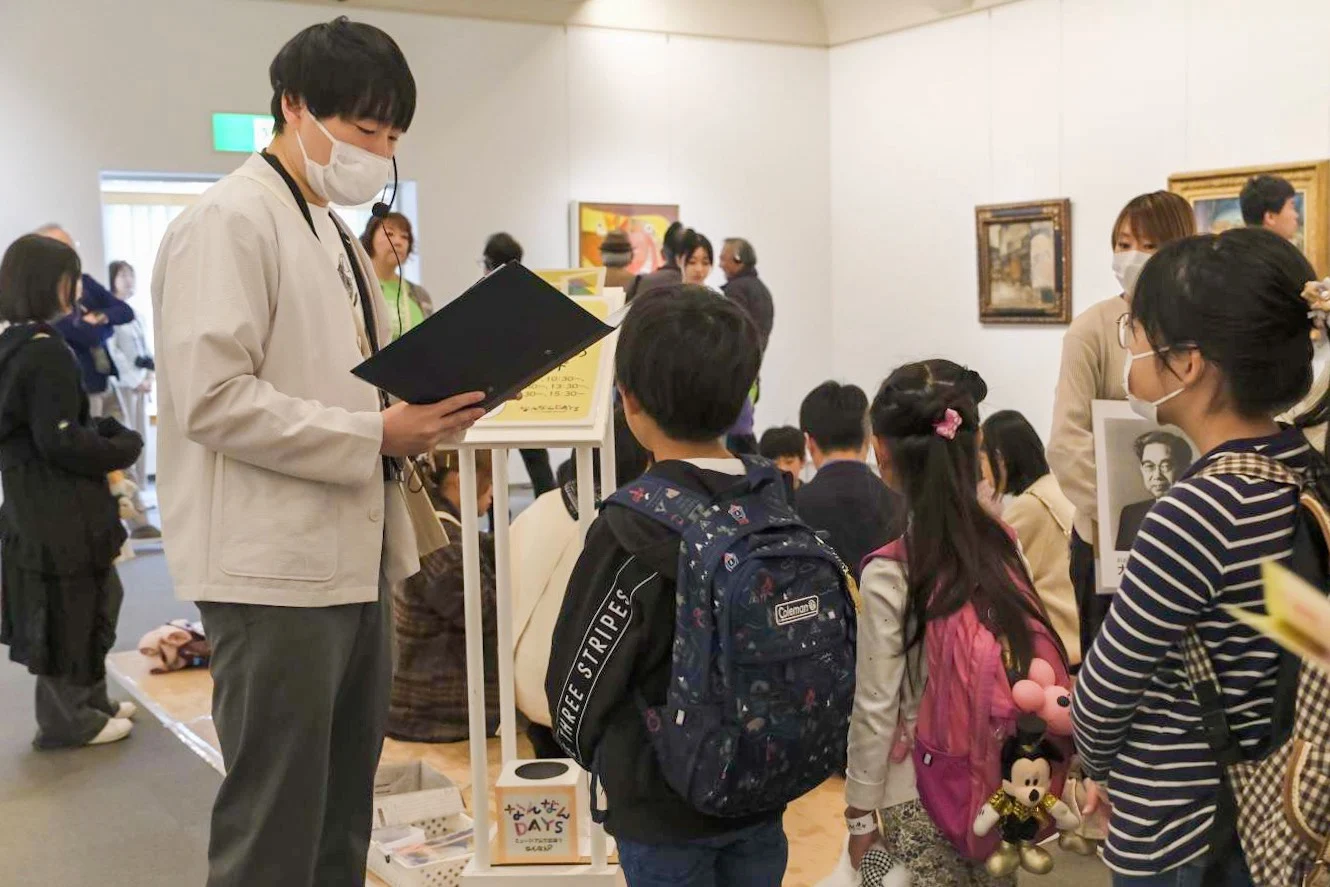
The author with hearing impairment experienced Nan-nan DAYS 2025
I enjoy appreciating art, but due to my hearing impairment, I cannot understand the audio guides and audio content available in the museum.
I experienced a program on November 16 (Sunday), which included a sign language interpretation tour, and I would like to share my experience.
People from various backgrounds can easily visit the museum! Environmental considerations that are visible
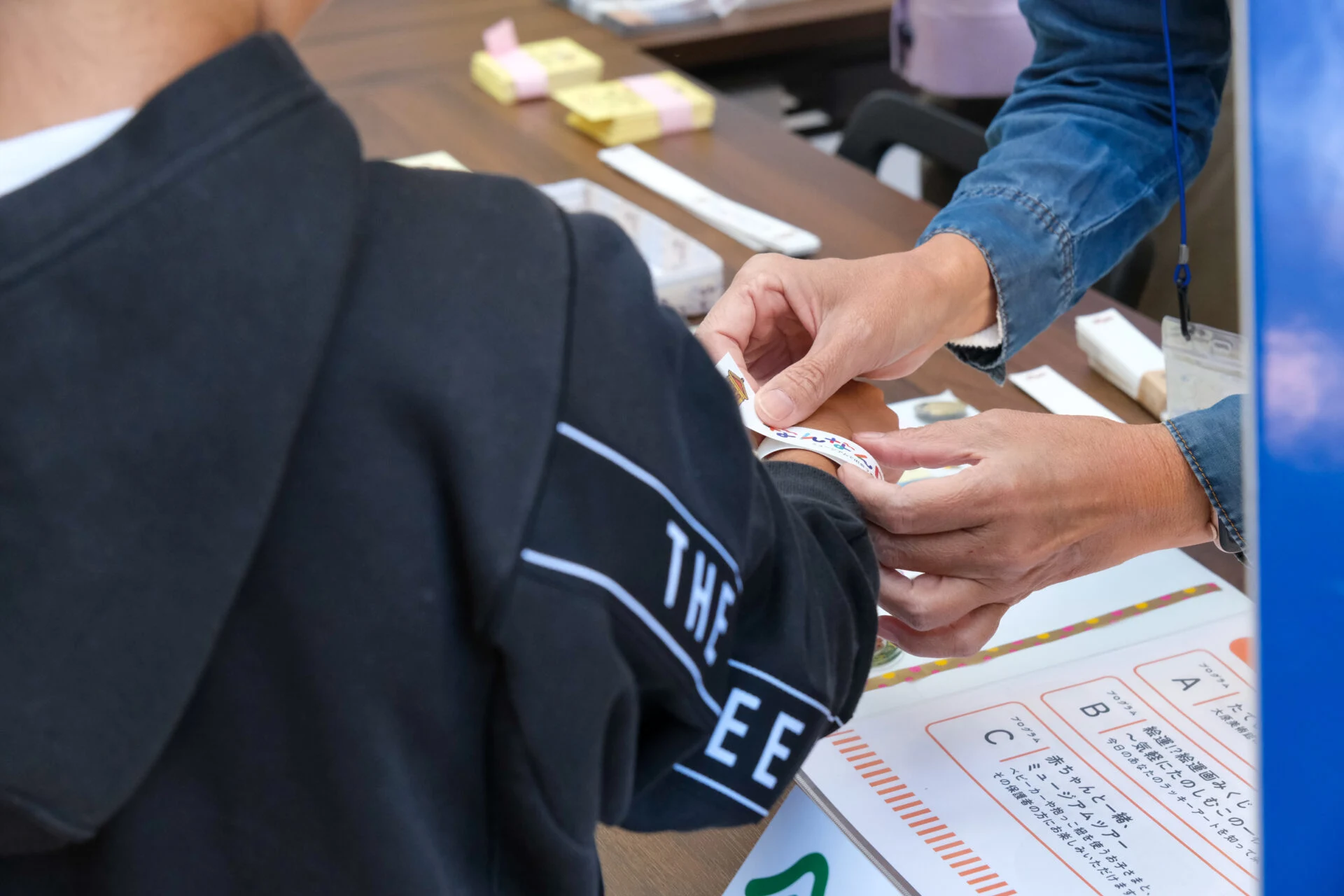
What I found particularly helpful as a person with hearing impairment was the abundance of text information such as signs and maps available throughout the venue, especially around the main reception area.
Since various events were taking place simultaneously during Nan-nan DAYS, the presence of staff holding placards with the titles of the tours being conducted made the ongoing events visible.
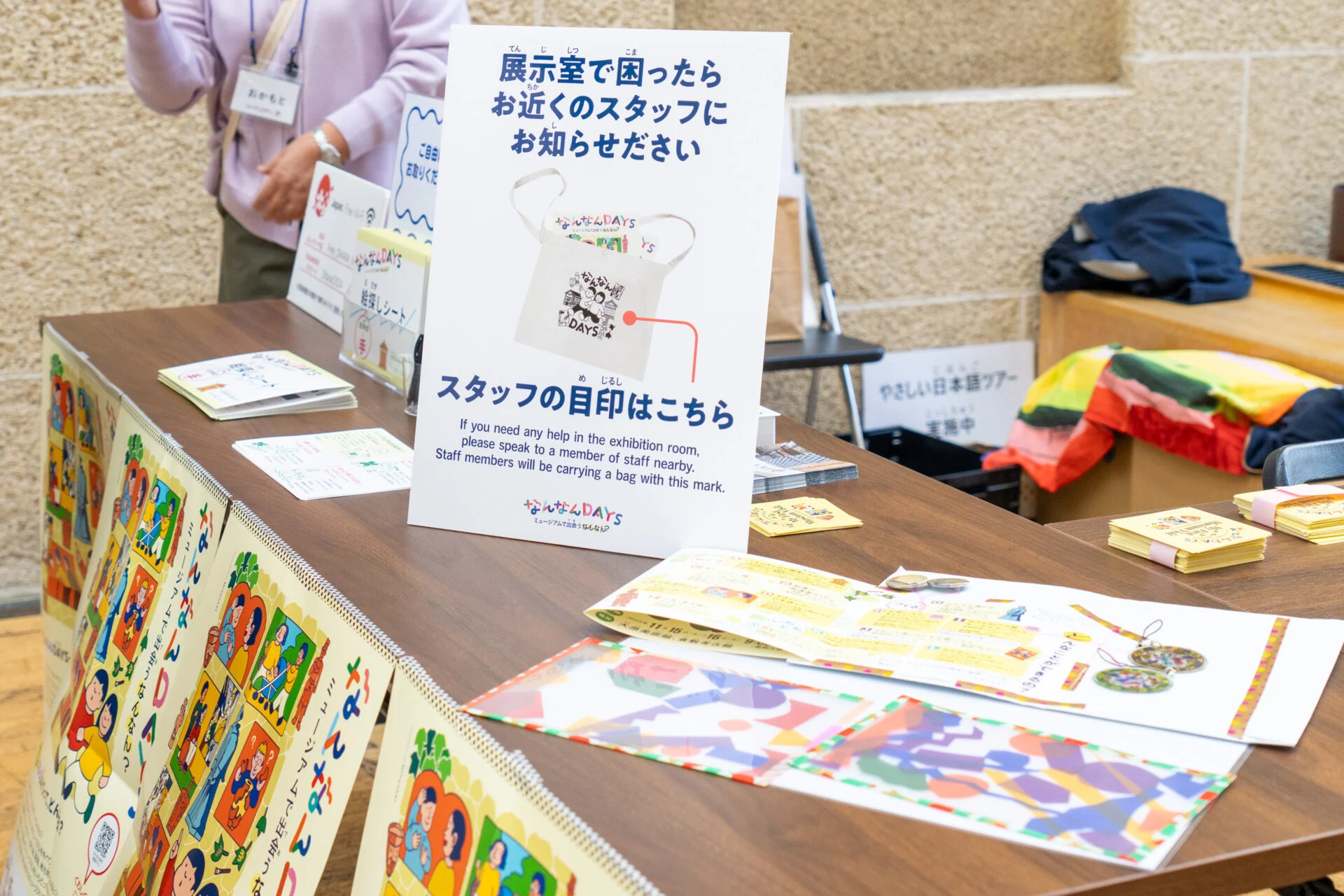
Additionally, the staff's identifiers were designed to be easily visible.
Knowing whom to ask when there is something unclear is a valuable point for participants from various backgrounds.
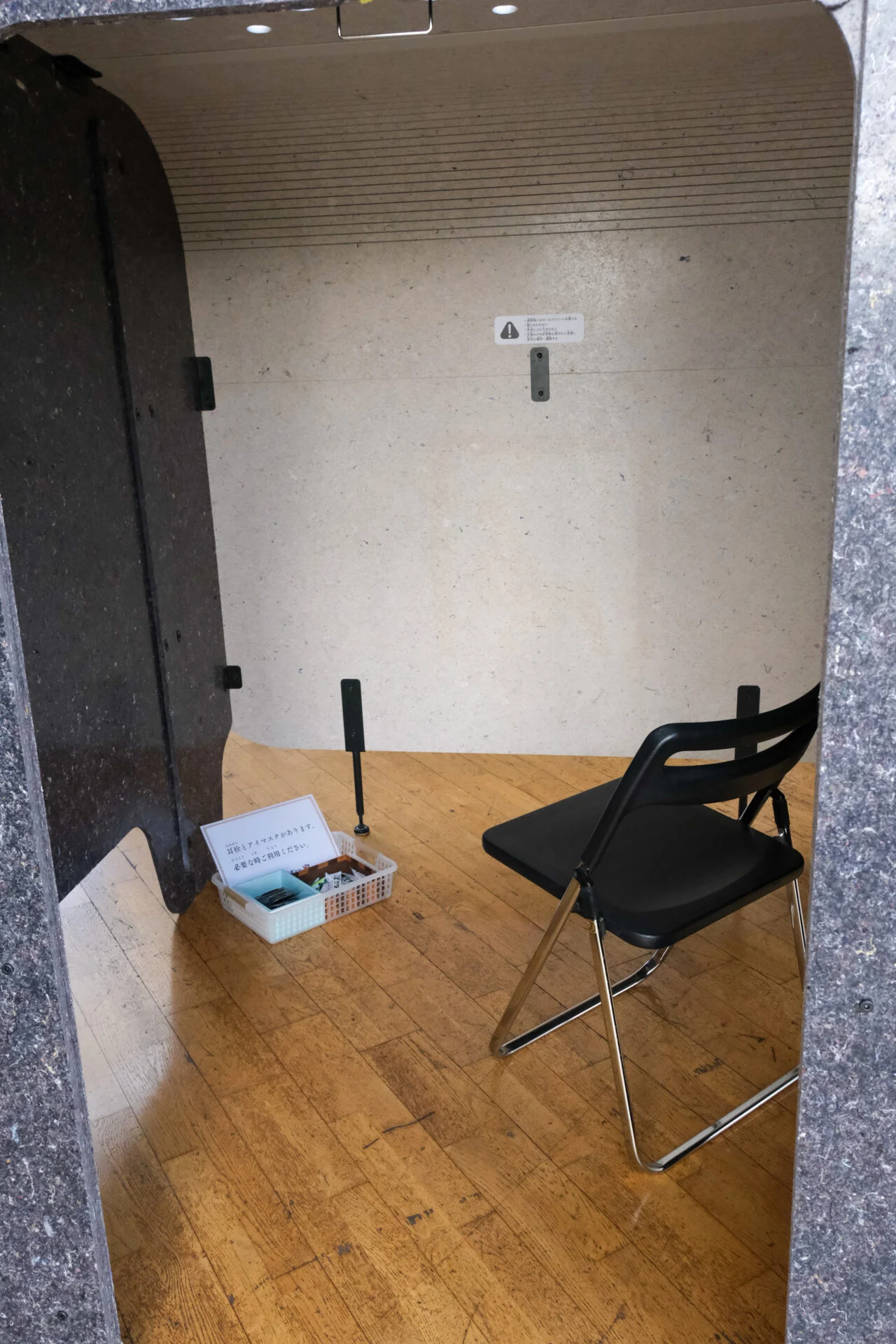
Behind the main reception, there was also a space called the "Calm Down Space" for people with sensory sensitivities to light and sound to relax.
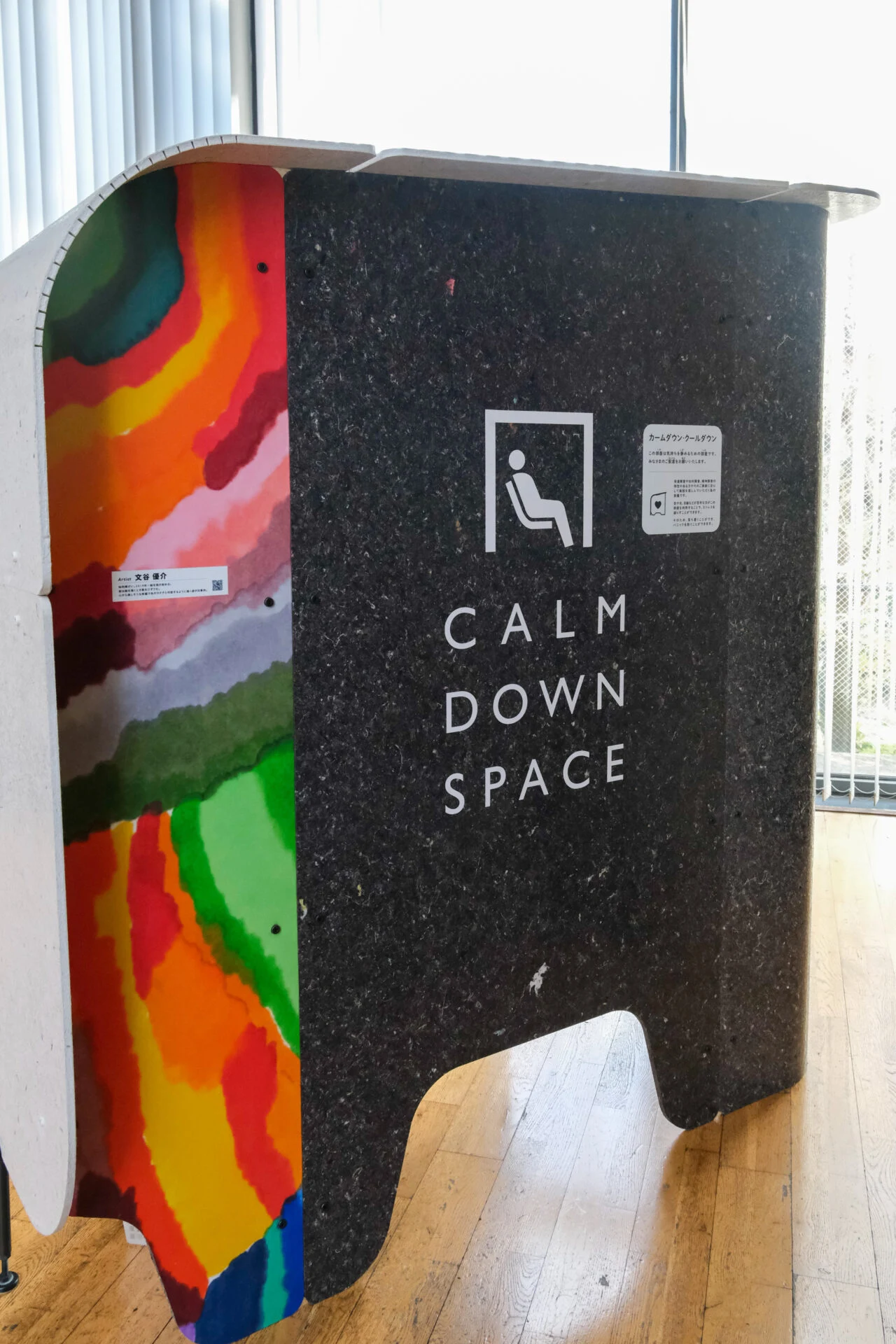
The "Calm Down Space" has been established in various public facilities since the Tokyo 2020 Olympics held in 2021, and it has also been set up at the Osaka-Kansai Expo venue and is permanently located at Okayama Momotaro Airport.
The wall art design is by Bunya Yusuke, an artist with intellectual disabilities living in Kurashiki City.
During times when there were no users, participants were also free to look around inside.
Diverse tours tailored to individual needs
The Ohara Museum of Art regularly holds dialogue-based appreciation tours.
In dialogue-based appreciation, participants share their feelings about the artworks, which makes it a livelier experience compared to regular appreciation.
For someone like me with hearing impairment, it is difficult to engage in "dialogue" since I cannot hear the voices of the staff or other participants. Additionally, the explanations in art history often include specialized terms, making it challenging for children and those who do not speak Japanese as their first language to participate.
However, I remember that during a previous evening tour at the Ohara Museum of Art, I requested individual sign language interpretation, and I found the dialogue-based appreciation while listening to the explanations to be very interesting.
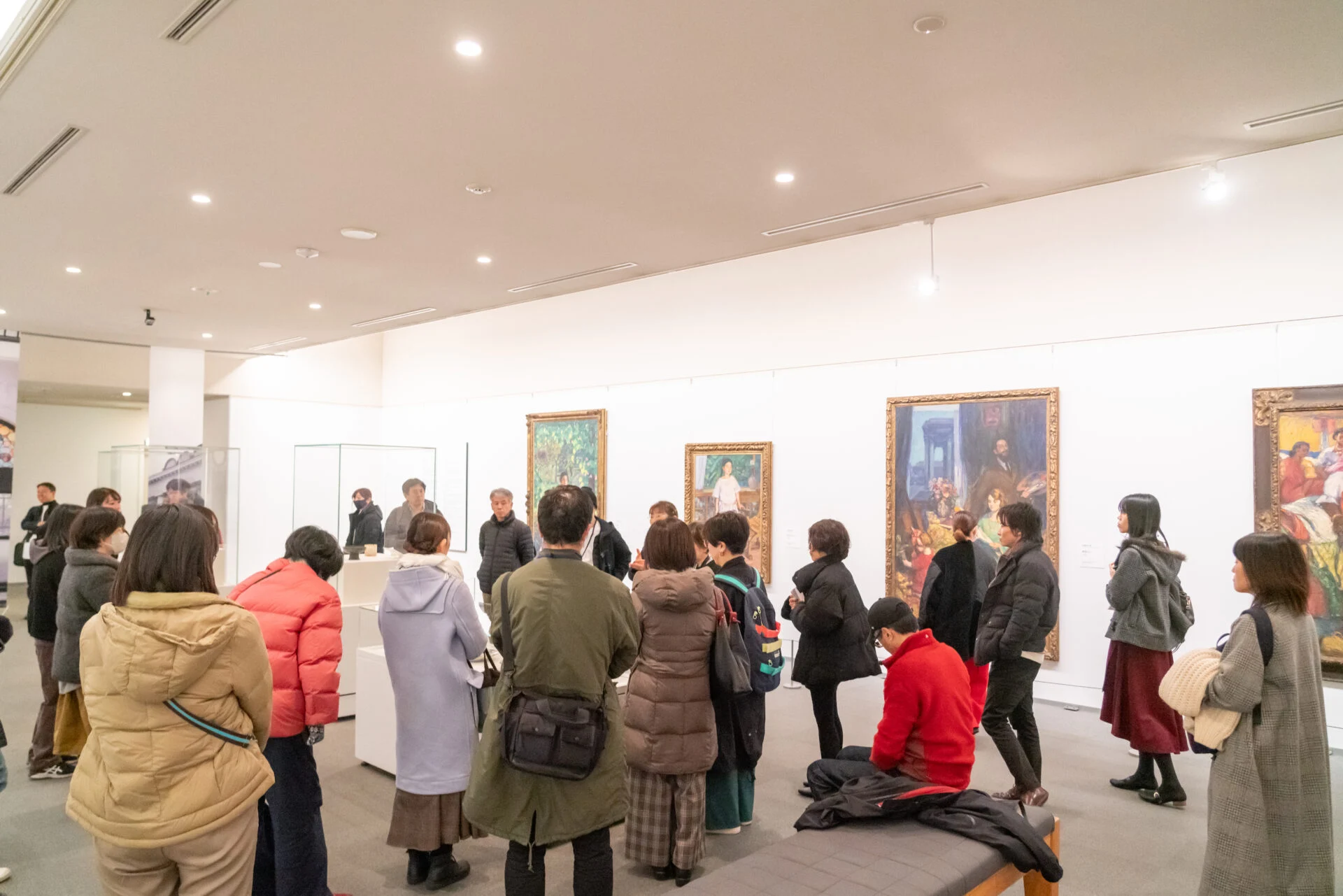
I had hoped that one day, people who, like me, need sign language would be able to experience dialogue-based appreciation easily, so I was very much looking forward to the sign language interpretation gallery tour in this program.
During Nan-nan DAYS, there were not only gallery tours with sign language interpretation for those who need sign language but also diverse tours such as those conducted in "easy Japanese" to convey specialized terms in simpler language.
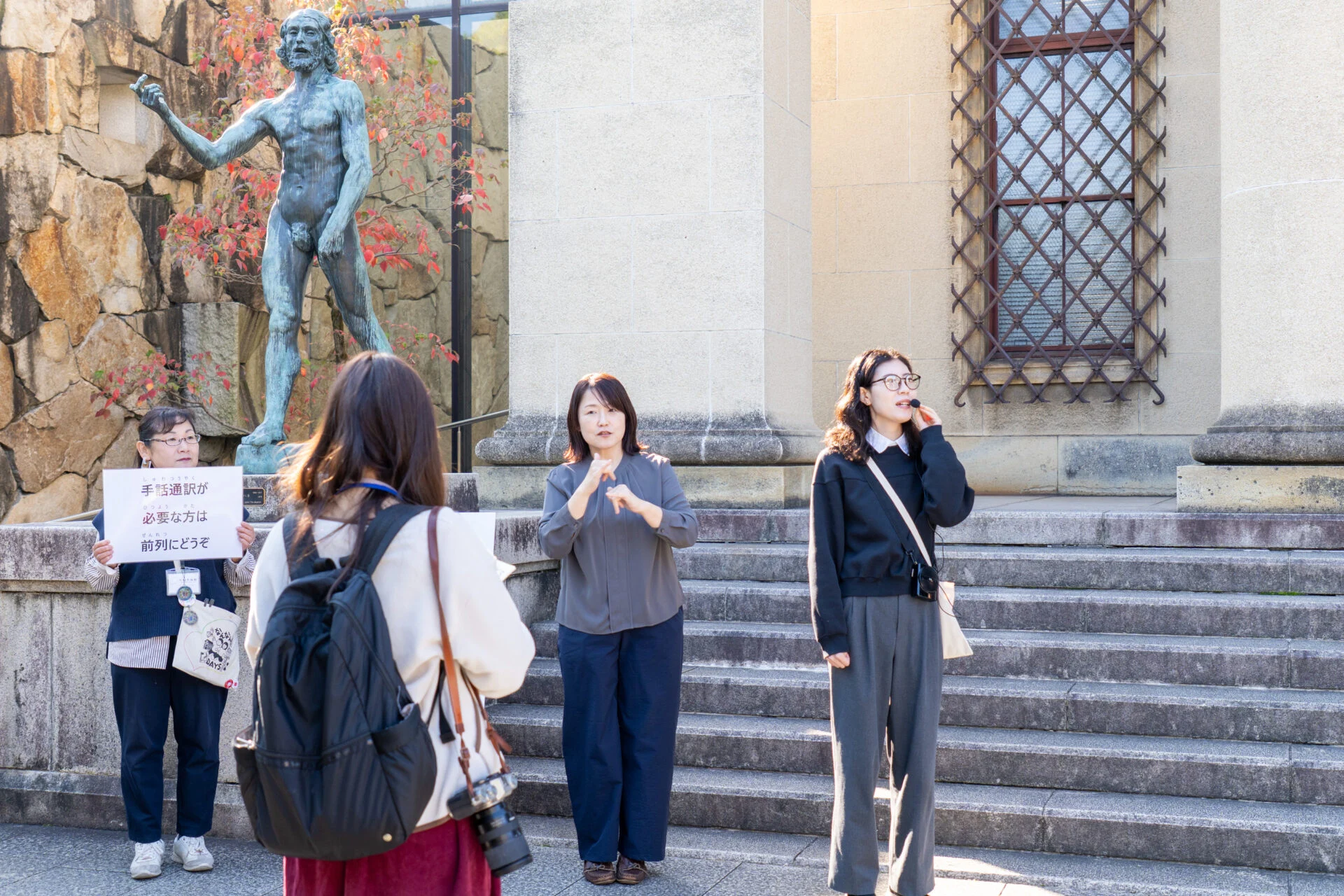
The gallery tour with sign language interpretation had a small number of participants at the meeting point, but as we walked through the museum, more participants gradually joined, creating a large group.
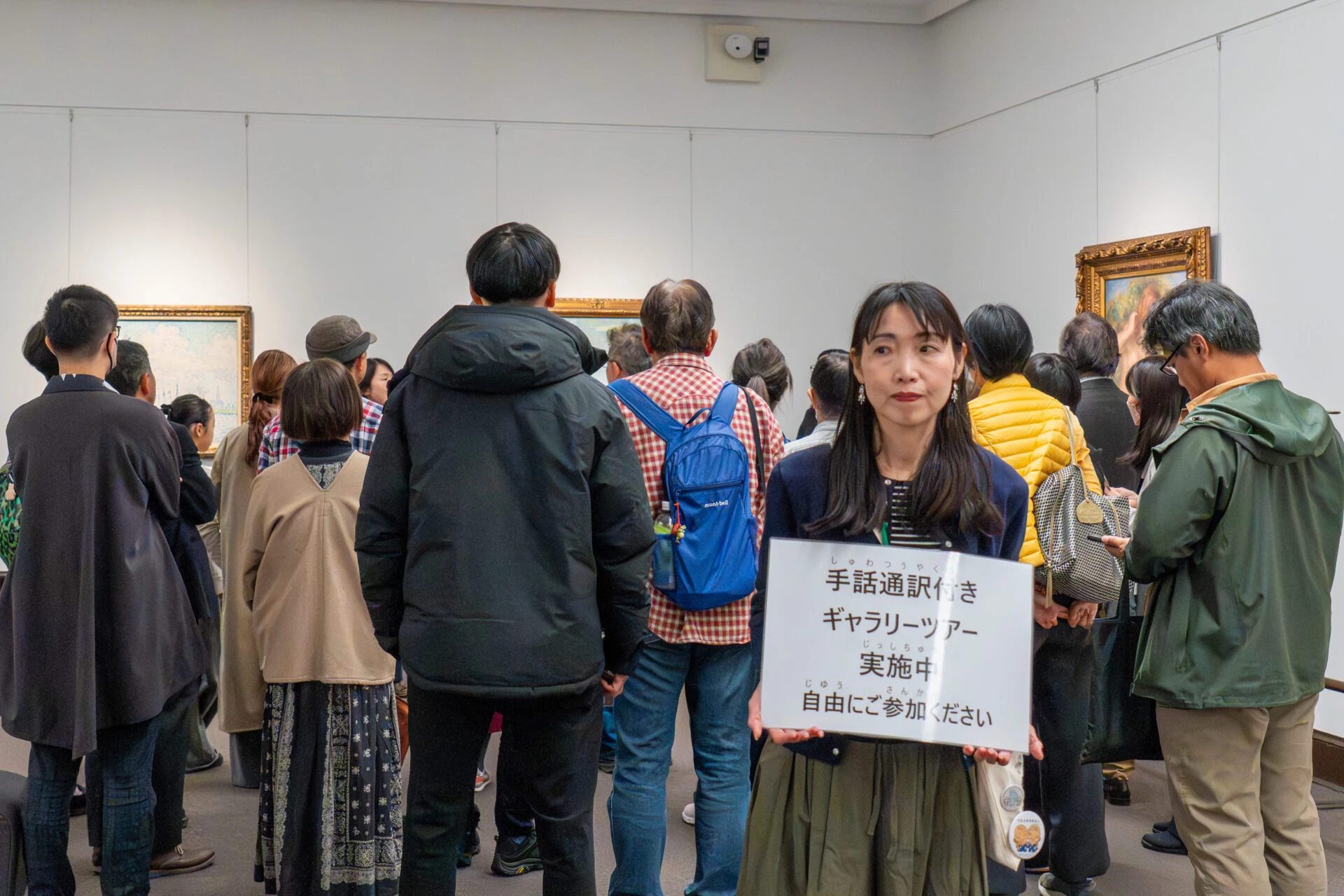
Indeed, when it is said to be "with sign language interpretation," it is often thought that "it doesn't concern me because I can hear," but the content is the same as a regular gallery tour, with a sign language interpreter accompanying and interpreting the same content in sign language.
People with hearing impairments enjoy entertainment just like those who can hear, as they may have participated in the tour thinking, "I heard something interesting, so I joined, and there was a sign language interpreter," realizing the interpreter's presence later.
I felt that it was truly a tour that embodied "coexistence", allowing both hearing and non-hearing individuals to share the same stories and the same time together.
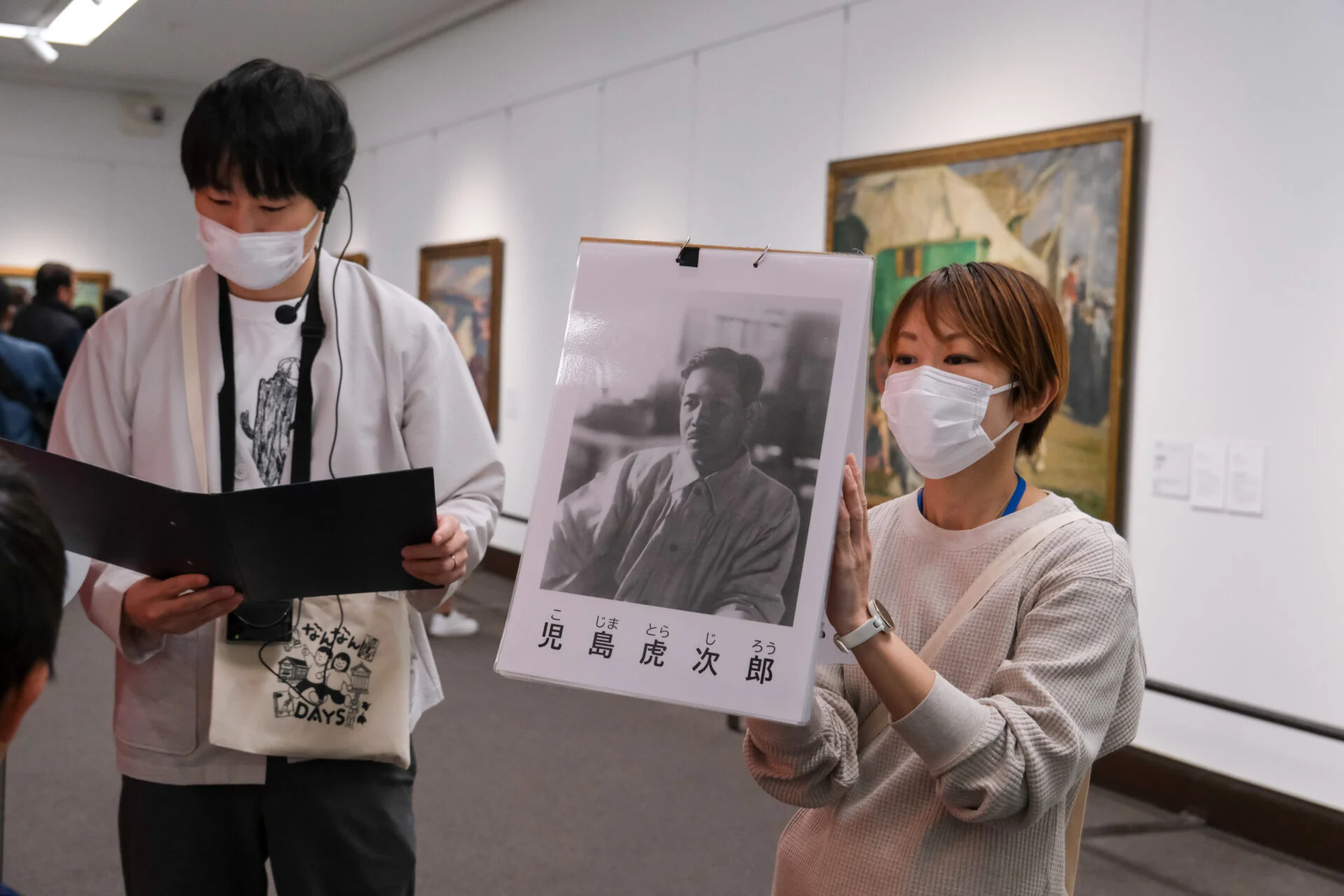
The Gentle Japanese Language Tour was initially conceived for non-native Japanese speakers such as international students, but once it began, there were also participants including elementary school students interested in the museum and their parents.
With illustrations and difficult technical terms presented in writing, even elementary school students who do not understand specialized vocabulary can enjoy it thoroughly.
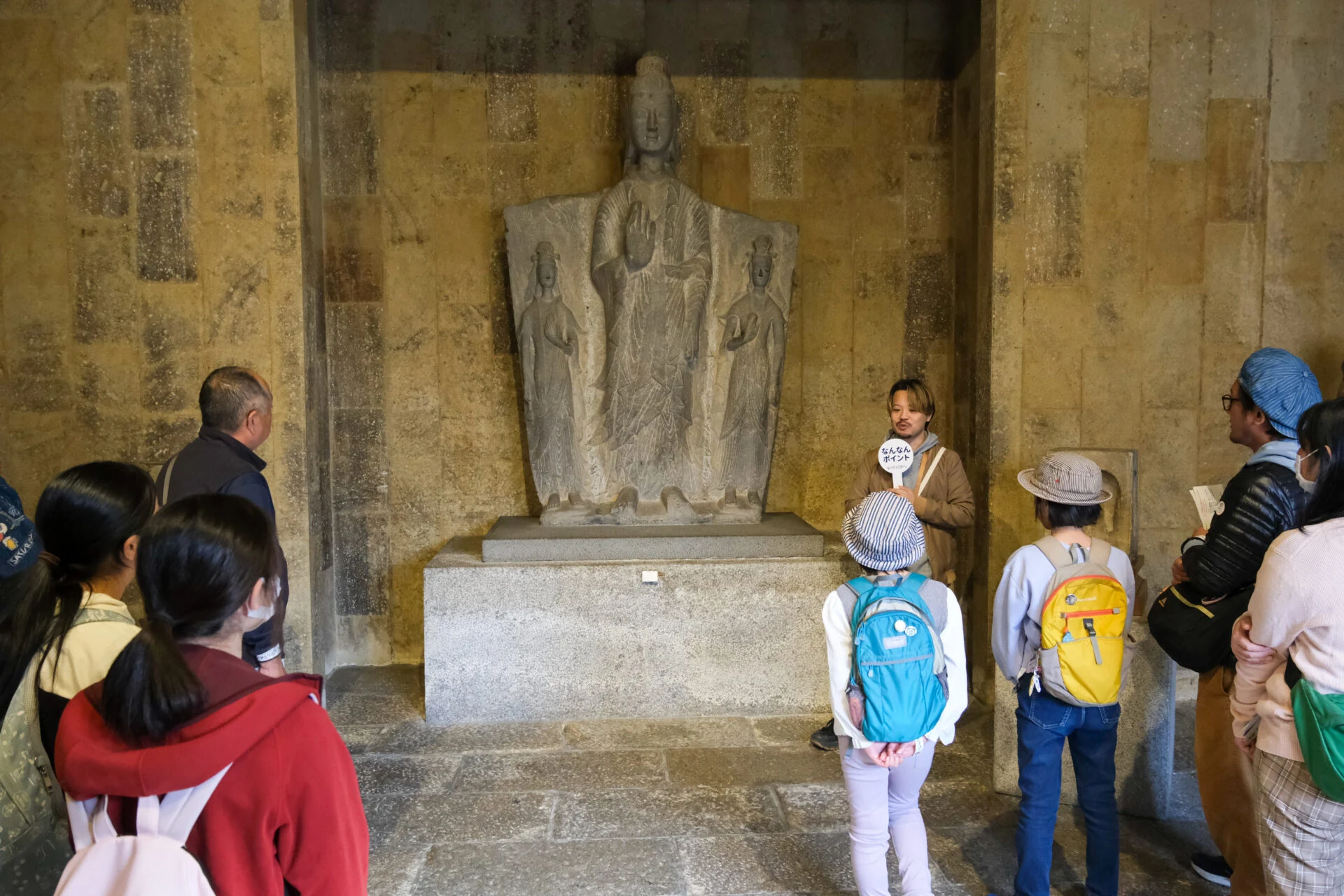
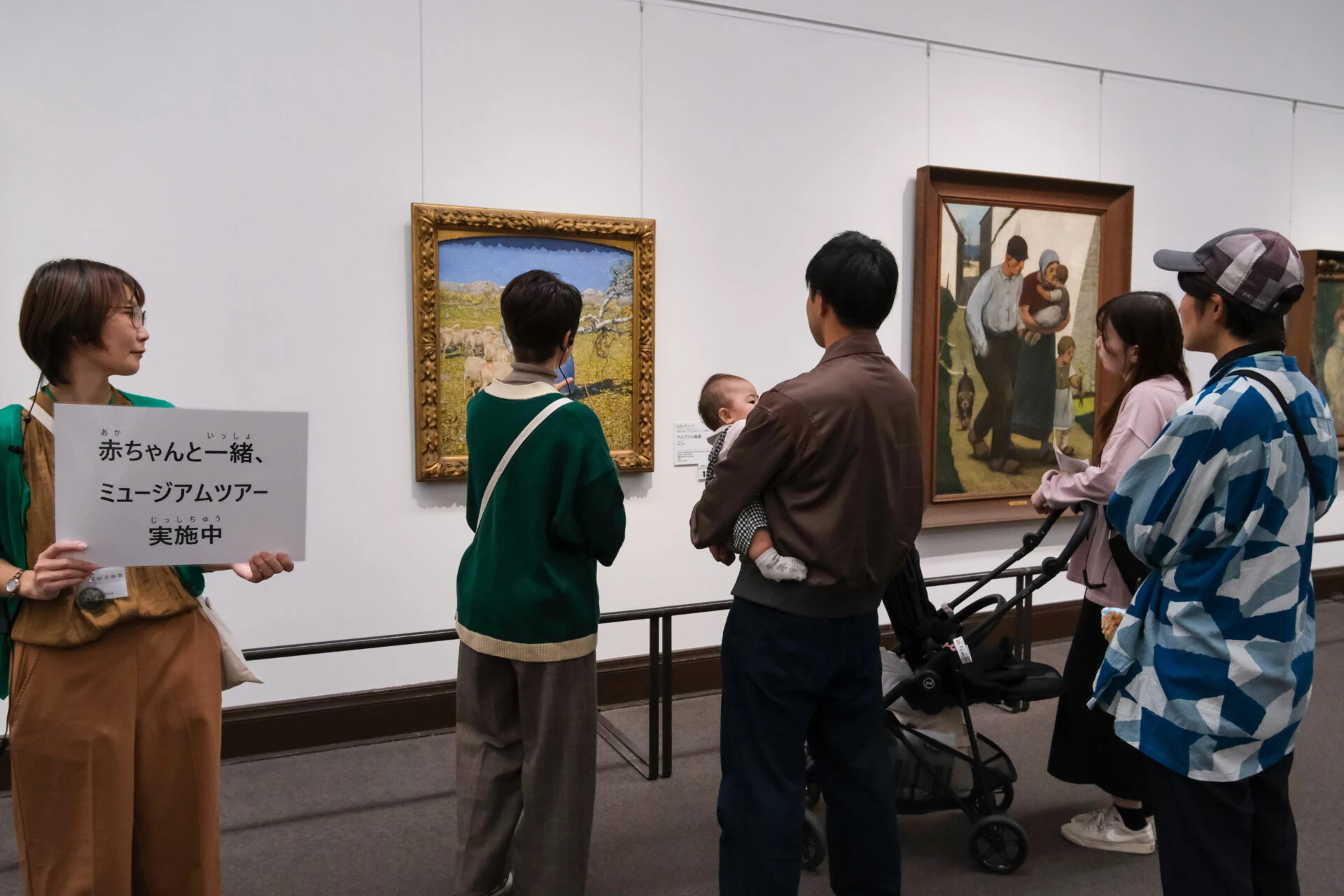
Additionally, there were tours designed for parents with babies, such as the "Museum Tour with Babies," and "Let's Get Healthy with a Building Walk!" aimed at older participants who want to take care of their health, featuring tours that can be enjoyed at a pace suitable for different age groups, as well as tours focusing on crafts and the Oriental Gallery.
It seems that an environment was established where participants could choose tours according to their needs.
The Museum Becomes a Playground for Children
Inside the venue, I discovered several participants with stickers that read "My First Museum Visit."
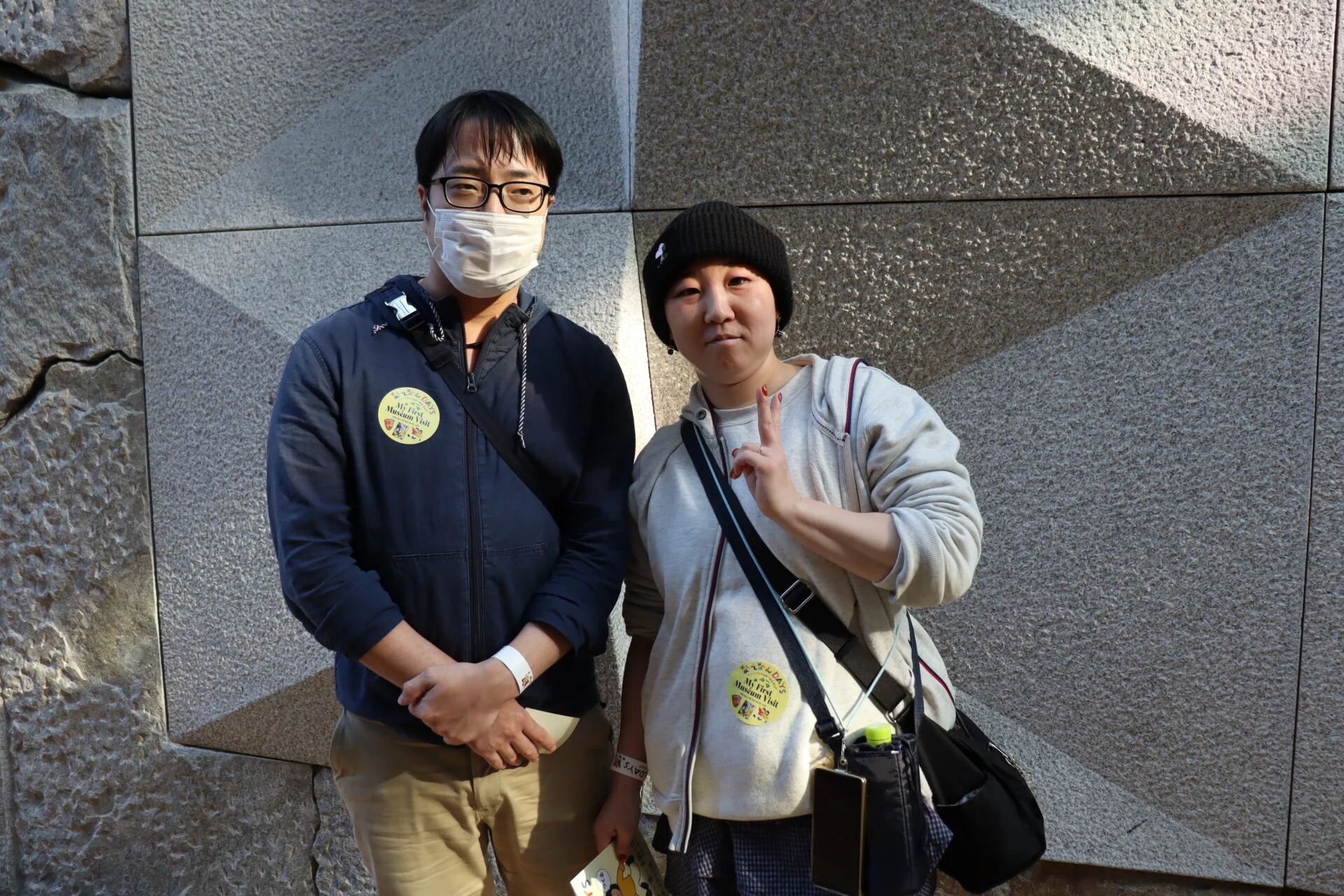
This is a sticker given to participants visiting the Ohara Museum of Art and Kurashiki Archaeological Museum for the first time.
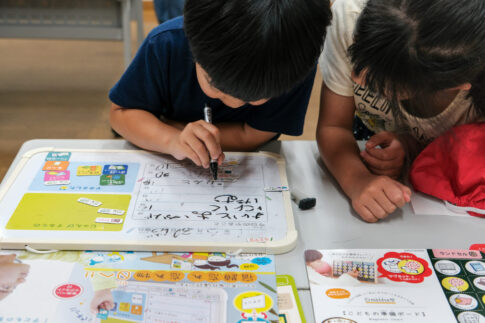
On that day, in addition to the museum tours, many workshops were also held, and toddlers and lower-grade elementary school students who were still too young for art appreciation enjoyed the workshops with their "My First Museum Visit" stickers on their chests.
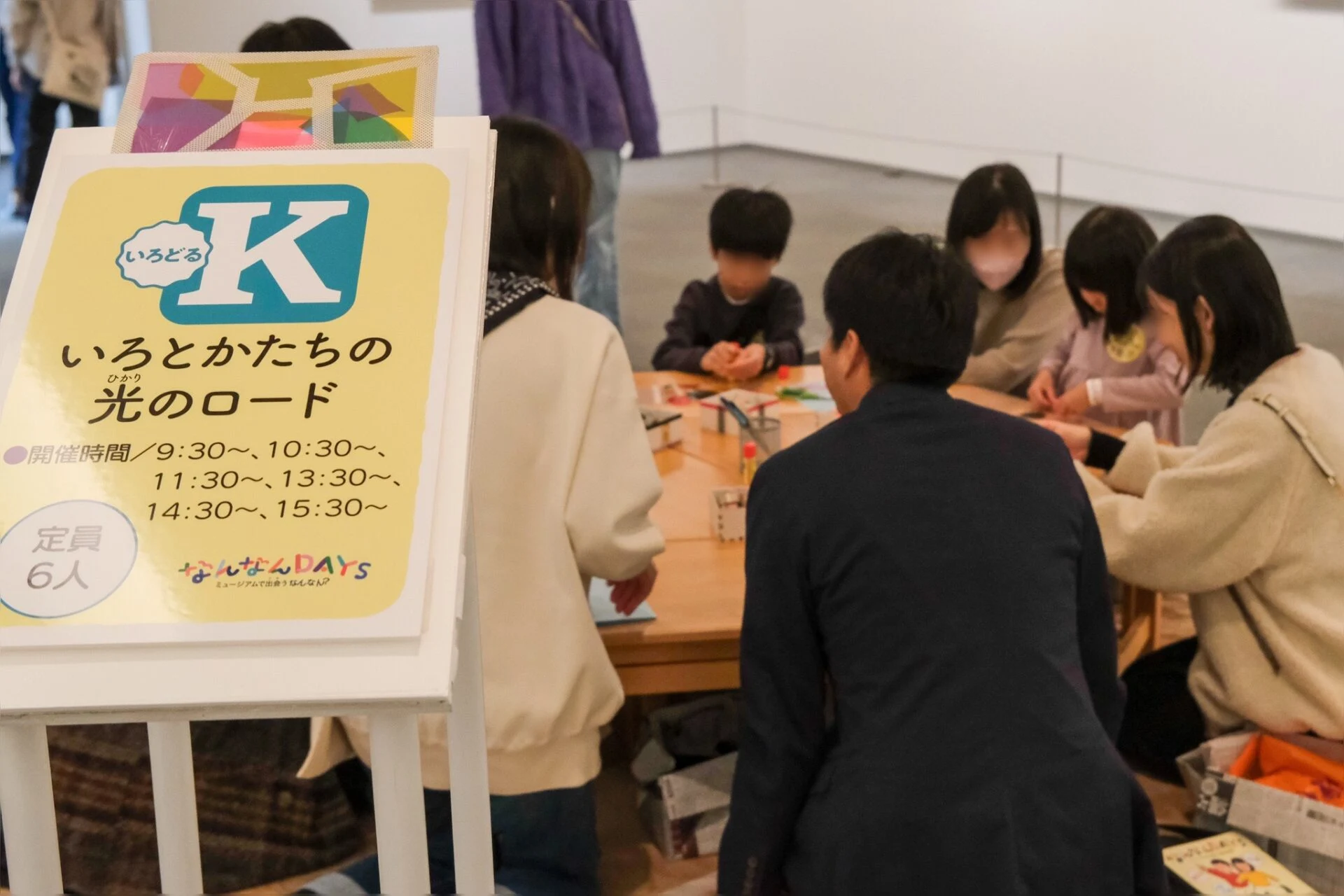
Since regular museums can be intimidating for parents bringing toddlers or lower-grade elementary school children due to the difficulty of making loud noises, some parents may find it challenging to visit slowly.
However, during Nannan DAYS, many workshops were prepared for children, such as crafts and puzzles, allowing families with children to participate by thinking, "Let's start with something we can experience."
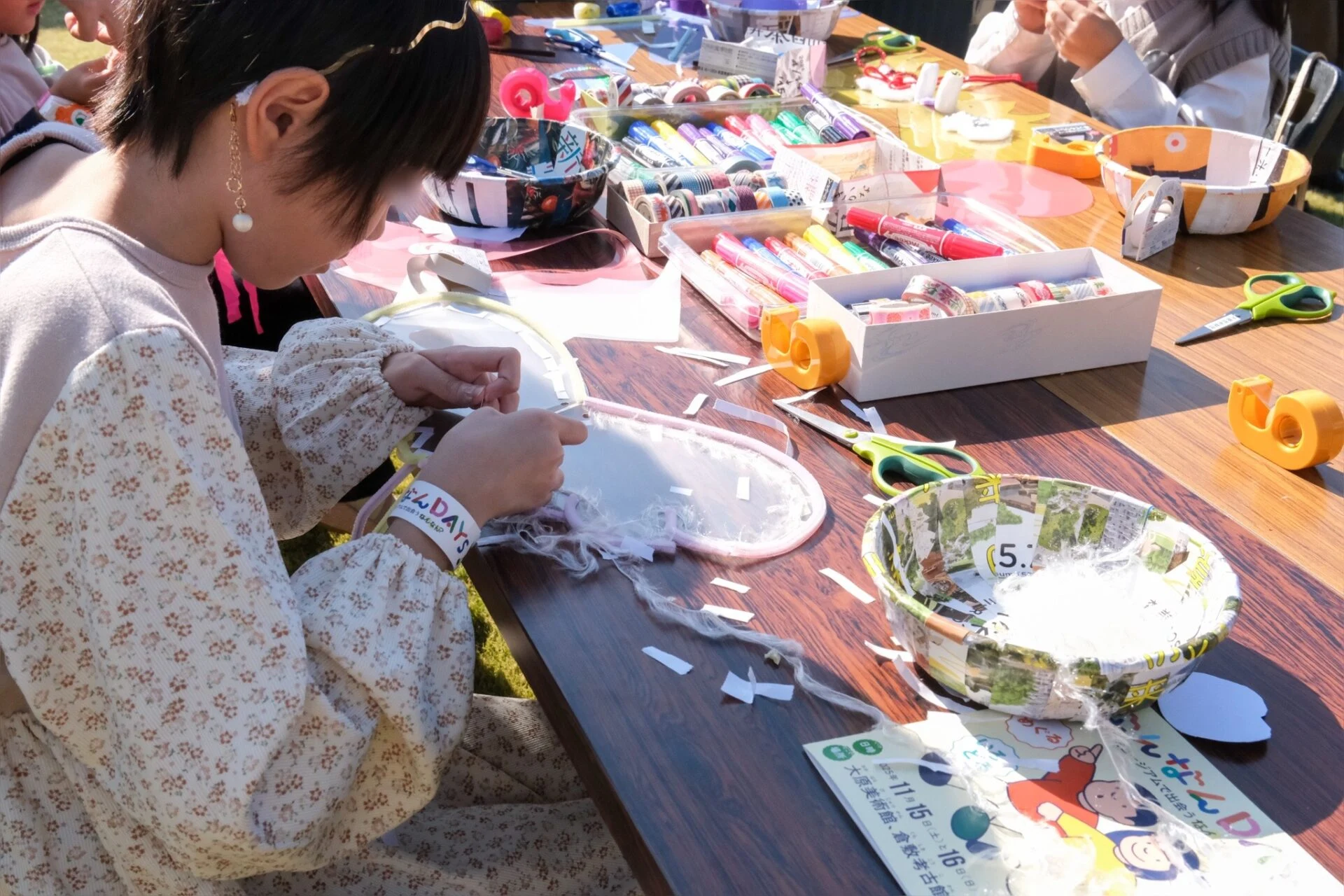
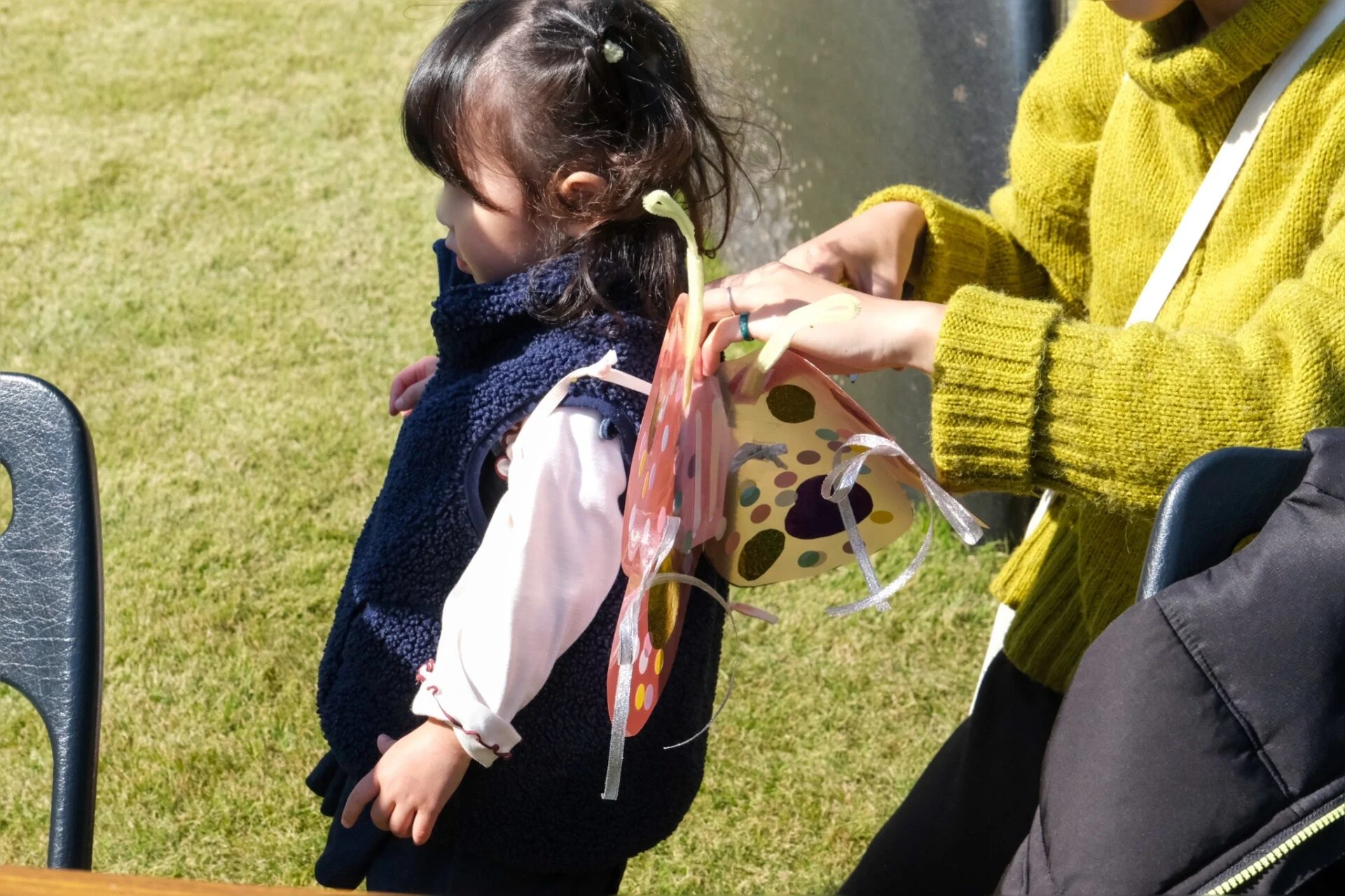
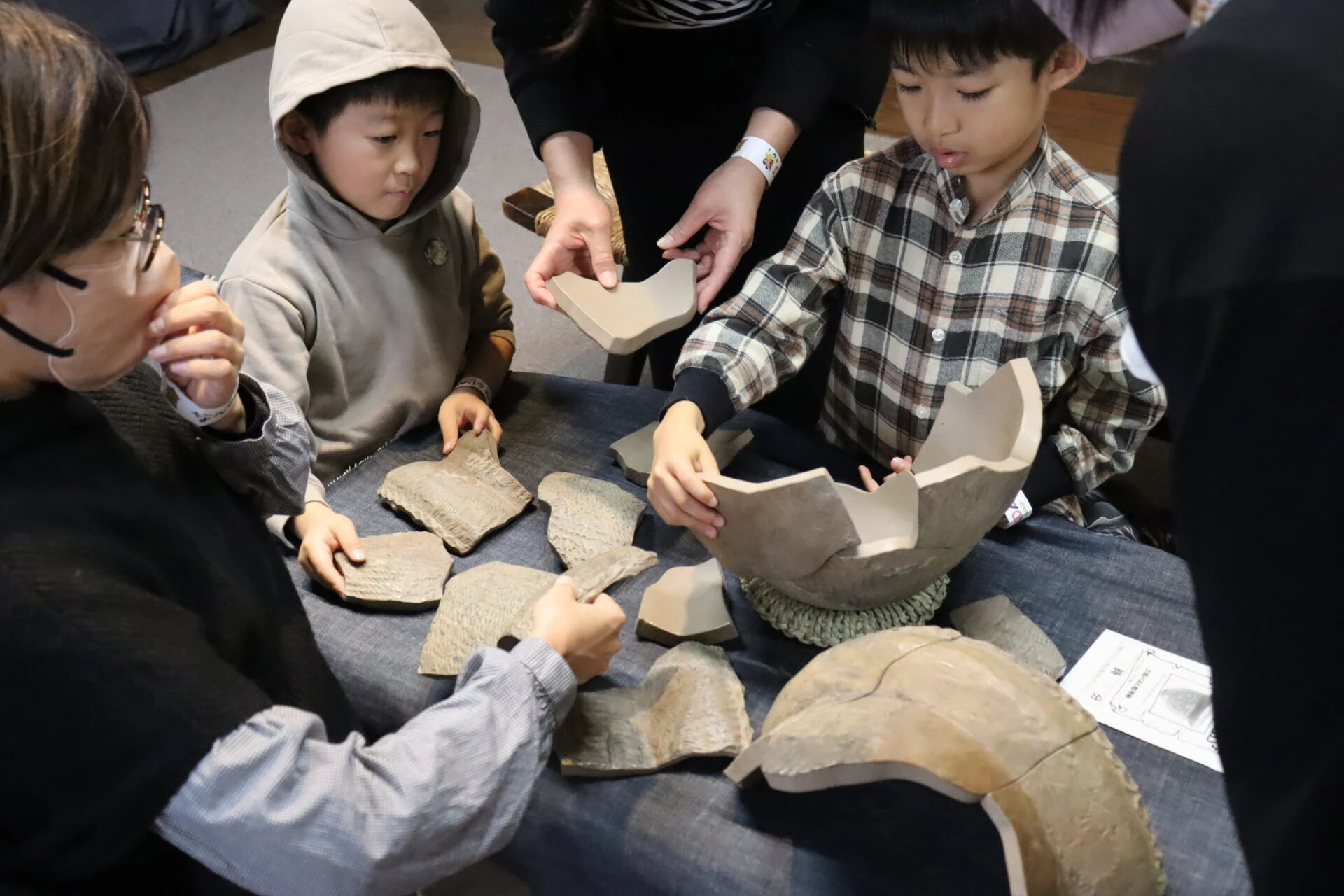
The courtyard of the Ohara Museum of Art, where the workshops were held, is outdoors, so it's fine to run around a bit, and the Kurashiki Archaeological Museum has a quiet environment, allowing children who are not comfortable in lively places to participate in the workshops with peace of mind.
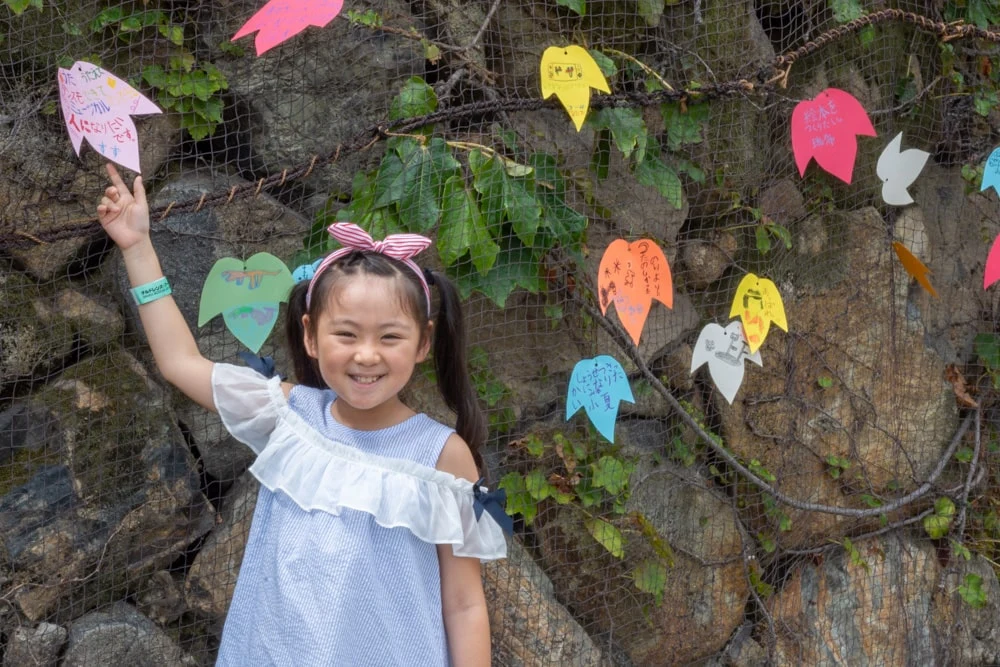
As the event approached its conclusion, participants' works were displayed one after another in the museum.
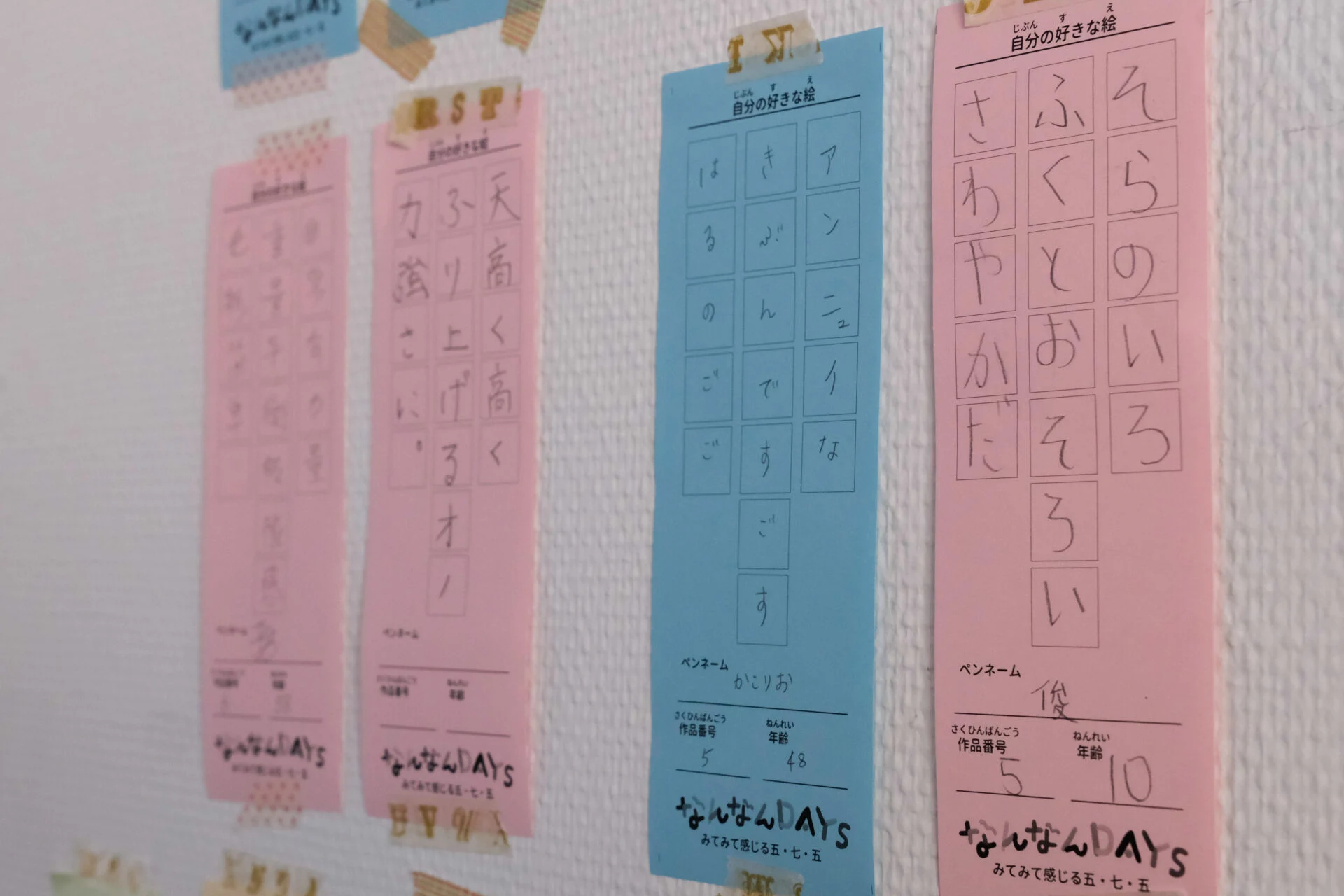
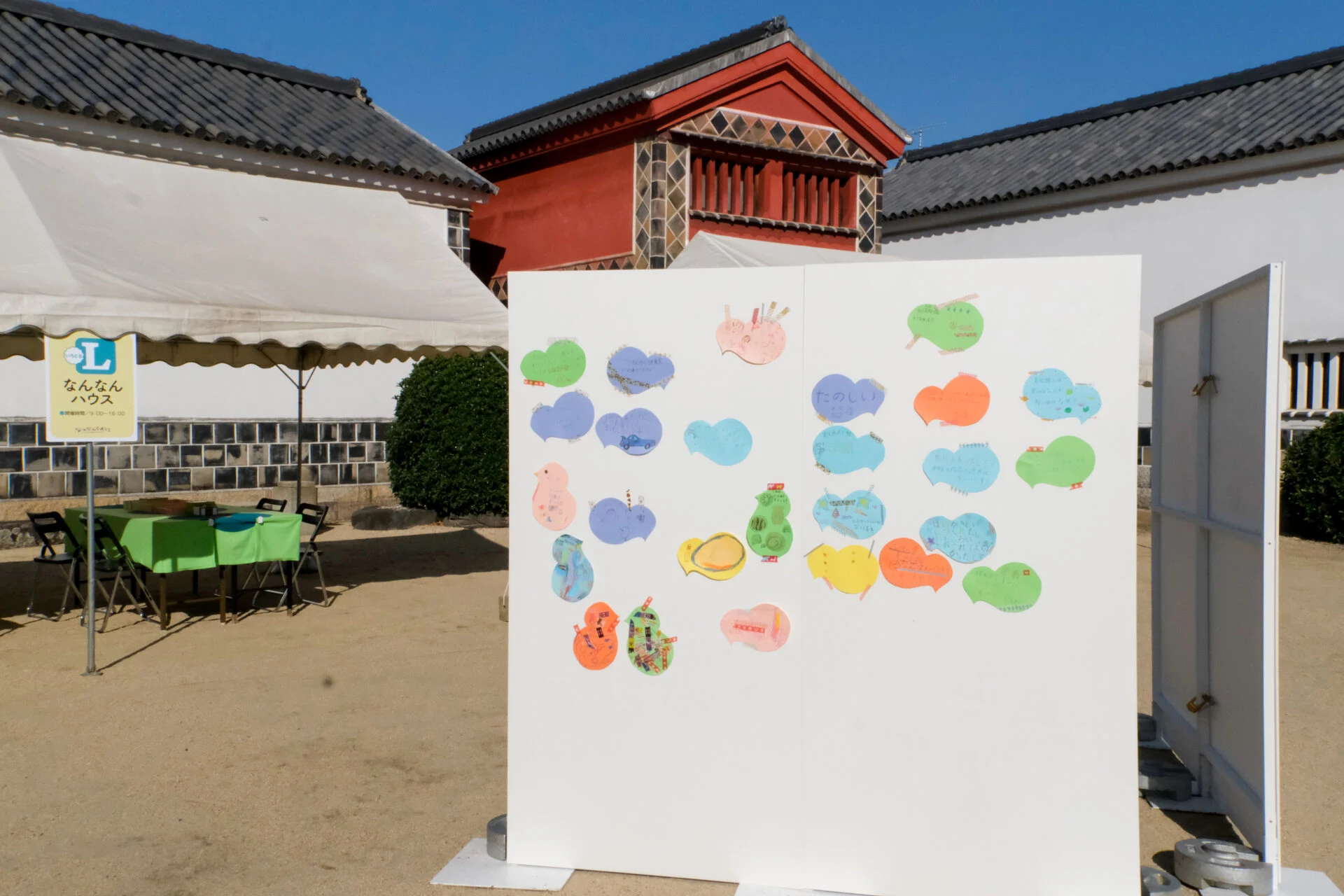
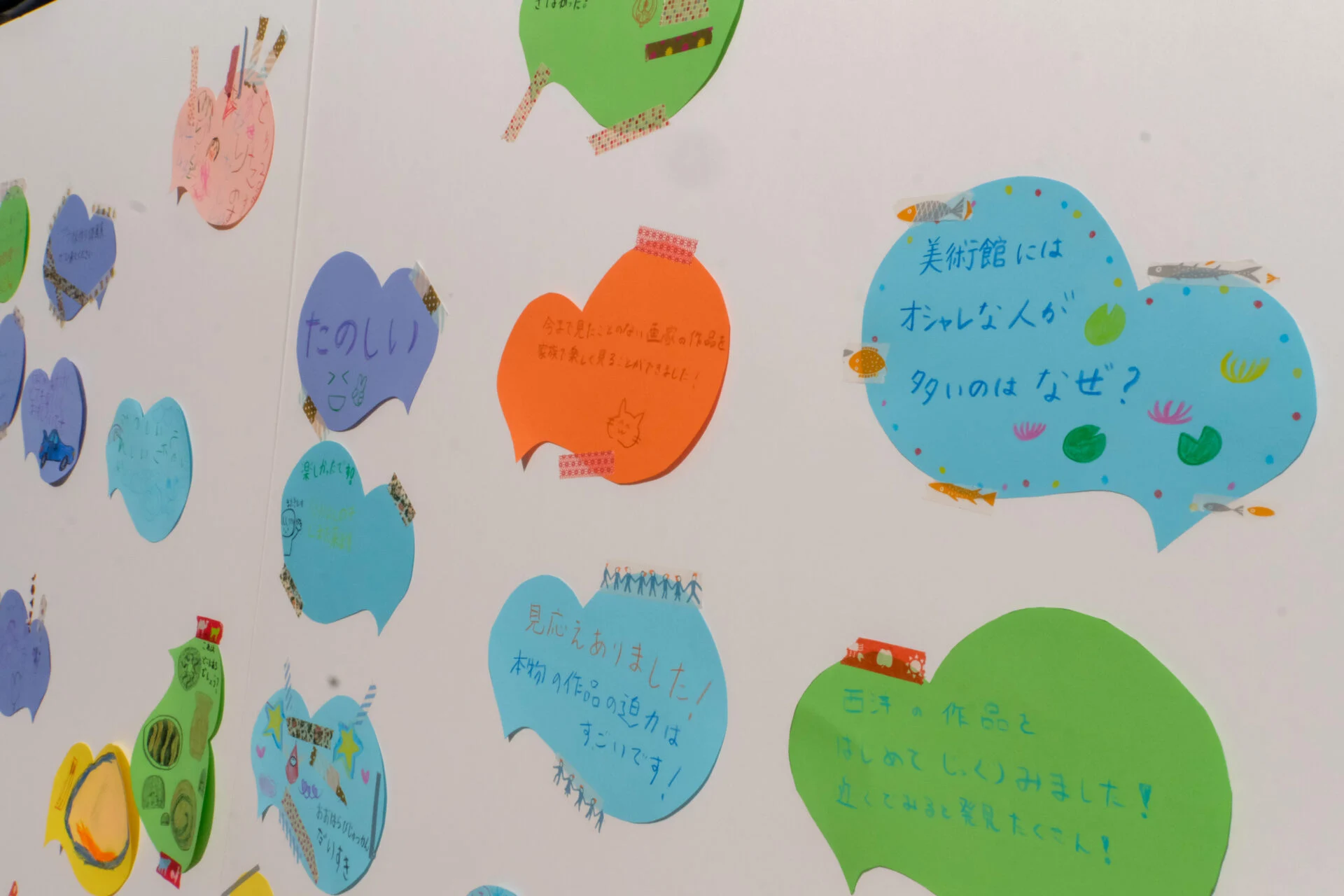
Participants were happily gazing at how their works added color to the Ohara Museum of Art.
Conclusion
"I'm glad that people of various ages enjoyed the event. I want to plan events in the future that will help everyone feel familiar with the museum, using the reflections from this time."
The project manager, who had completed the two-day event, spoke while looking over the venue with a smile.
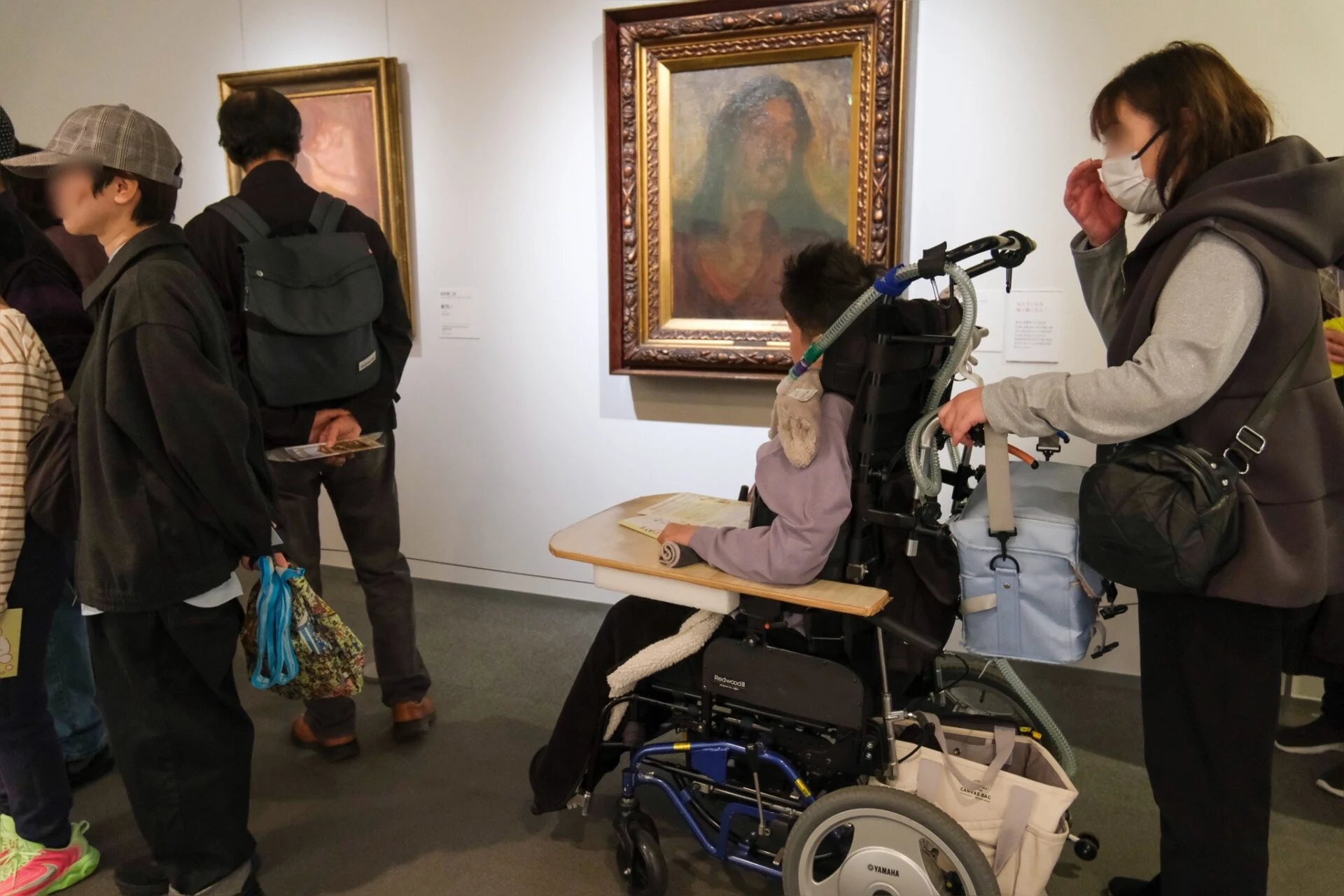
Nannan DAYS has just begun this time.
We can’t take our eyes off the efforts to make it "everyone's My Museum," where anyone can enjoy art.
Articles about the Ohara Museum of Art
Nannan DAYS 2025 Data
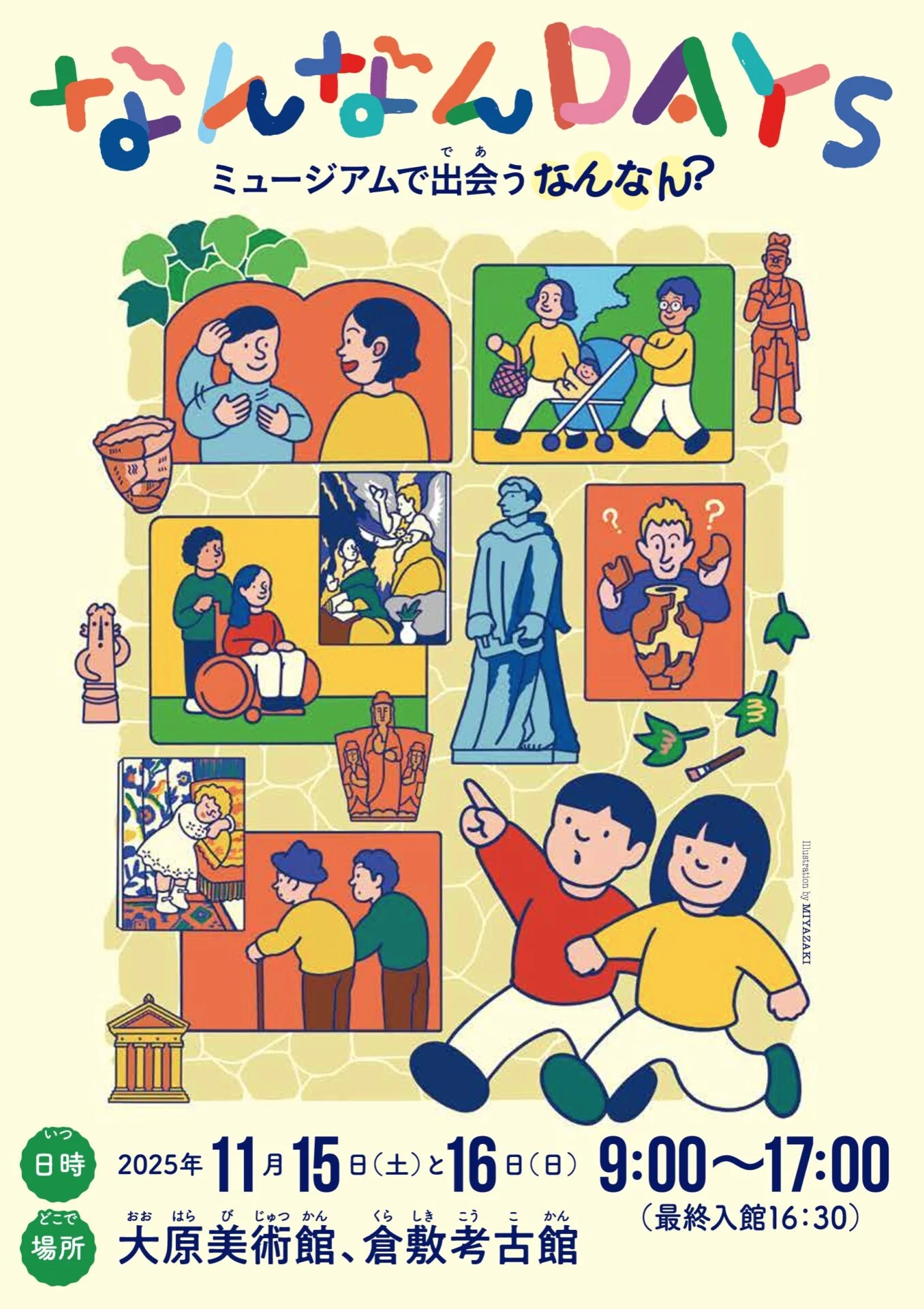
| Name | Nannan DAYS 2025 |
|---|---|
| Date | November 15-16, 2025 9:00 AM - 5:00 PM (Last admission at 4:30 PM) |
| Location | 1-1-15 Chuo, Kurashiki City, Okayama Prefecture |
| Participation Fee (including tax) | General 2,000 yen, Elementary, Middle, and High School Students (under 18) 500 yen, Free for children under elementary school age * Some programs may require a participation fee |
| Website | Nannan DAYS Special Site |