

In a society where the future is uncertain, it is a risky assumption to think that, as in the past, “you can get by as long as you follow a set path.”
To live happily in a way that is true to yourself, each person needs to be independent and decide how to live.
In schools, educators are working on career education to help children in a society that is difficult to predict develop the ability to live while expressing who they are.
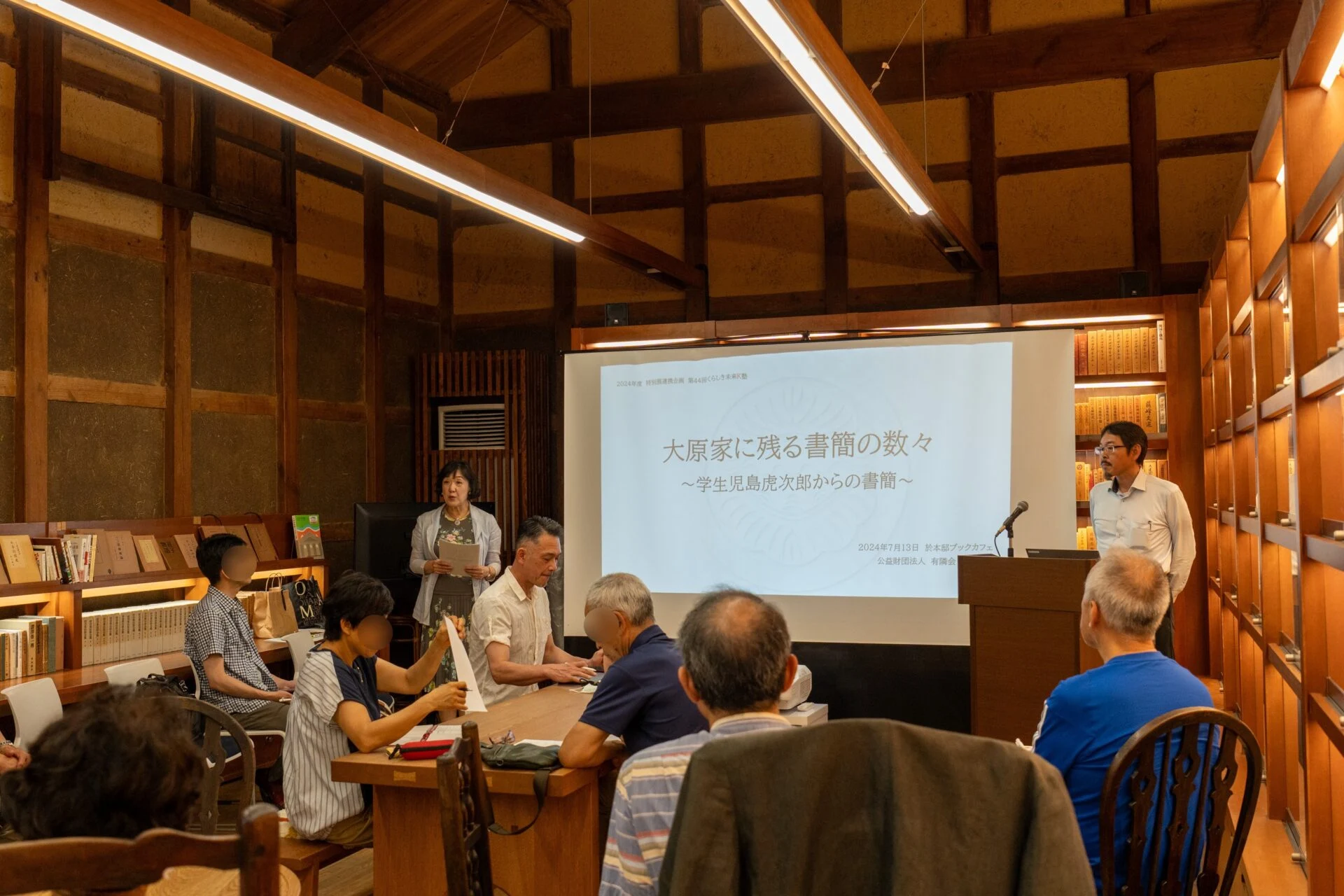
At the “24th Kurashiki Mirai K-juku,” held on Saturday, August 21, 2021, a workshop was held to learn about career counseling.
Here we introduce what was learned through the lecture, including “What is career education?” and “What is expected of career counseling?”
The information presented was current when this article was published in October 2021. Please note that it may differ from current information.
What is Kurashiki Mirai K-juku?

“Kurashiki Mirai K-juku” is a monthly seminar held at Ohara House Katalyzer, with the goal of comprehensive educational reform connecting schools and society, and supporting teachers with a sense of purpose.
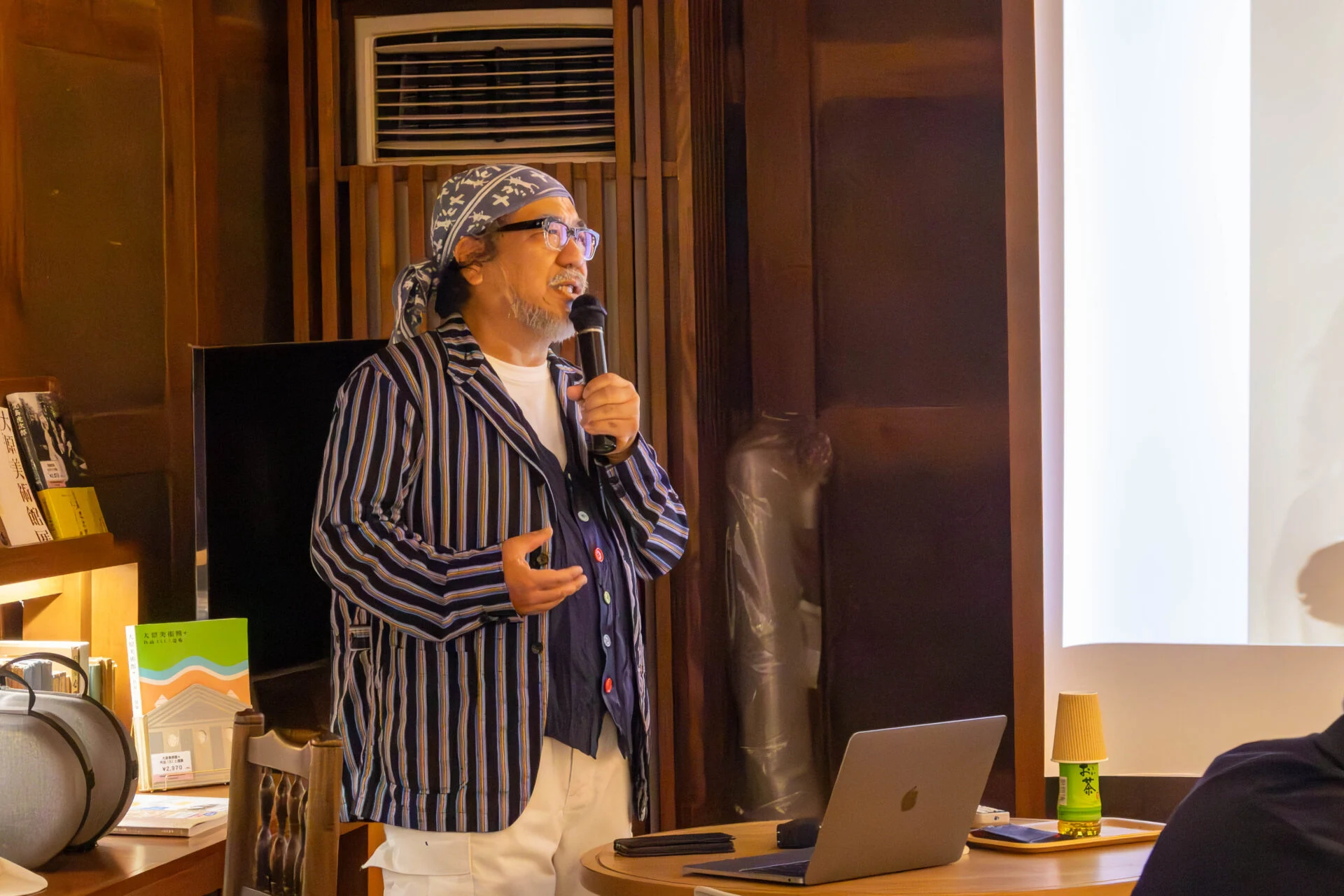
On August 21, 2021, the organizers invited Mayako Emori, a writer and editor specializing in education, to lead a workshop on career counseling.
Most of the participants were current elementary, junior high, and high school teachers.
In consideration of the state of emergency declared in August 2021, the event was held entirely online.
It was a challenging undertaking to hold a career counseling workshop—which calls for communication that is attentive to people’s feelings—through a screen.
Introducing the instructor, Mayako Emori

Instructor Mayako Emori has a background as an editor of education magazines at Recruit Co., Ltd.
From 2015, she worked on educational programs at Okayama Prefectural Wake Shodani School as a Community Revitalization Cooperator in Wake Town, Wake District, Okayama Prefecture. She later established Manabito, a general incorporated association, which provides education and human resource development to support community building.
She currently lives in Wake Town and continues to edit and write about educational programs across Japan as a freelance editor and writer.
Although this workshop’s theme was career counseling, Emori apparently has no background as a career counselor.
She said she planned the workshop because she wanted to bring back to the education field the insights about career counseling she had gained through her work as a writer and editor.

What is career education?
Career education and career development
The lecture began with a definition of career education.
The Ministry of Education, Culture, Sports, Science and Technology (MEXT) defines career education as follows:
Education that promotes career development by fostering the abilities and attitudes that form the necessary foundation for each person’s social and professional independence
Central Council for Education, “On the Future Direction of Career Education and Vocational Education in Schools” (Report), January 31, 2011
To understand the meaning of career education, the definition of the term “career development” was also reviewed.
The process of fulfilling one’s own way of life while playing a role in society
Central Council for Education, “On the Future Direction of Career Education and Vocational Education in Schools” (Report), January 31, 2011
Emori explained the MEXT definitions of career education and career development in easy-to-understand terms.
Career education is often understood as teaching children about attitudes toward work and employment, but people have diverse roles in society.
People’s roles in society include not only work-related activities, such as working for a company as a salaried employee or teaching at a school, but also doing housework and volunteering in the community.
Career development is the process of choosing roles of one’s own accord and fulfilling them in society in a way that is true to oneself.
Emori emphasized that career development has no end and continues until death.
She explained that career education is education that lays the foundation for fulfilling one’s role in society in a way that is true to oneself as career development progresses.

What is career counseling?
Emori said that career education has two directions.
- Developing the ability to live
- Considering how one wants to live and be
She explained that career education encompasses both, and that career counseling supports people in considering how they want to live and be.
For each person to live in society in a way that is true to themselves, they need to understand society and themselves.
Career education is about positioning oneself in society and developing the ability to shine.
She also explained that career counseling includes supporting people to put their individual values into words as they pursue career education.

Workshop 1 ~ Teachers I liked and teachers I disliked ~
Overview of Workshop 1
Workshop 1 focused on the following themes:
Each group had three members, assigned the roles of client (student), counselor (teacher), and supervisor.
In this workshop, the counselor asked the client about the characteristics of teachers they liked and disliked, as well as specific episodes, to help the client clarify their values.
After the workshop, the supervisor, who had observed the conversation between the counselor and client objectively, shared their impressions with all the participants.

Workshop 1 ~ Sharing impressions ~
In one group, the client said, “I didn’t see teachers in terms of whether I liked or disliked them.”
At the start of the workshop, the client seemed unable to recall any particular feelings about teachers they had encountered in the past.
However, as the counselor asked questions and shared their own experiences, the client found it easier to talk and began to express their thoughts.
The supervisor shared their perspective: “The counselor’s gentle way of speaking created a relaxed atmosphere, and the client naturally began to find the words.”
Another group also commented, “Because the counselor thought things through together with the client, the client seemed able to face themselves honestly.”

Workshop 2 ~ Reflecting on who I am now ~
Overview of Workshop 2
Workshop 2 involved a conversation reflecting on “who I am now as a teacher.”
It followed the same format as Workshop 1, with the counselor asking the client questions to explore their values in depth.
Workshop 1 looked back on the past, while Workshop 2 focused on thinking about oneself in the present.

Workshop 2 ~ Sharing impressions ~
One group paired a current elementary school teacher as counselor with a current high school teacher as the student. They commented, “Because the students they usually work with are different ages, it felt as though they saw things from different perspectives.”
“At the same time, they could empathize with each other as teachers, and felt the appeal of teaching as a profession.”
They said they could see how the counselor’s expressions and words showing interest in the other person helped bring out the client’s strengths.
In another group, the counselor played the role of an elementary school nurse teacher, while the client played a high school teacher.
The supervisor shared their impression: “Seeing how the counselor shared the client’s distress and thought things through with them as if it were their own, I could sense the client beginning to trust them.”

Reflections from instructor Emori
Emori said she led the workshop not as an instructor, but as a facilitator.
This time, she deliberately did not explain counseling techniques, instead leaving the participants to decide how to conduct the dialogue.
Even without being given specific methods, the participants were able to draw out the clients’ values and strengths through the workshop. This led her to feel that people who work as teachers already have the skills to listen to others.
The basic principle of facilitation is to believe that the answers lie within the client (student) and leave things up to them.
She explained that career education is about how to draw out the jewel-like strengths within clients and help them shine.

What I learned about career counseling
I had thought career education and career counseling were about guidance on future paths.
It was new to me to learn that career means not only further education or employment, but one’s way of life.
I chose my path through high school, university, and employment without giving it much thought, but after I started working, I sometimes questioned what it meant to be alive.
I now find my work fulfilling, but I volunteer in the community and write because I enjoy life.
I feel that encountering the values of many people has broadened my perspective and enriched my heart.
To live happily, it is important to have opportunities to put into words why we live and what we enjoy doing.
I hope we can create a society where all children recognize their own strengths and can live while enjoying themselves through career education.

Articles about Ohara House Katalyzer
24th Kurashiki Mirai K-juku / Career Counseling Skills: A Workshop for Teachers to Explore “Themselves” Information
| Name | 24th Kurashiki Mirai K-juku / Career Counseling Skills: A Workshop for Teachers to Explore “Themselves” |
|---|---|
| Date | August 21, 2021 (Sat), 1:00–3:00 p.m. |
| Location | 1-2-1 Chuo, Kurashiki City |
| Website | 24th Kurashiki Mirai K-juku Special Program: Career Education Instructor Development Seminar |


What would you like to know about Kurashiki?
Enter a word to search articles on this site






































Teachers I liked as a child.
Teachers I disliked as a child.